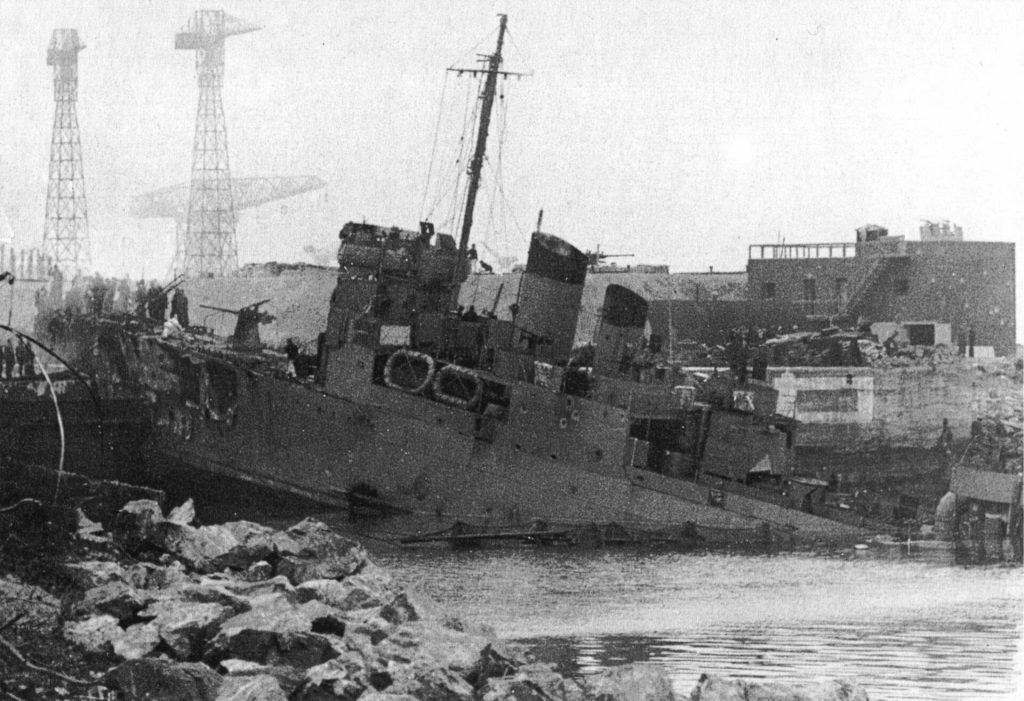
28 March 1942: The St Nazaire Raid
An old destroyer packed with explosives rams the gates of the only dry dock on the Atlantic coast big enough for the Tirpitz. Hours later, it blows up.
Dispatches involving France.
An old destroyer packed with explosives rams the gates of the only dry dock on the Atlantic coast big enough for the Tirpitz. Hours later, it blows up.
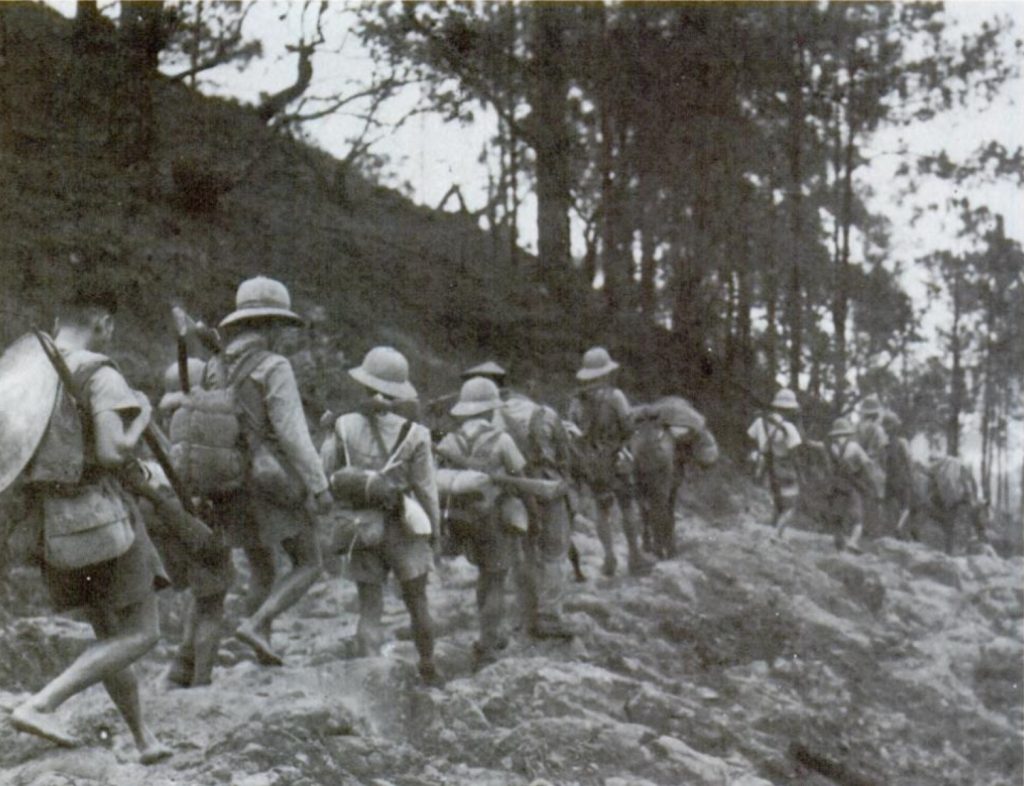
After four years of uneasy coexistence, Japanese forces overthrow the French colonial government across Indochina in a single night.
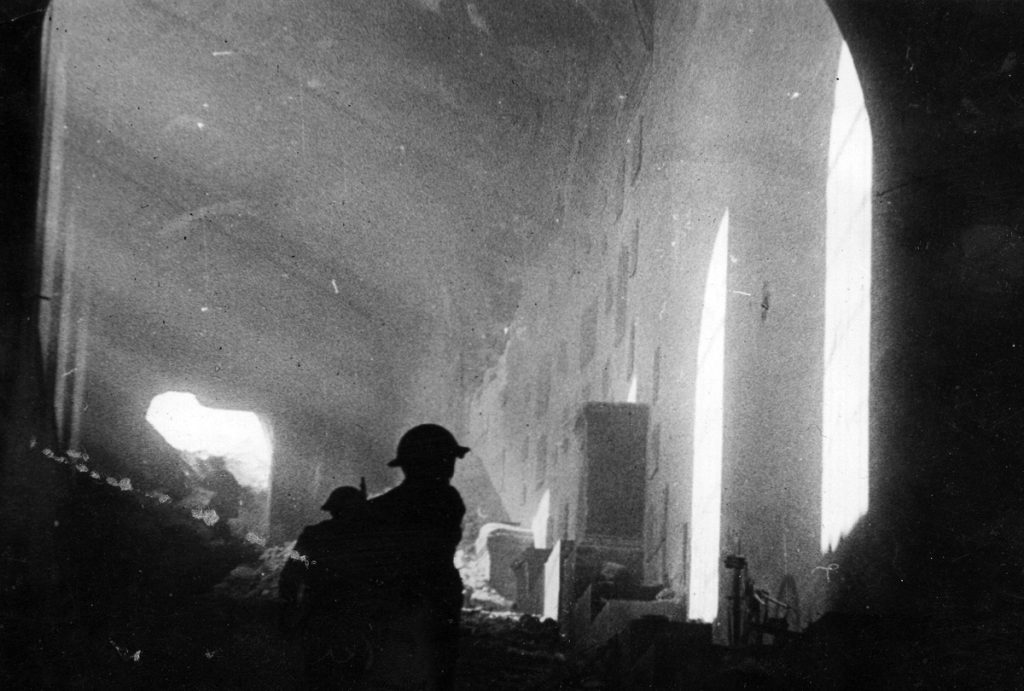
British troops cross the Garigliano to open the first of four bloody battles for the Gustav Line, the German barrier blocking the road to Rome.
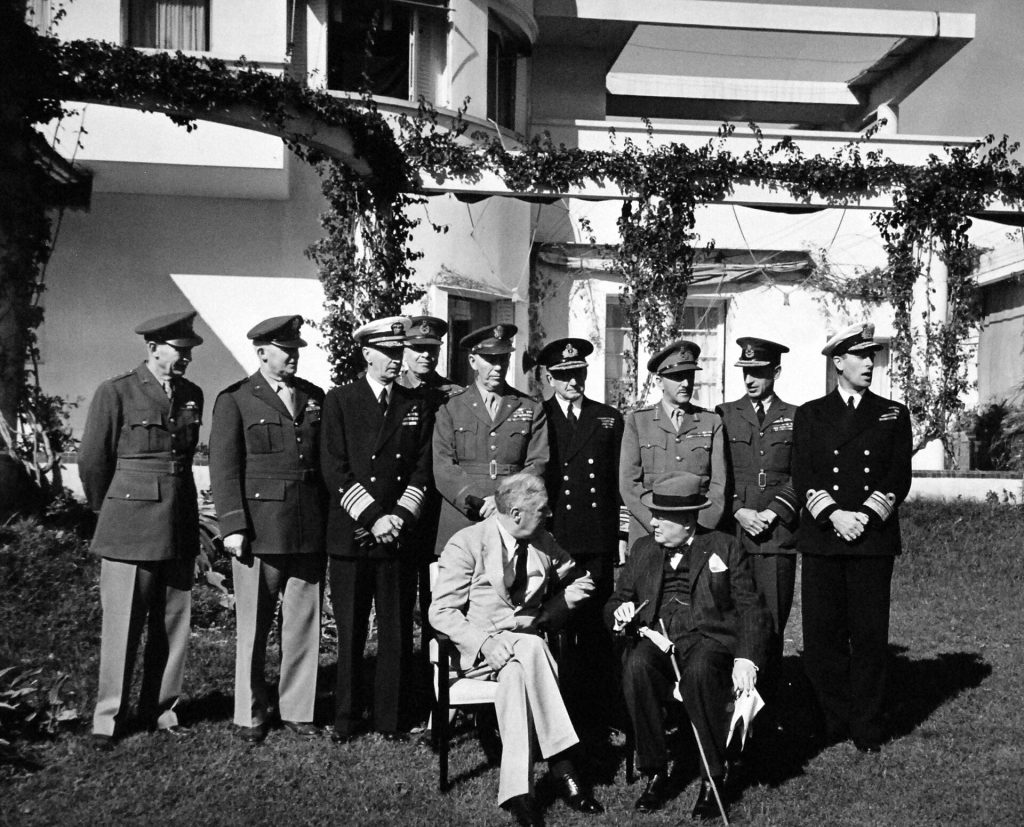
Roosevelt and Churchill meet in liberated Morocco to plan the next year of the war. They leave with a decision on Sicily and a demand the Axis will hear loud and clear: unconditional surrender.
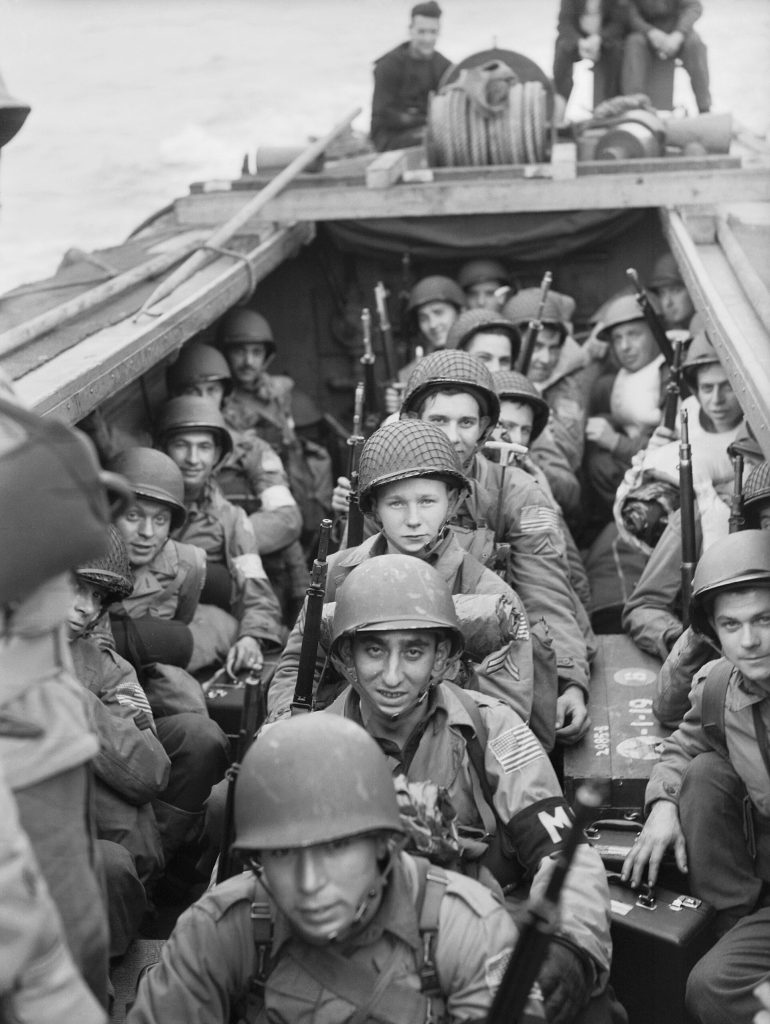
American and British forces land at Casablanca, Oran and Algiers in the first great Anglo-American offensive of the war, under a little-known general named Dwight Eisenhower.
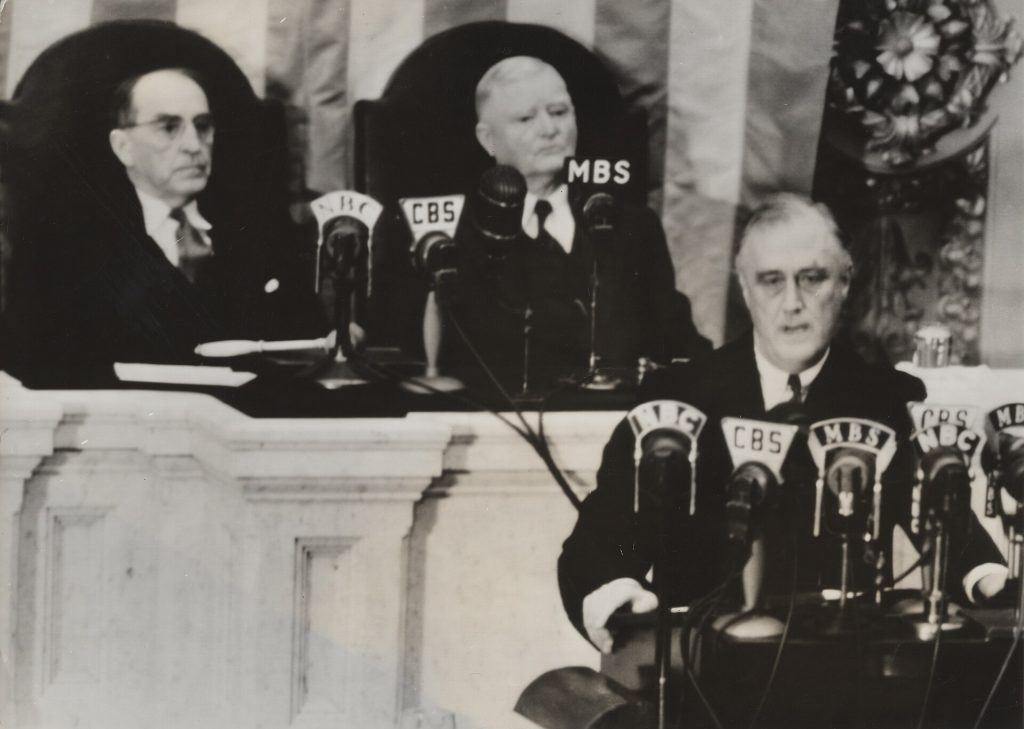
President Roosevelt signs the Neutrality Act of 1939, lifting the arms embargo so that Britain and France can buy American weapons, provided they pay cash and carry them home in their own ships.
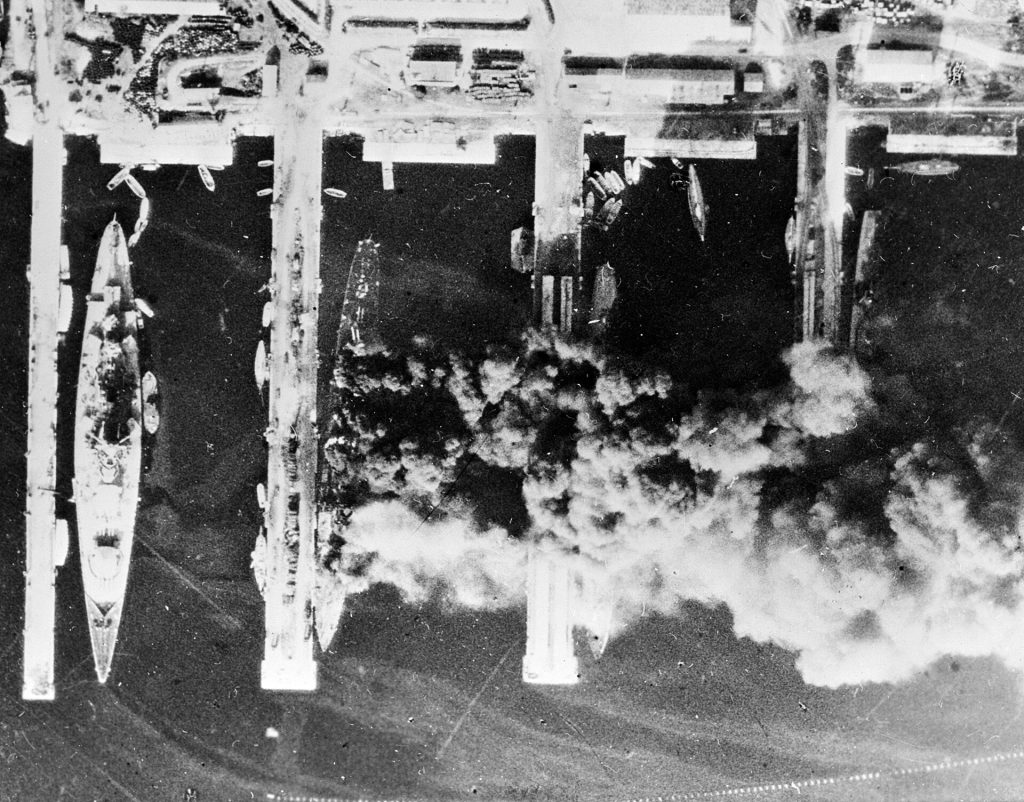
As German troops burst into the naval base, French crews open the sea cocks and set charges. In a few hours most of the French fleet is on the bottom of Toulon harbour.
 United Kingdom
 United States
 Soviet Union
 Germany
 Japan
 France
 Poland
 South Africa