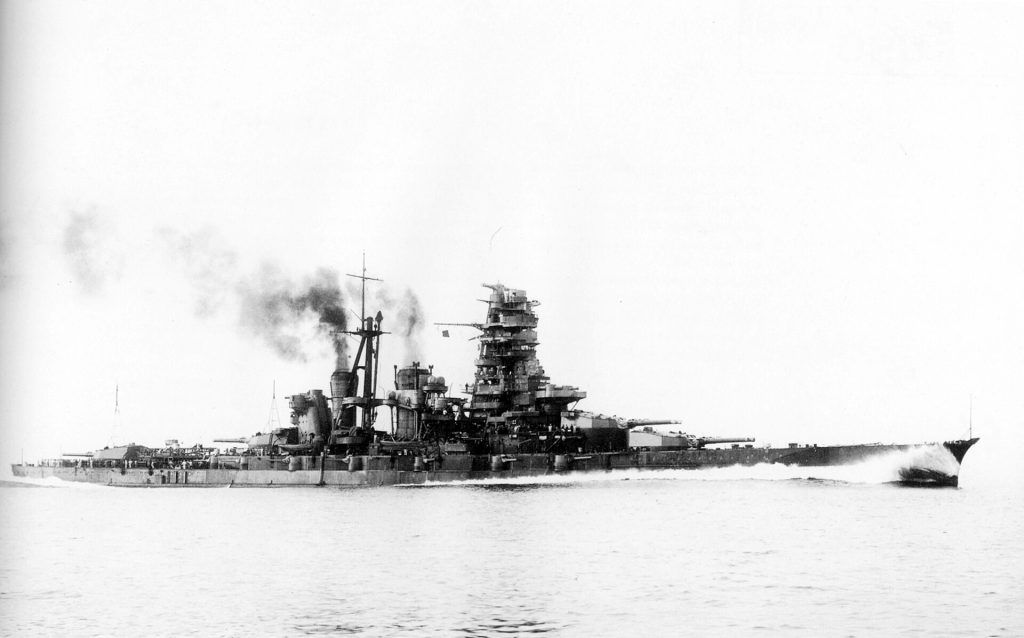
21 November 1944: The Sinking of the Battleship Kongō
In the dark waters north of Formosa, the American submarine Sealion torpedoes the veteran battleship Kongō, the only Japanese battleship sunk by a submarine in the war.
From Pearl Harbor to Tokyo Bay: carriers, islands and the war against Japan.
In the dark waters north of Formosa, the American submarine Sealion torpedoes the veteran battleship Kongō, the only Japanese battleship sunk by a submarine in the war.

Off the coast of Western Australia, a cruiser closes in on a merchant ship that is not what it seems. Both vessels are lost, and none of Sydney’s 645 men survive.
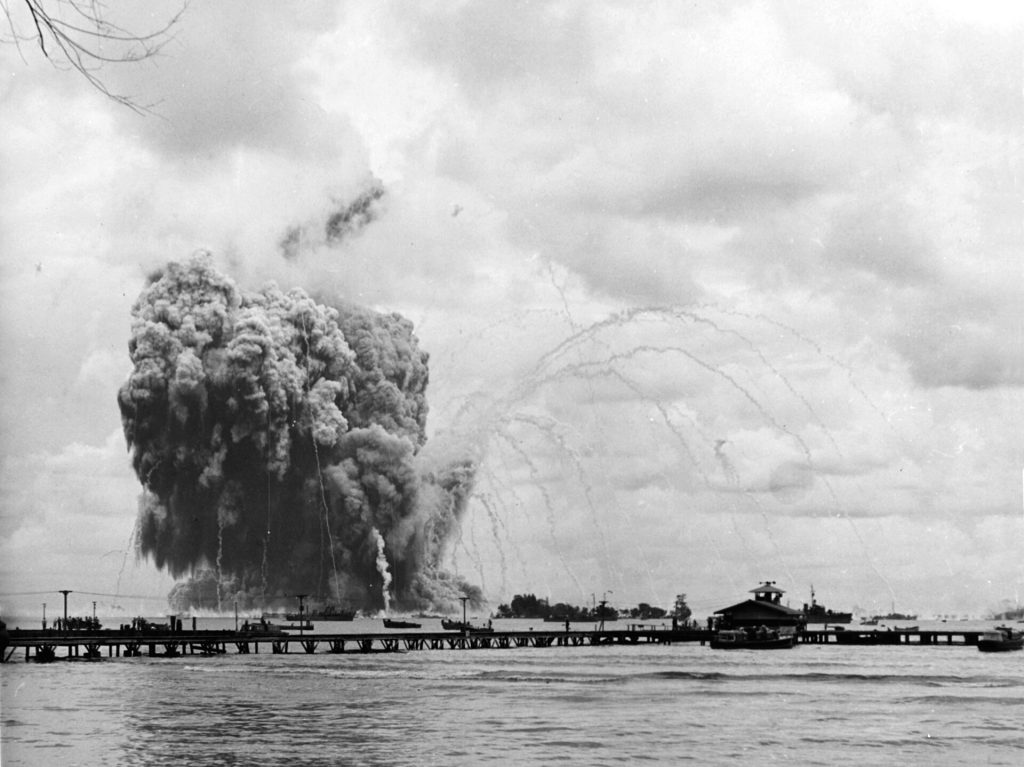
In a crowded anchorage in the Admiralty Islands, an ammunition ship carrying about 3,800 tons of explosives vanishes in a single blast that leaves no trace of the men aboard.
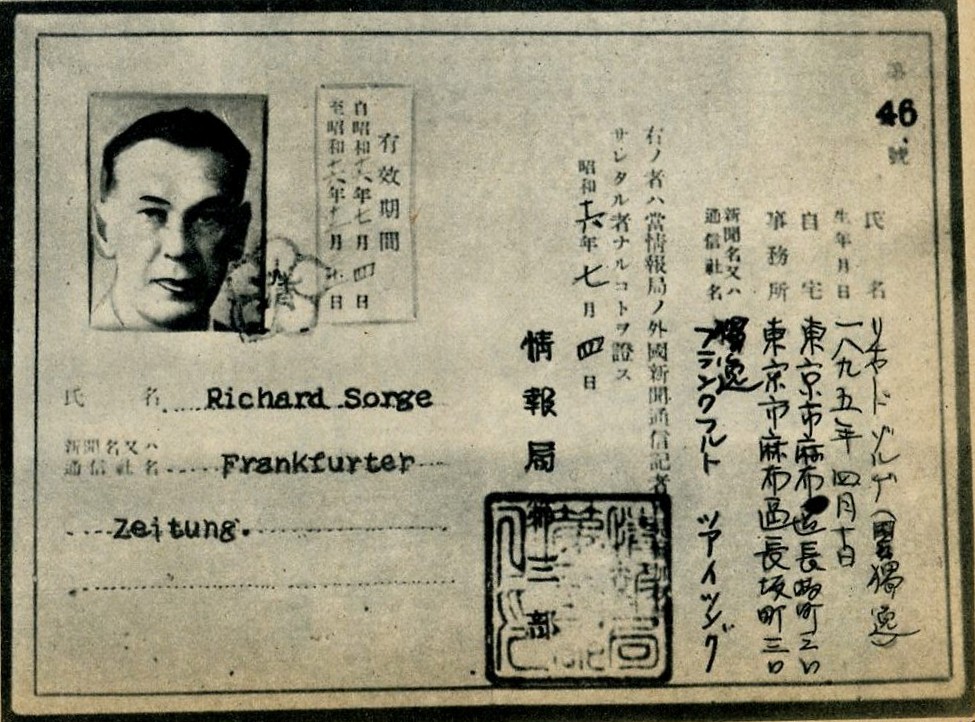
In a Tokyo prison, the Soviet master spy who warned Moscow of Barbarossa and learned that Japan would not attack the Soviet Union goes to the gallows.
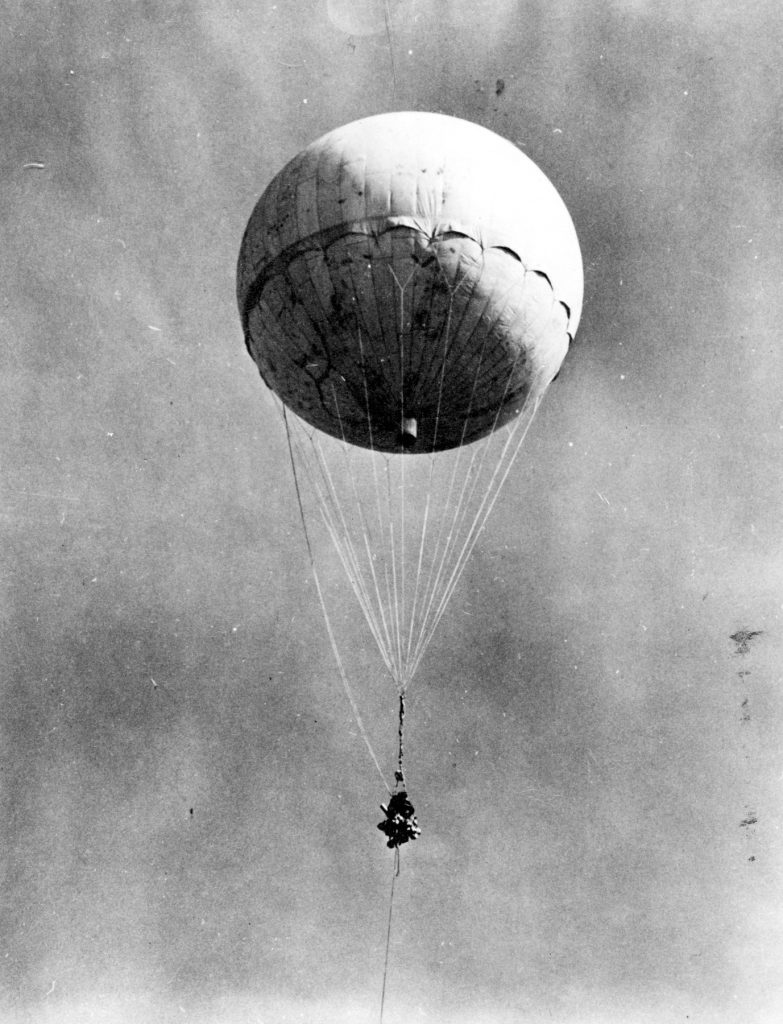
From the beaches of Honshu, Japan releases the first of some 9,300 paper balloons carrying bombs on the jet stream across the Pacific towards North America.
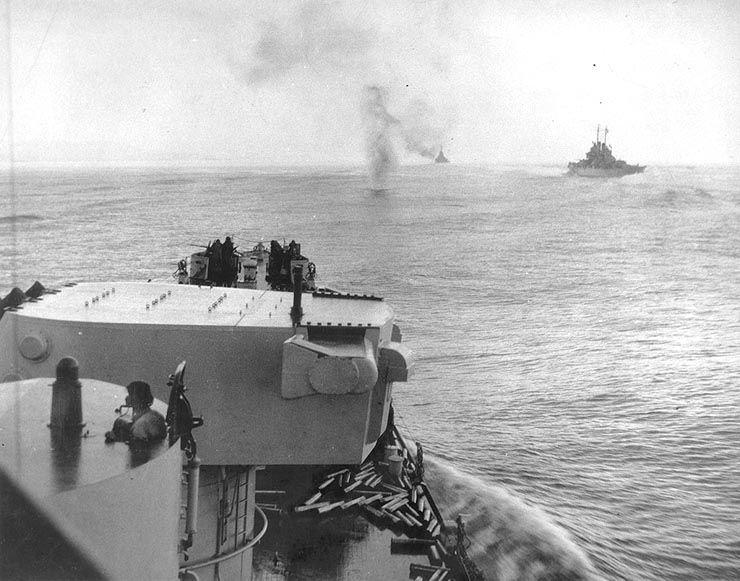
In the dark hours after the Bougainville landings, an American cruiser force under radar control turns back a Japanese squadron sent to smash the beachhead.
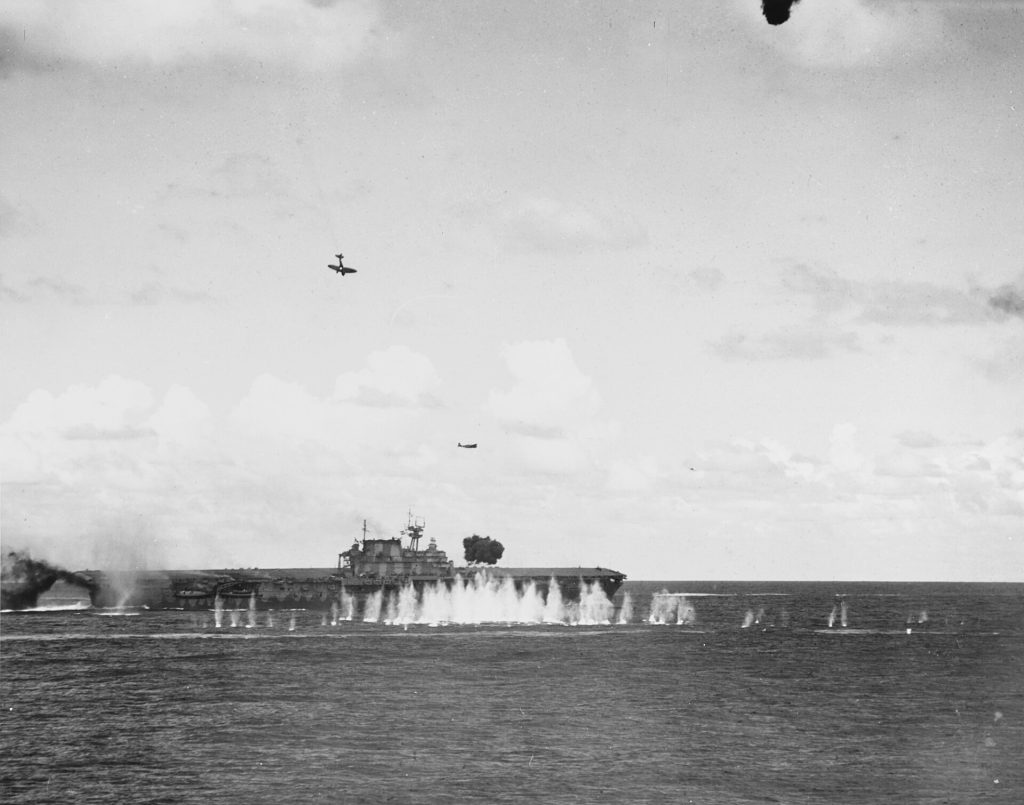
North of Guadalcanal, American and Japanese carrier forces strike at each other. The carrier USS Hornet is lost. Japan wins the battle but cannot afford its losses.
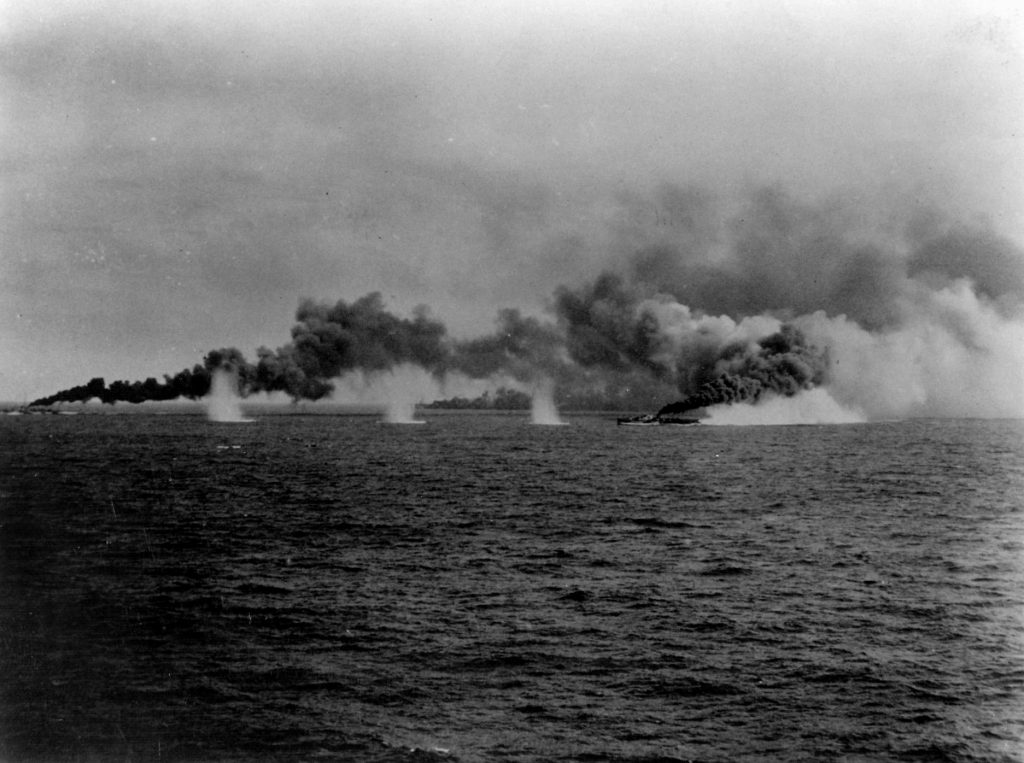
Off Samar, a small group of American escort carriers and destroyers suddenly finds the Japanese battleship Yamato and the main Japanese fleet bearing down on it. The destroyers turn and attack.
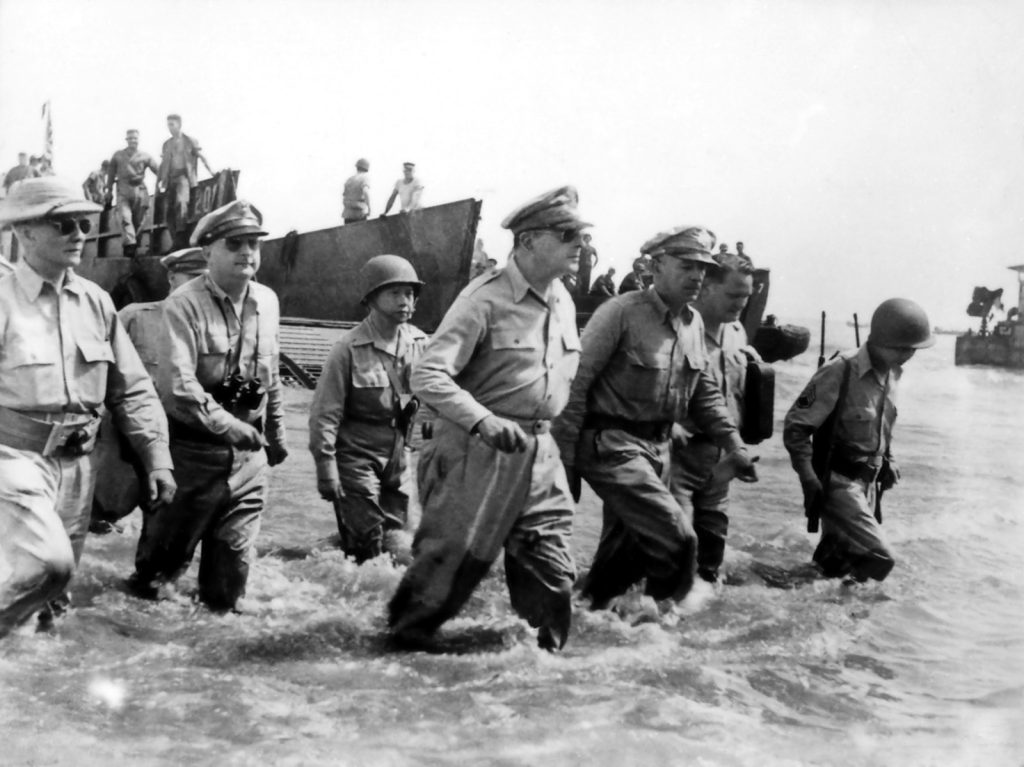
American troops land on Leyte in the central Philippines. A few hours later, General MacArthur wades ashore and speaks to the Filipino people: he has returned.
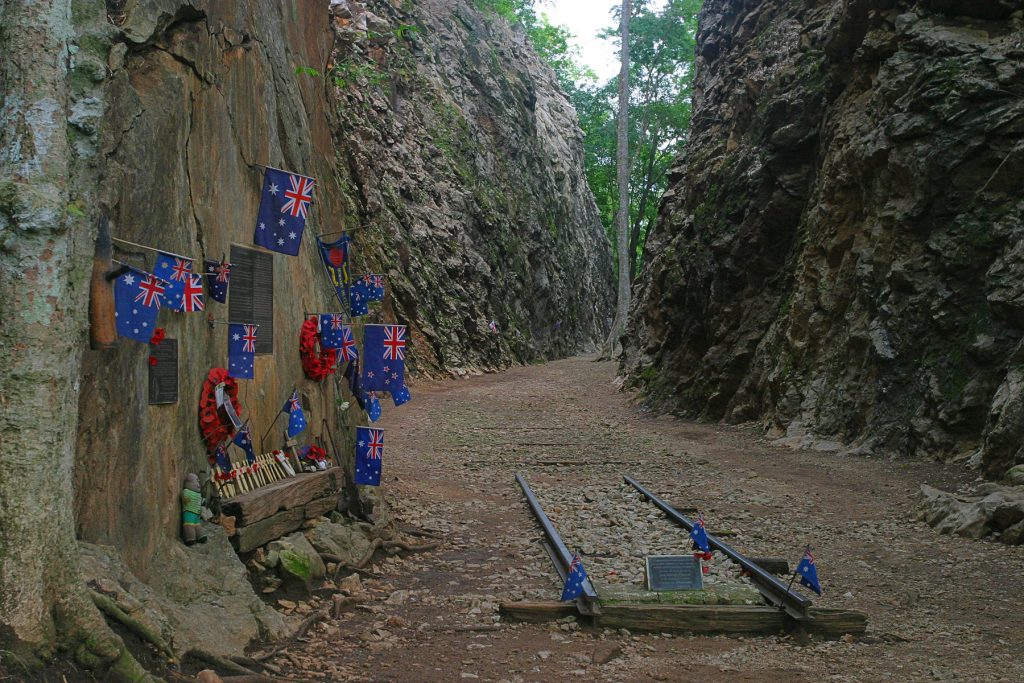
Near the Thai-Burmese border, the two halves of a 415-kilometre railway built by prisoners of war and Asian labourers are joined. Tens of thousands have died building it.
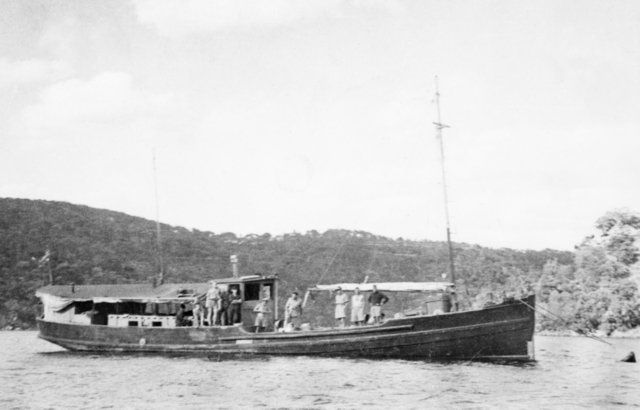
Under cover of darkness, canoeists from a battered old Japanese fishing boat paddle into Singapore harbour and fix limpet mines to Japanese ships. Then they slip away.
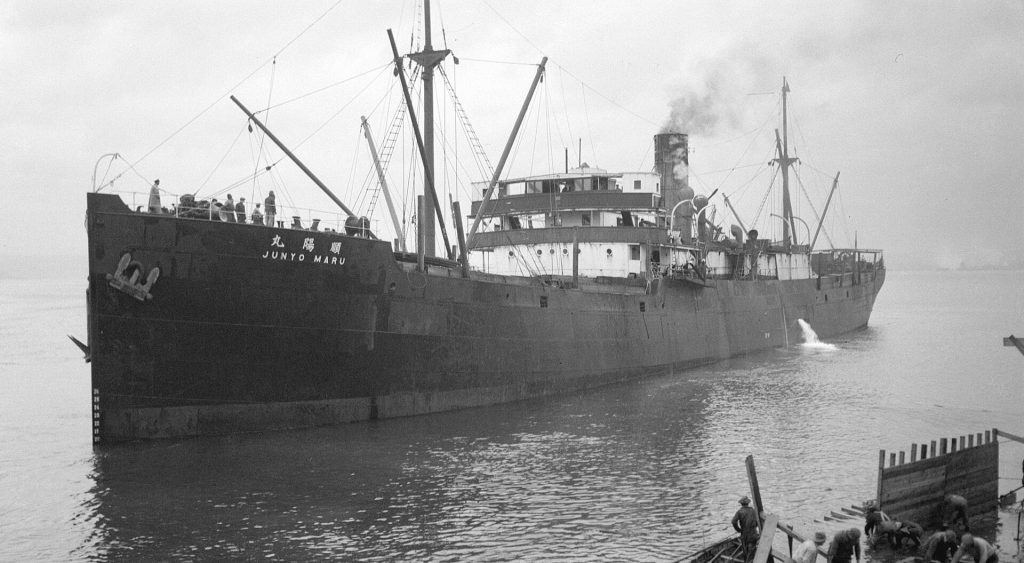
Off the coast of Sumatra, a British submarine torpedoes a Japanese cargo ship. Packed in her holds are thousands of Allied prisoners of war and Javanese forced labourers.
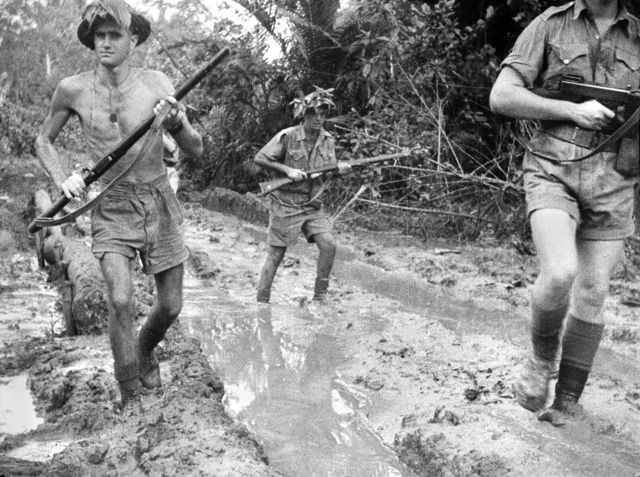
Beaten back from the airstrips at the eastern tip of Papua, the Japanese begin evacuating their surviving troops by sea. For the first time in the Pacific war, a Japanese landing has been defeated on land.
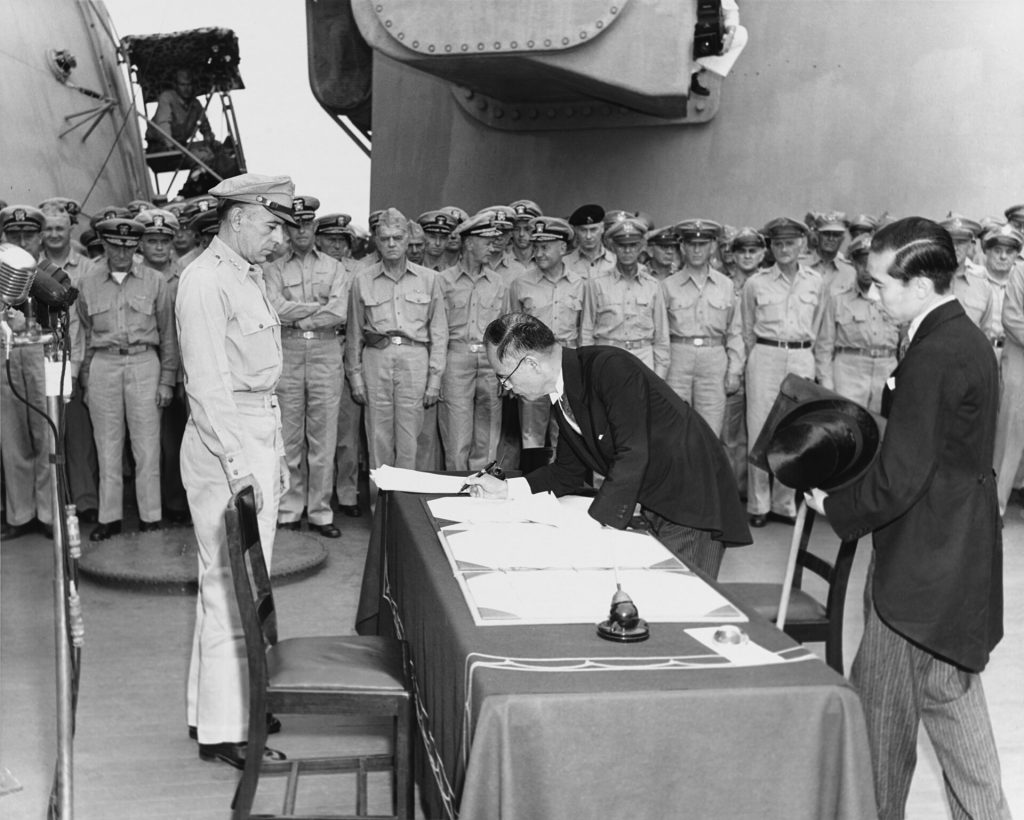
In Tokyo Bay, aboard the battleship USS Missouri, Japan’s representatives sign the Instrument of Surrender. After six years and a day, the Second World War is over.
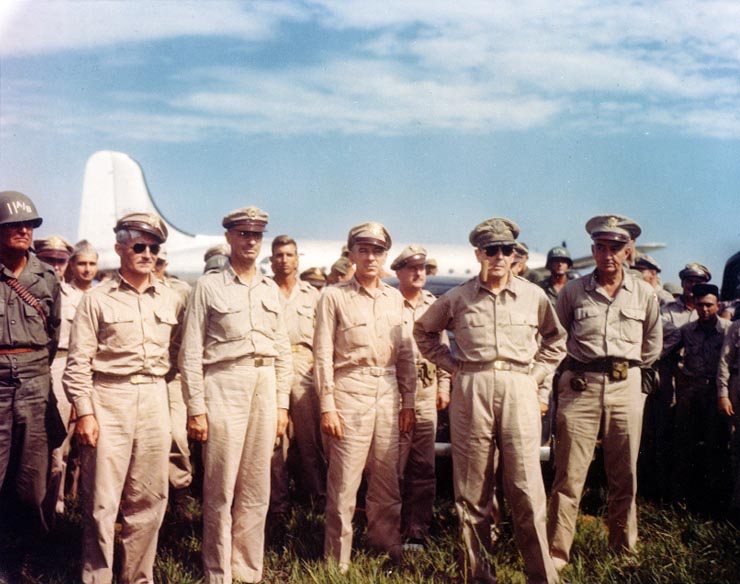
General Douglas MacArthur steps from his aircraft at Atsugi airfield near Tokyo, corncob pipe in hand. The occupation of Japan has begun.
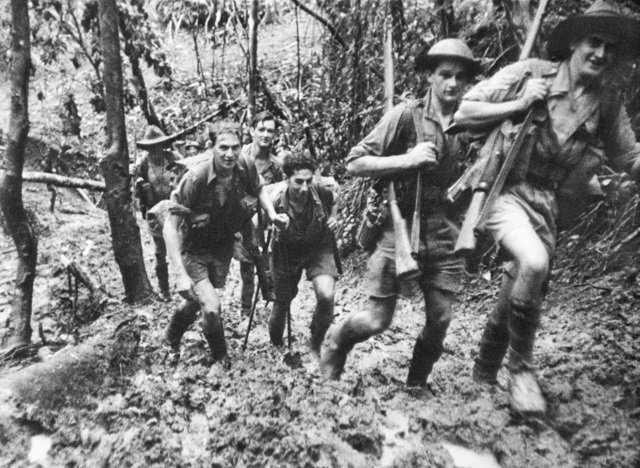
High on the Kokoda Track in Papua, outnumbered Australian militia and AIF battalions stand against the Japanese drive on Port Moresby.
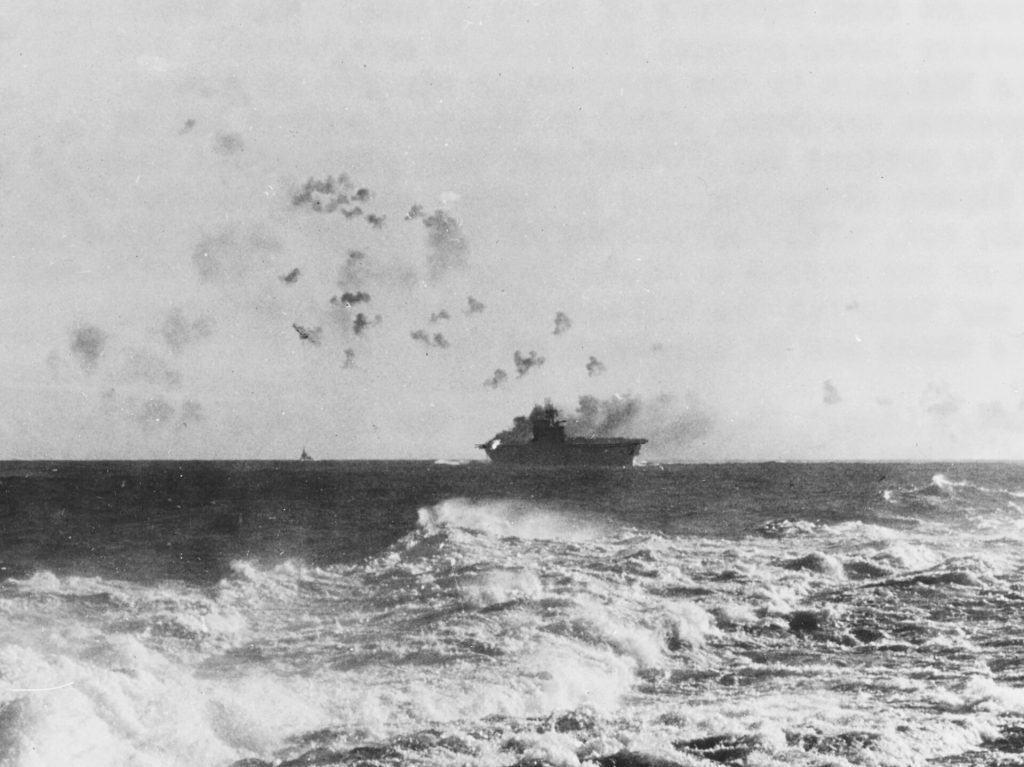
Japanese and American aircraft carriers clash for the third time in the war, as Japan tries to land reinforcements on Guadalcanal.
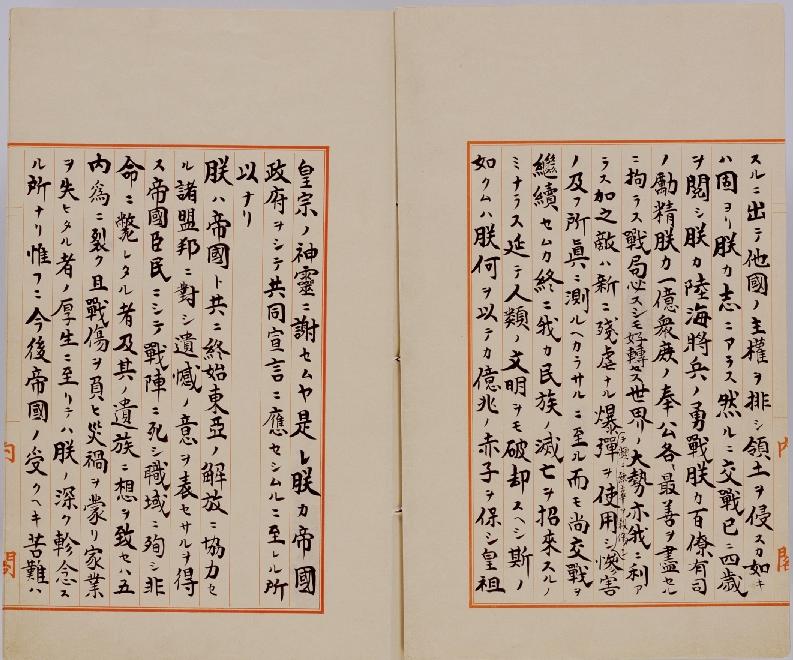
At noon, Japanese people across the empire hear the voice of their Emperor for the first time. In formal court language, Hirohito tells them that Japan will accept the Allied terms.
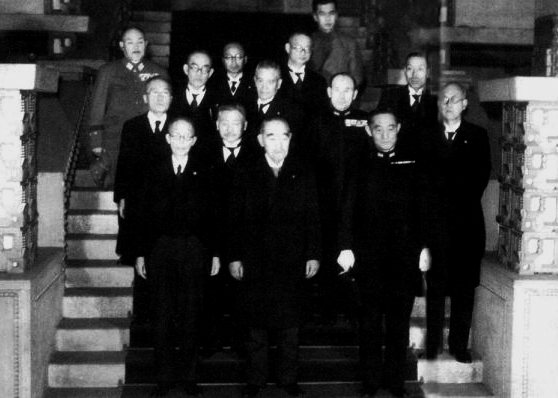
After a deadlocked night meeting, Emperor Hirohito breaks the tie. Japan tells the Allies it will accept the Potsdam Declaration, on one condition: the Emperor’s position must be preserved.
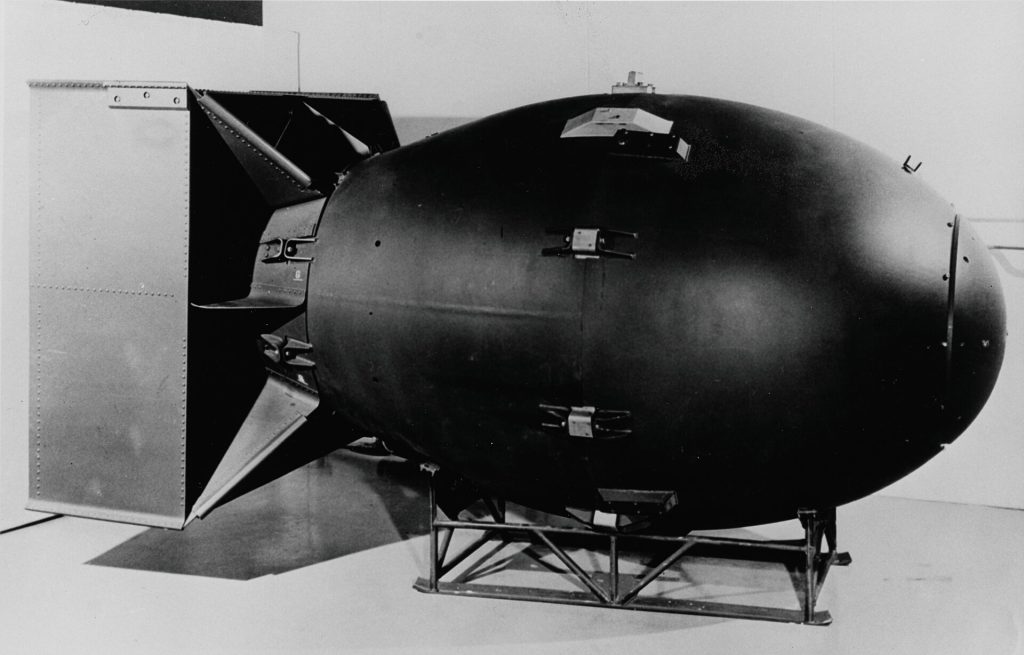
Three days after Hiroshima, a second atomic bomb is dropped. Clouds over the primary target, Kokura, send the B-29 Bockscar on to Nagasaki.
 United Kingdom
 United States
 Soviet Union
 Germany
 Japan
 France
 Poland
 South Africa