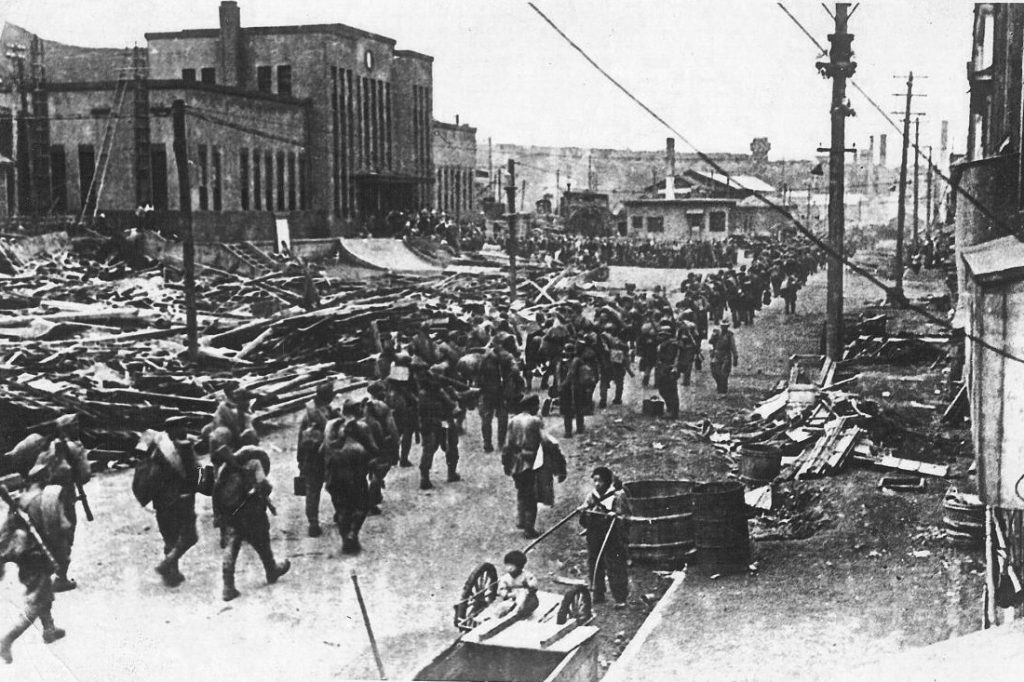
8 August 1945: The Soviet Union Declares War on Japan
Exactly three months after Germany’s surrender, as Stalin promised at Yalta, Moscow declares war on Japan. Within hours, Soviet armies pour into Manchuria.
From Pearl Harbor to Tokyo Bay: carriers, islands and the war against Japan.
Exactly three months after Germany’s surrender, as Stalin promised at Yalta, Moscow declares war on Japan. Within hours, Soviet armies pour into Manchuria.
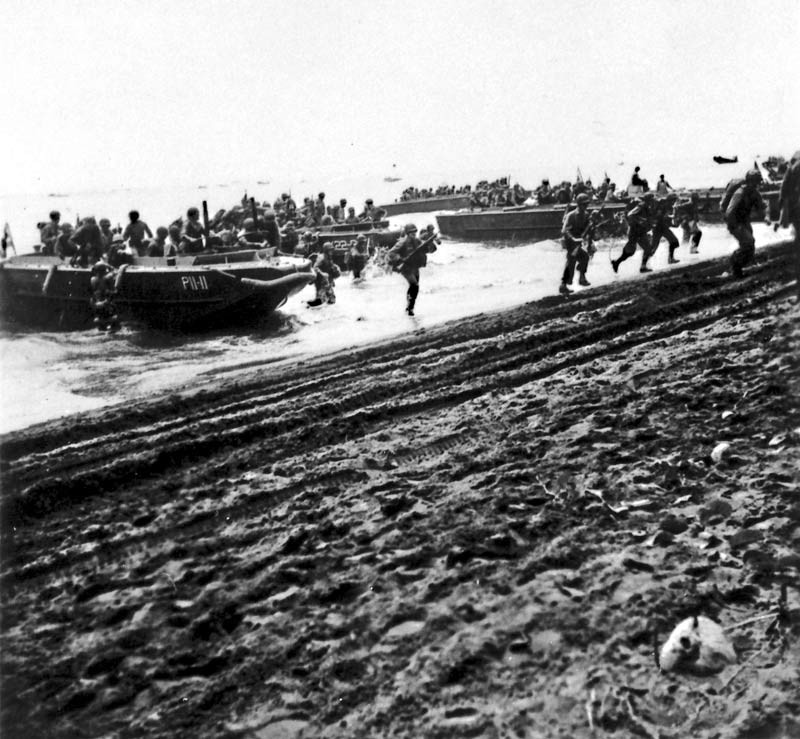
US Marines land on Guadalcanal and nearby Tulagi in the Solomon Islands. It is the first major Allied offensive against Japan, and it will last six months.
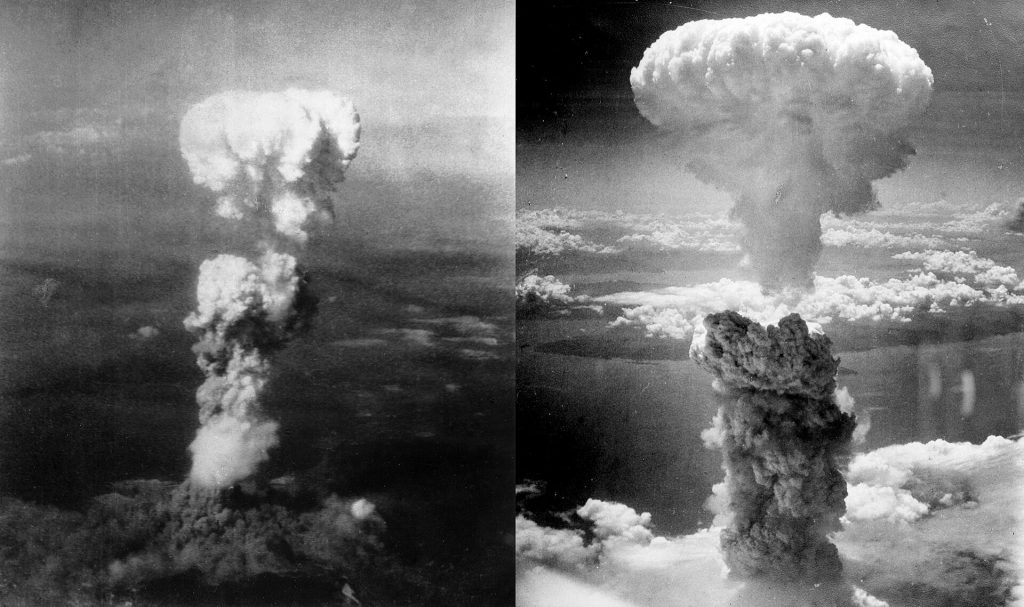
At 08:15, the American B-29 Enola Gay drops an atomic bomb on Hiroshima. A single bomb destroys most of the city.
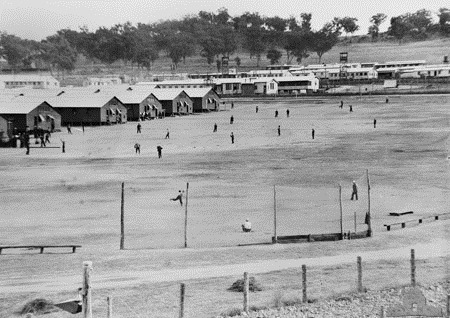
In the early hours, more than a thousand Japanese prisoners of war at Cowra in New South Wales charge the wire. It is one of the largest prison escapes of the war.
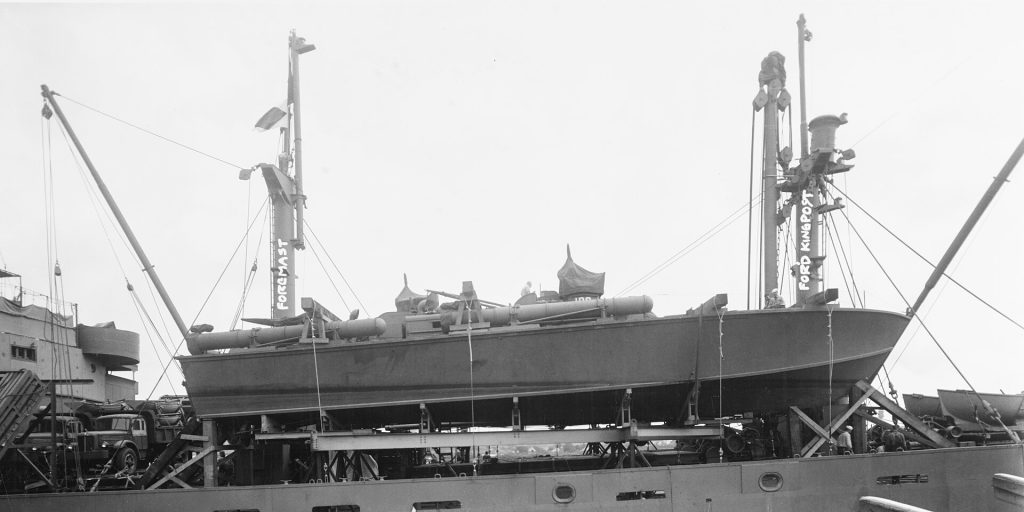
In the dark of Blackett Strait in the Solomons, a Japanese destroyer rams and slices through an American torpedo boat. Its young commander is Lieutenant John F. Kennedy.
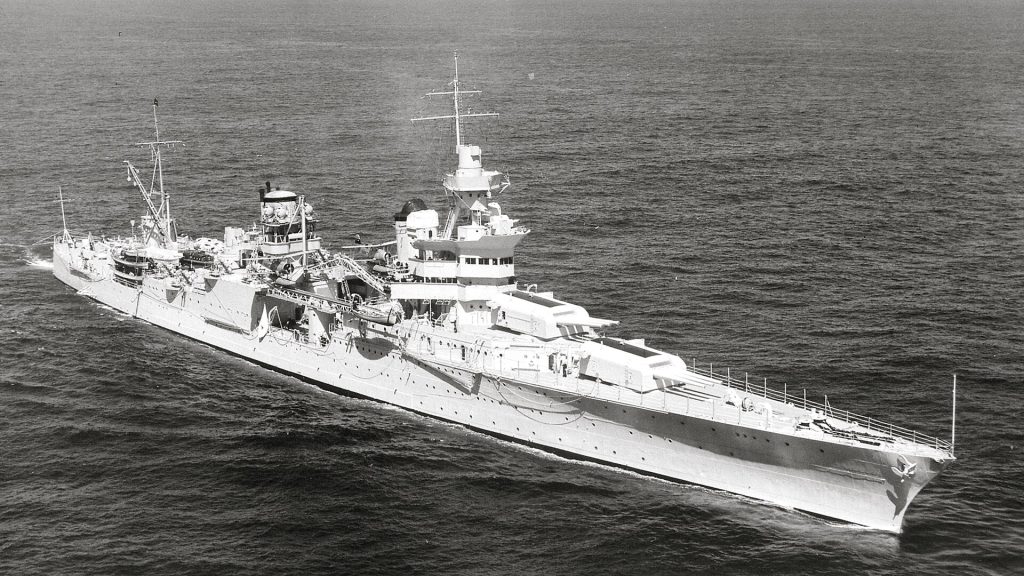
Just after midnight, a Japanese submarine torpedoes the cruiser USS Indianapolis in the Philippine Sea. She sinks in minutes. For four days, nobody knows that hundreds of survivors are in the water.
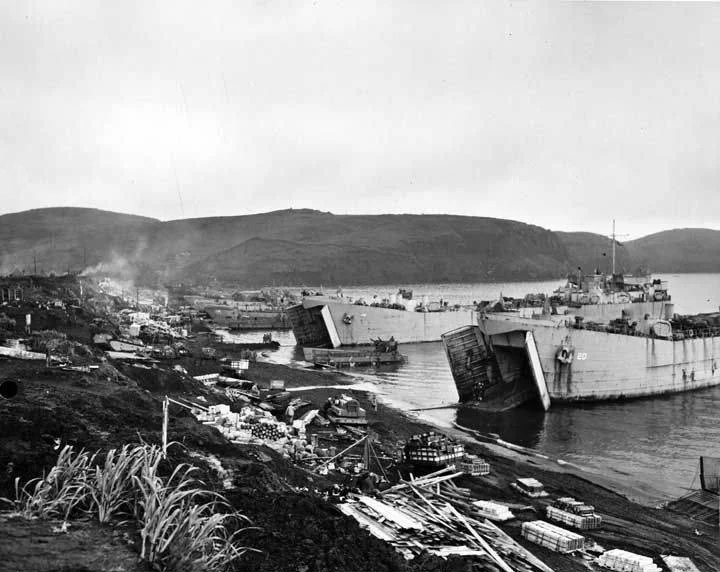
Under cover of thick Aleutian fog, Japanese warships slip into Kiska harbour and take off the entire garrison. The Americans and Canadians, unaware, prepare to invade an empty island.
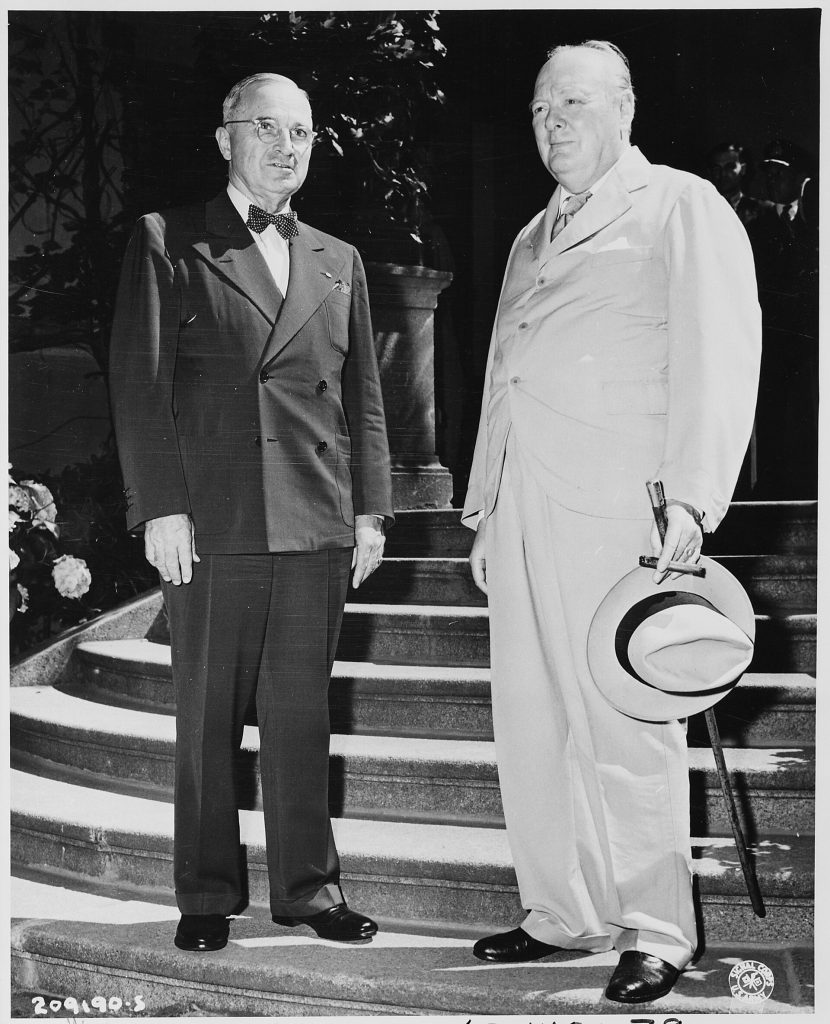
From Potsdam, the United States, Britain and China call on Japan to surrender unconditionally. The alternative, they warn, is “prompt and utter destruction”.
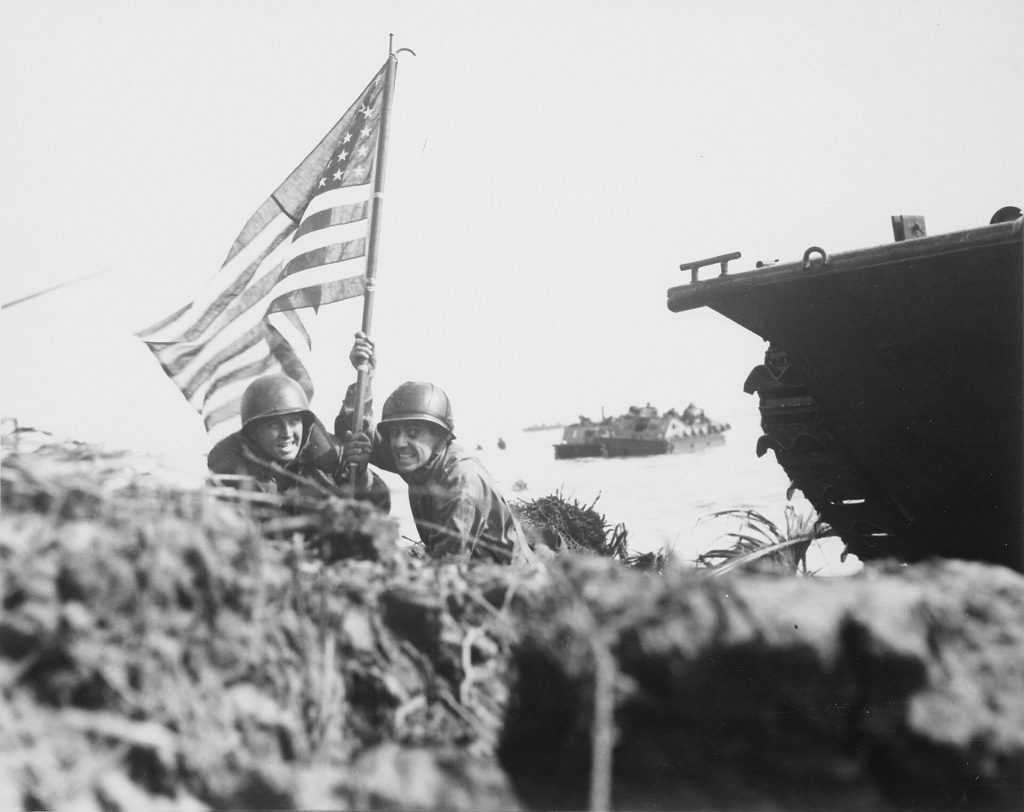
After the longest preliminary bombardment of the Pacific war so far, American Marines and soldiers land on Guam, the US territory captured by Japan in December 1941.
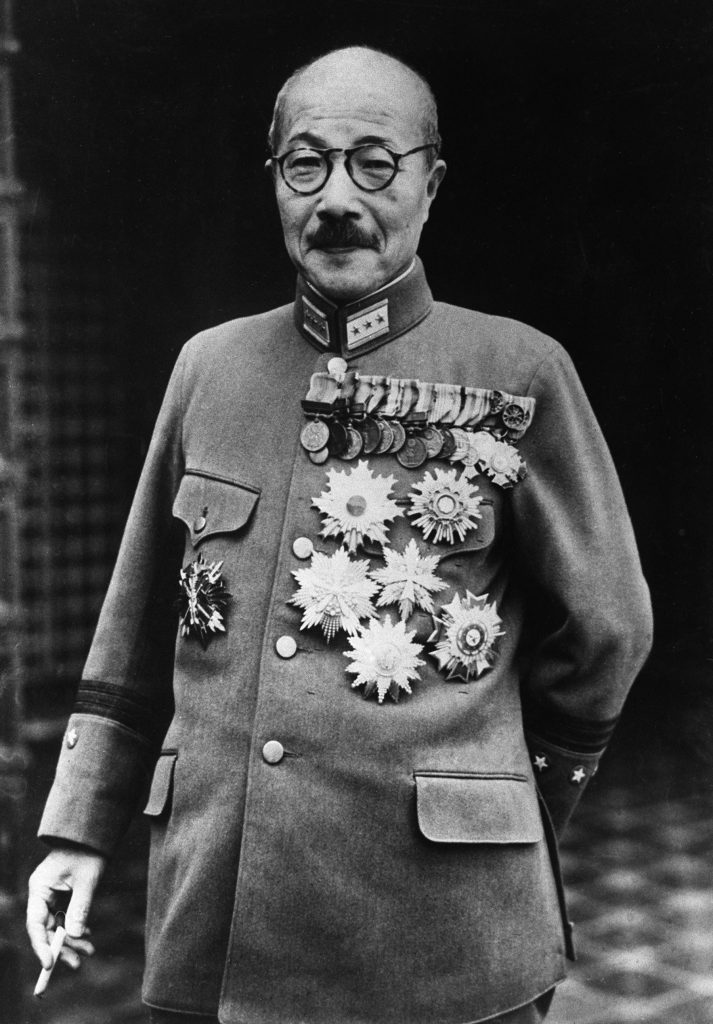
After the loss of Saipan, General Hideki Tojo and his cabinet resign. The man who led Japan into war with the United States is out of power.
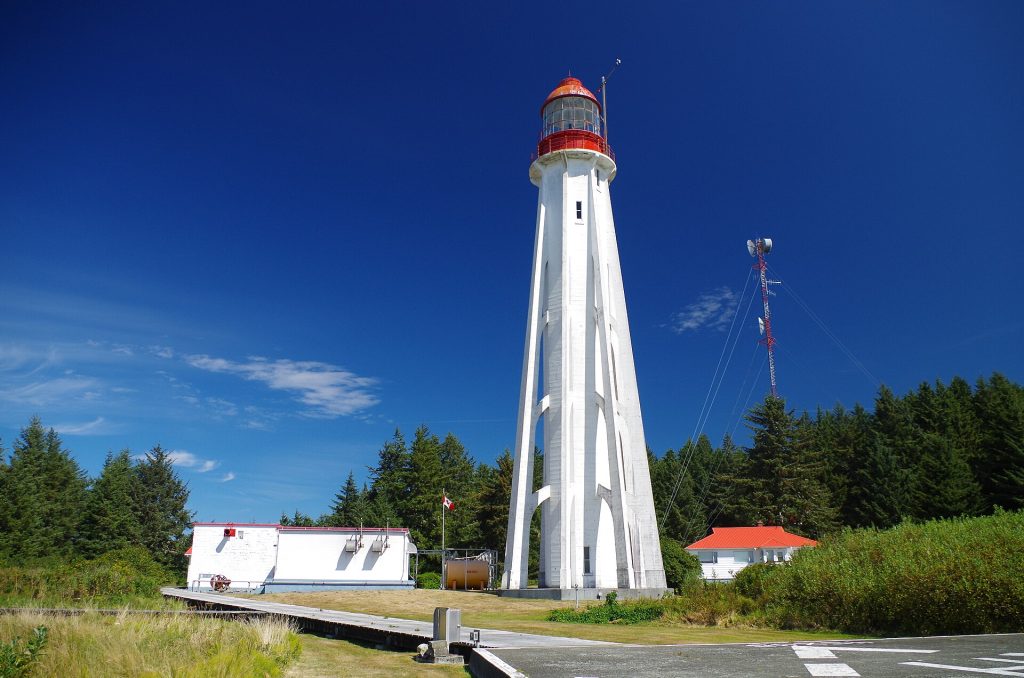
A Japanese submarine surfaces off Vancouver Island and fires on a remote lighthouse. It is the first enemy attack on Canadian soil since the War of 1812.
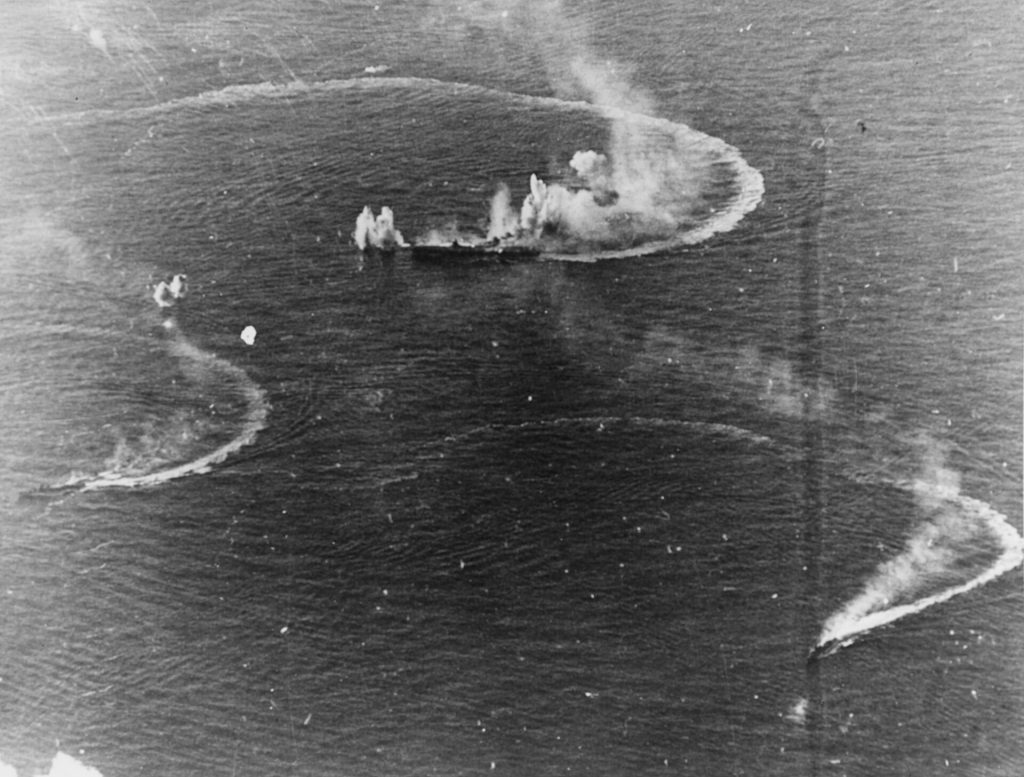
Japan throws its rebuilt carrier air power at the American fleet off the Marianas. American pilots shoot down so many aircraft that they call it the Great Marianas Turkey Shoot.
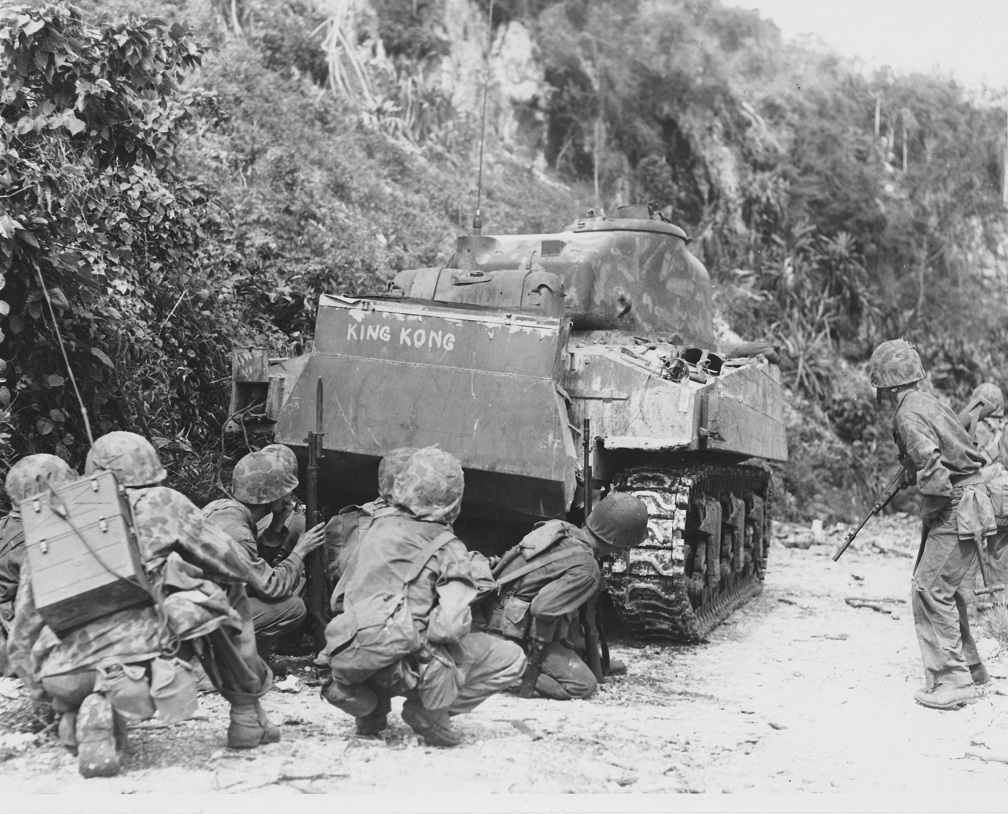
American Marines storm ashore on Saipan in the Mariana Islands, inside Japan’s inner defence perimeter and within bomber range of Tokyo.
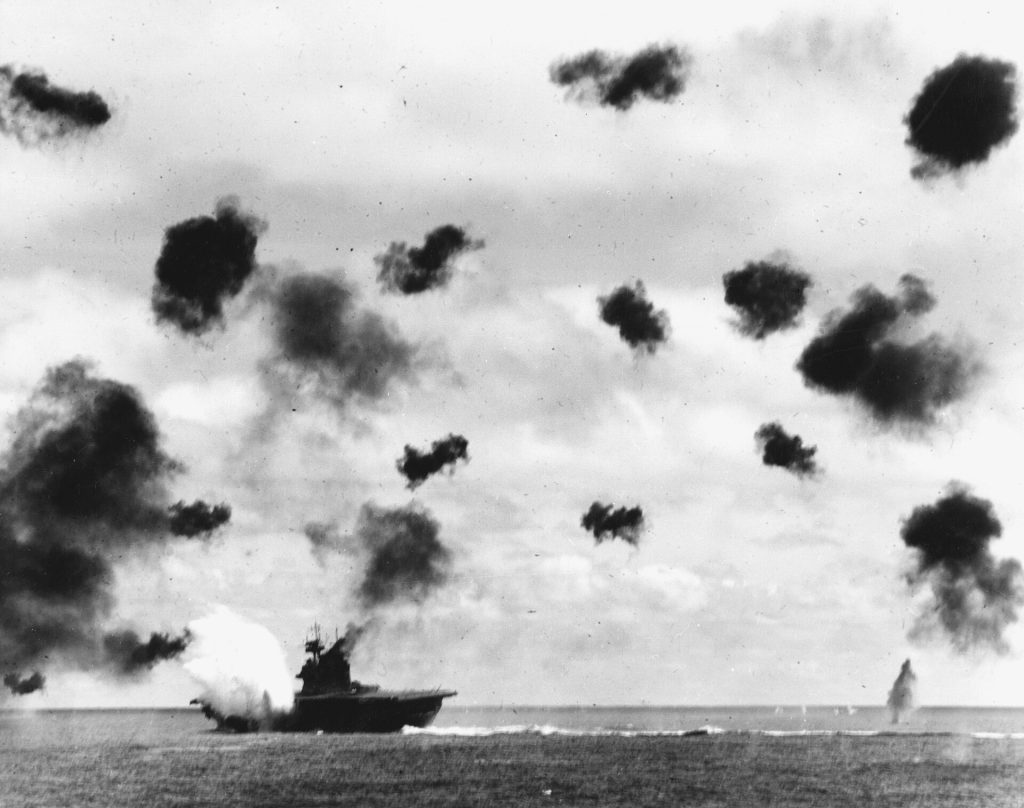
In five minutes, American dive bombers set three Japanese aircraft carriers ablaze. By nightfall a fourth is burning. The tide of the Pacific war has turned.
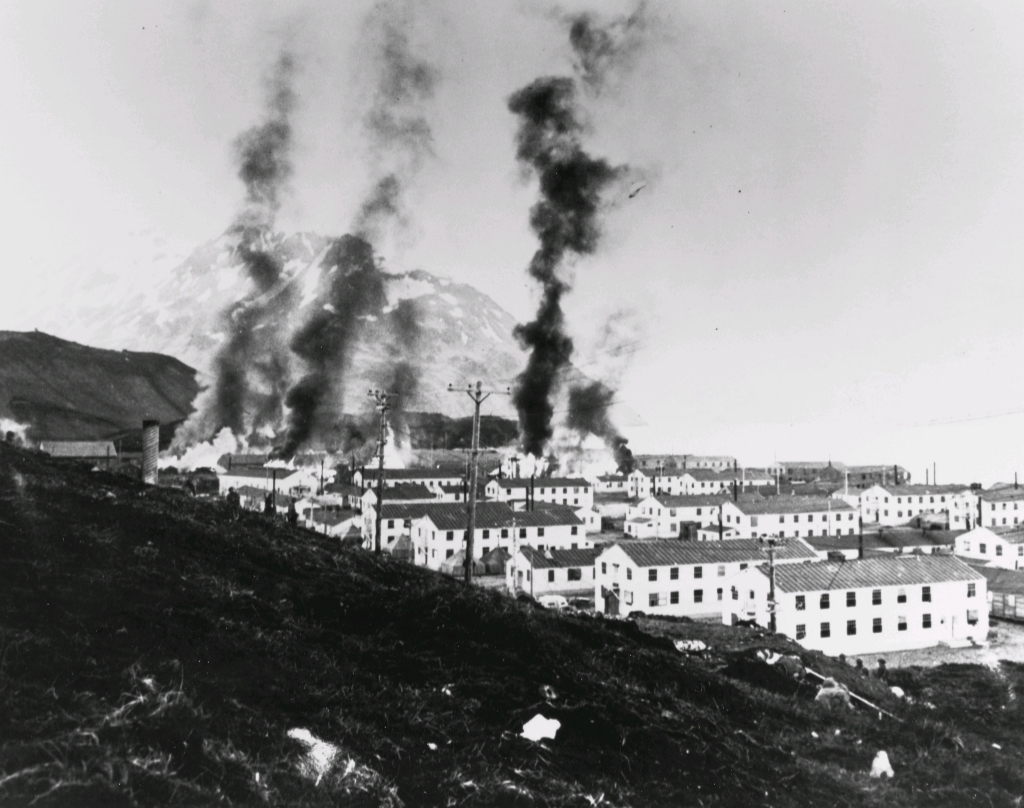
Japanese carrier aircraft bomb the American base at Dutch Harbor in the Aleutian Islands. Days later, Japanese troops land on Kiska and Attu.
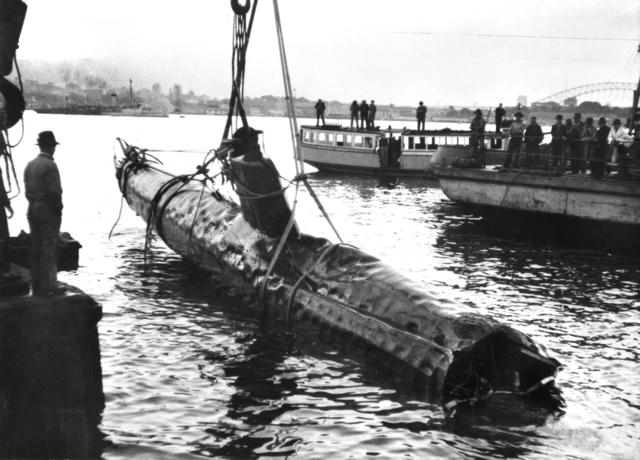
Three Japanese midget submarines slip into Sydney Harbour at night. One fires torpedoes at an American cruiser, misses, and sinks a depot ship full of sleeping sailors.
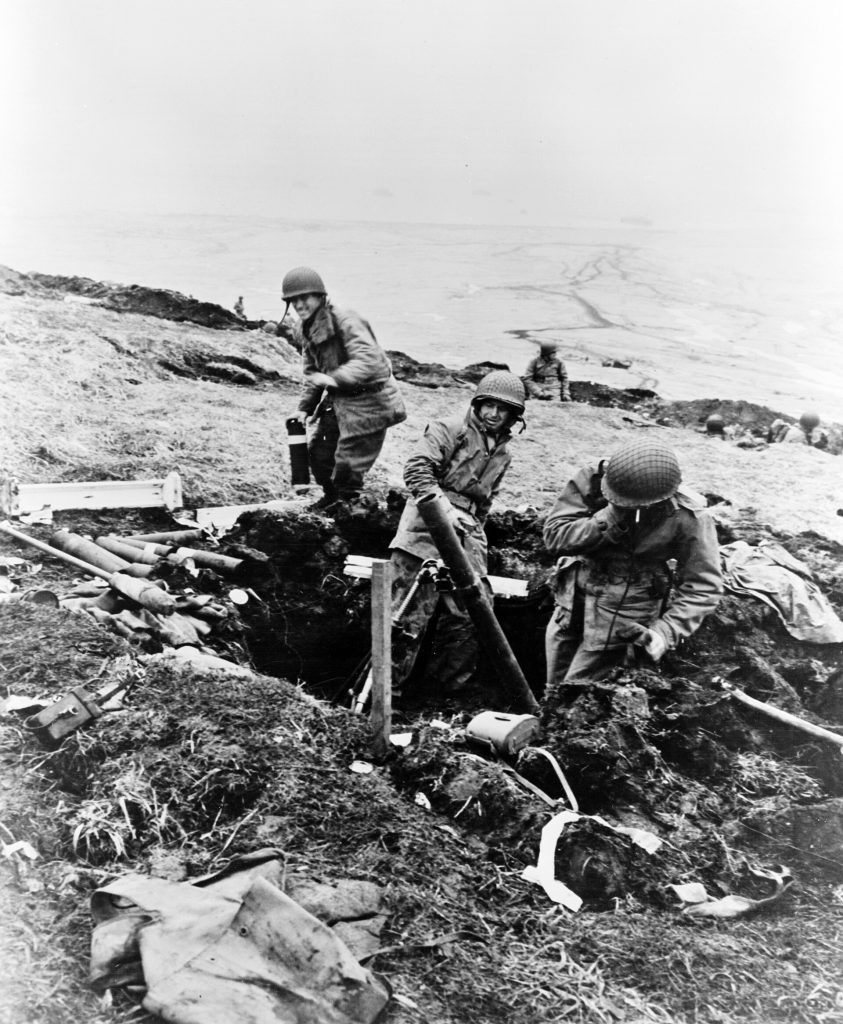
In freezing fog, American troops land on Attu in the Aleutian Islands, occupied by Japan since 1942. The battle will end in one of the largest banzai charges of the war.
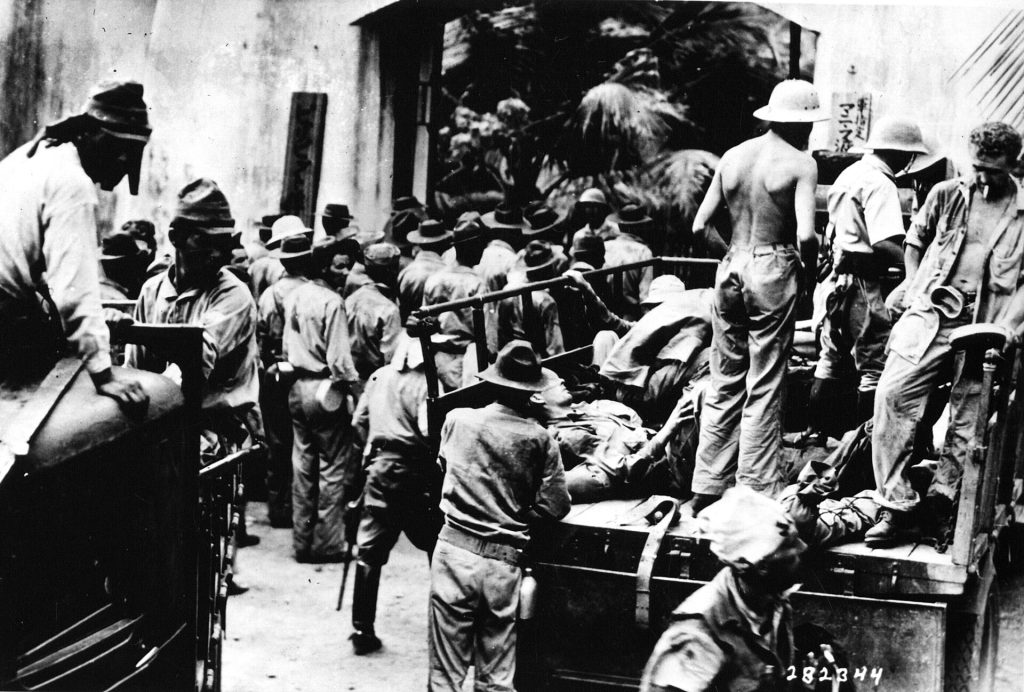
After Japanese troops land on the island fortress, General Jonathan Wainwright surrenders Corregidor. The last organised American resistance in the Philippines is over.
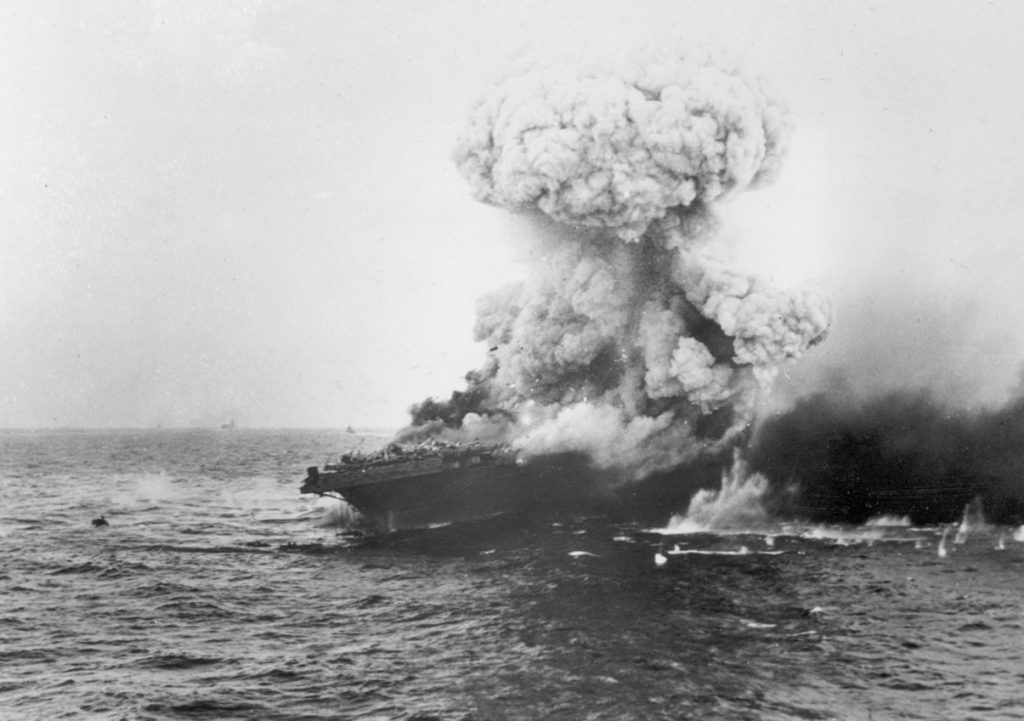
American carrier aircraft strike Japanese ships at Tulagi, opening a battle in which, for the first time, the opposing fleets never see each other.
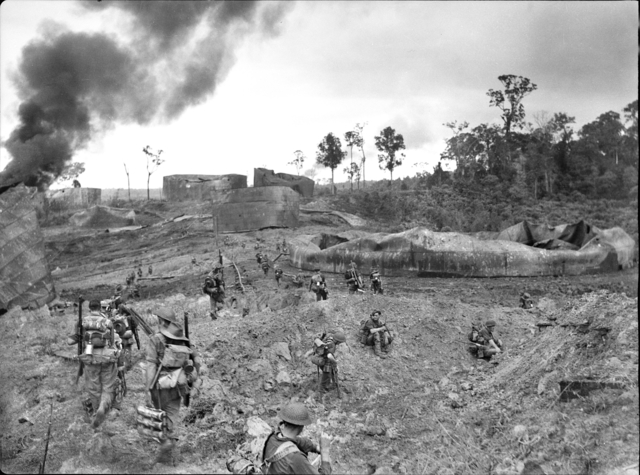
Australian troops storm ashore on the oil island of Tarakan off Borneo, the opening move of the last great Australian campaign of the war.
 United Kingdom
 United States
 Soviet Union
 Germany
 Japan
 France
 Poland
 South Africa