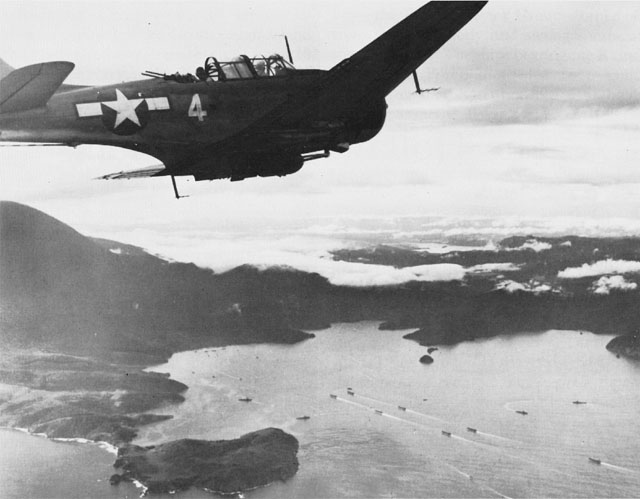
22 April 1944: The Landings at Hollandia
MacArthur leaps hundreds of kilometres along the New Guinea coast, landing behind a large Japanese army. The defenders at Hollandia flee into the jungle.
From Pearl Harbor to Tokyo Bay: carriers, islands and the war against Japan.
MacArthur leaps hundreds of kilometres along the New Guinea coast, landing behind a large Japanese army. The defenders at Hollandia flee into the jungle.
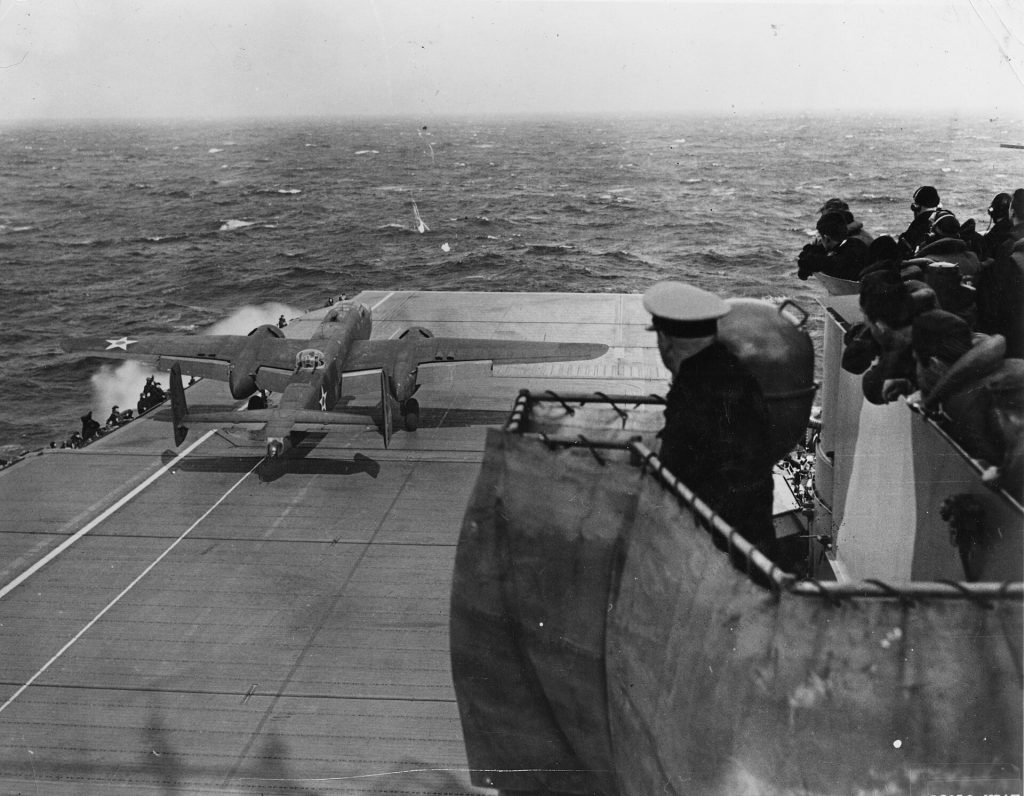
Sixteen army bombers take off from the deck of an aircraft carrier and bomb Tokyo and other Japanese cities. The damage is small; the shock is enormous.
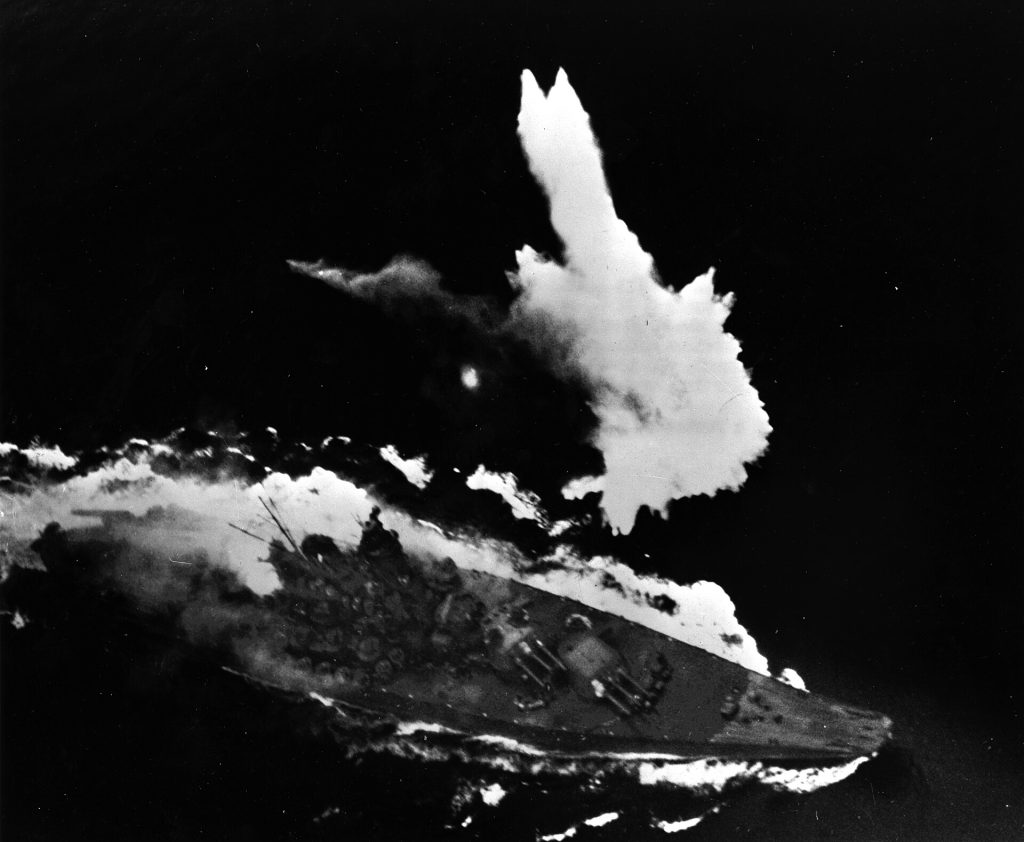
The largest battleship ever built sails on a one-way mission to Okinawa. Hundreds of American carrier aircraft find her long before she arrives.
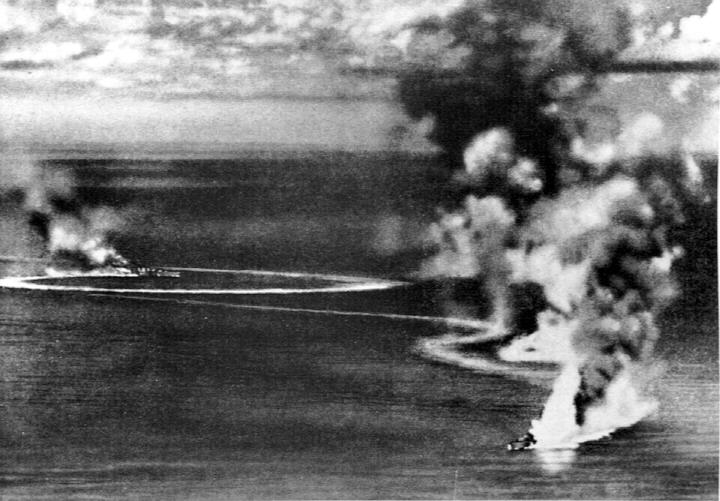
The carrier force that struck Pearl Harbor attacks Colombo in Ceylon. Warned the day before by a Canadian flying boat pilot, the defenders are ready, but two British cruisers are caught at sea.
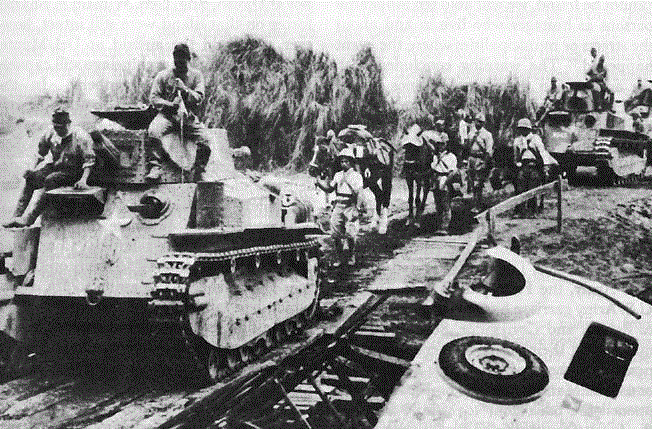
On Good Friday, Japanese artillery opens a massive bombardment on the starving defenders of Bataan. Within a week, the largest surrender in American military history follows.
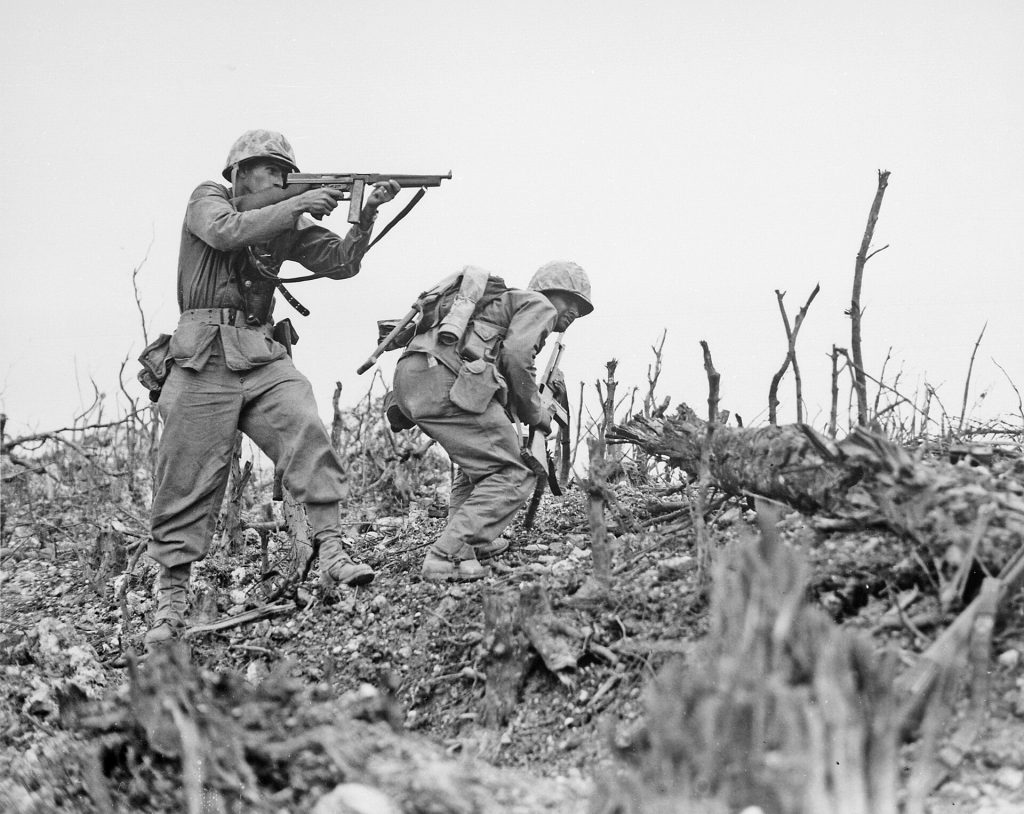
On Easter Sunday, the largest amphibious assault of the Pacific war lands on Okinawa almost unopposed. The Japanese are waiting in the south.
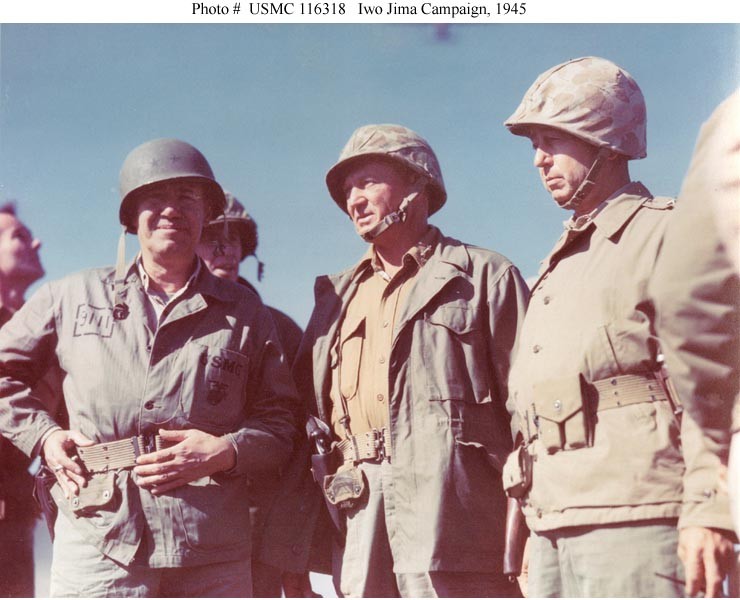
Before dawn, the last Japanese survivors launch a surprise attack on American camps near the airfields. When it is beaten off, the battle for Iwo Jima is declared over.
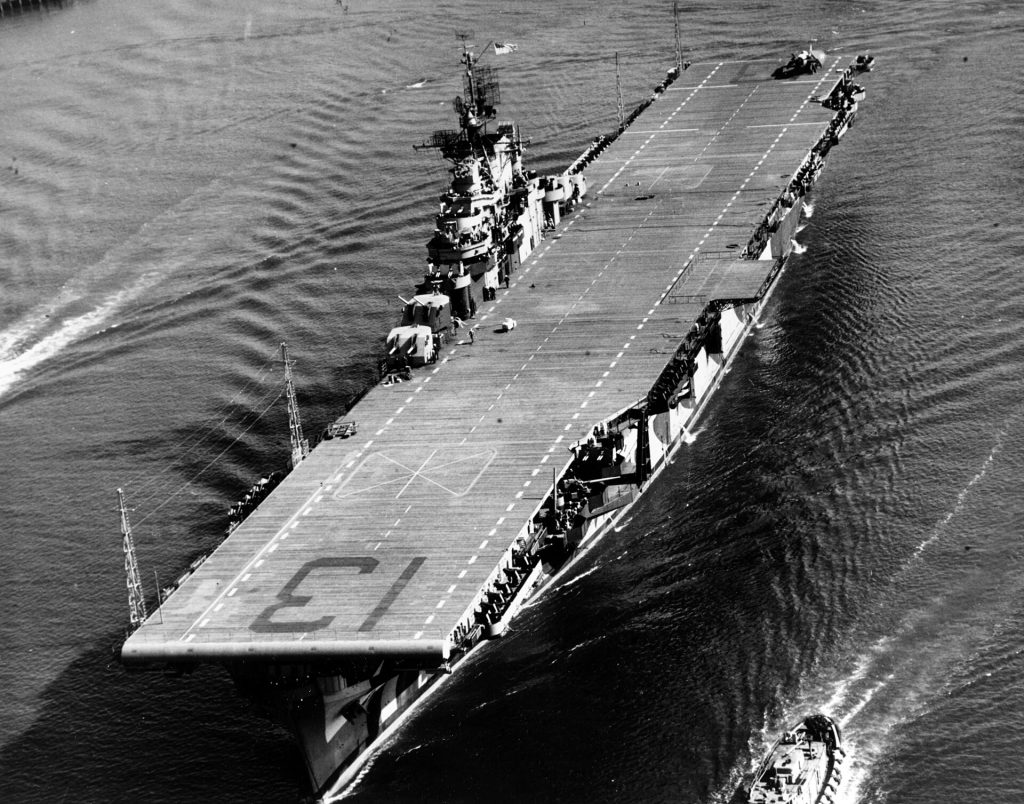
Off the coast of Japan, a single bomber hits the carrier Franklin as her aircraft prepare to launch. She survives the fires and explosions that follow, at a terrible cost.
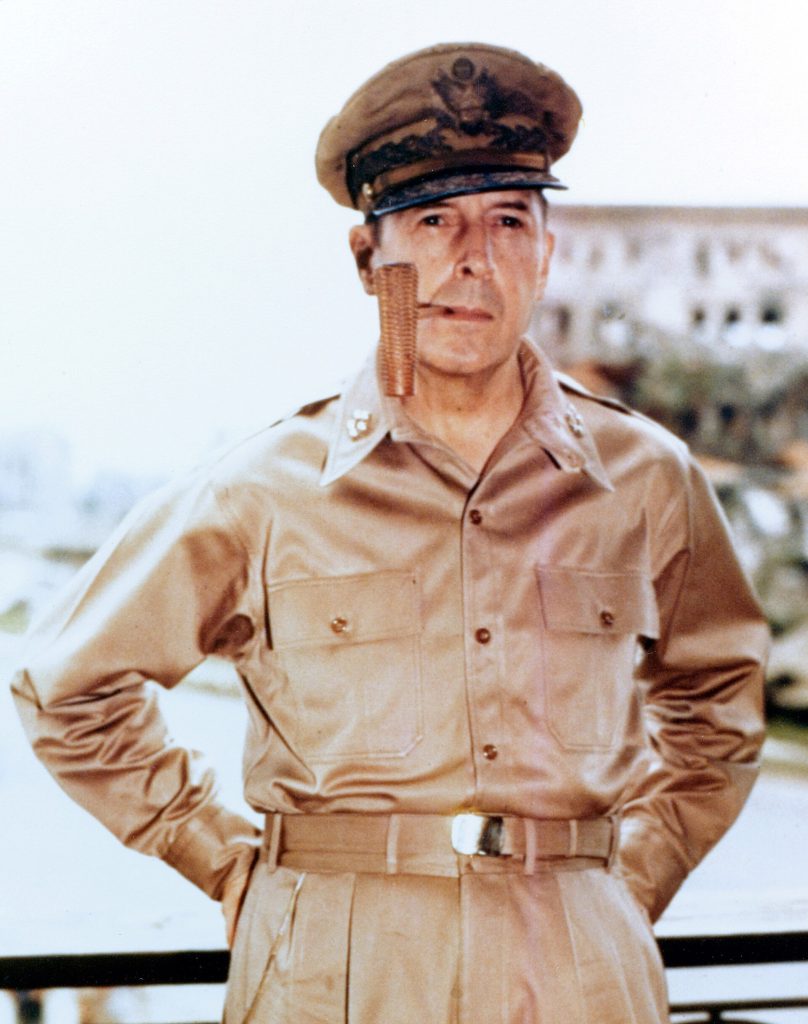
After a dangerous escape from Corregidor by torpedo boat and bomber, General Douglas MacArthur lands in northern Australia. Days later he promises: “I shall return.”
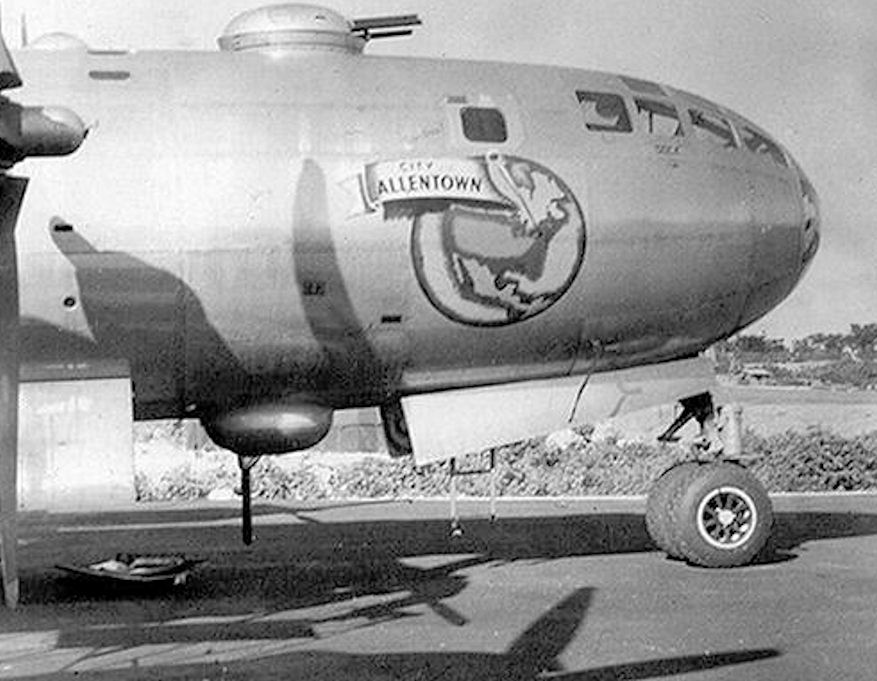
In the early hours, hundreds of B-29s flying low over Tokyo drop incendiaries on its crowded wooden neighbourhoods. It is the deadliest air raid in history.
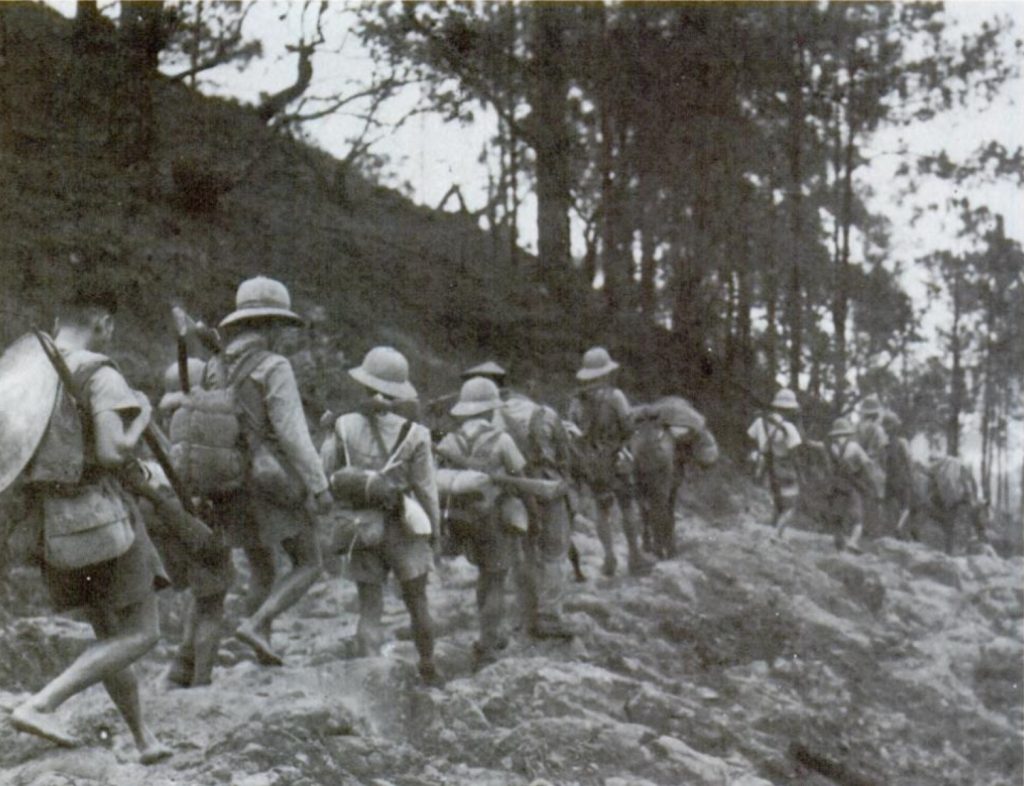
After four years of uneasy coexistence, Japanese forces overthrow the French colonial government across Indochina in a single night.
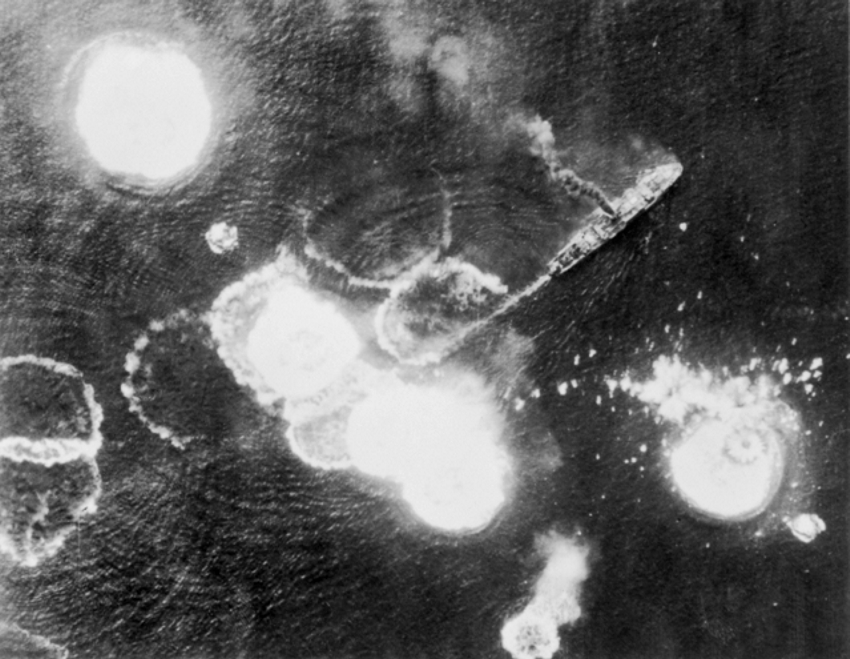
Allied bombers find a Japanese convoy carrying an army division to New Guinea. In three days of air attacks, every transport is sunk.
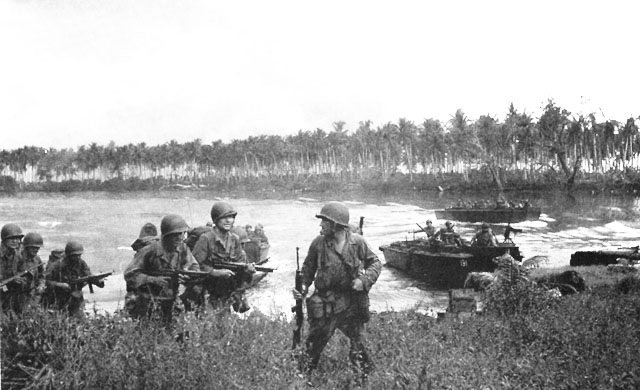
On the war’s last leap day, a thousand American cavalrymen land on Los Negros in a gamble ordered by MacArthur. It seals the fate of Rabaul.
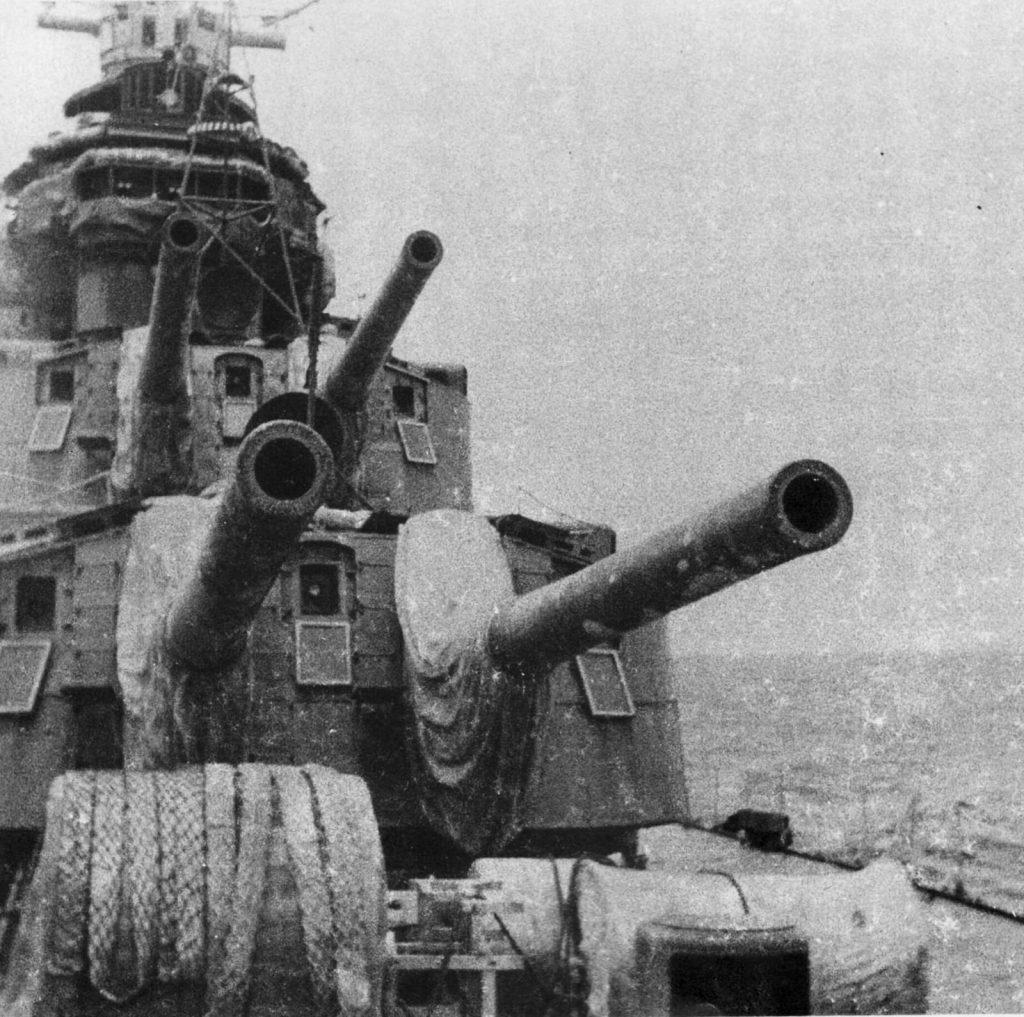
A combined Dutch, British, Australian and American squadron sails out to stop the Japanese invasion of Java. By midnight its admiral is dead and two of its cruisers are sunk.
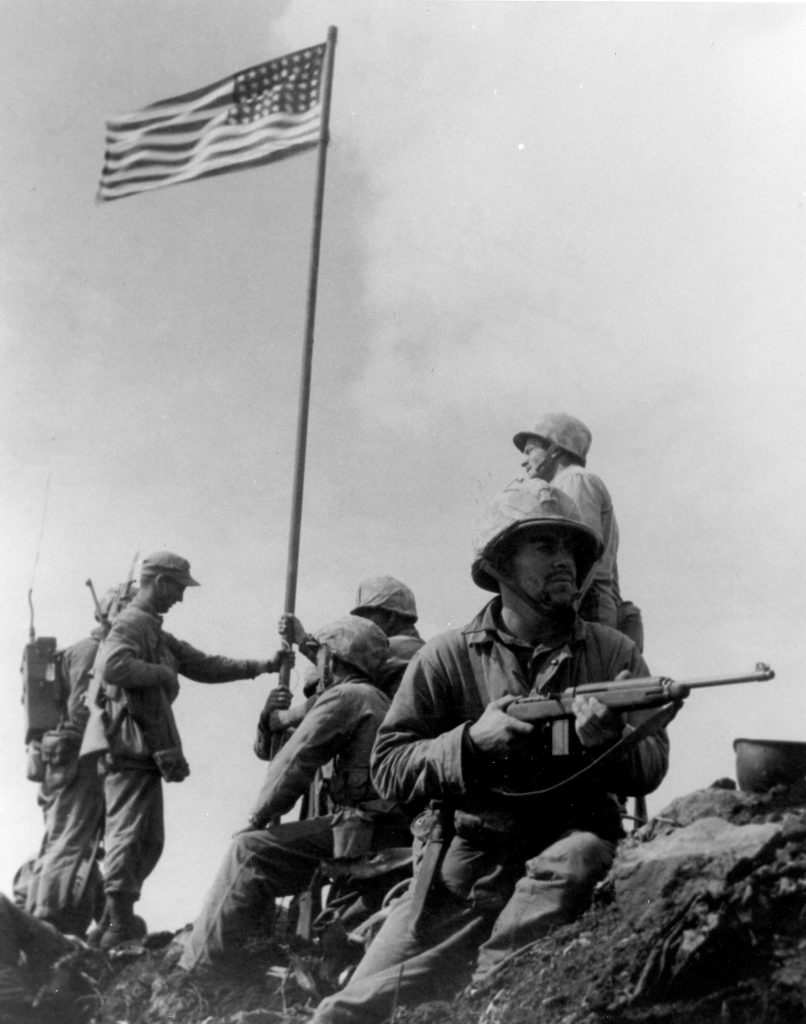
Marines reach the summit of Mount Suribachi and raise the Stars and Stripes. A second, larger flag raised hours later becomes the most famous photograph of the war.
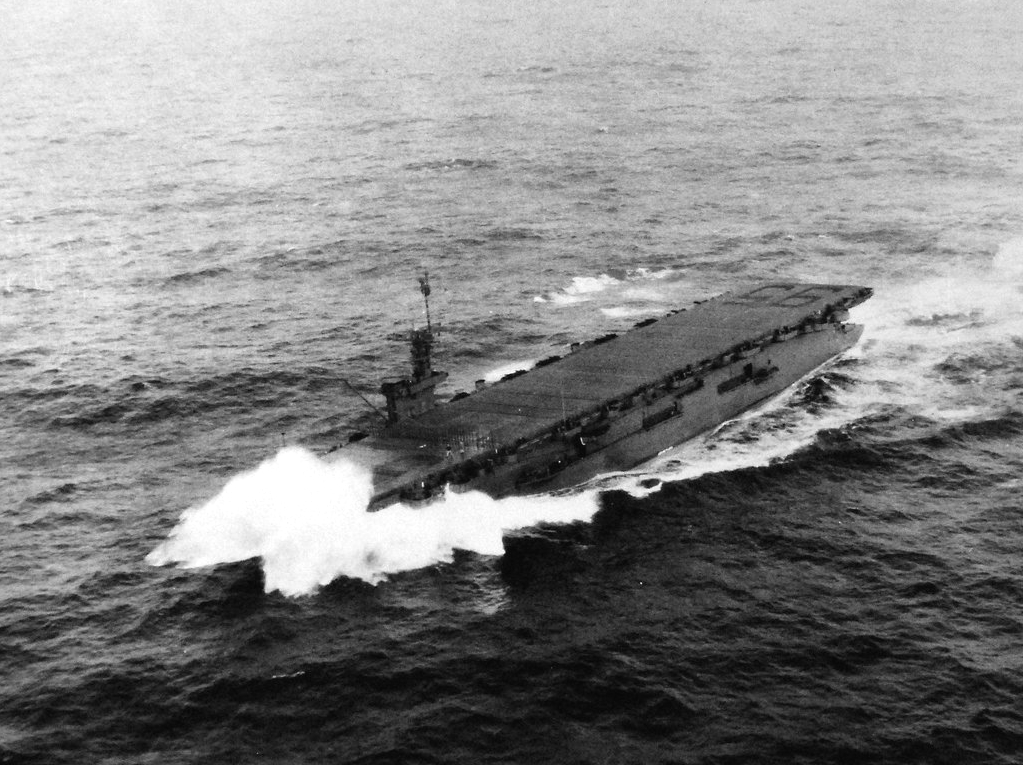
Two days into the Iwo Jima landings, suicide aircraft strike the American fleet offshore. The carrier Saratoga is badly damaged, and the escort carrier Bismarck Sea goes down.
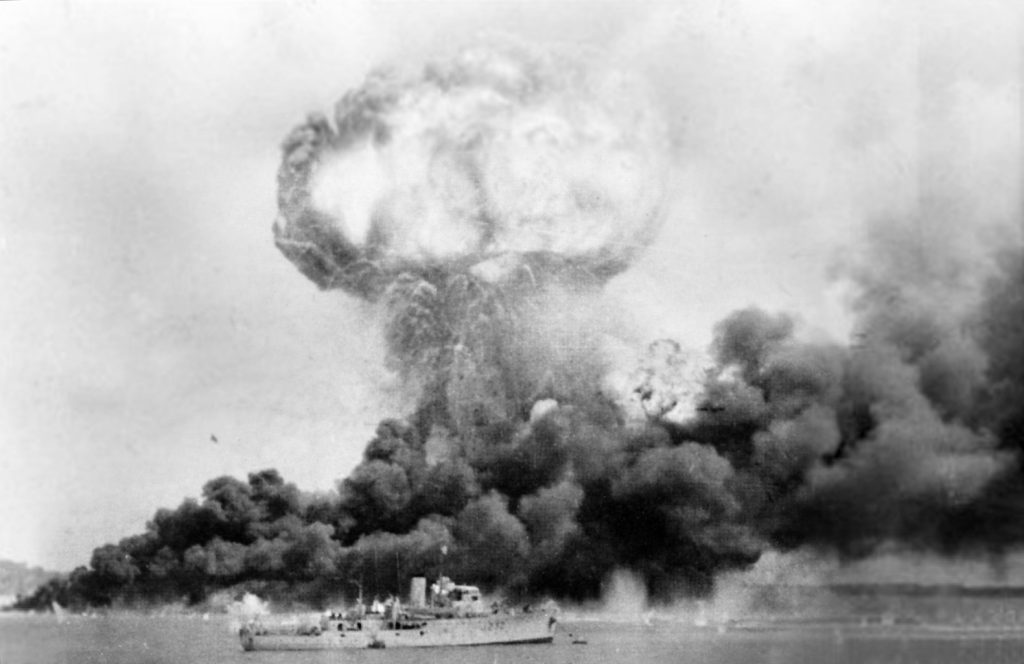
The aircraft carriers that struck Pearl Harbor launch a devastating raid on Darwin. For the first time, mainland Australia comes under attack.
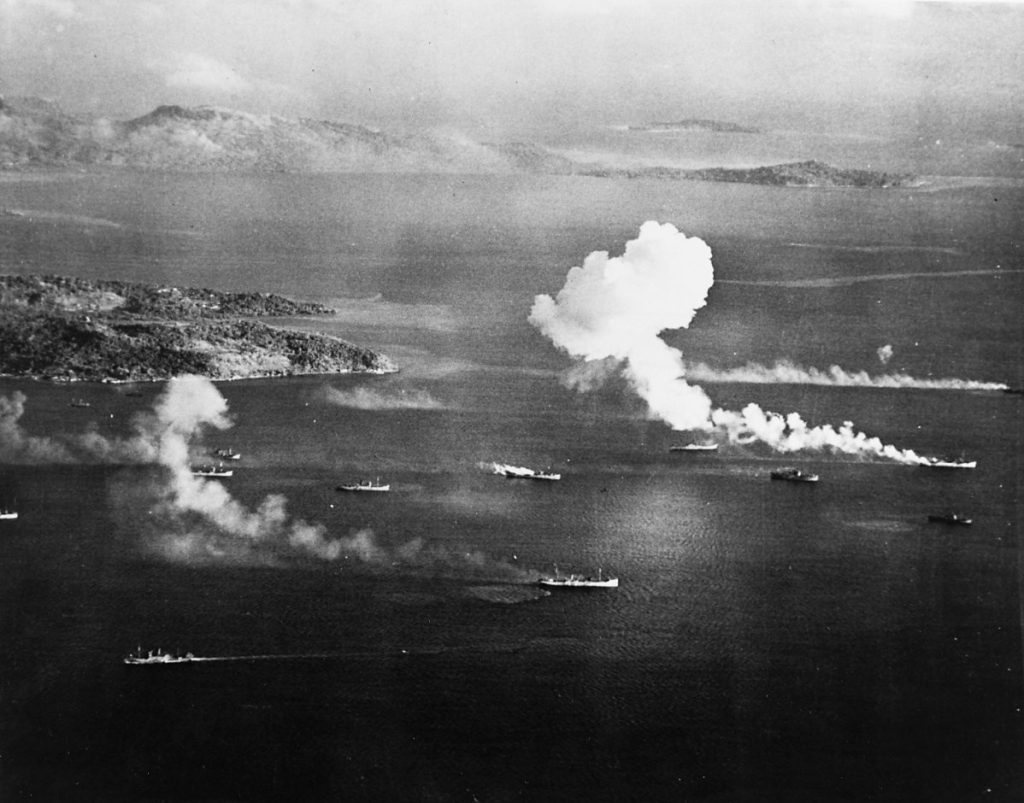
American carrier aircraft descend on Truk, Japan’s great fleet anchorage in the central Pacific, and wreck the shipping and aircraft they find there.
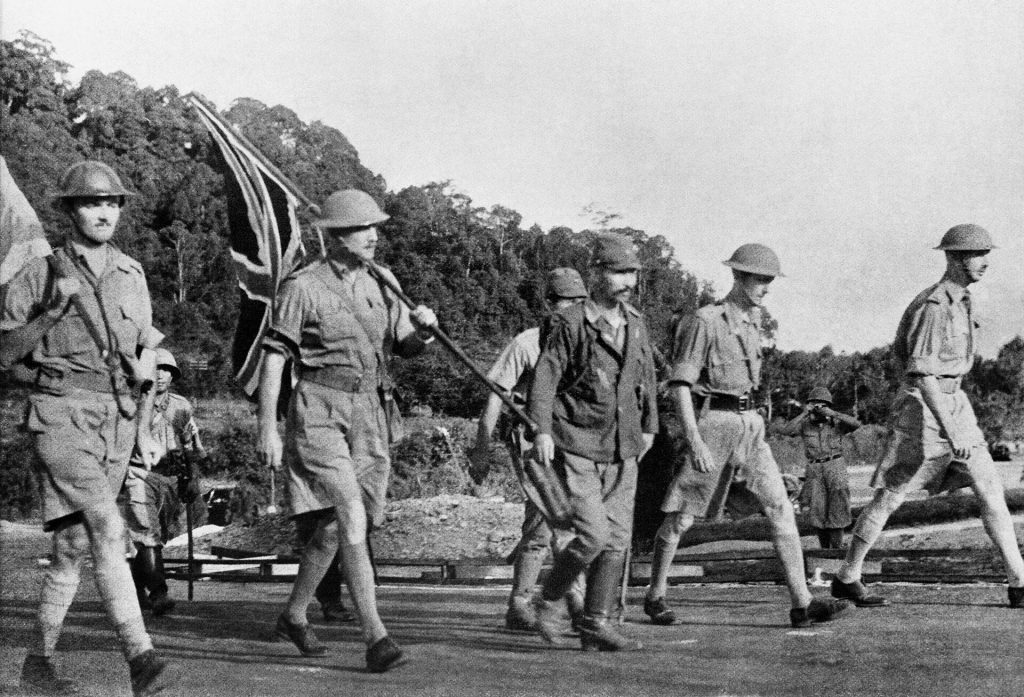
A week after Japanese troops cross the Johor Strait, Lieutenant-General Percival surrenders the fortress of Singapore. It is the largest capitulation in British history.
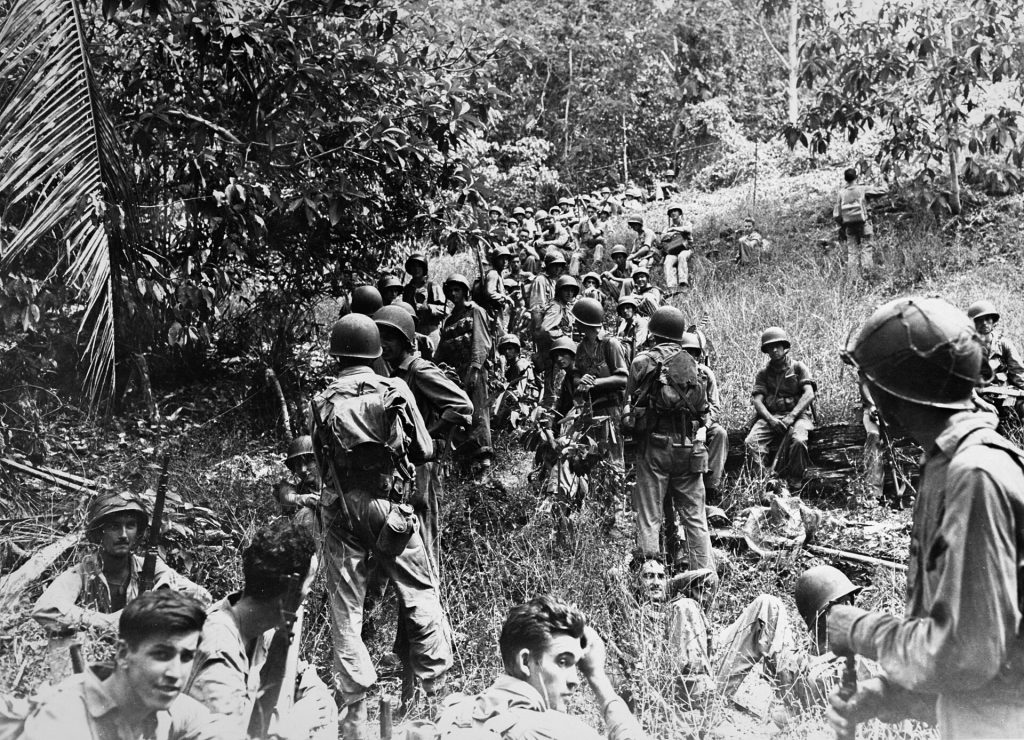
Six months after the Marines landed, the American commander on Guadalcanal reports that organised Japanese resistance has ended. The enemy has slipped away by night.
 United Kingdom
 United States
 Soviet Union
 Germany
 Japan
 France
 Poland
 South Africa