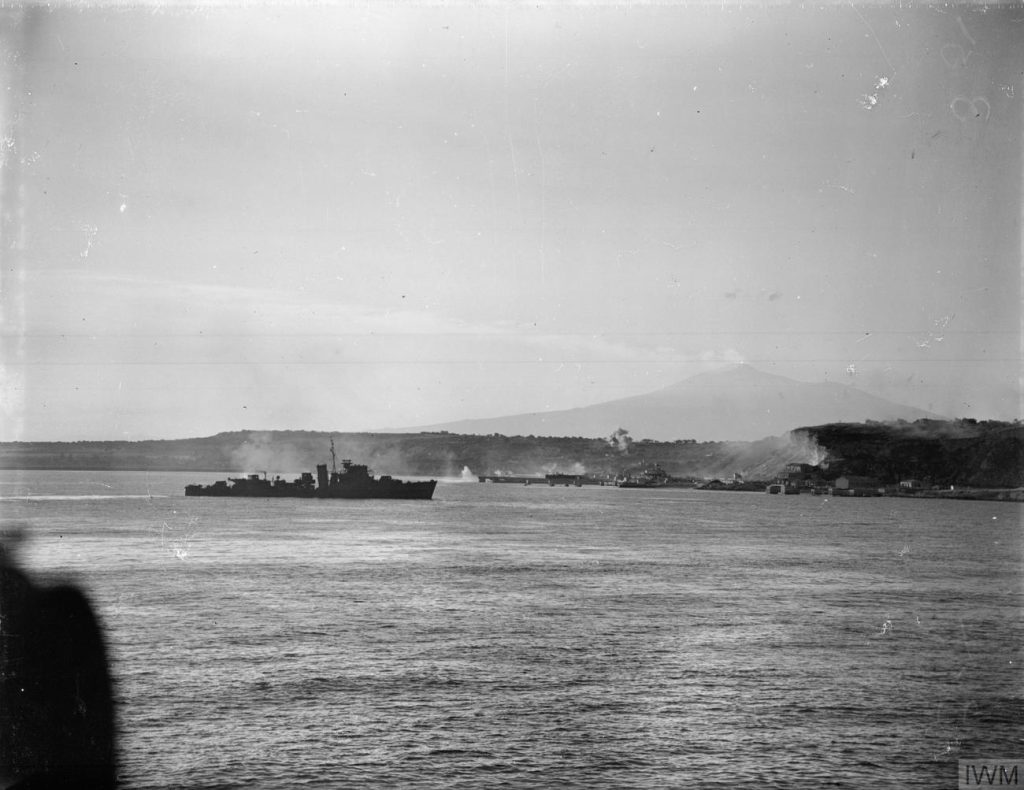
11 July 1943: Friendly Fire over Sicily
Transport aircraft carrying American paratroopers fly over the invasion fleet off Sicily just after a German air raid. Nervous Allied gunners open fire on them.
Every dispatch dated in July, across all six years of the war.
Transport aircraft carrying American paratroopers fly over the invasion fleet off Sicily just after a German air raid. Nervous Allied gunners open fire on them.
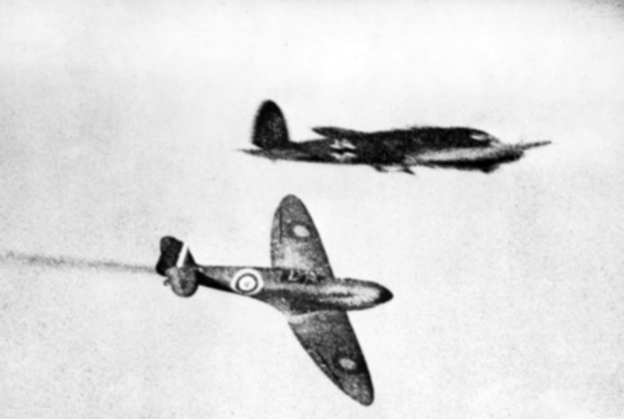
German bombers attack a convoy in the English Channel. The date will later be taken as the official start of the Battle of Britain.
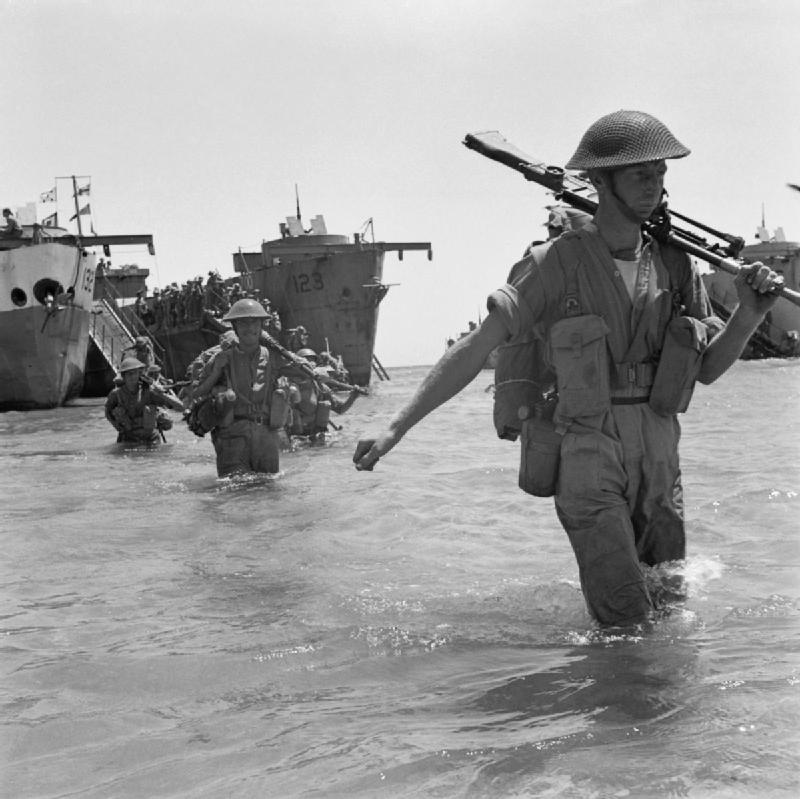
On a stormy night, Allied paratroopers and gliders take off for Sicily. By dawn, the largest amphibious landing yet attempted is under way.

Five days after Mers-el-Kébir, British aircraft attack France’s newest battleship in the harbour at Dakar. A single torpedo puts her out of action.
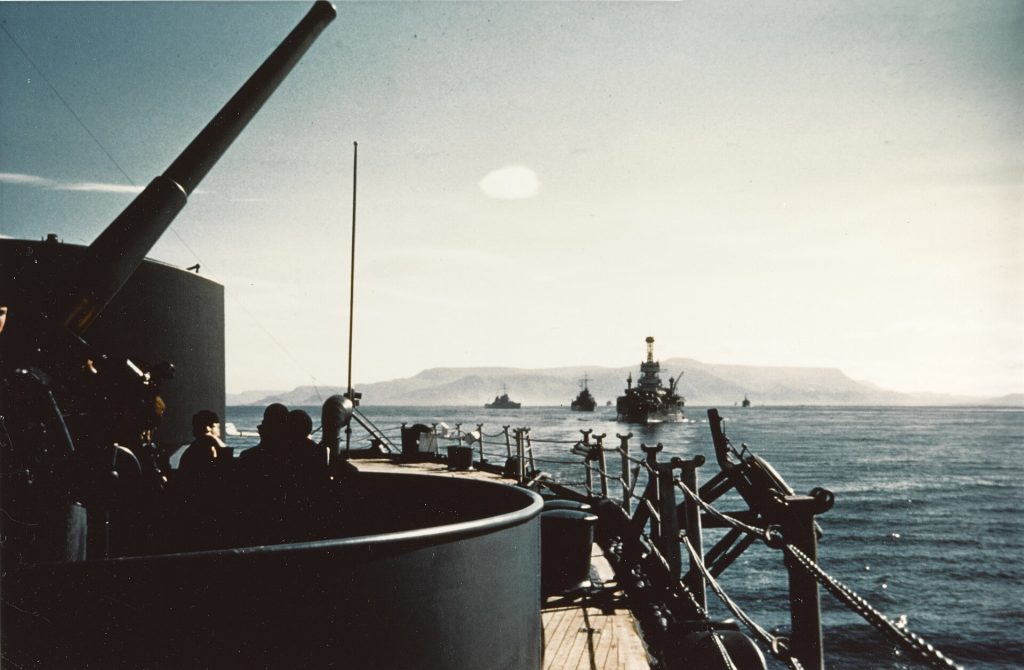
Five months before Pearl Harbor, US Marines come ashore at Reykjavík to take over the defence of Iceland from the British. The officially neutral United States is edging into the Atlantic war.
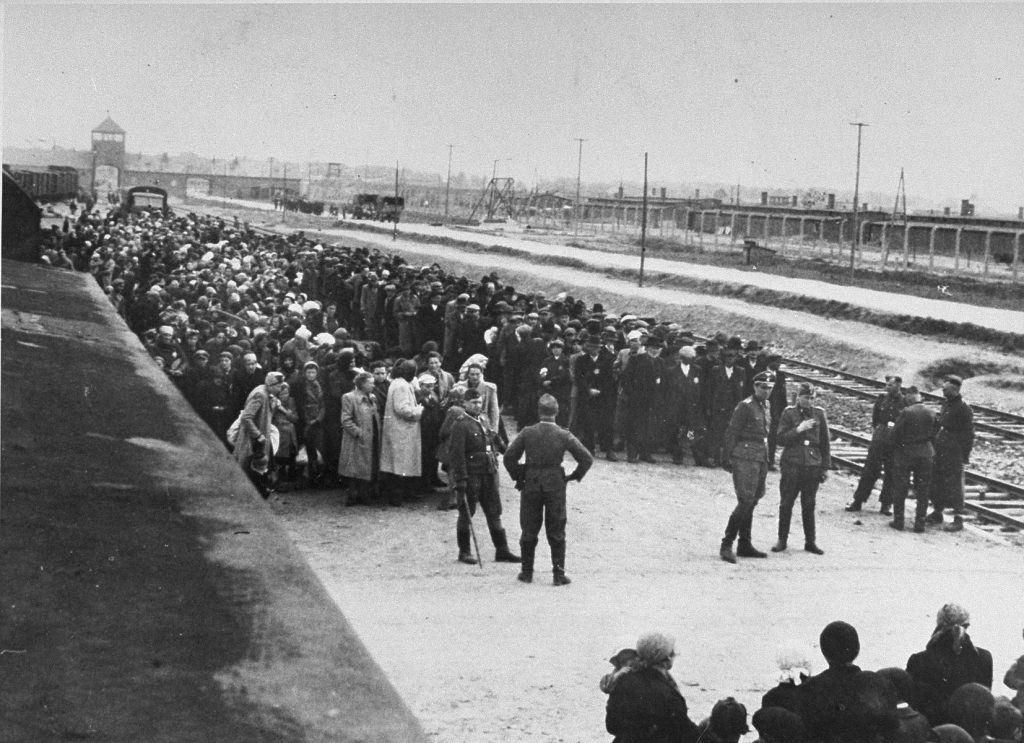
Under international pressure, Hungary’s regent orders a halt to the deportation of Jews. In less than two months, more than 430,000 have already been sent to Auschwitz.
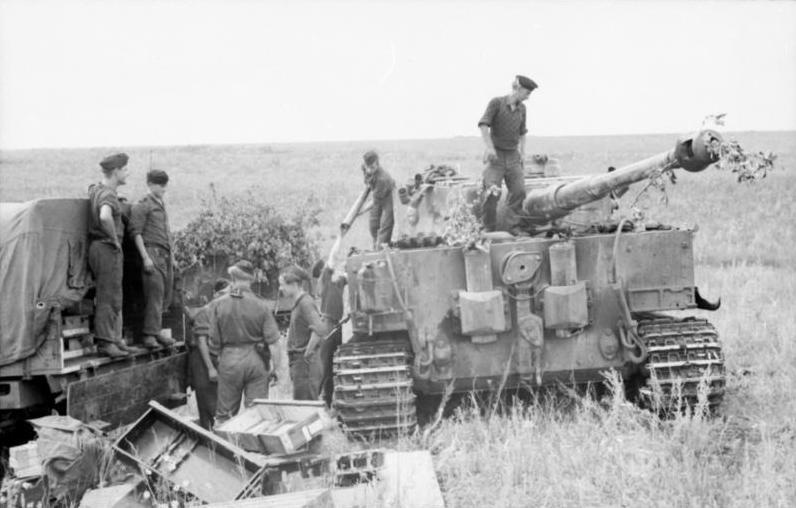
Germany launches its last great offensive in the east against the Kursk salient. The Red Army, warned in advance, is waiting behind the deepest defences of the war.
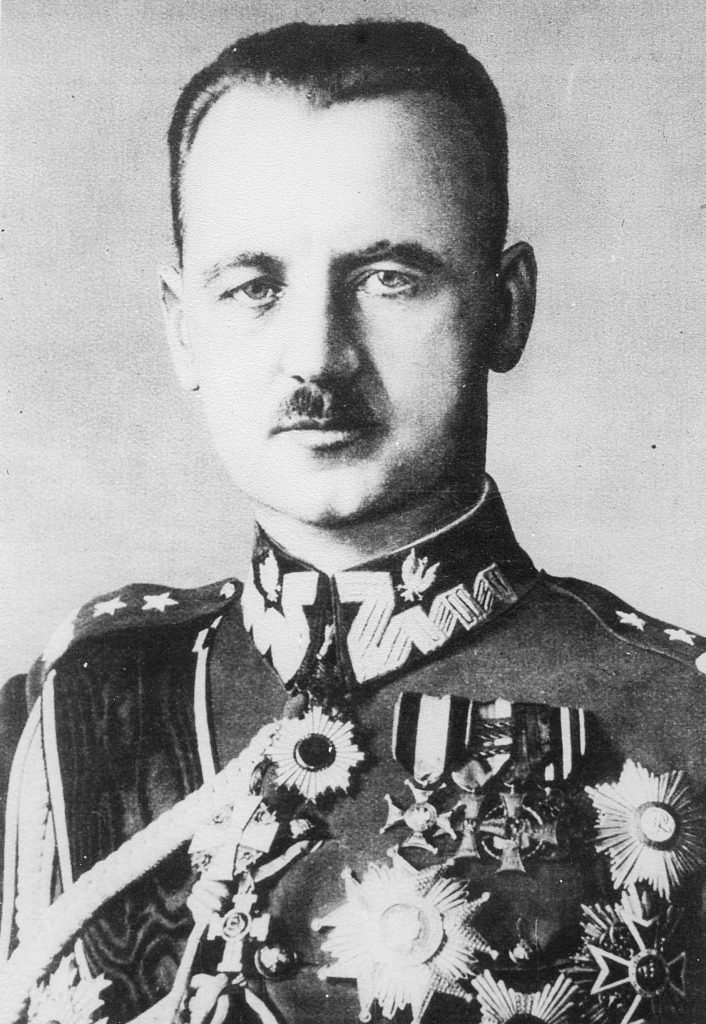
Seconds after taking off from Gibraltar, the aircraft carrying General Władysław Sikorski, leader of the Polish government in exile, plunges into the sea.
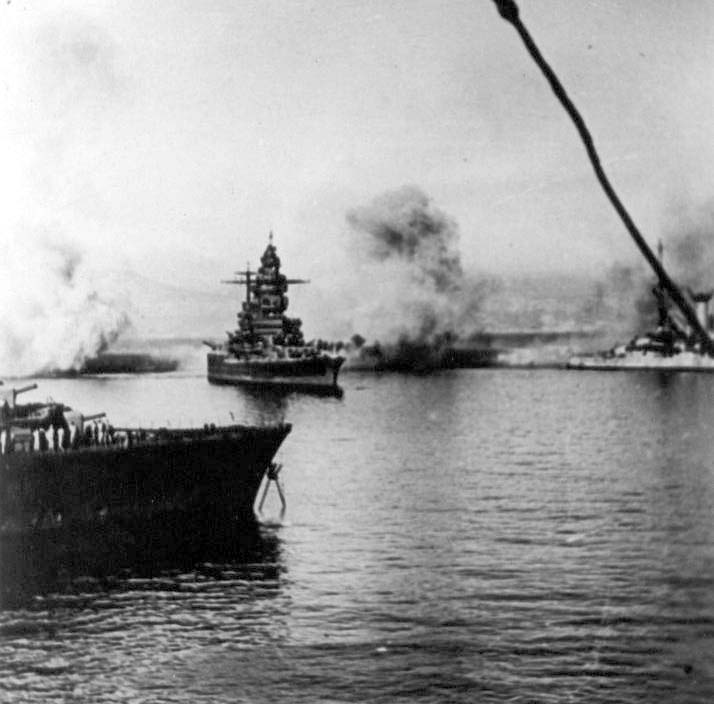
To stop the French fleet falling into German hands, the Royal Navy opens fire on its ally of only weeks before. Nearly 1,300 French sailors are killed.
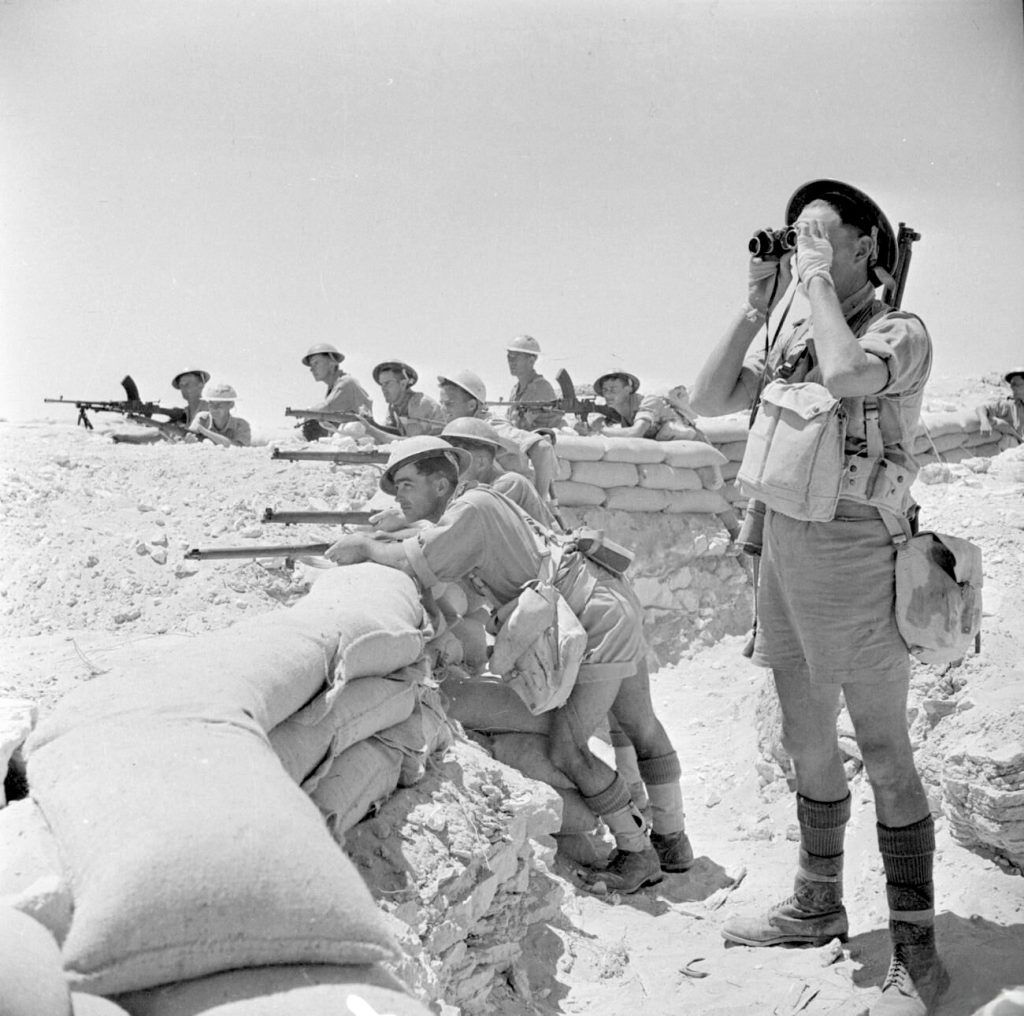
Rommel’s army, racing for the Nile, runs into the last British line at El Alamein. South African troops in the Alamein box help stop him.
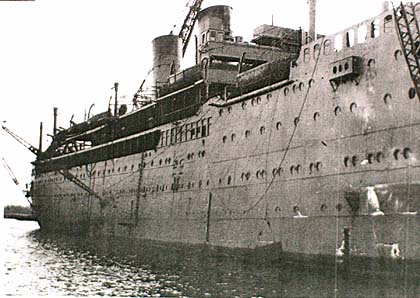
A liner carrying interned Italian and German civilians to Canada is torpedoed off Ireland. Hundreds of men who had lived in Britain for years drown.
 United Kingdom
 United States
 Soviet Union
 Germany
 Japan
 France
 Poland
 South Africa