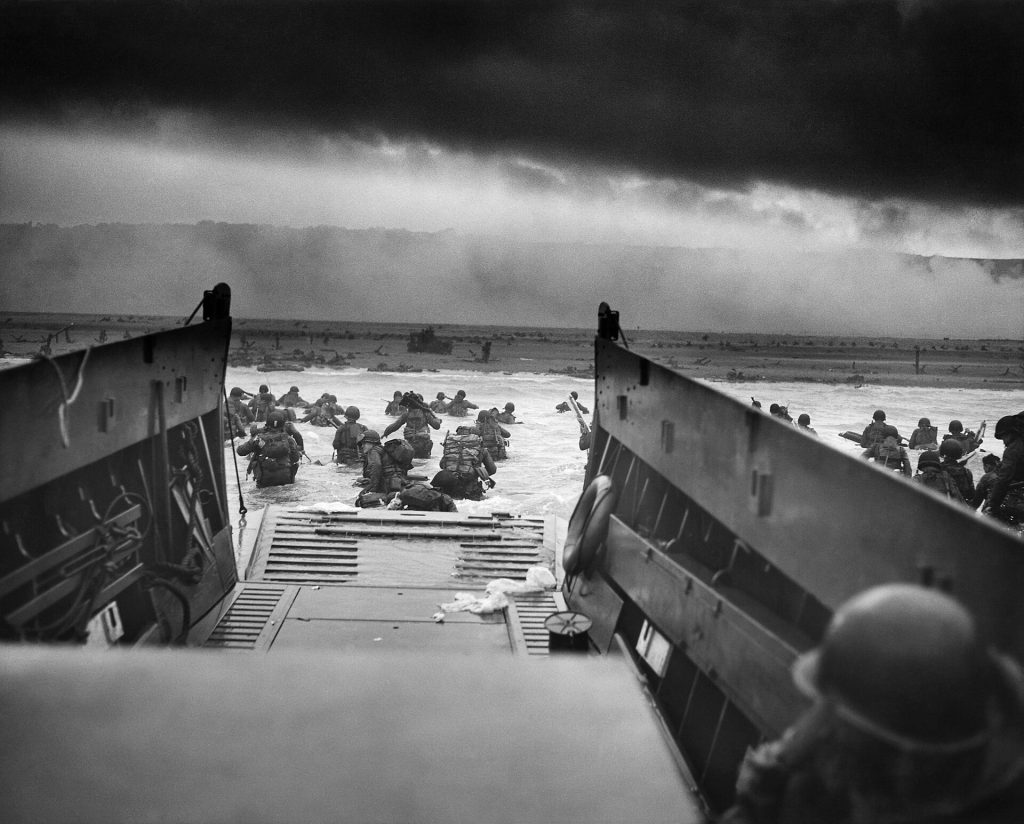
6 June 1944: D-Day
The largest seaborne invasion in history lands on the beaches of Normandy. By nightfall around 156,000 Allied troops are ashore, and the liberation of western Europe has begun.
Dispatches involving Australia.
The largest seaborne invasion in history lands on the beaches of Normandy. By nightfall around 156,000 Allied troops are ashore, and the liberation of western Europe has begun.
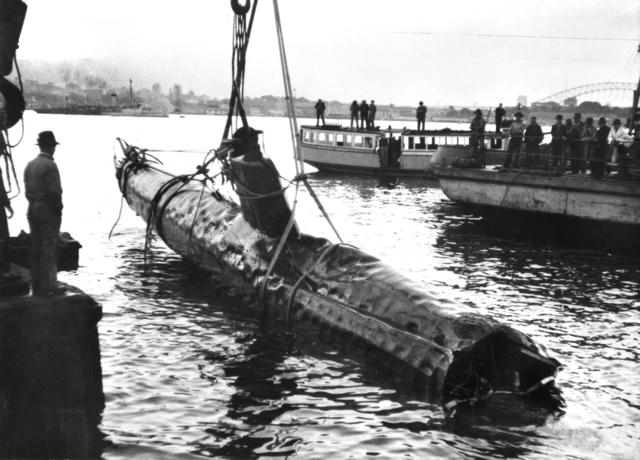
Three Japanese midget submarines slip into Sydney Harbour at night. One fires torpedoes at an American cruiser, misses, and sinks a depot ship full of sleeping sailors.
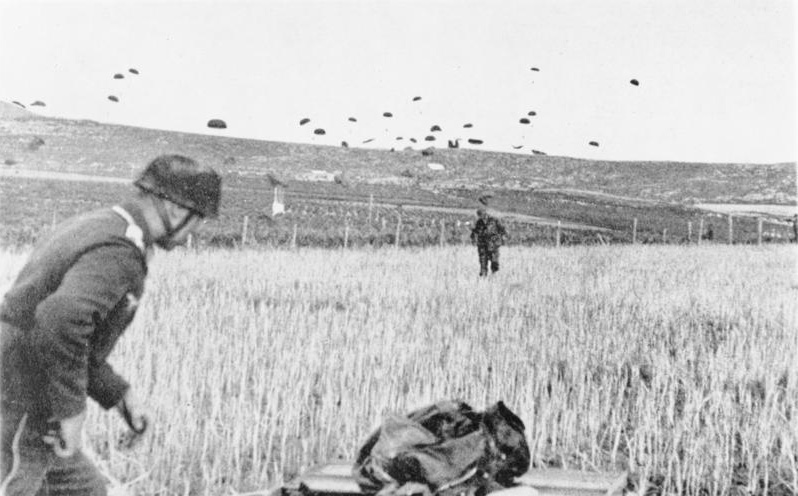
Thousands of German paratroopers descend on Crete in the first great airborne invasion in history. They suffer terrible losses, but they take an airfield, and that is enough.
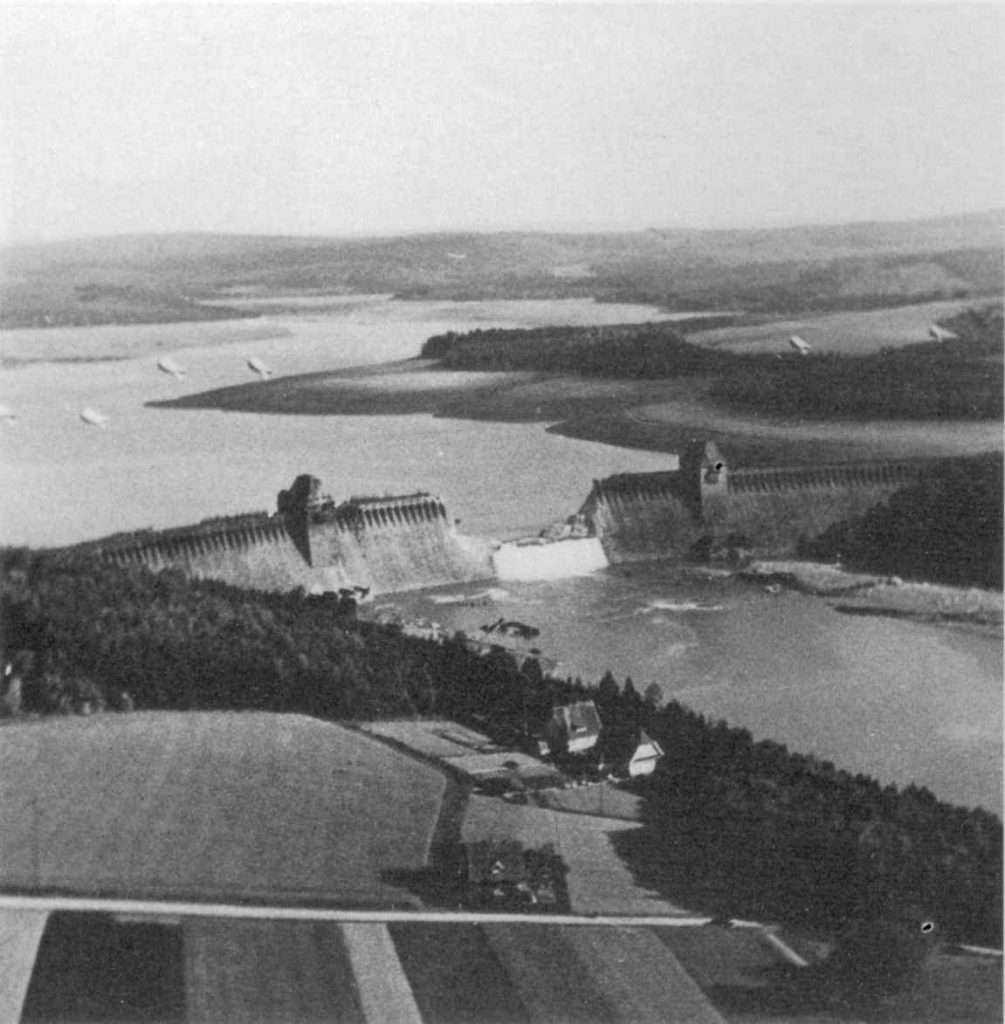
Nineteen Lancasters of a newly formed squadron fly low across the North Sea at night carrying bouncing bombs. Their targets are the great dams of the Ruhr.
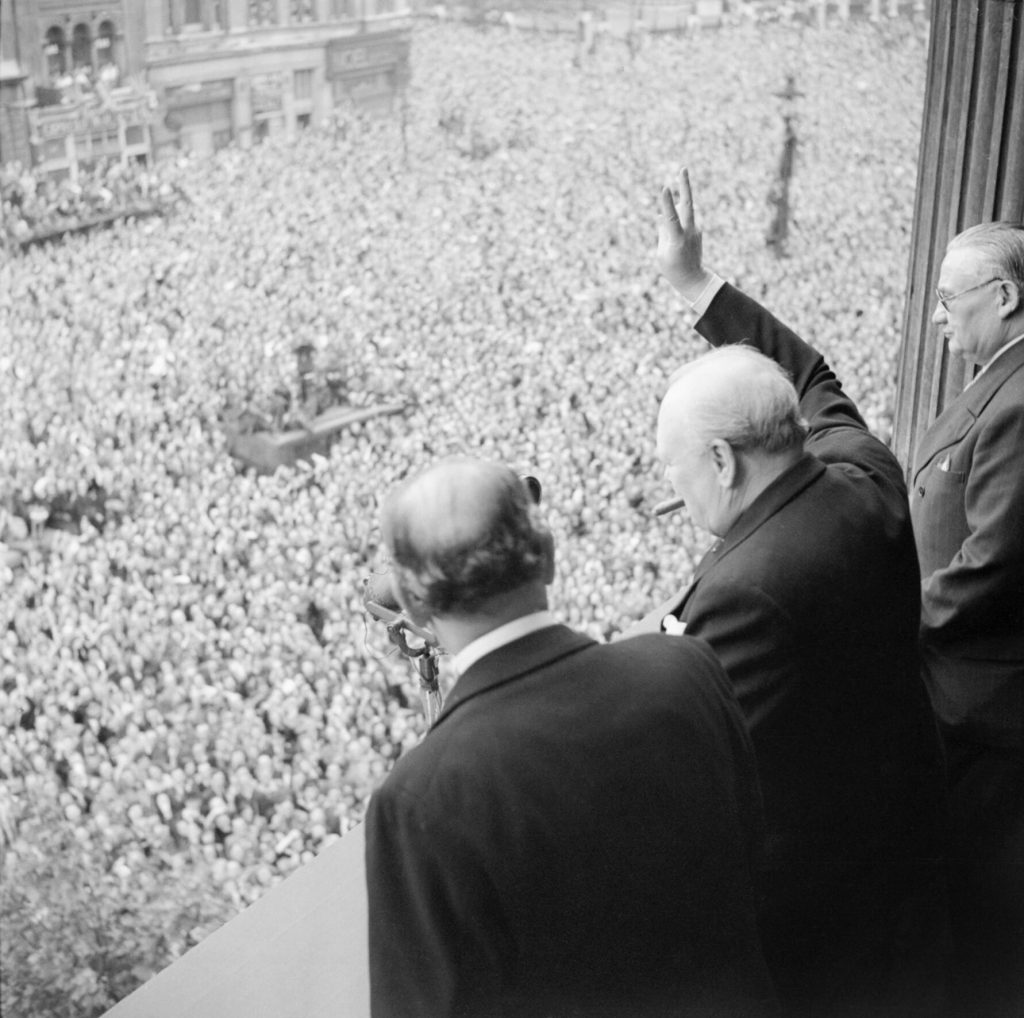
Victory in Europe. Crowds pour into the streets of London, Paris, New York and cities across the Allied world. After nearly six years, the war against Germany is over.
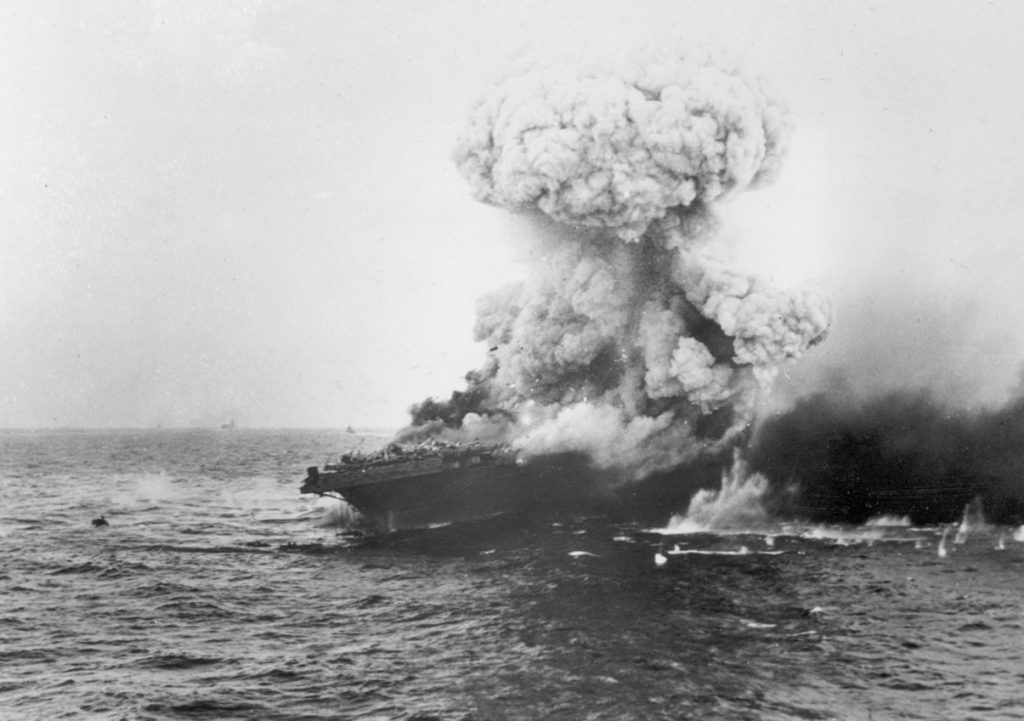
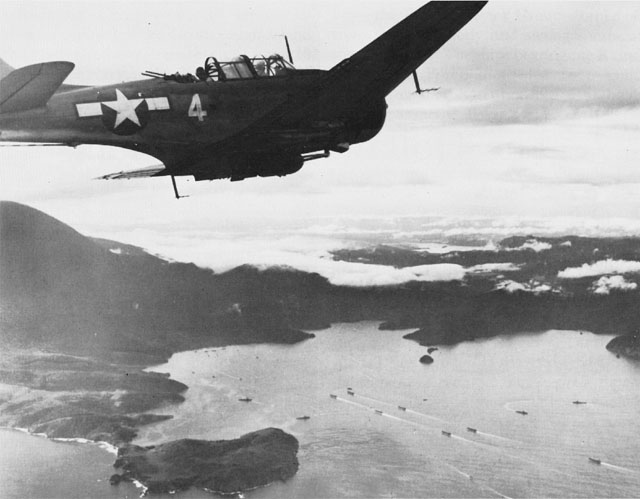
American carrier aircraft strike Japanese ships at Tulagi, opening a battle in which, for the first time, the opposing fleets never see each other.
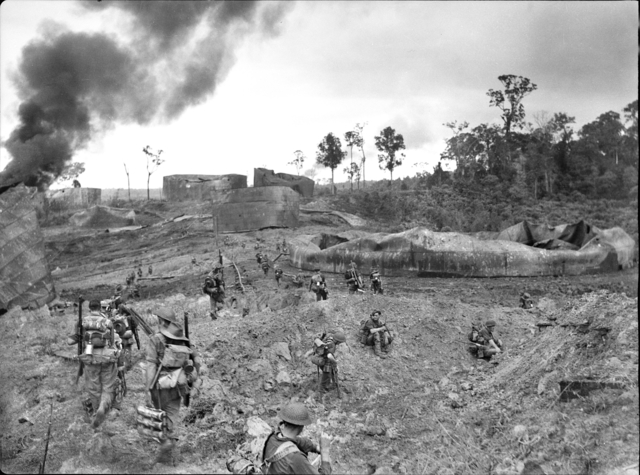
Australian troops storm ashore on the oil island of Tarakan off Borneo, the opening move of the last great Australian campaign of the war.
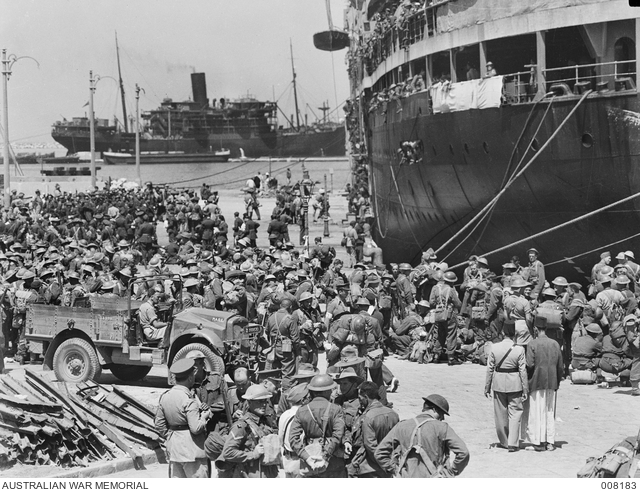
After a rearguard stand at Thermopylae, British, Australian and New Zealand troops begin to leave Greece by night from small harbours and open beaches.
MacArthur leaps hundreds of kilometres along the New Guinea coast, landing behind a large Japanese army. The defenders at Hollandia flee into the jungle.
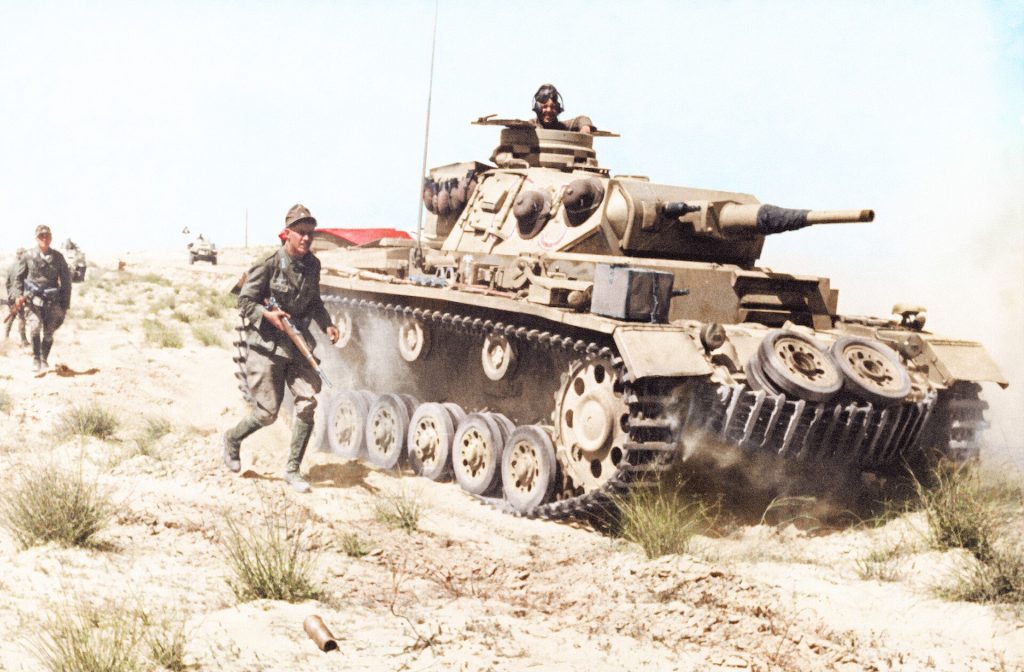
Weeks after arriving in Libya with orders to defend, Erwin Rommel attacks the thin British line at Mersa el Brega. Within two weeks the British are back in Egypt.
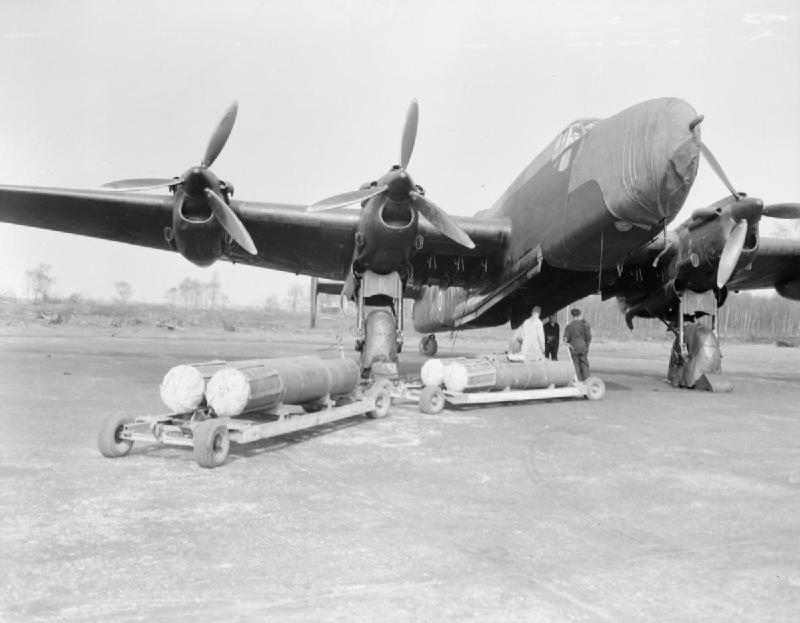
Under a bright moon and without the expected cloud, RAF Bomber Command flies a long, straight route into Germany. German night fighters are waiting.
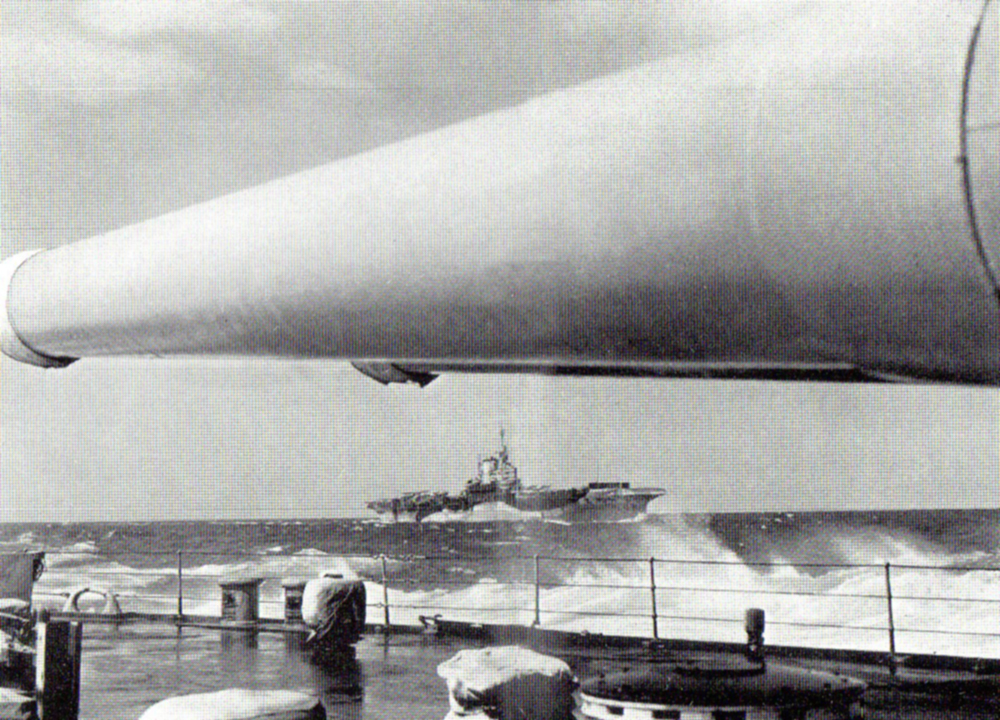
In the darkness off southern Greece, three British battleships open fire at point-blank range on unsuspecting Italian cruisers. Within minutes, two are wrecked.
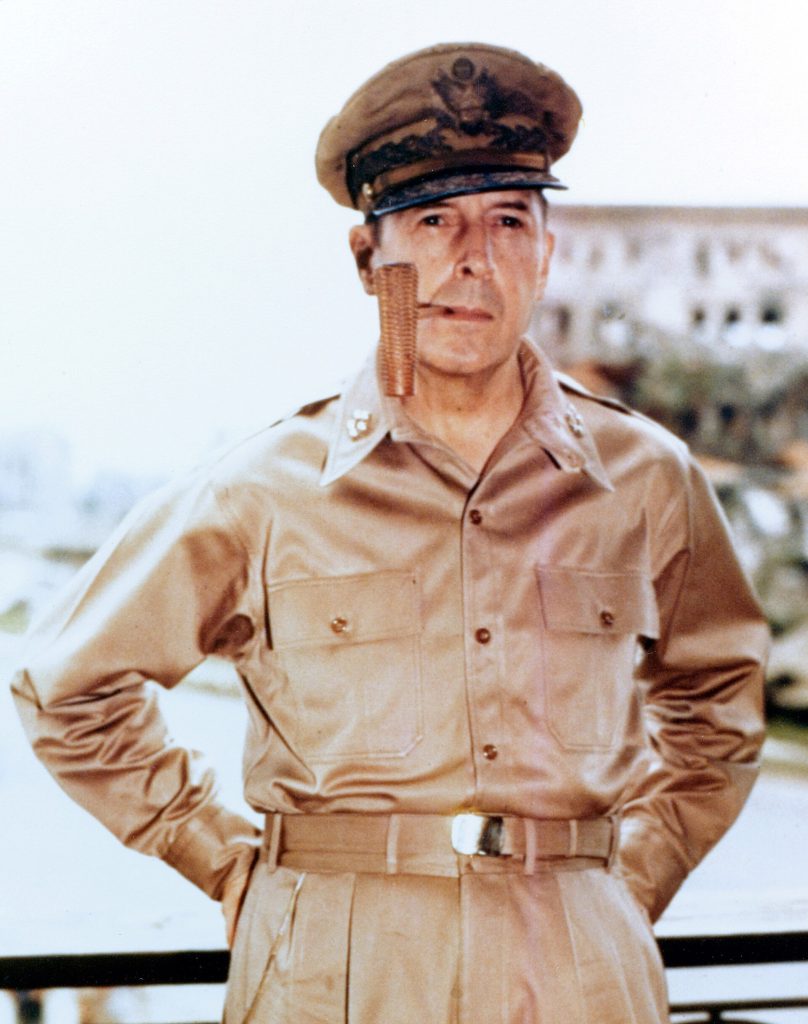
After a dangerous escape from Corregidor by torpedo boat and bomber, General Douglas MacArthur lands in northern Australia. Days later he promises: “I shall return.”
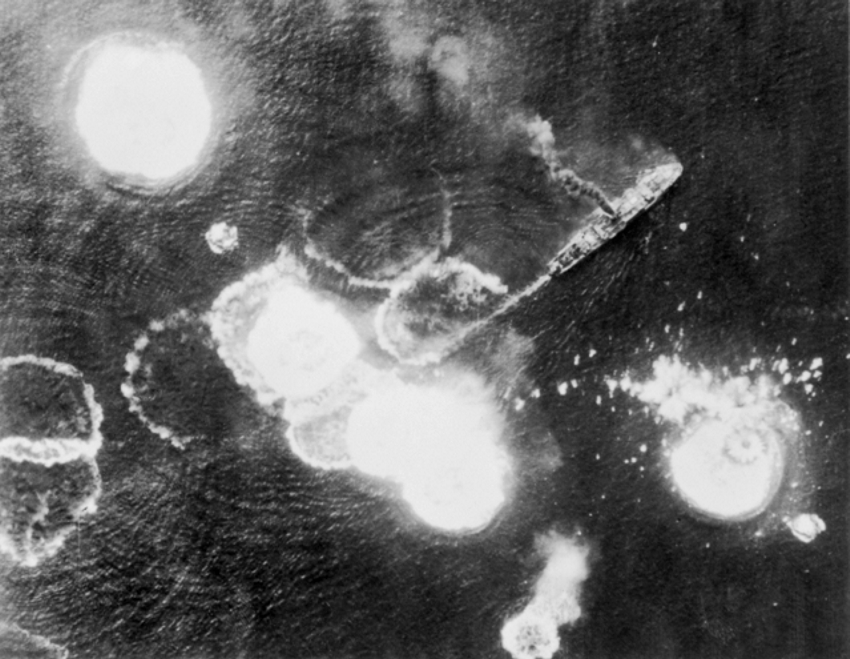
Allied bombers find a Japanese convoy carrying an army division to New Guinea. In three days of air attacks, every transport is sunk.
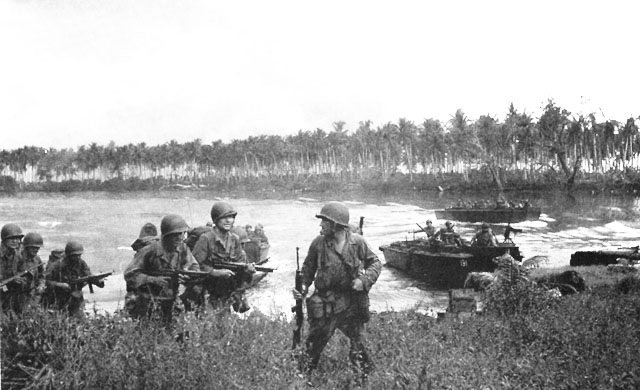
On the war’s last leap day, a thousand American cavalrymen land on Los Negros in a gamble ordered by MacArthur. It seals the fate of Rabaul.
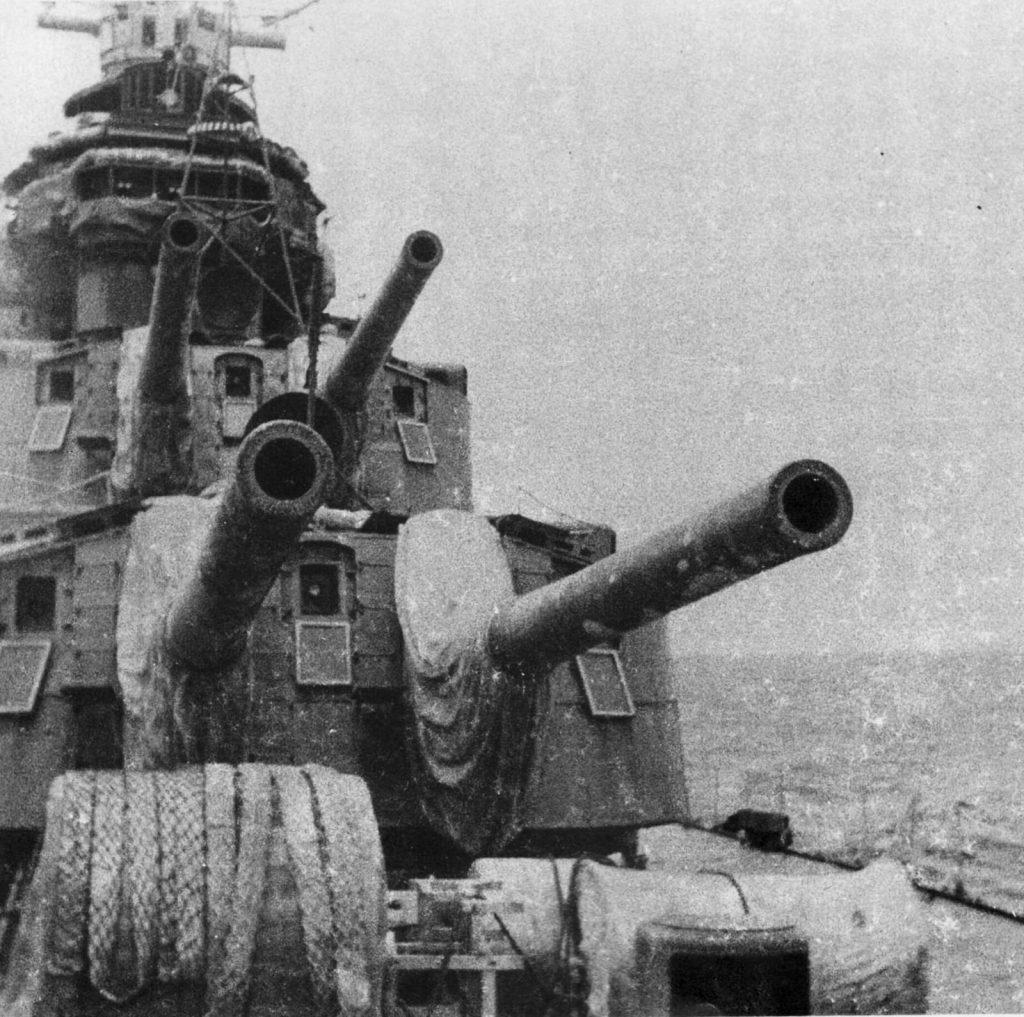
A combined Dutch, British, Australian and American squadron sails out to stop the Japanese invasion of Java. By midnight its admiral is dead and two of its cruisers are sunk.
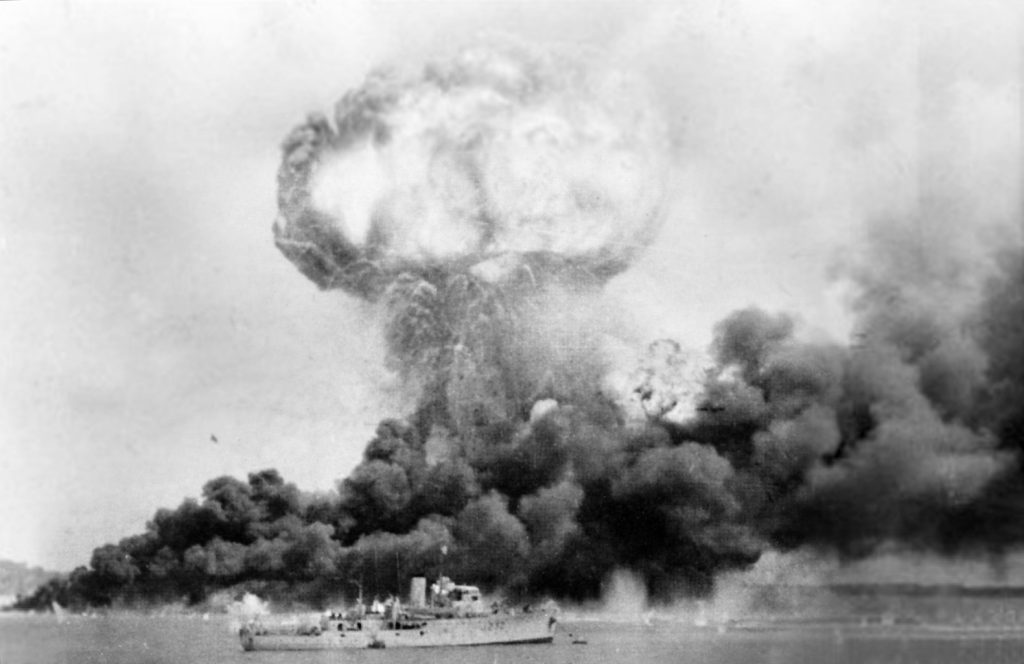
The aircraft carriers that struck Pearl Harbor launch a devastating raid on Darwin. For the first time, mainland Australia comes under attack.
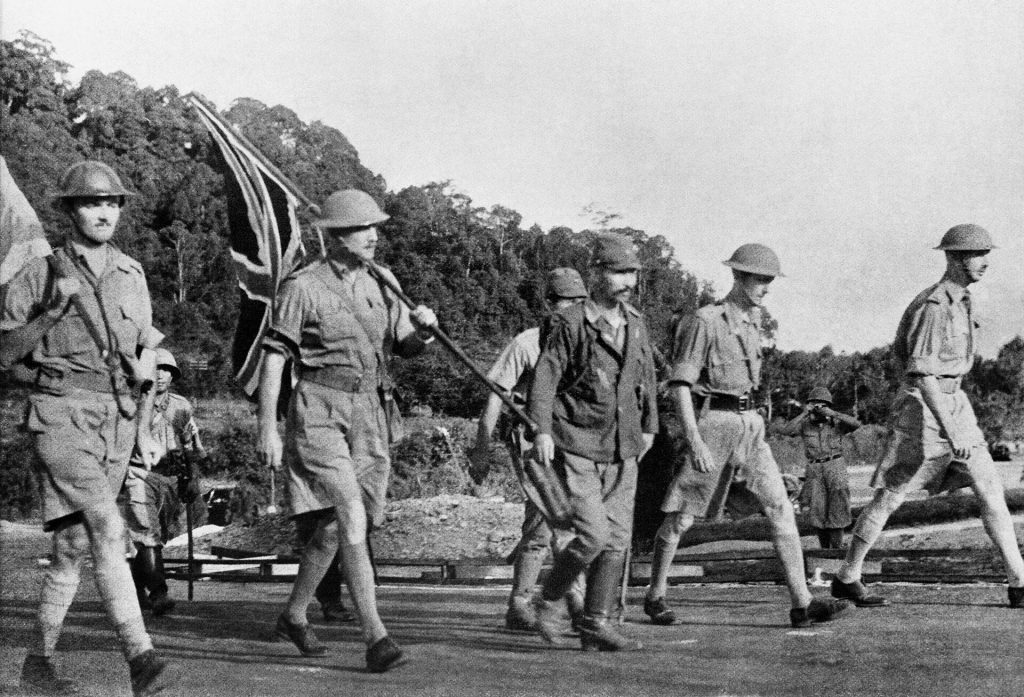
A week after Japanese troops cross the Johor Strait, Lieutenant-General Percival surrenders the fortress of Singapore. It is the largest capitulation in British history.
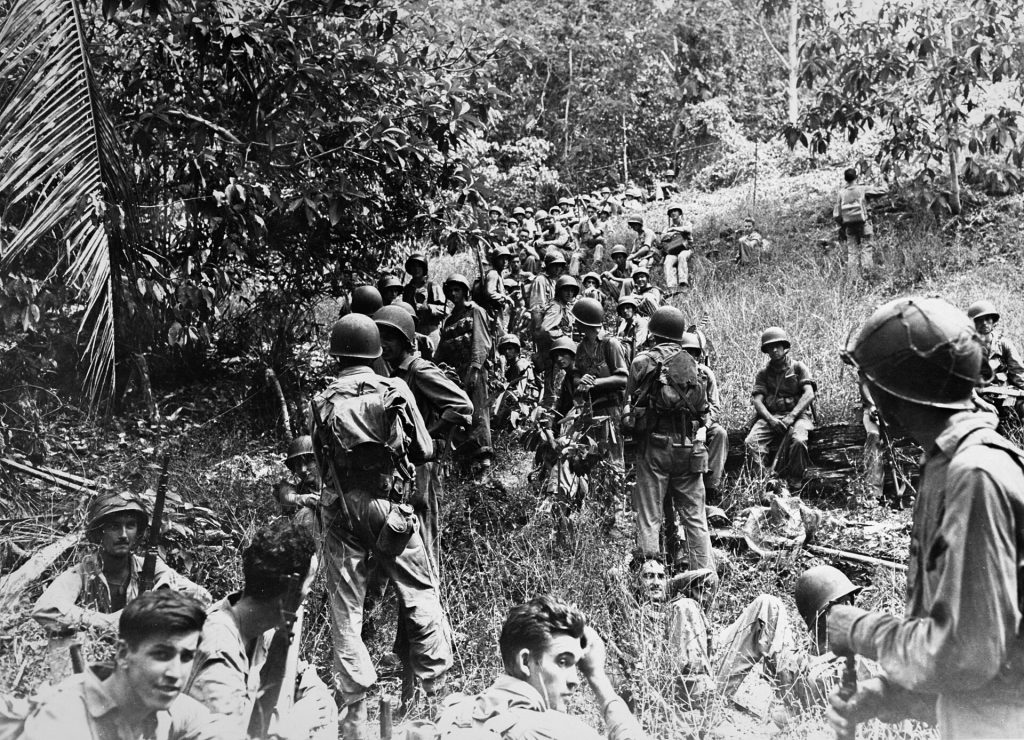
Six months after the Marines landed, the American commander on Guadalcanal reports that organised Japanese resistance has ended. The enemy has slipped away by night.
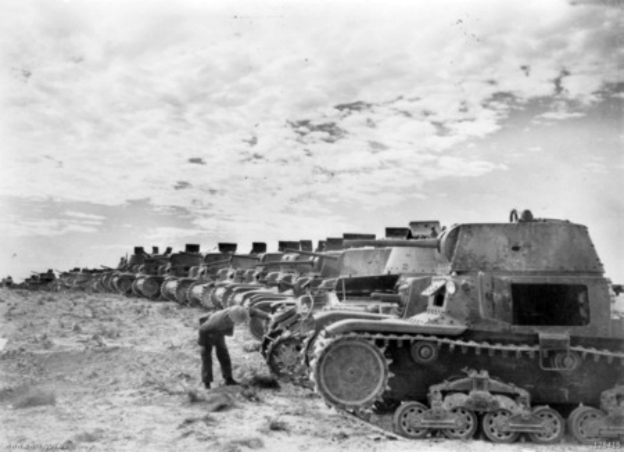
A small British force races across the desert and blocks the coast road south of Benghazi. The retreating Italian Tenth Army is trapped and surrenders.
 United Kingdom
 United States
 Soviet Union
 Germany
 Japan
 France
 Poland
 South Africa