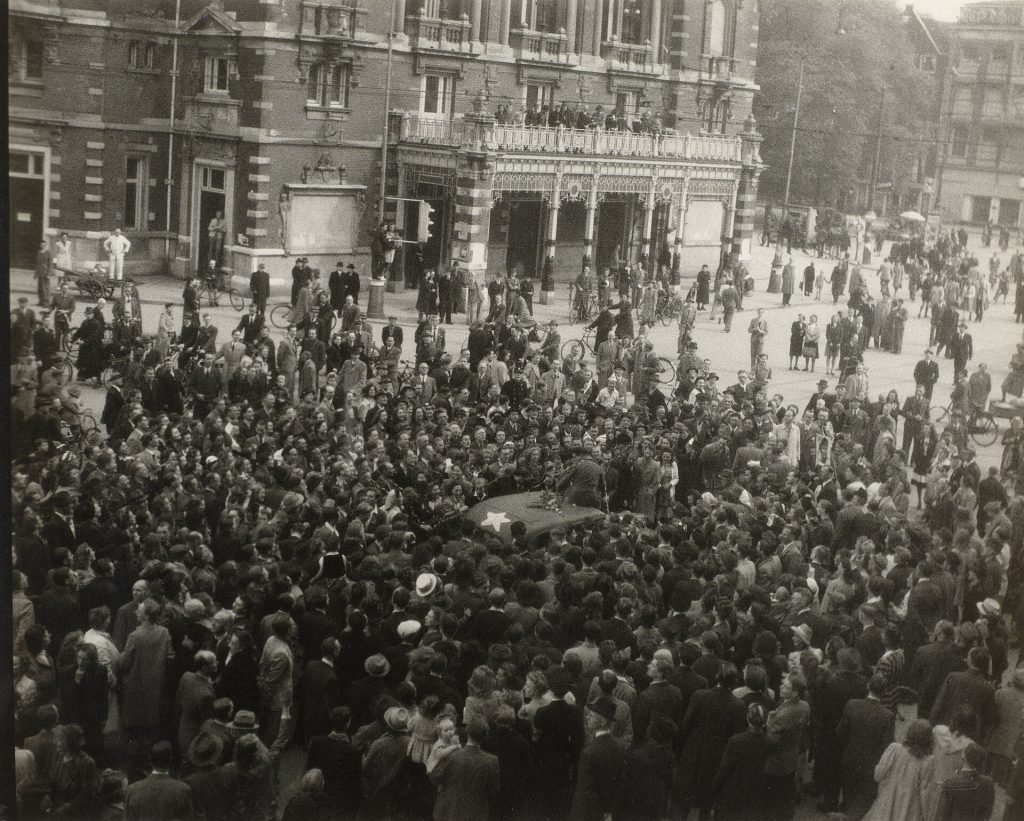
5 May 1945: The Netherlands Liberated
At a hotel in Wageningen, the German commander in the Netherlands meets the Canadian general facing him to arrange the surrender. After five years of occupation and a winter of famine, the Dutch are free.
Dispatches involving Canada.
At a hotel in Wageningen, the German commander in the Netherlands meets the Canadian general facing him to arrange the surrender. After five years of occupation and a winter of famine, the Dutch are free.
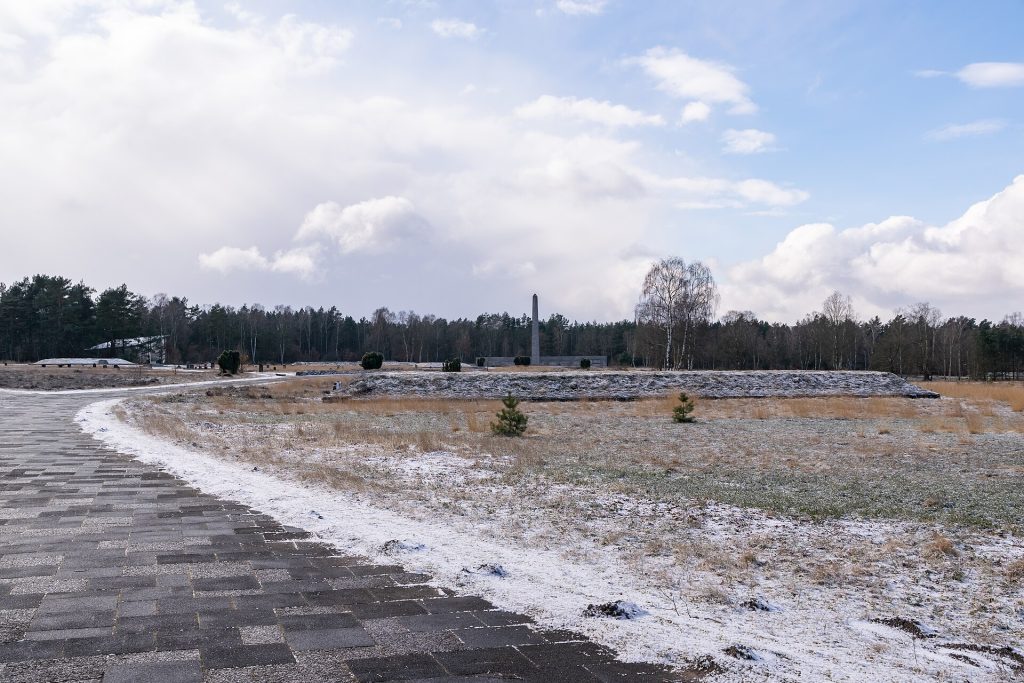
Under a local truce, British troops enter Bergen-Belsen. They find around 60,000 prisoners, many dying of typhus and starvation, and thousands of unburied dead.
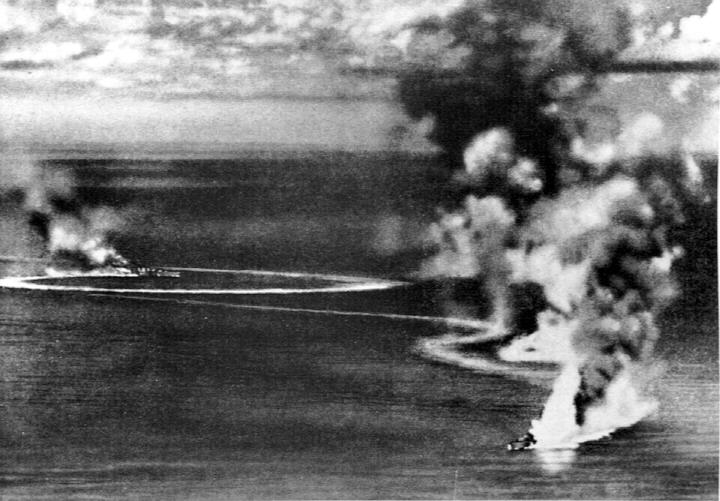
The carrier force that struck Pearl Harbor attacks Colombo in Ceylon. Warned the day before by a Canadian flying boat pilot, the defenders are ready, but two British cruisers are caught at sea.
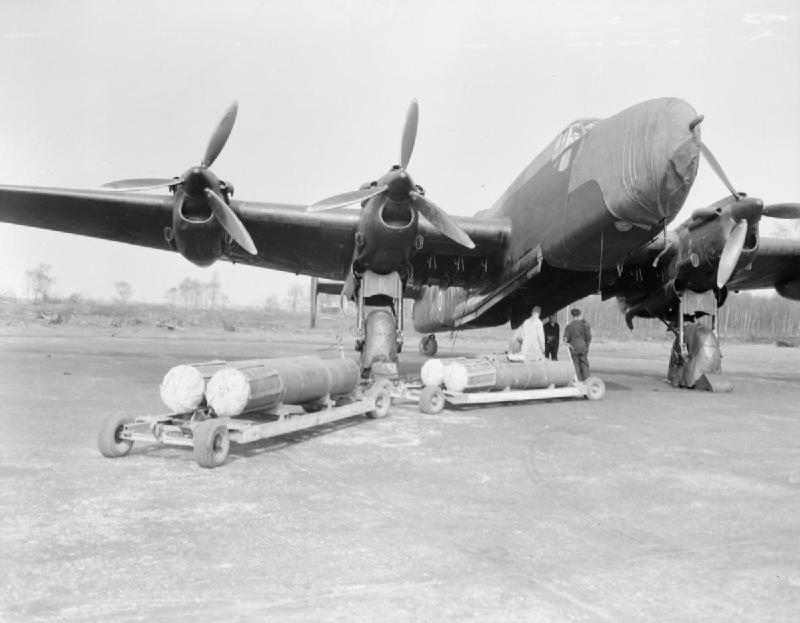
Under a bright moon and without the expected cloud, RAF Bomber Command flies a long, straight route into Germany. German night fighters are waiting.
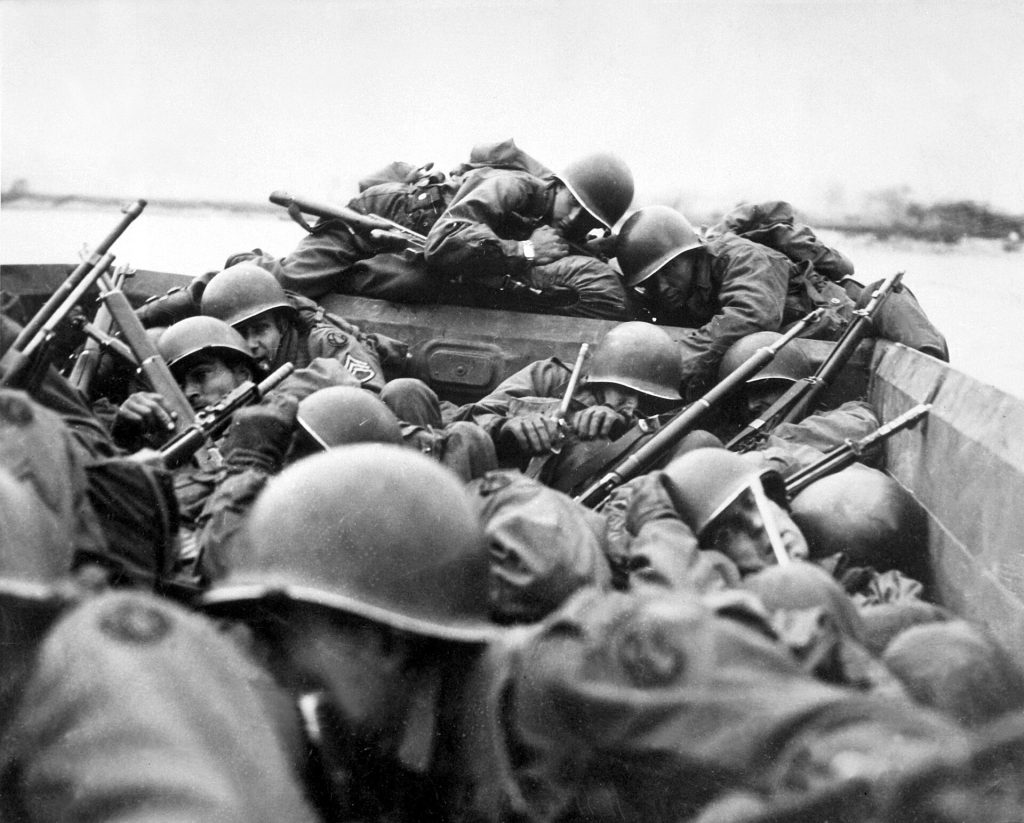
After a thunderous bombardment, Montgomery’s 21st Army Group crosses the Rhine on a broad front at night. The next morning two airborne divisions land on the far bank.
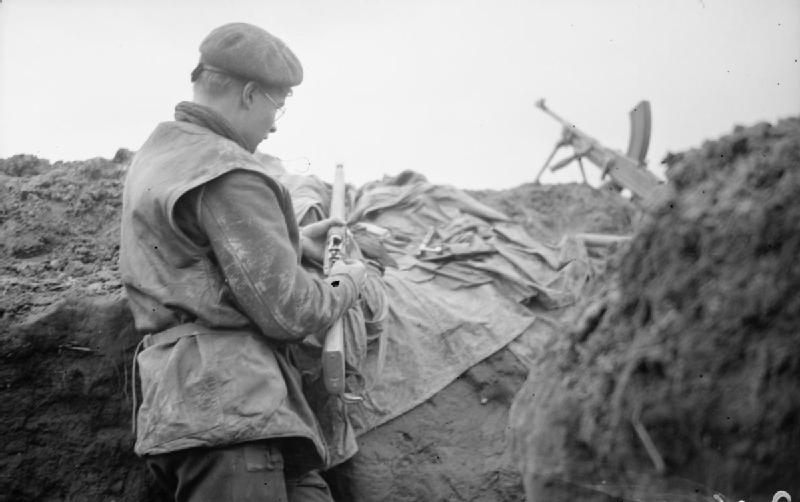
After a massive bombardment, the First Canadian Army attacks into the Reichswald forest, the start of the battle to clear the last ground west of the Rhine.
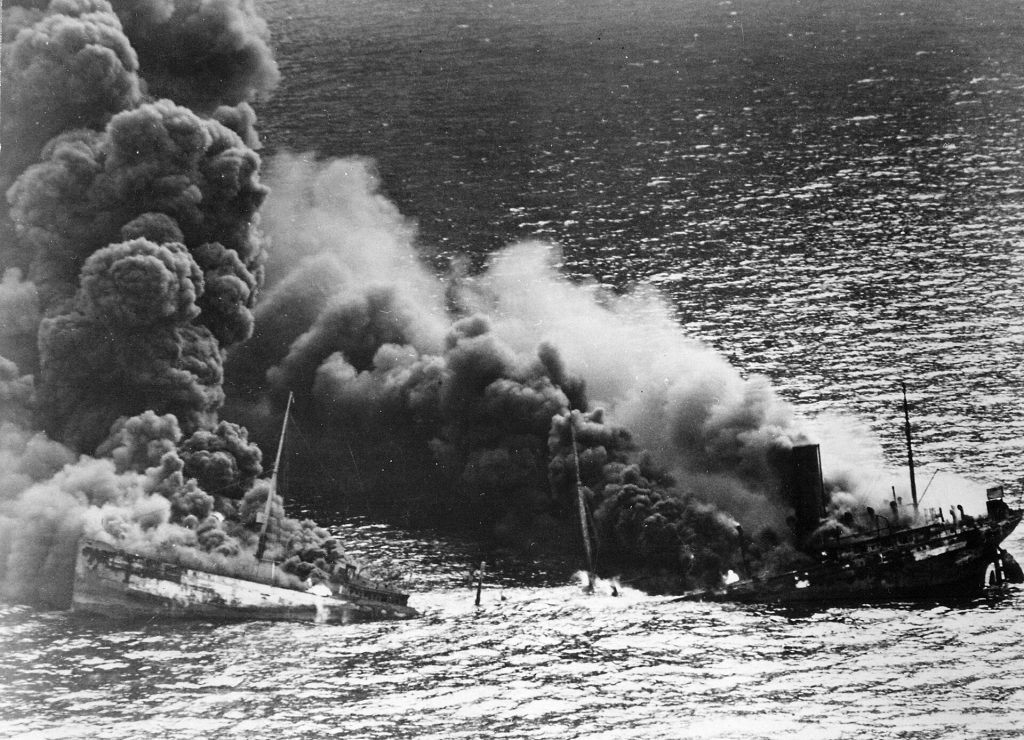
A handful of German U-boats arrive off the coast of North America. For months they will sink tankers and freighters within sight of brightly lit seaside towns.
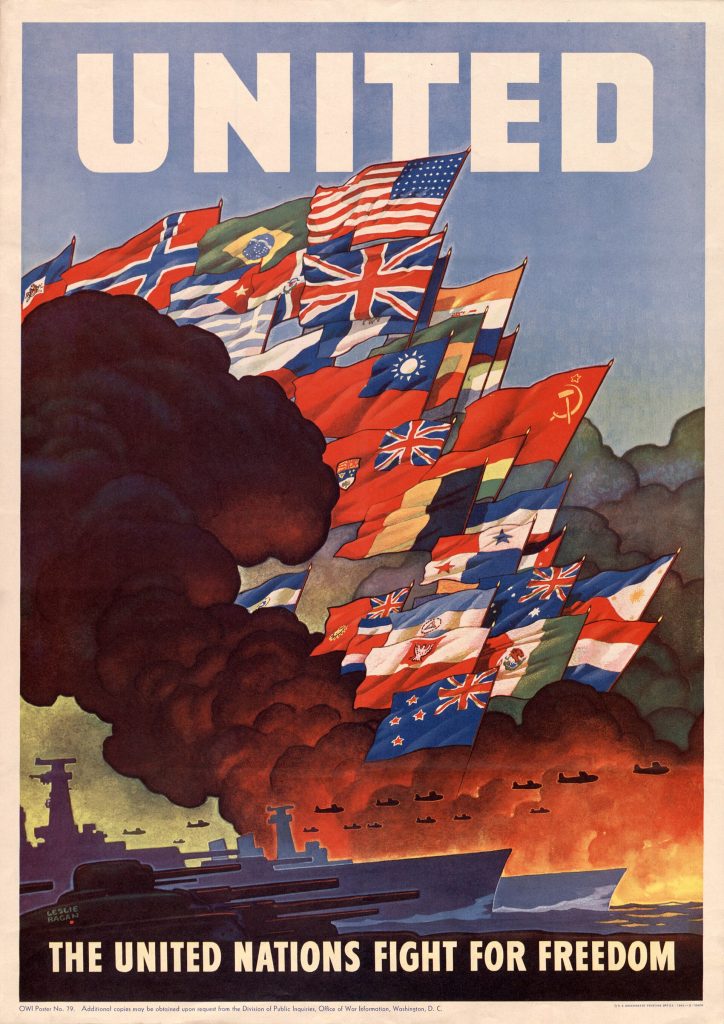
Weeks after Pearl Harbor, the nations fighting the Axis sign a single pledge in Washington. Their name for themselves will outlive the war.
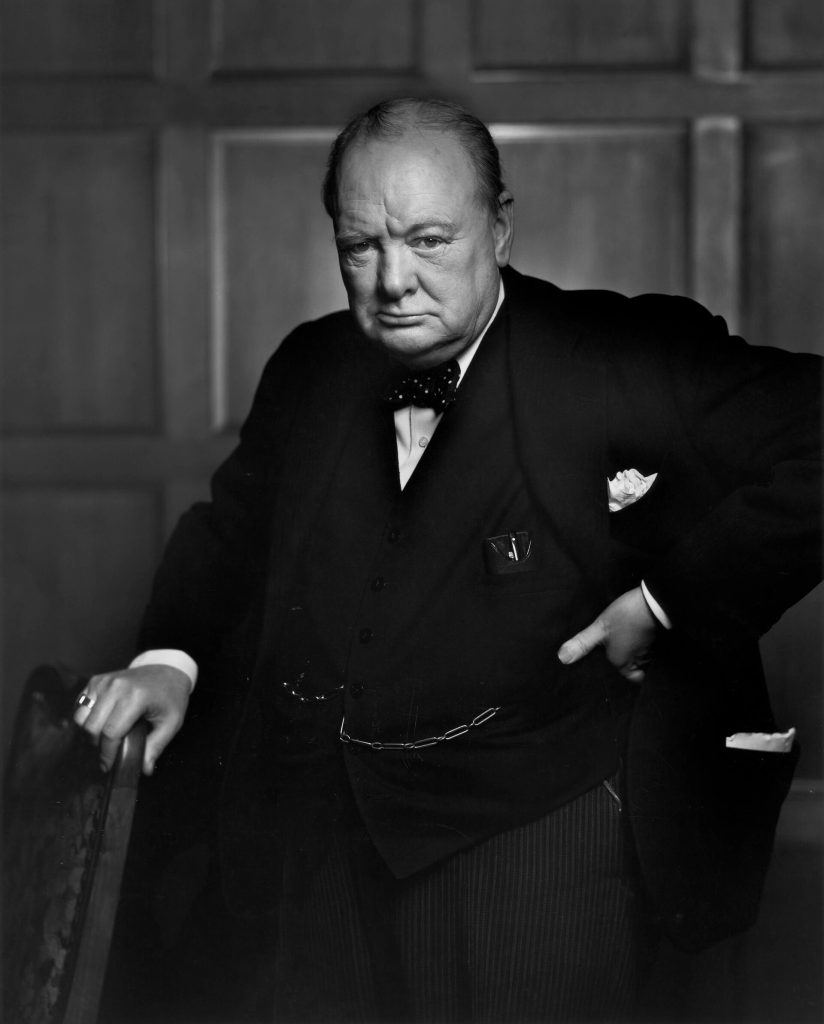
Churchill addresses the Canadian Parliament in Ottawa with one of his most famous jokes, then sits for a photographer who creates the defining image of his life.
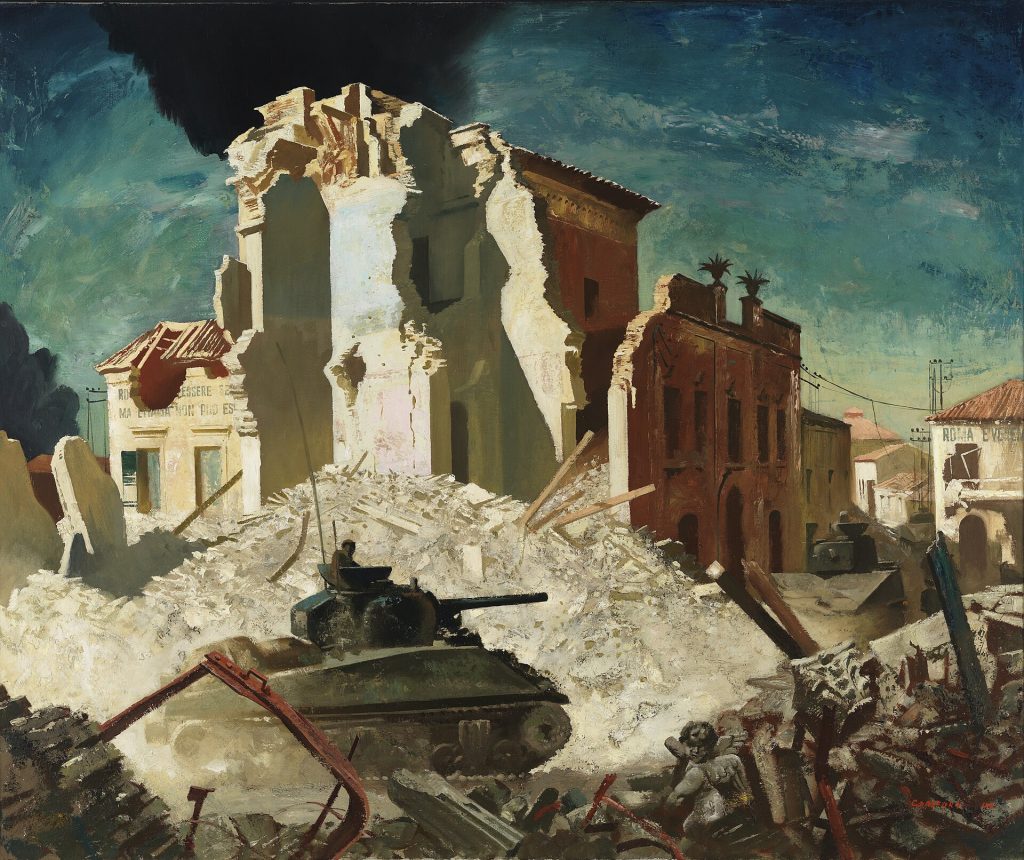
After eight days of house-to-house fighting, German paratroopers pull out of the Adriatic town of Ortona. Canadian soldiers have won one of the hardest urban battles of the Italian campaign.
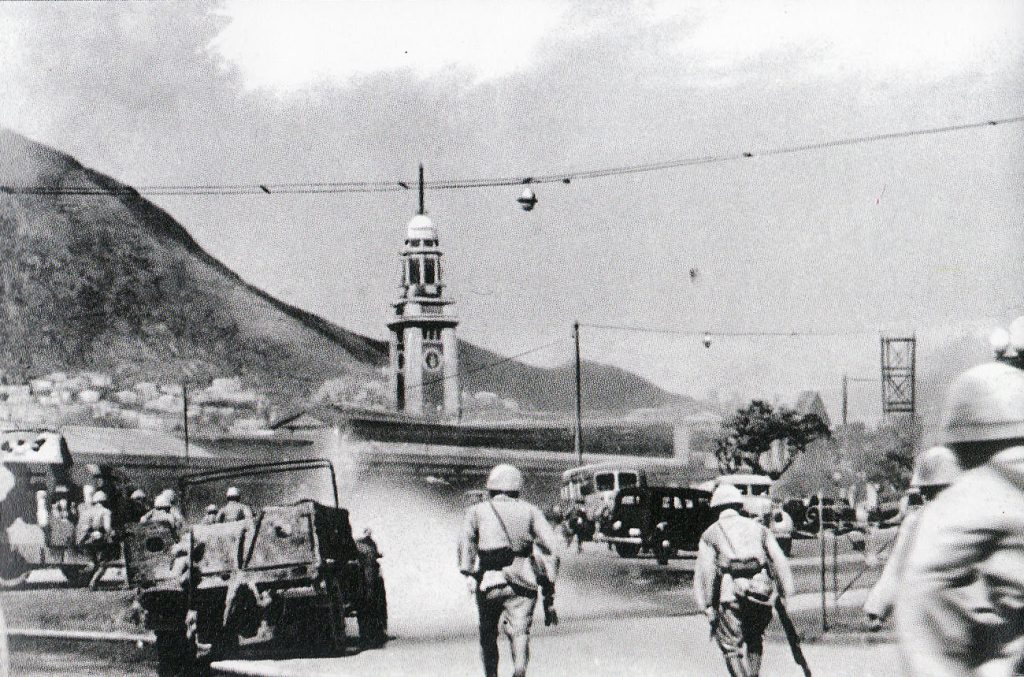
After eighteen days of fighting, the British colony of Hong Kong surrenders to Japan on Christmas Day. Its Commonwealth garrison and civilians face nearly four years of occupation.
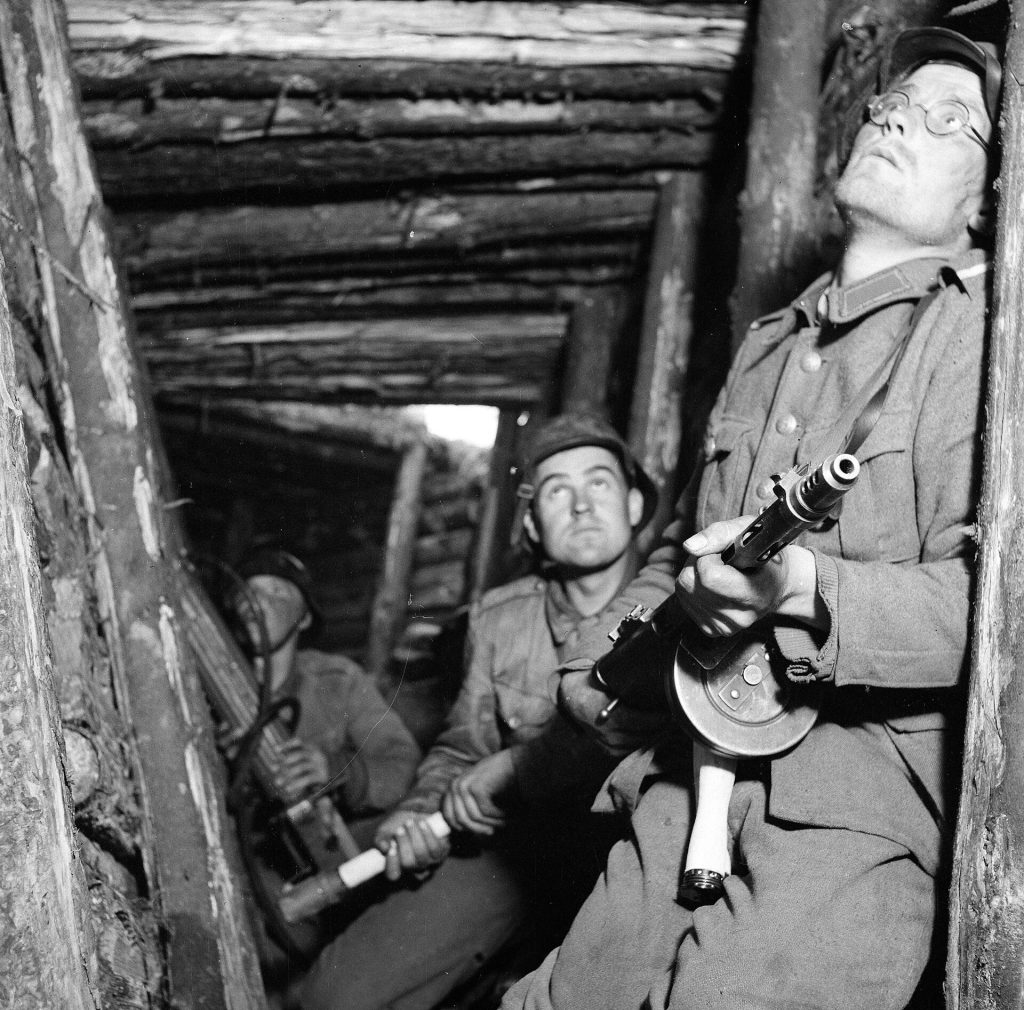
Under pressure from Stalin, Britain declares war on three of Germany’s partners in the invasion of the Soviet Union, including Finland, which Britain had cheered on against the Soviets two years earlier.
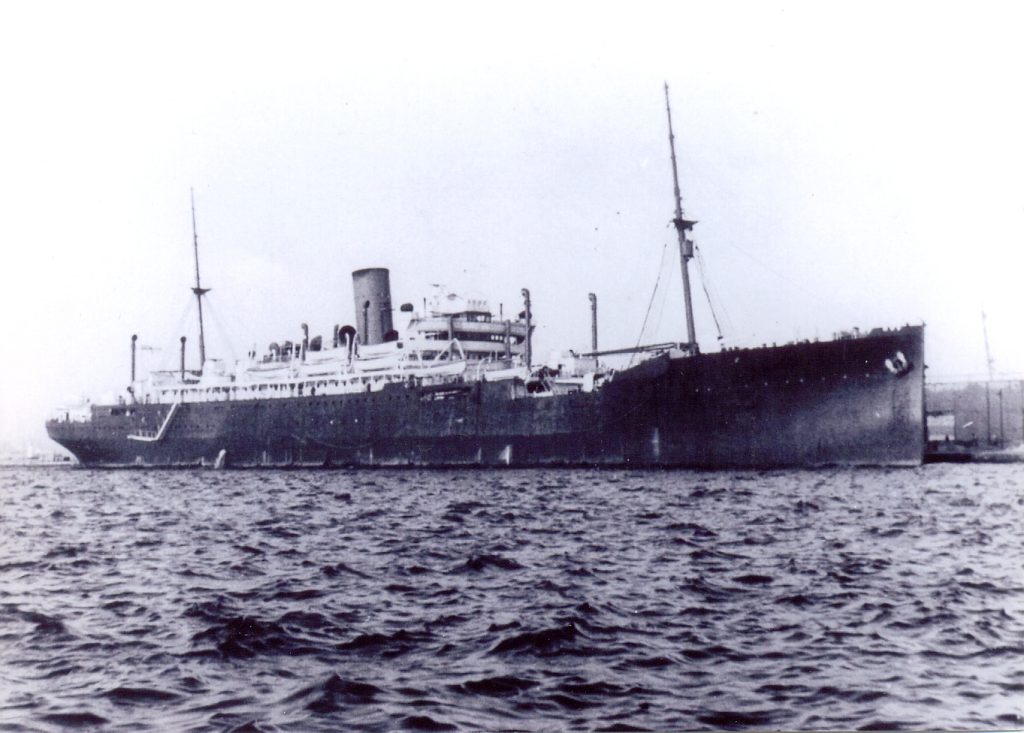
Alone in the mid-Atlantic, the escort of a 37-ship convoy turns towards the German pocket battleship Admiral Scheer, buying time for the merchant ships to scatter into the dusk.
 United Kingdom
 United States
 Soviet Union
 Germany
 Japan
 France
 Poland
 South Africa