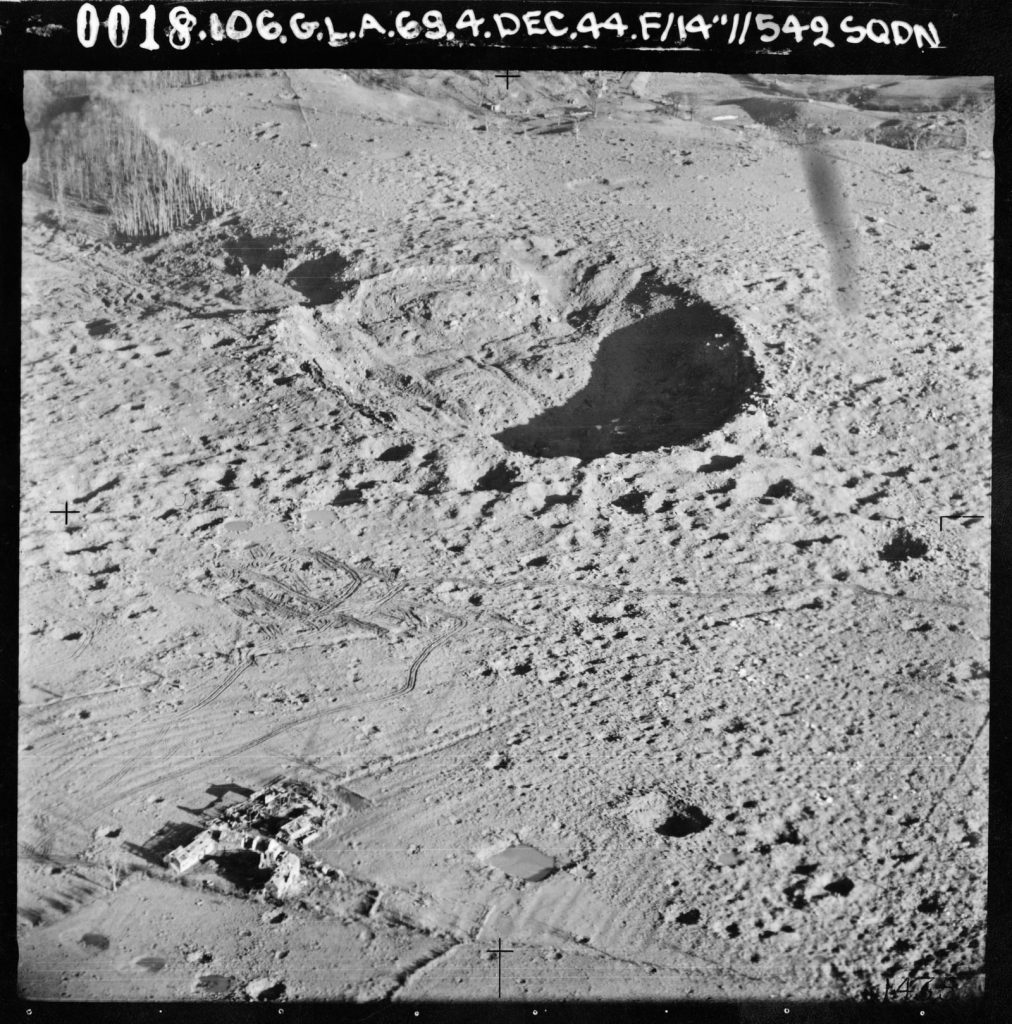
27 November 1944: The Fauld Explosion
Deep under the Staffordshire countryside, thousands of tonnes of RAF bombs blow up in one of the largest non-nuclear explosions in history.
Dispatches involving United Kingdom.
Deep under the Staffordshire countryside, thousands of tonnes of RAF bombs blow up in one of the largest non-nuclear explosions in history.
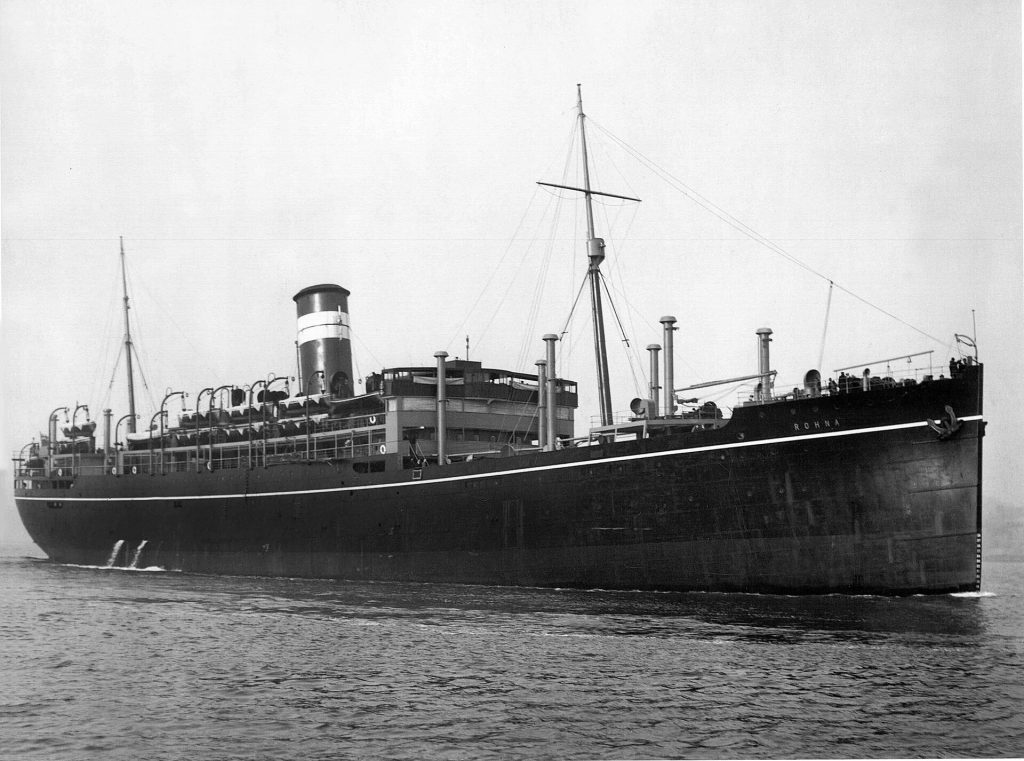
Off the coast of Algeria, a German radio-guided glide bomb strikes a British troopship carrying 2,000 American soldiers. More than 1,000 of them die in a disaster kept secret for decades.
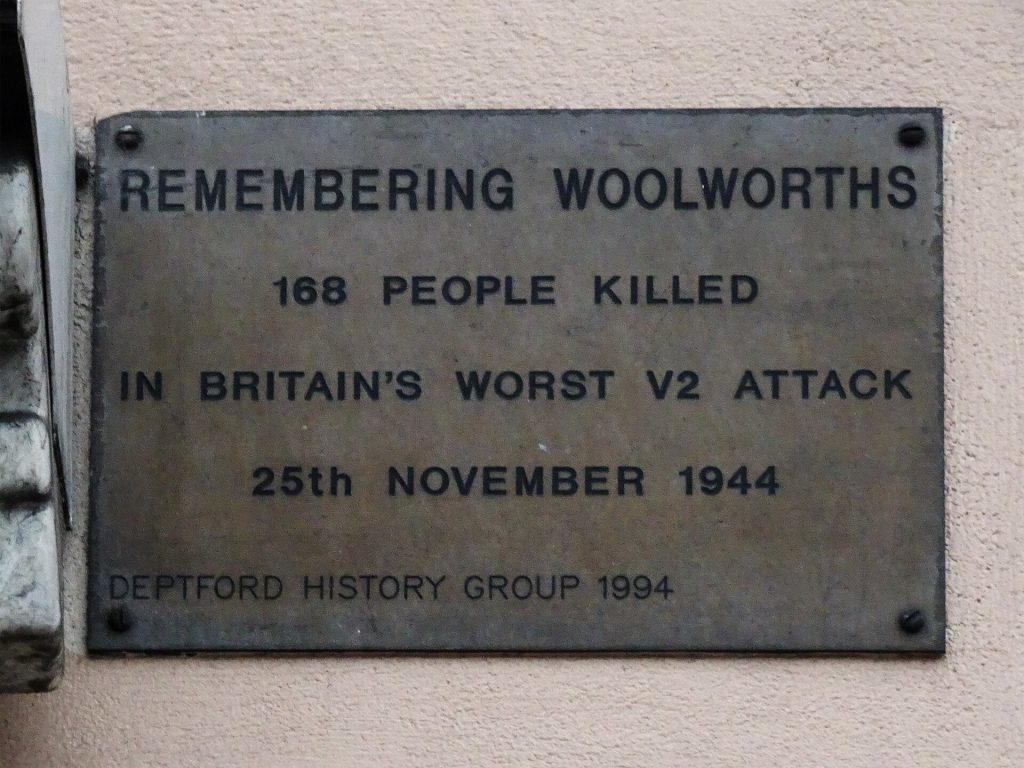
Without warning, a German V-2 rocket falls on a busy Woolworths store in south-east London on a Saturday, killing 168 people in the deadliest V-2 attack in Britain.
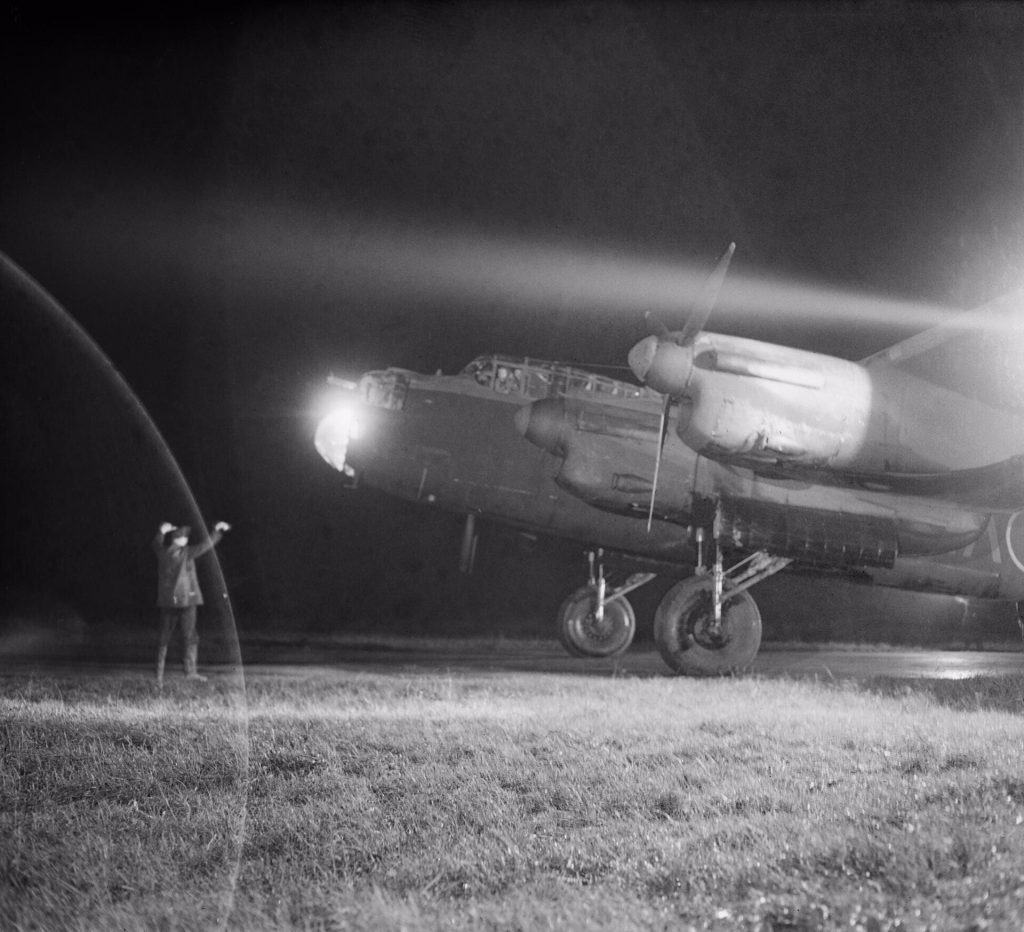
Hundreds of Lancasters head for the German capital, opening a winter offensive that Arthur Harris believes can wreck Berlin from end to end and cost Germany the war.
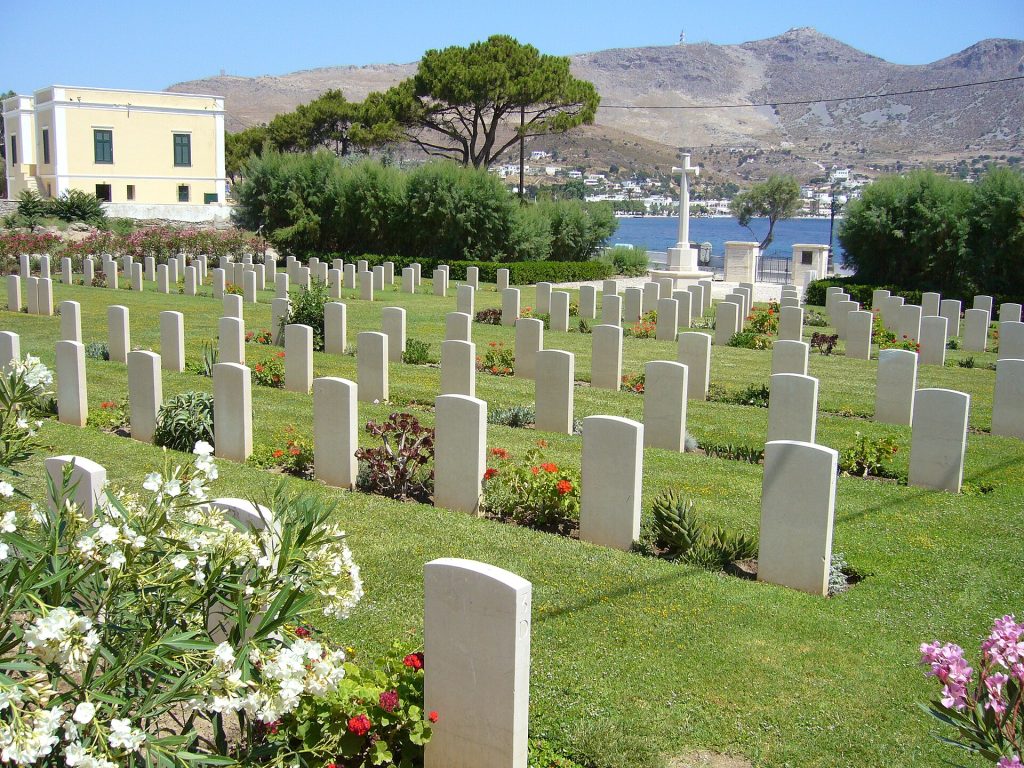
After four days of fighting against paratroops and seaborne landings under constant air attack, the British garrison on the Aegean island of Leros surrenders.
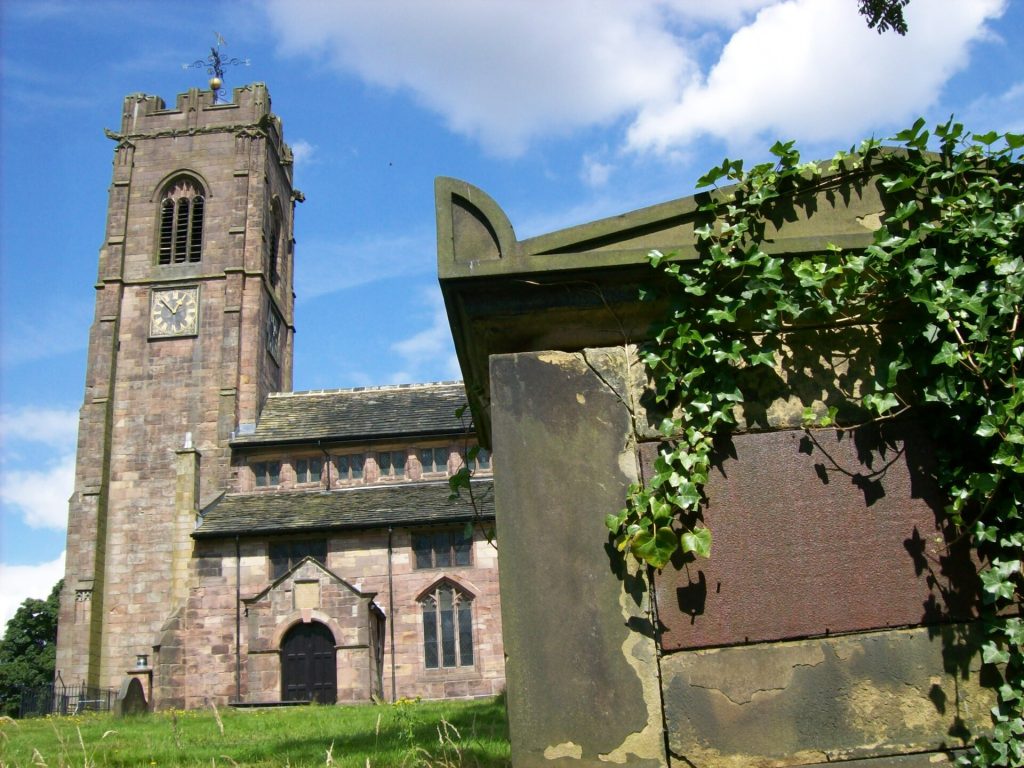
Silent for more than two years, kept only as a warning of German invasion, the church bells of Britain ring out on a Sunday morning to celebrate victory in Egypt.
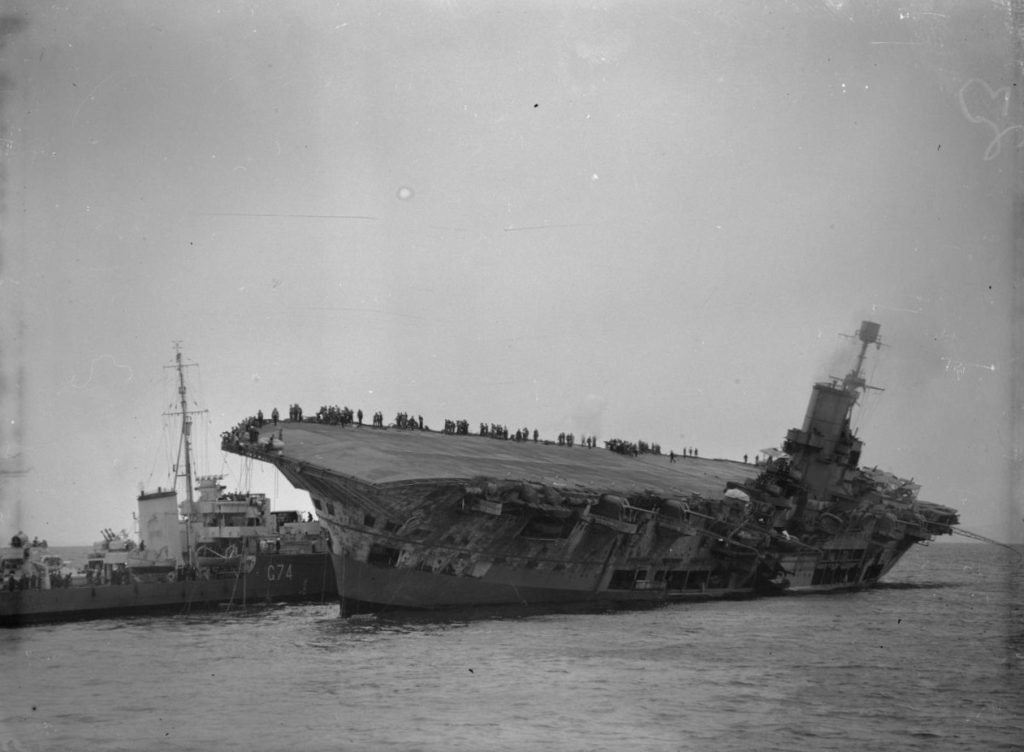
Within sight of Gibraltar, a single torpedo from U-81 strikes the Royal Navy’s most famous aircraft carrier, the ship German propaganda had claimed sunk two years before.
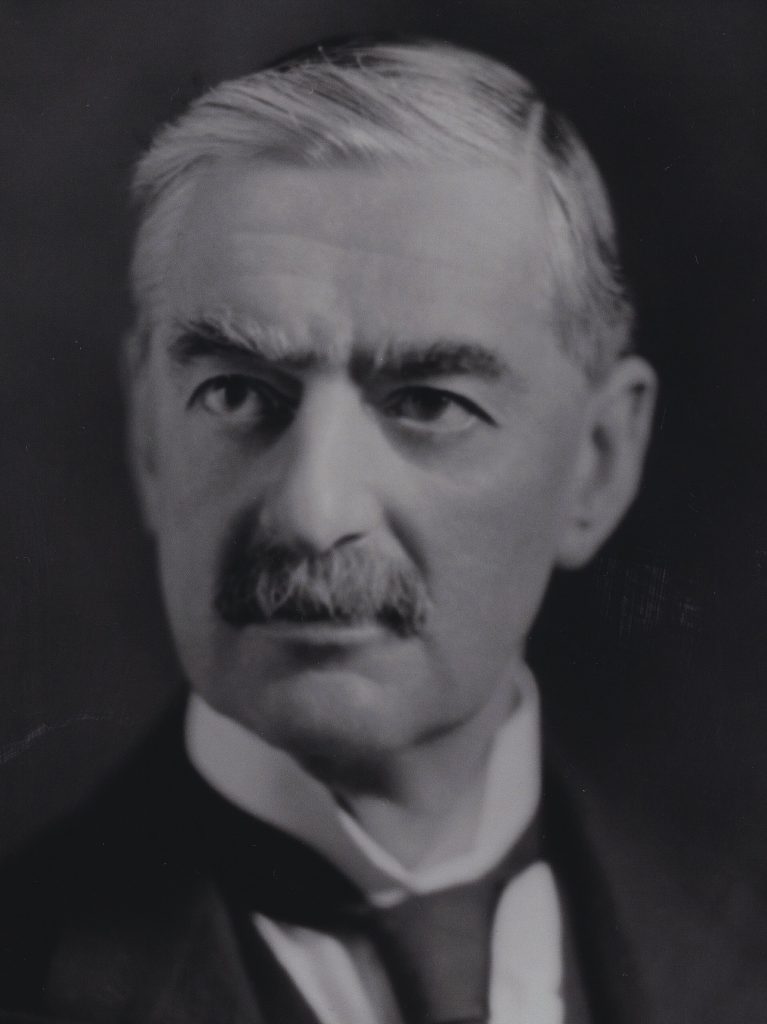
Six months after leaving Downing Street, the Prime Minister who declared war on Germany dies of cancer, as the Blitz he did not live to see end rages over London.
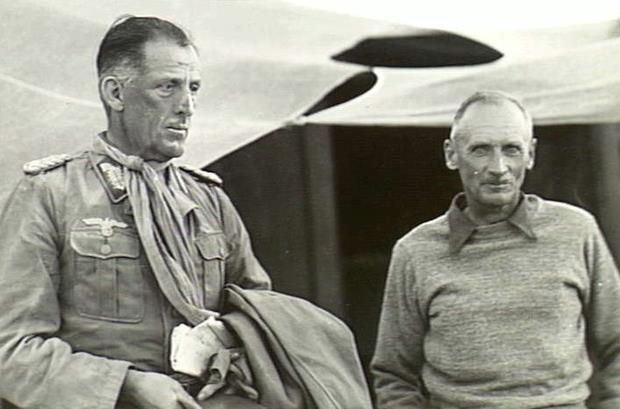
Defying Hitler’s order to stand or die, Rommel turns his broken army west, ending the Second Battle of El Alamein and the Axis threat to Egypt.
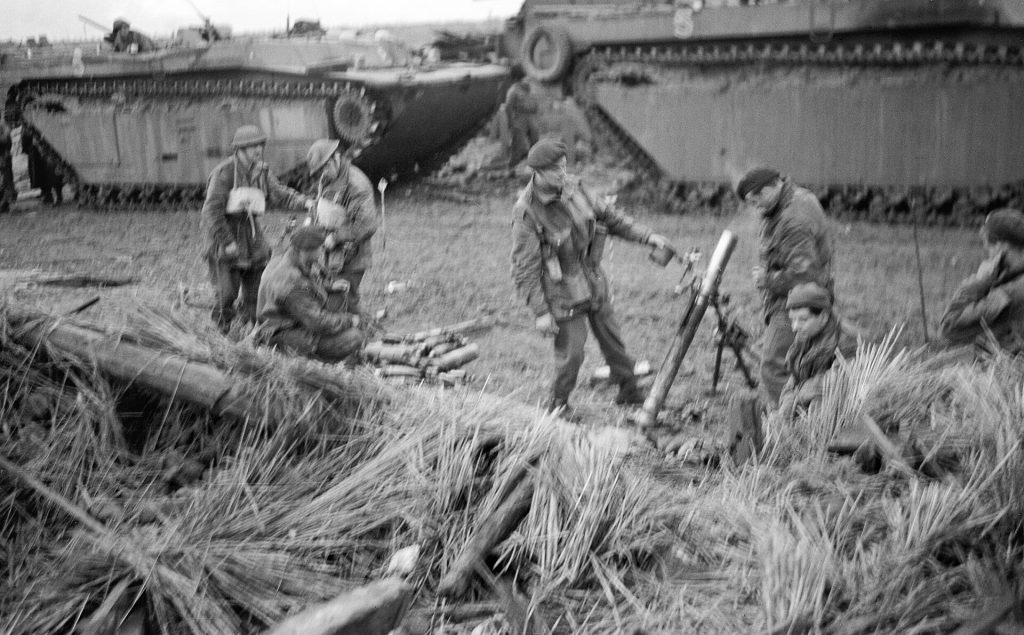
Commandos cross the Scheldt and land on a flooded Dutch island to break the last German grip on the approaches to Antwerp, the port the Allied armies desperately need.
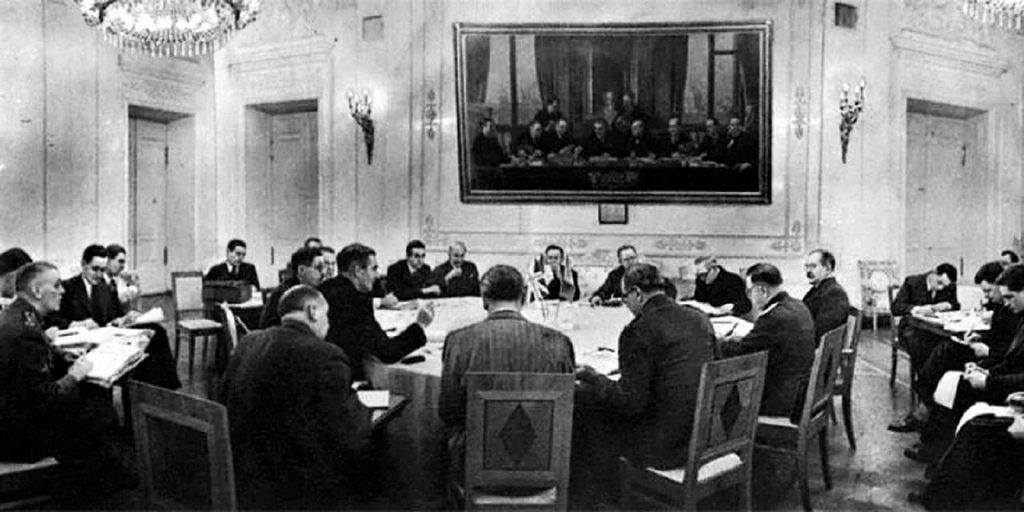
At the end of a conference of foreign ministers in Moscow, the Allies sign declarations on the post-war world, on Austria and Italy, and on punishing German war criminals.
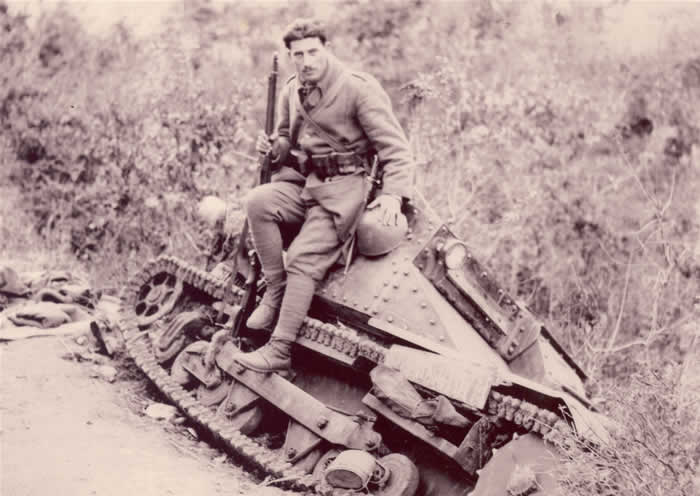
At three in the morning, the Italian ambassador hands Greece’s leader an ultimatum. He rejects it. Within hours Italian troops cross from Albania. The Greeks will drive them back.
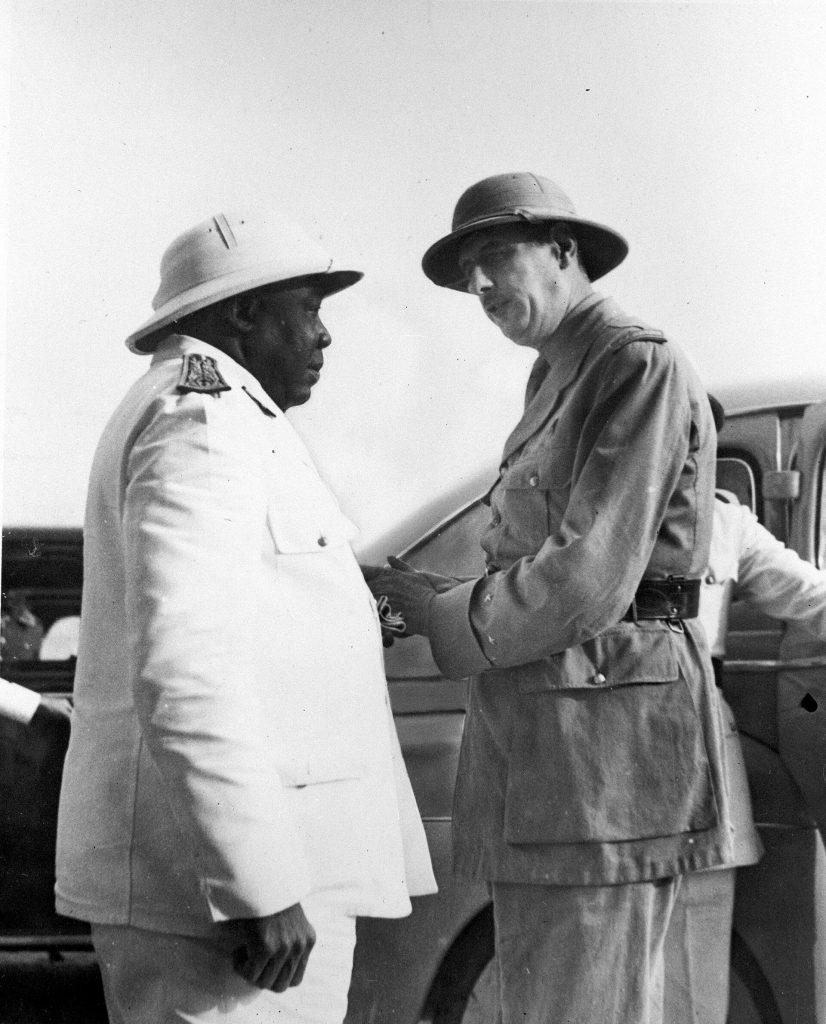
In Brazzaville, capital of French Equatorial Africa, General de Gaulle declares the Vichy regime illegitimate and sets up a council to govern Free France’s growing African territories.
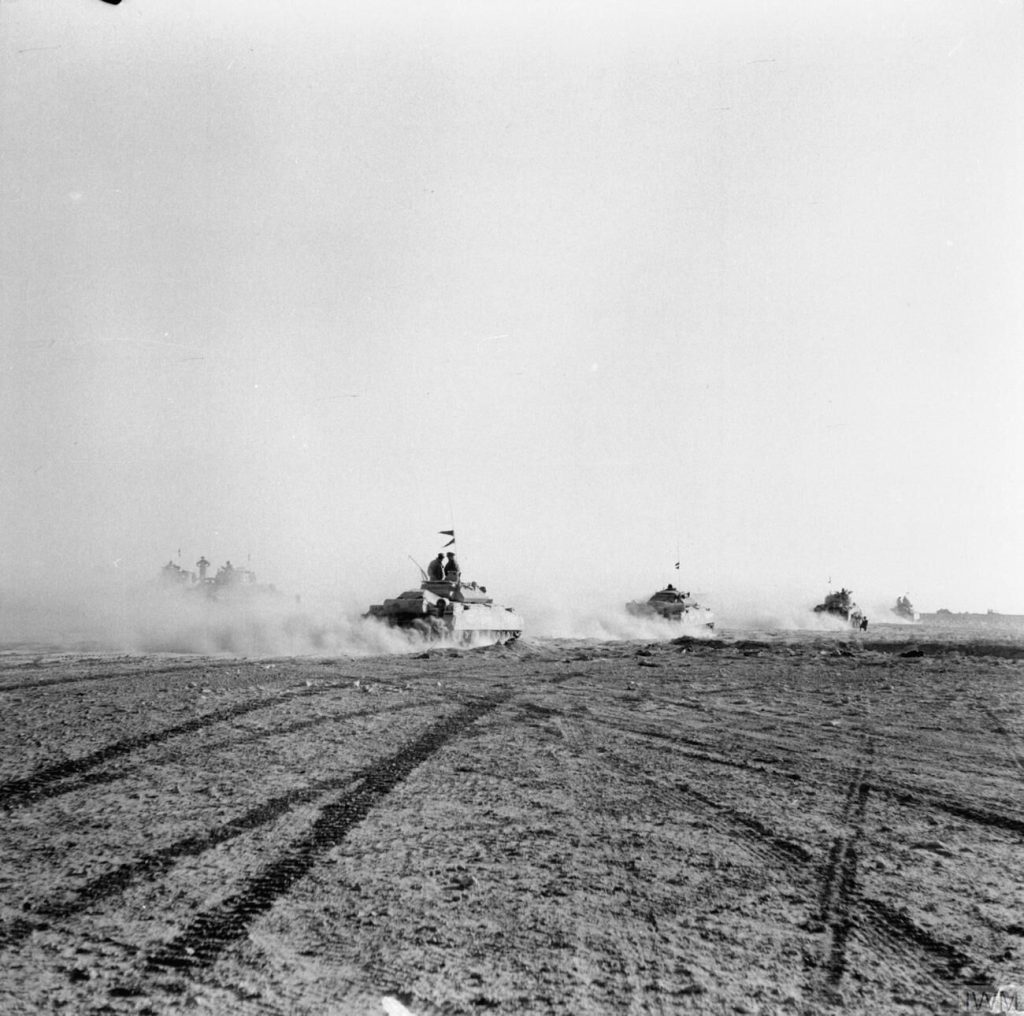
At 21:40, hundreds of guns open fire along the Alamein line. Montgomery’s Eighth Army begins the battle that will drive the Axis out of Egypt for good.
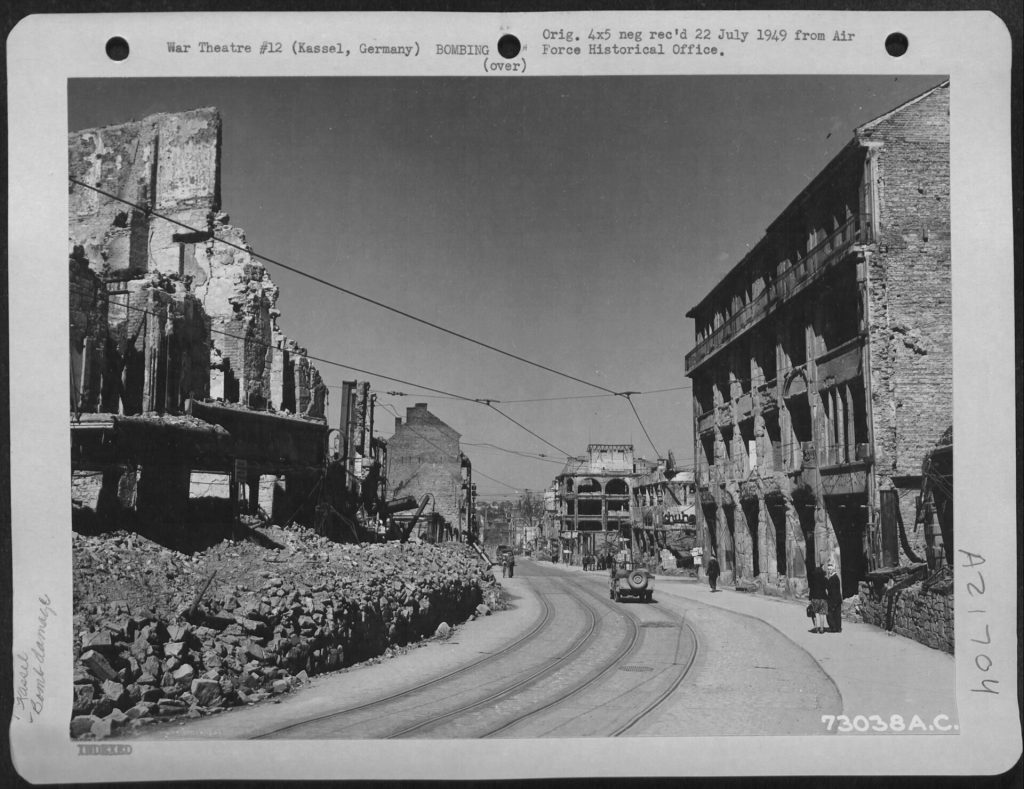
RAF Bomber Command strikes Kassel, a centre of tank and aircraft production. A firestorm engulfs the old city.
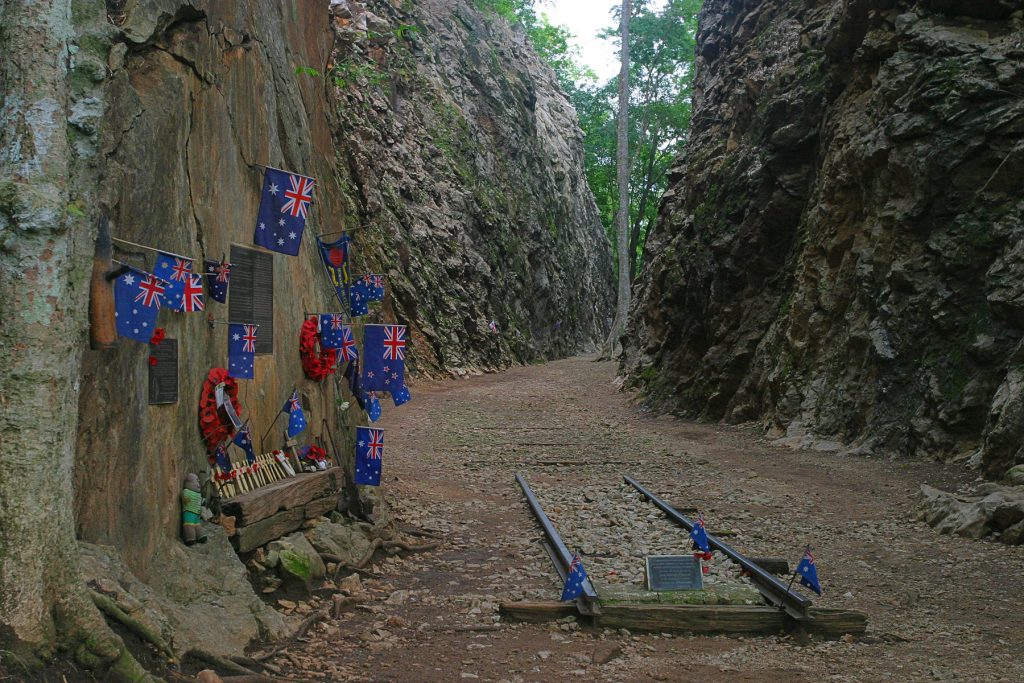
Near the Thai-Burmese border, the two halves of a 415-kilometre railway built by prisoners of war and Asian labourers are joined. Tens of thousands have died building it.
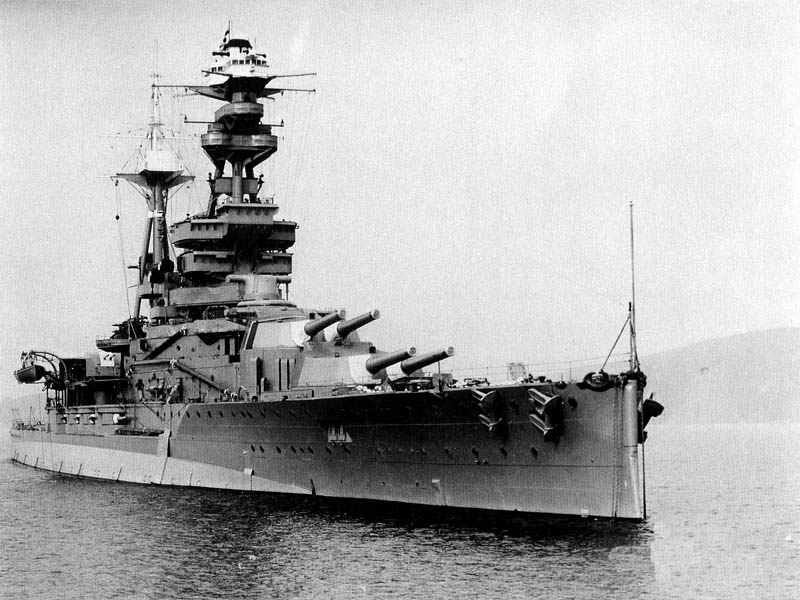
A German submarine slips into the Home Fleet’s anchorage at Scapa Flow and torpedoes the battleship Royal Oak. She capsizes in minutes. Hundreds of men and boys die.
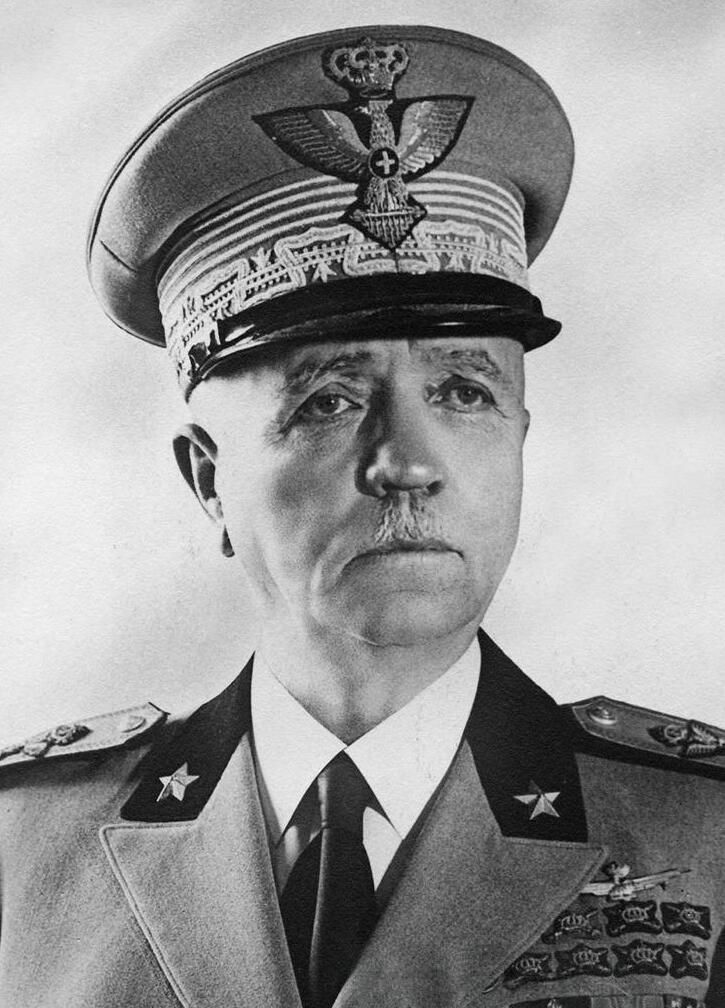
Five weeks after its armistice with the Allies, the royal Italian government declares war on its former ally. Italy is now a co-belligerent, not quite an ally.
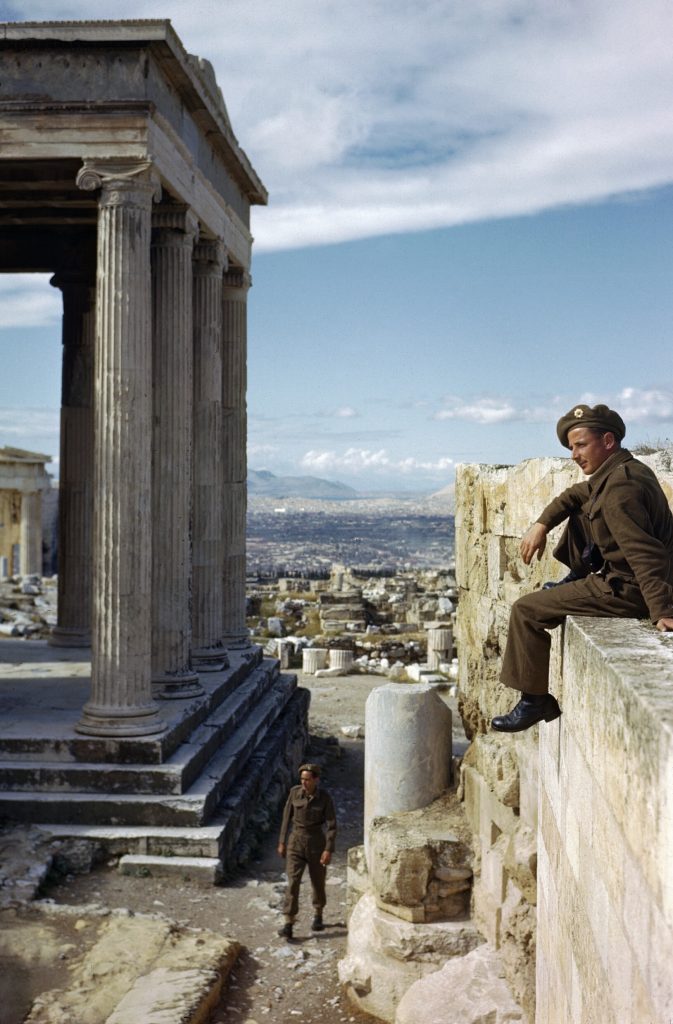
The last German troops leave Athens, and the swastika comes down from the Acropolis. Within days British troops and the Greek government in exile arrive.
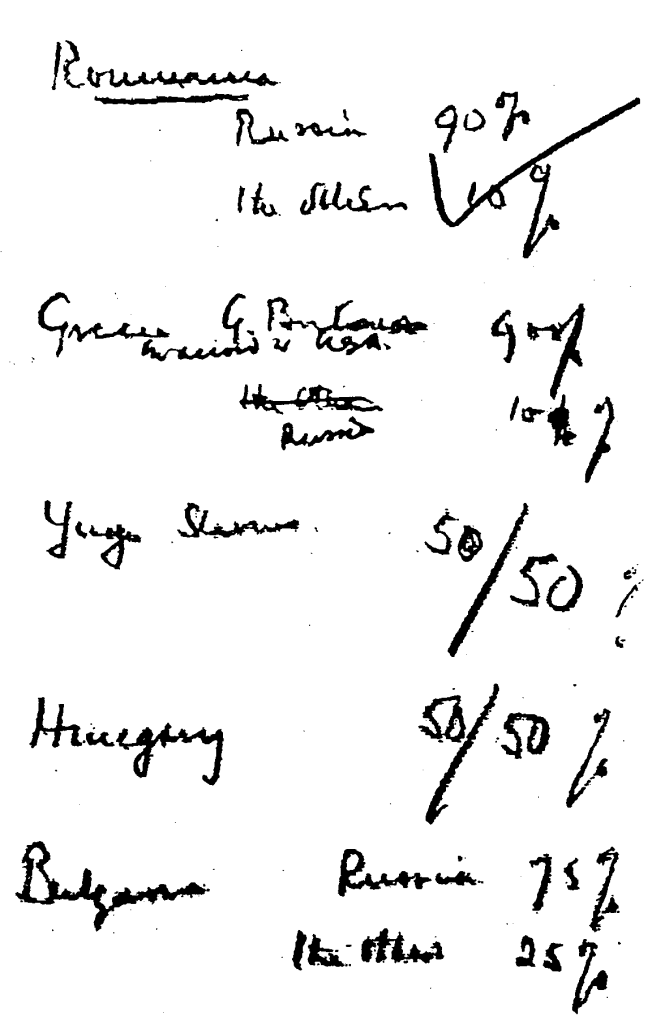
Late at night in the Kremlin, Churchill pushes a half-sheet of paper across the table to Stalin. On it he has written percentages of influence over five countries of south-eastern Europe.
 United Kingdom
 United States
 Soviet Union
 Germany
 Japan
 France
 Poland
 South Africa