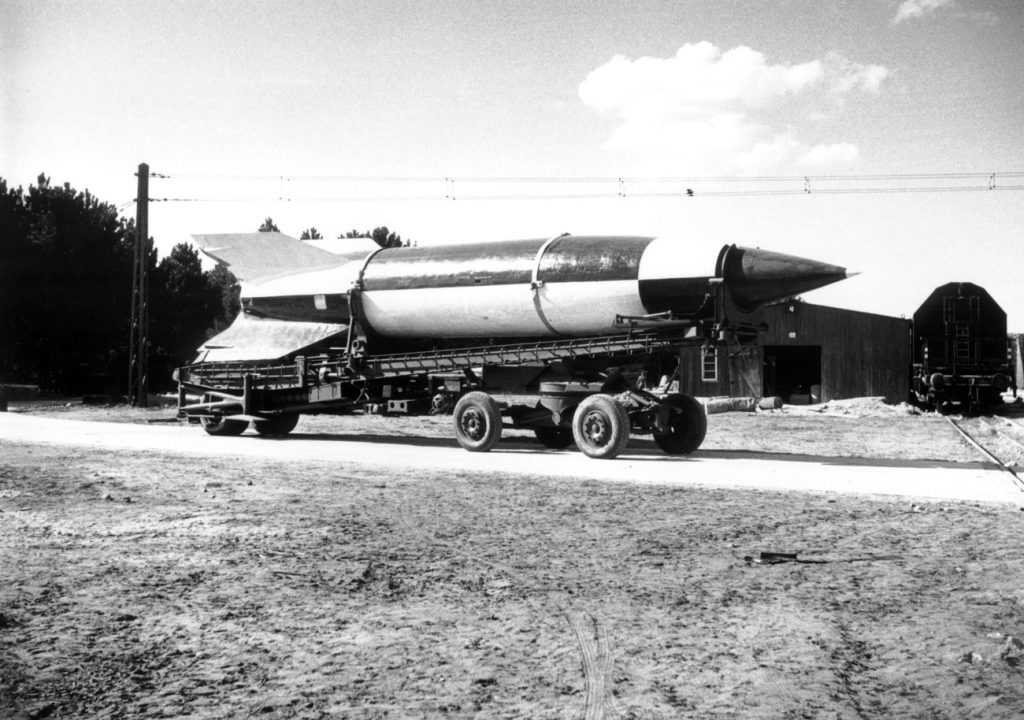
3 October 1942: The First Successful V-2 Launch
At Peenemünde on the Baltic coast, an A4 rocket climbs to the edge of space and comes down almost 200 kilometres away. Germany’s ballistic missile works.
Dispatches involving United Kingdom.
At Peenemünde on the Baltic coast, an A4 rocket climbs to the edge of space and comes down almost 200 kilometres away. Germany’s ballistic missile works.
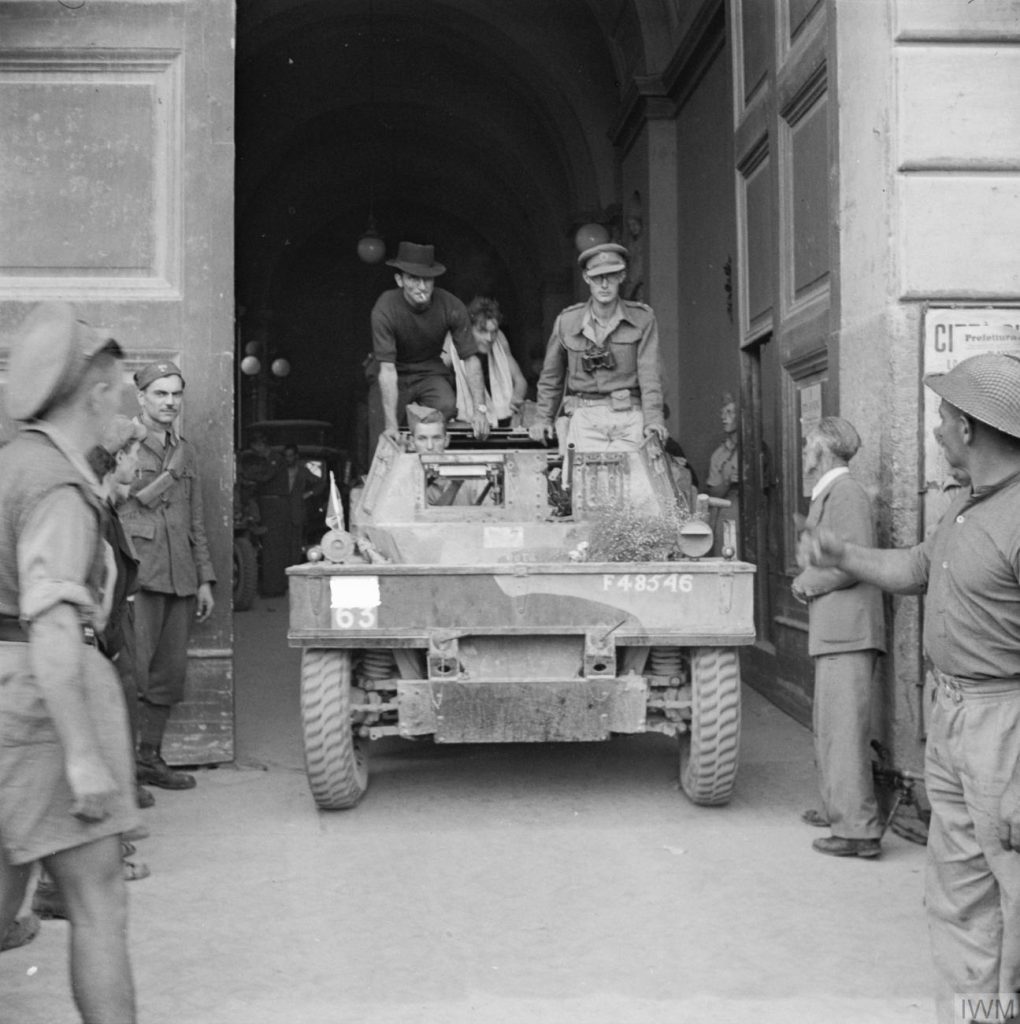
British armoured cars roll into Naples, followed by the US Fifth Army. The city’s people have already fought the Germans themselves. The port is a wreck.
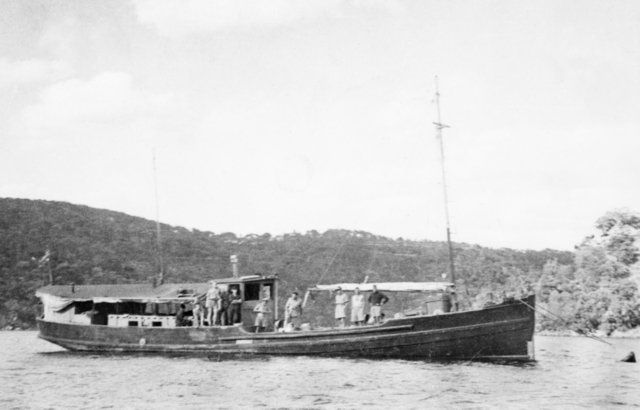
Under cover of darkness, canoeists from a battered old Japanese fishing boat paddle into Singapore harbour and fix limpet mines to Japanese ships. Then they slip away.
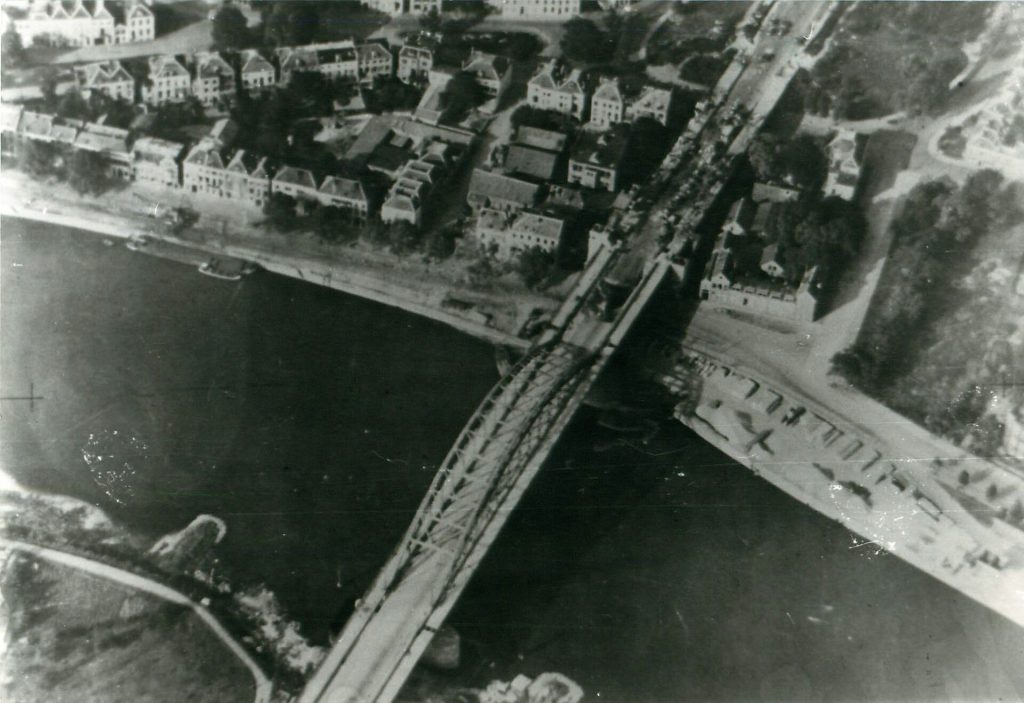
In darkness and rain, the survivors of the British 1st Airborne Division slip down to the Rhine and are ferried across. The bridge too far has been lost.
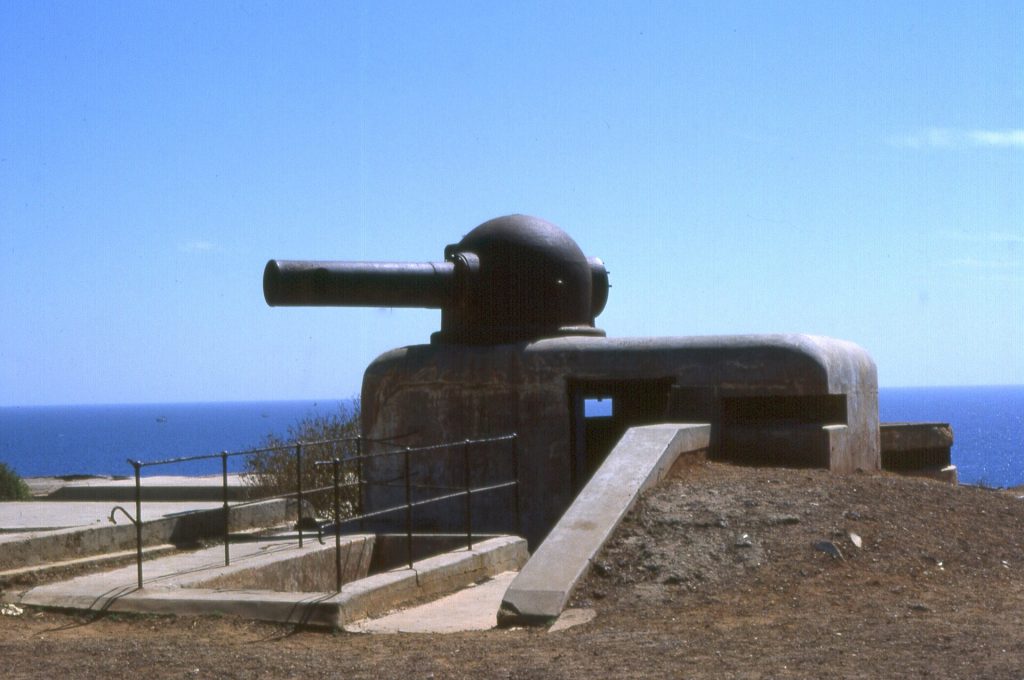
A British fleet carrying General de Gaulle and his Free French troops arrives off Dakar, hoping to win French West Africa without a fight. The Vichy French open fire.

Two British midget submarines slip through the defences of a Norwegian fjord and lay explosive charges beneath the battleship Tirpitz. The explosions put her out of action for months.
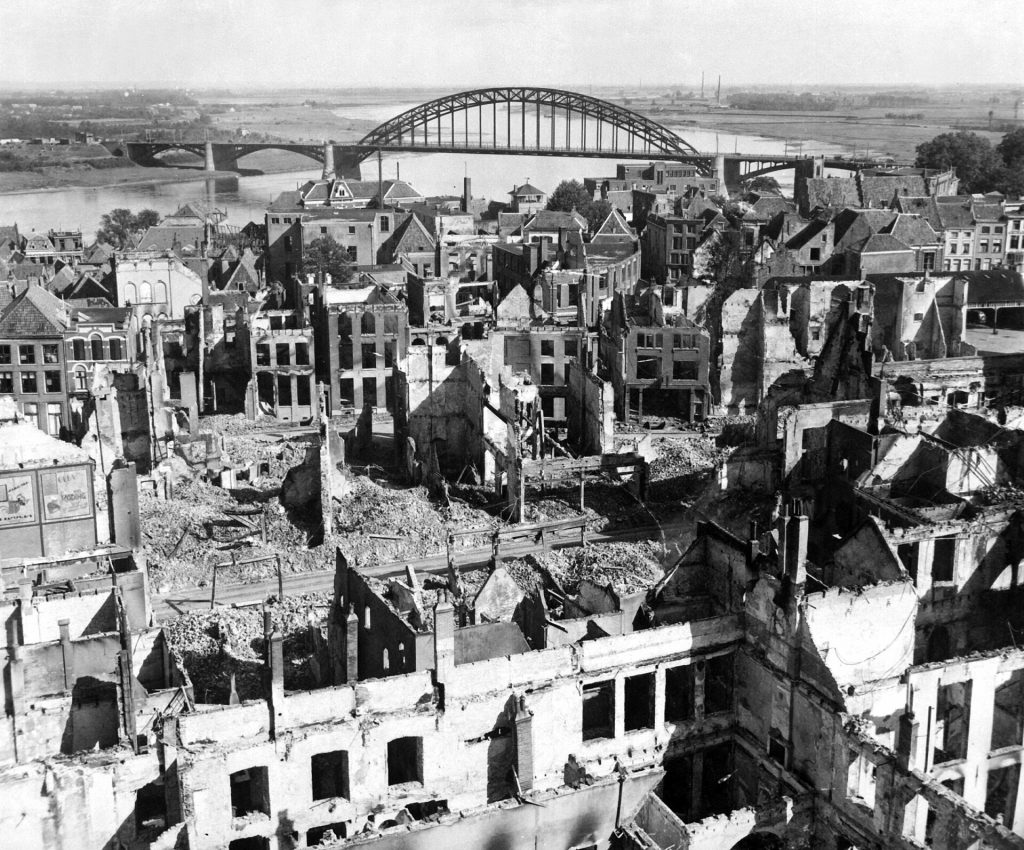
In broad daylight, American paratroopers paddle canvas boats across the wide Waal river under fire to capture the Nijmegen bridge. Arnhem is 18 kilometres away.
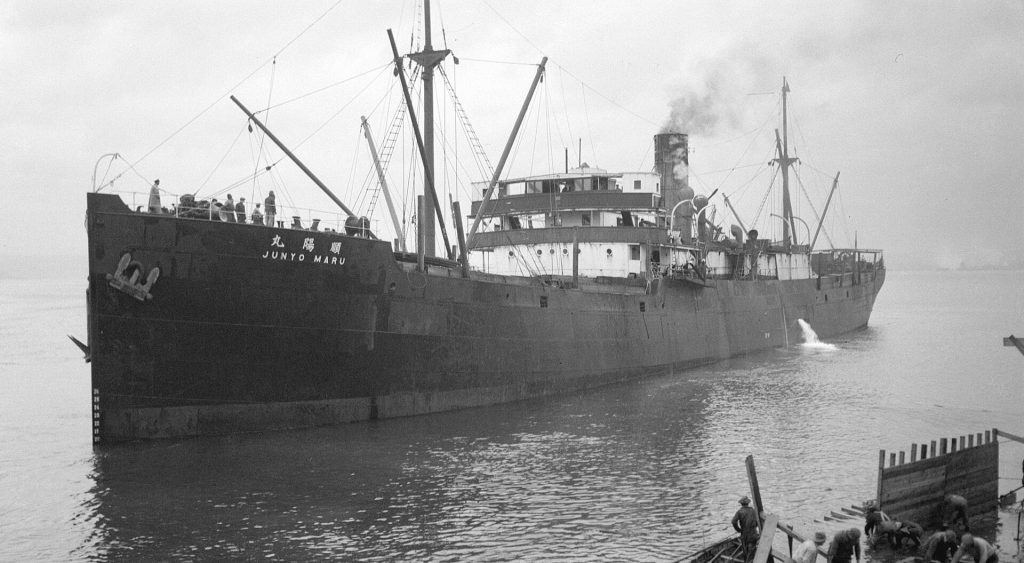
Off the coast of Sumatra, a British submarine torpedoes a Japanese cargo ship. Packed in her holds are thousands of Allied prisoners of war and Javanese forced labourers.
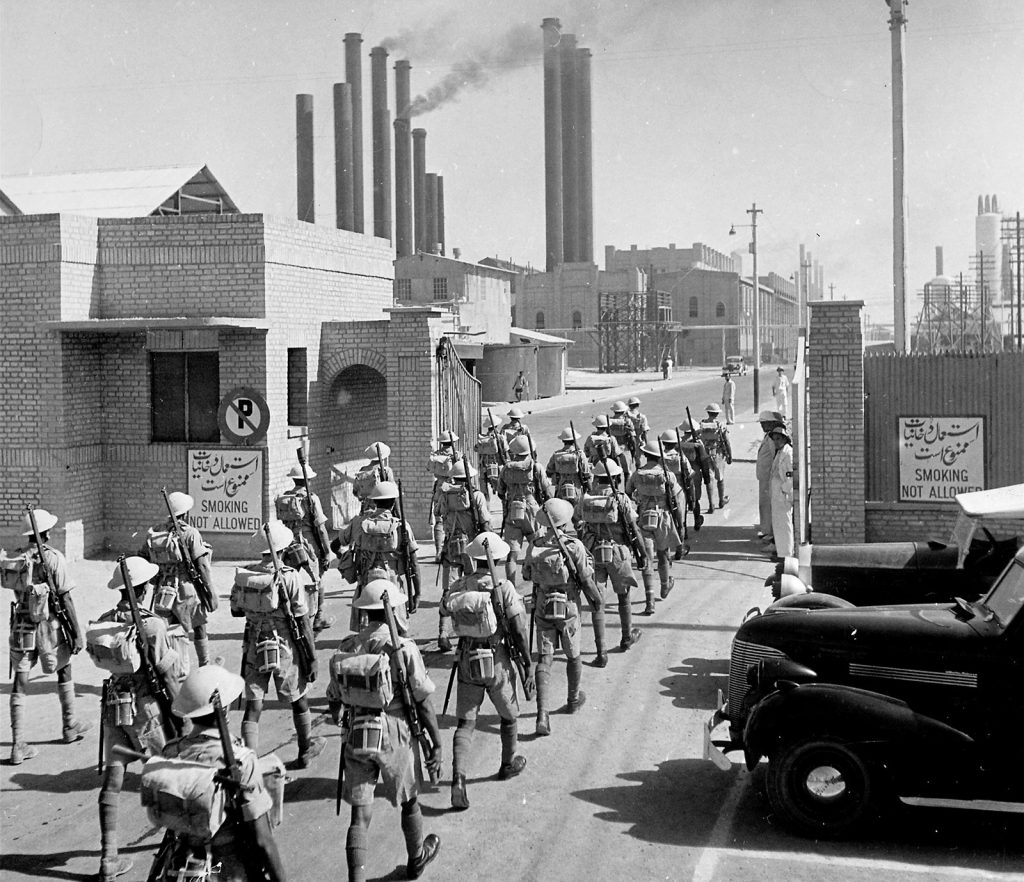
Three weeks after British and Soviet troops invade Iran, Reza Shah abdicates in favour of his son. He will die in exile in Johannesburg.
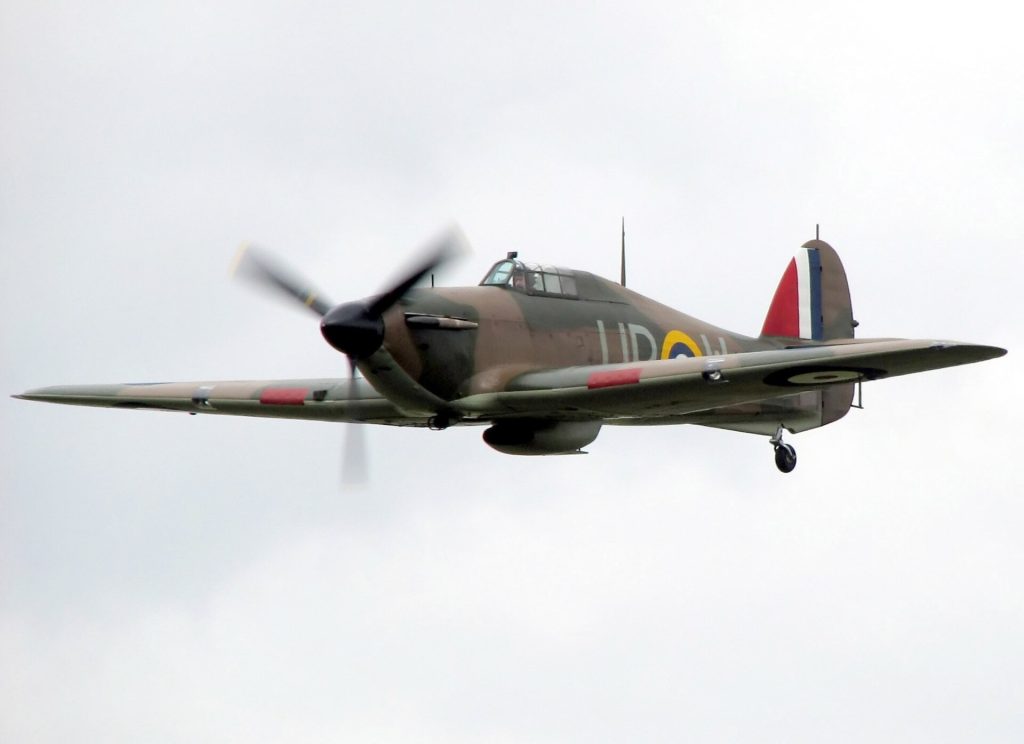
The Luftwaffe sends two great raids against London. Every RAF fighter squadron in the south-east is thrown in, and the attacks are broken up. Two days later, Hitler postpones the invasion of Britain.
Commandos, Royal Marines and warships attack the port of Tobruk by night, hoping to wreck Rommel’s supply base. The raid goes badly wrong.
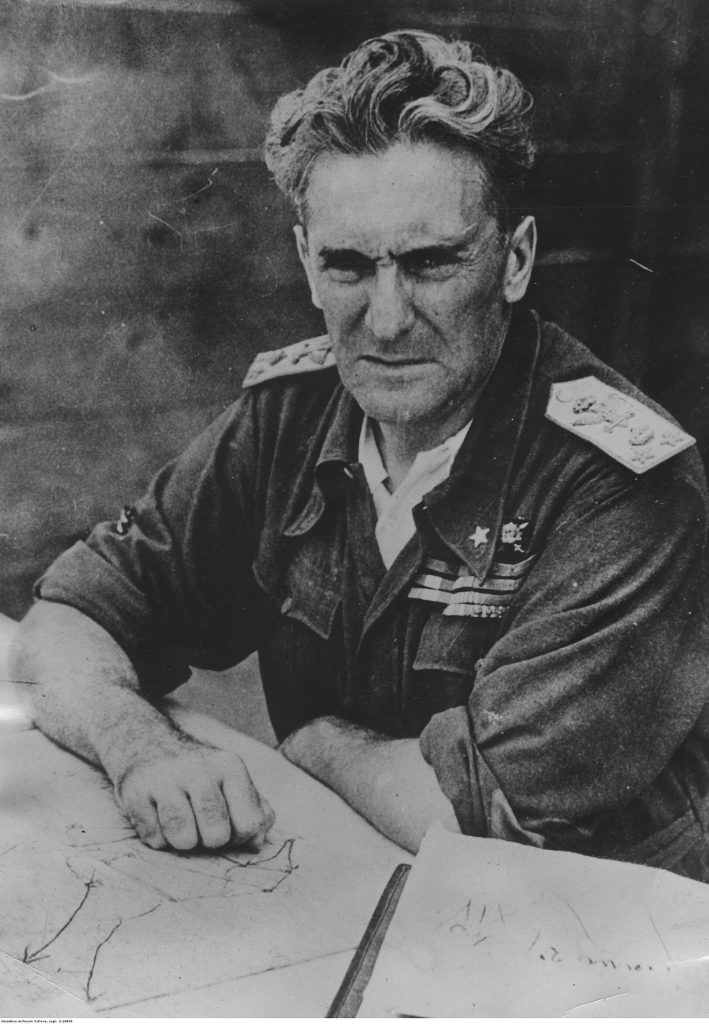
Under pressure from Mussolini, Marshal Graziani’s Tenth Army crosses from Libya into Egypt. After a few days’ advance, it stops and digs in.
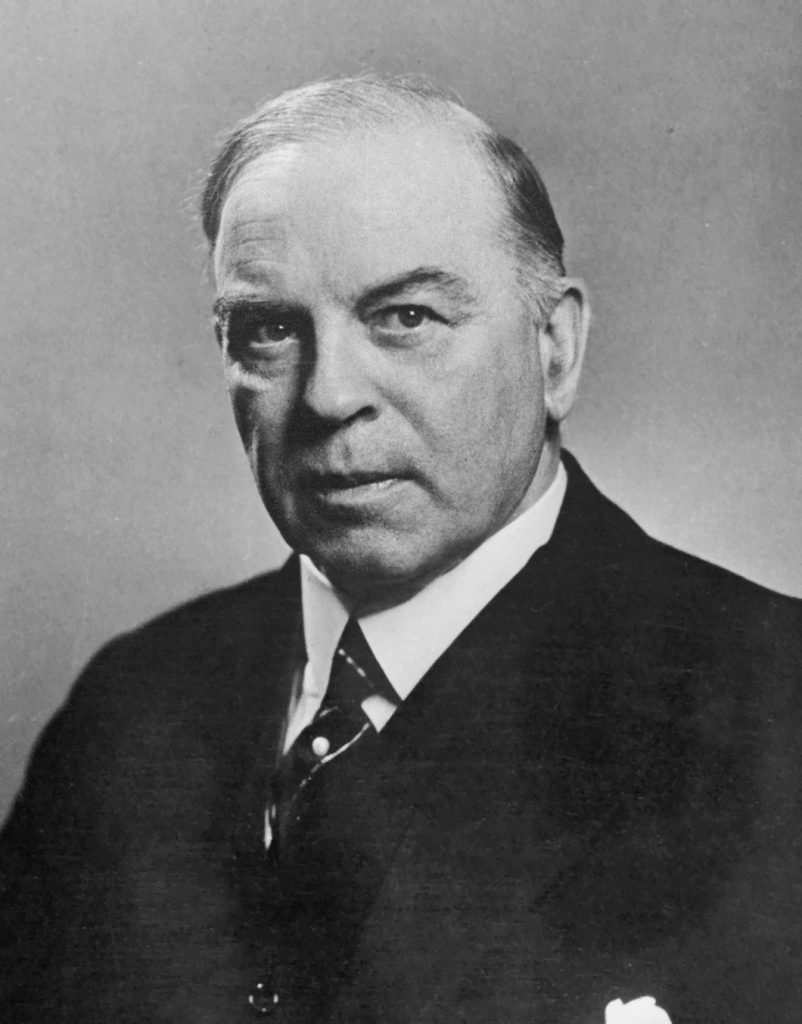
A week after Britain, and after its own parliament has debated and approved the decision, Canada declares war on Germany. It is the first time Canada has gone to war by its own choice.
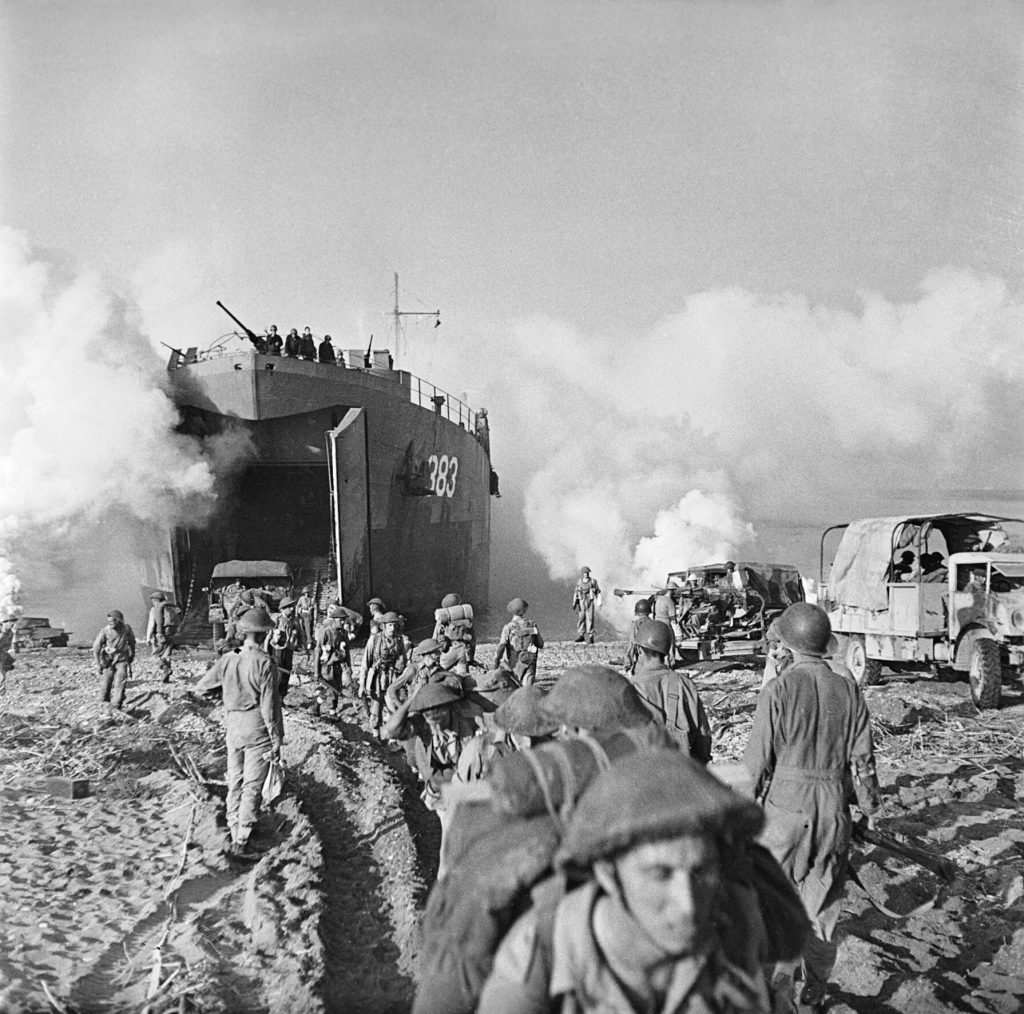
The day after Italy’s armistice is announced, Allied troops land on the beaches south of Salerno. They expect an easy landing. The Germans are waiting.
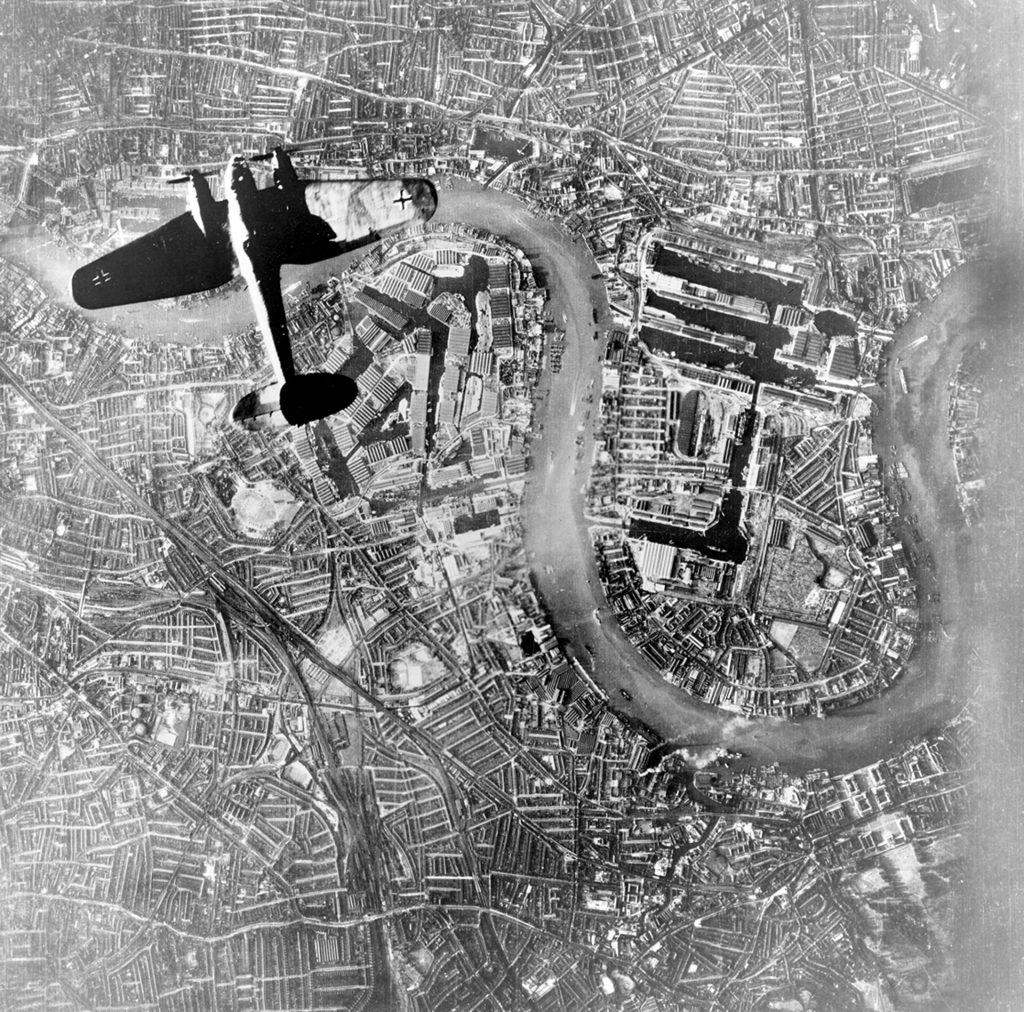
On a fine Saturday afternoon, hundreds of German bombers attack London’s docks. Fires burn all night along the Thames. It is the first day of the Blitz.
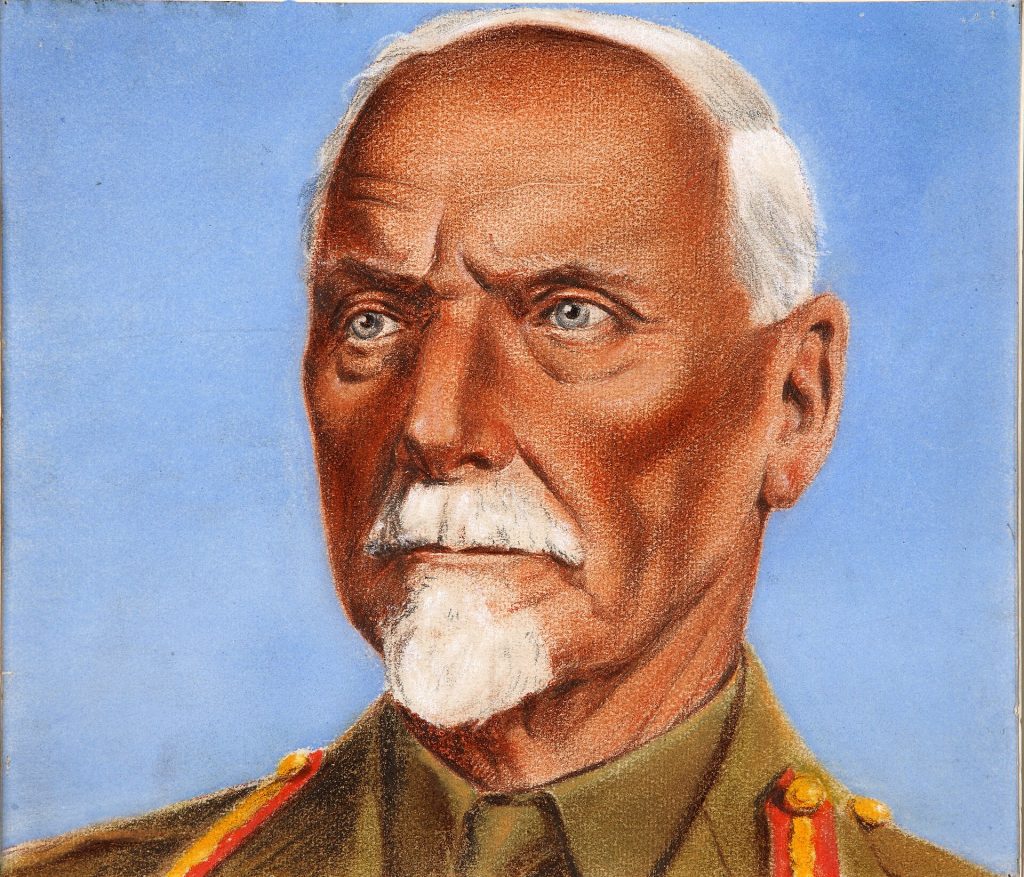
After a bitter debate that splits the government, South Africa declares war on Germany. Jan Smuts, who led the vote for war, is now prime minister.
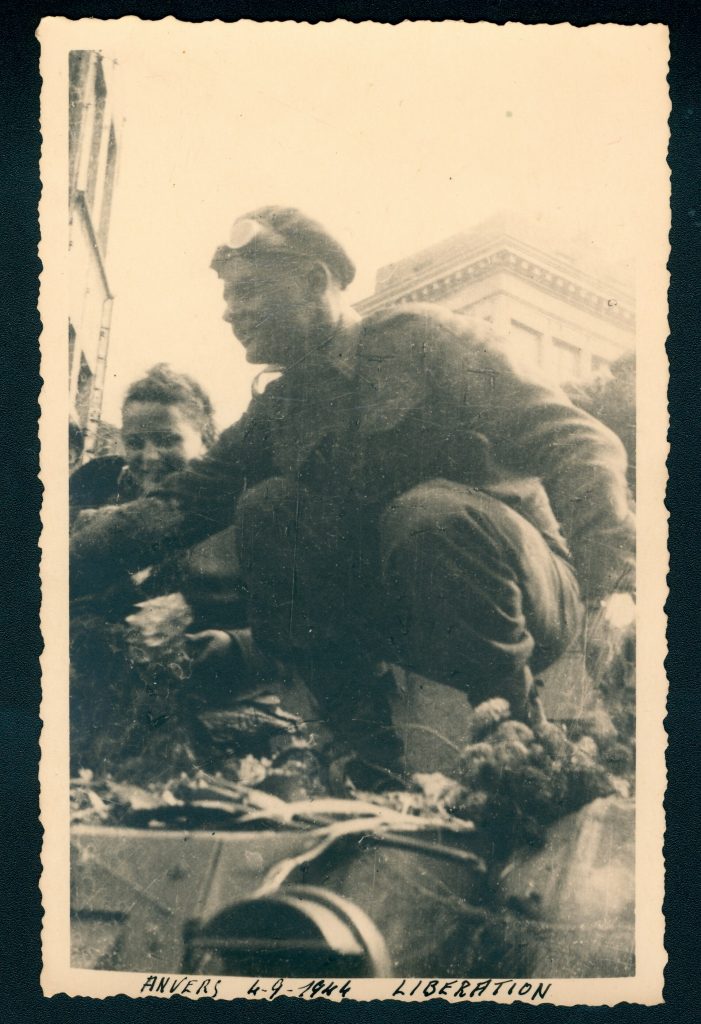
British tanks race into Antwerp, where the Belgian resistance has stopped the Germans from wrecking the docks. The Allies have taken one of Europe’s greatest ports almost intact. But they cannot yet use it.
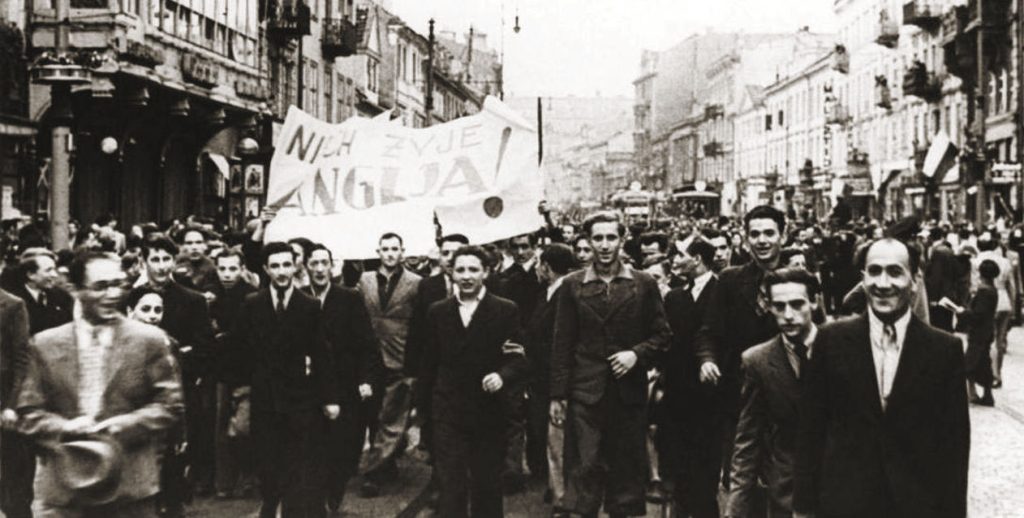
At 11:15, Neville Chamberlain tells the British people by radio that the country is at war with Germany. France follows that afternoon. In Warsaw, crowds cheer outside the British embassy.
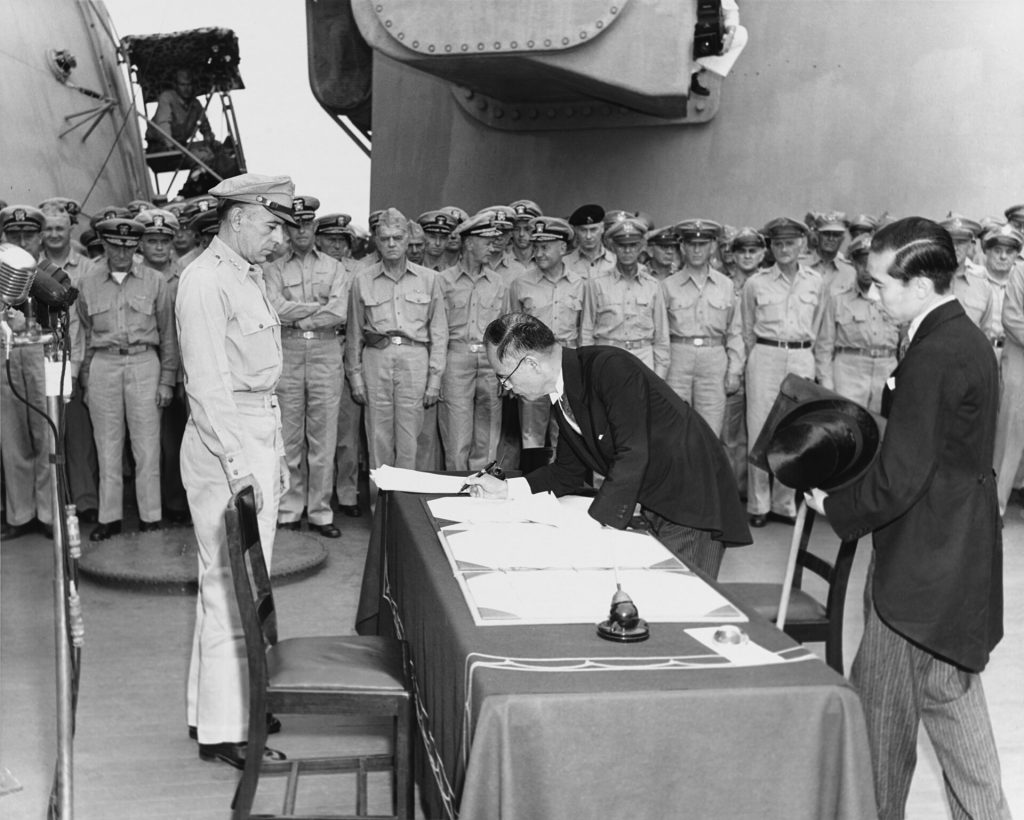
In Tokyo Bay, aboard the battleship USS Missouri, Japan’s representatives sign the Instrument of Surrender. After six years and a day, the Second World War is over.
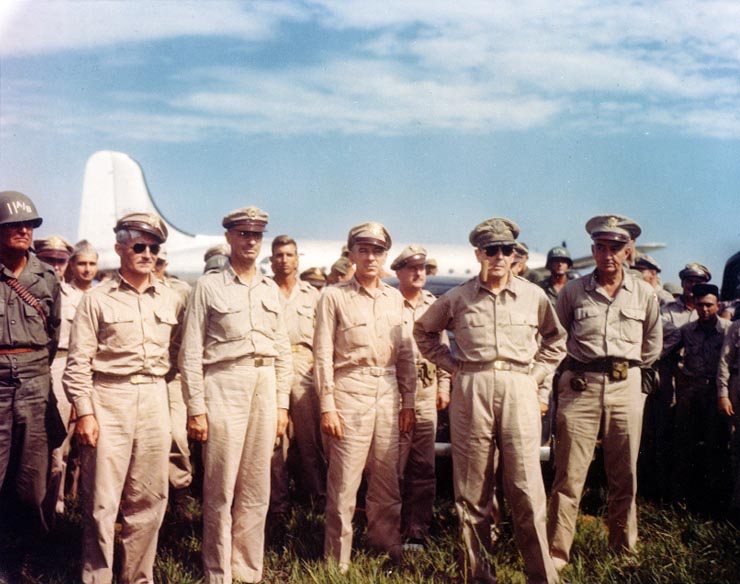
General Douglas MacArthur steps from his aircraft at Atsugi airfield near Tokyo, corncob pipe in hand. The occupation of Japan has begun.
 United Kingdom
 United States
 Soviet Union
 Germany
 Japan
 France
 Poland
 South Africa