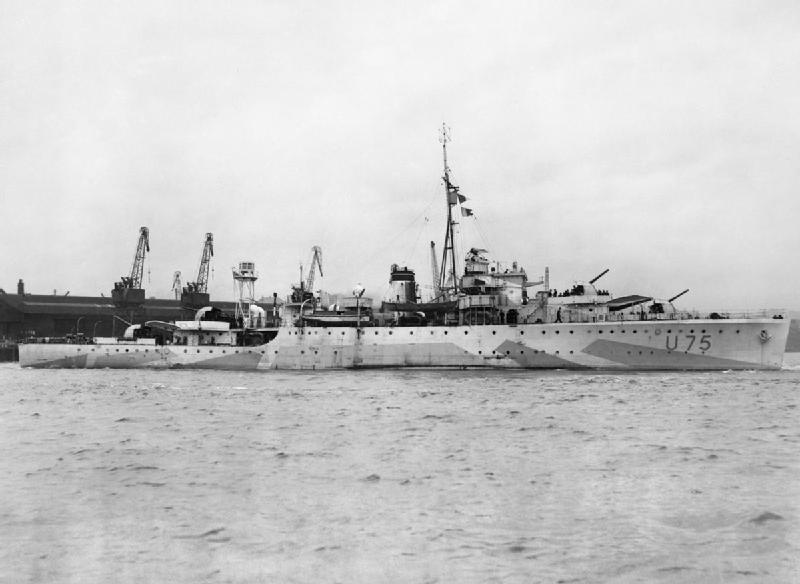
27 August 1943: HMS Egret and the Glide Bomb
In the Bay of Biscay, a German bomber launches a radio-guided glide bomb at a British anti-submarine group. The sloop HMS Egret blows up and sinks. A new kind of weapon has arrived.
Dispatches involving United Kingdom.
In the Bay of Biscay, a German bomber launches a radio-guided glide bomb at a British anti-submarine group. The sloop HMS Egret blows up and sinks. A new kind of weapon has arrived.
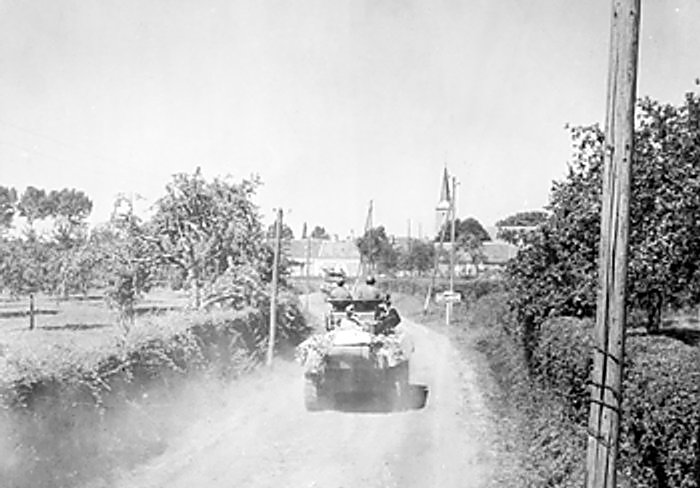
Canadian and Polish troops finally seal the gap at Chambois. The German armies in Normandy have been destroyed.
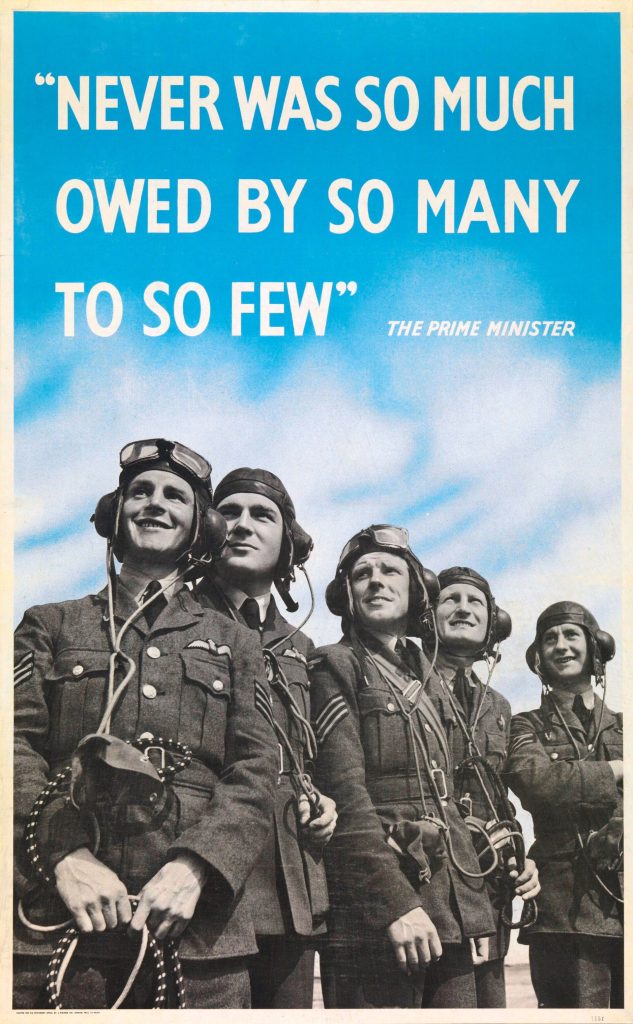
In the middle of the Battle of Britain, Churchill tells the House of Commons that never has so much been owed by so many to so few.
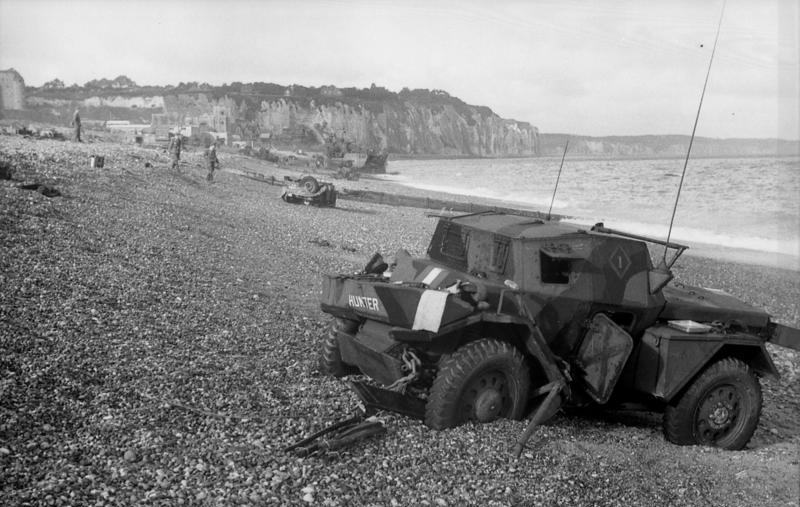
Around 6,000 troops, most of them Canadian, storm the French port of Dieppe. Within hours the raid has collapsed on the beaches.
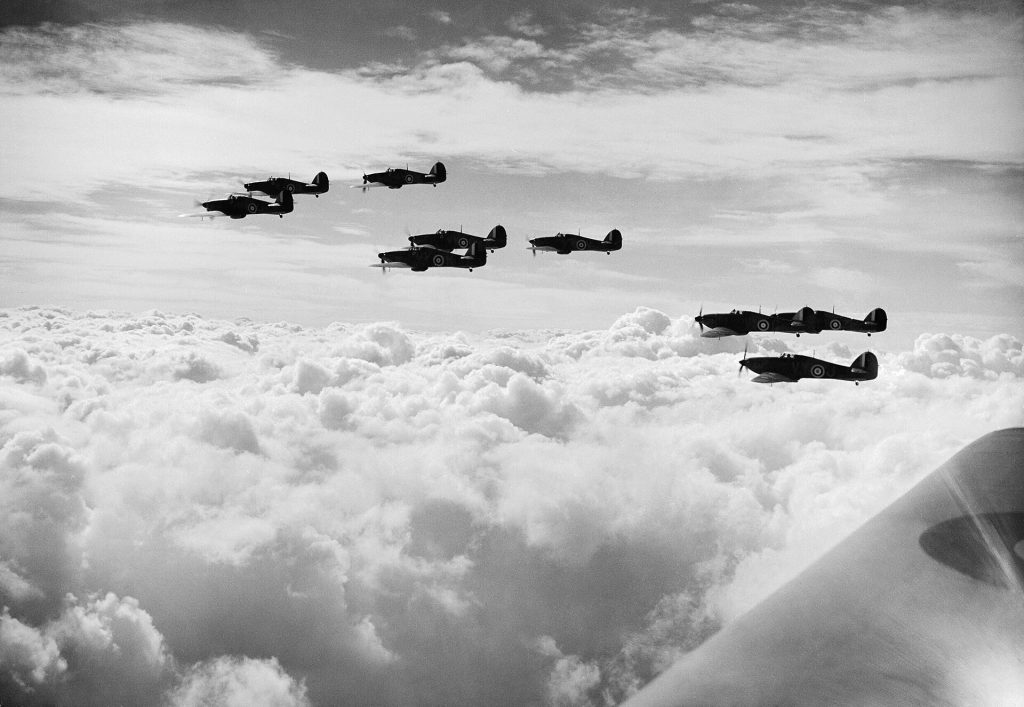
Large German raids hit the RAF airfields at Kenley and Biggin Hill. More aircraft are destroyed on both sides than on any other day of the Battle of Britain.
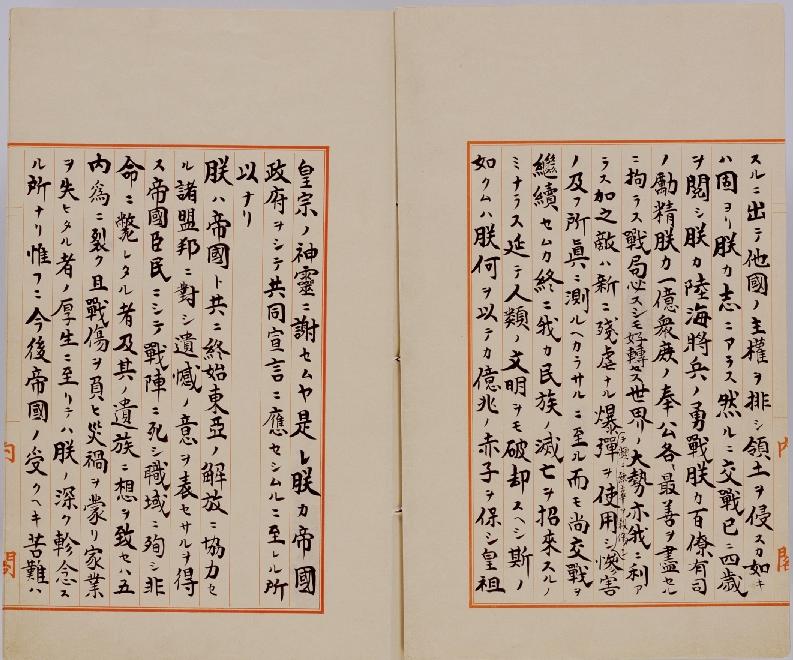
At noon, Japanese people across the empire hear the voice of their Emperor for the first time. In formal court language, Hirohito tells them that Japan will accept the Allied terms.
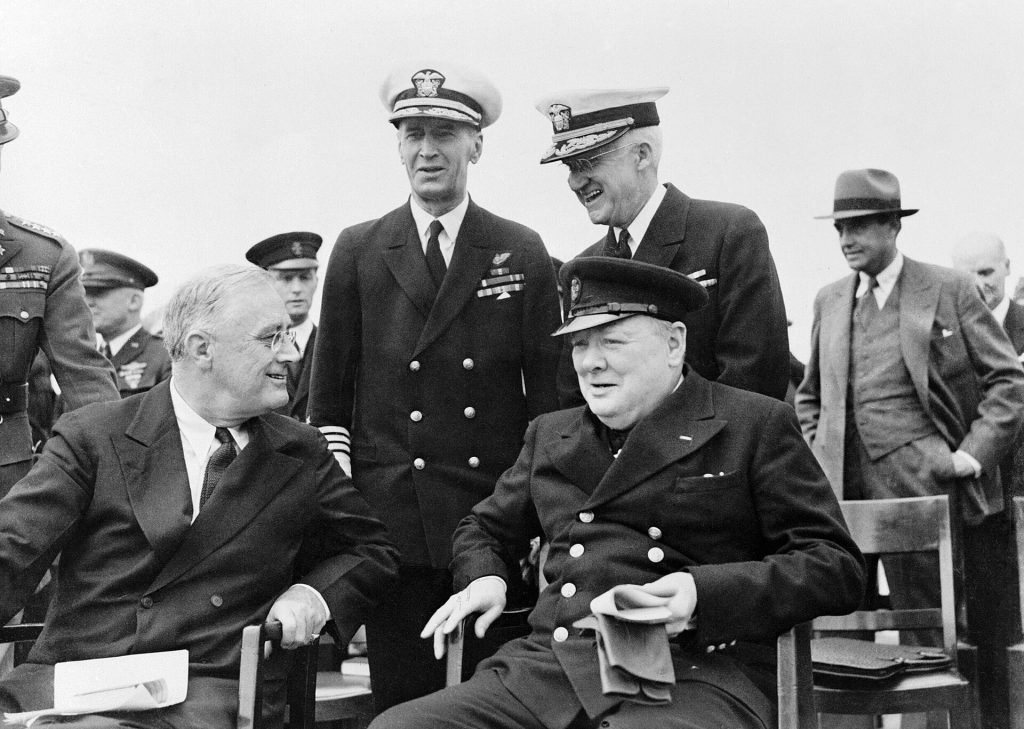
After a secret meeting on warships off Newfoundland, Roosevelt and Churchill publish a joint statement of their aims for the world after the war. The United States is not yet at war.
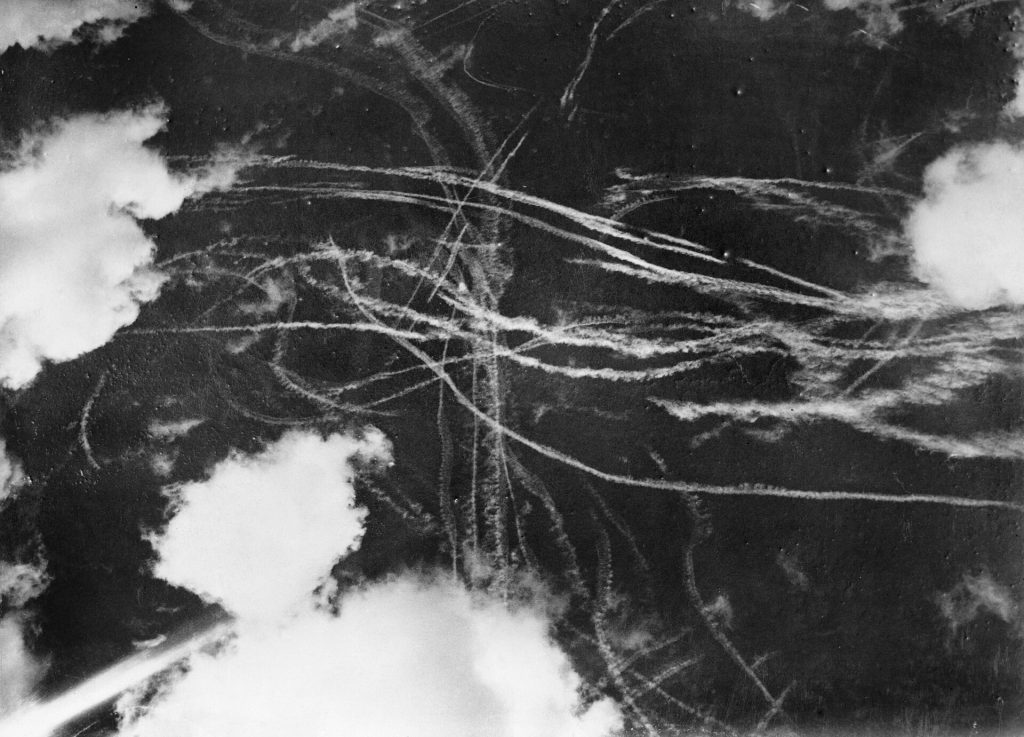
The Luftwaffe launches Adlertag, its great offensive to destroy the RAF in the air and on the ground. Bad weather and confused orders turn the day into a fiasco.
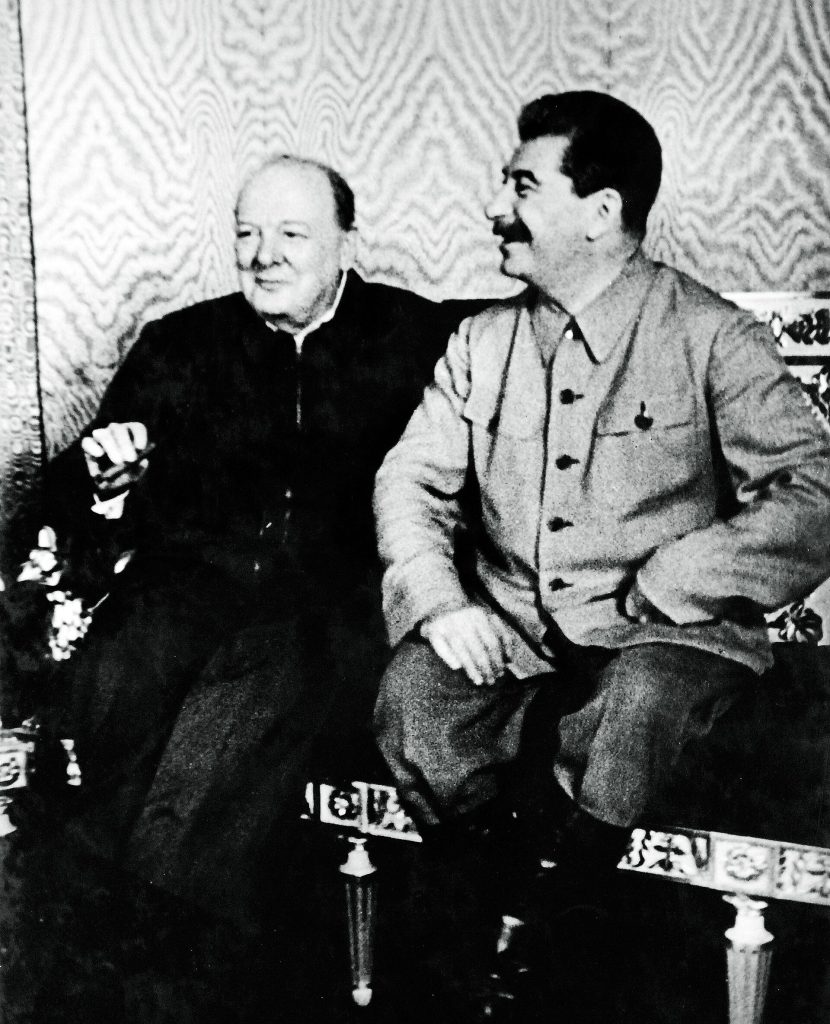
Churchill flies to Moscow to meet Stalin for the first time. He brings bad news: there will be no second front in France in 1942.
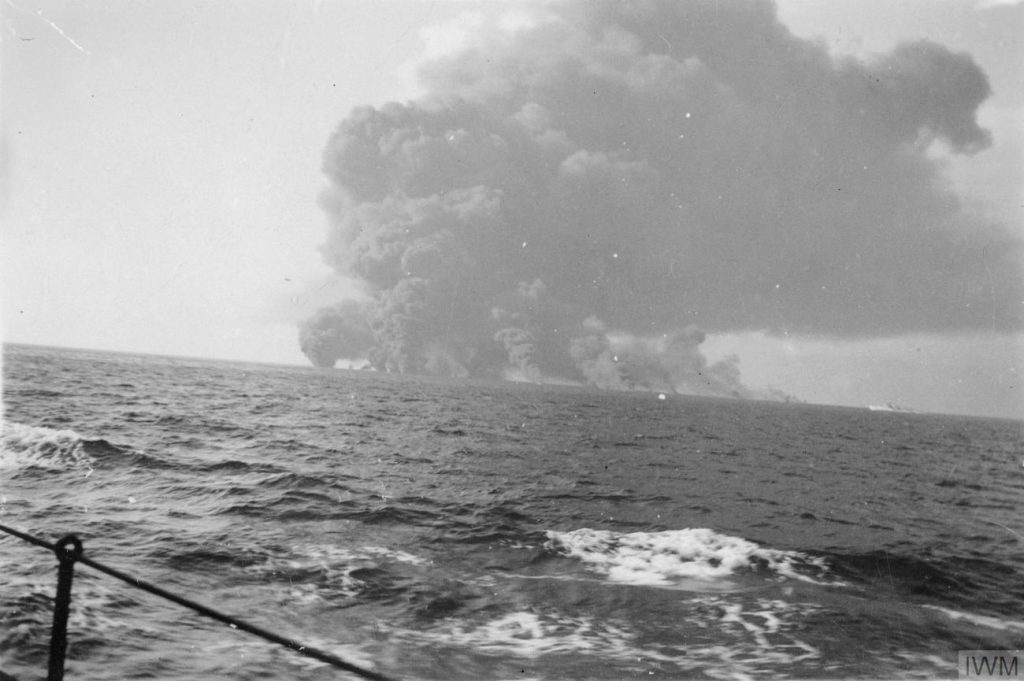
A massive convoy fights its way towards besieged Malta. On its first day of action, a U-boat sinks the aircraft carrier HMS Eagle.
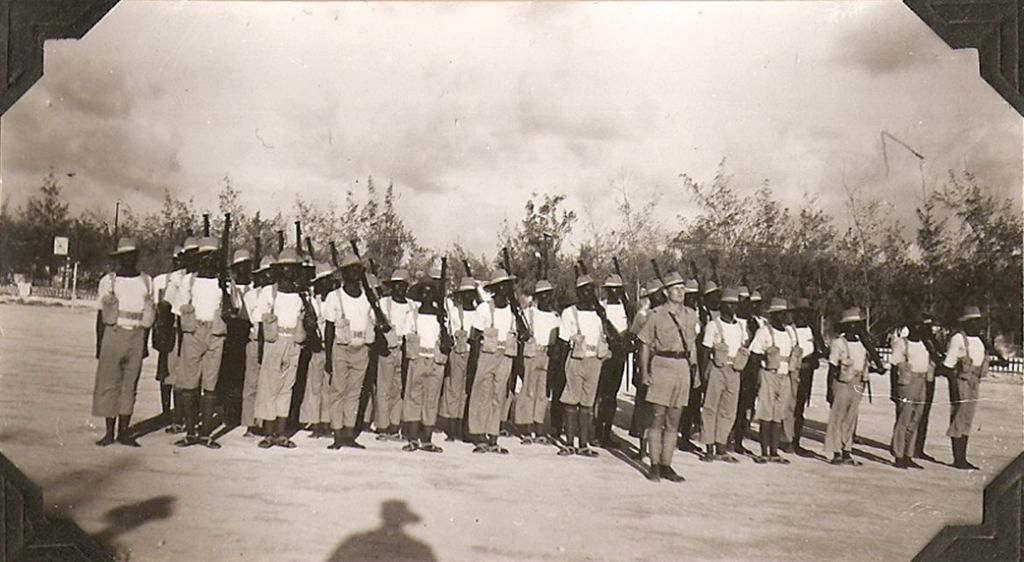
Italian forces cross from Ethiopia into British Somaliland. In just over two weeks, the small British garrison is forced to evacuate by sea.
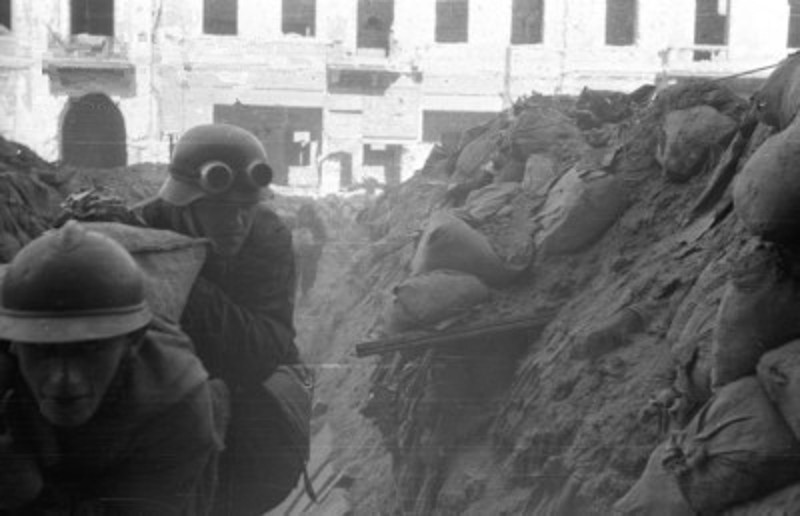
At five in the afternoon, the Polish Home Army rises against the German occupiers of Warsaw. It hopes to free the capital before the Red Army arrives. It will fight alone for 63 days.
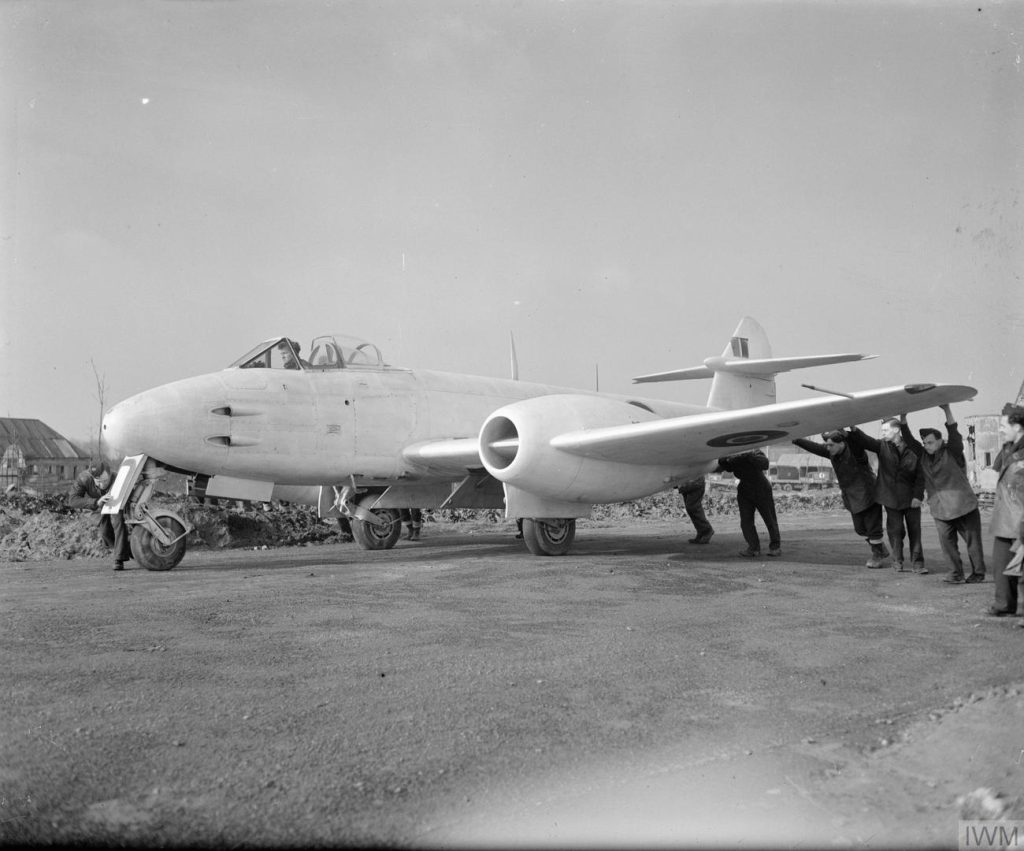
No. 616 Squadron flies the RAF’s first operational jet sorties, hunting the V-1 flying bombs that are falling on London. The Gloster Meteor is the only Allied jet to see combat in the war.
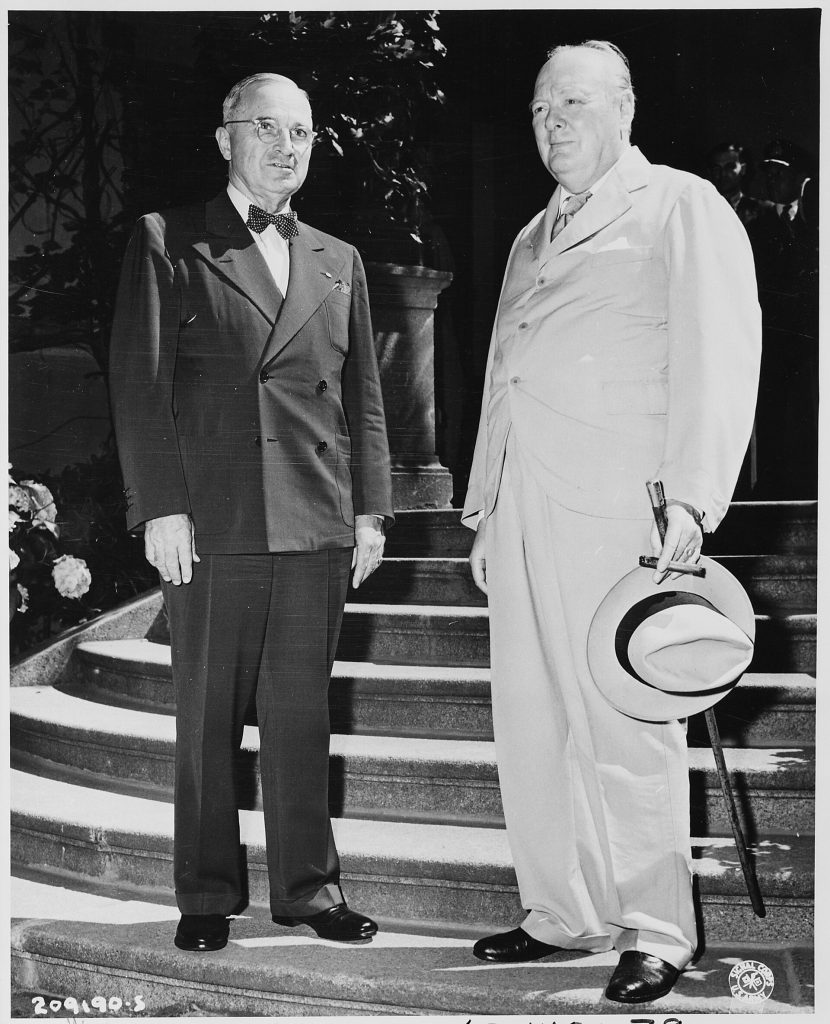
From Potsdam, the United States, Britain and China call on Japan to surrender unconditionally. The alternative, they warn, is “prompt and utter destruction”.
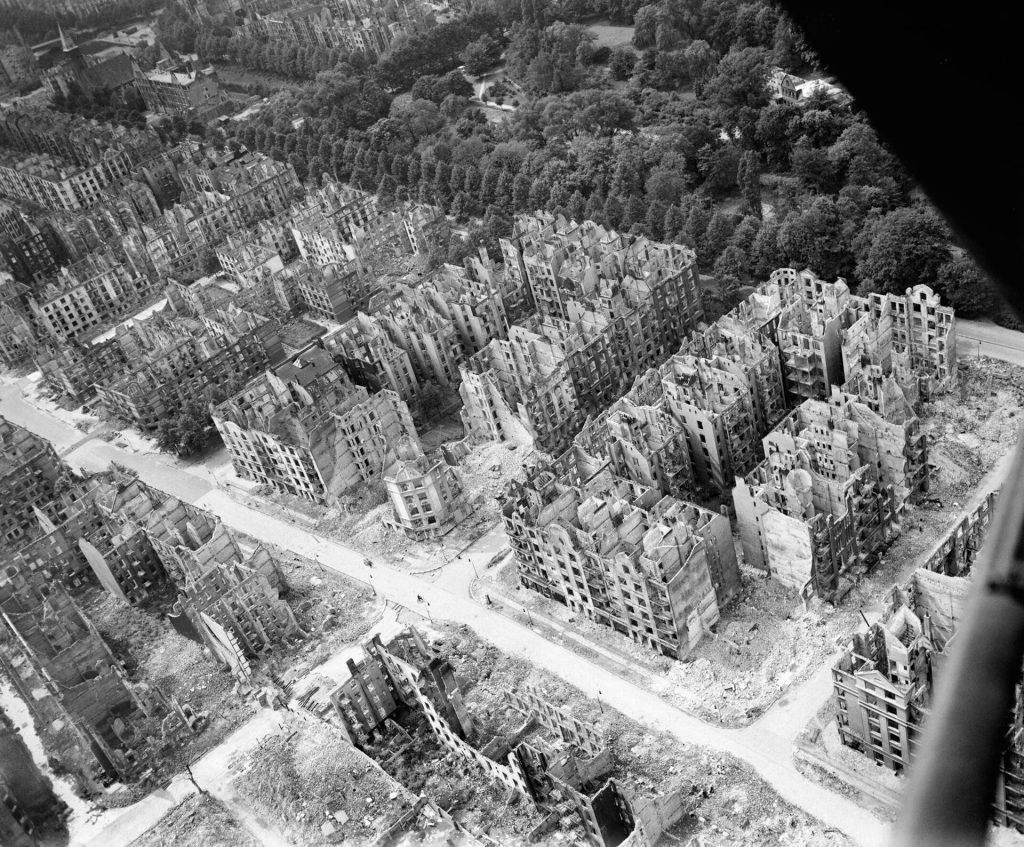
RAF Bomber Command opens a series of raids on Hamburg. Strips of foil dropped by the bombers blind the German radar. Within days, the city will burn as no city has burned before.
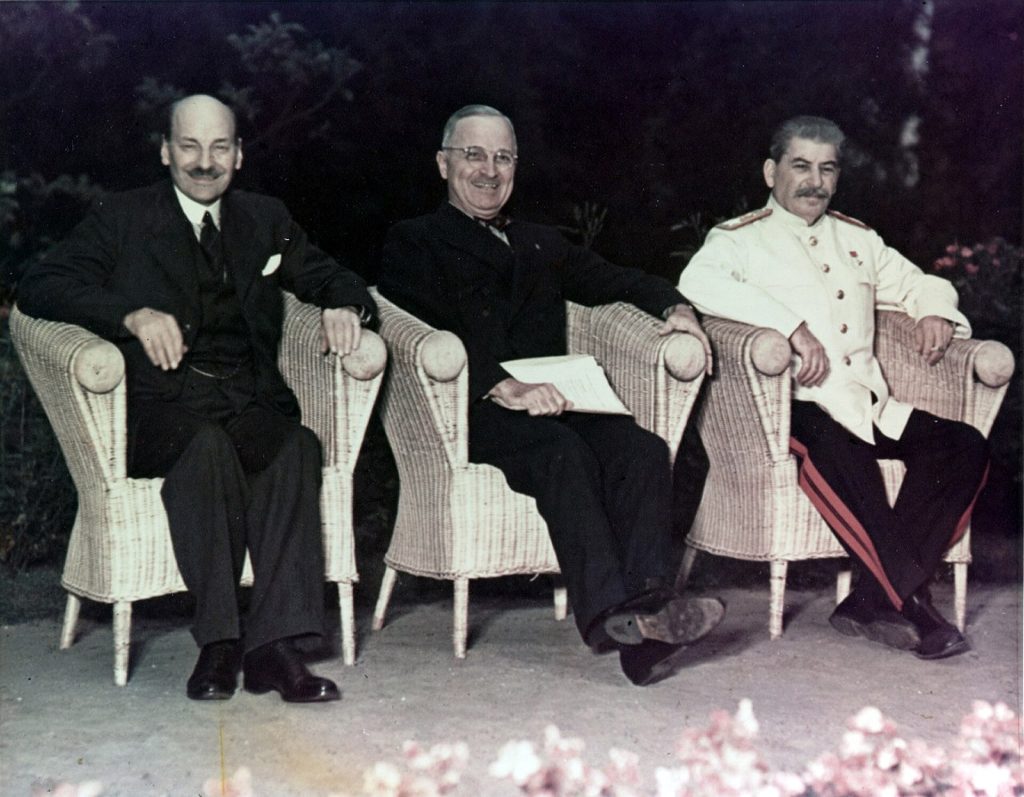
In a palace outside ruined Berlin, Truman, Stalin and Churchill meet to settle the fate of Germany. Halfway through, Churchill is replaced by Attlee.
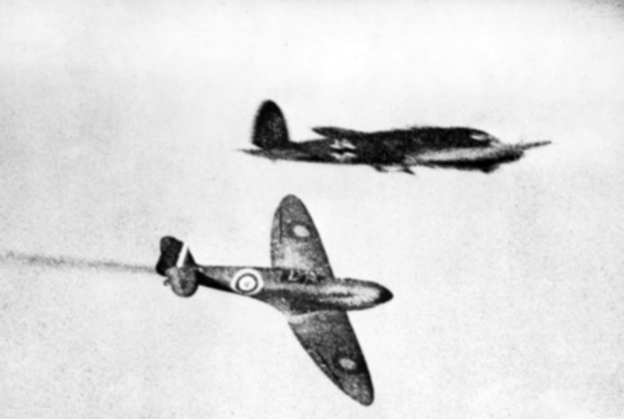
German bombers attack a convoy in the English Channel. The date will later be taken as the official start of the Battle of Britain.
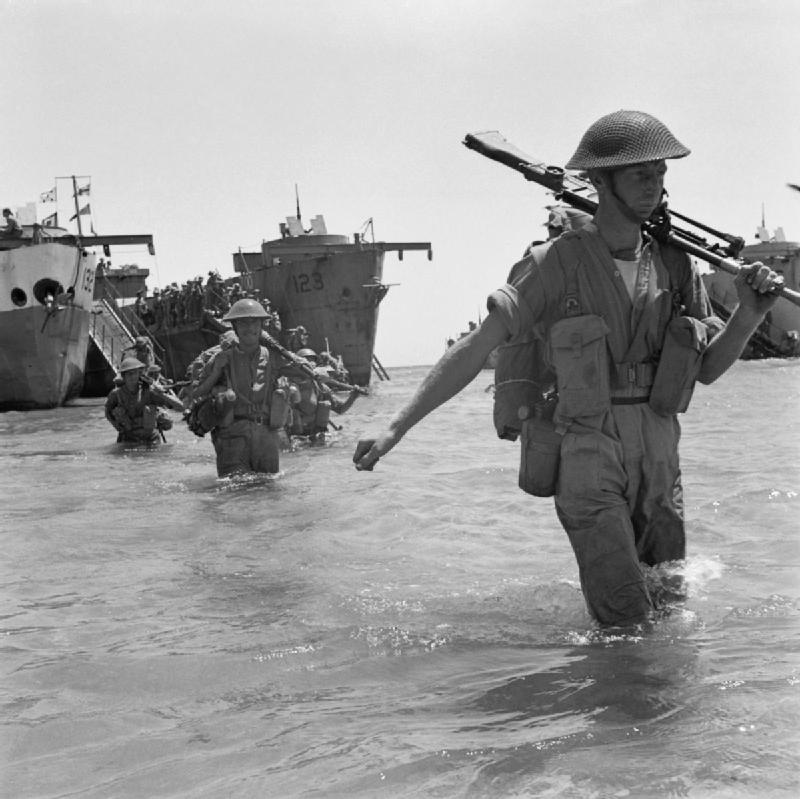
On a stormy night, Allied paratroopers and gliders take off for Sicily. By dawn, the largest amphibious landing yet attempted is under way.

Five days after Mers-el-Kébir, British aircraft attack France’s newest battleship in the harbour at Dakar. A single torpedo puts her out of action.
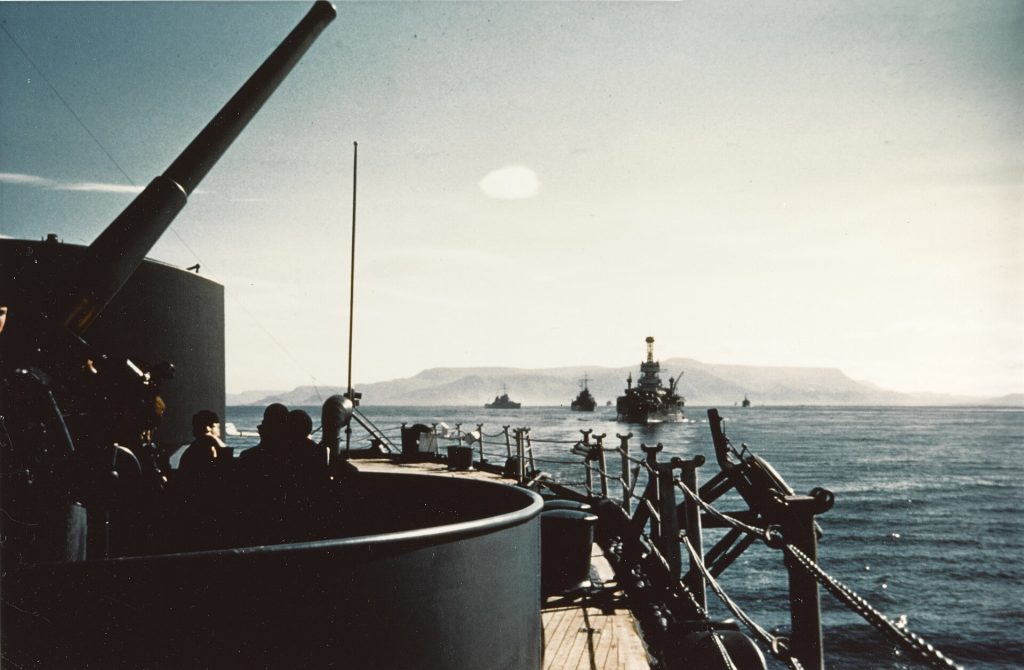
Five months before Pearl Harbor, US Marines come ashore at Reykjavík to take over the defence of Iceland from the British. The officially neutral United States is edging into the Atlantic war.
 United Kingdom
 United States
 Soviet Union
 Germany
 Japan
 France
 Poland
 South Africa