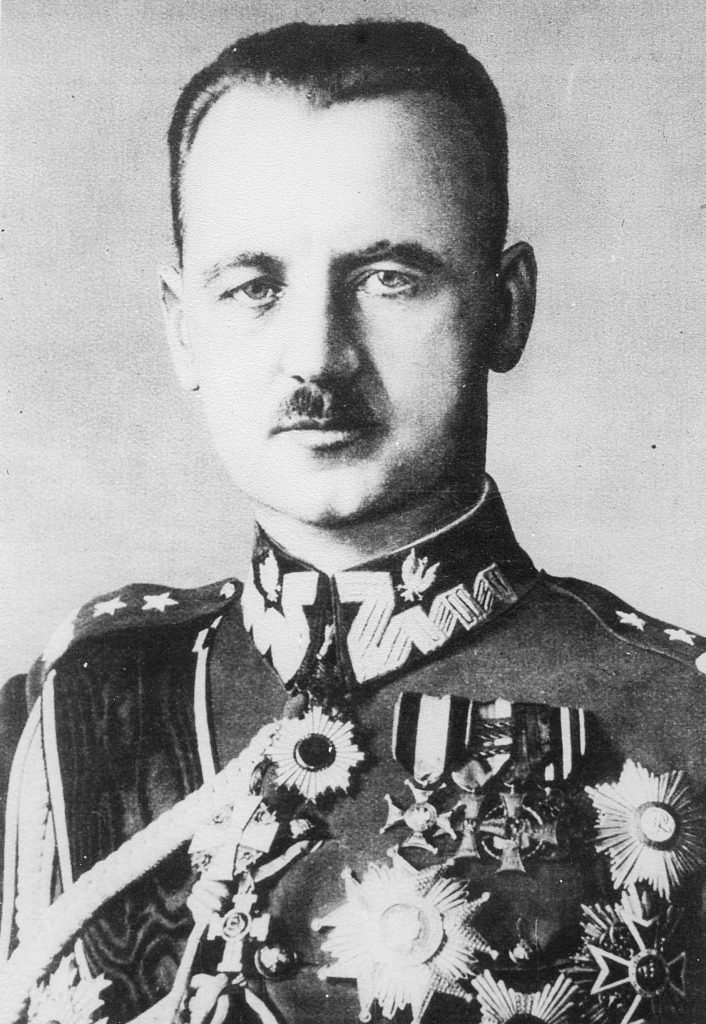
4 July 1943: The Death of Sikorski
Seconds after taking off from Gibraltar, the aircraft carrying General Władysław Sikorski, leader of the Polish government in exile, plunges into the sea.
Dispatches involving United Kingdom.
Seconds after taking off from Gibraltar, the aircraft carrying General Władysław Sikorski, leader of the Polish government in exile, plunges into the sea.
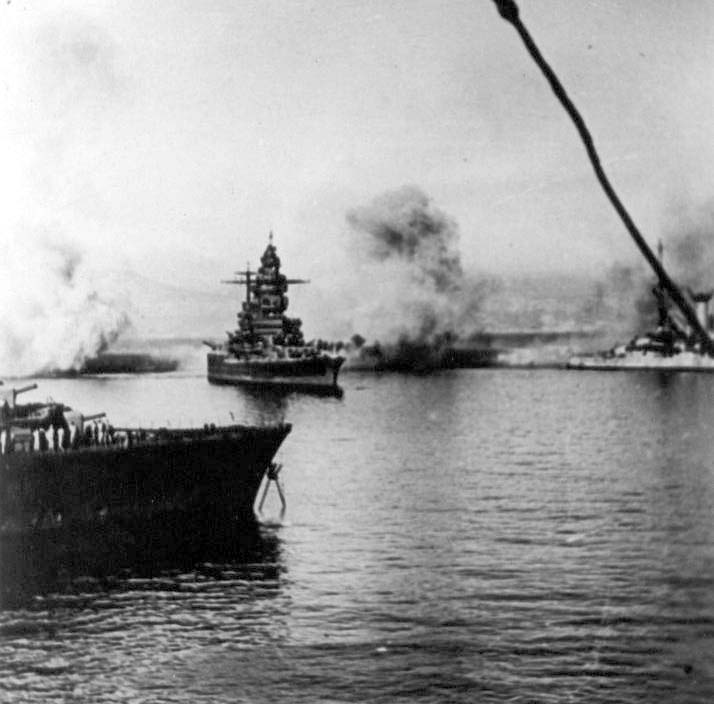
To stop the French fleet falling into German hands, the Royal Navy opens fire on its ally of only weeks before. Nearly 1,300 French sailors are killed.
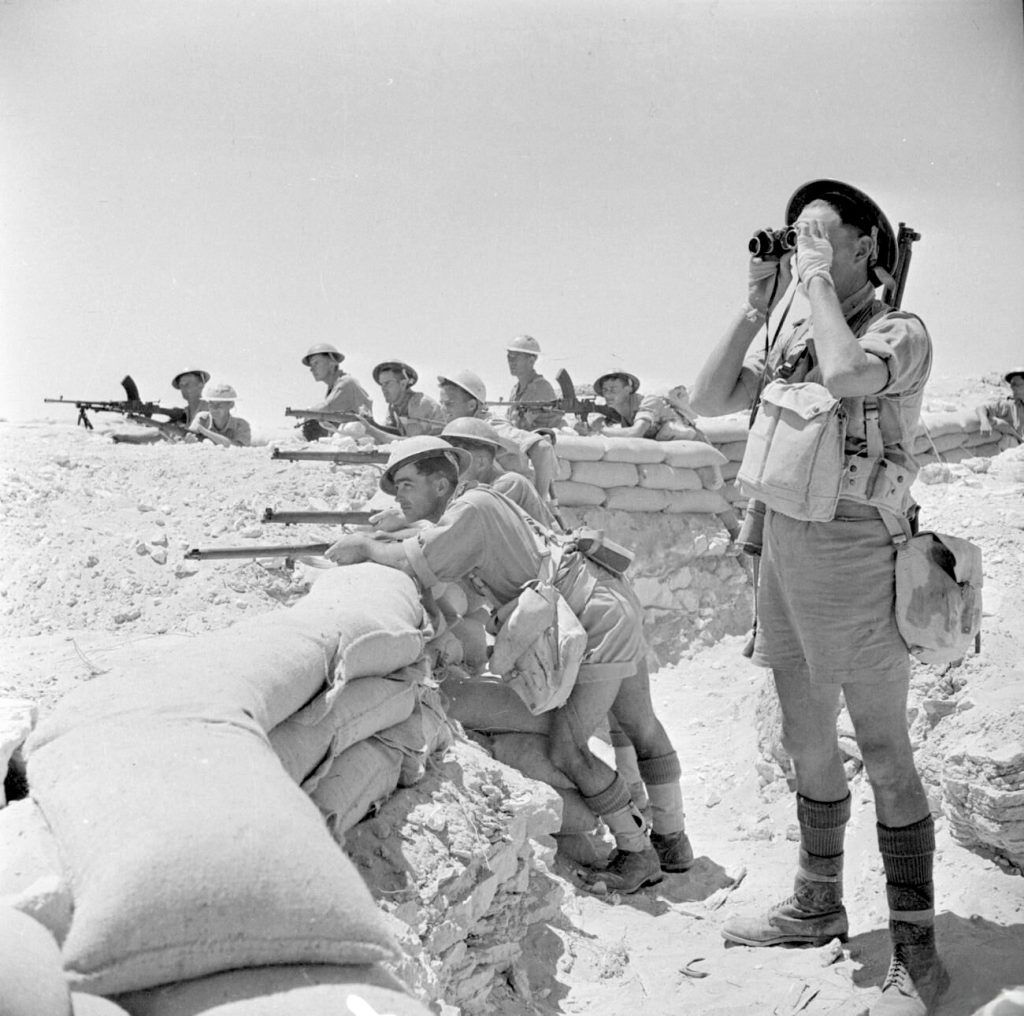
Rommel’s army, racing for the Nile, runs into the last British line at El Alamein. South African troops in the Alamein box help stop him.
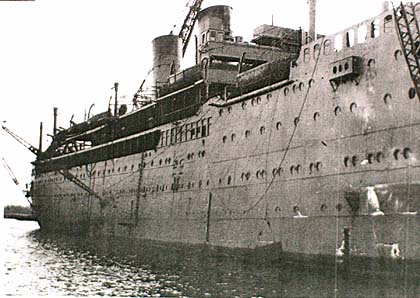
A liner carrying interned Italian and German civilians to Canada is torpedoed off Ireland. Hundreds of men who had lived in Britain for years drown.
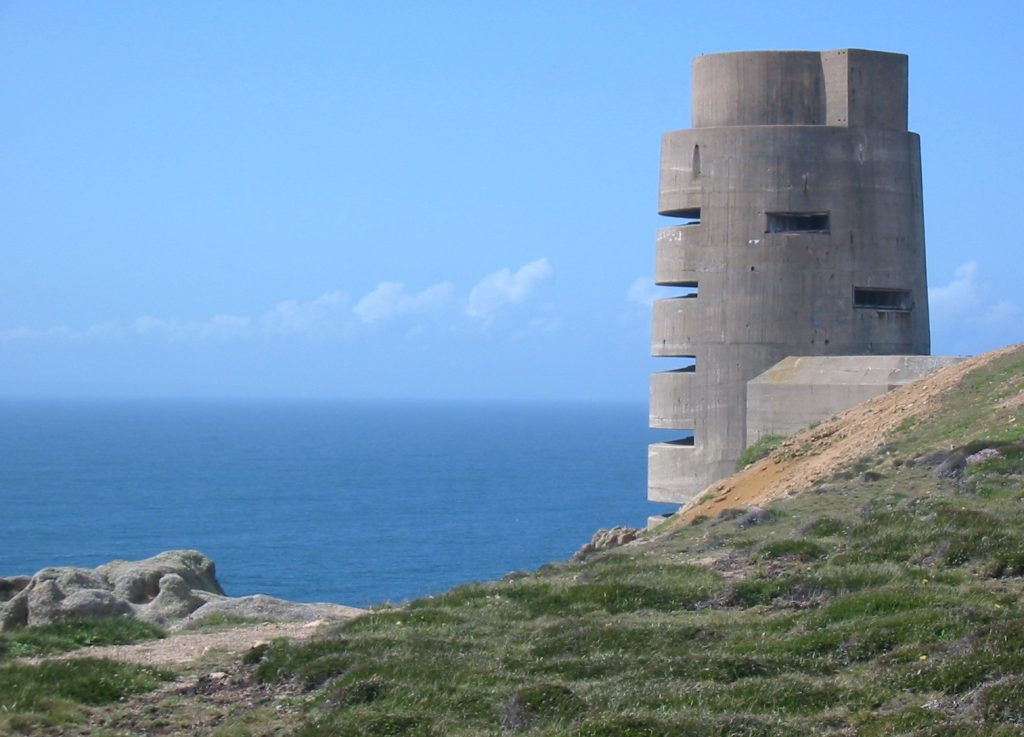
German aircraft land at Guernsey airport. Within days Jersey, Alderney and Sark are also occupied, the only part of the British Isles to fall under German rule.
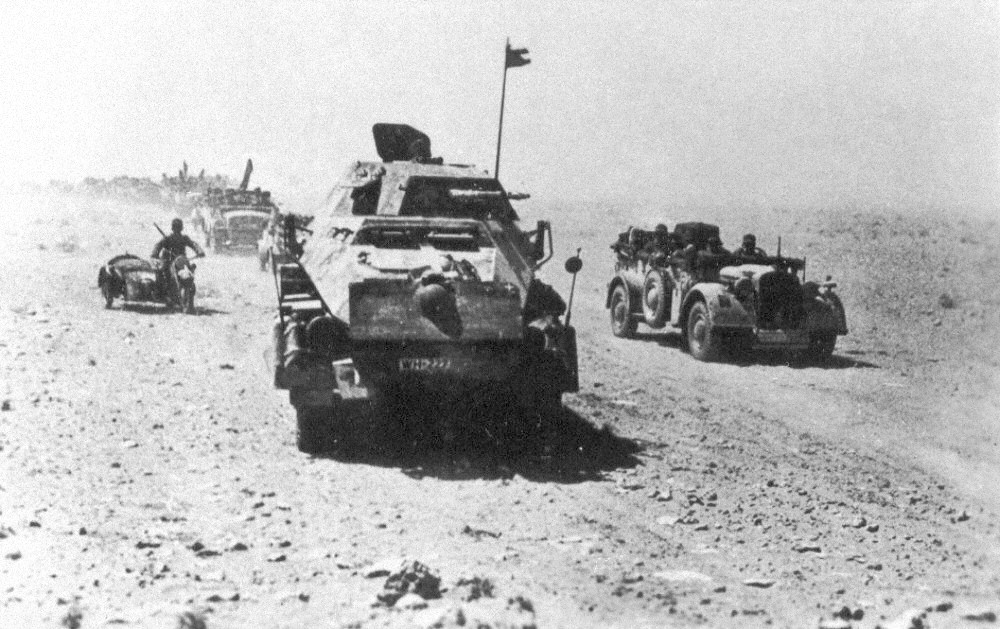
Rommel’s forces take the port of Mersa Matruh as the Eighth Army retreats into Egypt. The British fall back to a last line at a railway halt called El Alamein.
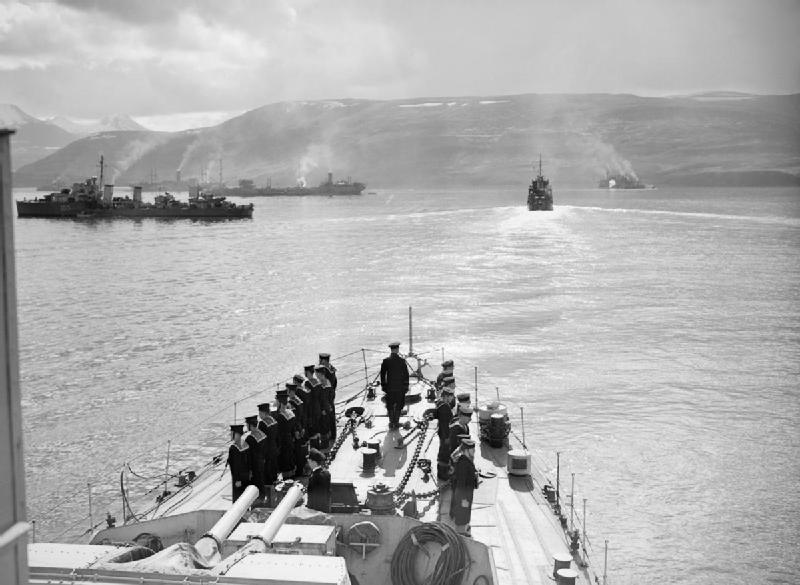
A convoy of 35 merchant ships sails from Iceland for Arkhangelsk with tanks, aircraft and supplies for the Soviet Union. A week later, a fateful order will doom most of it.
In San Francisco, delegates of fifty nations sign the Charter of the United Nations, creating a new organisation to keep the peace the war has cost so much to win.
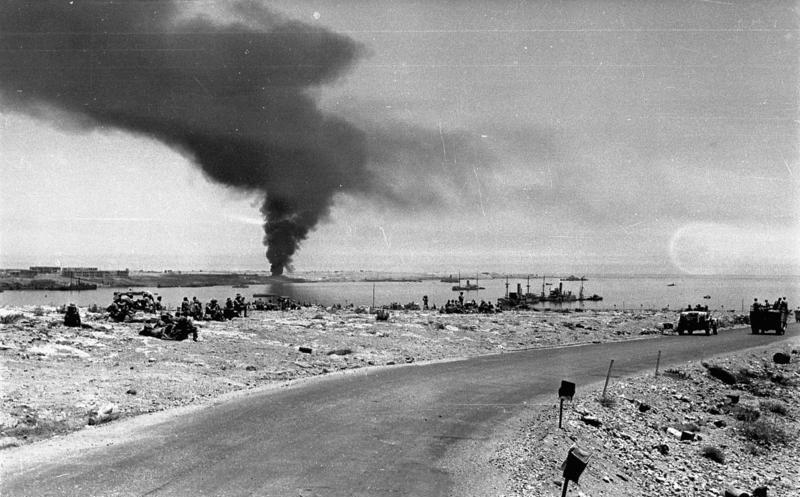
After a single day’s assault, the fortress that held out for eight months in 1941 surrenders to Rommel. Its South African commander and tens of thousands of men become prisoners.
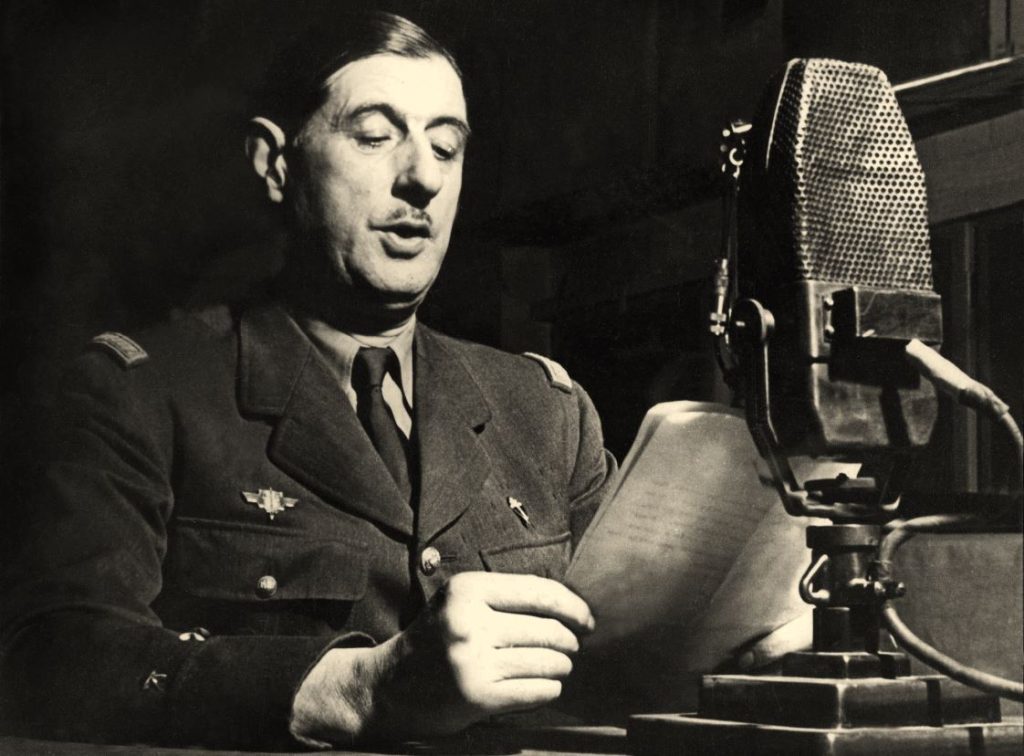
In a BBC studio in London, a little-known French general speaks to his country: France has lost a battle, but it must not give up. Few hear him. History will remember.
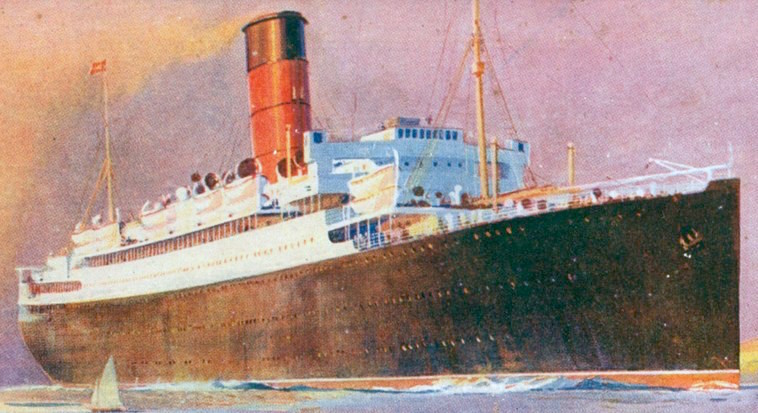
Off St Nazaire, German bombers sink a liner crammed with British troops and civilians being evacuated from France. More die than on the Titanic and the Lusitania combined.
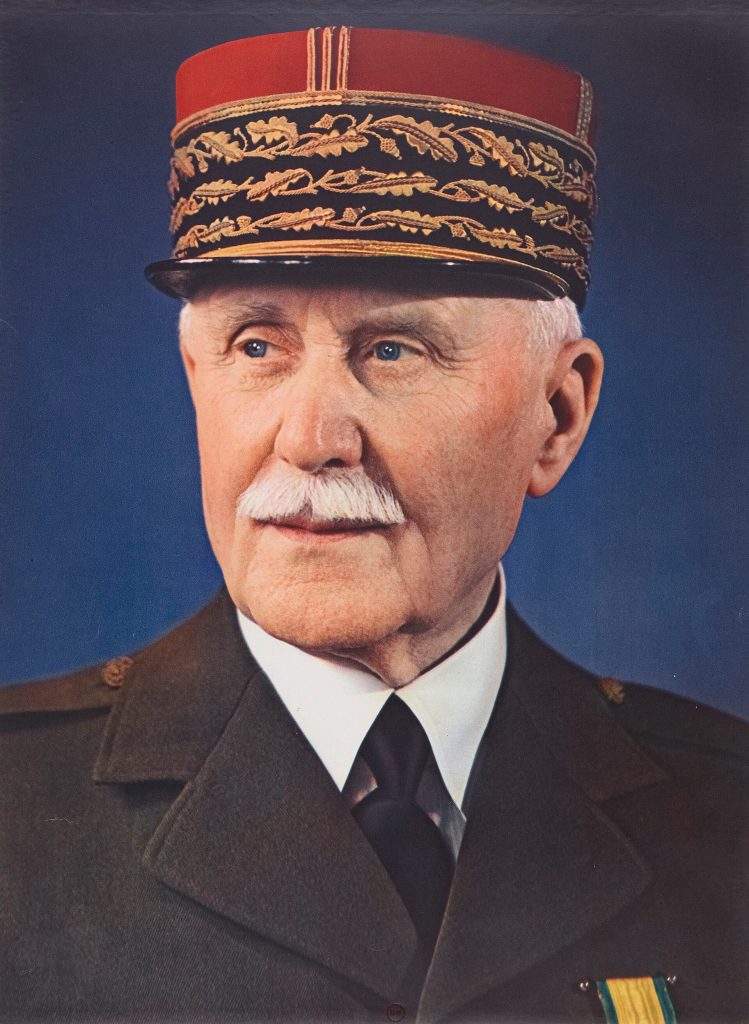
Britain offers France an extraordinary union of the two nations. The French cabinet rejects it, Paul Reynaud resigns, and 84-year-old Marshal Pétain becomes premier, determined to seek an armistice.
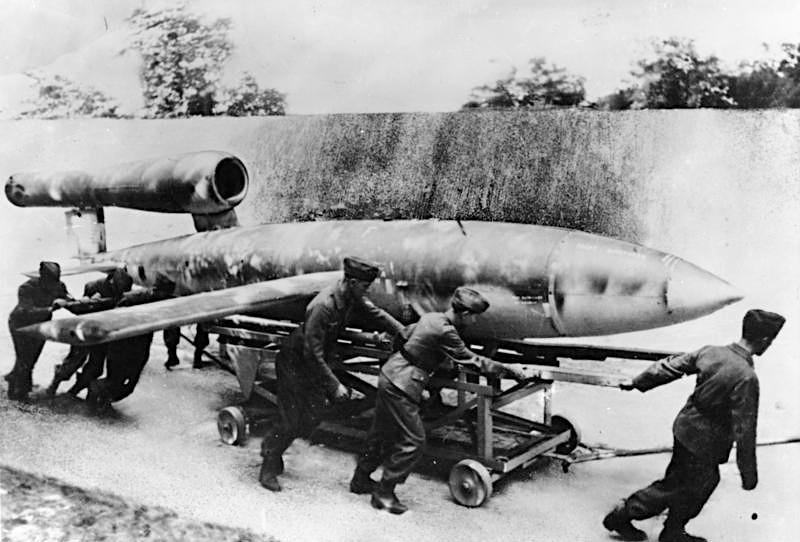
A week after D-Day, a pilotless jet-propelled bomb falls on a railway bridge in east London. Germany’s vengeance weapon campaign has begun.
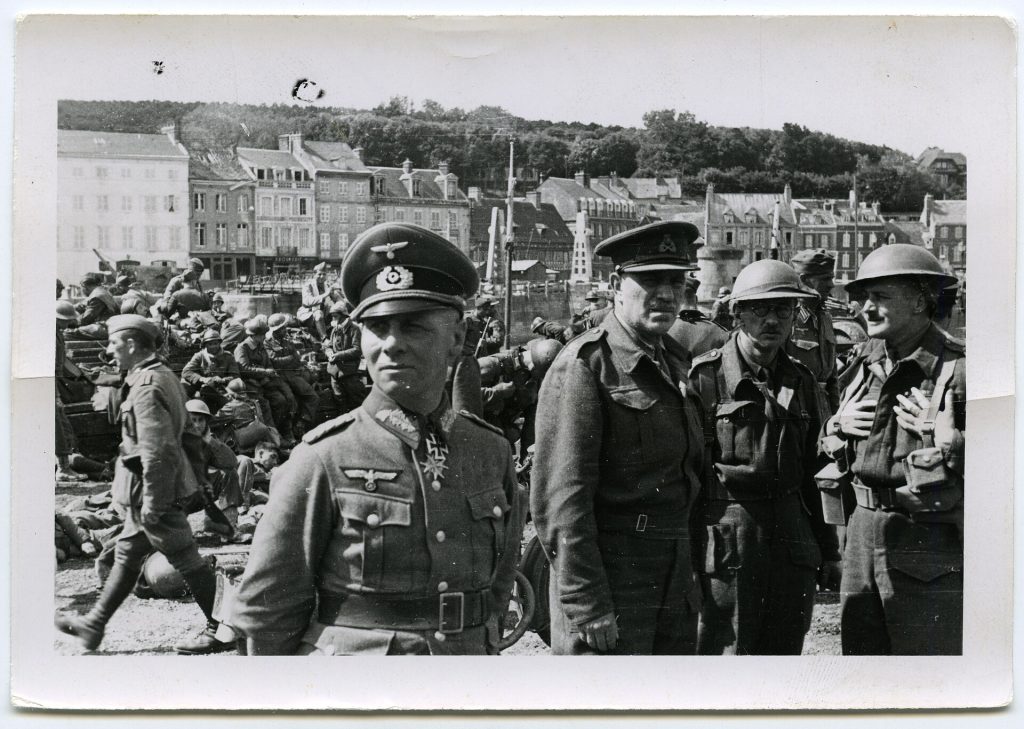
Trapped against the cliffs of Normandy with fog preventing rescue from the sea, the 51st Highland Division surrenders to Rommel.
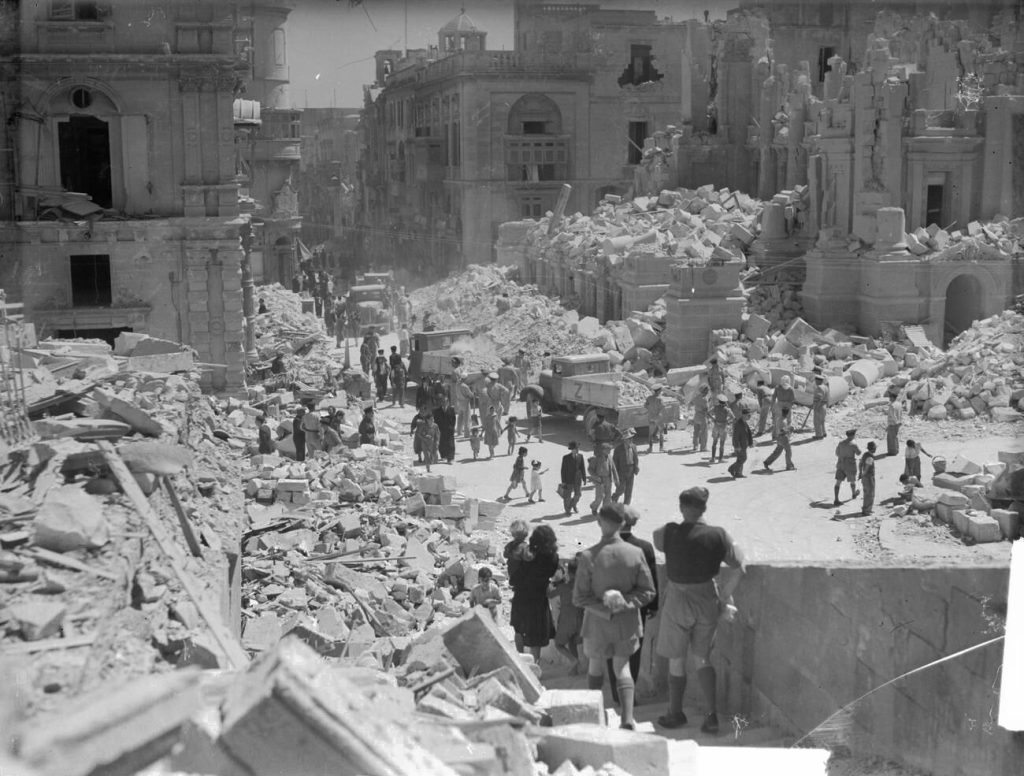
Hours after Italy’s declaration of war takes effect, Italian bombers attack Malta. The siege of the island has begun, and it will last more than two years.
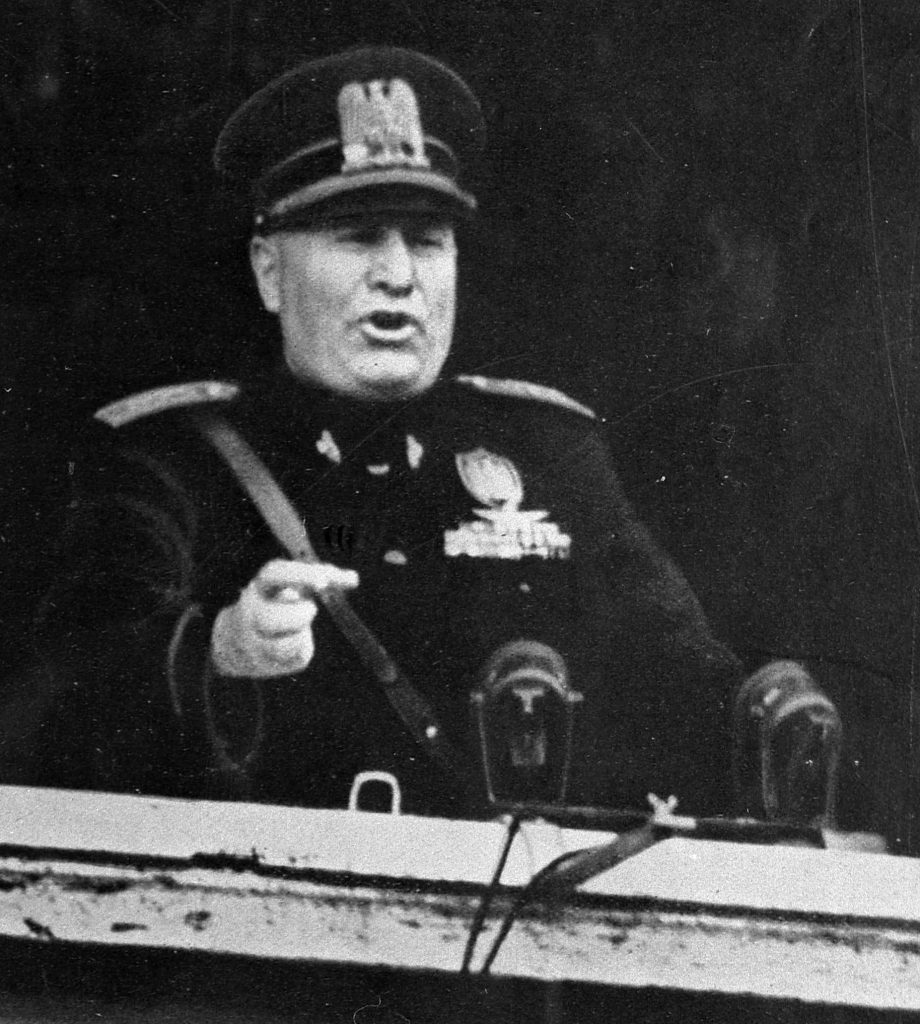
From the balcony of the Palazzo Venezia, Mussolini announces that Italy is at war with Britain and France. France is already collapsing.
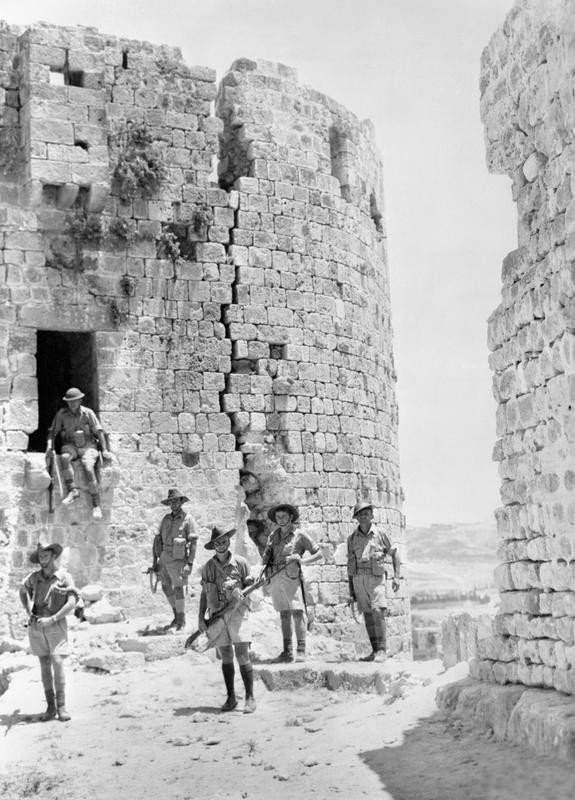
Australian, British, Indian and Free French troops cross into Vichy French Syria and Lebanon. They expect little resistance and find themselves in a bitter five-week campaign.
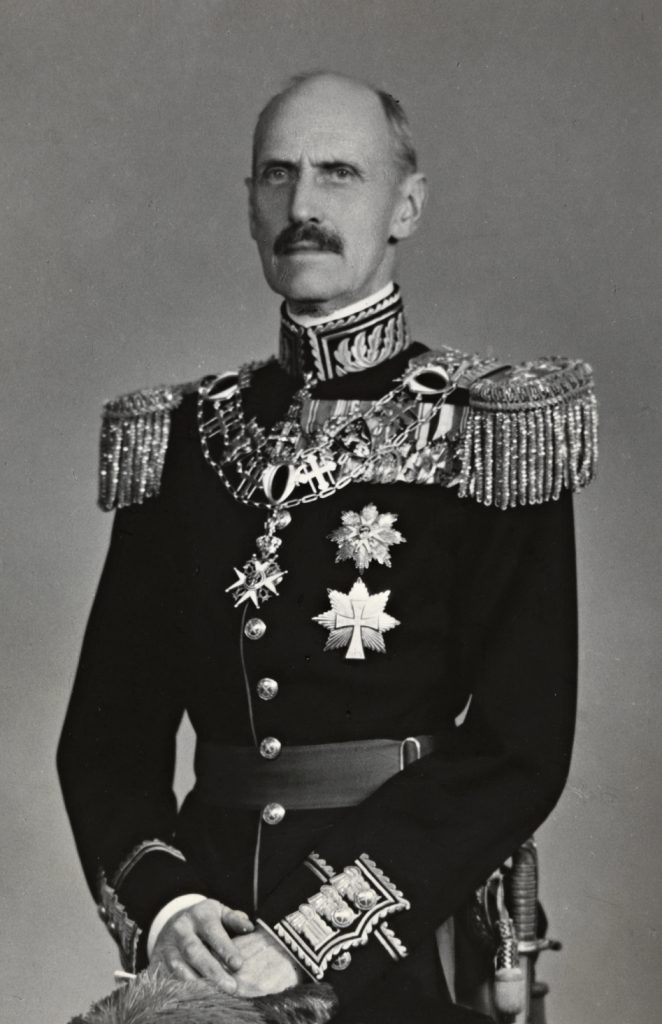
With the Allies withdrawing from Narvik, King Haakon VII and his government board a British cruiser at Tromsø. They will lead Norway’s fight from London.
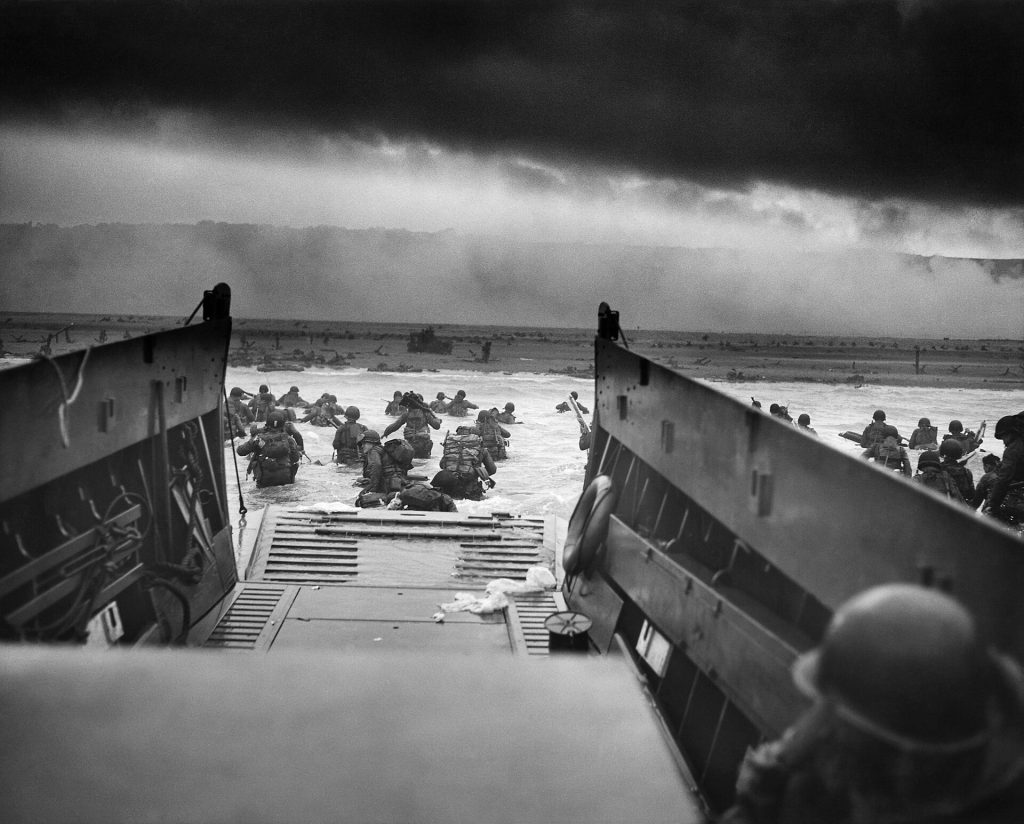
The largest seaborne invasion in history lands on the beaches of Normandy. By nightfall around 156,000 Allied troops are ashore, and the liberation of western Europe has begun.
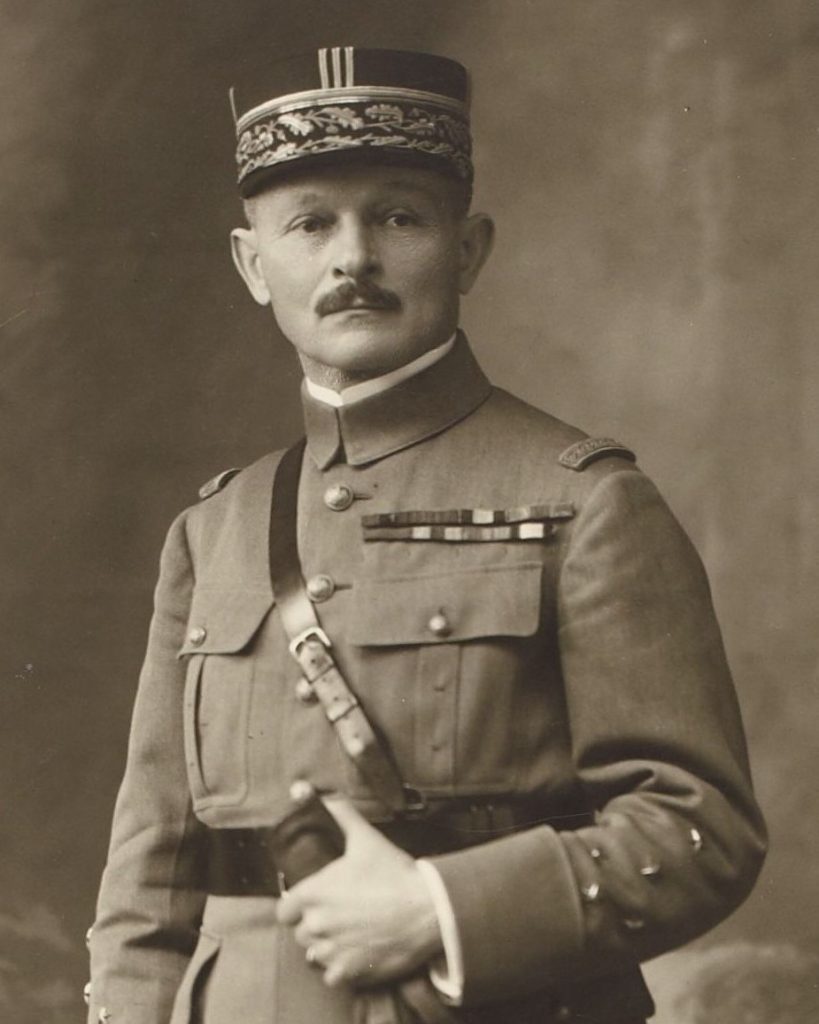
The day after Dunkirk falls, German armies attack along the Somme and the Aisne. The French fight hard behind the hastily built Weygand Line, but they cannot hold for long.
 United Kingdom
 United States
 Soviet Union
 Germany
 Japan
 France
 Poland
 South Africa