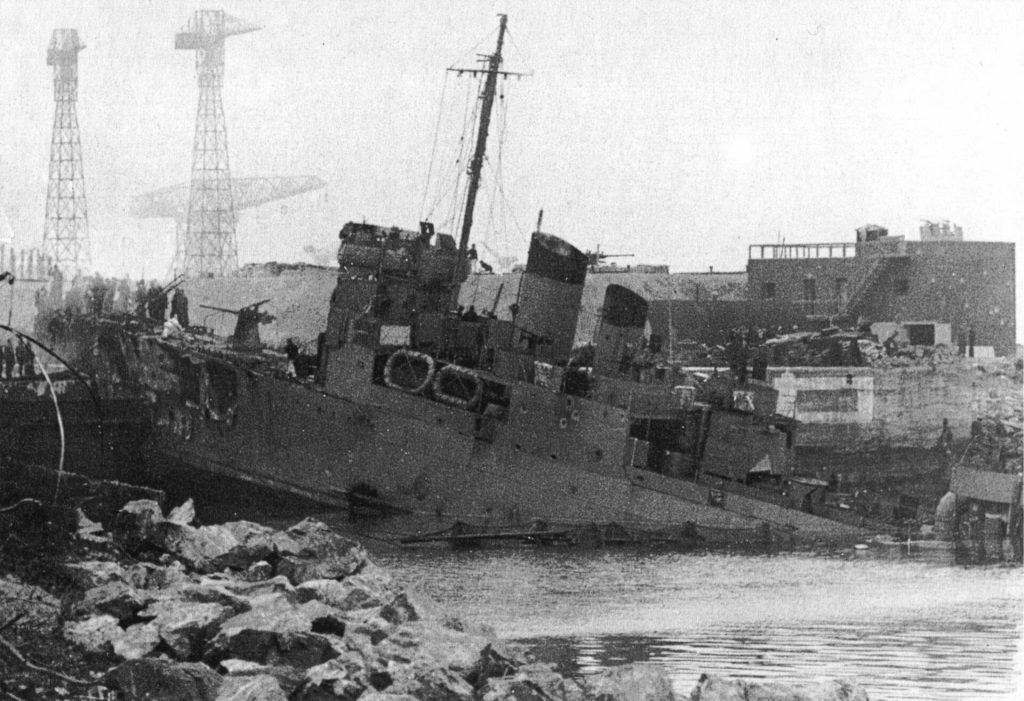
28 March 1942: The St Nazaire Raid
An old destroyer packed with explosives rams the gates of the only dry dock on the Atlantic coast big enough for the Tirpitz. Hours later, it blows up.
U-boats, convoys, raiders and the Arctic route to Russia.
An old destroyer packed with explosives rams the gates of the only dry dock on the Atlantic coast big enough for the Tirpitz. Hours later, it blows up.
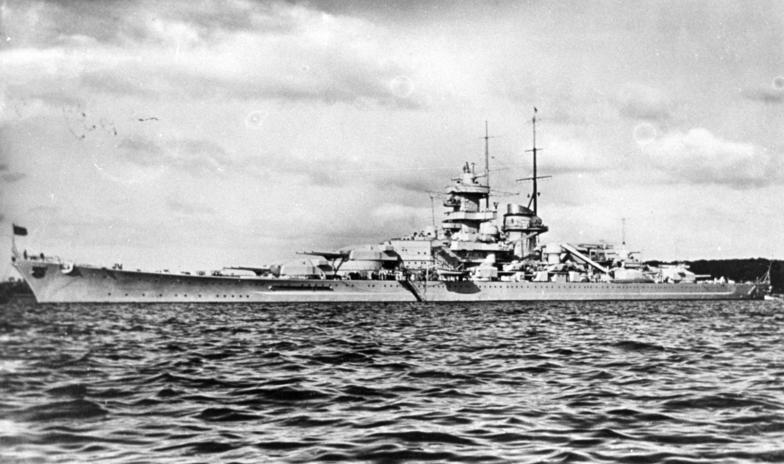
Two weeks after her triumphant dash up the Channel, the battleship Gneisenau is hit by an RAF bomb in dry dock at Kiel. She never sails as a warship again.
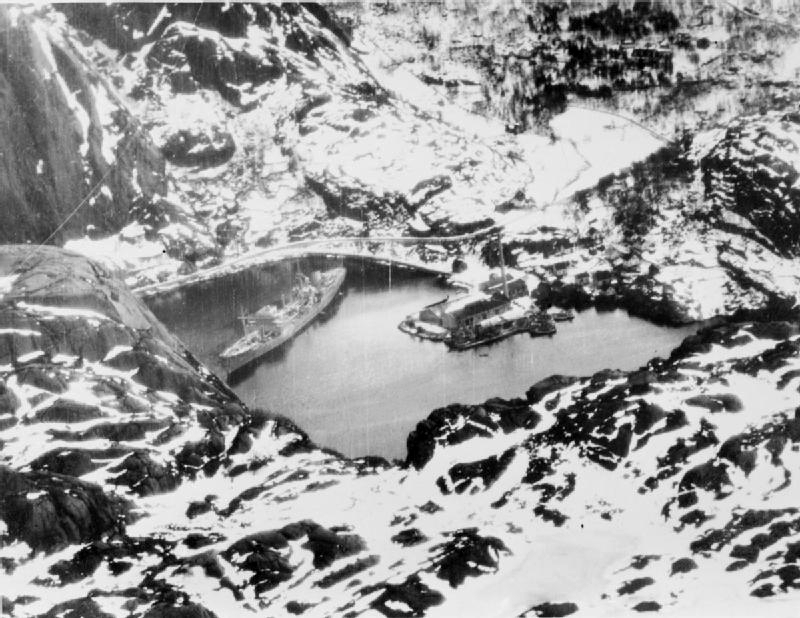
A British destroyer enters a Norwegian fjord, boards a German supply ship and frees around 300 British seamen held captive below decks.
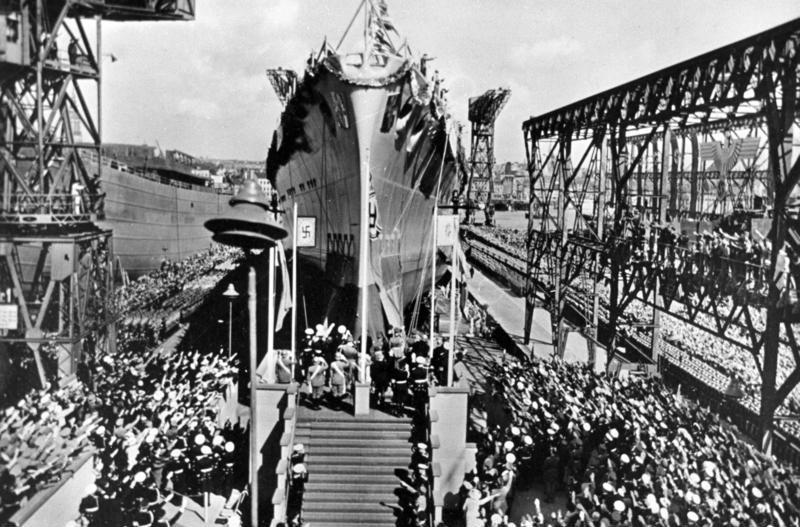
Two German battleships and a heavy cruiser sail from Brest and run straight up the English Channel in broad daylight. The British are slow to react.
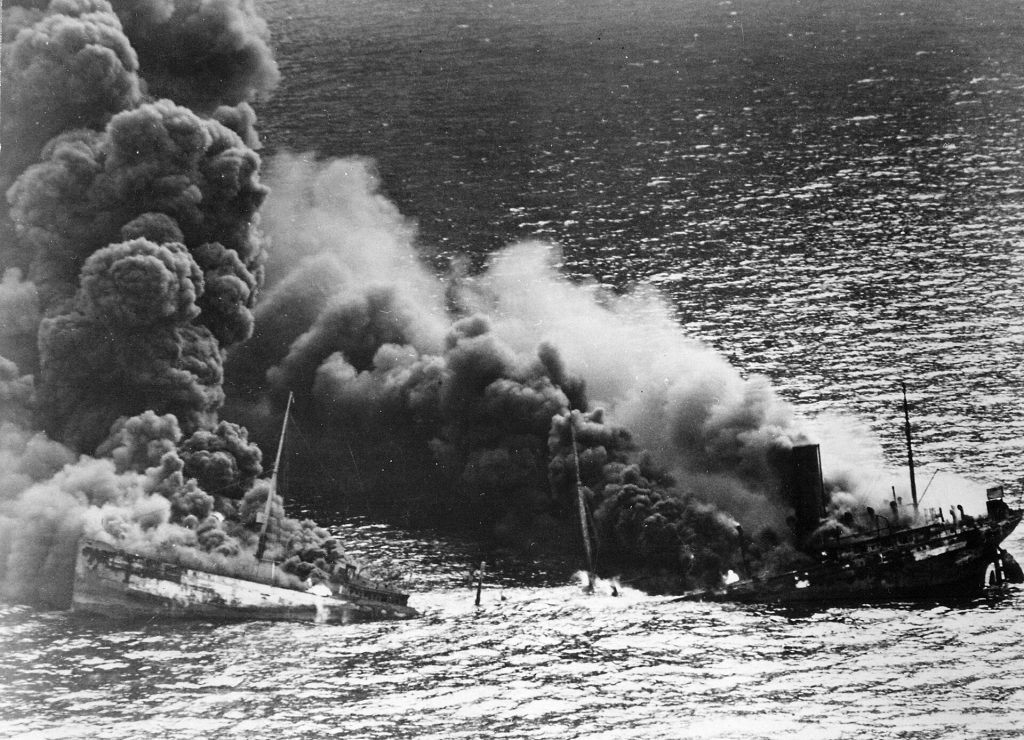
A handful of German U-boats arrive off the coast of North America. For months they will sink tankers and freighters within sight of brightly lit seaside towns.
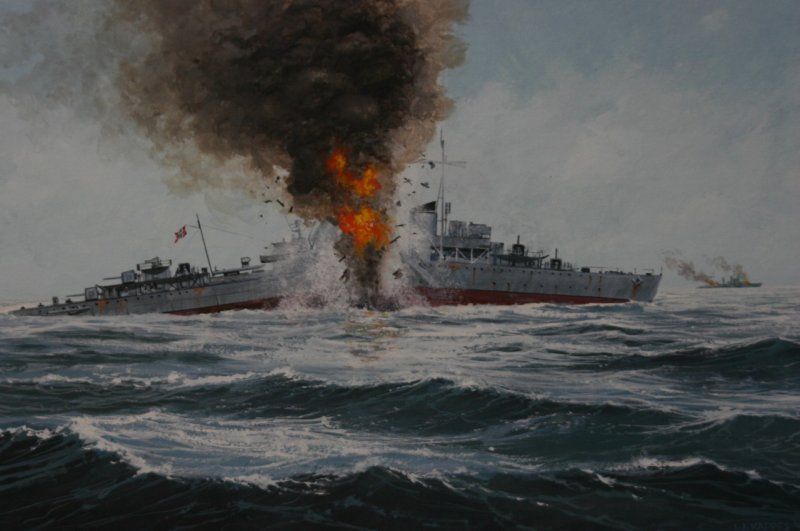
A heavy cruiser and a pocket battleship attack an Arctic convoy guarded only by destroyers. The escorts hold them off, and Hitler’s fury will end the career of his navy’s chief.

In the Arctic darkness off northern Norway, radar-guided British warships trap and sink the battleship Scharnhorst. Of nearly 2,000 men aboard, only 36 survive.
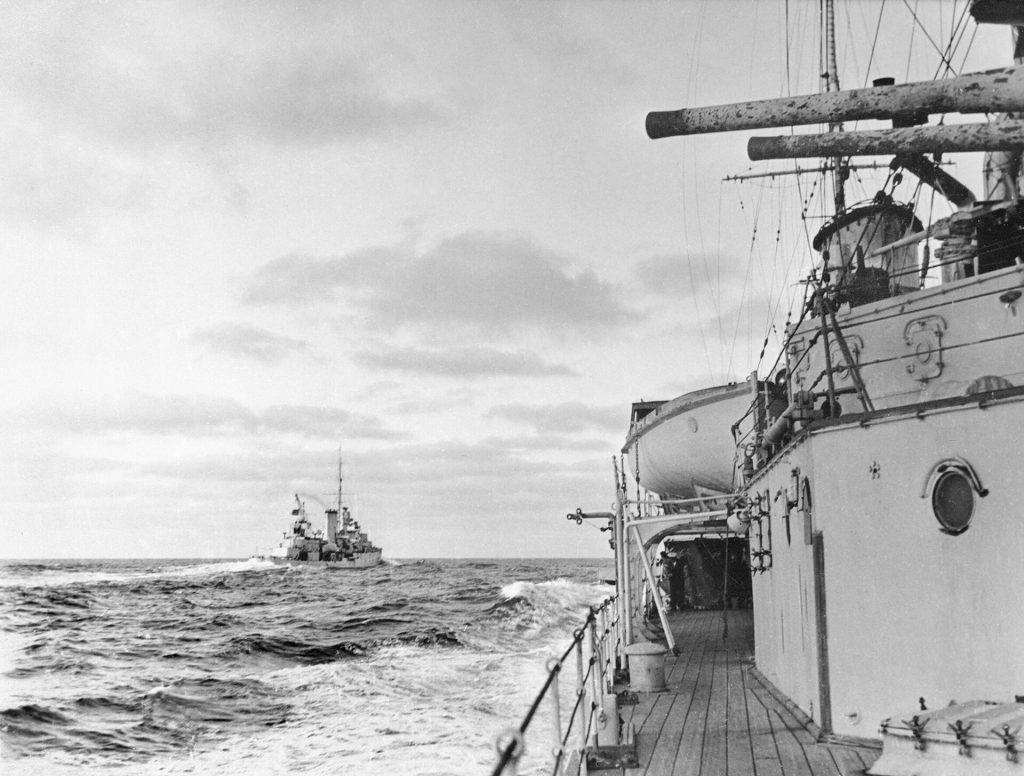
Three British cruisers take on the pocket battleship Admiral Graf Spee off the coast of South America. Battered, the raider runs for neutral Montevideo, and into a trap of nerves.
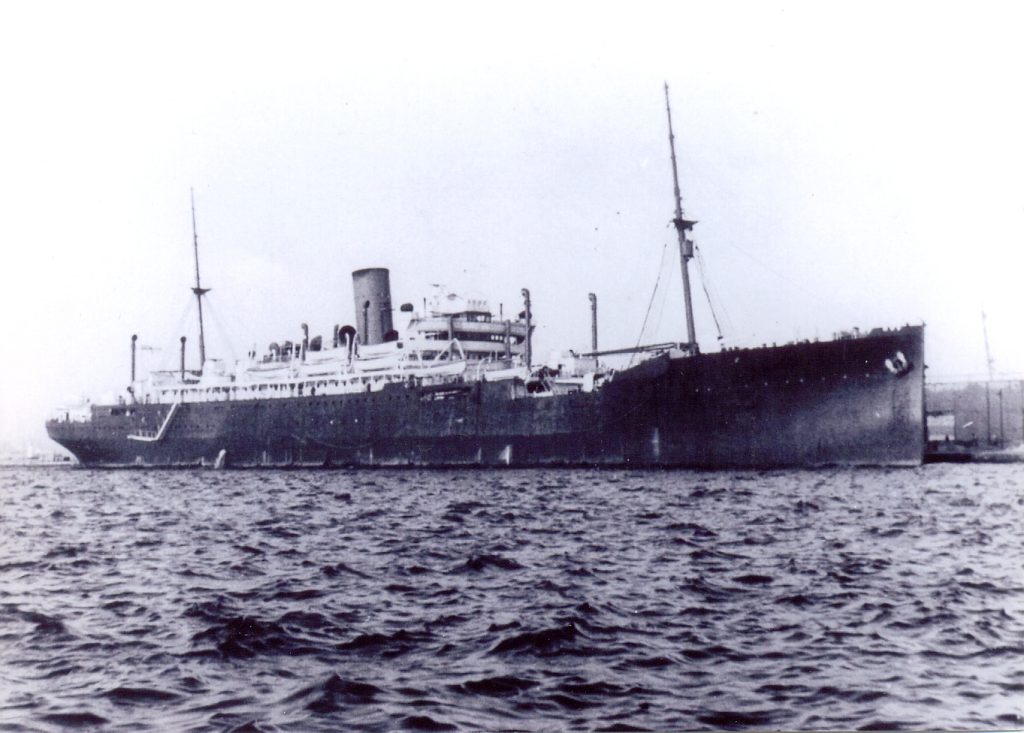
Alone in the mid-Atlantic, the escort of a 37-ship convoy turns towards the German pocket battleship Admiral Scheer, buying time for the merchant ships to scatter into the dusk.
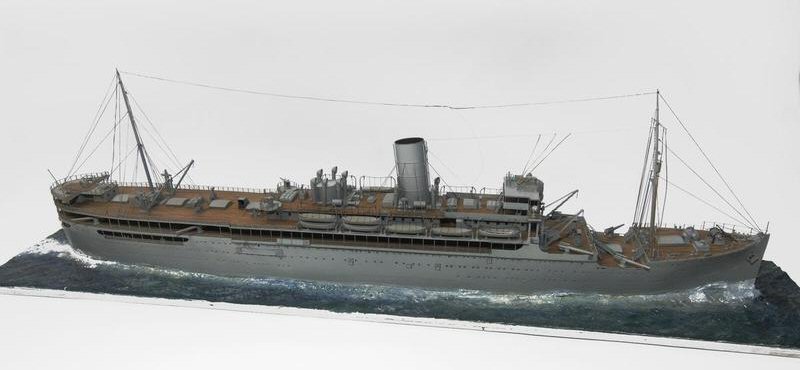
A converted passenger liner armed with antique guns meets two of Germany’s most powerful warships south-east of Iceland, and chooses to fight.
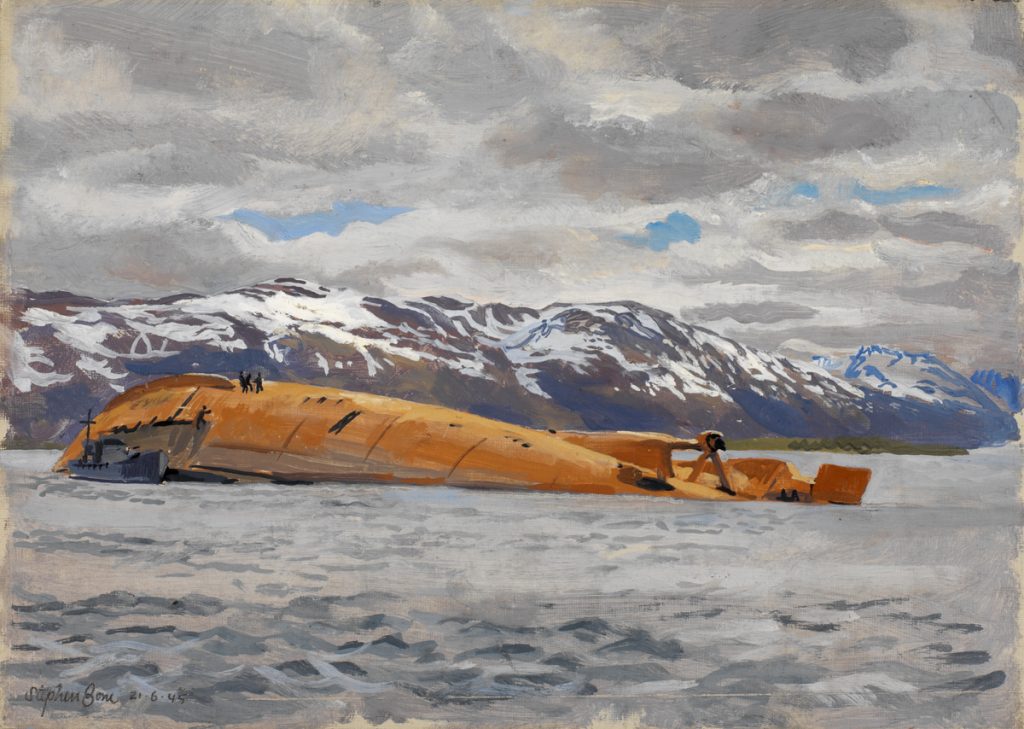
After years of threatening the Arctic convoys from the Norwegian fjords, Germany’s largest battleship is capsized in minutes by RAF Lancasters carrying Tallboy bombs.
 United Kingdom
 United States
 Soviet Union
 Germany
 Japan
 France
 Poland
 South Africa