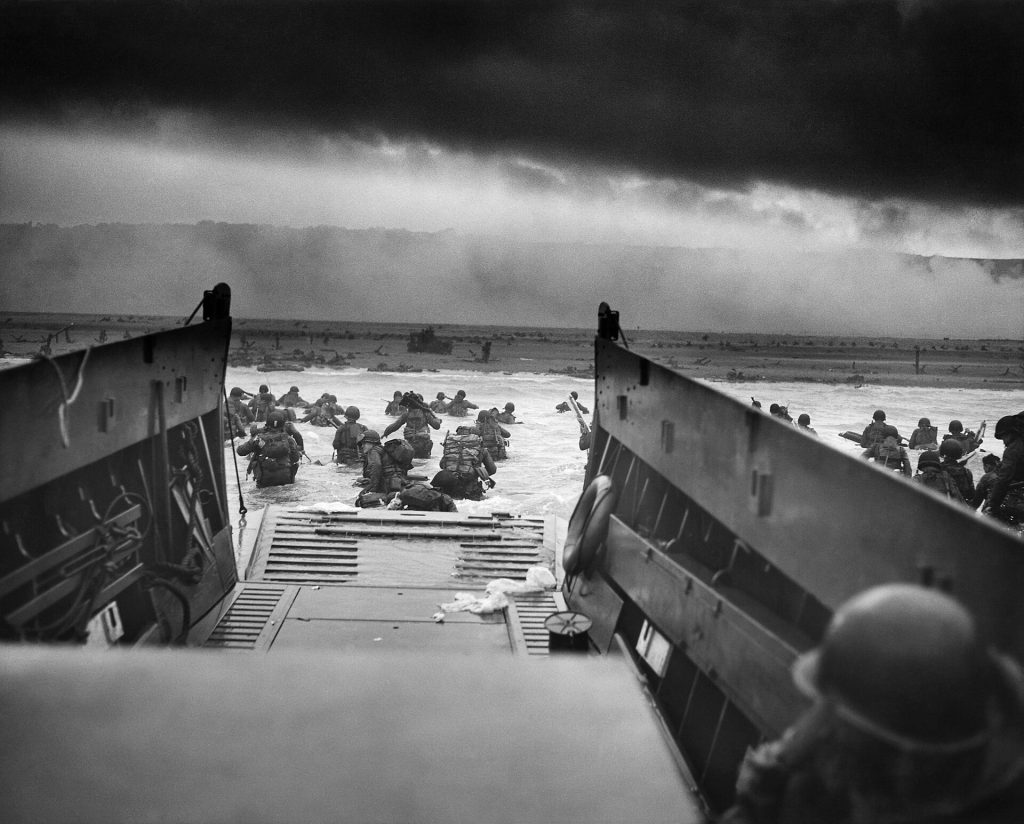
6 June 1944: D-Day
The largest seaborne invasion in history lands on the beaches of Normandy. By nightfall around 156,000 Allied troops are ashore, and the liberation of western Europe has begun.
Battleships, carriers, submarines and the war for the sea lanes.
The largest seaborne invasion in history lands on the beaches of Normandy. By nightfall around 156,000 Allied troops are ashore, and the liberation of western Europe has begun.
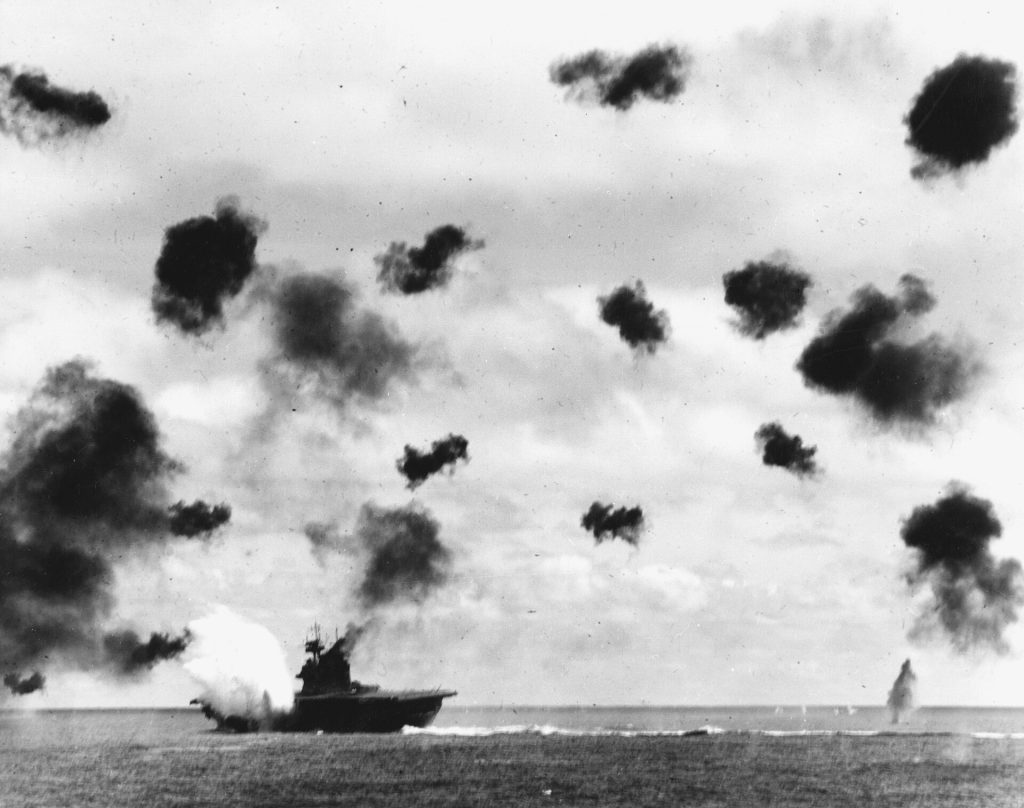
In five minutes, American dive bombers set three Japanese aircraft carriers ablaze. By nightfall a fourth is burning. The tide of the Pacific war has turned.
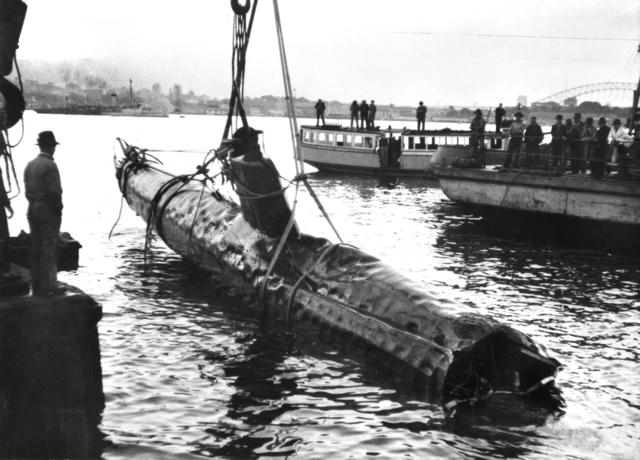
Three Japanese midget submarines slip into Sydney Harbour at night. One fires torpedoes at an American cruiser, misses, and sinks a depot ship full of sleeping sailors.
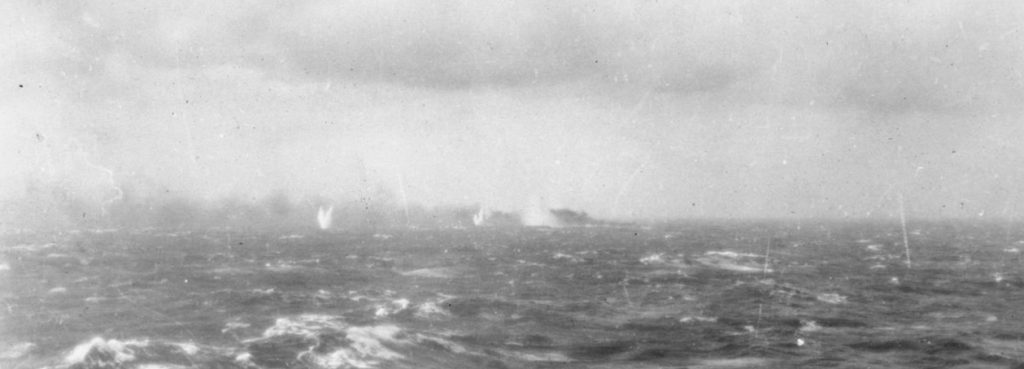
Crippled by a torpedo from an old biplane, the Bismarck can only steam in circles. At dawn, British battleships close in and pound her into a burning wreck.
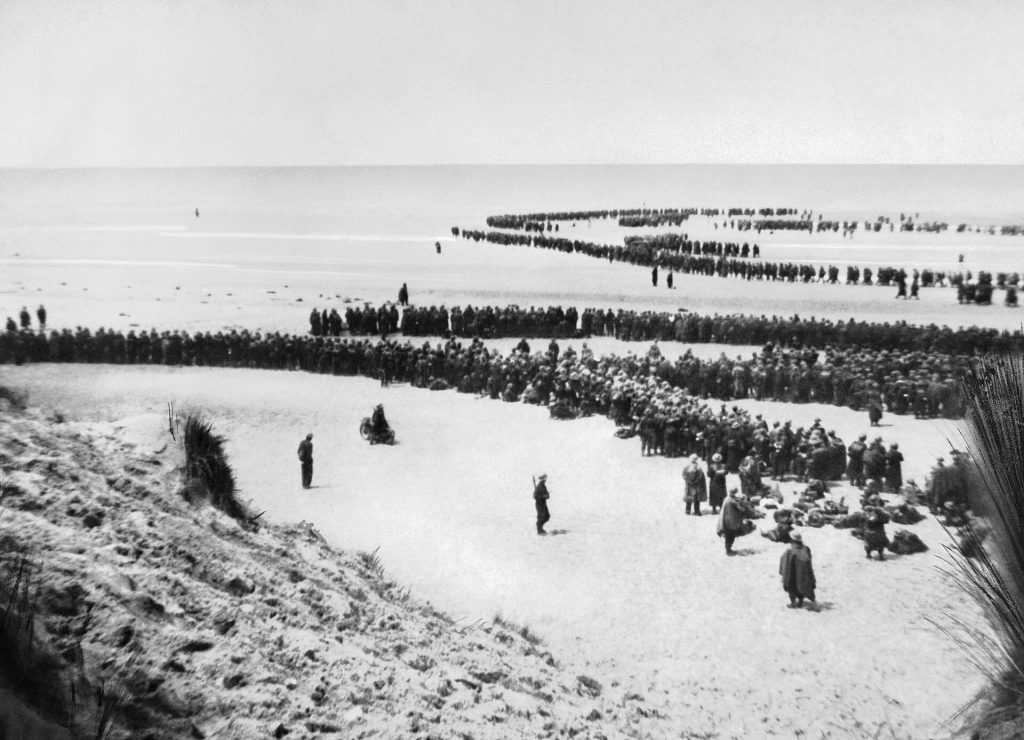
With the British army trapped against the Channel coast, the Admiralty orders the evacuation from Dunkirk to begin. Few expect more than a fraction of the men to get away.
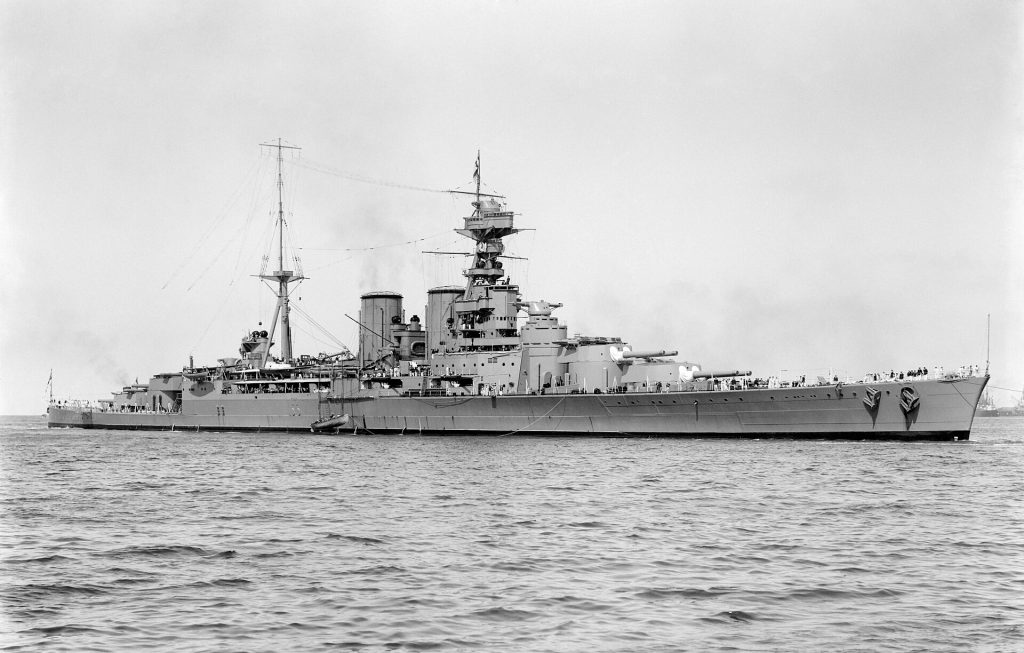
In the Denmark Strait, the battleship Bismarck opens fire on HMS Hood, the pride of the Royal Navy. Within minutes, Hood explodes and sinks. Three men survive.
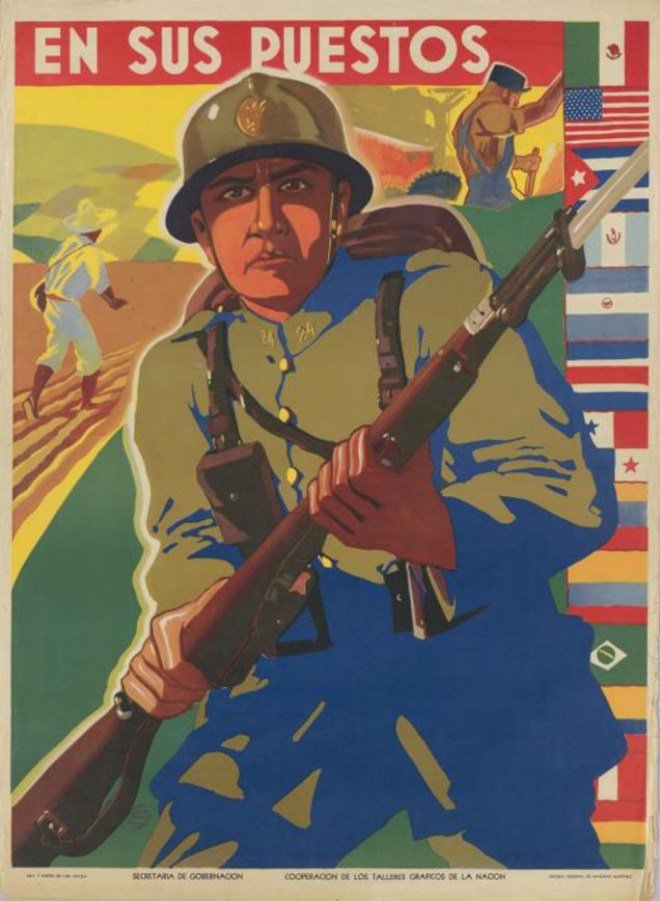
After German U-boats sink two Mexican tankers in the Gulf of Mexico, President Manuel Ávila Camacho declares that Mexico is at war with the Axis.
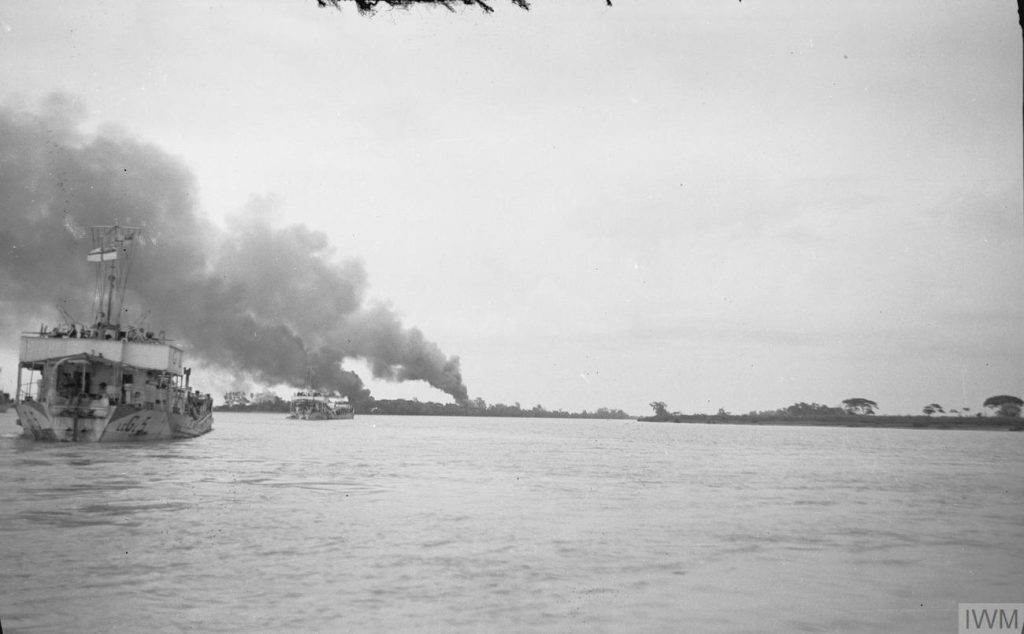
Indian troops landing from the sea enter Rangoon, just ahead of the monsoon. The Japanese have already gone. Three years after the long retreat, the capital of Burma is back in Allied hands.
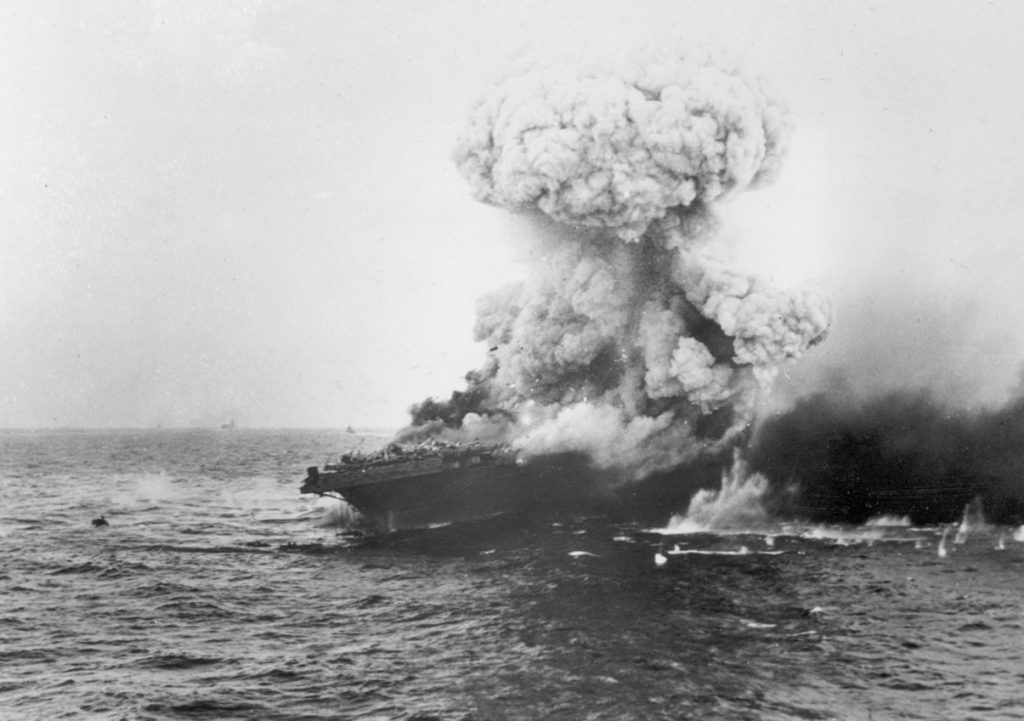
American carrier aircraft strike Japanese ships at Tulagi, opening a battle in which, for the first time, the opposing fleets never see each other.
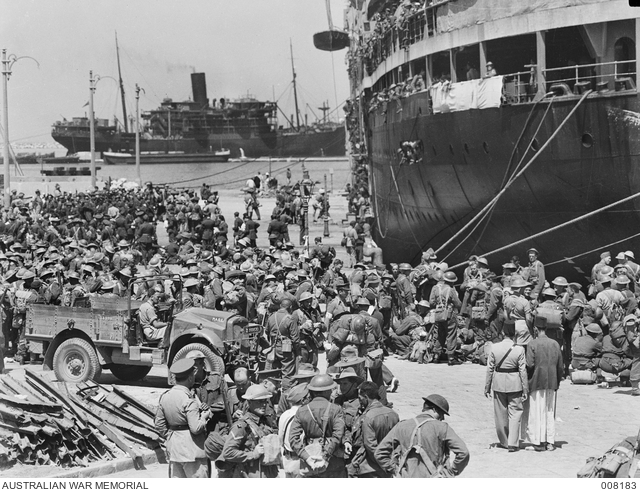
After a rearguard stand at Thermopylae, British, Australian and New Zealand troops begin to leave Greece by night from small harbours and open beaches.
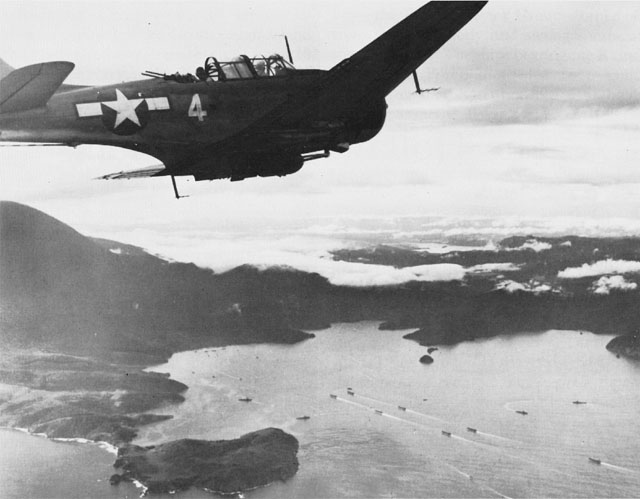
MacArthur leaps hundreds of kilometres along the New Guinea coast, landing behind a large Japanese army. The defenders at Hollandia flee into the jungle.
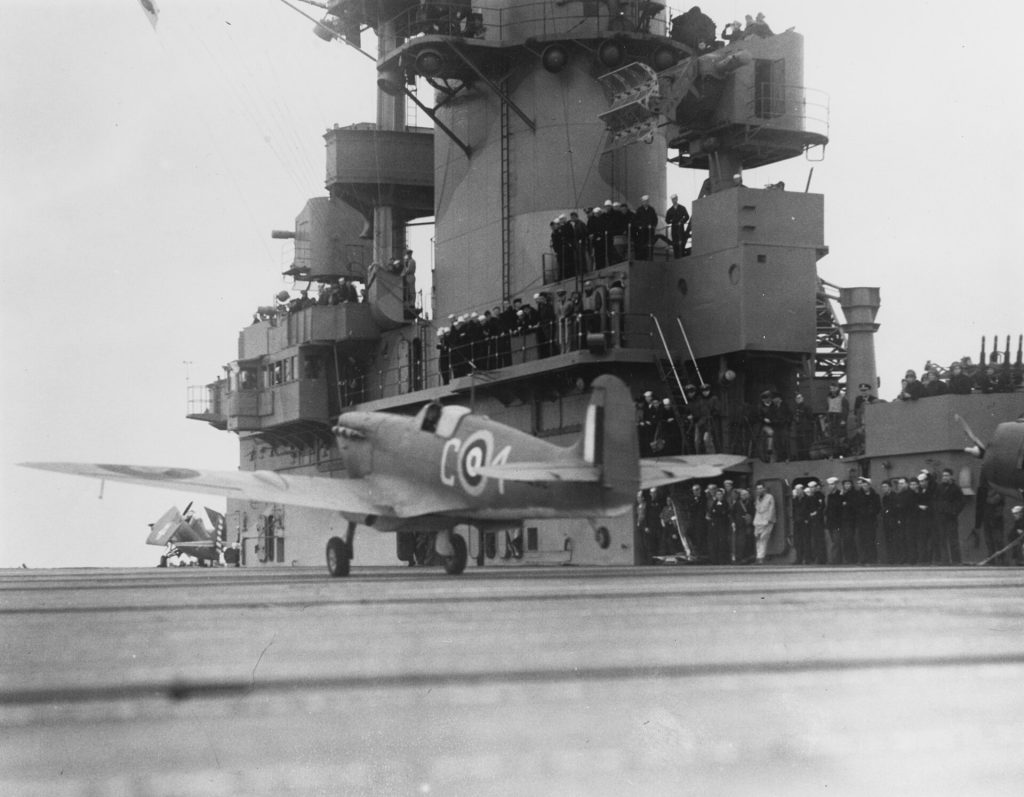
Forty-seven Spitfires take off from the American carrier Wasp in the western Mediterranean and fly to besieged Malta. Within days, most have been destroyed on the ground.
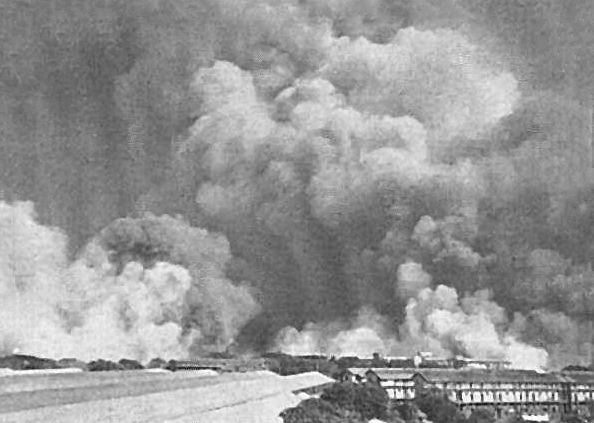
A cargo ship loaded with explosives, cotton and gold catches fire in Bombay’s Victoria Dock. Two enormous explosions devastate the docks and surrounding districts.
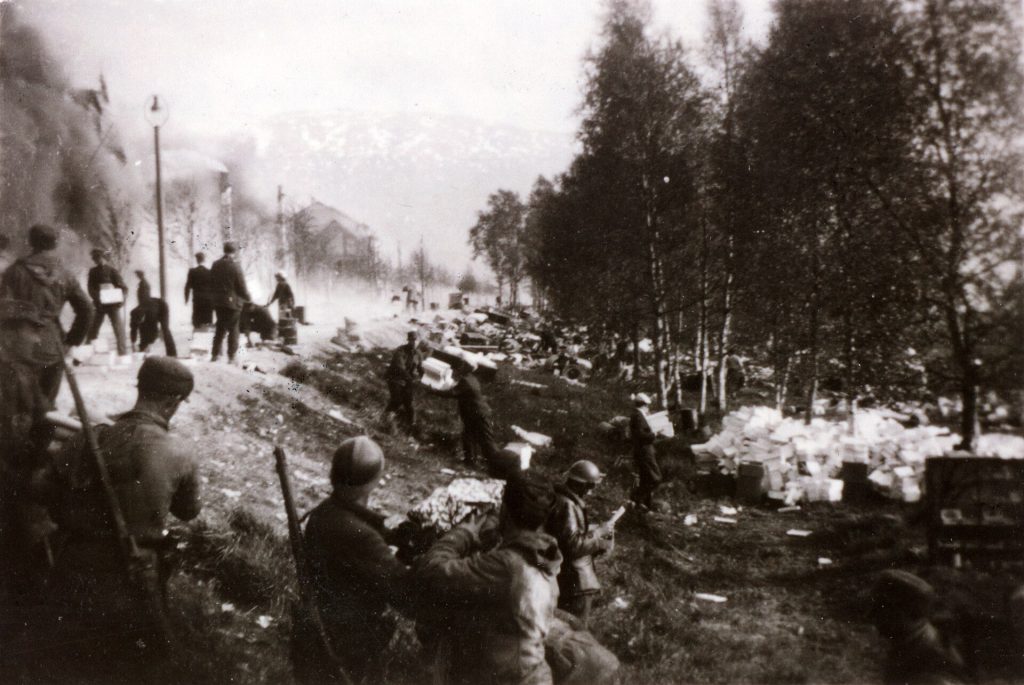
In a snowstorm at dawn, five British destroyers steam up the fjord to Narvik and surprise the German destroyers that landed troops there the day before.
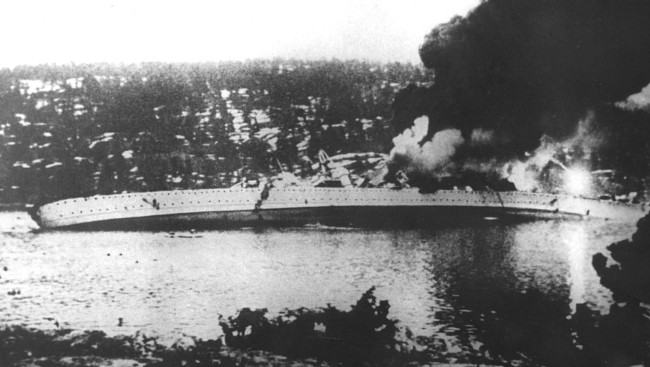
Before dawn, German forces strike Denmark and Norway at once. Denmark is occupied within hours. In Oslofjord, an old fortress sinks a German cruiser and buys Norway’s king time to escape.
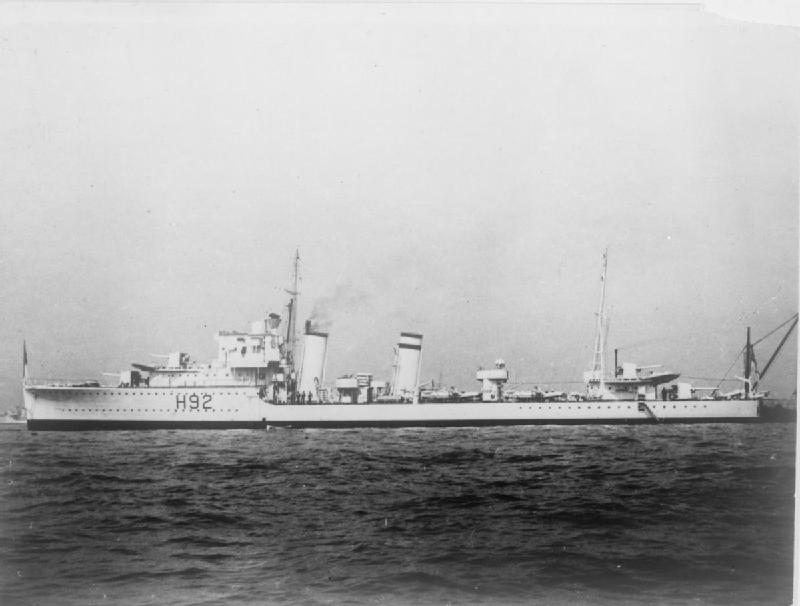
A lone British destroyer runs into the German fleet heading for Norway. Outgunned and burning, she turns and rams the heavy cruiser Admiral Hipper.
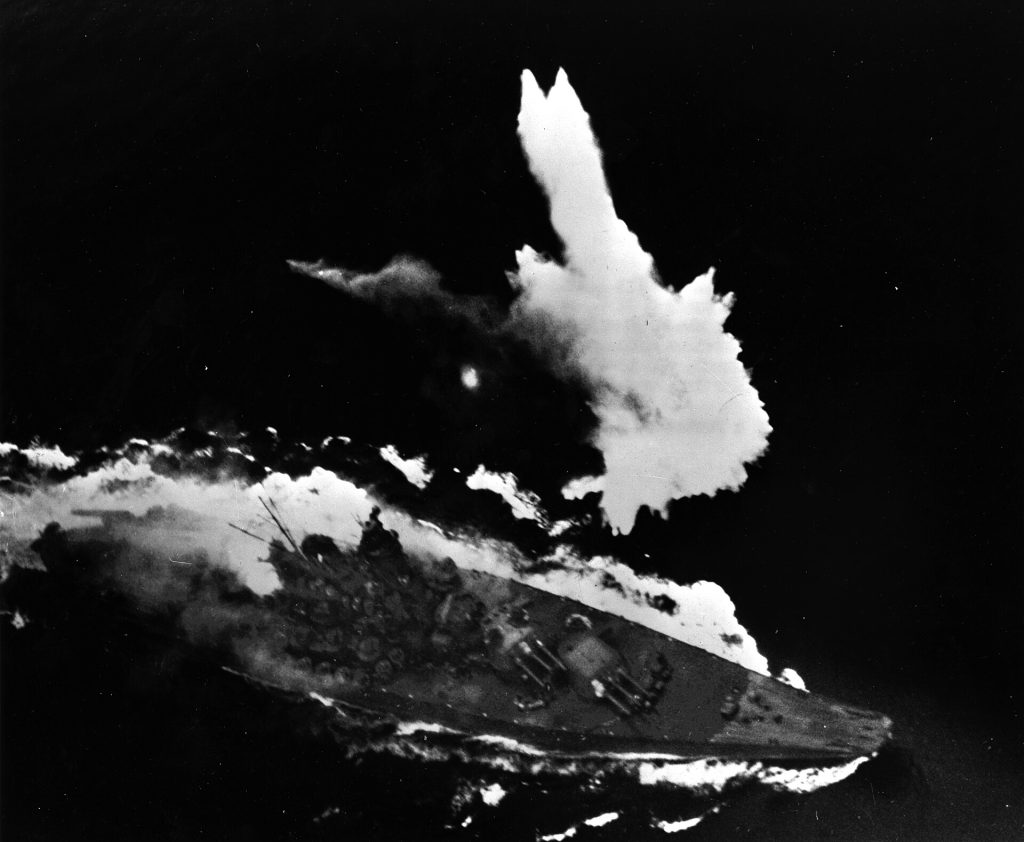
The largest battleship ever built sails on a one-way mission to Okinawa. Hundreds of American carrier aircraft find her long before she arrives.
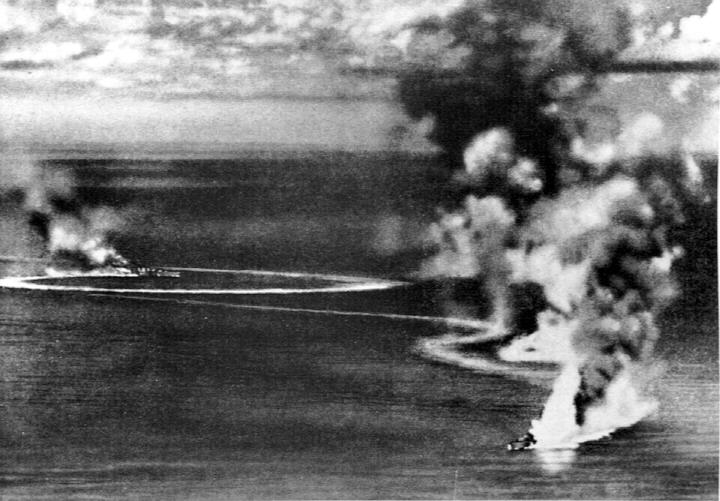
The carrier force that struck Pearl Harbor attacks Colombo in Ceylon. Warned the day before by a Canadian flying boat pilot, the defenders are ready, but two British cruisers are caught at sea.
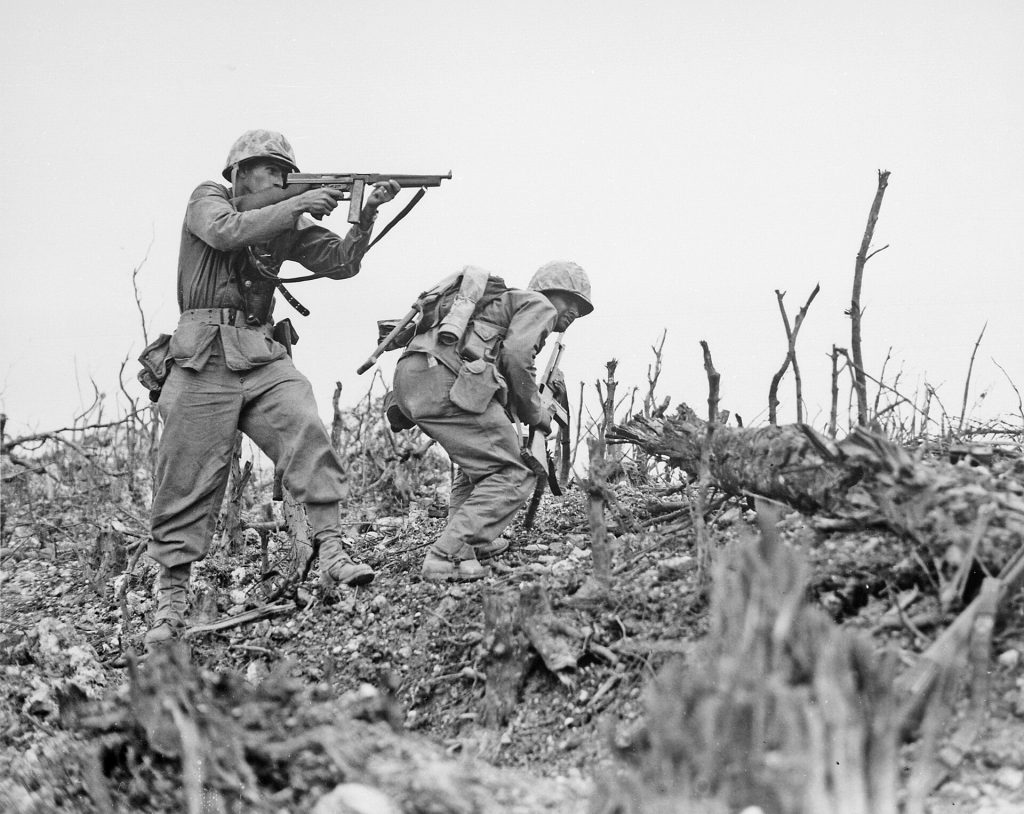
On Easter Sunday, the largest amphibious assault of the Pacific war lands on Okinawa almost unopposed. The Japanese are waiting in the south.
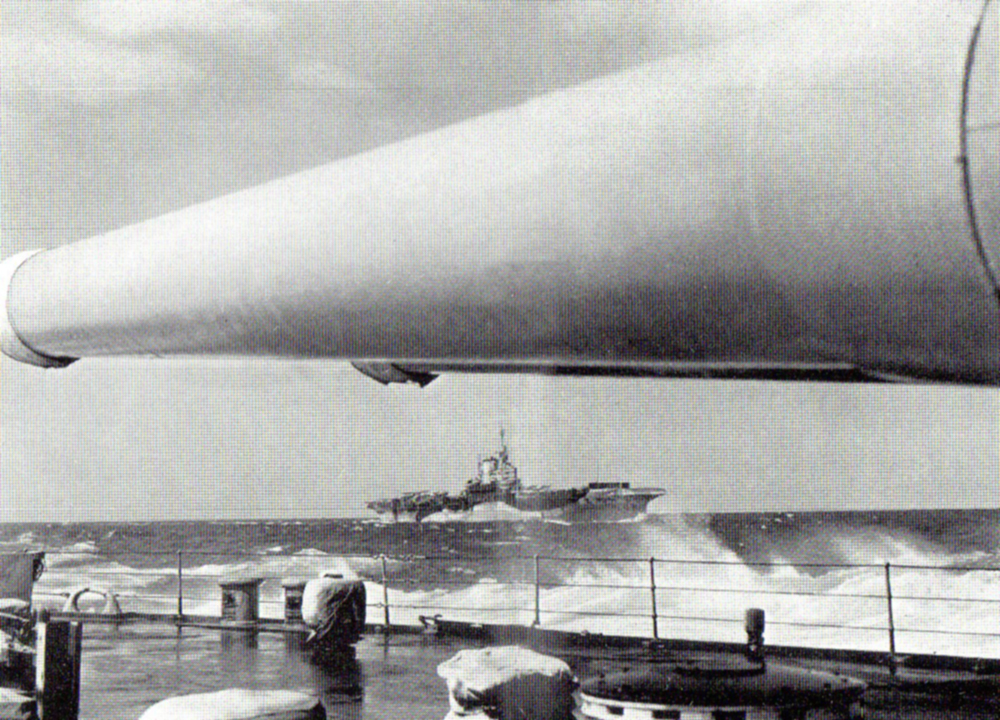
In the darkness off southern Greece, three British battleships open fire at point-blank range on unsuspecting Italian cruisers. Within minutes, two are wrecked.
 United Kingdom
 United States
 Soviet Union
 Germany
 Japan
 France
 Poland
 South Africa