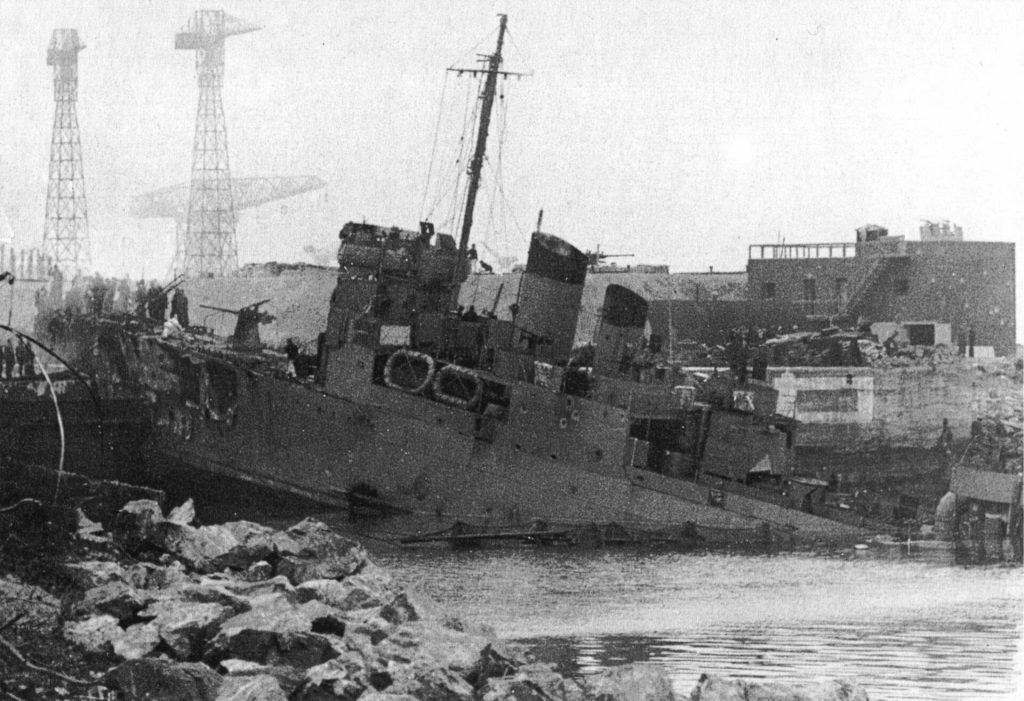
28 March 1942: The St Nazaire Raid
An old destroyer packed with explosives rams the gates of the only dry dock on the Atlantic coast big enough for the Tirpitz. Hours later, it blows up.
Battleships, carriers, submarines and the war for the sea lanes.
An old destroyer packed with explosives rams the gates of the only dry dock on the Atlantic coast big enough for the Tirpitz. Hours later, it blows up.
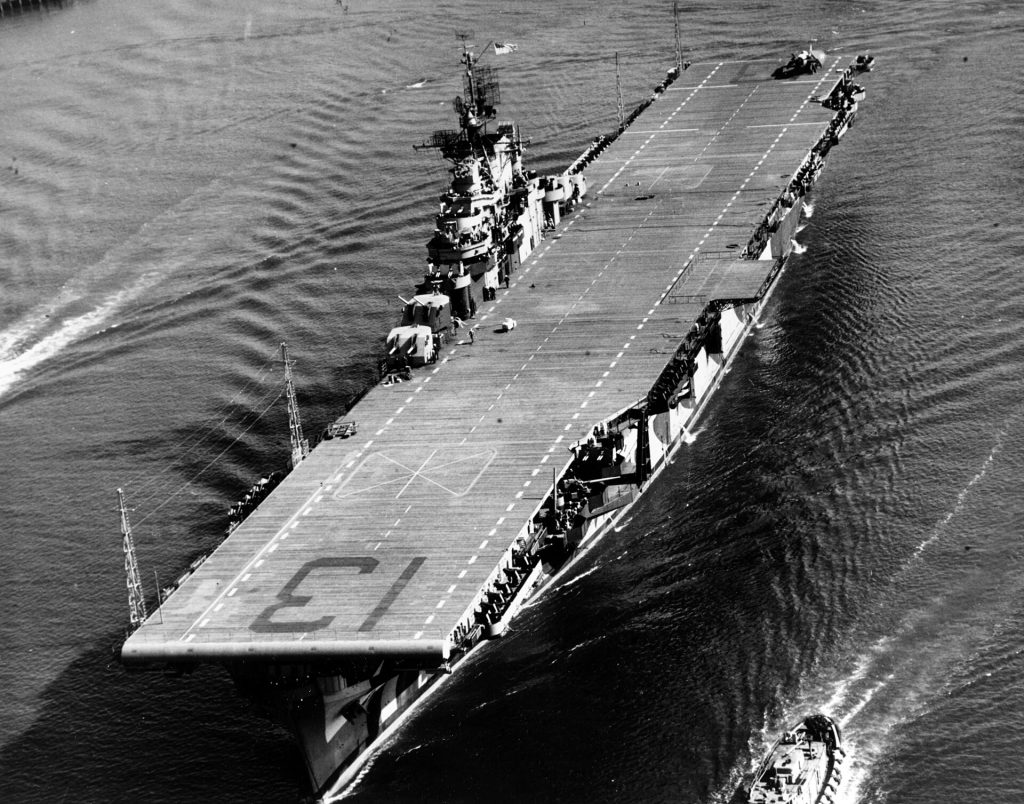
Off the coast of Japan, a single bomber hits the carrier Franklin as her aircraft prepare to launch. She survives the fires and explosions that follow, at a terrible cost.
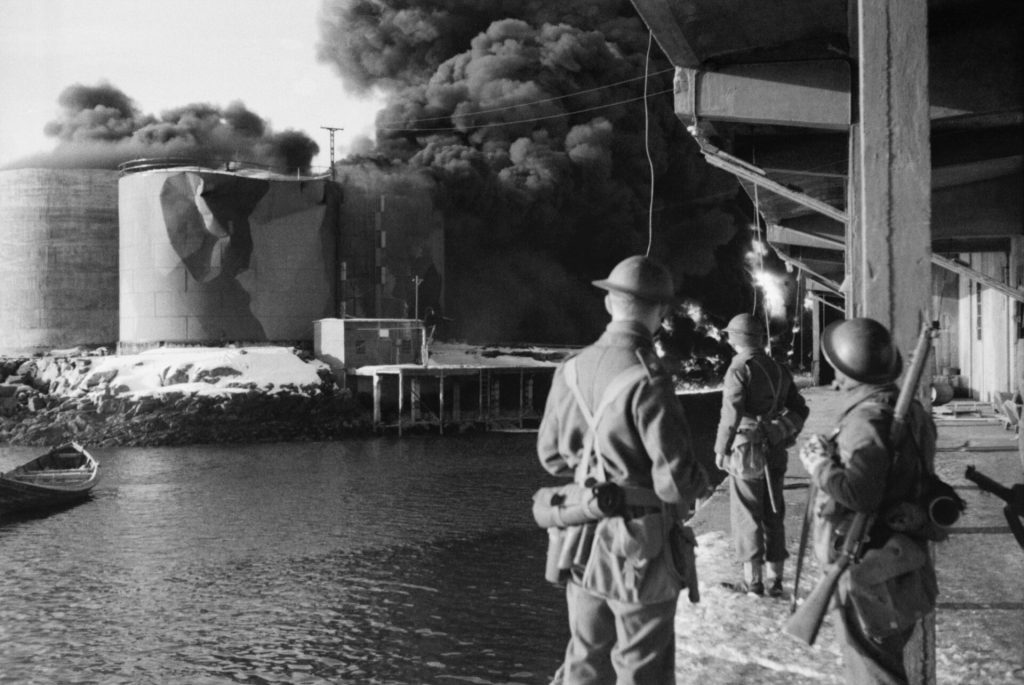
British commandos and Norwegian troops land unopposed in the Lofoten Islands, blow up fish oil factories and sail home with prisoners, volunteers and a secret prize.
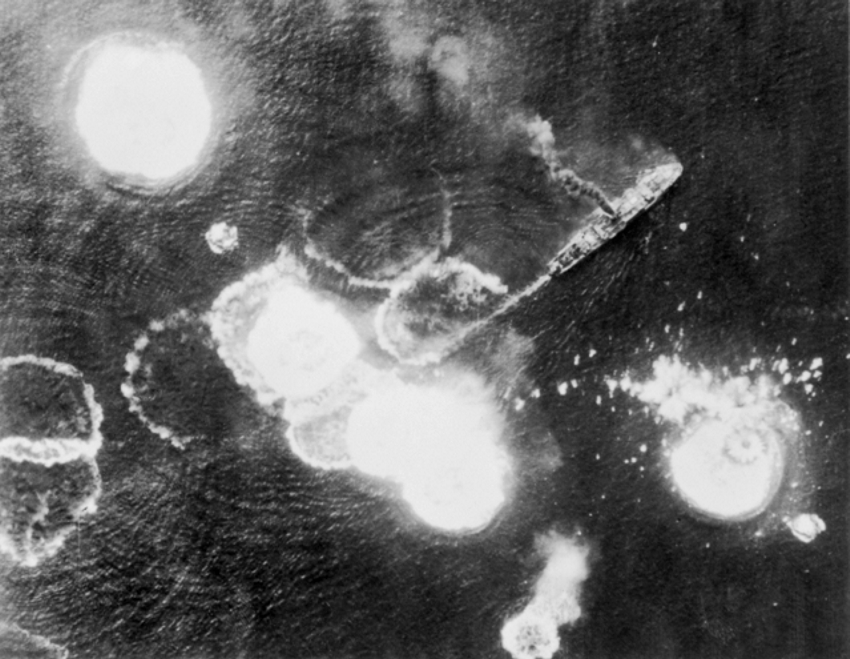
Allied bombers find a Japanese convoy carrying an army division to New Guinea. In three days of air attacks, every transport is sunk.
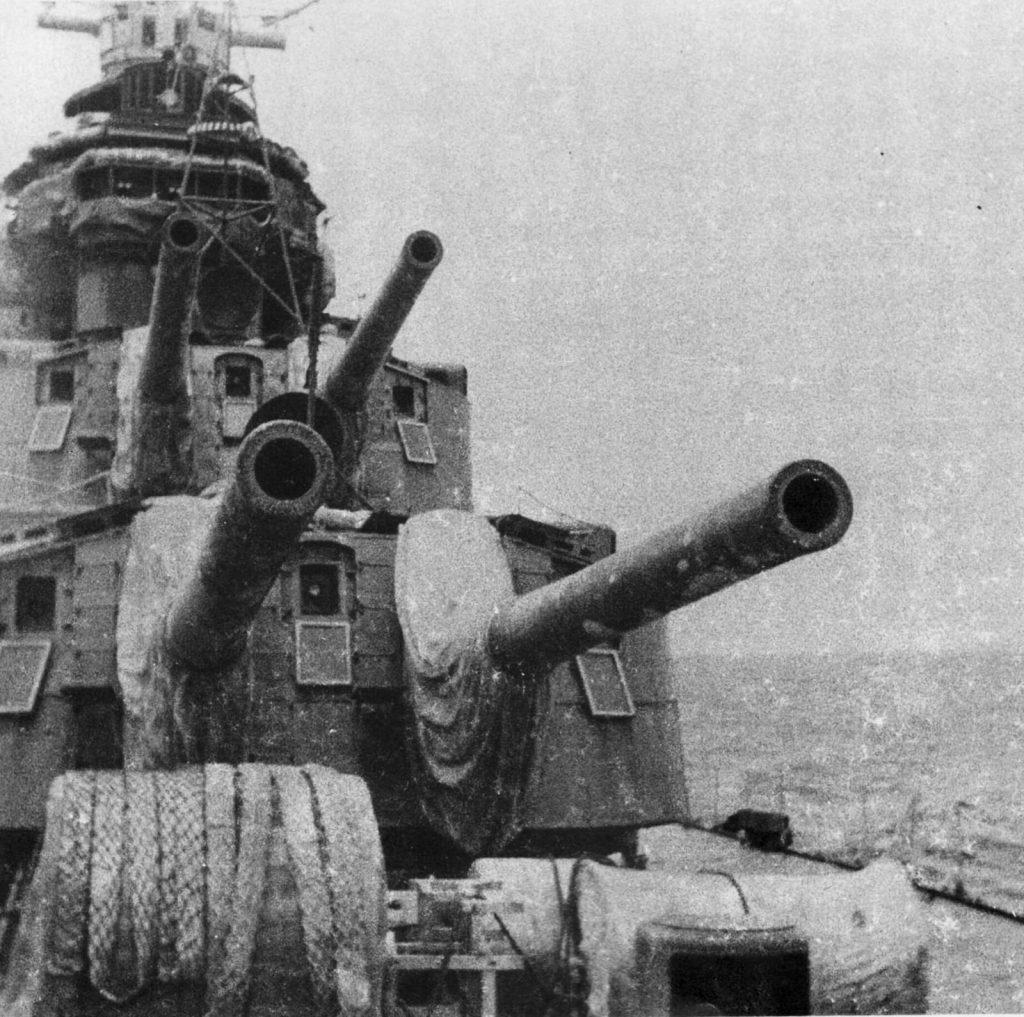
A combined Dutch, British, Australian and American squadron sails out to stop the Japanese invasion of Java. By midnight its admiral is dead and two of its cruisers are sunk.
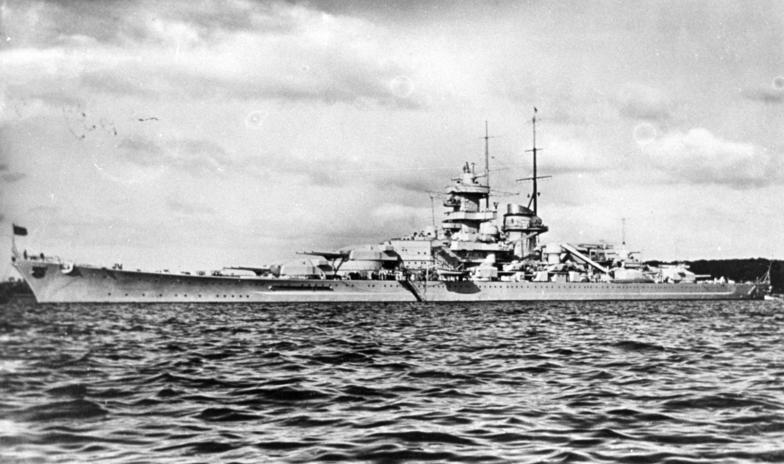
Two weeks after her triumphant dash up the Channel, the battleship Gneisenau is hit by an RAF bomb in dry dock at Kiel. She never sails as a warship again.
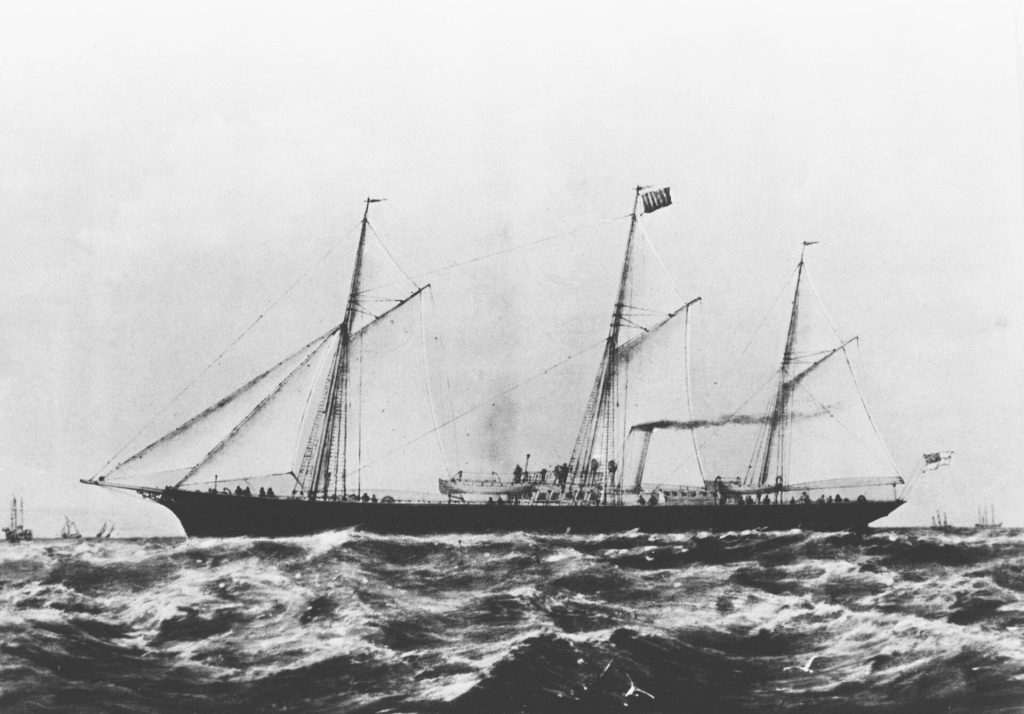
An old, overcrowded boat carrying Jewish refugees from Romania is towed out into the Black Sea and torpedoed. Of the nearly 800 people aboard, one survives.
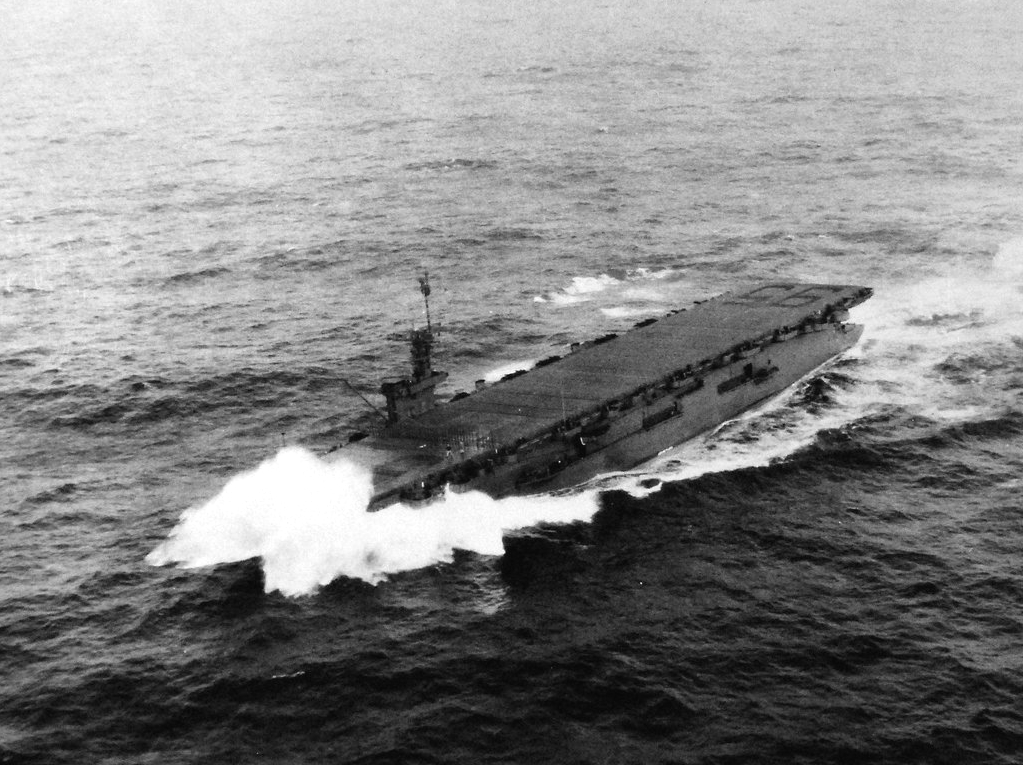
Two days into the Iwo Jima landings, suicide aircraft strike the American fleet offshore. The carrier Saratoga is badly damaged, and the escort carrier Bismarck Sea goes down.
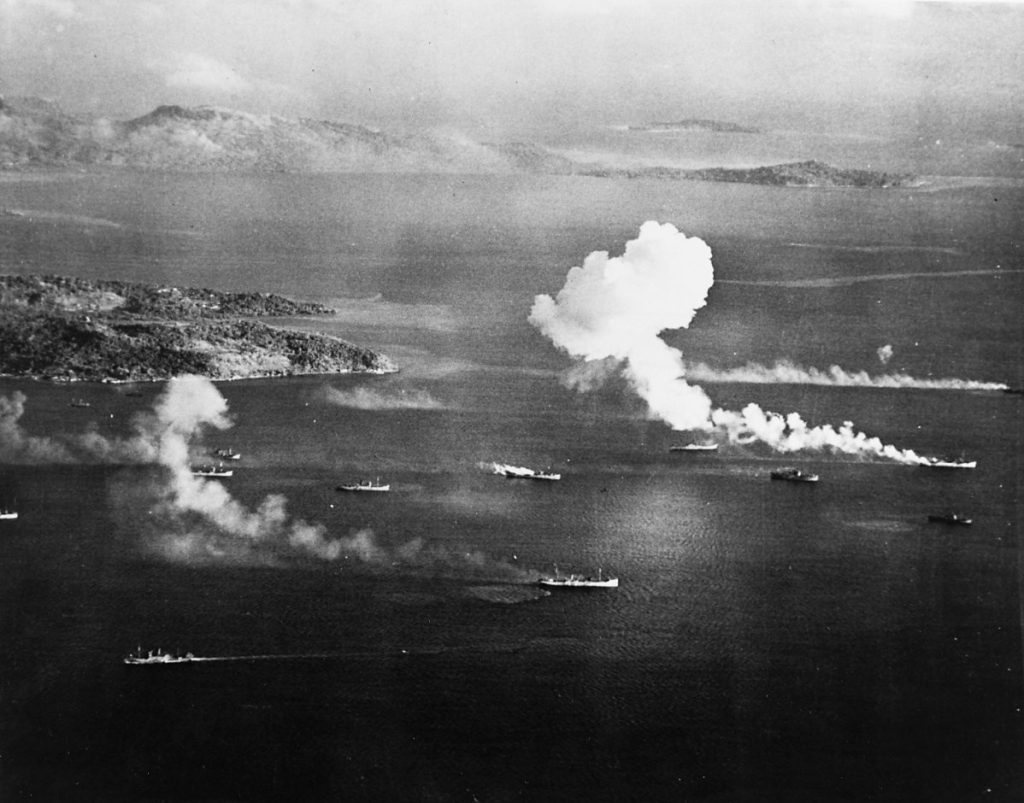
American carrier aircraft descend on Truk, Japan’s great fleet anchorage in the central Pacific, and wreck the shipping and aircraft they find there.
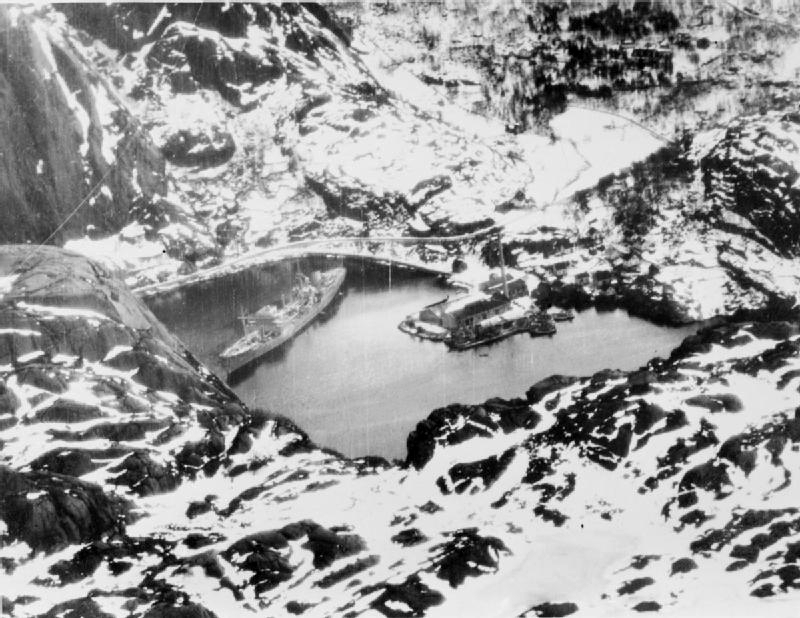
A British destroyer enters a Norwegian fjord, boards a German supply ship and frees around 300 British seamen held captive below decks.
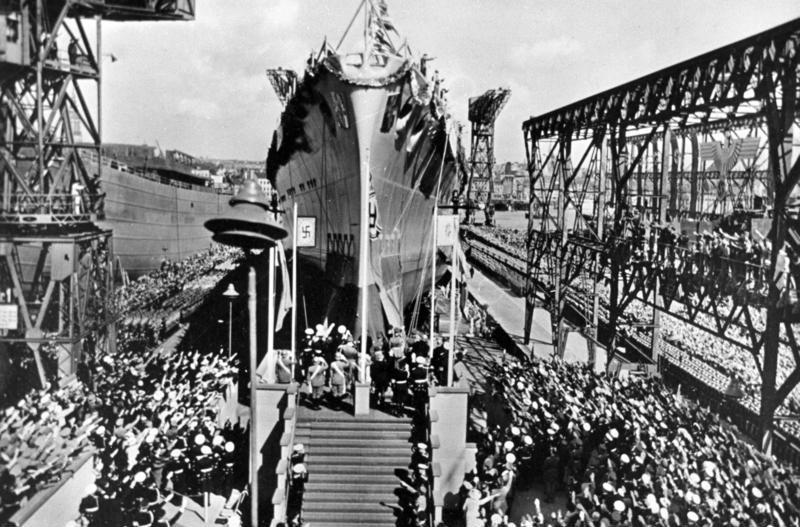
Two German battleships and a heavy cruiser sail from Brest and run straight up the English Channel in broad daylight. The British are slow to react.
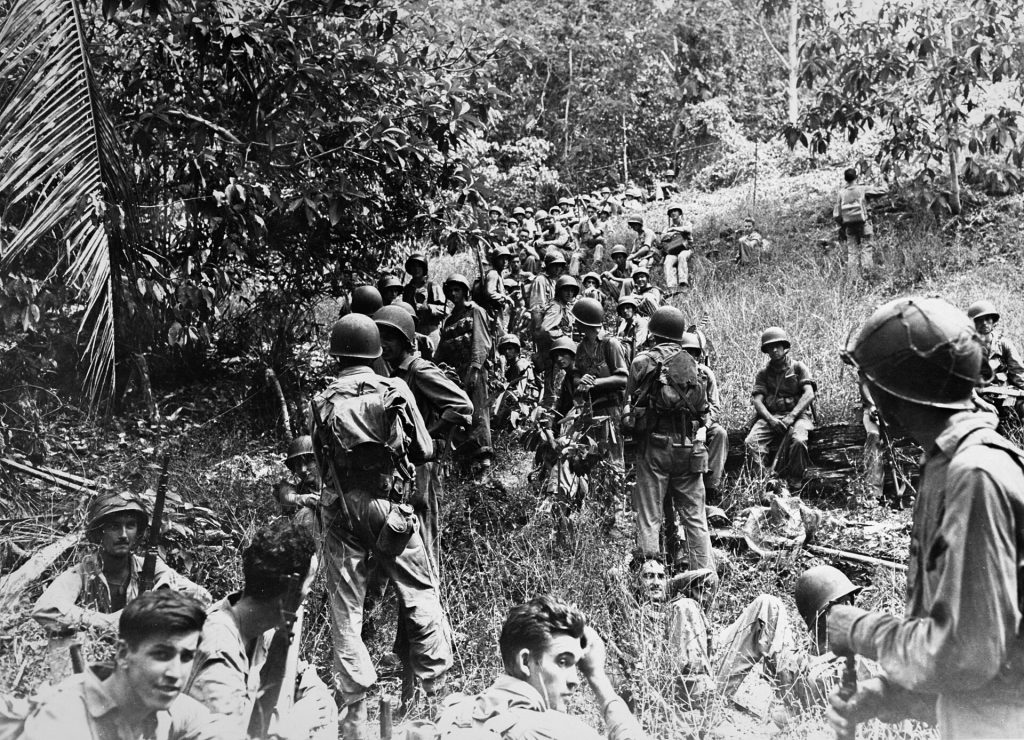
Six months after the Marines landed, the American commander on Guadalcanal reports that organised Japanese resistance has ended. The enemy has slipped away by night.
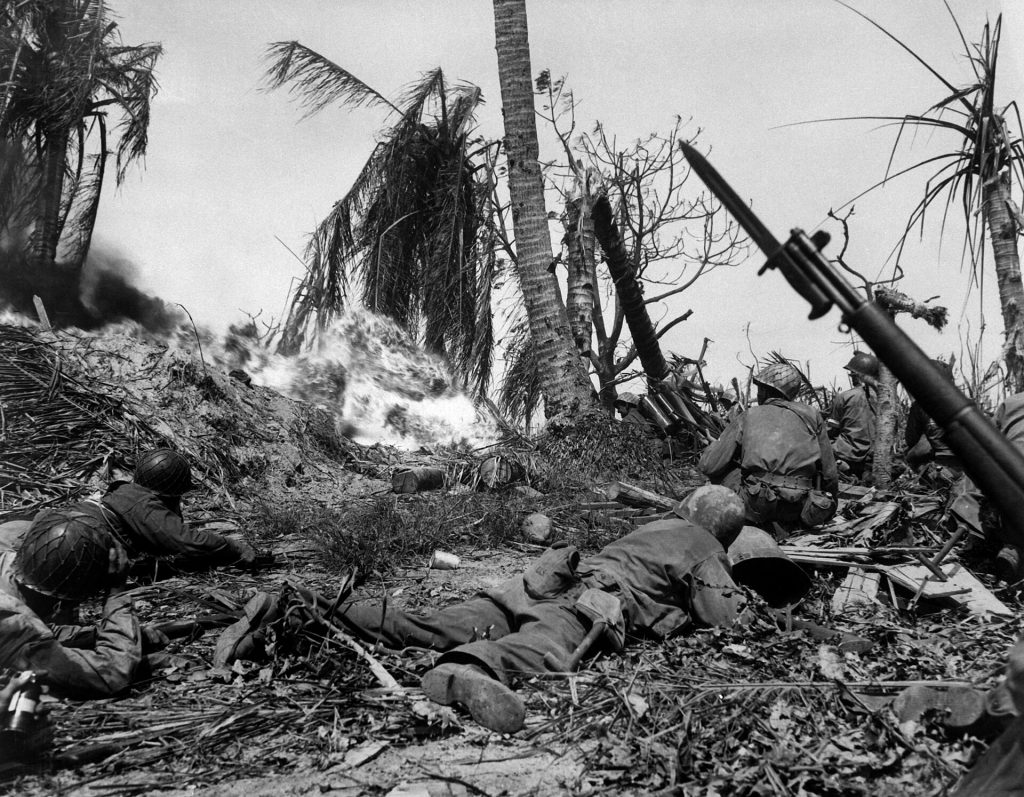
American soldiers and marines storm the heart of the Marshall Islands. The lessons of Tarawa have been learned, and the cost is far lower.
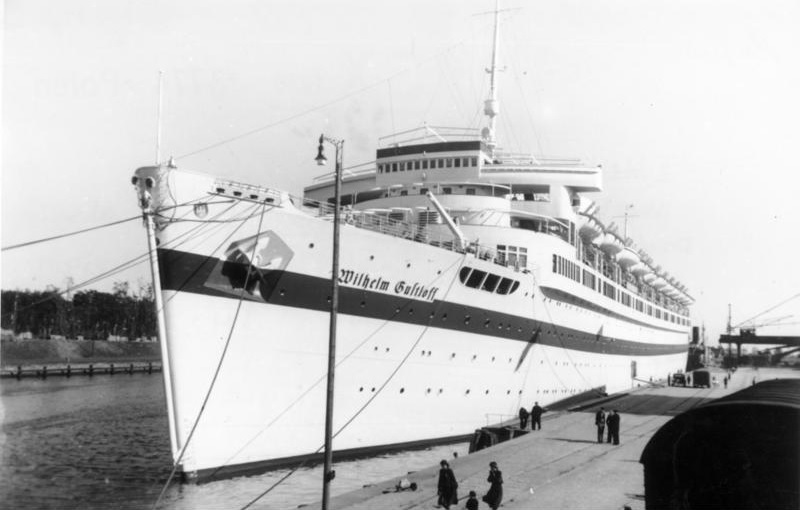
A Soviet submarine torpedoes an overcrowded German liner carrying refugees and military personnel from East Prussia. It is the deadliest sinking of a single ship in history.
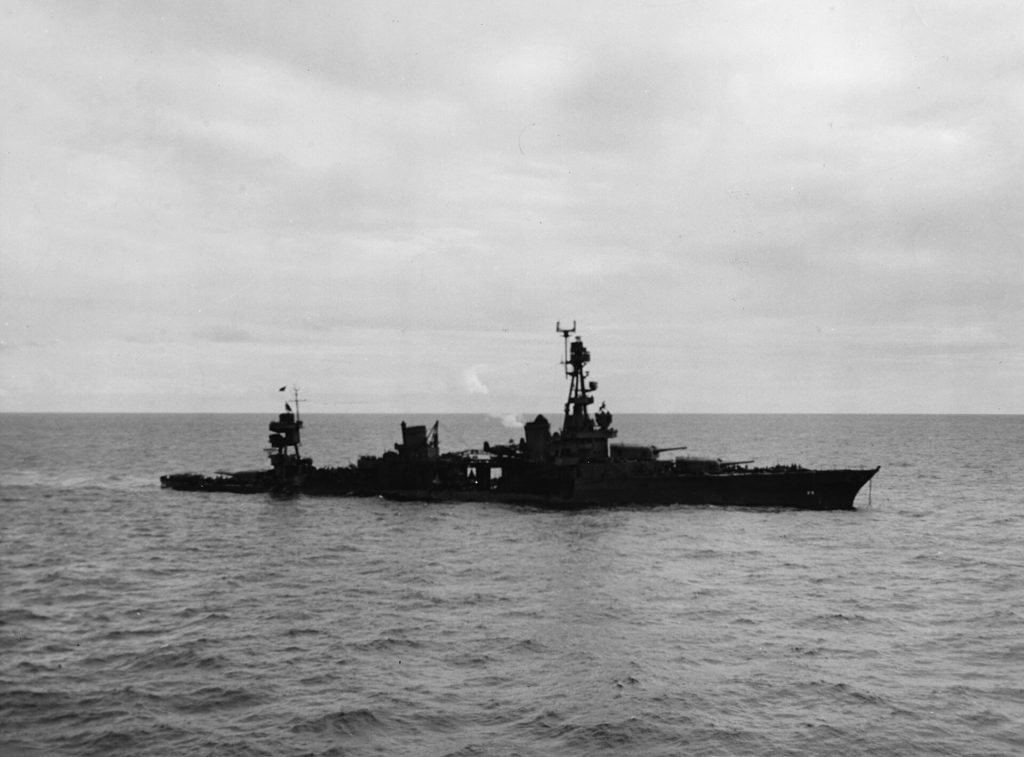
Japanese torpedo bombers attack an American cruiser force at dusk off the Solomon Islands. By the following afternoon, the heavy cruiser Chicago is lost.
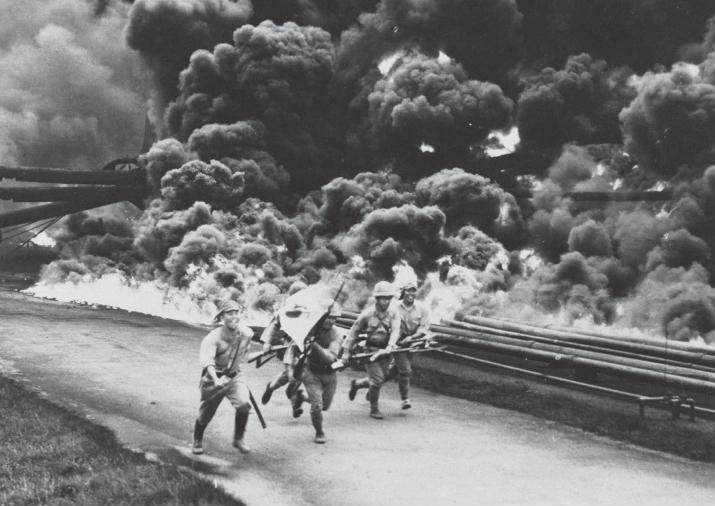
Four elderly American destroyers slip into a Japanese invasion anchorage off Borneo in the dark and torpedo transports at close range.
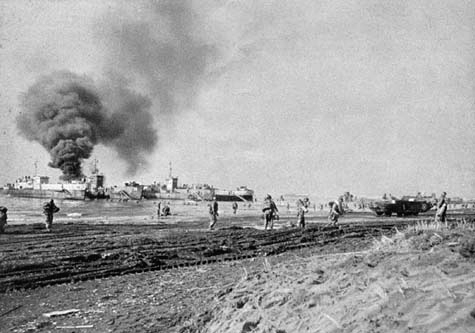
Allied troops land behind the Gustav Line, almost unopposed, within reach of Rome. Instead of a quick breakthrough, they face four months of siege.
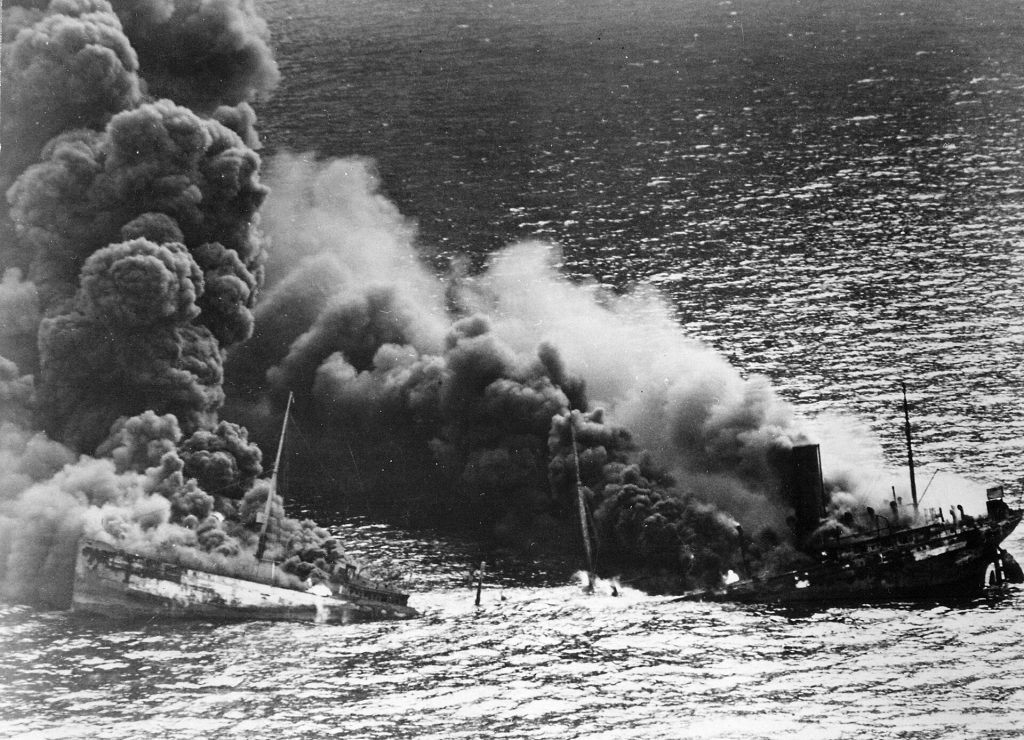
A handful of German U-boats arrive off the coast of North America. For months they will sink tankers and freighters within sight of brightly lit seaside towns.
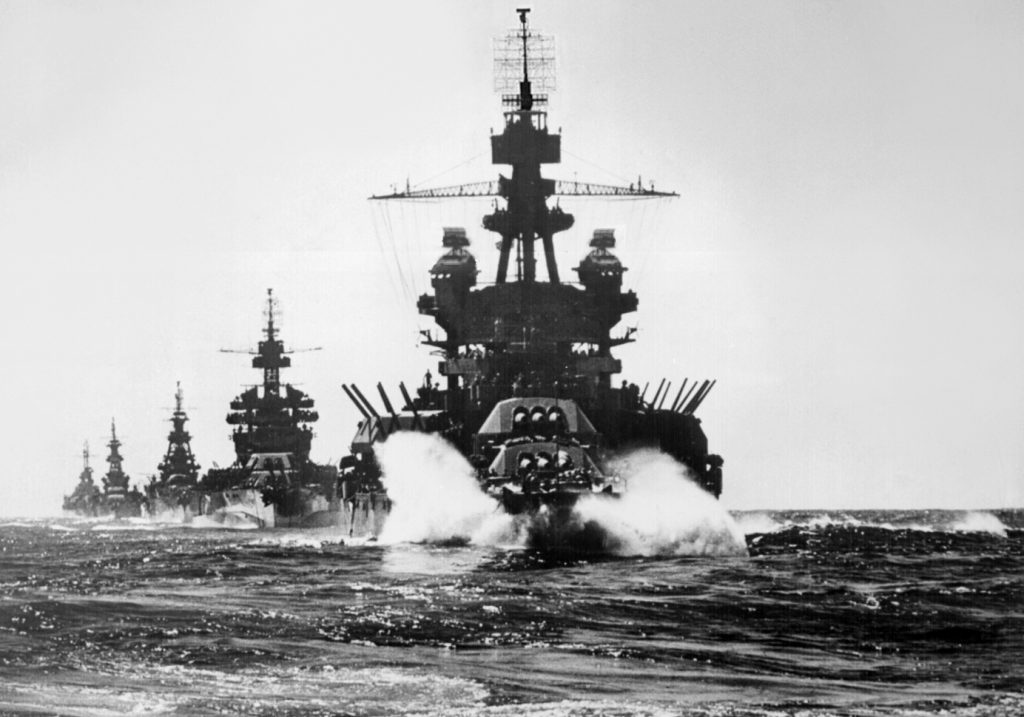
Three years after the Japanese came ashore at the same beaches, the US Sixth Army lands on Luzon to begin the campaign to retake Manila.
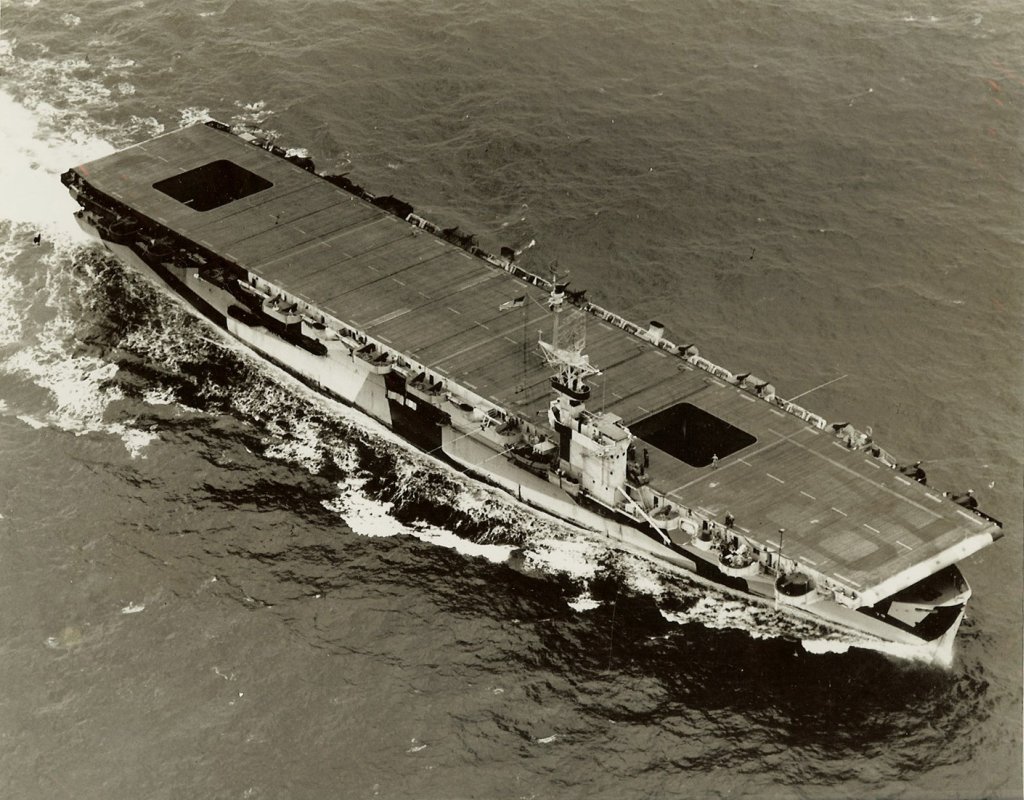
As the American invasion fleet sails for Luzon, a single suicide aircraft sets the escort carrier Ommaney Bay ablaze. She has to be sunk by her own escorts.
 United Kingdom
 United States
 Soviet Union
 Germany
 Japan
 France
 Poland
 South Africa