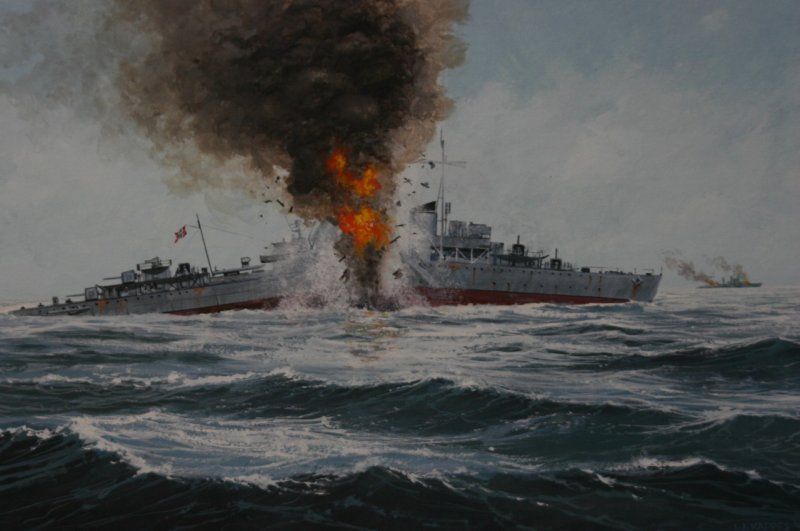
31 December 1942: The Battle of the Barents Sea
A heavy cruiser and a pocket battleship attack an Arctic convoy guarded only by destroyers. The escorts hold them off, and Hitler’s fury will end the career of his navy’s chief.
Battleships, carriers, submarines and the war for the sea lanes.
A heavy cruiser and a pocket battleship attack an Arctic convoy guarded only by destroyers. The escorts hold them off, and Hitler’s fury will end the career of his navy’s chief.

In the Arctic darkness off northern Norway, radar-guided British warships trap and sink the battleship Scharnhorst. Of nearly 2,000 men aboard, only 36 survive.
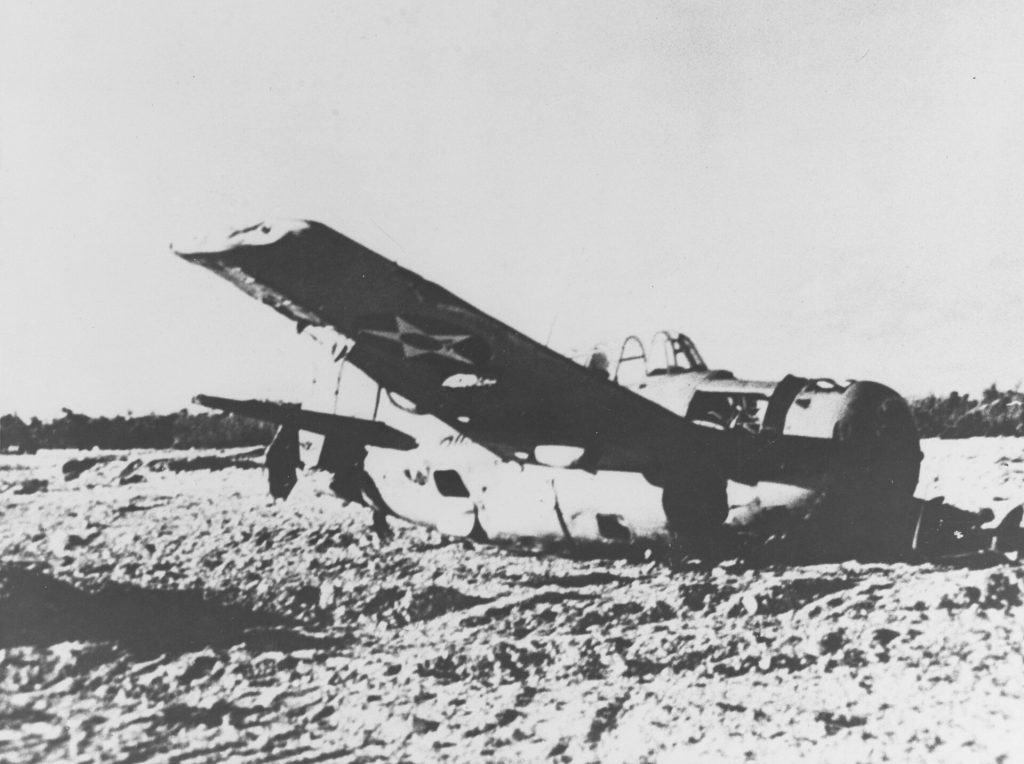
After beating off one invasion and holding out for two weeks, the Marine garrison of Wake Island is overwhelmed by a second Japanese assault. The relief force turns back.
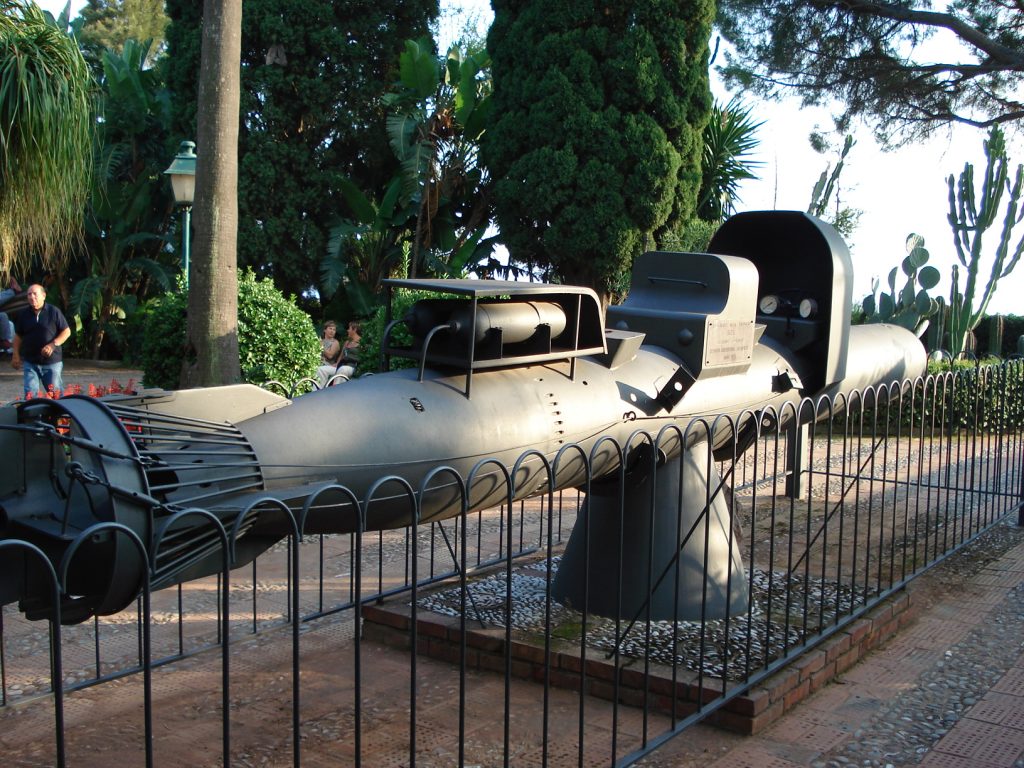
Six Italian frogmen riding human torpedoes slip into Alexandria harbour and sink two British battleships where they lie at anchor.
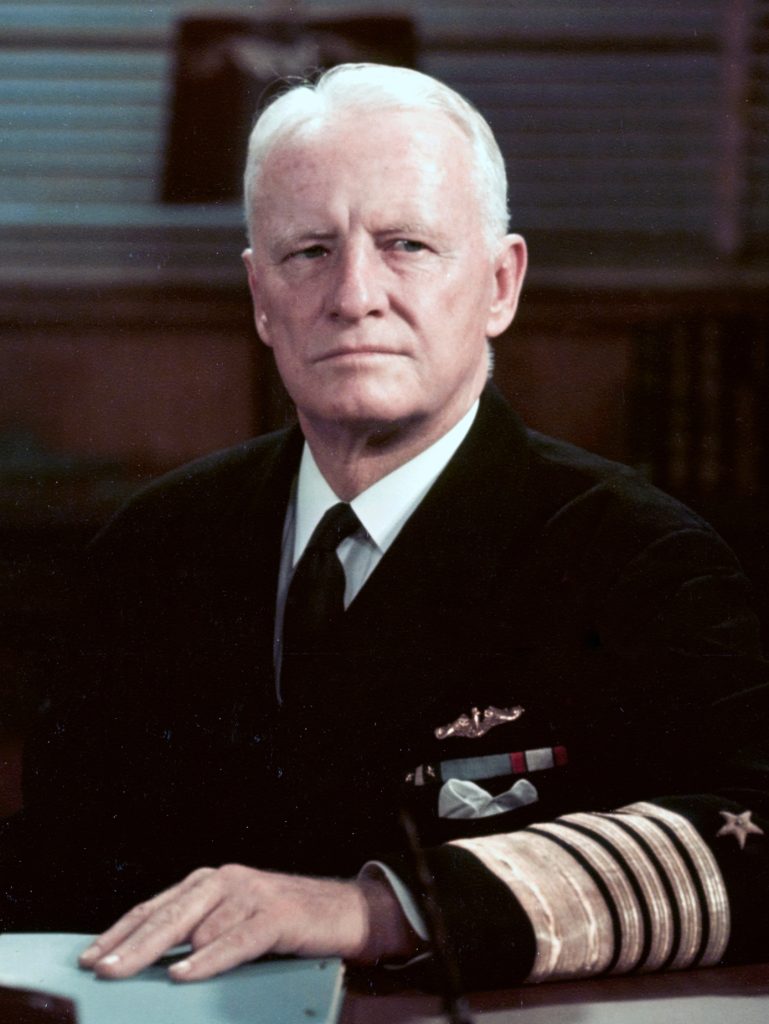
Ten days after Pearl Harbor, Roosevelt picks a quiet Texan admiral, Chester Nimitz, to take command of what is left of the Pacific Fleet.
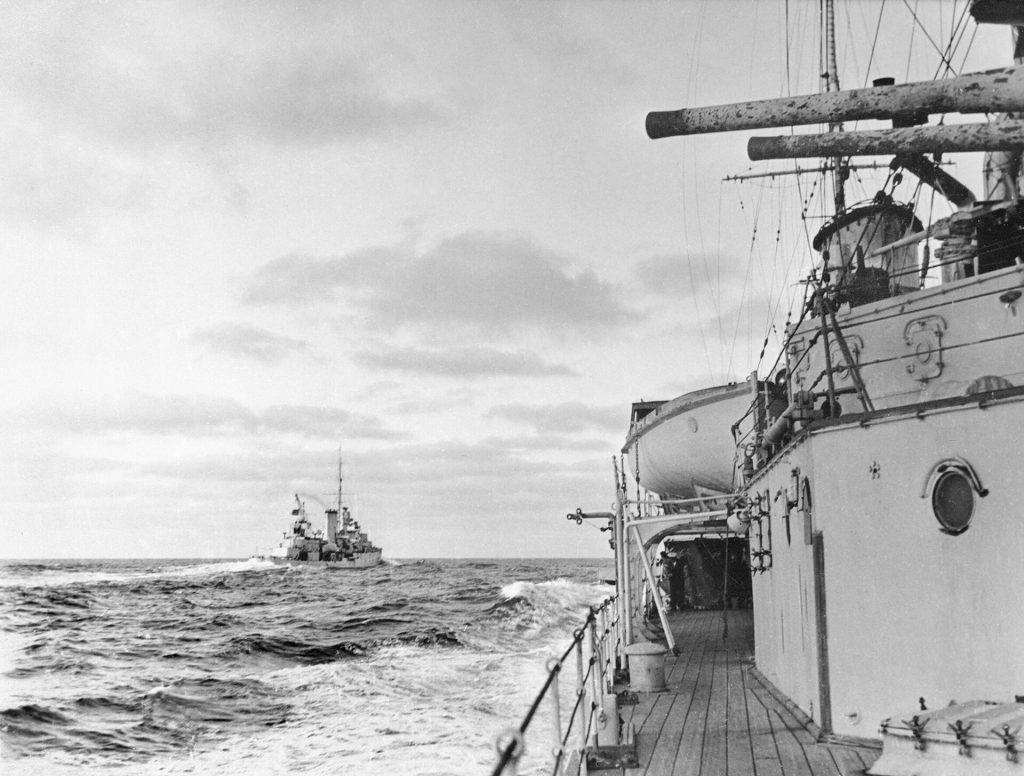
Three British cruisers take on the pocket battleship Admiral Graf Spee off the coast of South America. Battered, the raider runs for neutral Montevideo, and into a trap of nerves.
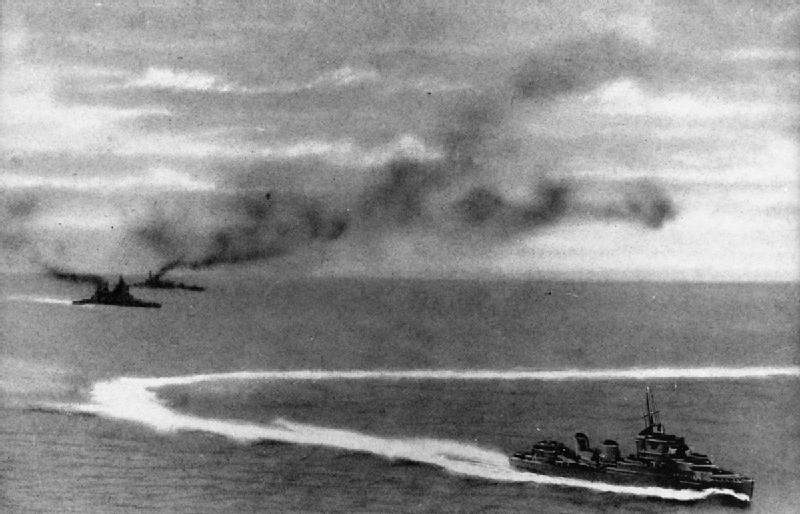
Without fighter cover, the battleship Prince of Wales and the battlecruiser Repulse are sunk off Malaya by Japanese land-based aircraft. Churchill calls it the most direct shock of the war.
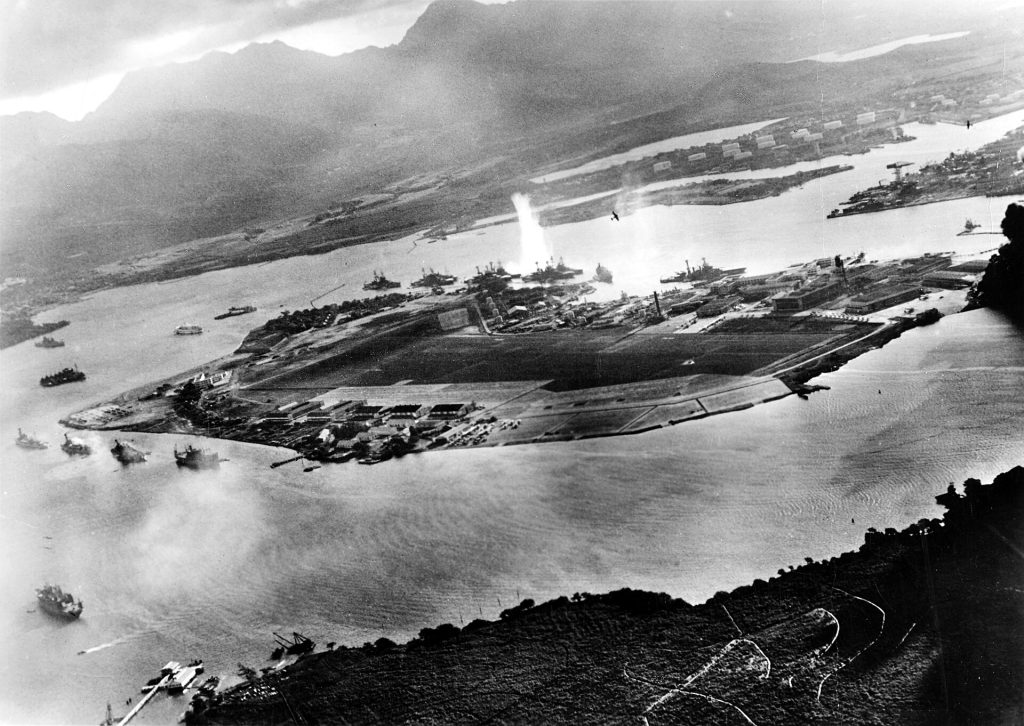
Just before 08:00 on a Sunday morning, more than 350 Japanese carrier aircraft strike the US Pacific Fleet at its base in Hawaii. In under two hours the war becomes global.
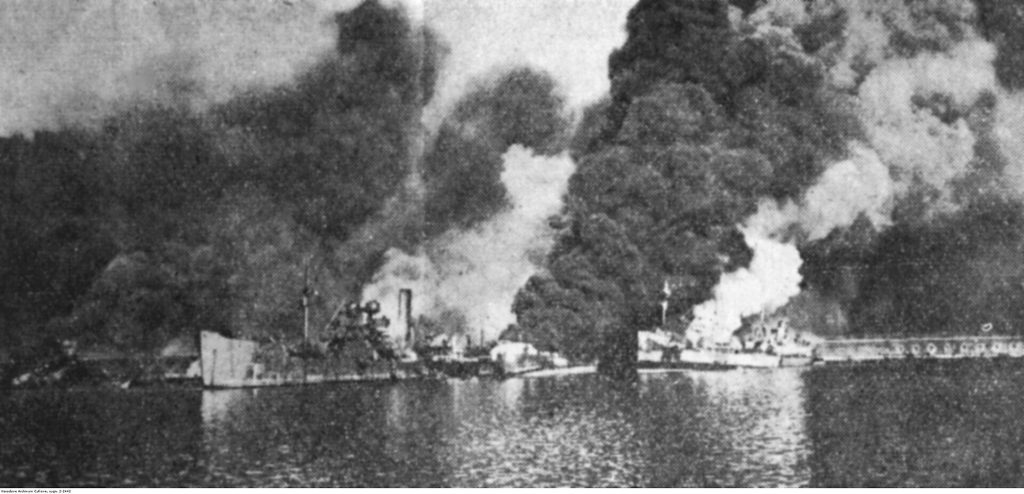
German bombers catch a crowded Allied supply port fully lit at dusk. Among the ships destroyed is an American freighter secretly carrying mustard gas bombs.
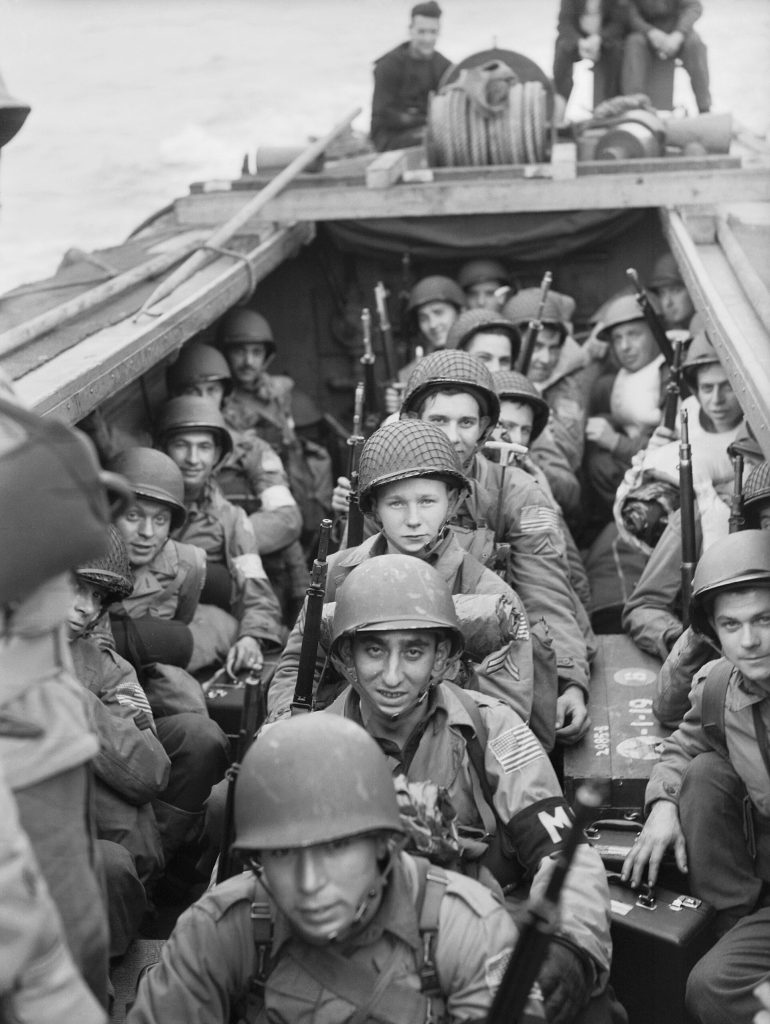
American and British forces land at Casablanca, Oran and Algiers in the first great Anglo-American offensive of the war, under a little-known general named Dwight Eisenhower.
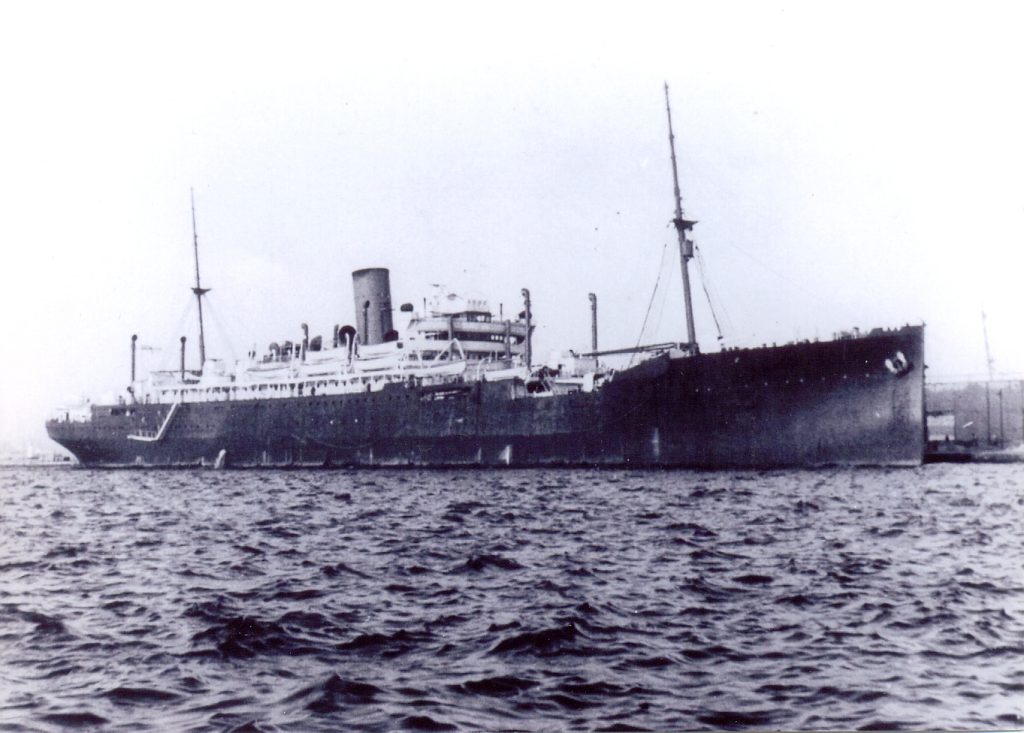
Alone in the mid-Atlantic, the escort of a 37-ship convoy turns towards the German pocket battleship Admiral Scheer, buying time for the merchant ships to scatter into the dusk.
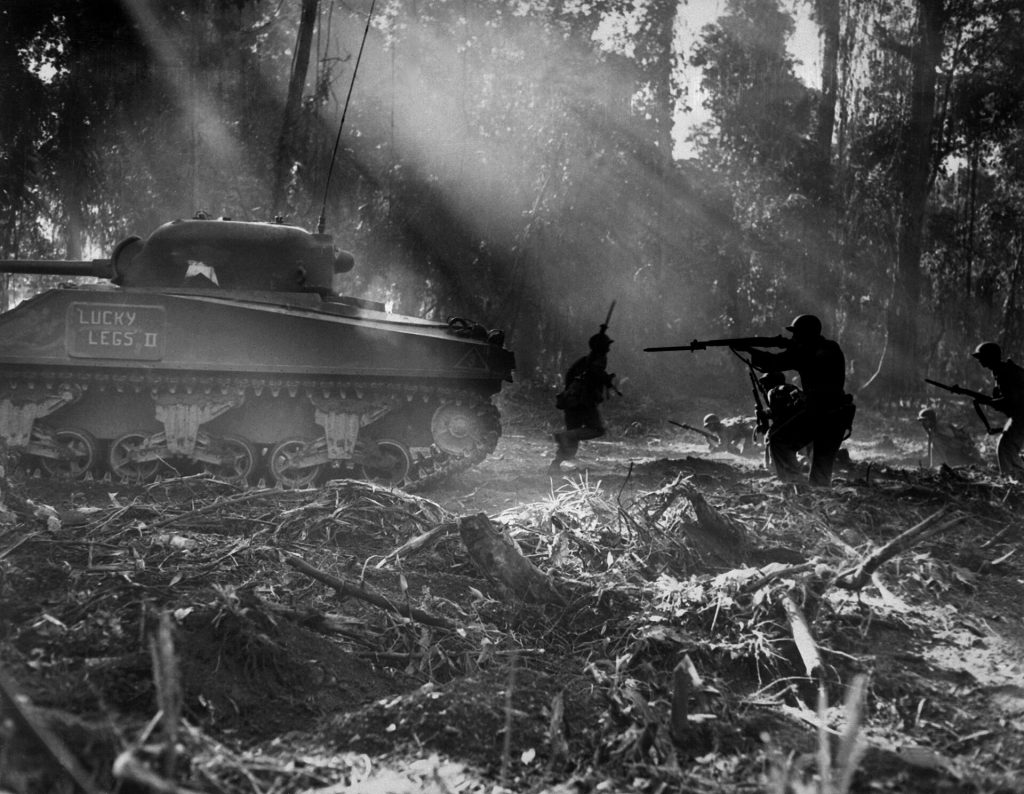
US Marines land on the west coast of Bougainville, deep in the Solomon Islands, to build airfields within fighter range of Japan’s great base at Rabaul.
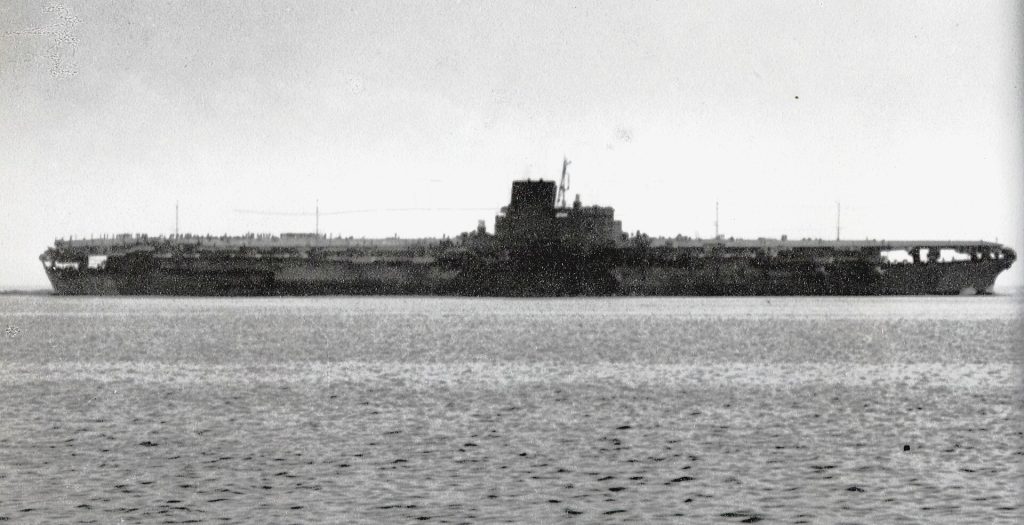
Ten days after commissioning, the world’s largest aircraft carrier is torpedoed on her maiden voyage by a lone American submarine. She becomes the biggest warship ever sunk by a submarine.
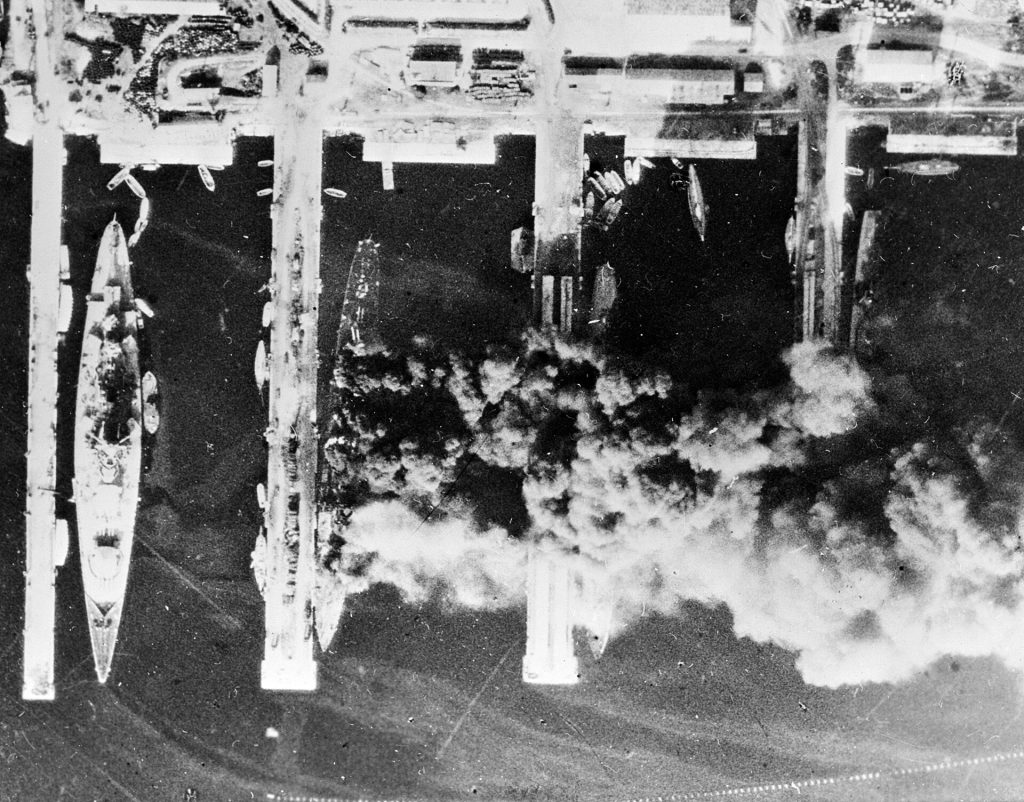
As German troops burst into the naval base, French crews open the sea cocks and set charges. In a few hours most of the French fleet is on the bottom of Toulon harbour.
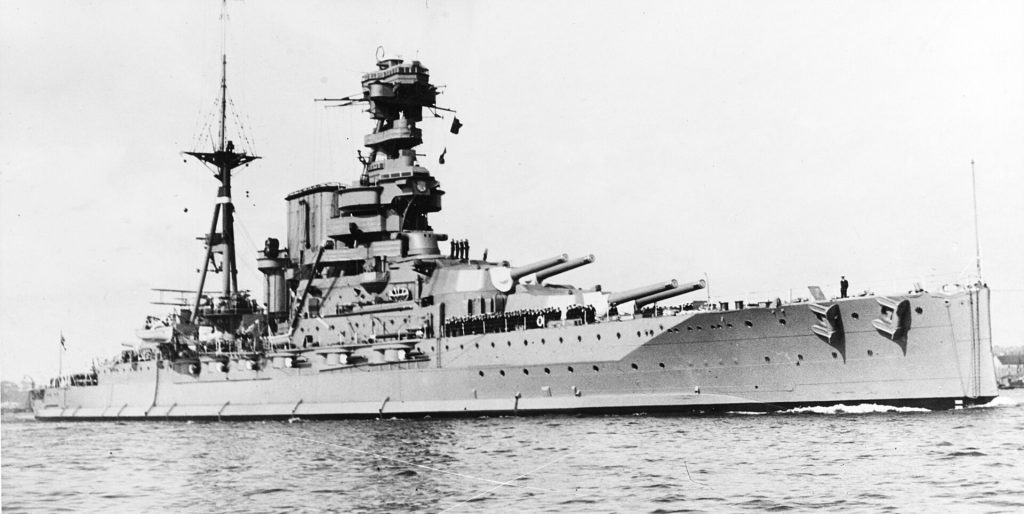
A German U-boat slips through the destroyer screen of the Mediterranean Fleet and torpedoes the battleship Barham. Four minutes later she explodes, in front of a newsreel camera.
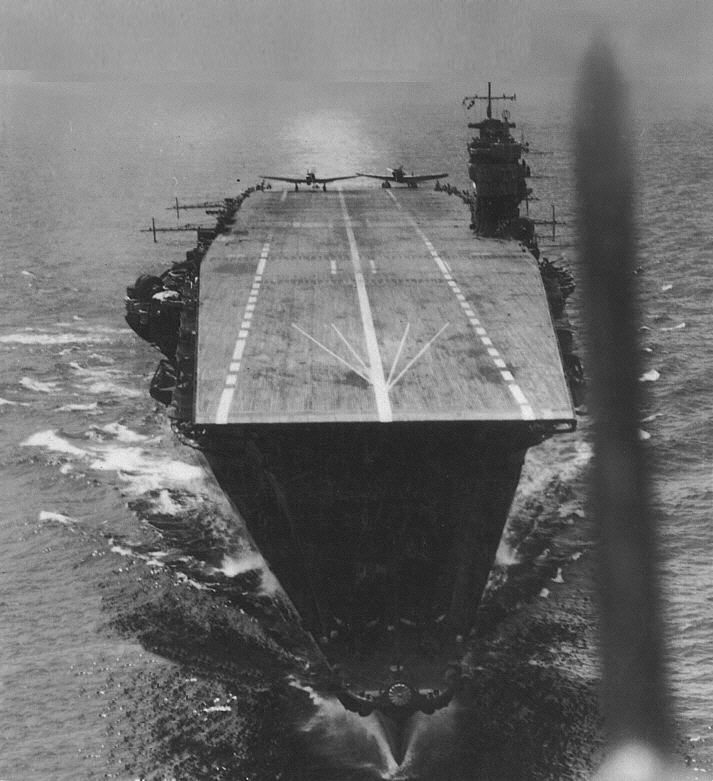
Six Japanese aircraft carriers slip out of a remote bay in the Kuril Islands and head east under radio silence. In Washington the same day, the Hull Note ends any real hope of a deal.
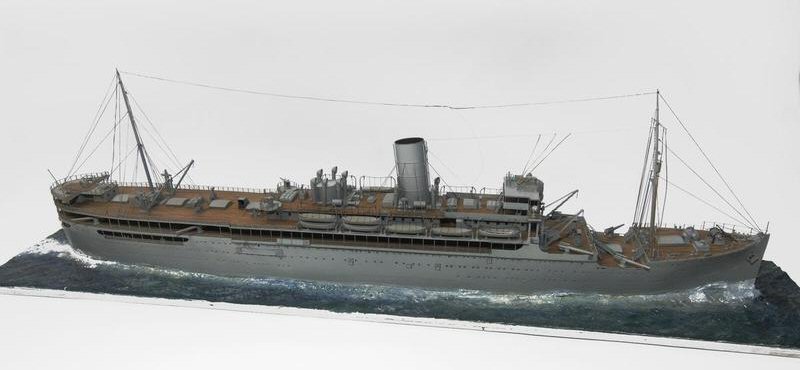
A converted passenger liner armed with antique guns meets two of Germany’s most powerful warships south-east of Iceland, and chooses to fight.
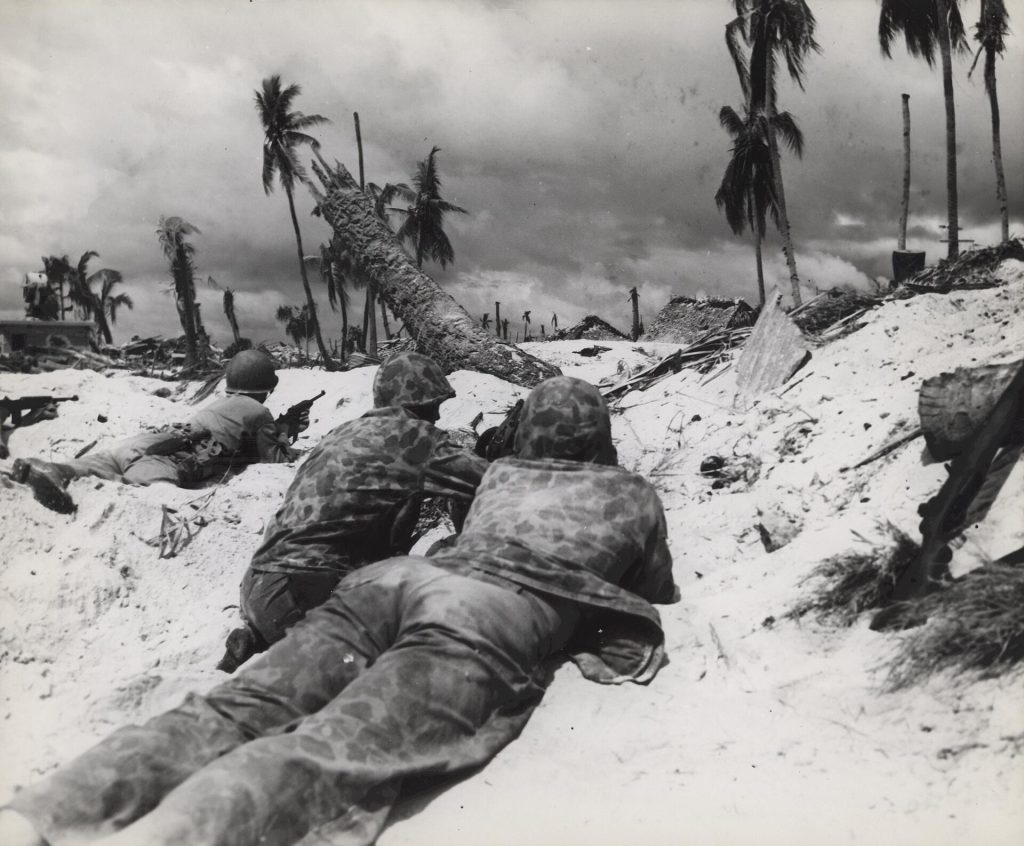
US Marines storm the heavily fortified island of Betio in the Gilberts. A low tide strands their landing craft on the reef, and the price of the first major assault in the Central Pacific shocks America.
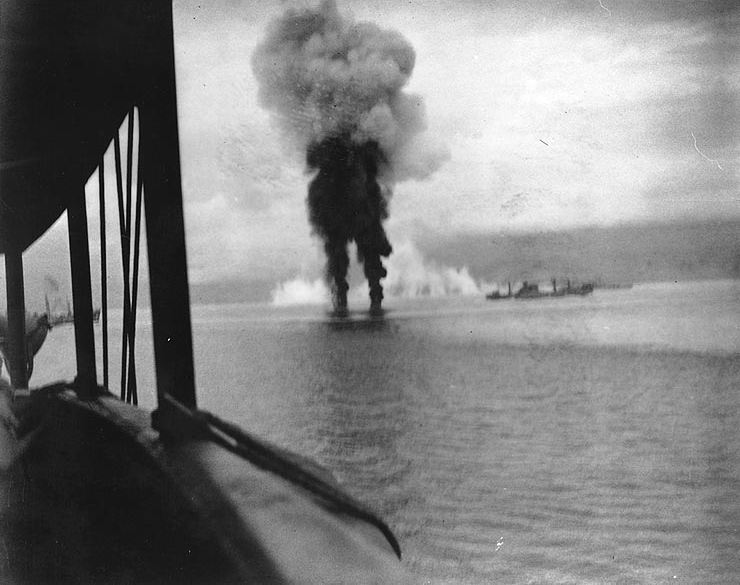
In a brutal close-range night action off Savo Island, American cruisers and destroyers turn back a Japanese bombardment force, opening three days of fighting that decide the fate of Guadalcanal.
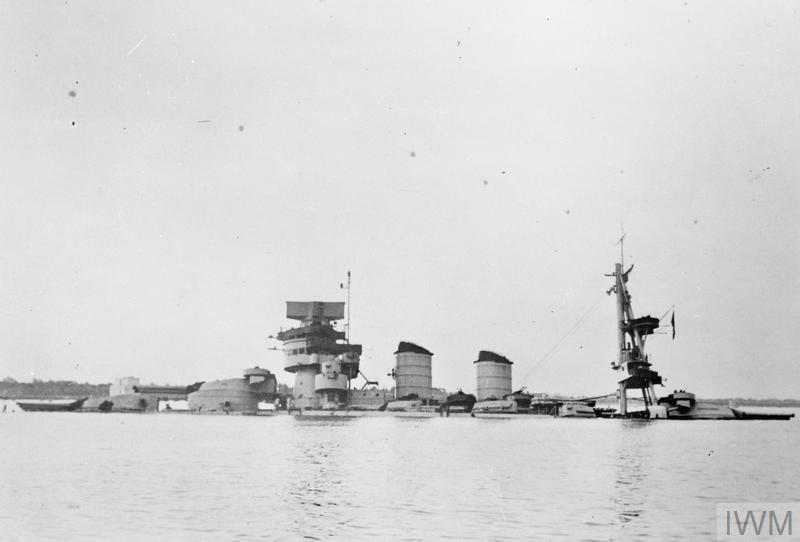
Twenty-one obsolete biplanes from HMS Illustrious cripple half the Italian battle fleet in a single night, and change naval warfare for good.
 United Kingdom
 United States
 Soviet Union
 Germany
 Japan
 France
 Poland
 South Africa