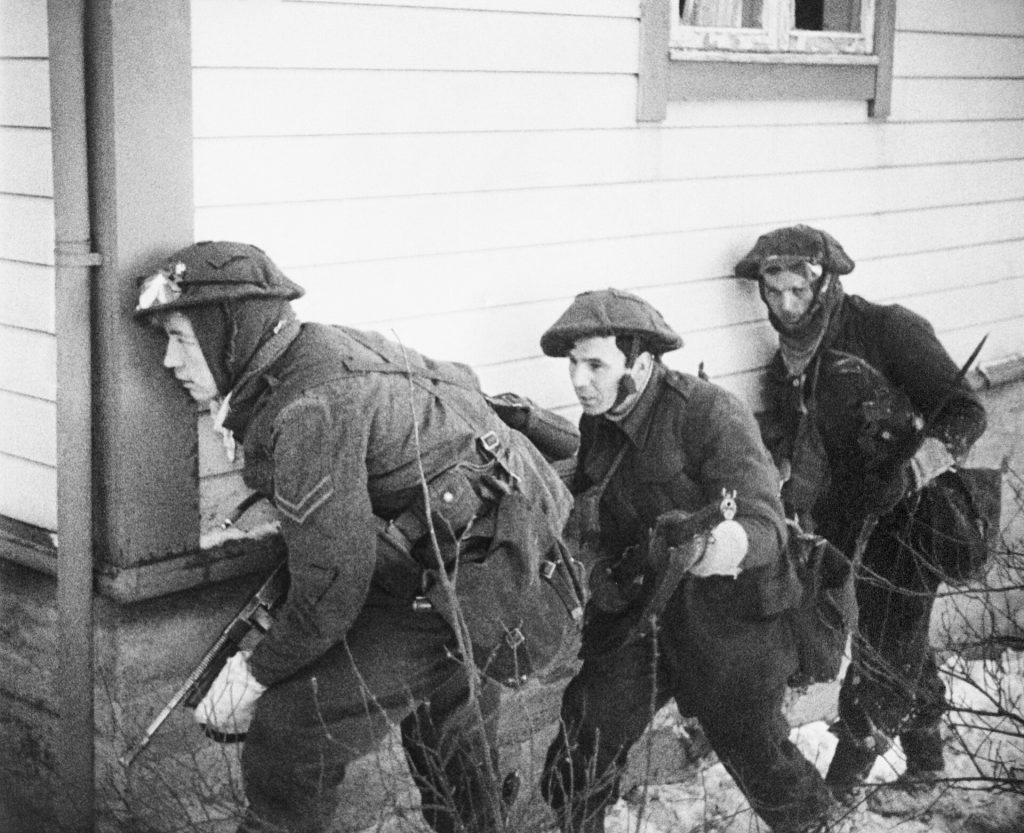
27 December 1941: The Vågsøy Raid
British commandos and Norwegian volunteers storm the island town of Måløy on the Norwegian coast. The raid is small, but it changes how Hitler garrisons Norway.
Every dispatch from 1941.
British commandos and Norwegian volunteers storm the island town of Måløy on the Norwegian coast. The raid is small, but it changes how Hitler garrisons Norway.
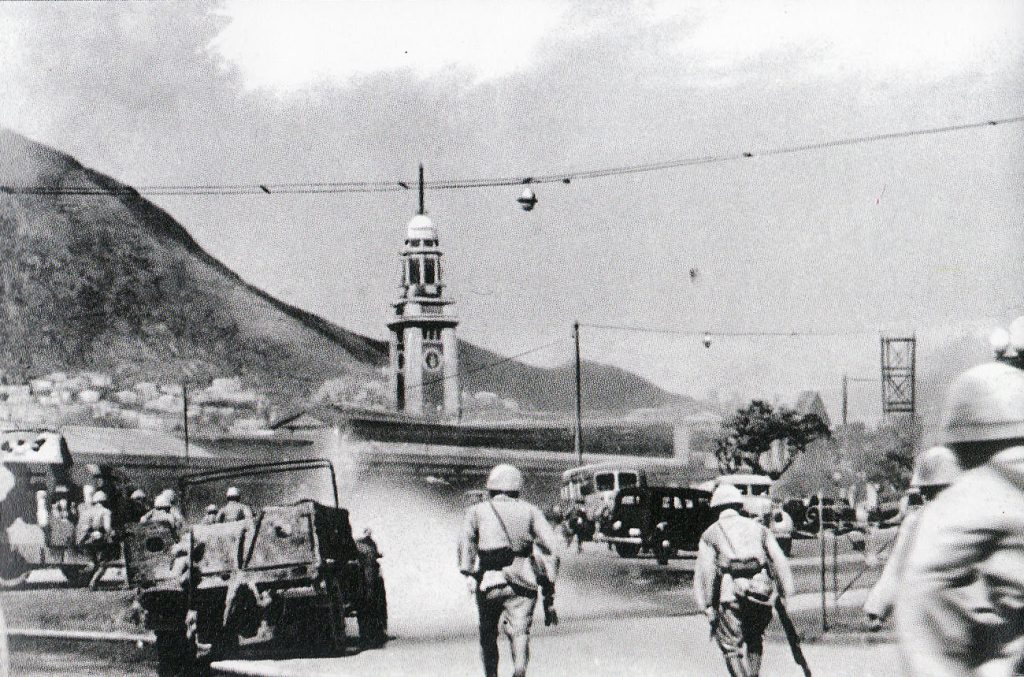
After eighteen days of fighting, the British colony of Hong Kong surrenders to Japan on Christmas Day. Its Commonwealth garrison and civilians face nearly four years of occupation.
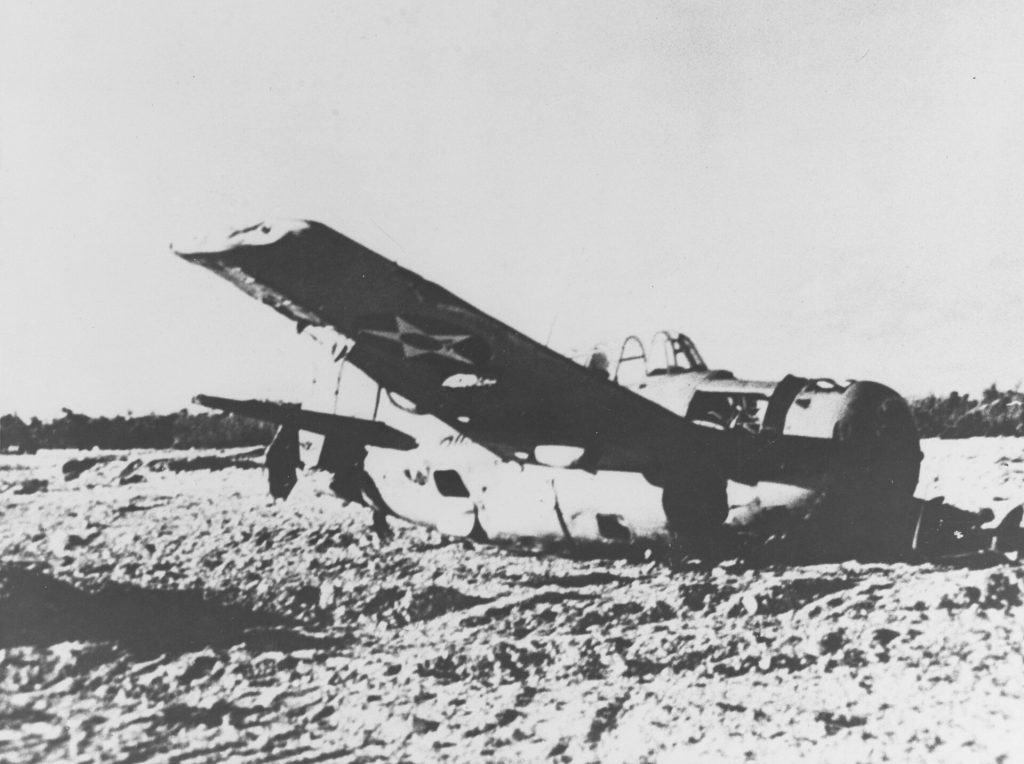
After beating off one invasion and holding out for two weeks, the Marine garrison of Wake Island is overwhelmed by a second Japanese assault. The relief force turns back.
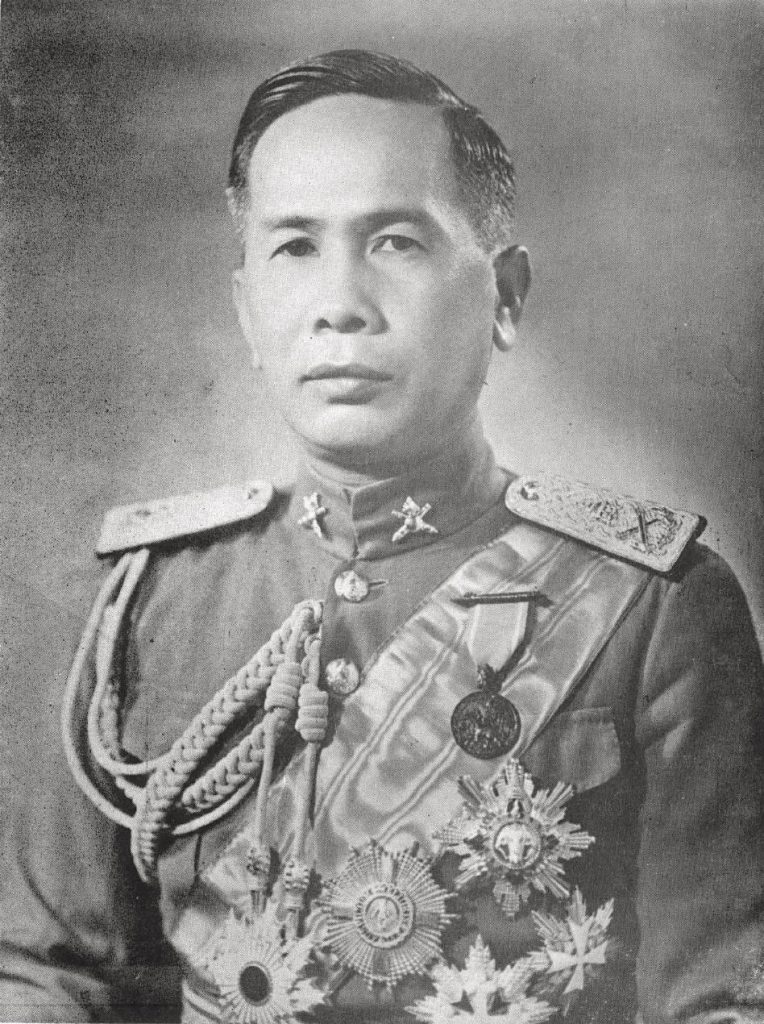
Two weeks after Japanese troops crossed its borders, Thailand signs a treaty of alliance with Japan in Bangkok. In Washington, the Thai ambassador quietly refuses to go along.
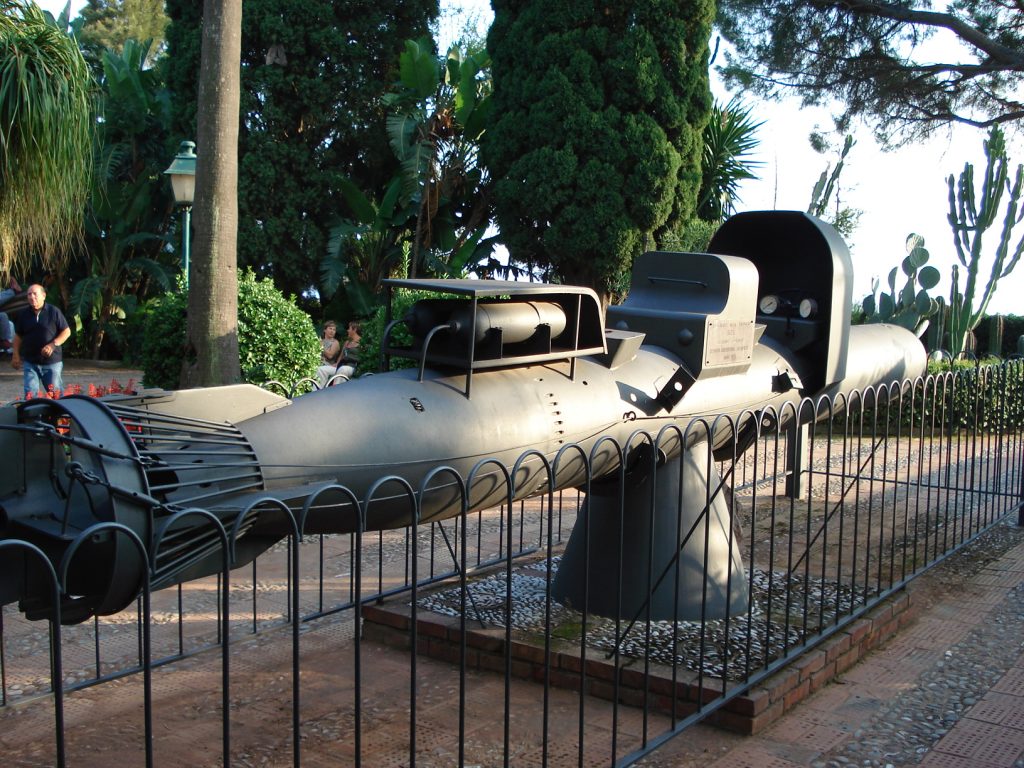
Six Italian frogmen riding human torpedoes slip into Alexandria harbour and sink two British battleships where they lie at anchor.
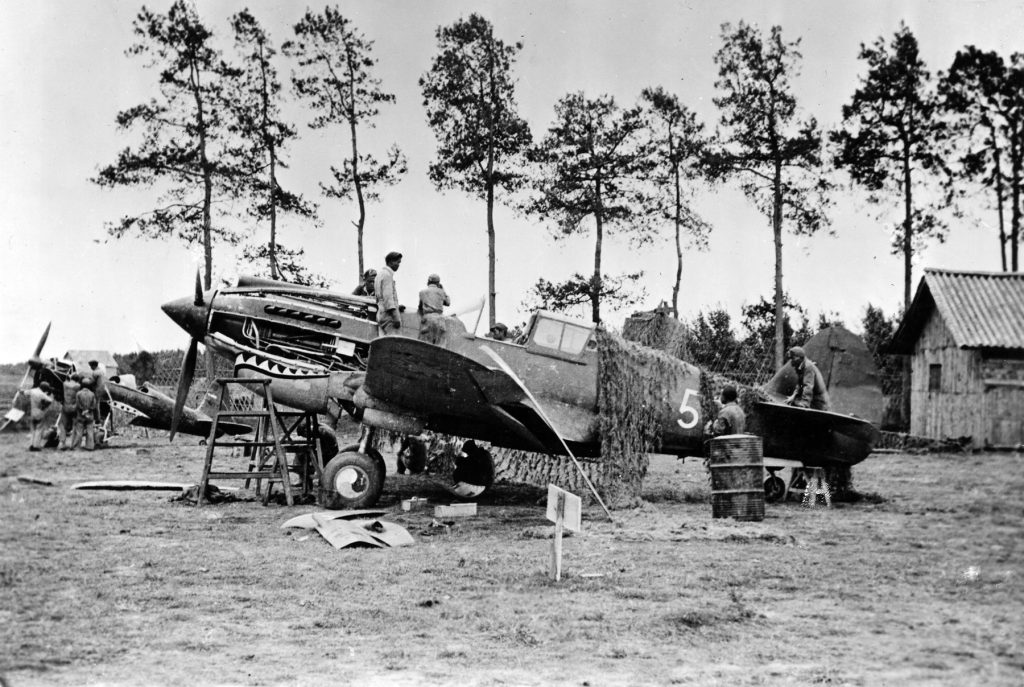
Shark-mouthed P-40 fighters of the American Volunteer Group intercept a Japanese bombing raid over Kunming, their first combat in defence of China.
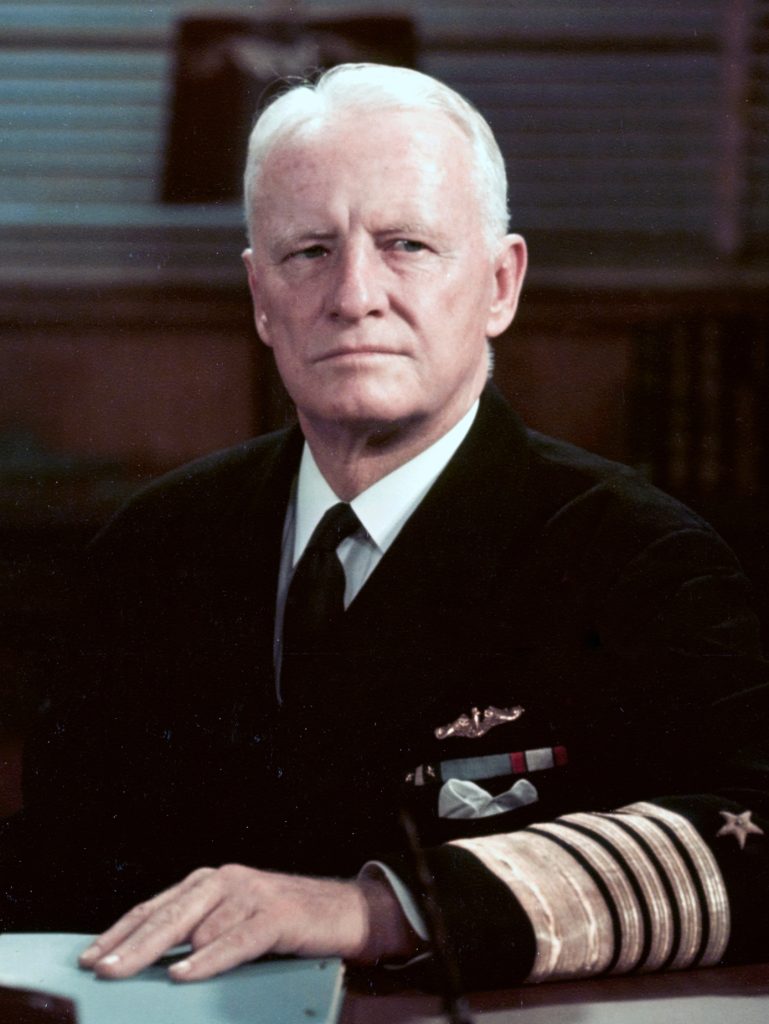
Ten days after Pearl Harbor, Roosevelt picks a quiet Texan admiral, Chester Nimitz, to take command of what is left of the Pacific Fleet.
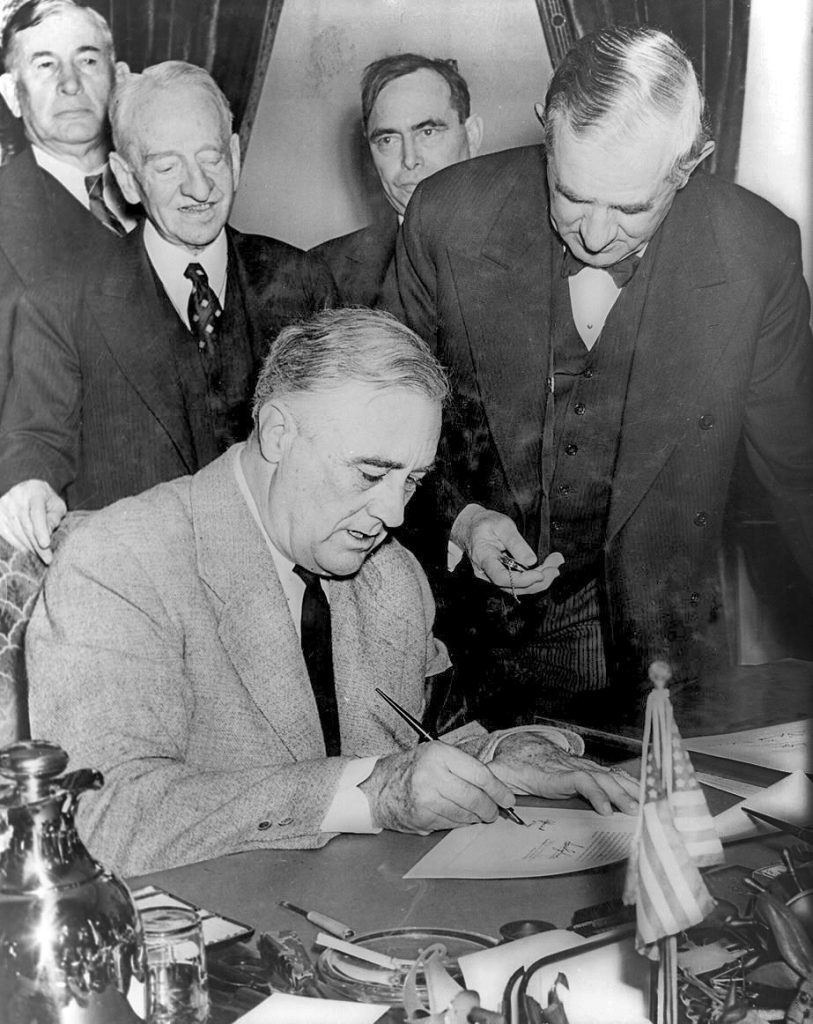
Under no treaty obligation to do so, Hitler declares war on the United States. Roosevelt no longer has to persuade Americans to fight Germany.
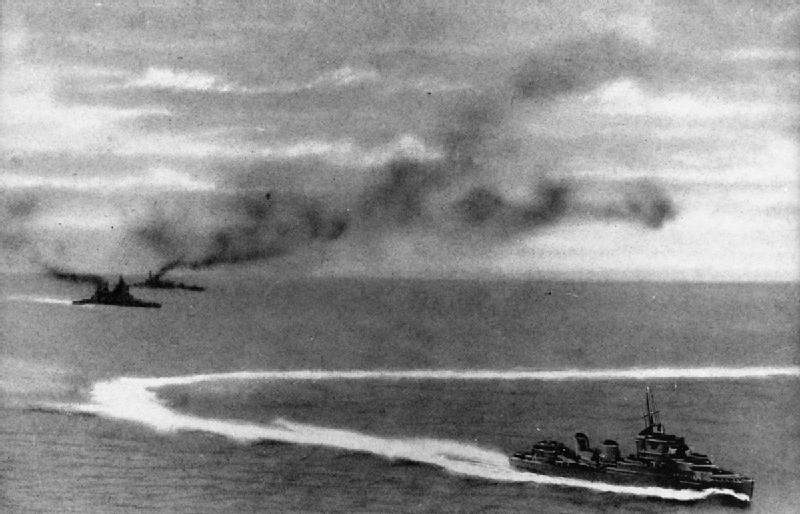
Without fighter cover, the battleship Prince of Wales and the battlecruiser Repulse are sunk off Malaya by Japanese land-based aircraft. Churchill calls it the most direct shock of the war.
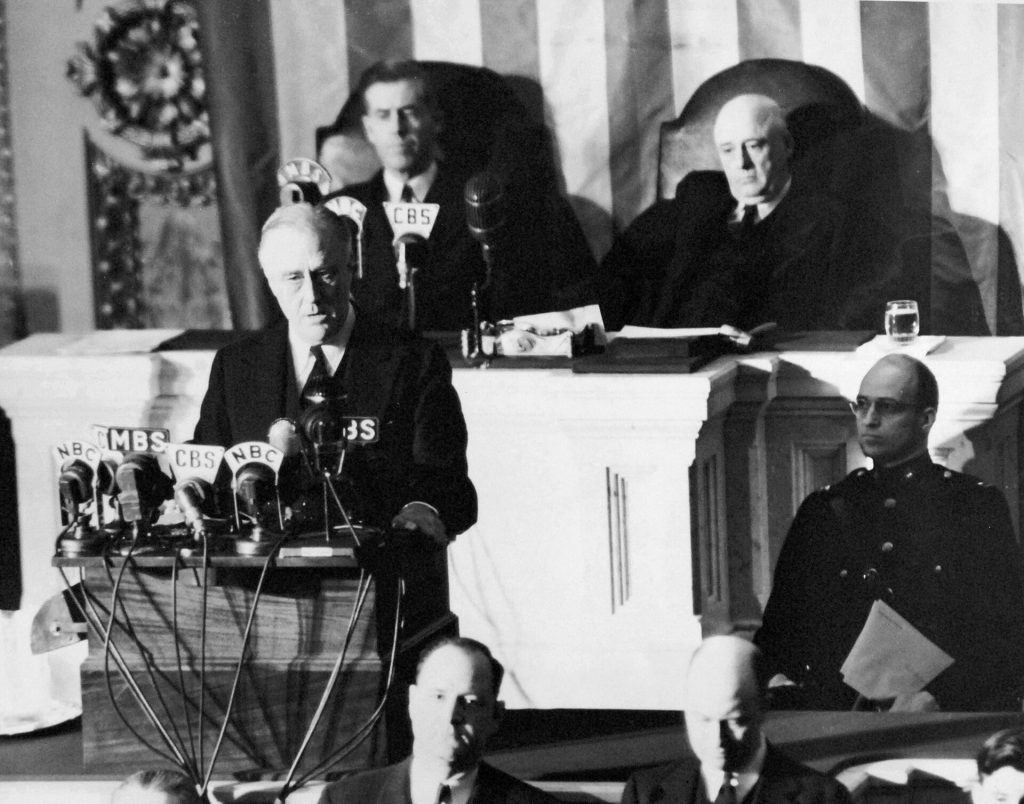
Roosevelt asks Congress for a declaration of war on Japan, as Japanese forces strike Malaya, Hong Kong, the Philippines, Guam and Wake across a front of thousands of kilometres.
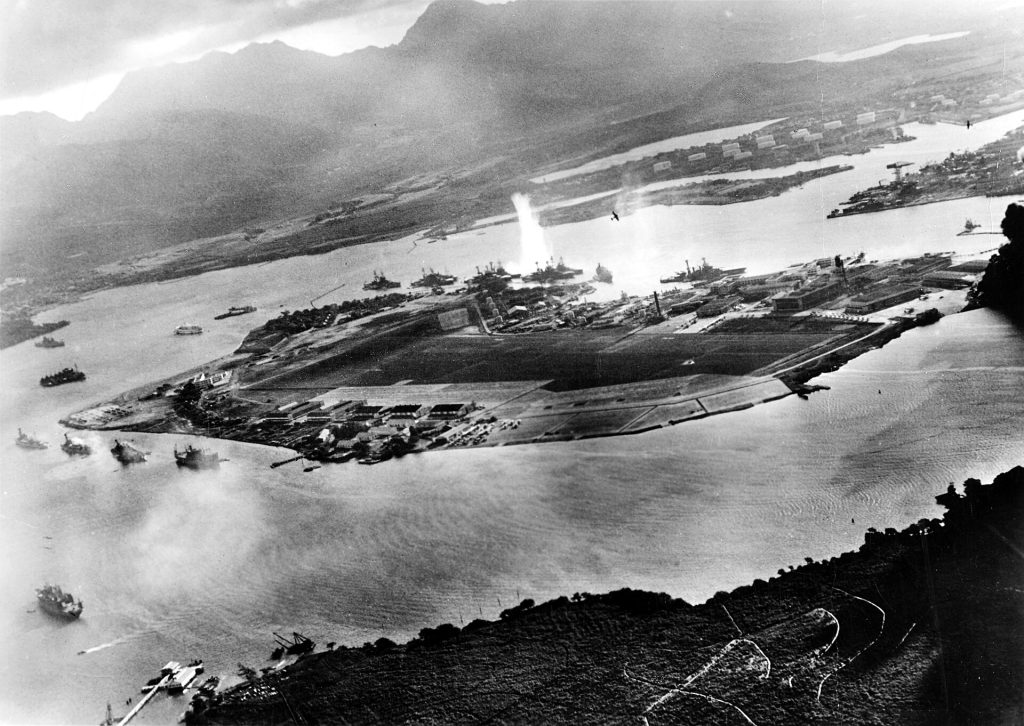
Just before 08:00 on a Sunday morning, more than 350 Japanese carrier aircraft strike the US Pacific Fleet at its base in Hawaii. In under two hours the war becomes global.
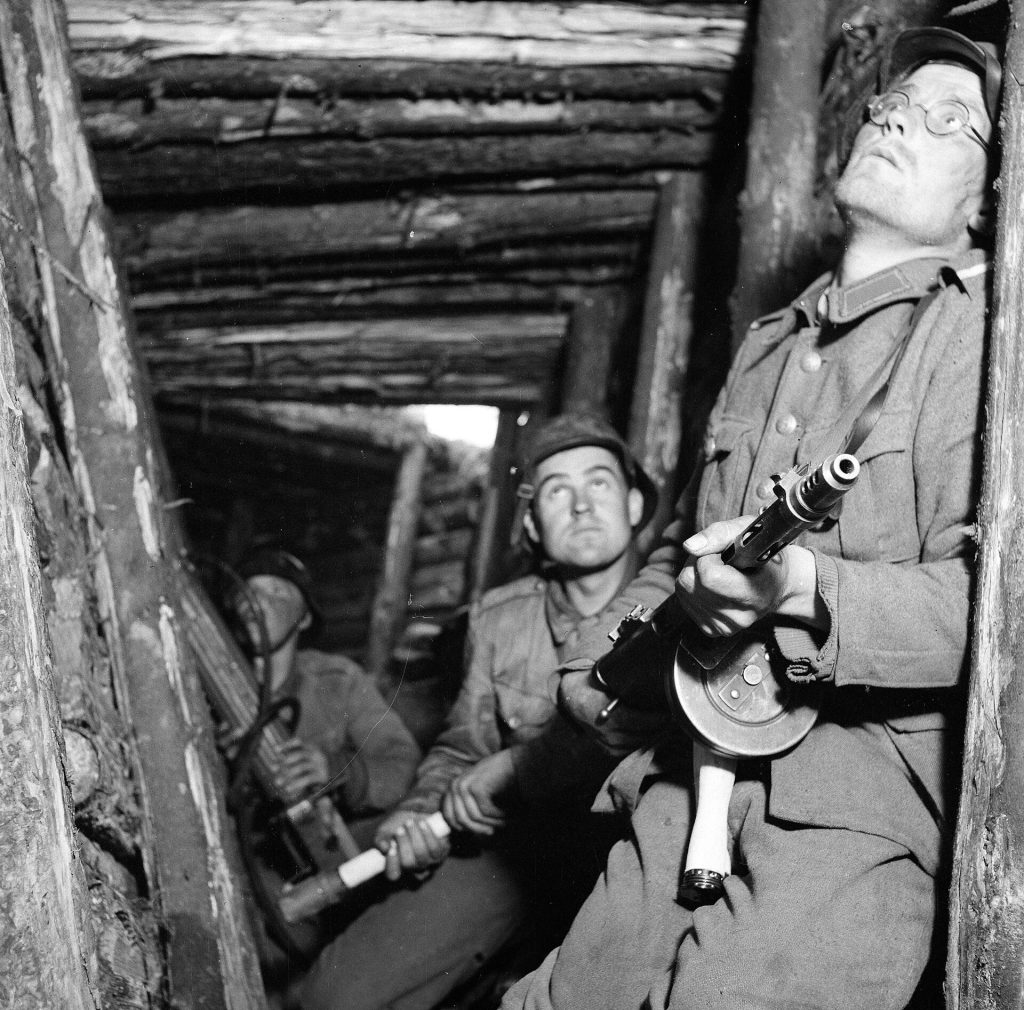
Under pressure from Stalin, Britain declares war on three of Germany’s partners in the invasion of the Soviet Union, including Finland, which Britain had cheered on against the Soviets two years earlier.
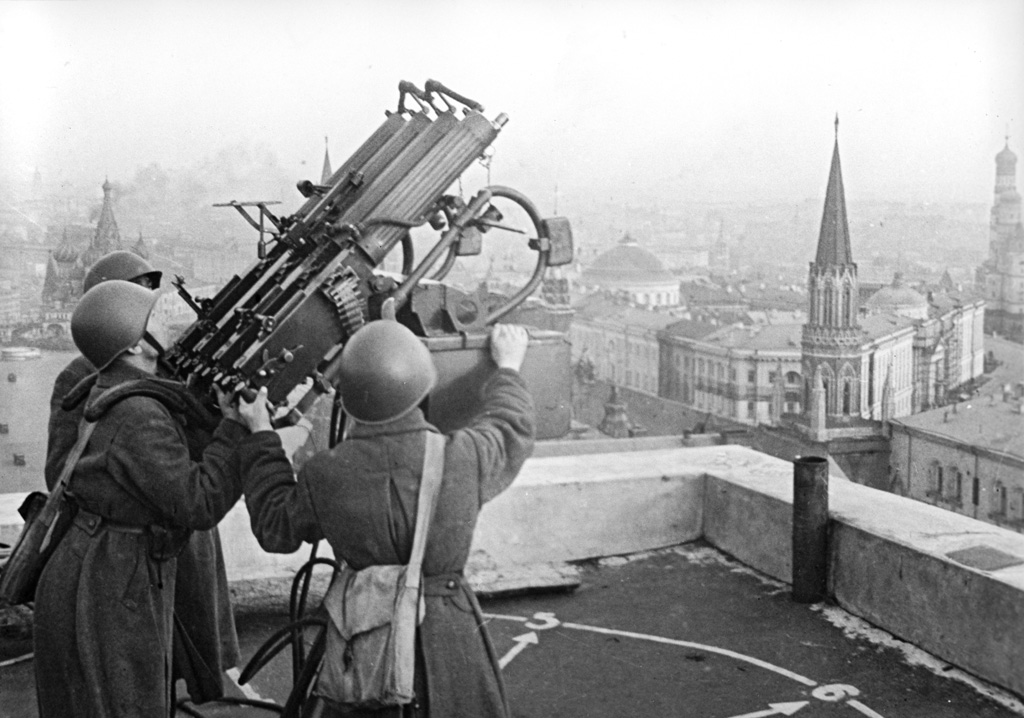
In temperatures far below freezing, the Red Army launches a surprise counter-offensive against the exhausted German armies outside Moscow. For the first time, the Wehrmacht is thrown back.
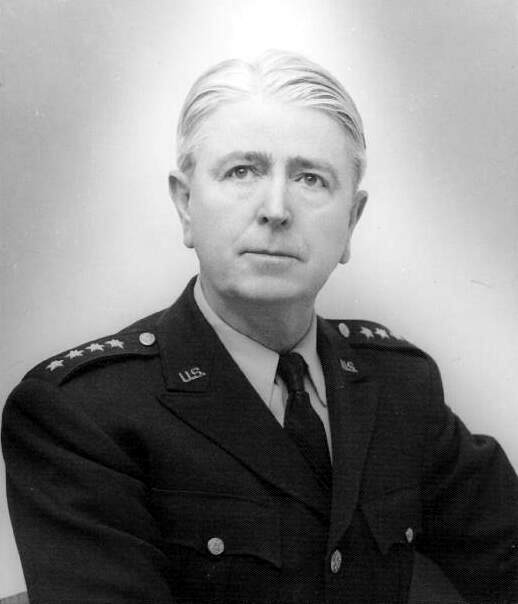
Three days before Pearl Harbor, an isolationist newspaper publishes America’s top-secret plan for fighting and winning a world war.
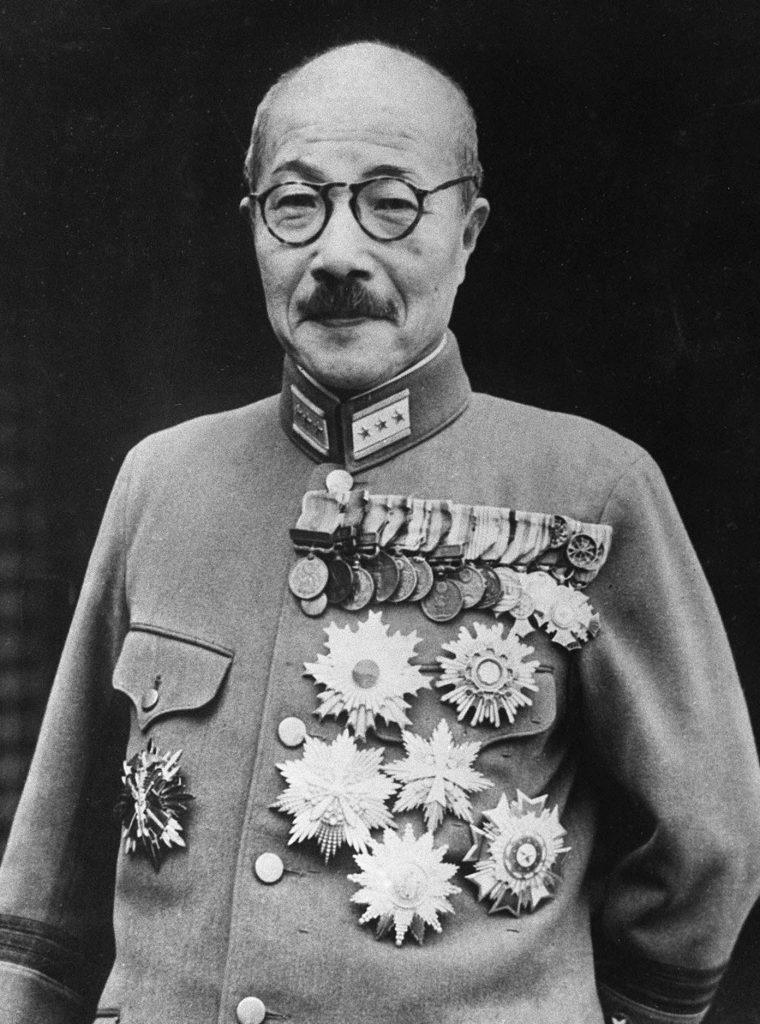
In the presence of Emperor Hirohito, an Imperial Conference in Tokyo formally approves war against the United States, Britain and the Netherlands. The carriers are already at sea.
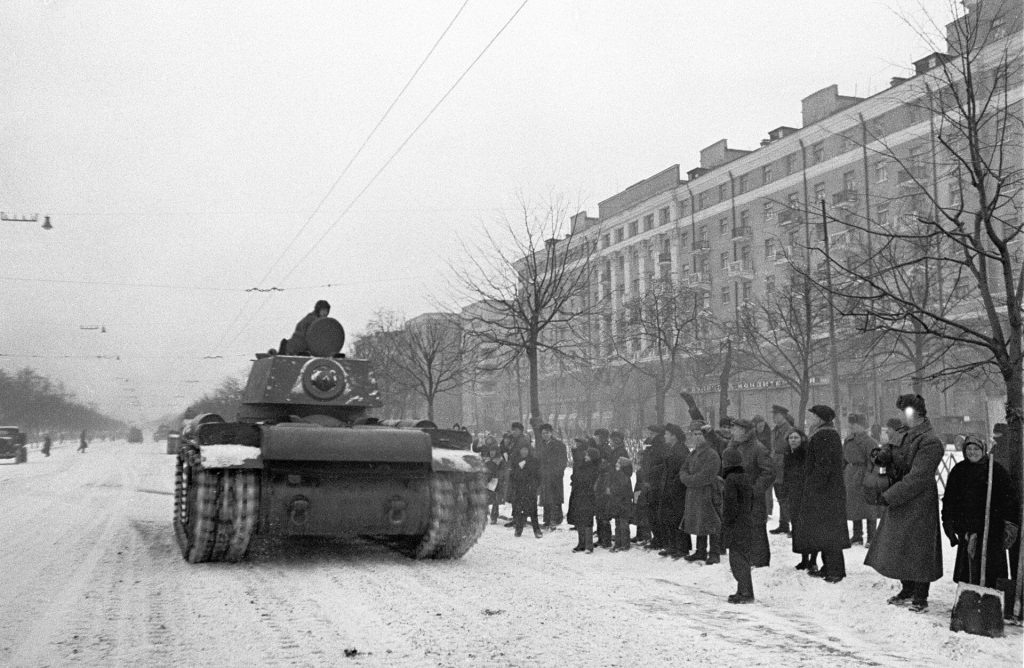
With German armies less than a hundred kilometres away, Stalin stages the traditional revolution parade in Moscow. The troops march past the Kremlin and straight on to the front.
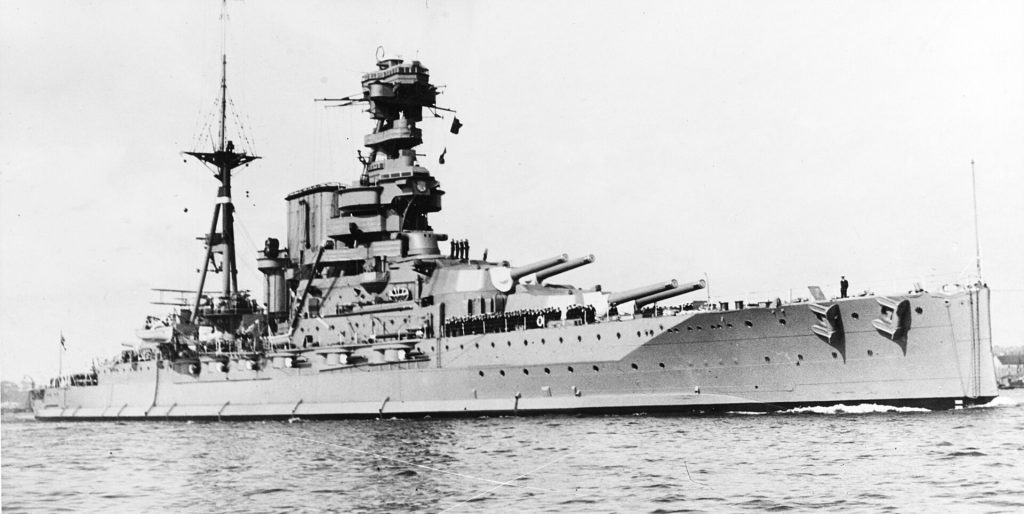
A German U-boat slips through the destroyer screen of the Mediterranean Fleet and torpedoes the battleship Barham. Four minutes later she explodes, in front of a newsreel camera.
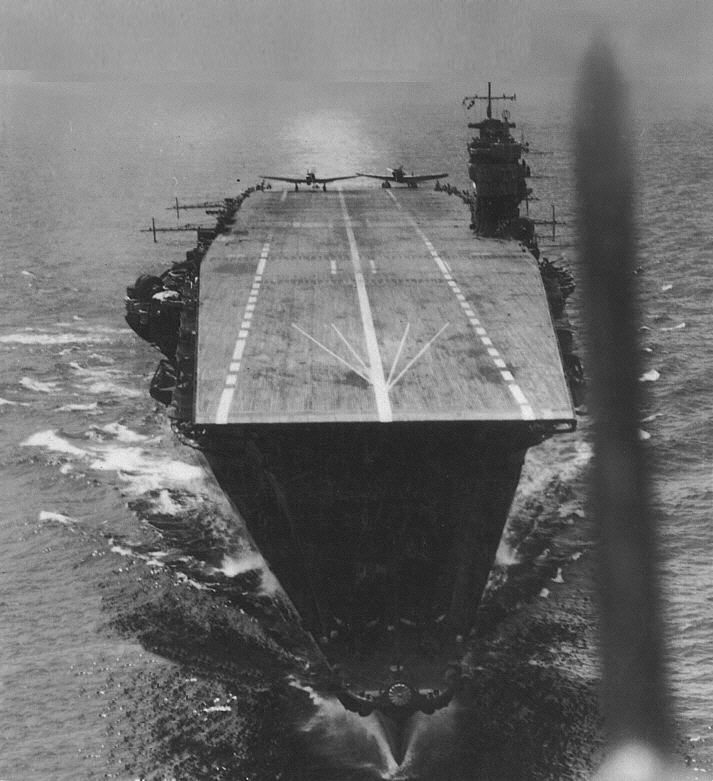
Six Japanese aircraft carriers slip out of a remote bay in the Kuril Islands and head east under radio silence. In Washington the same day, the Hull Note ends any real hope of a deal.
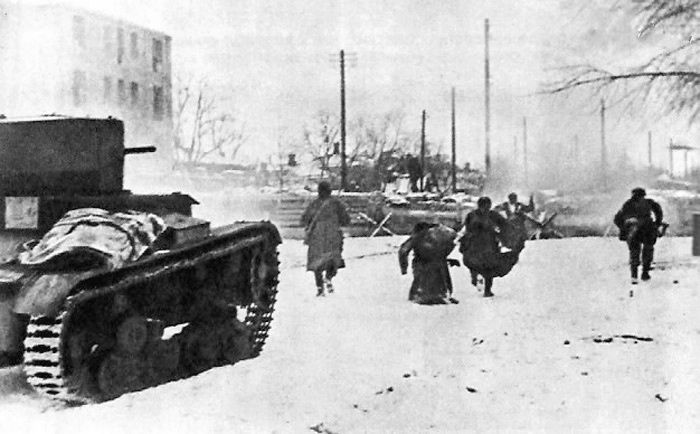
German panzers seize Rostov-on-Don, the gateway to the Caucasus. A week later they are thrown out, the first time in the war a major German army is forced into a strategic retreat.
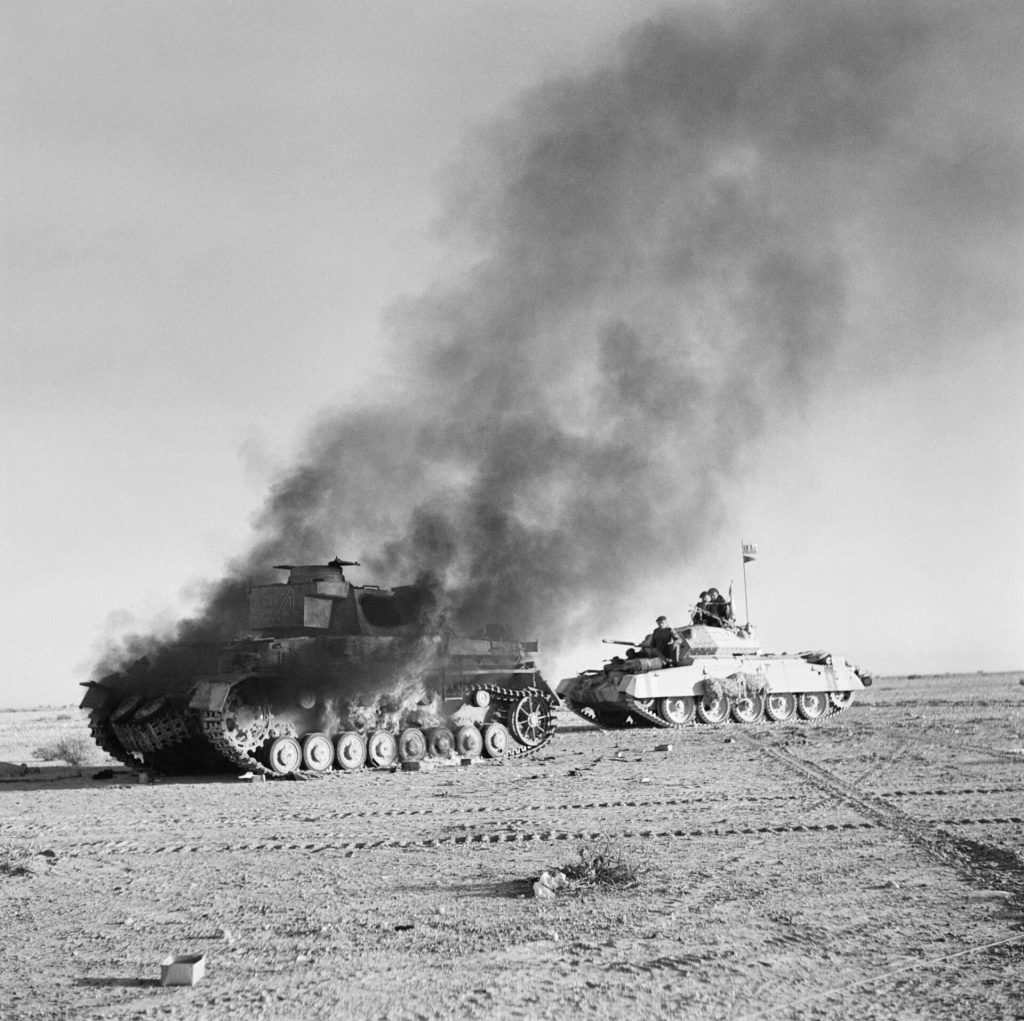
The newly formed British Eighth Army, with South African, New Zealand and Indian divisions in its ranks, strikes into Libya to relieve besieged Tobruk and take on Rommel in the open desert.
 United Kingdom
 United States
 Soviet Union
 Germany
 Japan
 France
 Poland
 South Africa