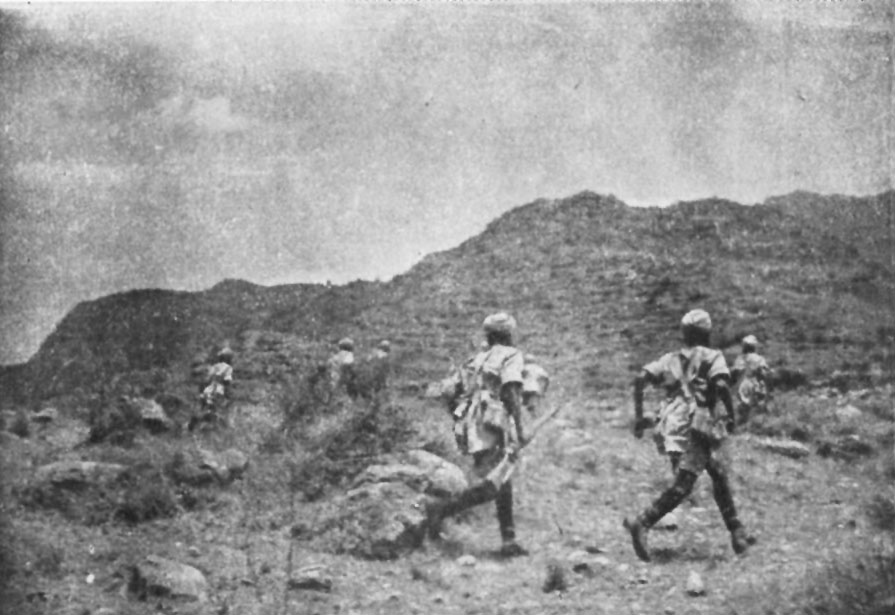
19 May 1941: The Surrender at Amba Alagi
On a mountain stronghold in northern Ethiopia, the Duke of Aosta, Viceroy of Italian East Africa, surrenders with the honours of war. South African troops are among those who brought him to it.
Every dispatch from 1941.
On a mountain stronghold in northern Ethiopia, the Duke of Aosta, Viceroy of Italian East Africa, surrenders with the honours of war. South African troops are among those who brought him to it.
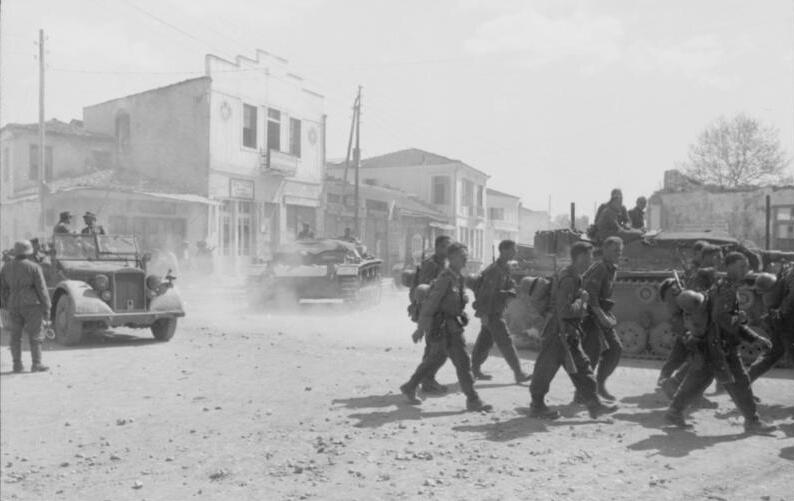
German motorcycle troops ride into the Greek capital. By the morning the swastika is flying over the Acropolis, and a long, hungry occupation has begun.
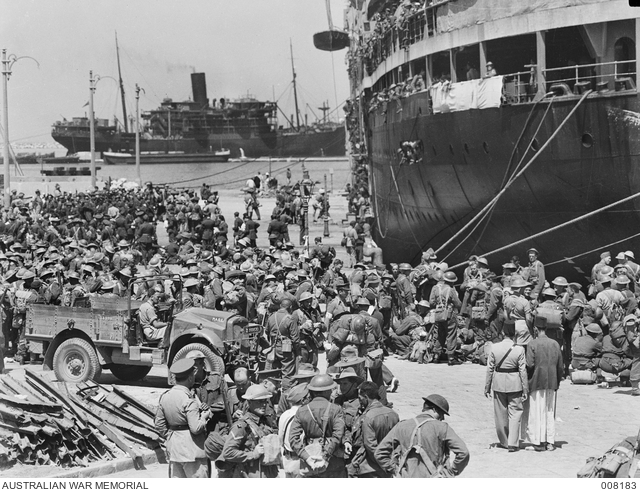
After a rearguard stand at Thermopylae, British, Australian and New Zealand troops begin to leave Greece by night from small harbours and open beaches.
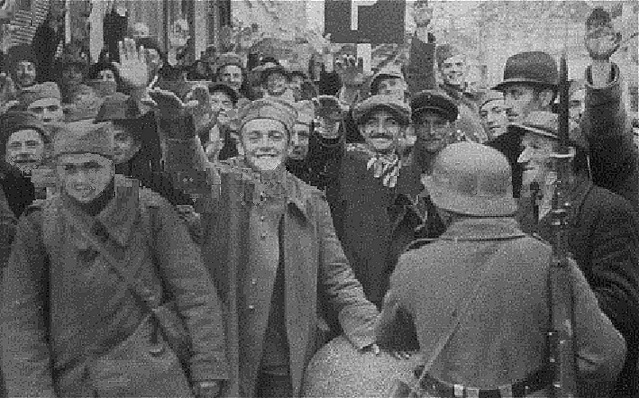
Eleven days after the invasion began, Yugoslav representatives sign an unconditional surrender in Belgrade. The country is carved up among its neighbours.
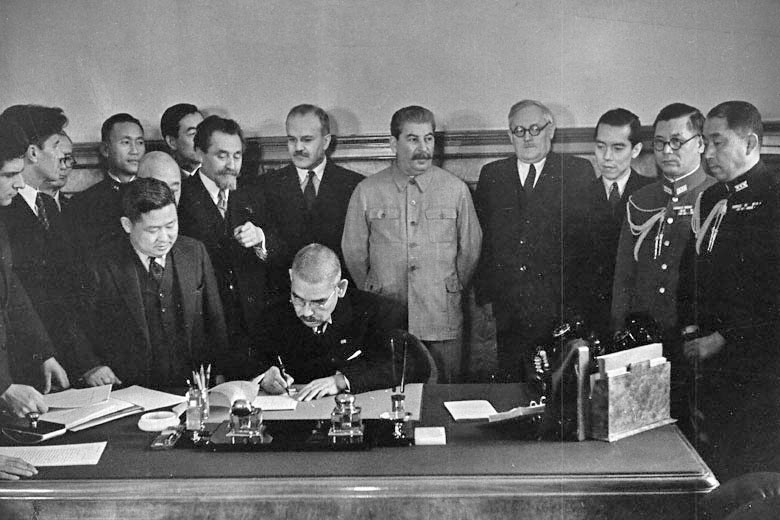
In the Kremlin, Japan’s foreign minister and Molotov sign a five-year neutrality pact. Stalin himself turns up at the railway station to see the Japanese delegation off.
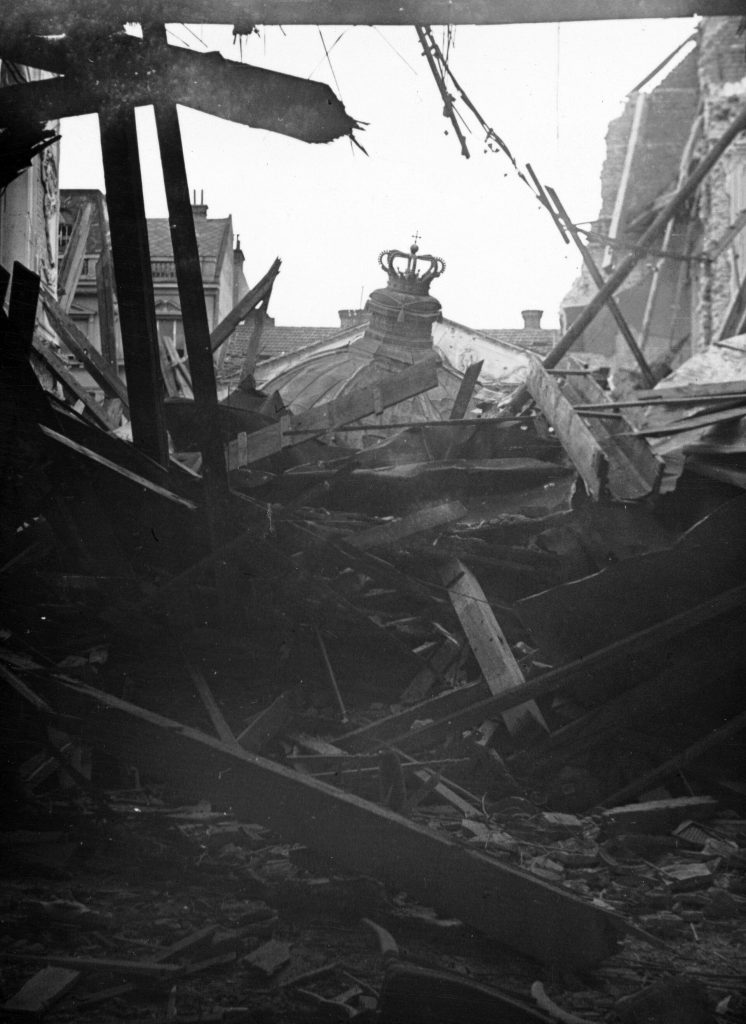
Without a declaration of war, German bombers attack Belgrade at dawn. On the same morning, German armies invade Yugoslavia and Greece.
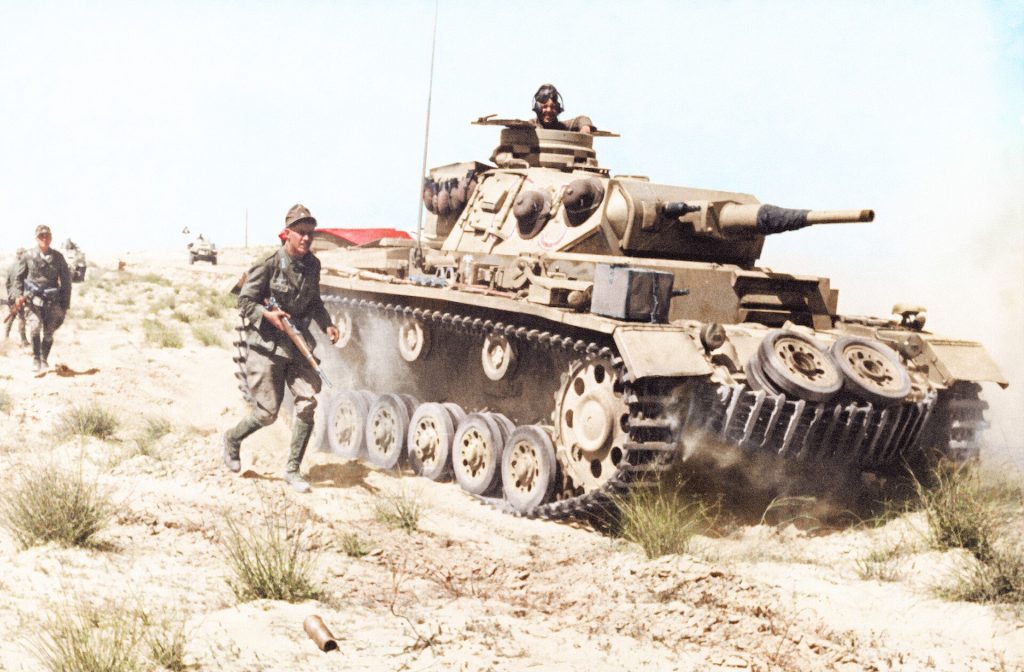
Weeks after arriving in Libya with orders to defend, Erwin Rommel attacks the thin British line at Mersa el Brega. Within two weeks the British are back in Egypt.
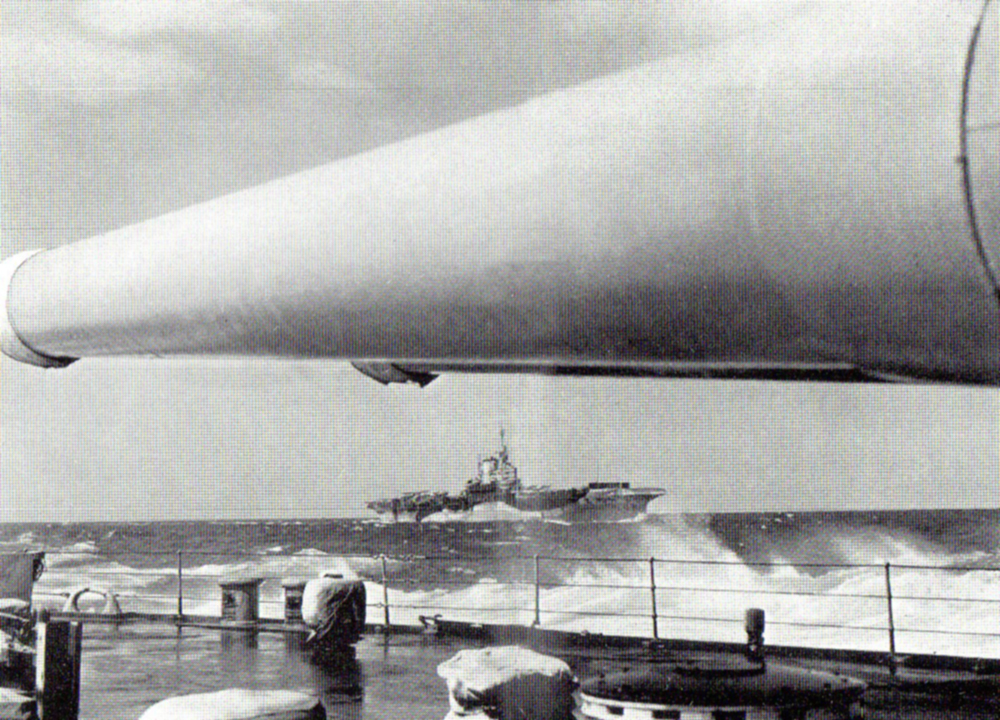
In the darkness off southern Greece, three British battleships open fire at point-blank range on unsuspecting Italian cruisers. Within minutes, two are wrecked.
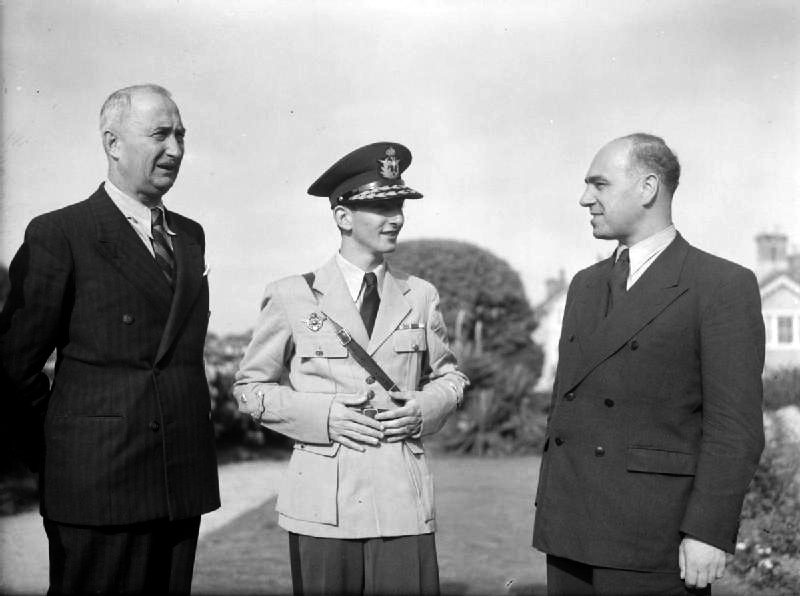
Yugoslav air force officers overthrow the regency that signed the Axis pact. Crowds fill the streets of Belgrade. In Berlin, Hitler orders Yugoslavia destroyed.
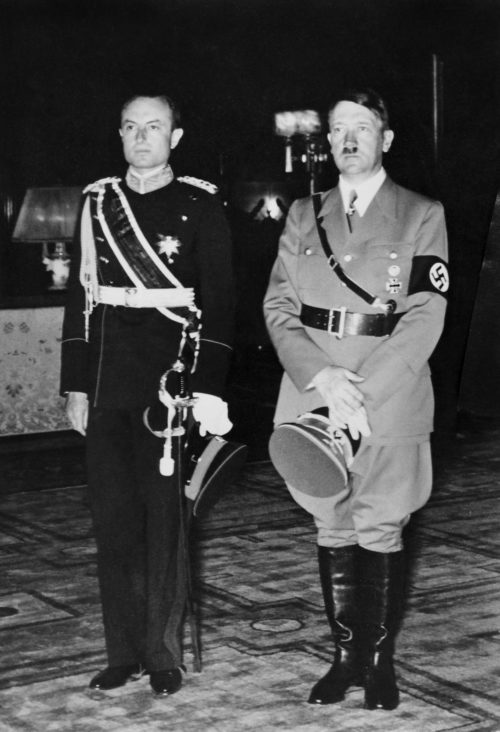
Under heavy German pressure, Yugoslavia’s government signs the Tripartite Pact in Vienna. Within two days, the decision will bring it down.
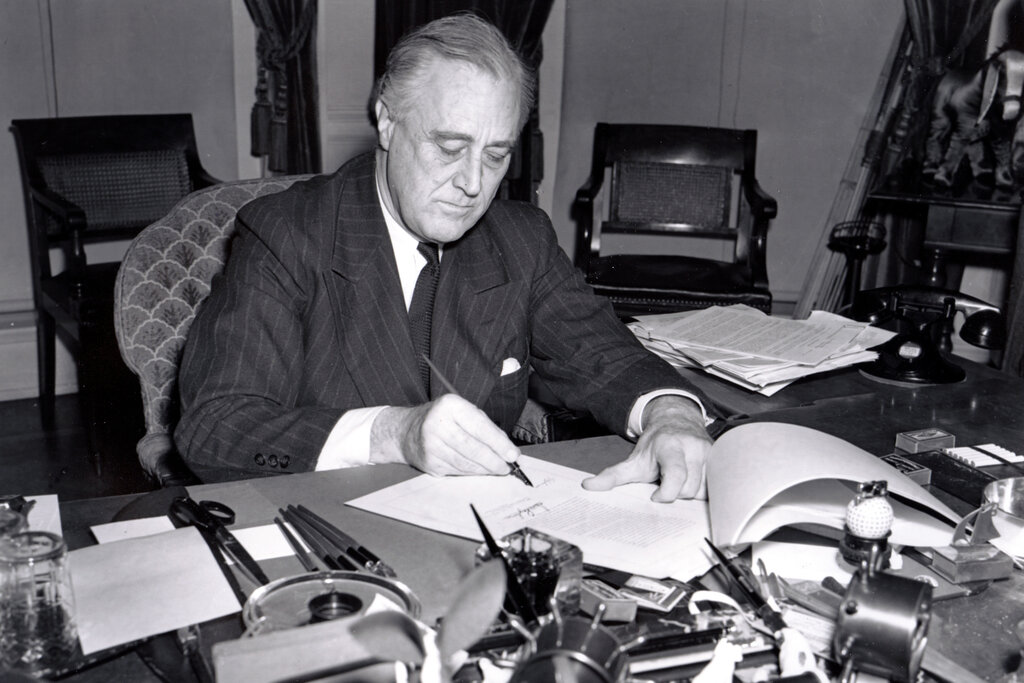
Roosevelt signs into law a bill allowing the United States to send weapons and supplies to nations fighting the Axis without immediate payment. America becomes the arsenal of democracy.
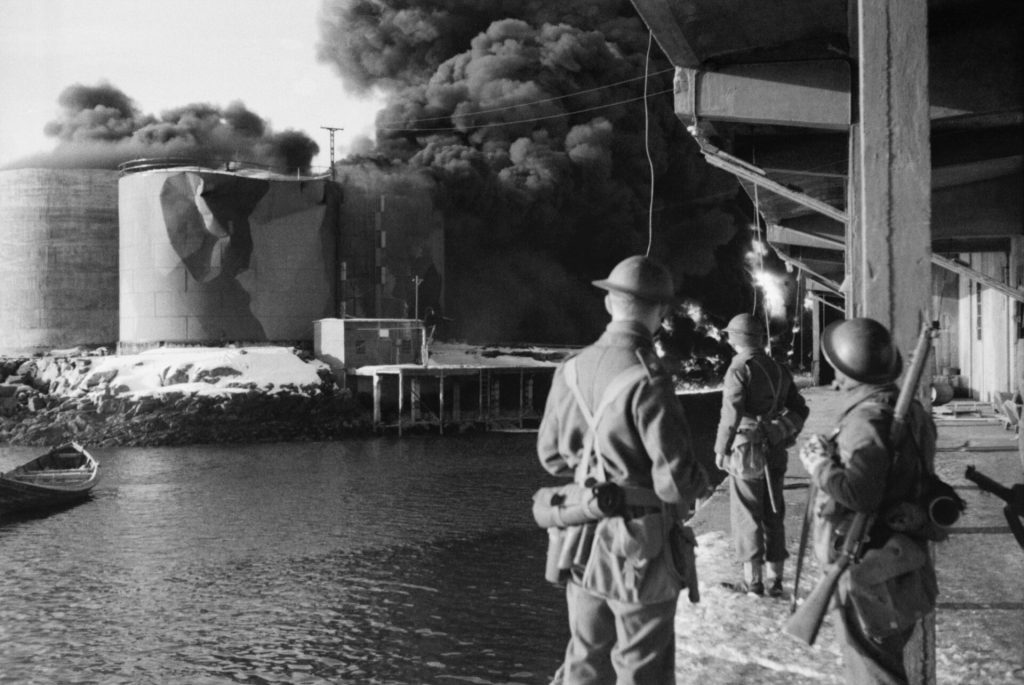
British commandos and Norwegian troops land unopposed in the Lofoten Islands, blow up fish oil factories and sail home with prisoners, volunteers and a secret prize.
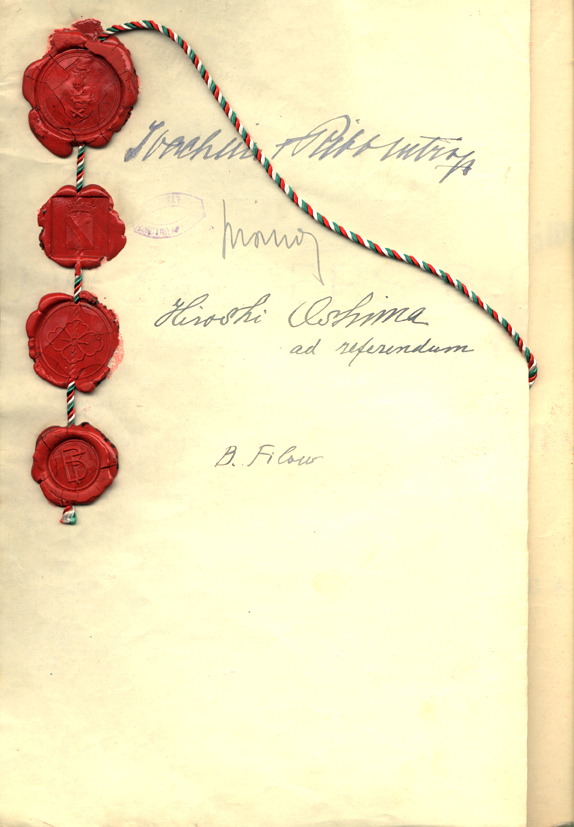
In Vienna, Bulgaria’s prime minister signs the Tripartite Pact. German troops begin crossing the Danube the same day, on their way to the Greek border.
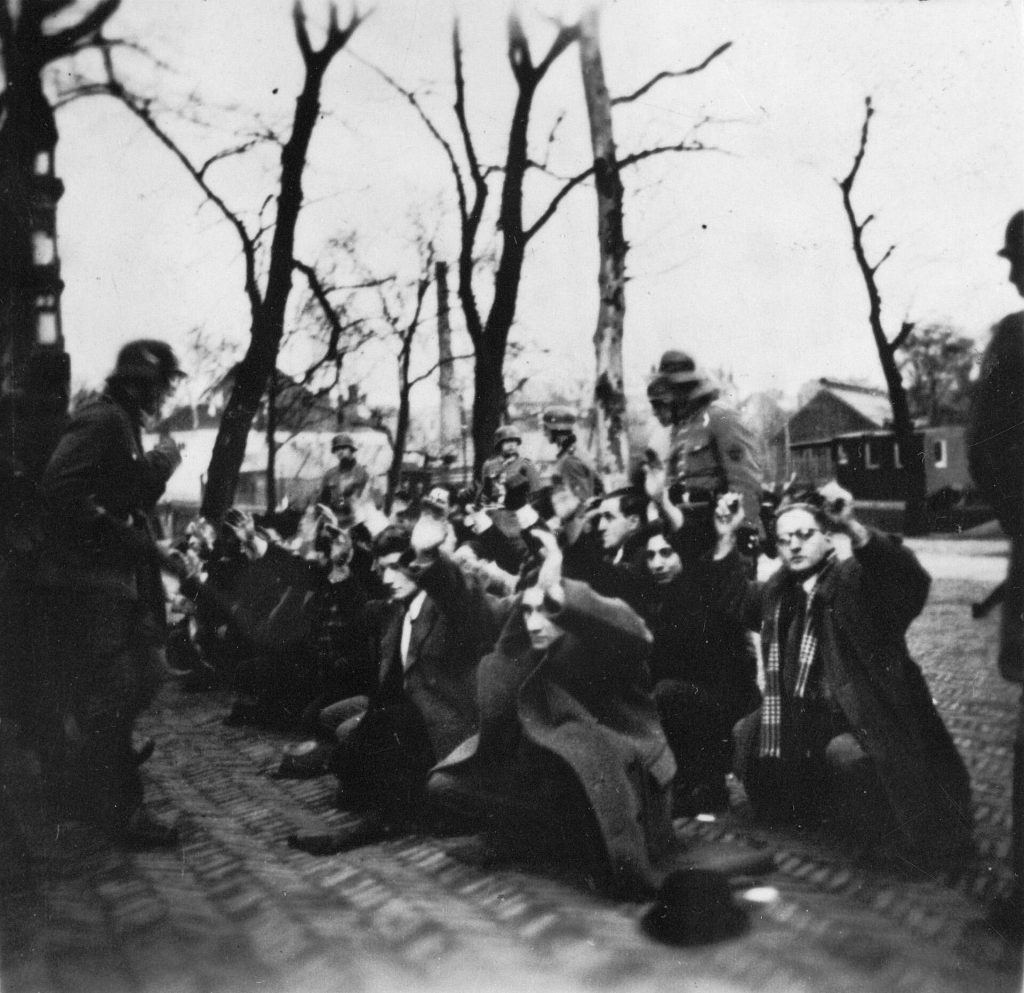
Days after the first mass round-ups of Jewish men in Amsterdam, tram drivers, dockers and factory workers walk out in protest. The city comes to a standstill.
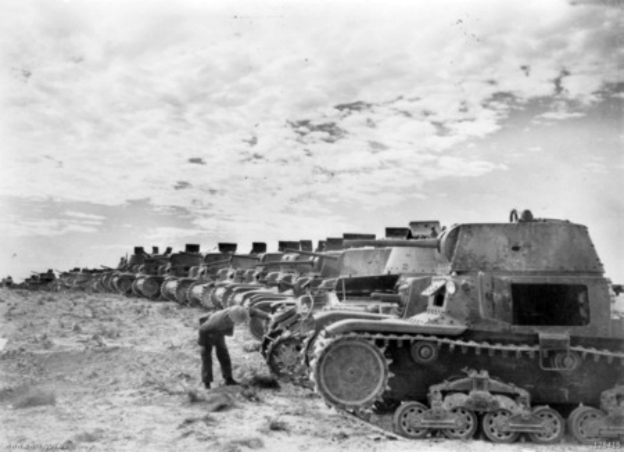
A small British force races across the desert and blocks the coast road south of Benghazi. The retreating Italian Tenth Army is trapped and surrenders.
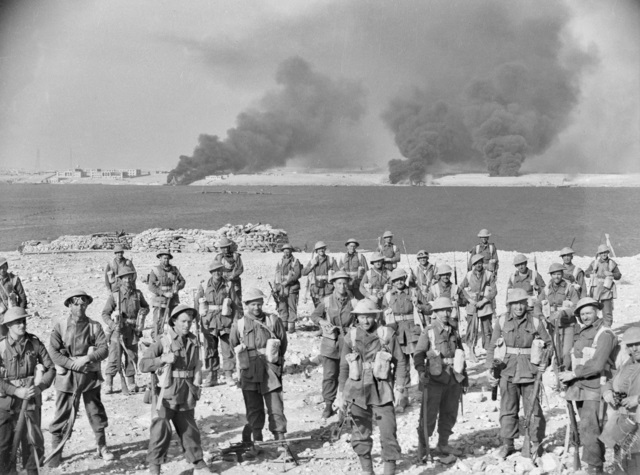
Fresh from victory at Bardia, the 6th Australian Division storms the fortress of Tobruk. By the next afternoon its harbour is in Allied hands.
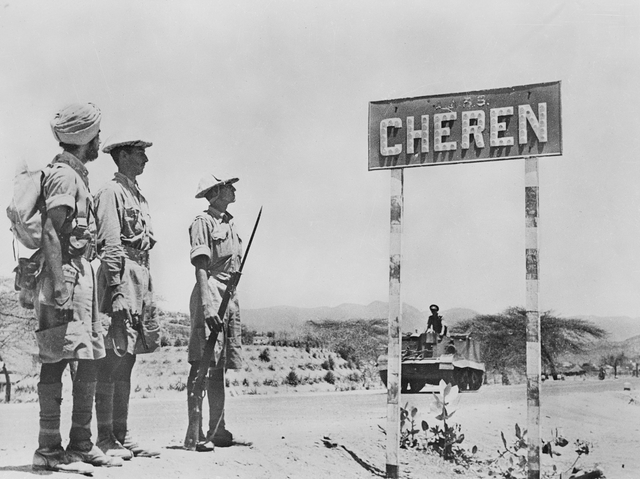
British and Indian troops cross from the Sudan into Italian Eritrea. The campaign that follows will end Mussolini’s empire in East Africa.
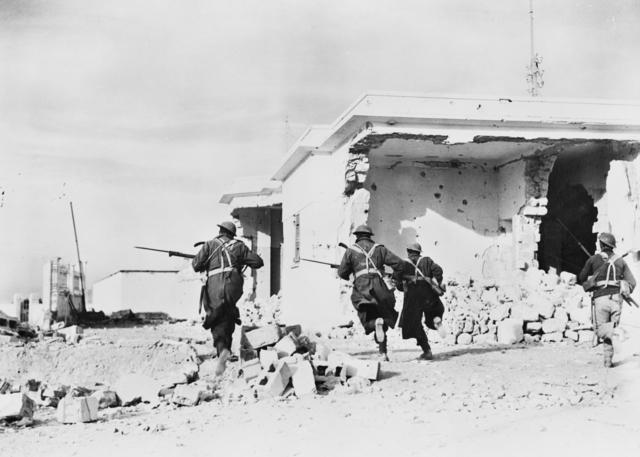
In their first battle of the war, the men of the 6th Australian Division storm the fortified Libyan port of Bardia and take tens of thousands of Italian prisoners.
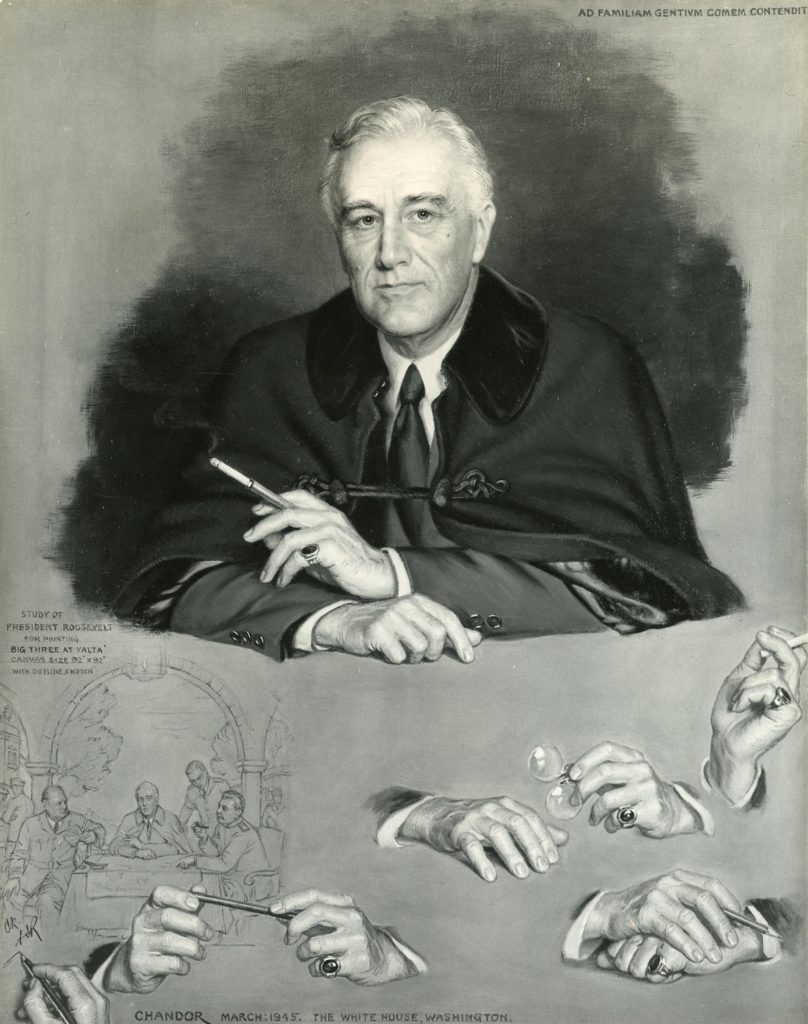
In his State of the Union address, Roosevelt sets out four freedoms that he says every person in the world should enjoy, and asks Congress to arm the nations defending them.
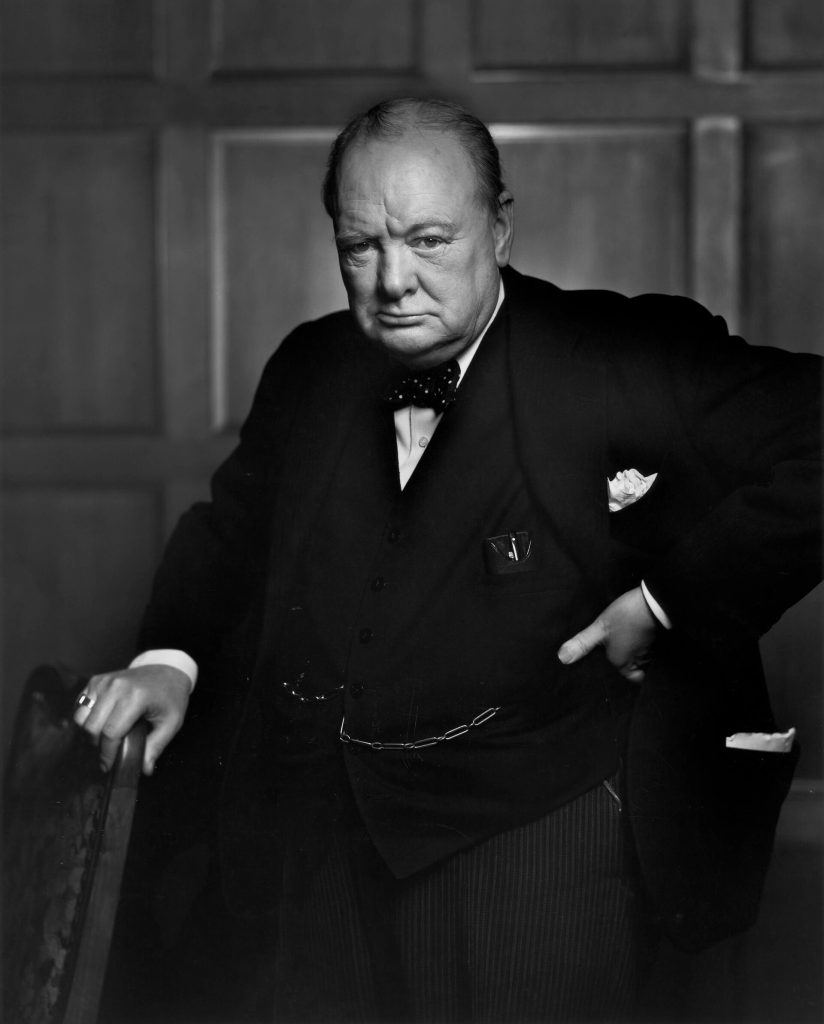
Churchill addresses the Canadian Parliament in Ottawa with one of his most famous jokes, then sits for a photographer who creates the defining image of his life.
 United Kingdom
 United States
 Soviet Union
 Germany
 Japan
 France
 Poland
 South Africa