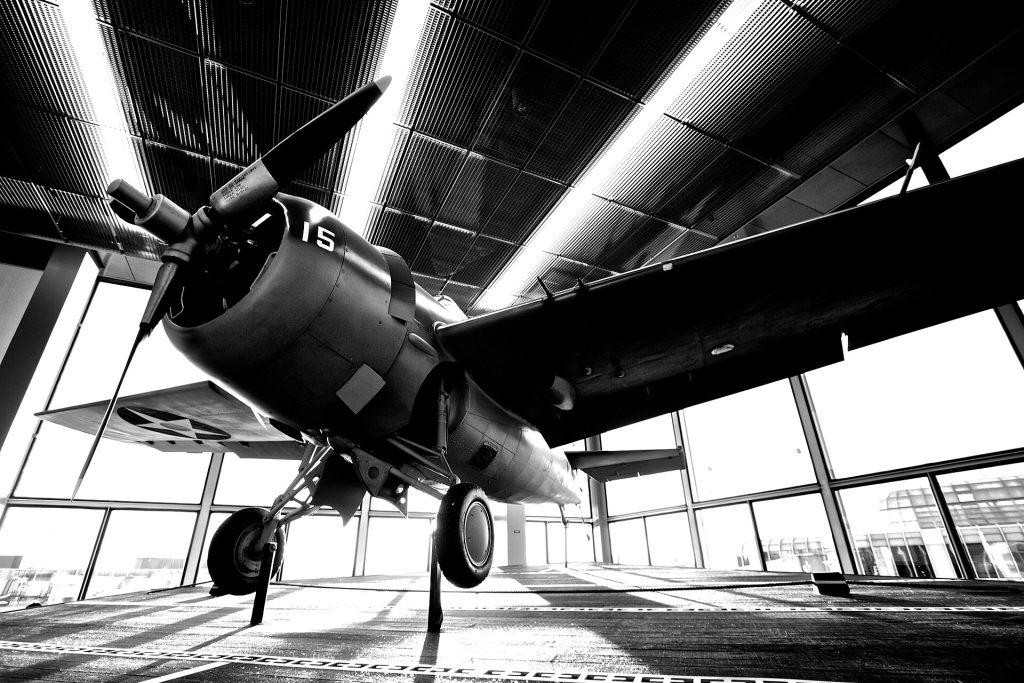
20 February 1942: Butch O’Hare Saves the Lexington
Off Bougainville, a lone US Navy fighter pilot throws himself at a formation of Japanese bombers bearing down on the carrier USS Lexington.
Fighters, bombers, the Blitz and the strategic air offensive.
Off Bougainville, a lone US Navy fighter pilot throws himself at a formation of Japanese bombers bearing down on the carrier USS Lexington.
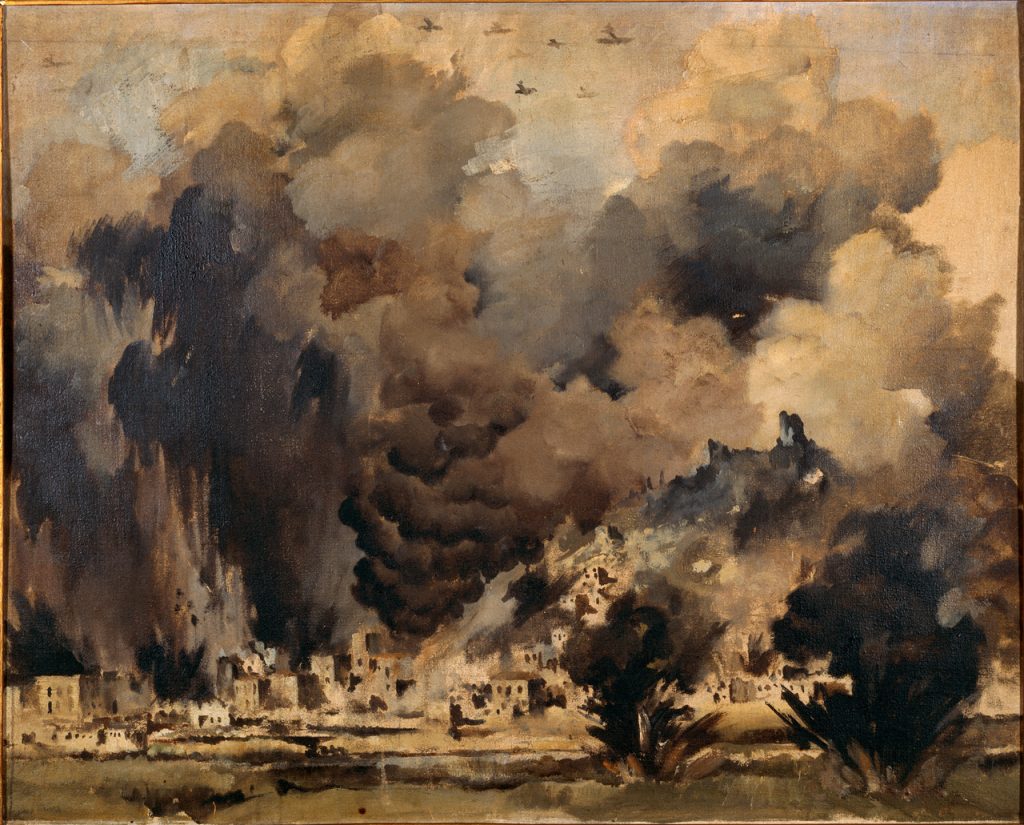
Allied bombers destroy the ancient Benedictine abbey above Cassino, believing the Germans are using it. They are not, until the ruins hand them a fortress.
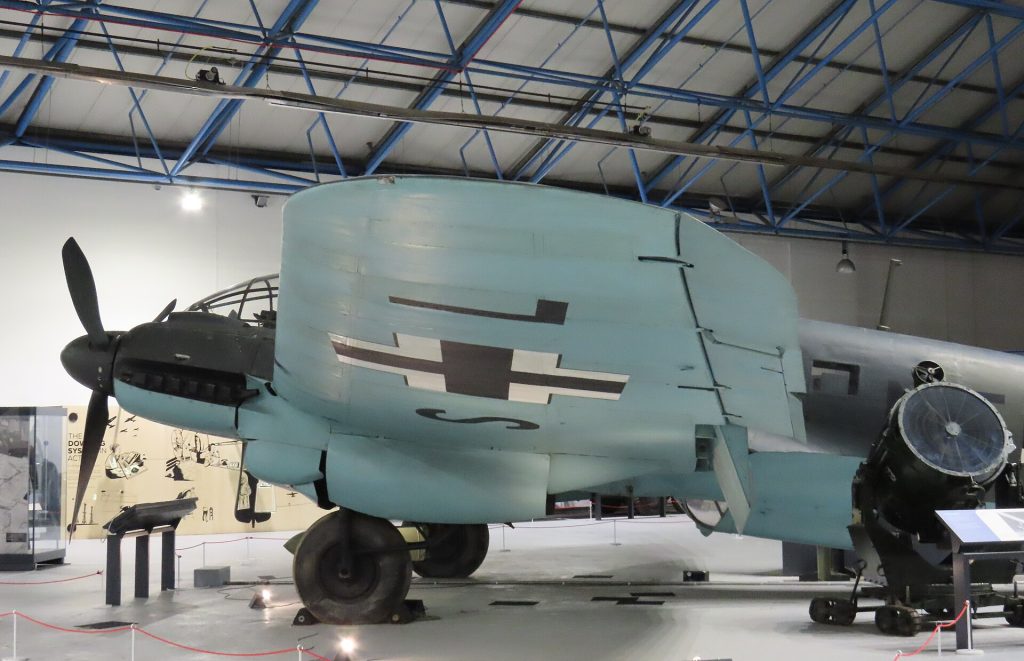
Soviet prisoners kill their guard at Germany’s rocket base on Usedom, seize a Heinkel bomber and fly it back to their own lines.

Close to a thousand American bombers strike the centre of Berlin by day. Among the dead is Roland Freisler, the judge who sent the July plotters to the gallows.
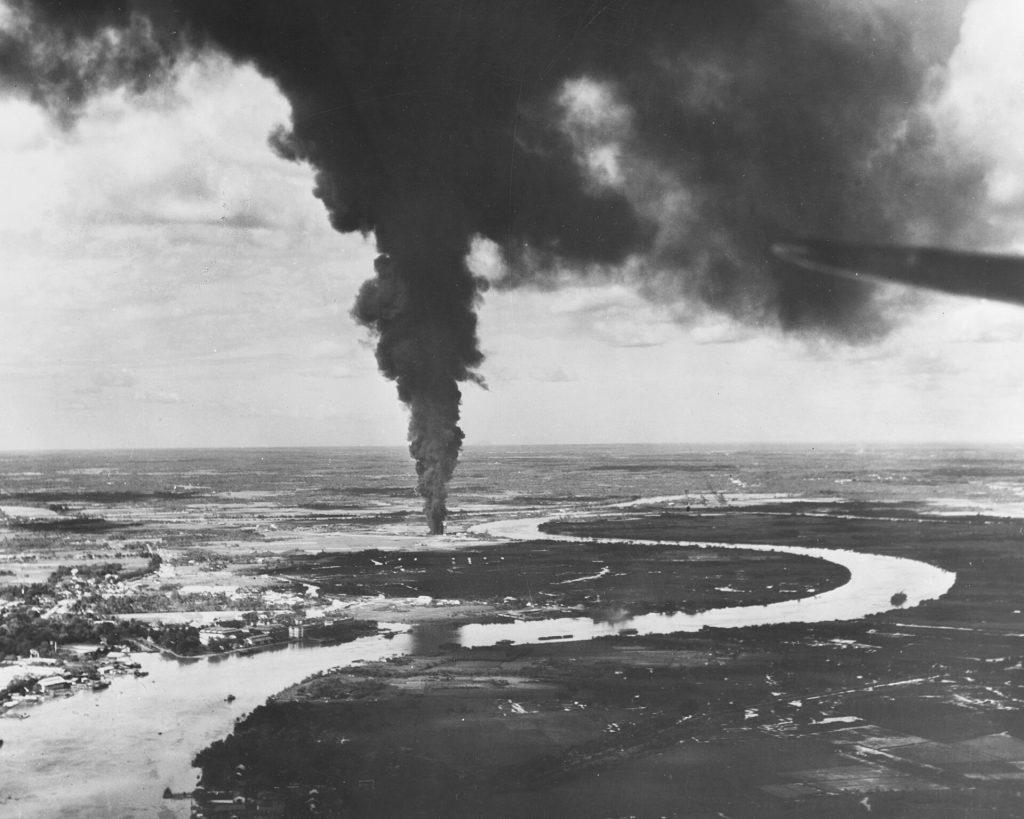
Carrier aircraft of the US Third Fleet fall on Japanese shipping along the coast of French Indochina, in one of the most destructive days of the war at sea.
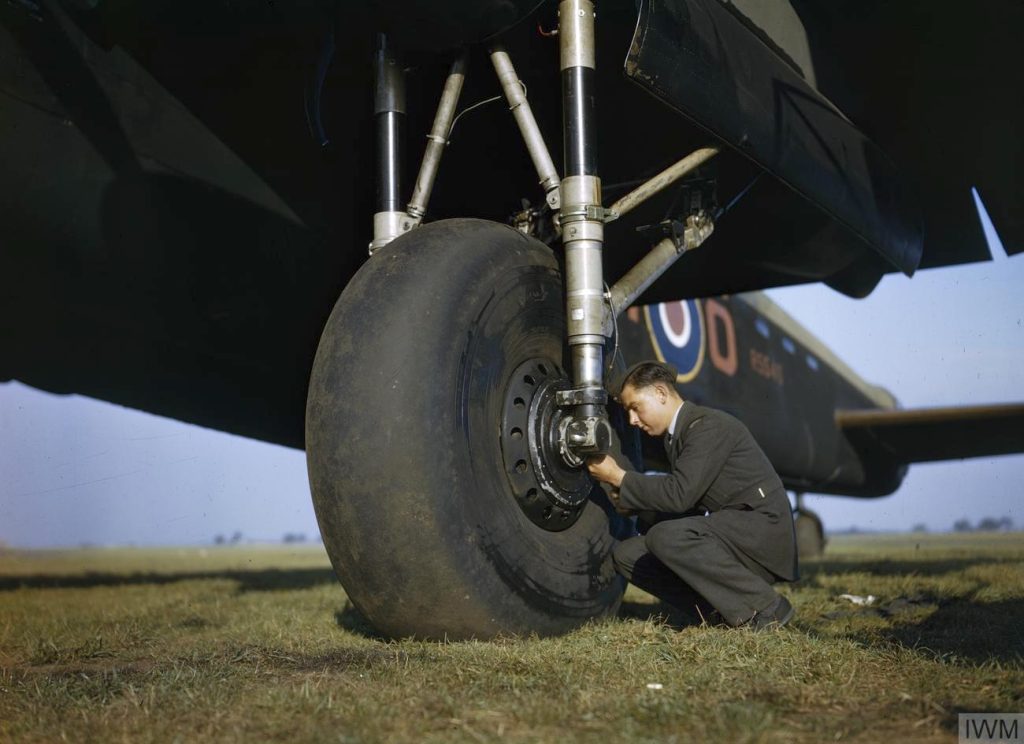
At Ringway, near Manchester, the prototype of a new four-engined bomber makes its first flight. The Avro Lancaster will become the backbone of Bomber Command.

Britain’s most famous woman pilot, now ferrying aircraft for the Air Transport Auxiliary, bails out over the Thames Estuary in bad weather and is never seen again.
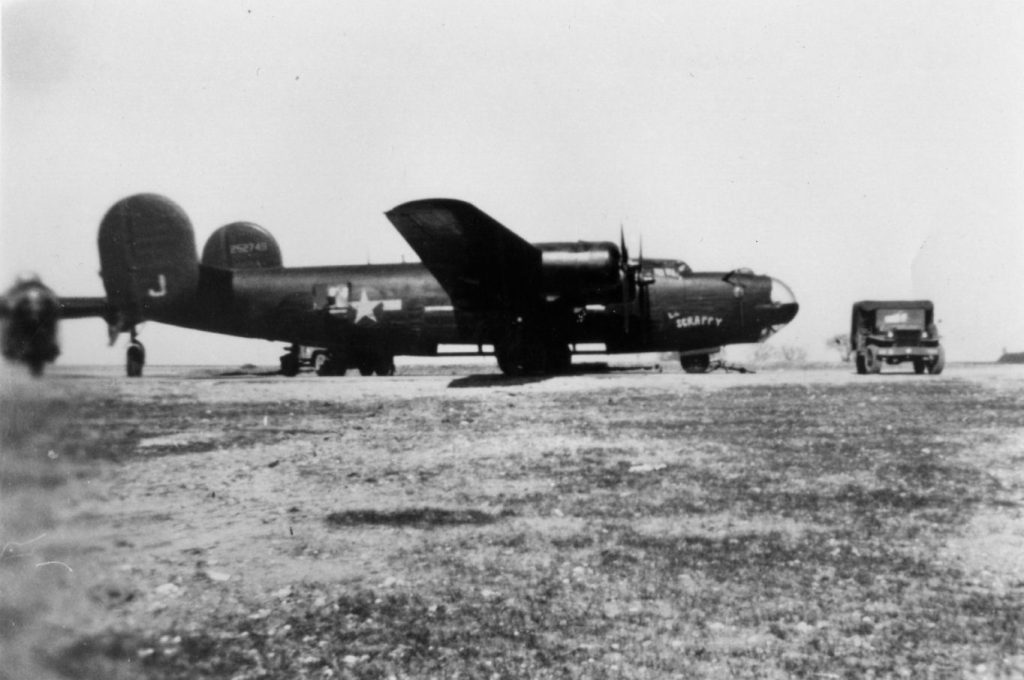
American bomber crews begin a secret war of night flights over occupied Europe, dropping agents, weapons and supplies to the resistance.
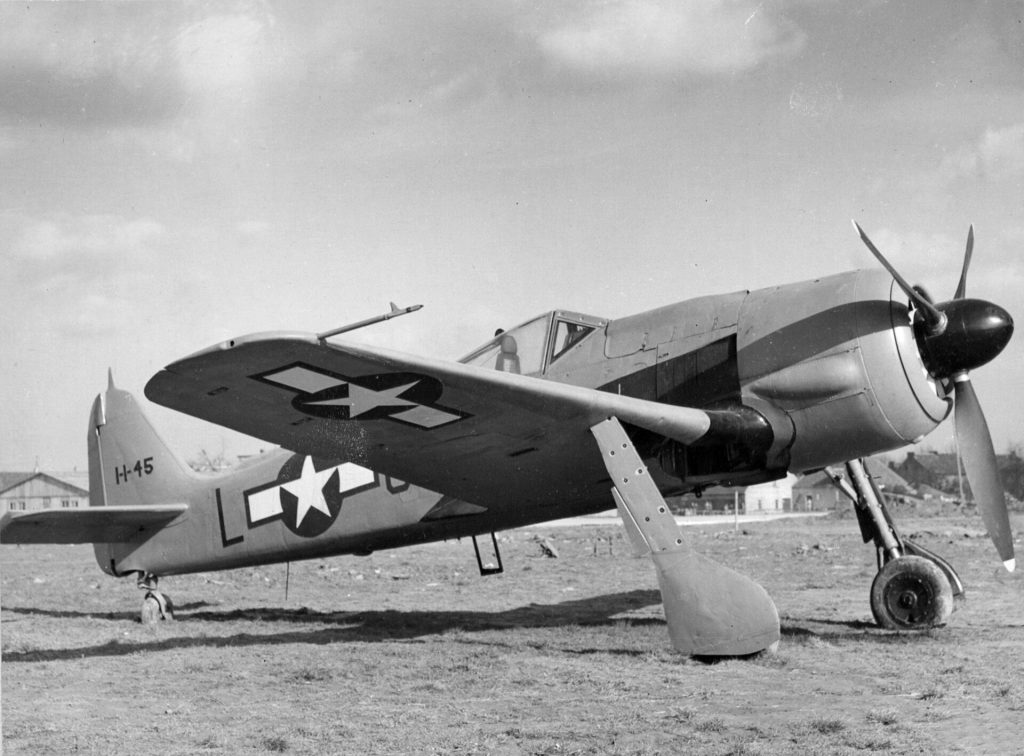
At first light on New Year’s Day, the Luftwaffe throws more than a thousand fighters at Allied airfields in the Low Countries in its last great offensive of the war.
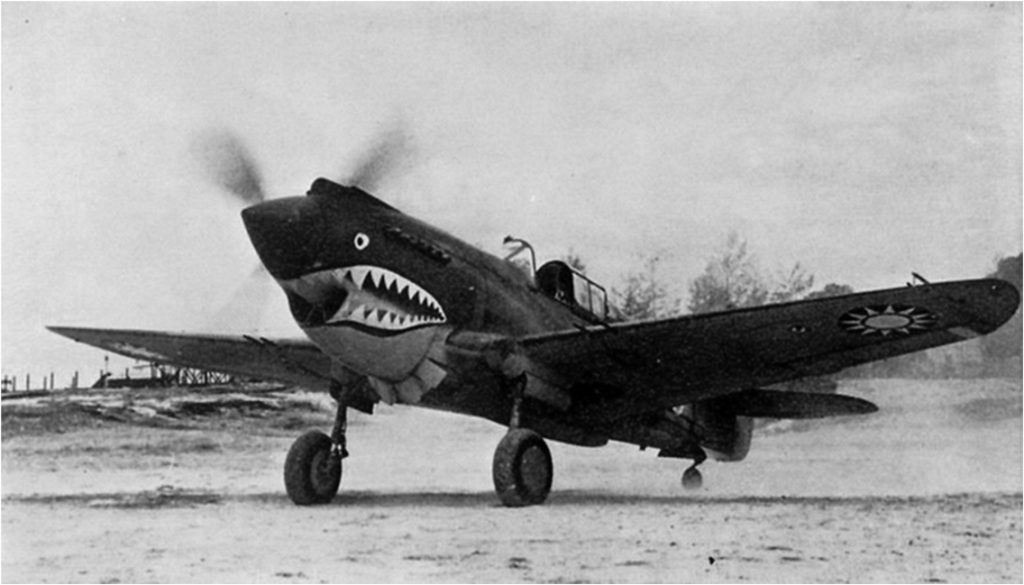
Japanese bombers strike the capital of British Burma for the first time, killing over a thousand civilians and setting off an exodus that paralyses the port.
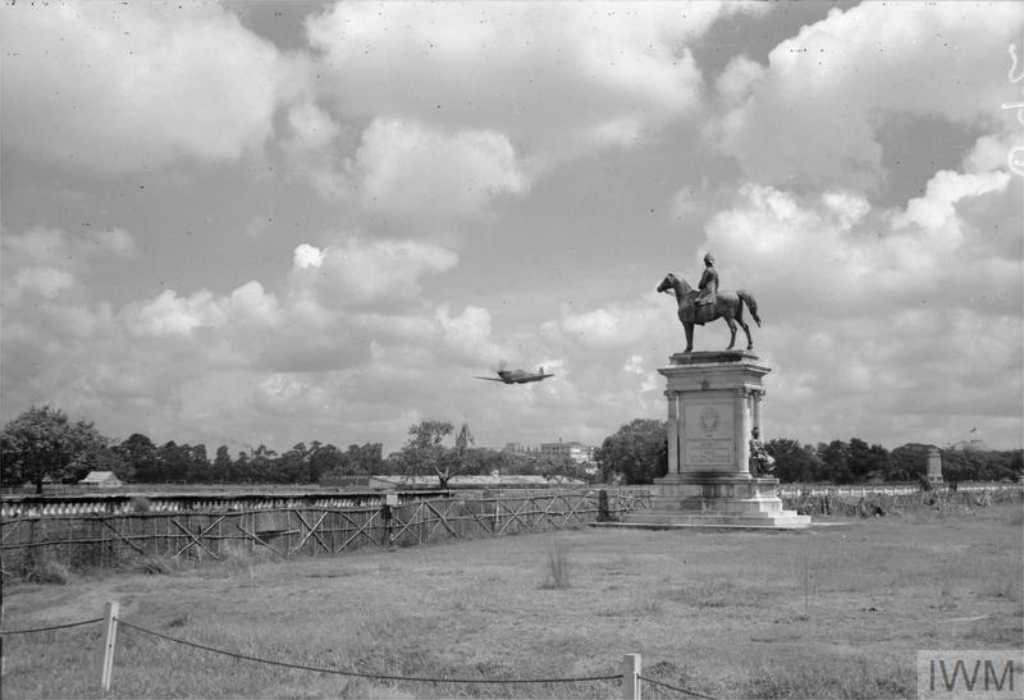
Japanese aircraft from Burma raid Calcutta, the great port and industrial city of British India, setting off a mass flight of its people.
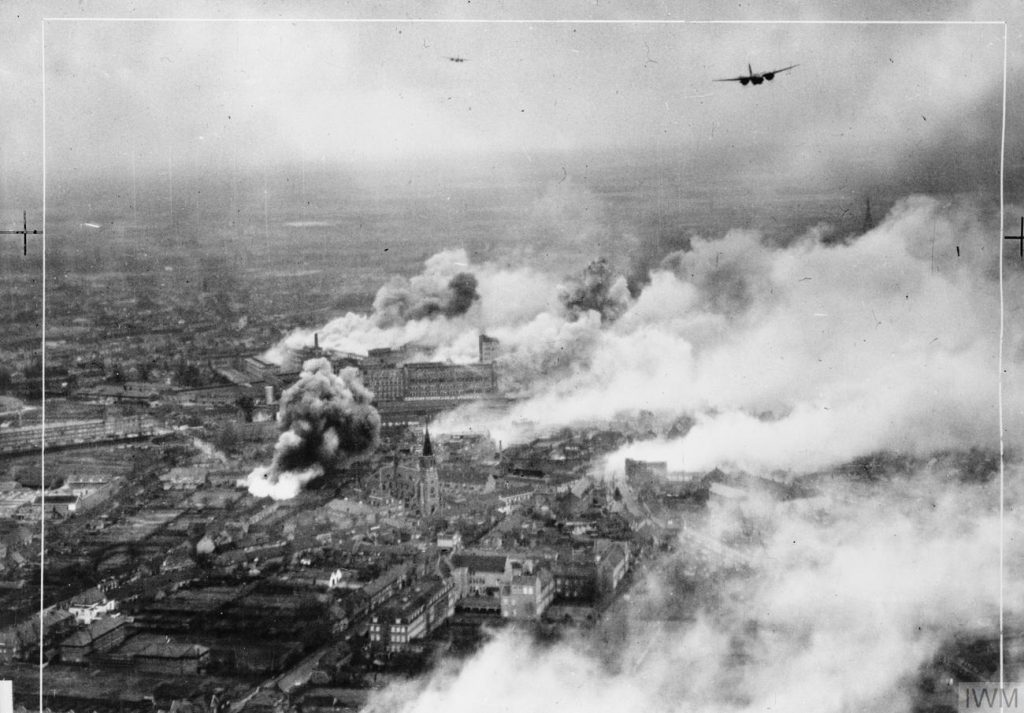
Flying at rooftop height in daylight, RAF light bombers strike the Philips radio and valve works in Eindhoven, which was supplying the German war machine.
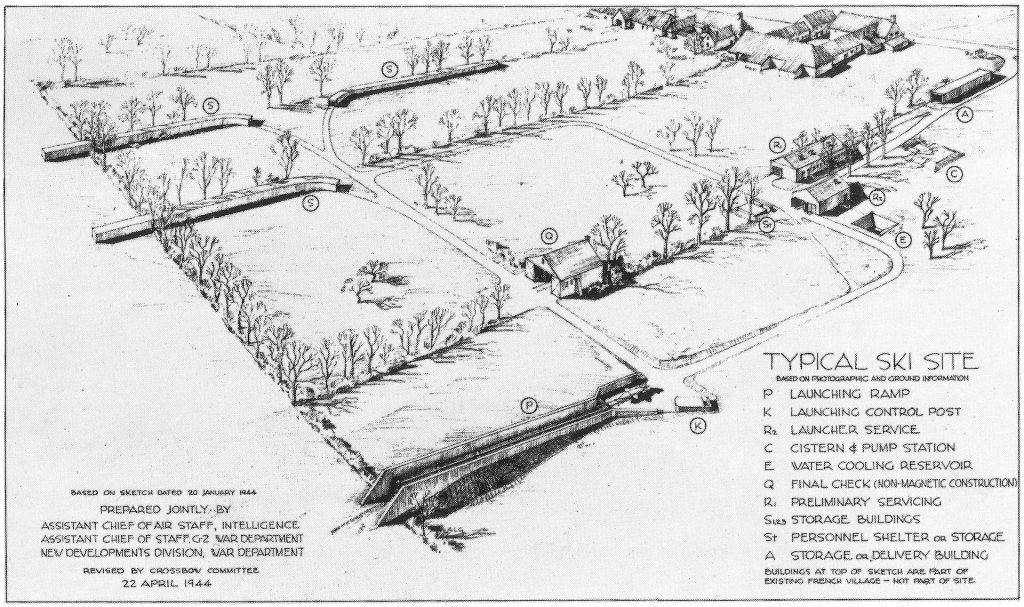
Allied bombers start attacking the concrete launch ramps hidden in the woods of northern France, from which Germany plans to fire its flying bombs at London.
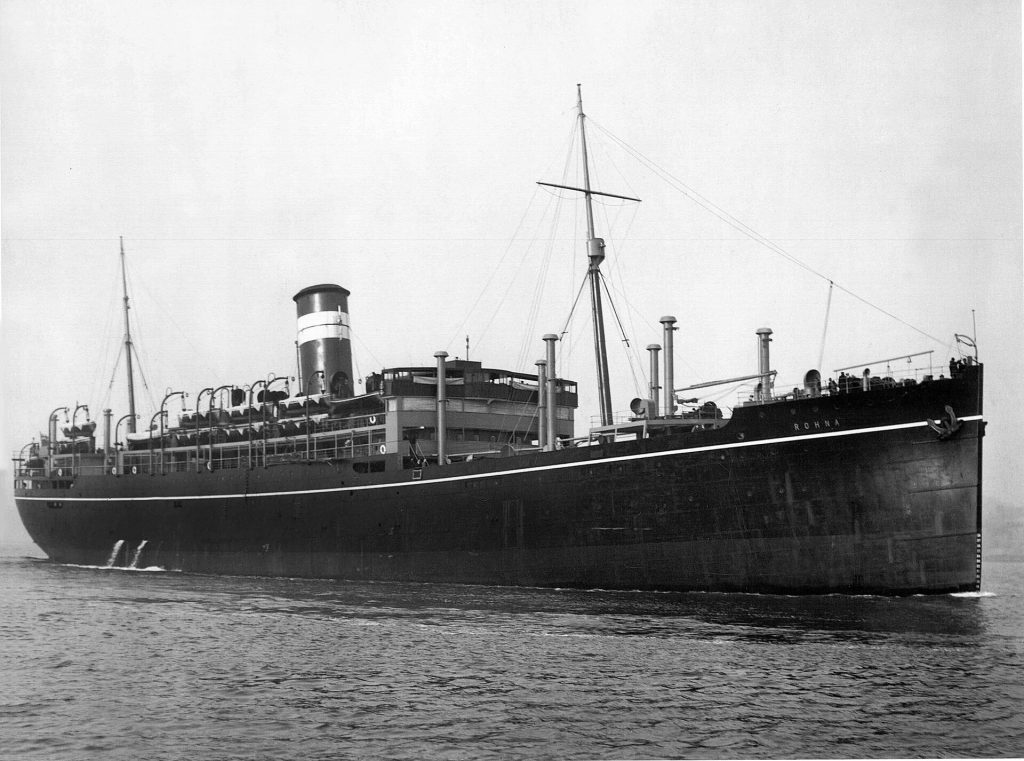
Off the coast of Algeria, a German radio-guided glide bomb strikes a British troopship carrying 2,000 American soldiers. More than 1,000 of them die in a disaster kept secret for decades.
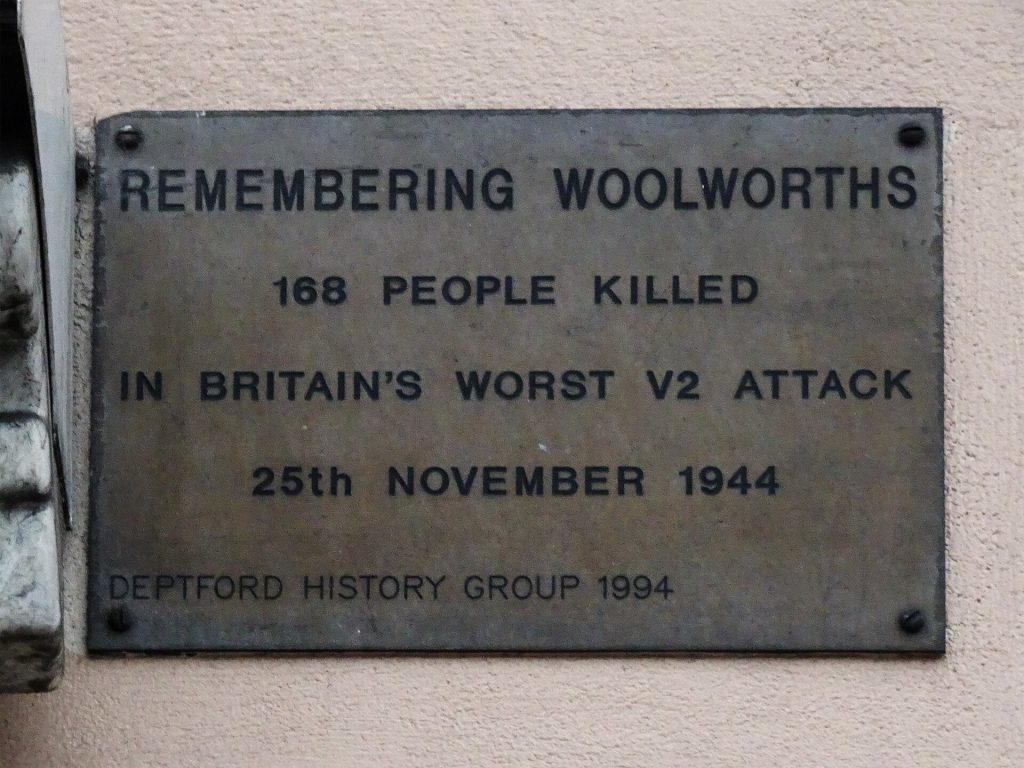
Without warning, a German V-2 rocket falls on a busy Woolworths store in south-east London on a Saturday, killing 168 people in the deadliest V-2 attack in Britain.
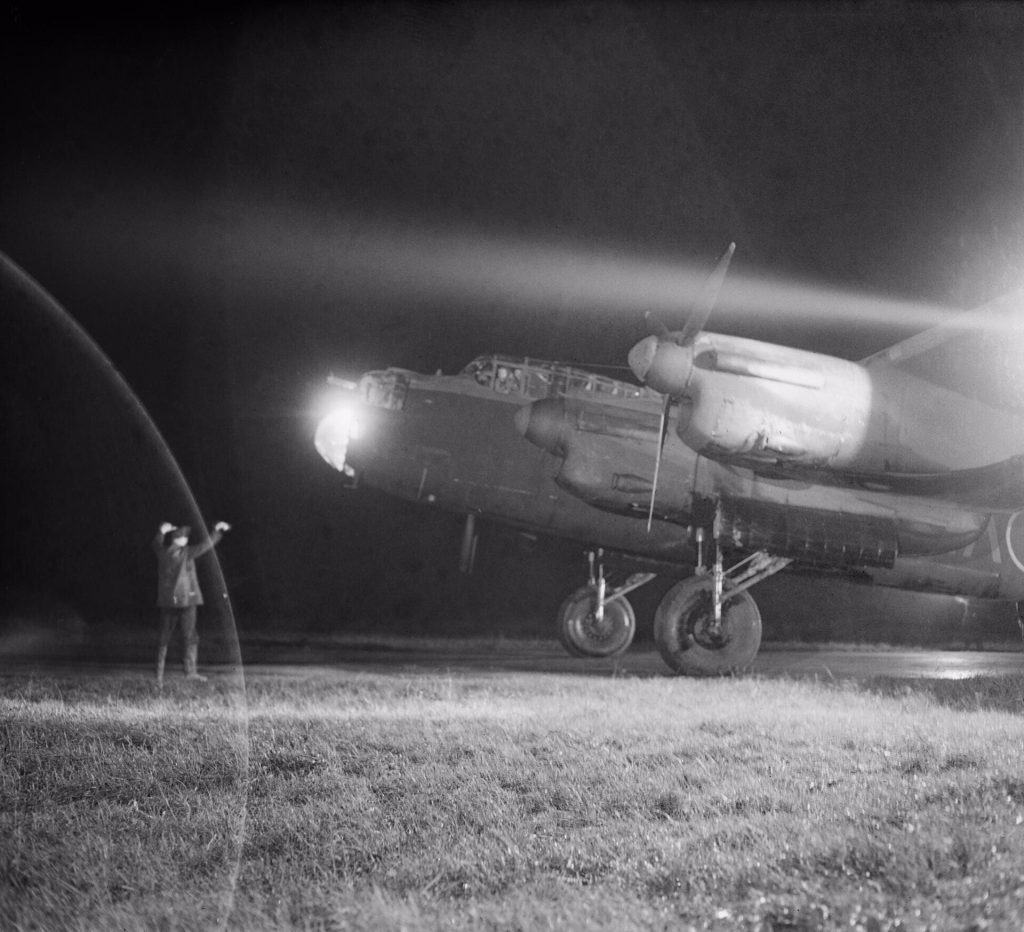
Hundreds of Lancasters head for the German capital, opening a winter offensive that Arthur Harris believes can wreck Berlin from end to end and cost Germany the war.
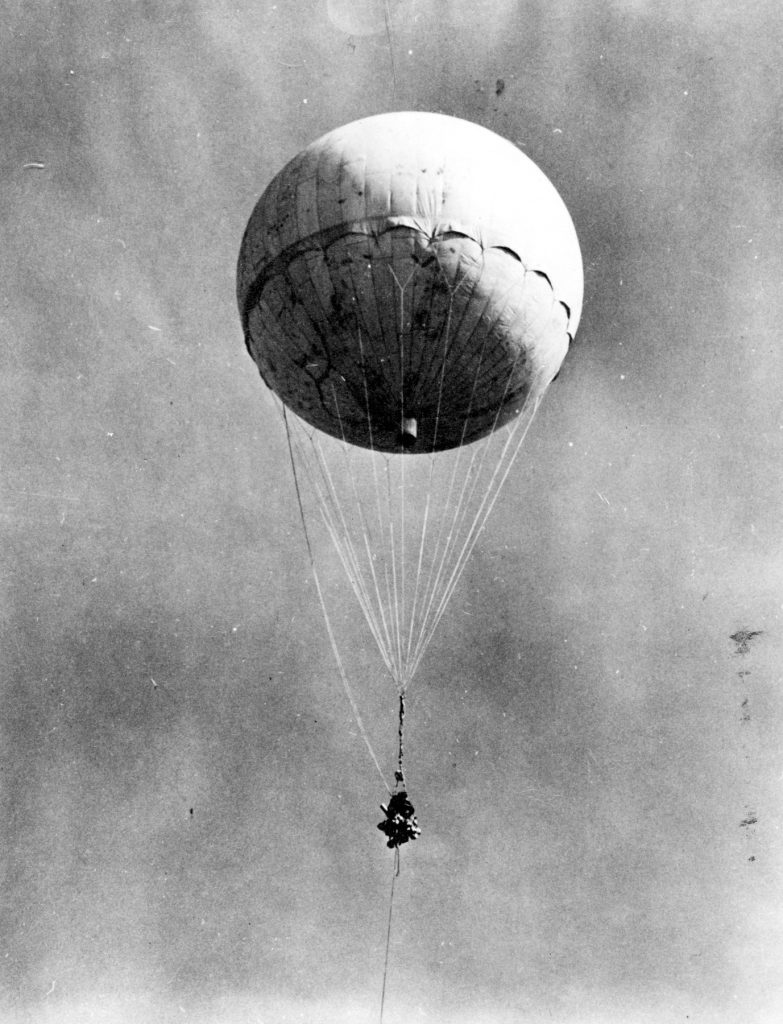
From the beaches of Honshu, Japan releases the first of some 9,300 paper balloons carrying bombs on the jet stream across the Pacific towards North America.
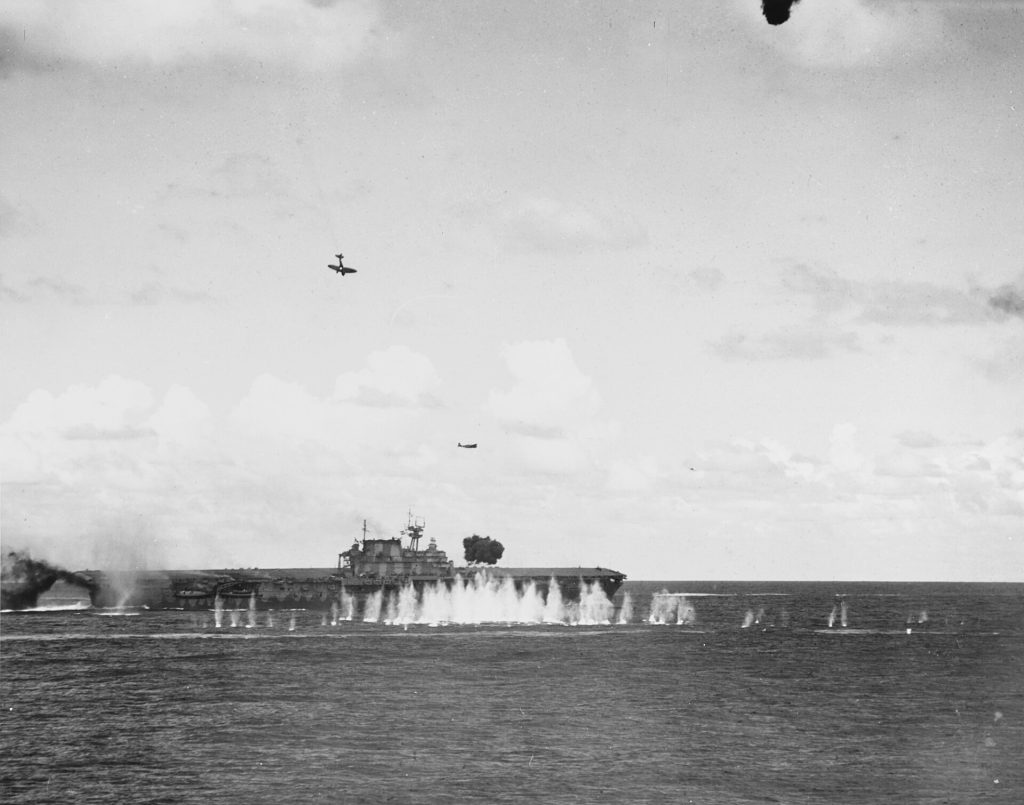
North of Guadalcanal, American and Japanese carrier forces strike at each other. The carrier USS Hornet is lost. Japan wins the battle but cannot afford its losses.
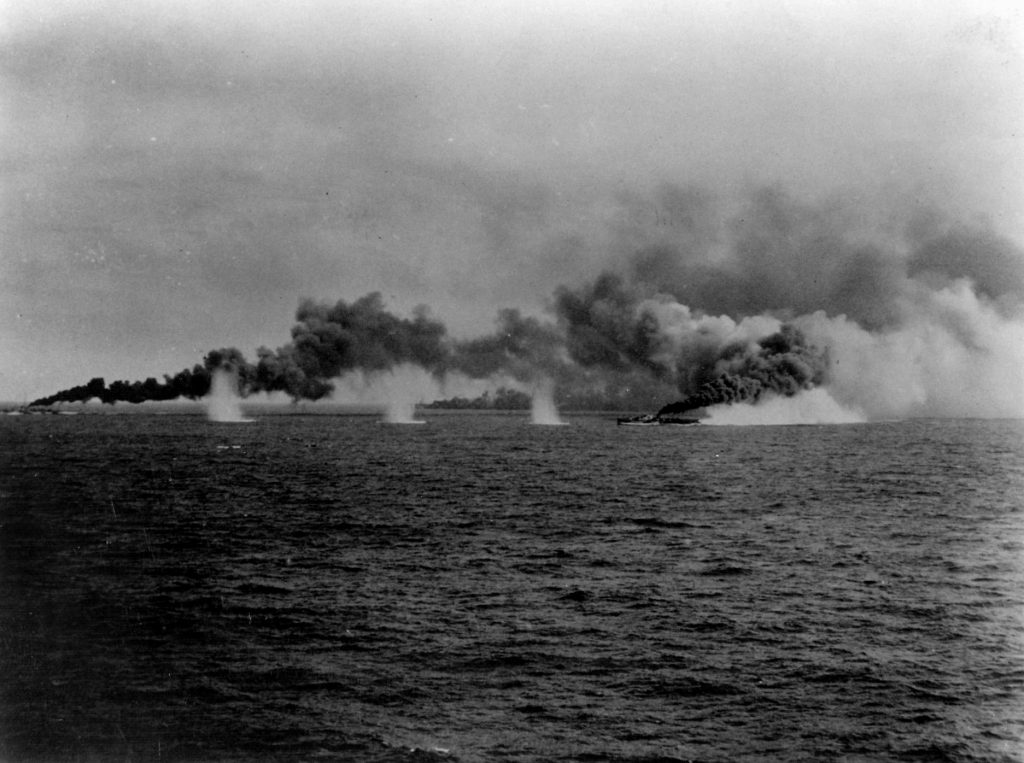
Off Samar, a small group of American escort carriers and destroyers suddenly finds the Japanese battleship Yamato and the main Japanese fleet bearing down on it. The destroyers turn and attack.
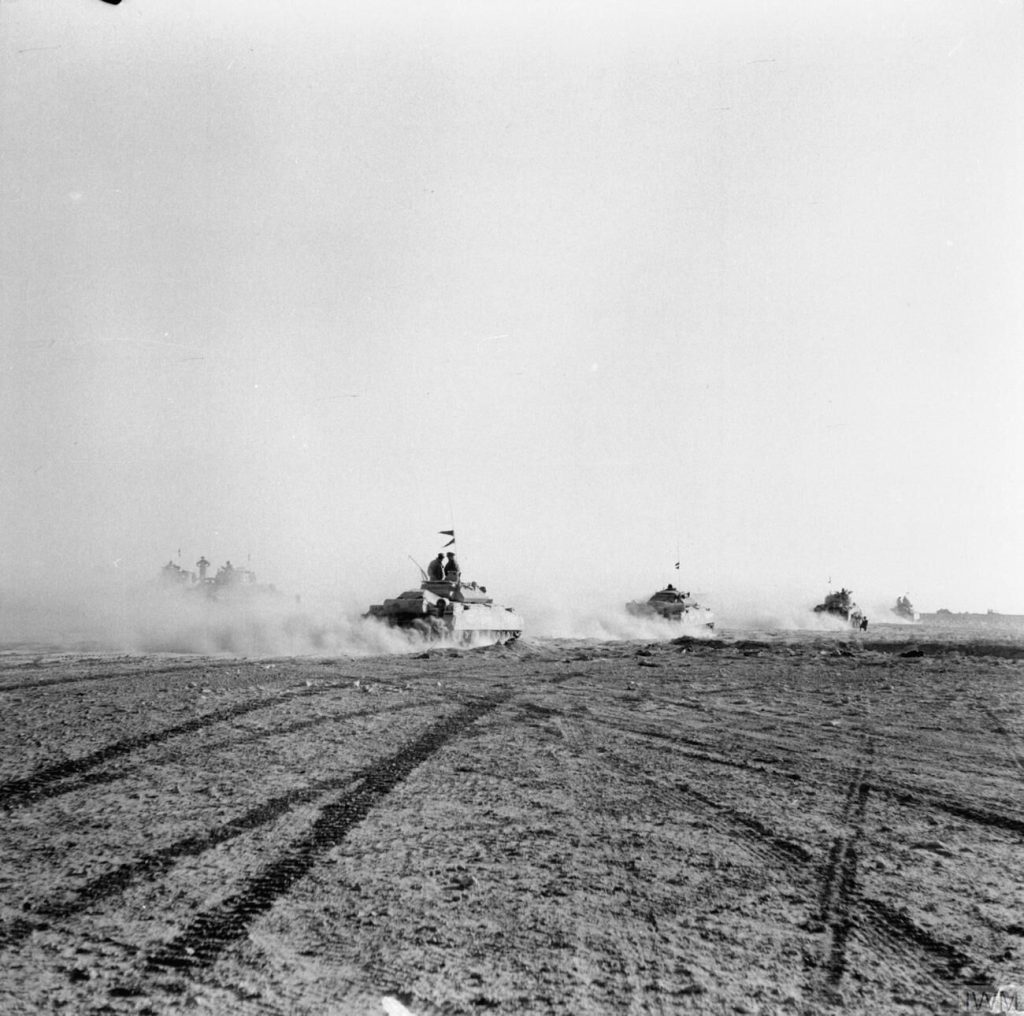
At 21:40, hundreds of guns open fire along the Alamein line. Montgomery’s Eighth Army begins the battle that will drive the Axis out of Egypt for good.
 United Kingdom
 United States
 Soviet Union
 Germany
 Japan
 France
 Poland
 South Africa