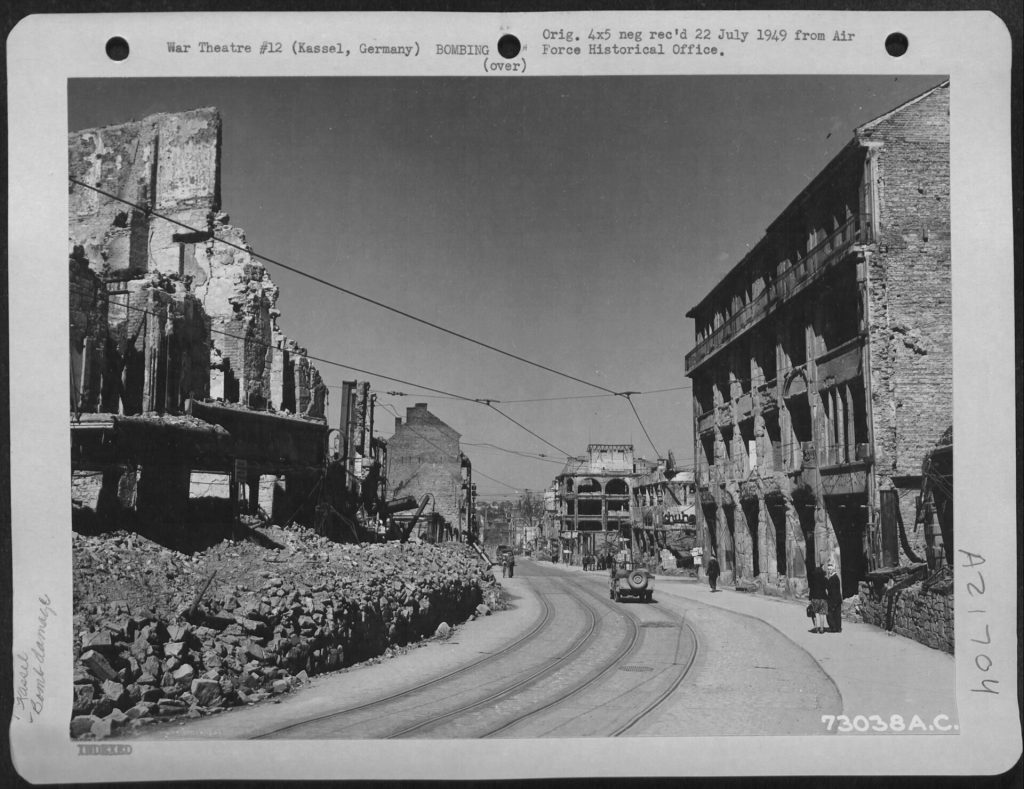
22 October 1943: The Bombing of Kassel
RAF Bomber Command strikes Kassel, a centre of tank and aircraft production. A firestorm engulfs the old city.
Fighters, bombers, the Blitz and the strategic air offensive.
RAF Bomber Command strikes Kassel, a centre of tank and aircraft production. A firestorm engulfs the old city.
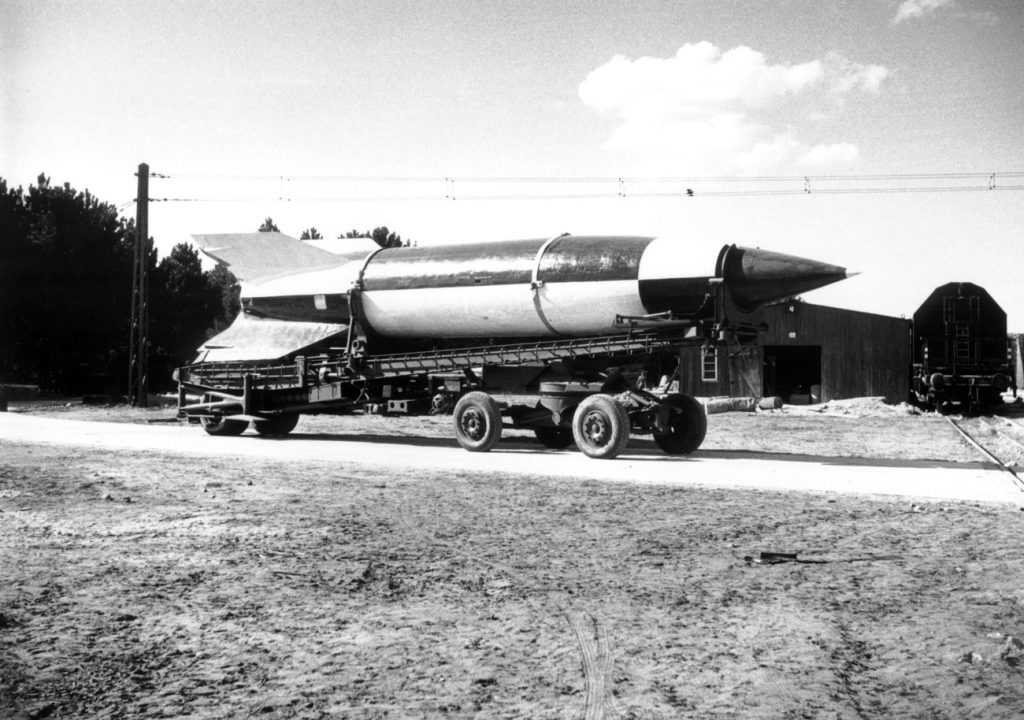
At Peenemünde on the Baltic coast, an A4 rocket climbs to the edge of space and comes down almost 200 kilometres away. Germany’s ballistic missile works.
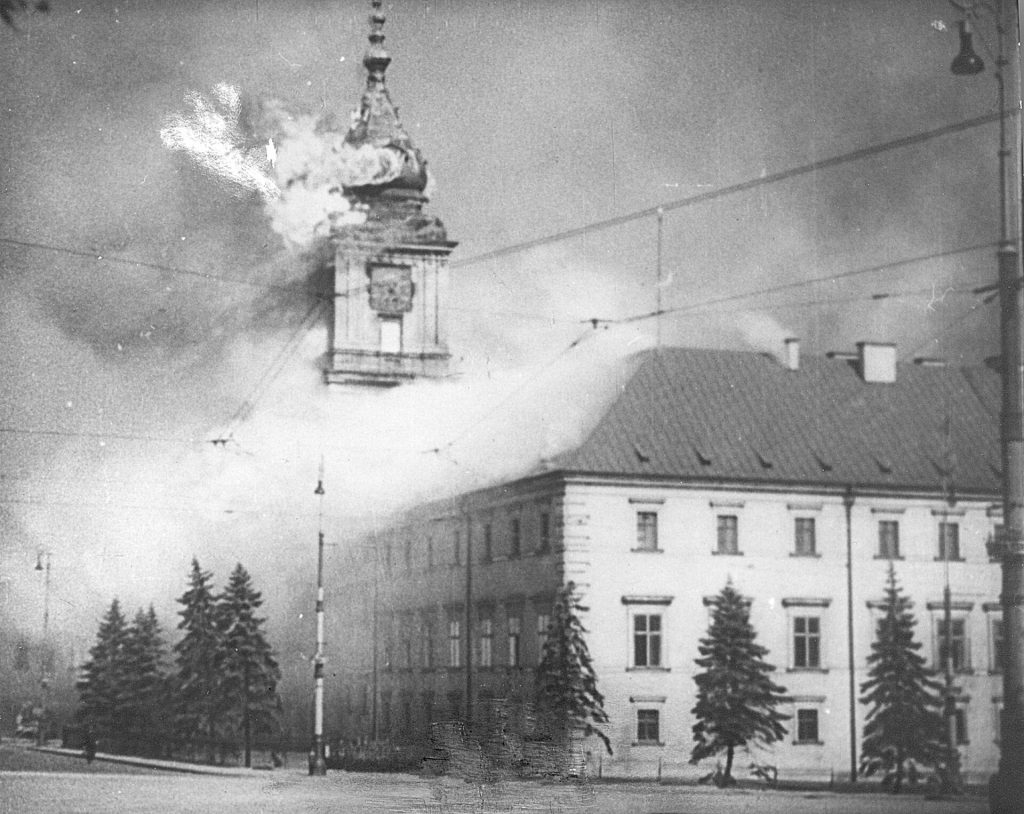
After nearly three weeks of siege, bombing and shelling, the Polish capital surrenders. Its defenders have run out of food, water and ammunition.
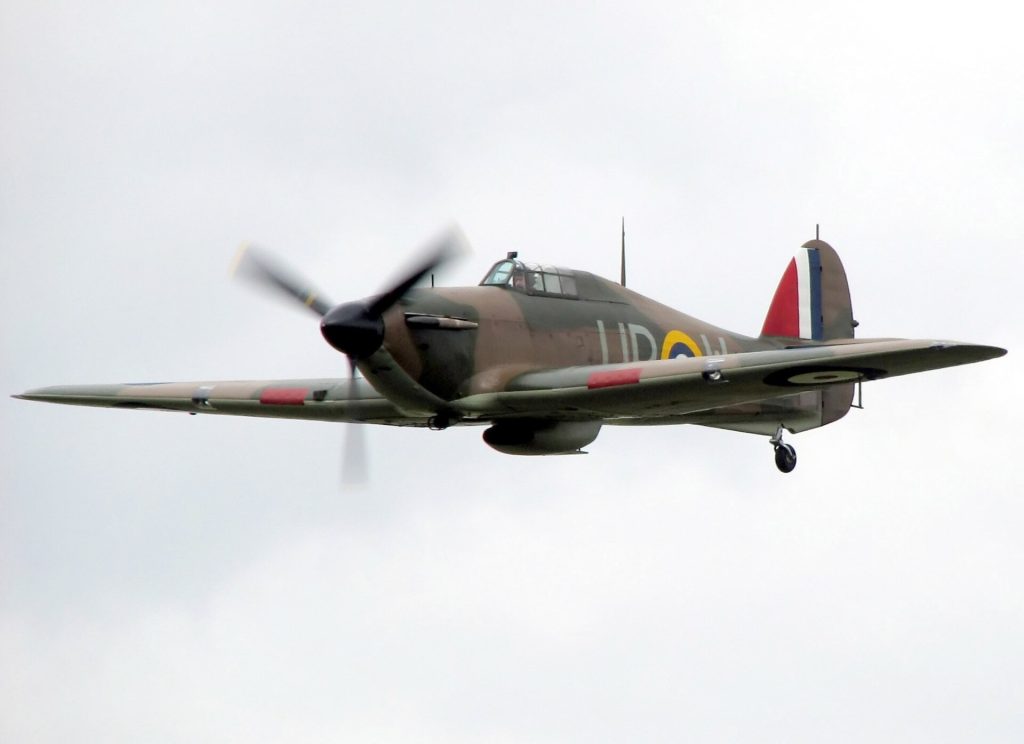
The Luftwaffe sends two great raids against London. Every RAF fighter squadron in the south-east is thrown in, and the attacks are broken up. Two days later, Hitler postpones the invasion of Britain.
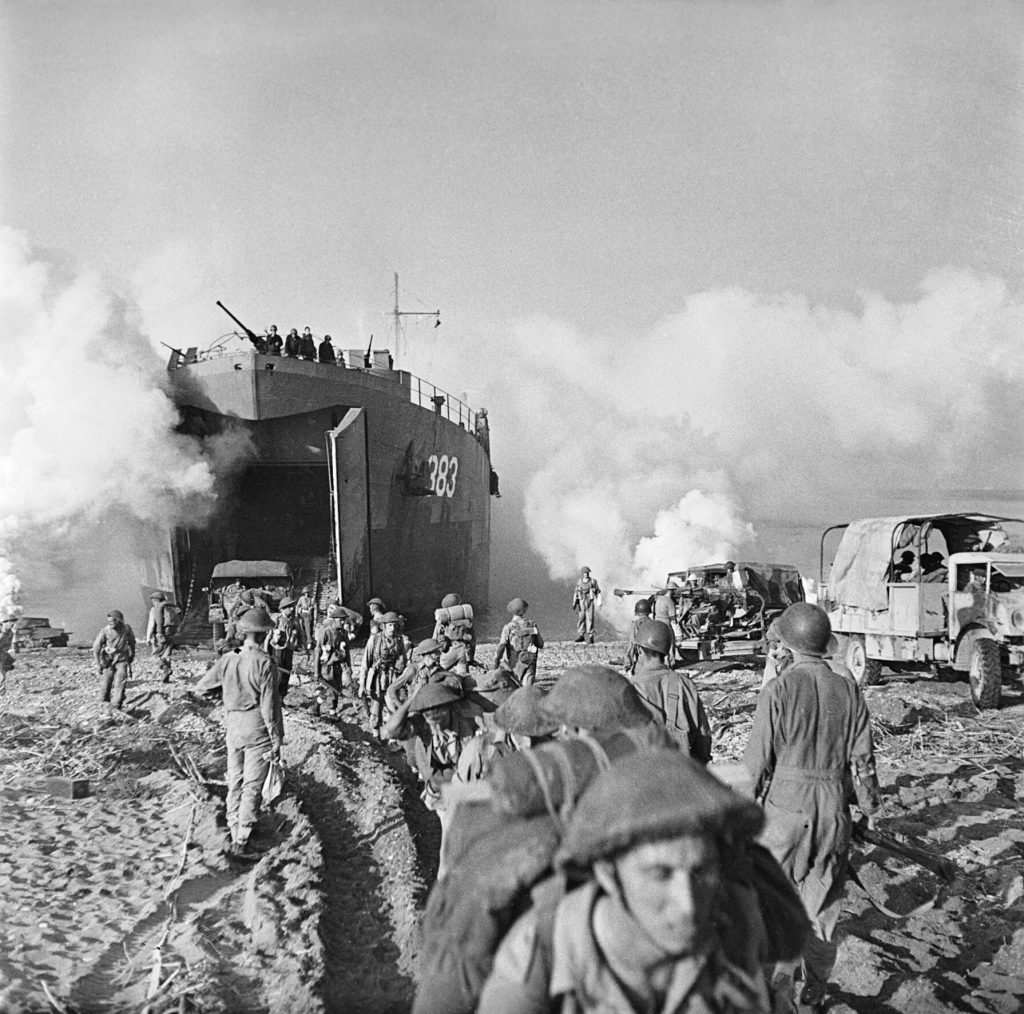
The day after Italy’s armistice is announced, Allied troops land on the beaches south of Salerno. They expect an easy landing. The Germans are waiting.
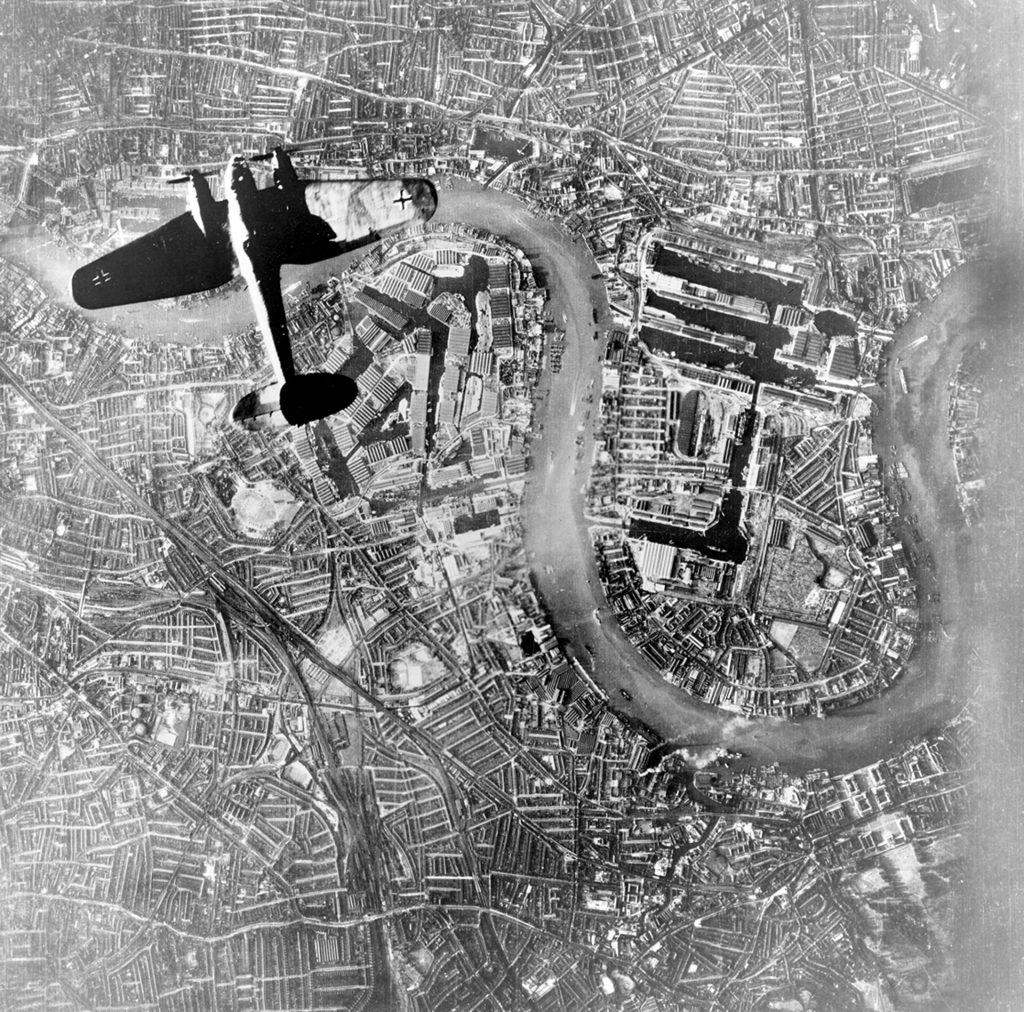
On a fine Saturday afternoon, hundreds of German bombers attack London’s docks. Fires burn all night along the Thames. It is the first day of the Blitz.
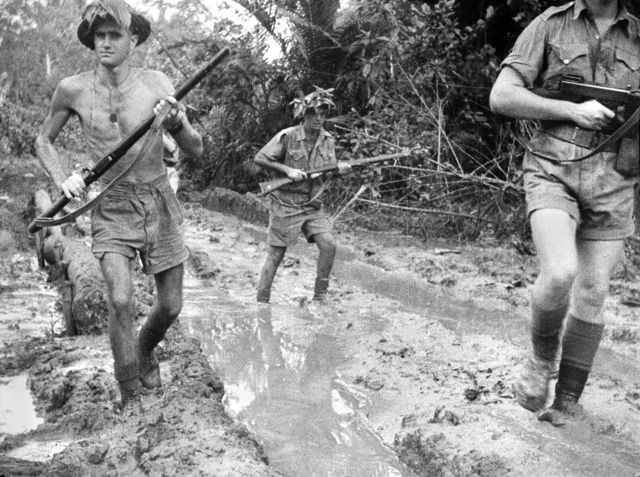
Beaten back from the airstrips at the eastern tip of Papua, the Japanese begin evacuating their surviving troops by sea. For the first time in the Pacific war, a Japanese landing has been defeated on land.

Before dawn, the old German battleship Schleswig-Holstein opens fire on the Polish garrison at Westerplatte, and German armies cross the frontier from three sides. The Second World War in Europe has begun.
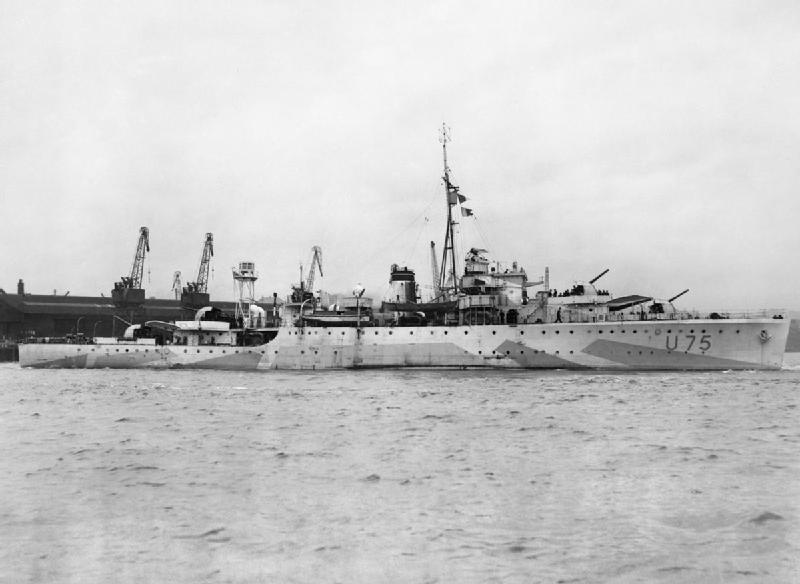
In the Bay of Biscay, a German bomber launches a radio-guided glide bomb at a British anti-submarine group. The sloop HMS Egret blows up and sinks. A new kind of weapon has arrived.
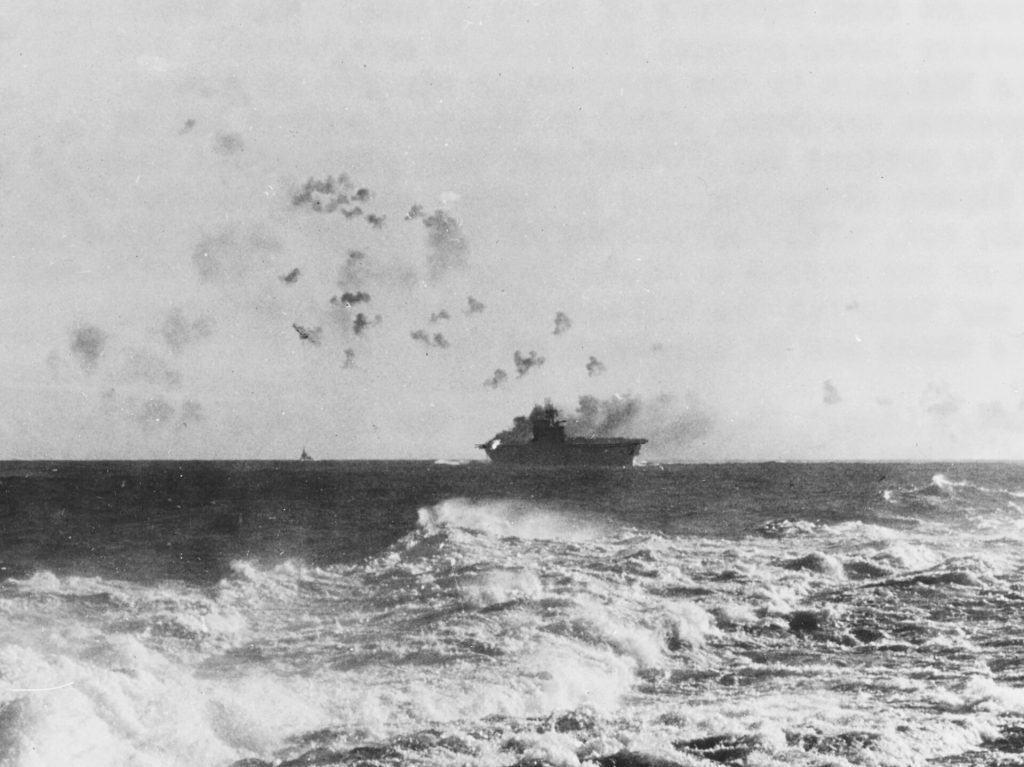
Japanese and American aircraft carriers clash for the third time in the war, as Japan tries to land reinforcements on Guadalcanal.
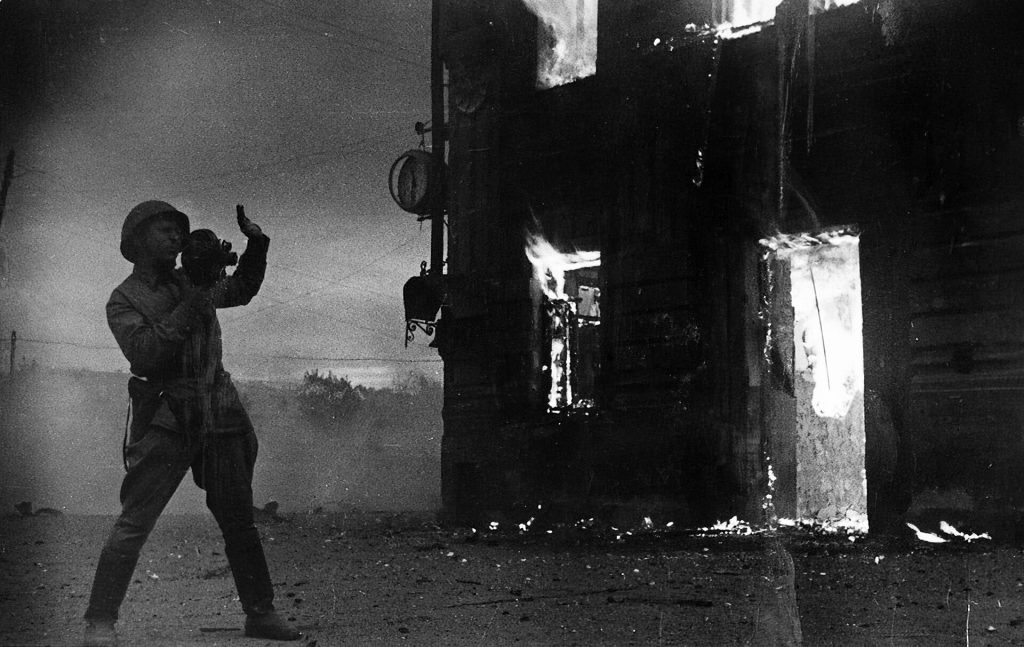
The Luftwaffe launches a massive raid on Stalingrad, setting much of the city on fire. The same day, German tanks reach the Volga just north of the city.
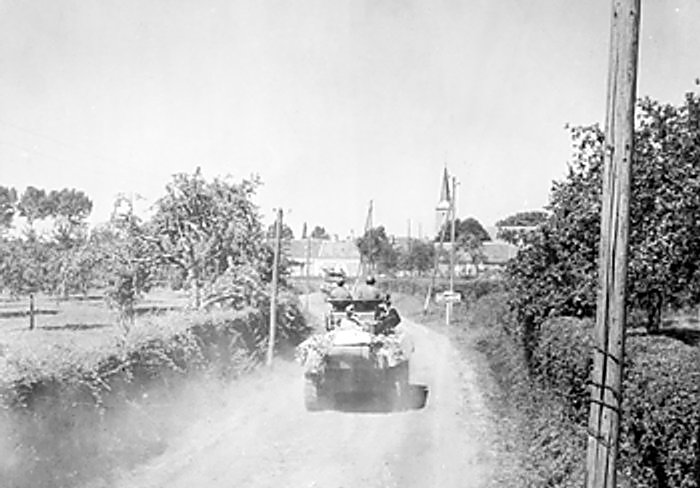
Canadian and Polish troops finally seal the gap at Chambois. The German armies in Normandy have been destroyed.
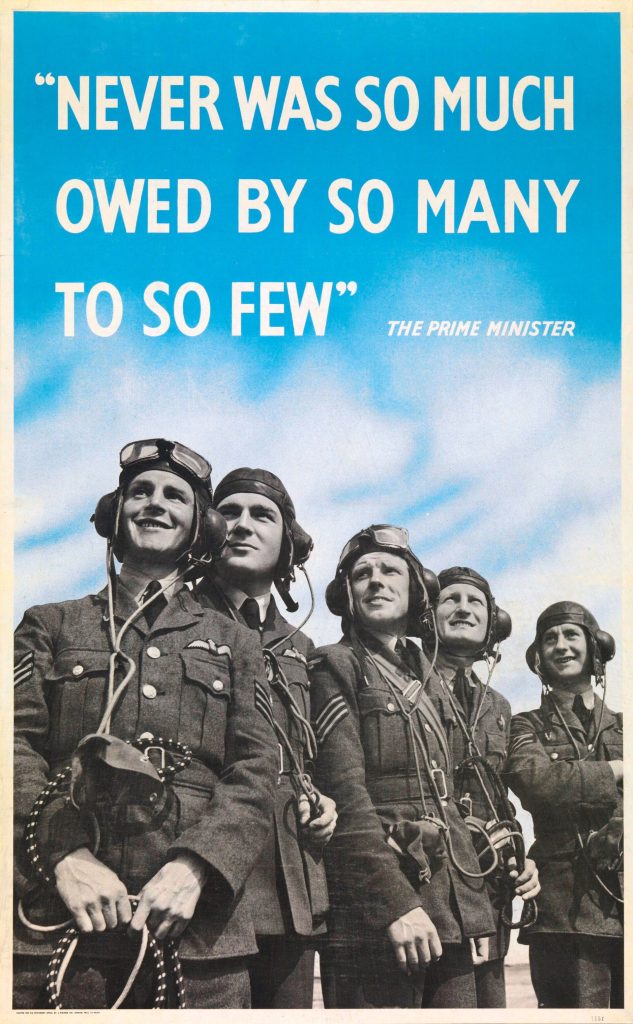
In the middle of the Battle of Britain, Churchill tells the House of Commons that never has so much been owed by so many to so few.
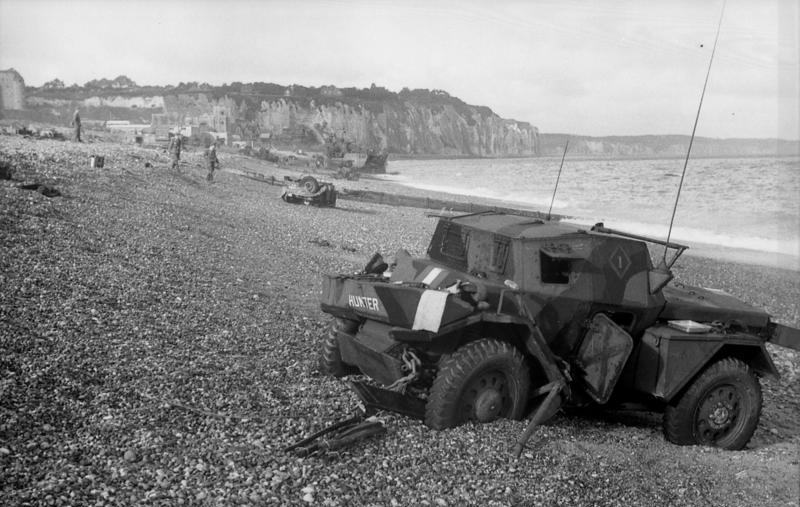
Around 6,000 troops, most of them Canadian, storm the French port of Dieppe. Within hours the raid has collapsed on the beaches.
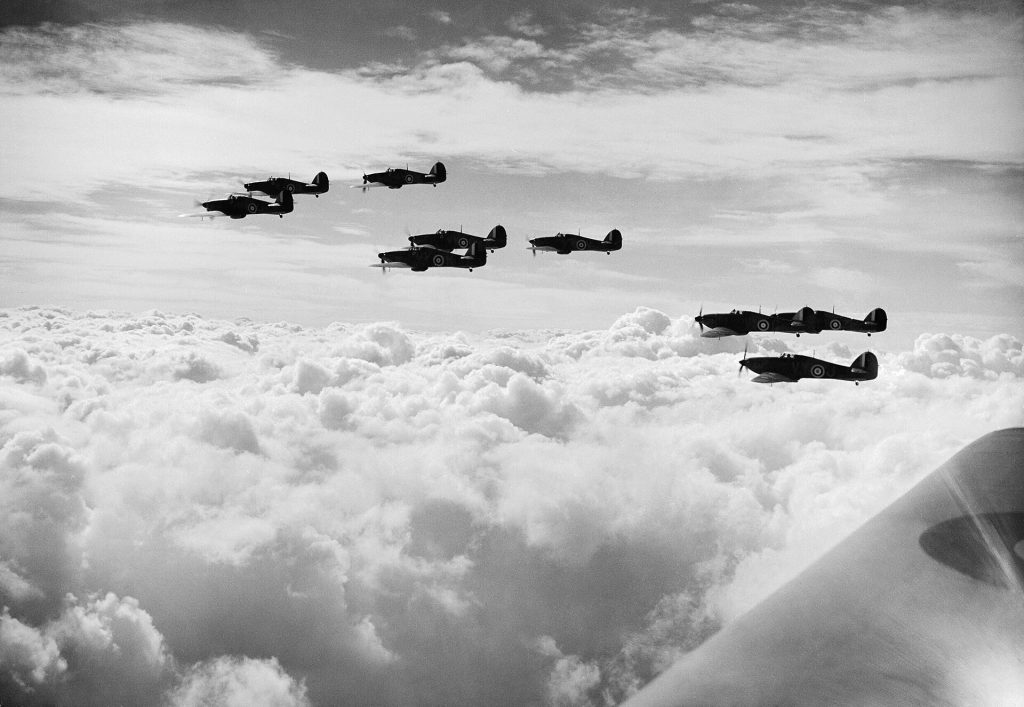
Large German raids hit the RAF airfields at Kenley and Biggin Hill. More aircraft are destroyed on both sides than on any other day of the Battle of Britain.
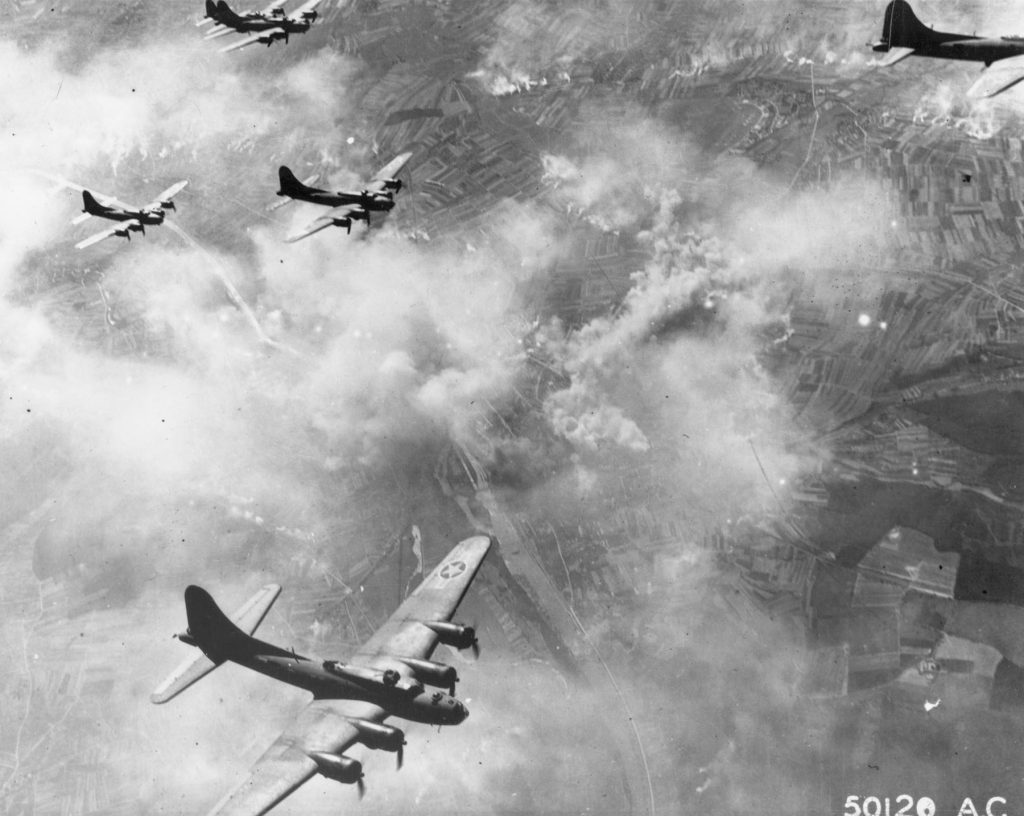
On the first anniversary of its first heavy bomber mission, the US Eighth Air Force strikes deep into Germany against ball-bearing plants and a Messerschmitt factory. Sixty bombers are lost.
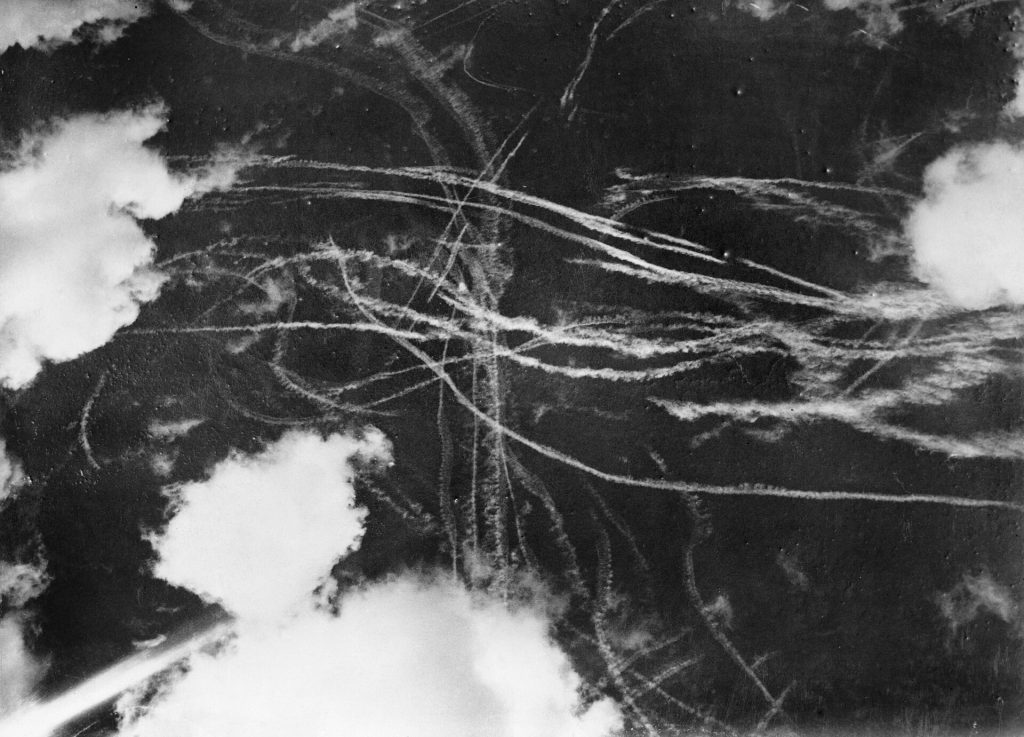
The Luftwaffe launches Adlertag, its great offensive to destroy the RAF in the air and on the ground. Bad weather and confused orders turn the day into a fiasco.
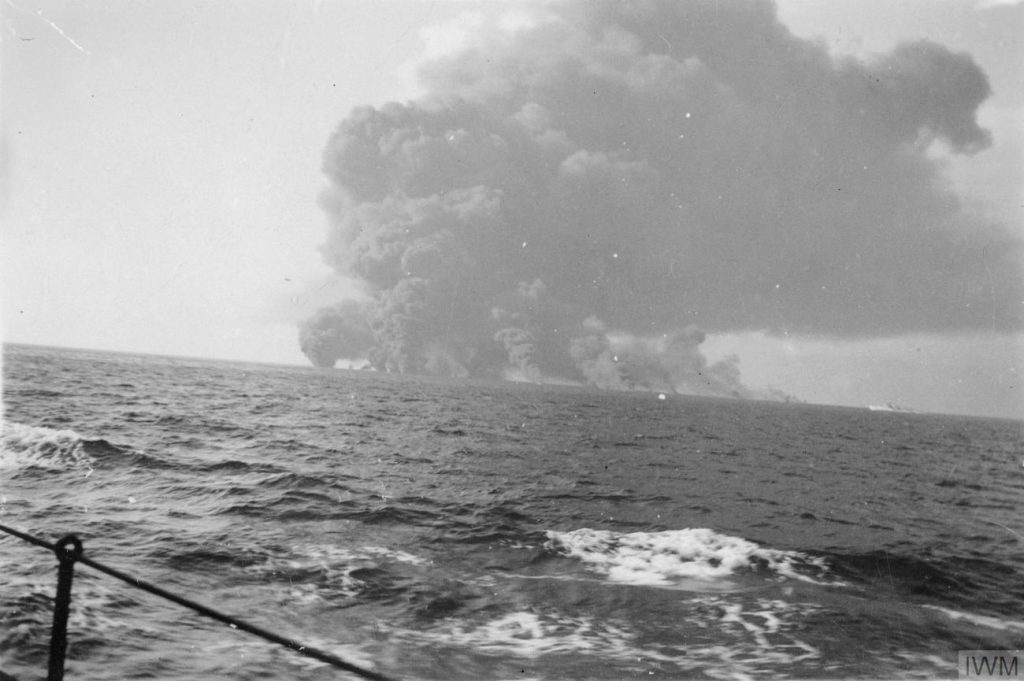
A massive convoy fights its way towards besieged Malta. On its first day of action, a U-boat sinks the aircraft carrier HMS Eagle.
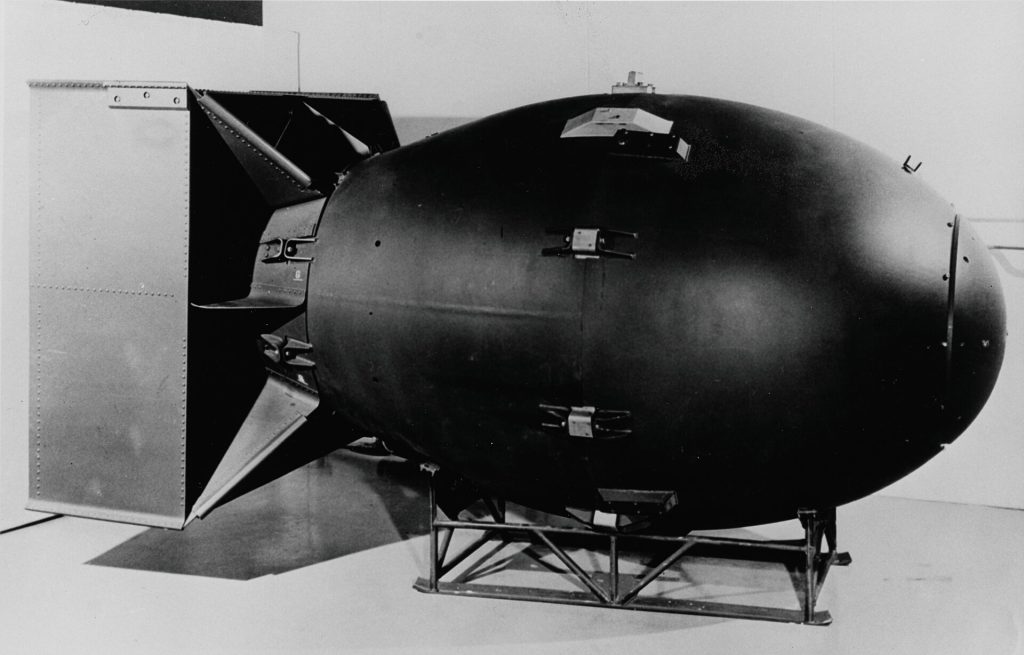
Three days after Hiroshima, a second atomic bomb is dropped. Clouds over the primary target, Kokura, send the B-29 Bockscar on to Nagasaki.
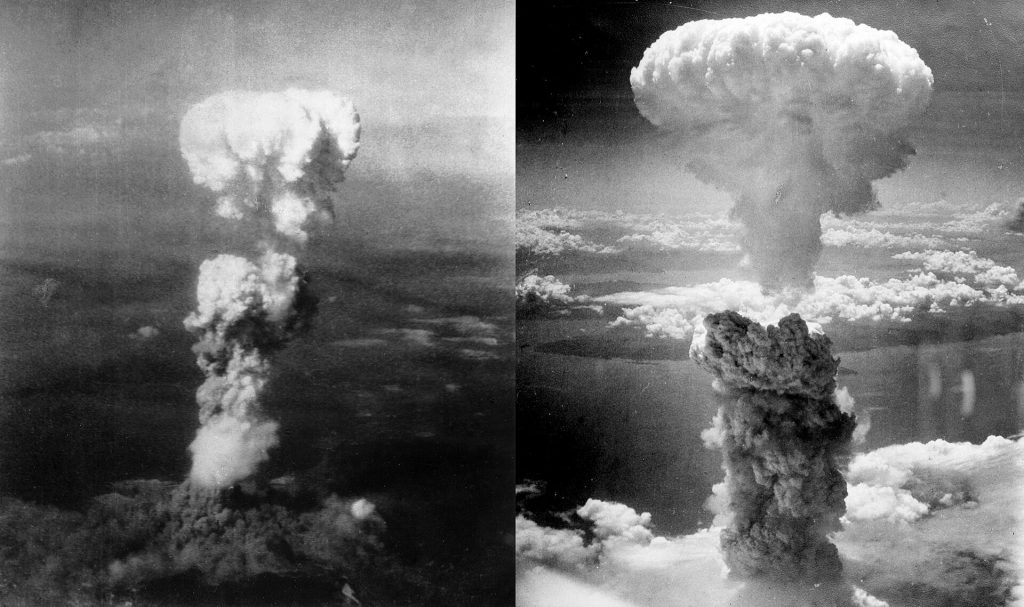
At 08:15, the American B-29 Enola Gay drops an atomic bomb on Hiroshima. A single bomb destroys most of the city.
 United Kingdom
 United States
 Soviet Union
 Germany
 Japan
 France
 Poland
 South Africa