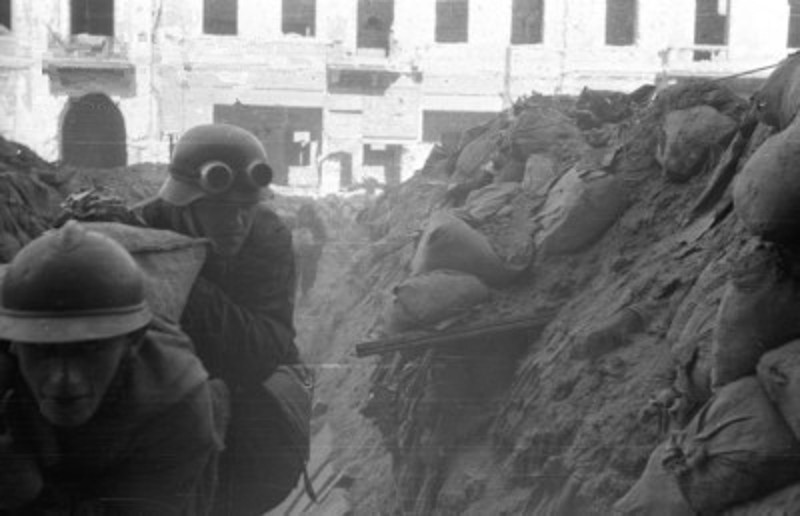
1 August 1944: The Warsaw Uprising
At five in the afternoon, the Polish Home Army rises against the German occupiers of Warsaw. It hopes to free the capital before the Red Army arrives. It will fight alone for 63 days.
Fighters, bombers, the Blitz and the strategic air offensive.
At five in the afternoon, the Polish Home Army rises against the German occupiers of Warsaw. It hopes to free the capital before the Red Army arrives. It will fight alone for 63 days.
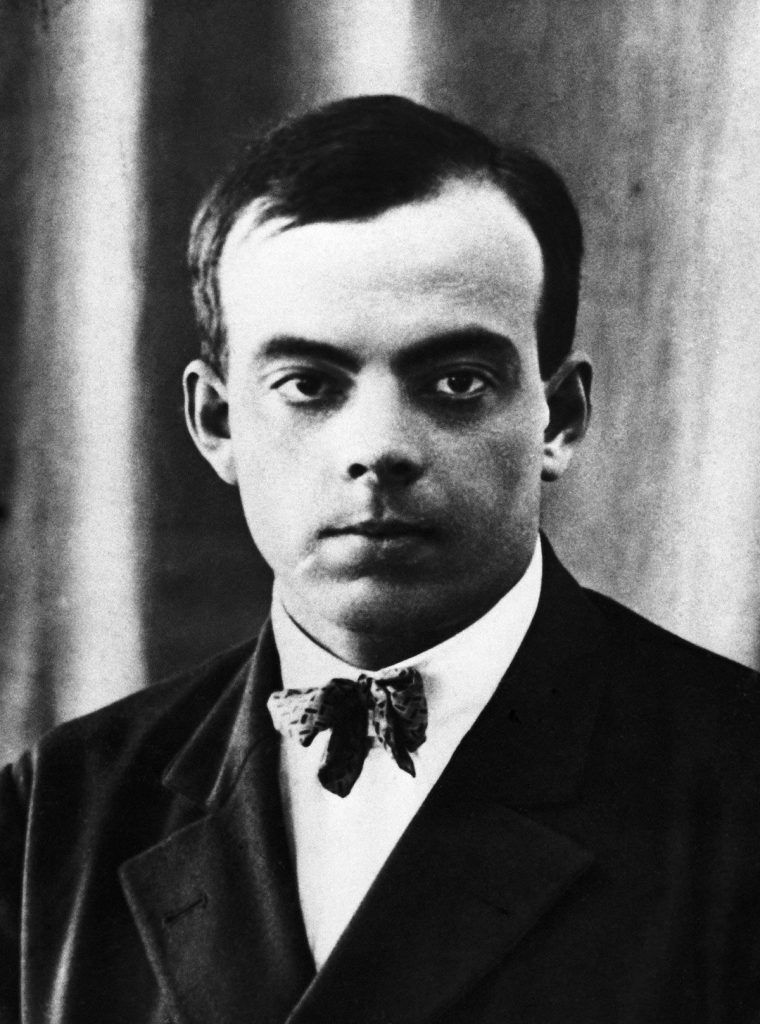
The author of The Little Prince takes off from Corsica on a reconnaissance flight over southern France. He never returns.
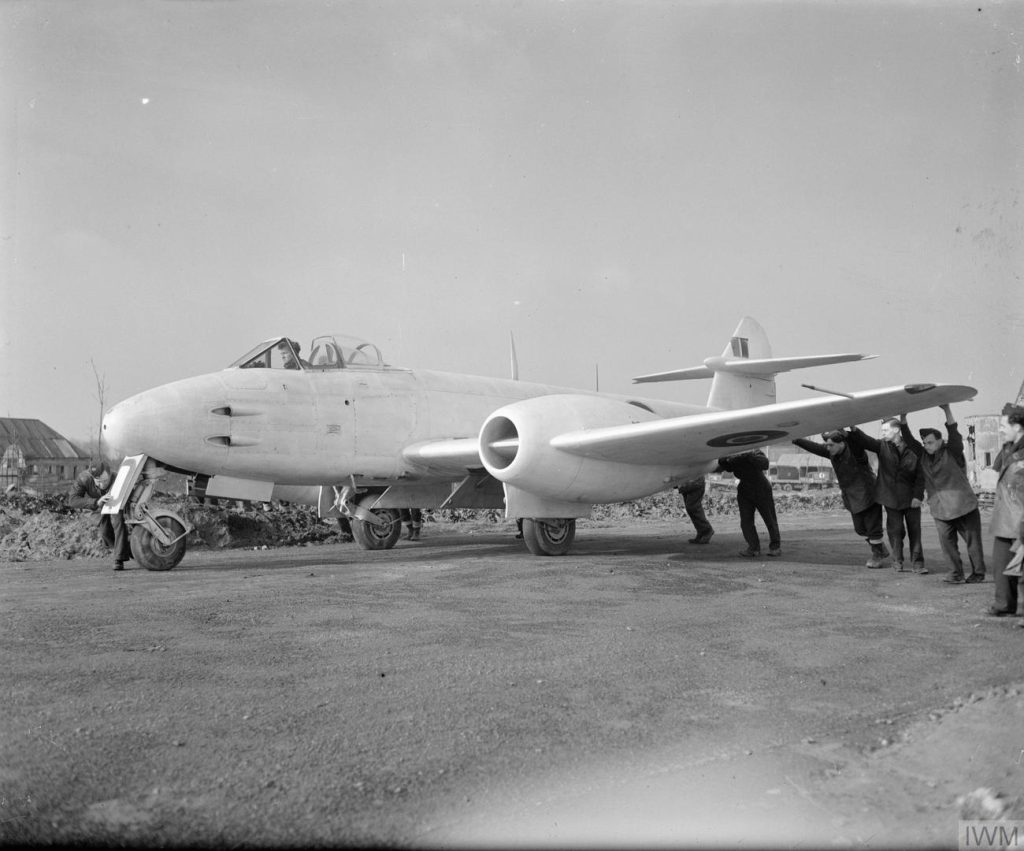
No. 616 Squadron flies the RAF’s first operational jet sorties, hunting the V-1 flying bombs that are falling on London. The Gloster Meteor is the only Allied jet to see combat in the war.
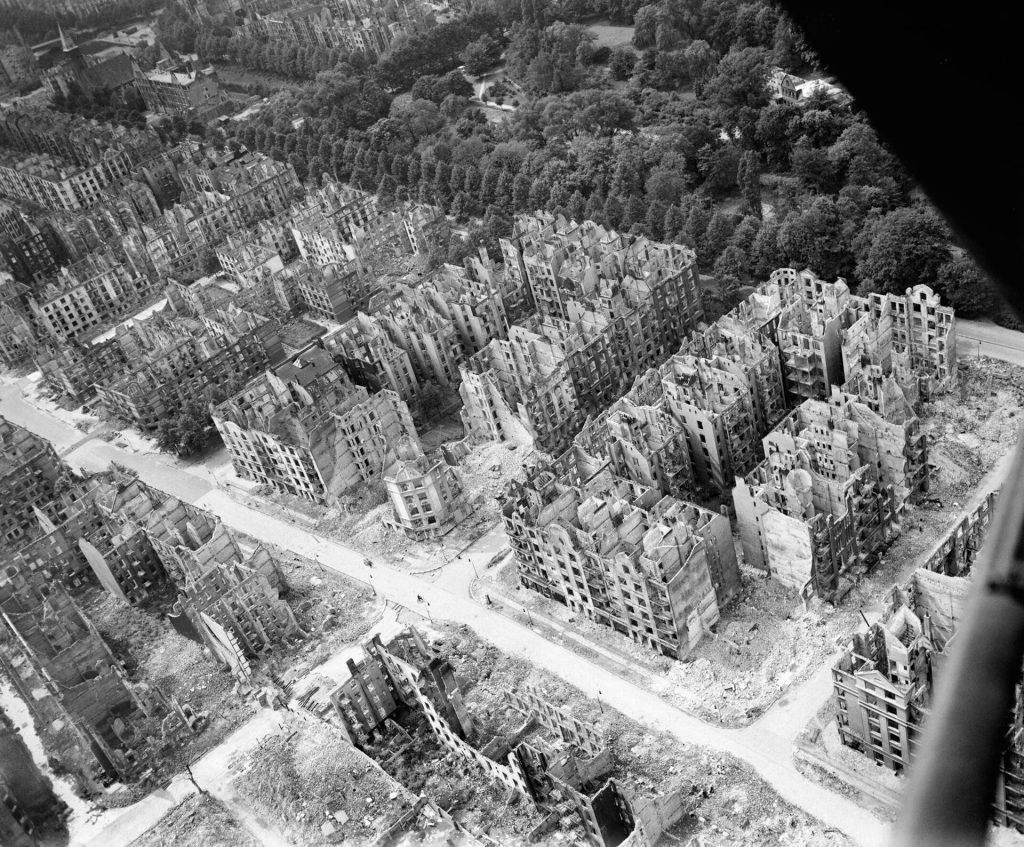
RAF Bomber Command opens a series of raids on Hamburg. Strips of foil dropped by the bombers blind the German radar. Within days, the city will burn as no city has burned before.
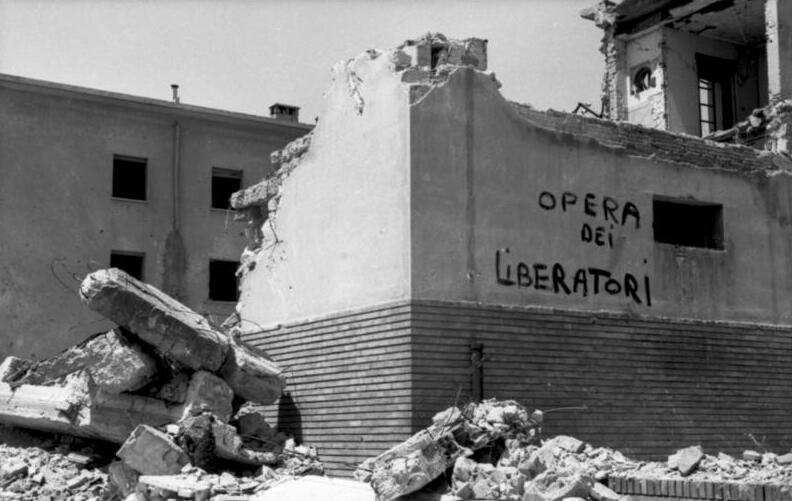
For the first time, hundreds of American bombers attack Rome. Their target is the railway yards, but the bombs also fall on the working-class district of San Lorenzo.
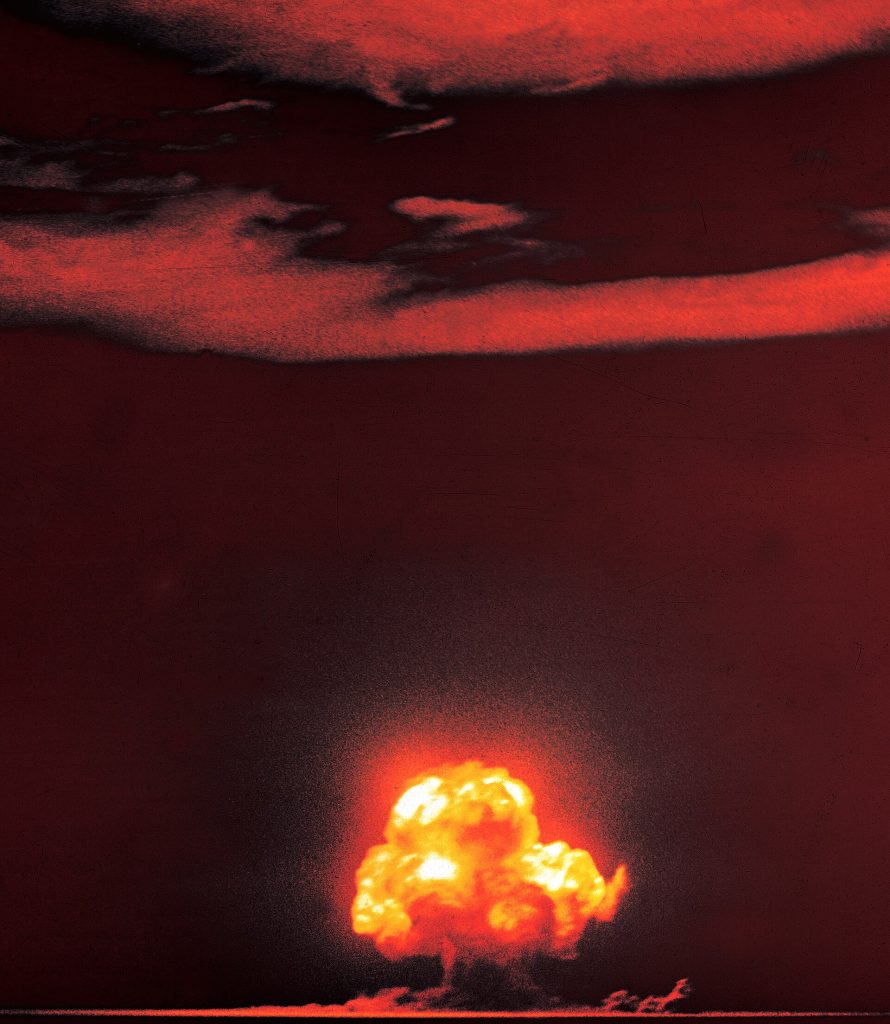
Before dawn in the New Mexico desert, scientists of the Manhattan Project detonate the world’s first atomic bomb. The nuclear age has begun.
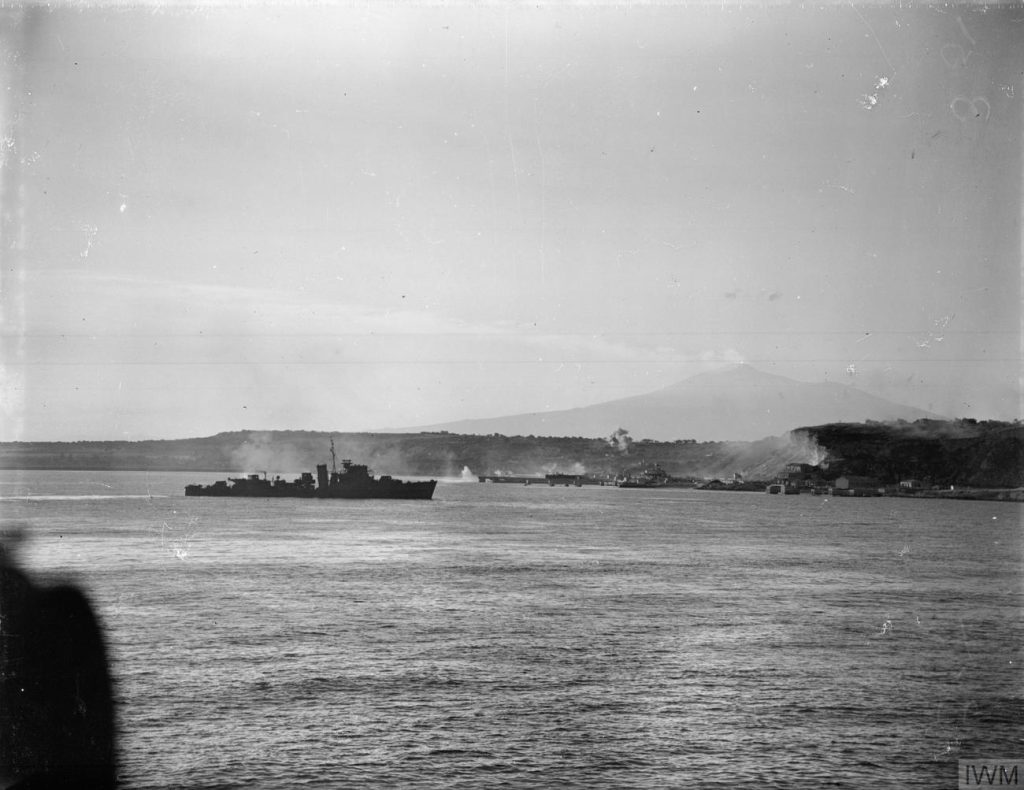
Transport aircraft carrying American paratroopers fly over the invasion fleet off Sicily just after a German air raid. Nervous Allied gunners open fire on them.
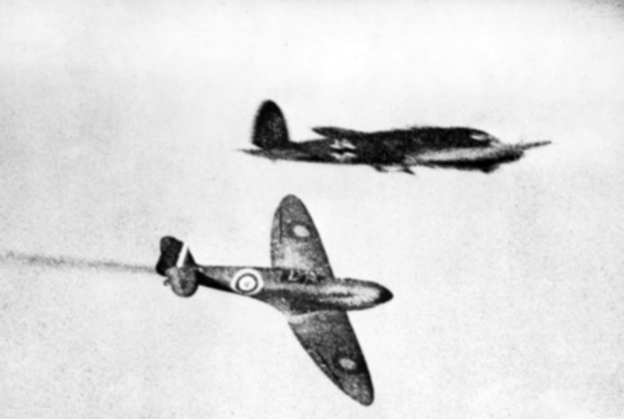
German bombers attack a convoy in the English Channel. The date will later be taken as the official start of the Battle of Britain.
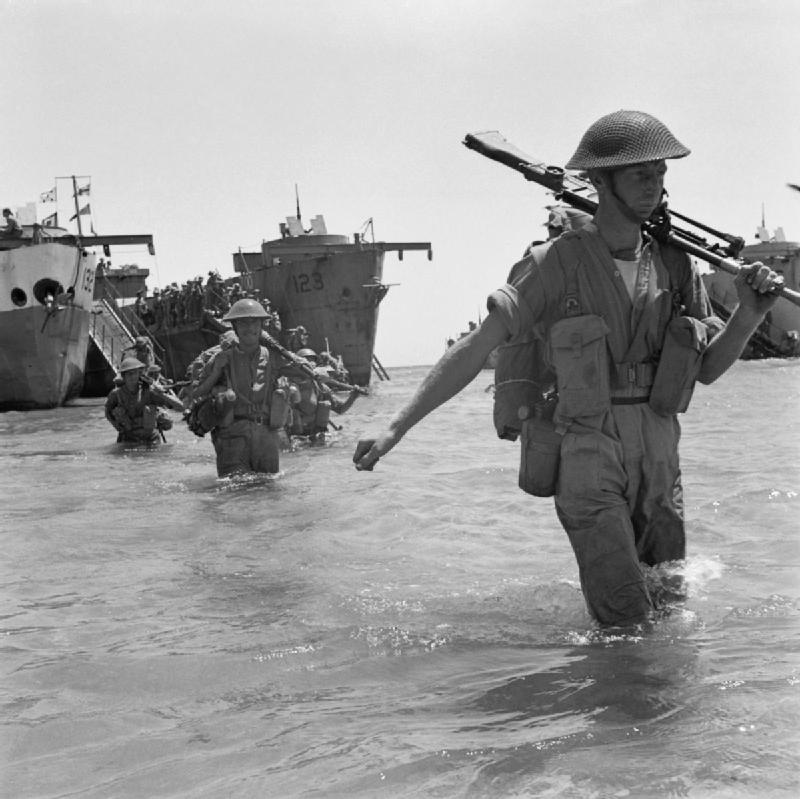
On a stormy night, Allied paratroopers and gliders take off for Sicily. By dawn, the largest amphibious landing yet attempted is under way.

Five days after Mers-el-Kébir, British aircraft attack France’s newest battleship in the harbour at Dakar. A single torpedo puts her out of action.
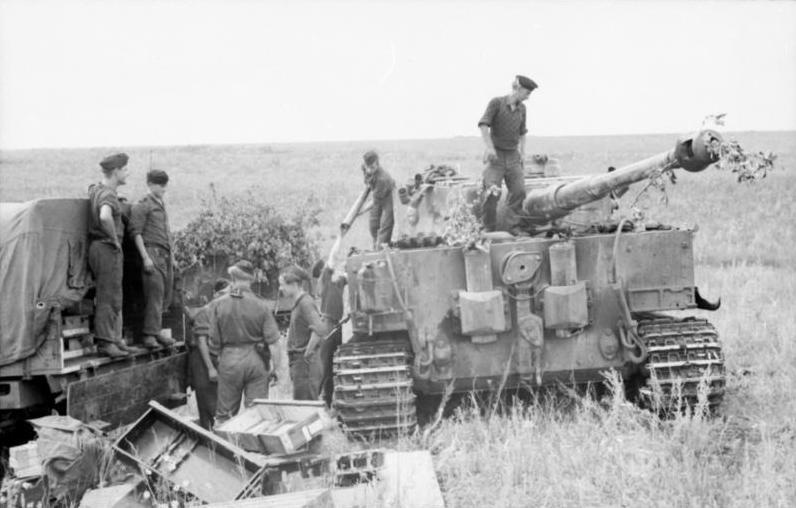
Germany launches its last great offensive in the east against the Kursk salient. The Red Army, warned in advance, is waiting behind the deepest defences of the war.
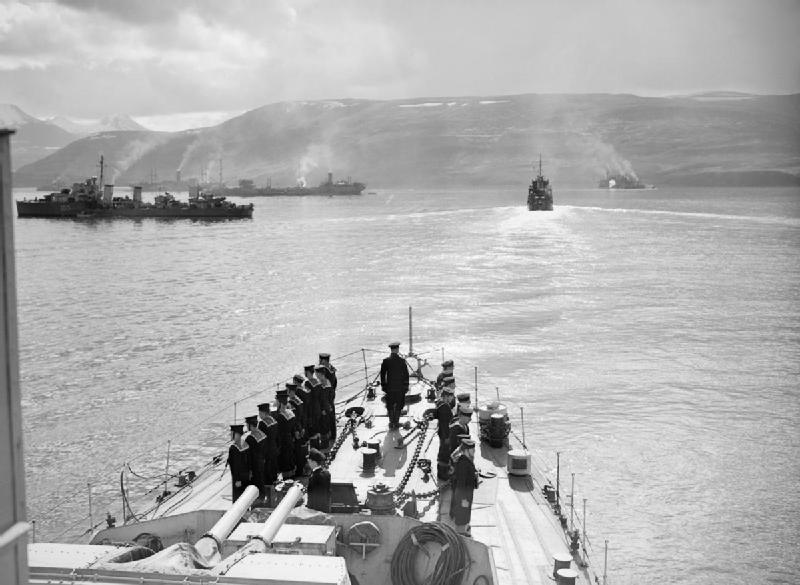
A convoy of 35 merchant ships sails from Iceland for Arkhangelsk with tanks, aircraft and supplies for the Soviet Union. A week later, a fateful order will doom most of it.
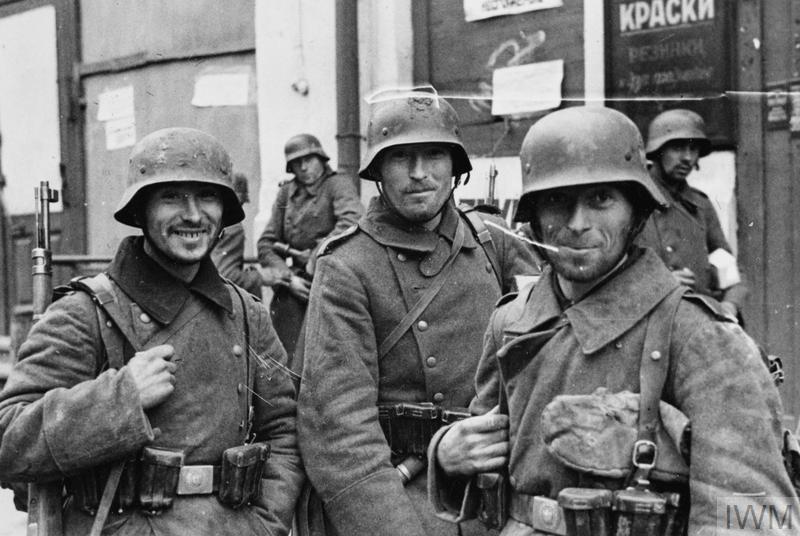
Before dawn, more than three million German and allied soldiers cross into the Soviet Union along a front stretching from the Baltic to the Black Sea. It is the largest invasion in history.
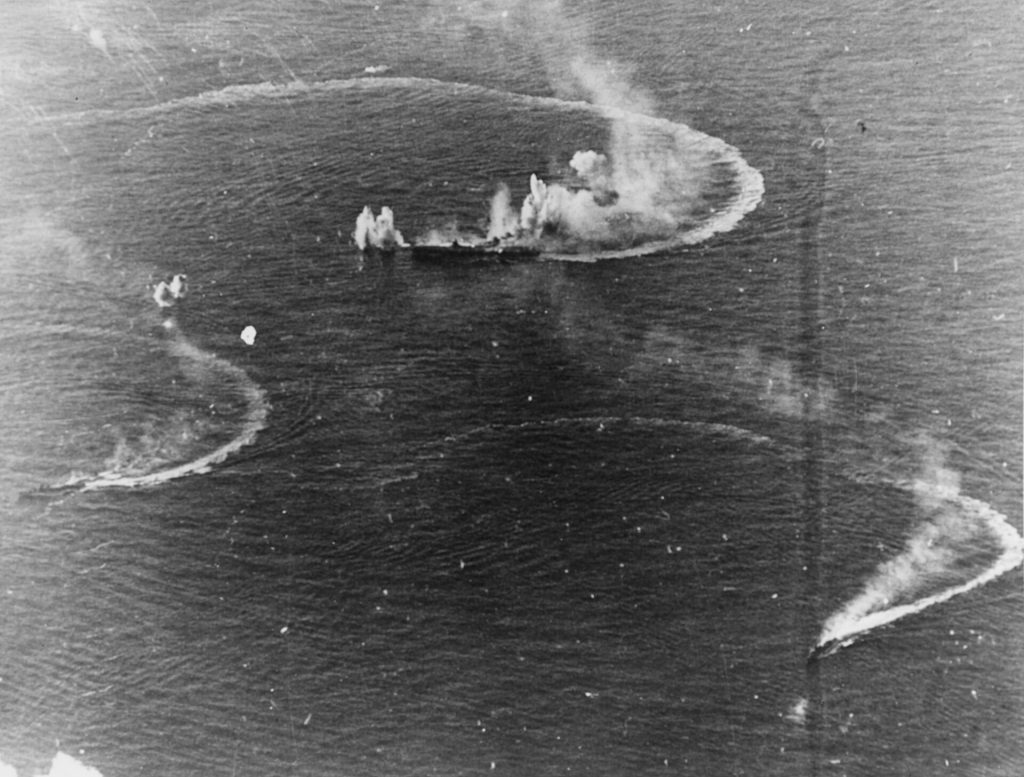
Japan throws its rebuilt carrier air power at the American fleet off the Marianas. American pilots shoot down so many aircraft that they call it the Great Marianas Turkey Shoot.
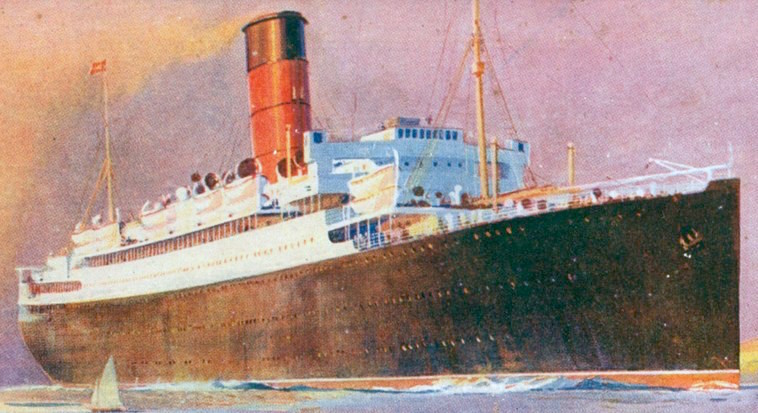
Off St Nazaire, German bombers sink a liner crammed with British troops and civilians being evacuated from France. More die than on the Titanic and the Lusitania combined.
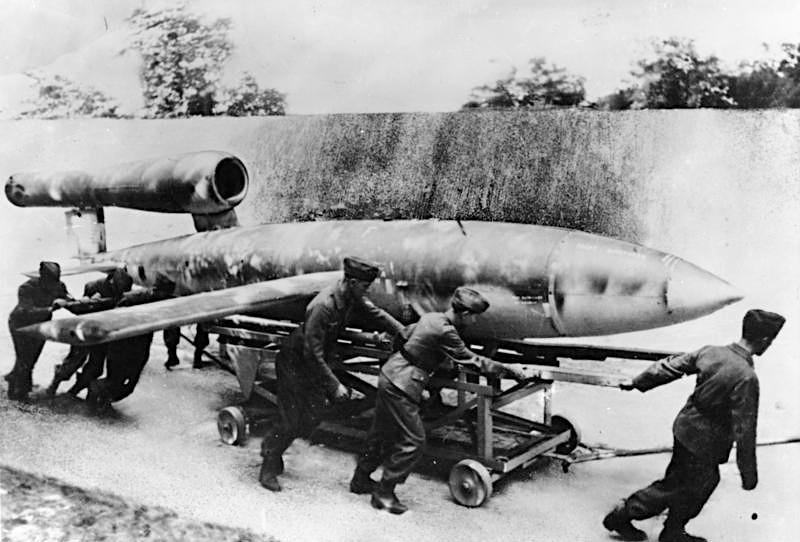
A week after D-Day, a pilotless jet-propelled bomb falls on a railway bridge in east London. Germany’s vengeance weapon campaign has begun.
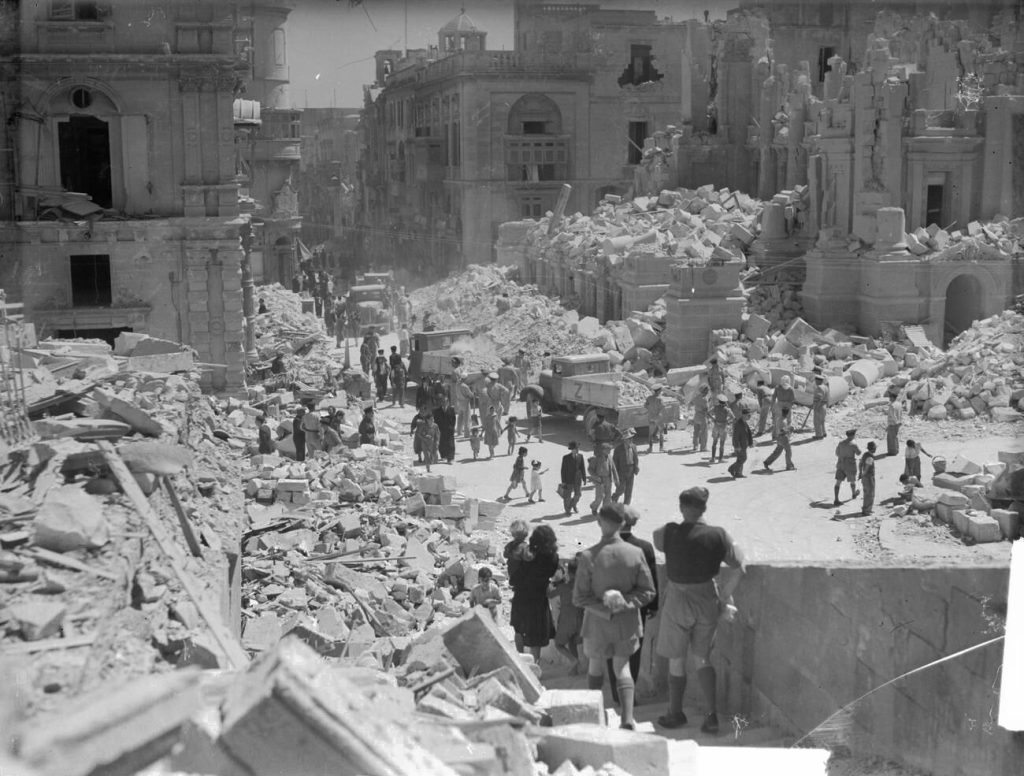
Hours after Italy’s declaration of war takes effect, Italian bombers attack Malta. The siege of the island has begun, and it will last more than two years.
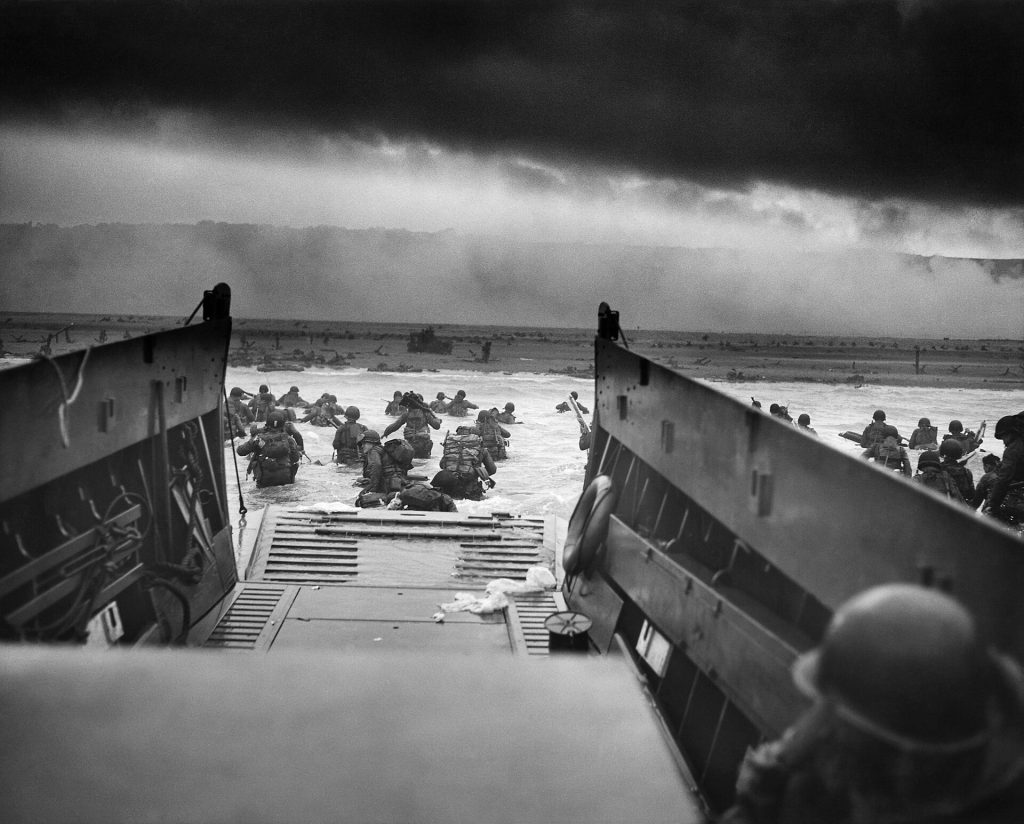
The largest seaborne invasion in history lands on the beaches of Normandy. By nightfall around 156,000 Allied troops are ashore, and the liberation of western Europe has begun.
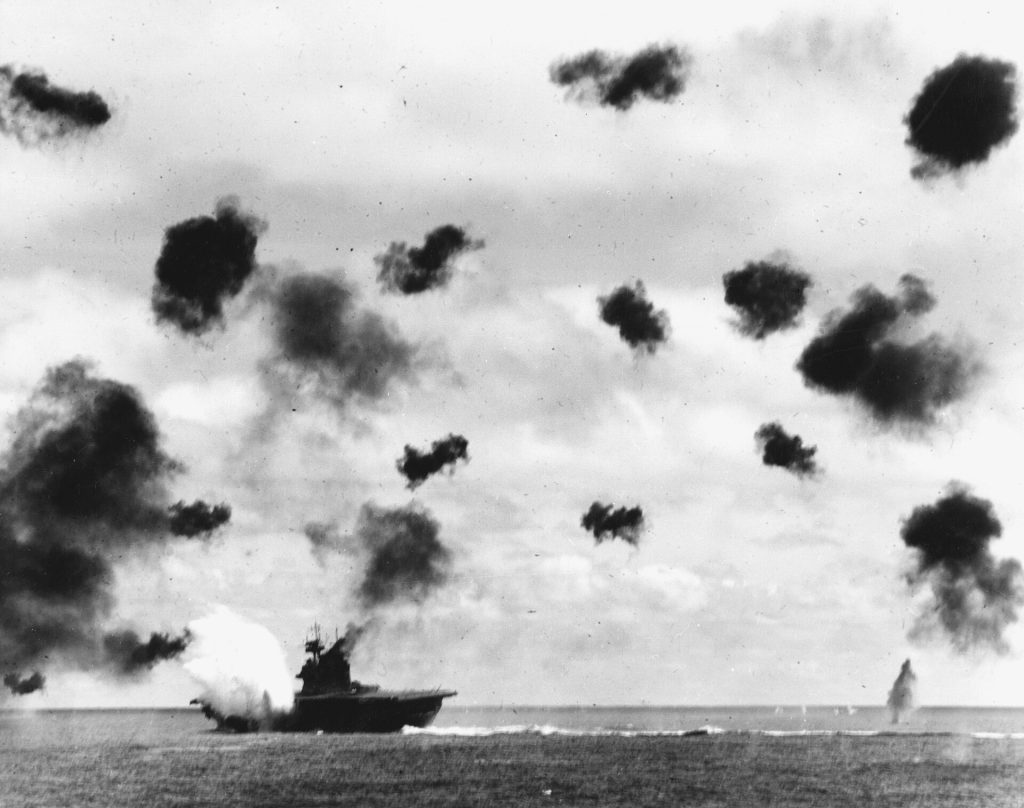
In five minutes, American dive bombers set three Japanese aircraft carriers ablaze. By nightfall a fourth is burning. The tide of the Pacific war has turned.
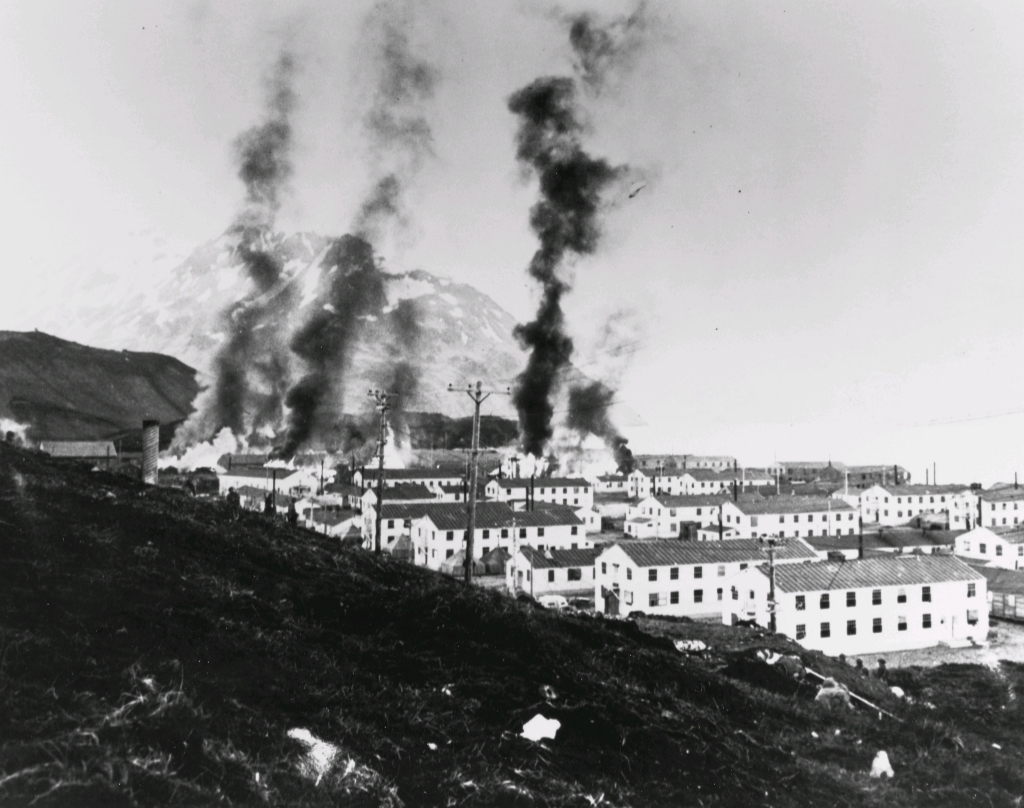
Japanese carrier aircraft bomb the American base at Dutch Harbor in the Aleutian Islands. Days later, Japanese troops land on Kiska and Attu.
 United Kingdom
 United States
 Soviet Union
 Germany
 Japan
 France
 Poland
 South Africa