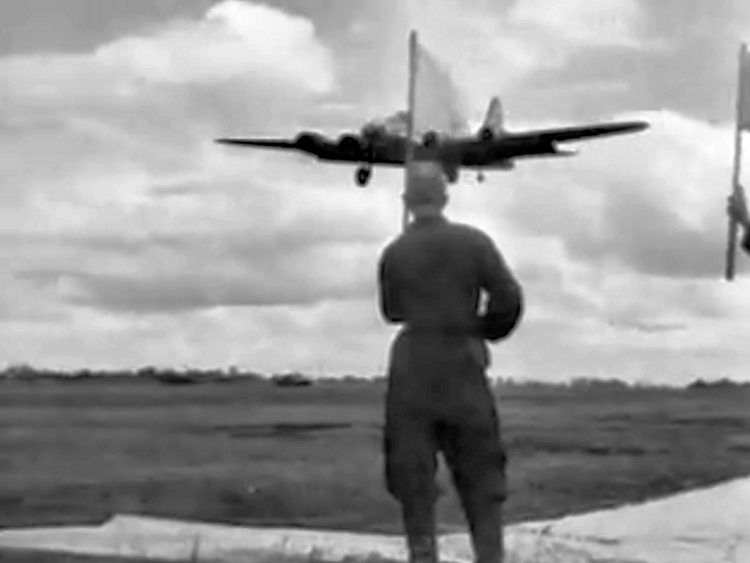
2 June 1944: Operation Frantic
American heavy bombers take off from Italy, attack a target in Hungary and fly on to land at bases inside the Soviet Union. The first shuttle mission has begun.
Fighters, bombers, the Blitz and the strategic air offensive.
American heavy bombers take off from Italy, attack a target in Hungary and fly on to land at bases inside the Soviet Union. The first shuttle mission has begun.
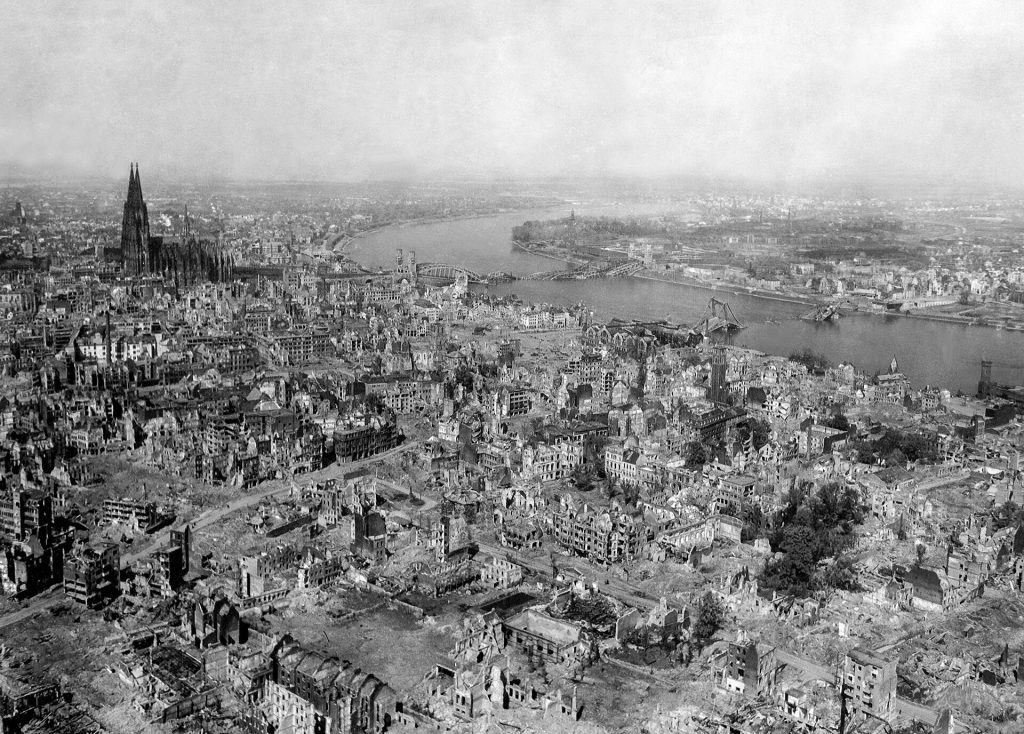
To prove what Bomber Command can do, Arthur Harris scrapes together over a thousand bombers, including training crews, and sends them against Cologne in a single night.
Crippled by a torpedo from an old biplane, the Bismarck can only steam in circles. At dawn, British battleships close in and pound her into a burning wreck.
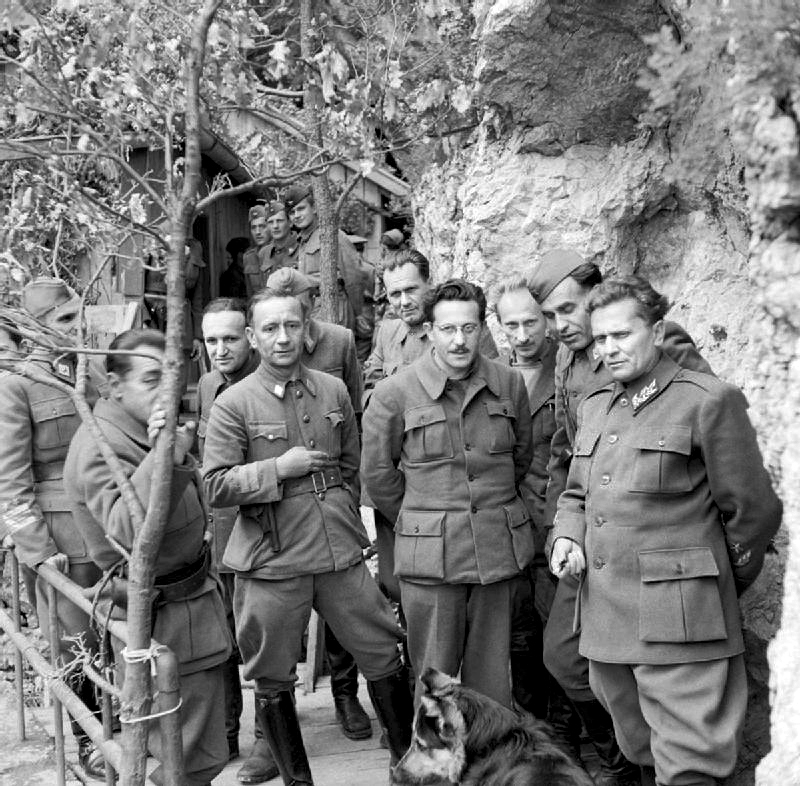
On Tito’s birthday, German paratroopers and glider troops descend on the Bosnian town of Drvar to capture or kill him. Tito escapes from his cave headquarters by a hair.
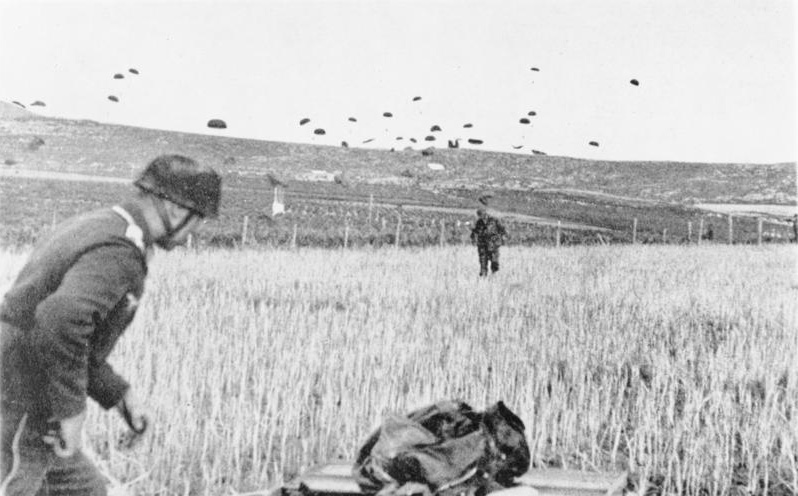
Thousands of German paratroopers descend on Crete in the first great airborne invasion in history. They suffer terrible losses, but they take an airfield, and that is enough.
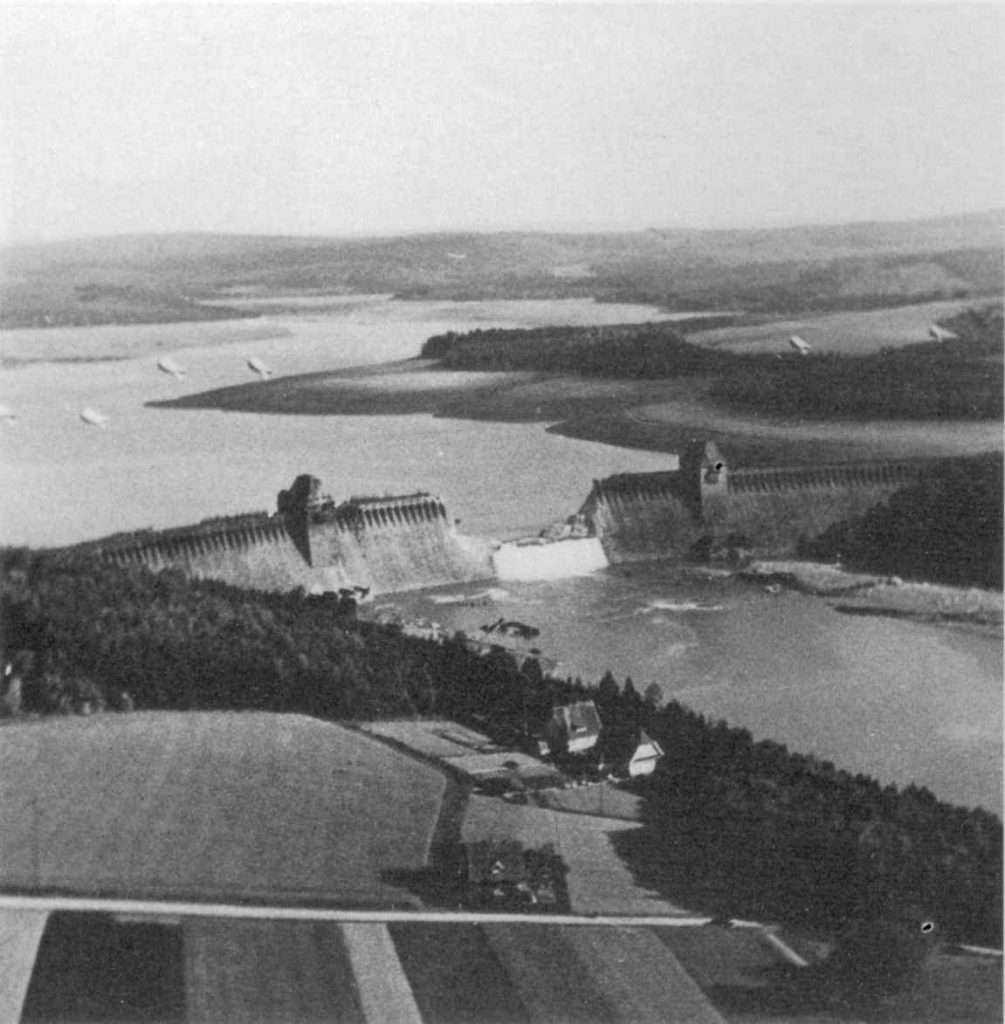
Nineteen Lancasters of a newly formed squadron fly low across the North Sea at night carrying bouncing bombs. Their targets are the great dams of the Ruhr.
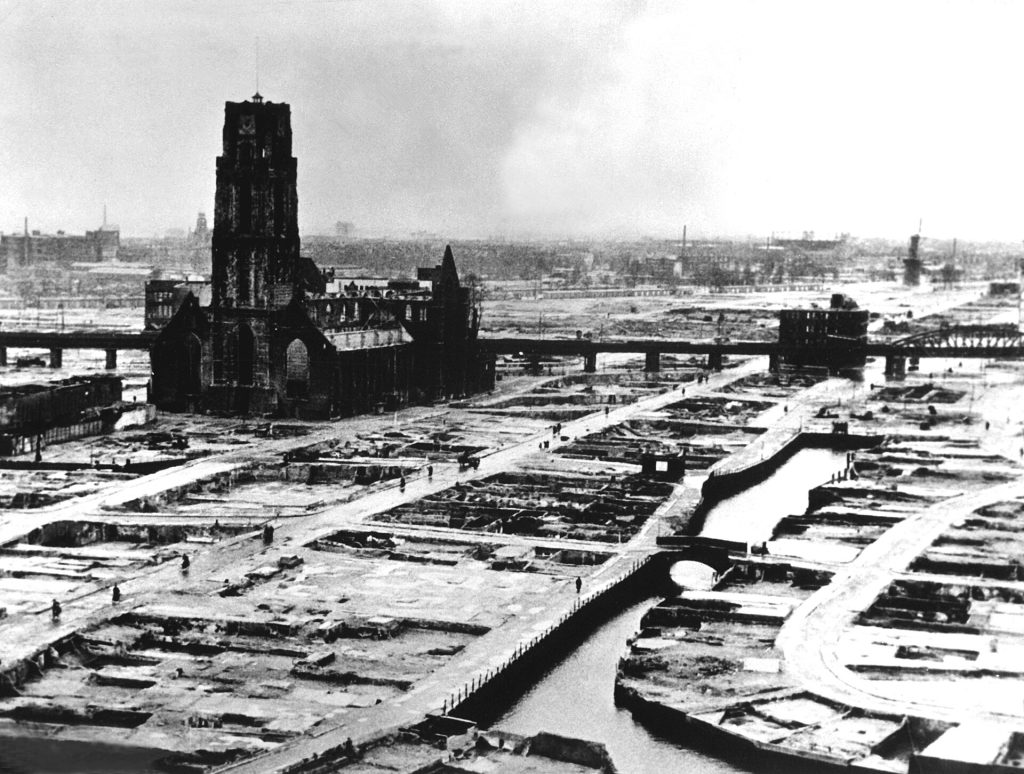
While surrender talks are under way, German bombers devastate the centre of Rotterdam. Threatened with the same fate for other cities, the Netherlands gives up.
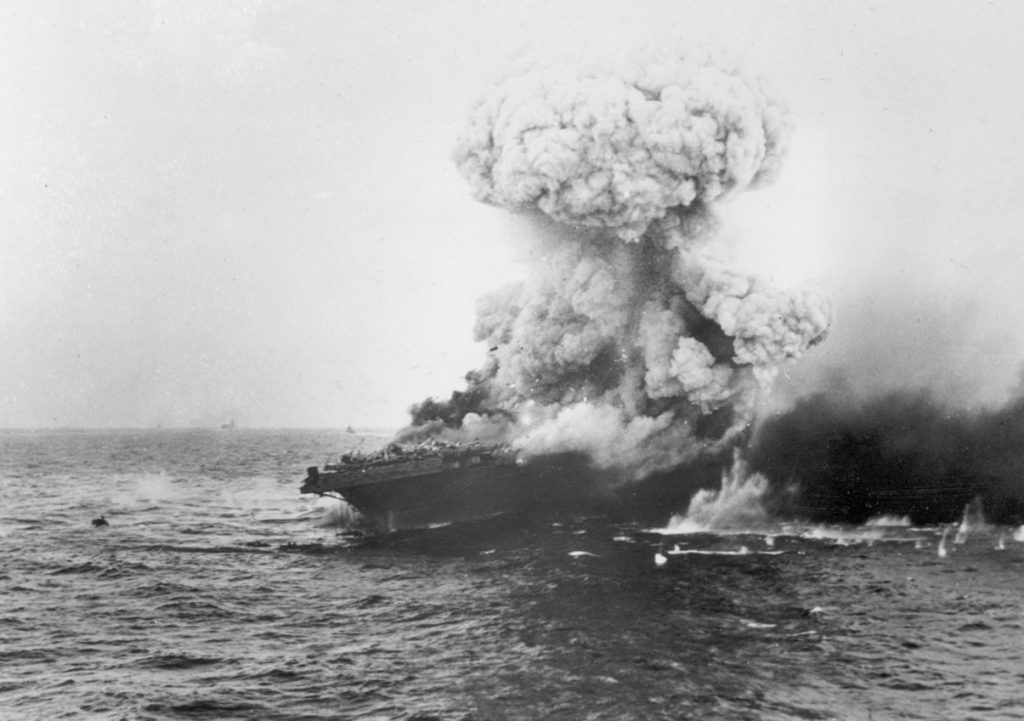
American carrier aircraft strike Japanese ships at Tulagi, opening a battle in which, for the first time, the opposing fleets never see each other.
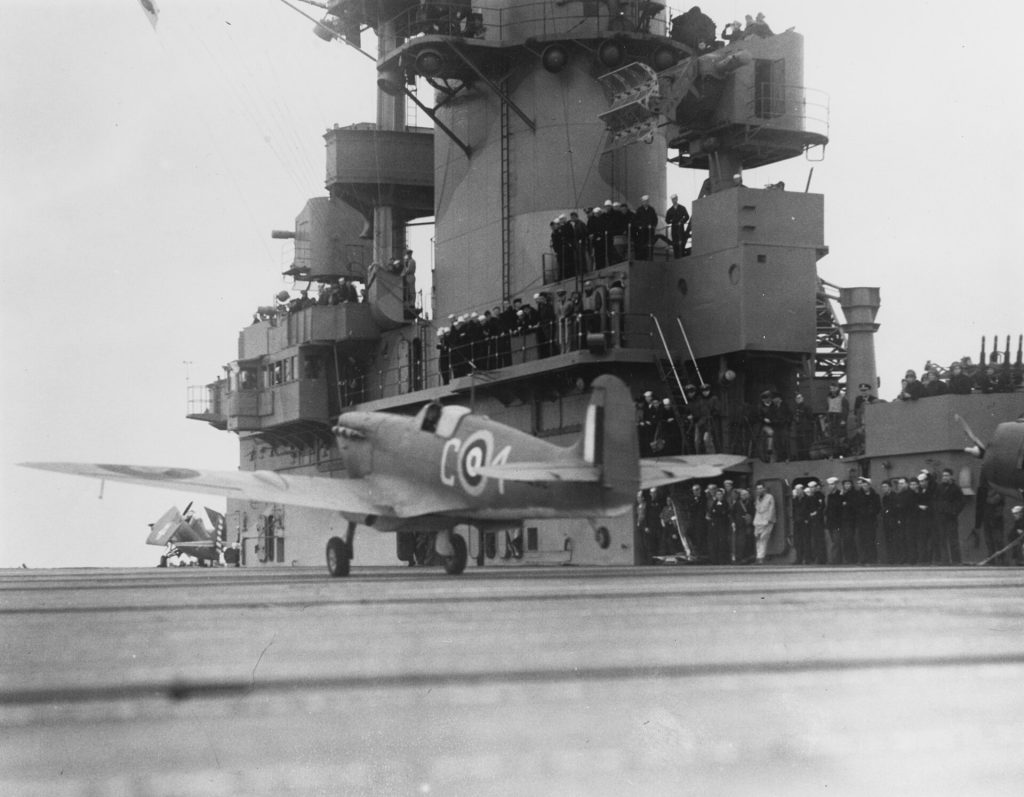
Forty-seven Spitfires take off from the American carrier Wasp in the western Mediterranean and fly to besieged Malta. Within days, most have been destroyed on the ground.
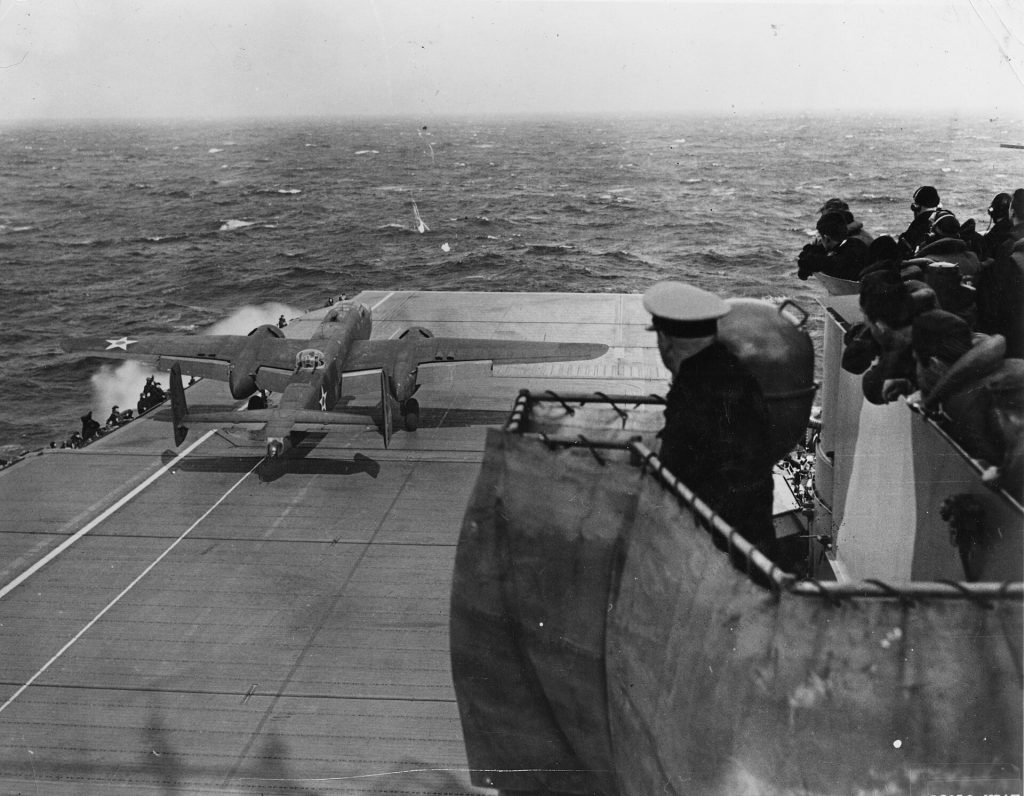
Sixteen army bombers take off from the deck of an aircraft carrier and bomb Tokyo and other Japanese cities. The damage is small; the shock is enormous.
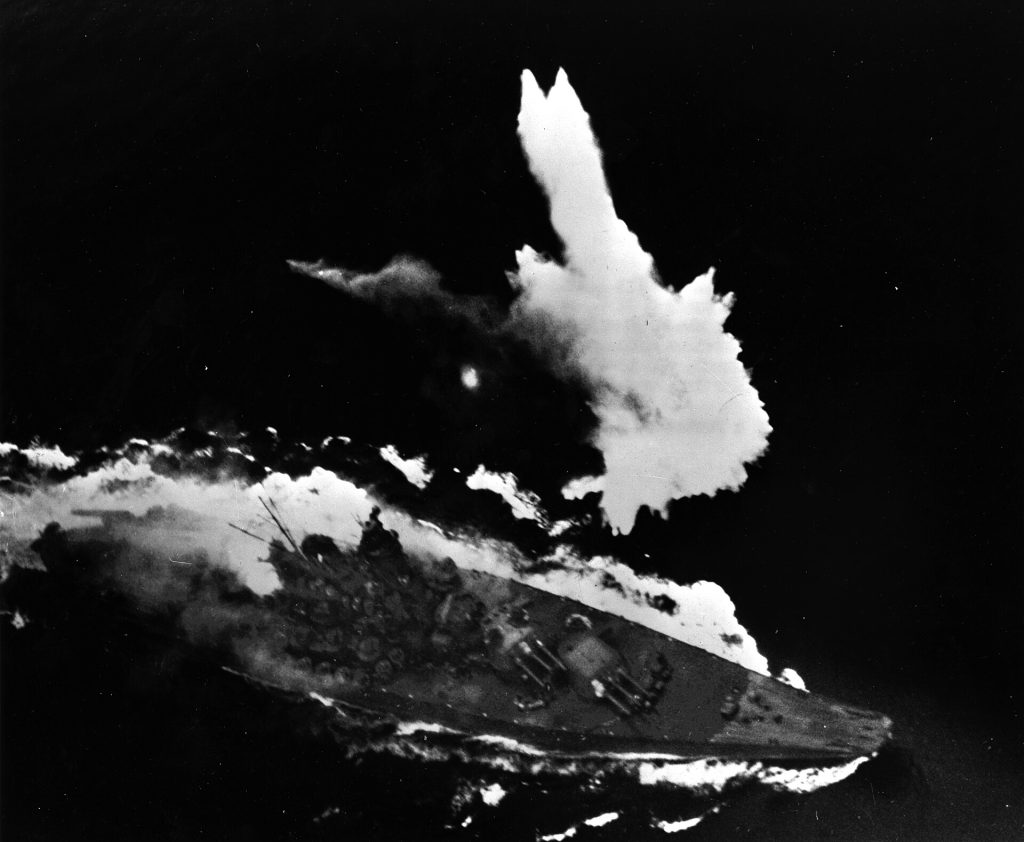
The largest battleship ever built sails on a one-way mission to Okinawa. Hundreds of American carrier aircraft find her long before she arrives.
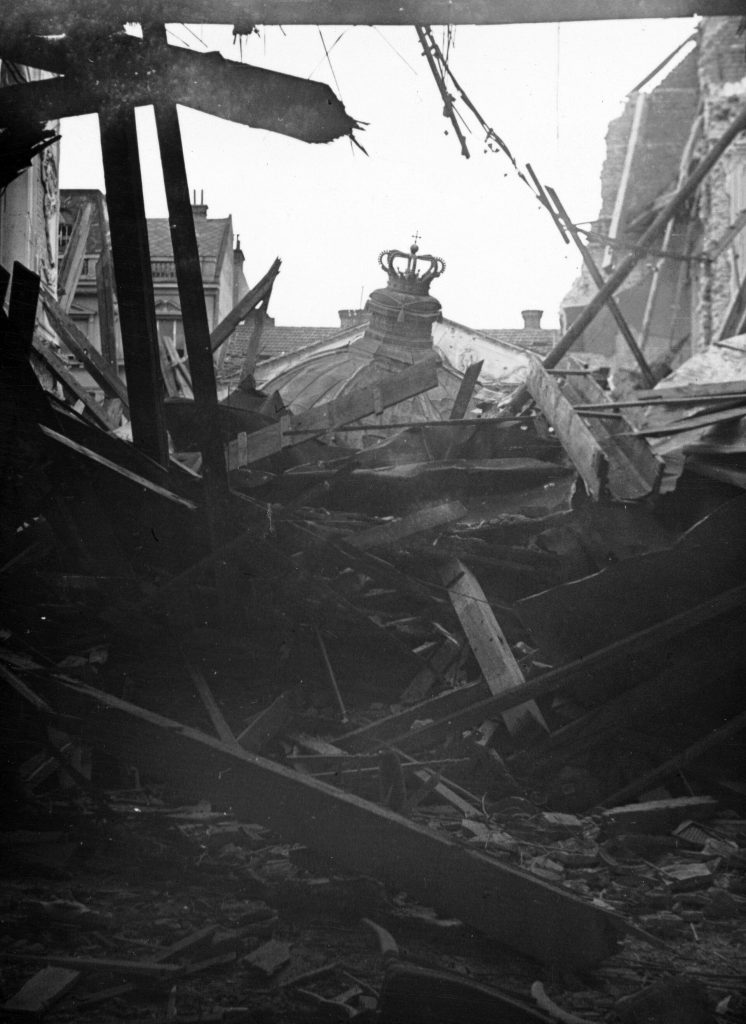
Without a declaration of war, German bombers attack Belgrade at dawn. On the same morning, German armies invade Yugoslavia and Greece.
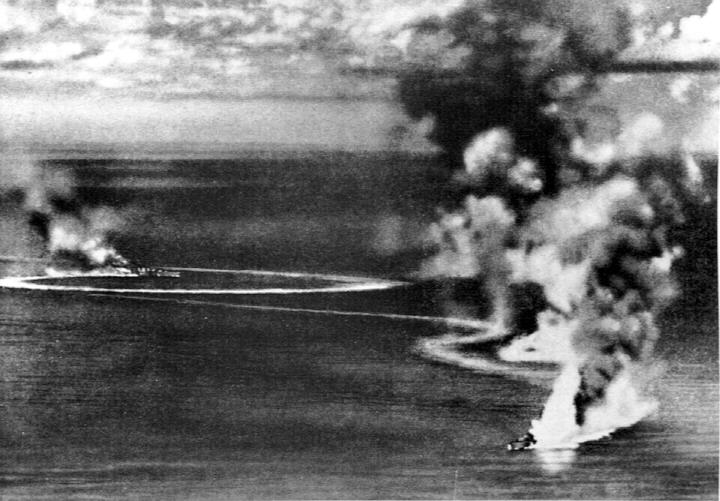
The carrier force that struck Pearl Harbor attacks Colombo in Ceylon. Warned the day before by a Canadian flying boat pilot, the defenders are ready, but two British cruisers are caught at sea.
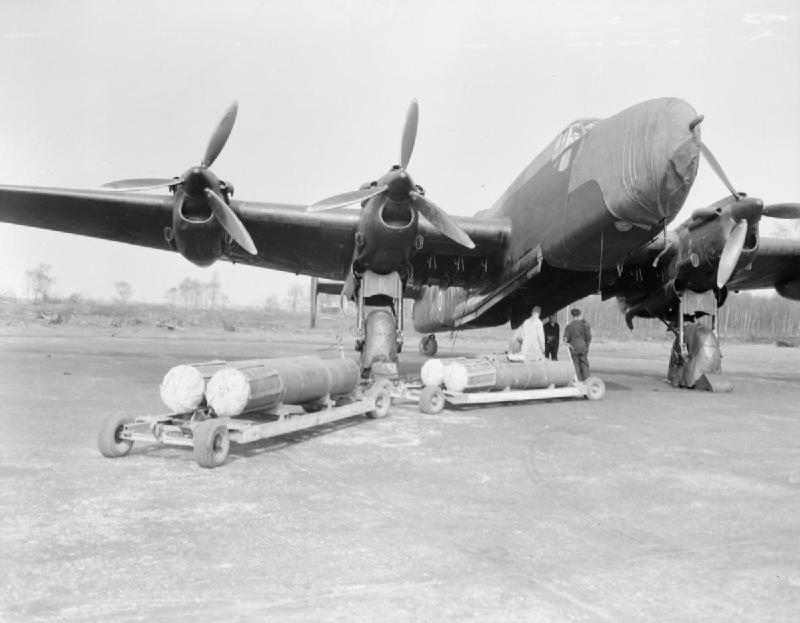
Under a bright moon and without the expected cloud, RAF Bomber Command flies a long, straight route into Germany. German night fighters are waiting.
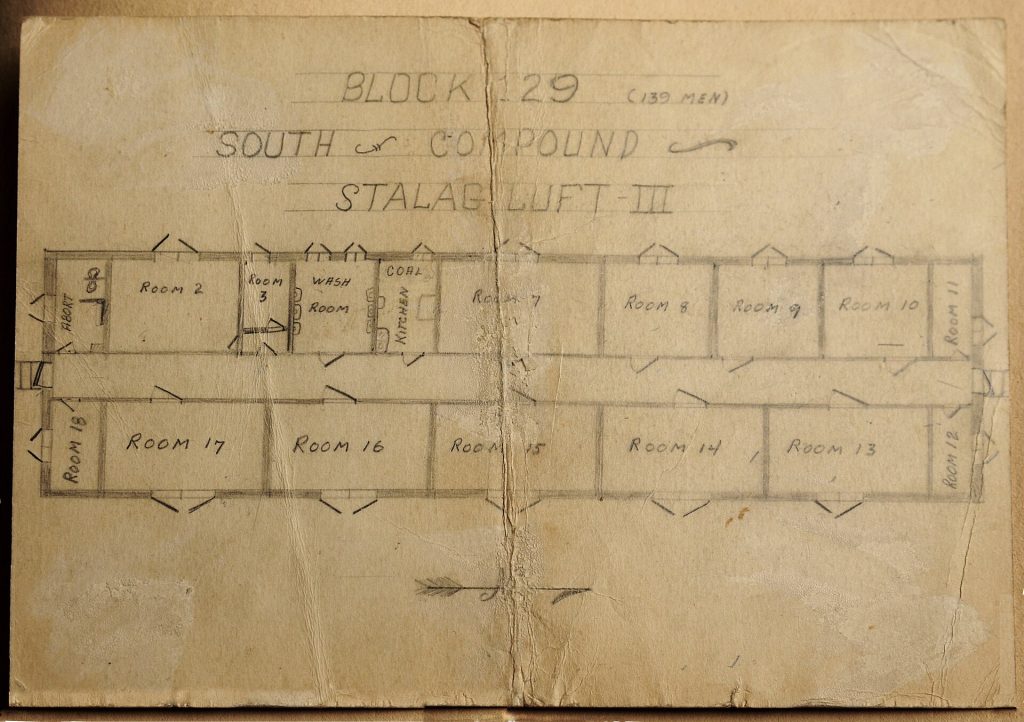
On a freezing night, Allied airmen begin crawling through a tunnel under the wire of Stalag Luft III. Seventy-six get out. Fifty will be shot.
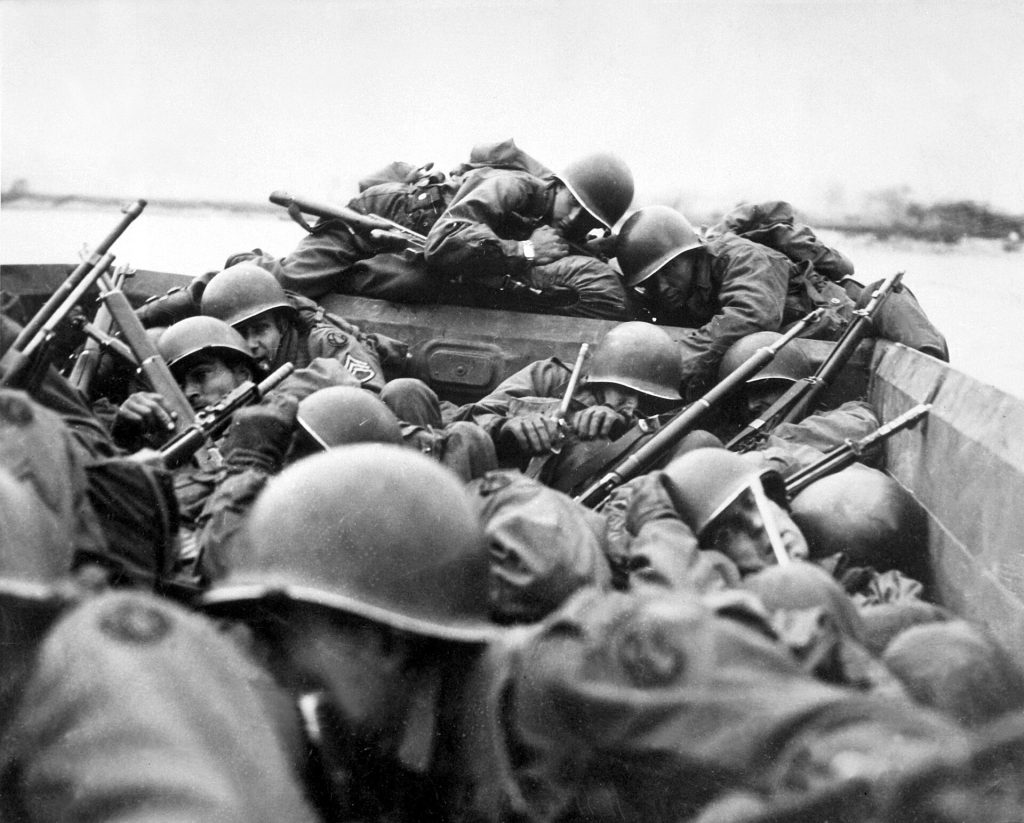
After a thunderous bombardment, Montgomery’s 21st Army Group crosses the Rhine on a broad front at night. The next morning two airborne divisions land on the far bank.
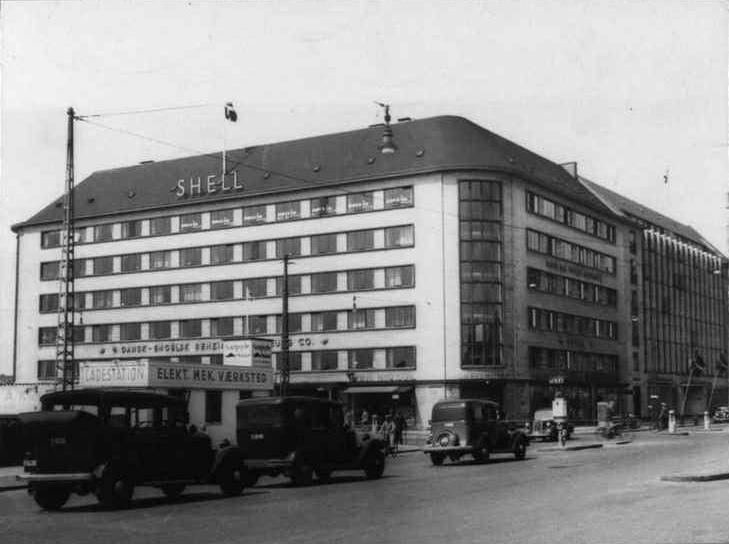
RAF Mosquitos attack the Gestapo headquarters in Copenhagen at rooftop height. Prisoners escape and records burn, but a tragic error kills dozens of children at a nearby school.
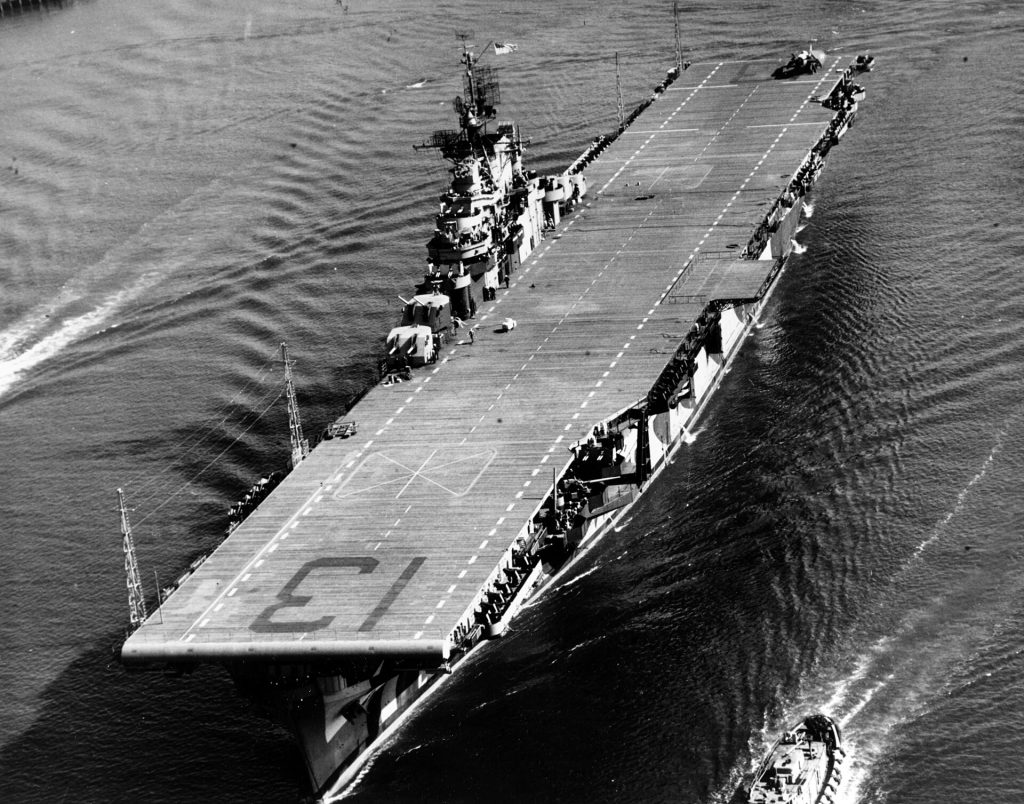
Off the coast of Japan, a single bomber hits the carrier Franklin as her aircraft prepare to launch. She survives the fires and explosions that follow, at a terrible cost.
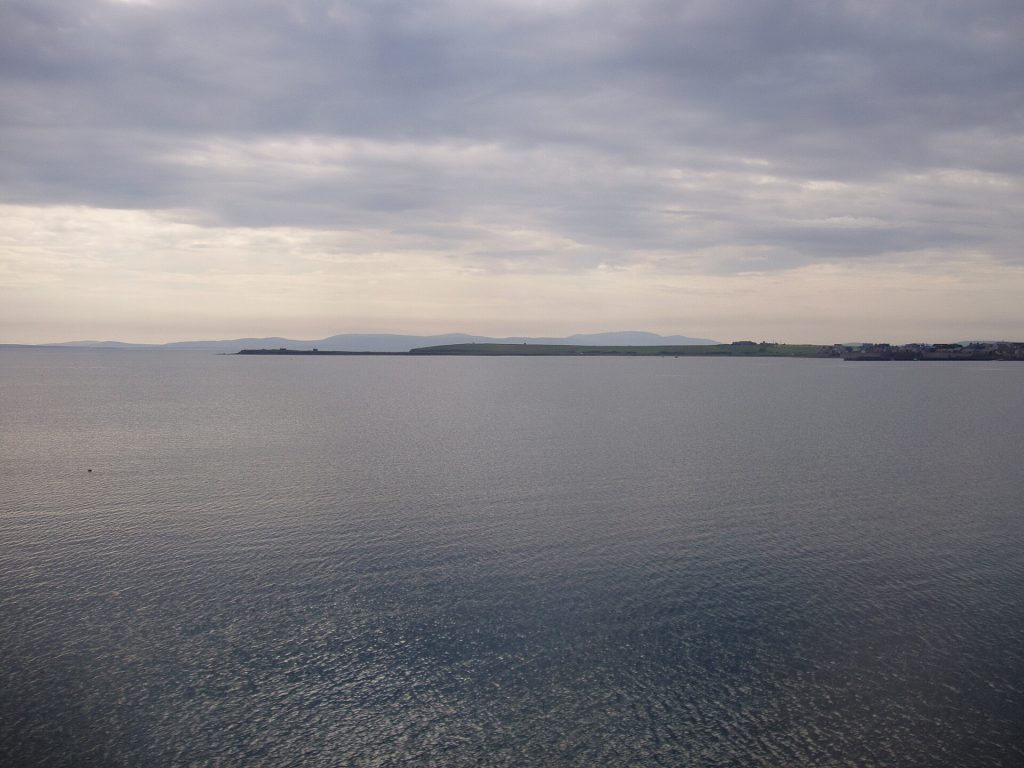
German bombers attack the naval base at Scapa Flow. Bombs fall on the Orkney village of Bridge of Waith, and a 27-year-old man becomes the first British civilian killed by bombing in the war.
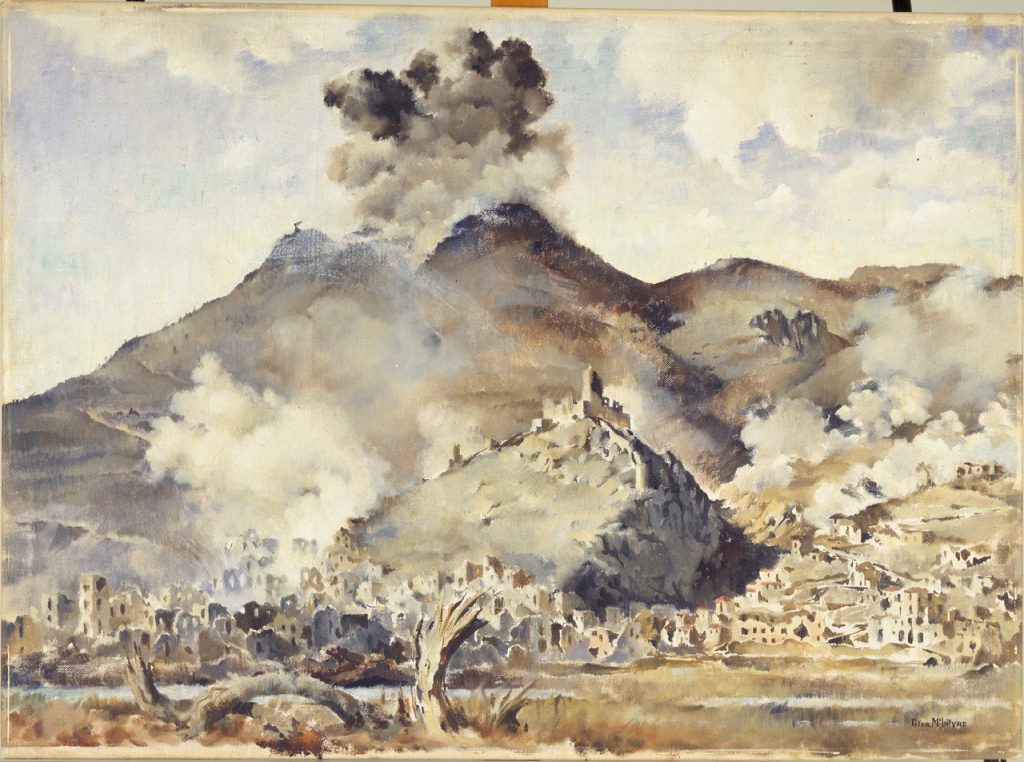
Hundreds of Allied bombers reduce the town of Cassino to rubble. New Zealand and Indian troops go in, but the German paratroopers are still there.
 United Kingdom
 United States
 Soviet Union
 Germany
 Japan
 France
 Poland
 South Africa