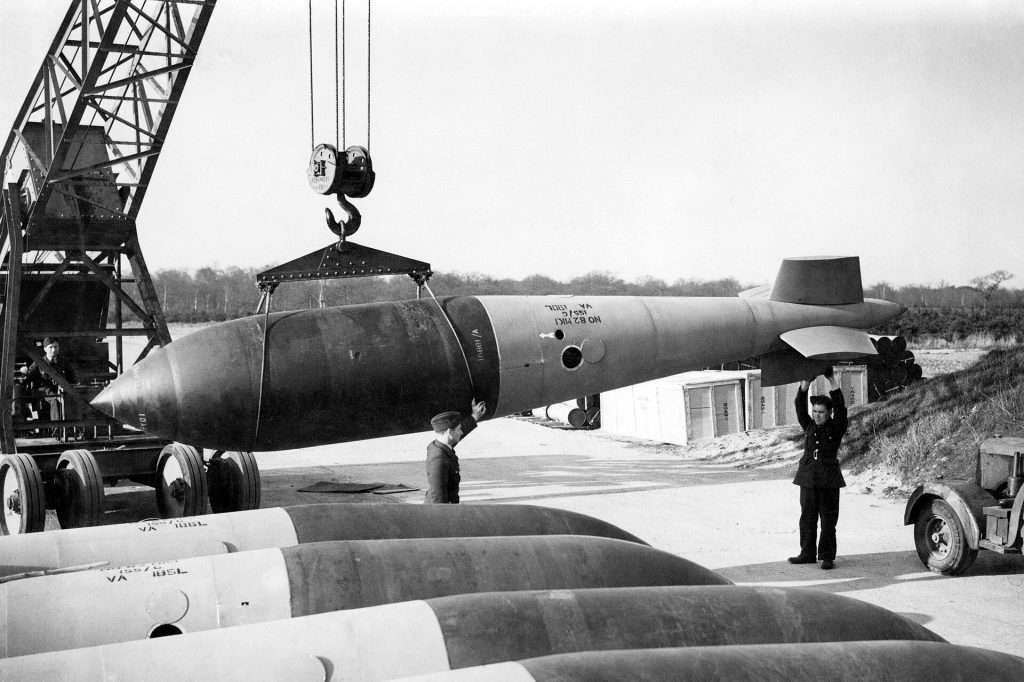
14 March 1945: Grand Slam
A single Lancaster of 617 Squadron drops a ten-tonne bomb near the Bielefeld railway viaduct. The earthquake it causes brings down several spans.
Fighters, bombers, the Blitz and the strategic air offensive.
A single Lancaster of 617 Squadron drops a ten-tonne bomb near the Bielefeld railway viaduct. The earthquake it causes brings down several spans.
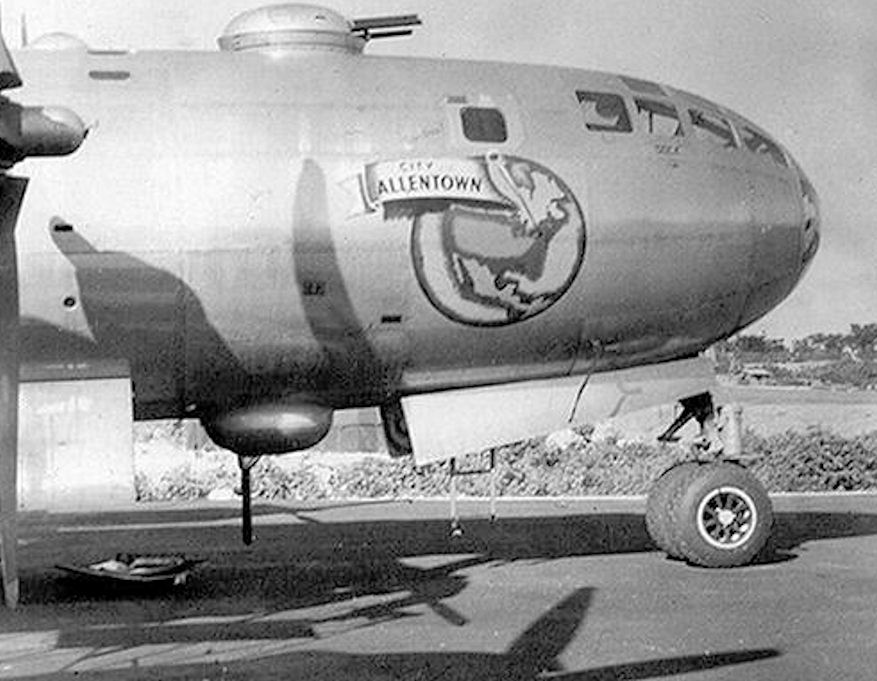
In the early hours, hundreds of B-29s flying low over Tokyo drop incendiaries on its crowded wooden neighbourhoods. It is the deadliest air raid in history.
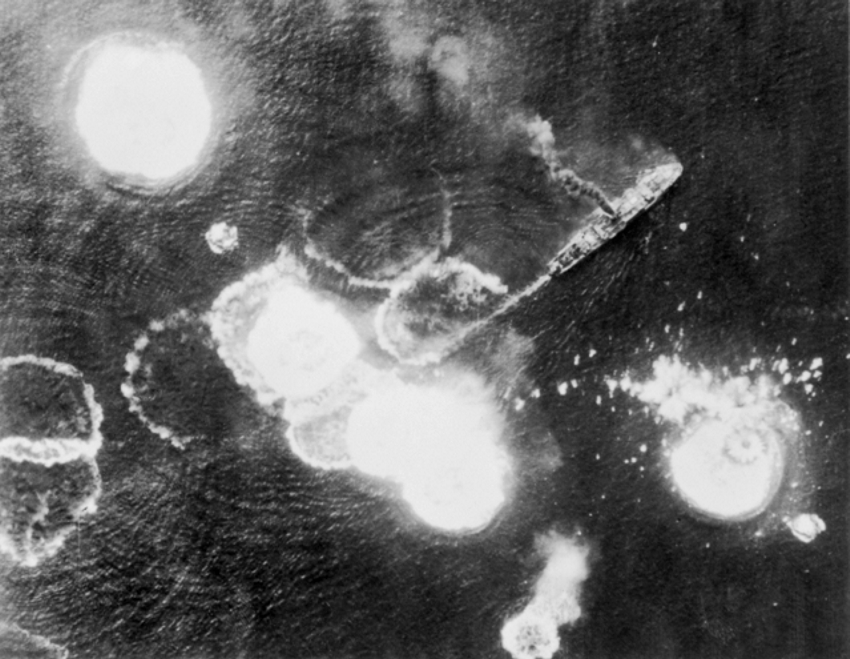
Allied bombers find a Japanese convoy carrying an army division to New Guinea. In three days of air attacks, every transport is sunk.
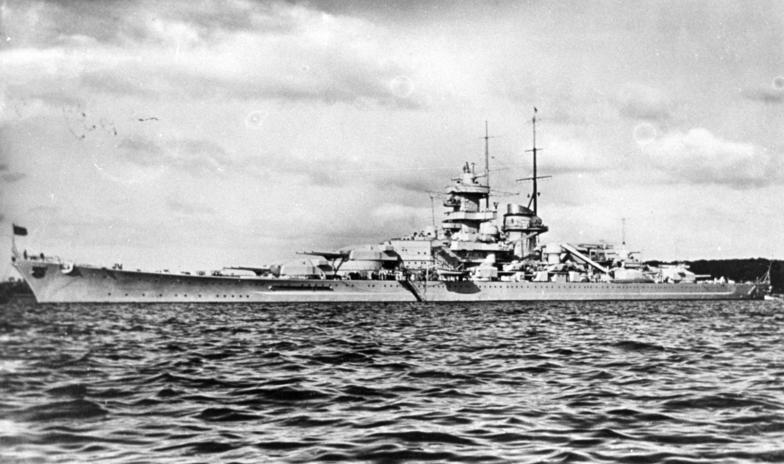
Two weeks after her triumphant dash up the Channel, the battleship Gneisenau is hit by an RAF bomb in dry dock at Kiel. She never sails as a warship again.
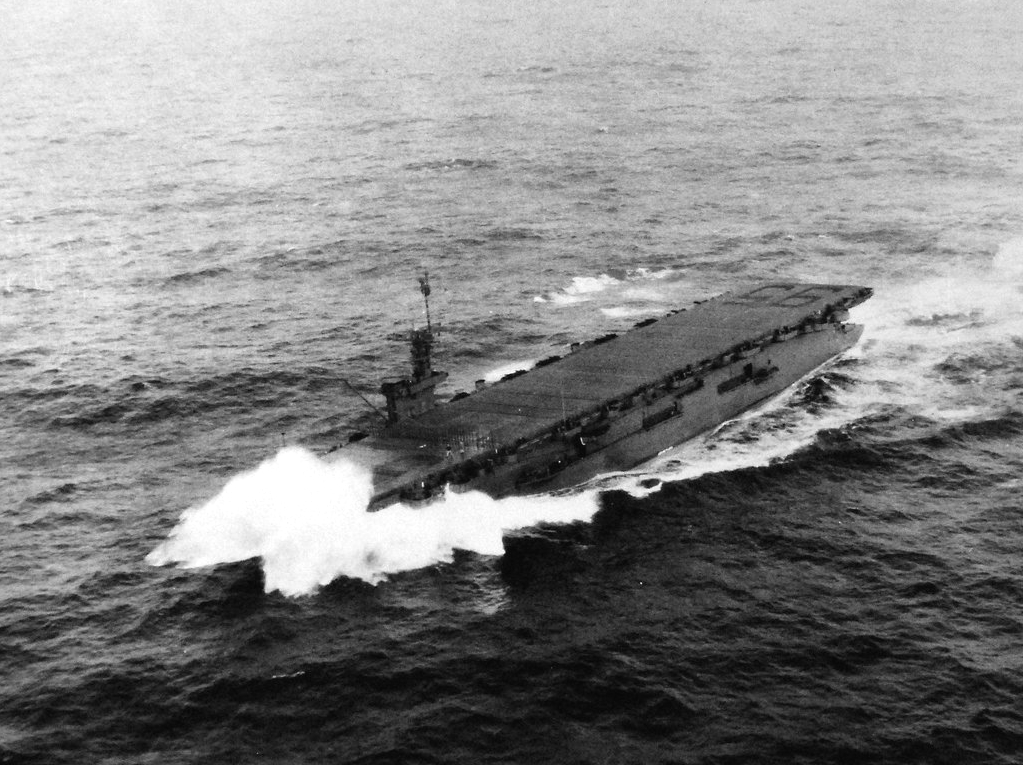
Two days into the Iwo Jima landings, suicide aircraft strike the American fleet offshore. The carrier Saratoga is badly damaged, and the escort carrier Bismarck Sea goes down.
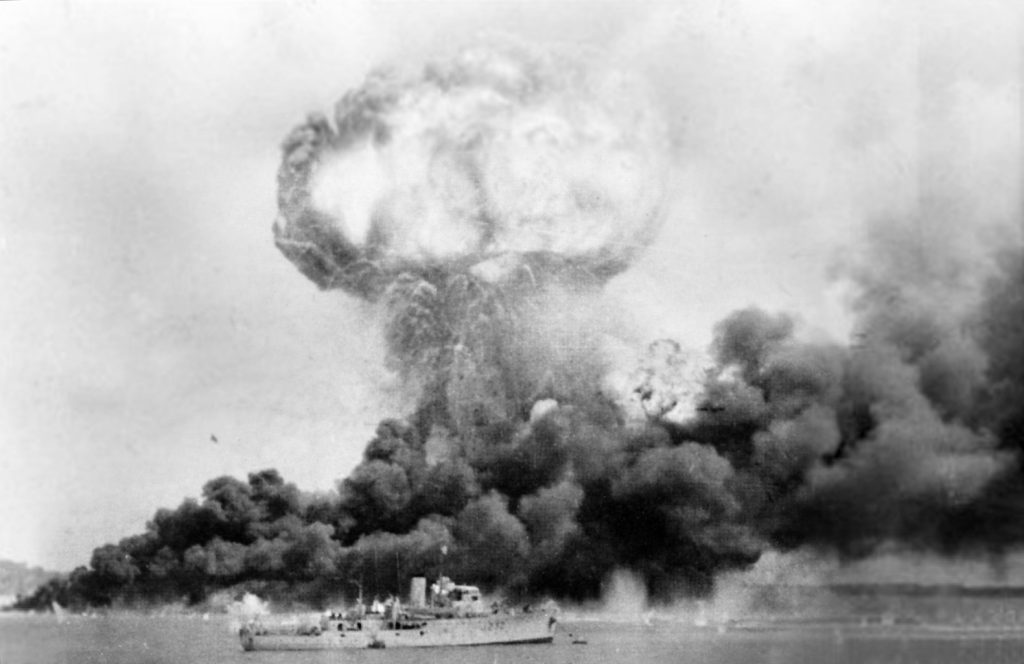
The aircraft carriers that struck Pearl Harbor launch a devastating raid on Darwin. For the first time, mainland Australia comes under attack.
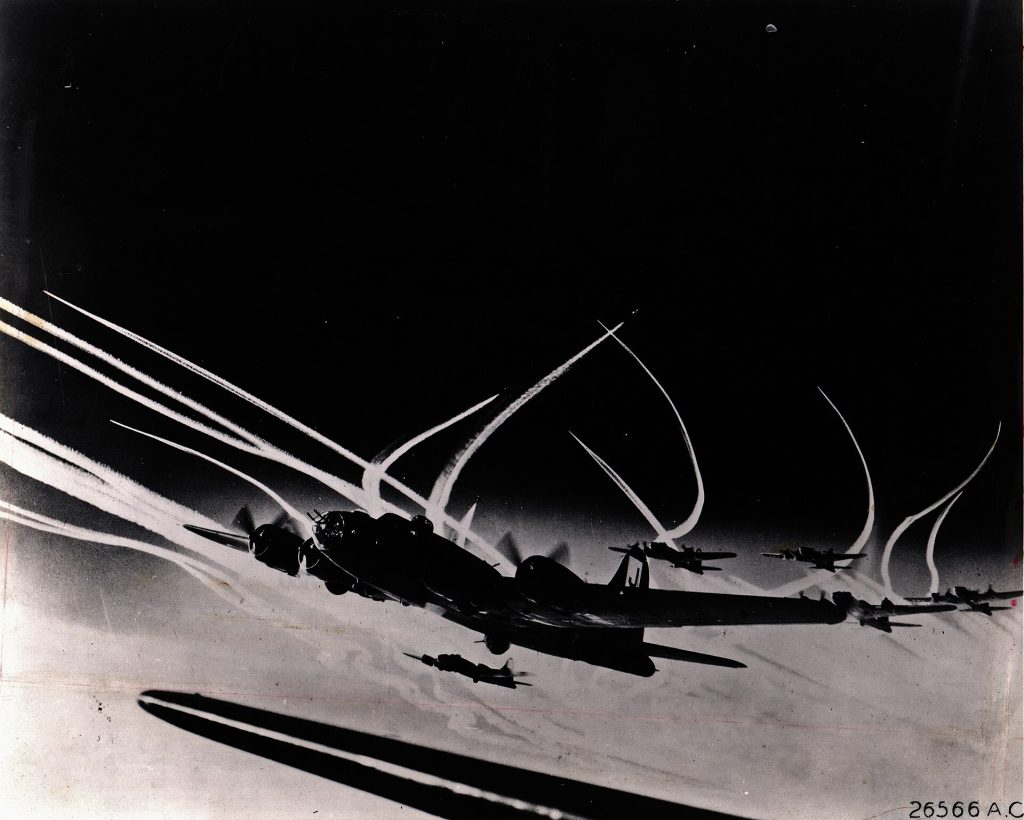
With a break in the winter weather, the Allied air forces launch a week of massed attacks on the German aircraft industry. The real target is the Luftwaffe itself.
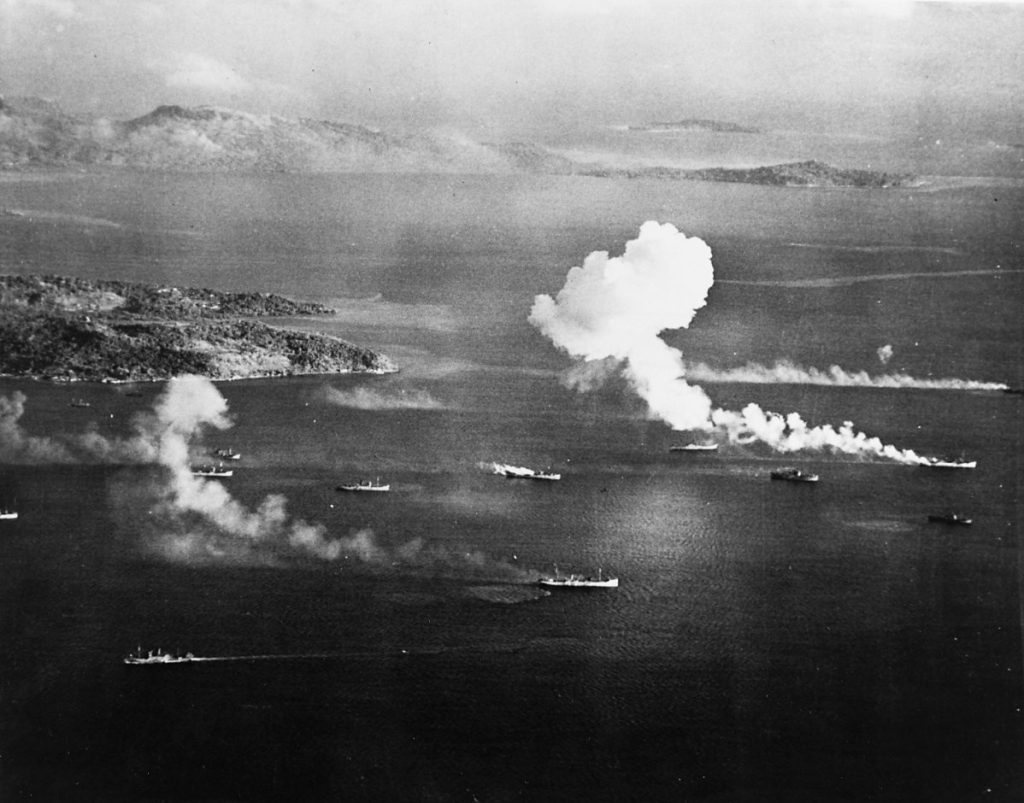
American carrier aircraft descend on Truk, Japan’s great fleet anchorage in the central Pacific, and wreck the shipping and aircraft they find there.
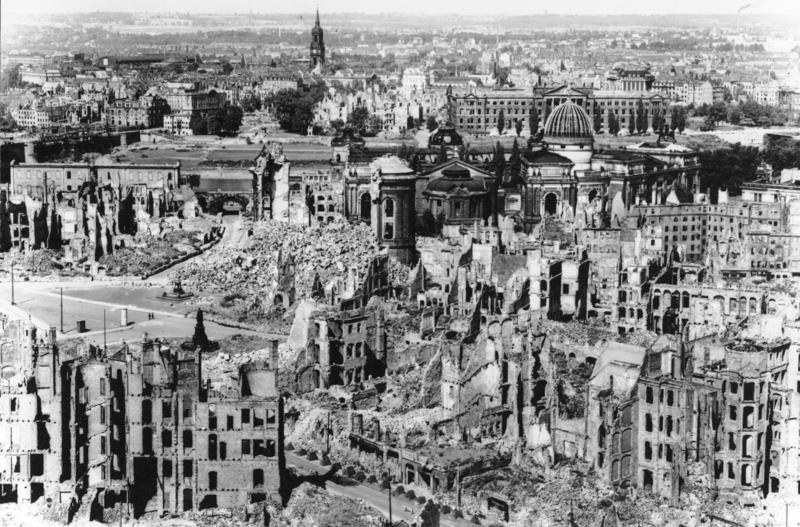
RAF bombers attack the baroque city of Dresden in two waves by night, followed by American raids by day. The firestorm that follows becomes one of the most debated acts of the war.
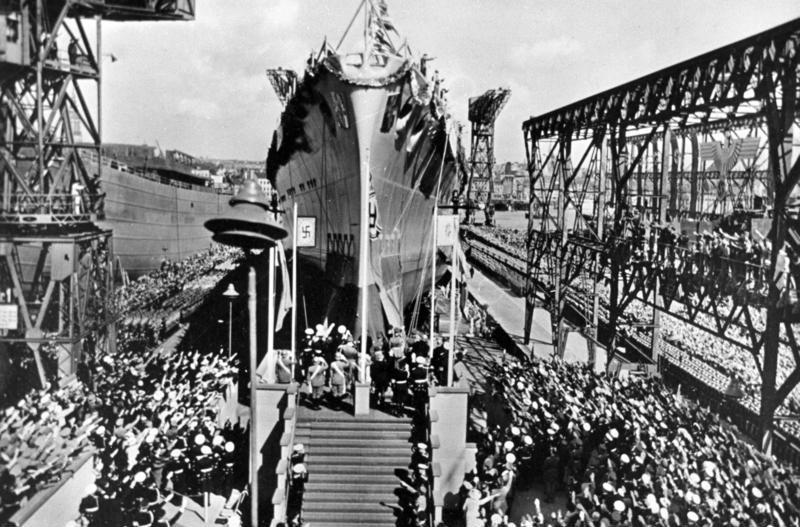
Two German battleships and a heavy cruiser sail from Brest and run straight up the English Channel in broad daylight. The British are slow to react.
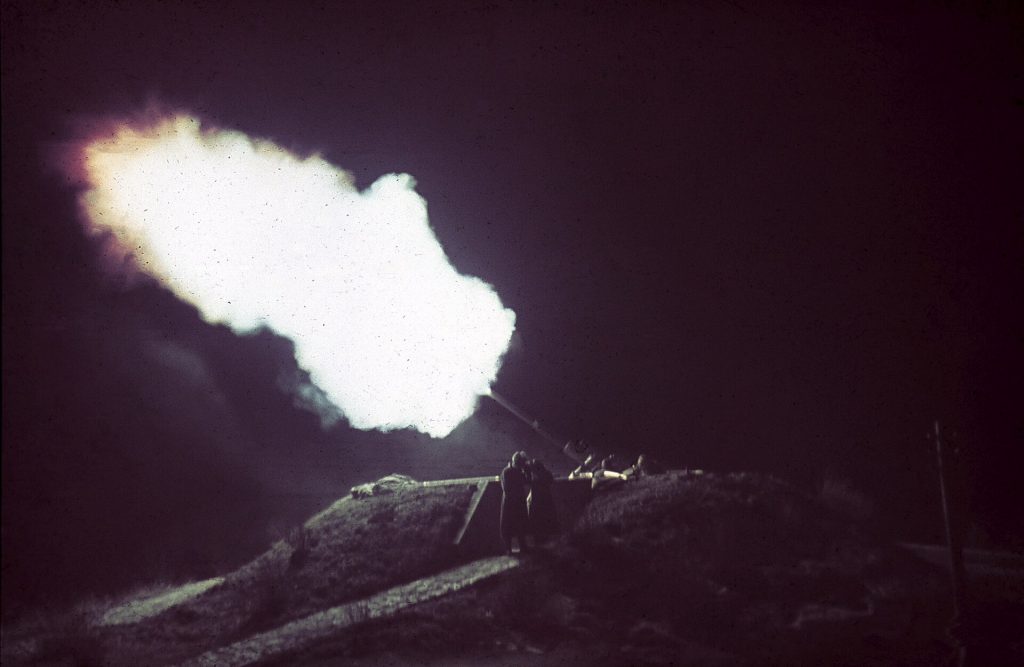
Hundreds of Soviet bombers attack the Finnish capital by night, the first of three great raids meant to force Finland out of the war.

Japanese troops sweep around the 7th Indian Division in the Arakan, expecting it to retreat. Instead, supplied from the air, it stands and fights.
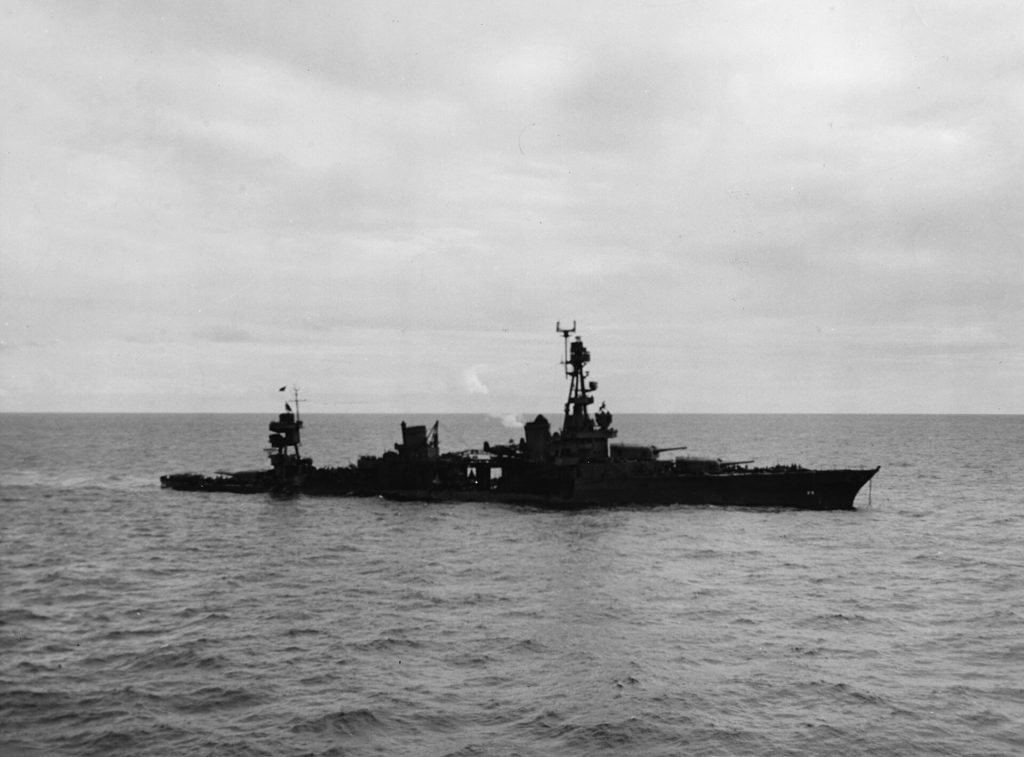
Japanese torpedo bombers attack an American cruiser force at dusk off the Solomon Islands. By the following afternoon, the heavy cruiser Chicago is lost.
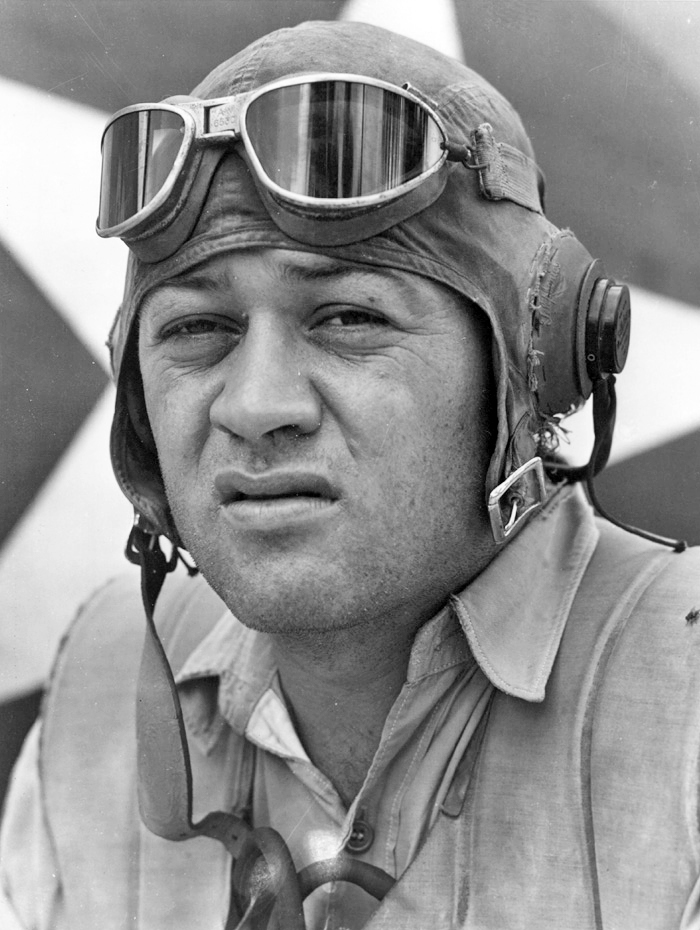
The leader of the Marine Corps’ famous Black Sheep Squadron is shot down over Rabaul. America will believe him dead for more than a year and a half.
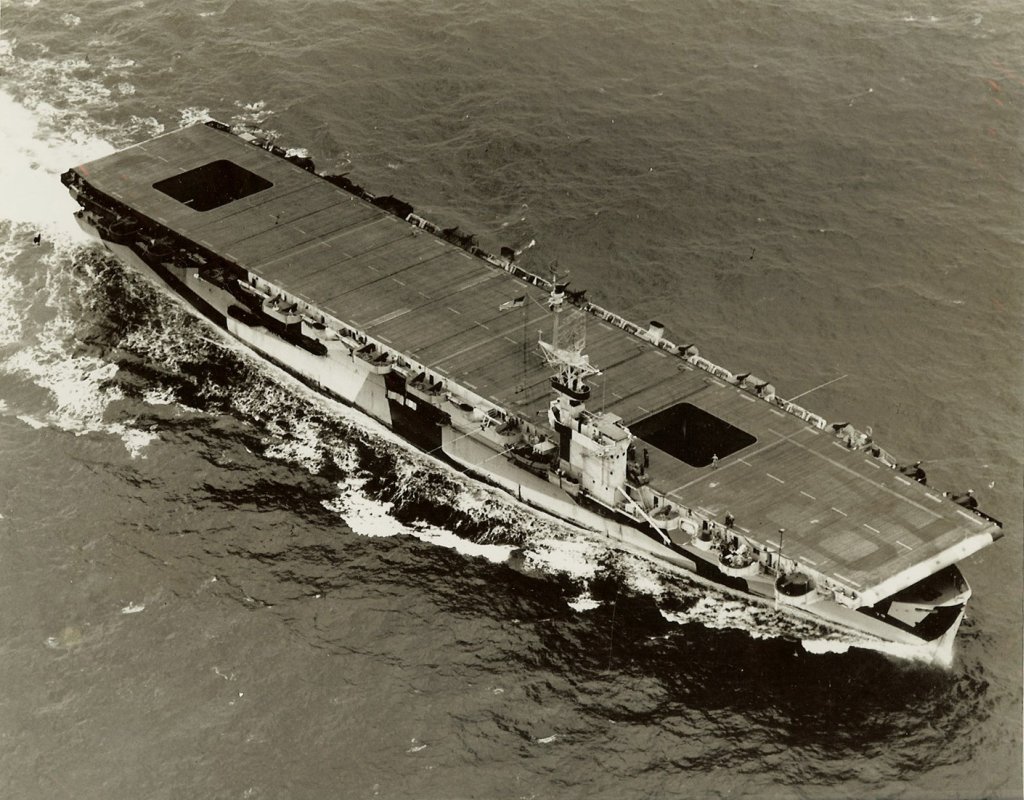
As the American invasion fleet sails for Luzon, a single suicide aircraft sets the escort carrier Ommaney Bay ablaze. She has to be sunk by her own escorts.
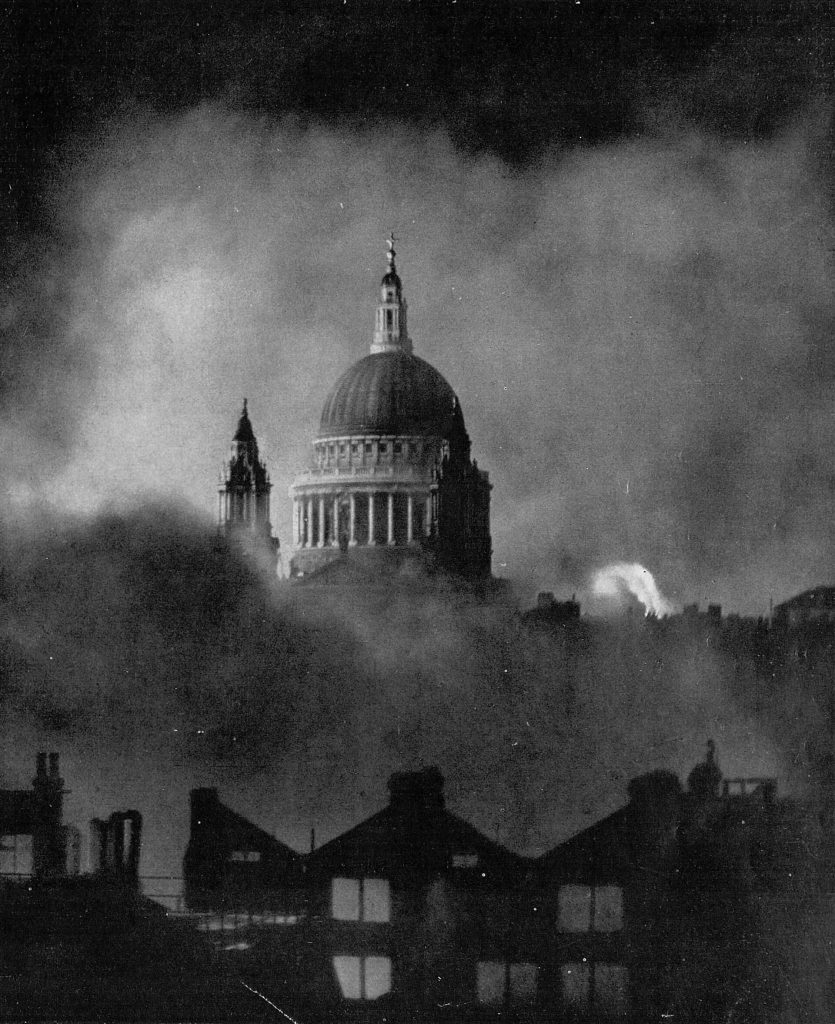
On a Sunday night with the Thames at low tide, German bombers set the City of London ablaze. St Paul’s Cathedral stands untouched amid the flames.
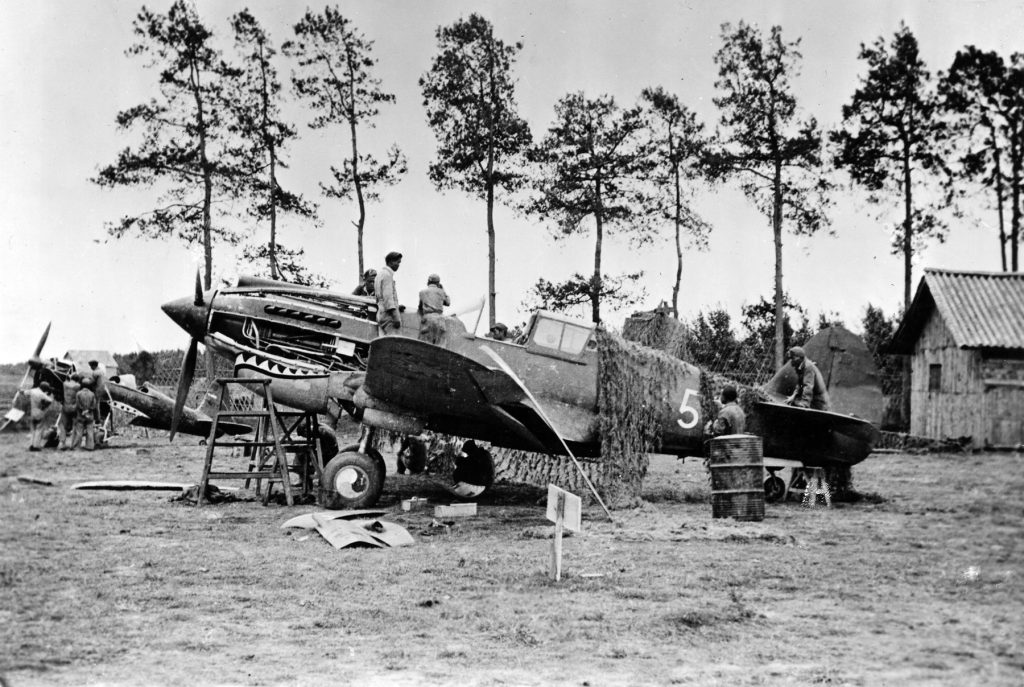
Shark-mouthed P-40 fighters of the American Volunteer Group intercept a Japanese bombing raid over Kunming, their first combat in defence of China.
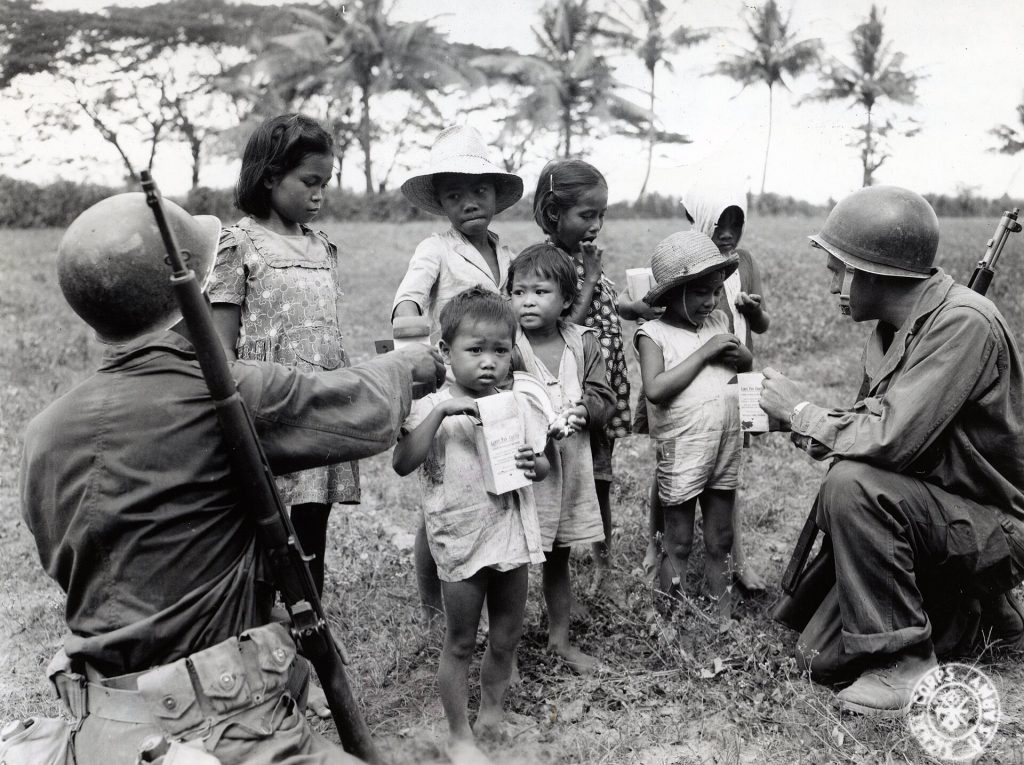
American troops land almost unopposed on Mindoro in the Philippines to build airfields for the coming invasion of Luzon. The real fight is at sea, against kamikazes.
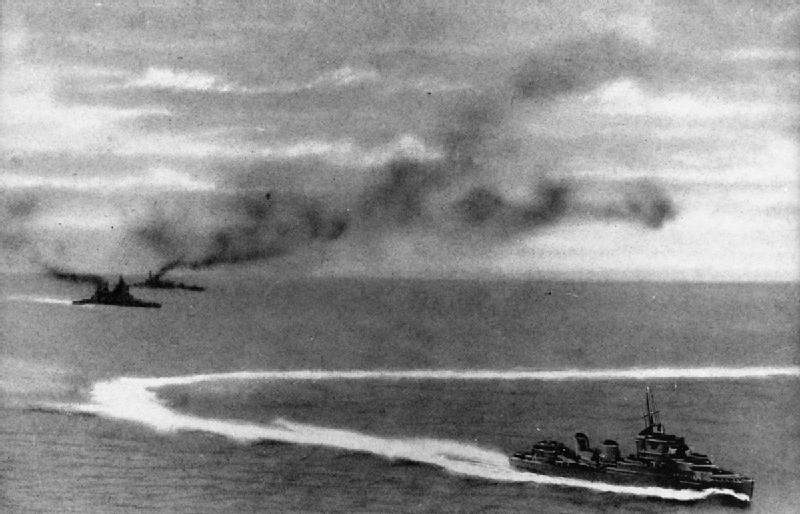
Without fighter cover, the battleship Prince of Wales and the battlecruiser Repulse are sunk off Malaya by Japanese land-based aircraft. Churchill calls it the most direct shock of the war.
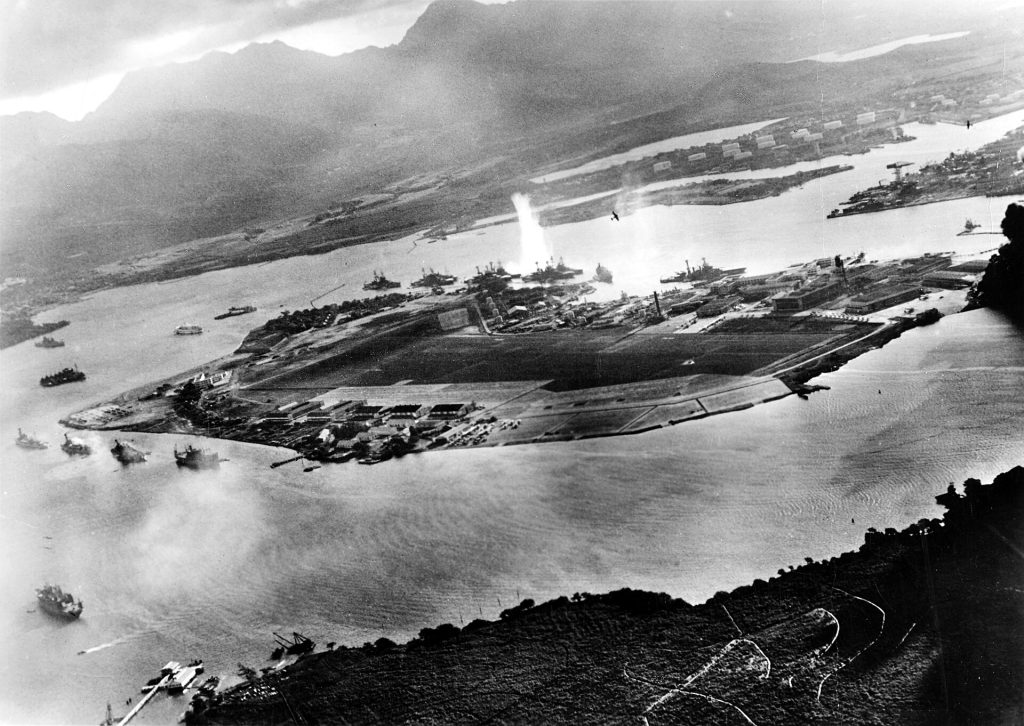
Just before 08:00 on a Sunday morning, more than 350 Japanese carrier aircraft strike the US Pacific Fleet at its base in Hawaii. In under two hours the war becomes global.
 United Kingdom
 United States
 Soviet Union
 Germany
 Japan
 France
 Poland
 South Africa