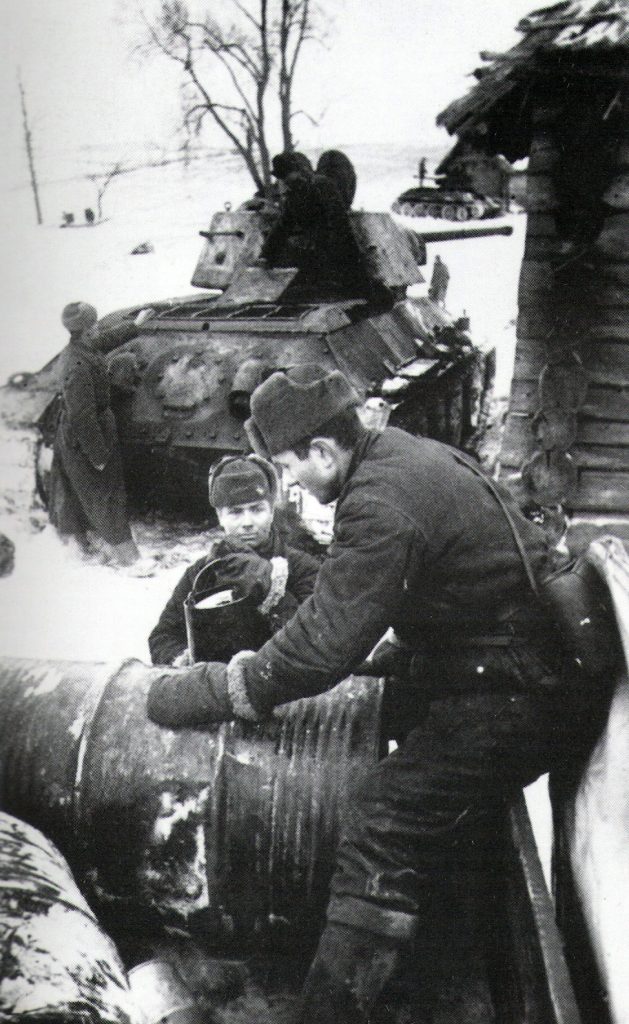
23 November 1942: The Stalingrad Pocket Closes
Soviet tank columns from north and south meet at the village of Sovetsky, trapping the German Sixth Army and its allies, some 250,000 to 300,000 men, at Stalingrad.
Dispatches involving Soviet Union.
Soviet tank columns from north and south meet at the village of Sovetsky, trapping the German Sixth Army and its allies, some 250,000 to 300,000 men, at Stalingrad.
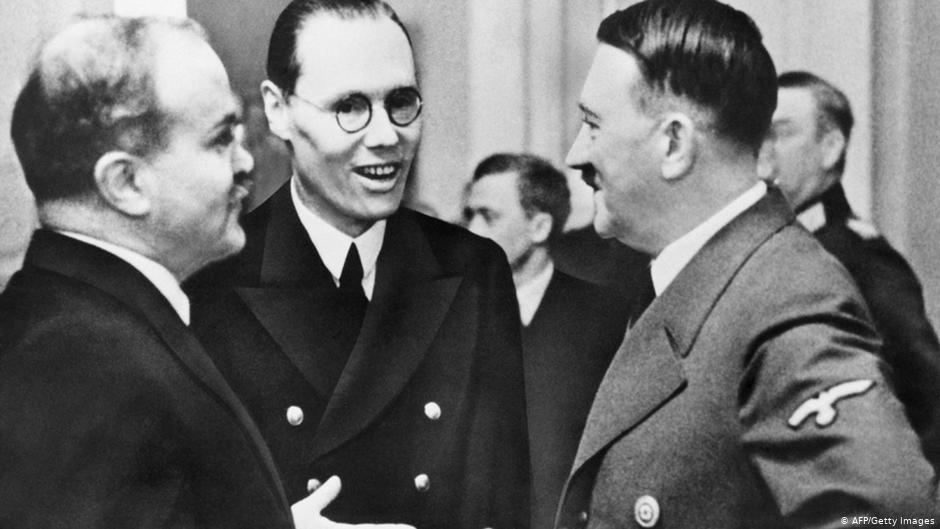
Stalin’s foreign minister arrives in Berlin to discuss the Soviet Union joining the Axis. The talks fail, and within five weeks Hitler orders preparations to invade.
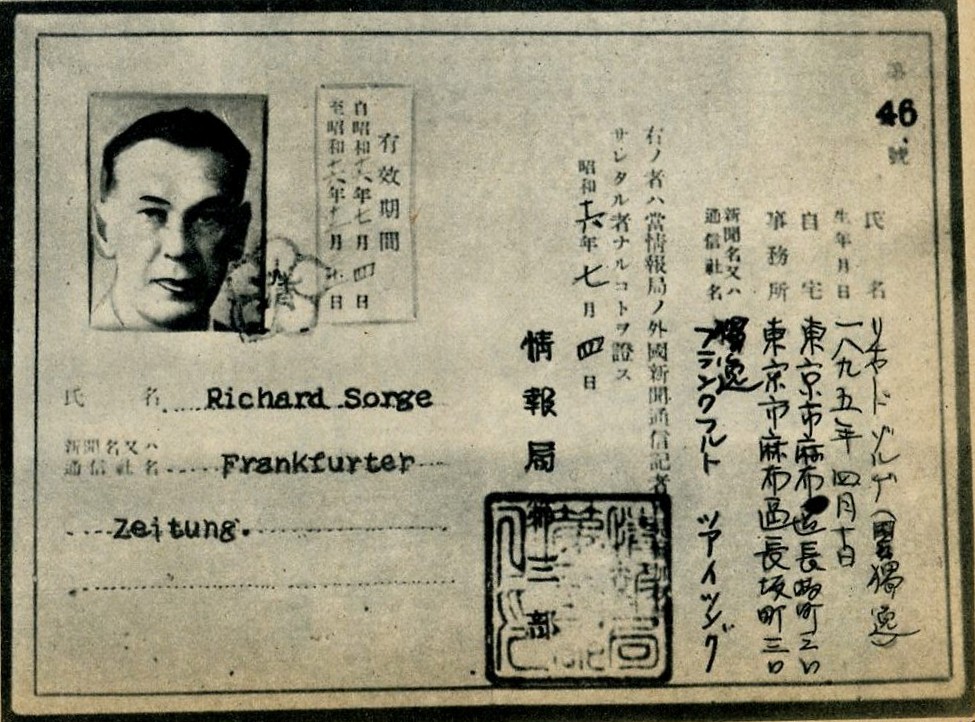
In a Tokyo prison, the Soviet master spy who warned Moscow of Barbarossa and learned that Japan would not attack the Soviet Union goes to the gallows.
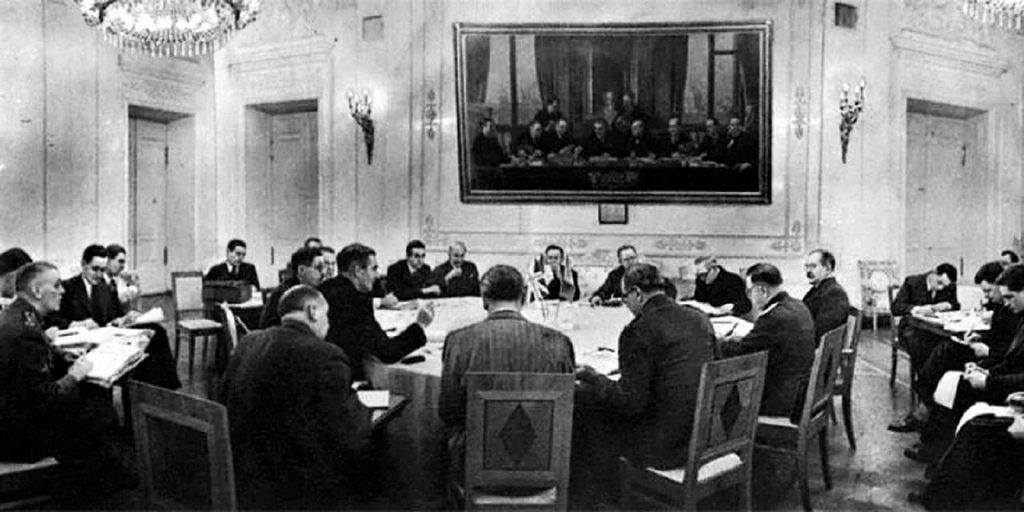
At the end of a conference of foreign ministers in Moscow, the Allies sign declarations on the post-war world, on Austria and Italy, and on punishing German war criminals.
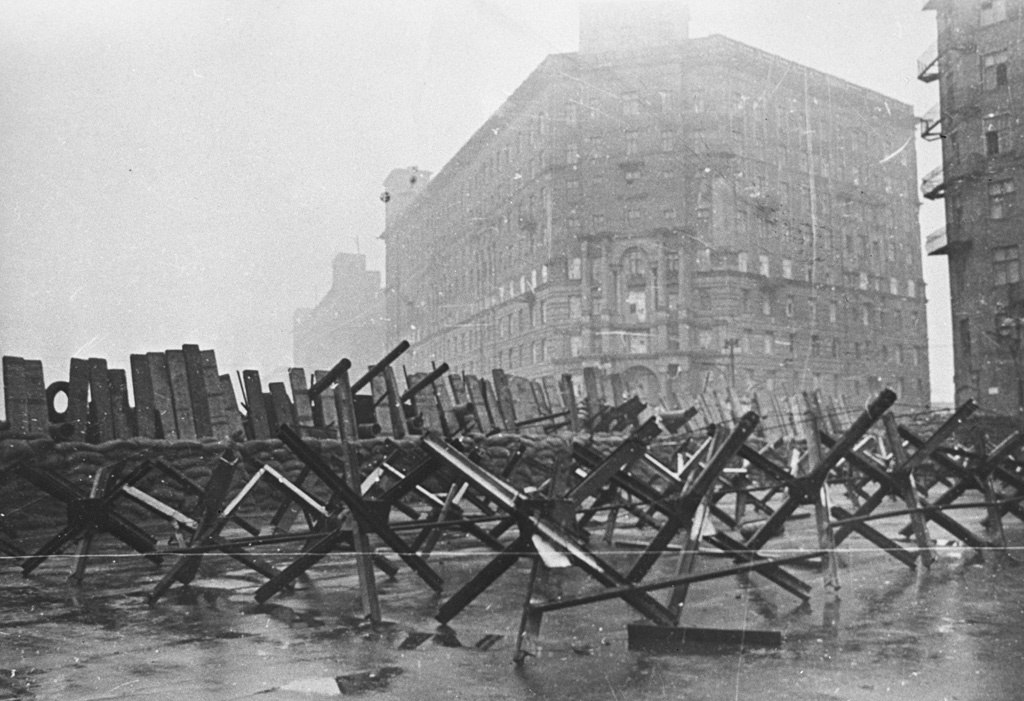
After days of panic as German armies close in, Stalin declares a state of siege in Moscow. Order is restored by force. Stalin himself stays in the capital.

Hungary’s regent, Admiral Horthy, announces on the radio that Hungary will stop fighting. Within hours, German commandos have kidnapped his son and forced him to hand power to the fascist Arrow Cross.
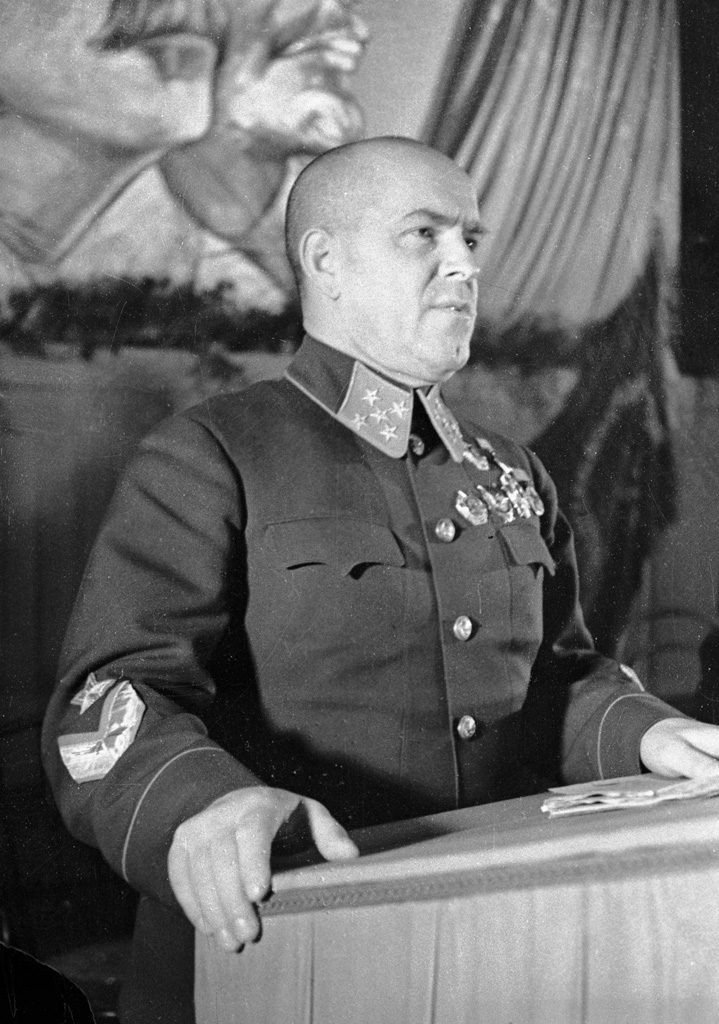
With the German armies breaking through towards Moscow, Stalin hands command of the Western Front to General Georgy Zhukov. His task is to save the capital.
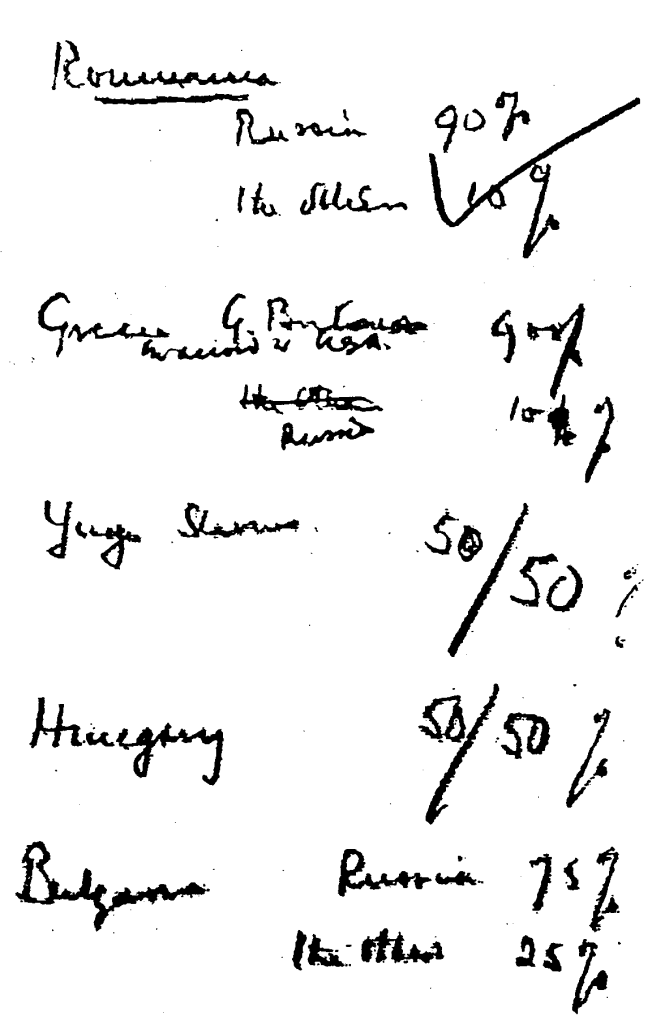
Late at night in the Kremlin, Churchill pushes a half-sheet of paper across the table to Stalin. On it he has written percentages of influence over five countries of south-eastern Europe.
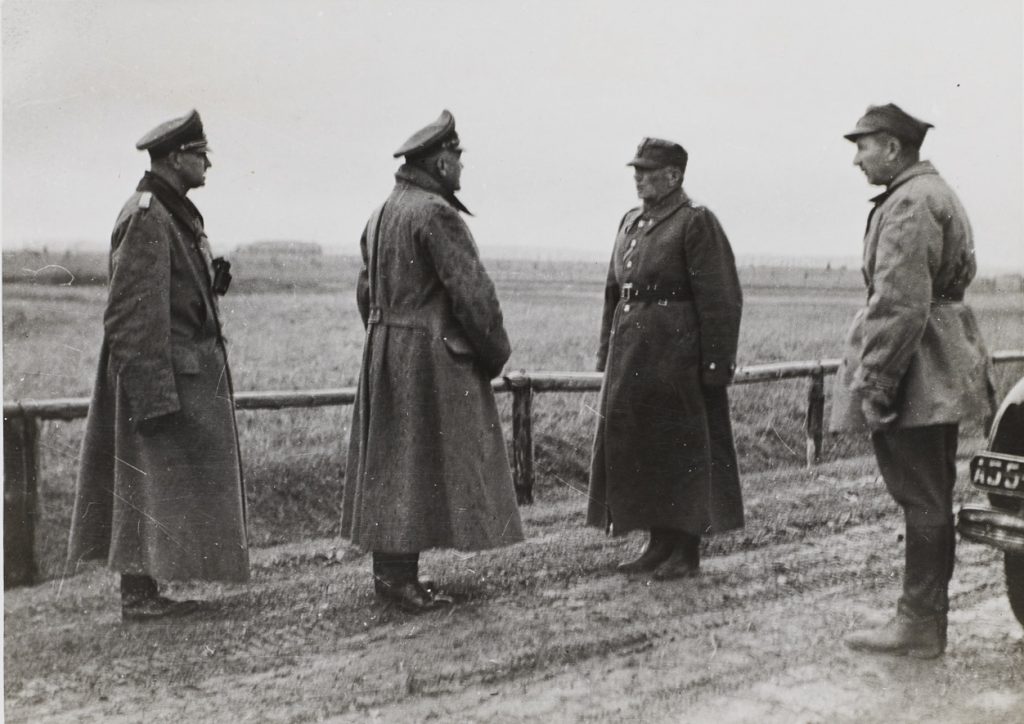
Out of ammunition after four days of fighting near Kock, General Franciszek Kleeberg surrenders the last Polish field army. The September campaign is over.

After 63 days, the Home Army signs the capitulation of Warsaw. Its fighters go into captivity as prisoners of war. Hitler orders the city to be wiped off the map.
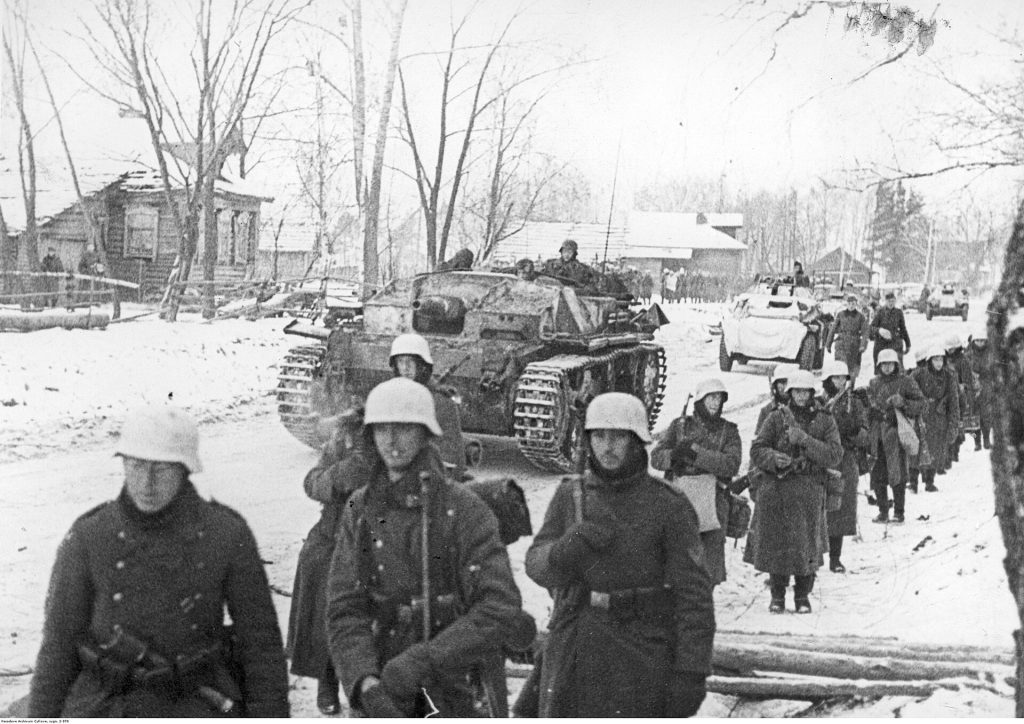
Guderian’s panzers strike north-east towards Oryol. Two days later, the rest of Army Group Centre attacks. Hitler’s final offensive against Moscow has begun.
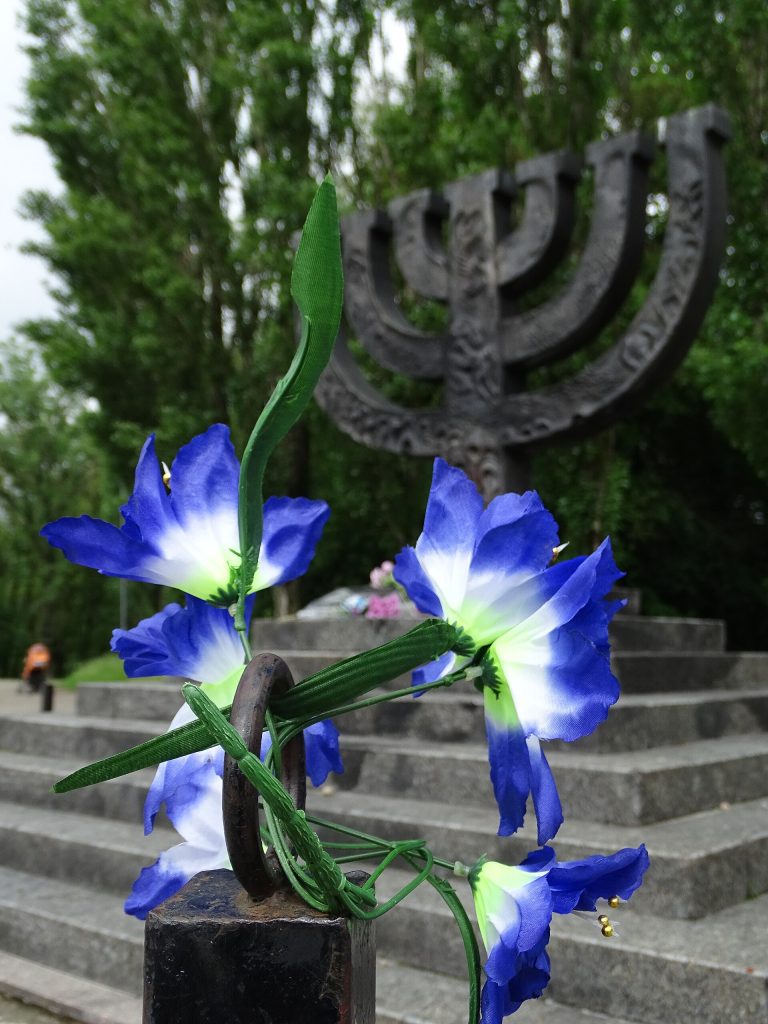
Ordered to assemble with their documents and belongings, the Jews of Kiev are marched to a ravine on the edge of the city. Over two days, 33,771 people are shot.
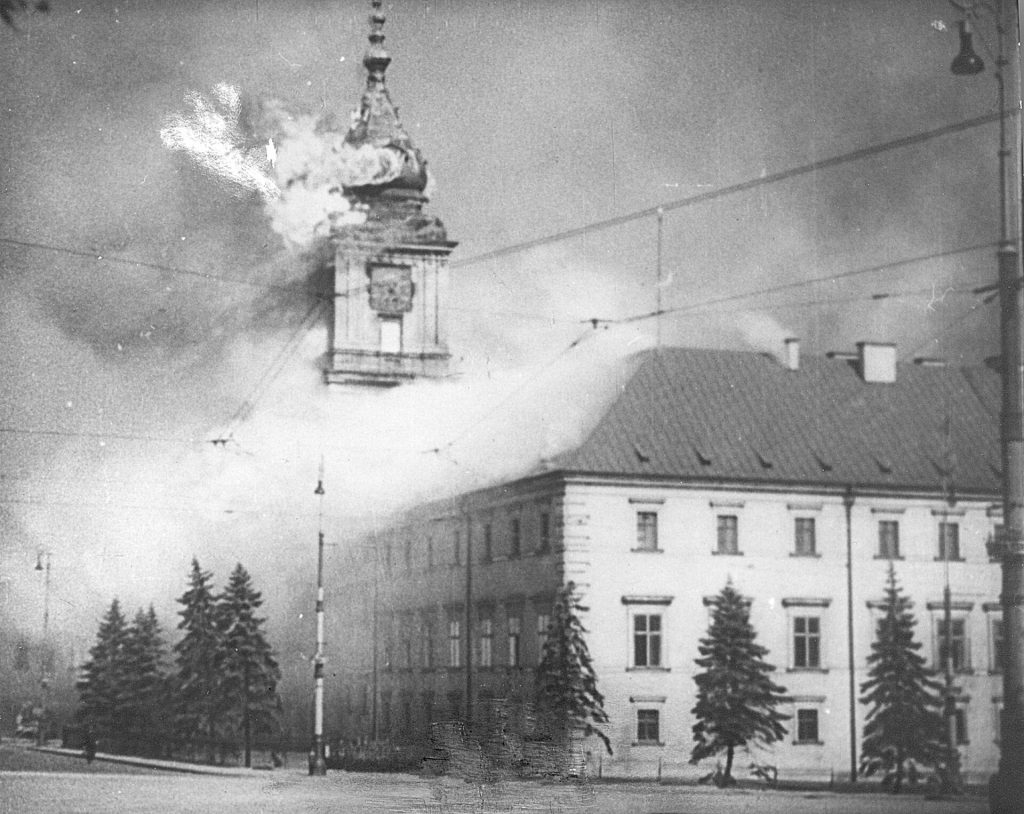
After nearly three weeks of siege, bombing and shelling, the Polish capital surrenders. Its defenders have run out of food, water and ammunition.
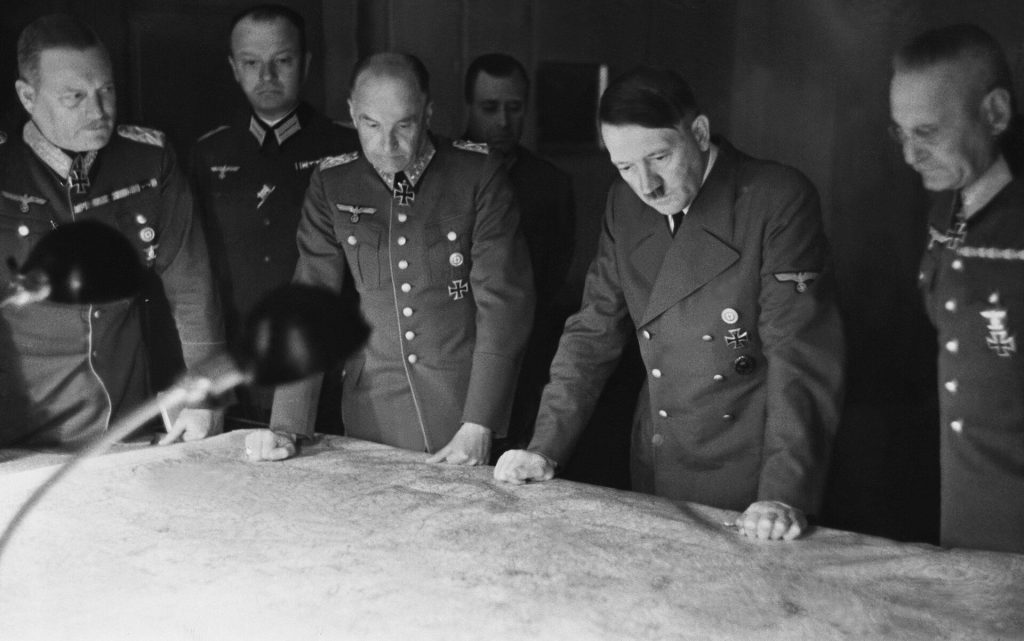
With the offensives against Stalingrad and the Caucasus stalling, Hitler dismisses the chief of the army general staff, Franz Halder, after a series of bitter arguments.
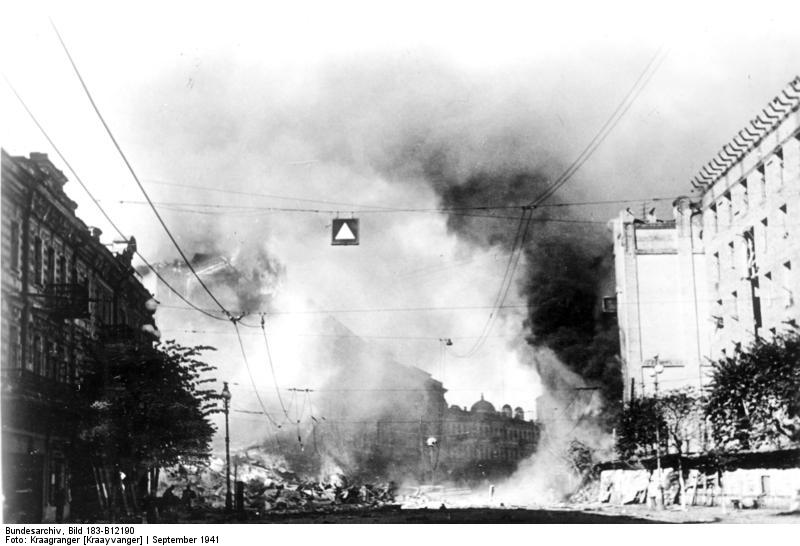
German troops enter Kiev. East of the city, four Soviet armies are trapped in a vast encirclement. It is the largest single encirclement of the war.
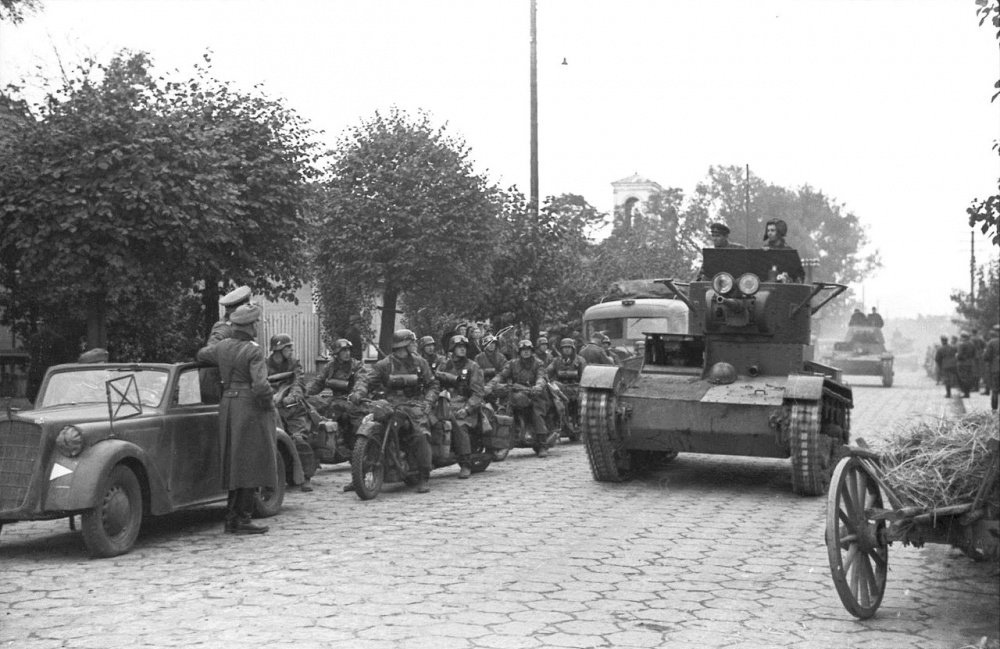
While the Polish army is fighting the Germans in the west, the Red Army crosses Poland’s eastern border. Moscow claims that the Polish state has ceased to exist.
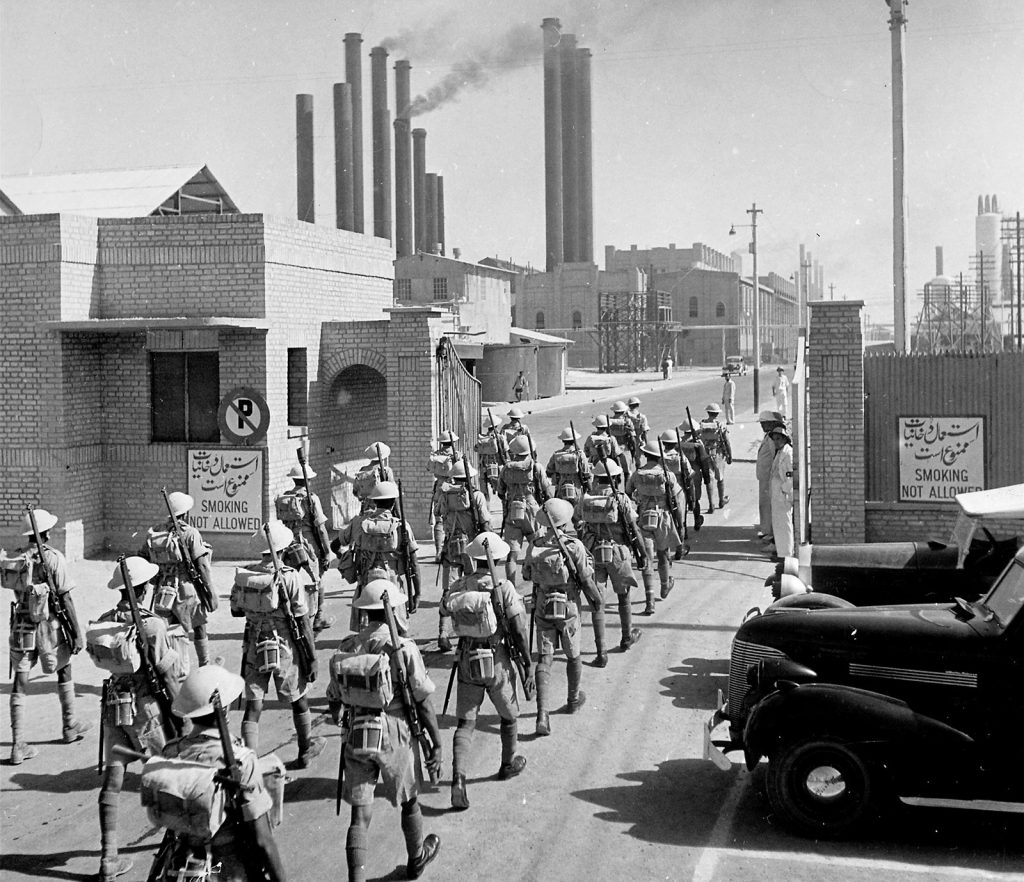
Three weeks after British and Soviet troops invade Iran, Reza Shah abdicates in favour of his son. He will die in exile in Johannesburg.
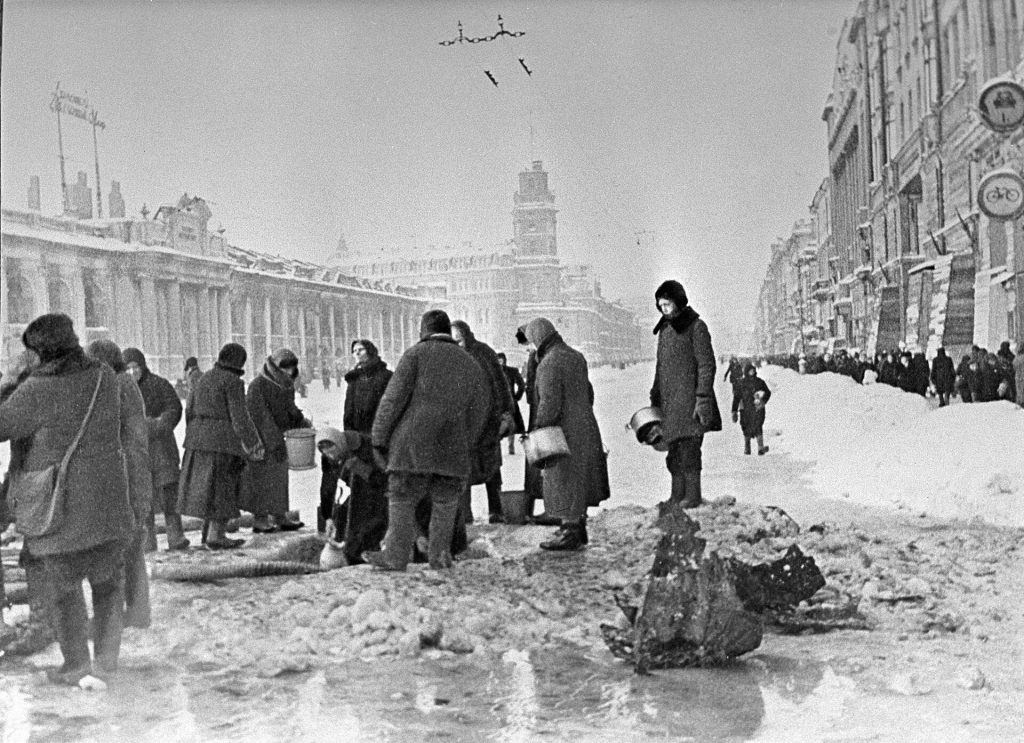
German troops take Shlisselburg on Lake Ladoga, cutting the last land route to Leningrad. The city of three million is surrounded. The siege will last 872 days.
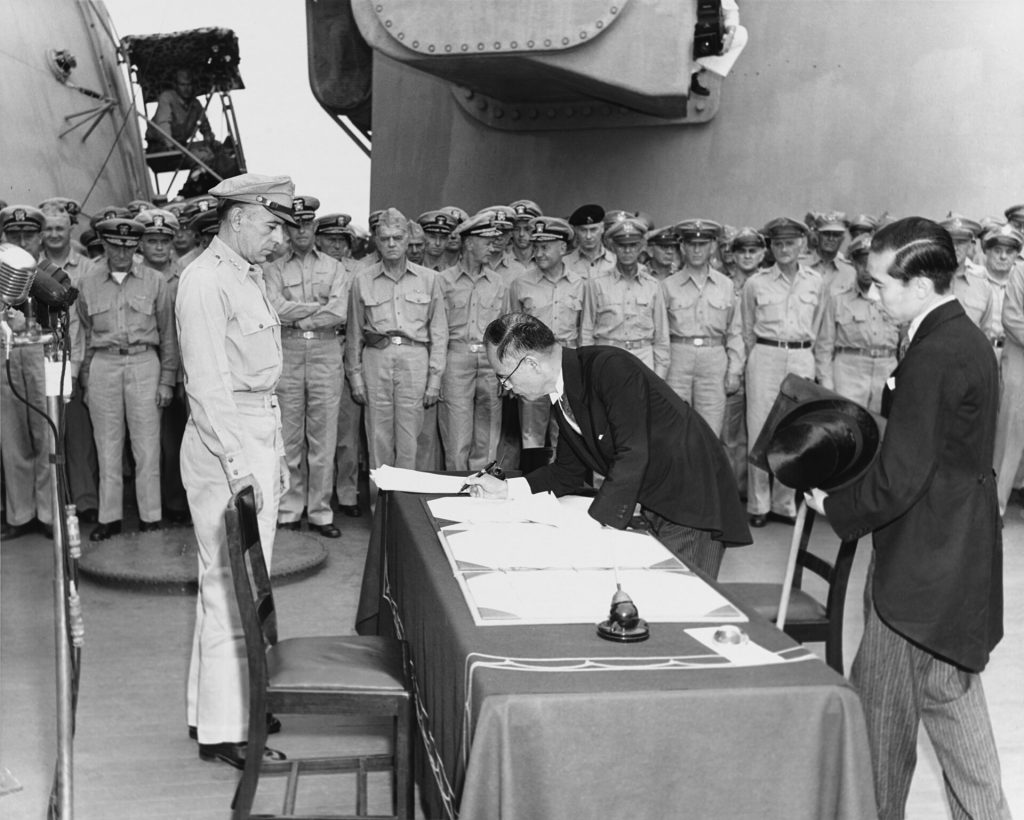
In Tokyo Bay, aboard the battleship USS Missouri, Japan’s representatives sign the Instrument of Surrender. After six years and a day, the Second World War is over.
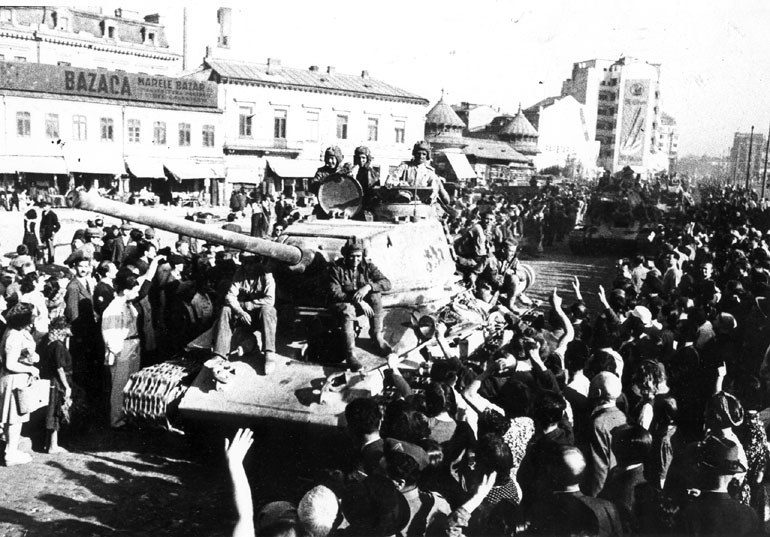
A week after Romania changes sides, Soviet troops enter Bucharest. Germany’s main source of natural oil is lost.
 United Kingdom
 United States
 Soviet Union
 Germany
 Japan
 France
 Poland
 South Africa