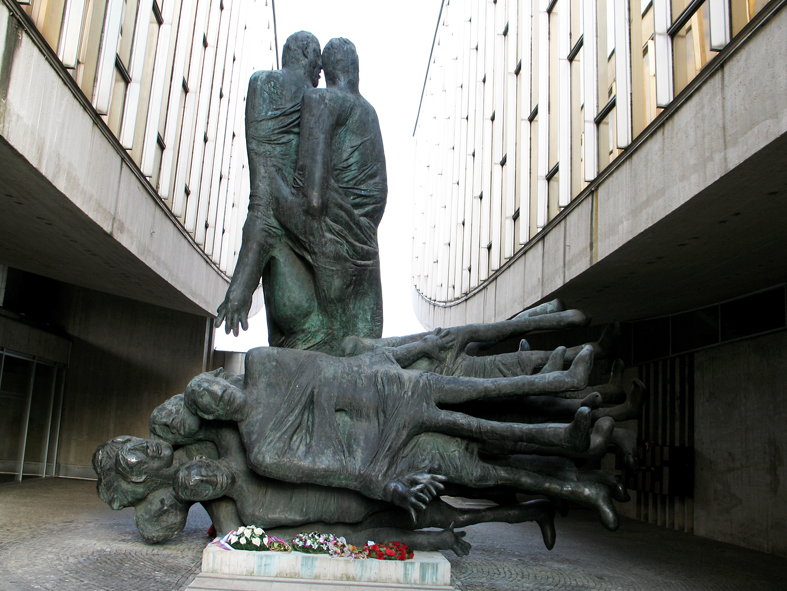
29 August 1944: The Slovak National Uprising
As German troops move into Slovakia, units of the Slovak army and partisans rise against the pro-Nazi regime. Their centre is the town of Banská Bystrica.
Dispatches involving Soviet Union.
As German troops move into Slovakia, units of the Slovak army and partisans rise against the pro-Nazi regime. Their centre is the town of Banská Bystrica.
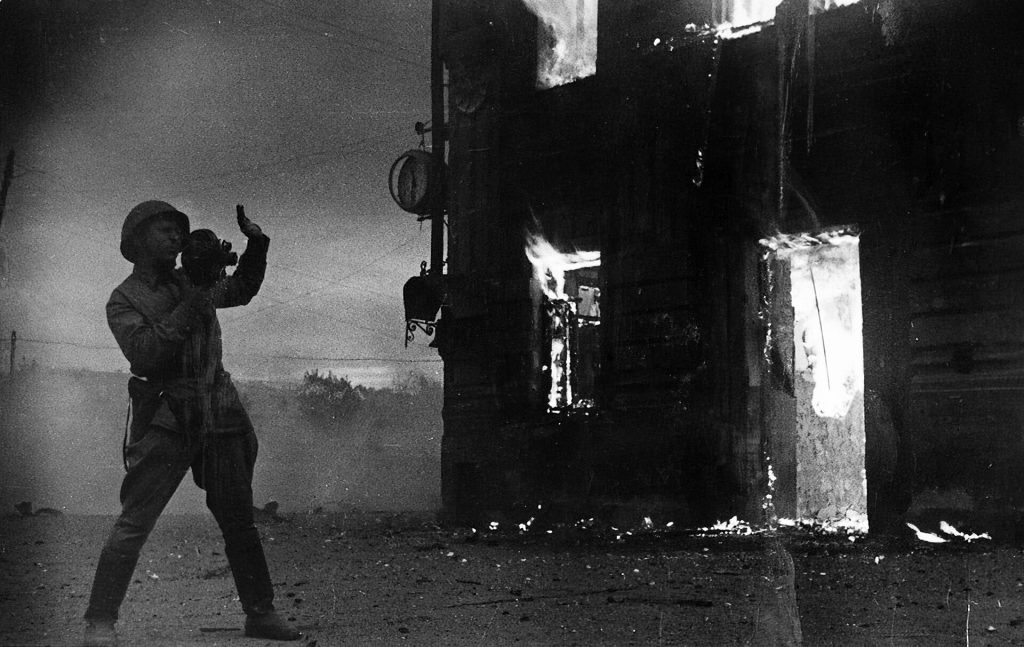
The Luftwaffe launches a massive raid on Stalingrad, setting much of the city on fire. The same day, German tanks reach the Volga just north of the city.
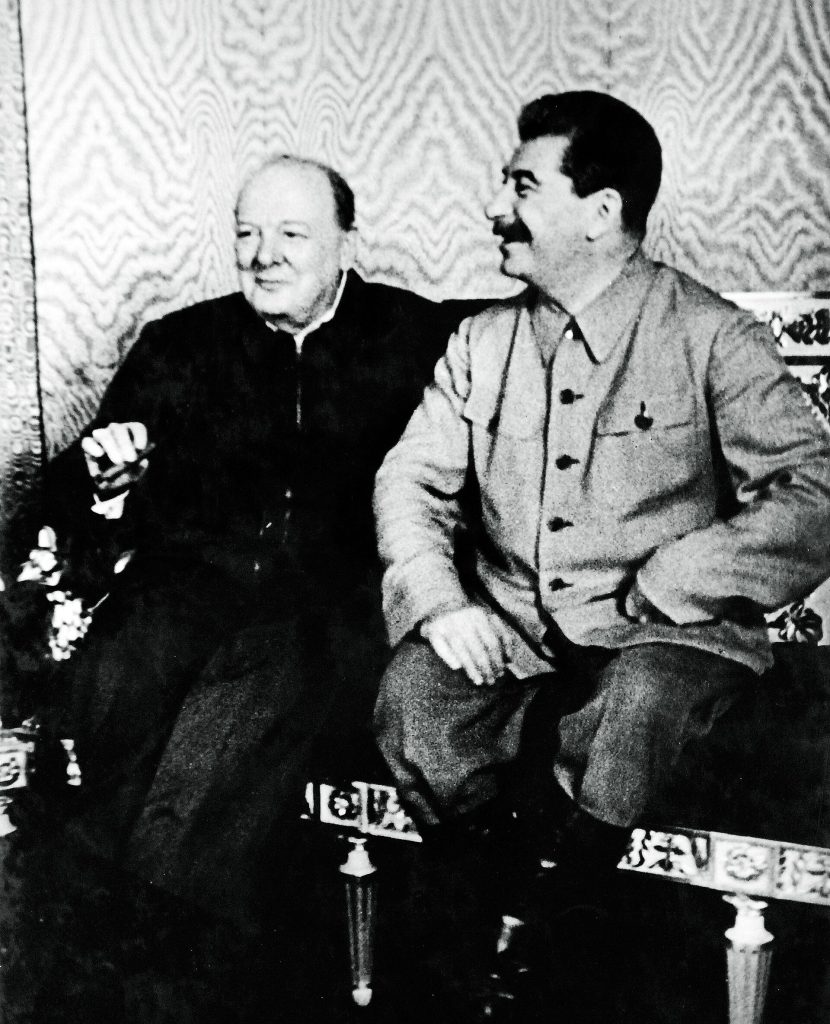
Churchill flies to Moscow to meet Stalin for the first time. He brings bad news: there will be no second front in France in 1942.
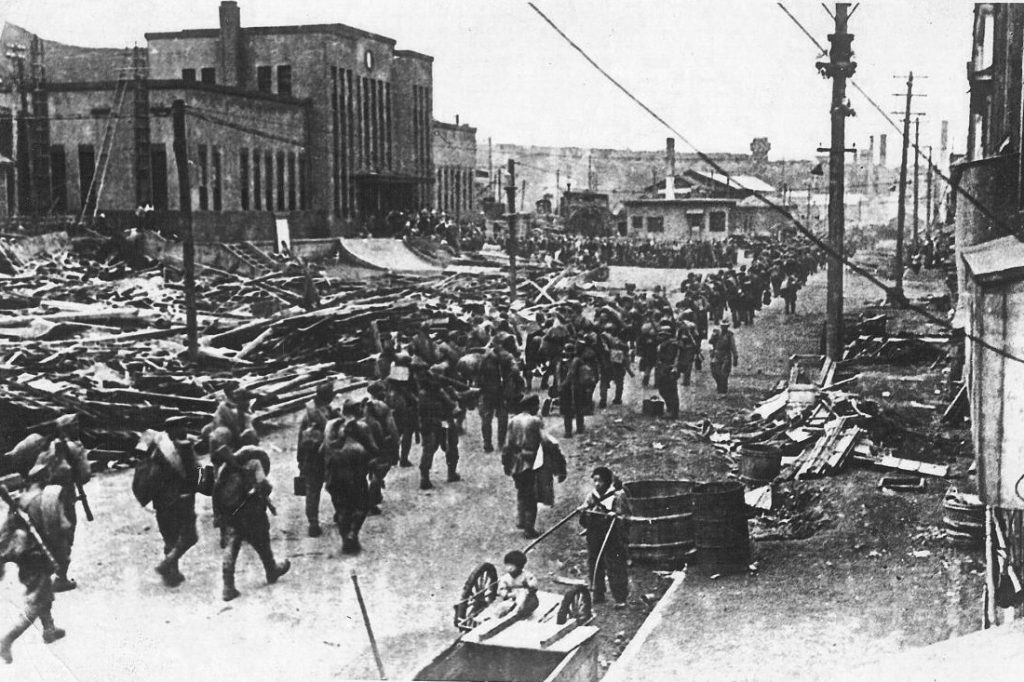
Exactly three months after Germany’s surrender, as Stalin promised at Yalta, Moscow declares war on Japan. Within hours, Soviet armies pour into Manchuria.
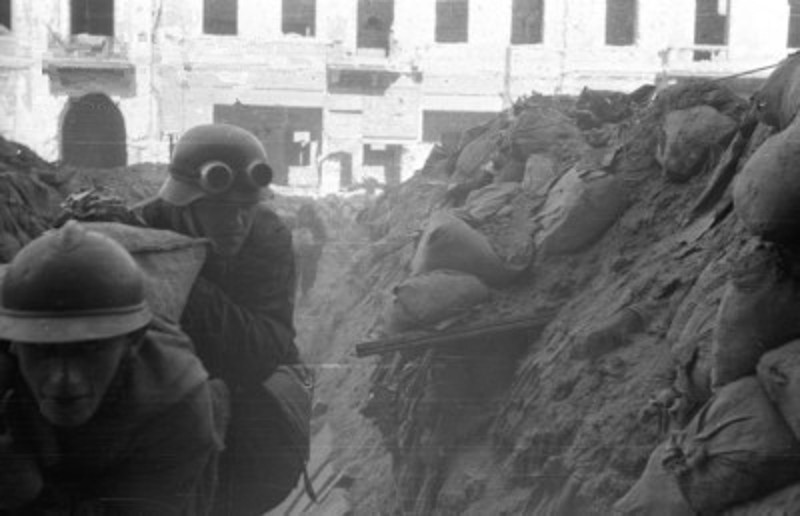
At five in the afternoon, the Polish Home Army rises against the German occupiers of Warsaw. It hopes to free the capital before the Red Army arrives. It will fight alone for 63 days.
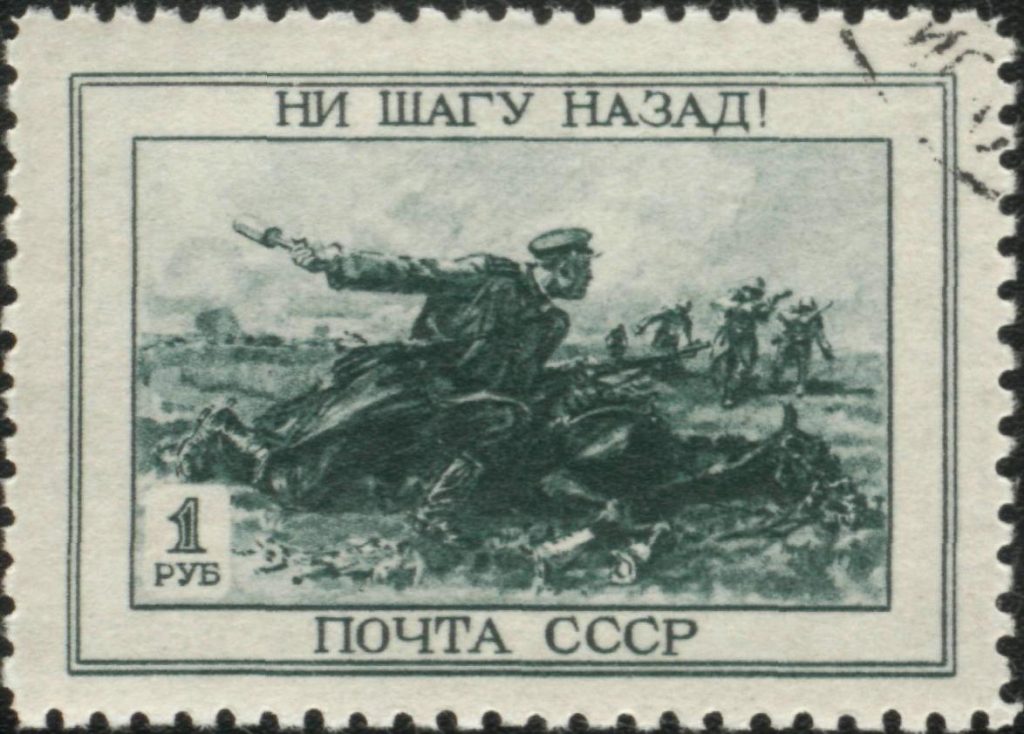
With German armies racing towards the Volga and the Caucasus, Stalin issues Order No. 227. Retreat without orders is forbidden. Panic-mongers and cowards are to be dealt with on the spot.
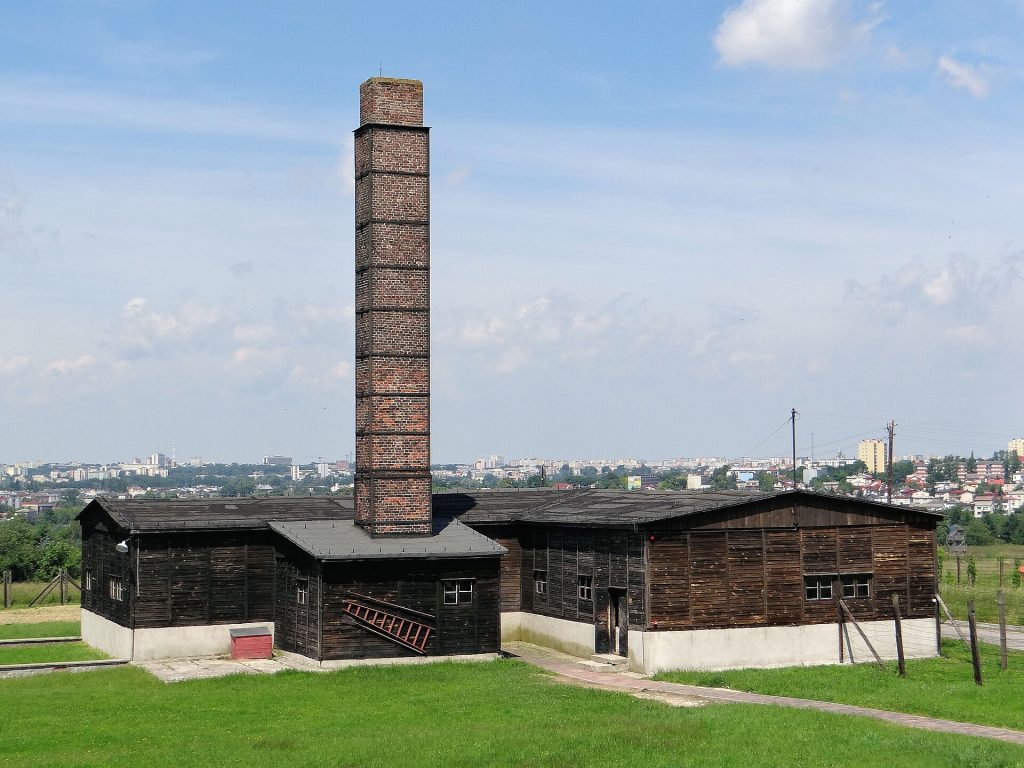
Advancing on Lublin, the Red Army reaches the Majdanek concentration camp, which the SS had no time to destroy. It is the first major Nazi camp to be liberated.
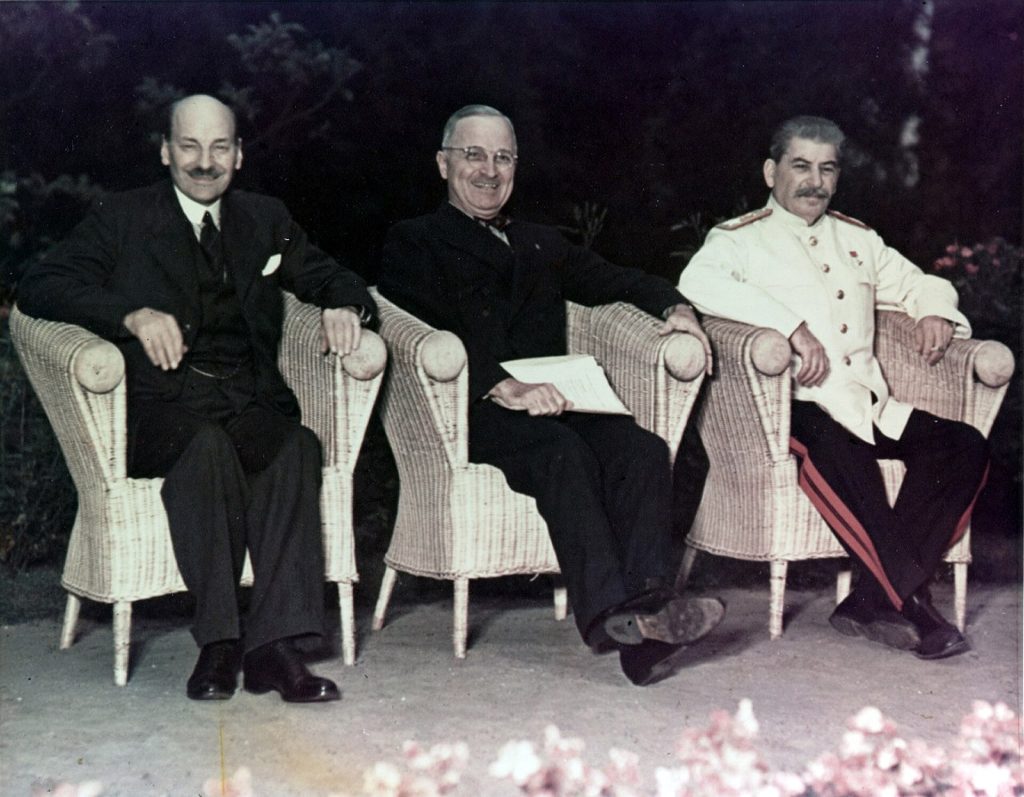
In a palace outside ruined Berlin, Truman, Stalin and Churchill meet to settle the fate of Germany. Halfway through, Churchill is replaced by Attlee.
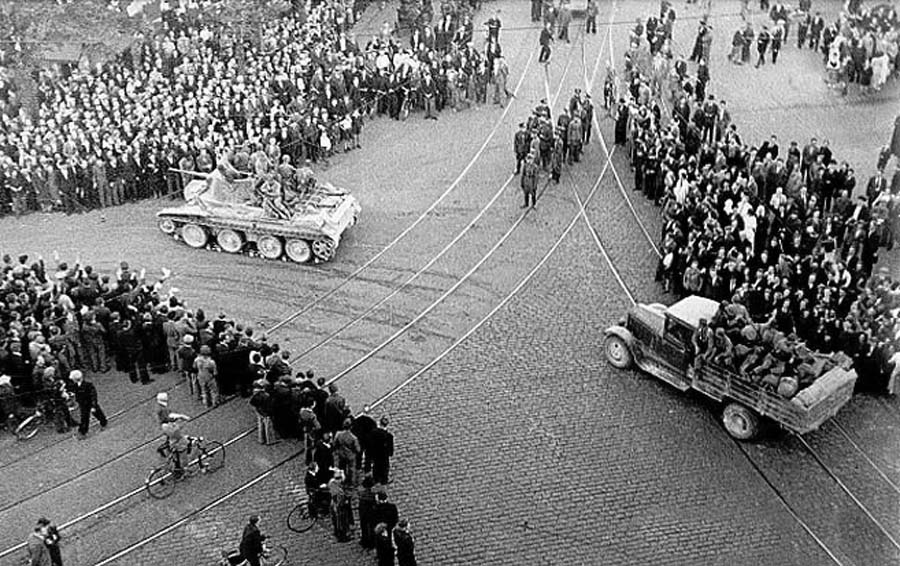
Weeks after the Red Army marches in, Estonia, Latvia and Lithuania hold elections in which only one list of candidates is allowed. The result is a foregone conclusion.
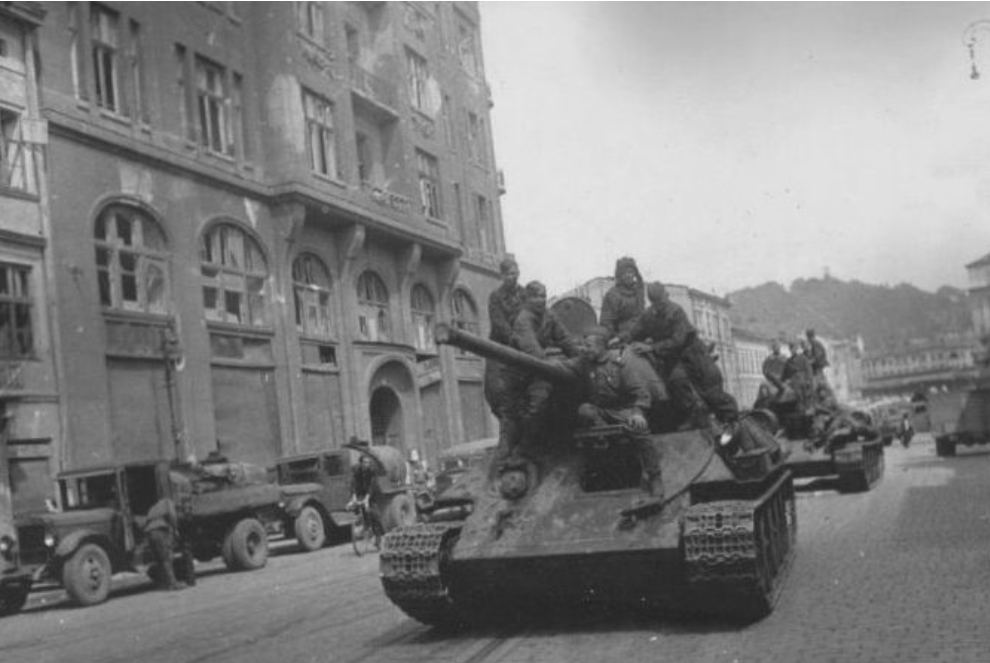
As Army Group Centre collapses in Belarus, Marshal Konev strikes in western Ukraine. Within weeks his armies take Lwów and seize a bridgehead across the Vistula.
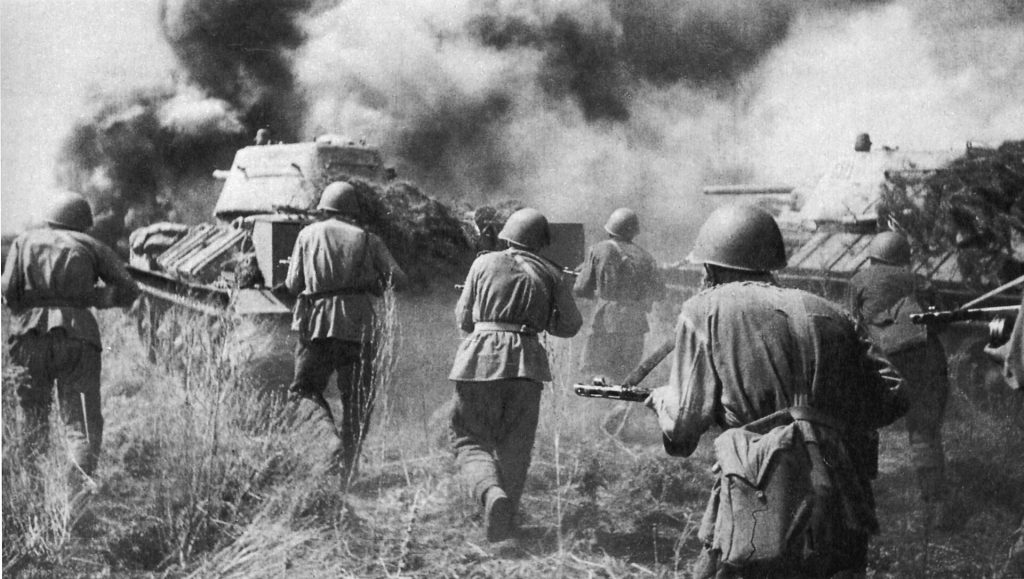
Near a railway station south of Kursk, hundreds of Soviet tanks charge into the advancing SS panzer divisions. It becomes one of the most famous tank battles in history.
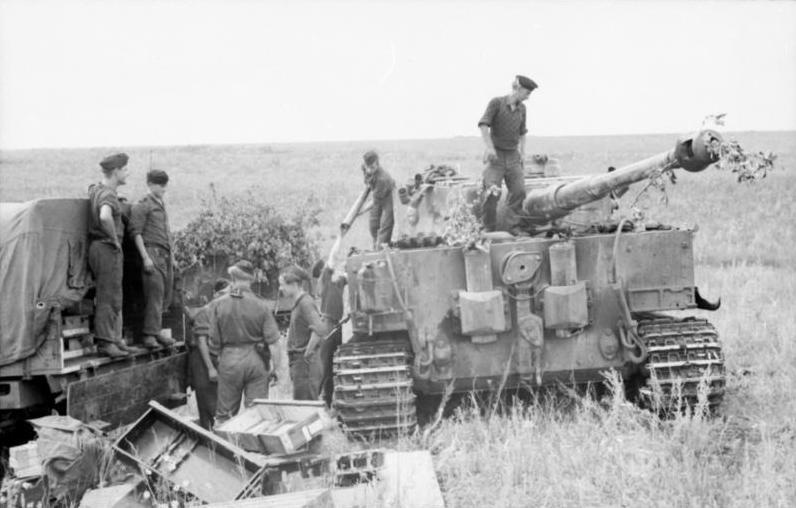
Germany launches its last great offensive in the east against the Kursk salient. The Red Army, warned in advance, is waiting behind the deepest defences of the war.
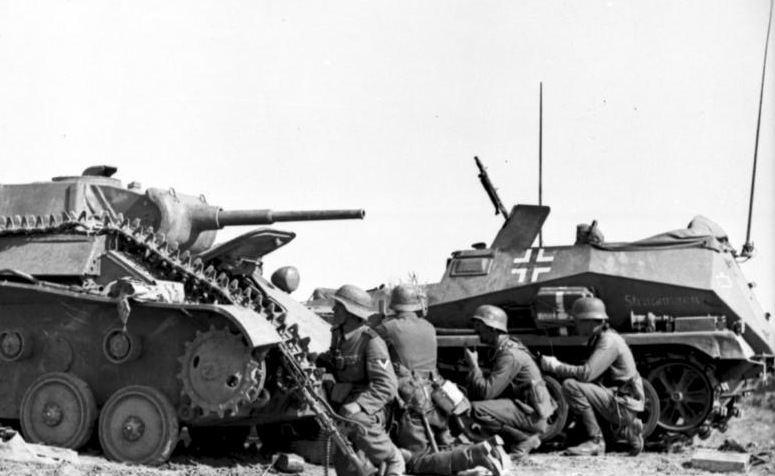
Germany launches its great summer offensive in southern Russia. The goal is the oil of the Caucasus; the road will lead to Stalingrad.
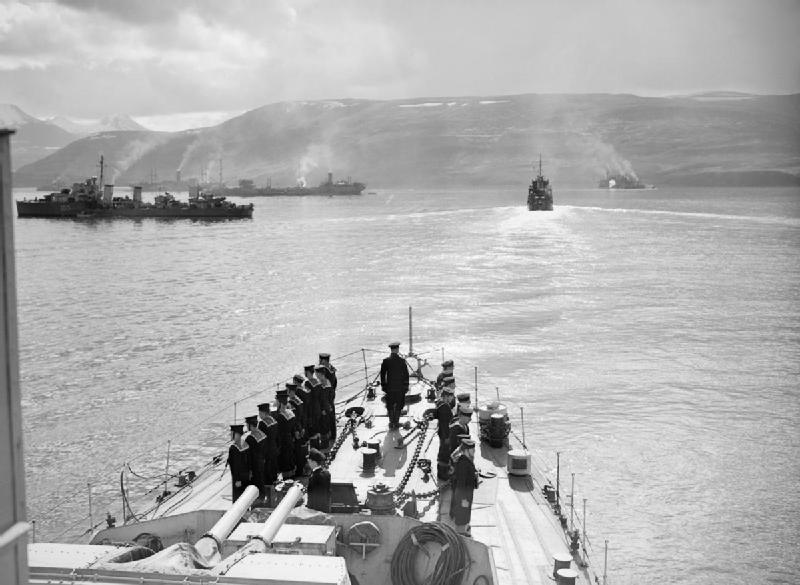
A convoy of 35 merchant ships sails from Iceland for Arkhangelsk with tanks, aircraft and supplies for the Soviet Union. A week later, a fateful order will doom most of it.
In San Francisco, delegates of fifty nations sign the Charter of the United Nations, creating a new organisation to keep the peace the war has cost so much to win.
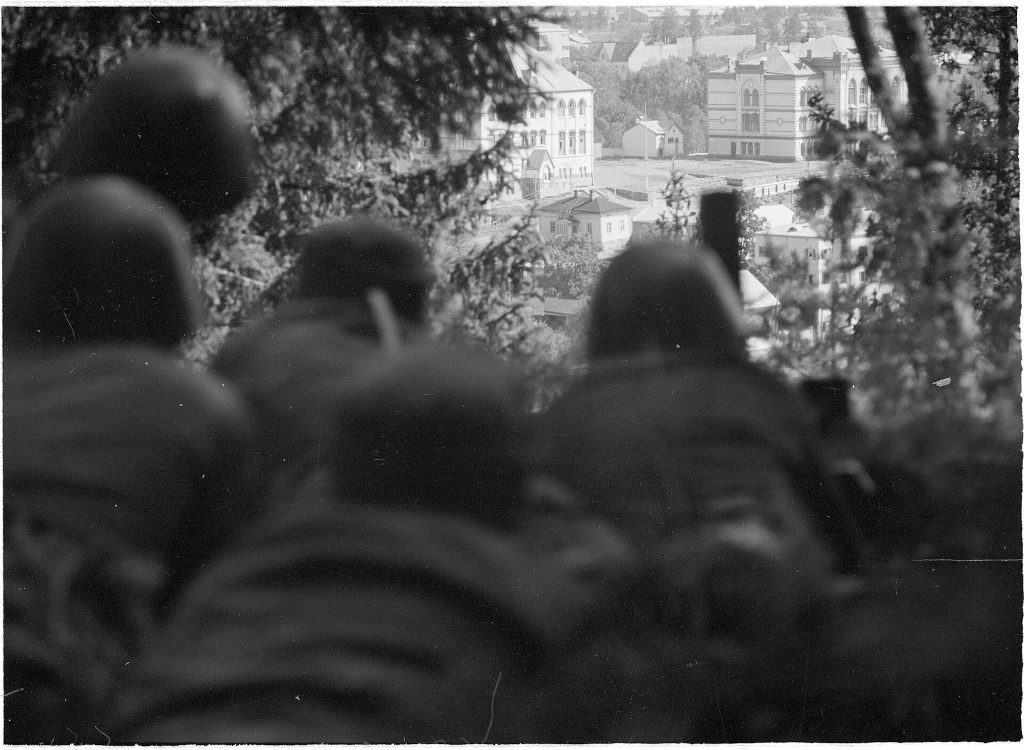
After Soviet bombers strike Finnish towns, Finland declares that it is at war with the Soviet Union again. Finns call it the Continuation War.
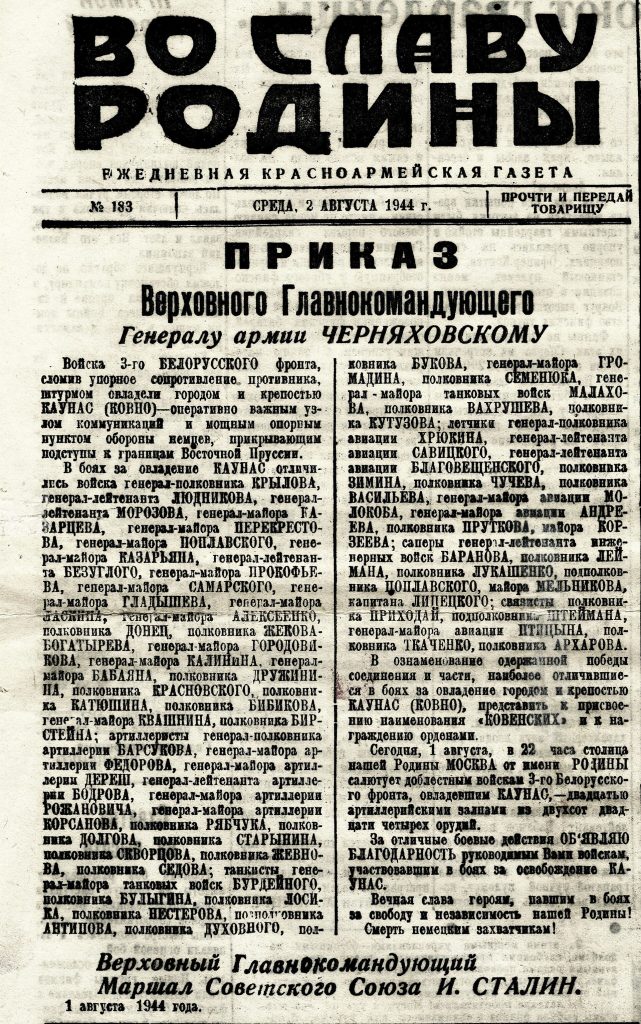
Three years after Barbarossa, the Red Army strikes Army Group Centre in Belarus. Within weeks the German front has disintegrated and Soviet armies are at the gates of Warsaw.
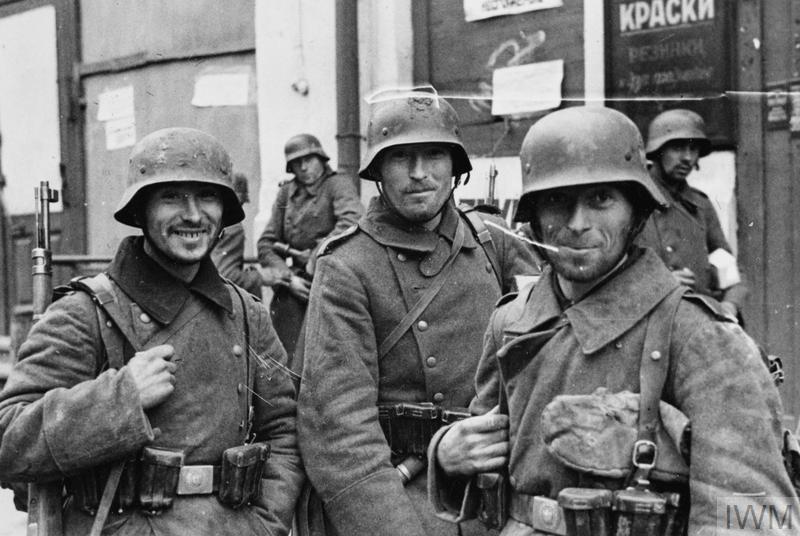
Before dawn, more than three million German and allied soldiers cross into the Soviet Union along a front stretching from the Baltic to the Black Sea. It is the largest invasion in history.
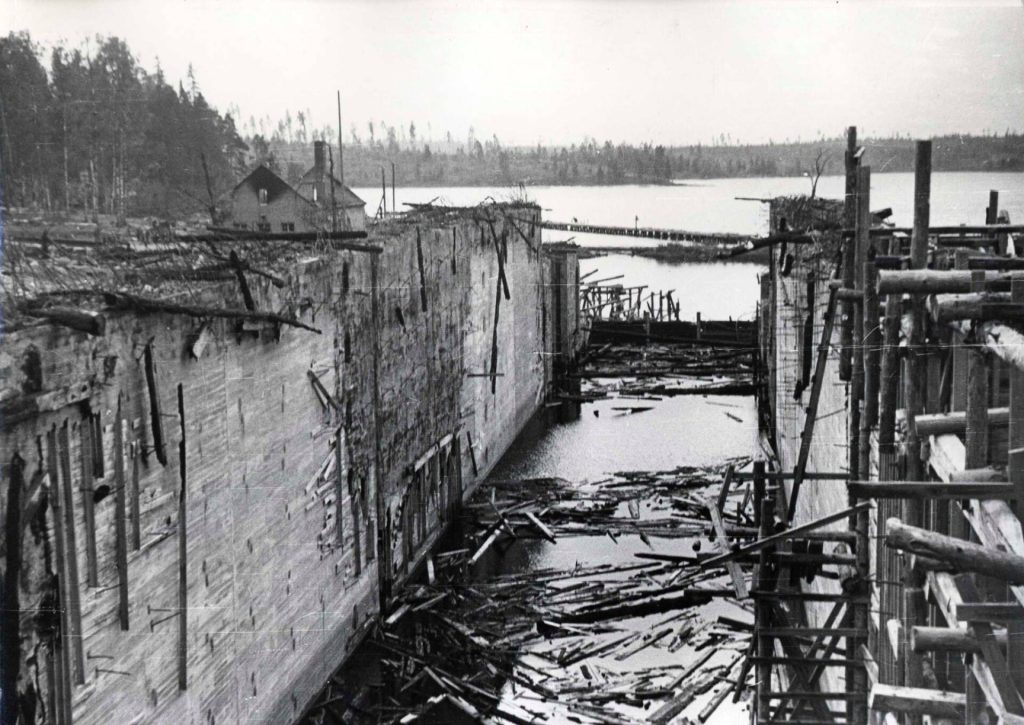
Three days after D-Day, the Red Army opens a massive bombardment on the Karelian Isthmus. Its aim is to knock Finland out of the war.
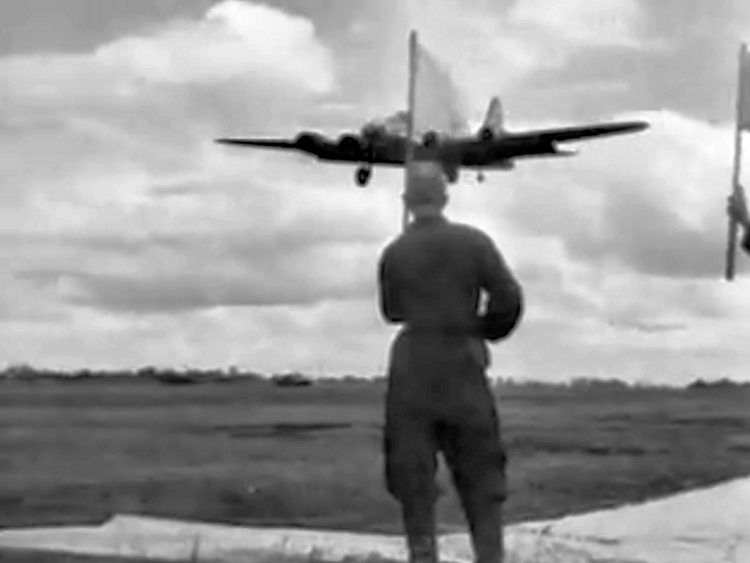
American heavy bombers take off from Italy, attack a target in Hungary and fly on to land at bases inside the Soviet Union. The first shuttle mission has begun.
 United Kingdom
 United States
 Soviet Union
 Germany
 Japan
 France
 Poland
 South Africa