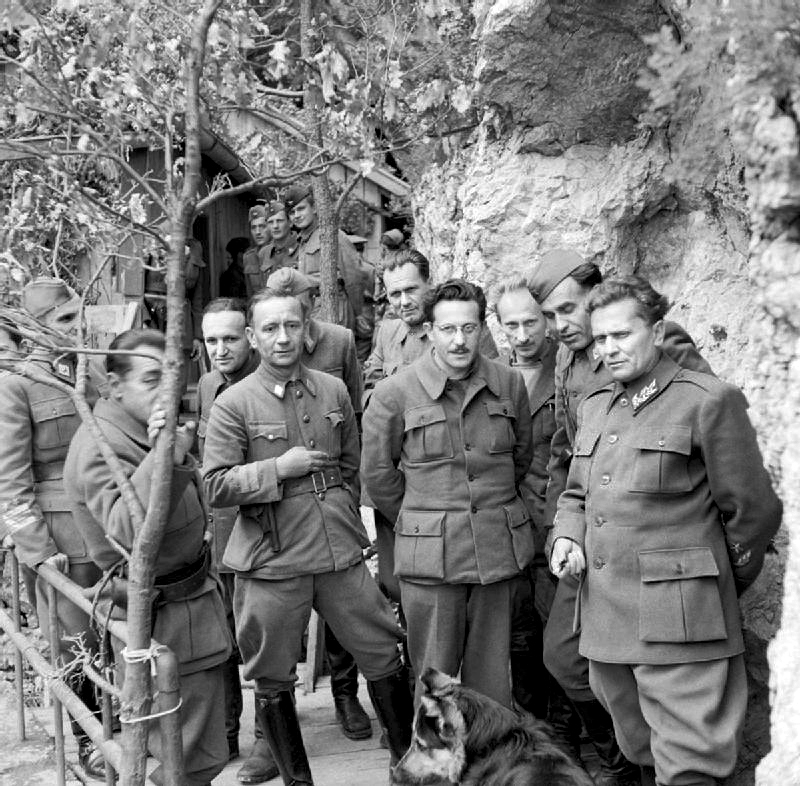
25 May 1944: The Raid on Drvar
On Tito’s birthday, German paratroopers and glider troops descend on the Bosnian town of Drvar to capture or kill him. Tito escapes from his cave headquarters by a hair.
Dispatches involving Soviet Union.
On Tito’s birthday, German paratroopers and glider troops descend on the Bosnian town of Drvar to capture or kill him. Tito escapes from his cave headquarters by a hair.
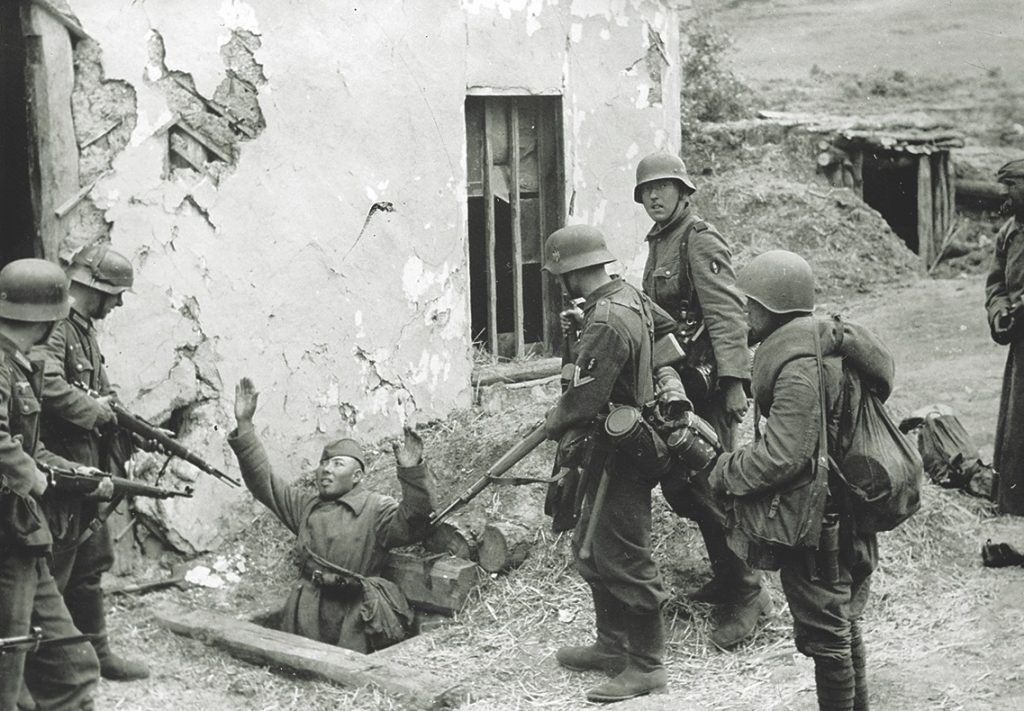
The Red Army launches an ambitious spring offensive to retake Kharkov. Within a week, a German counter-stroke turns it into a disaster.
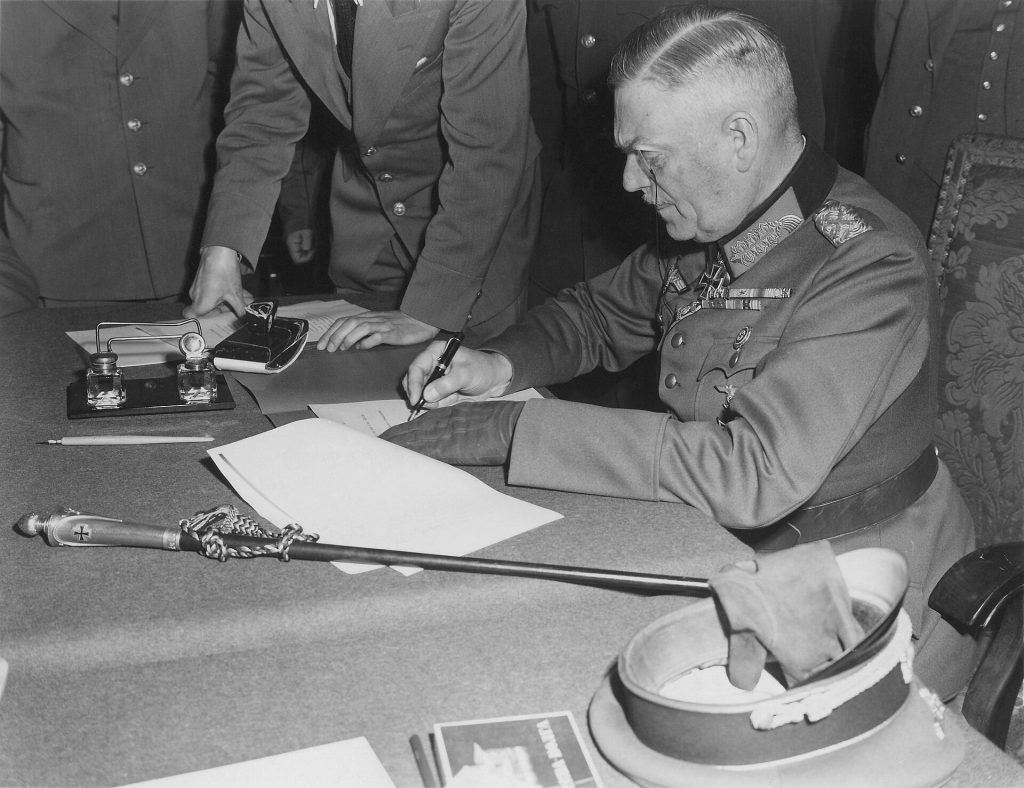
Shortly before midnight in Berlin-Karlshorst, Field Marshal Keitel signs the final surrender before Marshal Zhukov. In Moscow it is already 9 May, and the Soviet Union celebrates victory.
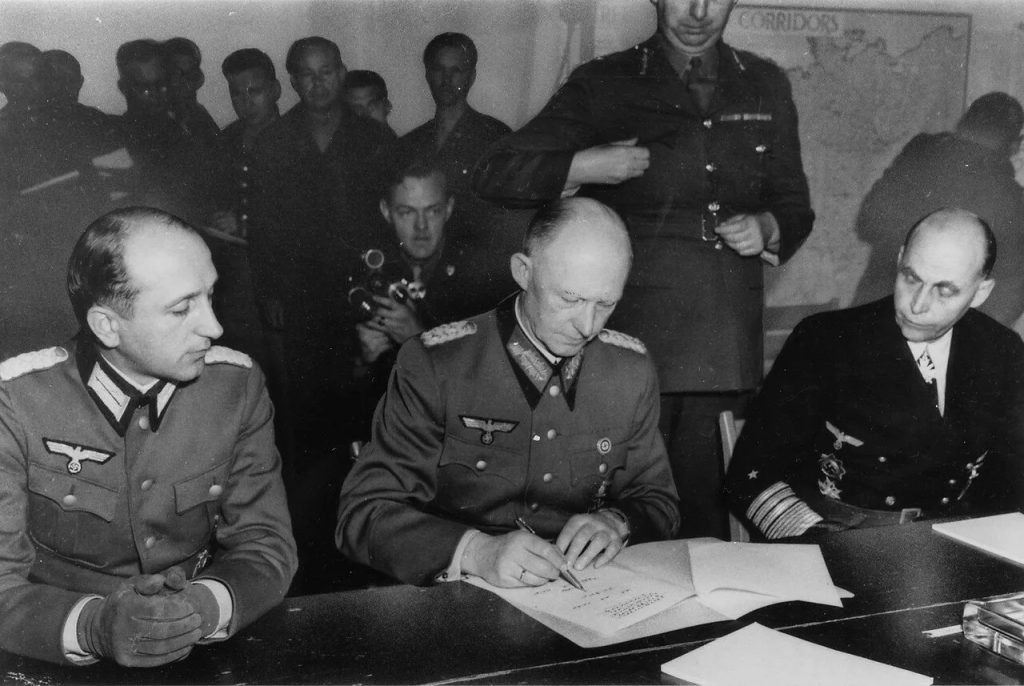
In the small hours, in a schoolhouse in Reims serving as Eisenhower’s headquarters, General Alfred Jodl signs Germany’s unconditional surrender.
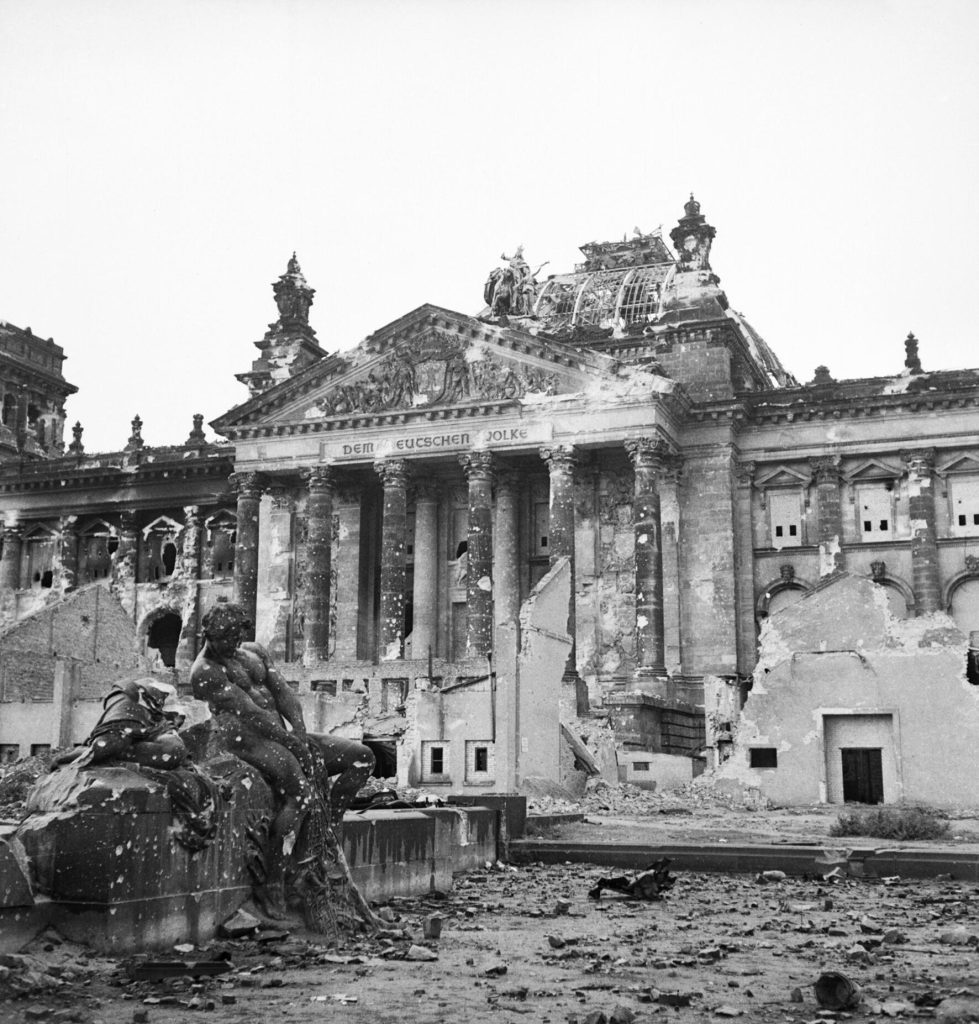
Two days after Hitler’s death, the commander of the Berlin garrison surrenders to the Red Army. The guns fall silent over the ruined capital of the Reich.
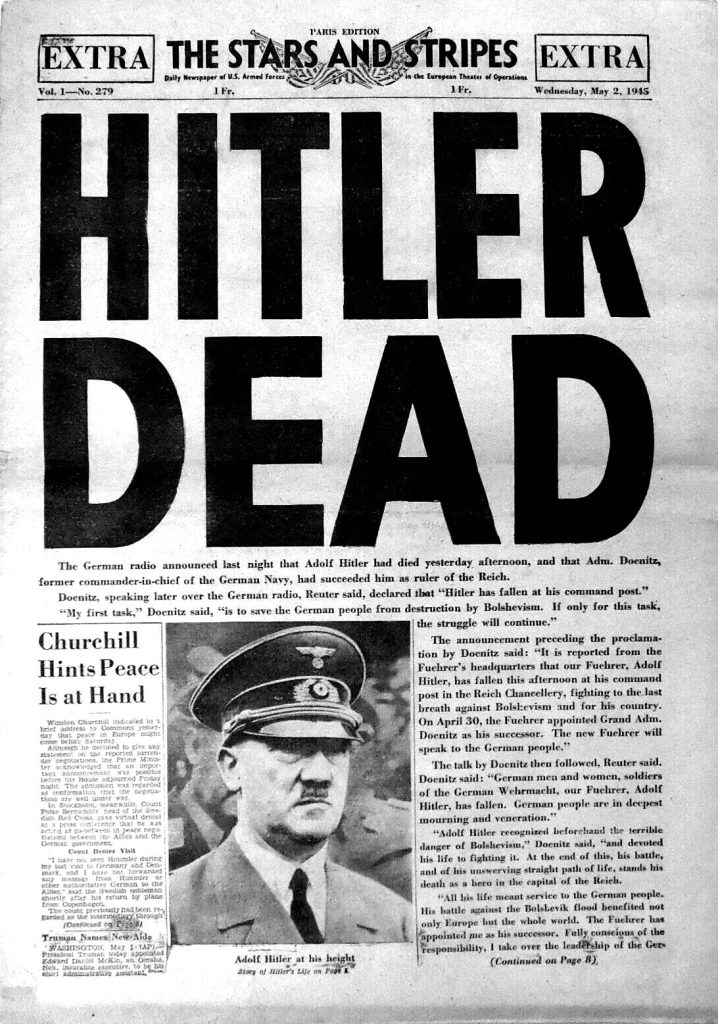
With Soviet troops only a few hundred metres away, Adolf Hitler takes his own life in the bunker beneath the Reich Chancellery.
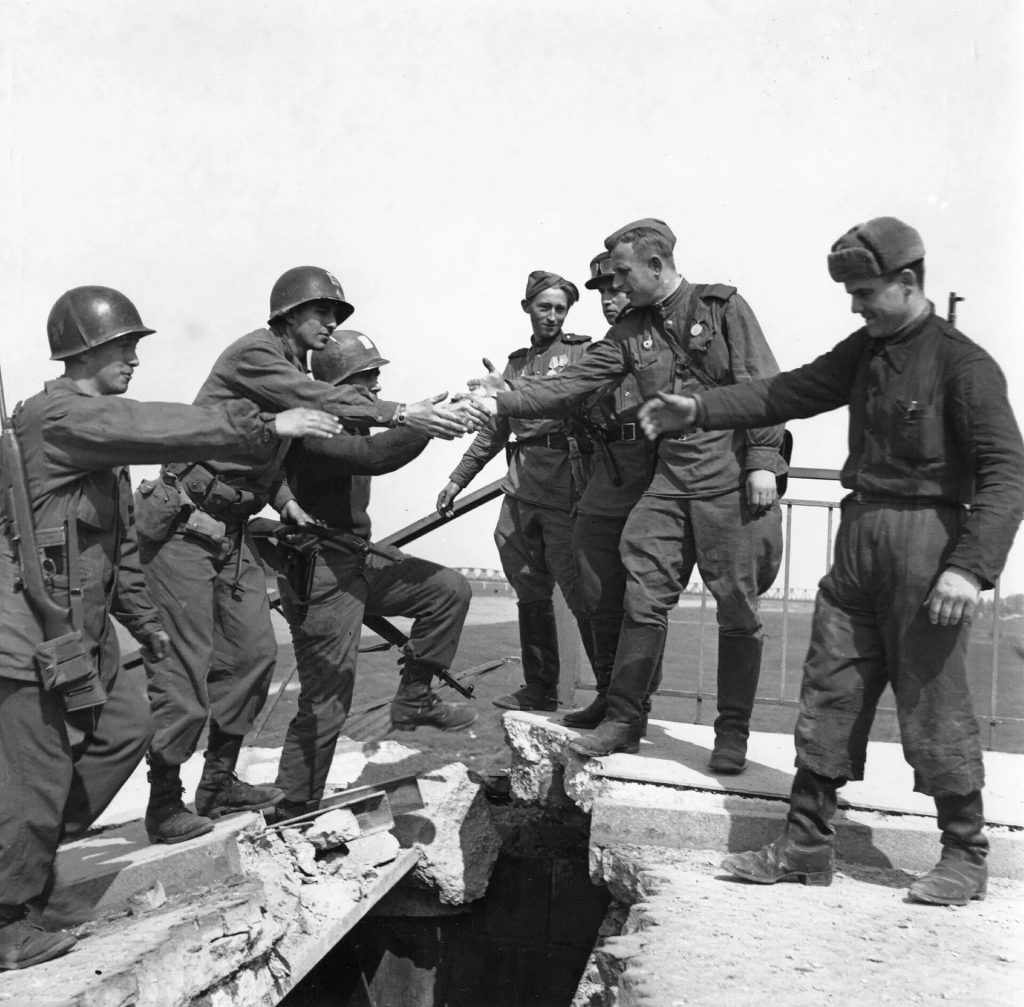
American patrols meet Soviet soldiers on the river Elbe, near Torgau. The armies from east and west have joined, and Germany is cut in two.
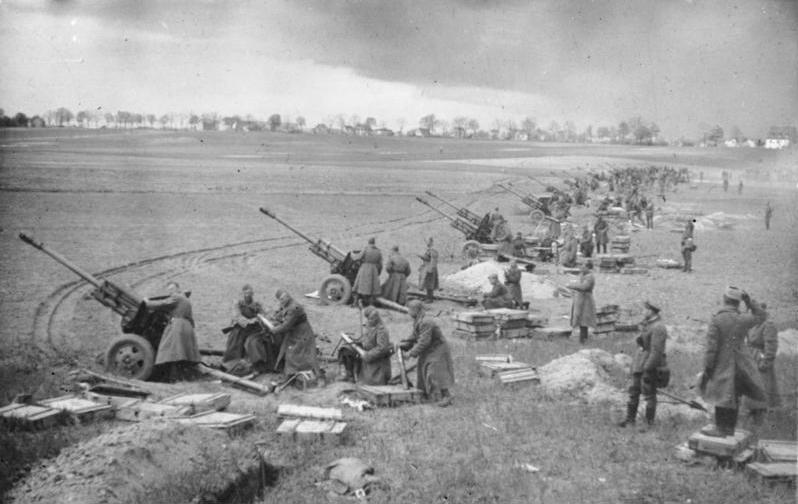
At 03:00, thousands of Soviet guns and searchlights blaze along the Oder. The final offensive on Berlin has begun, but the first obstacle is a line of hills.
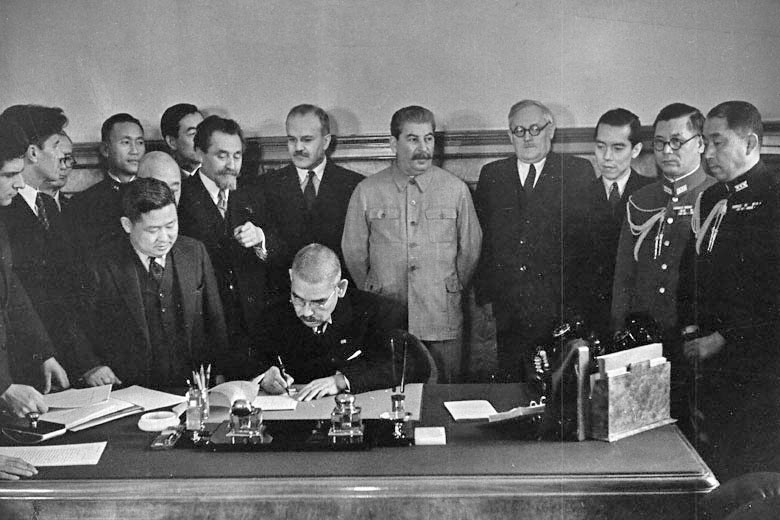
In the Kremlin, Japan’s foreign minister and Molotov sign a five-year neutrality pact. Stalin himself turns up at the railway station to see the Japanese delegation off.
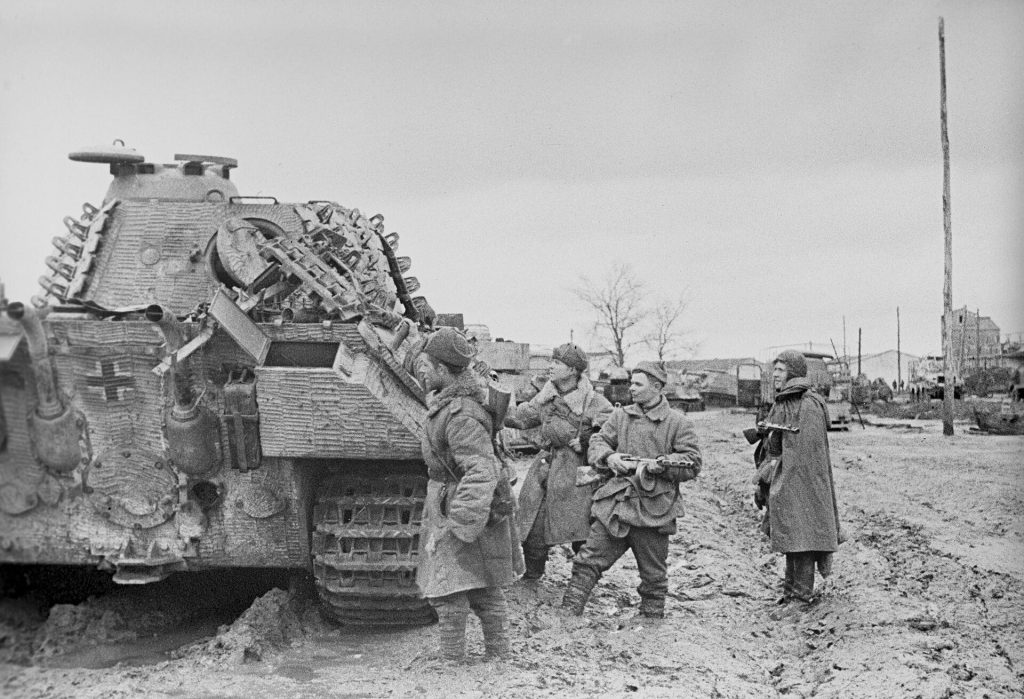
Soviet forces cross the Prut river into Romania. In Moscow, Molotov declares that the Soviet Union has no wish to take Romanian territory or change its social order.
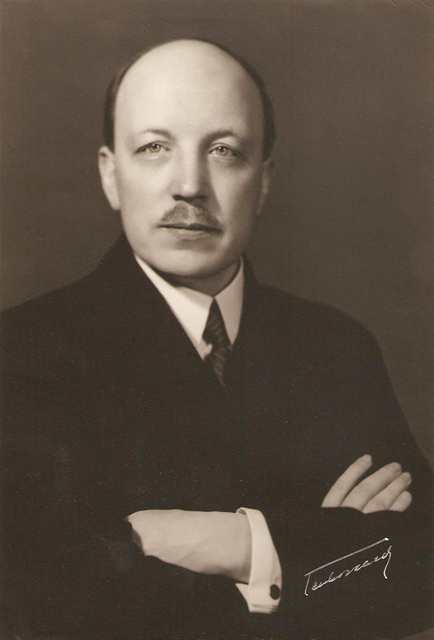
Late at night in Moscow, Finnish delegates sign a harsh peace treaty. The Winter War will end the next day, and Finland will lose a tenth of its territory.
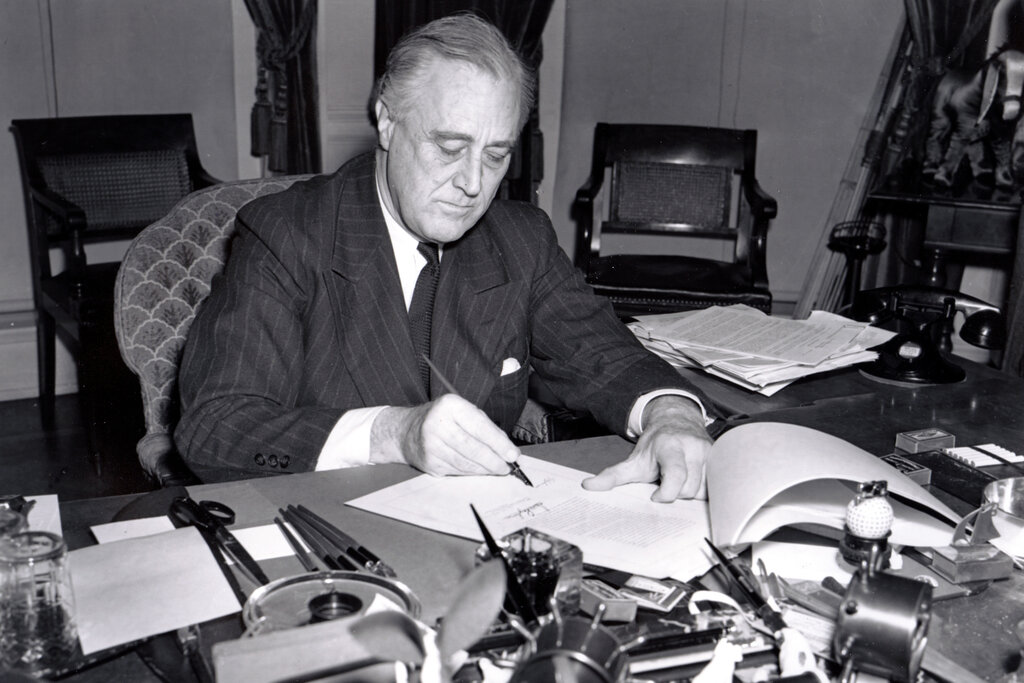
Roosevelt signs into law a bill allowing the United States to send weapons and supplies to nations fighting the Axis without immediate payment. America becomes the arsenal of democracy.
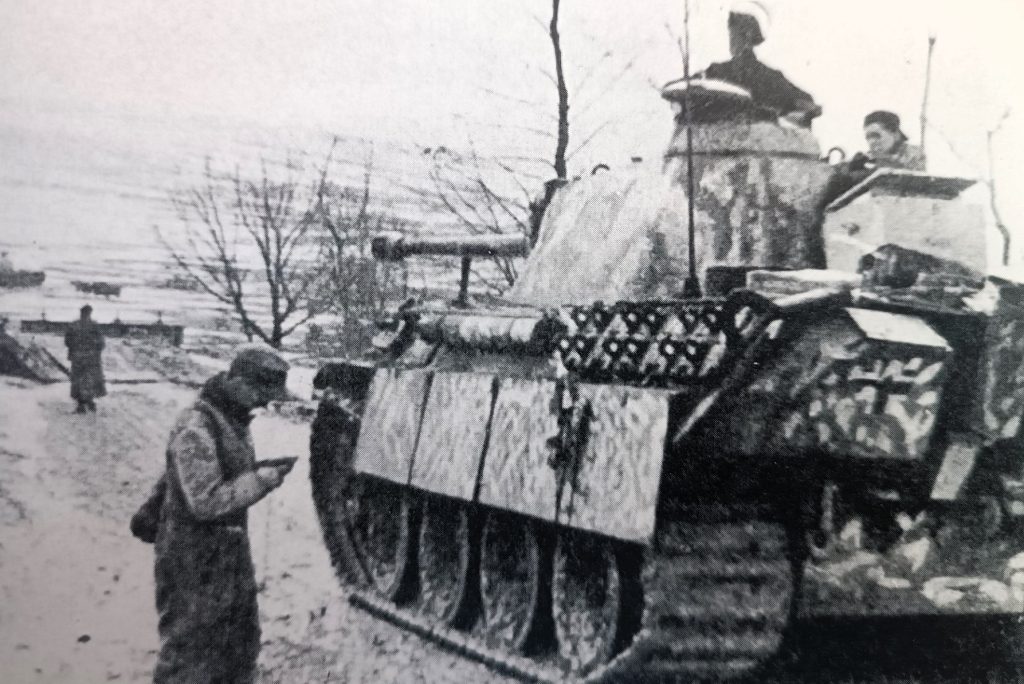
Germany launches its last major offensive of the war, around Lake Balaton in Hungary, to protect its final source of oil. Within ten days it has failed.
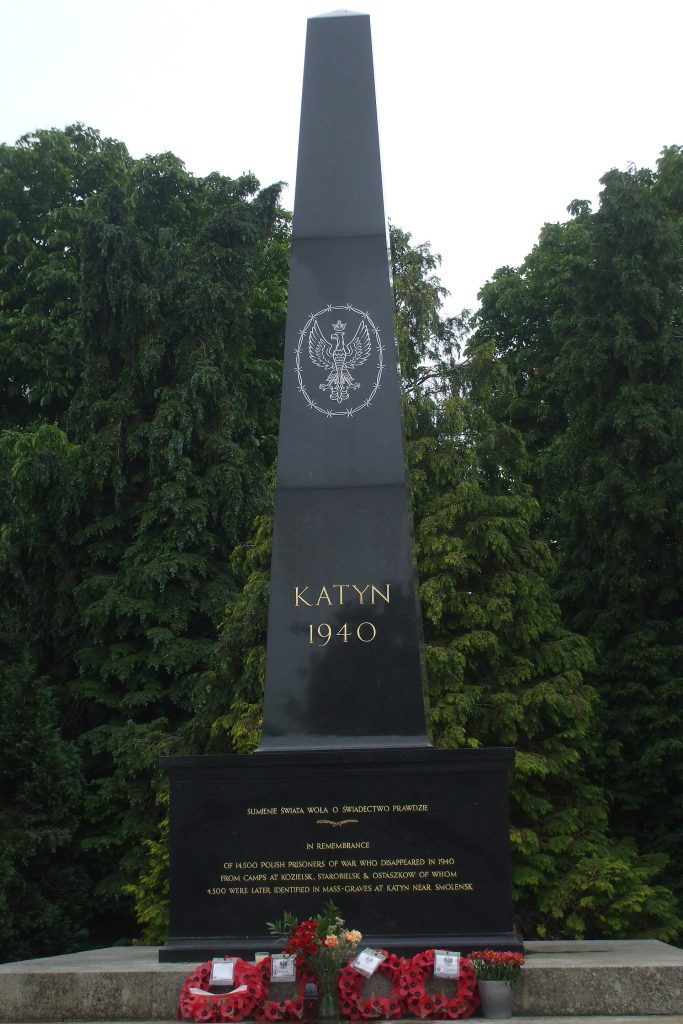
Stalin and the Politburo approve a proposal from the head of the NKVD: thousands of Polish officers and other prisoners are to be shot.
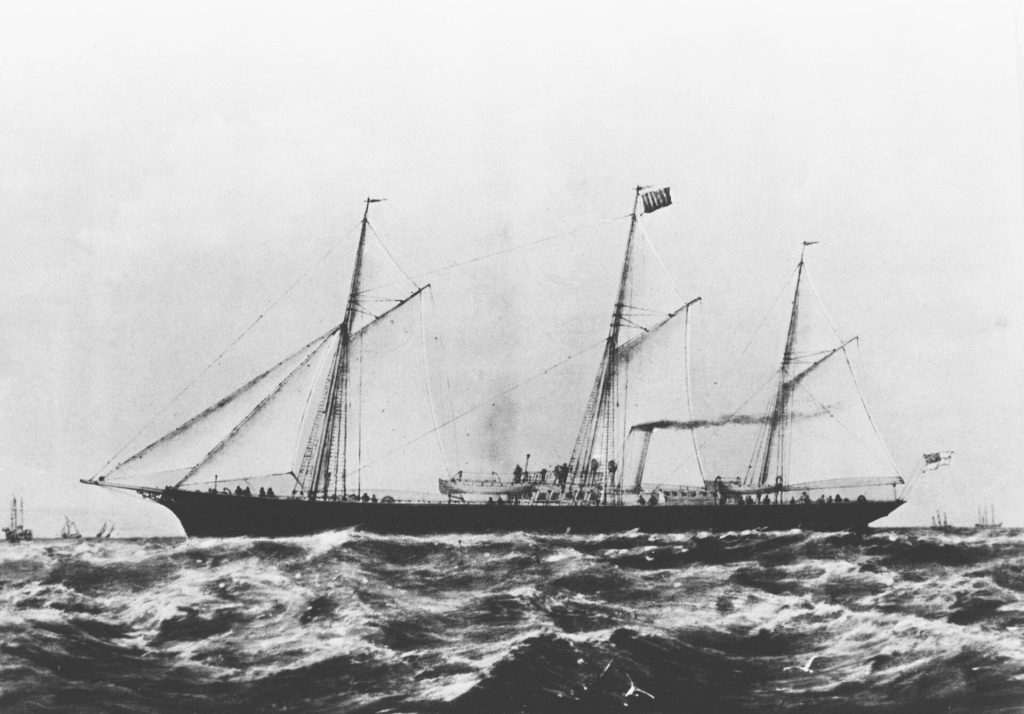
An old, overcrowded boat carrying Jewish refugees from Romania is towed out into the Black Sea and torpedoed. Of the nearly 800 people aboard, one survives.
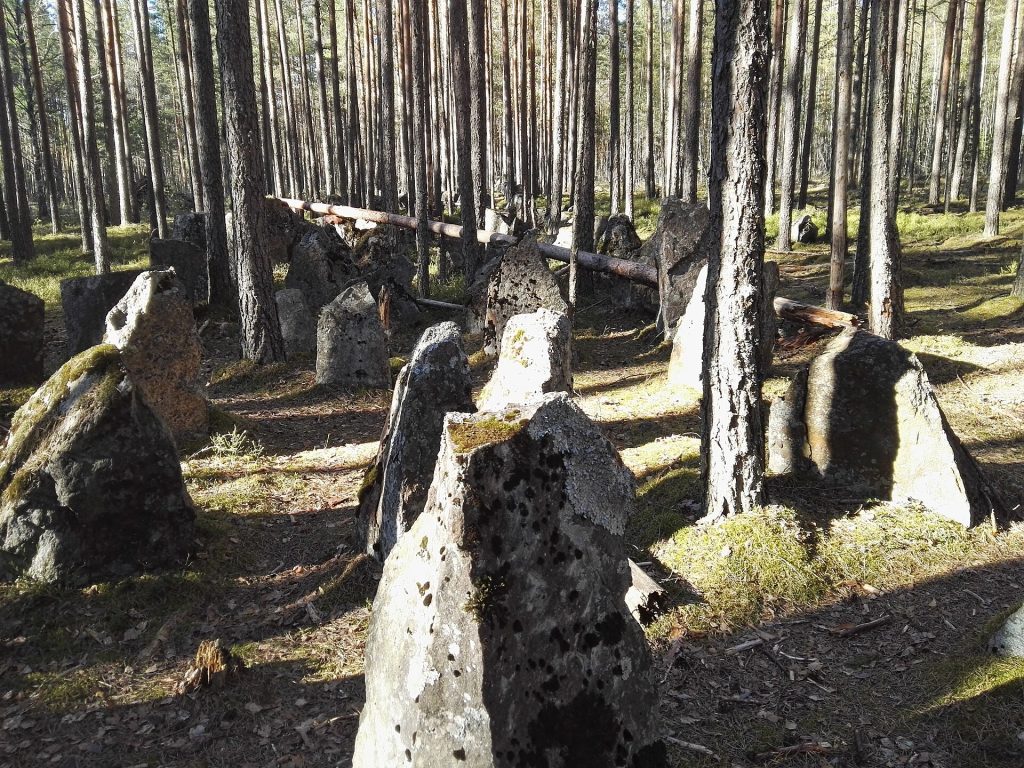
After weeks of bombardment, the Red Army launches its main assault on the Karelian Isthmus. At Summa the Finnish defences finally give way.
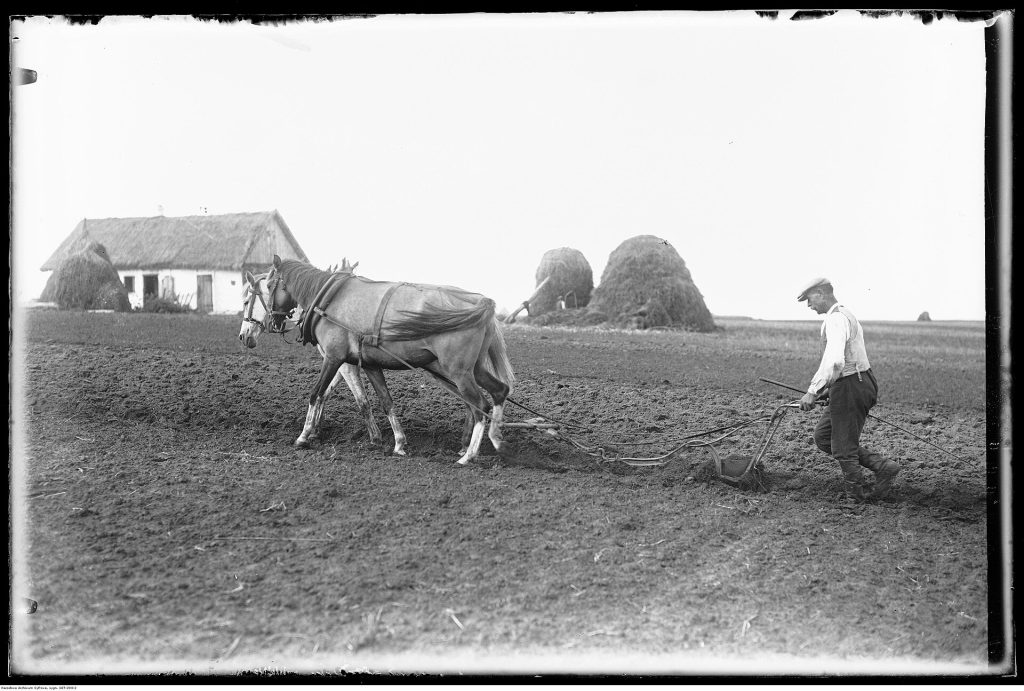
Before dawn, in bitter frost, Soviet security troops begin rounding up Polish families in the occupied east. They are loaded onto freight trains bound for Siberia and the far north.
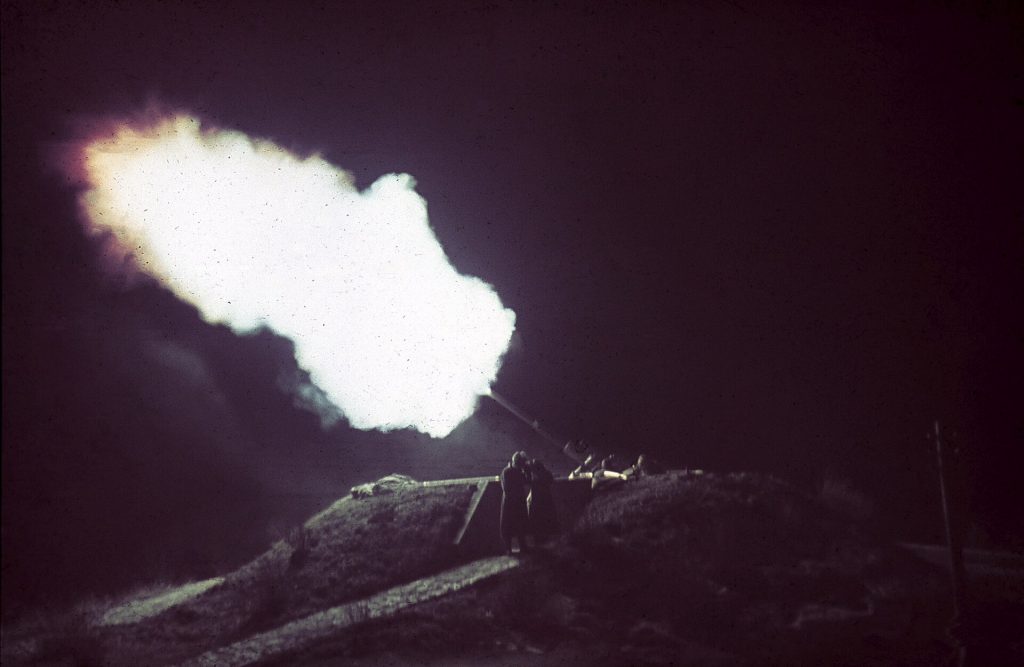
Hundreds of Soviet bombers attack the Finnish capital by night, the first of three great raids meant to force Finland out of the war.
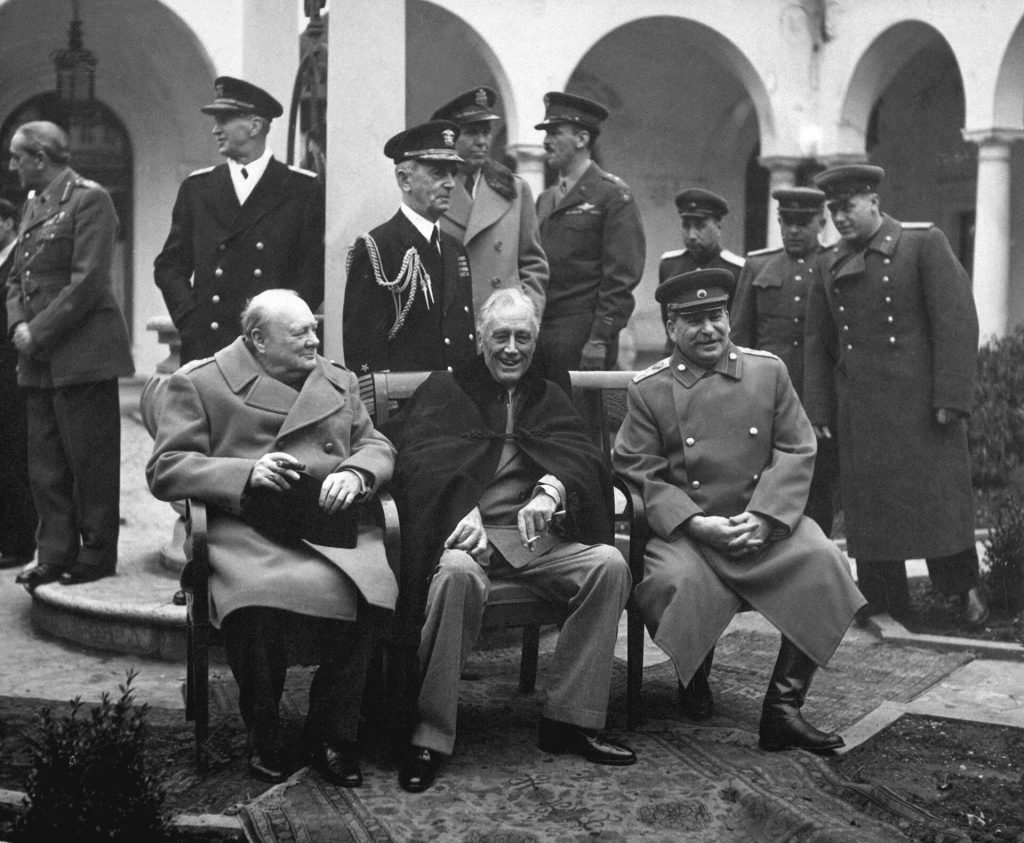
Roosevelt, Churchill and Stalin meet in a former tsar’s palace in the Crimea. They plan the end of the war and the shape of the peace.
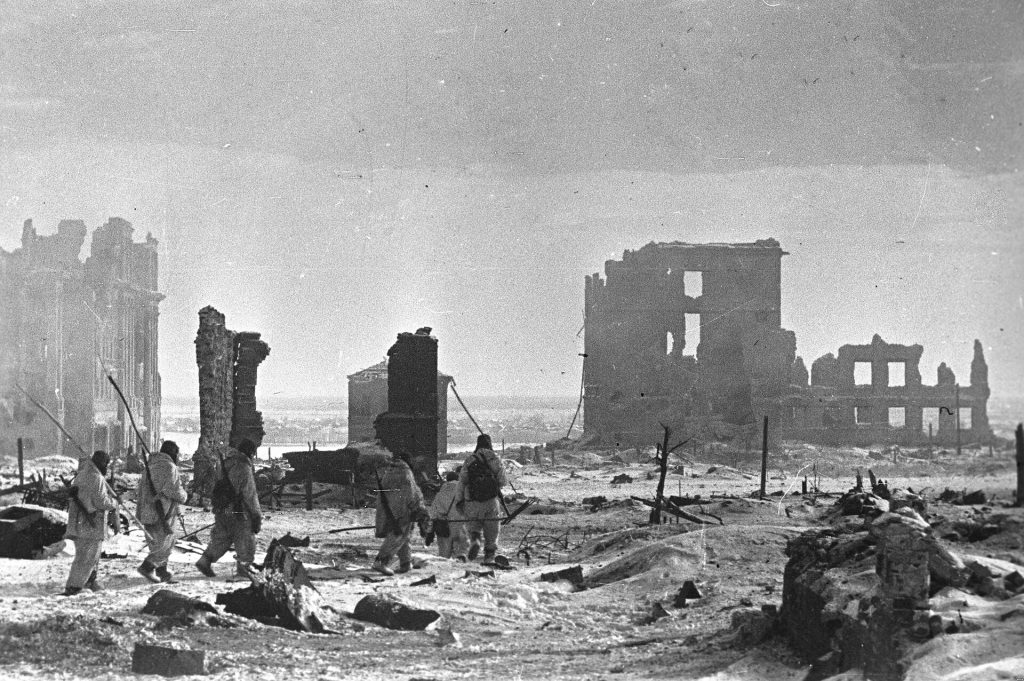
The last German troops in the northern ruins of Stalingrad lay down their arms. After more than five months, one of the most destructive battles in history is over.
 United Kingdom
 United States
 Soviet Union
 Germany
 Japan
 France
 Poland
 South Africa