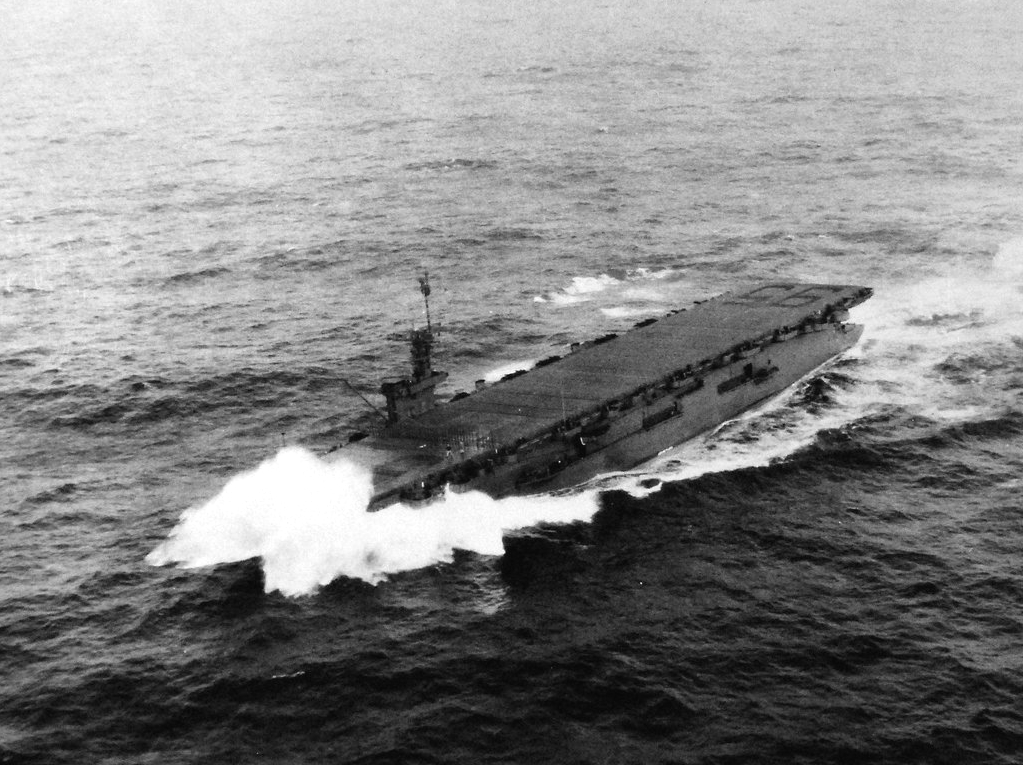
21 February 1945: Kamikazes off Iwo Jima
Two days into the Iwo Jima landings, suicide aircraft strike the American fleet offshore. The carrier Saratoga is badly damaged, and the escort carrier Bismarck Sea goes down.
Dispatches involving United States.
Two days into the Iwo Jima landings, suicide aircraft strike the American fleet offshore. The carrier Saratoga is badly damaged, and the escort carrier Bismarck Sea goes down.
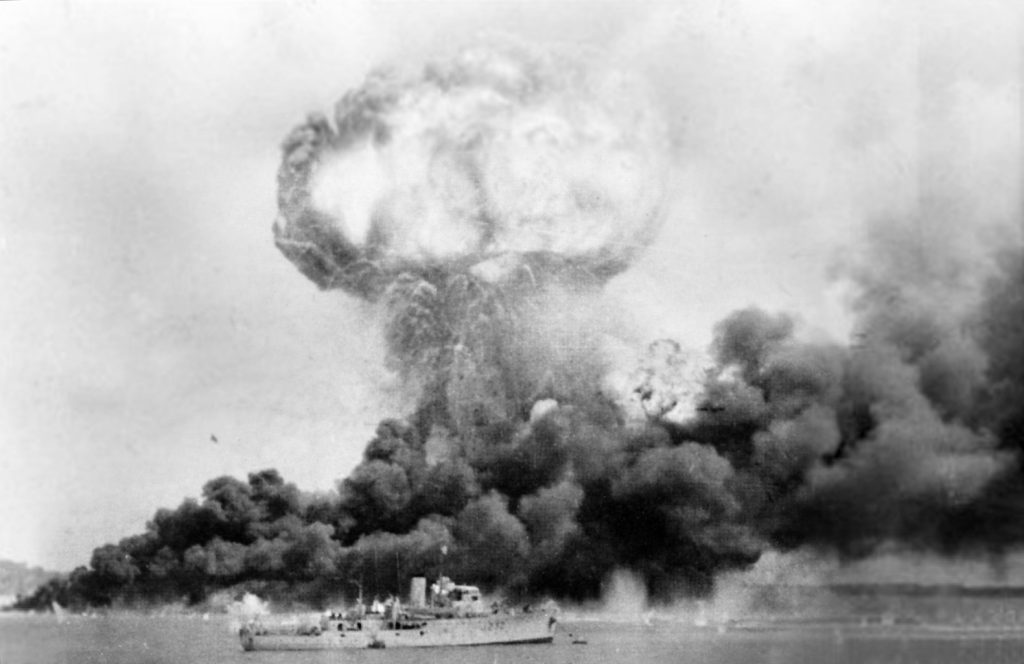
The aircraft carriers that struck Pearl Harbor launch a devastating raid on Darwin. For the first time, mainland Australia comes under attack.
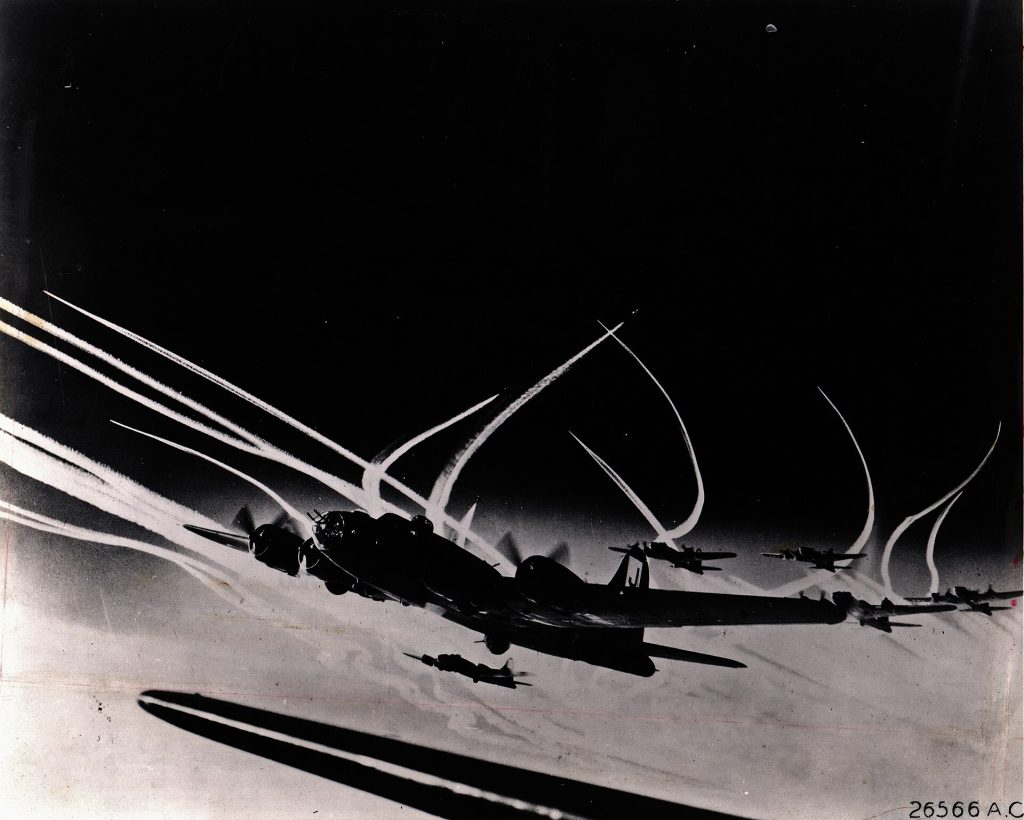
With a break in the winter weather, the Allied air forces launch a week of massed attacks on the German aircraft industry. The real target is the Luftwaffe itself.
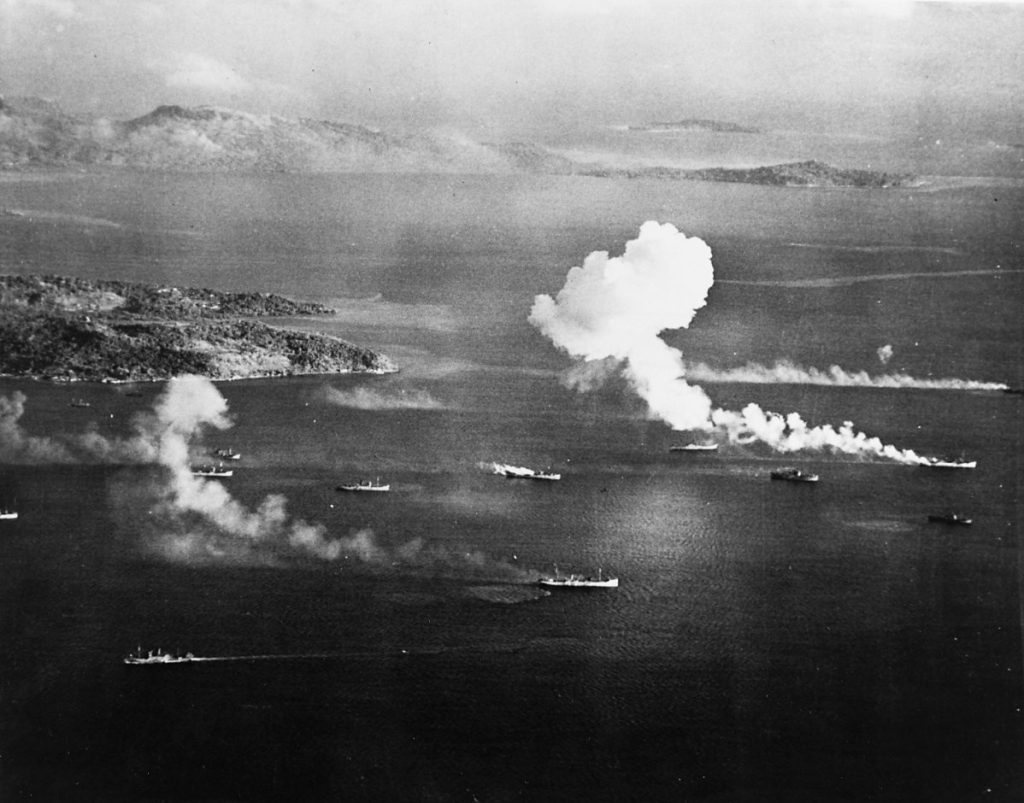
American carrier aircraft descend on Truk, Japan’s great fleet anchorage in the central Pacific, and wreck the shipping and aircraft they find there.
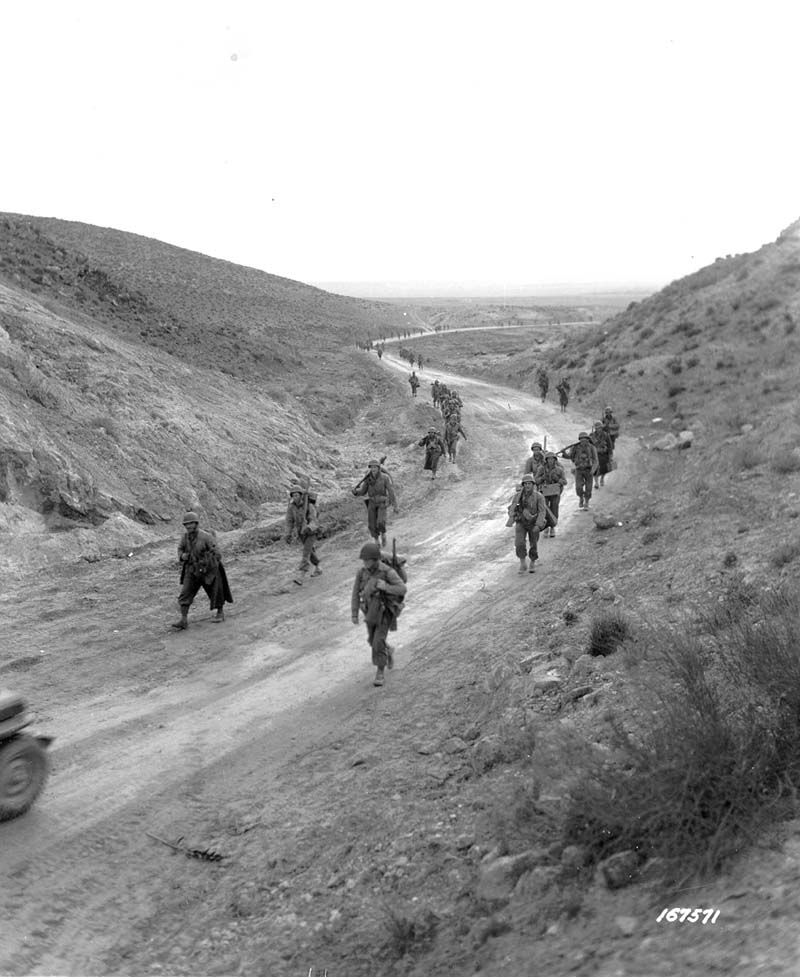
German panzer divisions strike the inexperienced US II Corps in central Tunisia. Within days the Americans are driven back through the Kasserine Pass.
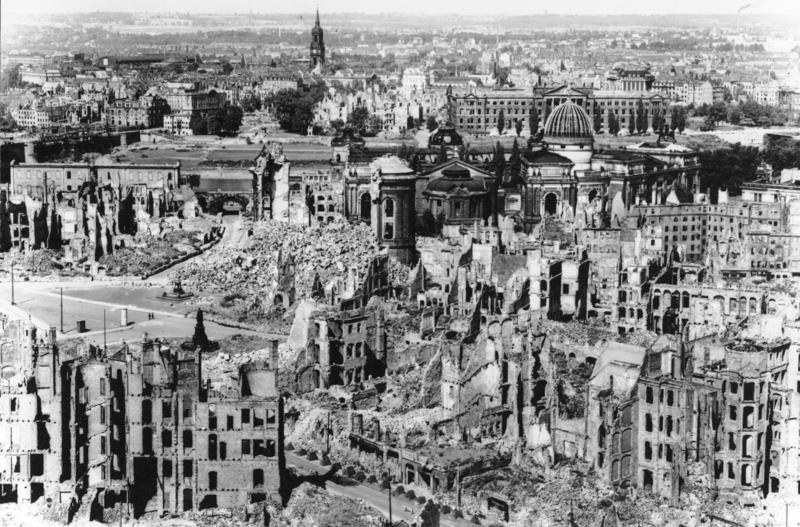
RAF bombers attack the baroque city of Dresden in two waves by night, followed by American raids by day. The firestorm that follows becomes one of the most debated acts of the war.
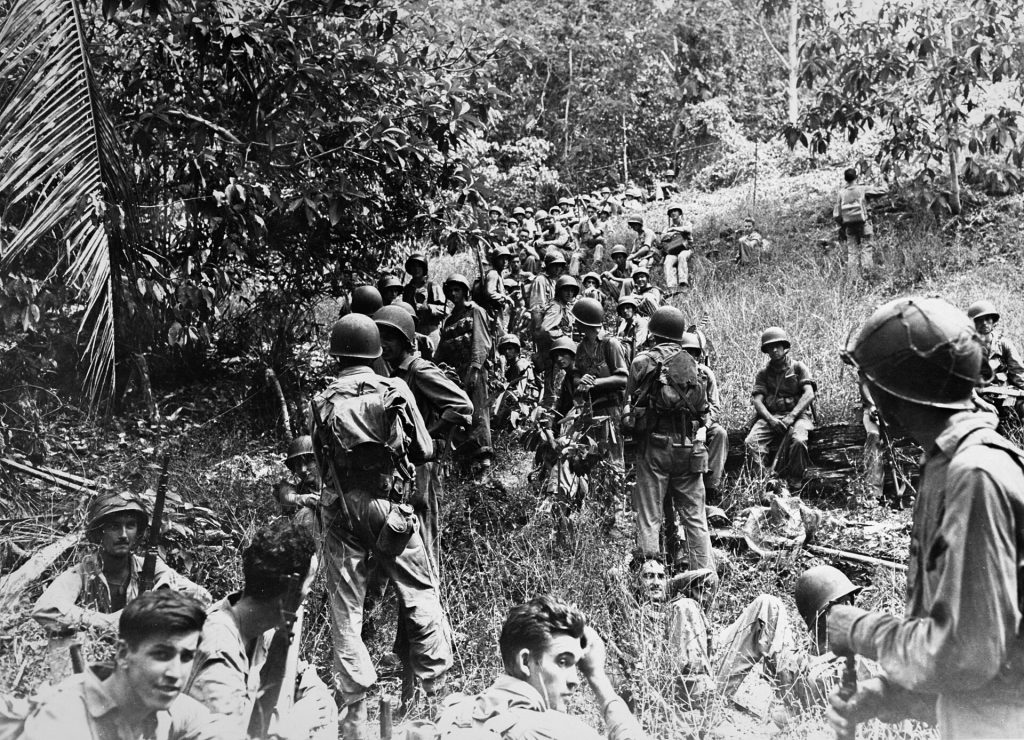
Six months after the Marines landed, the American commander on Guadalcanal reports that organised Japanese resistance has ended. The enemy has slipped away by night.
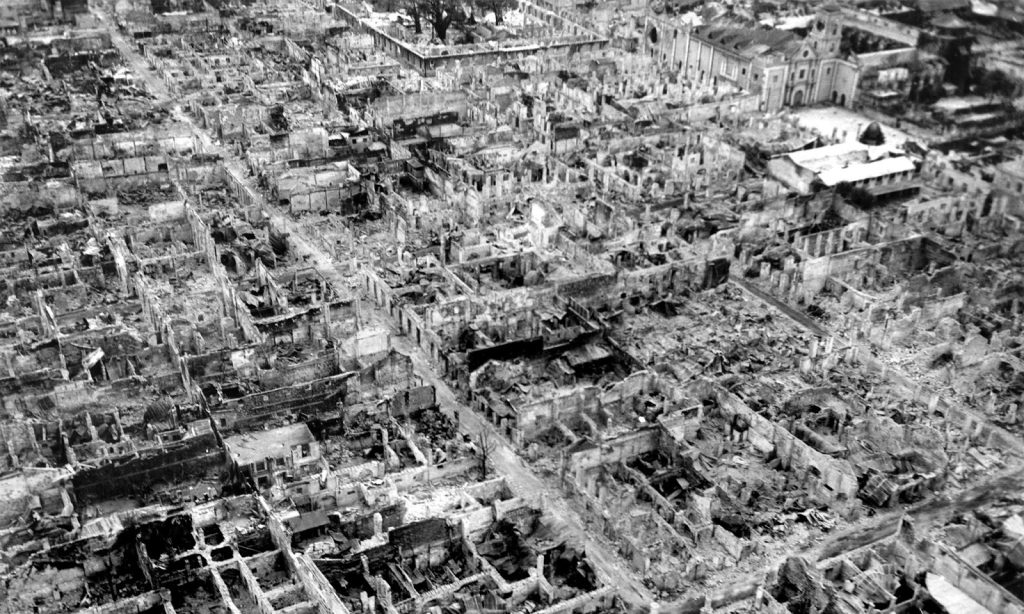
An American flying column races into Manila and frees thousands of internees at Santo Tomas. A month of devastating street fighting follows.
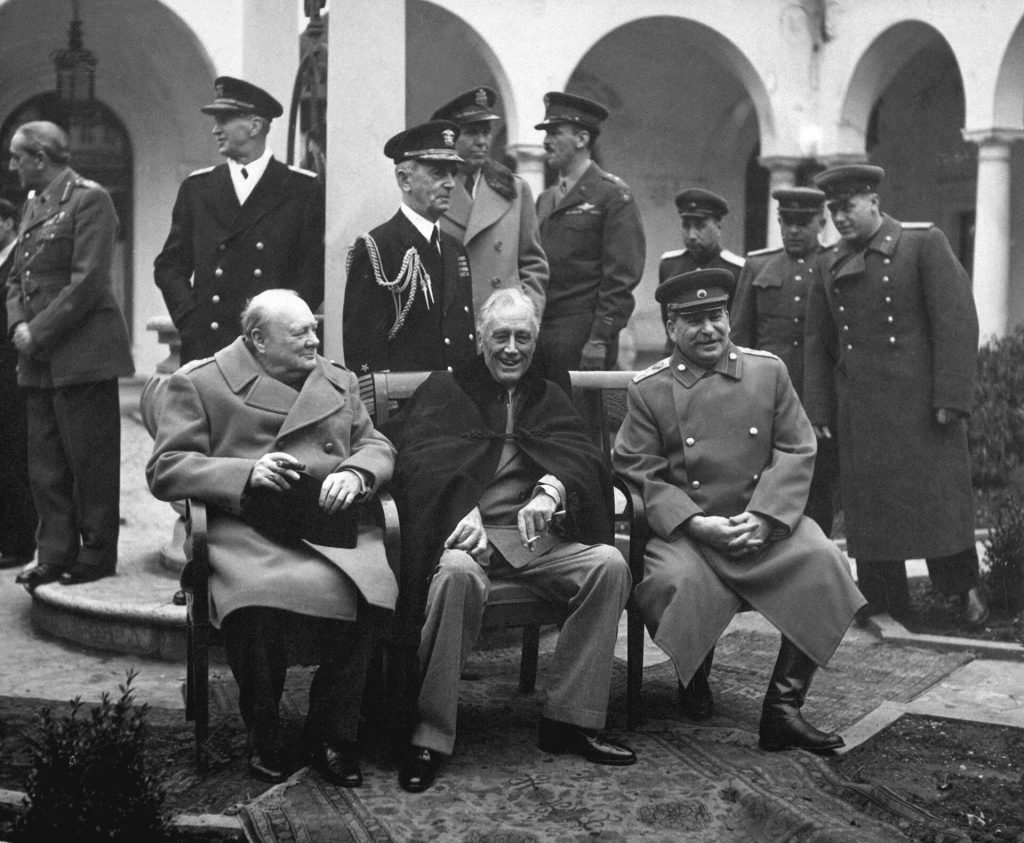
Roosevelt, Churchill and Stalin meet in a former tsar’s palace in the Crimea. They plan the end of the war and the shape of the peace.
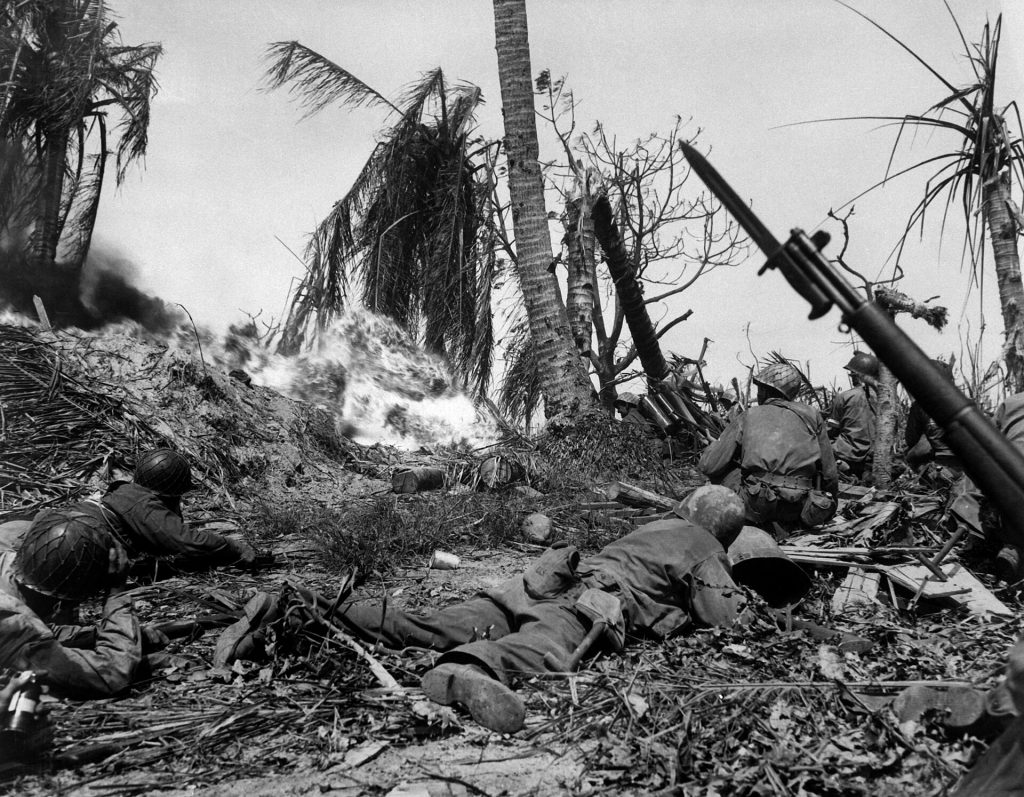
American soldiers and marines storm the heart of the Marshall Islands. The lessons of Tarawa have been learned, and the cost is far lower.
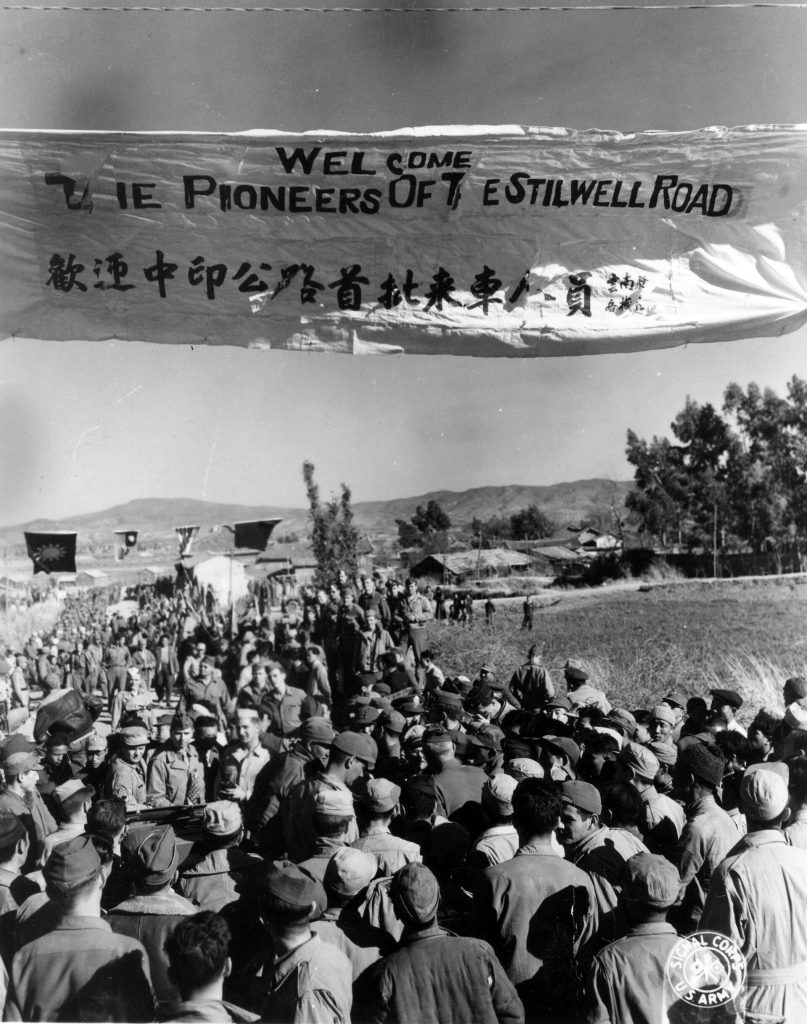
Three years after the Burma Road was cut, the first convoy from India crosses into China on a new road hacked through jungle and mountains.
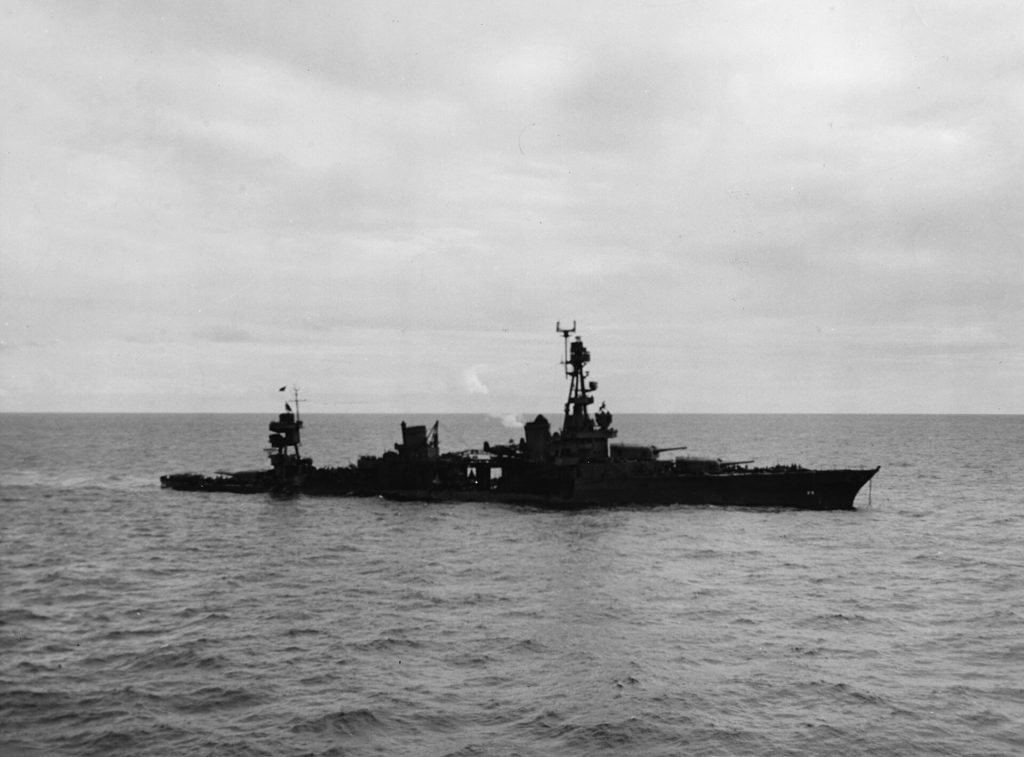
Japanese torpedo bombers attack an American cruiser force at dusk off the Solomon Islands. By the following afternoon, the heavy cruiser Chicago is lost.
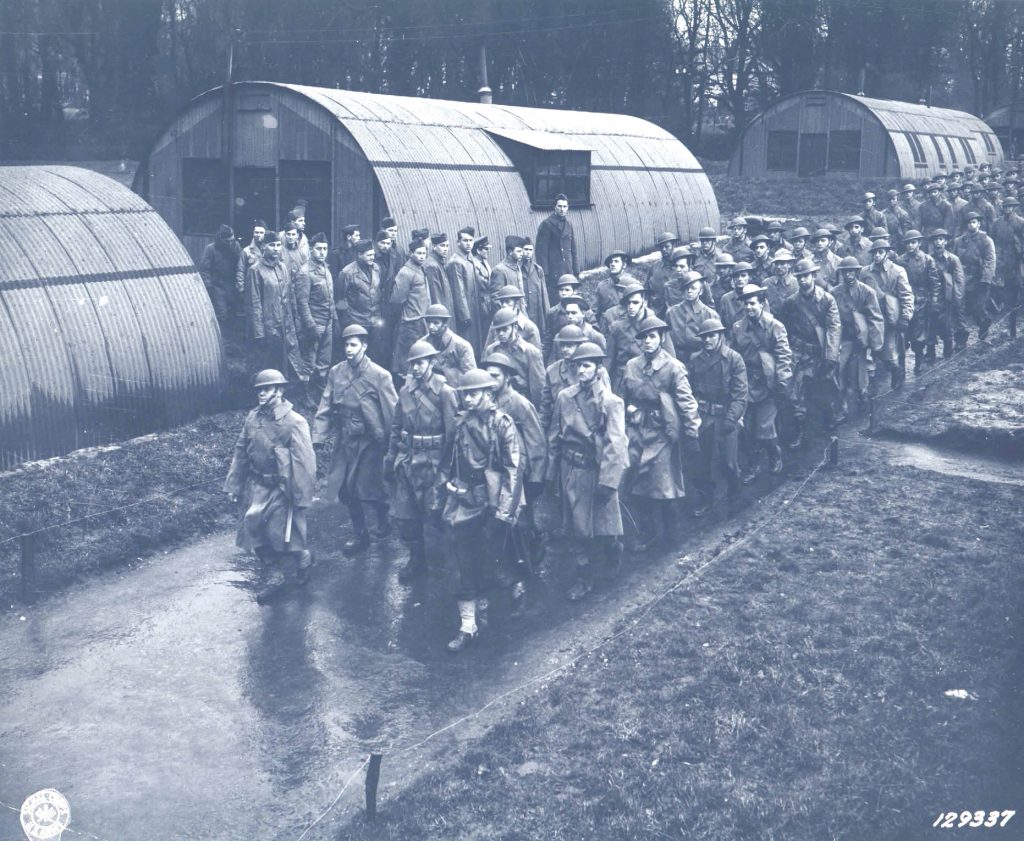
Seven weeks after Pearl Harbor, the first American soldiers to reach Europe in this war step ashore in Belfast. Millions more will follow.
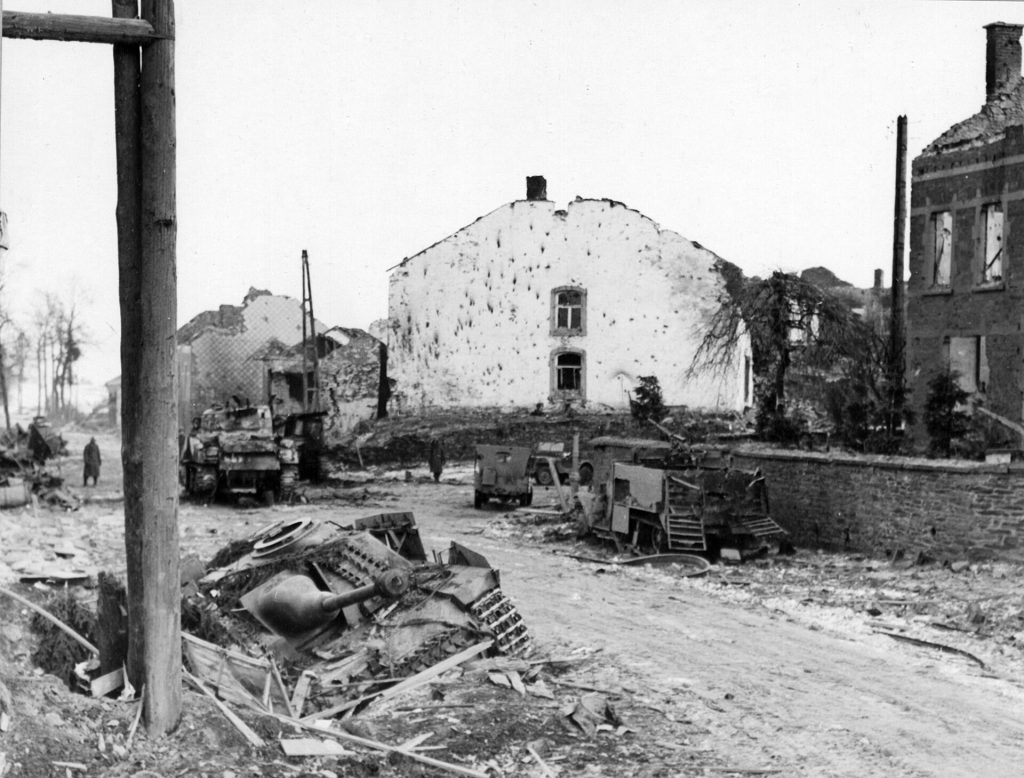
Six weeks after Hitler’s last great offensive in the west tore into the Ardennes, the US Army marks the official end of the Battle of the Bulge.
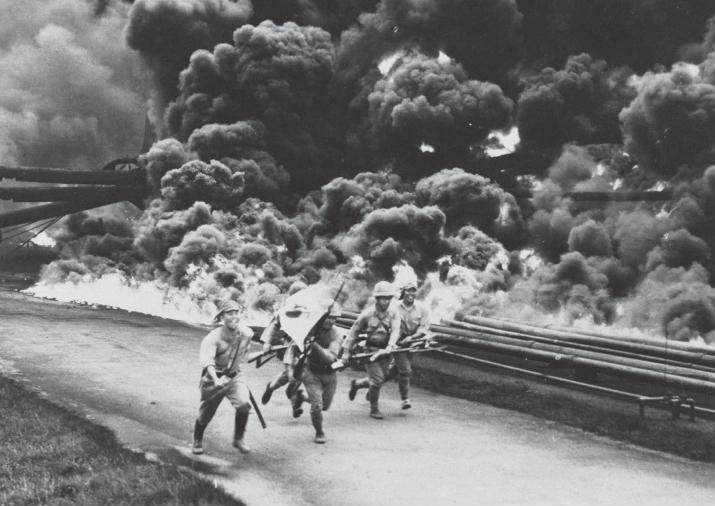
Four elderly American destroyers slip into a Japanese invasion anchorage off Borneo in the dark and torpedo transports at close range.
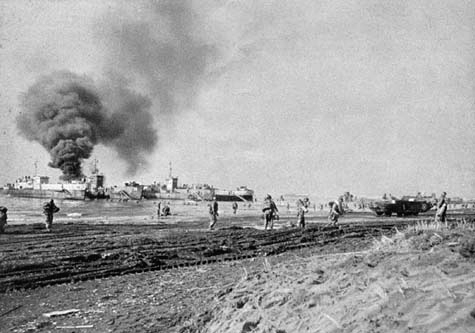
Allied troops land behind the Gustav Line, almost unopposed, within reach of Rome. Instead of a quick breakthrough, they face four months of siege.
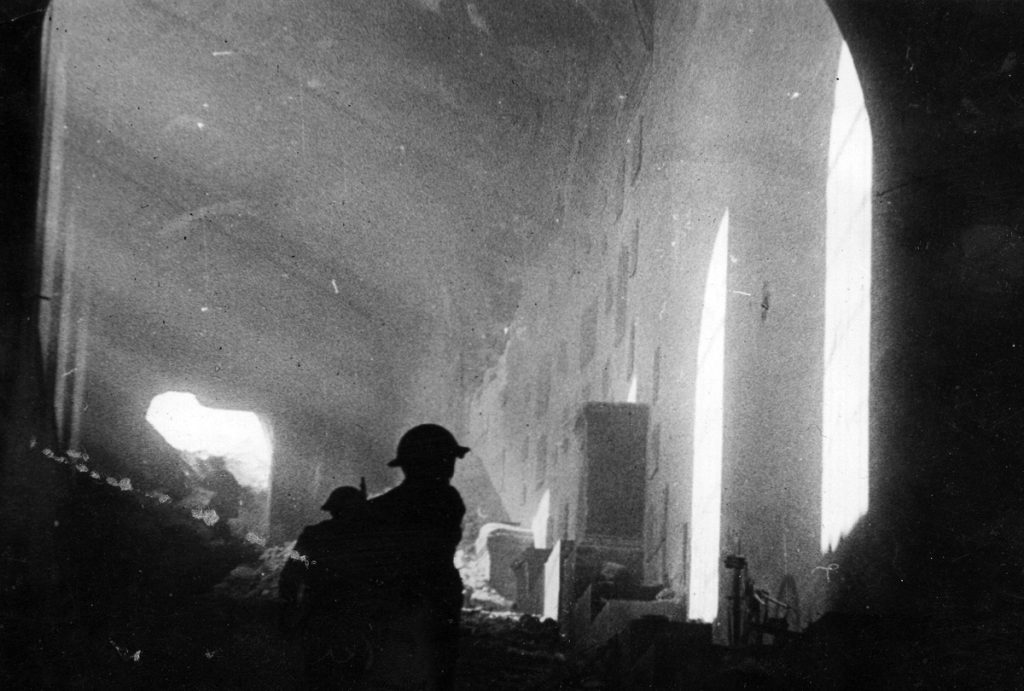
British troops cross the Garigliano to open the first of four bloody battles for the Gustav Line, the German barrier blocking the road to Rome.
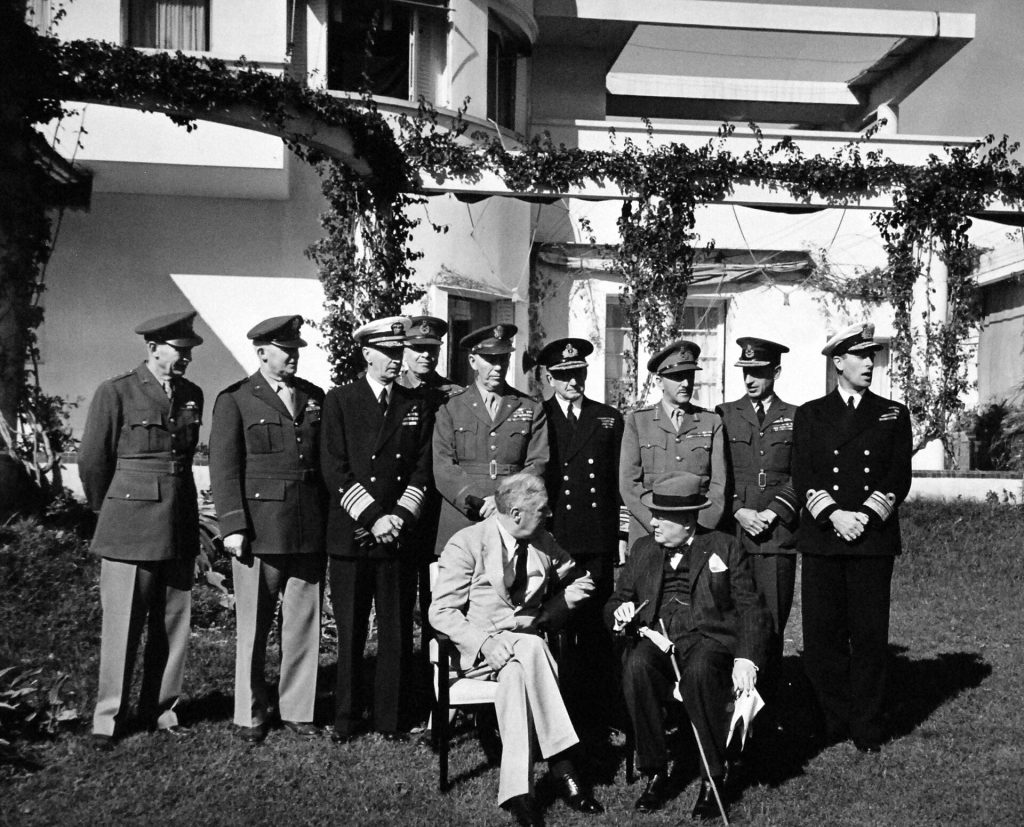
Roosevelt and Churchill meet in liberated Morocco to plan the next year of the war. They leave with a decision on Sicily and a demand the Axis will hear loud and clear: unconditional surrender.

Sixteen months after work began, the US War Department’s vast new headquarters in Arlington, Virginia, is finished. It is the largest office building in the world.
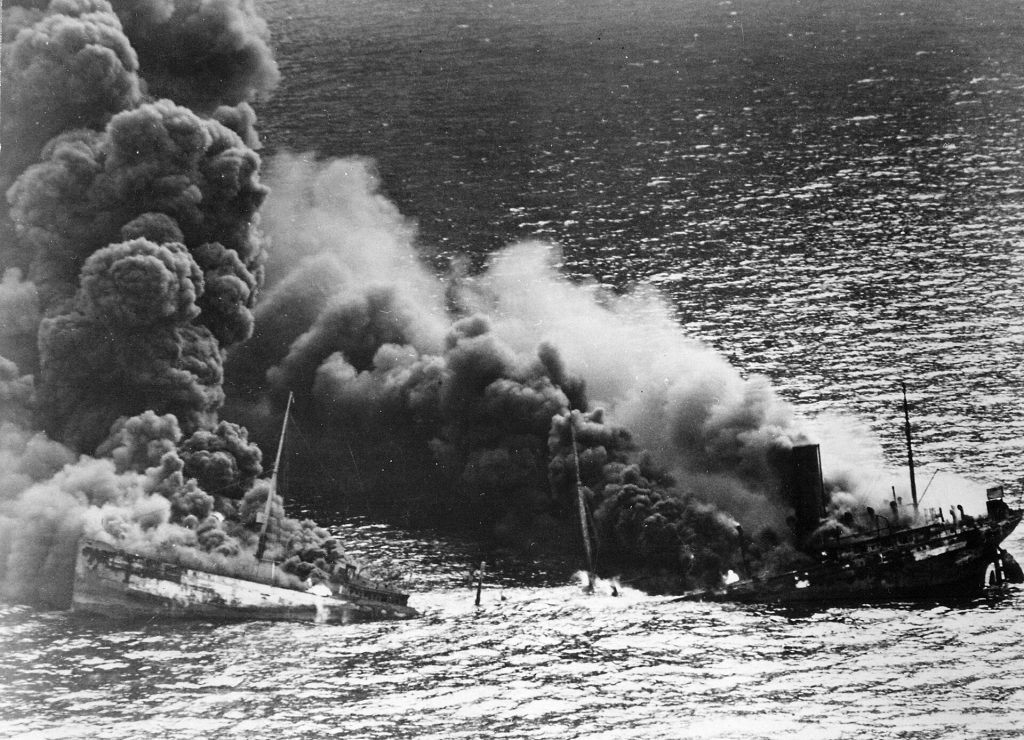
A handful of German U-boats arrive off the coast of North America. For months they will sink tankers and freighters within sight of brightly lit seaside towns.
 United Kingdom
 United States
 Soviet Union
 Germany
 Japan
 France
 Poland
 South Africa