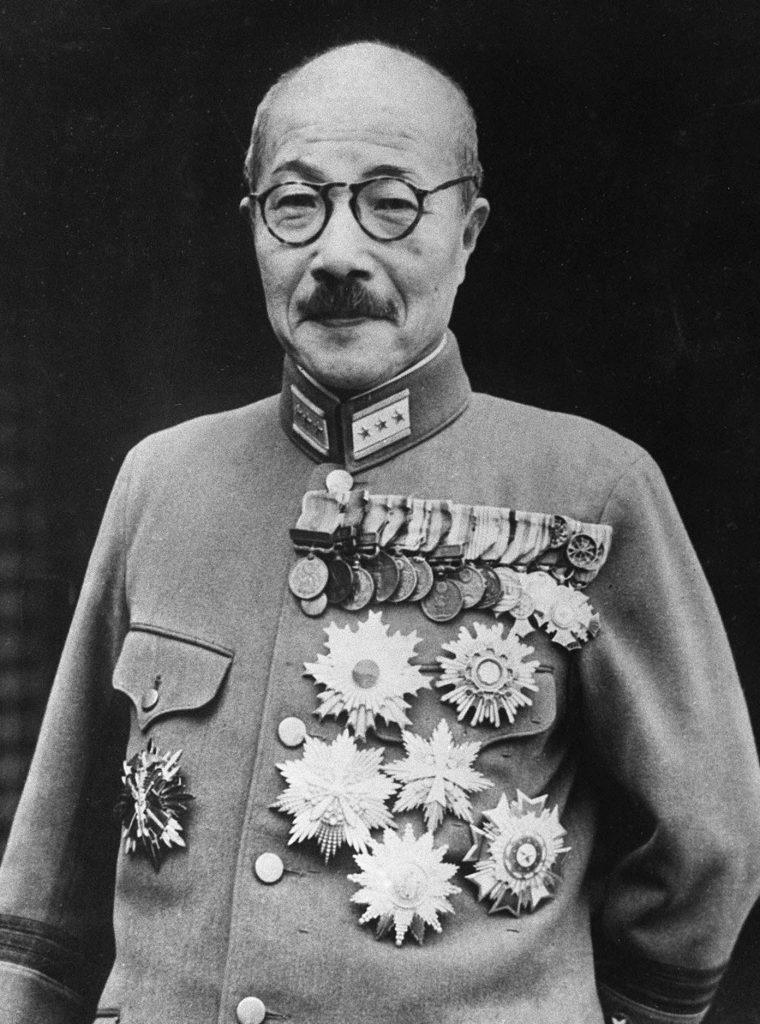
1 December 1941: Japan Decides on War
In the presence of Emperor Hirohito, an Imperial Conference in Tokyo formally approves war against the United States, Britain and the Netherlands. The carriers are already at sea.
Dispatches involving United States.
In the presence of Emperor Hirohito, an Imperial Conference in Tokyo formally approves war against the United States, Britain and the Netherlands. The carriers are already at sea.
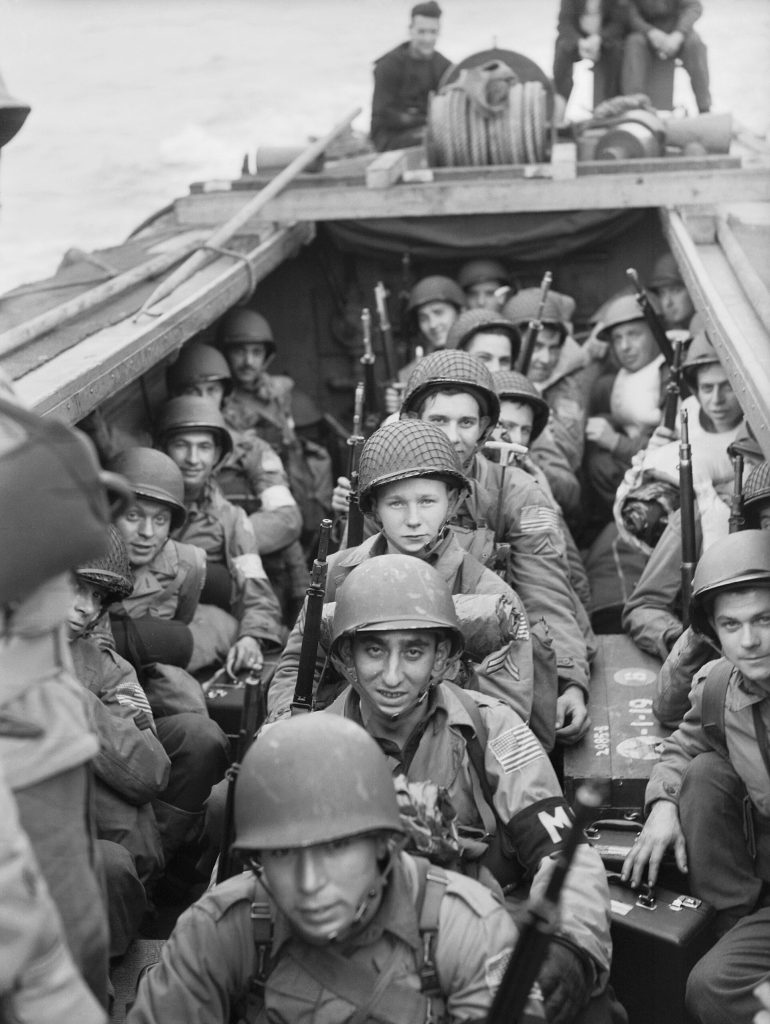
American and British forces land at Casablanca, Oran and Algiers in the first great Anglo-American offensive of the war, under a little-known general named Dwight Eisenhower.
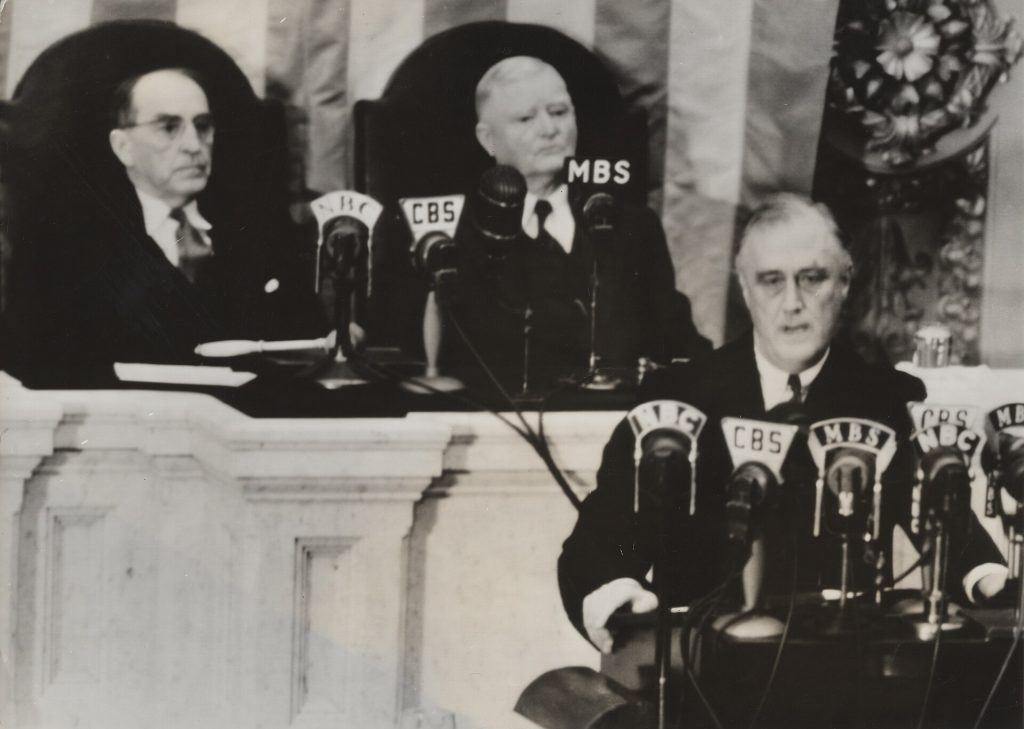
President Roosevelt signs the Neutrality Act of 1939, lifting the arms embargo so that Britain and France can buy American weapons, provided they pay cash and carry them home in their own ships.
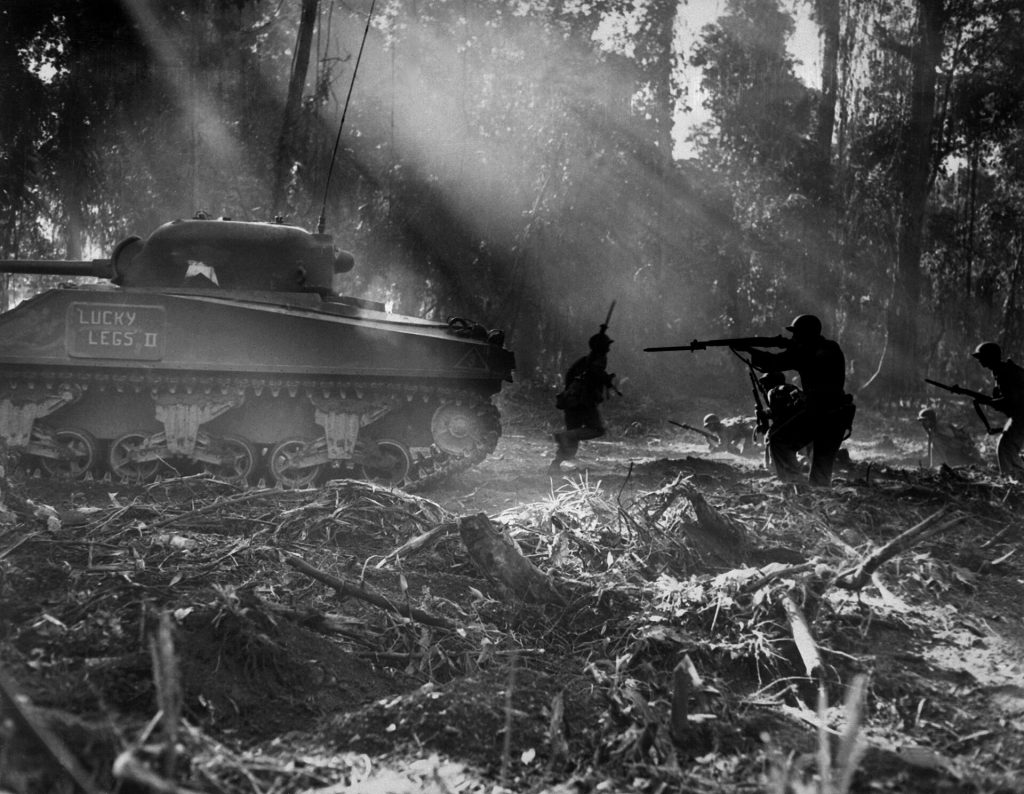
US Marines land on the west coast of Bougainville, deep in the Solomon Islands, to build airfields within fighter range of Japan’s great base at Rabaul.
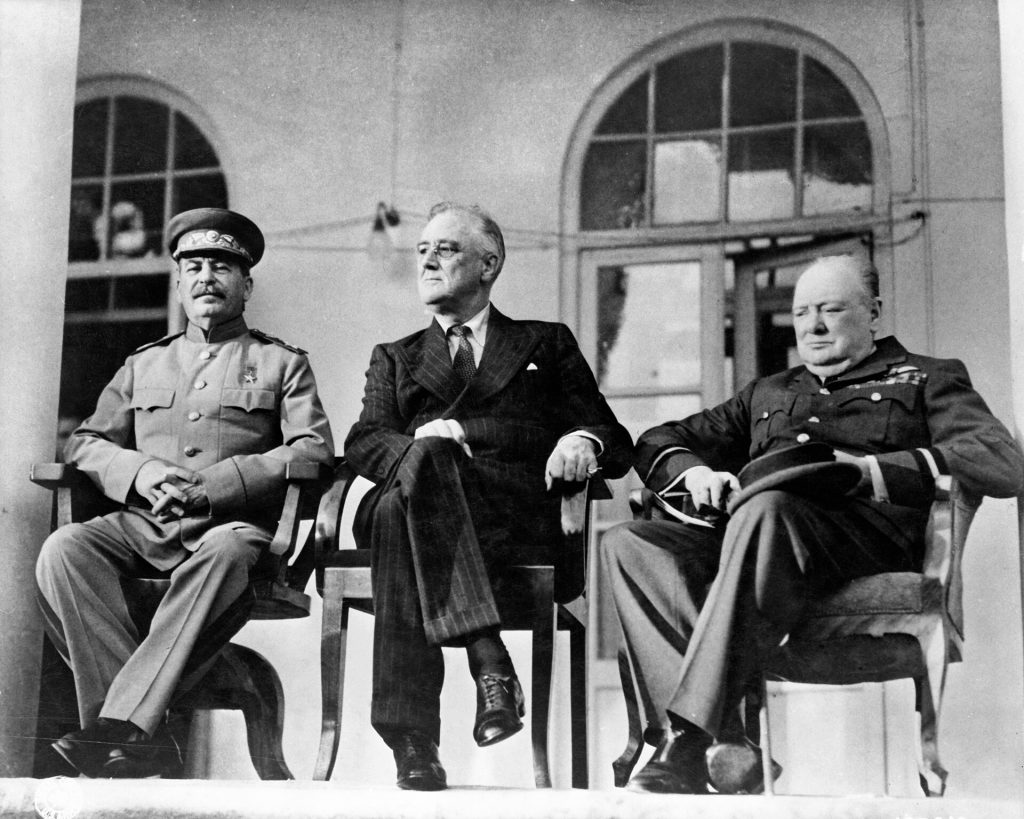
Roosevelt, Churchill and Stalin meet together for the first time. In four days they fix the date for the invasion of France and sketch the outline of the post-war world.
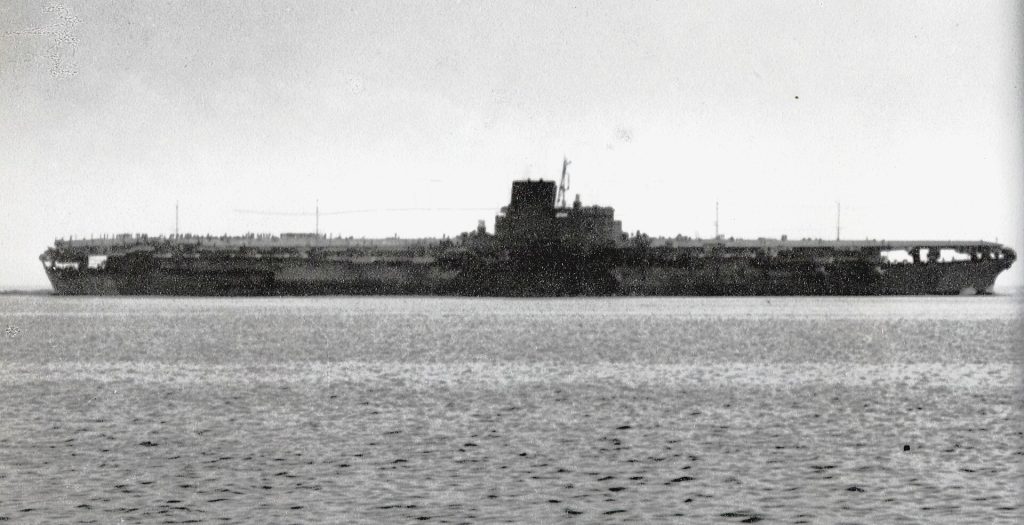
Ten days after commissioning, the world’s largest aircraft carrier is torpedoed on her maiden voyage by a lone American submarine. She becomes the biggest warship ever sunk by a submarine.
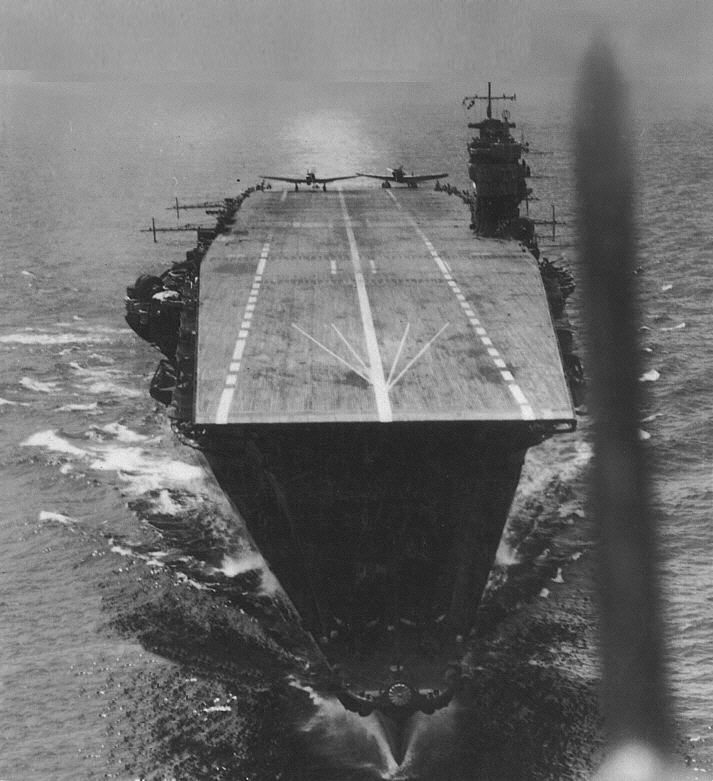
Six Japanese aircraft carriers slip out of a remote bay in the Kuril Islands and head east under radio silence. In Washington the same day, the Hull Note ends any real hope of a deal.
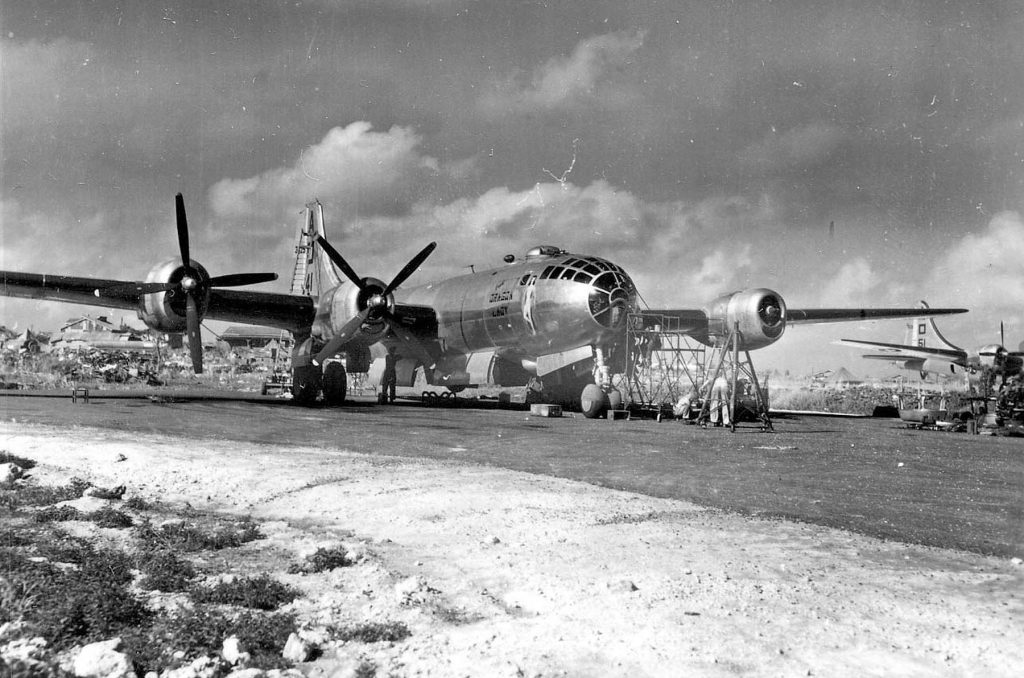
More than a hundred B-29 Superfortresses take off from Saipan for the first American air raid on Tokyo since the Doolittle Raid of 1942, and discover the jet stream on the way.
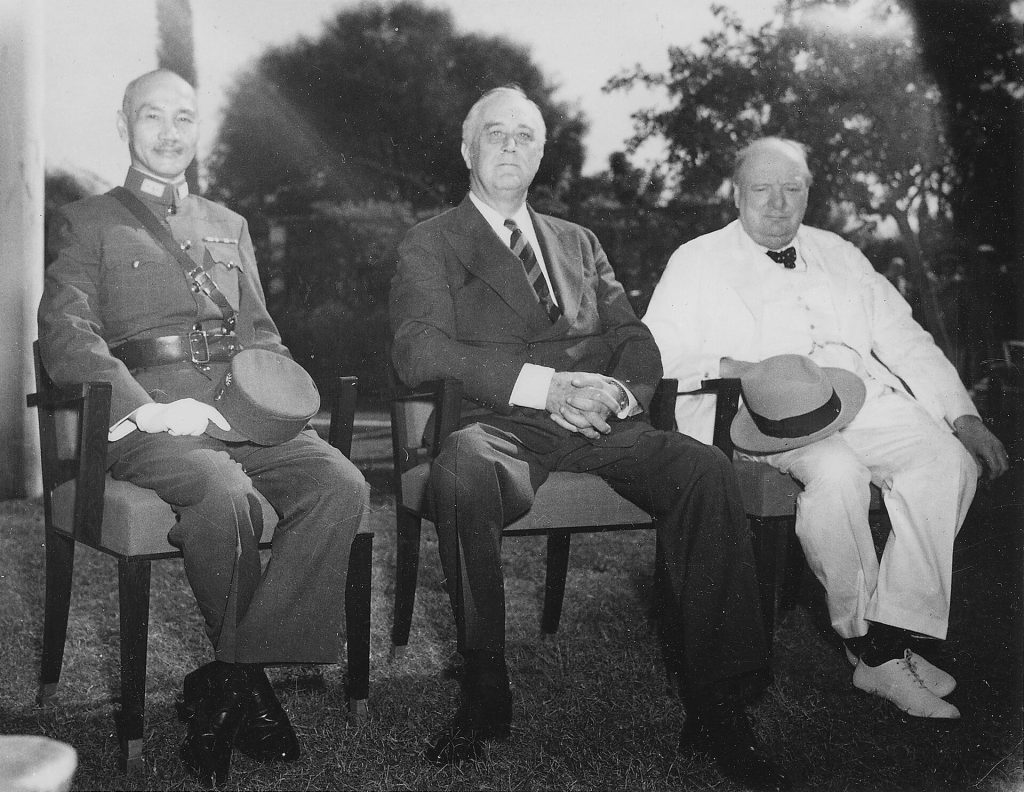
Roosevelt, Churchill and Chiang Kai-shek meet beside the pyramids to plan the defeat of Japan, and agree a declaration that will shape the map of East Asia for decades.
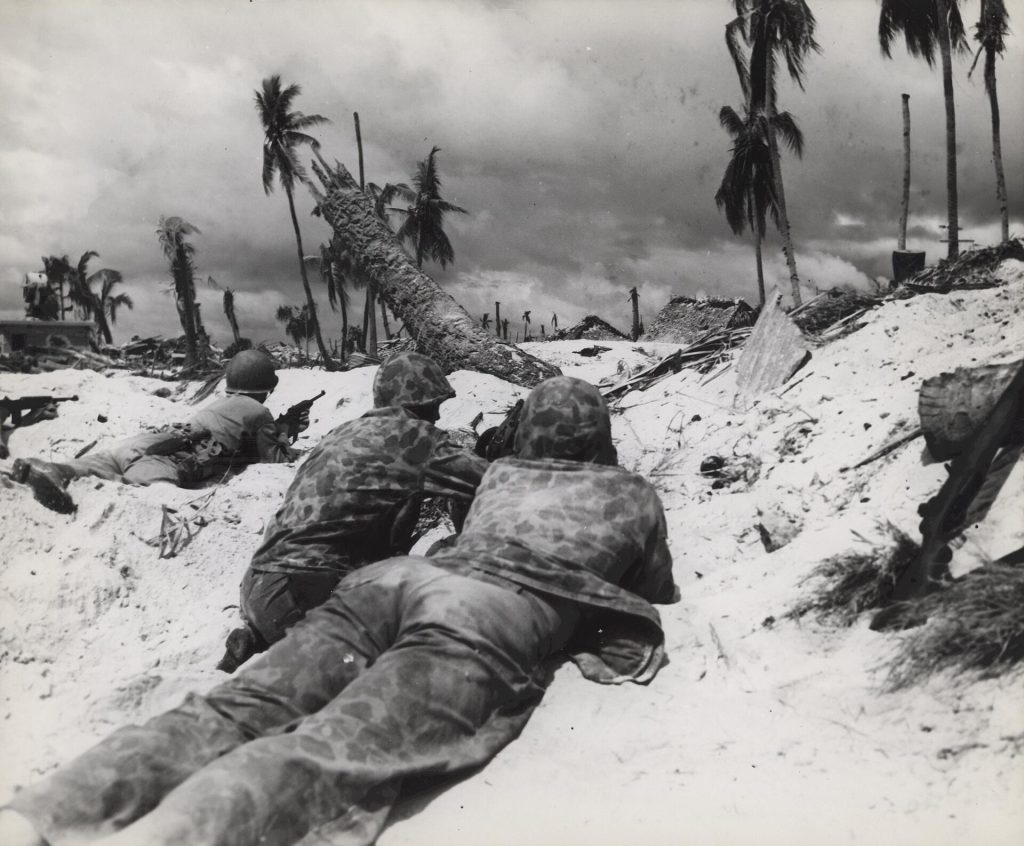
US Marines storm the heavily fortified island of Betio in the Gilberts. A low tide strands their landing craft on the reef, and the price of the first major assault in the Central Pacific shocks America.
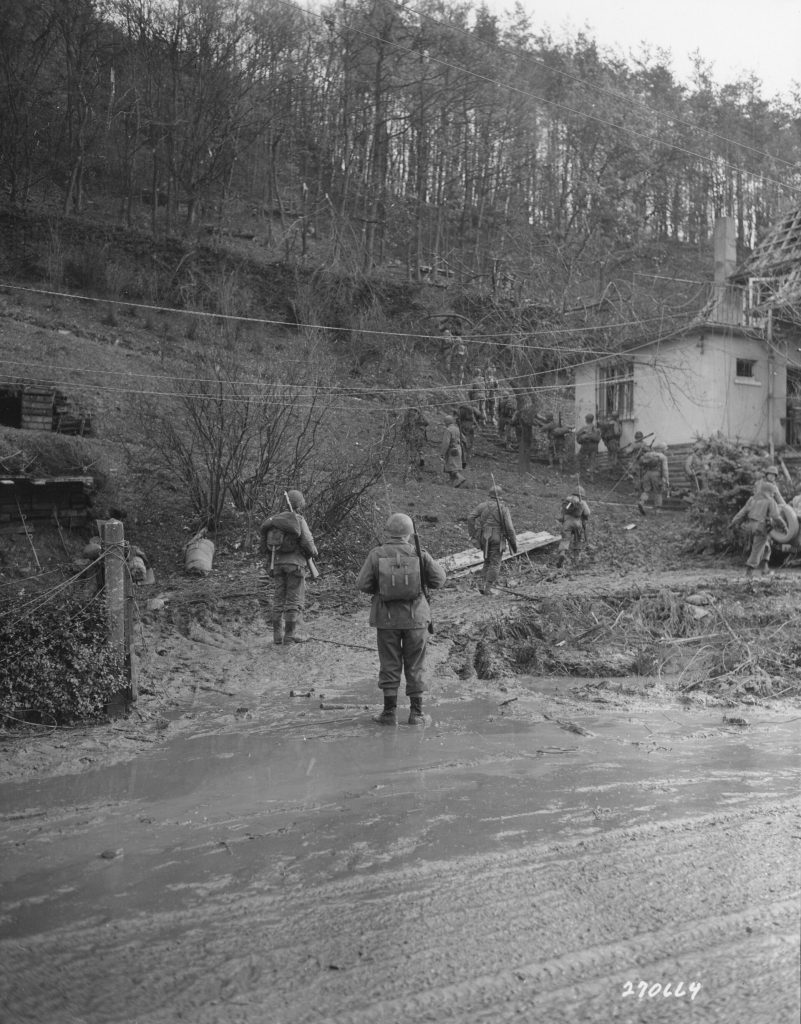
The US First and Ninth Armies attack towards the Roer River behind one of the heaviest air bombardments ever flown in direct support of ground troops.
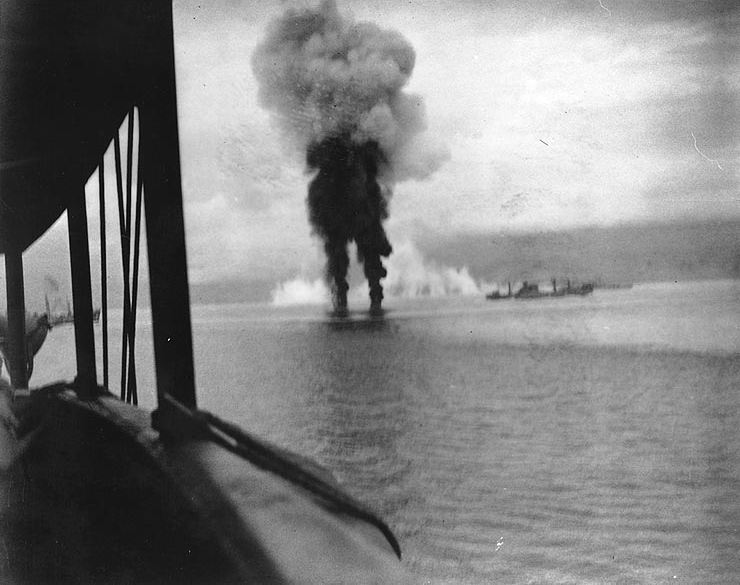
In a brutal close-range night action off Savo Island, American cruisers and destroyers turn back a Japanese bombardment force, opening three days of fighting that decide the fate of Guadalcanal.
 United Kingdom
 United States
 Soviet Union
 Germany
 Japan
 France
 Poland
 South Africa