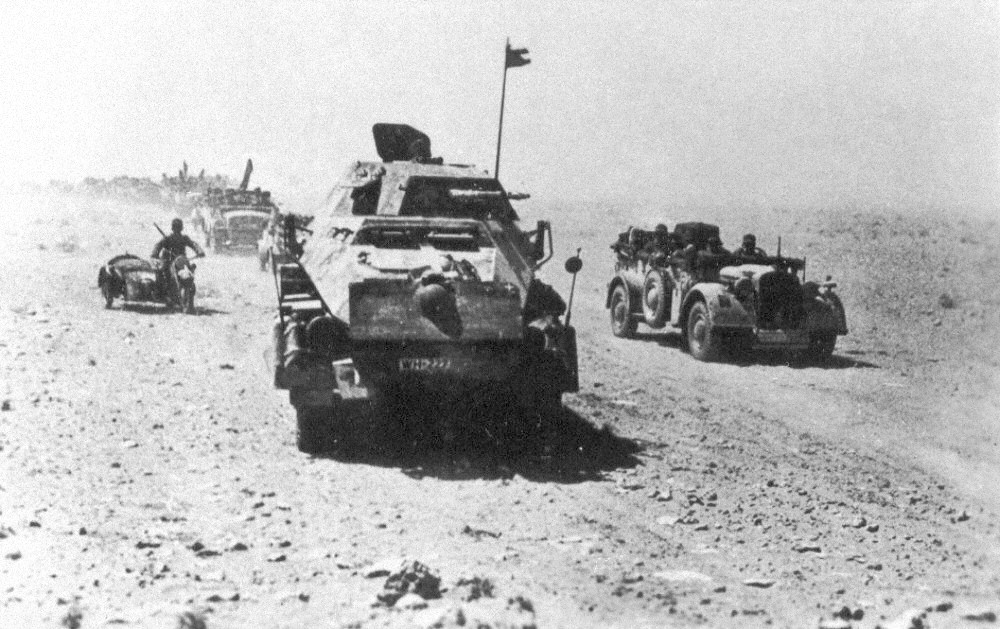
29 June 1942: The Fall of Mersa Matruh
Rommel’s forces take the port of Mersa Matruh as the Eighth Army retreats into Egypt. The British fall back to a last line at a railway halt called El Alamein.
Dispatches involving Germany.
Rommel’s forces take the port of Mersa Matruh as the Eighth Army retreats into Egypt. The British fall back to a last line at a railway halt called El Alamein.
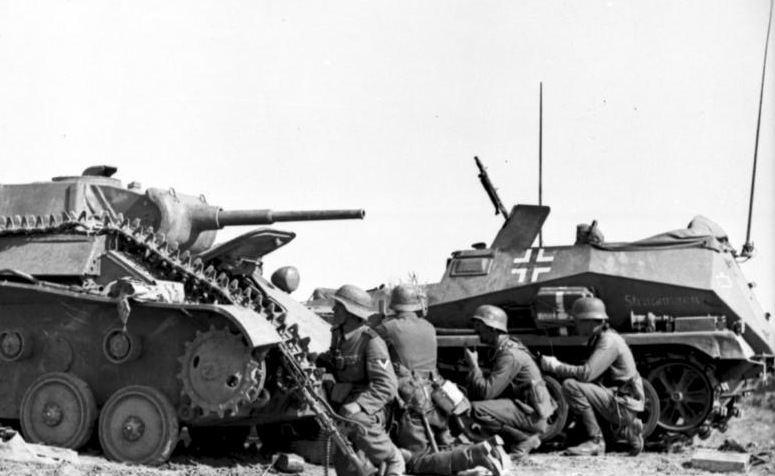
Germany launches its great summer offensive in southern Russia. The goal is the oil of the Caucasus; the road will lead to Stalingrad.
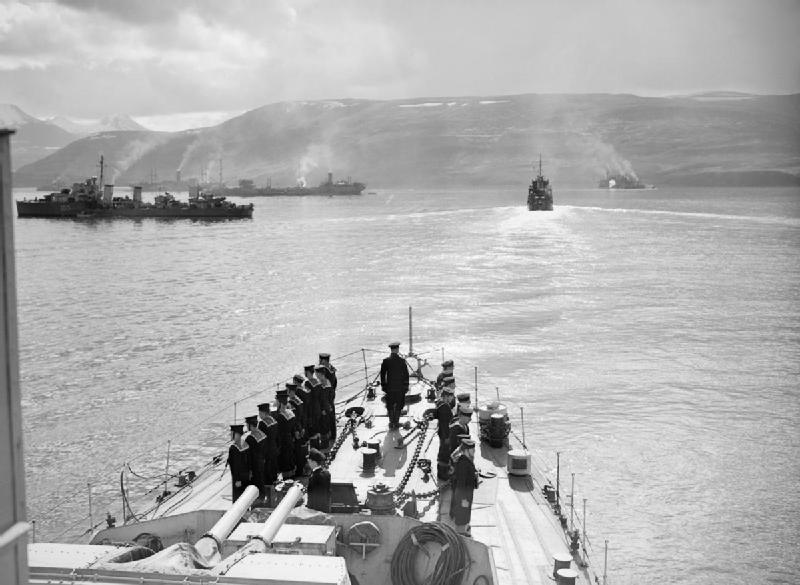
A convoy of 35 merchant ships sails from Iceland for Arkhangelsk with tanks, aircraft and supplies for the Soviet Union. A week later, a fateful order will doom most of it.
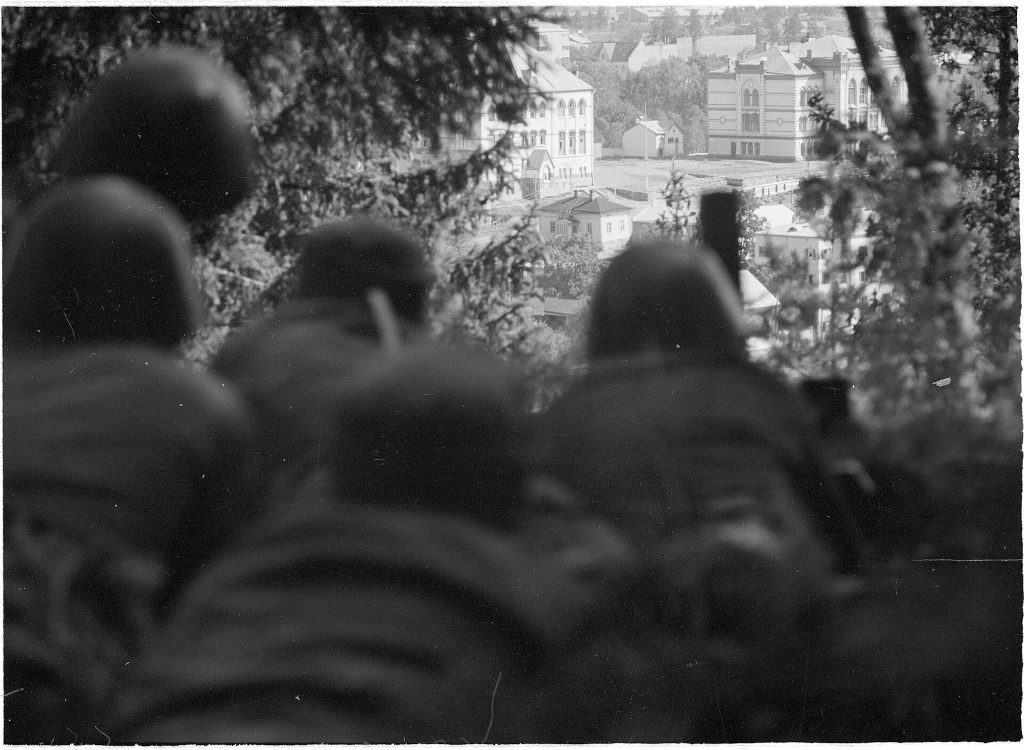
After Soviet bombers strike Finnish towns, Finland declares that it is at war with the Soviet Union again. Finns call it the Continuation War.
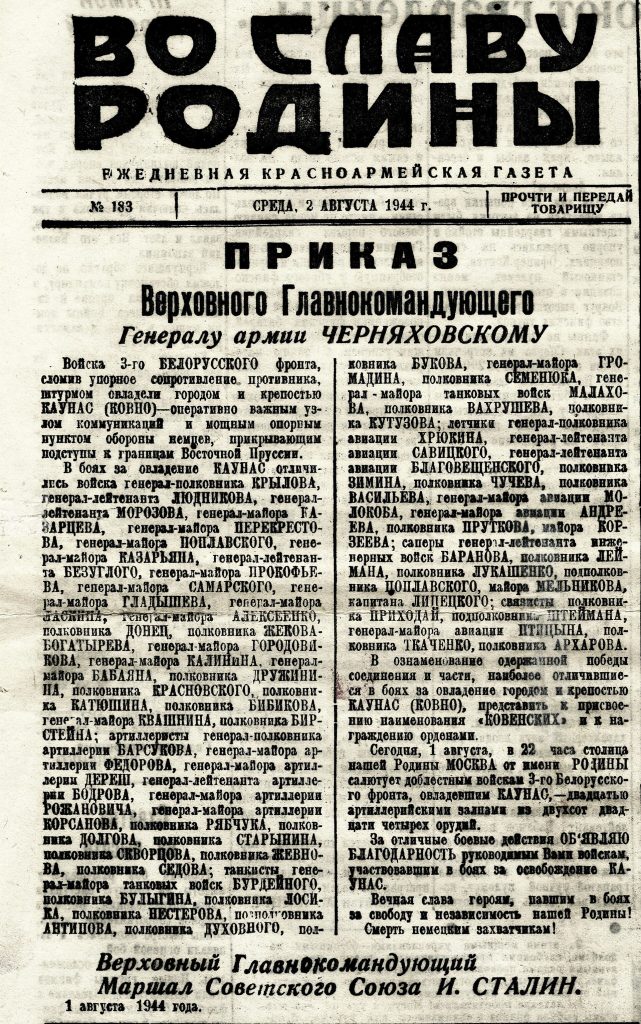
Three years after Barbarossa, the Red Army strikes Army Group Centre in Belarus. Within weeks the German front has disintegrated and Soviet armies are at the gates of Warsaw.
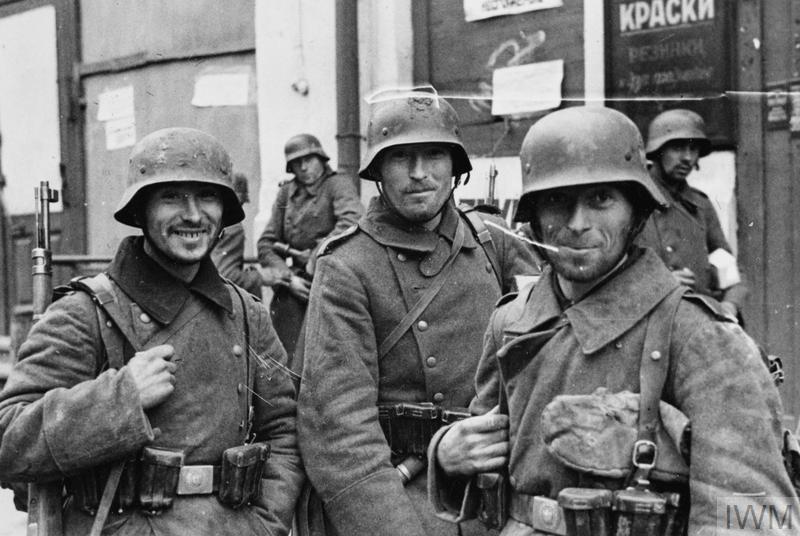
Before dawn, more than three million German and allied soldiers cross into the Soviet Union along a front stretching from the Baltic to the Black Sea. It is the largest invasion in history.
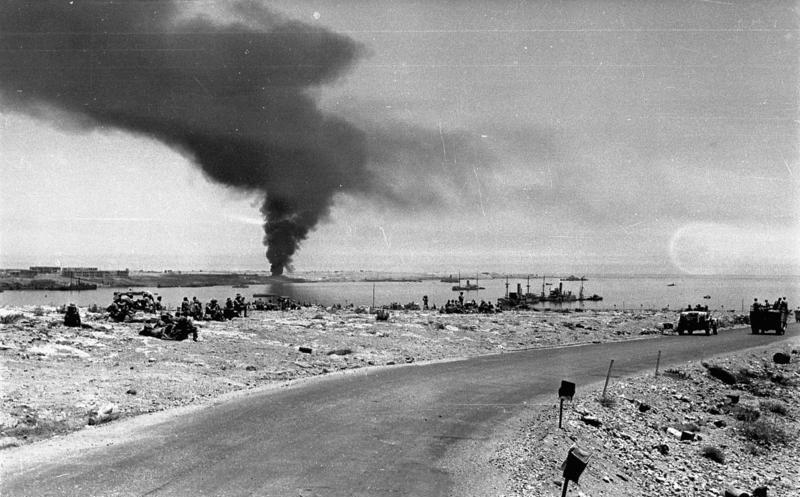
After a single day’s assault, the fortress that held out for eight months in 1941 surrenders to Rommel. Its South African commander and tens of thousands of men become prisoners.
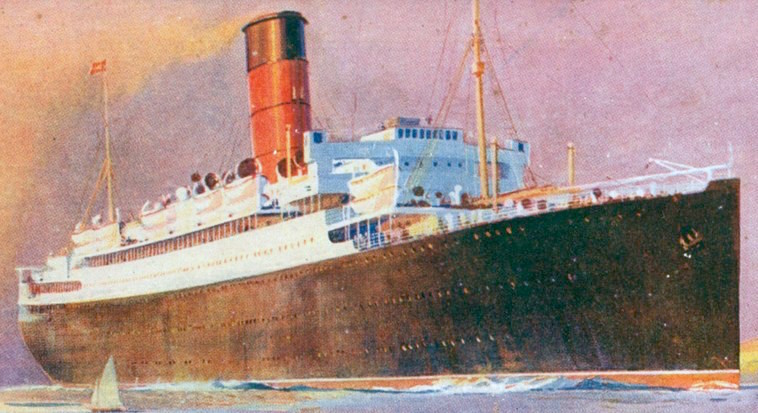
Off St Nazaire, German bombers sink a liner crammed with British troops and civilians being evacuated from France. More die than on the Titanic and the Lusitania combined.
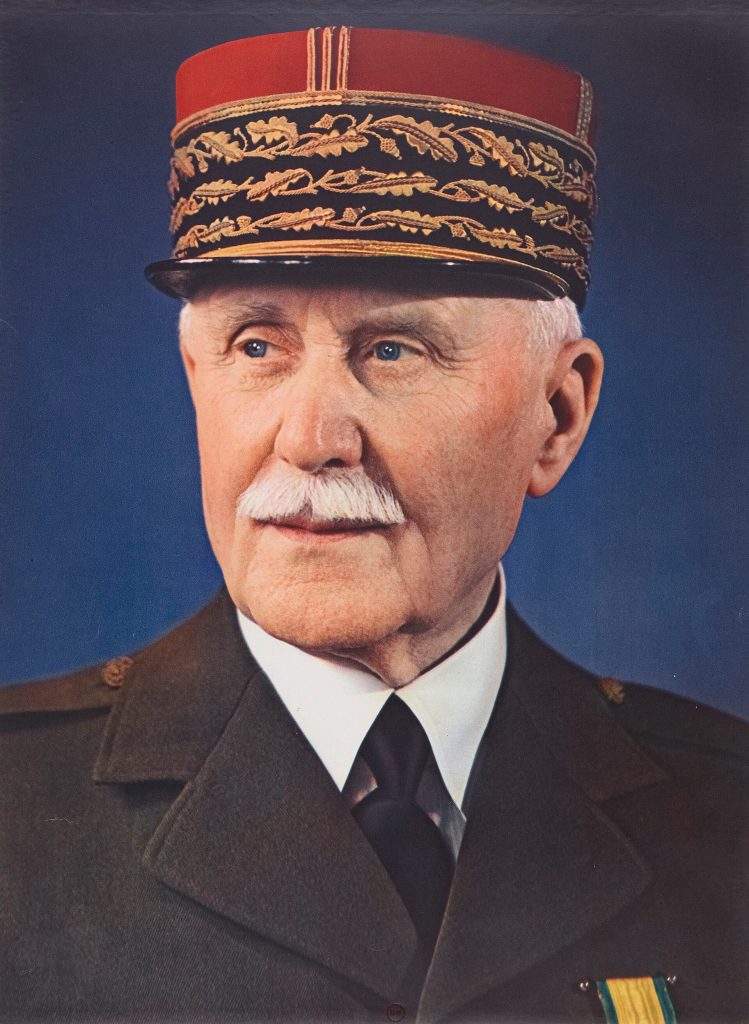
Britain offers France an extraordinary union of the two nations. The French cabinet rejects it, Paul Reynaud resigns, and 84-year-old Marshal Pétain becomes premier, determined to seek an armistice.
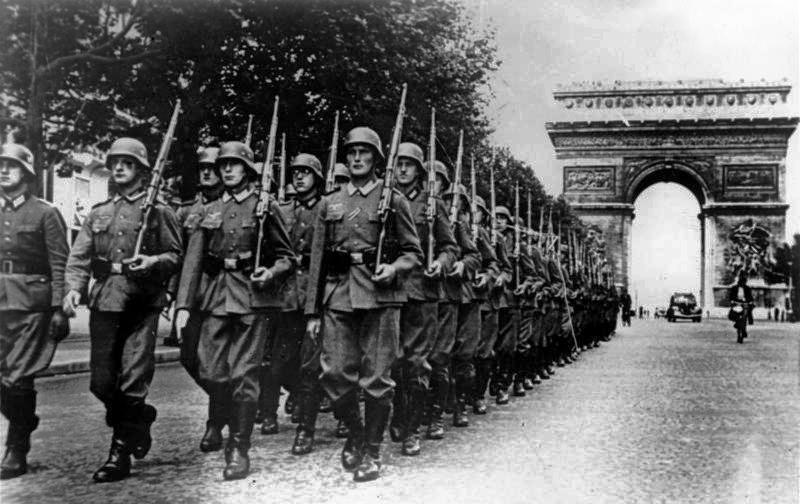
German troops march into a silent Paris, declared an open city. The swastika is raised over the Eiffel Tower and the Arc de Triomphe.
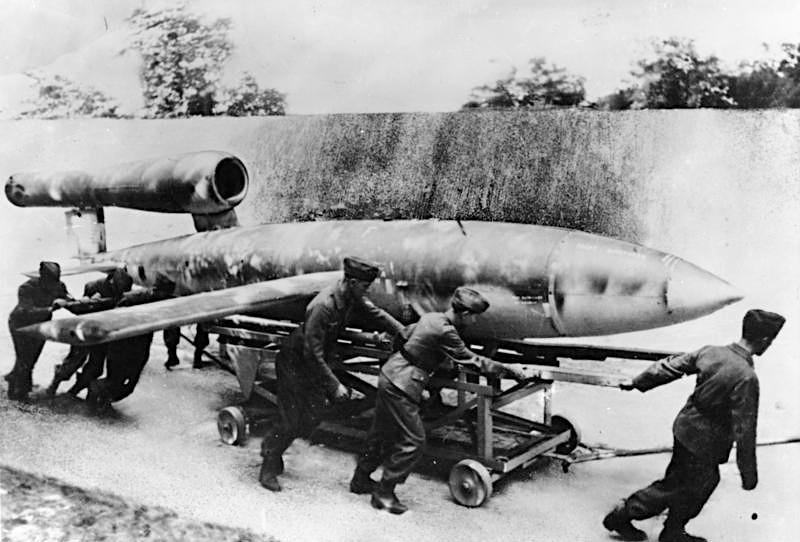
A week after D-Day, a pilotless jet-propelled bomb falls on a railway bridge in east London. Germany’s vengeance weapon campaign has begun.
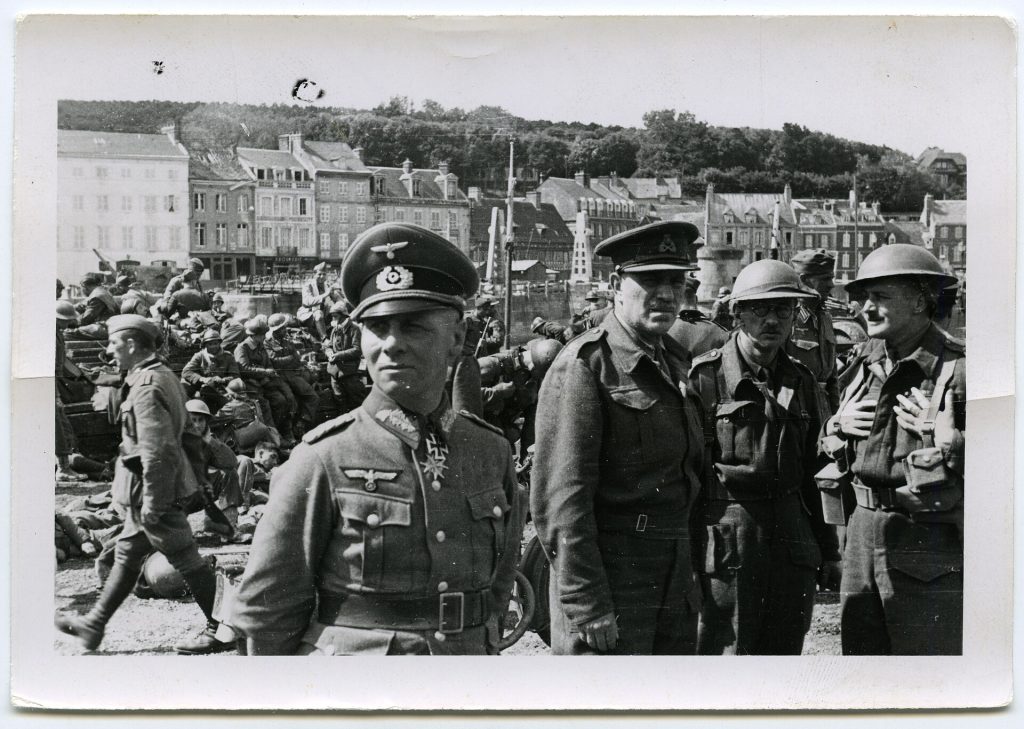
Trapped against the cliffs of Normandy with fog preventing rescue from the sea, the 51st Highland Division surrenders to Rommel.
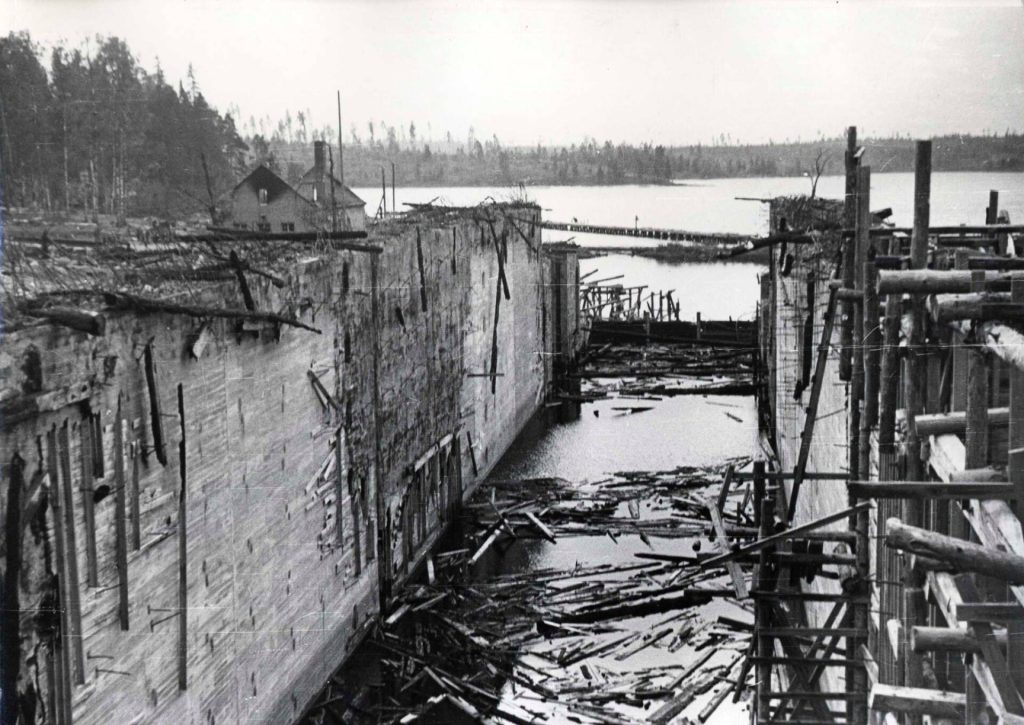
Three days after D-Day, the Red Army opens a massive bombardment on the Karelian Isthmus. Its aim is to knock Finland out of the war.
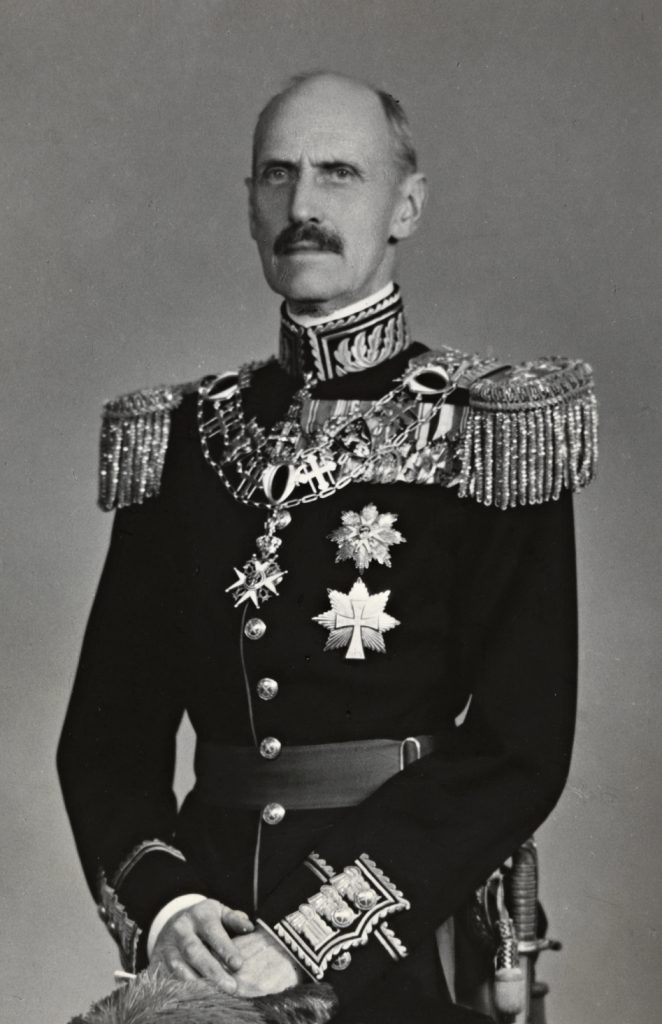
With the Allies withdrawing from Narvik, King Haakon VII and his government board a British cruiser at Tromsø. They will lead Norway’s fight from London.
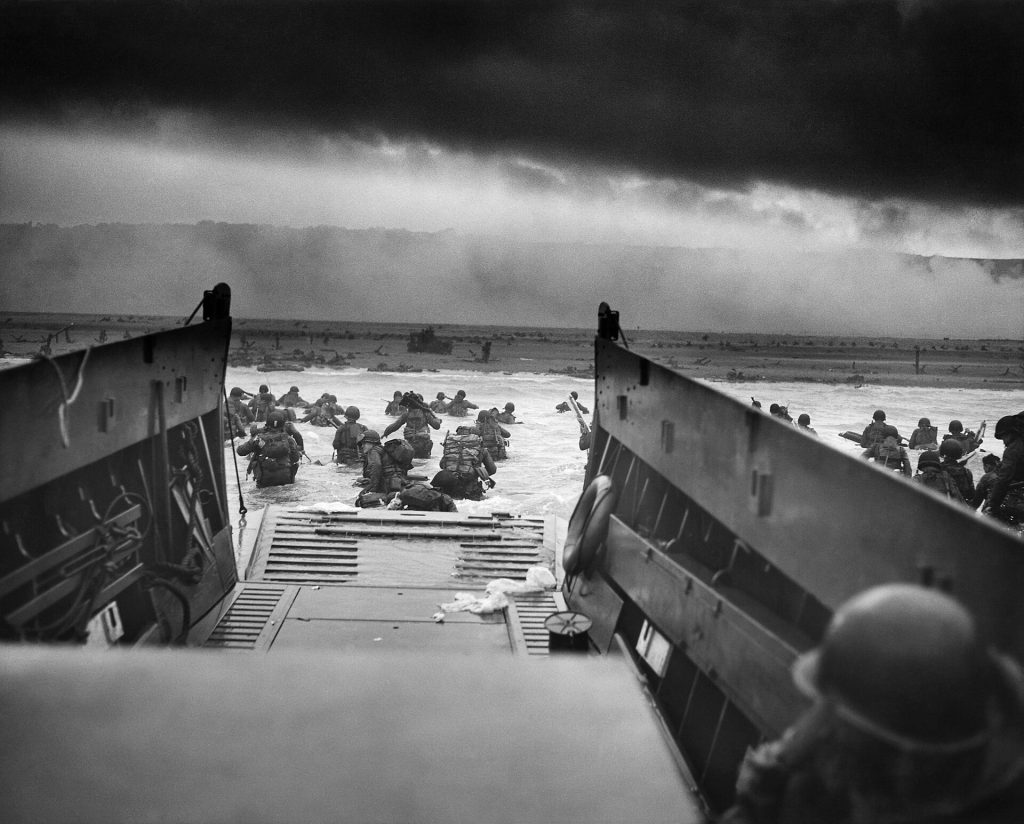
The largest seaborne invasion in history lands on the beaches of Normandy. By nightfall around 156,000 Allied troops are ashore, and the liberation of western Europe has begun.
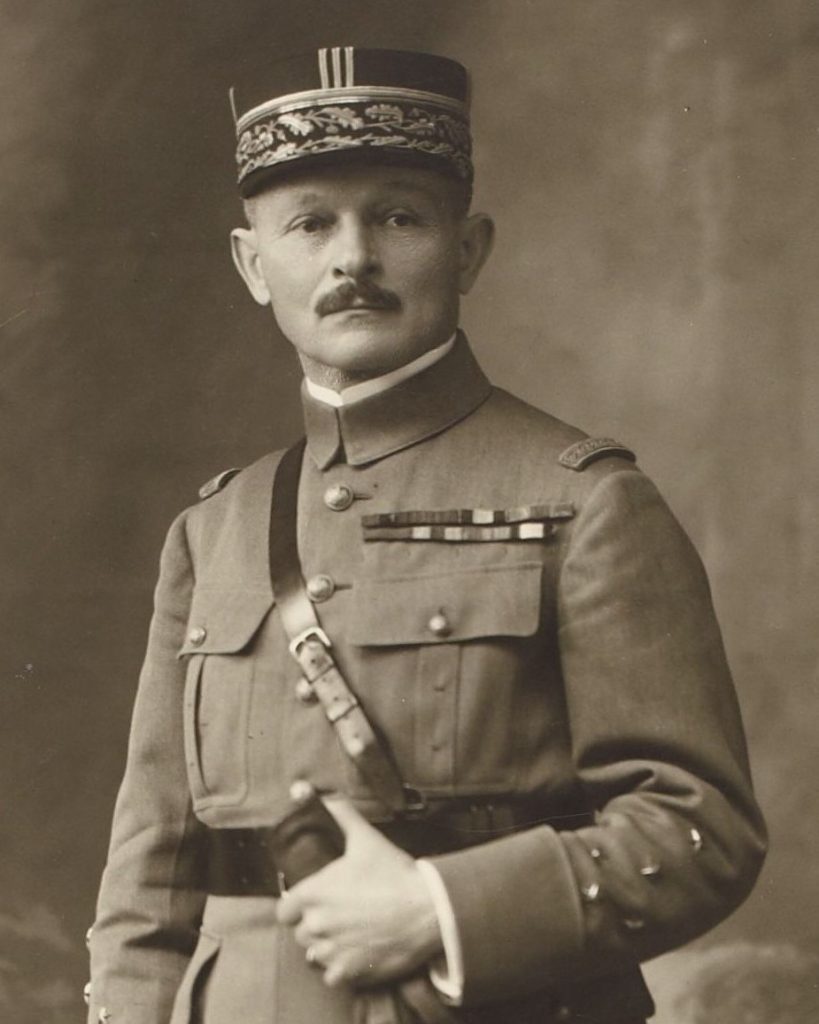
The day after Dunkirk falls, German armies attack along the Somme and the Aisne. The French fight hard behind the hastily built Weygand Line, but they cannot hold for long.
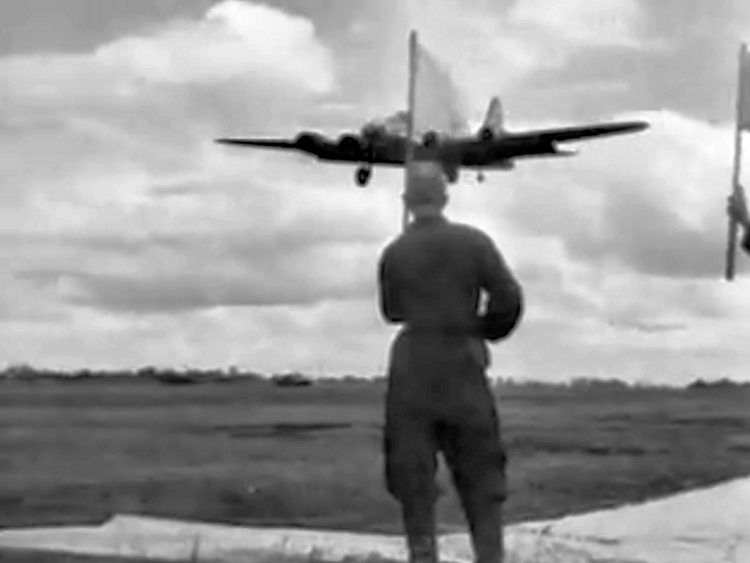
American heavy bombers take off from Italy, attack a target in Hungary and fly on to land at bases inside the Soviet Union. The first shuttle mission has begun.
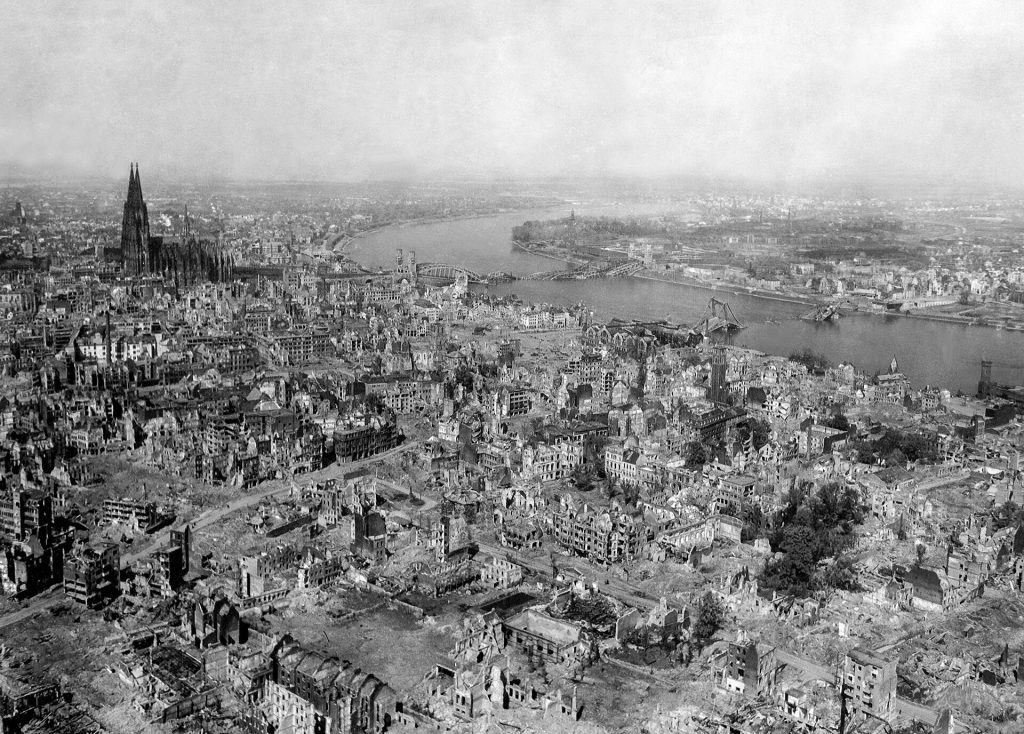
To prove what Bomber Command can do, Arthur Harris scrapes together over a thousand bombers, including training crews, and sends them against Cologne in a single night.
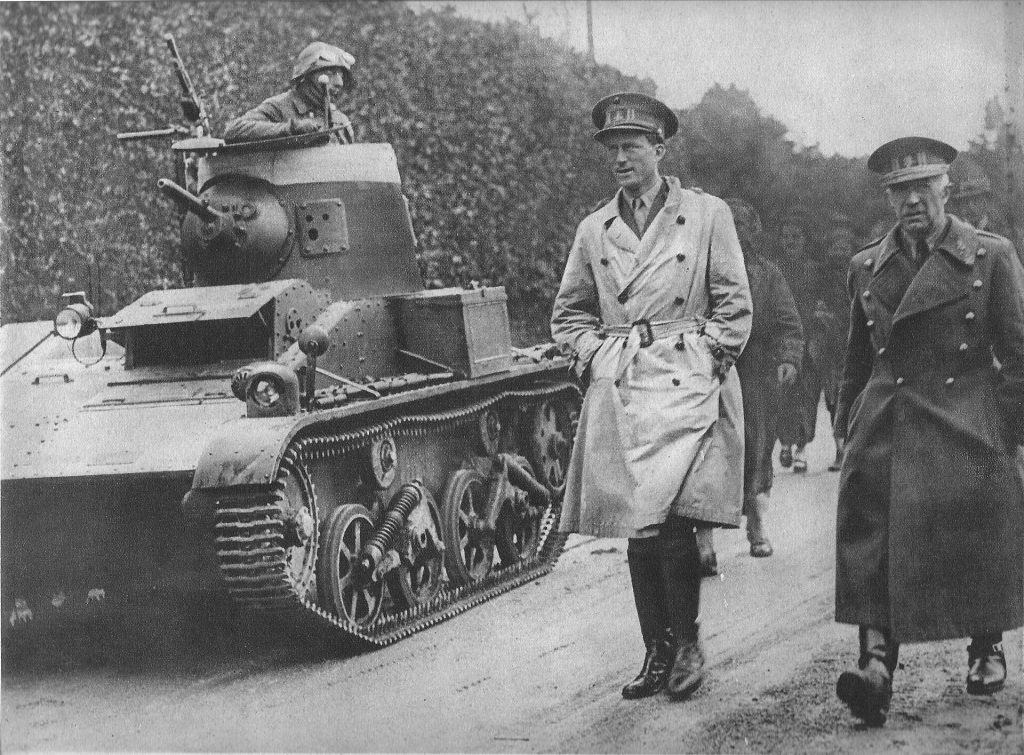
King Leopold III orders the Belgian army to lay down its arms. His government, against the decision, will carry on the war from abroad.
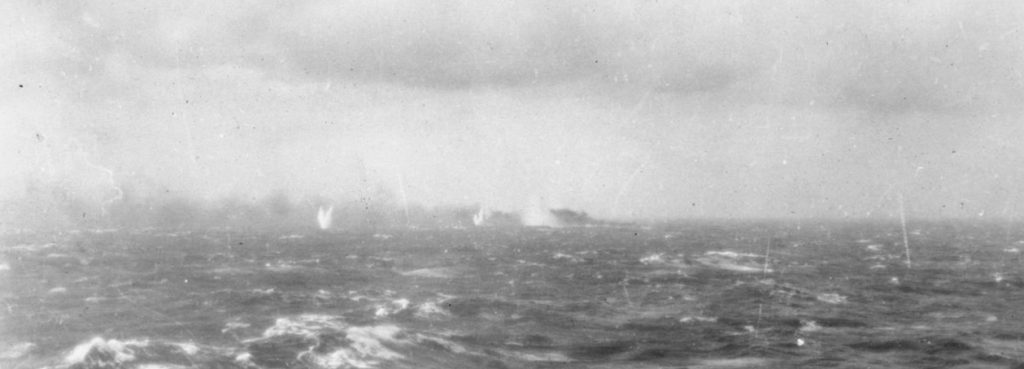
Crippled by a torpedo from an old biplane, the Bismarck can only steam in circles. At dawn, British battleships close in and pound her into a burning wreck.
 United Kingdom
 United States
 Soviet Union
 Germany
 Japan
 France
 Poland
 South Africa