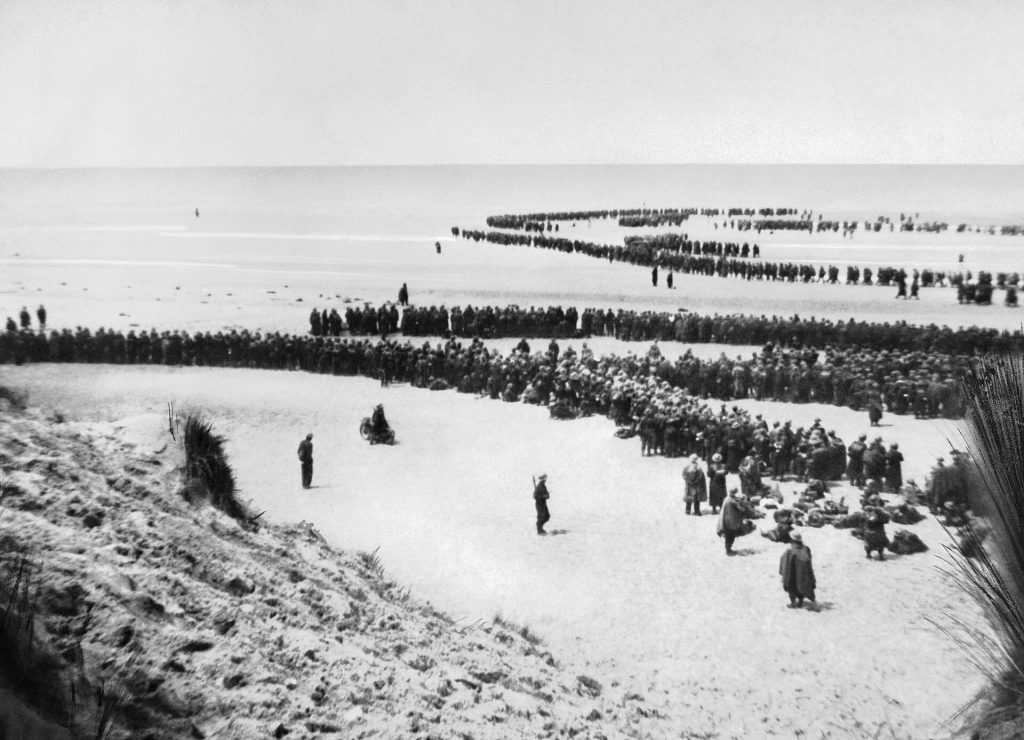
26 May 1940: Operation Dynamo
With the British army trapped against the Channel coast, the Admiralty orders the evacuation from Dunkirk to begin. Few expect more than a fraction of the men to get away.
Dispatches involving Germany.
With the British army trapped against the Channel coast, the Admiralty orders the evacuation from Dunkirk to begin. Few expect more than a fraction of the men to get away.
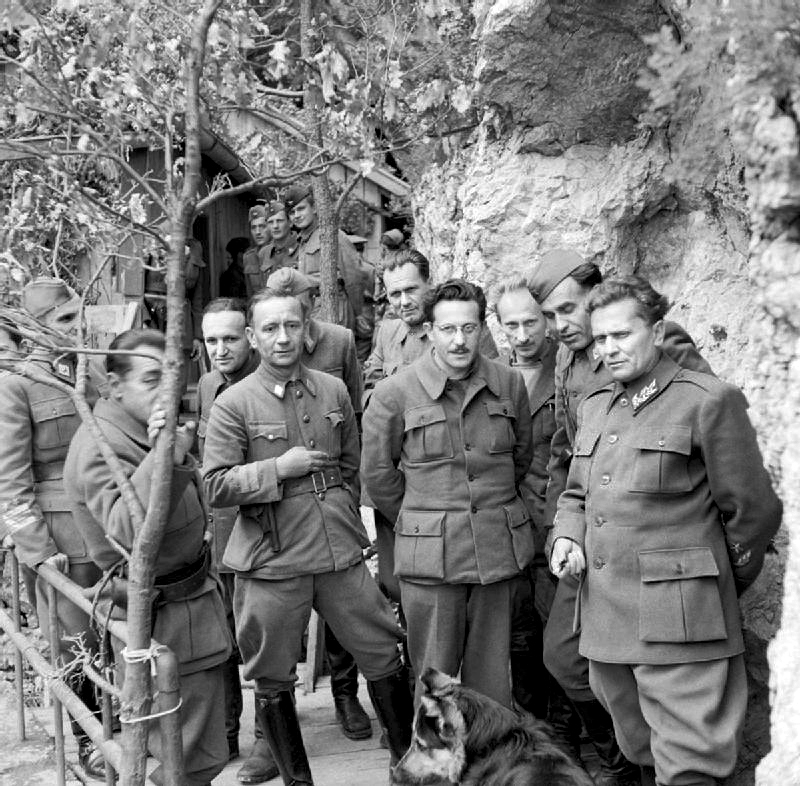
On Tito’s birthday, German paratroopers and glider troops descend on the Bosnian town of Drvar to capture or kill him. Tito escapes from his cave headquarters by a hair.
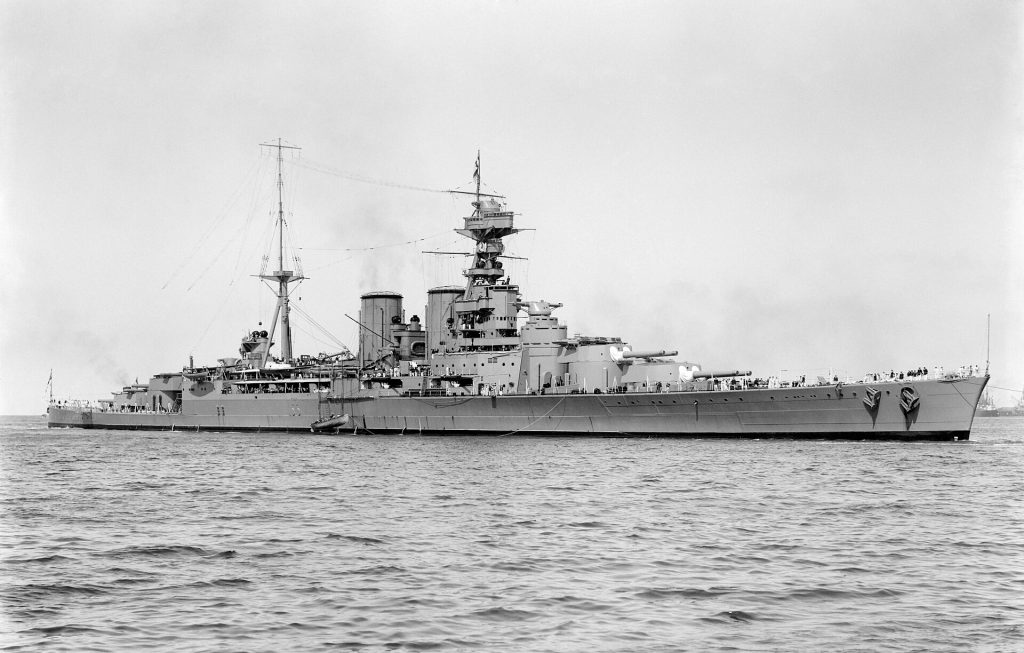
In the Denmark Strait, the battleship Bismarck opens fire on HMS Hood, the pride of the Royal Navy. Within minutes, Hood explodes and sinks. Three men survive.
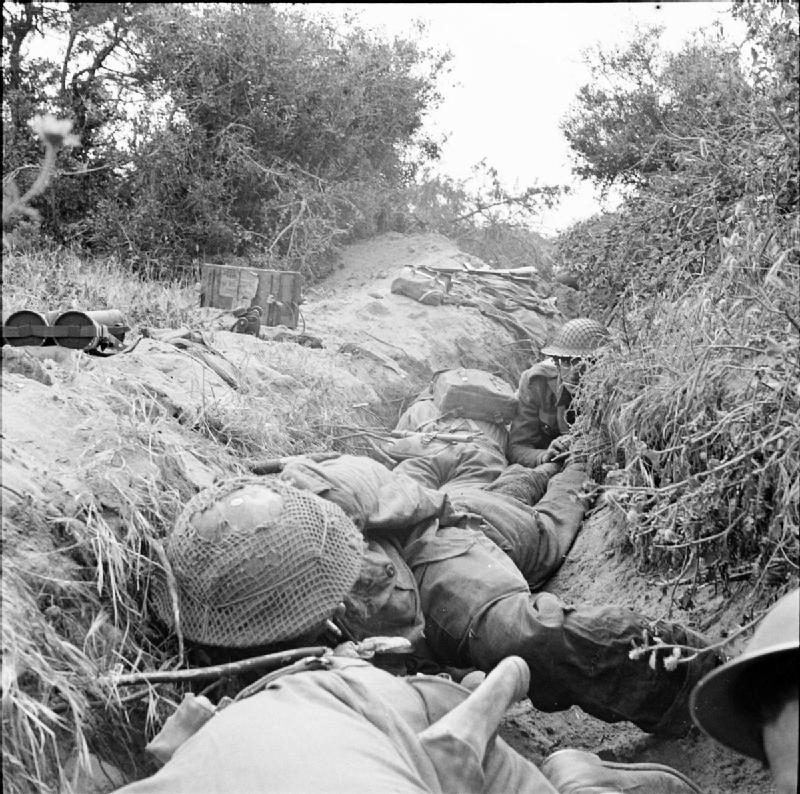
After four months penned into the beachhead, the Allied troops at Anzio attack. Within days they link up with the main armies, and a controversial decision sends them towards Rome.
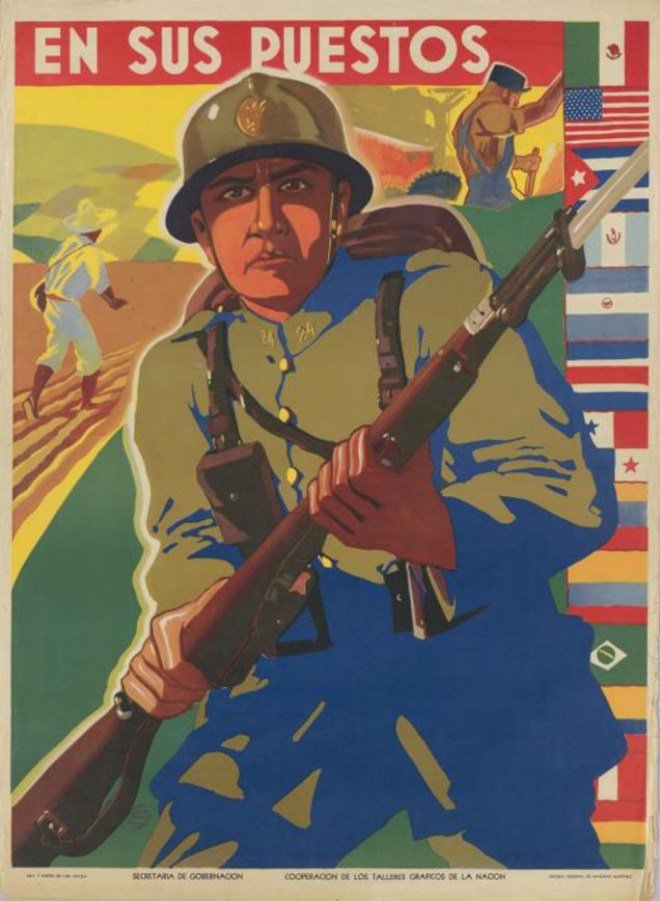
After German U-boats sink two Mexican tankers in the Gulf of Mexico, President Manuel Ávila Camacho declares that Mexico is at war with the Axis.
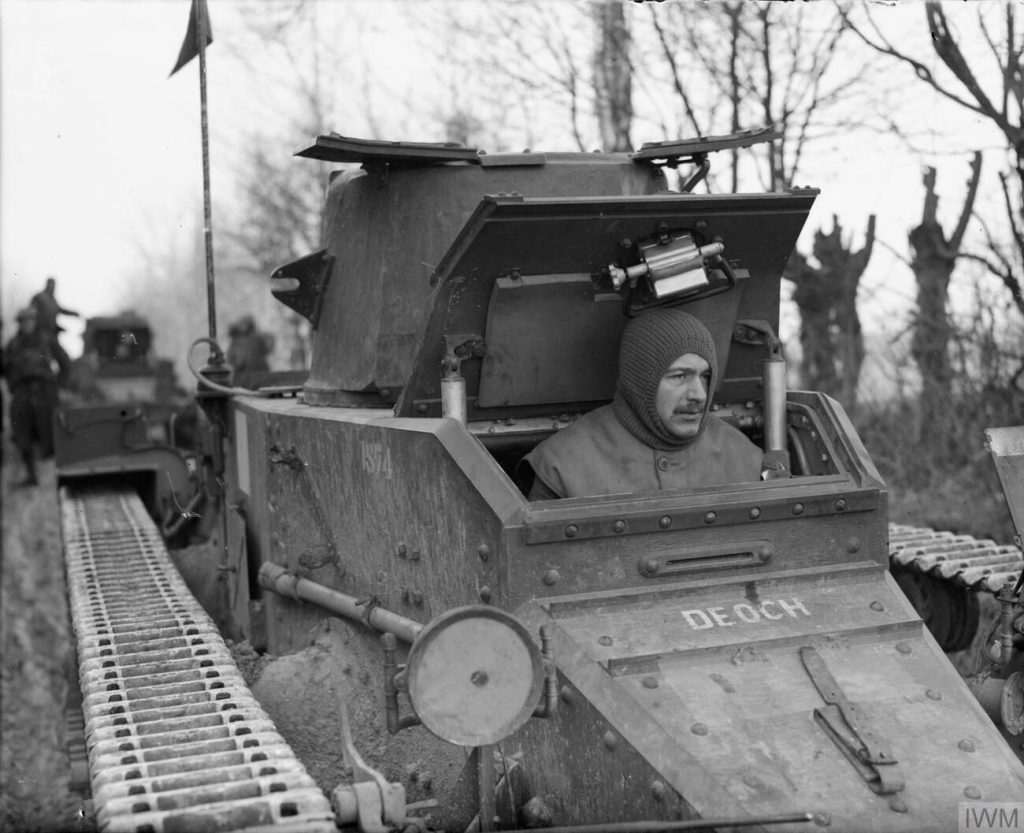
British Matilda tanks strike the flank of the German armoured advance south of Arras. The attack is beaten off, but it gives Rommel a scare and makes the German command nervous.
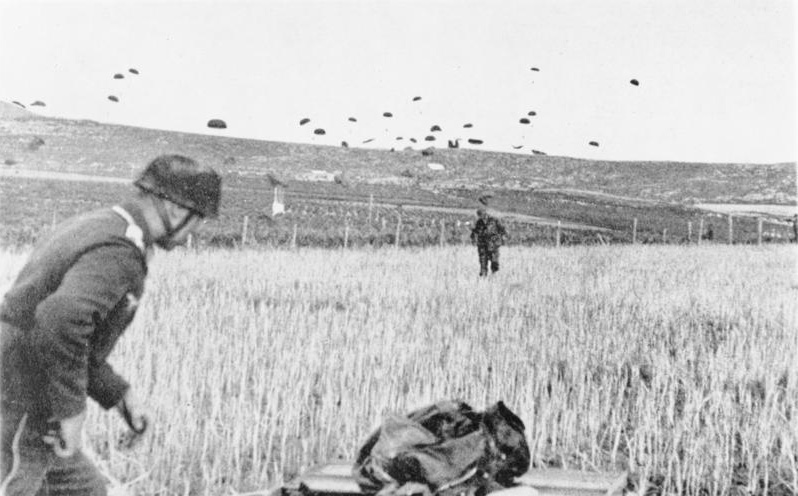
Thousands of German paratroopers descend on Crete in the first great airborne invasion in history. They suffer terrible losses, but they take an airfield, and that is enough.
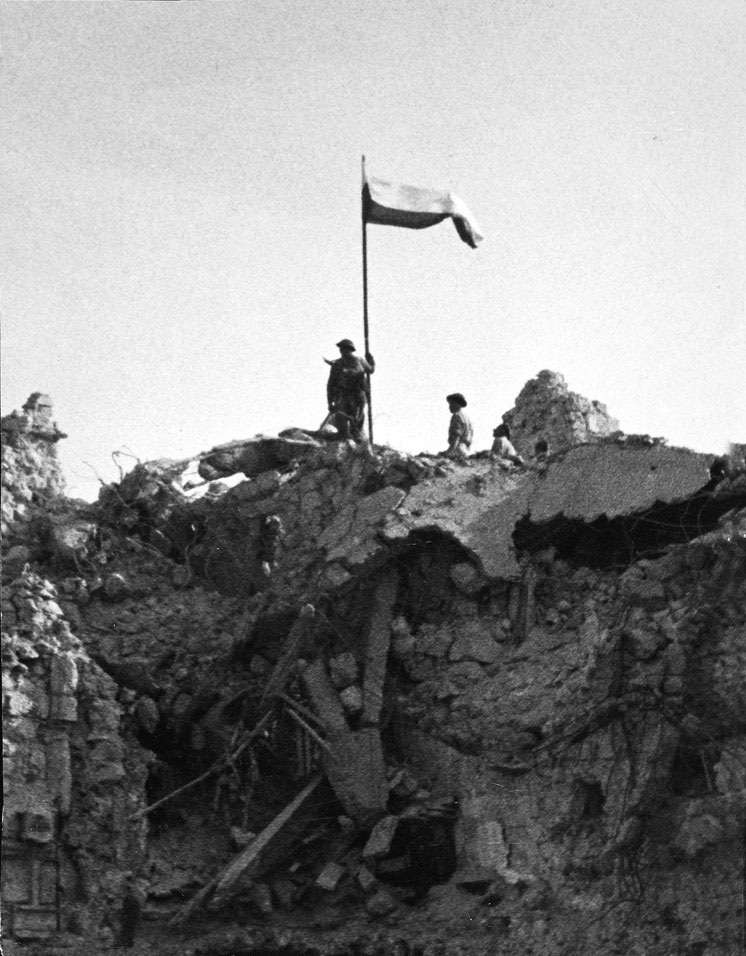
A patrol of Polish lancers climbs to the ruined abbey and raises a makeshift Polish flag. After four months and four battles, Monte Cassino has fallen.
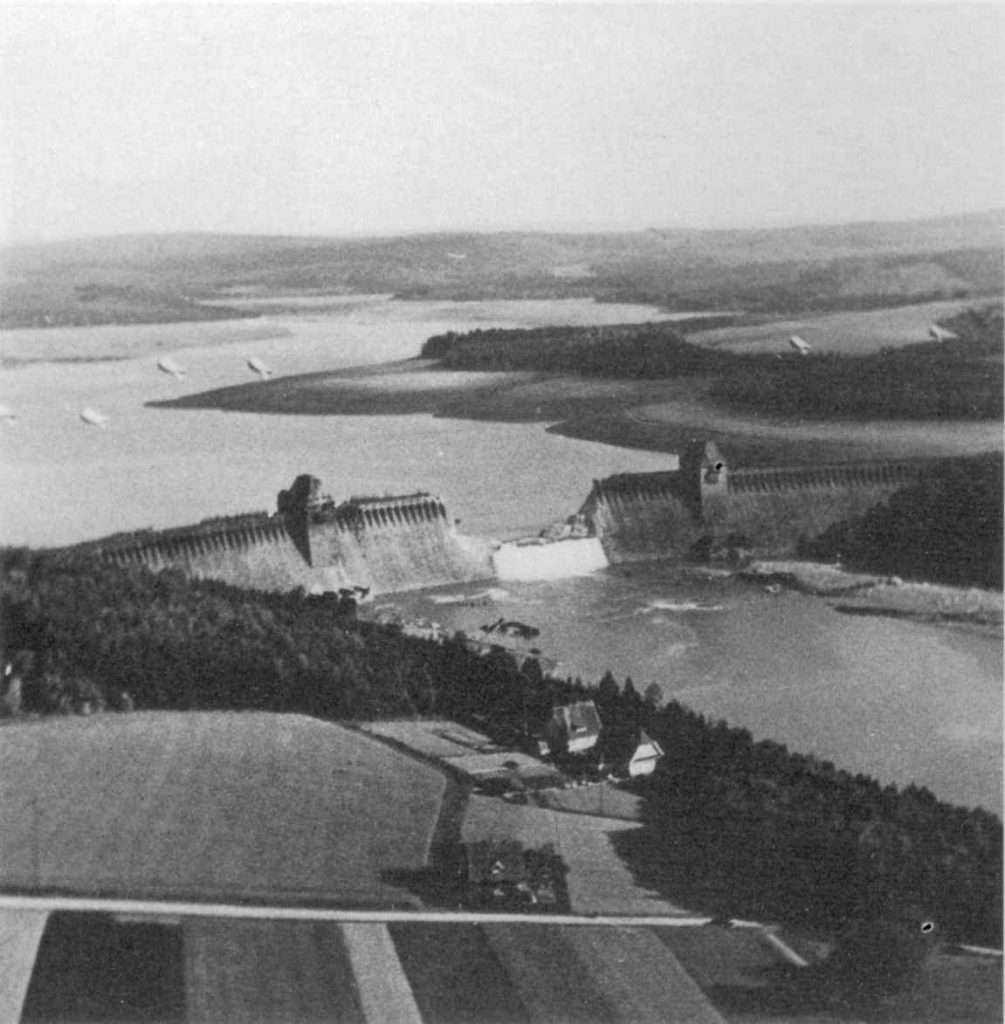
Nineteen Lancasters of a newly formed squadron fly low across the North Sea at night carrying bouncing bombs. Their targets are the great dams of the Ruhr.
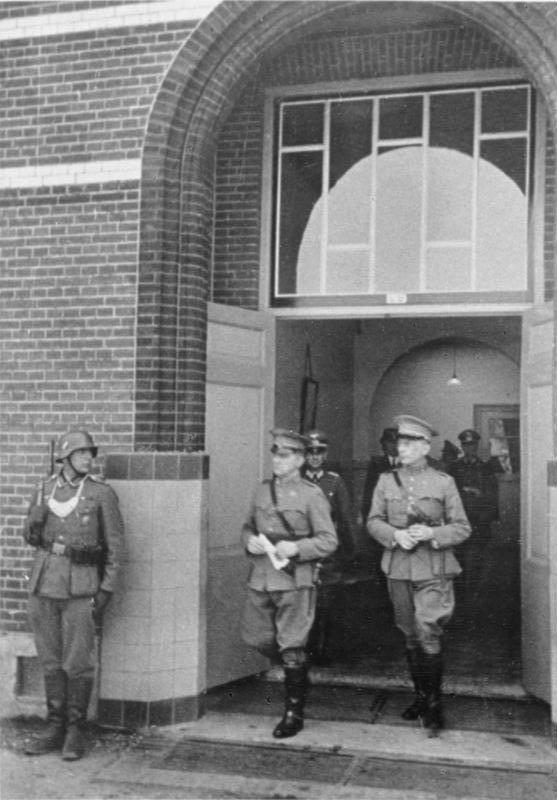
Five days after the invasion, General Winkelman signs the surrender of the Dutch army. In Paris, the French prime minister telephones Churchill with stark news.
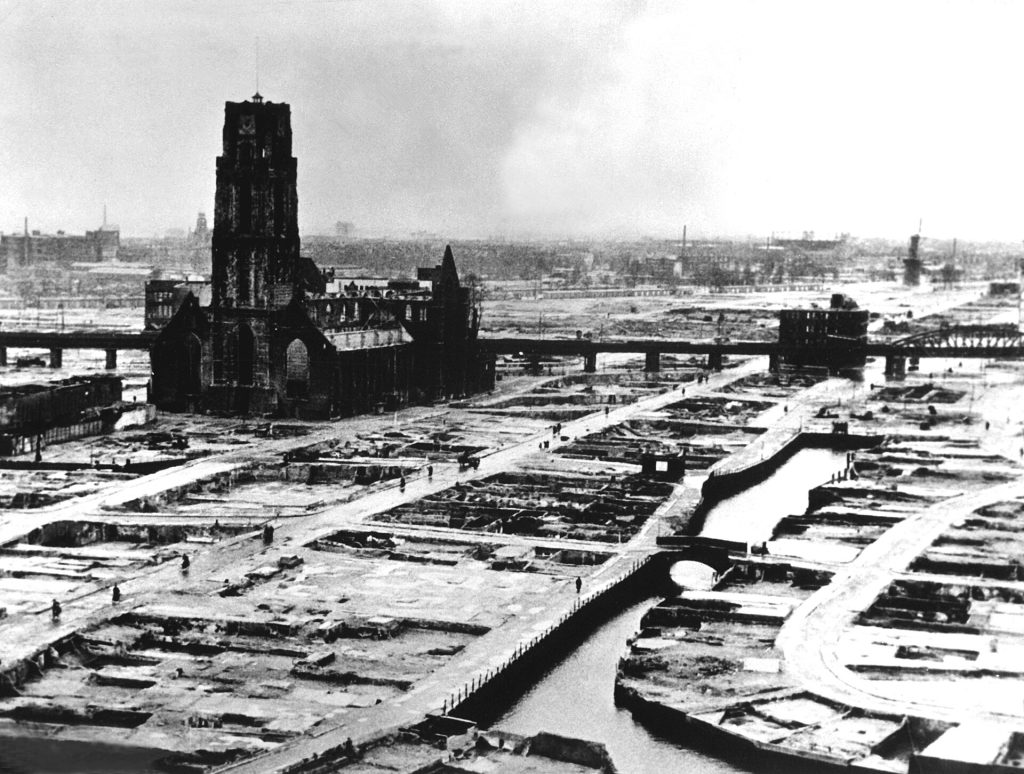
While surrender talks are under way, German bombers devastate the centre of Rotterdam. Threatened with the same fate for other cities, the Netherlands gives up.
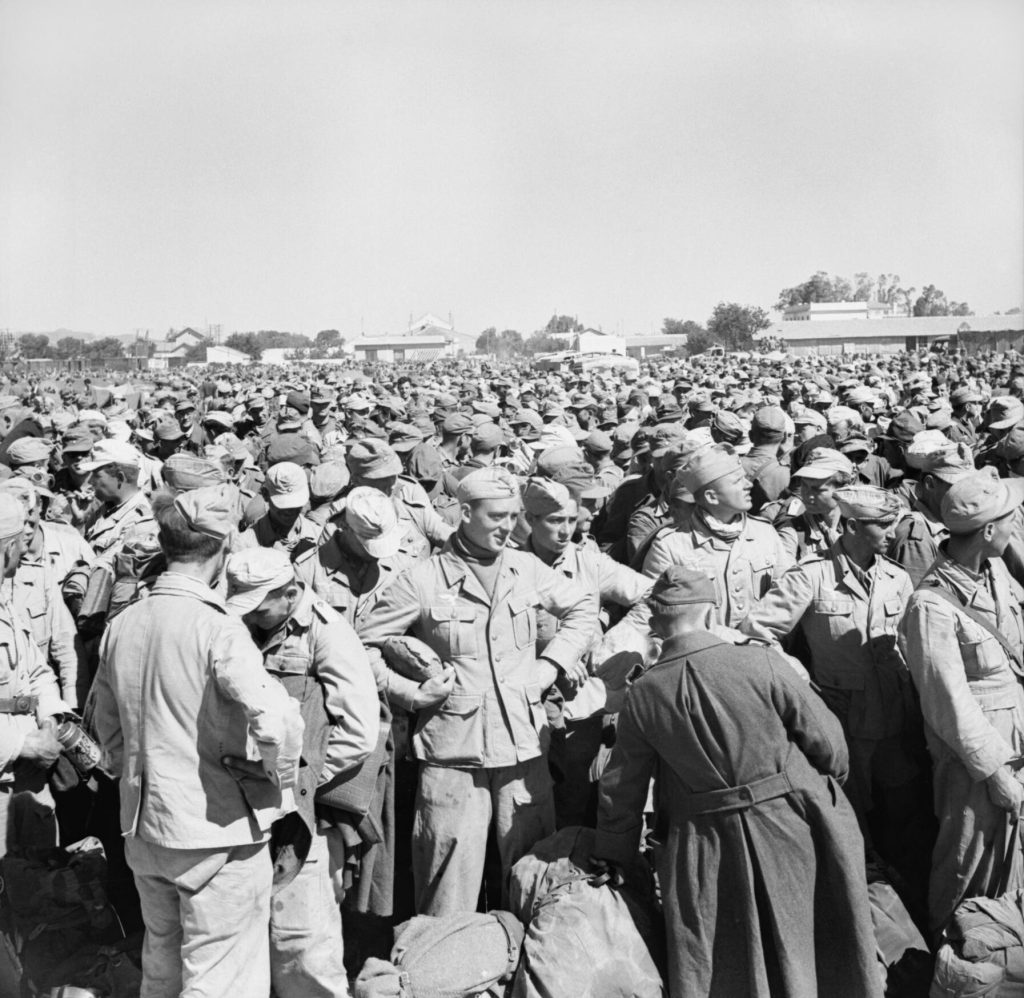
The last Axis army in Tunisia lays down its arms. Around a quarter of a million German and Italian soldiers become prisoners, and the war in North Africa is over.
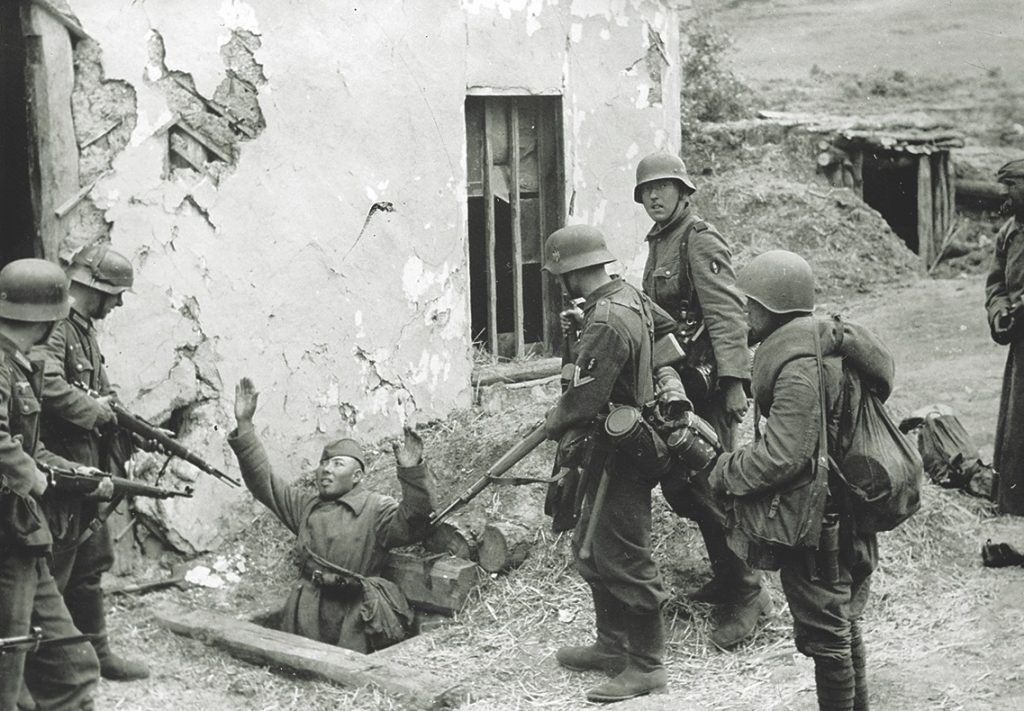
The Red Army launches an ambitious spring offensive to retake Kharkov. Within a week, a German counter-stroke turns it into a disaster.
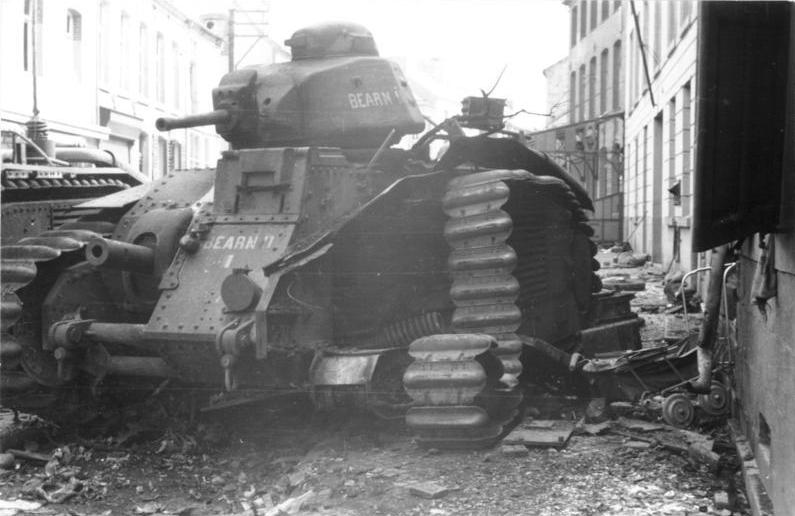
At dawn, German forces invade the Netherlands, Belgium and Luxembourg. By evening, Neville Chamberlain has resigned and Winston Churchill is Prime Minister.
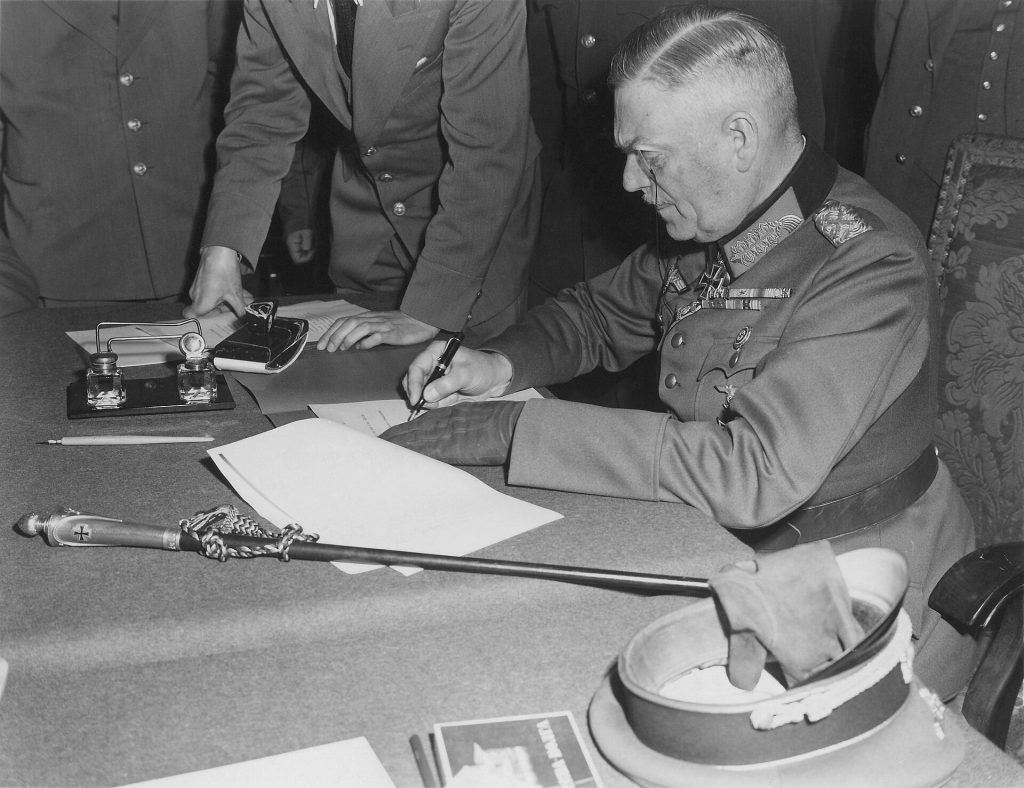
Shortly before midnight in Berlin-Karlshorst, Field Marshal Keitel signs the final surrender before Marshal Zhukov. In Moscow it is already 9 May, and the Soviet Union celebrates victory.
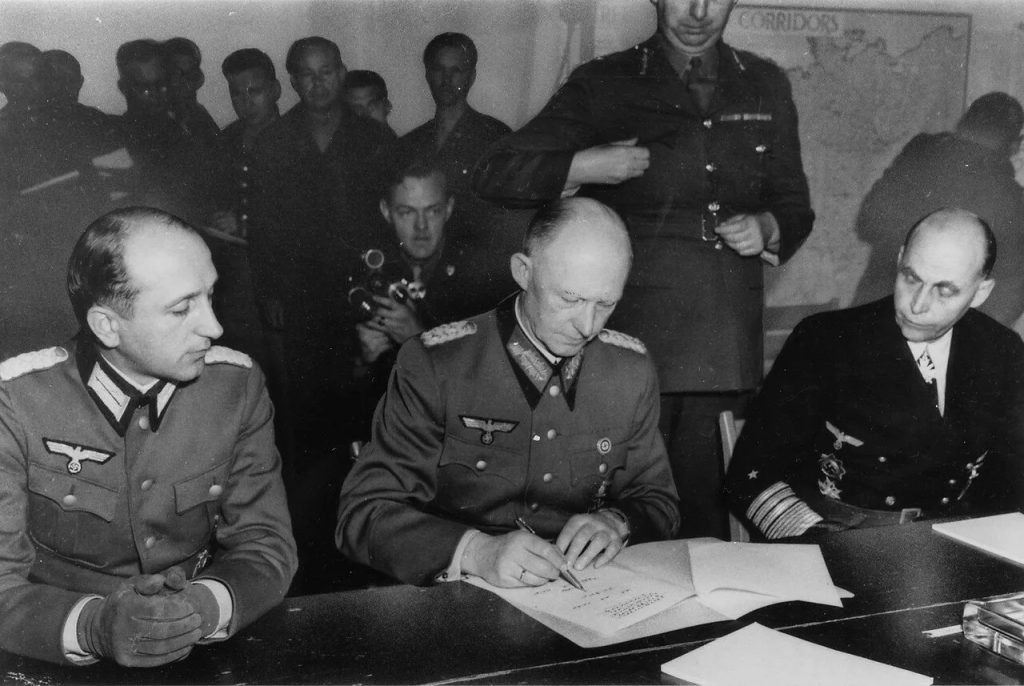
In the small hours, in a schoolhouse in Reims serving as Eisenhower’s headquarters, General Alfred Jodl signs Germany’s unconditional surrender.
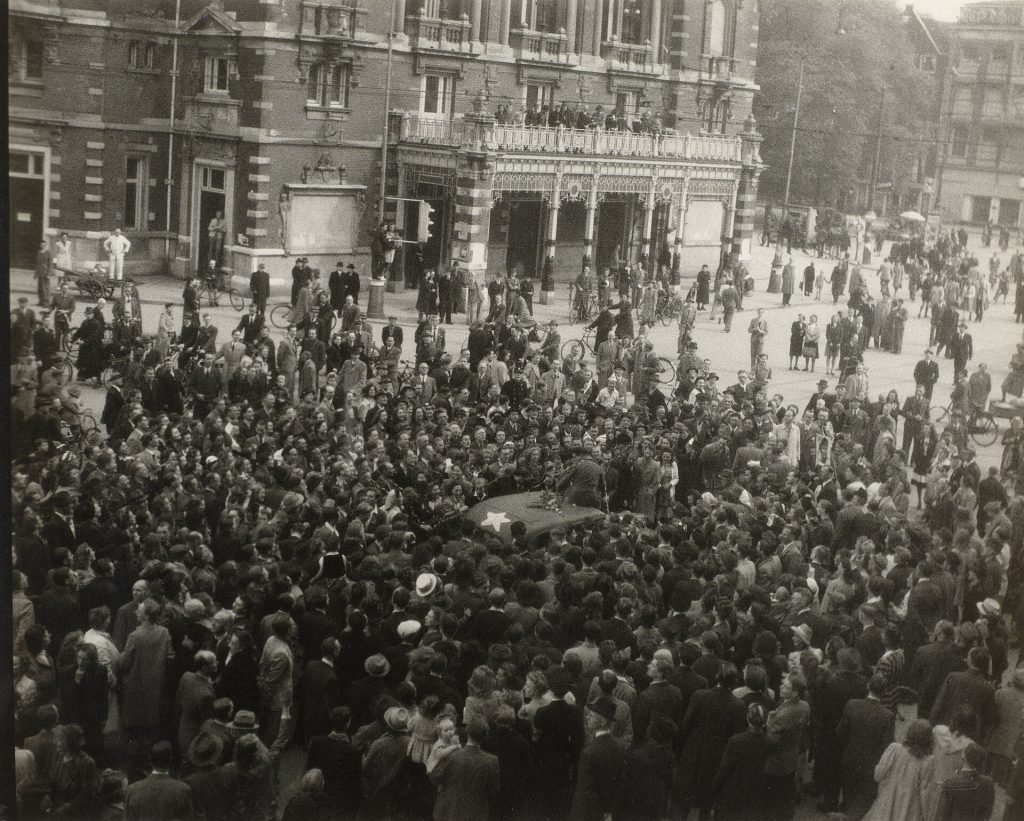
At a hotel in Wageningen, the German commander in the Netherlands meets the Canadian general facing him to arrange the surrender. After five years of occupation and a winter of famine, the Dutch are free.
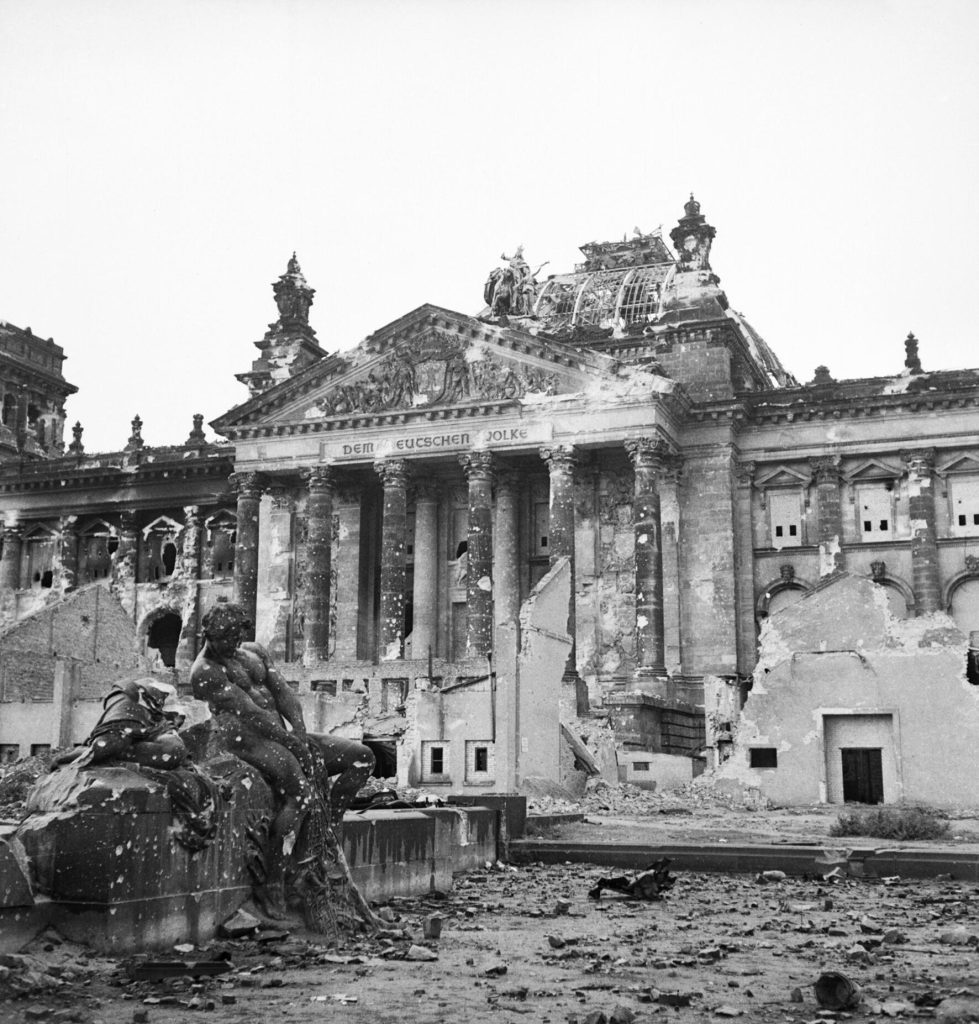
Two days after Hitler’s death, the commander of the Berlin garrison surrenders to the Red Army. The guns fall silent over the ruined capital of the Reich.
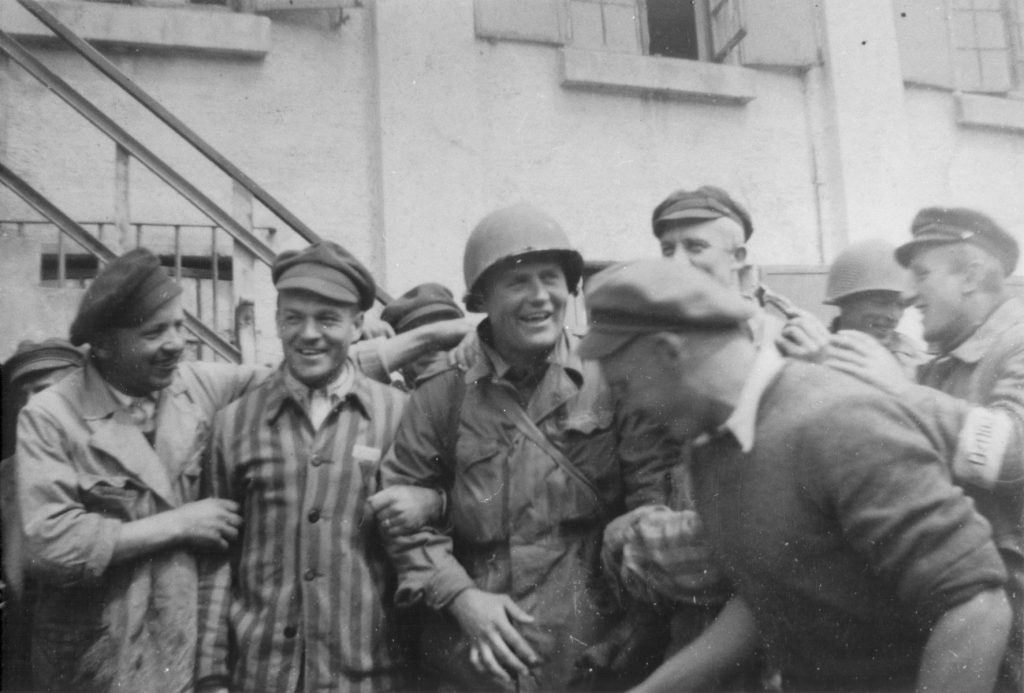
American soldiers reach Dachau, the first concentration camp set up by the Nazis. Outside its gates they find a train filled with dead prisoners; inside, around 30,000 survivors.
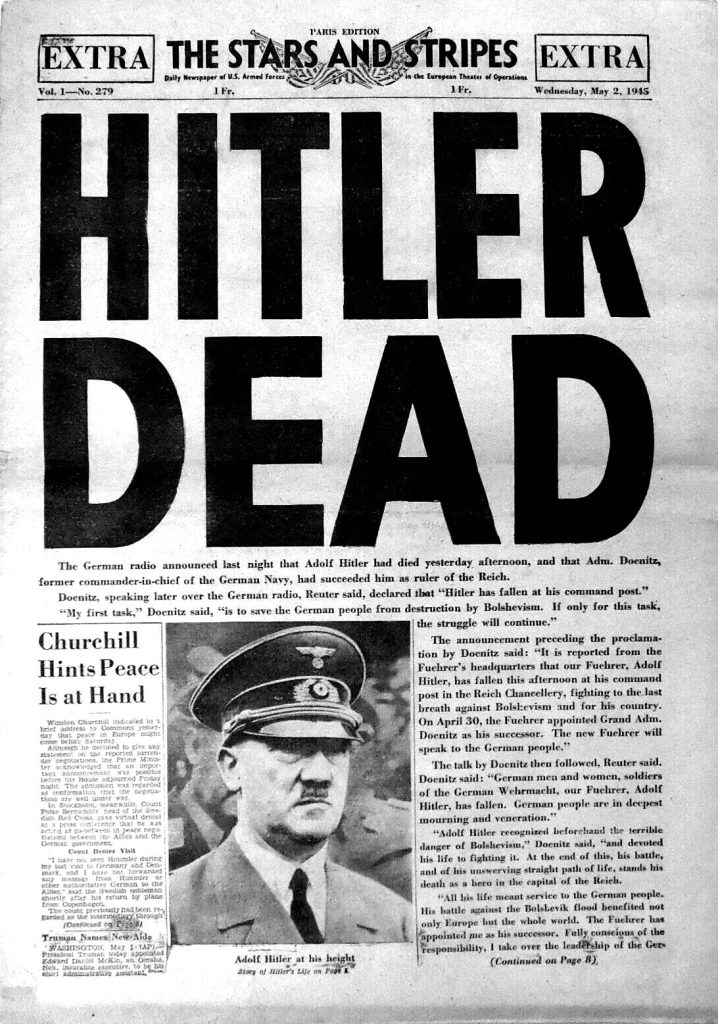
With Soviet troops only a few hundred metres away, Adolf Hitler takes his own life in the bunker beneath the Reich Chancellery.
 United Kingdom
 United States
 Soviet Union
 Germany
 Japan
 France
 Poland
 South Africa