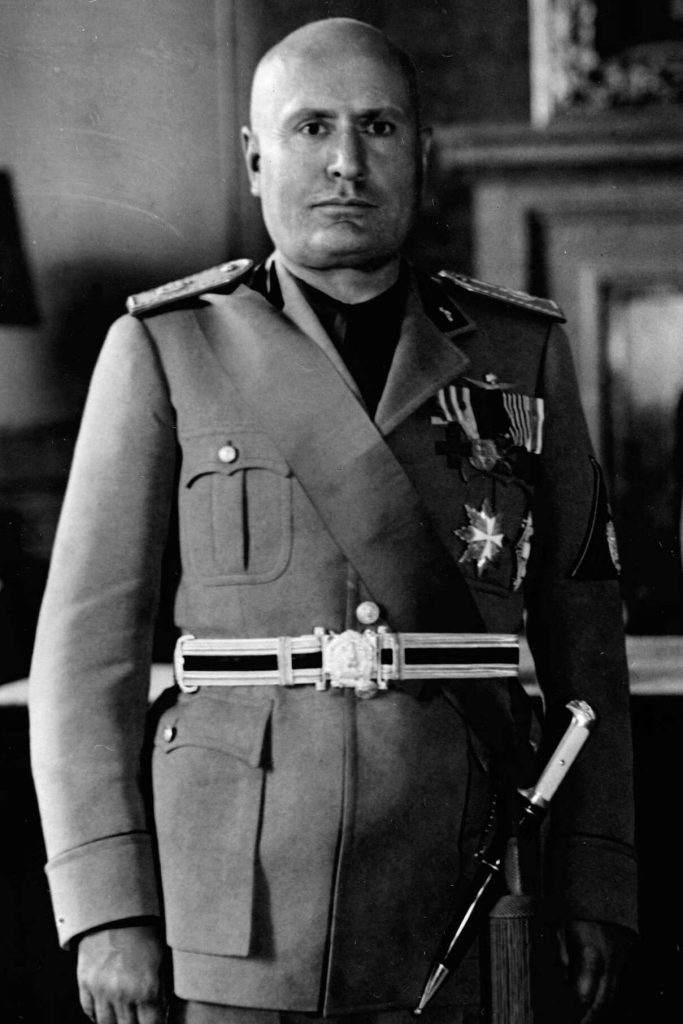
28 April 1945: The Death of Mussolini
Captured by partisans while trying to escape with a German convoy, Benito Mussolini is shot near Lake Como. The man who ruled Italy for two decades is dead.
Dispatches involving Germany.
Captured by partisans while trying to escape with a German convoy, Benito Mussolini is shot near Lake Como. The man who ruled Italy for two decades is dead.
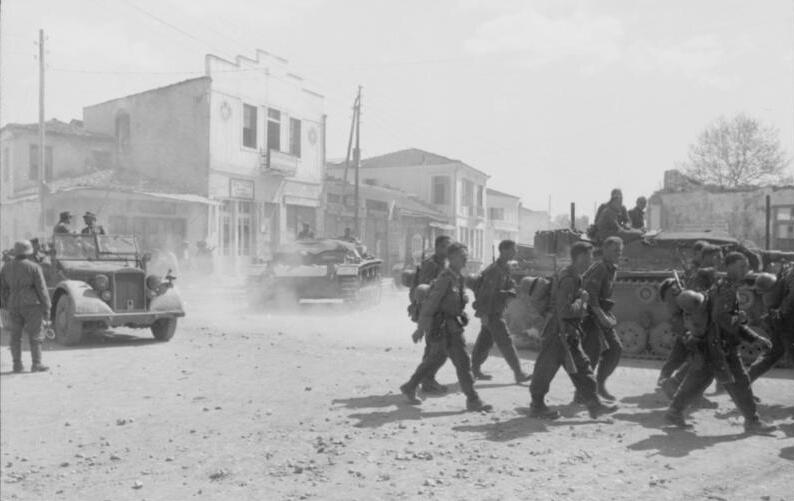
German motorcycle troops ride into the Greek capital. By the morning the swastika is flying over the Acropolis, and a long, hungry occupation has begun.
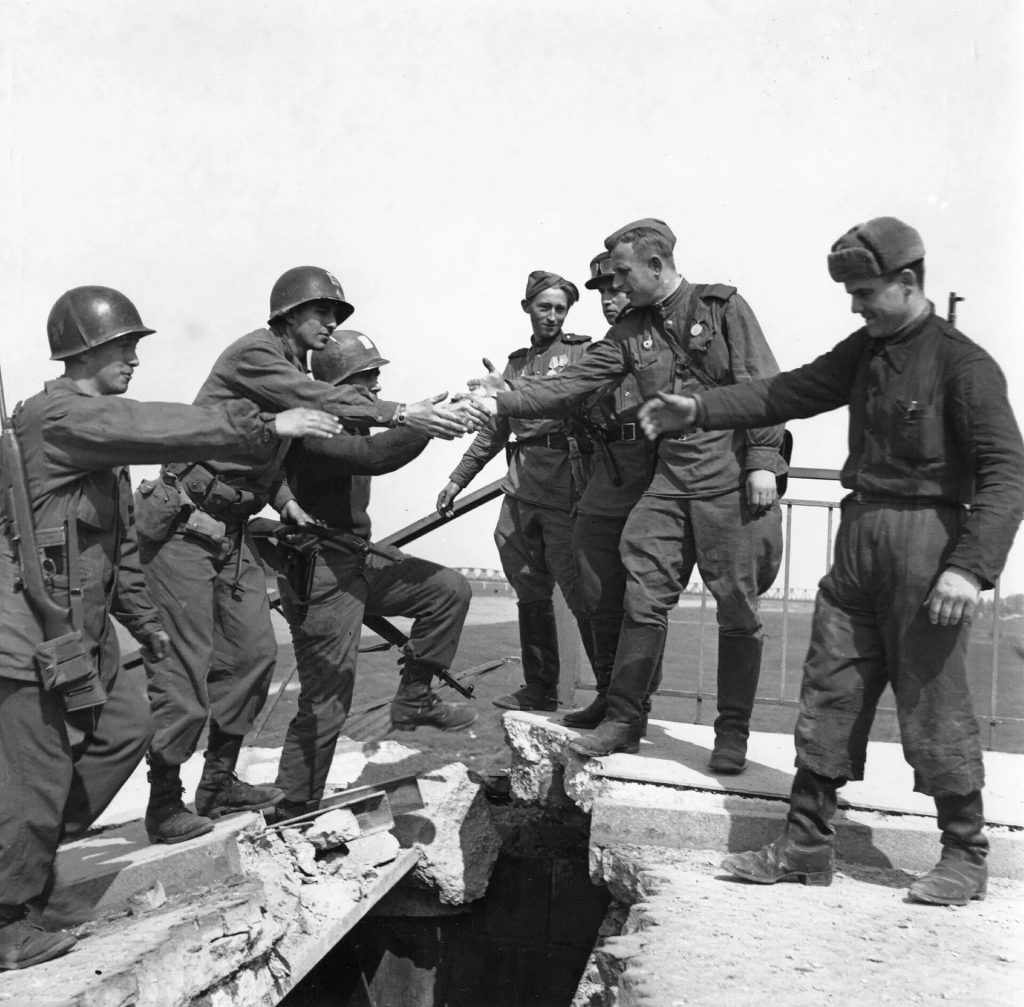
American patrols meet Soviet soldiers on the river Elbe, near Torgau. The armies from east and west have joined, and Germany is cut in two.
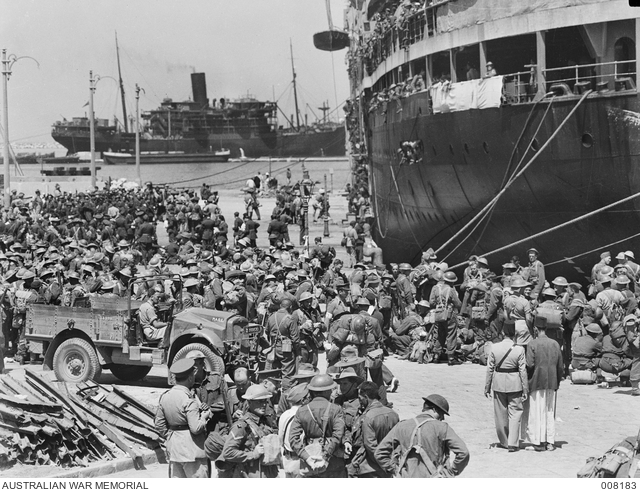
After a rearguard stand at Thermopylae, British, Australian and New Zealand troops begin to leave Greece by night from small harbours and open beaches.
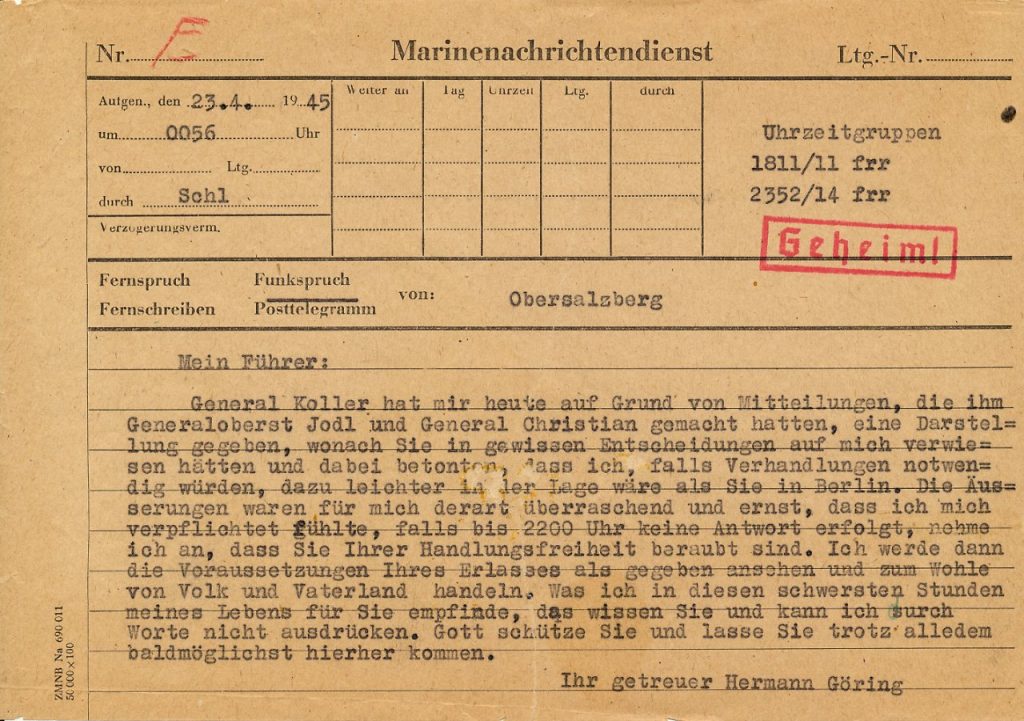
From the Bavarian Alps, Hermann Göring sends a telegram offering to take over the leadership of the Reich. In the bunker, Hitler is persuaded it is treason.
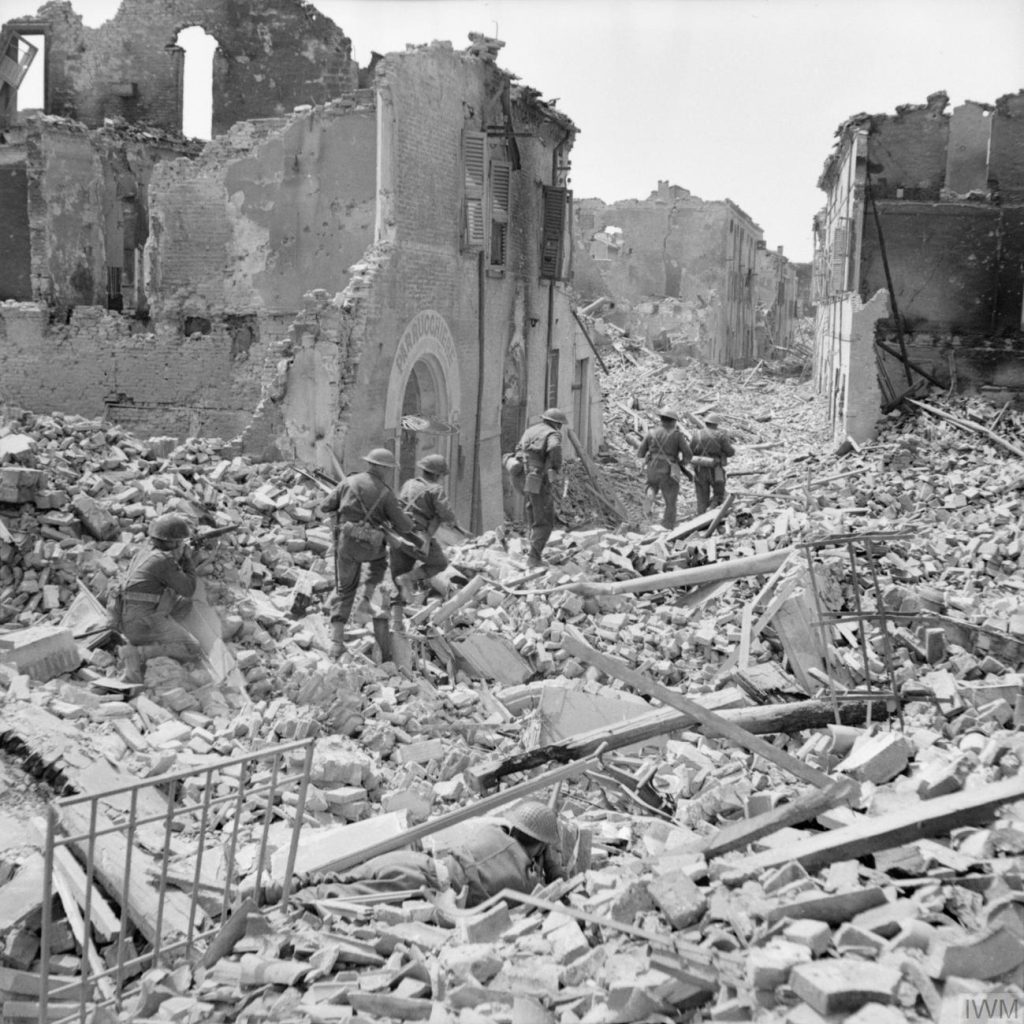
Polish troops of the Eighth Army enter Bologna from the east, with American troops close behind. The German front in Italy is collapsing.
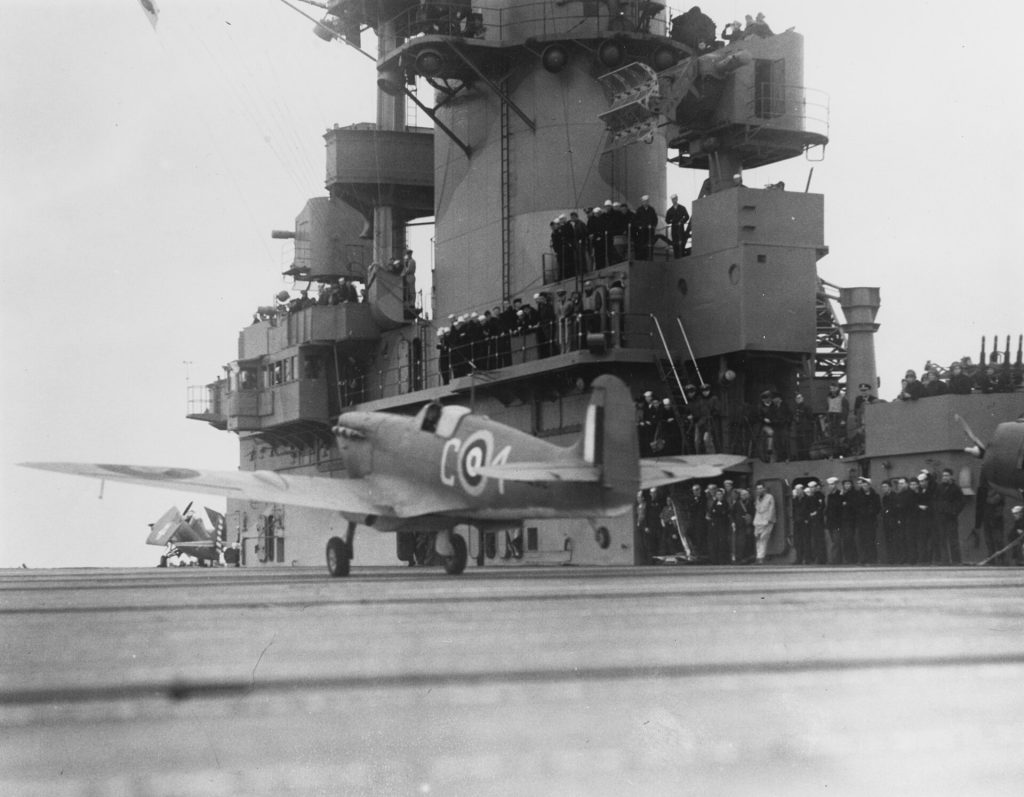
Forty-seven Spitfires take off from the American carrier Wasp in the western Mediterranean and fly to besieged Malta. Within days, most have been destroyed on the ground.
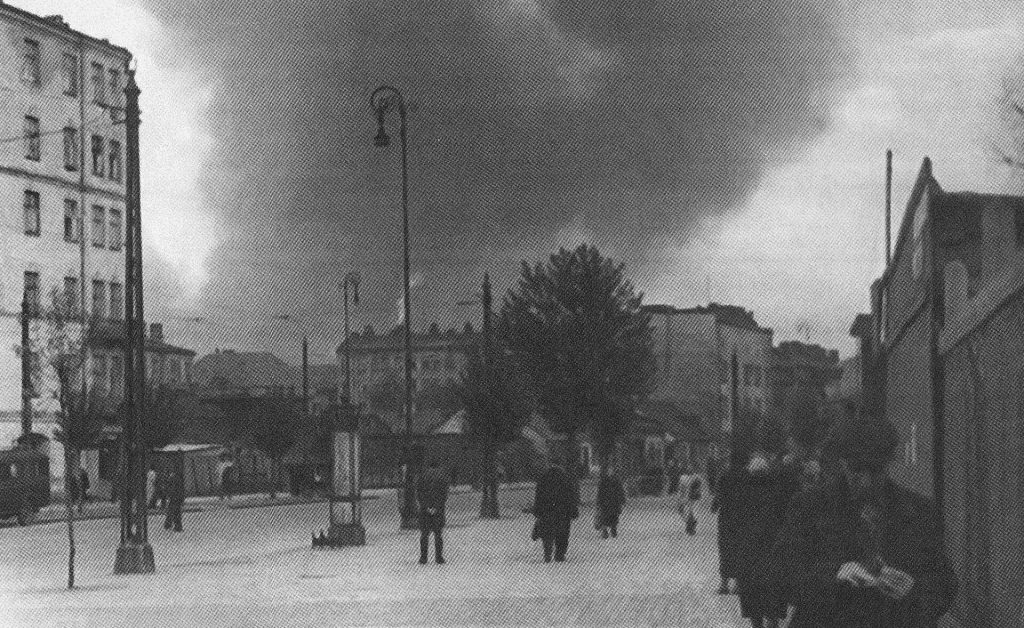
On the eve of Passover, German forces enter the Warsaw Ghetto to deport its remaining Jews. They are met by gunfire, grenades and petrol bombs.
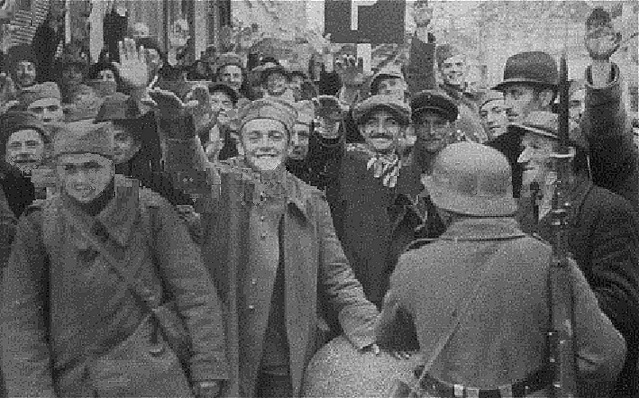
Eleven days after the invasion began, Yugoslav representatives sign an unconditional surrender in Belgrade. The country is carved up among its neighbours.
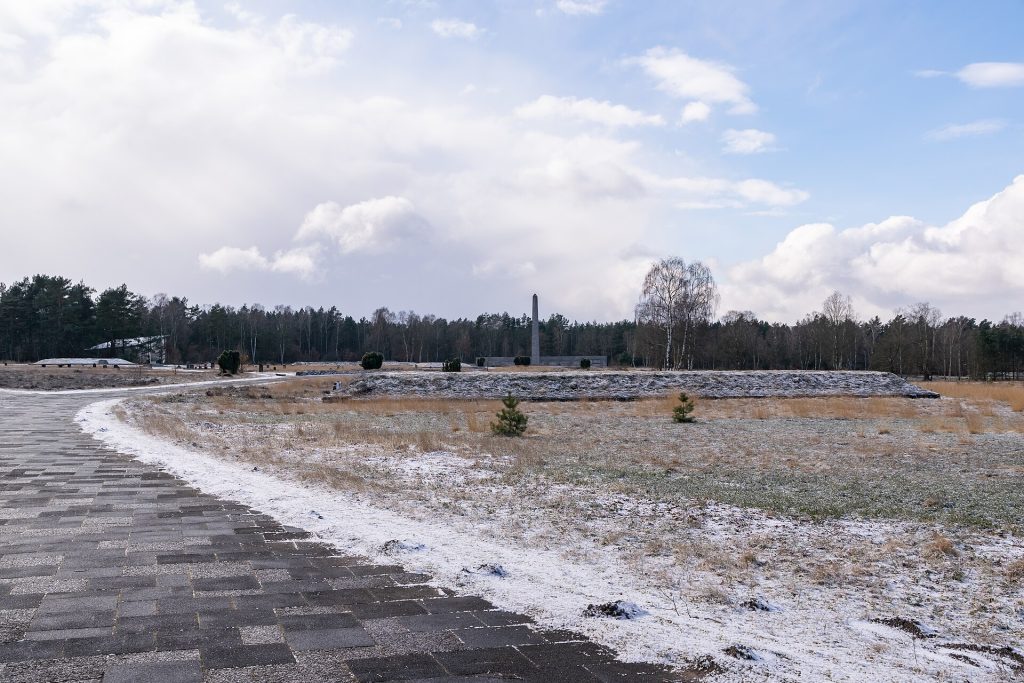
Under a local truce, British troops enter Bergen-Belsen. They find around 60,000 prisoners, many dying of typhus and starvation, and thousands of unburied dead.
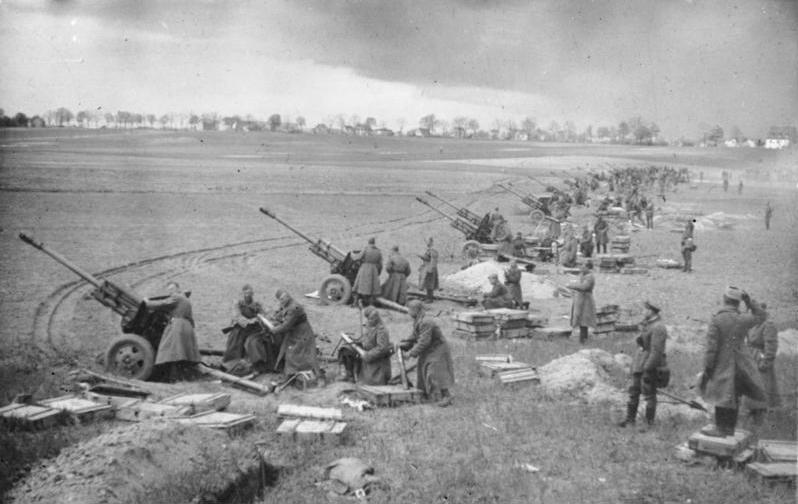
At 03:00, thousands of Soviet guns and searchlights blaze along the Oder. The final offensive on Berlin has begun, but the first obstacle is a line of hills.
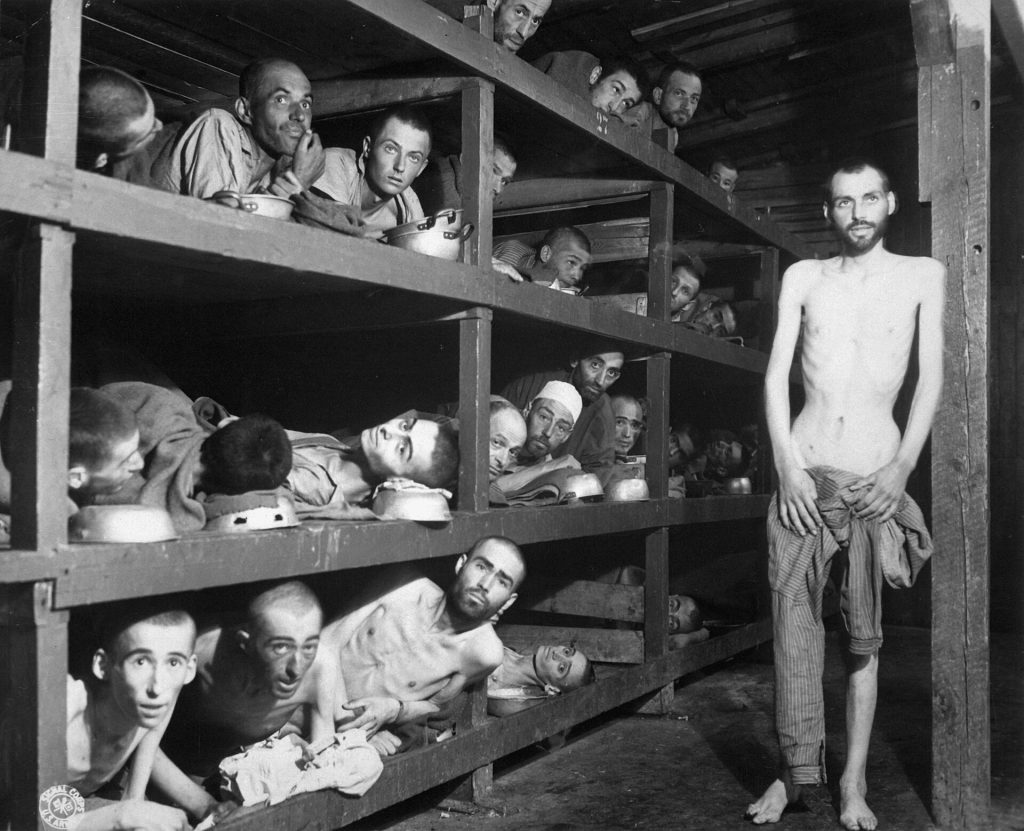
As the SS guards flee, prisoners take control of Buchenwald. That afternoon, American tanks arrive. More than 20,000 people are still alive inside.
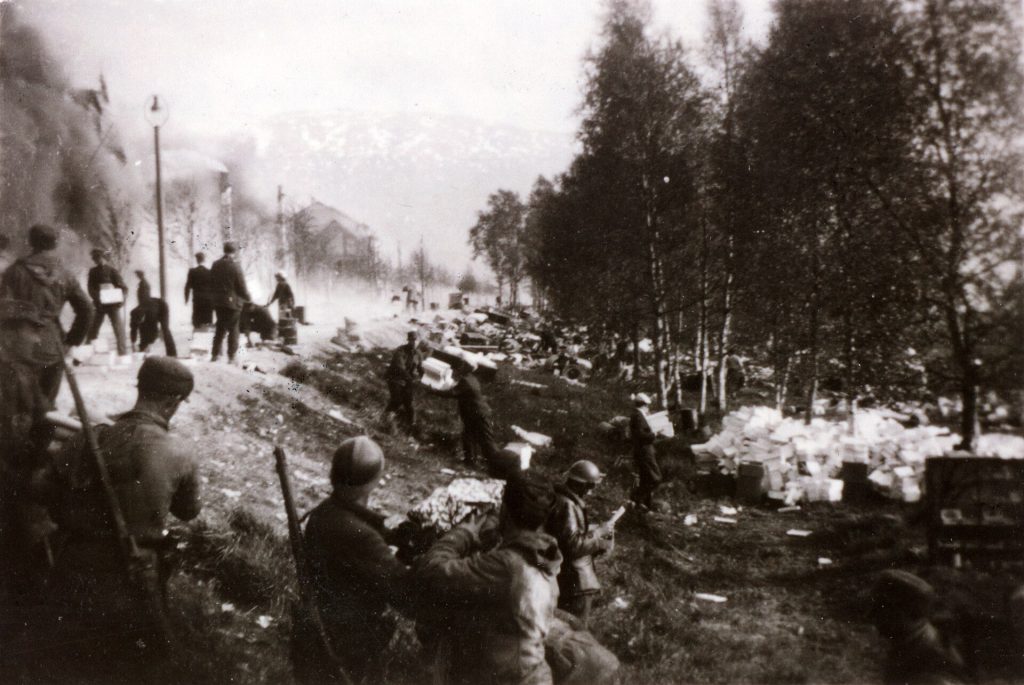
In a snowstorm at dawn, five British destroyers steam up the fjord to Narvik and surprise the German destroyers that landed troops there the day before.
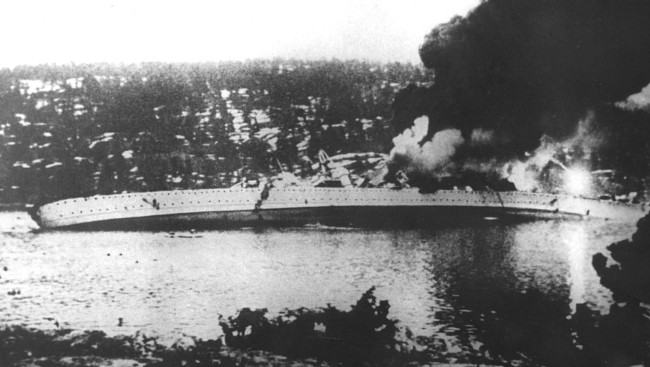
Before dawn, German forces strike Denmark and Norway at once. Denmark is occupied within hours. In Oslofjord, an old fortress sinks a German cruiser and buys Norway’s king time to escape.
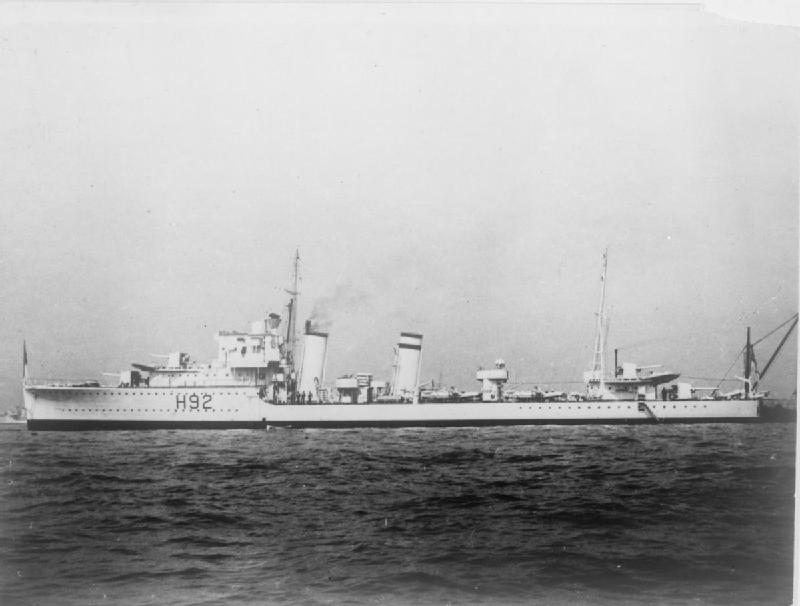
A lone British destroyer runs into the German fleet heading for Norway. Outgunned and burning, she turns and rams the heavy cruiser Admiral Hipper.
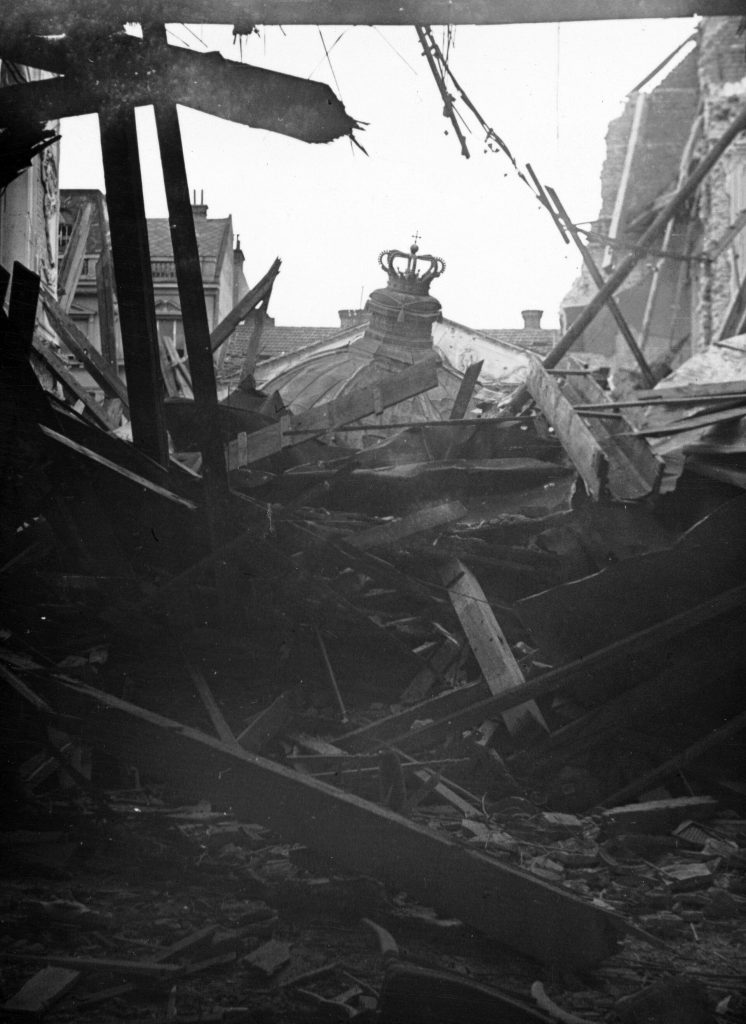
Without a declaration of war, German bombers attack Belgrade at dawn. On the same morning, German armies invade Yugoslavia and Greece.
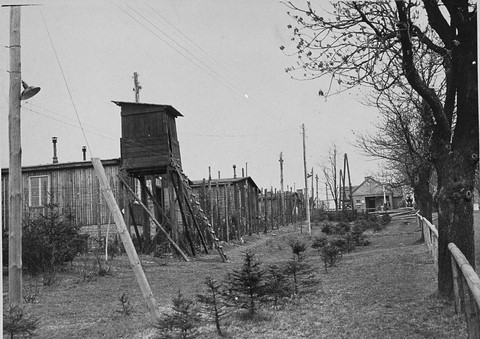
American troops enter a camp outside the town of Ohrdruf in Thuringia. It is the first Nazi camp to be liberated by the US Army.
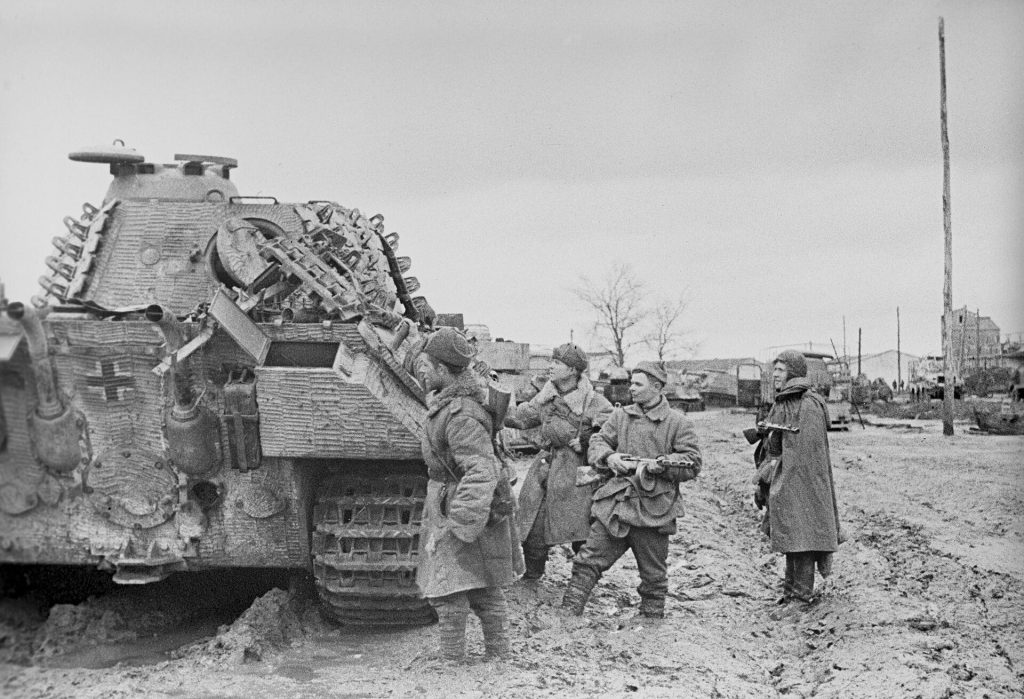
Soviet forces cross the Prut river into Romania. In Moscow, Molotov declares that the Soviet Union has no wish to take Romanian territory or change its social order.
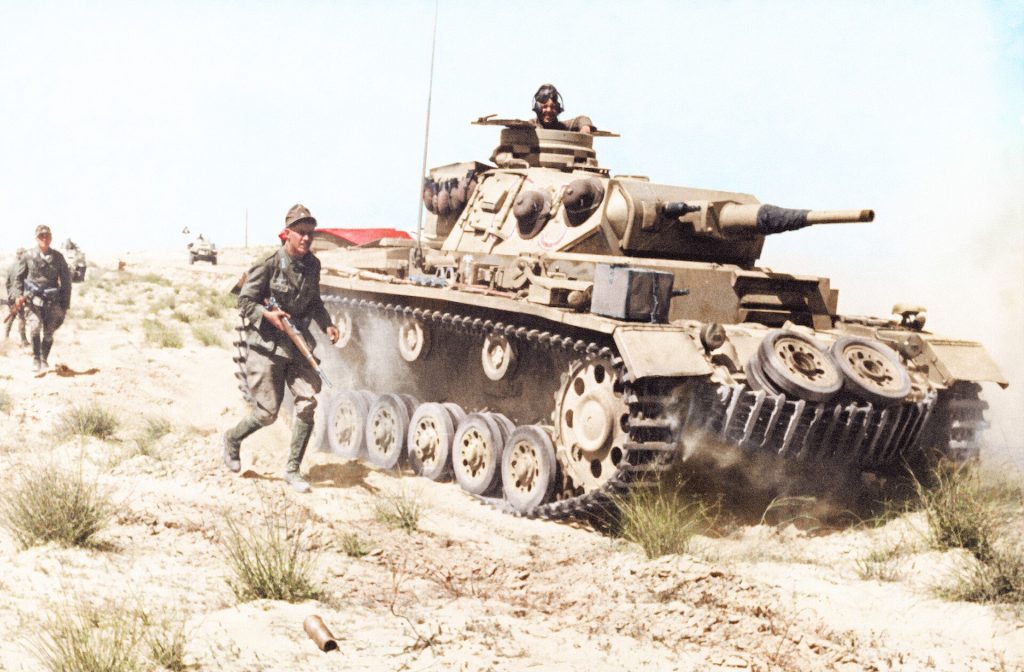
Weeks after arriving in Libya with orders to defend, Erwin Rommel attacks the thin British line at Mersa el Brega. Within two weeks the British are back in Egypt.
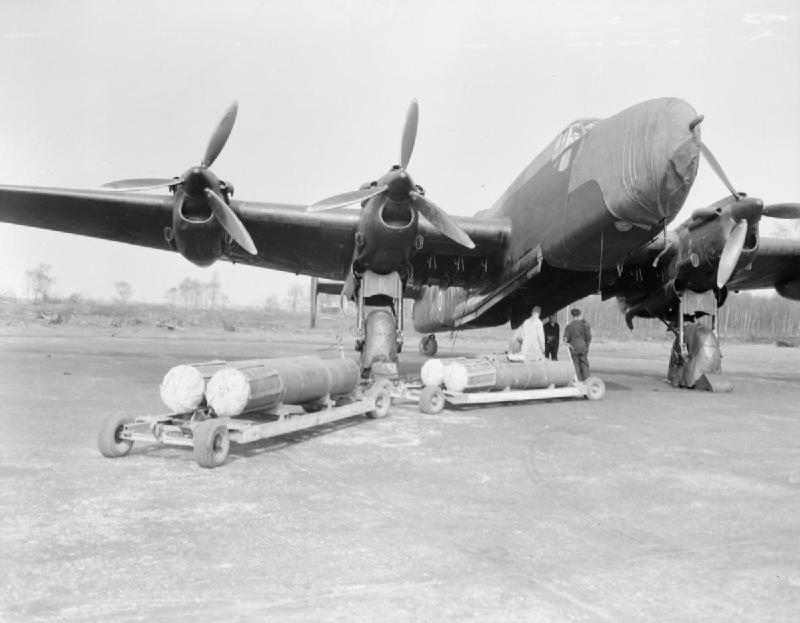
Under a bright moon and without the expected cloud, RAF Bomber Command flies a long, straight route into Germany. German night fighters are waiting.
 United Kingdom
 United States
 Soviet Union
 Germany
 Japan
 France
 Poland
 South Africa