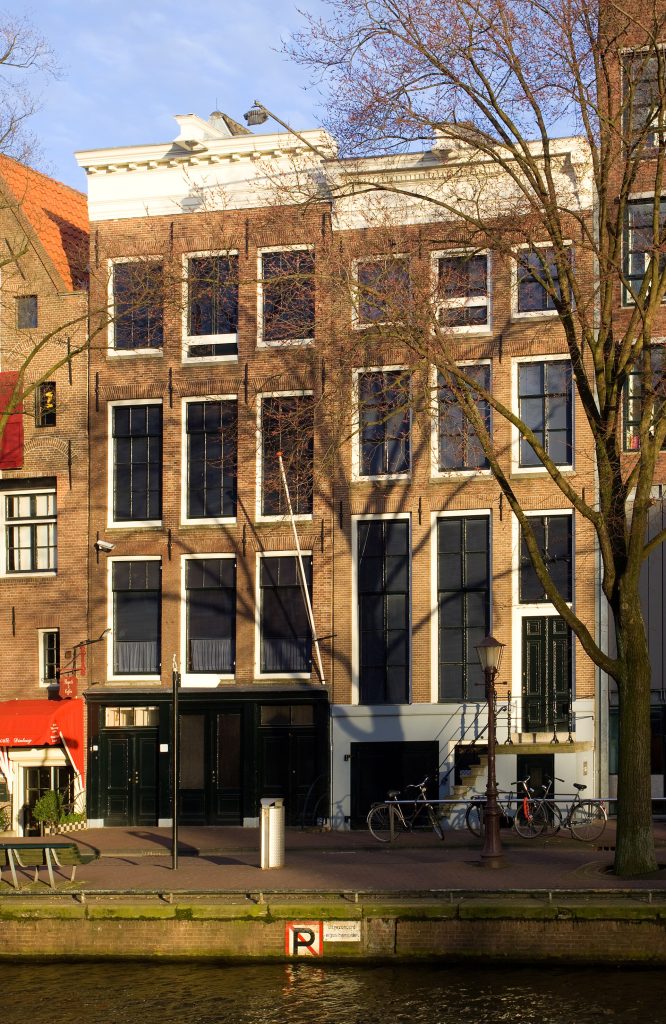
4 August 1944: Anne Frank Is Arrested
After more than two years in a hidden annexe above a canal-side warehouse in Amsterdam, Anne Frank, her family and four others are discovered and arrested.
Dispatches involving Germany.
After more than two years in a hidden annexe above a canal-side warehouse in Amsterdam, Anne Frank, her family and four others are discovered and arrested.
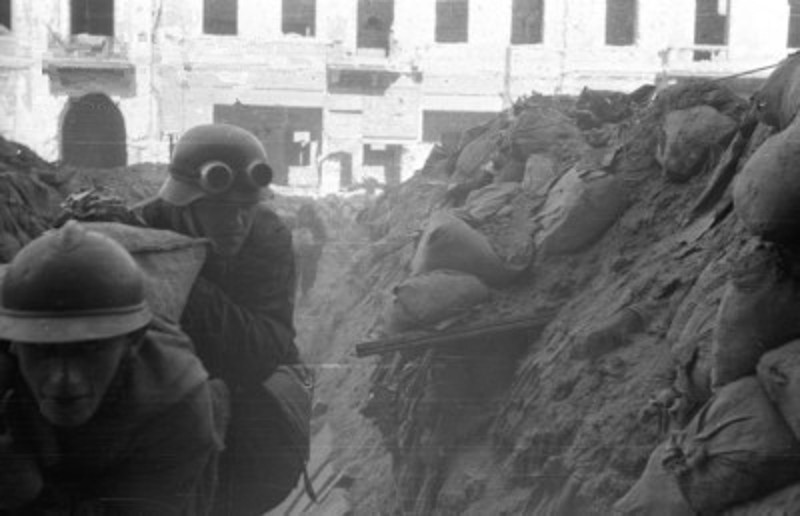
At five in the afternoon, the Polish Home Army rises against the German occupiers of Warsaw. It hopes to free the capital before the Red Army arrives. It will fight alone for 63 days.
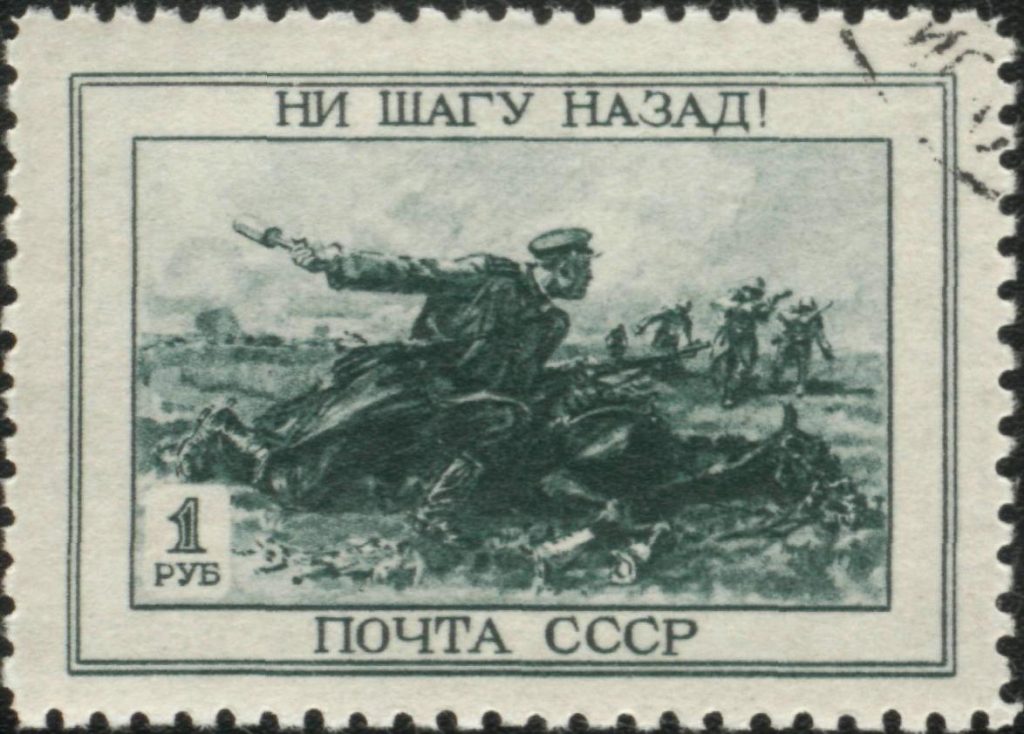
With German armies racing towards the Volga and the Caucasus, Stalin issues Order No. 227. Retreat without orders is forbidden. Panic-mongers and cowards are to be dealt with on the spot.
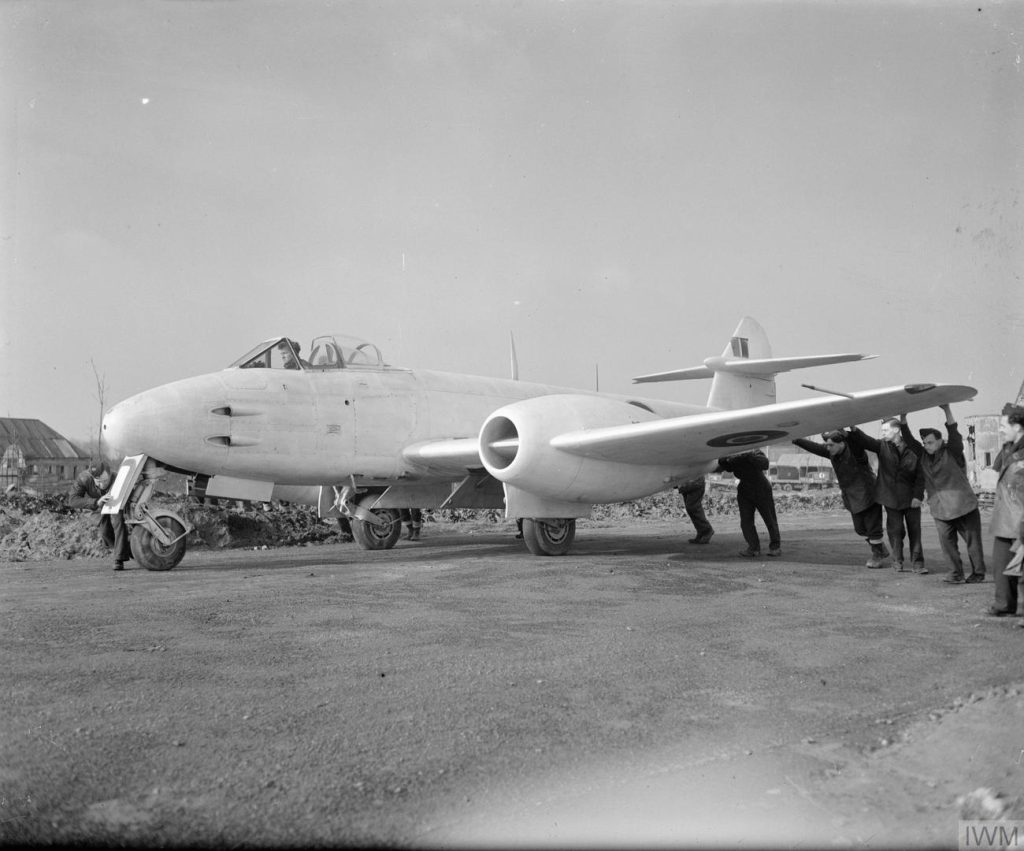
No. 616 Squadron flies the RAF’s first operational jet sorties, hunting the V-1 flying bombs that are falling on London. The Gloster Meteor is the only Allied jet to see combat in the war.
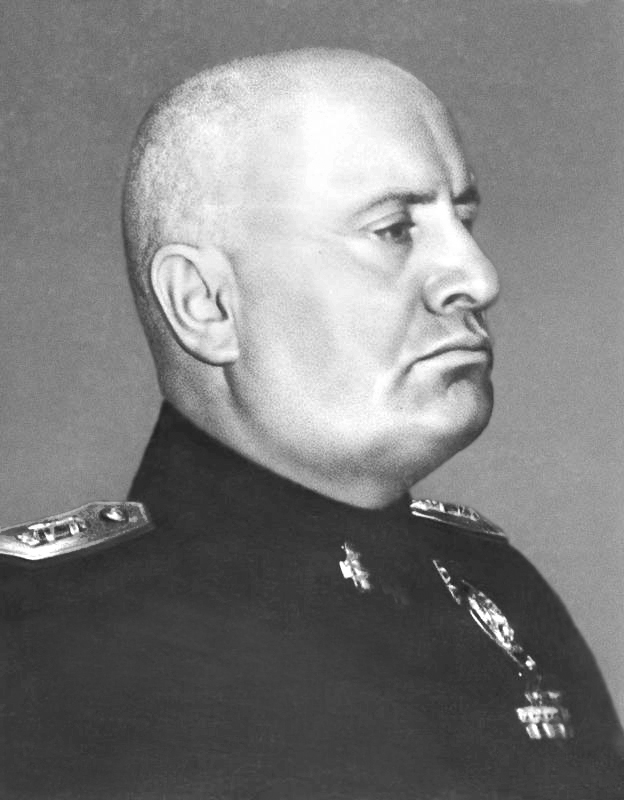
After an all-night meeting of the Fascist Grand Council votes against him, Mussolini goes to see the King. He leaves the royal villa under arrest. Twenty-one years of Fascist rule are over.
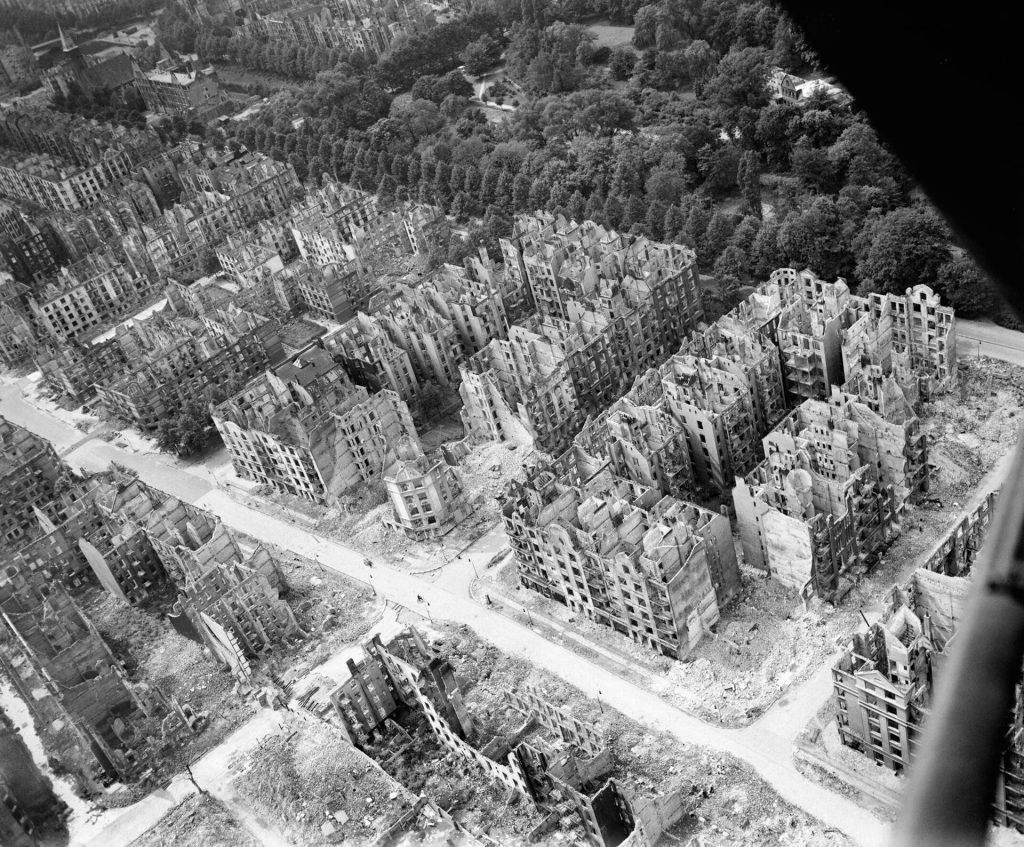
RAF Bomber Command opens a series of raids on Hamburg. Strips of foil dropped by the bombers blind the German radar. Within days, the city will burn as no city has burned before.
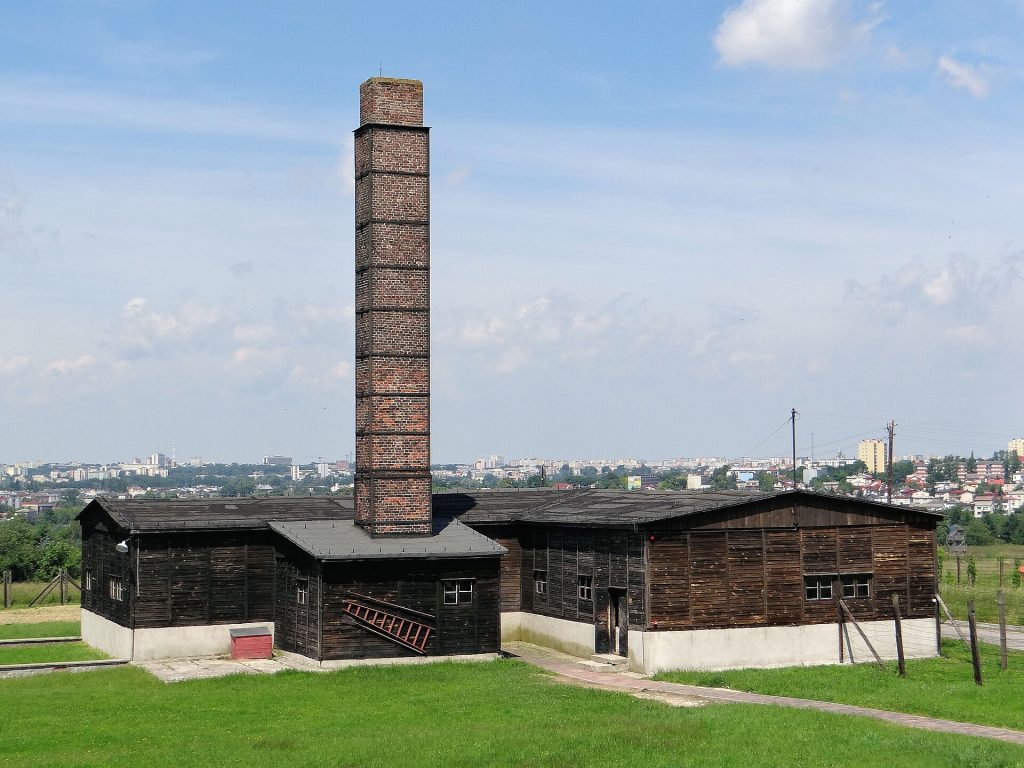
Advancing on Lublin, the Red Army reaches the Majdanek concentration camp, which the SS had no time to destroy. It is the first major Nazi camp to be liberated.
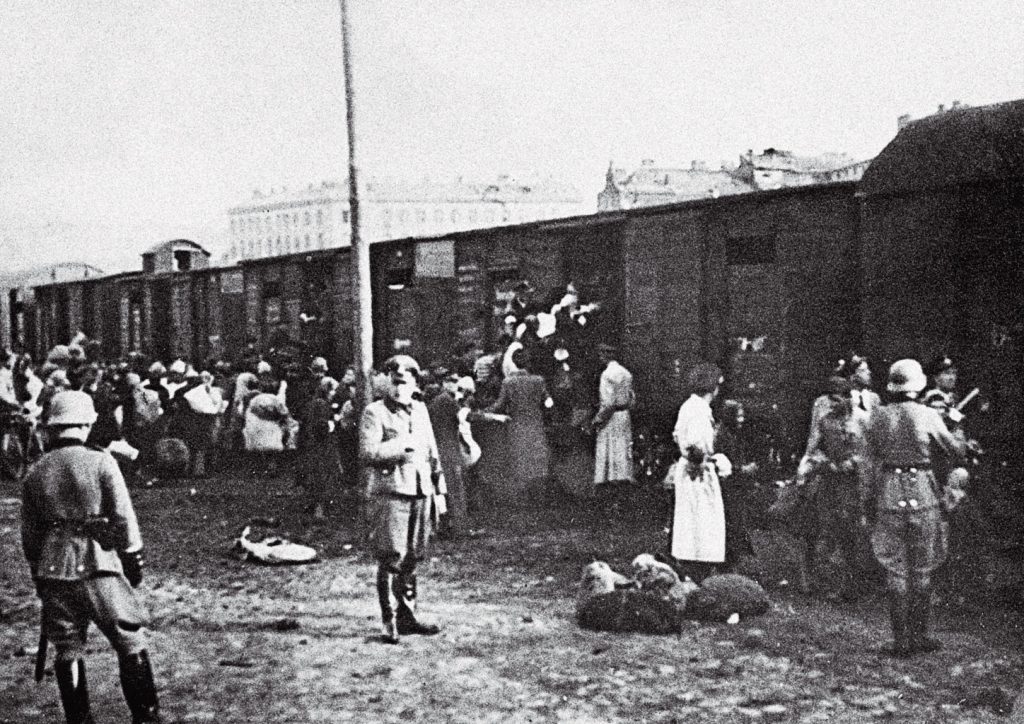
The SS orders the Jewish Council of the Warsaw Ghetto to deliver thousands of people a day for “resettlement in the east”. They are being sent to their deaths at Treblinka.
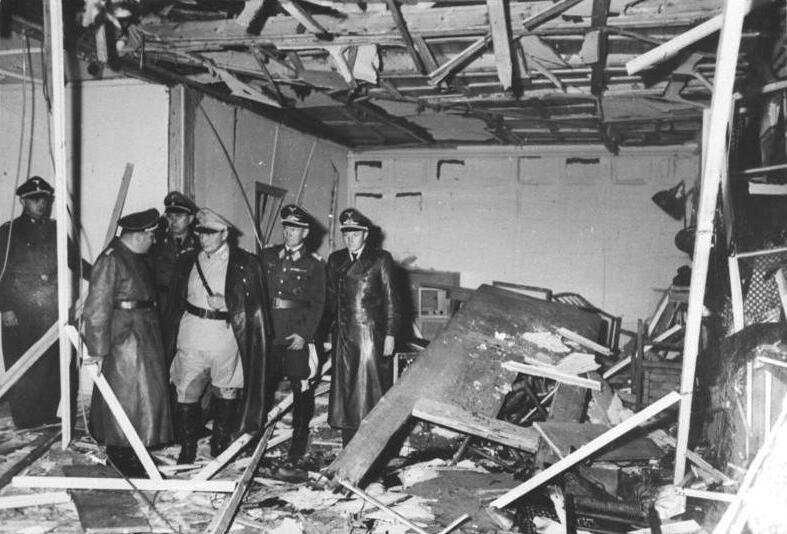
At Hitler’s headquarters in East Prussia, a bomb in a briefcase explodes beneath the conference table. Hitler survives, and the conspiracy to overthrow him collapses within hours.
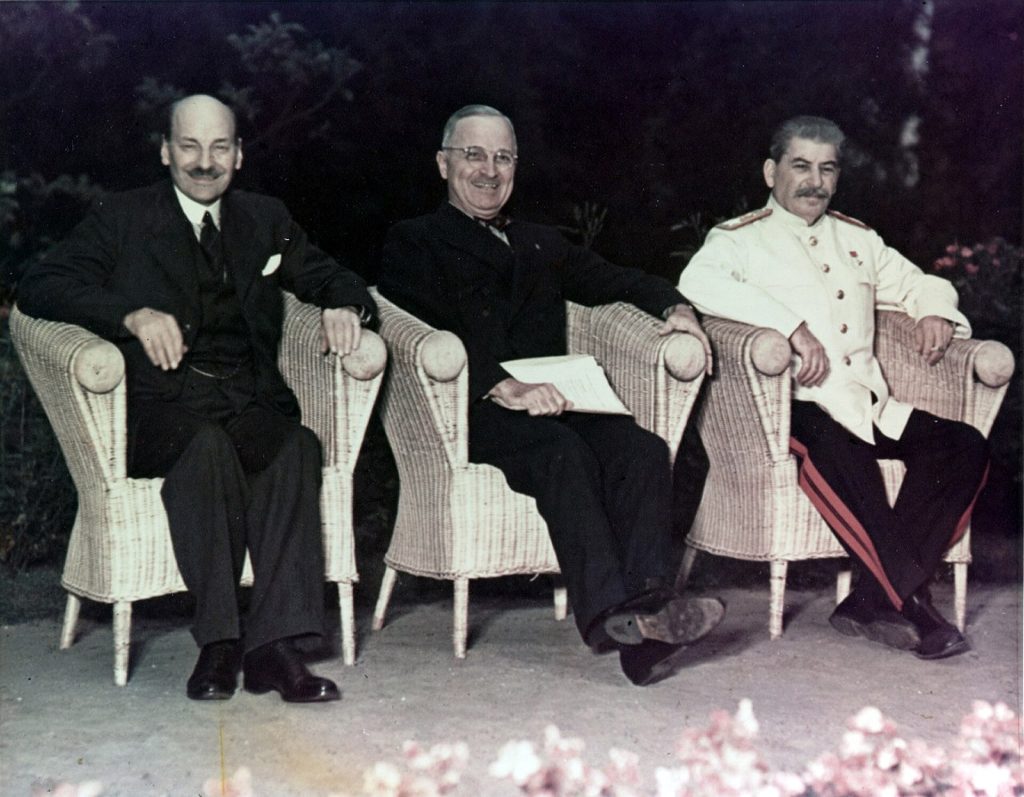
In a palace outside ruined Berlin, Truman, Stalin and Churchill meet to settle the fate of Germany. Halfway through, Churchill is replaced by Attlee.
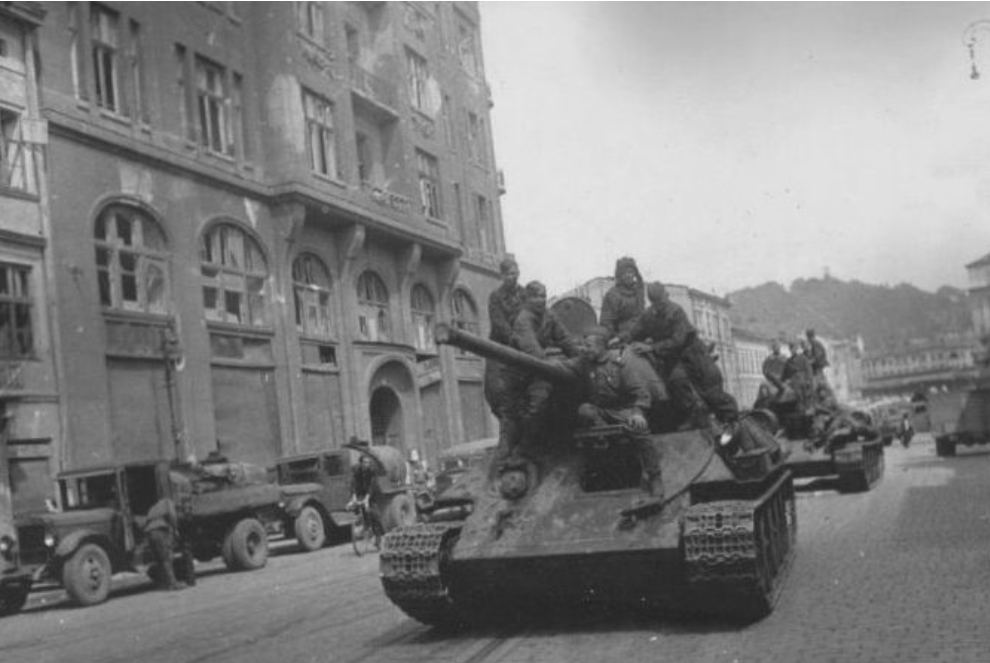
As Army Group Centre collapses in Belarus, Marshal Konev strikes in western Ukraine. Within weeks his armies take Lwów and seize a bridgehead across the Vistula.
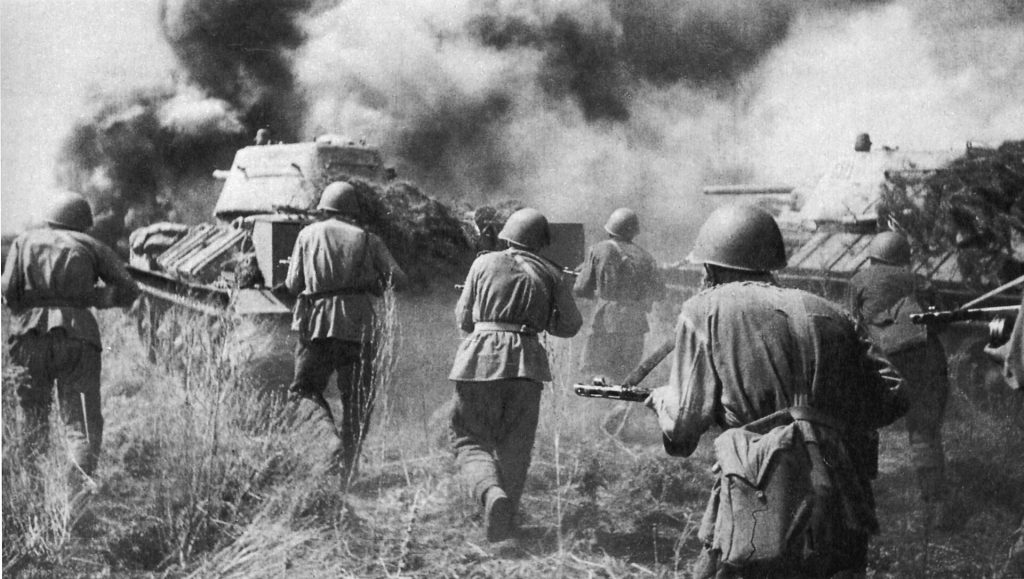
Near a railway station south of Kursk, hundreds of Soviet tanks charge into the advancing SS panzer divisions. It becomes one of the most famous tank battles in history.
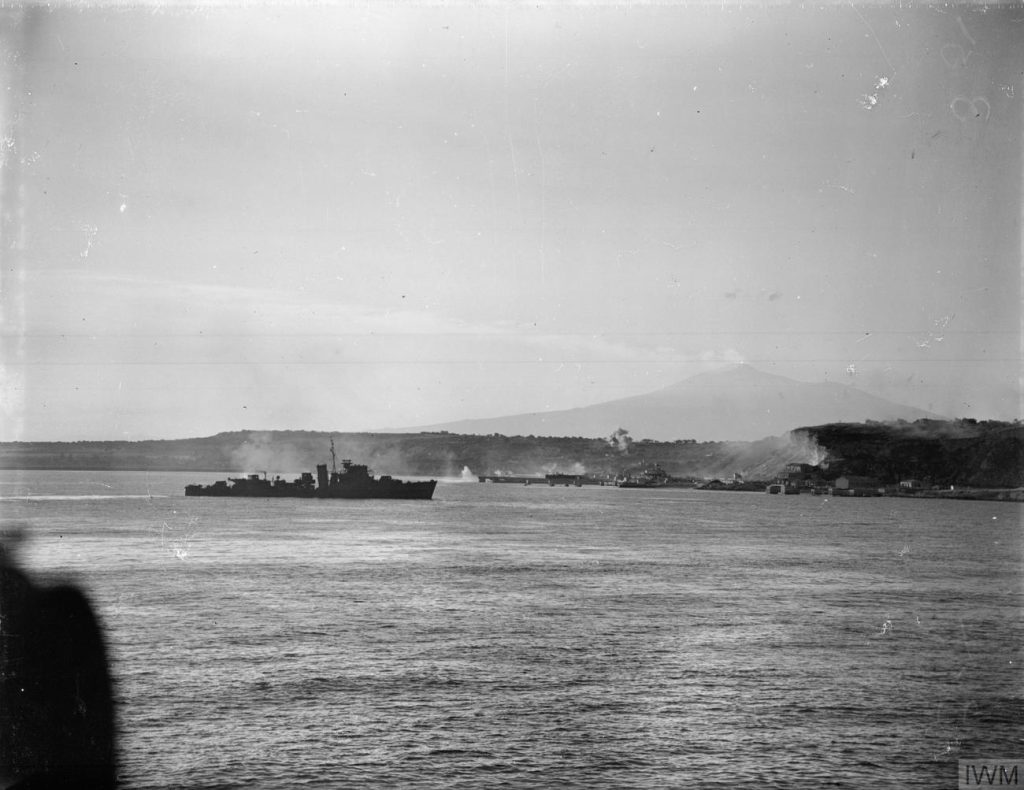
Transport aircraft carrying American paratroopers fly over the invasion fleet off Sicily just after a German air raid. Nervous Allied gunners open fire on them.
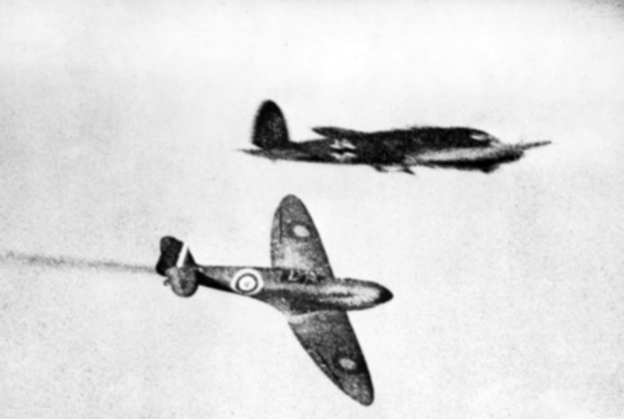
German bombers attack a convoy in the English Channel. The date will later be taken as the official start of the Battle of Britain.
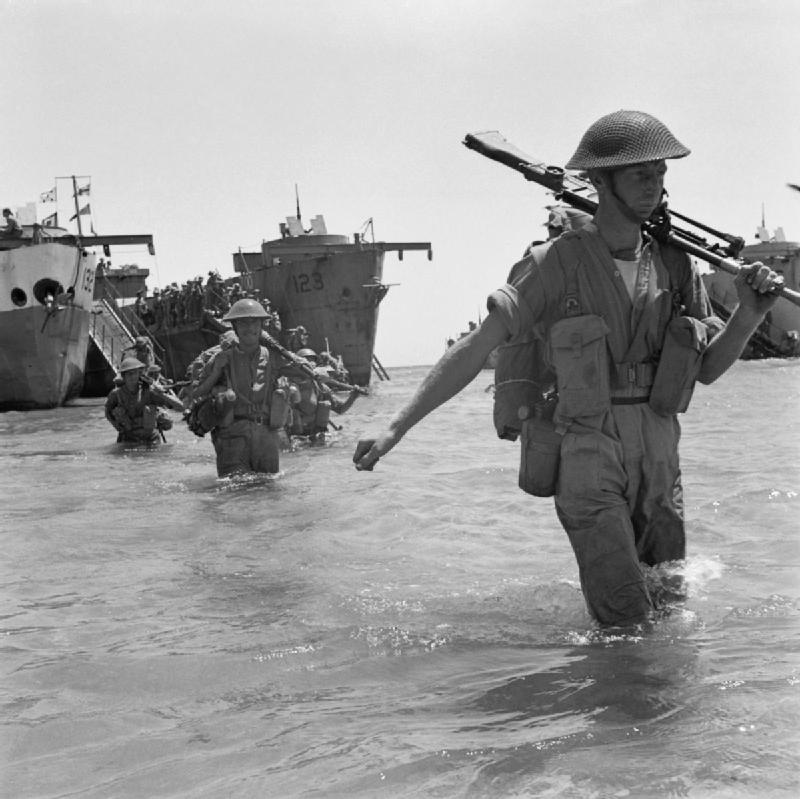
On a stormy night, Allied paratroopers and gliders take off for Sicily. By dawn, the largest amphibious landing yet attempted is under way.
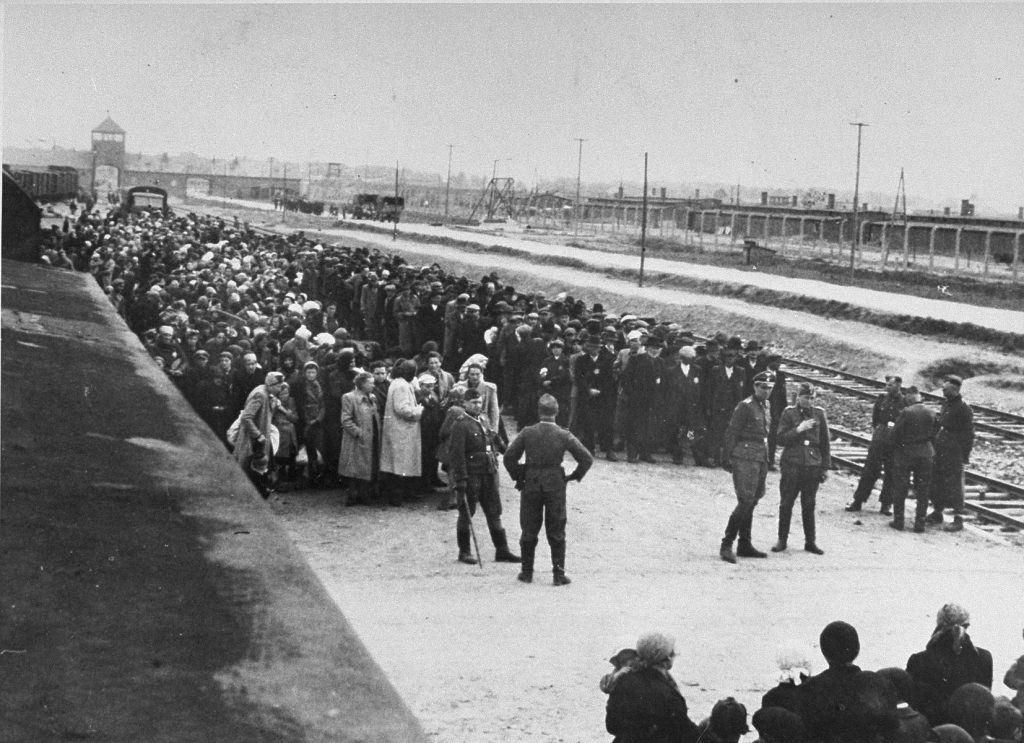
Under international pressure, Hungary’s regent orders a halt to the deportation of Jews. In less than two months, more than 430,000 have already been sent to Auschwitz.
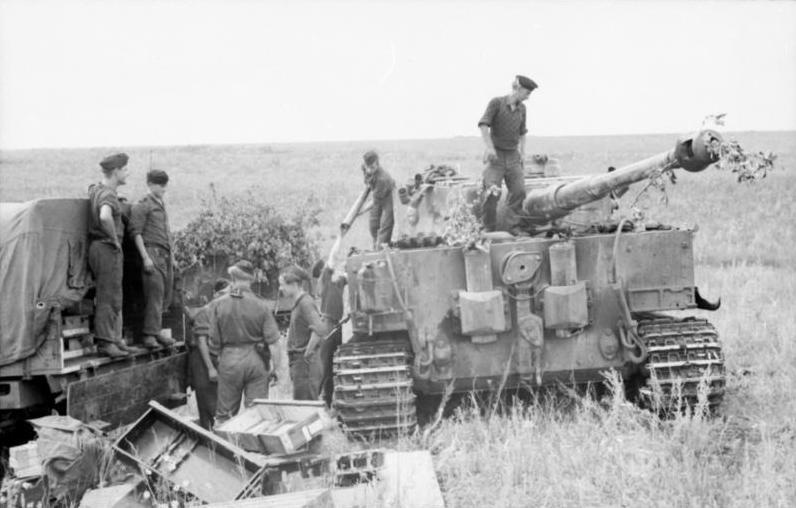
Germany launches its last great offensive in the east against the Kursk salient. The Red Army, warned in advance, is waiting behind the deepest defences of the war.
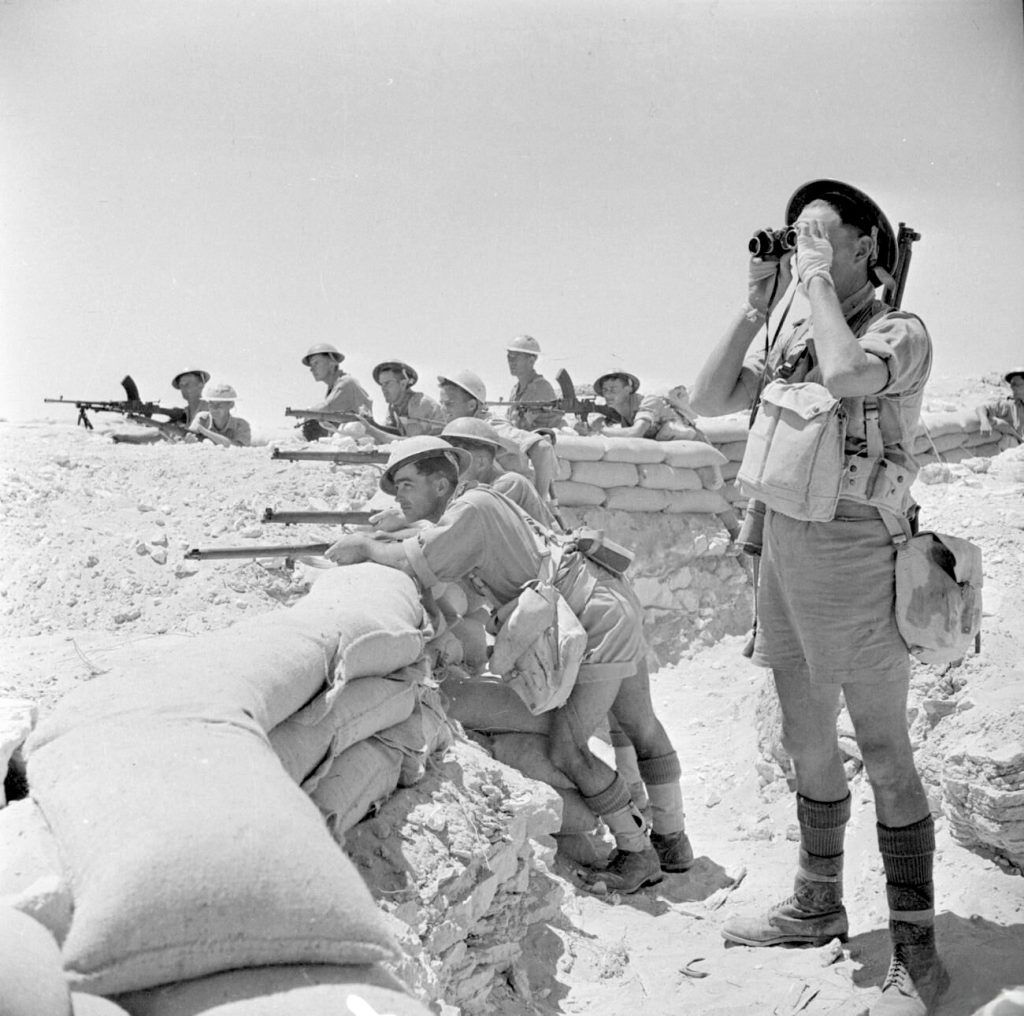
Rommel’s army, racing for the Nile, runs into the last British line at El Alamein. South African troops in the Alamein box help stop him.
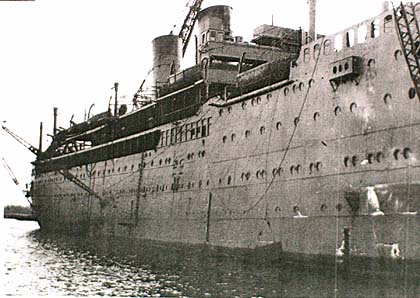
A liner carrying interned Italian and German civilians to Canada is torpedoed off Ireland. Hundreds of men who had lived in Britain for years drown.
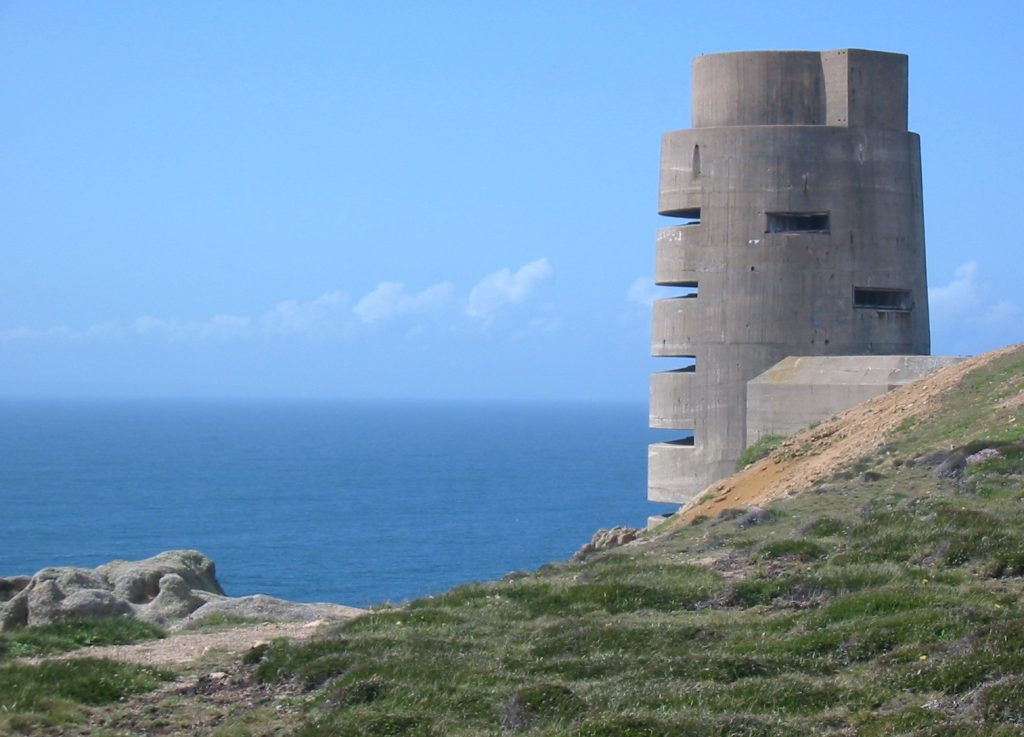
German aircraft land at Guernsey airport. Within days Jersey, Alderney and Sark are also occupied, the only part of the British Isles to fall under German rule.
 United Kingdom
 United States
 Soviet Union
 Germany
 Japan
 France
 Poland
 South Africa