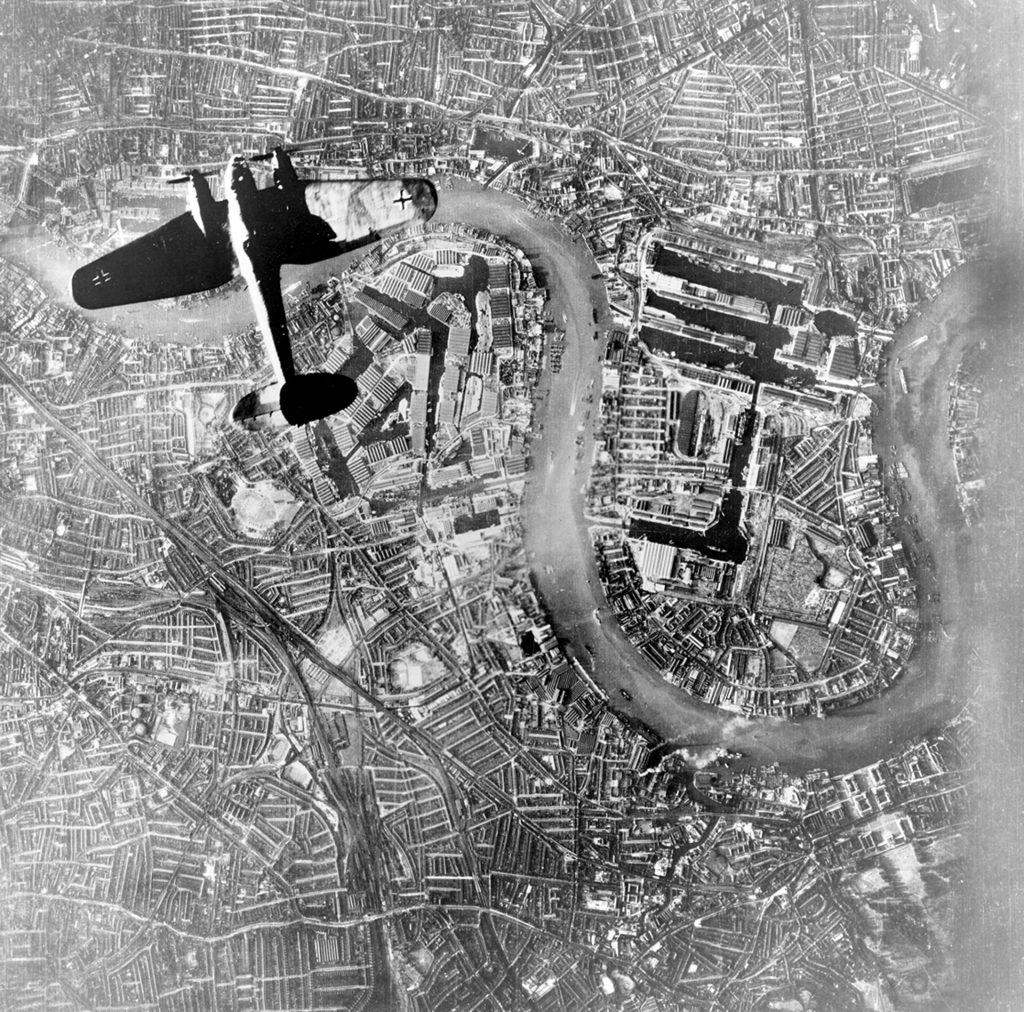
7 September 1940: The Blitz Begins
On a fine Saturday afternoon, hundreds of German bombers attack London’s docks. Fires burn all night along the Thames. It is the first day of the Blitz.
Dispatches involving Germany.
On a fine Saturday afternoon, hundreds of German bombers attack London’s docks. Fires burn all night along the Thames. It is the first day of the Blitz.
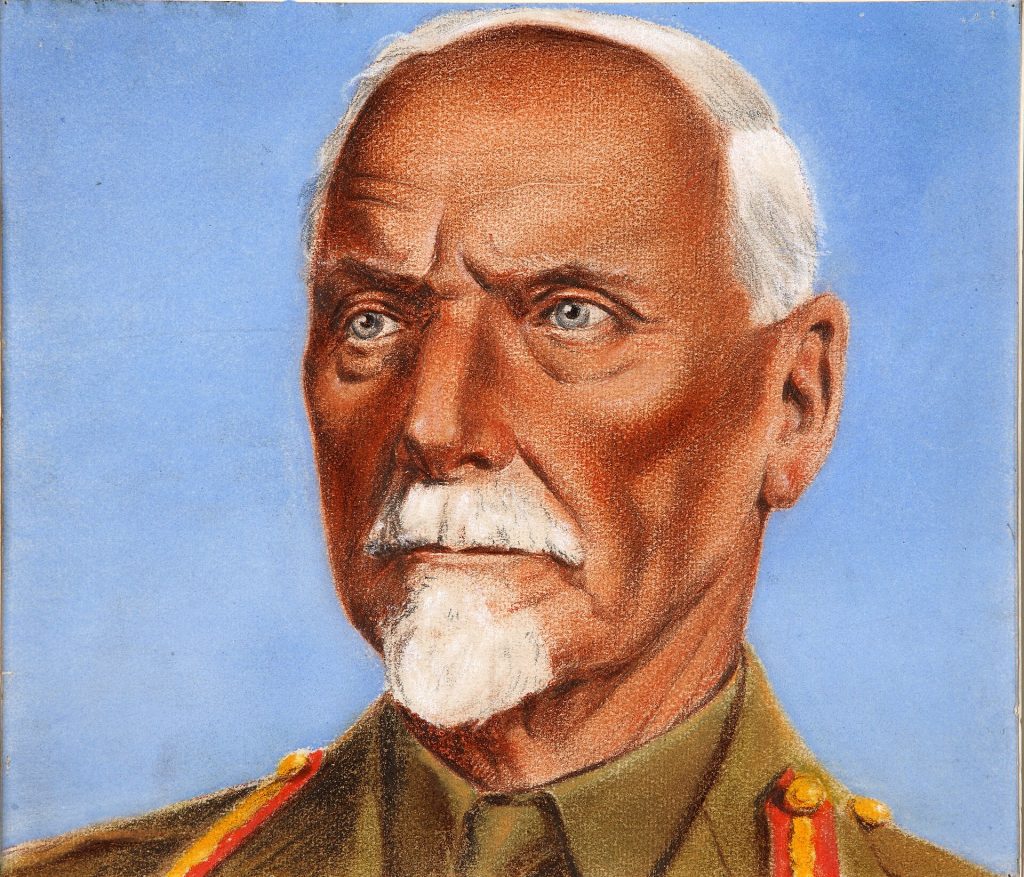
After a bitter debate that splits the government, South Africa declares war on Germany. Jan Smuts, who led the vote for war, is now prime minister.
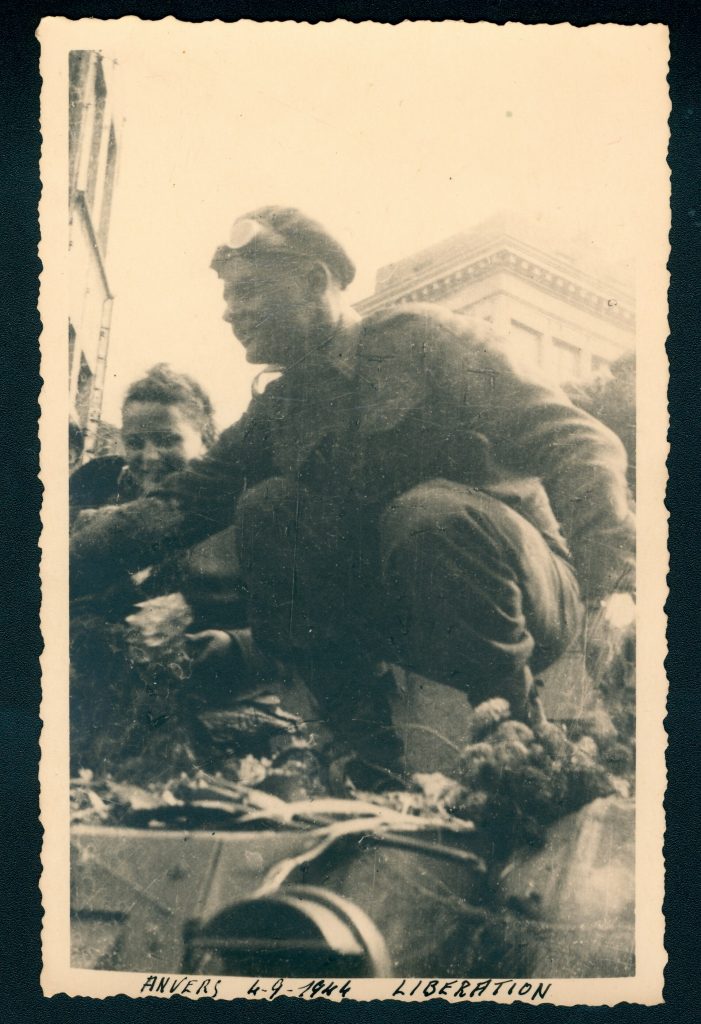
British tanks race into Antwerp, where the Belgian resistance has stopped the Germans from wrecking the docks. The Allies have taken one of Europe’s greatest ports almost intact. But they cannot yet use it.
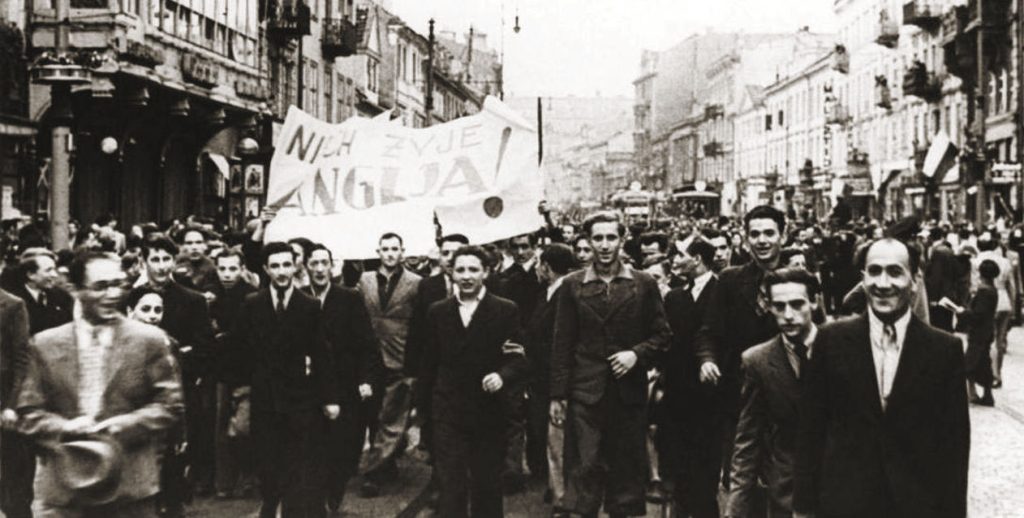
At 11:15, Neville Chamberlain tells the British people by radio that the country is at war with Germany. France follows that afternoon. In Warsaw, crowds cheer outside the British embassy.

Before dawn, the old German battleship Schleswig-Holstein opens fire on the Polish garrison at Westerplatte, and German armies cross the frontier from three sides. The Second World War in Europe has begun.
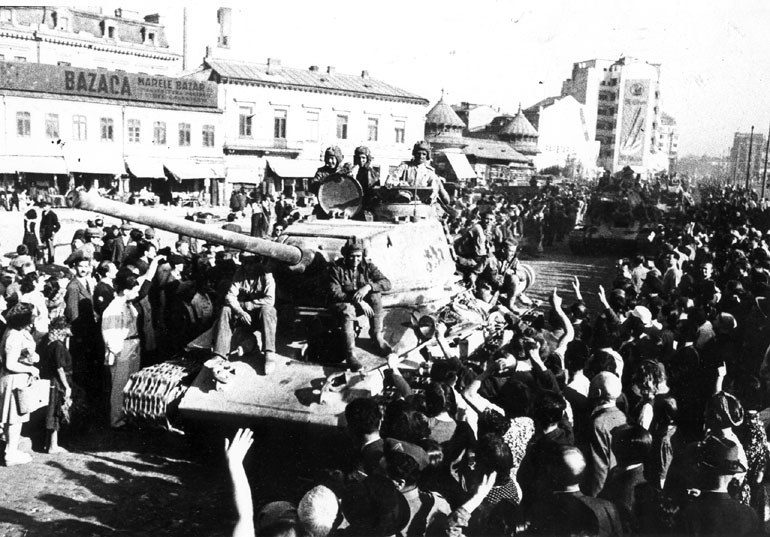
A week after Romania changes sides, Soviet troops enter Bucharest. Germany’s main source of natural oil is lost.
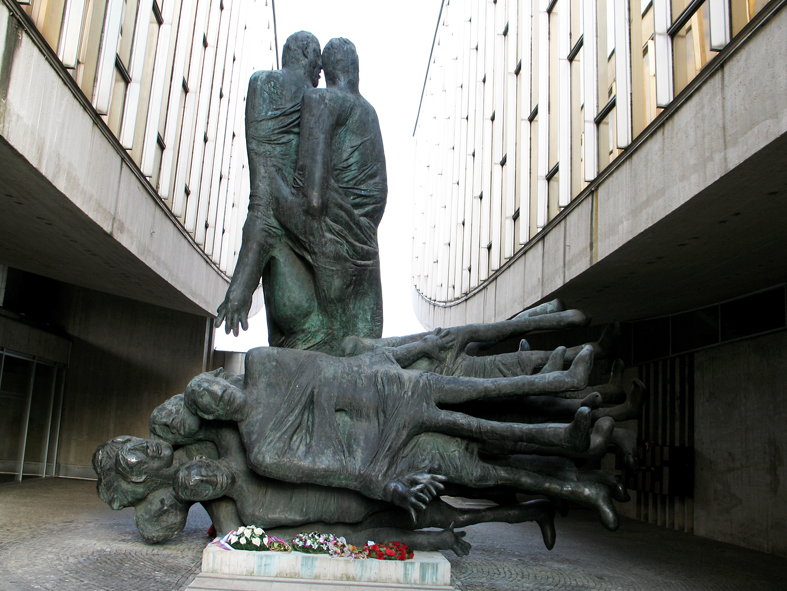
As German troops move into Slovakia, units of the Slovak army and partisans rise against the pro-Nazi regime. Their centre is the town of Banská Bystrica.
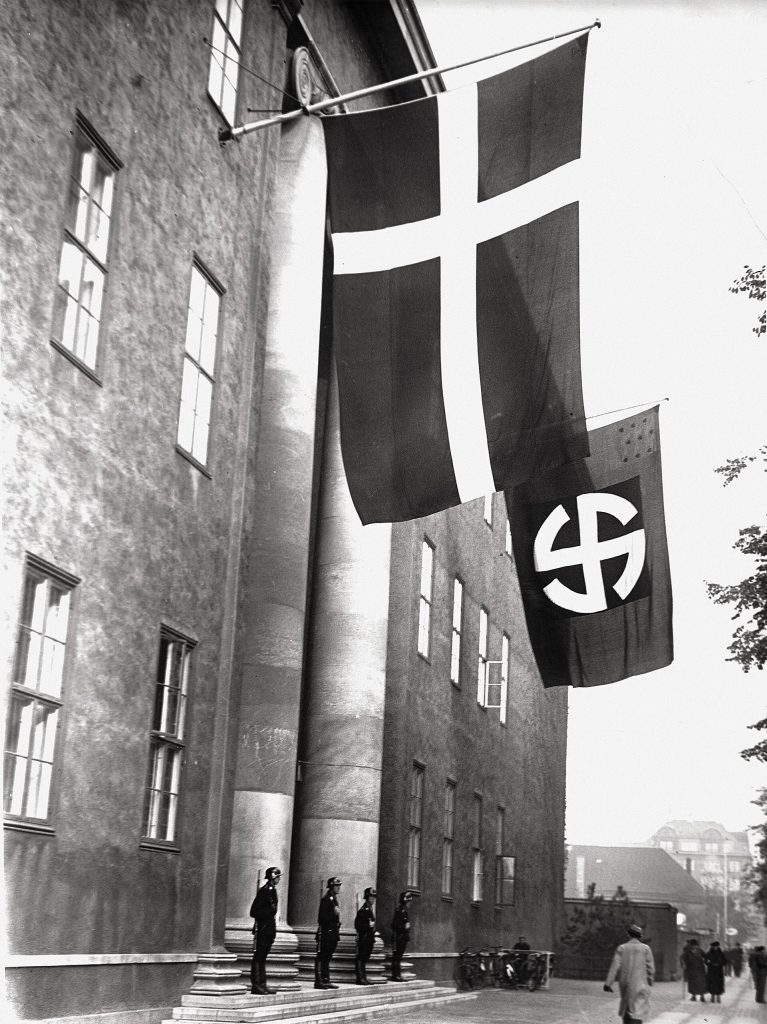
Faced with a German ultimatum to declare a state of emergency and impose the death penalty for sabotage, the Danish government refuses. The next day, Germany takes direct control.
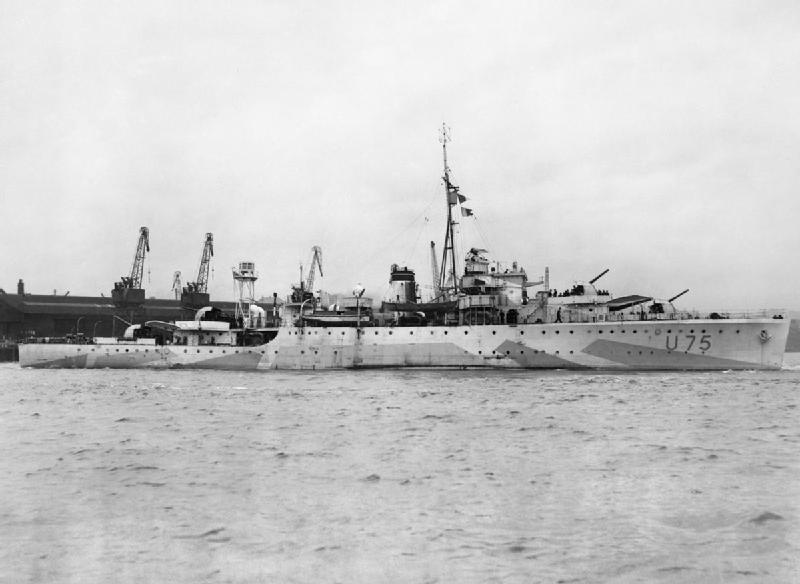
In the Bay of Biscay, a German bomber launches a radio-guided glide bomb at a British anti-submarine group. The sloop HMS Egret blows up and sinks. A new kind of weapon has arrived.
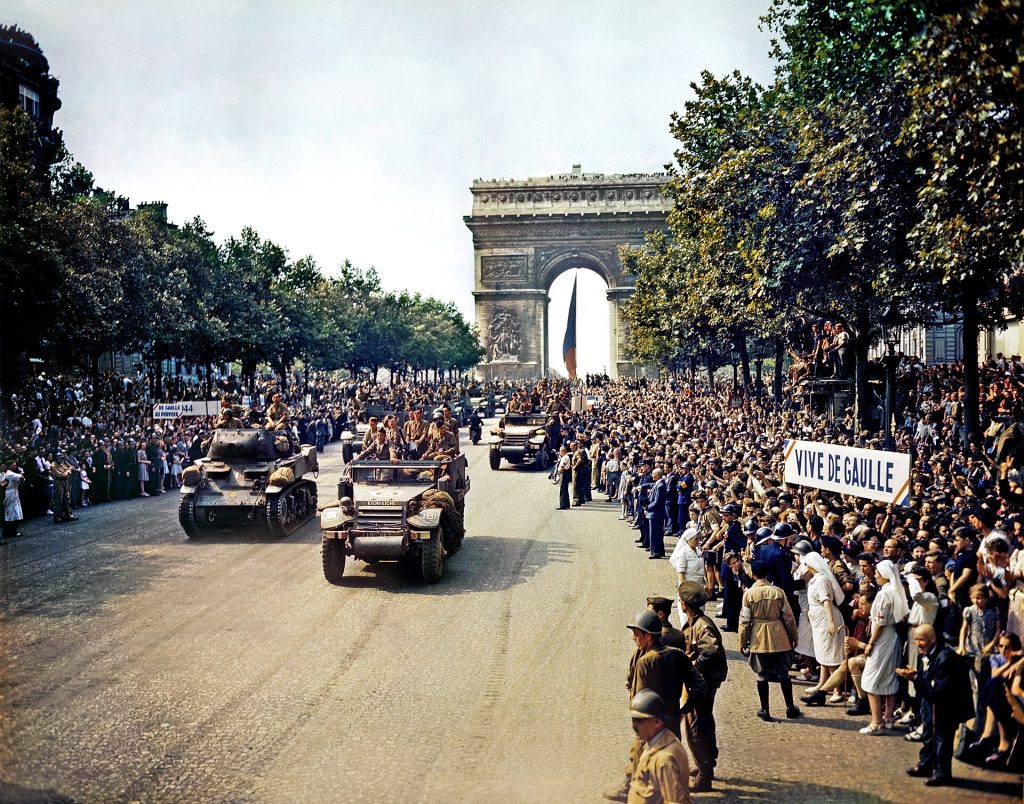
French tanks roll into Paris, and the German commander surrenders. That evening, General de Gaulle speaks to the crowds at the Hôtel de Ville.
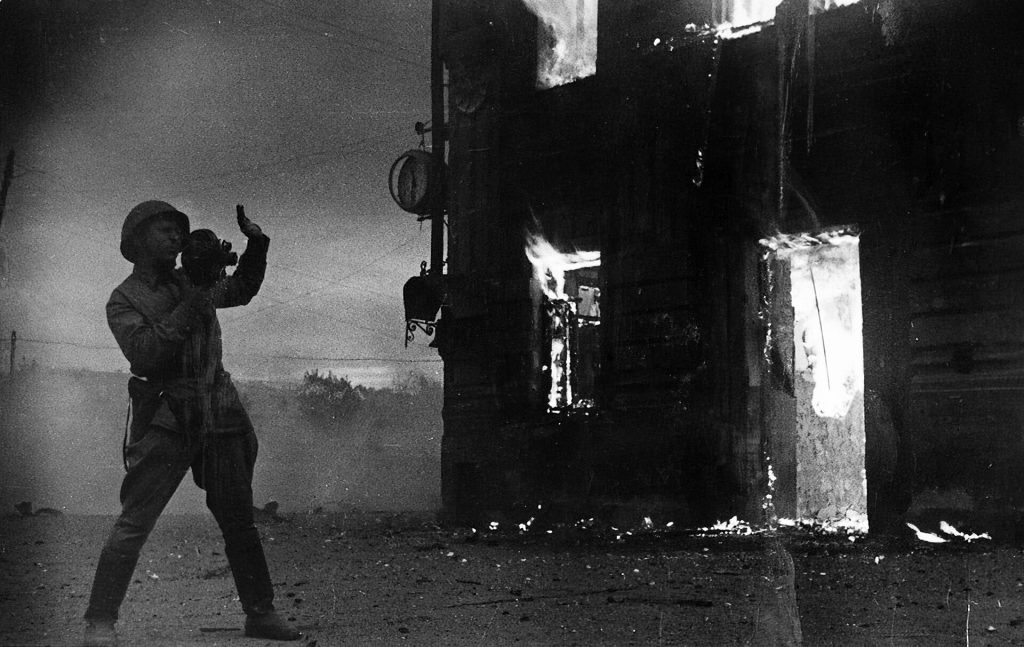
The Luftwaffe launches a massive raid on Stalingrad, setting much of the city on fire. The same day, German tanks reach the Volga just north of the city.
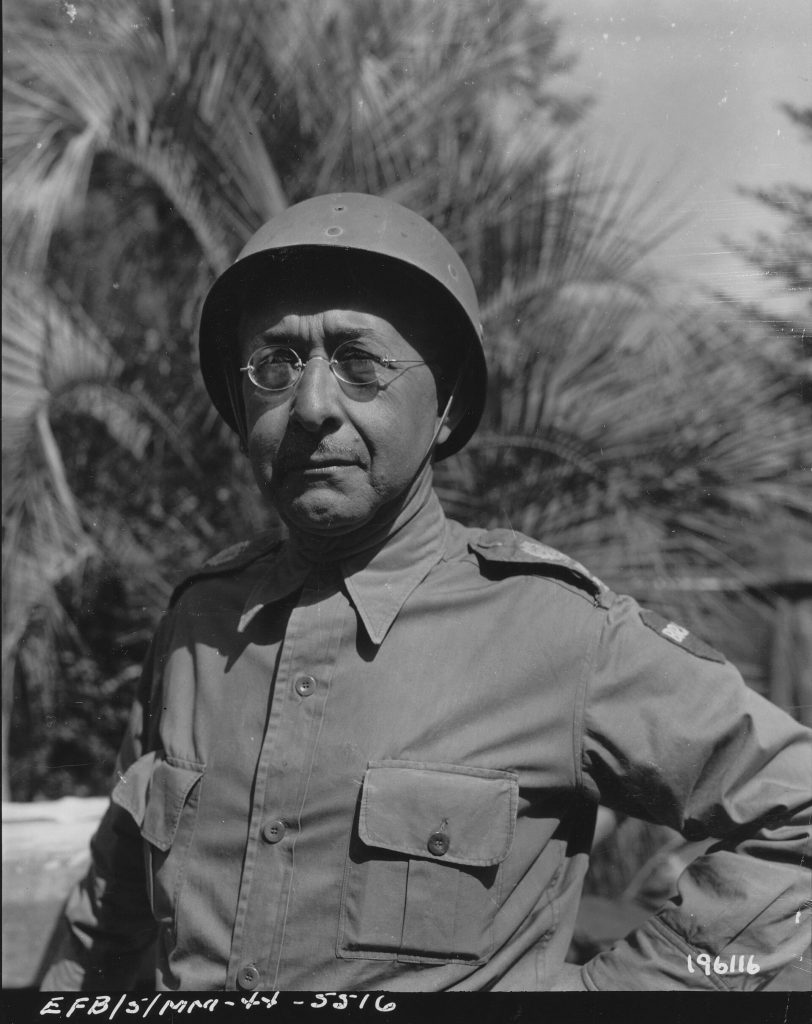
After German U-boats sink several Brazilian ships within days, killing hundreds, Brazil declares war on Germany and Italy. It is the only South American country to send troops to fight in Europe.
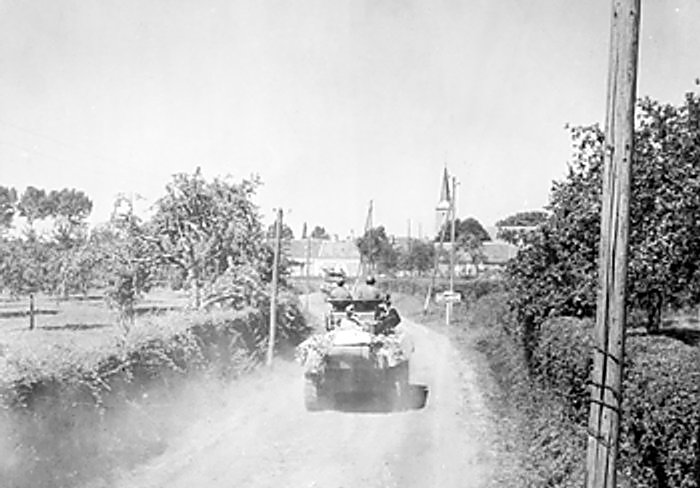
Canadian and Polish troops finally seal the gap at Chambois. The German armies in Normandy have been destroyed.
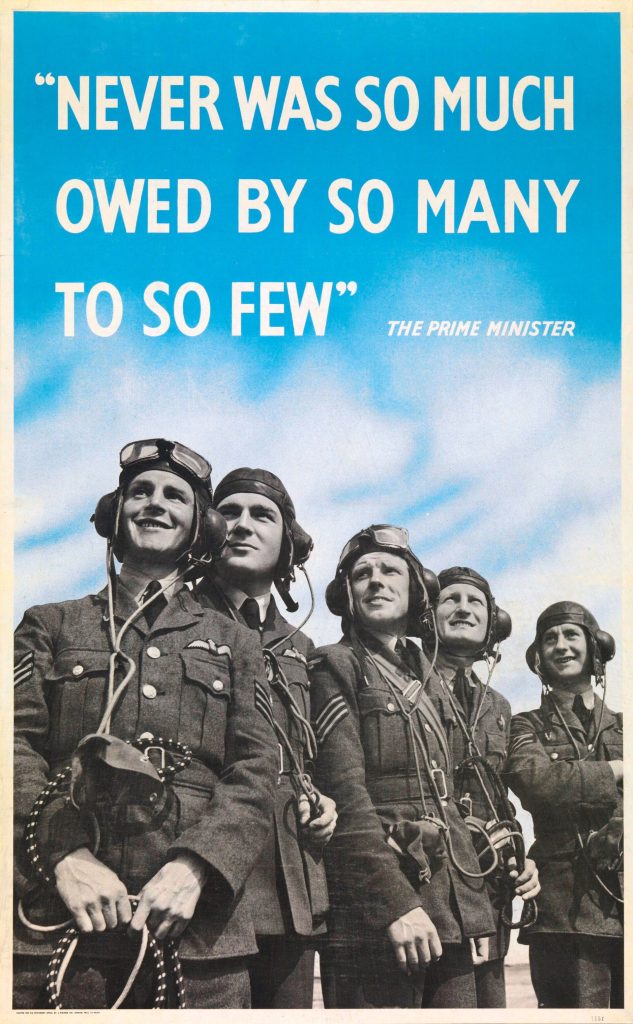
In the middle of the Battle of Britain, Churchill tells the House of Commons that never has so much been owed by so many to so few.
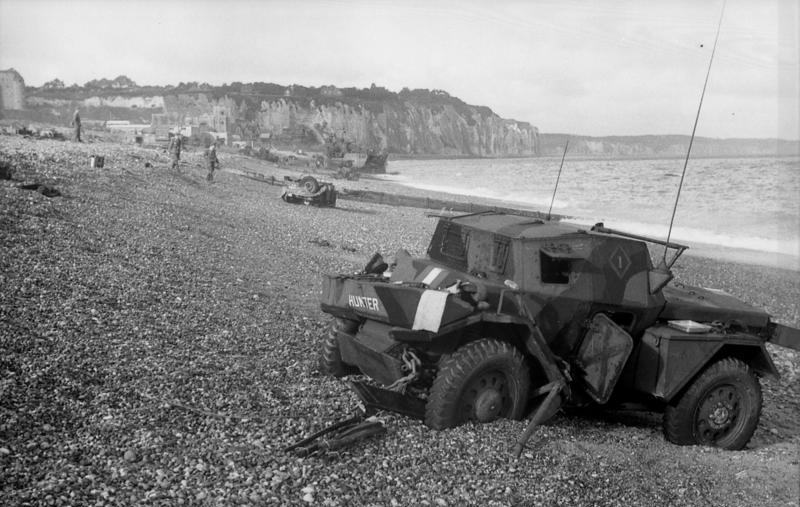
Around 6,000 troops, most of them Canadian, storm the French port of Dieppe. Within hours the raid has collapsed on the beaches.
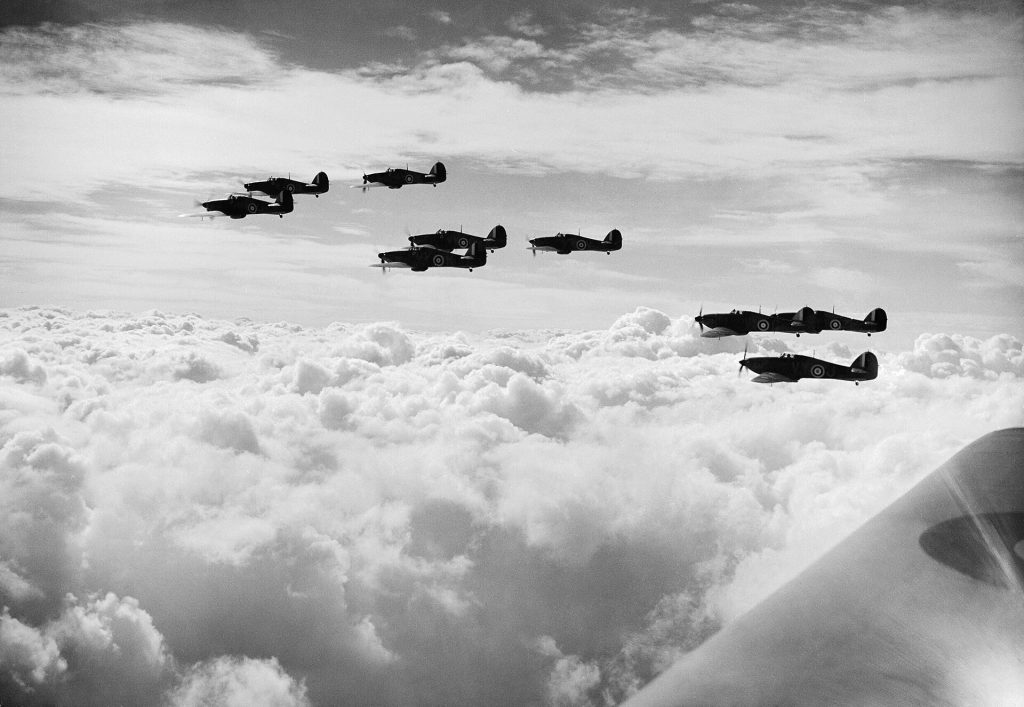
Large German raids hit the RAF airfields at Kenley and Biggin Hill. More aircraft are destroyed on both sides than on any other day of the Battle of Britain.
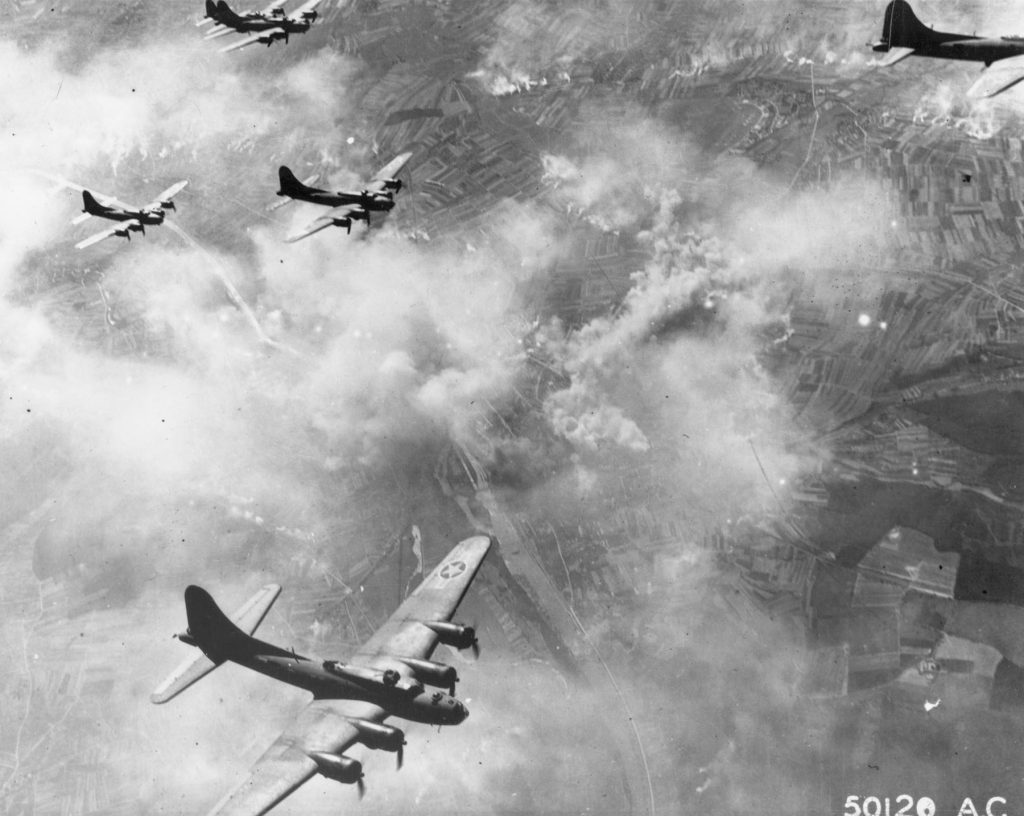
On the first anniversary of its first heavy bomber mission, the US Eighth Air Force strikes deep into Germany against ball-bearing plants and a Messerschmitt factory. Sixty bombers are lost.
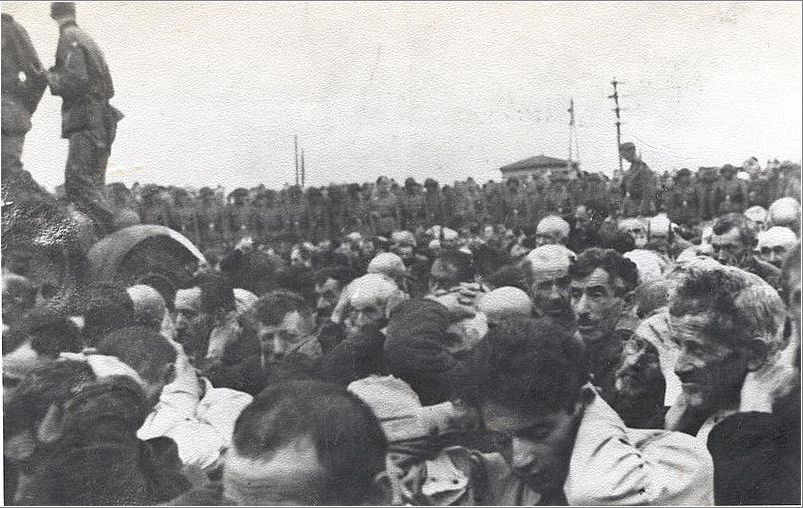
As German forces surround the ghetto to begin its final liquidation, Jewish resistance fighters in Białystok open fire. They know they cannot win.
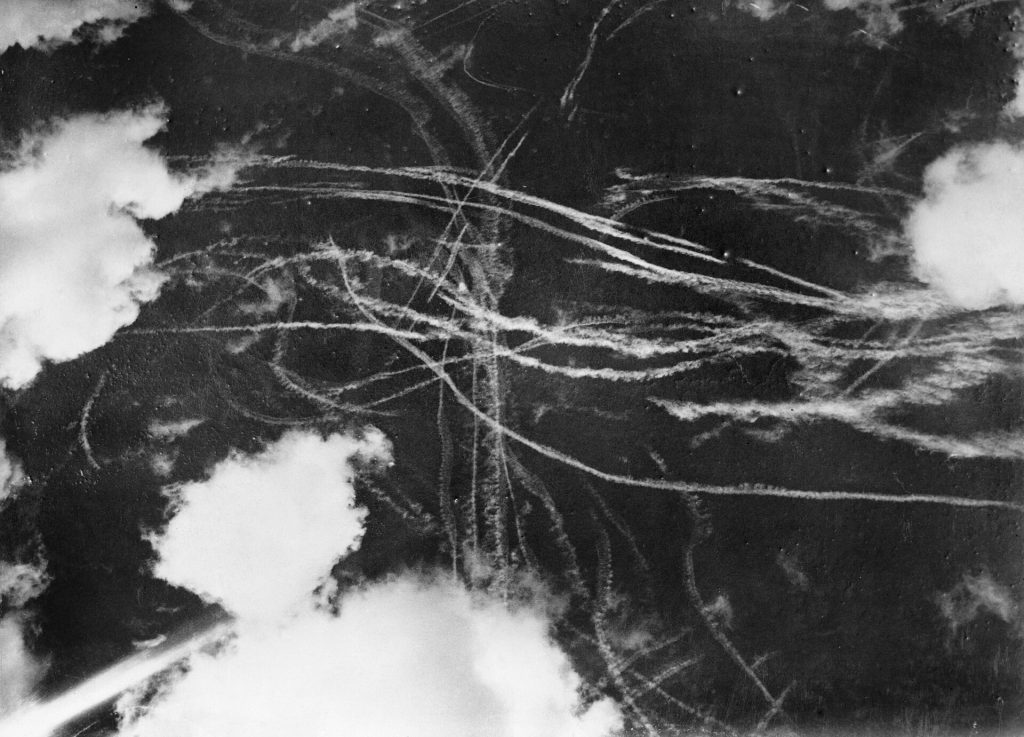
The Luftwaffe launches Adlertag, its great offensive to destroy the RAF in the air and on the ground. Bad weather and confused orders turn the day into a fiasco.
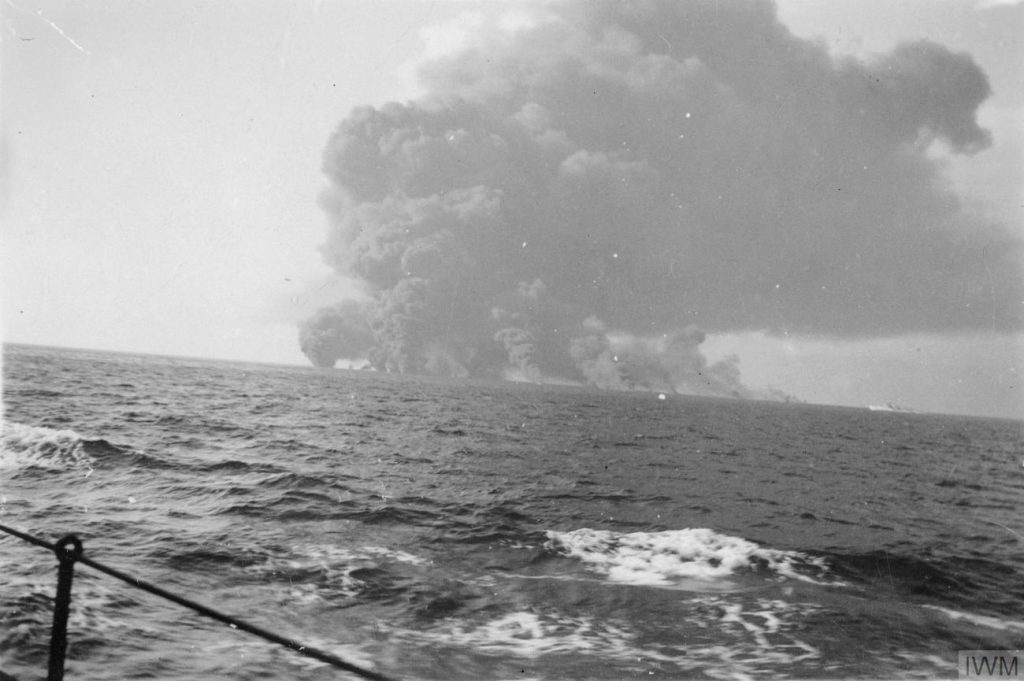
A massive convoy fights its way towards besieged Malta. On its first day of action, a U-boat sinks the aircraft carrier HMS Eagle.
 United Kingdom
 United States
 Soviet Union
 Germany
 Japan
 France
 Poland
 South Africa