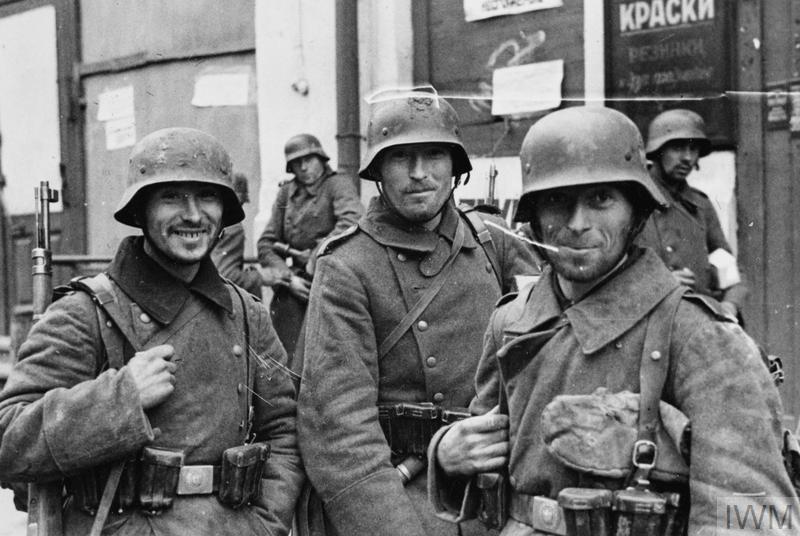
22 June 1941: Operation Barbarossa
Before dawn, more than three million German and allied soldiers cross into the Soviet Union along a front stretching from the Baltic to the Black Sea. It is the largest invasion in history.
Campaigns and battles on land.
Before dawn, more than three million German and allied soldiers cross into the Soviet Union along a front stretching from the Baltic to the Black Sea. It is the largest invasion in history.
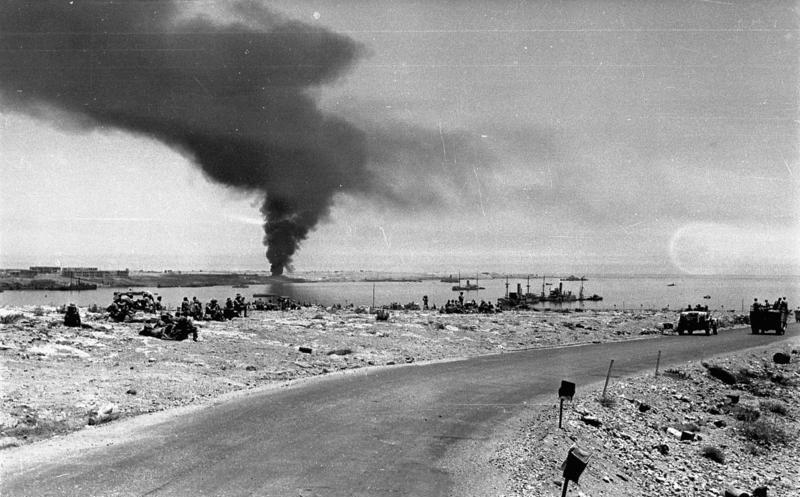
After a single day’s assault, the fortress that held out for eight months in 1941 surrenders to Rommel. Its South African commander and tens of thousands of men become prisoners.
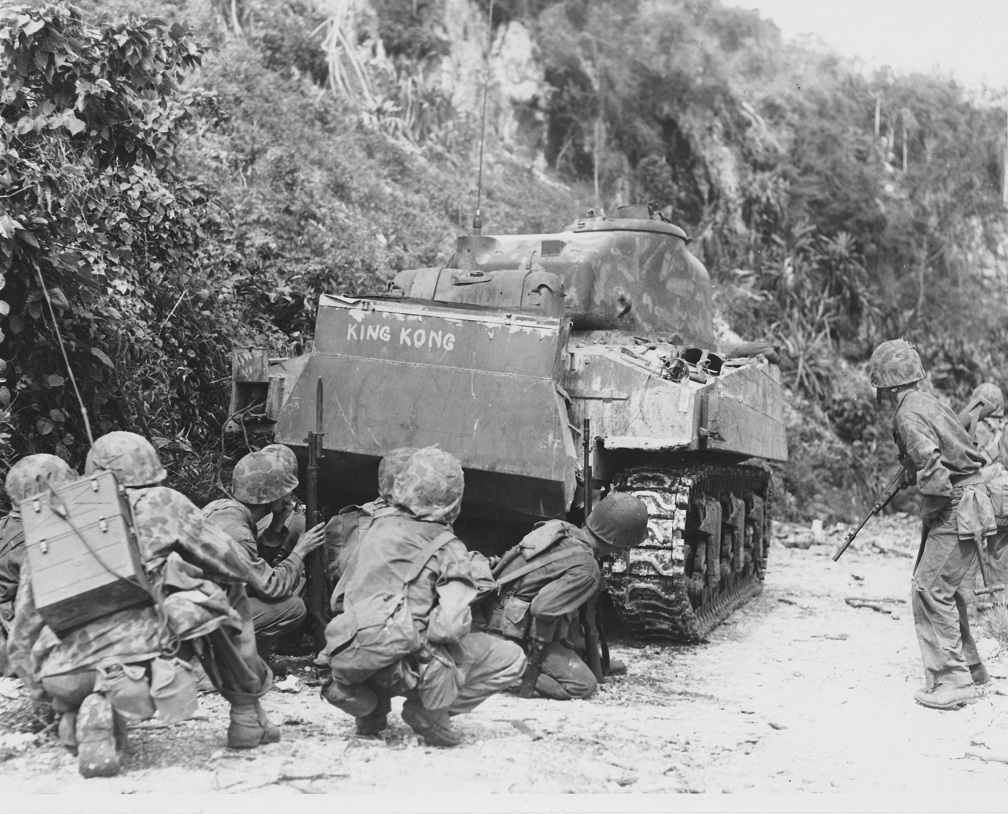
American Marines storm ashore on Saipan in the Mariana Islands, inside Japan’s inner defence perimeter and within bomber range of Tokyo.
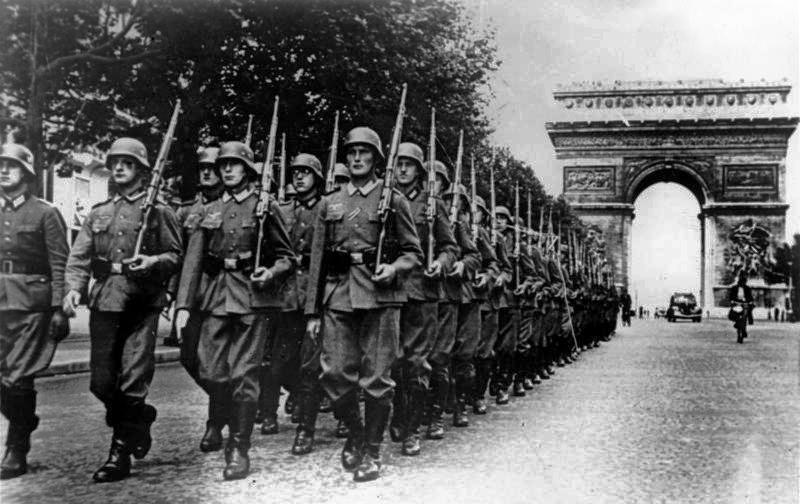
German troops march into a silent Paris, declared an open city. The swastika is raised over the Eiffel Tower and the Arc de Triomphe.
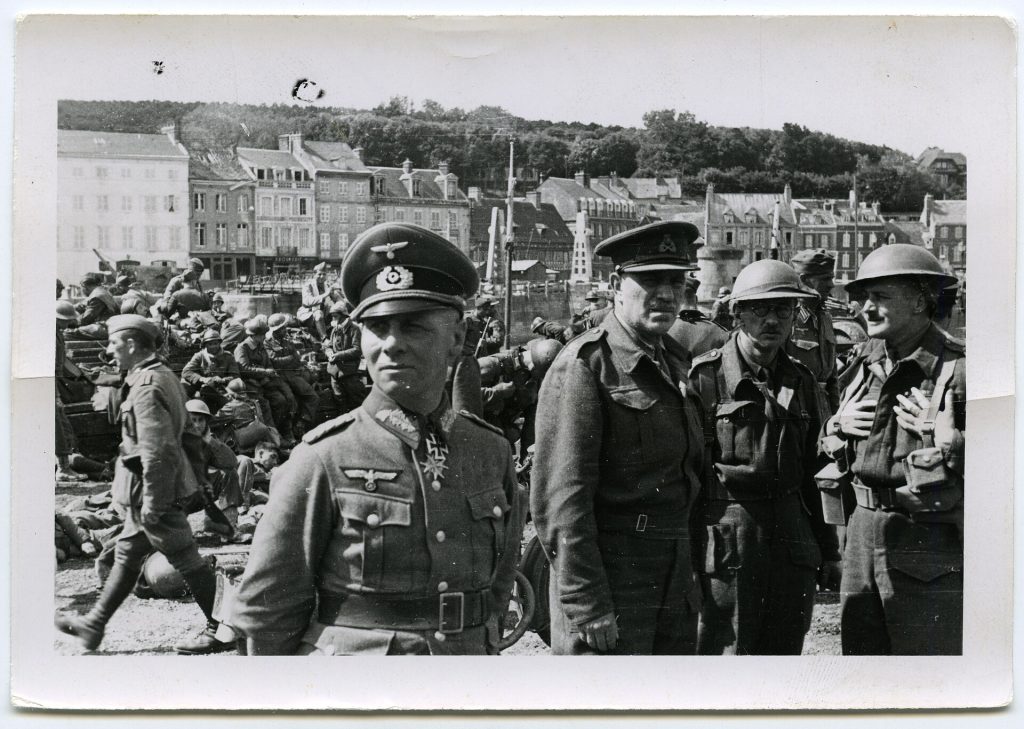
Trapped against the cliffs of Normandy with fog preventing rescue from the sea, the 51st Highland Division surrenders to Rommel.
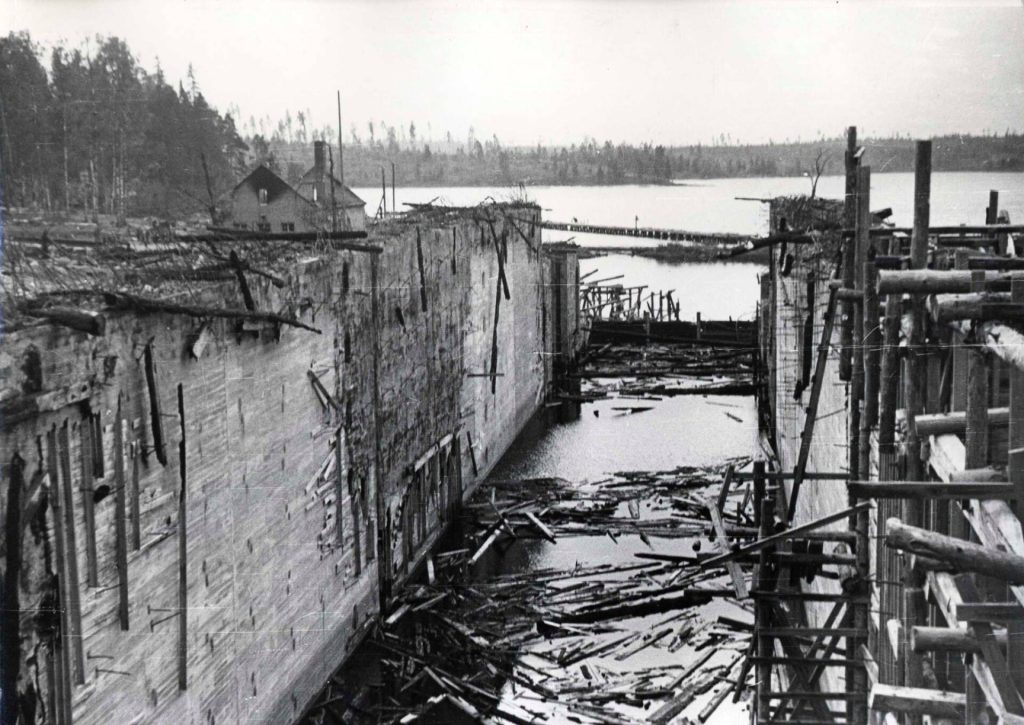
Three days after D-Day, the Red Army opens a massive bombardment on the Karelian Isthmus. Its aim is to knock Finland out of the war.
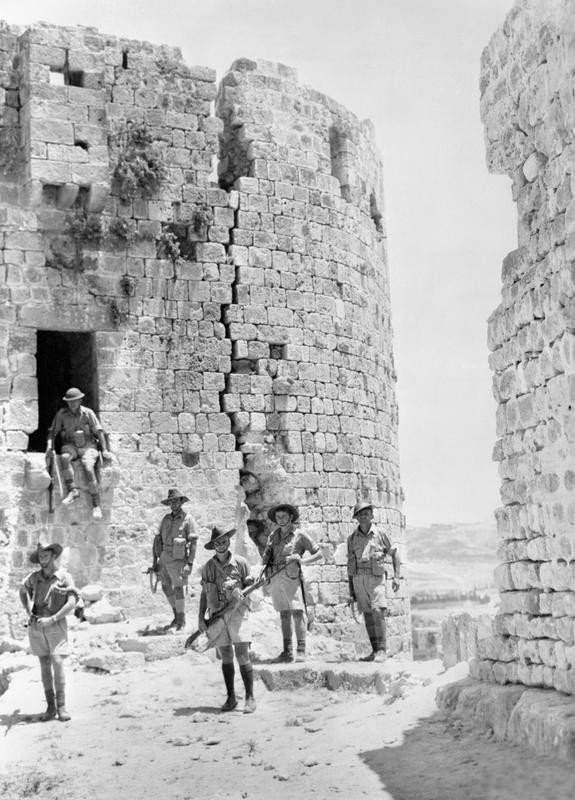
Australian, British, Indian and Free French troops cross into Vichy French Syria and Lebanon. They expect little resistance and find themselves in a bitter five-week campaign.
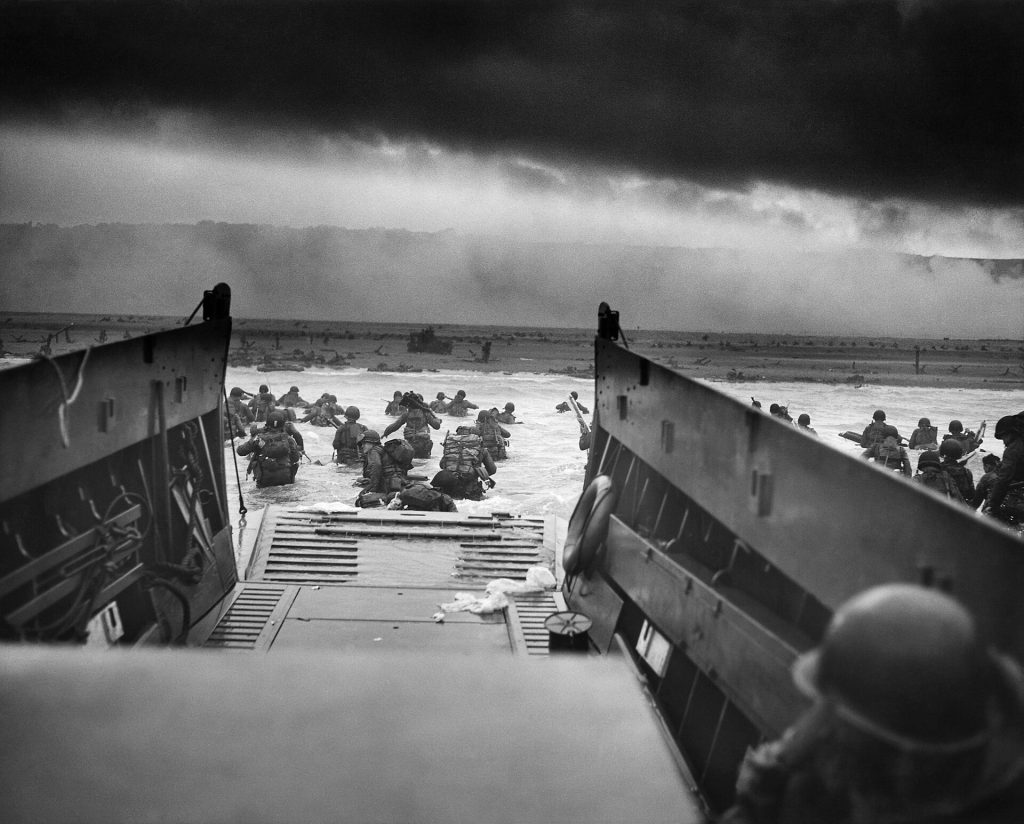
The largest seaborne invasion in history lands on the beaches of Normandy. By nightfall around 156,000 Allied troops are ashore, and the liberation of western Europe has begun.
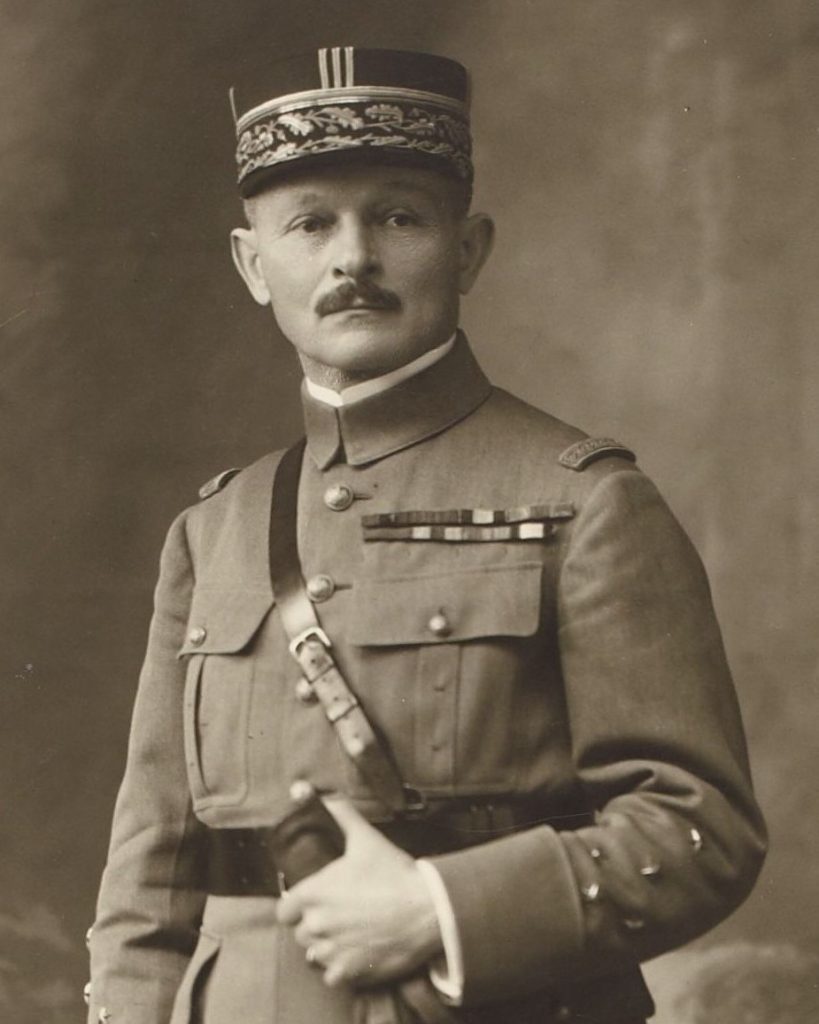
The day after Dunkirk falls, German armies attack along the Somme and the Aisne. The French fight hard behind the hastily built Weygand Line, but they cannot hold for long.
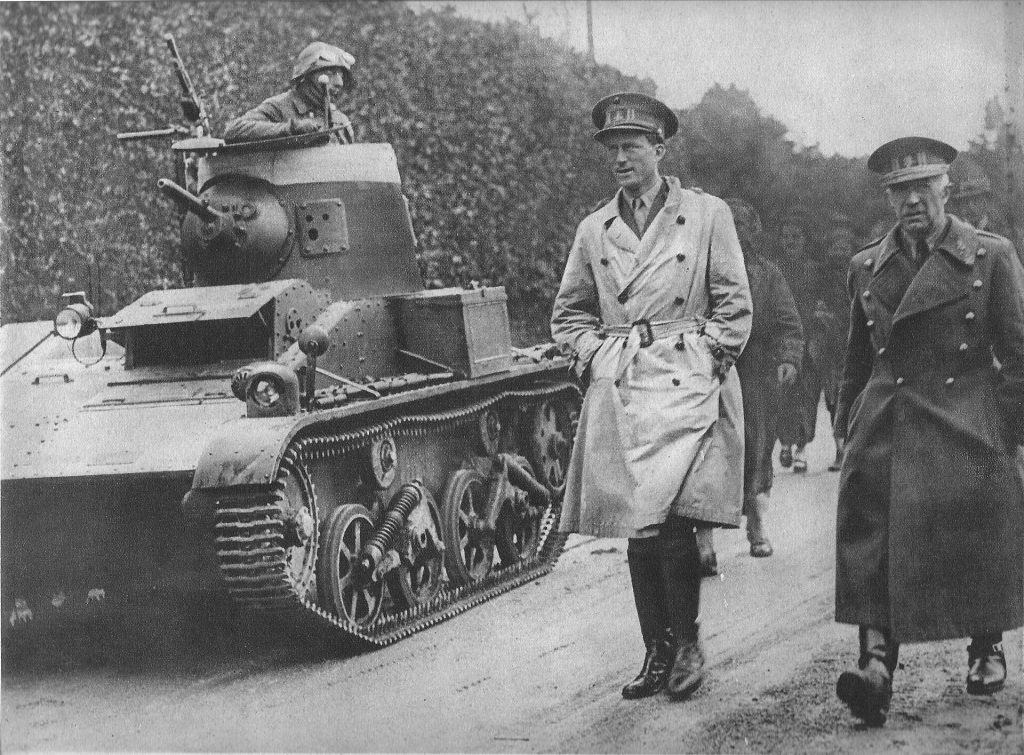
King Leopold III orders the Belgian army to lay down its arms. His government, against the decision, will carry on the war from abroad.
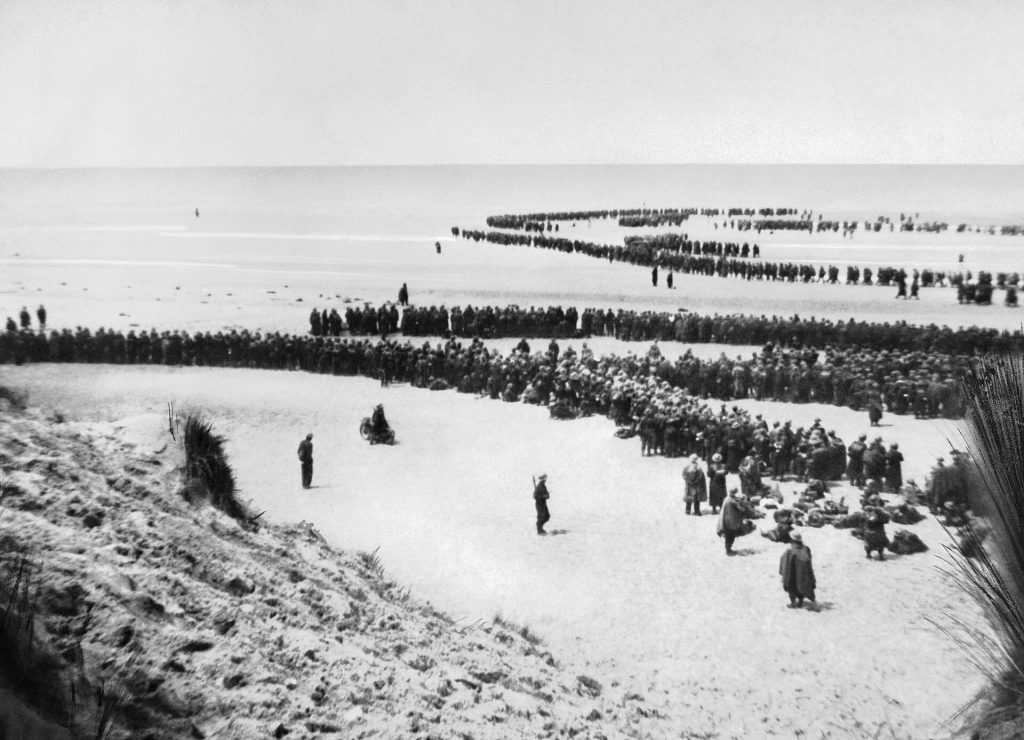
With the British army trapped against the Channel coast, the Admiralty orders the evacuation from Dunkirk to begin. Few expect more than a fraction of the men to get away.
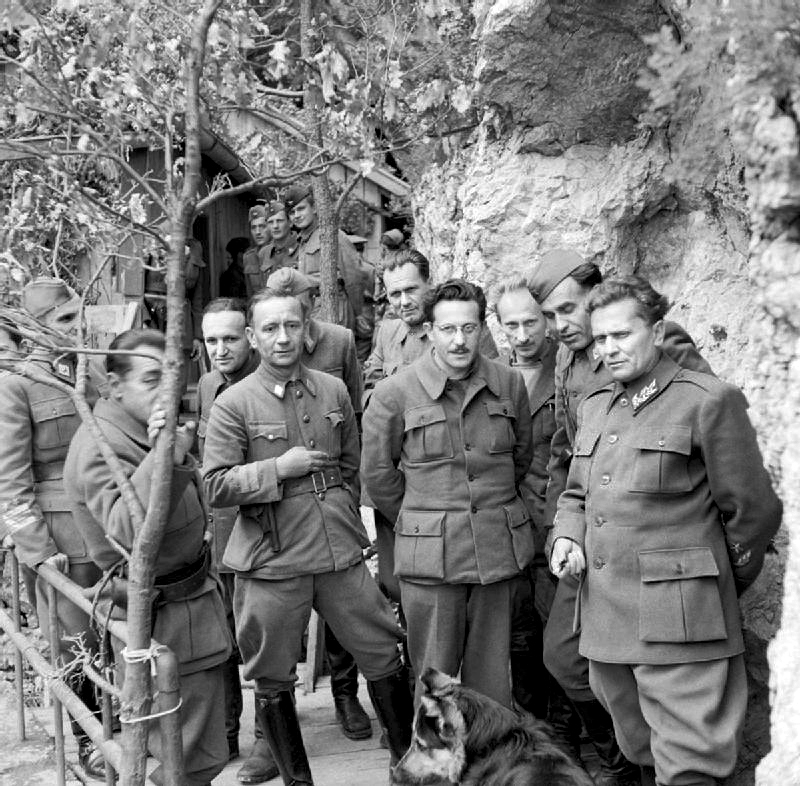
On Tito’s birthday, German paratroopers and glider troops descend on the Bosnian town of Drvar to capture or kill him. Tito escapes from his cave headquarters by a hair.
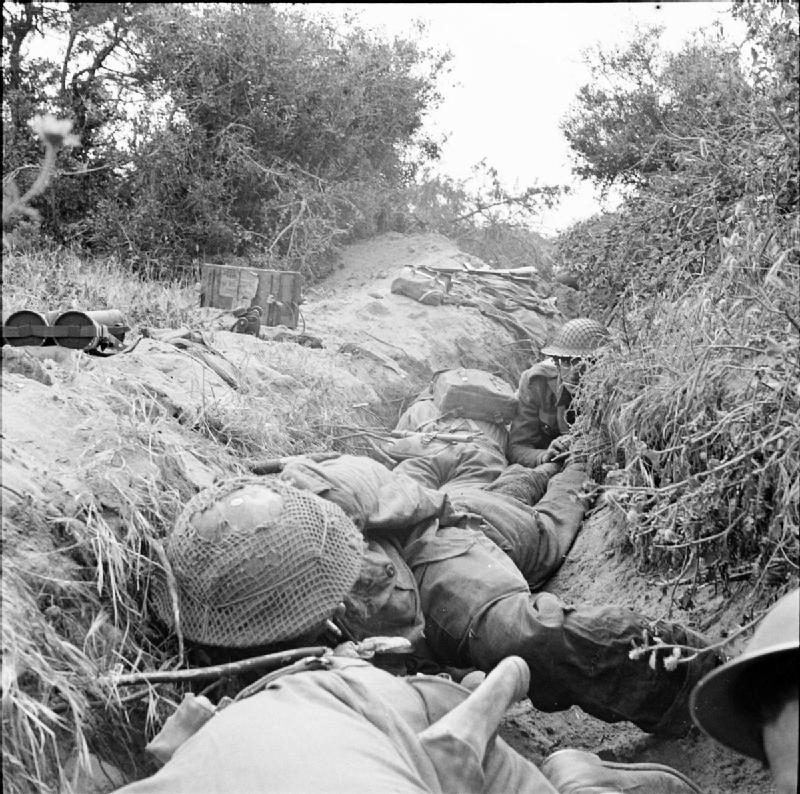
After four months penned into the beachhead, the Allied troops at Anzio attack. Within days they link up with the main armies, and a controversial decision sends them towards Rome.
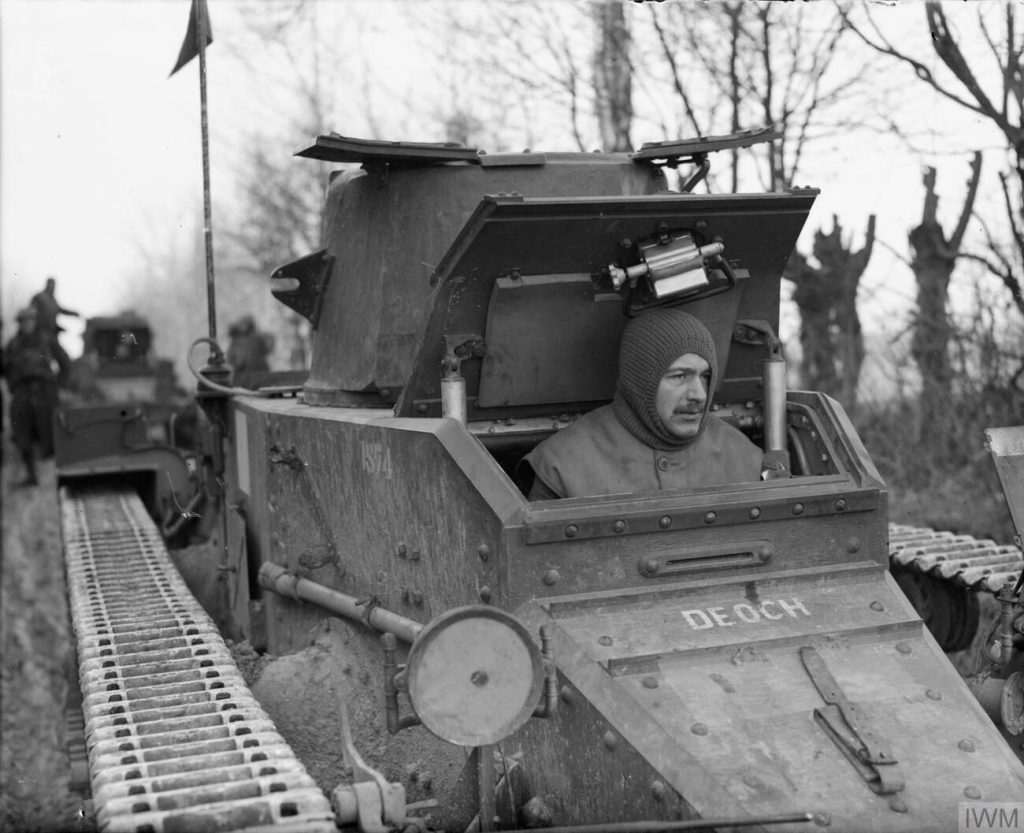
British Matilda tanks strike the flank of the German armoured advance south of Arras. The attack is beaten off, but it gives Rommel a scare and makes the German command nervous.
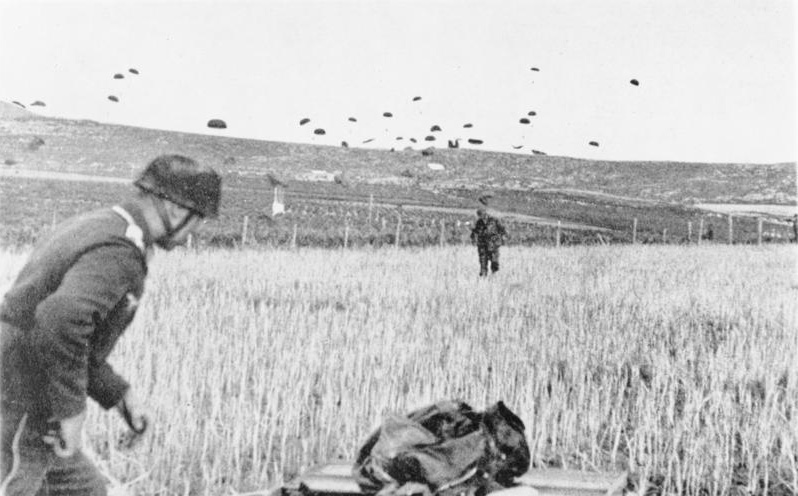
Thousands of German paratroopers descend on Crete in the first great airborne invasion in history. They suffer terrible losses, but they take an airfield, and that is enough.
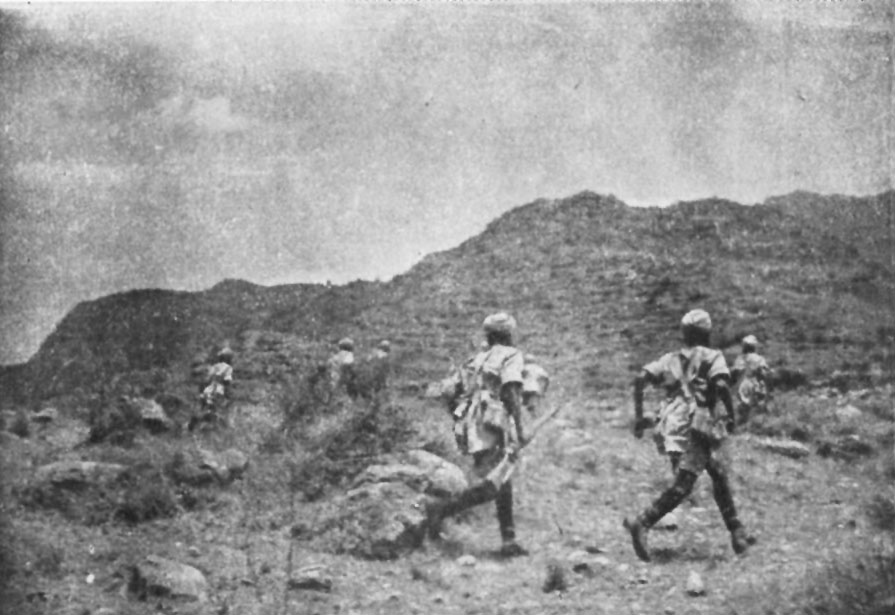
On a mountain stronghold in northern Ethiopia, the Duke of Aosta, Viceroy of Italian East Africa, surrenders with the honours of war. South African troops are among those who brought him to it.
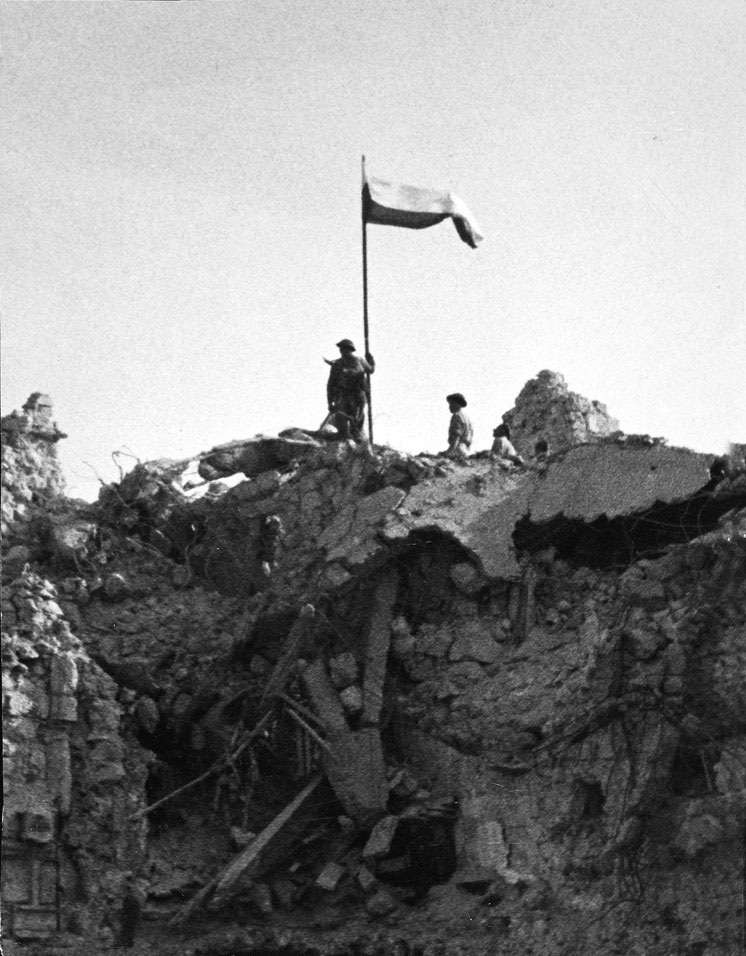
A patrol of Polish lancers climbs to the ruined abbey and raises a makeshift Polish flag. After four months and four battles, Monte Cassino has fallen.
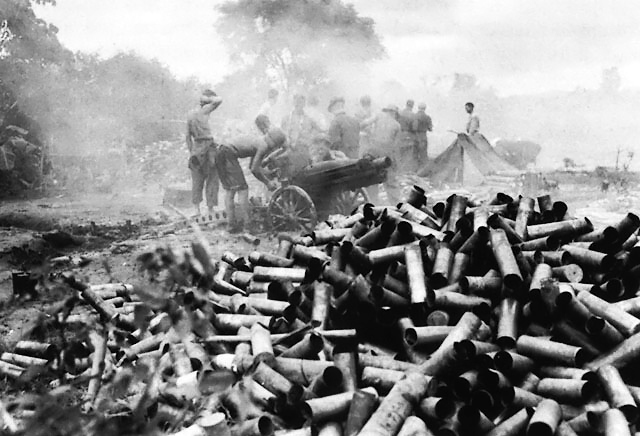
After a gruelling march over the Kumon mountains, American and Chinese troops seize the airfield at Myitkyina in northern Burma by surprise.
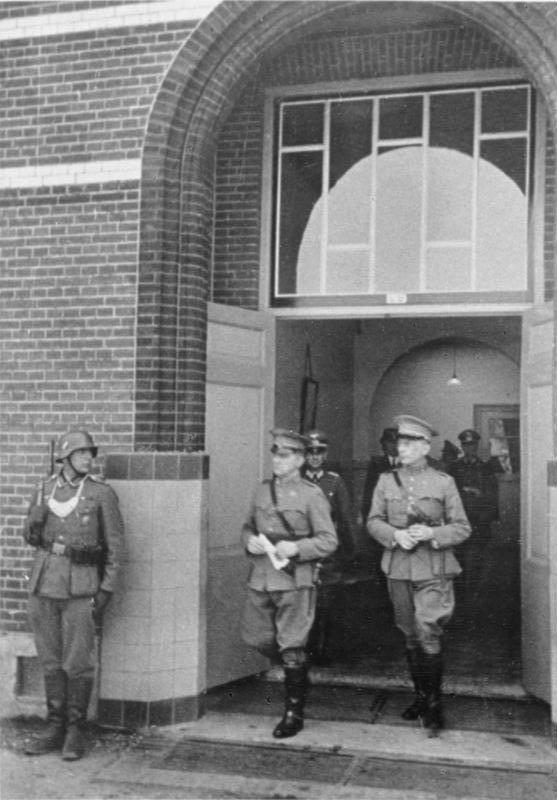
Five days after the invasion, General Winkelman signs the surrender of the Dutch army. In Paris, the French prime minister telephones Churchill with stark news.
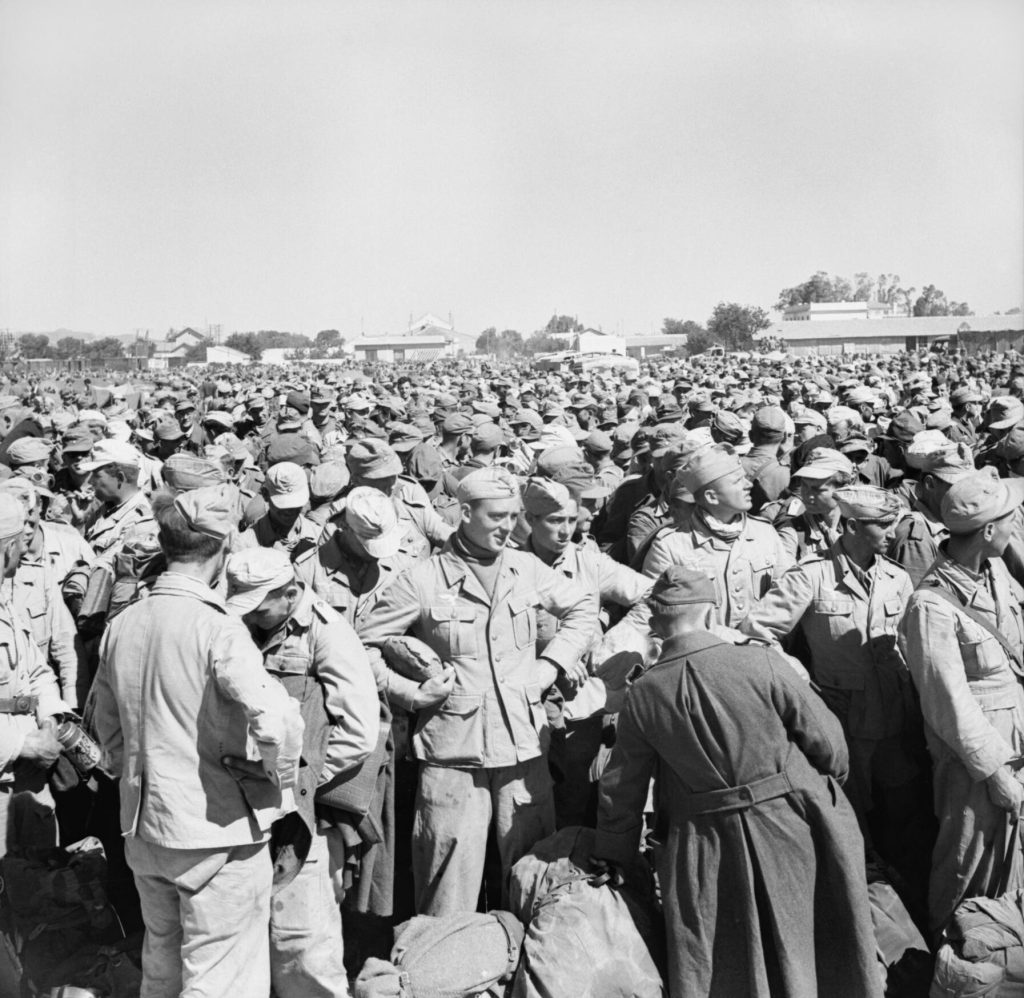
The last Axis army in Tunisia lays down its arms. Around a quarter of a million German and Italian soldiers become prisoners, and the war in North Africa is over.
 United Kingdom
 United States
 Soviet Union
 Germany
 Japan
 France
 Poland
 South Africa