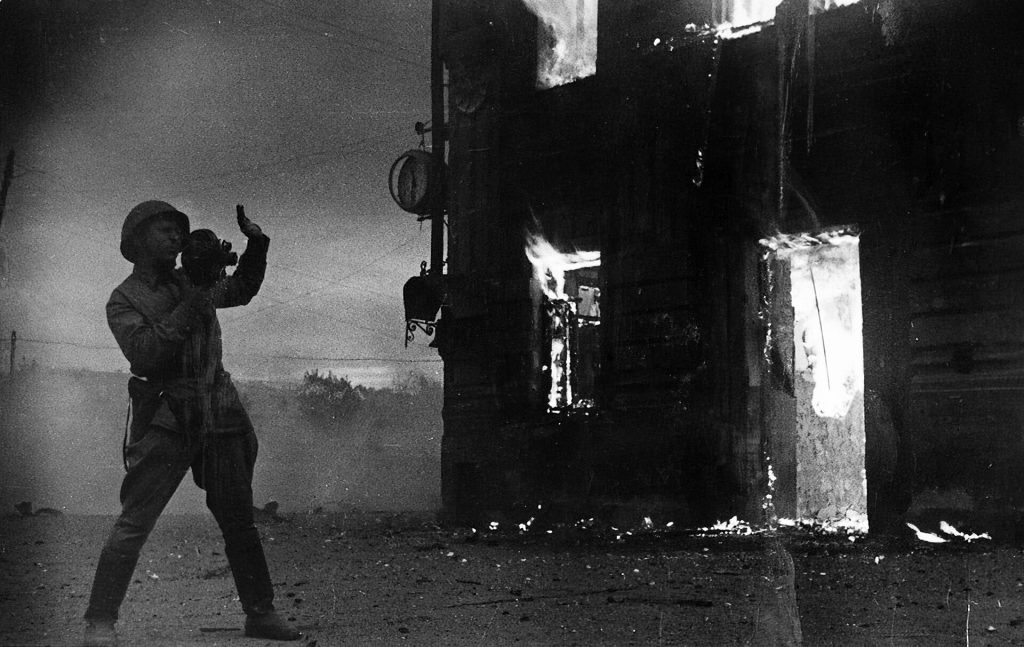
23 August 1942: Stalingrad Bombed
The Luftwaffe launches a massive raid on Stalingrad, setting much of the city on fire. The same day, German tanks reach the Volga just north of the city.
Campaigns and battles on land.
The Luftwaffe launches a massive raid on Stalingrad, setting much of the city on fire. The same day, German tanks reach the Volga just north of the city.
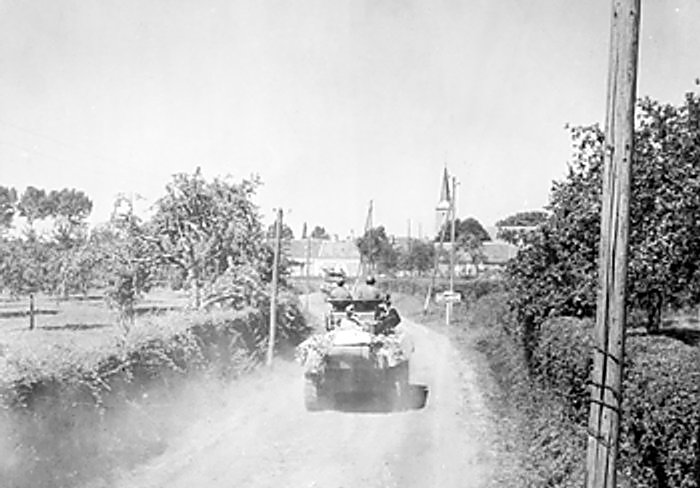
Canadian and Polish troops finally seal the gap at Chambois. The German armies in Normandy have been destroyed.
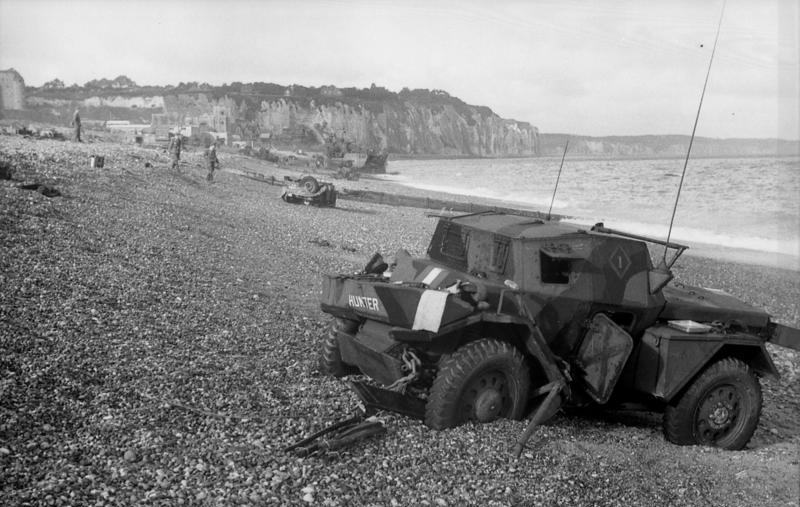
Around 6,000 troops, most of them Canadian, storm the French port of Dieppe. Within hours the raid has collapsed on the beaches.
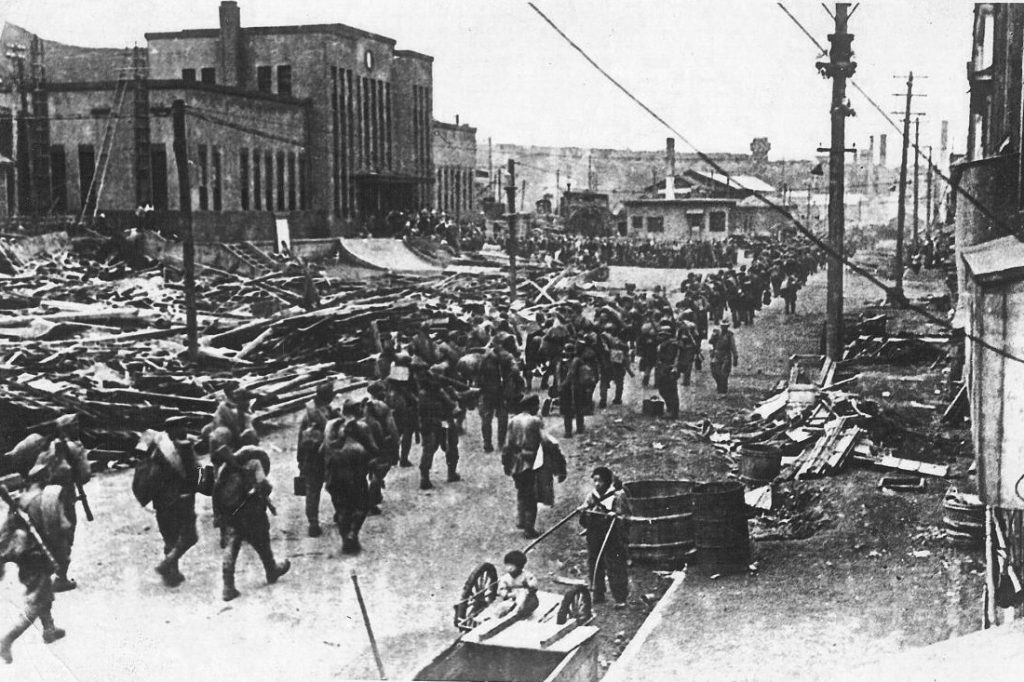
Exactly three months after Germany’s surrender, as Stalin promised at Yalta, Moscow declares war on Japan. Within hours, Soviet armies pour into Manchuria.
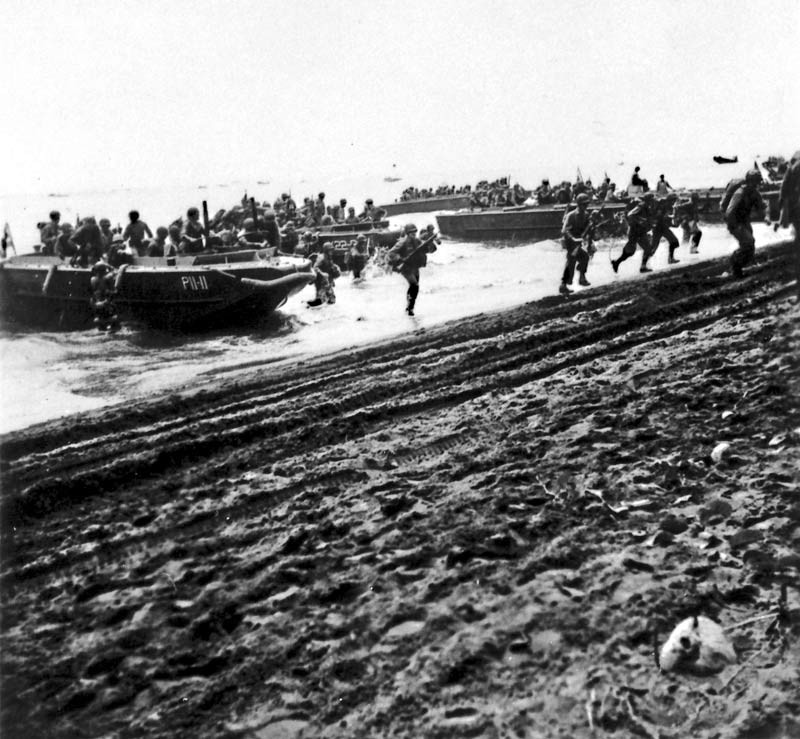
US Marines land on Guadalcanal and nearby Tulagi in the Solomon Islands. It is the first major Allied offensive against Japan, and it will last six months.
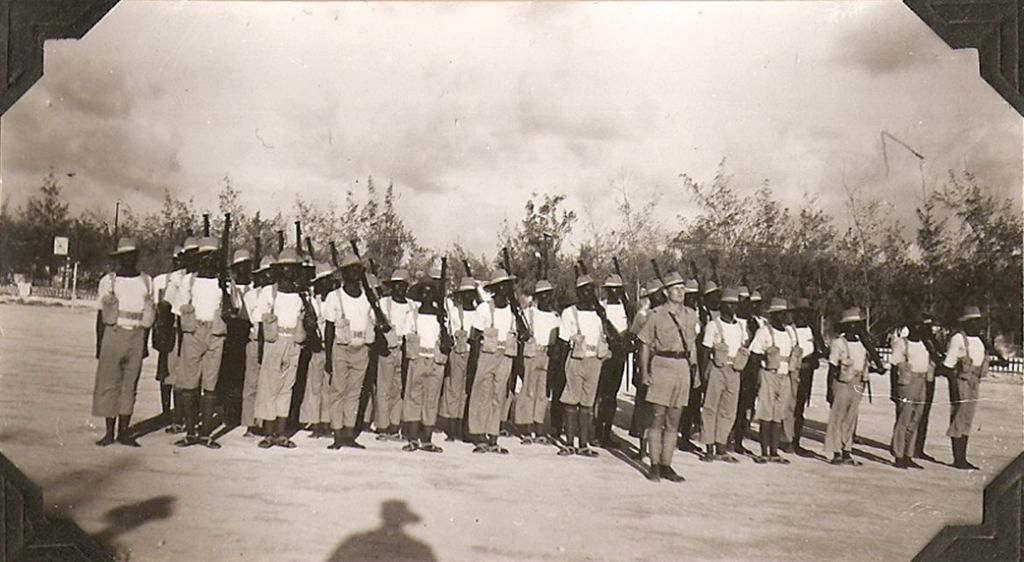
Italian forces cross from Ethiopia into British Somaliland. In just over two weeks, the small British garrison is forced to evacuate by sea.
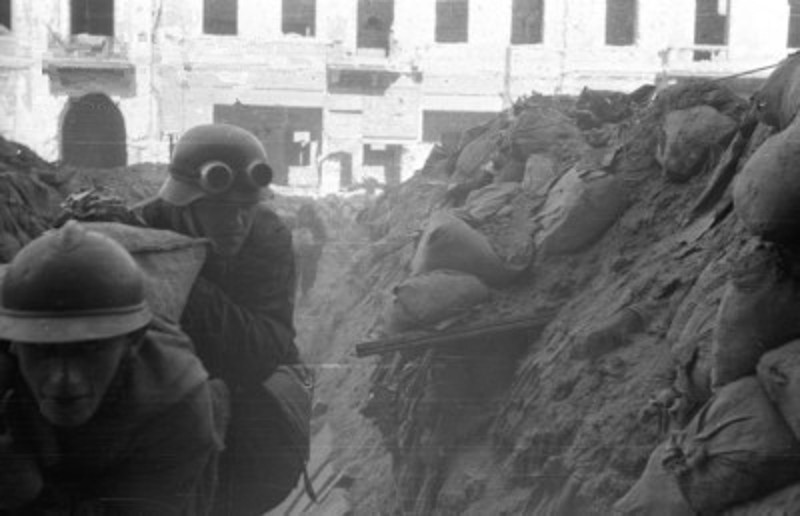
At five in the afternoon, the Polish Home Army rises against the German occupiers of Warsaw. It hopes to free the capital before the Red Army arrives. It will fight alone for 63 days.
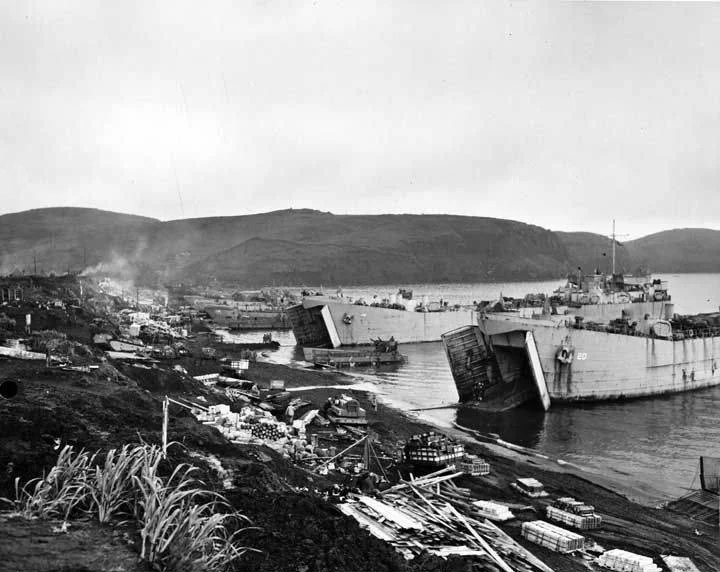
Under cover of thick Aleutian fog, Japanese warships slip into Kiska harbour and take off the entire garrison. The Americans and Canadians, unaware, prepare to invade an empty island.
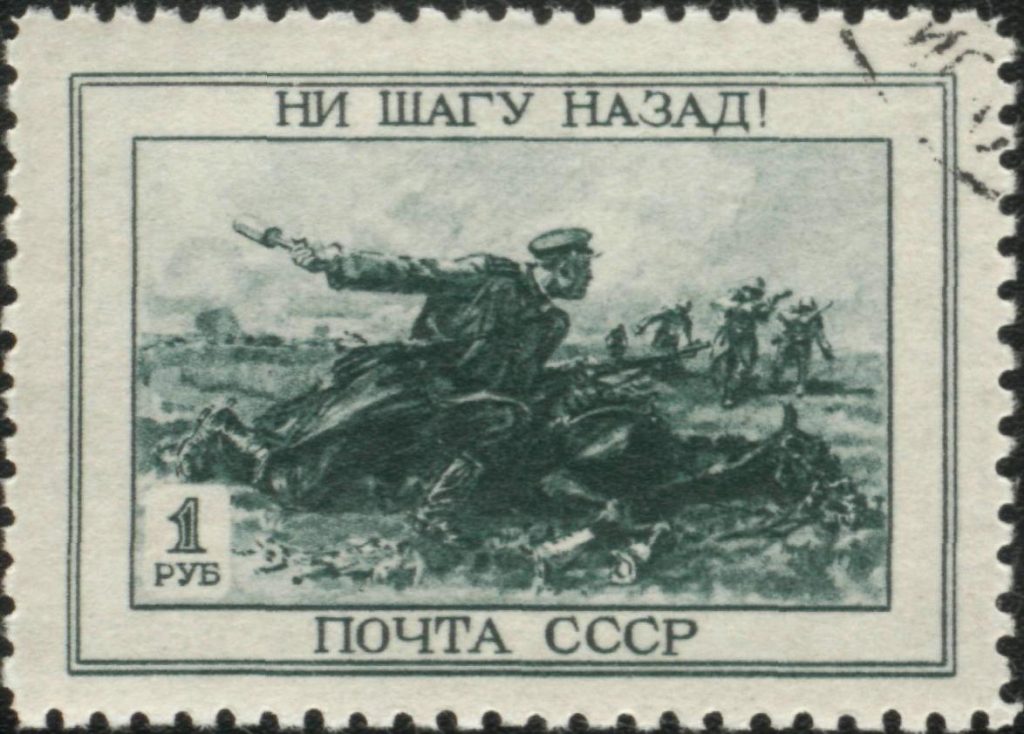
With German armies racing towards the Volga and the Caucasus, Stalin issues Order No. 227. Retreat without orders is forbidden. Panic-mongers and cowards are to be dealt with on the spot.
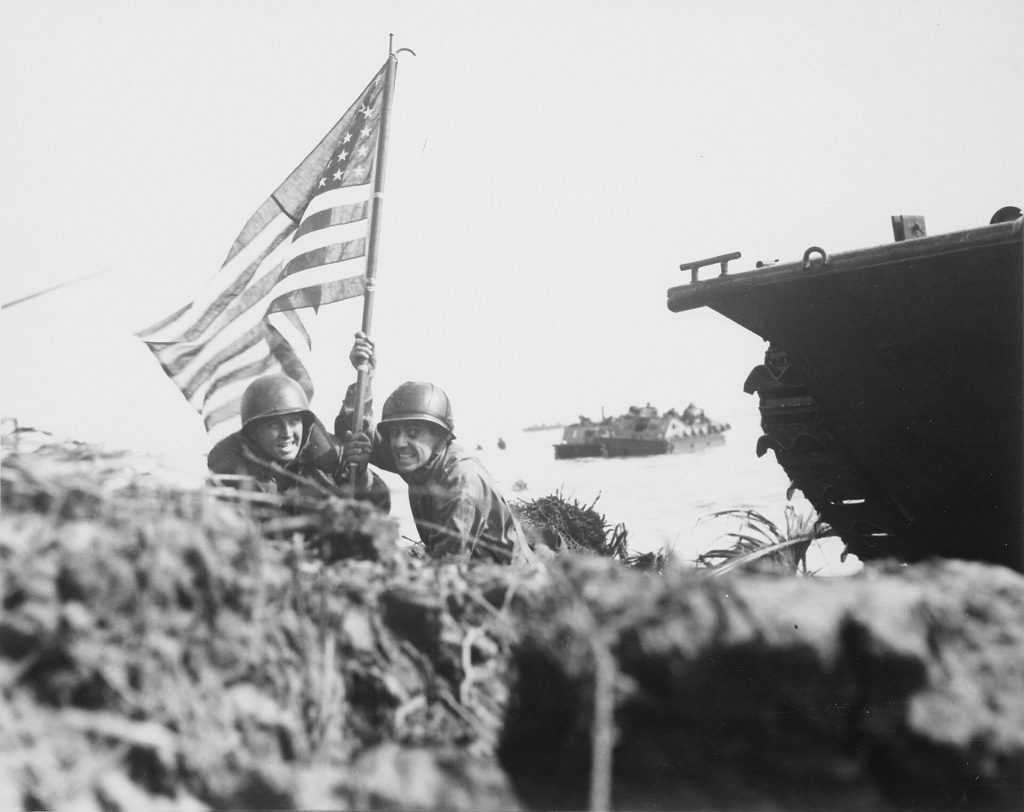
After the longest preliminary bombardment of the Pacific war so far, American Marines and soldiers land on Guam, the US territory captured by Japan in December 1941.
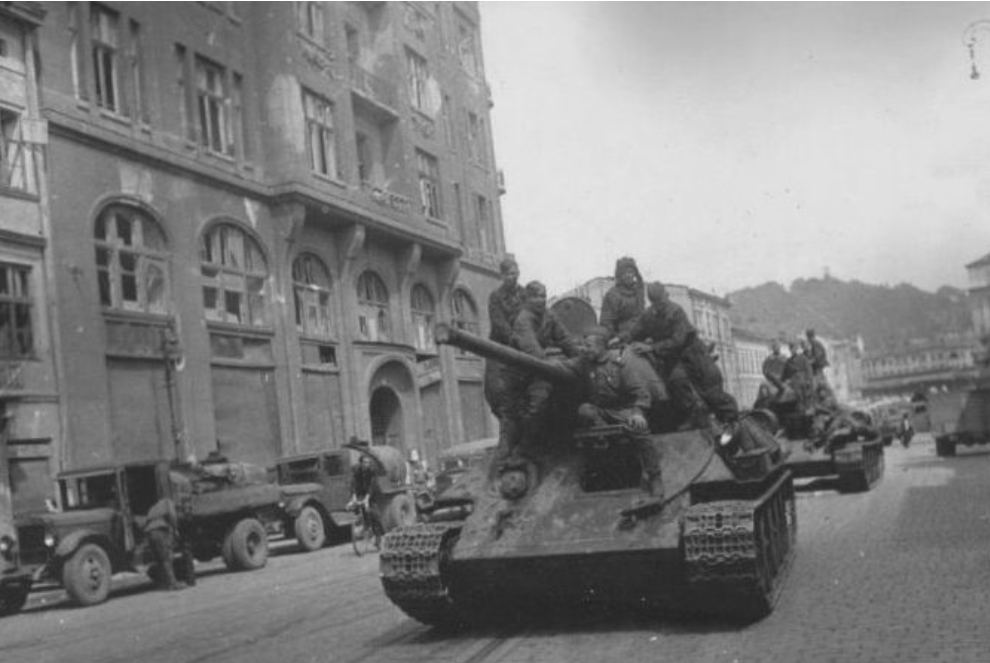
As Army Group Centre collapses in Belarus, Marshal Konev strikes in western Ukraine. Within weeks his armies take Lwów and seize a bridgehead across the Vistula.
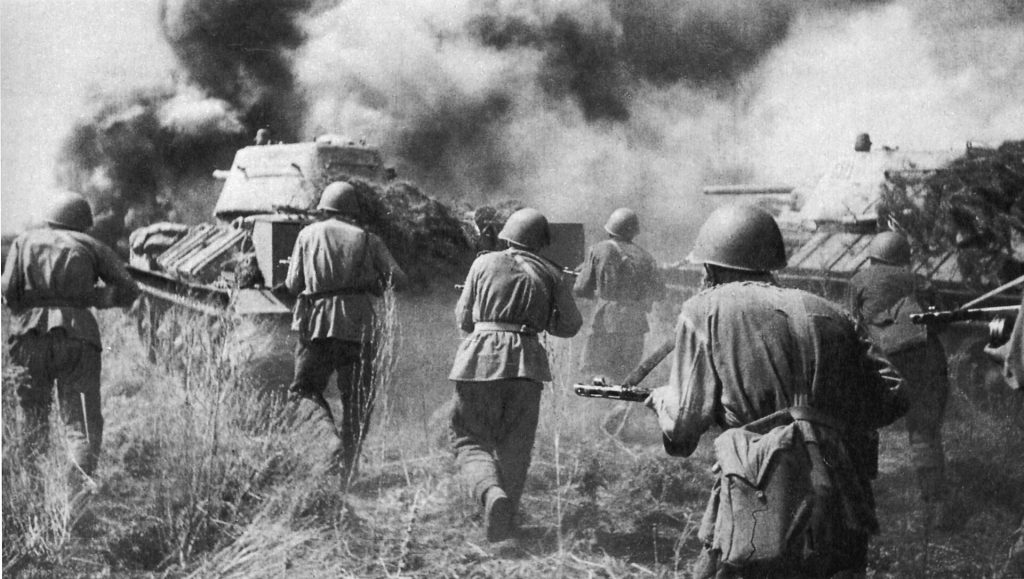
Near a railway station south of Kursk, hundreds of Soviet tanks charge into the advancing SS panzer divisions. It becomes one of the most famous tank battles in history.
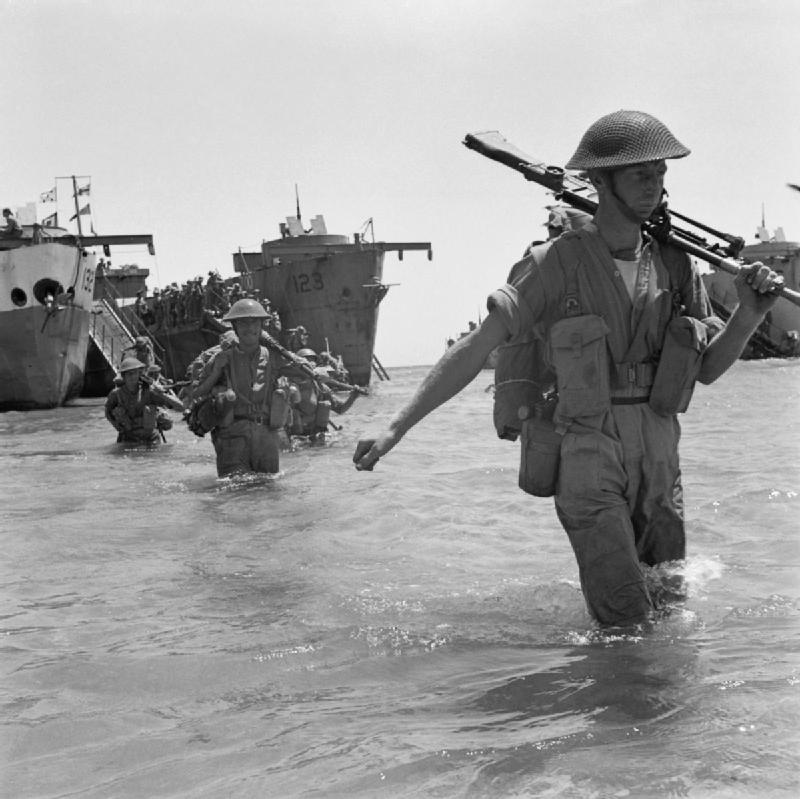
On a stormy night, Allied paratroopers and gliders take off for Sicily. By dawn, the largest amphibious landing yet attempted is under way.
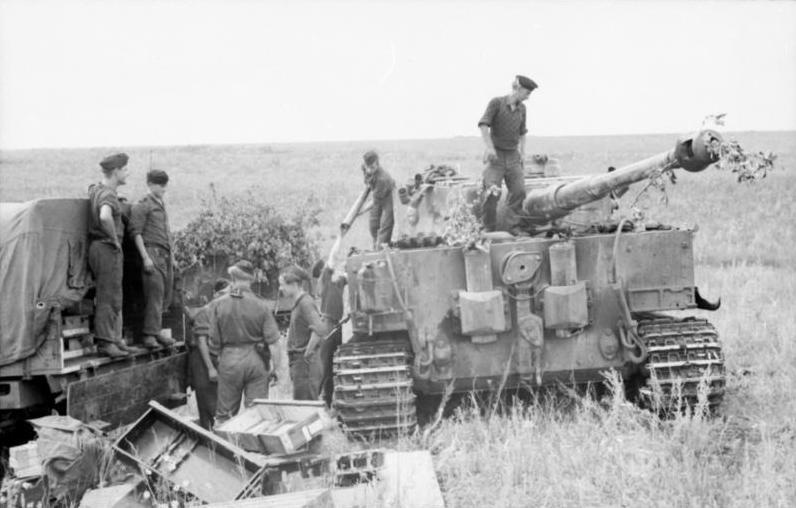
Germany launches its last great offensive in the east against the Kursk salient. The Red Army, warned in advance, is waiting behind the deepest defences of the war.
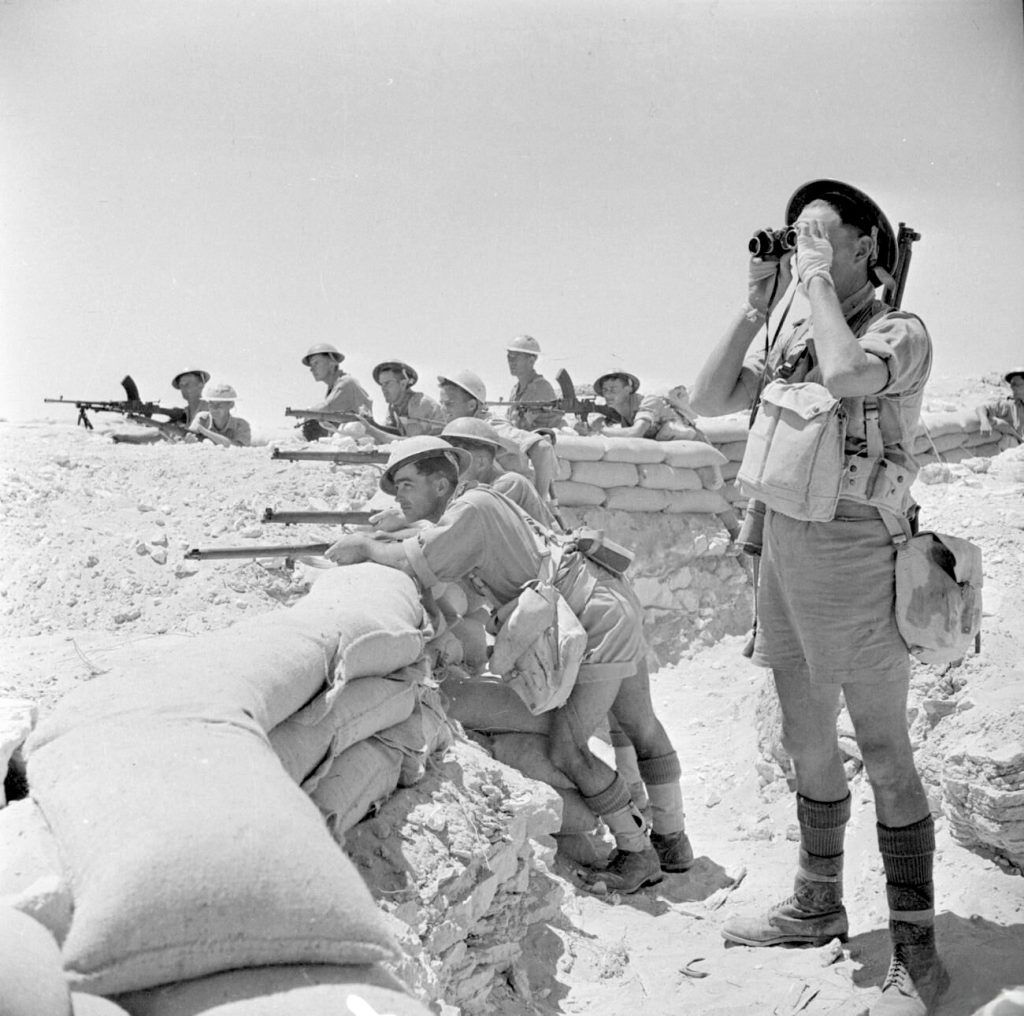
Rommel’s army, racing for the Nile, runs into the last British line at El Alamein. South African troops in the Alamein box help stop him.
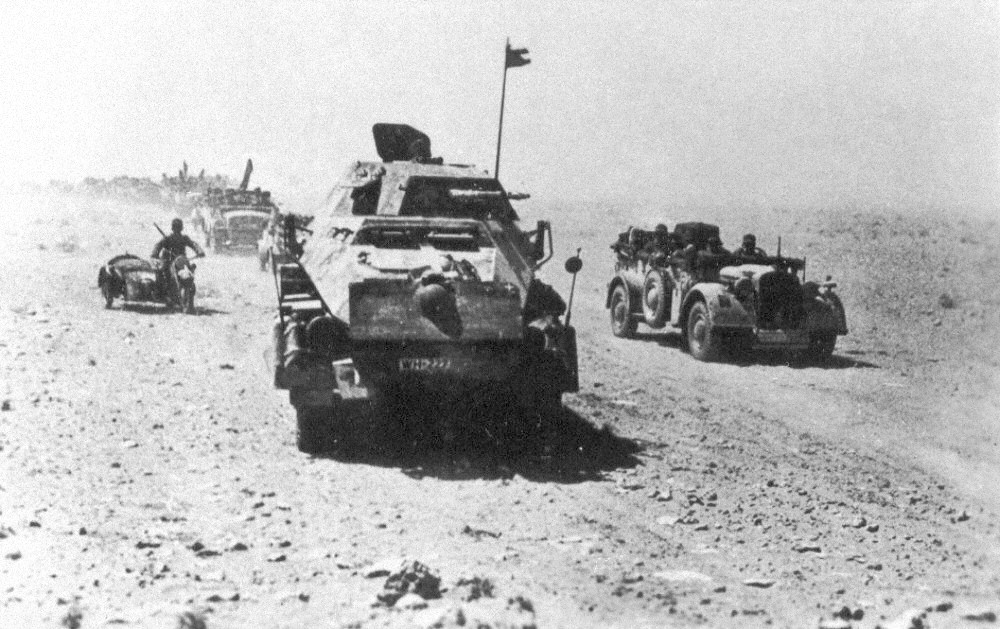
Rommel’s forces take the port of Mersa Matruh as the Eighth Army retreats into Egypt. The British fall back to a last line at a railway halt called El Alamein.
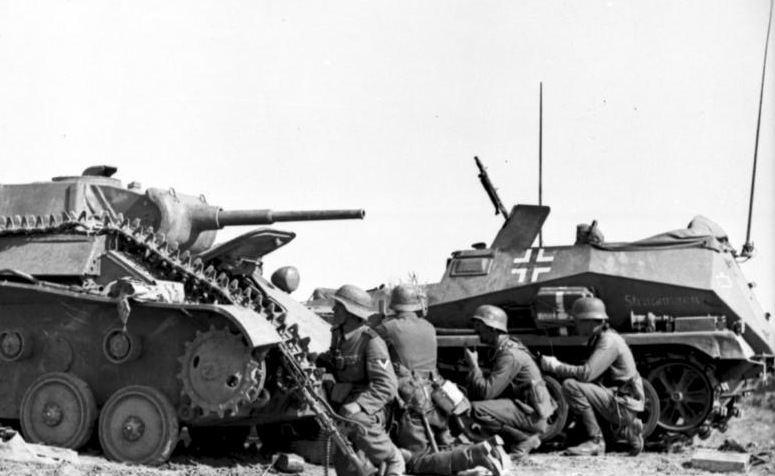
Germany launches its great summer offensive in southern Russia. The goal is the oil of the Caucasus; the road will lead to Stalingrad.
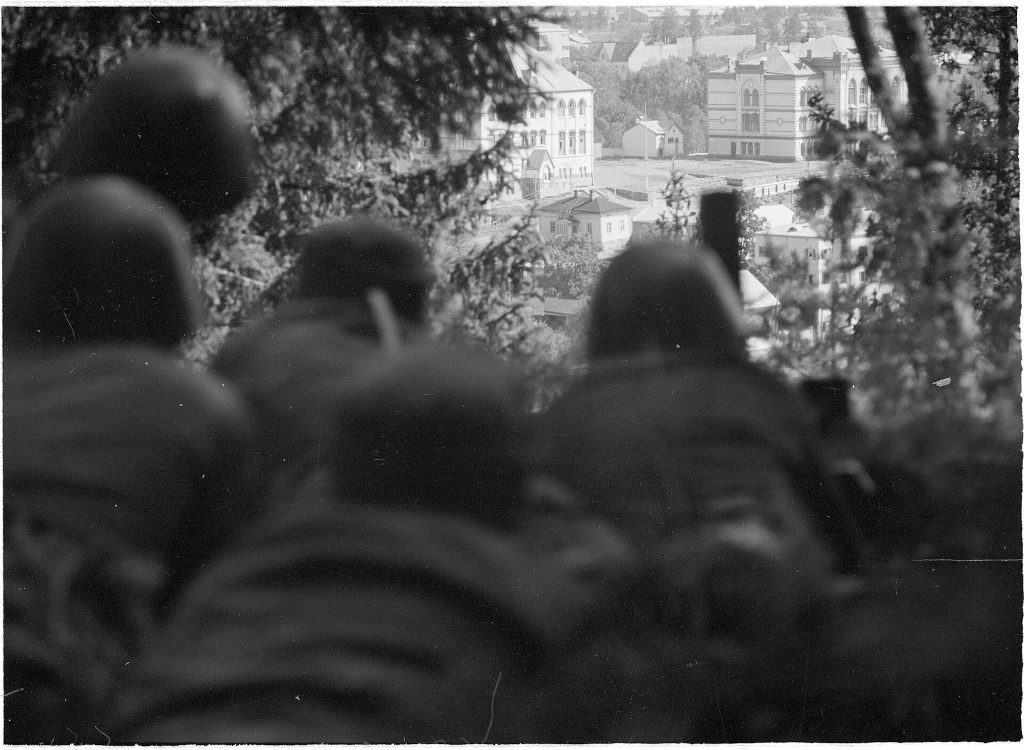
After Soviet bombers strike Finnish towns, Finland declares that it is at war with the Soviet Union again. Finns call it the Continuation War.
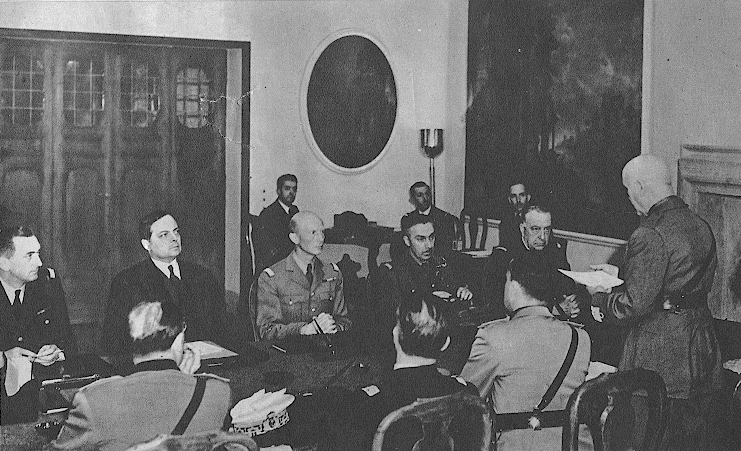
After an Alpine offensive that gained almost nothing, Italy signs an armistice with France at a villa near Rome. That night, the fighting in France ends.
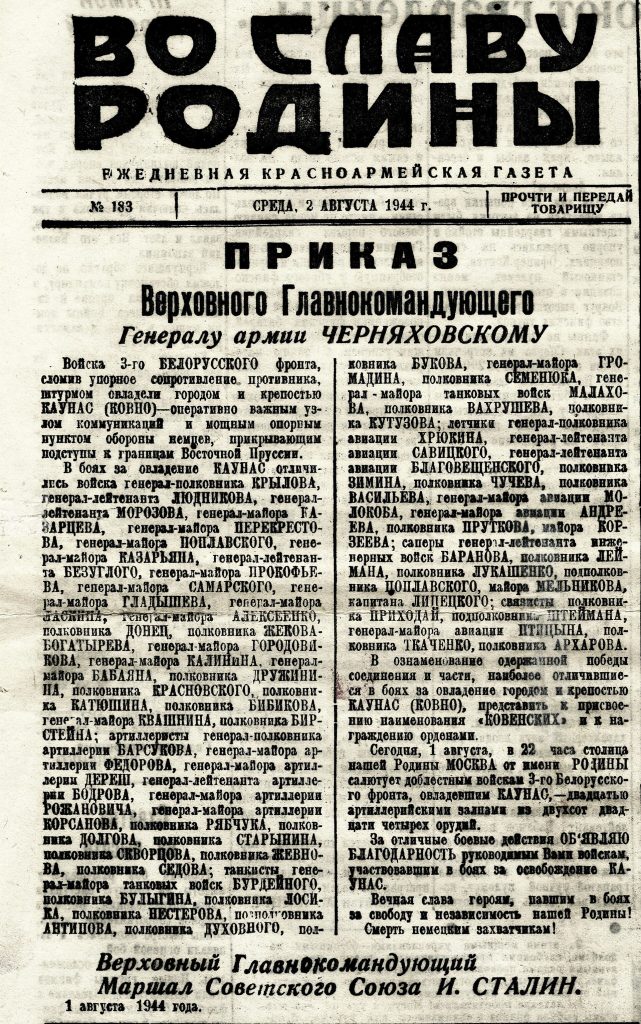
Three years after Barbarossa, the Red Army strikes Army Group Centre in Belarus. Within weeks the German front has disintegrated and Soviet armies are at the gates of Warsaw.
 United Kingdom
 United States
 Soviet Union
 Germany
 Japan
 France
 Poland
 South Africa