
2 October 1944: The Warsaw Uprising Ends
After 63 days, the Home Army signs the capitulation of Warsaw. Its fighters go into captivity as prisoners of war. Hitler orders the city to be wiped off the map.
Campaigns and battles on land.
After 63 days, the Home Army signs the capitulation of Warsaw. Its fighters go into captivity as prisoners of war. Hitler orders the city to be wiped off the map.
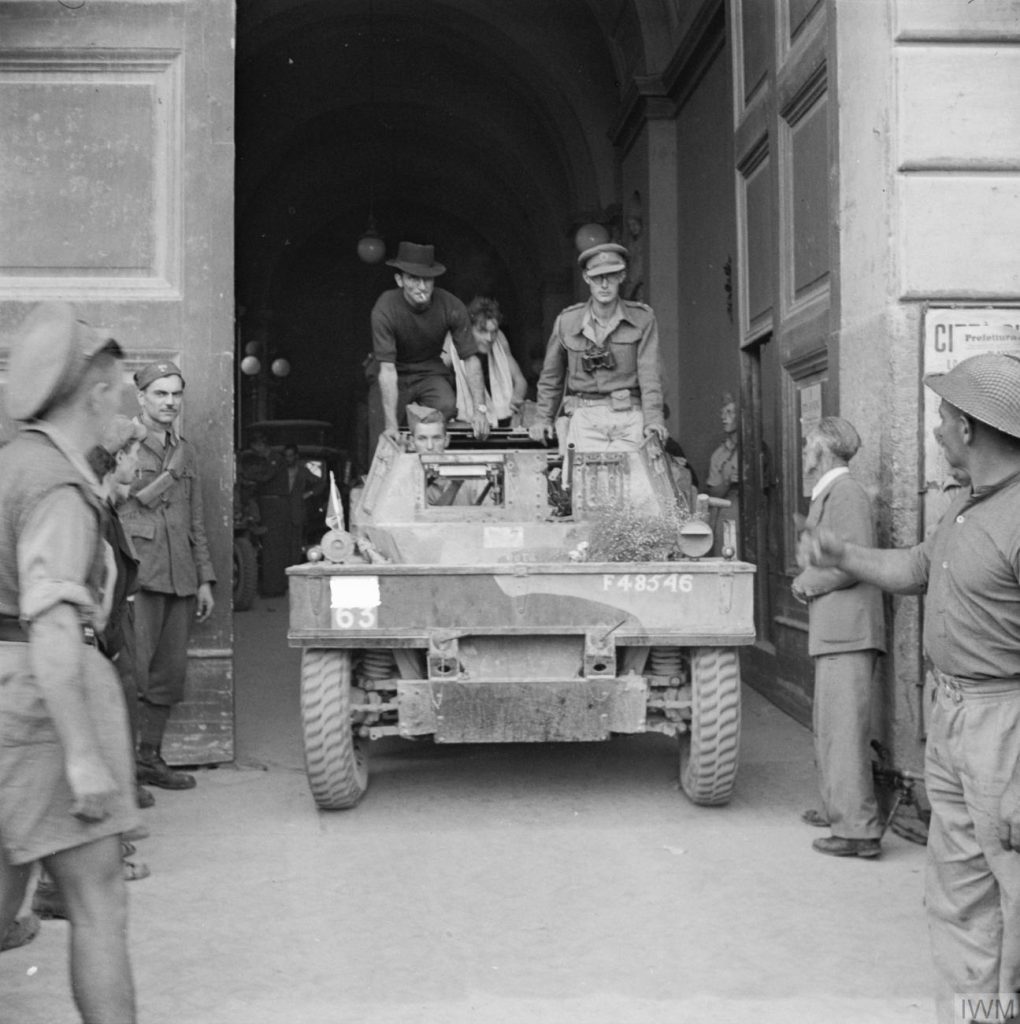
British armoured cars roll into Naples, followed by the US Fifth Army. The city’s people have already fought the Germans themselves. The port is a wreck.
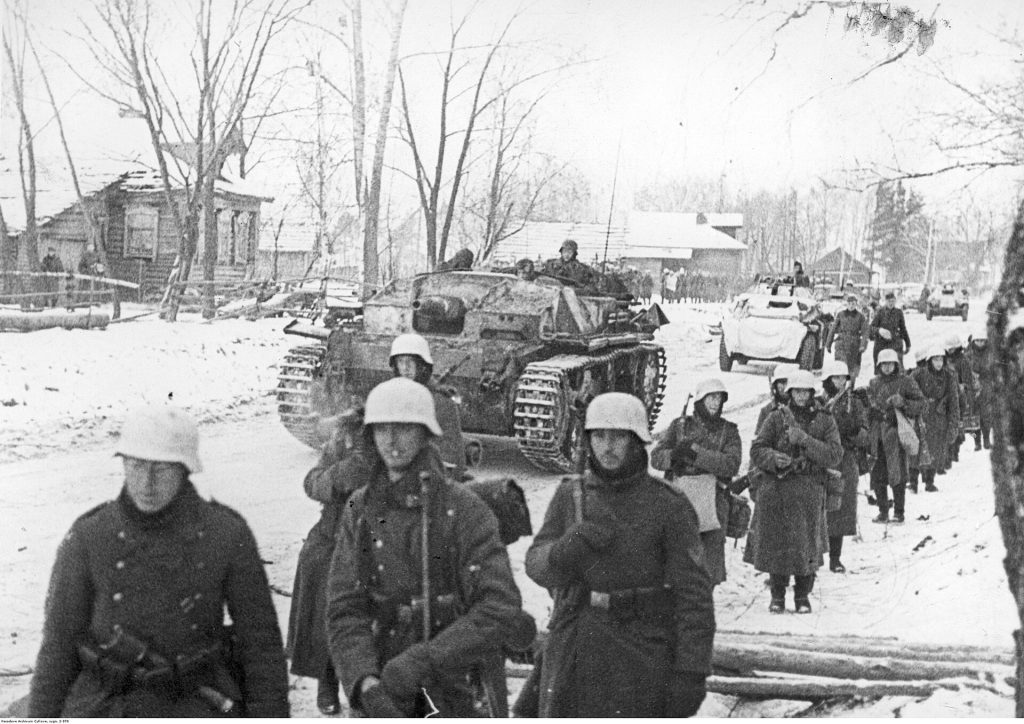
Guderian’s panzers strike north-east towards Oryol. Two days later, the rest of Army Group Centre attacks. Hitler’s final offensive against Moscow has begun.
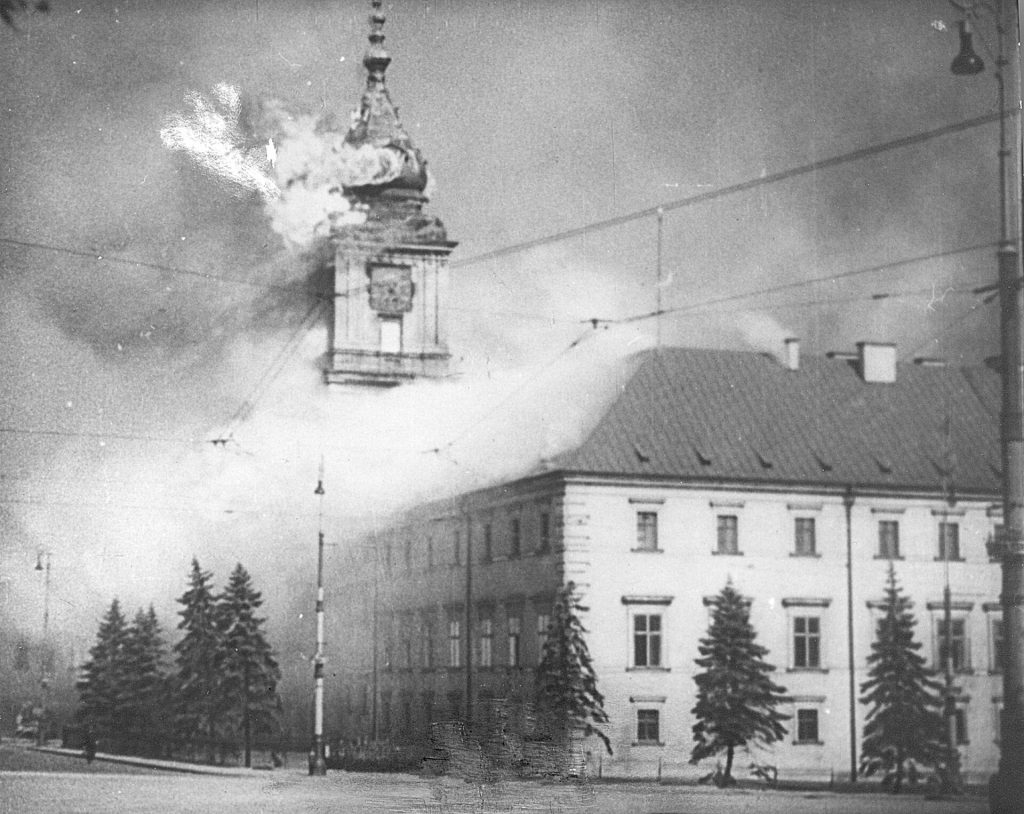
After nearly three weeks of siege, bombing and shelling, the Polish capital surrenders. Its defenders have run out of food, water and ammunition.
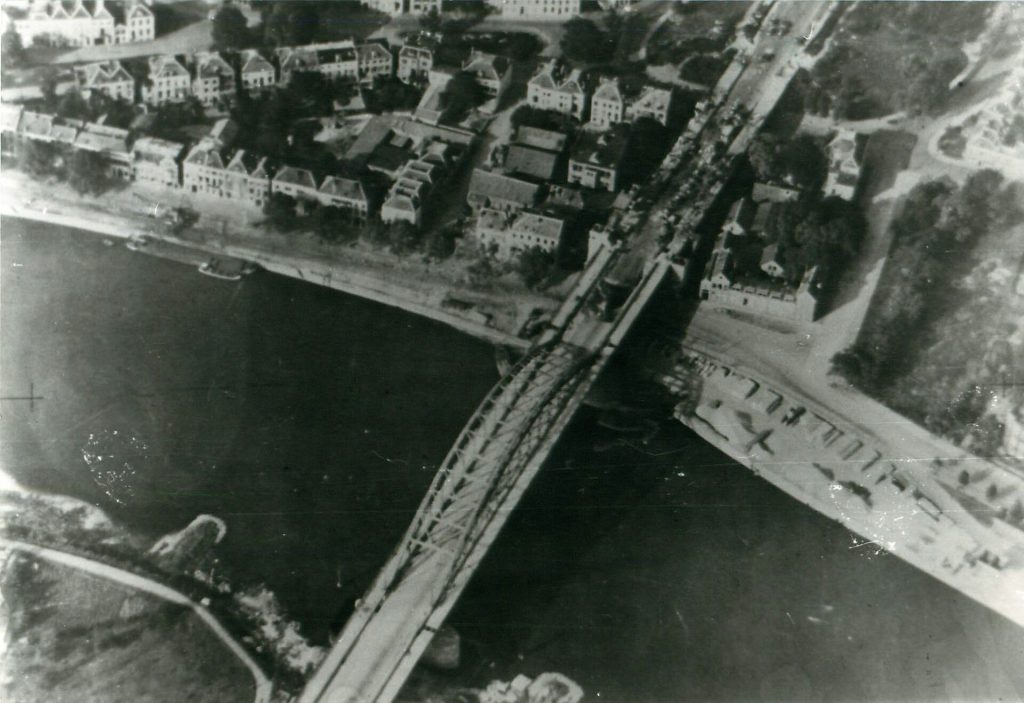
In darkness and rain, the survivors of the British 1st Airborne Division slip down to the Rhine and are ferried across. The bridge too far has been lost.
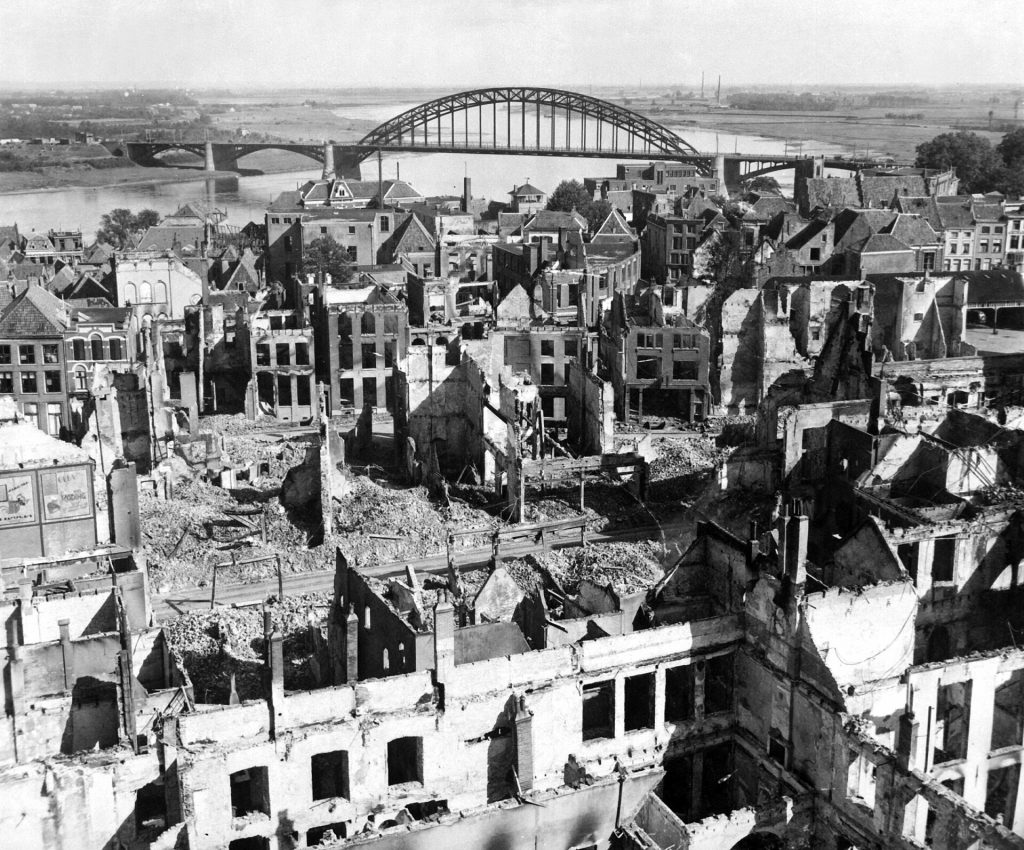
In broad daylight, American paratroopers paddle canvas boats across the wide Waal river under fire to capture the Nijmegen bridge. Arnhem is 18 kilometres away.
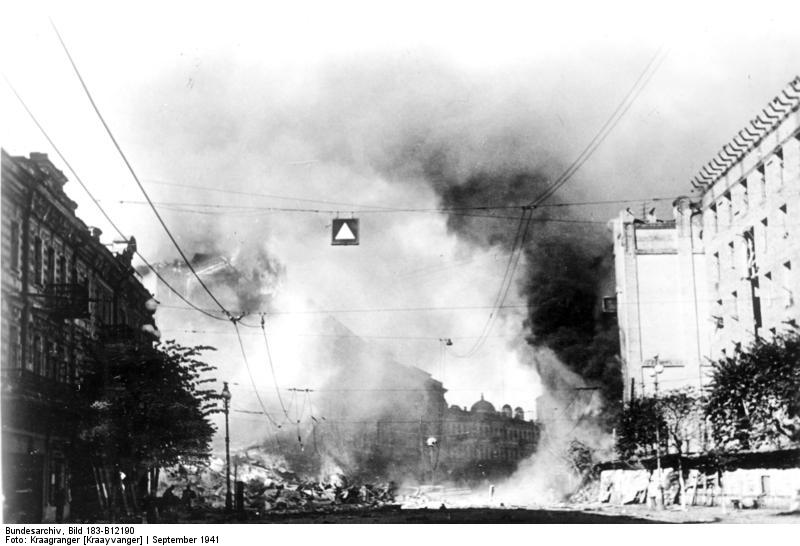
German troops enter Kiev. East of the city, four Soviet armies are trapped in a vast encirclement. It is the largest single encirclement of the war.
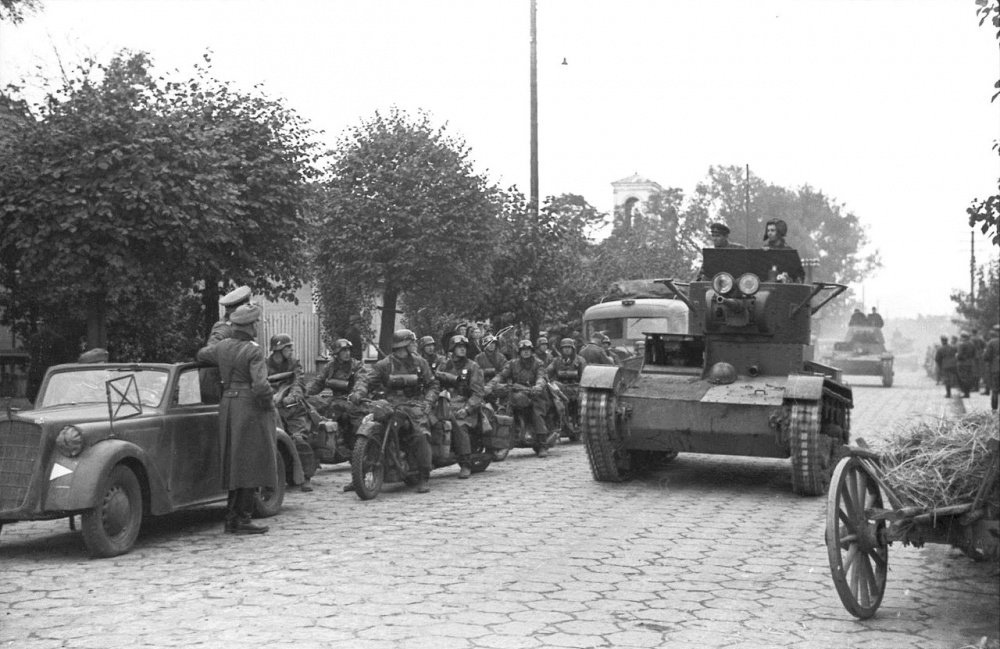
While the Polish army is fighting the Germans in the west, the Red Army crosses Poland’s eastern border. Moscow claims that the Polish state has ceased to exist.
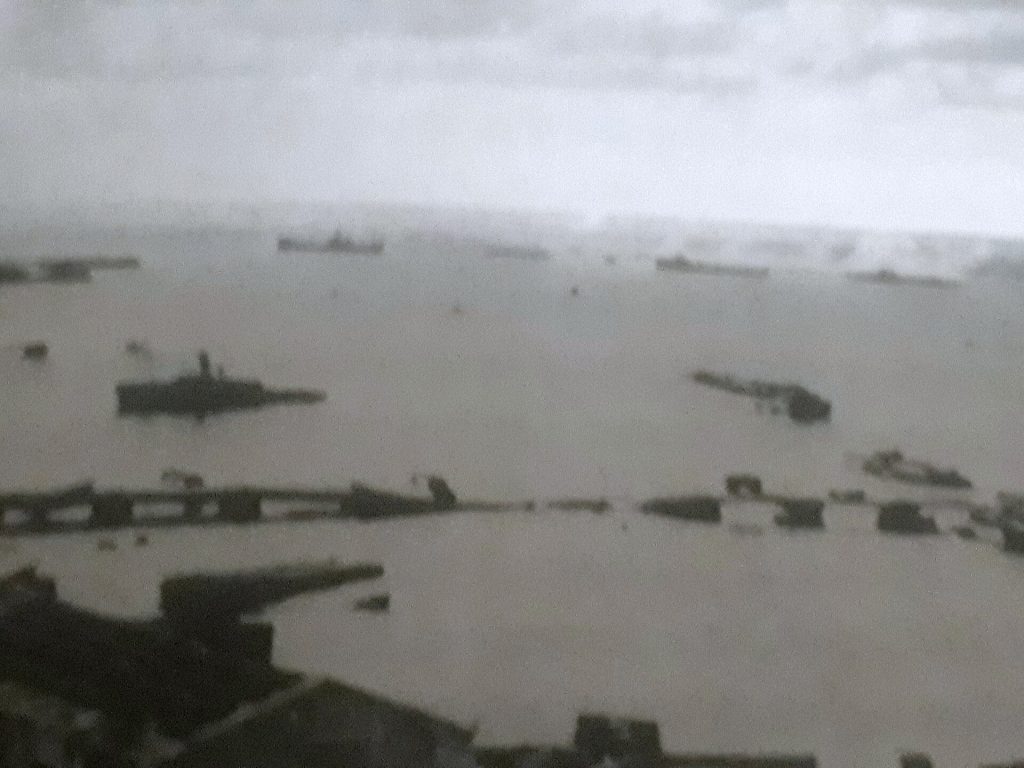
Commandos, Royal Marines and warships attack the port of Tobruk by night, hoping to wreck Rommel’s supply base. The raid goes badly wrong.
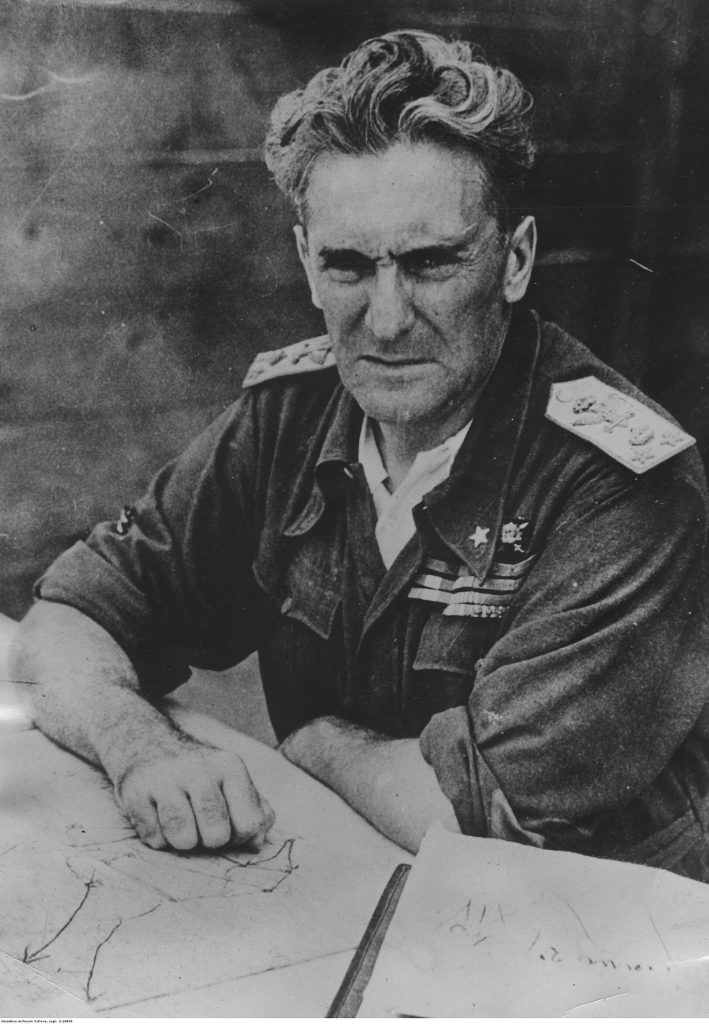
Under pressure from Mussolini, Marshal Graziani’s Tenth Army crosses from Libya into Egypt. After a few days’ advance, it stops and digs in.
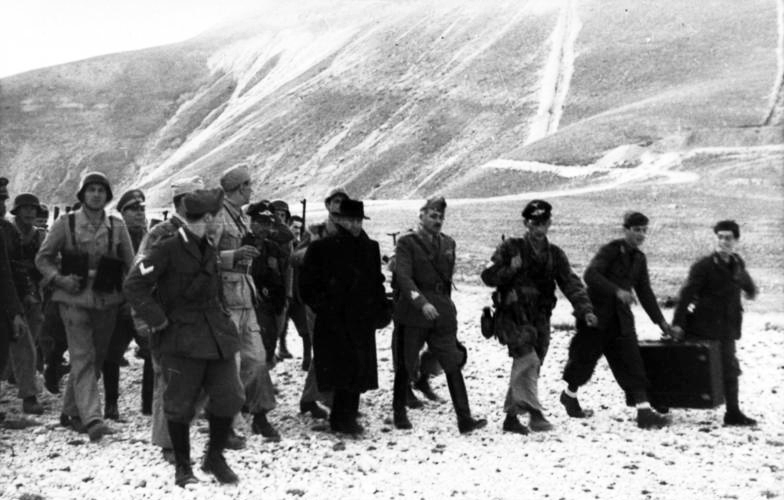
German gliders land beside a mountain hotel in the Abruzzo, where the deposed Mussolini is held prisoner. Within minutes he is freed without a shot fired, and flown out in a tiny aircraft.
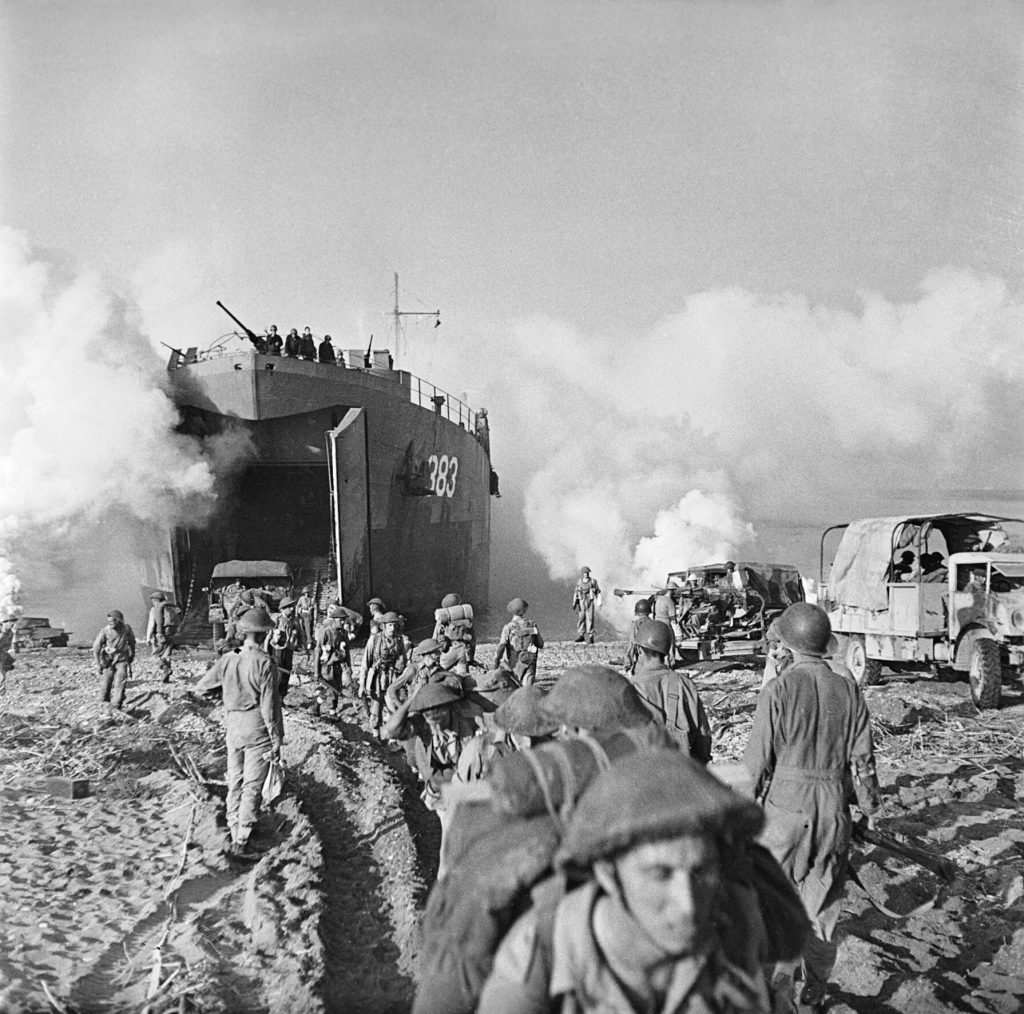
The day after Italy’s armistice is announced, Allied troops land on the beaches south of Salerno. They expect an easy landing. The Germans are waiting.
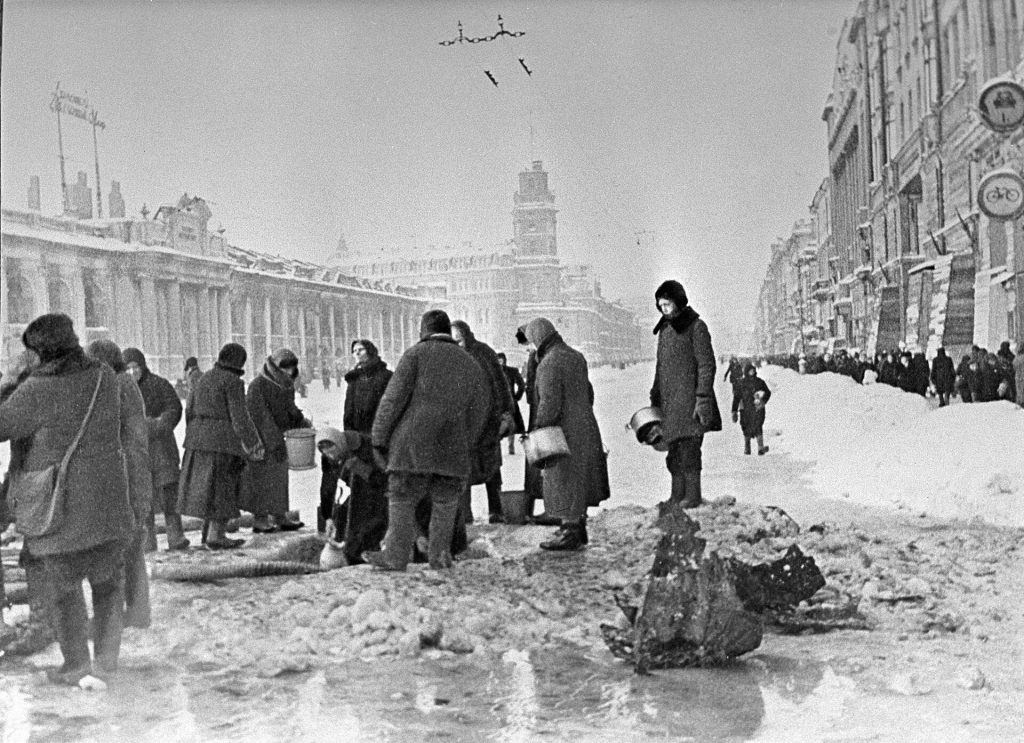
German troops take Shlisselburg on Lake Ladoga, cutting the last land route to Leningrad. The city of three million is surrounded. The siege will last 872 days.
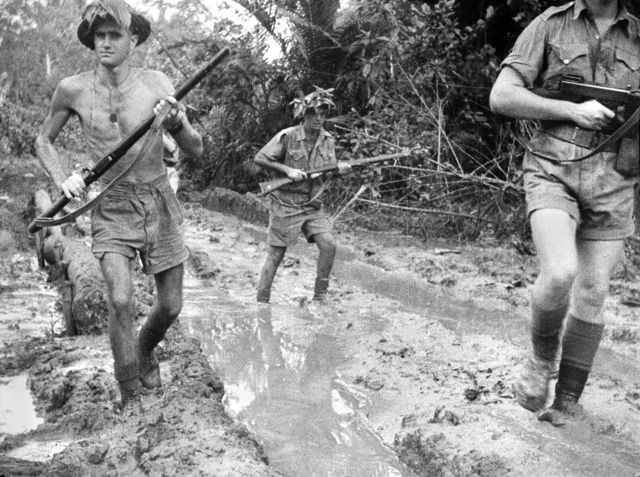
Beaten back from the airstrips at the eastern tip of Papua, the Japanese begin evacuating their surviving troops by sea. For the first time in the Pacific war, a Japanese landing has been defeated on land.
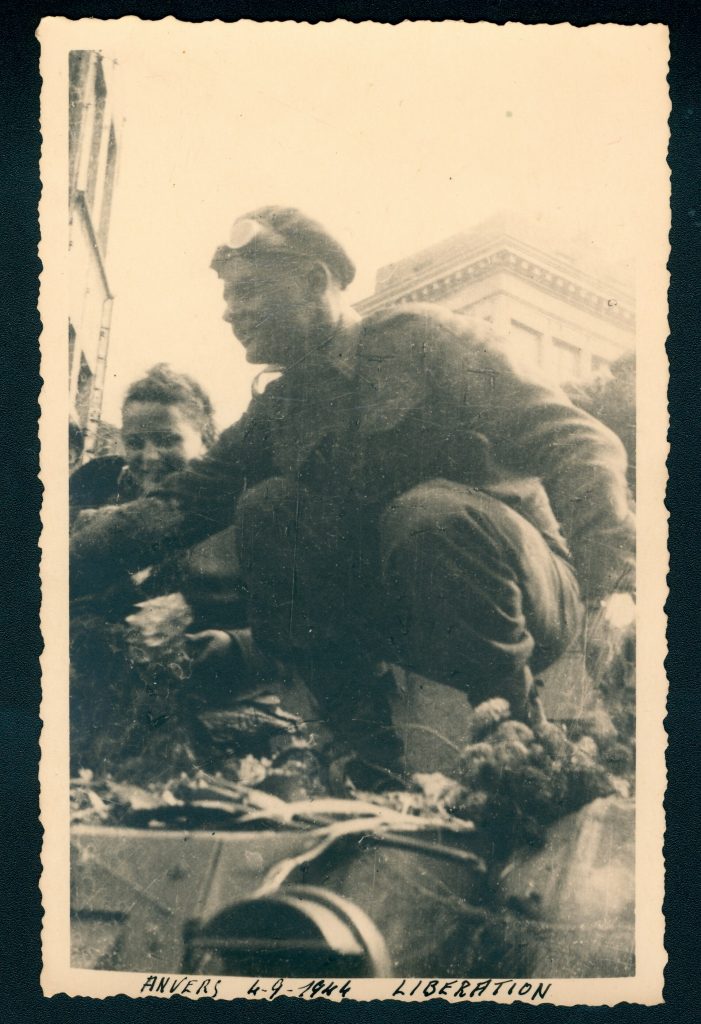
British tanks race into Antwerp, where the Belgian resistance has stopped the Germans from wrecking the docks. The Allies have taken one of Europe’s greatest ports almost intact. But they cannot yet use it.

Before dawn, the old German battleship Schleswig-Holstein opens fire on the Polish garrison at Westerplatte, and German armies cross the frontier from three sides. The Second World War in Europe has begun.
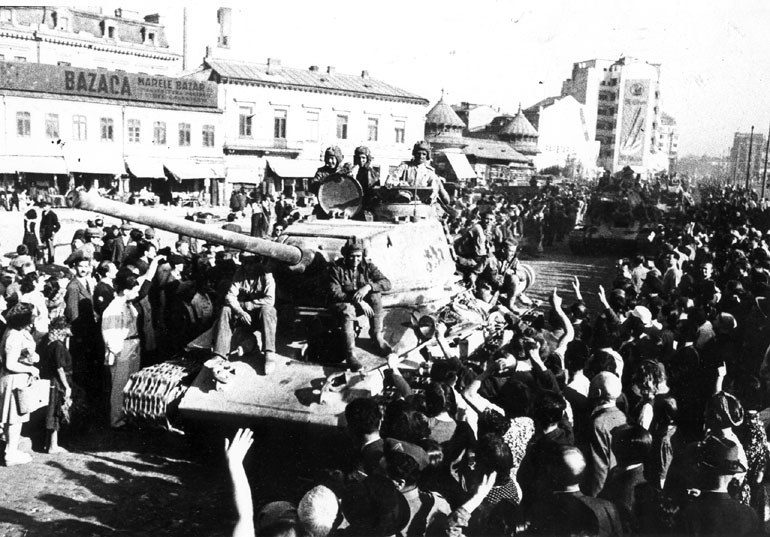
A week after Romania changes sides, Soviet troops enter Bucharest. Germany’s main source of natural oil is lost.
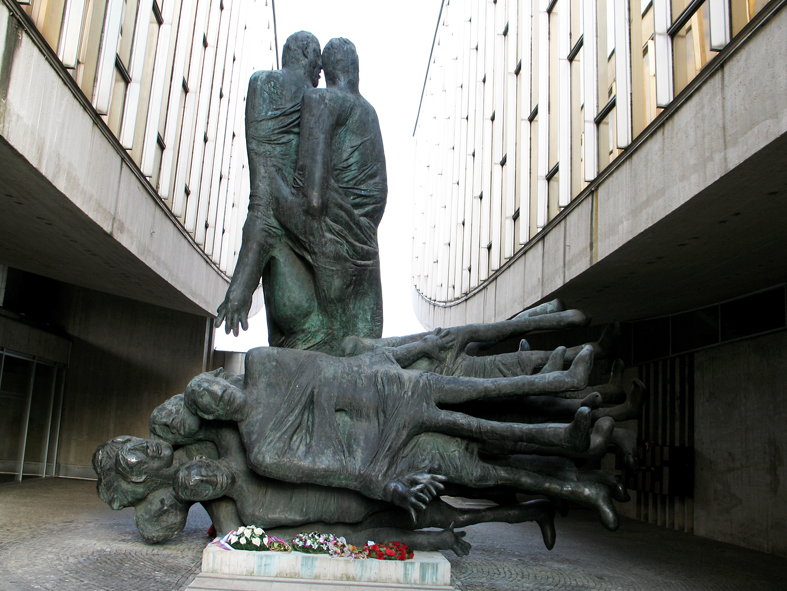
As German troops move into Slovakia, units of the Slovak army and partisans rise against the pro-Nazi regime. Their centre is the town of Banská Bystrica.
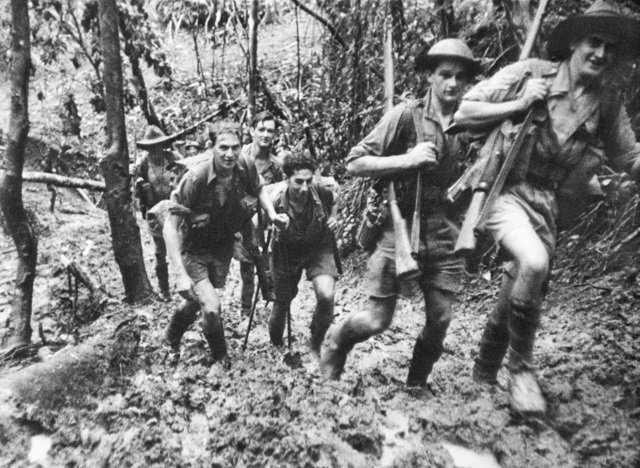
High on the Kokoda Track in Papua, outnumbered Australian militia and AIF battalions stand against the Japanese drive on Port Moresby.
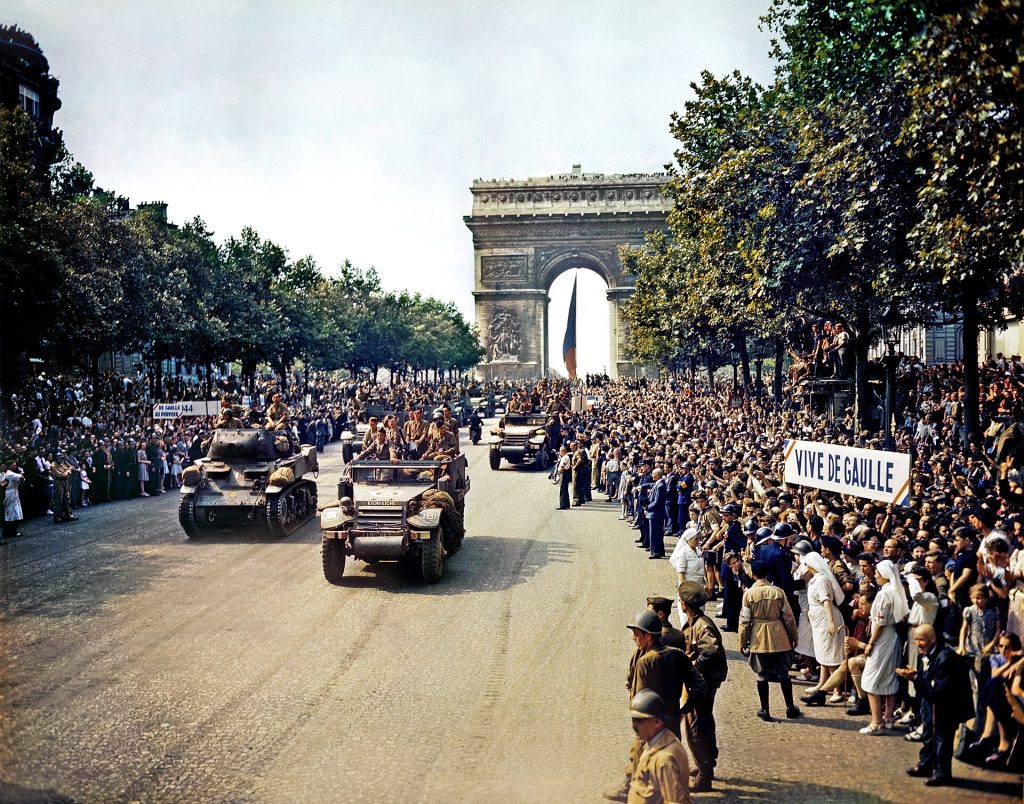
French tanks roll into Paris, and the German commander surrenders. That evening, General de Gaulle speaks to the crowds at the Hôtel de Ville.
 United Kingdom
 United States
 Soviet Union
 Germany
 Japan
 France
 Poland
 South Africa