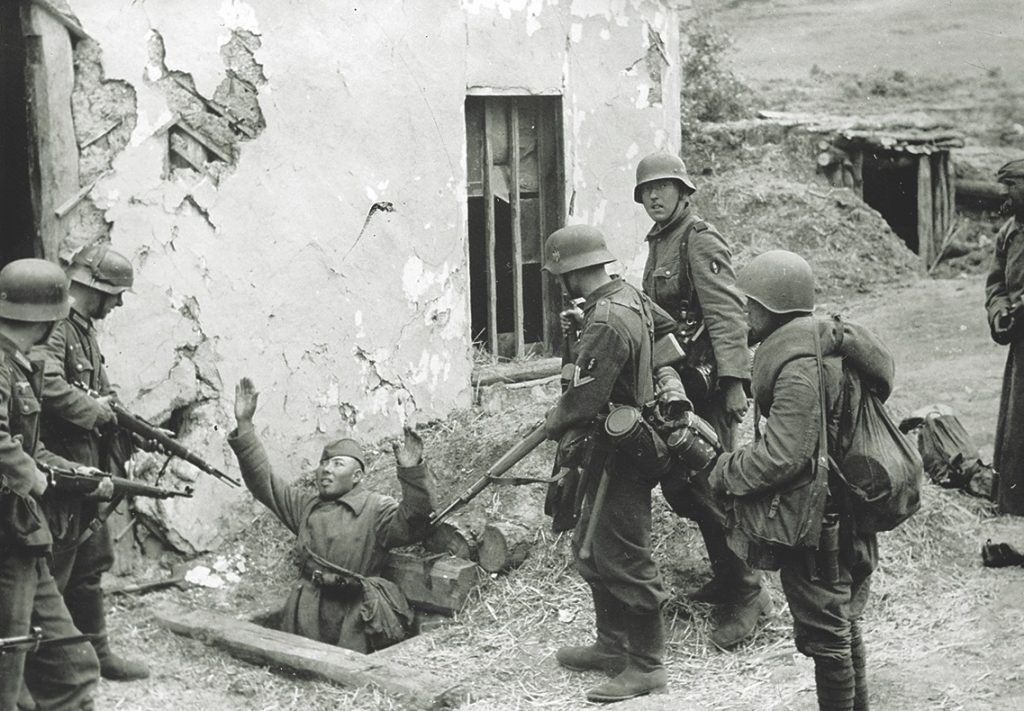
12 May 1942: The Second Battle of Kharkov
The Red Army launches an ambitious spring offensive to retake Kharkov. Within a week, a German counter-stroke turns it into a disaster.
Campaigns and battles on land.
The Red Army launches an ambitious spring offensive to retake Kharkov. Within a week, a German counter-stroke turns it into a disaster.
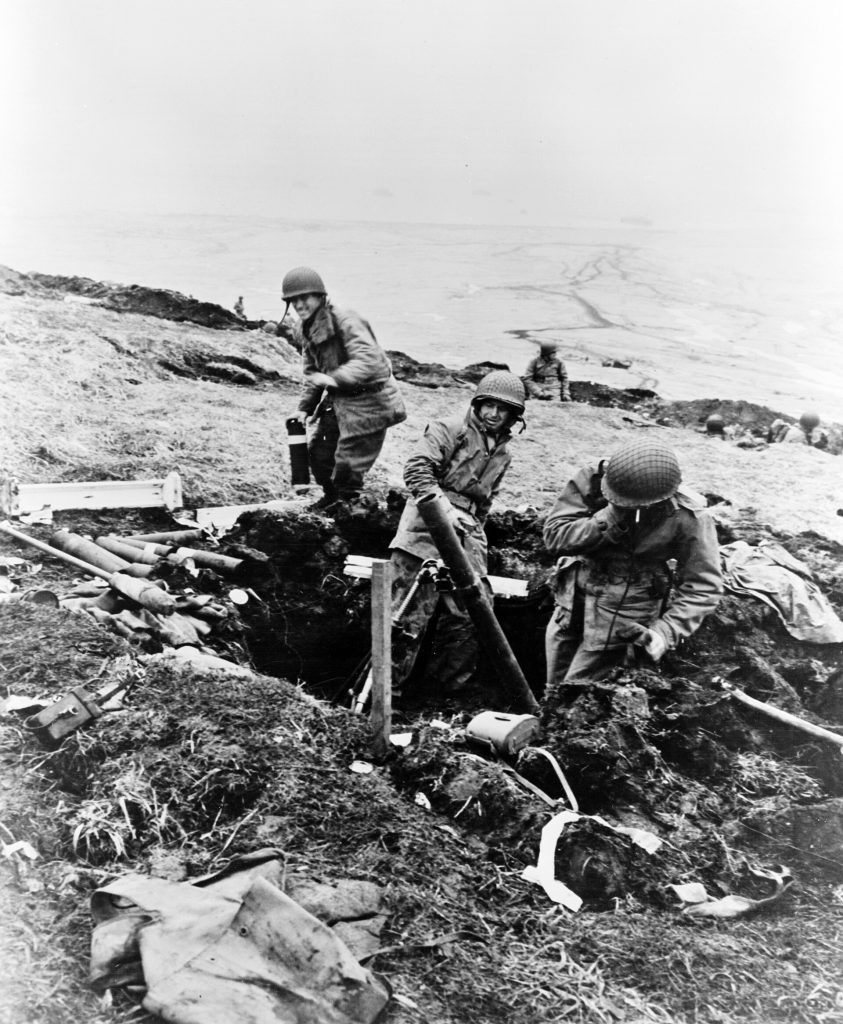
In freezing fog, American troops land on Attu in the Aleutian Islands, occupied by Japan since 1942. The battle will end in one of the largest banzai charges of the war.
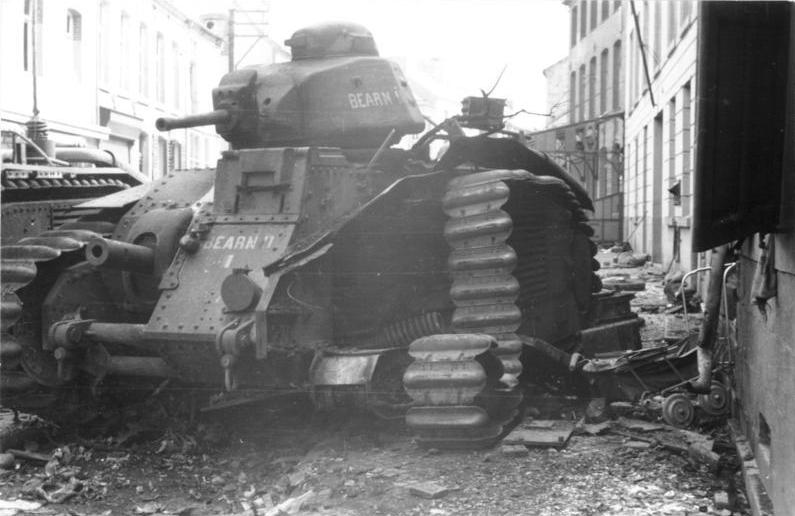
At dawn, German forces invade the Netherlands, Belgium and Luxembourg. By evening, Neville Chamberlain has resigned and Winston Churchill is Prime Minister.
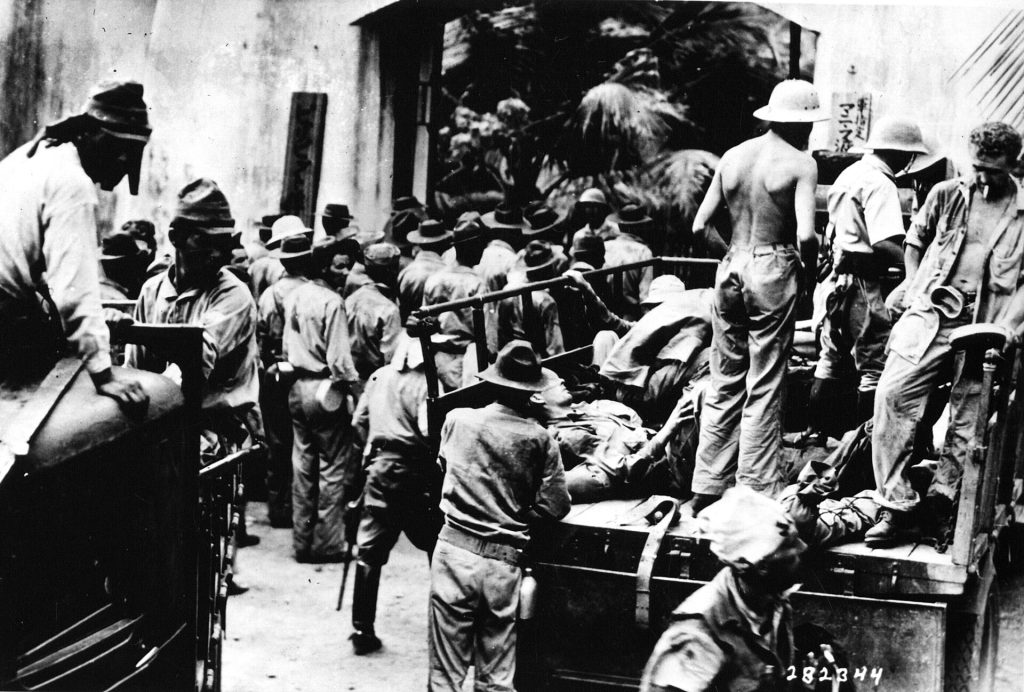
After Japanese troops land on the island fortress, General Jonathan Wainwright surrenders Corregidor. The last organised American resistance in the Philippines is over.
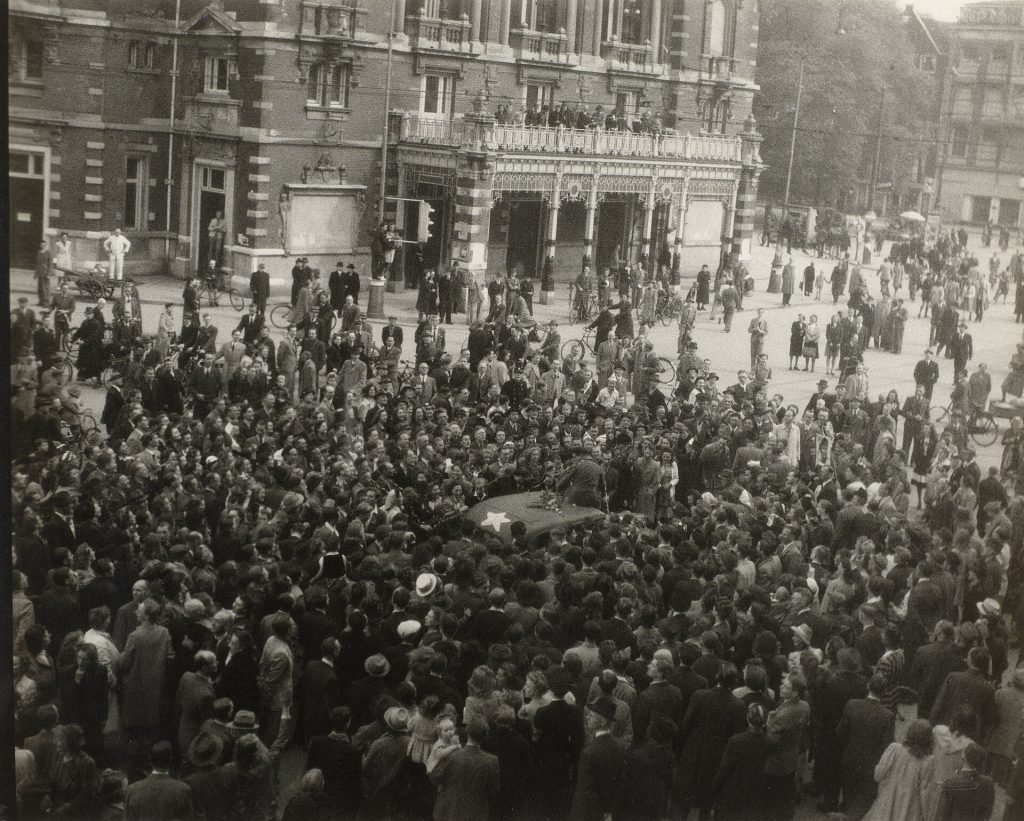
At a hotel in Wageningen, the German commander in the Netherlands meets the Canadian general facing him to arrange the surrender. After five years of occupation and a winter of famine, the Dutch are free.
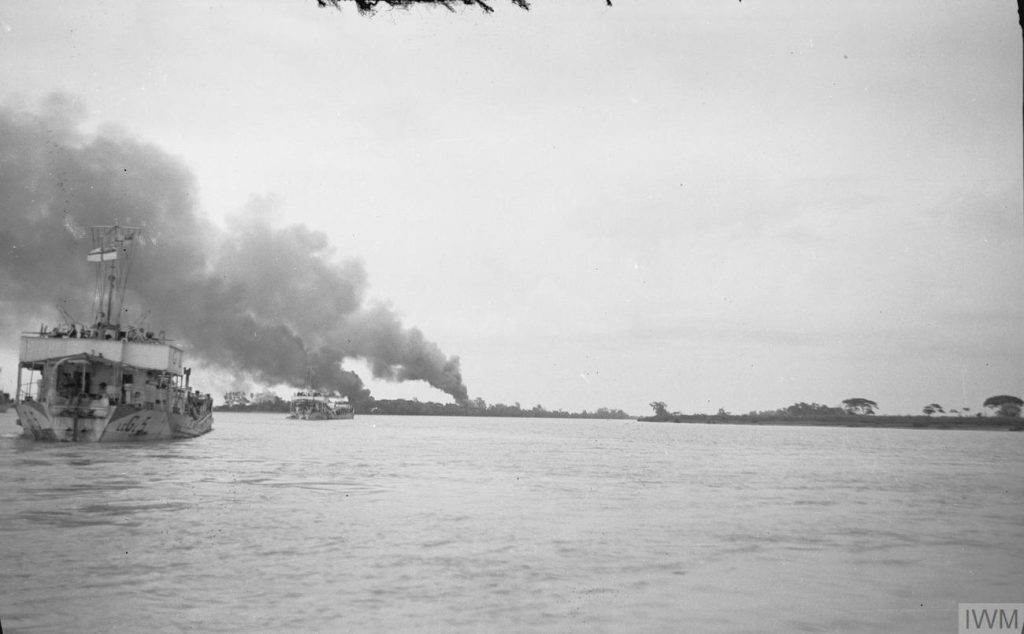
Indian troops landing from the sea enter Rangoon, just ahead of the monsoon. The Japanese have already gone. Three years after the long retreat, the capital of Burma is back in Allied hands.
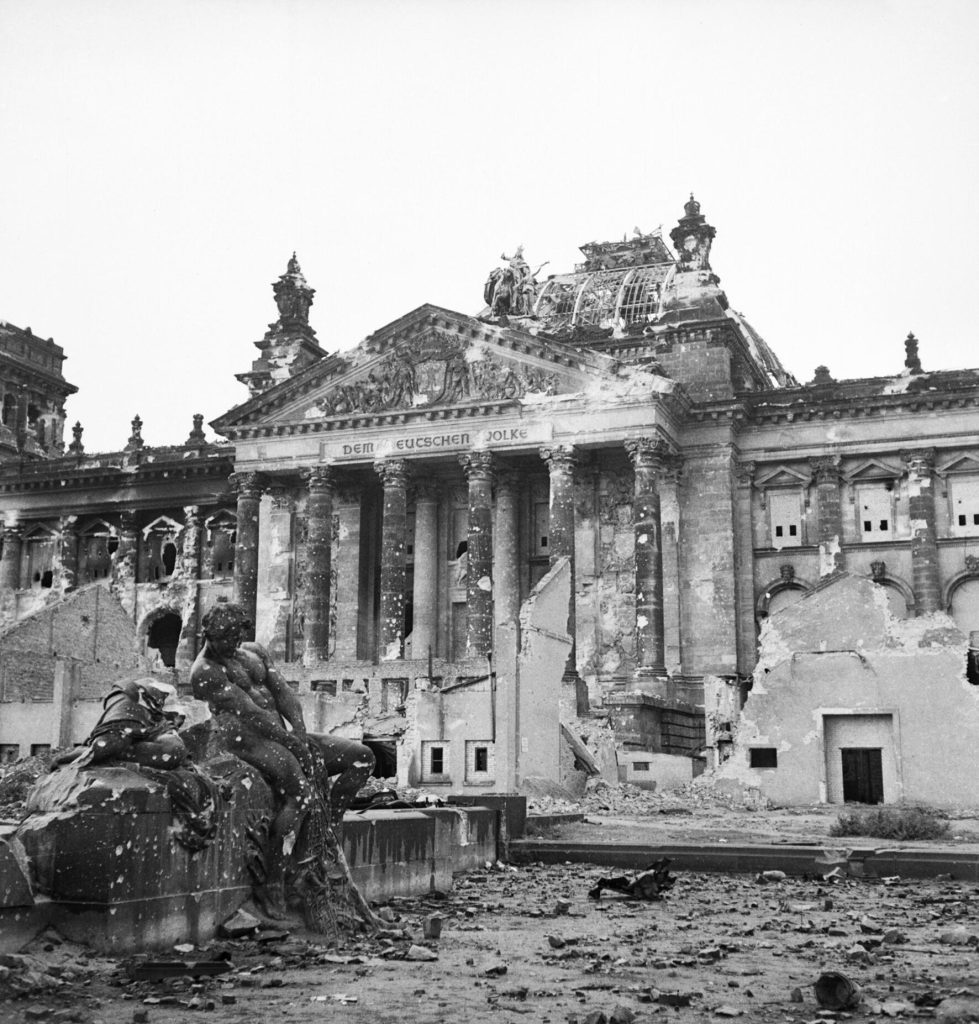
Two days after Hitler’s death, the commander of the Berlin garrison surrenders to the Red Army. The guns fall silent over the ruined capital of the Reich.
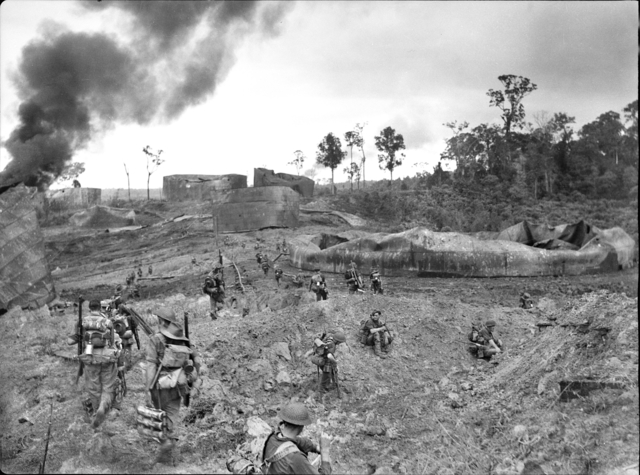
Australian troops storm ashore on the oil island of Tarakan off Borneo, the opening move of the last great Australian campaign of the war.
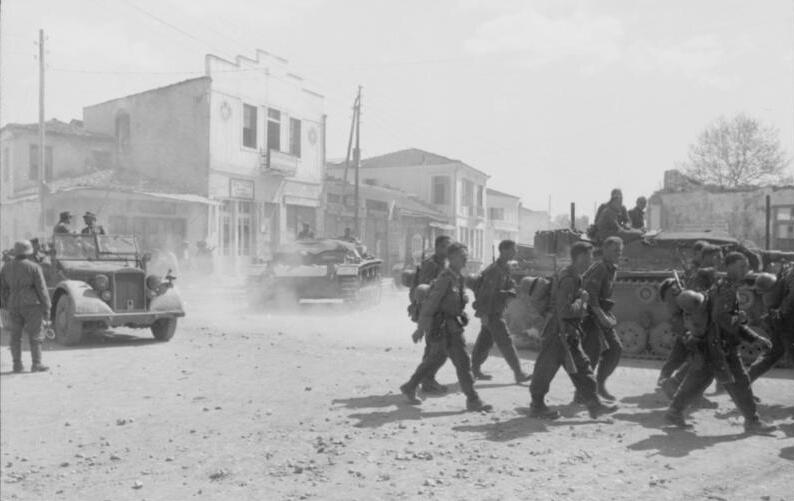
German motorcycle troops ride into the Greek capital. By the morning the swastika is flying over the Acropolis, and a long, hungry occupation has begun.
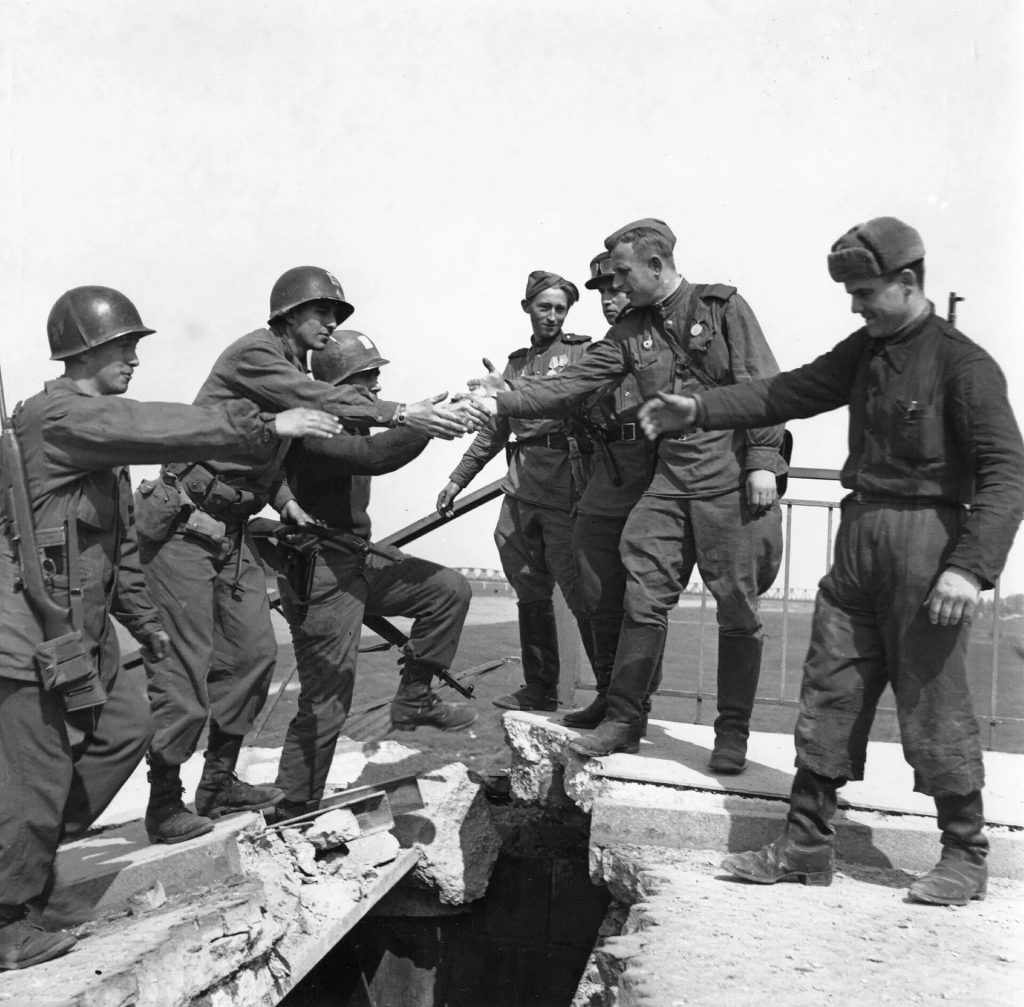
American patrols meet Soviet soldiers on the river Elbe, near Torgau. The armies from east and west have joined, and Germany is cut in two.
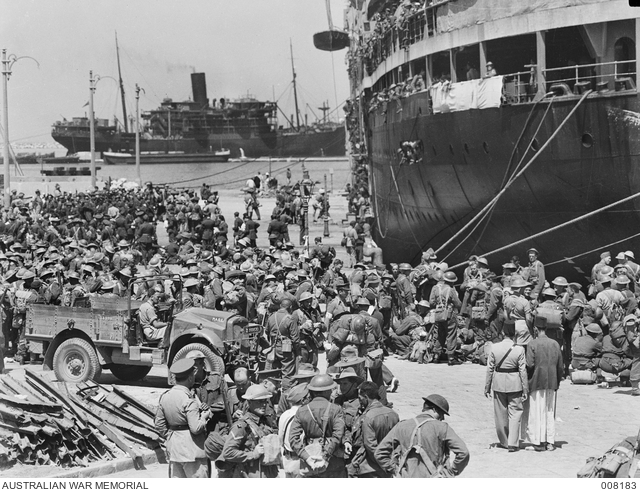
After a rearguard stand at Thermopylae, British, Australian and New Zealand troops begin to leave Greece by night from small harbours and open beaches.
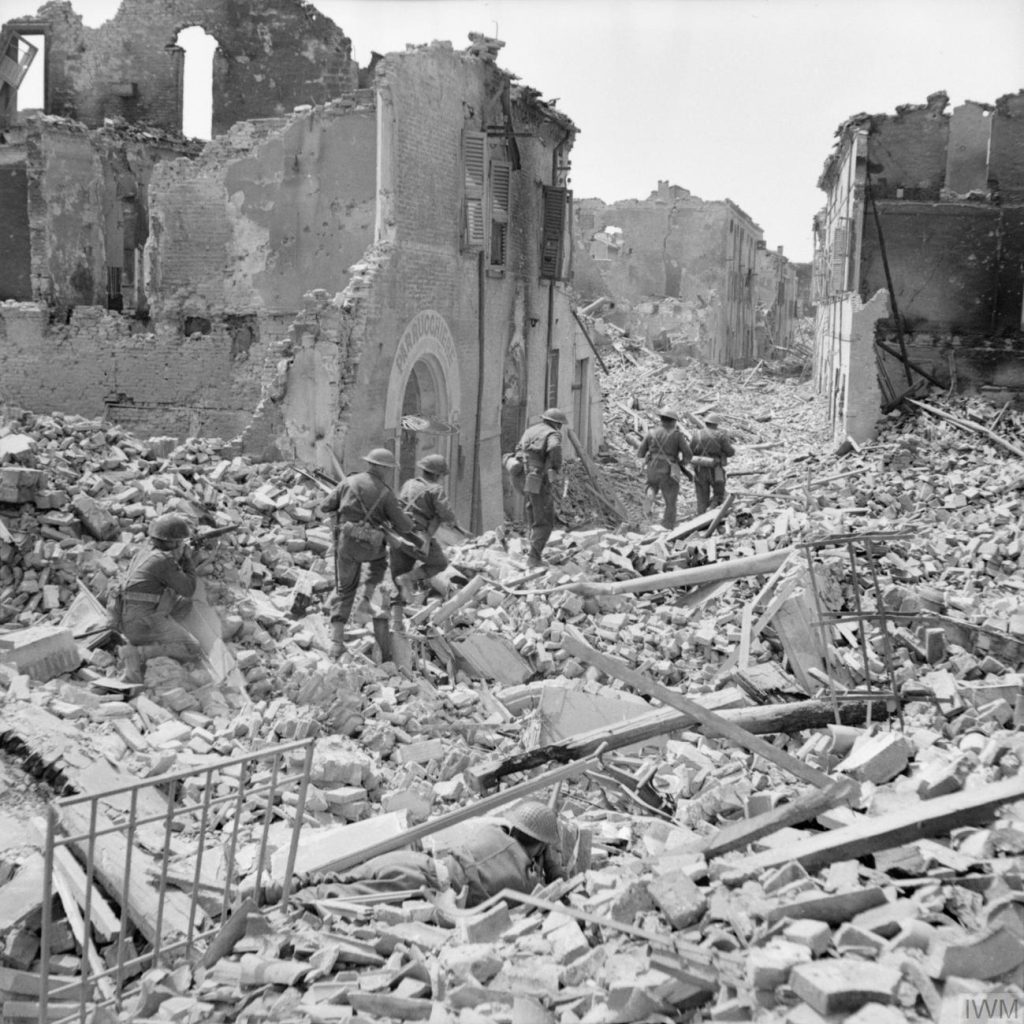
Polish troops of the Eighth Army enter Bologna from the east, with American troops close behind. The German front in Italy is collapsing.
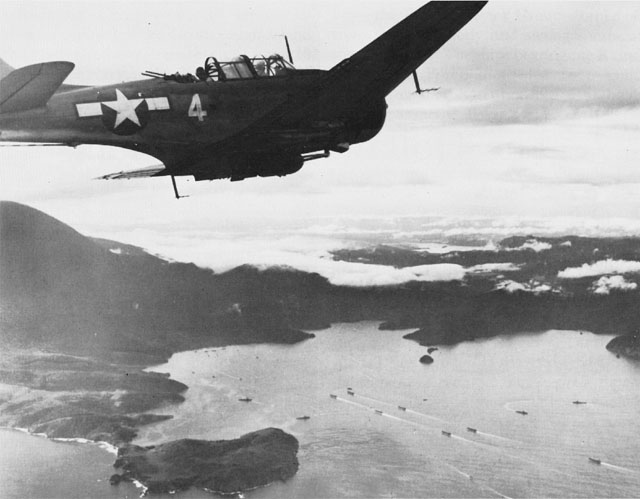
MacArthur leaps hundreds of kilometres along the New Guinea coast, landing behind a large Japanese army. The defenders at Hollandia flee into the jungle.
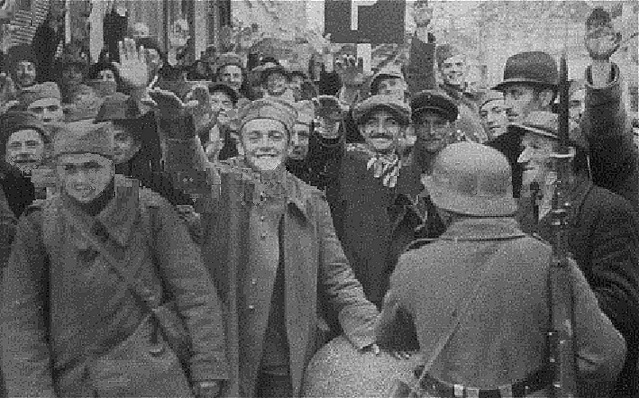
Eleven days after the invasion began, Yugoslav representatives sign an unconditional surrender in Belgrade. The country is carved up among its neighbours.
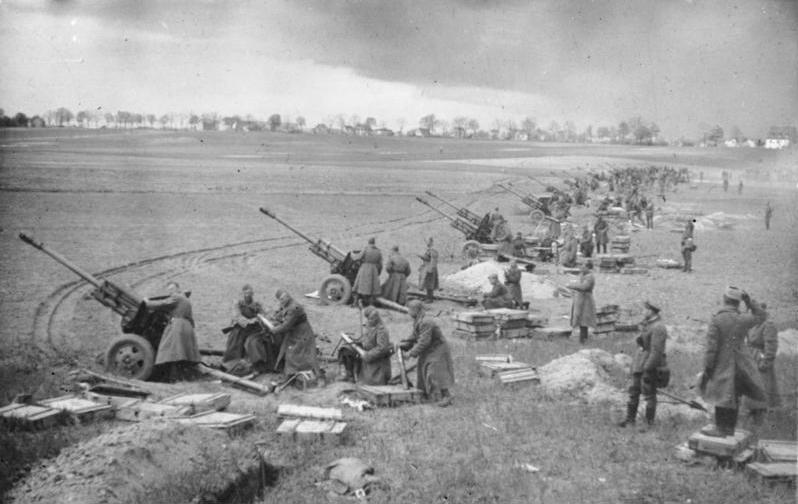
At 03:00, thousands of Soviet guns and searchlights blaze along the Oder. The final offensive on Berlin has begun, but the first obstacle is a line of hills.
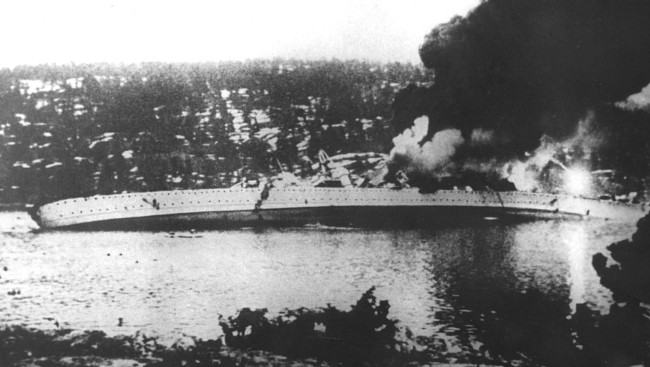
Before dawn, German forces strike Denmark and Norway at once. Denmark is occupied within hours. In Oslofjord, an old fortress sinks a German cruiser and buys Norway’s king time to escape.
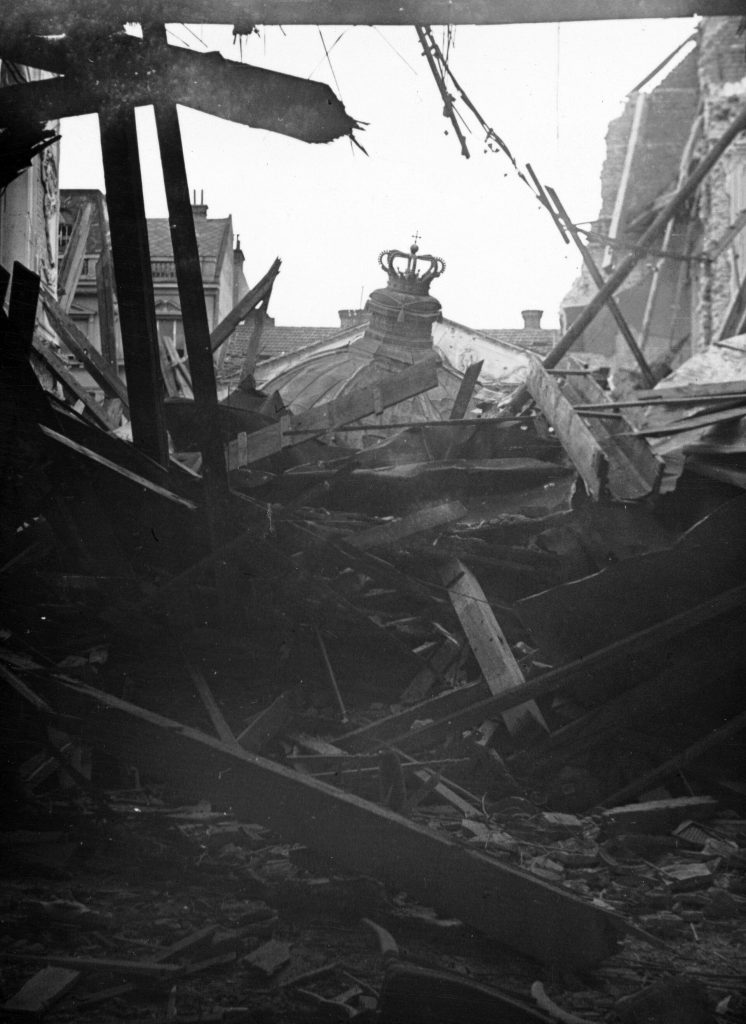
Without a declaration of war, German bombers attack Belgrade at dawn. On the same morning, German armies invade Yugoslavia and Greece.
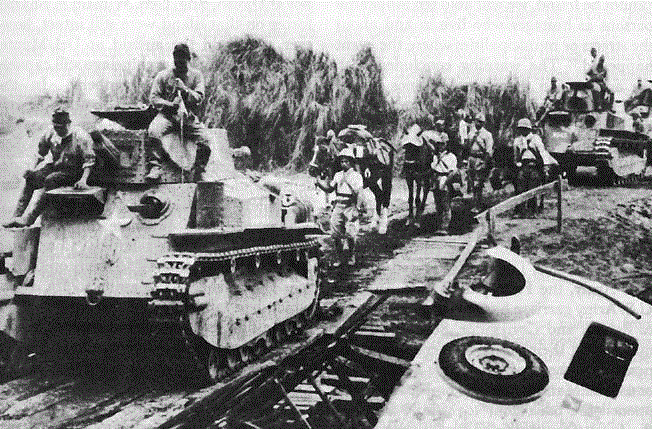
On Good Friday, Japanese artillery opens a massive bombardment on the starving defenders of Bataan. Within a week, the largest surrender in American military history follows.
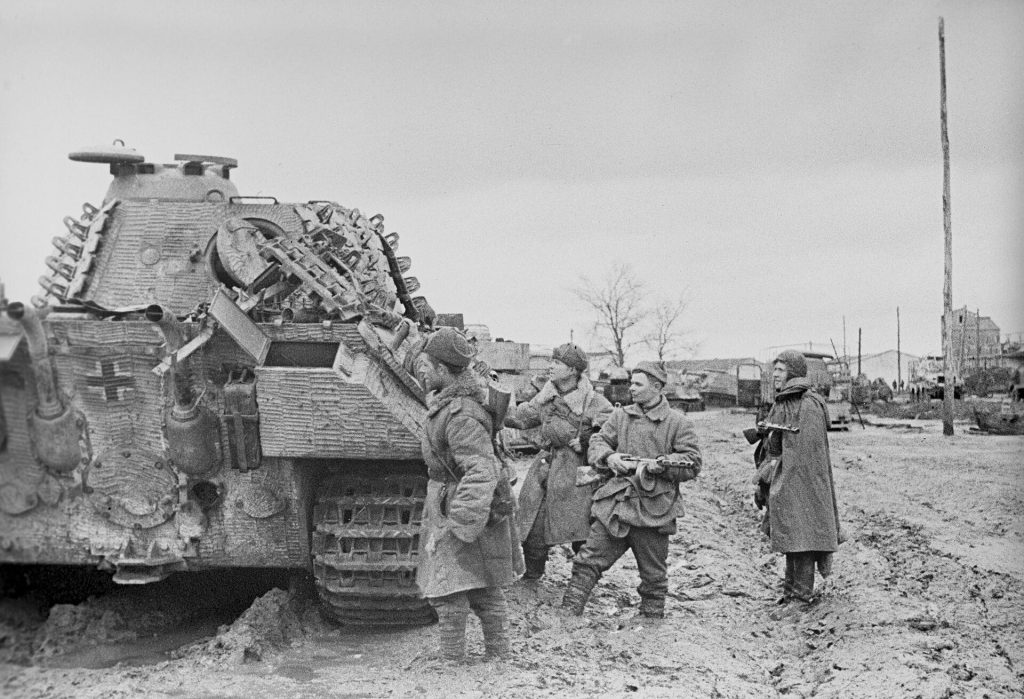
Soviet forces cross the Prut river into Romania. In Moscow, Molotov declares that the Soviet Union has no wish to take Romanian territory or change its social order.
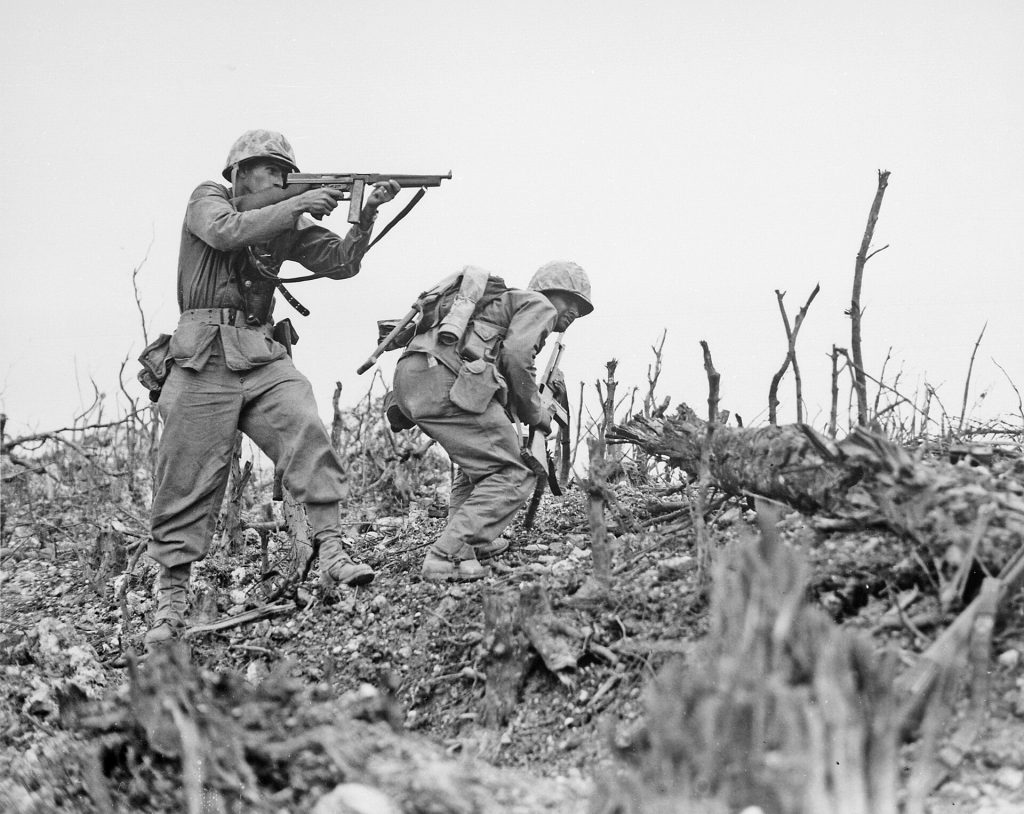
On Easter Sunday, the largest amphibious assault of the Pacific war lands on Okinawa almost unopposed. The Japanese are waiting in the south.
 United Kingdom
 United States
 Soviet Union
 Germany
 Japan
 France
 Poland
 South Africa