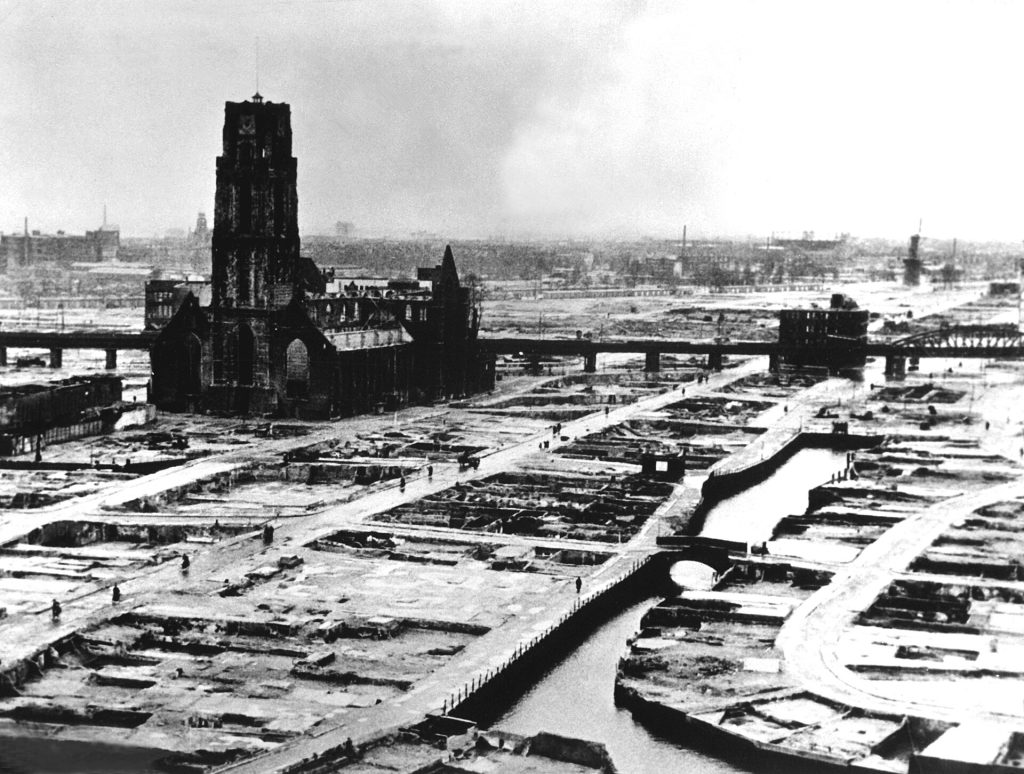
14 May 1940: The Rotterdam Blitz
While surrender talks are under way, German bombers devastate the centre of Rotterdam. Threatened with the same fate for other cities, the Netherlands gives up.
From the invasion of the Low Countries and France to D-Day and the drive into Germany.
While surrender talks are under way, German bombers devastate the centre of Rotterdam. Threatened with the same fate for other cities, the Netherlands gives up.
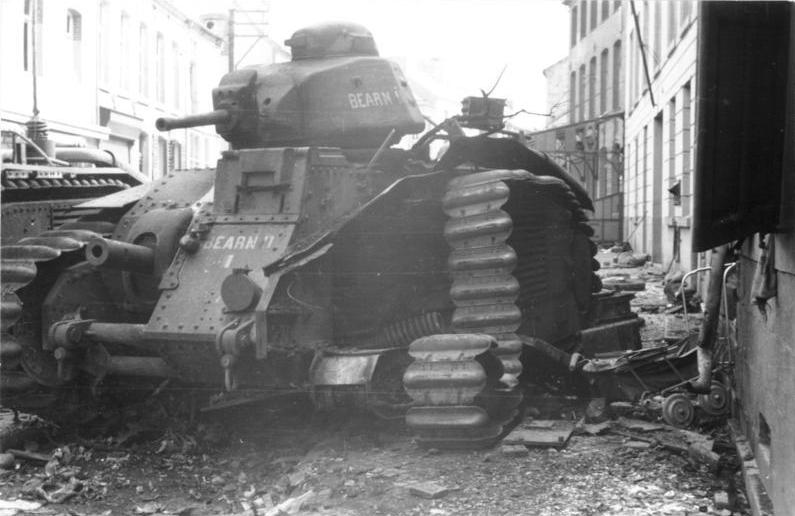
At dawn, German forces invade the Netherlands, Belgium and Luxembourg. By evening, Neville Chamberlain has resigned and Winston Churchill is Prime Minister.
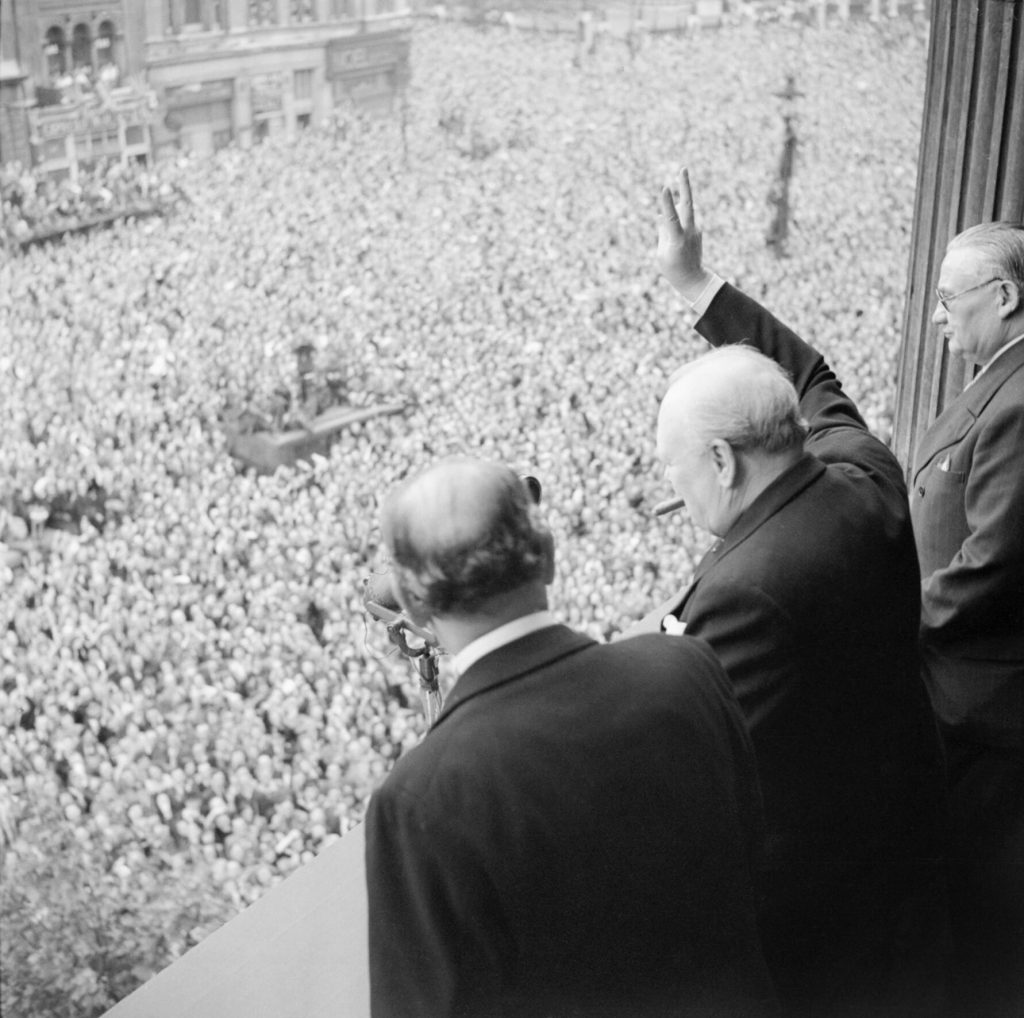
Victory in Europe. Crowds pour into the streets of London, Paris, New York and cities across the Allied world. After nearly six years, the war against Germany is over.
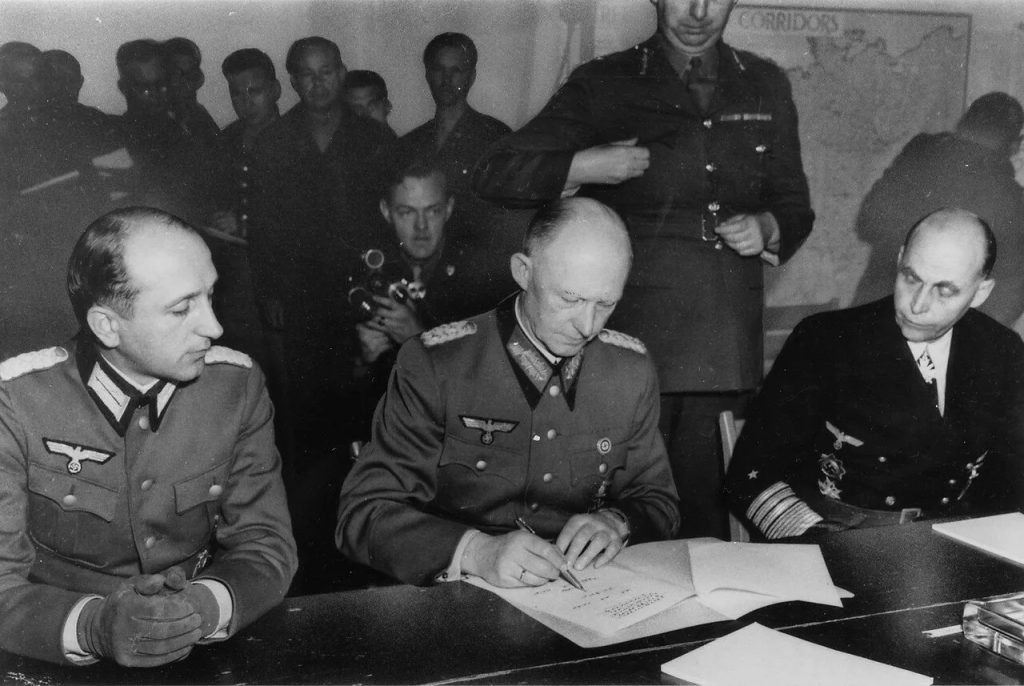
In the small hours, in a schoolhouse in Reims serving as Eisenhower’s headquarters, General Alfred Jodl signs Germany’s unconditional surrender.
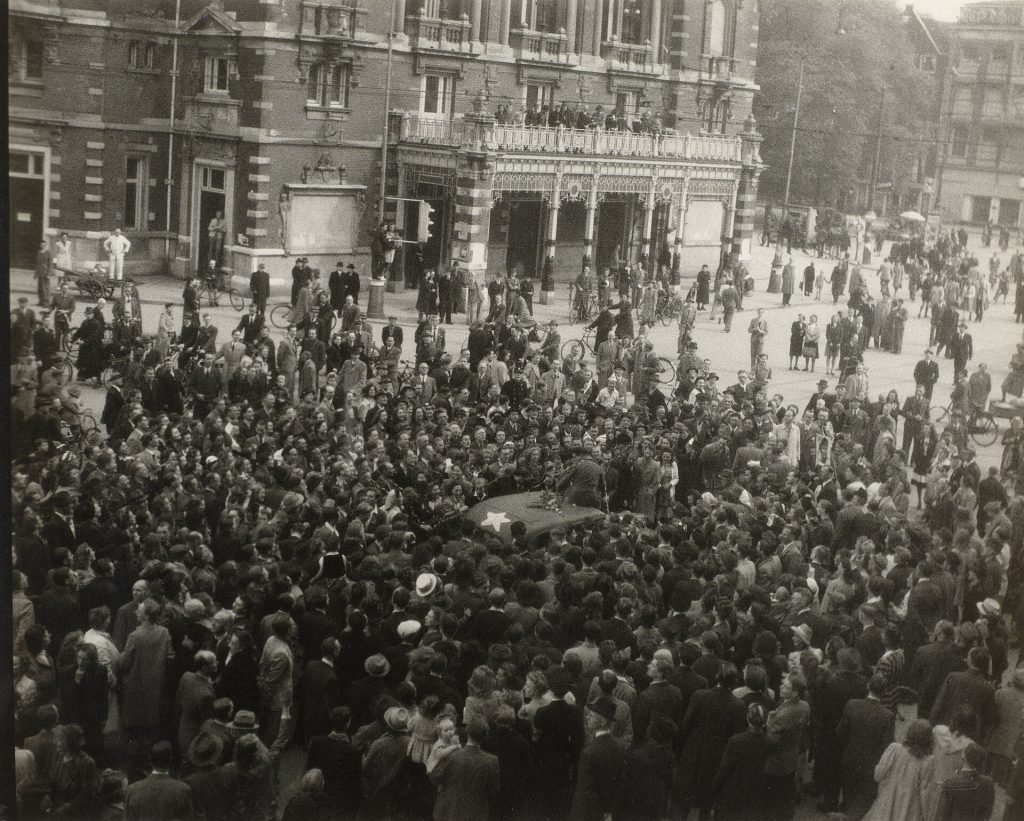
At a hotel in Wageningen, the German commander in the Netherlands meets the Canadian general facing him to arrange the surrender. After five years of occupation and a winter of famine, the Dutch are free.
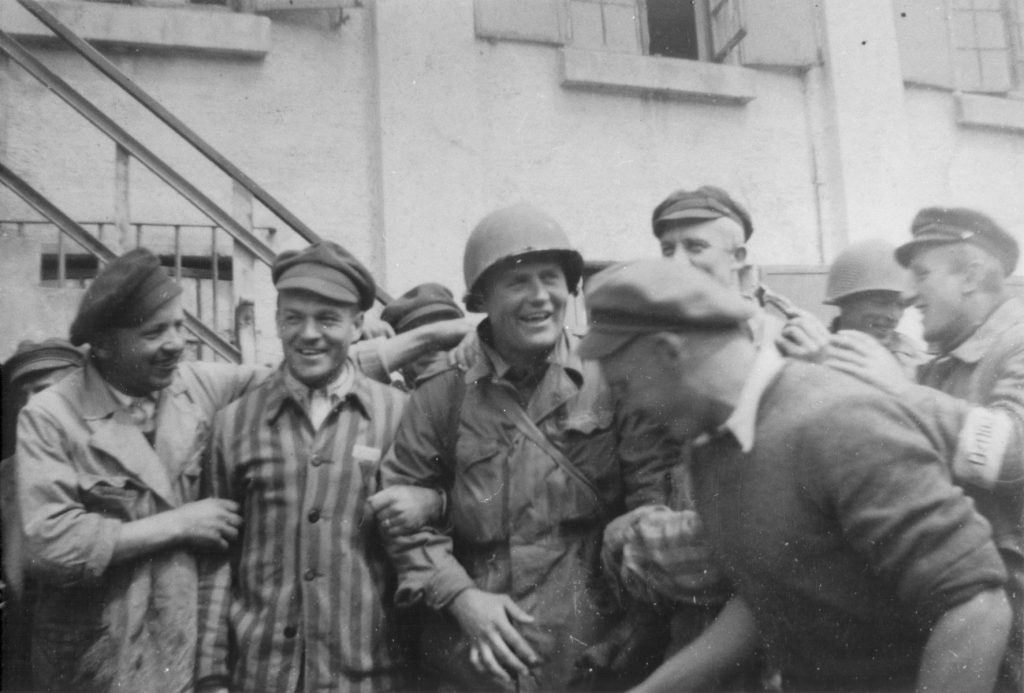
American soldiers reach Dachau, the first concentration camp set up by the Nazis. Outside its gates they find a train filled with dead prisoners; inside, around 30,000 survivors.
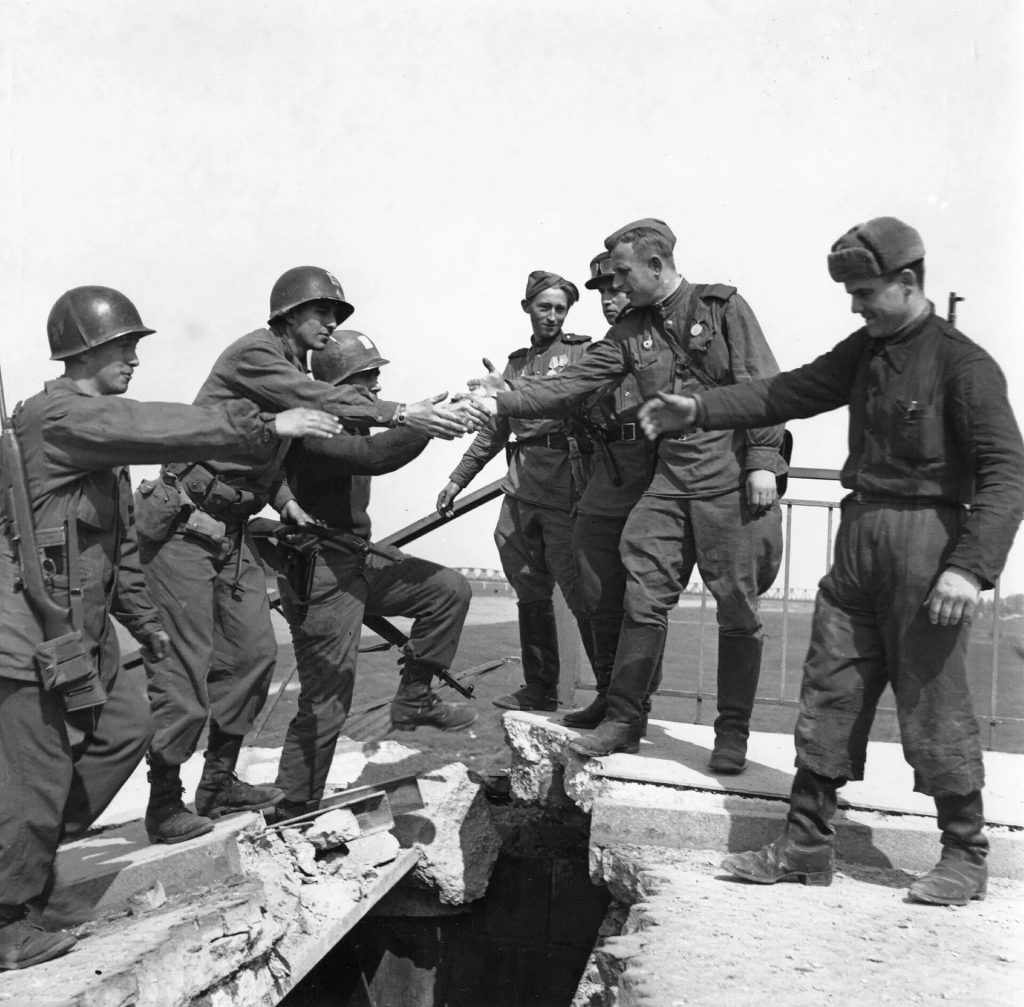
American patrols meet Soviet soldiers on the river Elbe, near Torgau. The armies from east and west have joined, and Germany is cut in two.
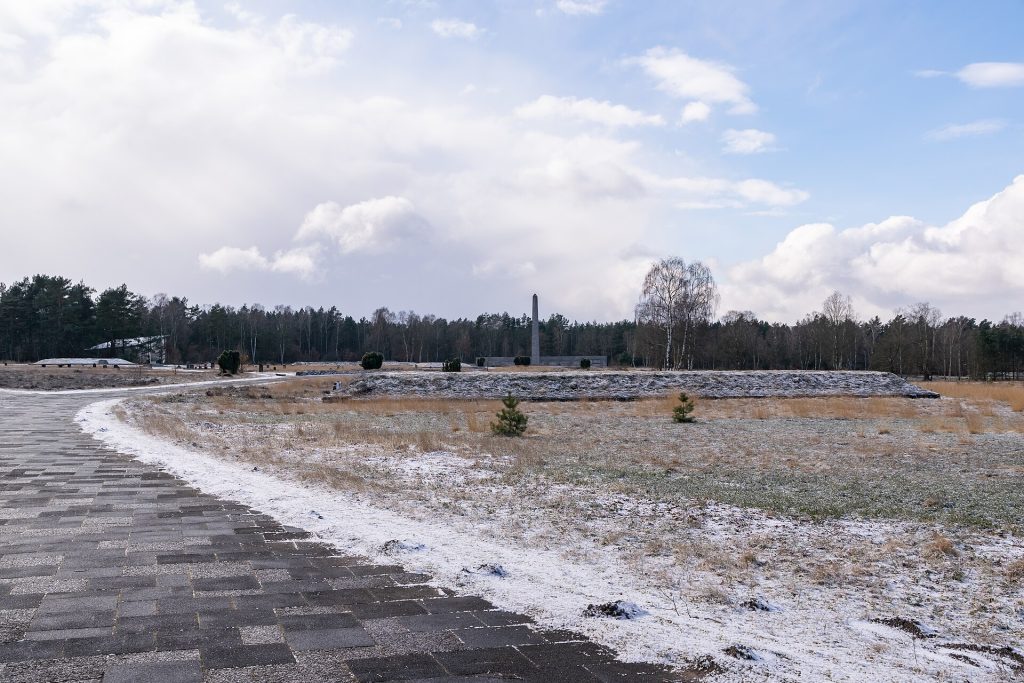
Under a local truce, British troops enter Bergen-Belsen. They find around 60,000 prisoners, many dying of typhus and starvation, and thousands of unburied dead.
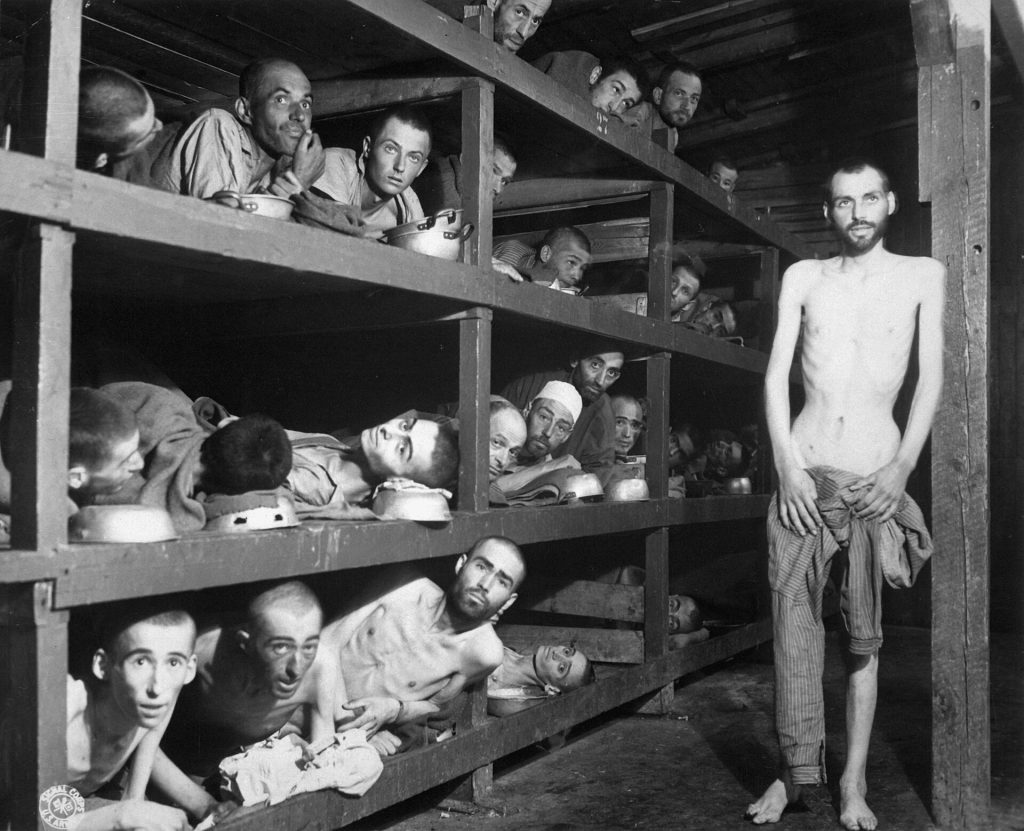
As the SS guards flee, prisoners take control of Buchenwald. That afternoon, American tanks arrive. More than 20,000 people are still alive inside.
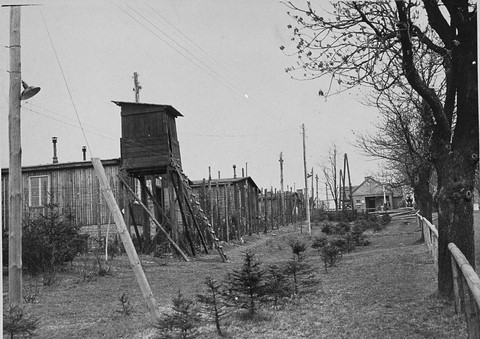
American troops enter a camp outside the town of Ohrdruf in Thuringia. It is the first Nazi camp to be liberated by the US Army.
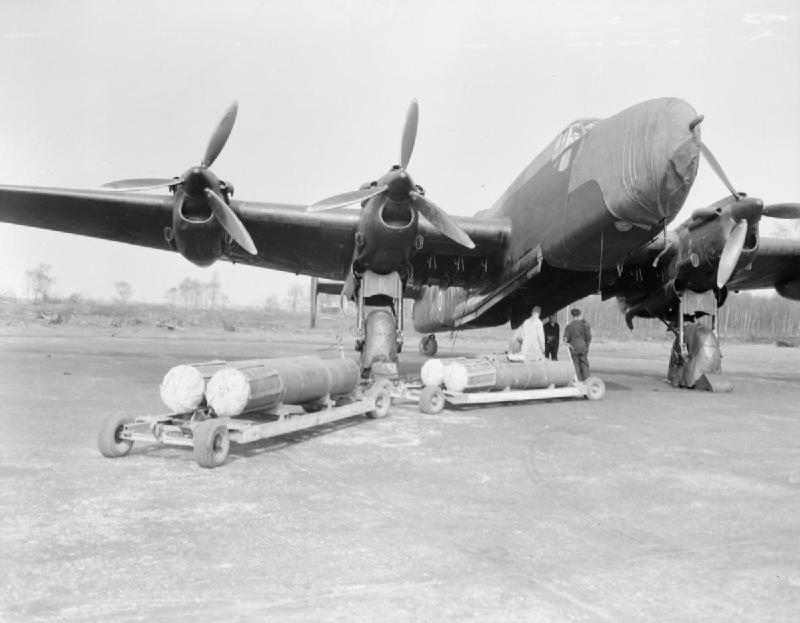
Under a bright moon and without the expected cloud, RAF Bomber Command flies a long, straight route into Germany. German night fighters are waiting.
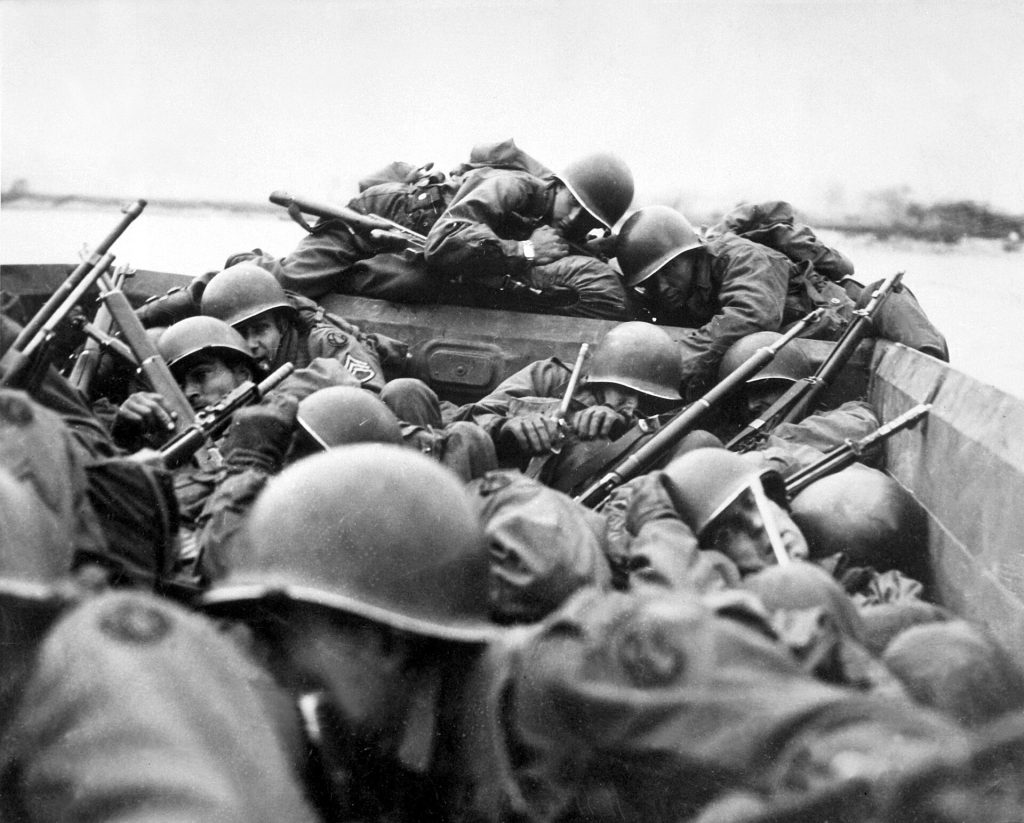
After a thunderous bombardment, Montgomery’s 21st Army Group crosses the Rhine on a broad front at night. The next morning two airborne divisions land on the far bank.
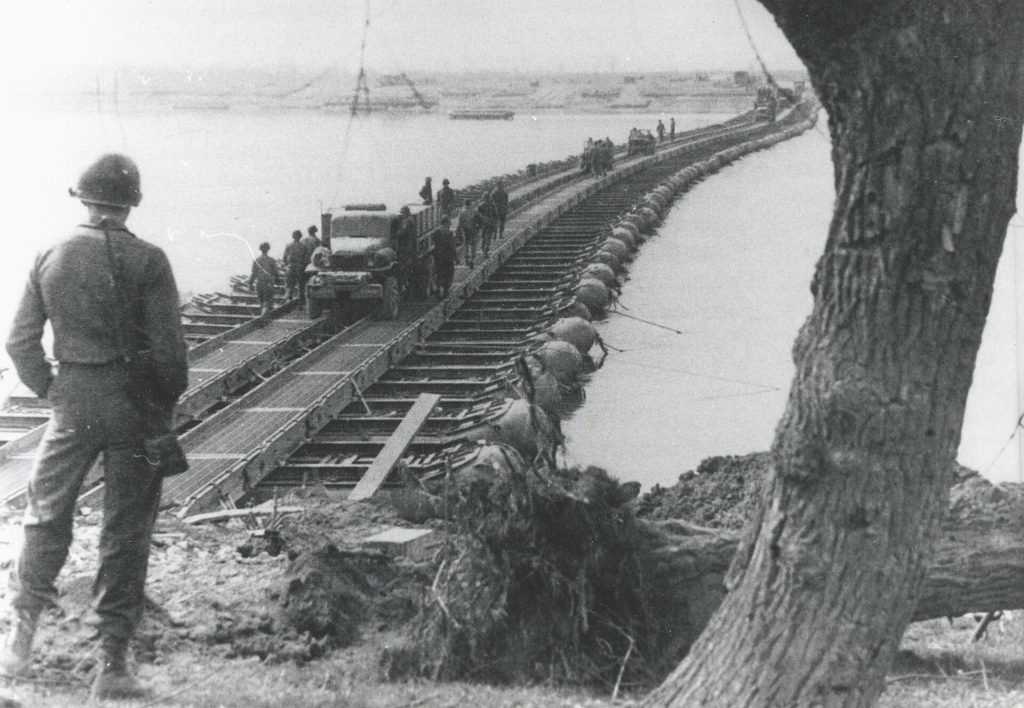
Without a bombardment or an announcement, Patton’s infantry quietly paddle across the Rhine at night. They beat Montgomery’s carefully prepared crossing by a day.
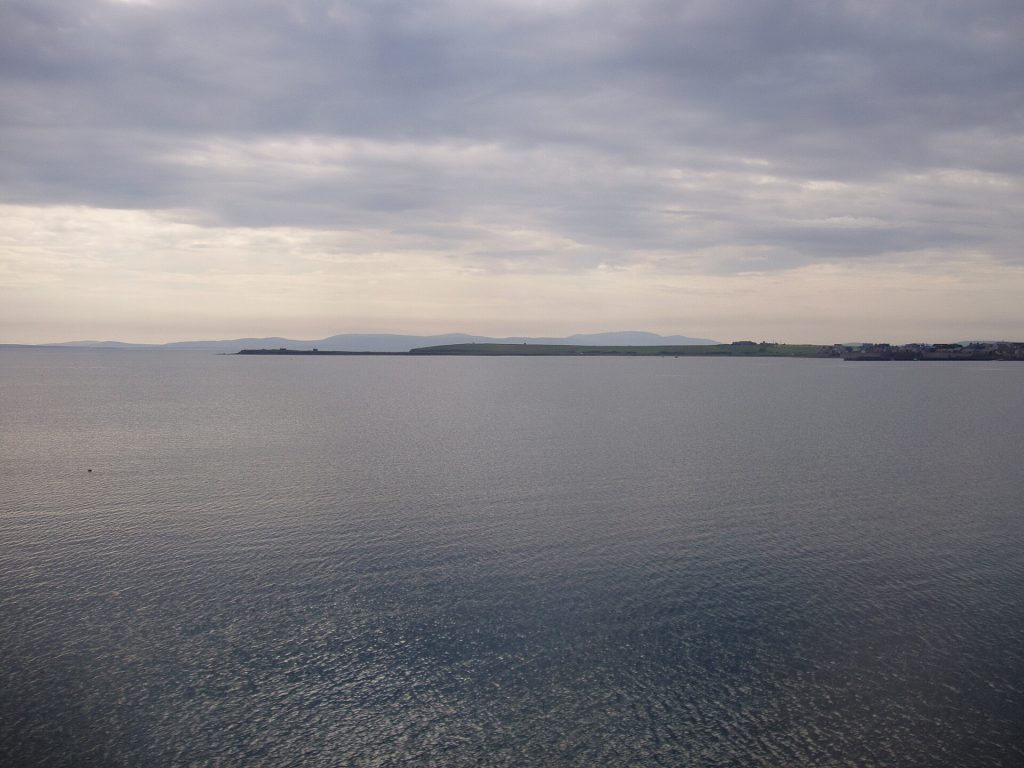
German bombers attack the naval base at Scapa Flow. Bombs fall on the Orkney village of Bridge of Waith, and a 27-year-old man becomes the first British civilian killed by bombing in the war.
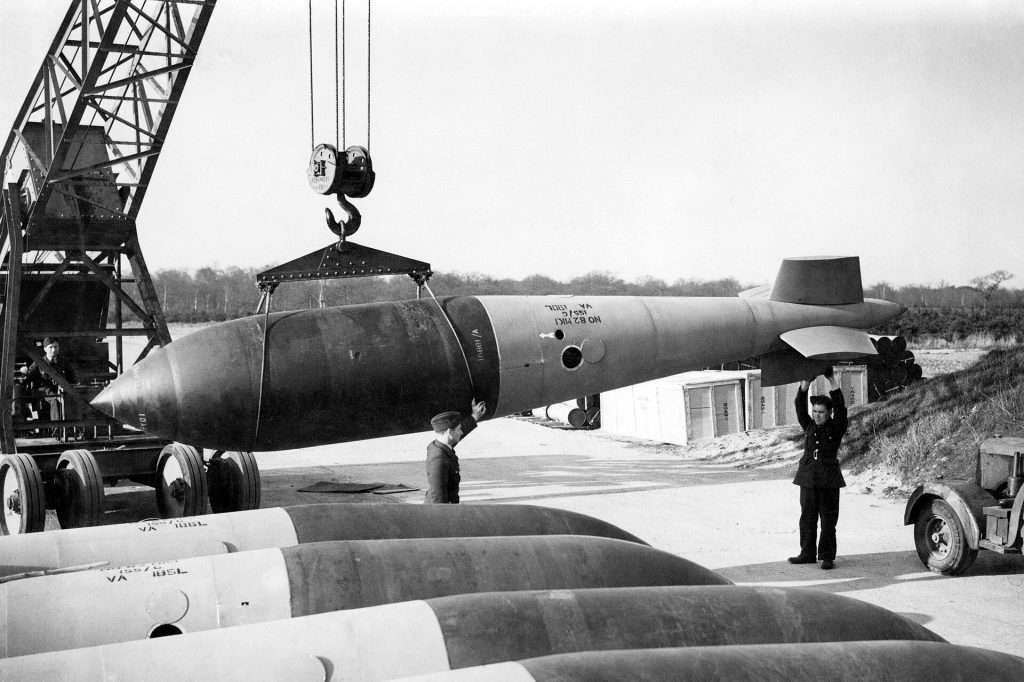
A single Lancaster of 617 Squadron drops a ten-tonne bomb near the Bielefeld railway viaduct. The earthquake it causes brings down several spans.
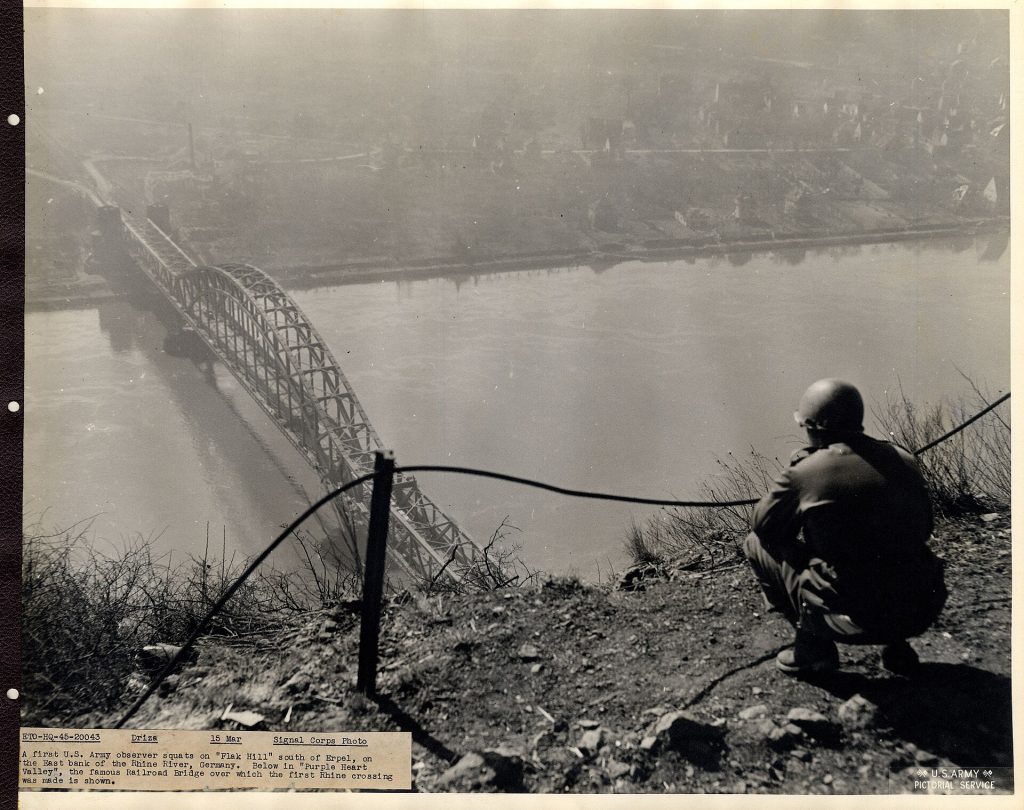
American tanks and infantry reach the Rhine at Remagen and find a railway bridge still standing. A German demolition charge fails, and the first Allied troops cross the river.
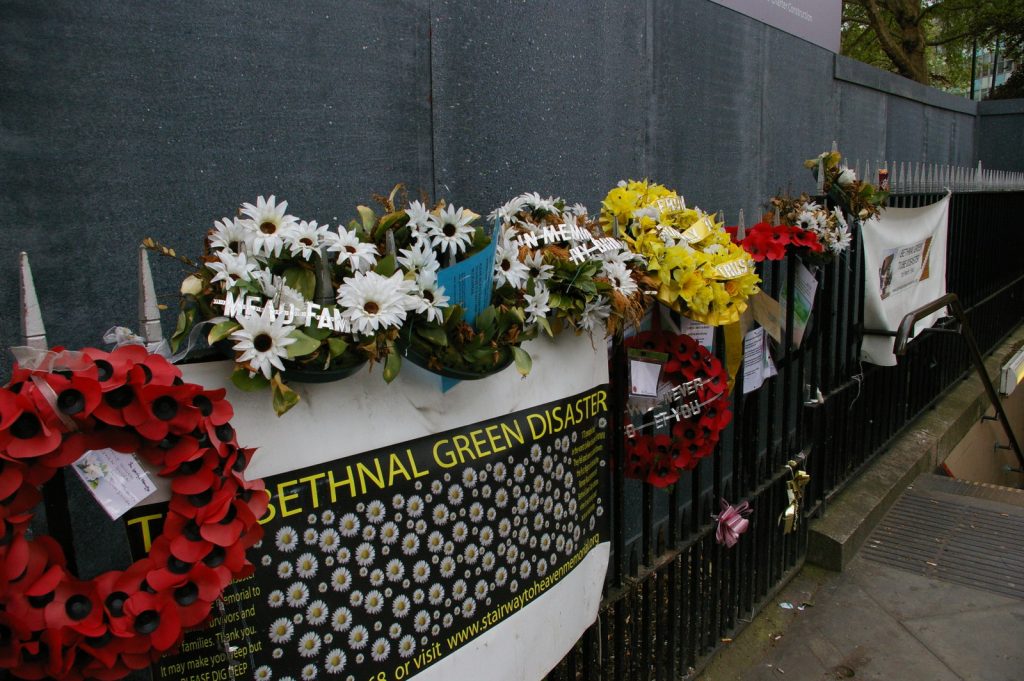
As the air-raid sirens sound in east London, a crowd hurries into an unfinished Underground station. In the dark stairwell, a fall becomes a fatal crush.
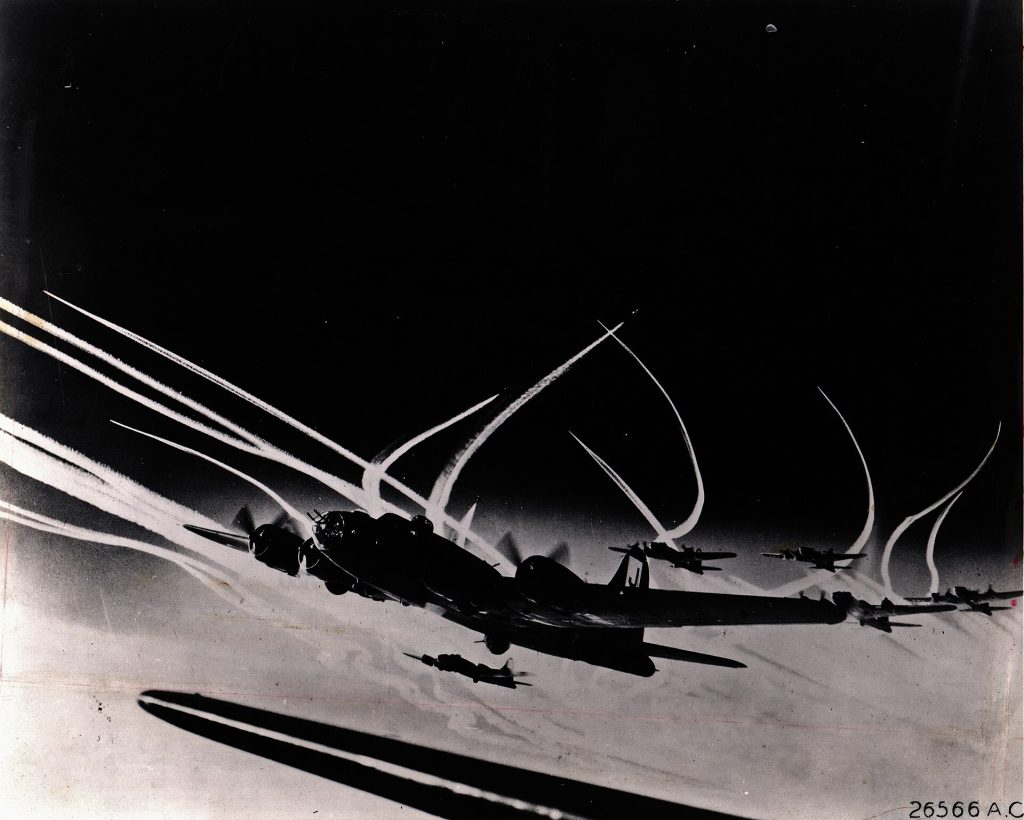
With a break in the winter weather, the Allied air forces launch a week of massed attacks on the German aircraft industry. The real target is the Luftwaffe itself.
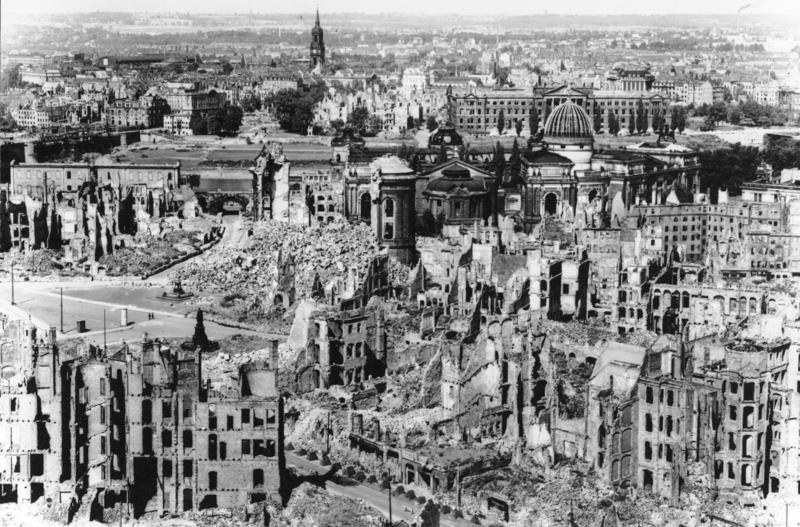
RAF bombers attack the baroque city of Dresden in two waves by night, followed by American raids by day. The firestorm that follows becomes one of the most debated acts of the war.
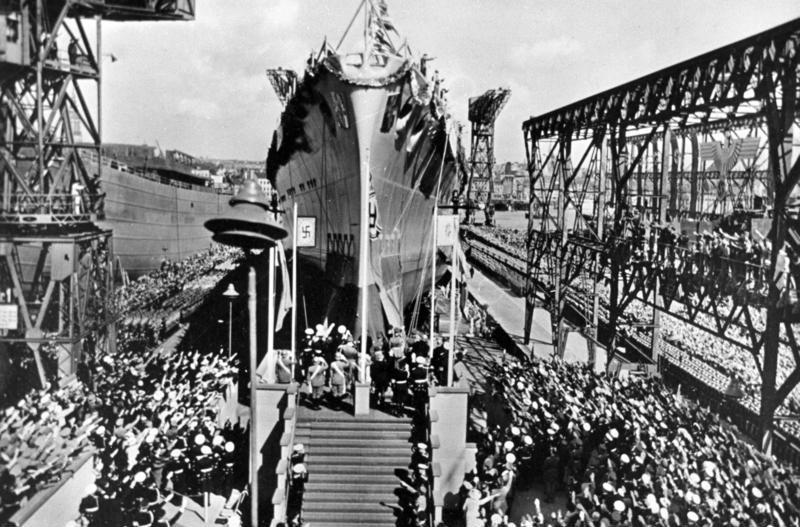
Two German battleships and a heavy cruiser sail from Brest and run straight up the English Channel in broad daylight. The British are slow to react.
 United Kingdom
 United States
 Soviet Union
 Germany
 Japan
 France
 Poland
 South Africa