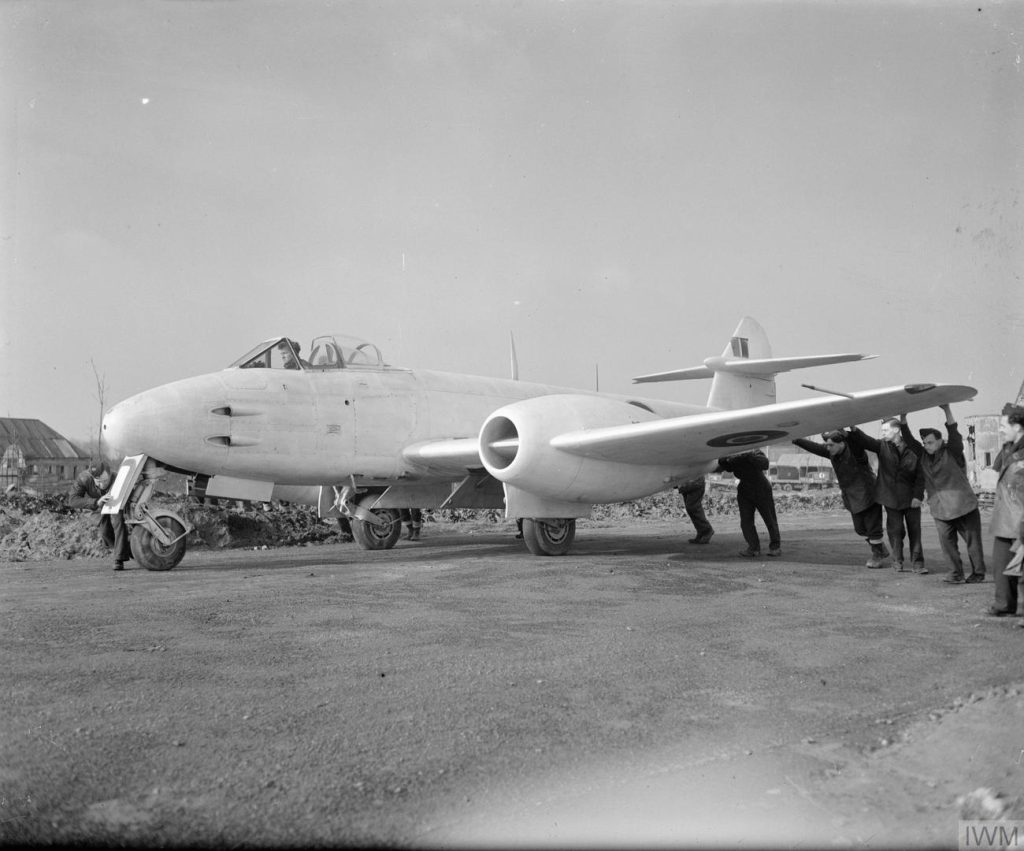
27 July 1944: The Meteor Goes to War
No. 616 Squadron flies the RAF’s first operational jet sorties, hunting the V-1 flying bombs that are falling on London. The Gloster Meteor is the only Allied jet to see combat in the war.
From the invasion of the Low Countries and France to D-Day and the drive into Germany.
No. 616 Squadron flies the RAF’s first operational jet sorties, hunting the V-1 flying bombs that are falling on London. The Gloster Meteor is the only Allied jet to see combat in the war.
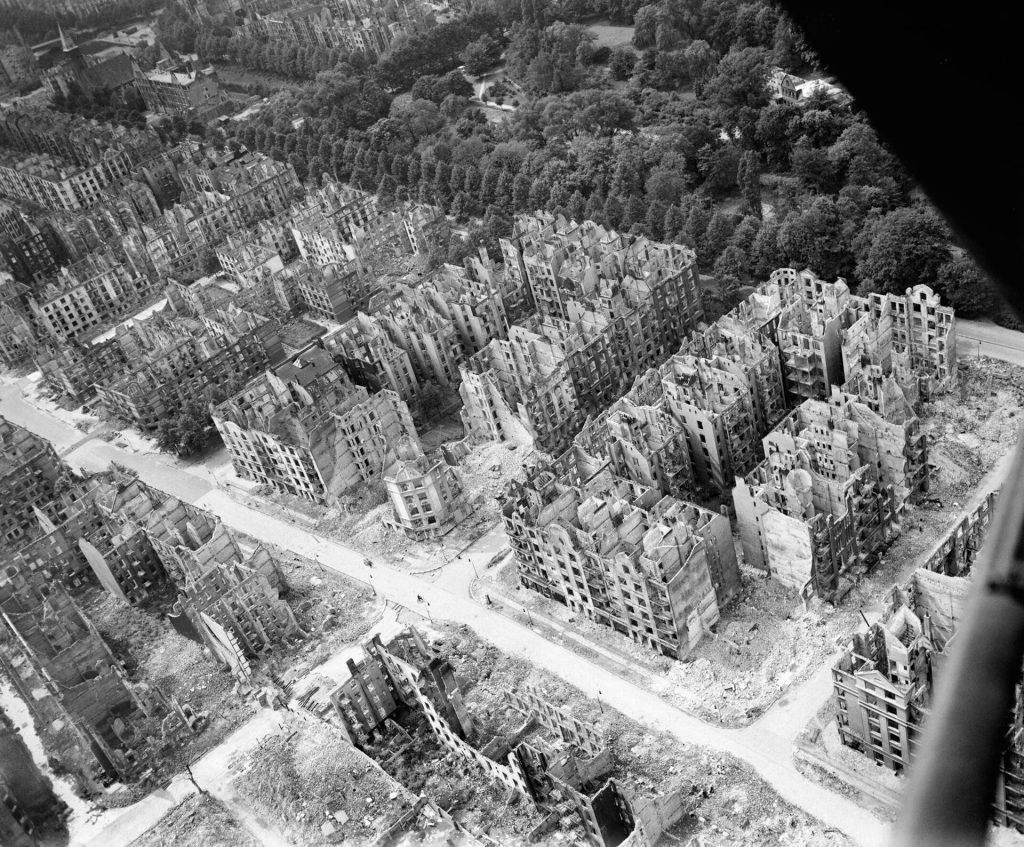
RAF Bomber Command opens a series of raids on Hamburg. Strips of foil dropped by the bombers blind the German radar. Within days, the city will burn as no city has burned before.
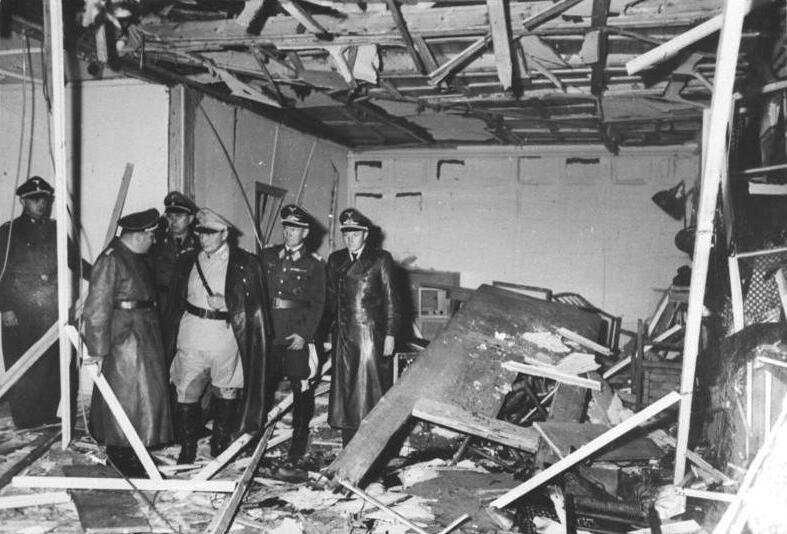
At Hitler’s headquarters in East Prussia, a bomb in a briefcase explodes beneath the conference table. Hitler survives, and the conspiracy to overthrow him collapses within hours.
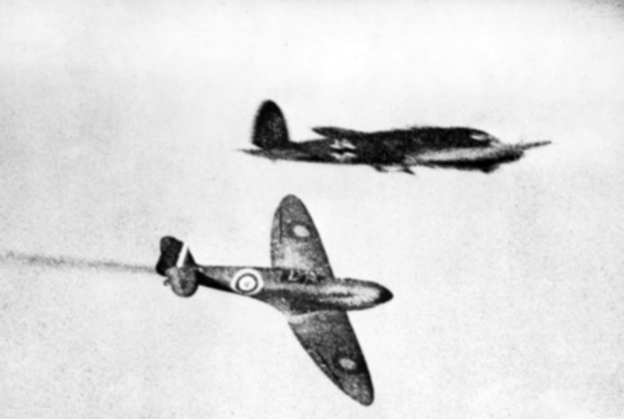
German bombers attack a convoy in the English Channel. The date will later be taken as the official start of the Battle of Britain.
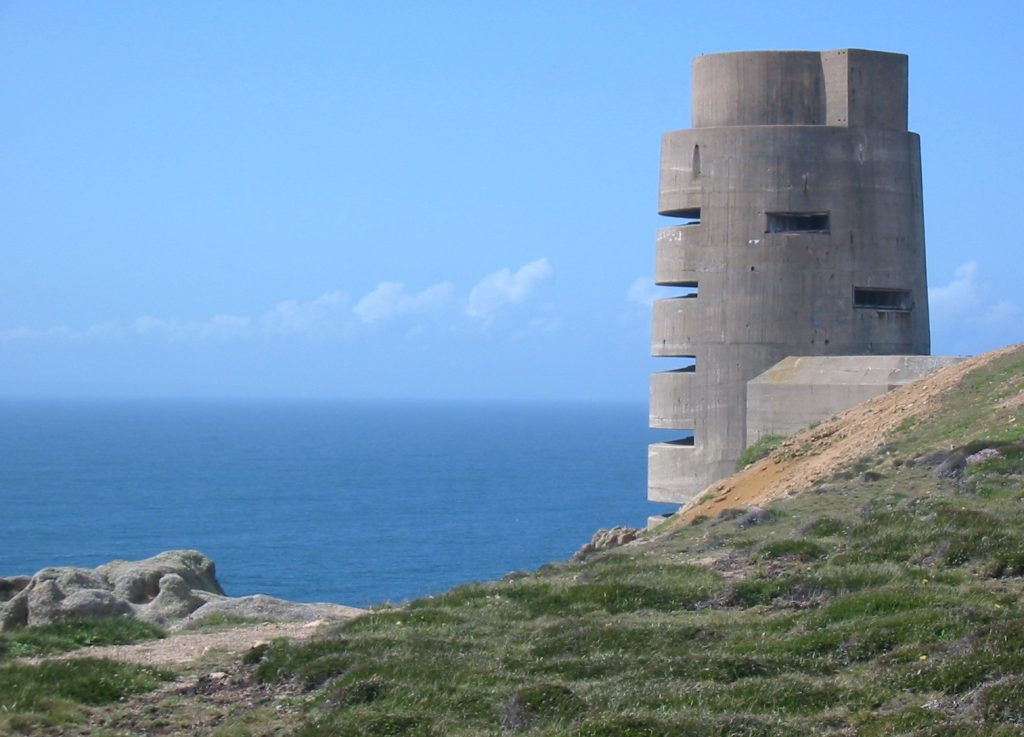
German aircraft land at Guernsey airport. Within days Jersey, Alderney and Sark are also occupied, the only part of the British Isles to fall under German rule.
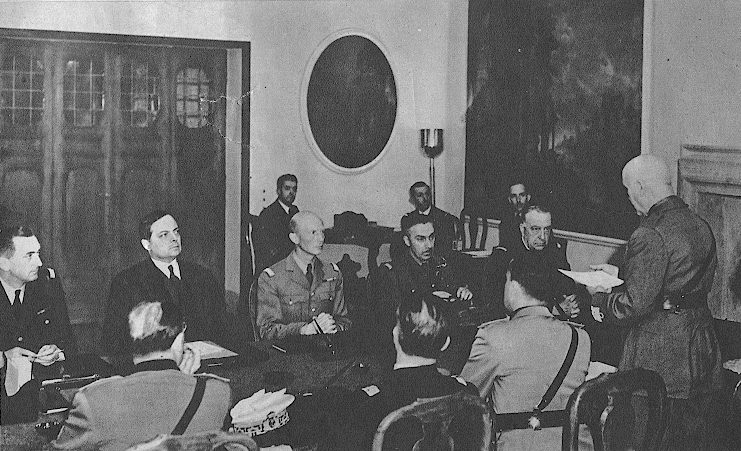
After an Alpine offensive that gained almost nothing, Italy signs an armistice with France at a villa near Rome. That night, the fighting in France ends.
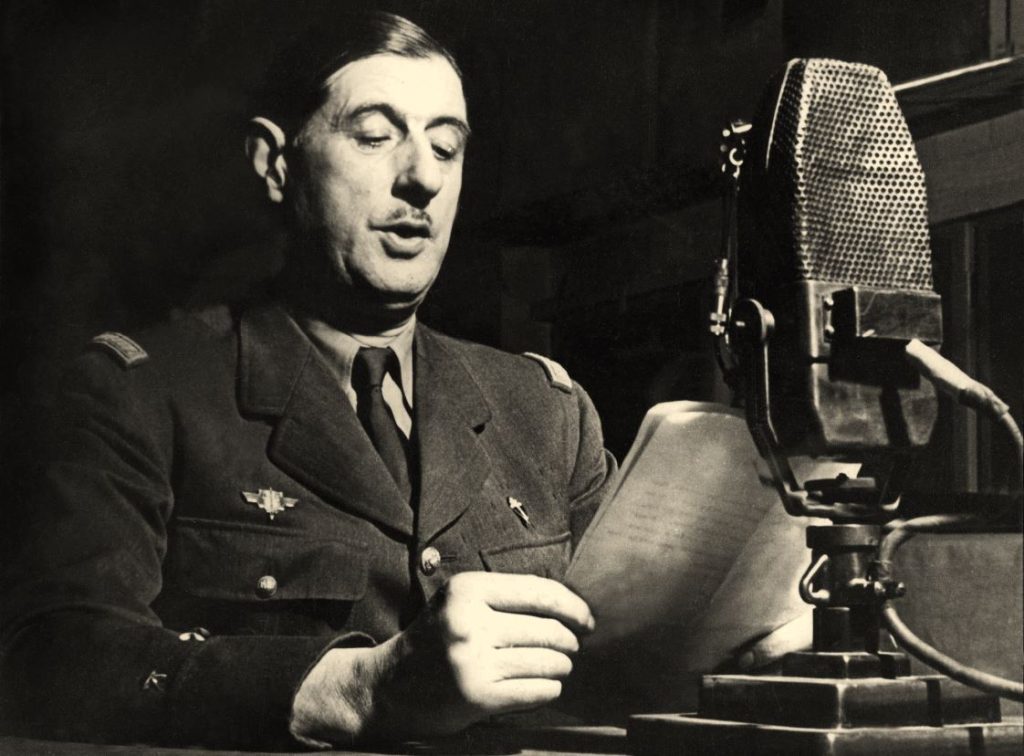
In a BBC studio in London, a little-known French general speaks to his country: France has lost a battle, but it must not give up. Few hear him. History will remember.
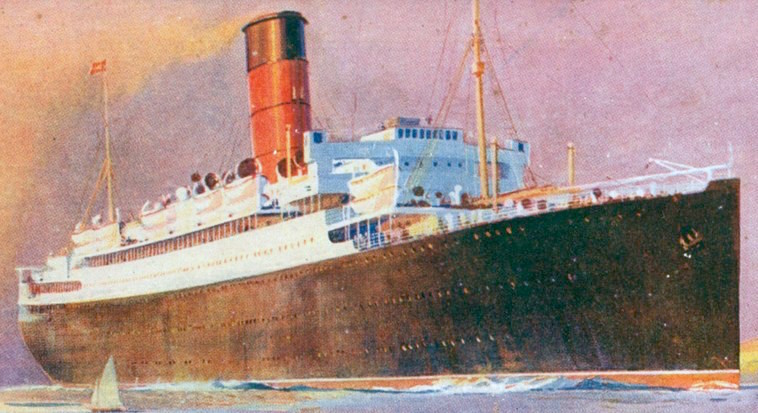
Off St Nazaire, German bombers sink a liner crammed with British troops and civilians being evacuated from France. More die than on the Titanic and the Lusitania combined.
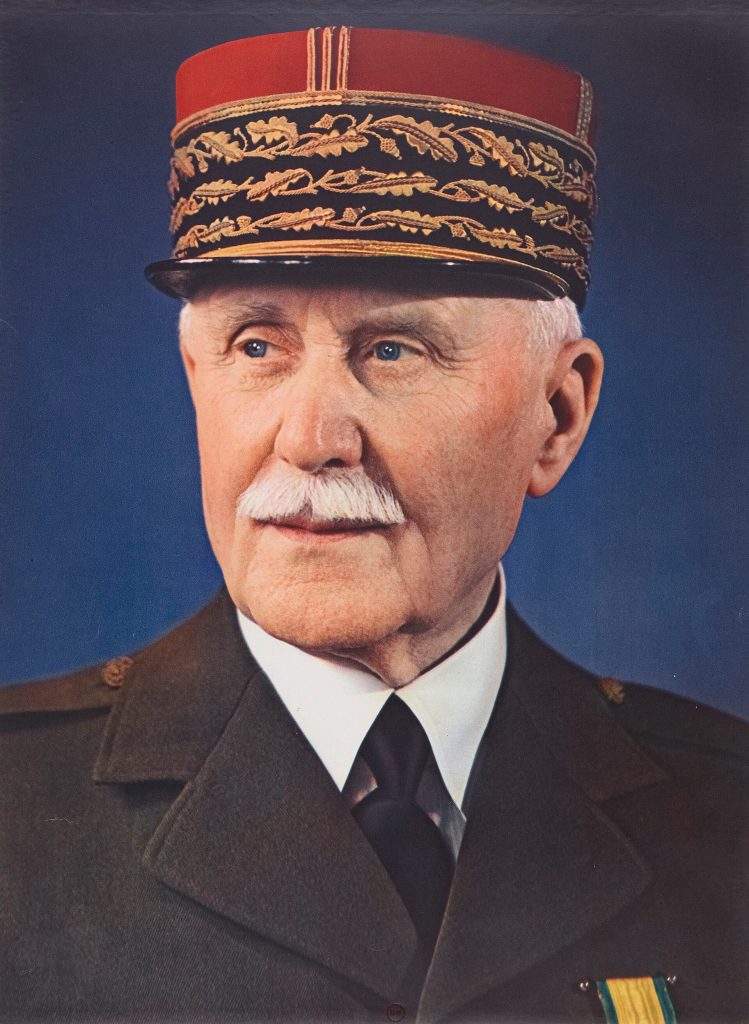
Britain offers France an extraordinary union of the two nations. The French cabinet rejects it, Paul Reynaud resigns, and 84-year-old Marshal Pétain becomes premier, determined to seek an armistice.
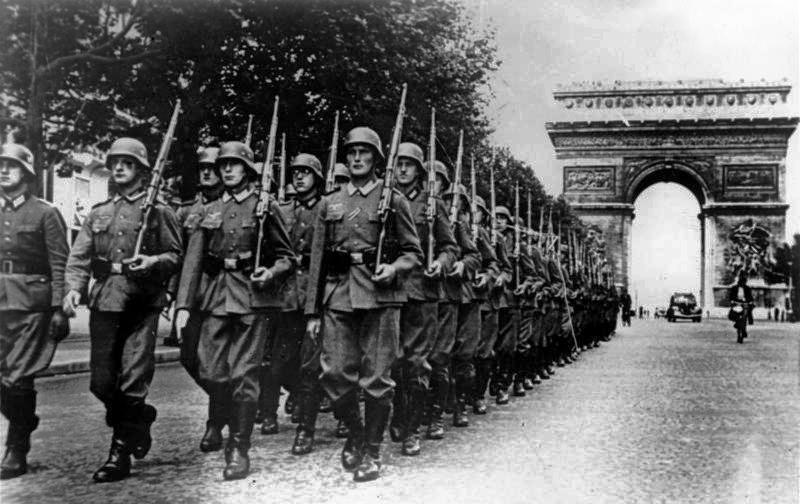
German troops march into a silent Paris, declared an open city. The swastika is raised over the Eiffel Tower and the Arc de Triomphe.
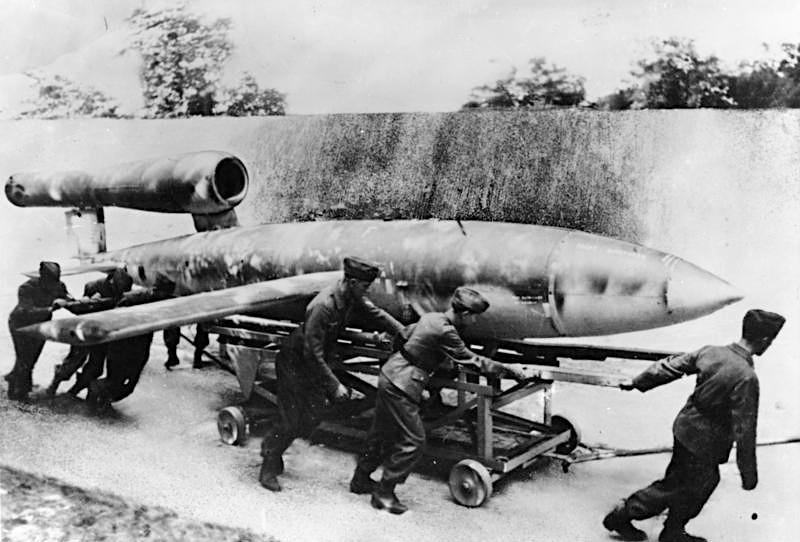
A week after D-Day, a pilotless jet-propelled bomb falls on a railway bridge in east London. Germany’s vengeance weapon campaign has begun.
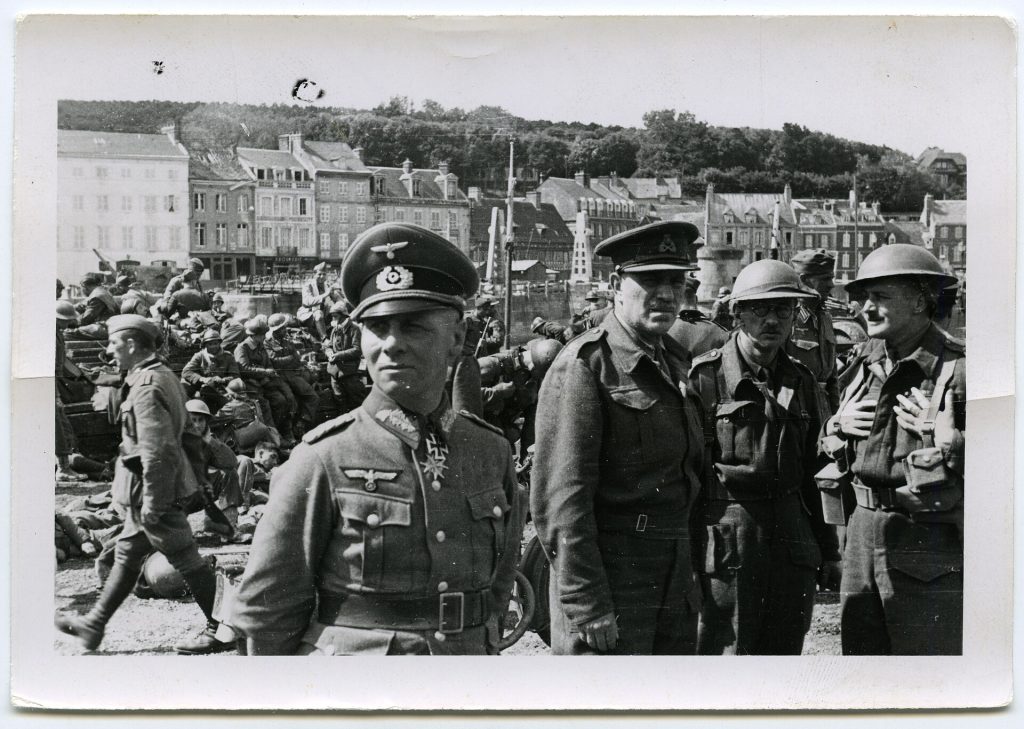
Trapped against the cliffs of Normandy with fog preventing rescue from the sea, the 51st Highland Division surrenders to Rommel.
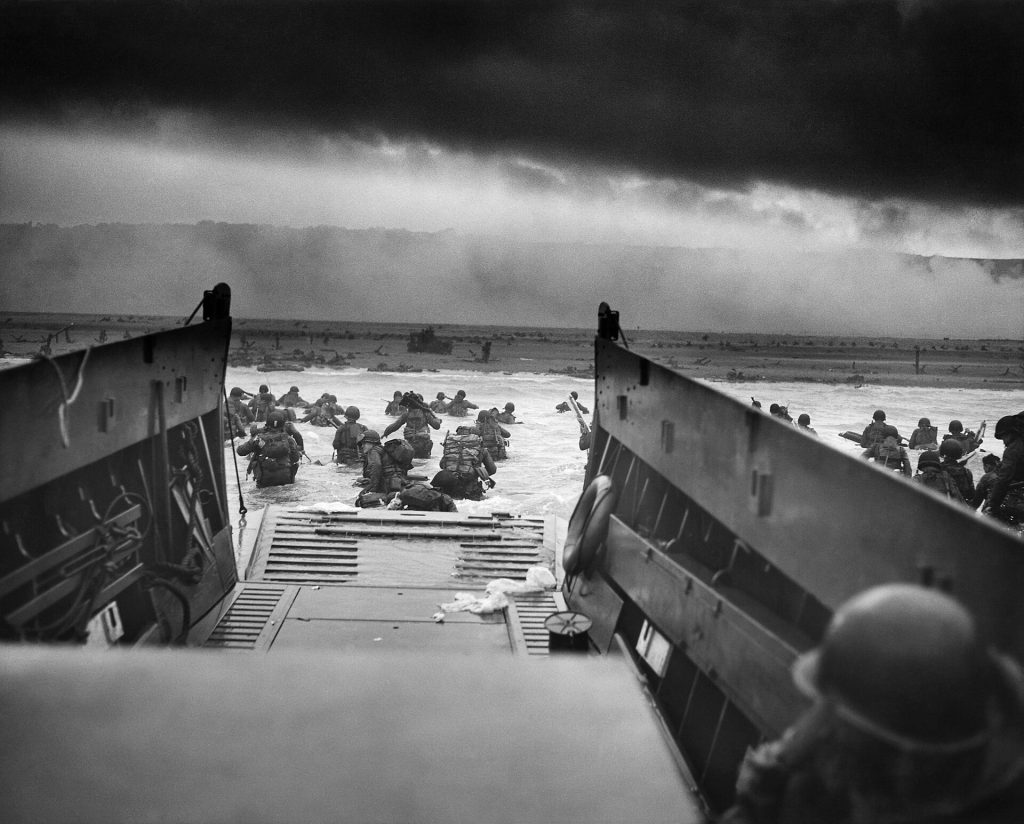
The largest seaborne invasion in history lands on the beaches of Normandy. By nightfall around 156,000 Allied troops are ashore, and the liberation of western Europe has begun.
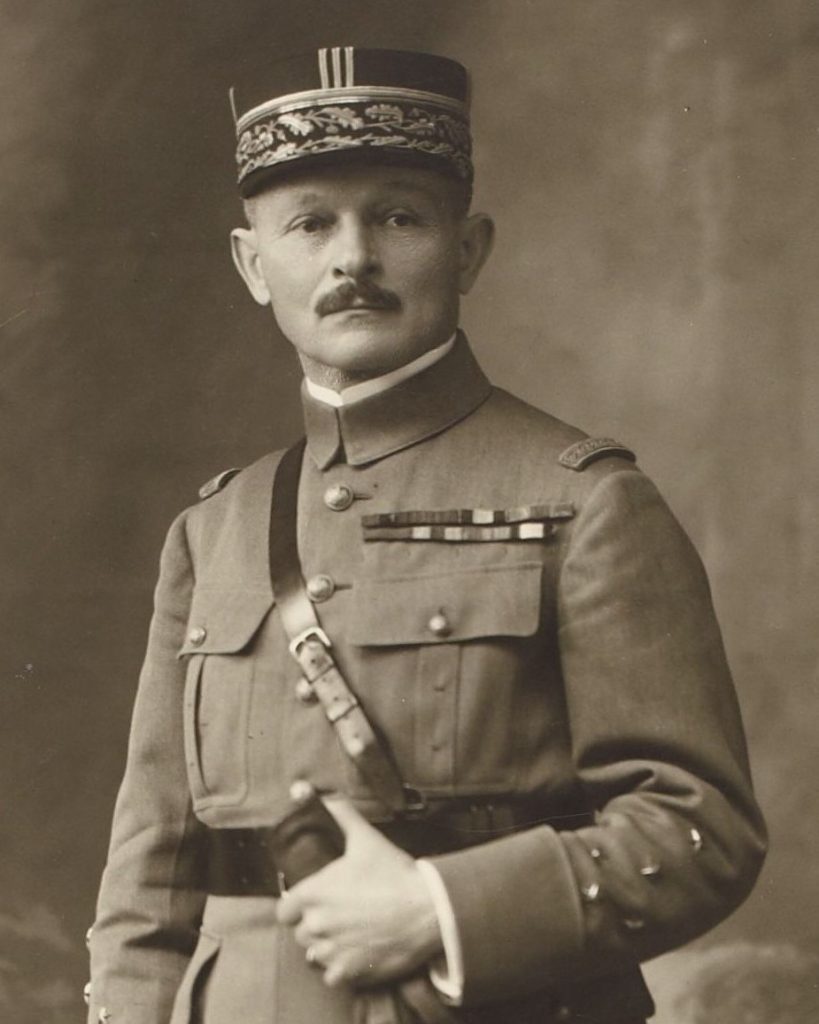
The day after Dunkirk falls, German armies attack along the Somme and the Aisne. The French fight hard behind the hastily built Weygand Line, but they cannot hold for long.
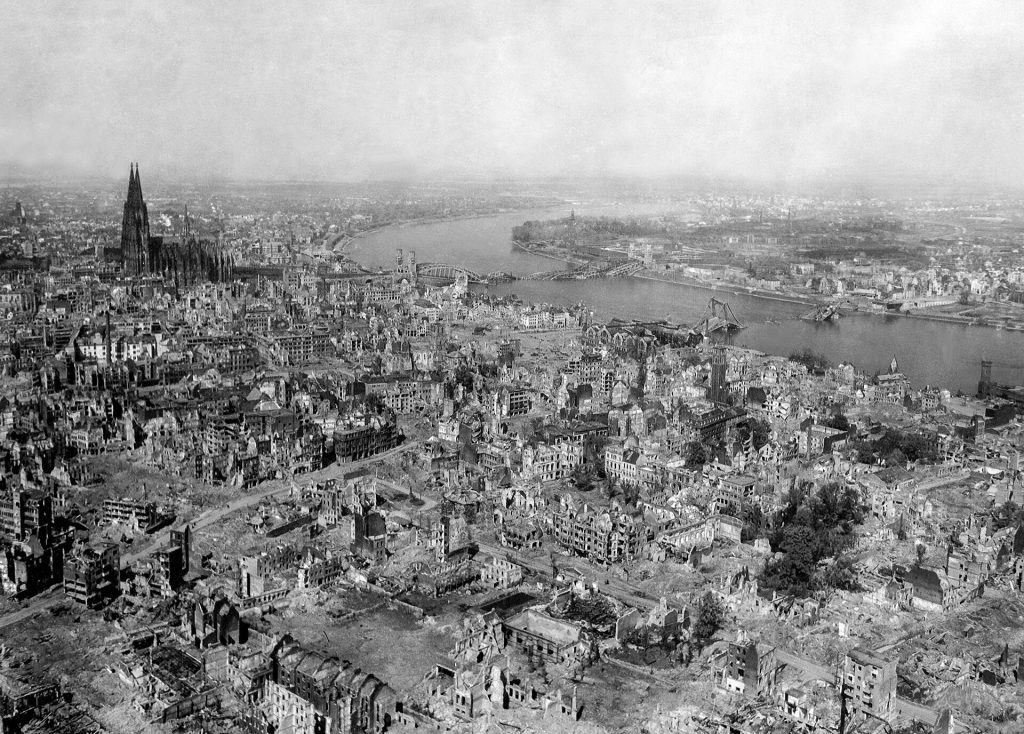
To prove what Bomber Command can do, Arthur Harris scrapes together over a thousand bombers, including training crews, and sends them against Cologne in a single night.
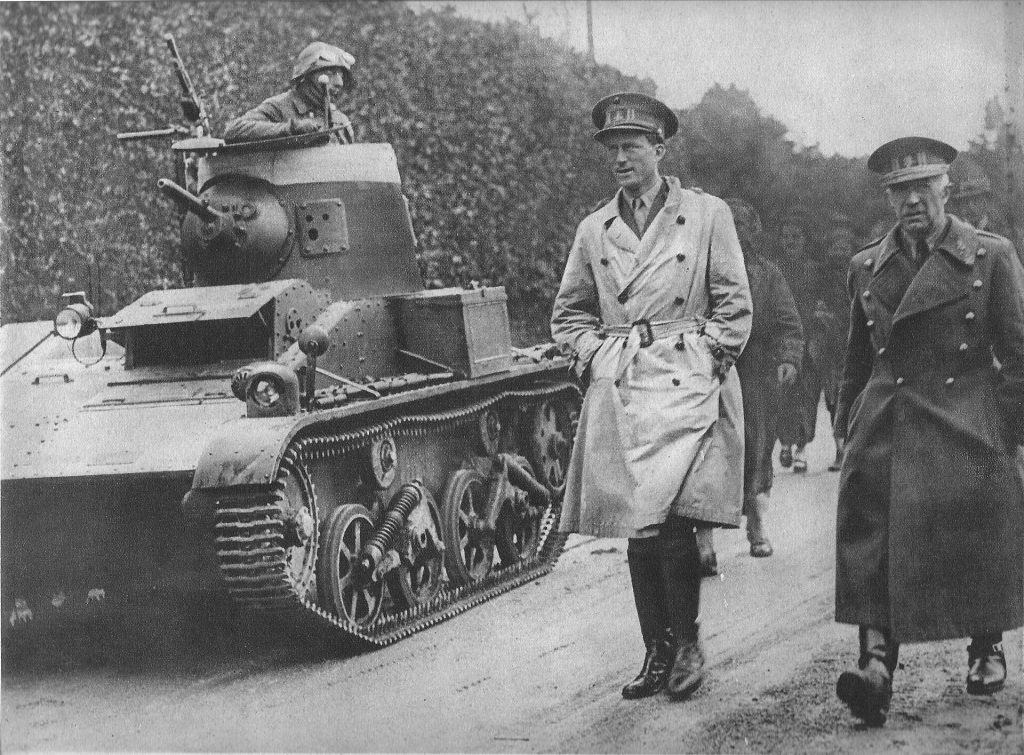
King Leopold III orders the Belgian army to lay down its arms. His government, against the decision, will carry on the war from abroad.
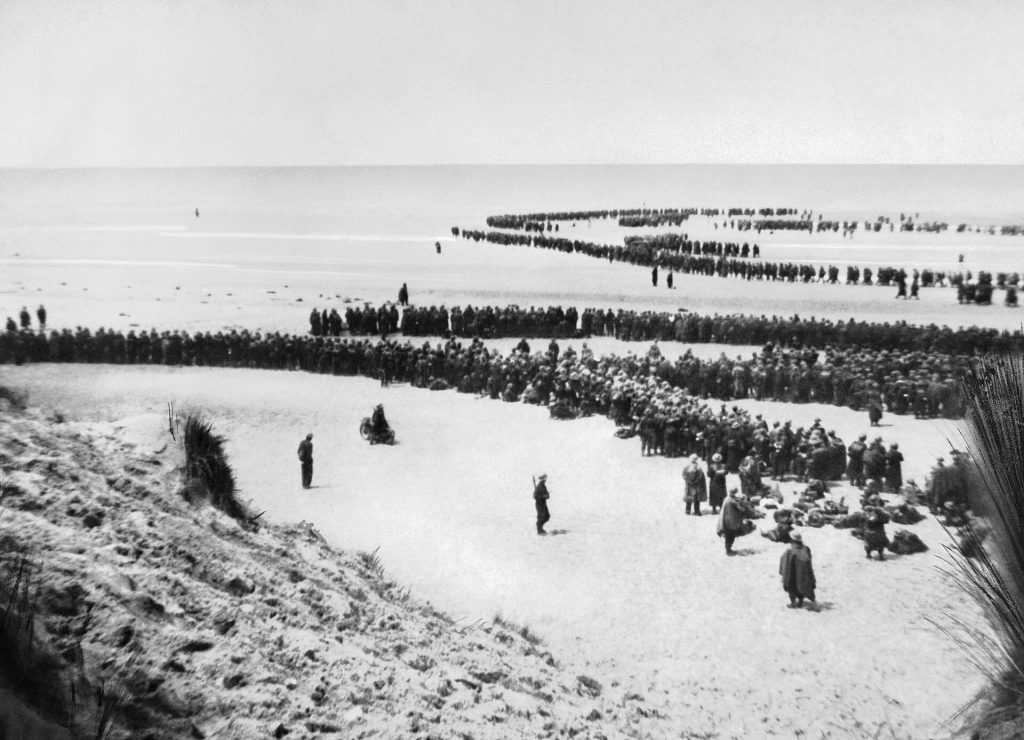
With the British army trapped against the Channel coast, the Admiralty orders the evacuation from Dunkirk to begin. Few expect more than a fraction of the men to get away.
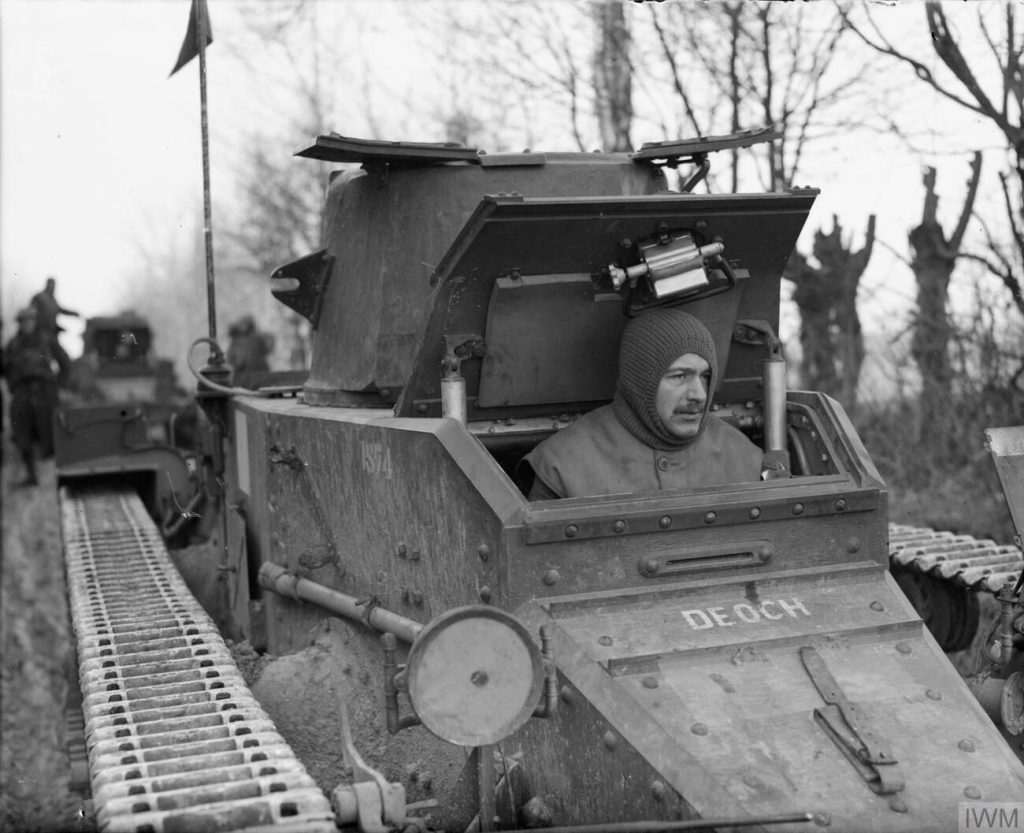
British Matilda tanks strike the flank of the German armoured advance south of Arras. The attack is beaten off, but it gives Rommel a scare and makes the German command nervous.
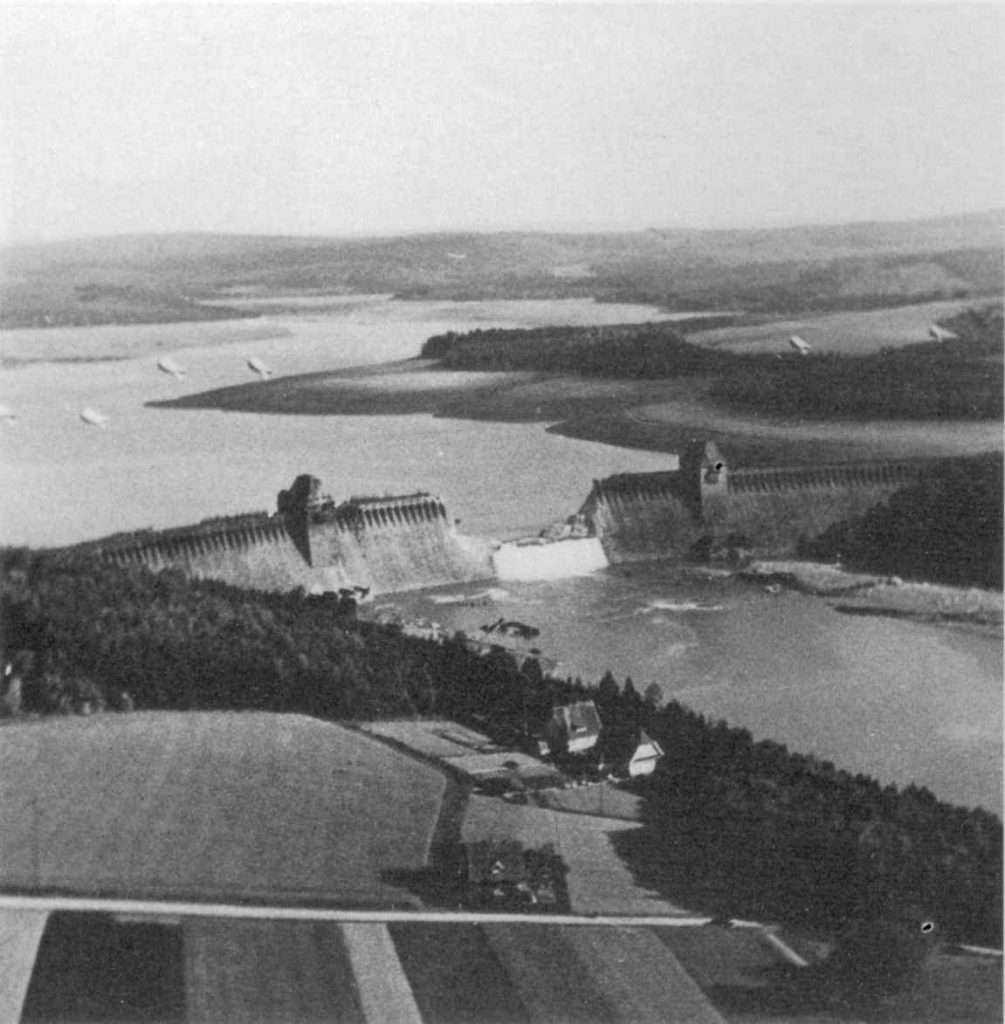
Nineteen Lancasters of a newly formed squadron fly low across the North Sea at night carrying bouncing bombs. Their targets are the great dams of the Ruhr.
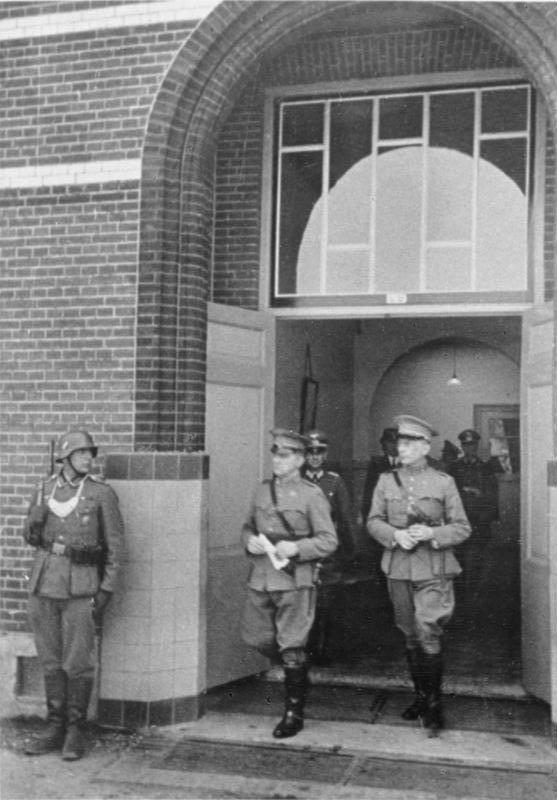
Five days after the invasion, General Winkelman signs the surrender of the Dutch army. In Paris, the French prime minister telephones Churchill with stark news.
 United Kingdom
 United States
 Soviet Union
 Germany
 Japan
 France
 Poland
 South Africa