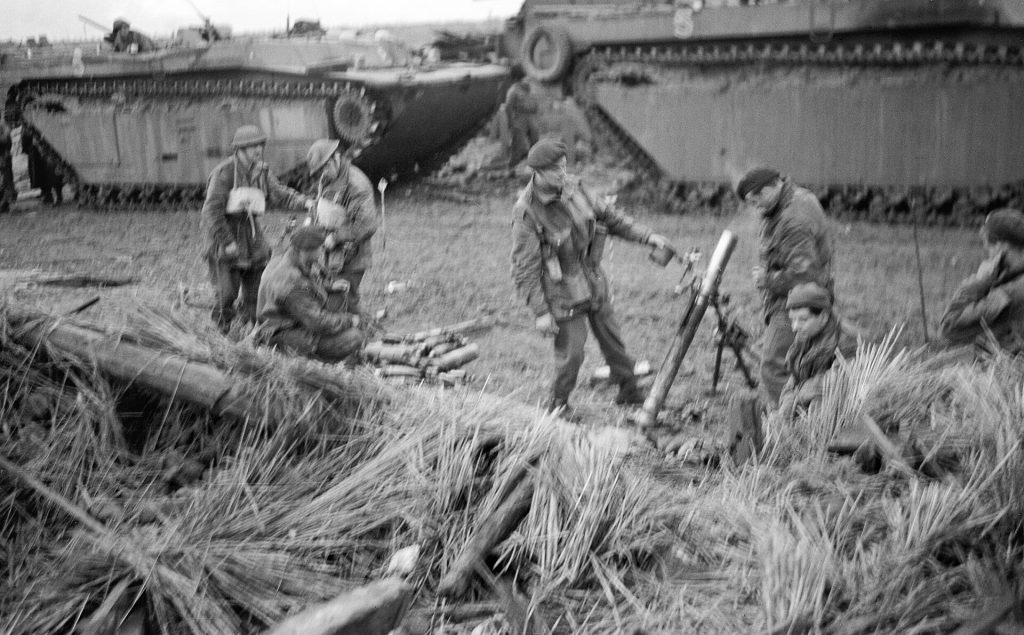
1 November 1944: Operation Infatuate: Storming Walcheren
Commandos cross the Scheldt and land on a flooded Dutch island to break the last German grip on the approaches to Antwerp, the port the Allied armies desperately need.
From the invasion of the Low Countries and France to D-Day and the drive into Germany.
Commandos cross the Scheldt and land on a flooded Dutch island to break the last German grip on the approaches to Antwerp, the port the Allied armies desperately need.
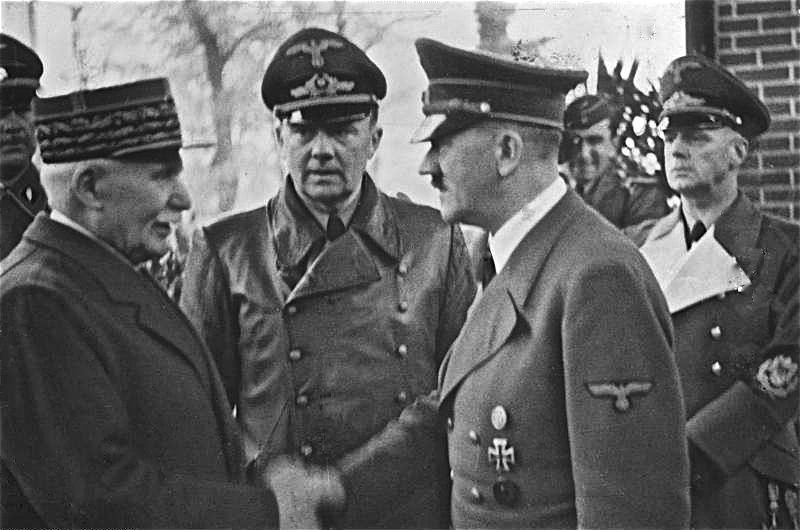
At the small railway station of Montoire, Marshal Pétain shakes Hitler’s hand. Days later he tells the French people that he is entering on the path of collaboration.
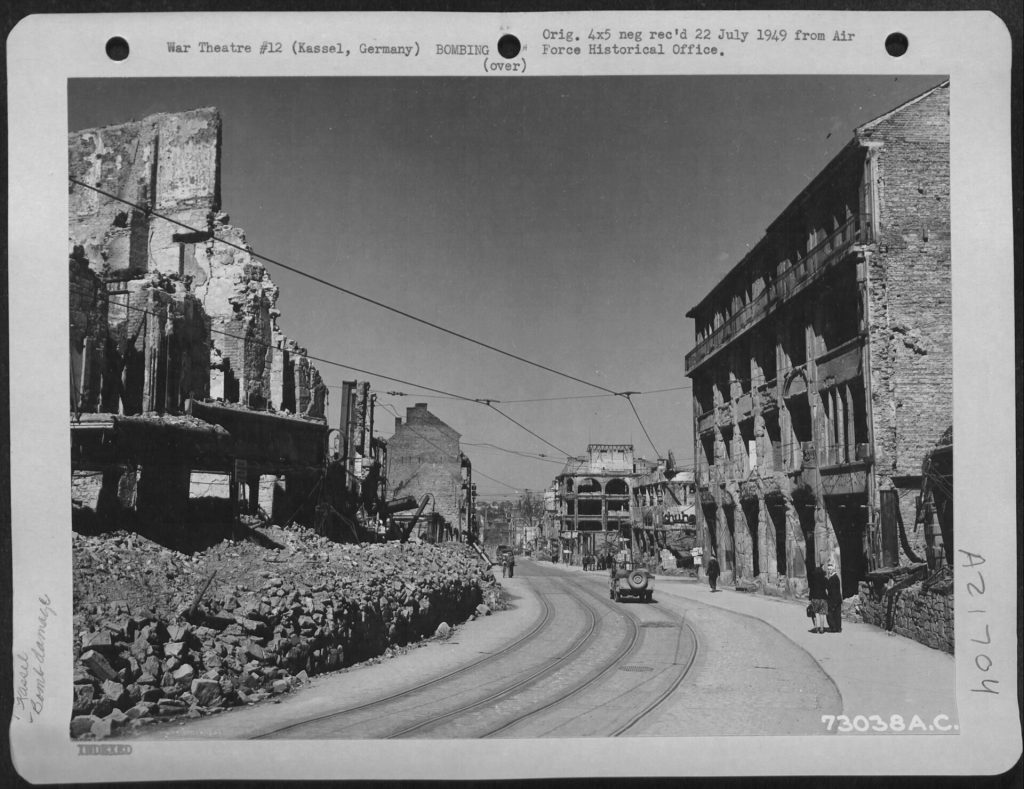
RAF Bomber Command strikes Kassel, a centre of tank and aircraft production. A firestorm engulfs the old city.
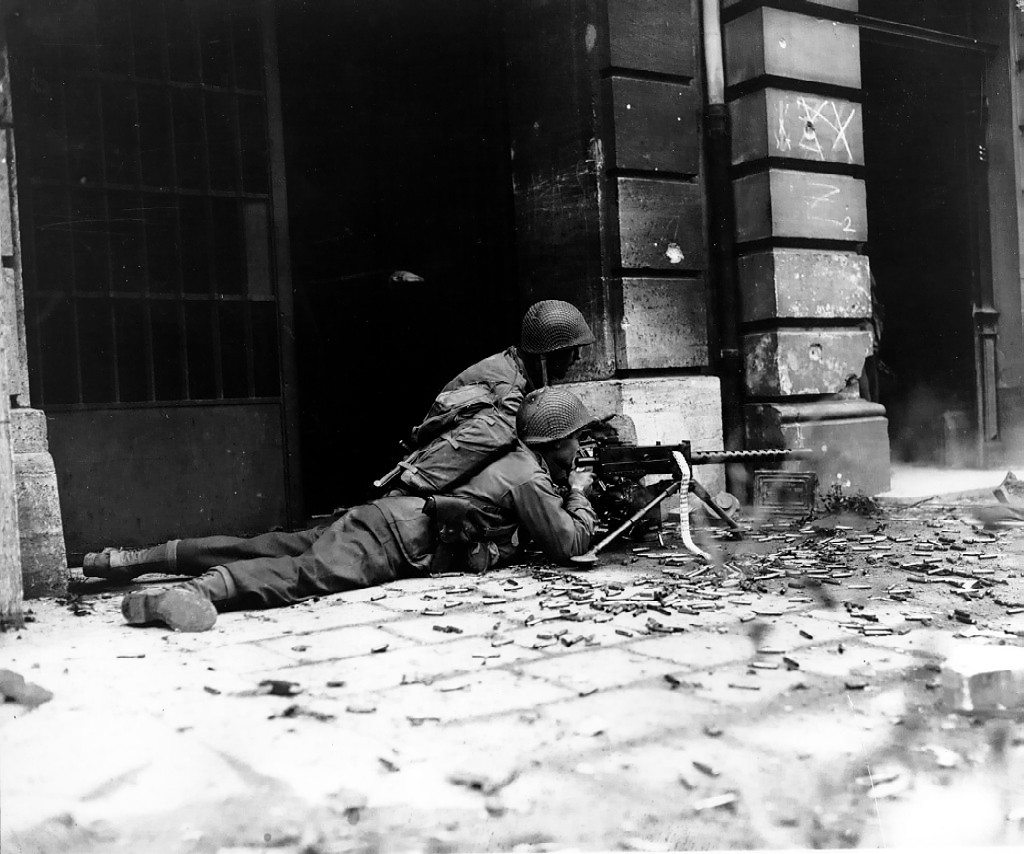
After almost three weeks of street fighting, the German garrison of Aachen surrenders. It is the first major German city to fall to the Allies.
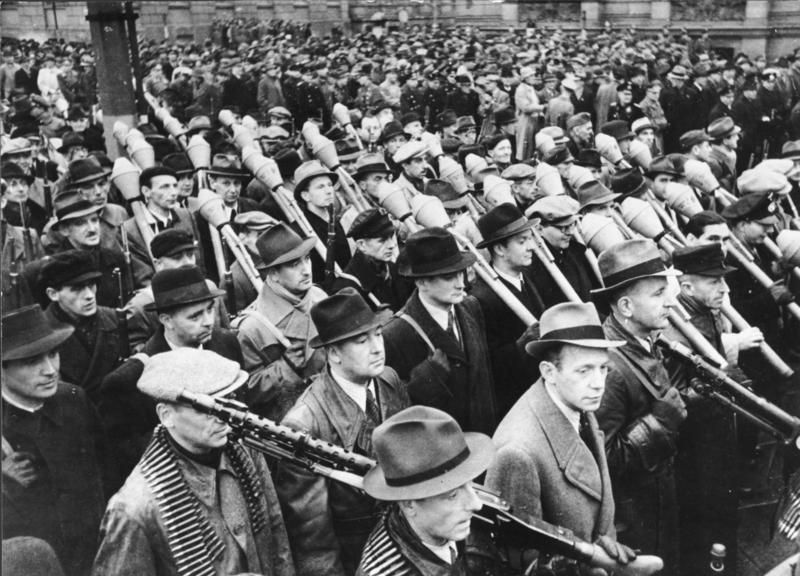
On the anniversary of the 1813 Battle of Leipzig, Himmler announces the Volkssturm, a militia of all German men aged 16 to 60 not already in uniform.
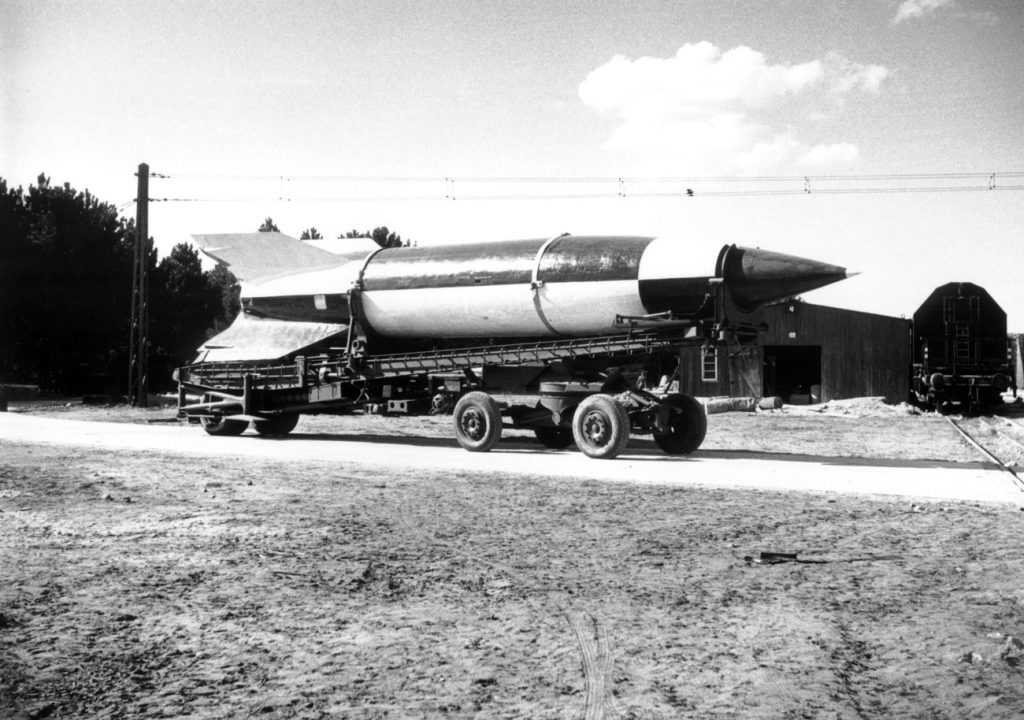
At Peenemünde on the Baltic coast, an A4 rocket climbs to the edge of space and comes down almost 200 kilometres away. Germany’s ballistic missile works.
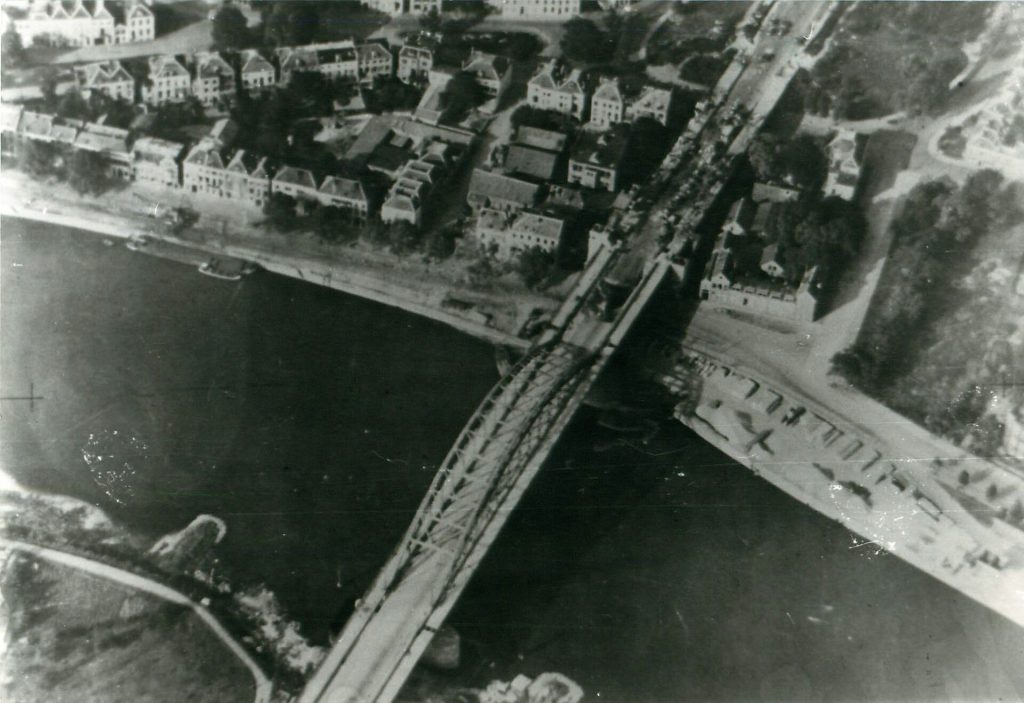
In darkness and rain, the survivors of the British 1st Airborne Division slip down to the Rhine and are ferried across. The bridge too far has been lost.
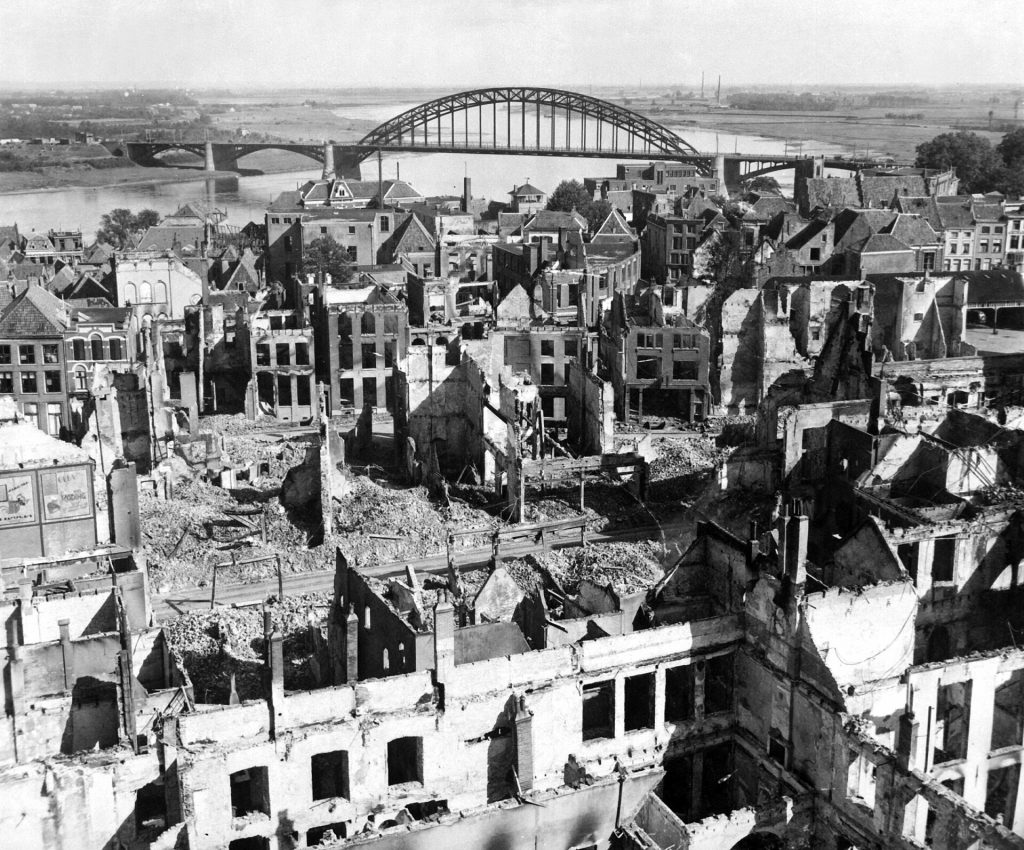
In broad daylight, American paratroopers paddle canvas boats across the wide Waal river under fire to capture the Nijmegen bridge. Arnhem is 18 kilometres away.
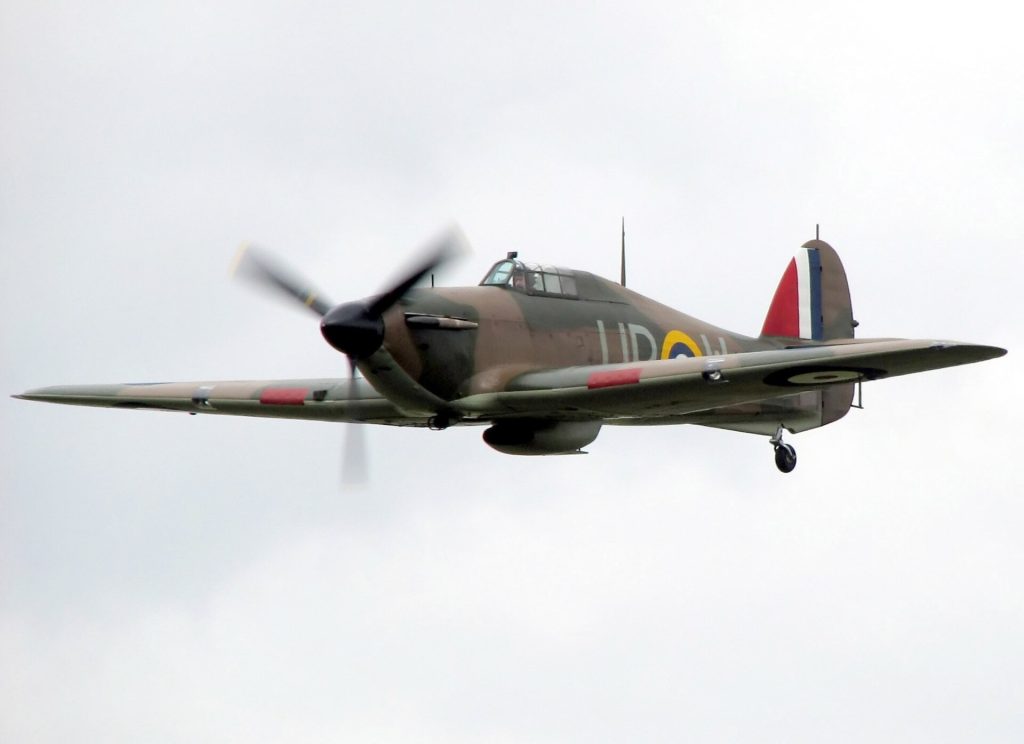
The Luftwaffe sends two great raids against London. Every RAF fighter squadron in the south-east is thrown in, and the attacks are broken up. Two days later, Hitler postpones the invasion of Britain.
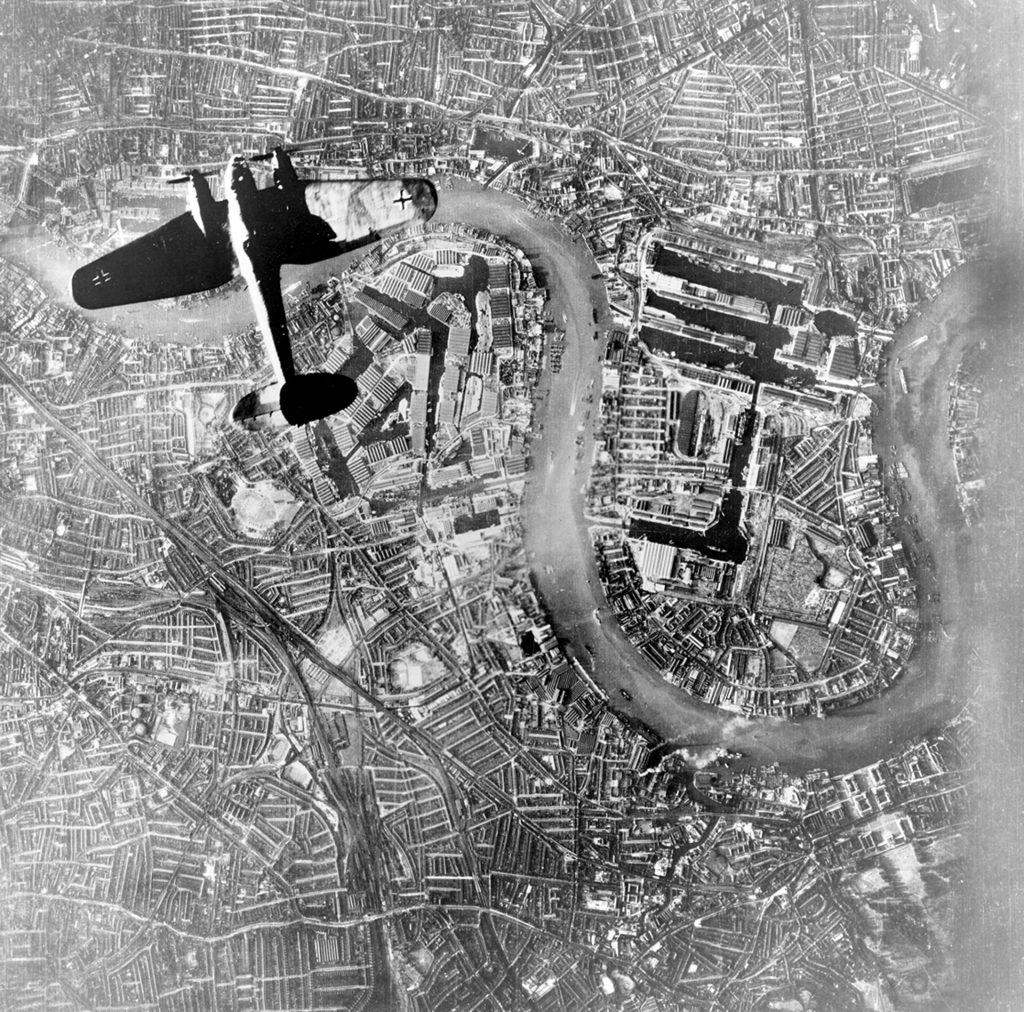
On a fine Saturday afternoon, hundreds of German bombers attack London’s docks. Fires burn all night along the Thames. It is the first day of the Blitz.
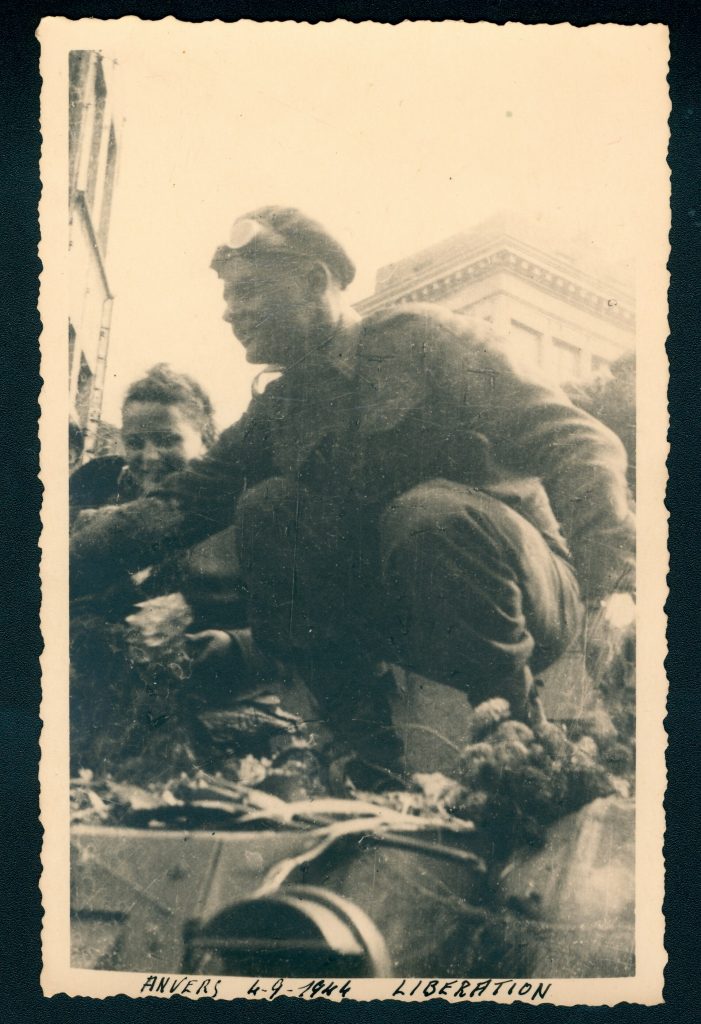
British tanks race into Antwerp, where the Belgian resistance has stopped the Germans from wrecking the docks. The Allies have taken one of Europe’s greatest ports almost intact. But they cannot yet use it.
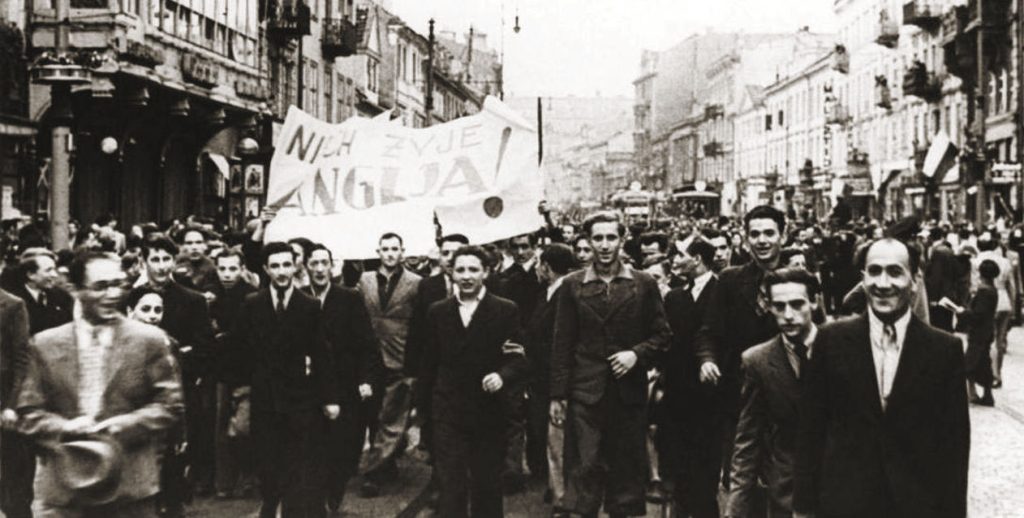
At 11:15, Neville Chamberlain tells the British people by radio that the country is at war with Germany. France follows that afternoon. In Warsaw, crowds cheer outside the British embassy.
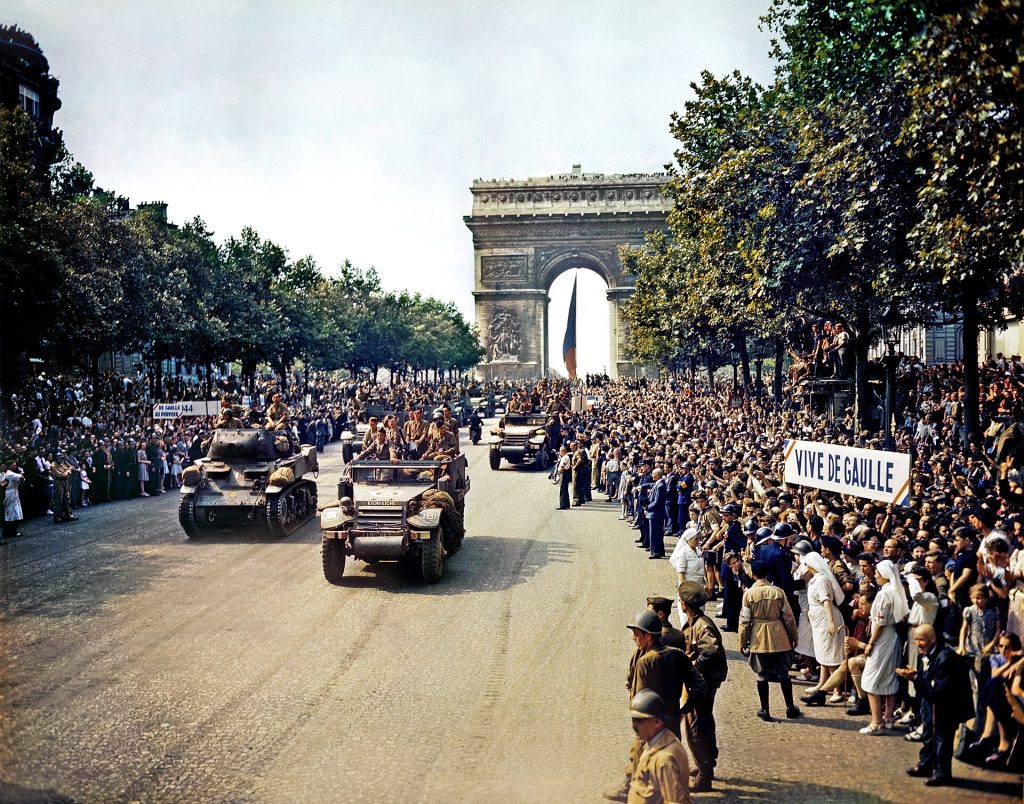
French tanks roll into Paris, and the German commander surrenders. That evening, General de Gaulle speaks to the crowds at the Hôtel de Ville.
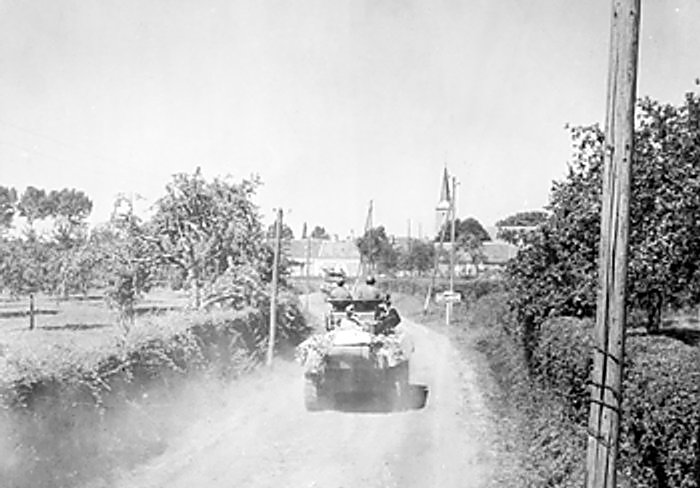
Canadian and Polish troops finally seal the gap at Chambois. The German armies in Normandy have been destroyed.
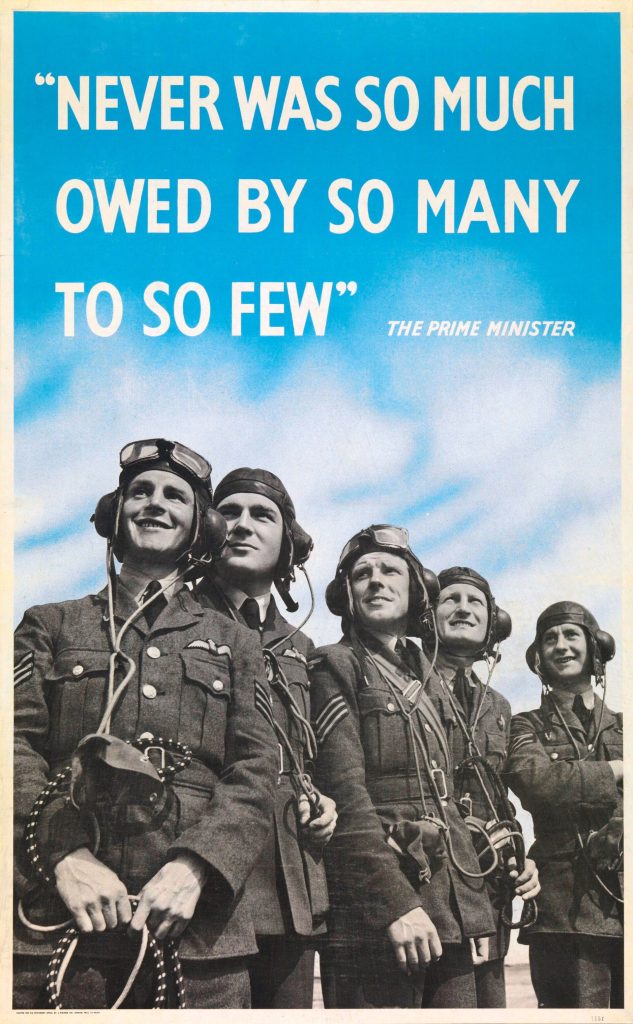
In the middle of the Battle of Britain, Churchill tells the House of Commons that never has so much been owed by so many to so few.
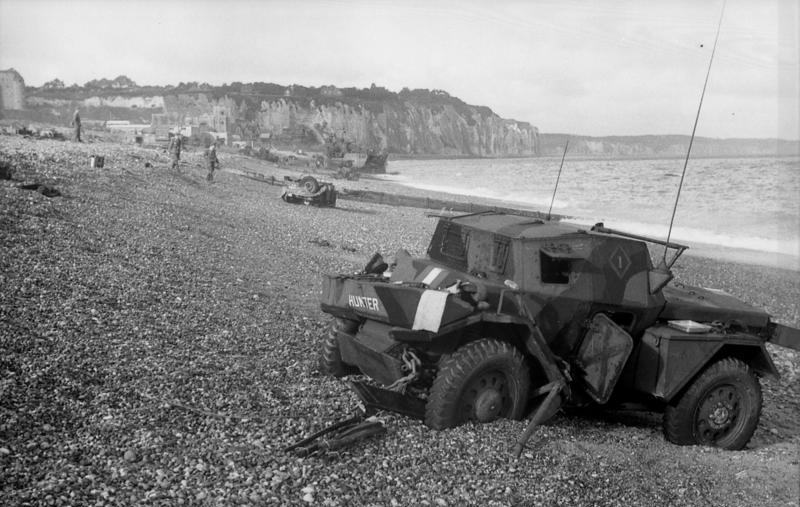
Around 6,000 troops, most of them Canadian, storm the French port of Dieppe. Within hours the raid has collapsed on the beaches.
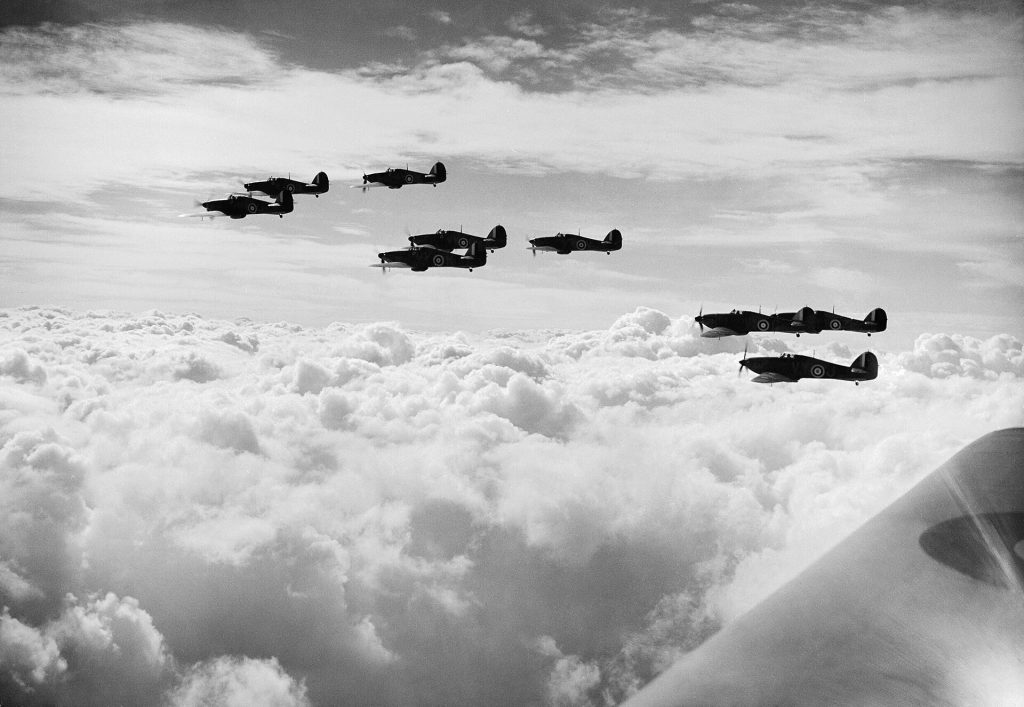
Large German raids hit the RAF airfields at Kenley and Biggin Hill. More aircraft are destroyed on both sides than on any other day of the Battle of Britain.
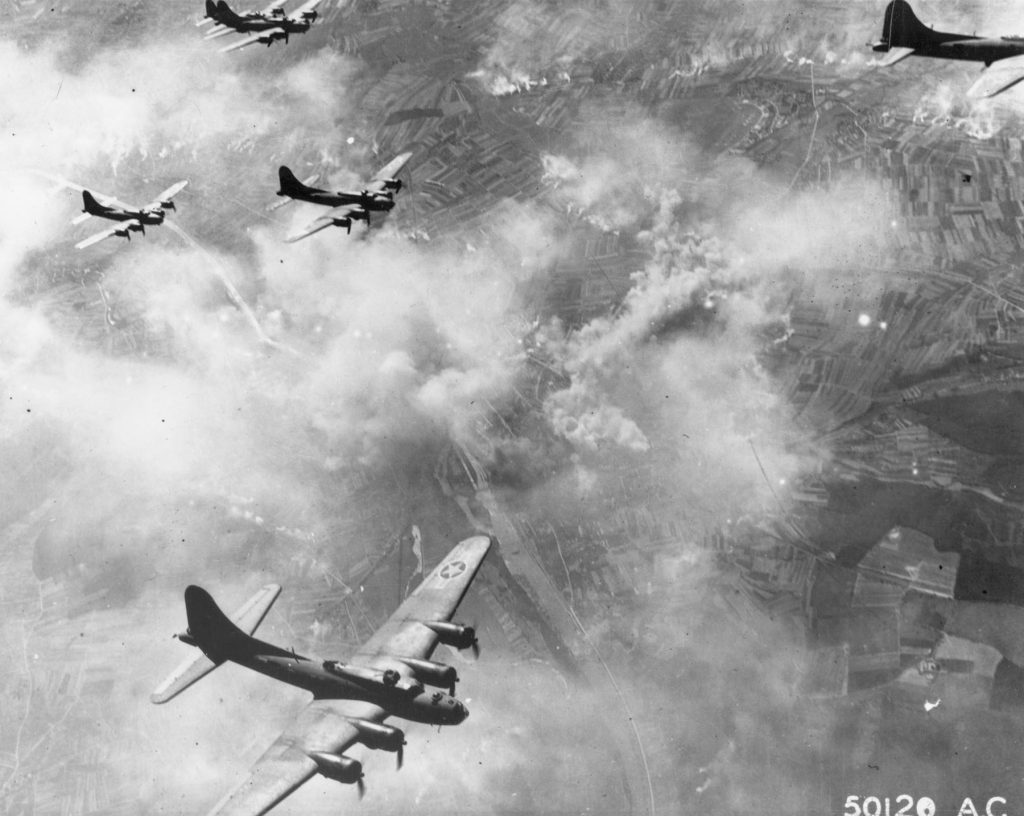
On the first anniversary of its first heavy bomber mission, the US Eighth Air Force strikes deep into Germany against ball-bearing plants and a Messerschmitt factory. Sixty bombers are lost.
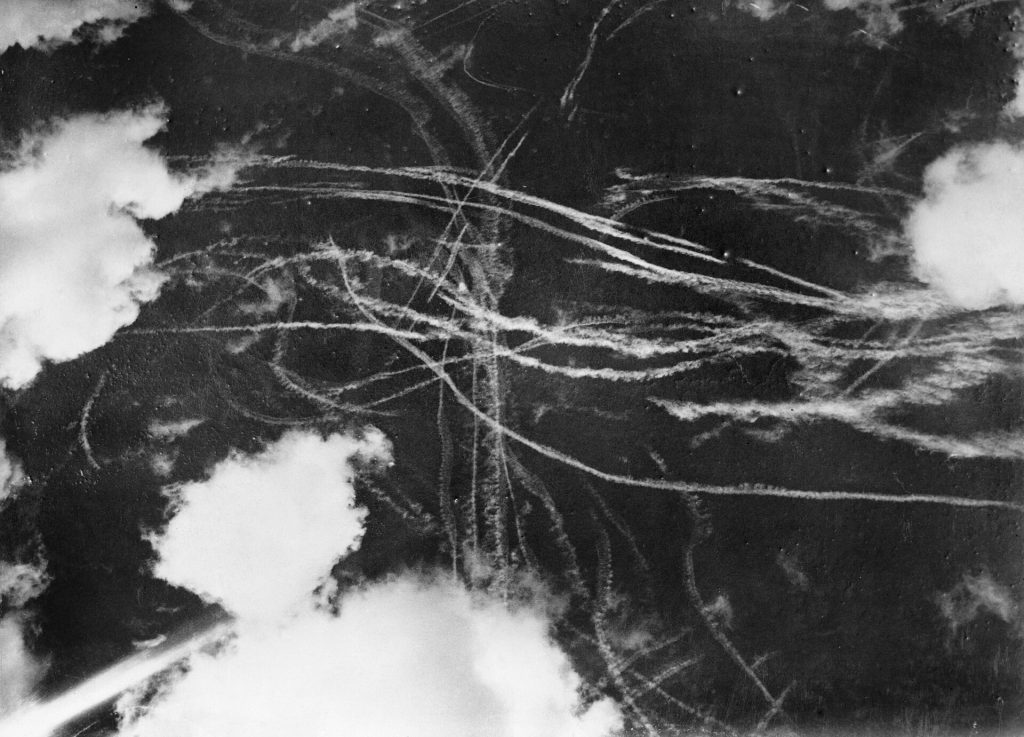
The Luftwaffe launches Adlertag, its great offensive to destroy the RAF in the air and on the ground. Bad weather and confused orders turn the day into a fiasco.
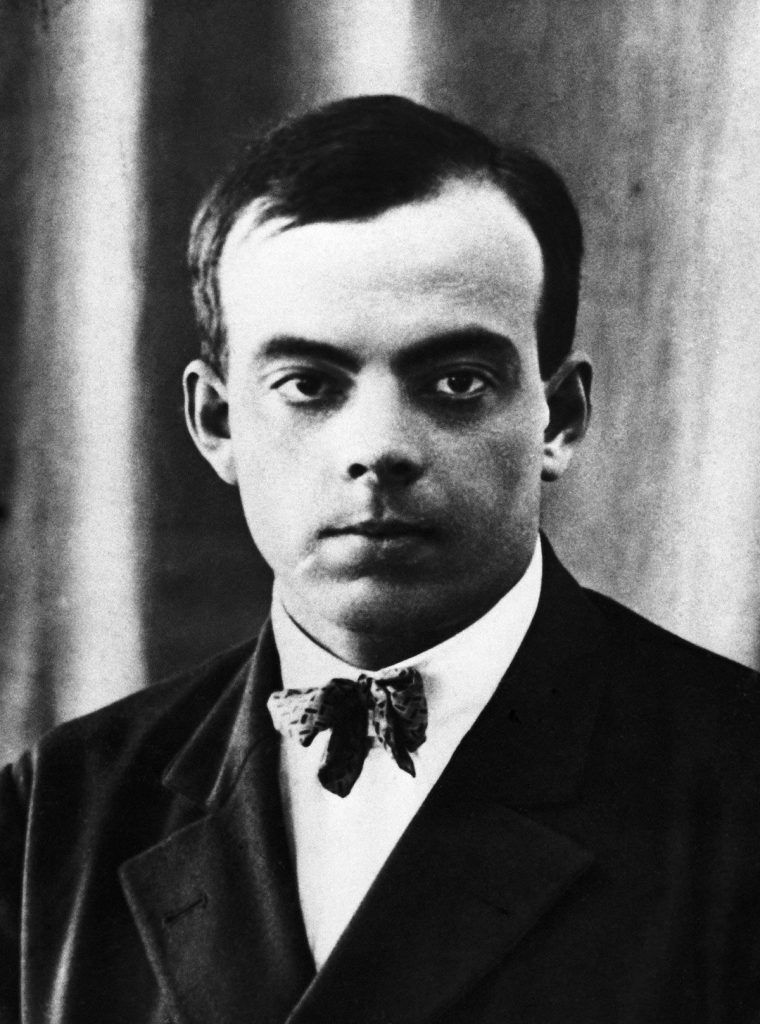
The author of The Little Prince takes off from Corsica on a reconnaissance flight over southern France. He never returns.
 United Kingdom
 United States
 Soviet Union
 Germany
 Japan
 France
 Poland
 South Africa