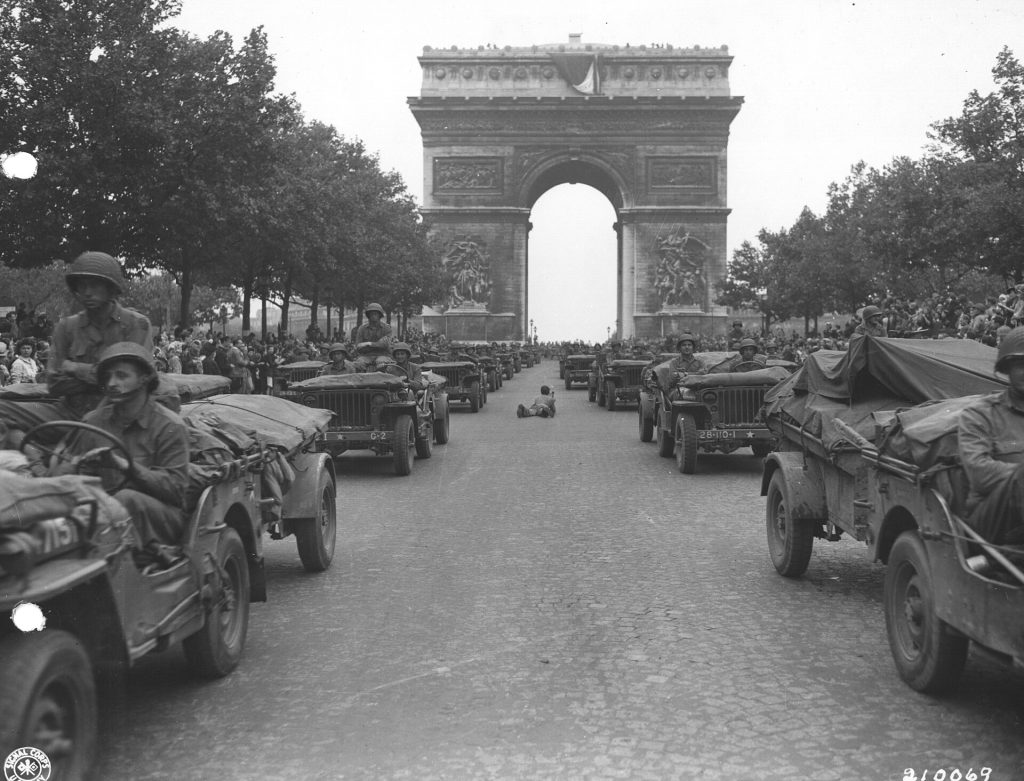
31 January 1945: The Execution of Eddie Slovik
In the snow near Sainte-Marie-aux-Mines, Private Eddie Slovik becomes the only American soldier executed for desertion since the Civil War.
From the invasion of the Low Countries and France to D-Day and the drive into Germany.
In the snow near Sainte-Marie-aux-Mines, Private Eddie Slovik becomes the only American soldier executed for desertion since the Civil War.
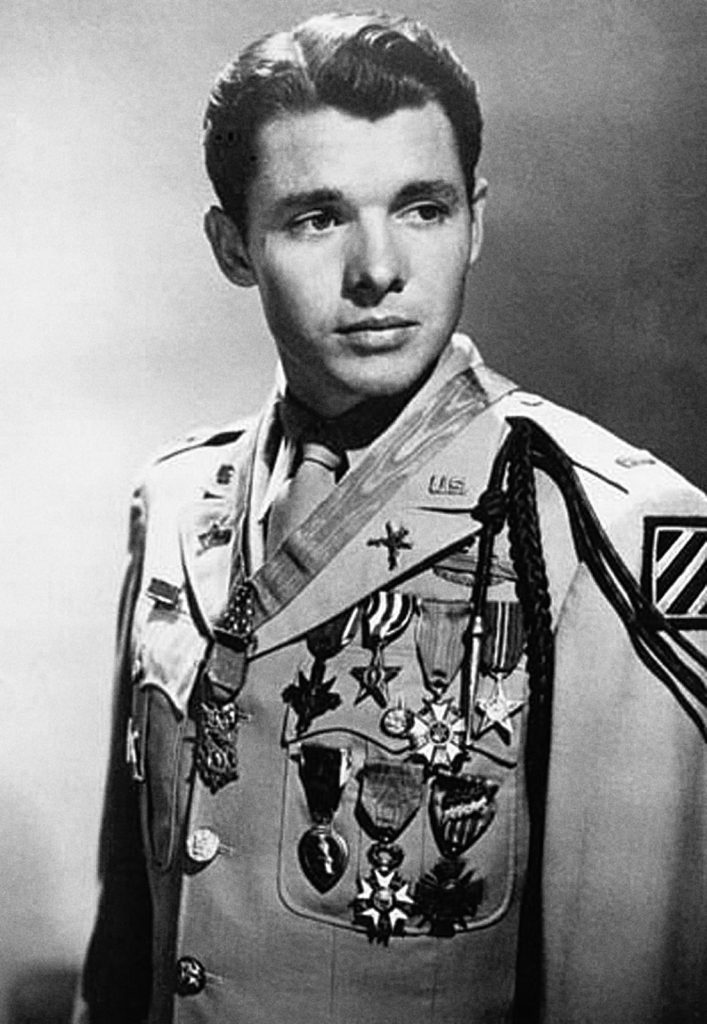
Near the village of Holtzwihr in Alsace, a young lieutenant climbs onto a burning tank destroyer and holds off a German attack almost alone for an hour.
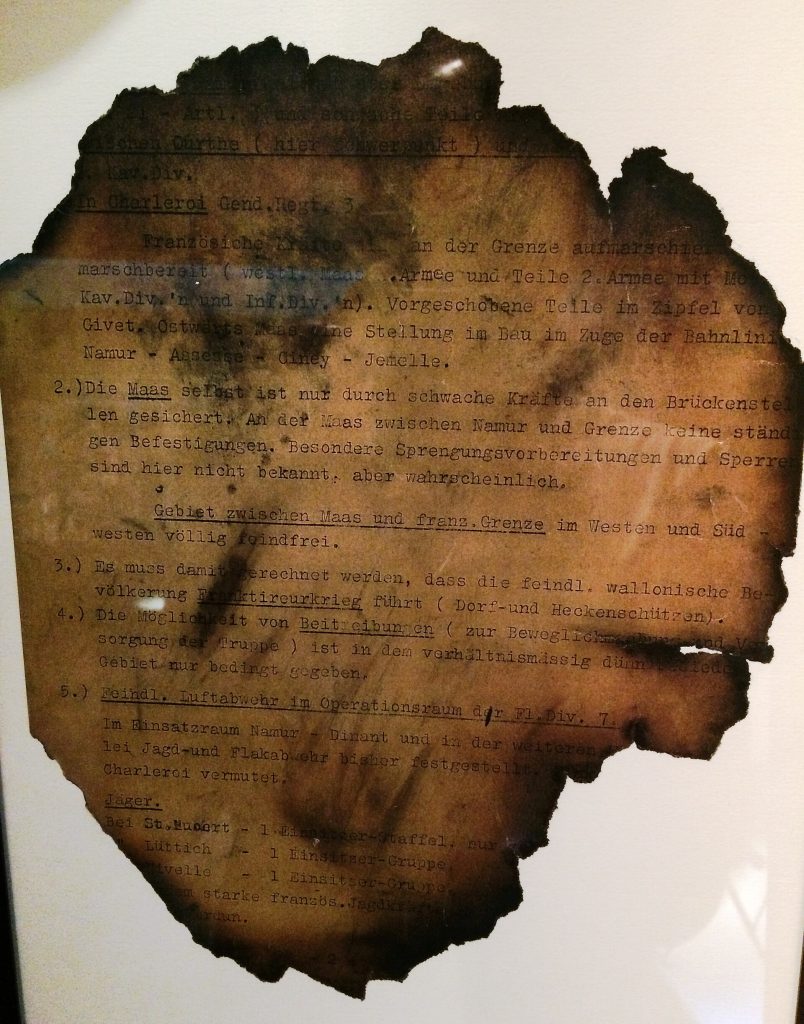
A German aircraft lost in fog crash-lands in neutral Belgium, carrying an officer with the plans for Hitler’s attack in the West.
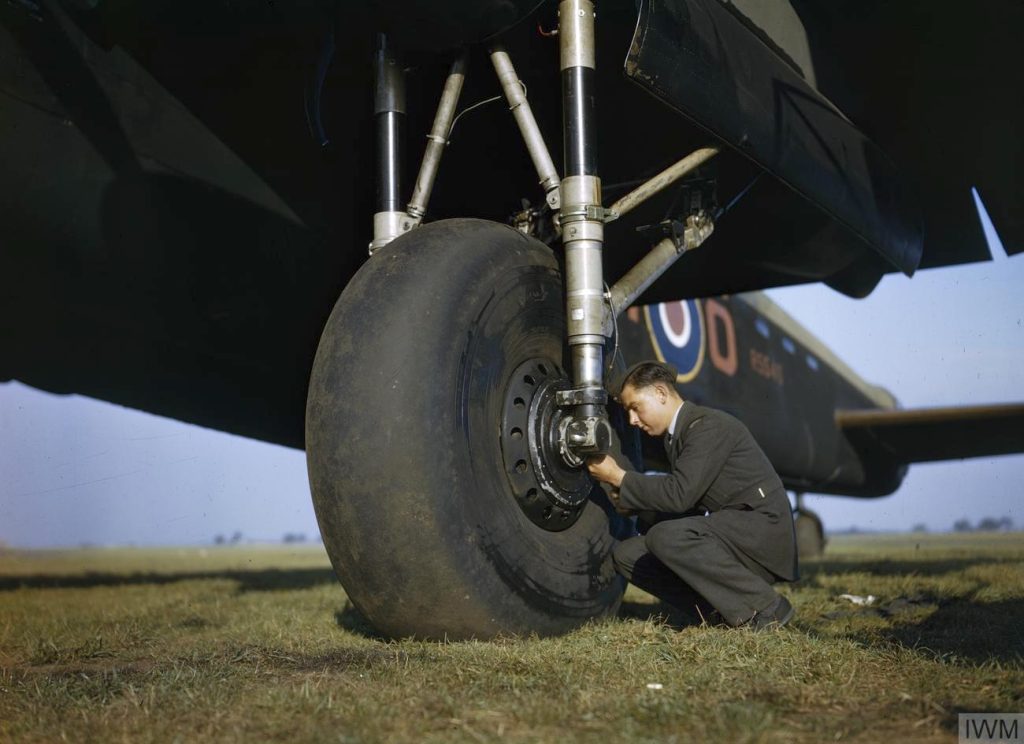
At Ringway, near Manchester, the prototype of a new four-engined bomber makes its first flight. The Avro Lancaster will become the backbone of Bomber Command.

Britain’s most famous woman pilot, now ferrying aircraft for the Air Transport Auxiliary, bails out over the Thames Estuary in bad weather and is never seen again.
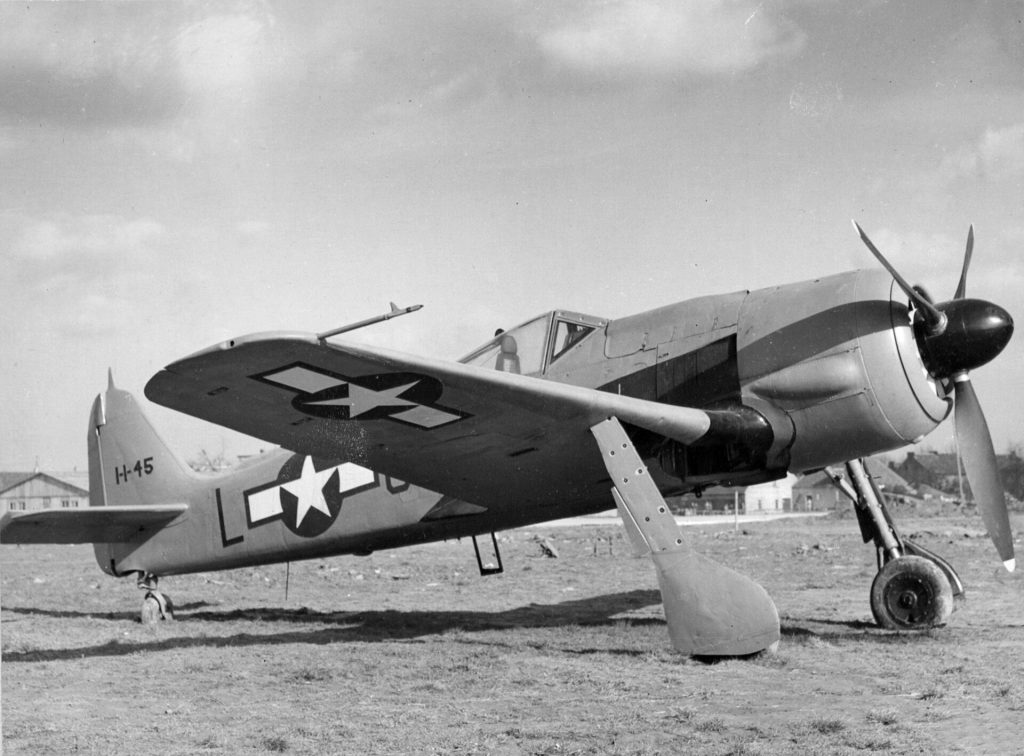
At first light on New Year’s Day, the Luftwaffe throws more than a thousand fighters at Allied airfields in the Low Countries in its last great offensive of the war.
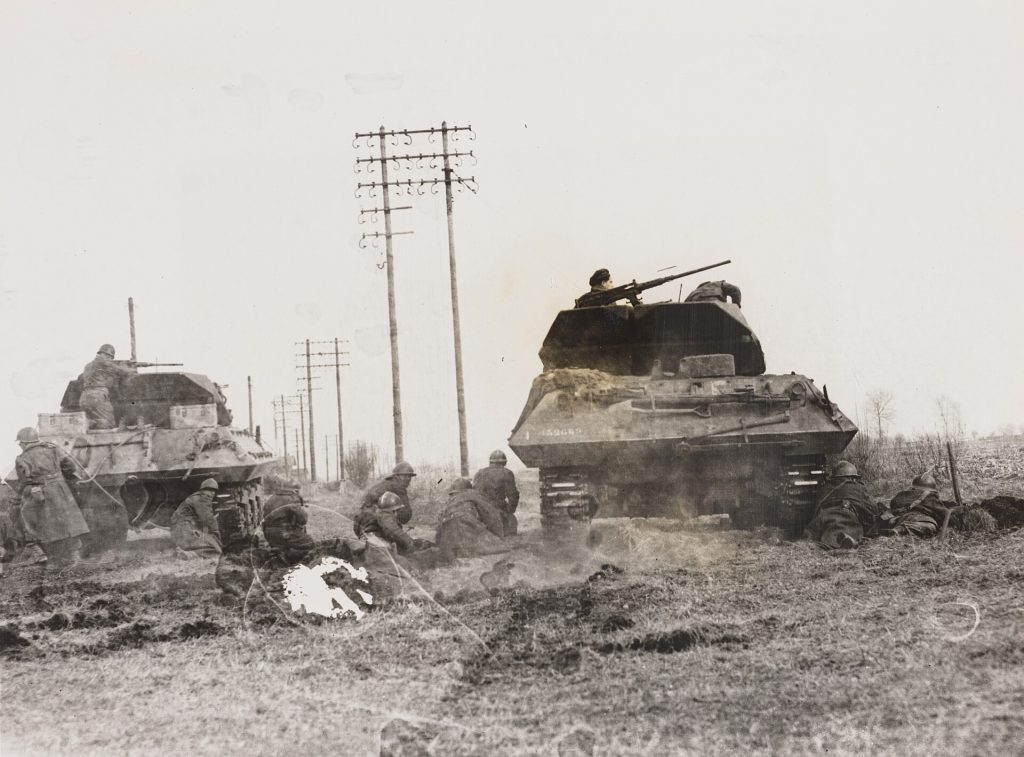
On New Year’s Eve, as American troops have been pulled north to the Ardennes, Germany launches its last major offensive in the West, against the thinned-out lines in Alsace.
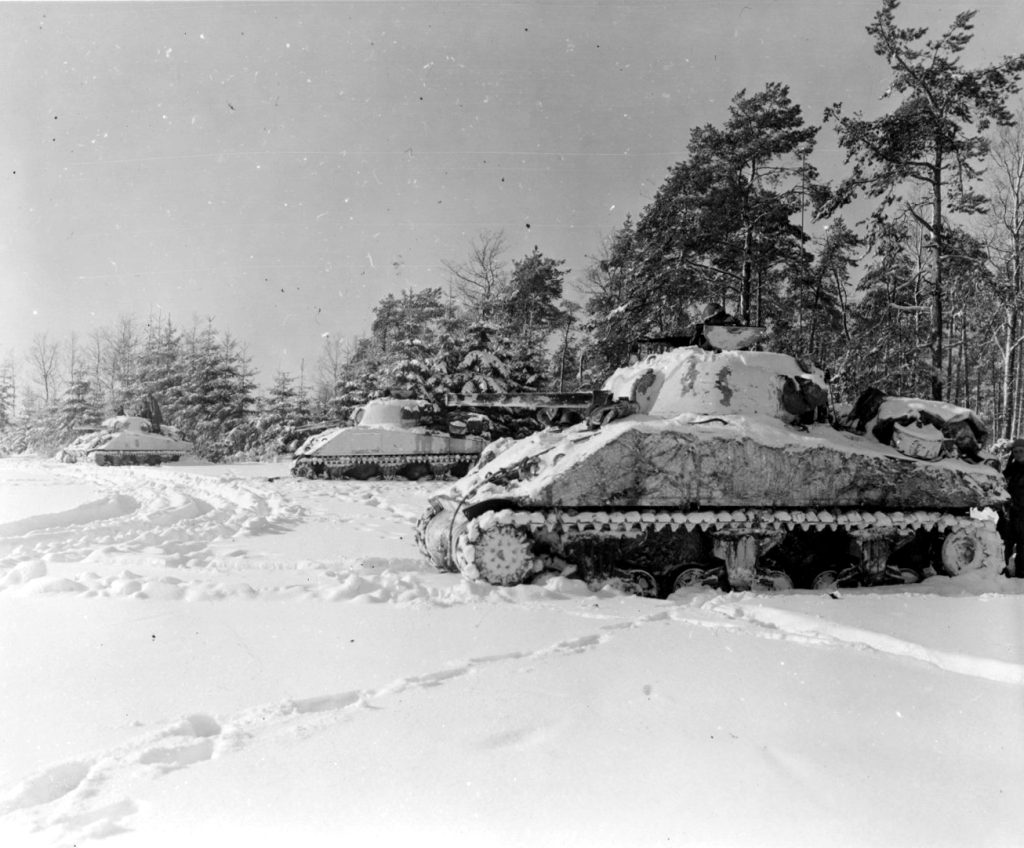
After five days holding a vital Belgian road junction against overwhelming odds, the US 7th Armored Division pulls out of St. Vith, having thrown the German offensive badly off schedule.

The most popular bandleader in America takes off from an English airfield for Paris in a small single-engined aircraft. Neither he nor the plane is ever seen again.
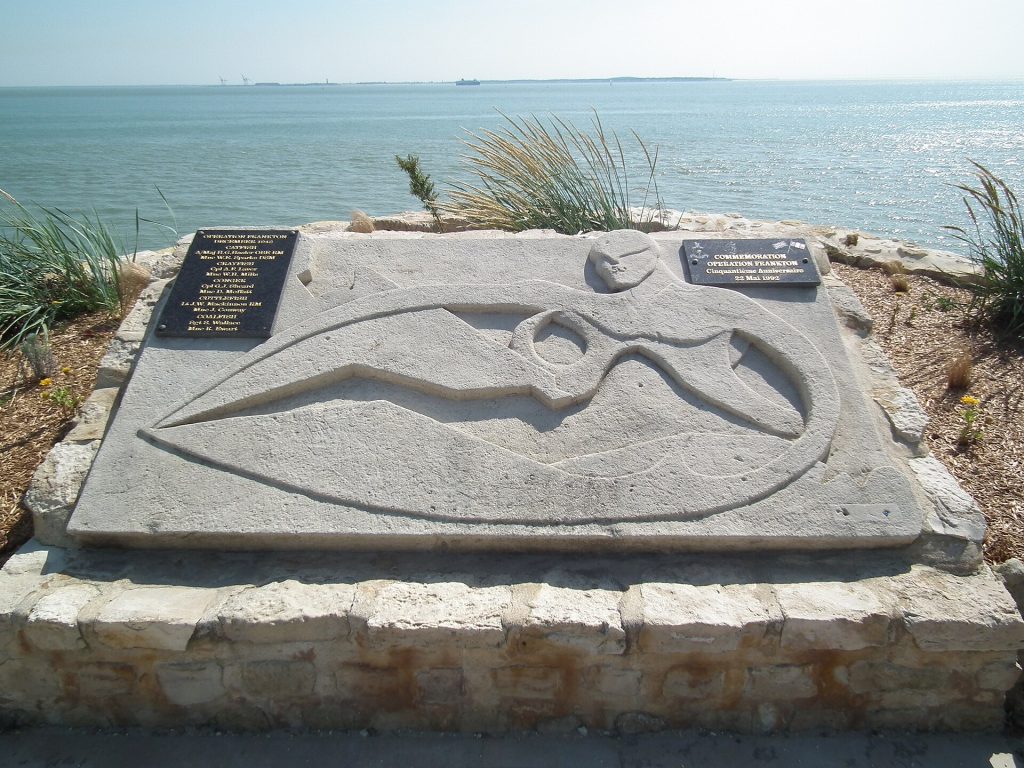
From a submarine off the French coast, ten Royal Marines set out in canvas canoes to paddle a hundred kilometres up the Gironde and mine German blockade runners in Bordeaux.
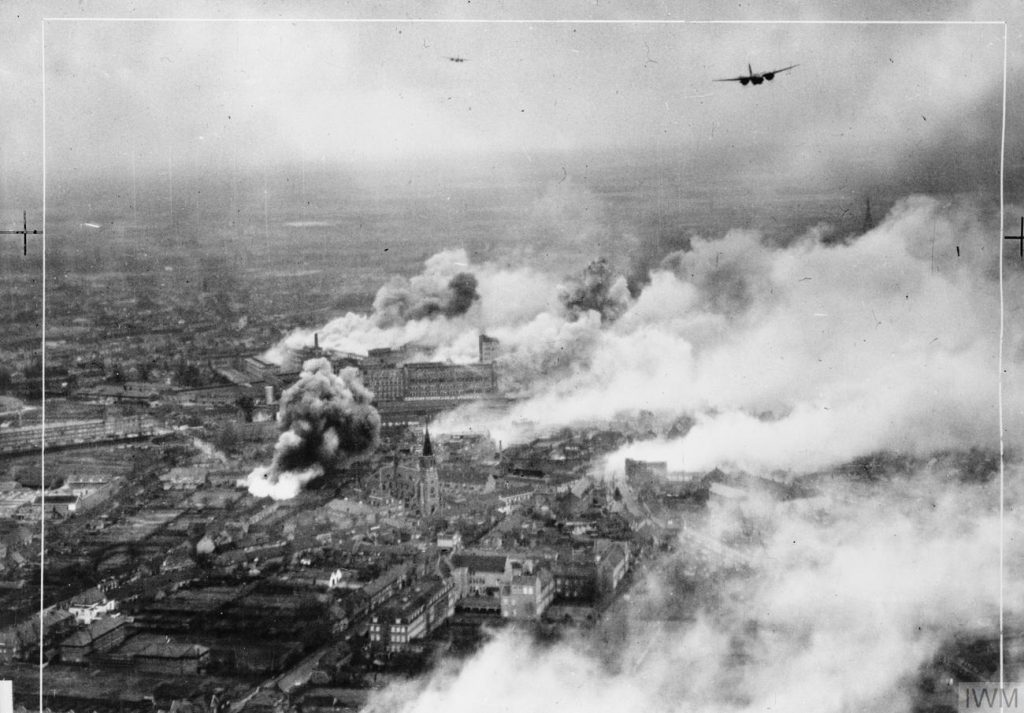
Flying at rooftop height in daylight, RAF light bombers strike the Philips radio and valve works in Eindhoven, which was supplying the German war machine.
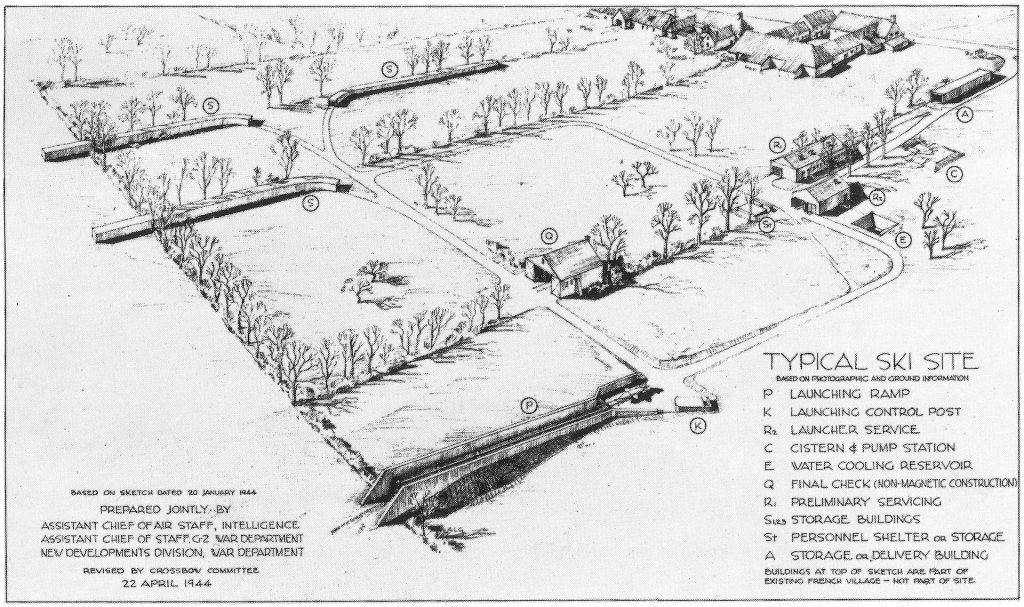
Allied bombers start attacking the concrete launch ramps hidden in the woods of northern France, from which Germany plans to fire its flying bombs at London.
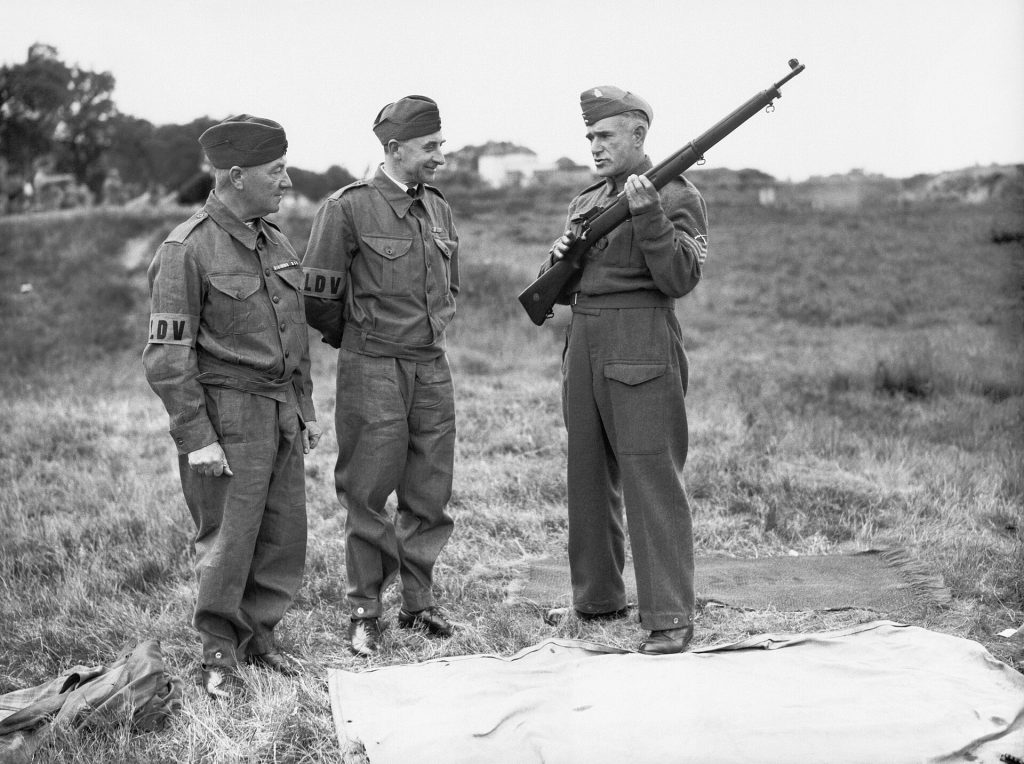
With the threat of invasion gone, Britain’s citizen army of the summer of 1940 is formally stood down after four and a half years on guard.
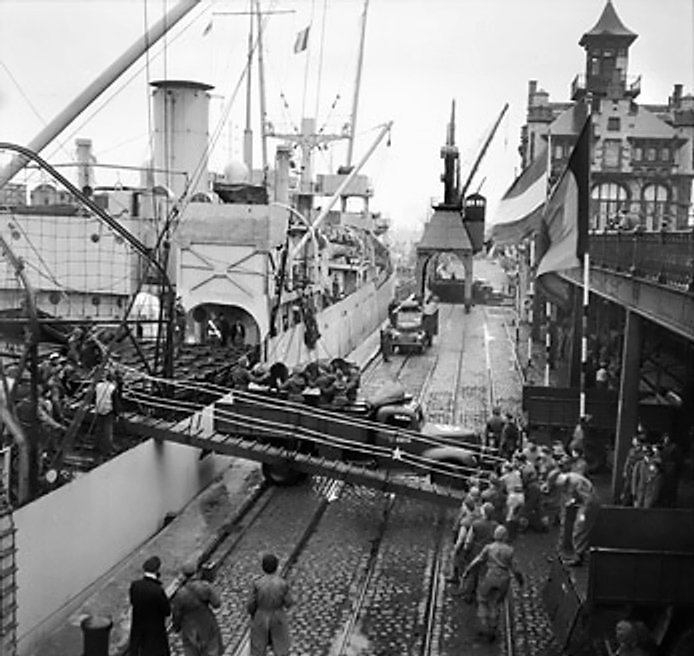
Twelve weeks after the city fell, the first Allied convoy sails up the cleared Scheldt into Antwerp, led by the Canadian-built freighter Fort Cataraqui.
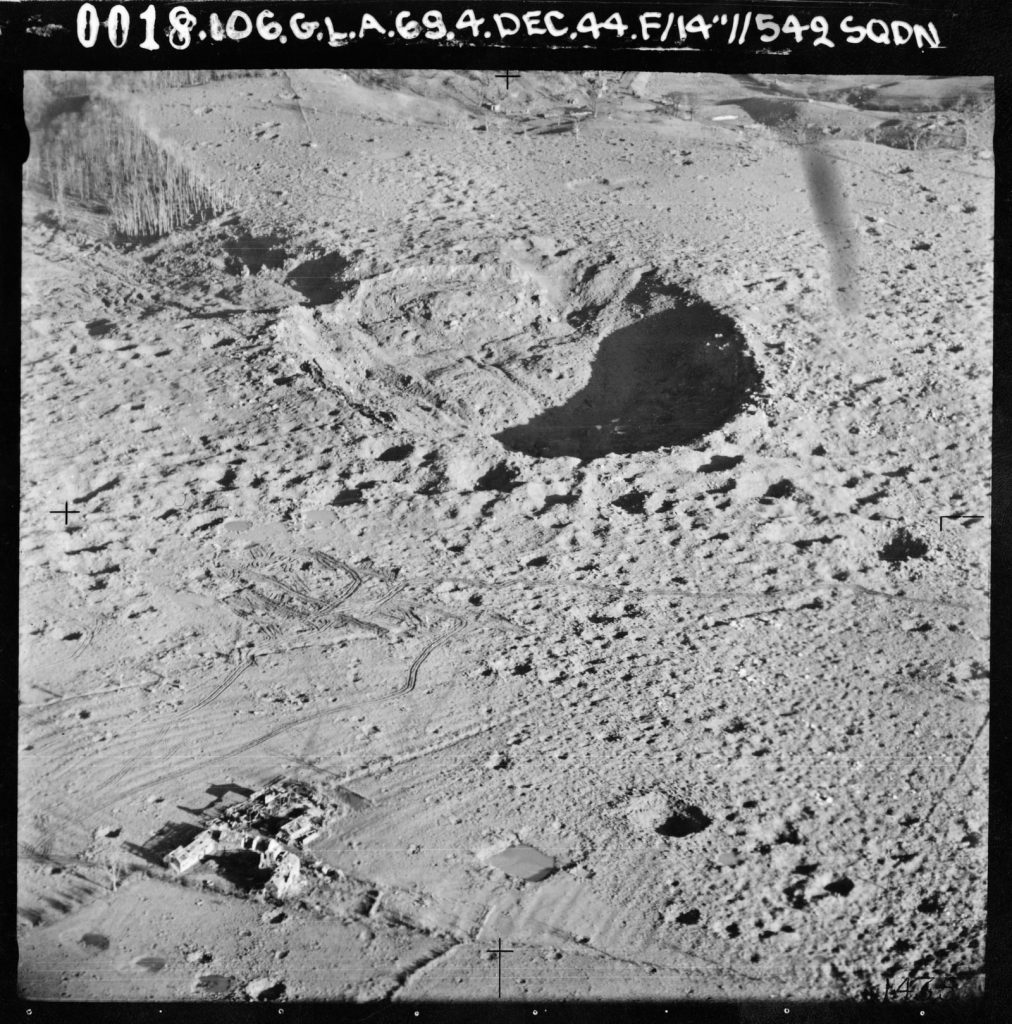
Deep under the Staffordshire countryside, thousands of tonnes of RAF bombs blow up in one of the largest non-nuclear explosions in history.
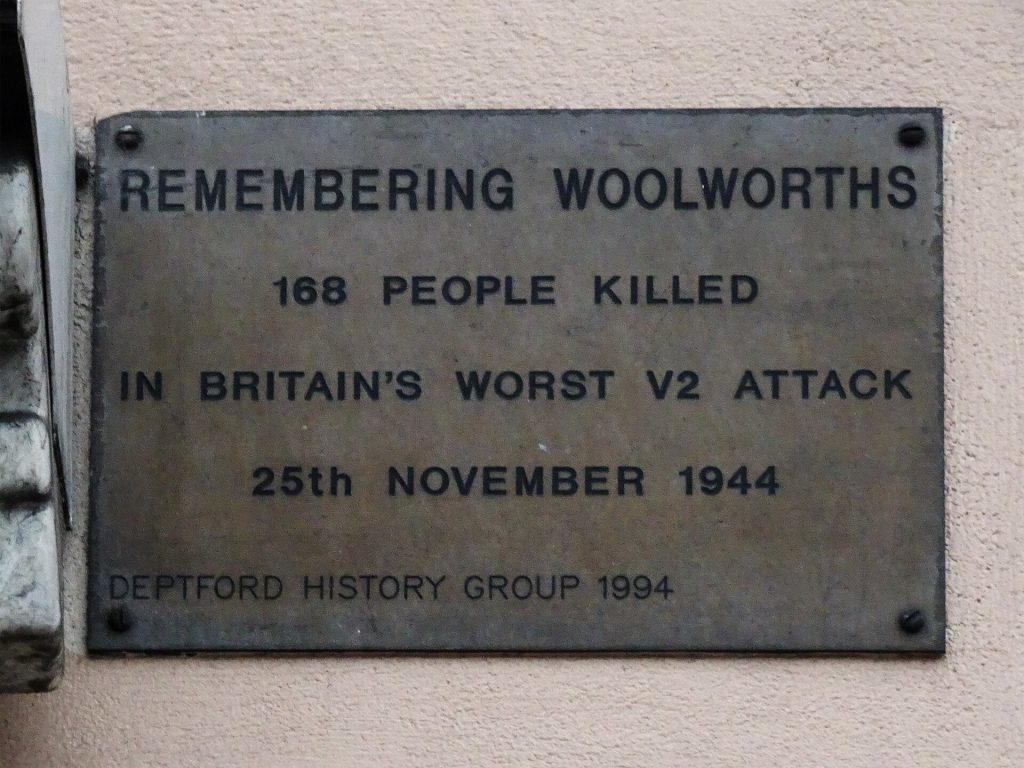
Without warning, a German V-2 rocket falls on a busy Woolworths store in south-east London on a Saturday, killing 168 people in the deadliest V-2 attack in Britain.
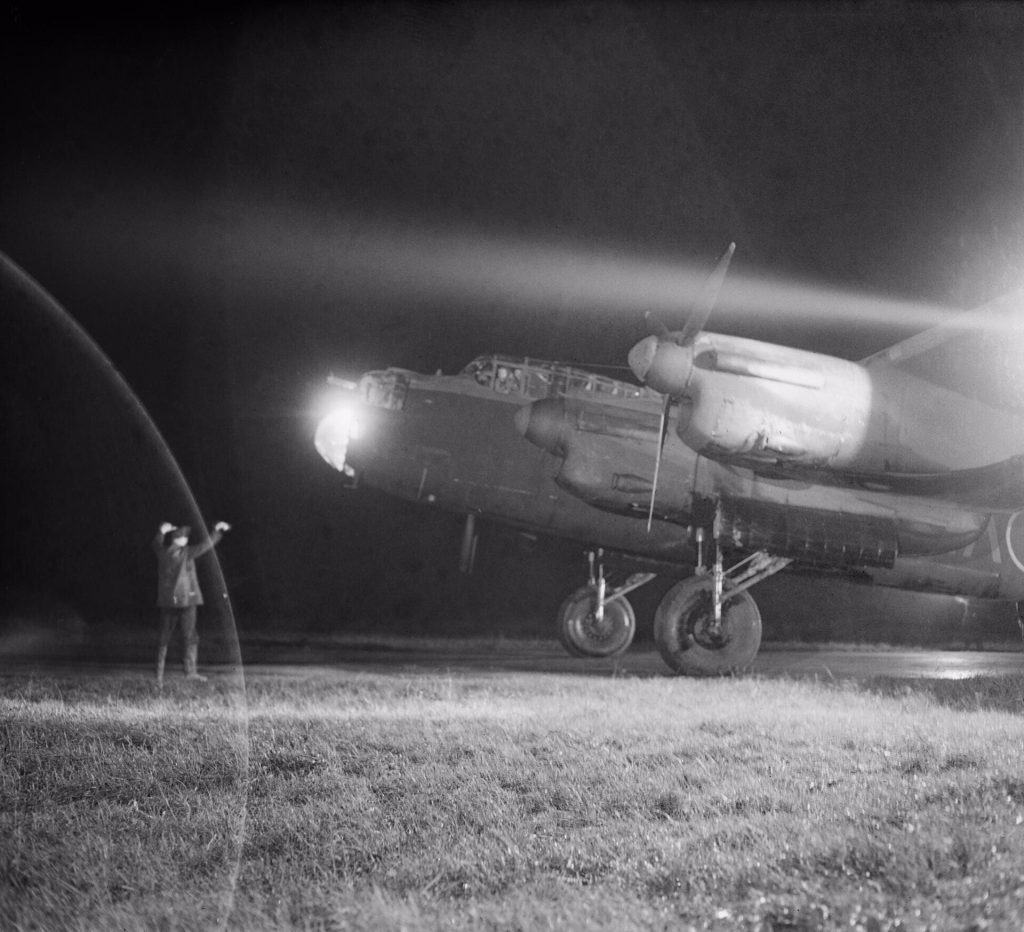
Hundreds of Lancasters head for the German capital, opening a winter offensive that Arthur Harris believes can wreck Berlin from end to end and cost Germany the war.
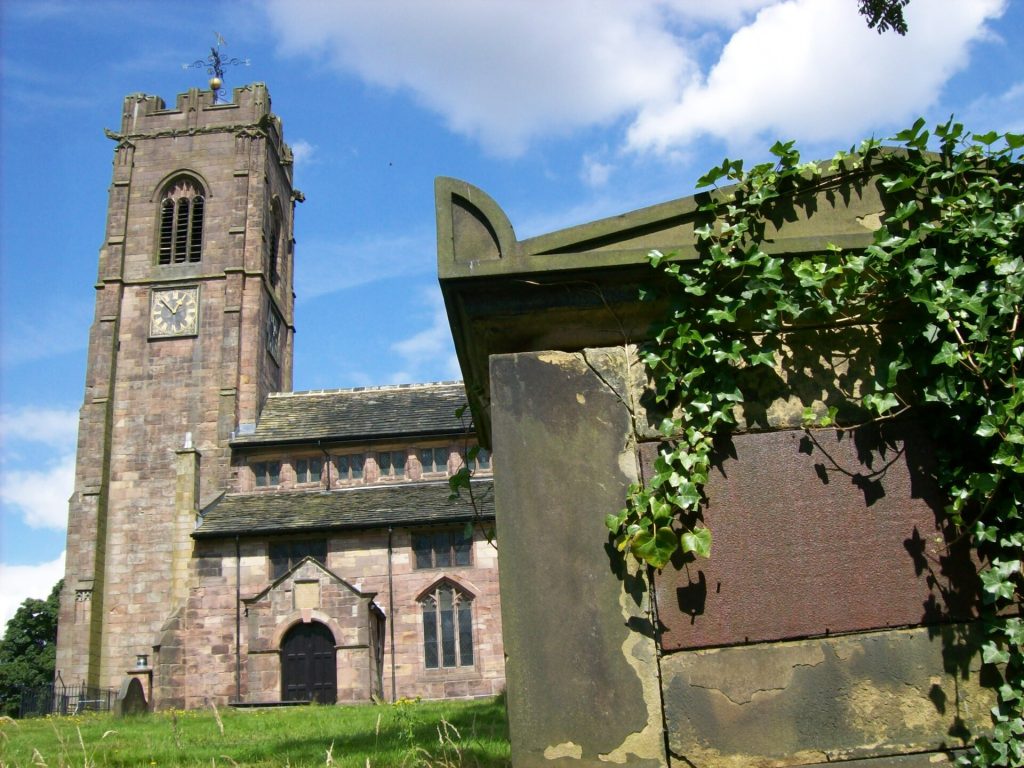
Silent for more than two years, kept only as a warning of German invasion, the church bells of Britain ring out on a Sunday morning to celebrate victory in Egypt.
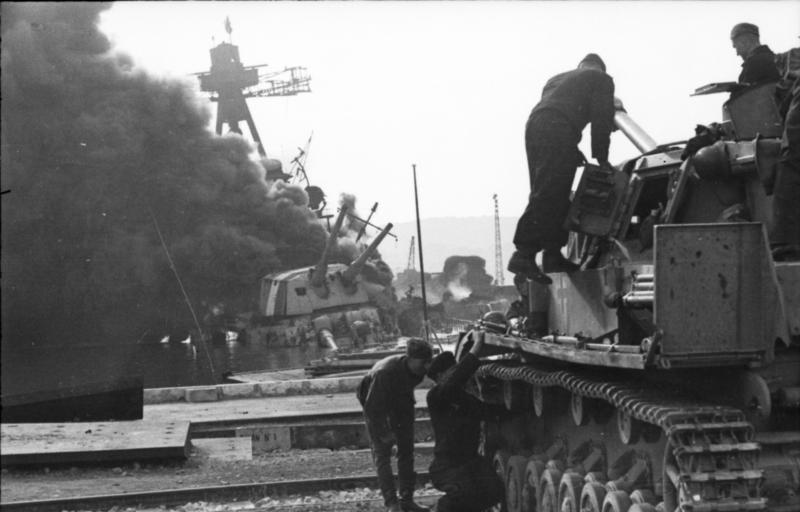
Three days after the Allied landings in North Africa, German and Italian troops pour into the unoccupied zone of France, ending the fiction of Vichy independence.
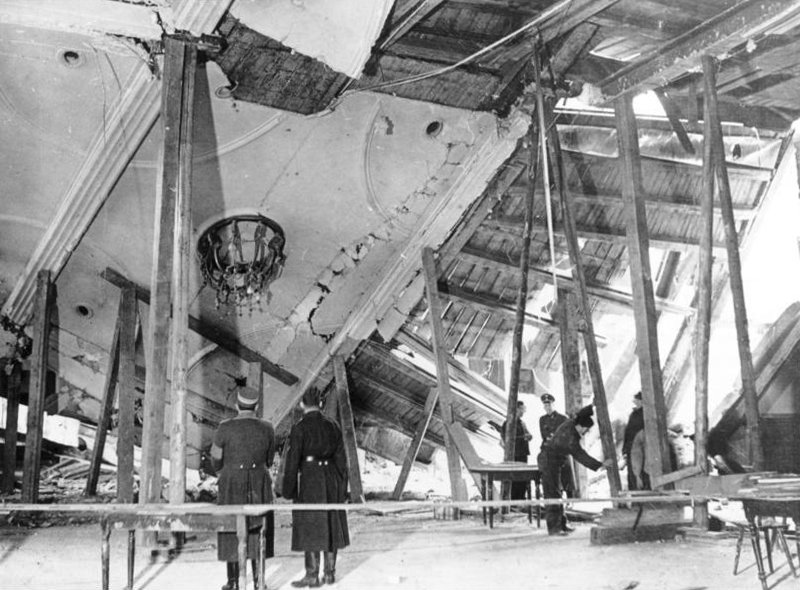
A lone carpenter’s time bomb wrecks the Munich beer hall where Hitler has just spoken. It explodes 13 minutes after he leaves.
 United Kingdom
 United States
 Soviet Union
 Germany
 Japan
 France
 Poland
 South Africa