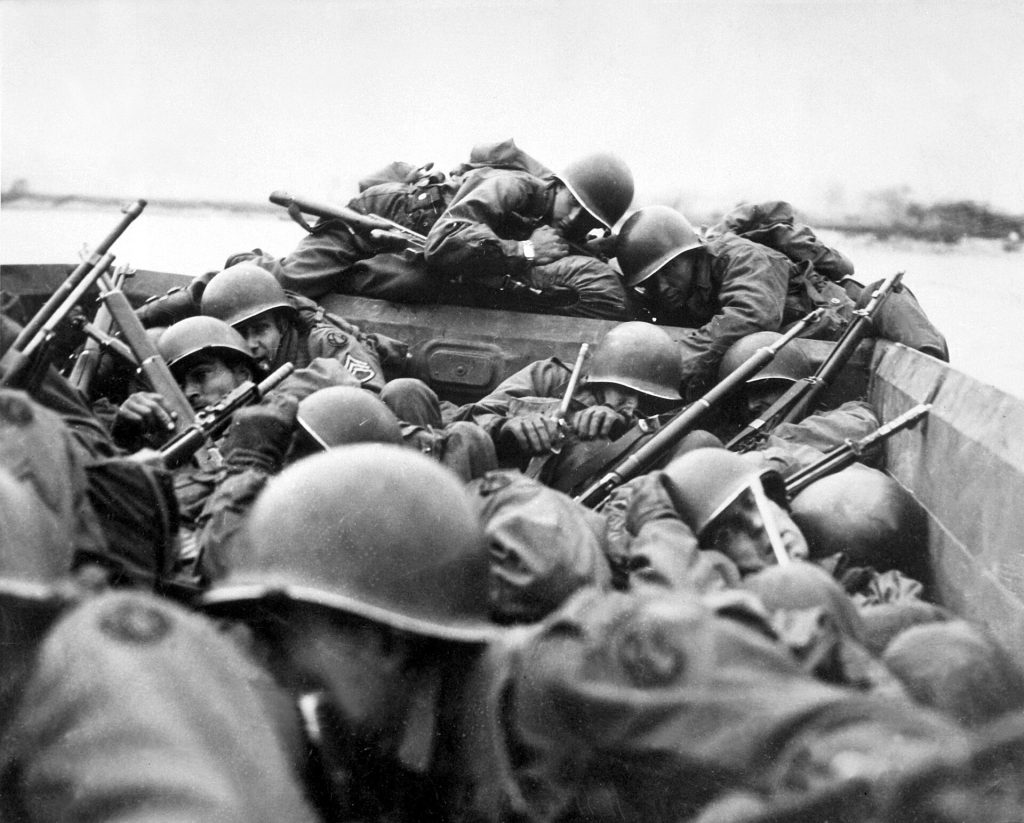
23 March 1945: Operation Plunder
After a thunderous bombardment, Montgomery’s 21st Army Group crosses the Rhine on a broad front at night. The next morning two airborne divisions land on the far bank.
Dispatches involving United Kingdom.
After a thunderous bombardment, Montgomery’s 21st Army Group crosses the Rhine on a broad front at night. The next morning two airborne divisions land on the far bank.
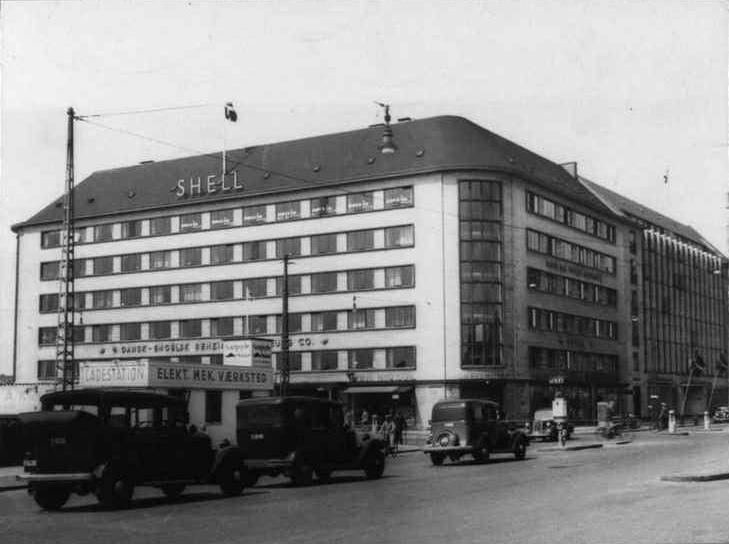
RAF Mosquitos attack the Gestapo headquarters in Copenhagen at rooftop height. Prisoners escape and records burn, but a tragic error kills dozens of children at a nearby school.
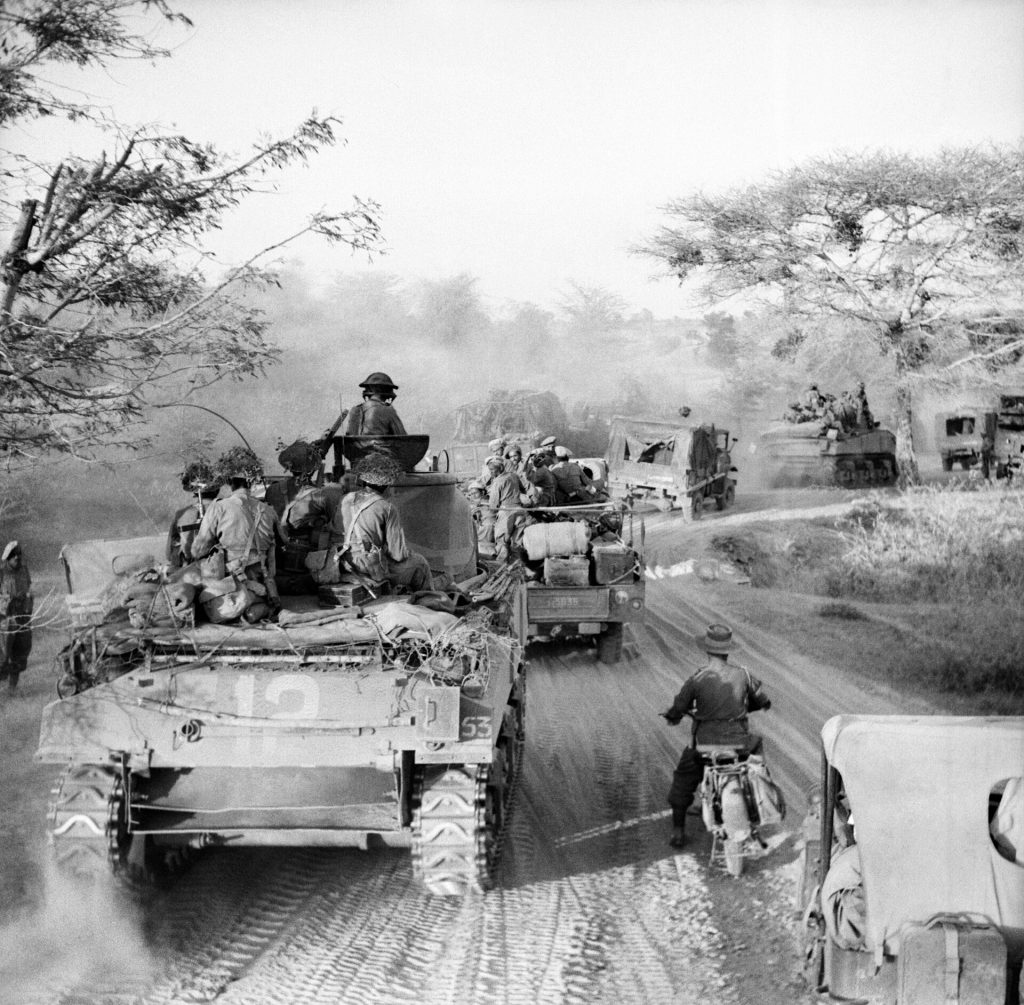
After a siege of more than a week, the Japanese abandon Fort Dufferin. The Fourteenth Army holds Mandalay, the old royal capital of Burma.
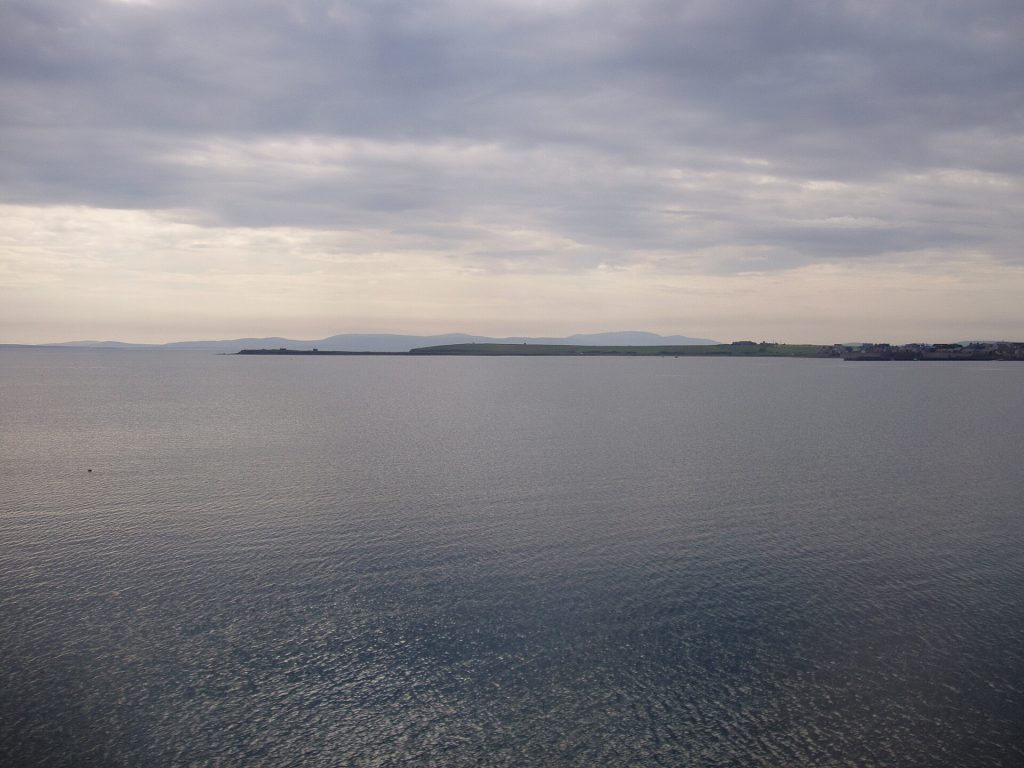
German bombers attack the naval base at Scapa Flow. Bombs fall on the Orkney village of Bridge of Waith, and a 27-year-old man becomes the first British civilian killed by bombing in the war.
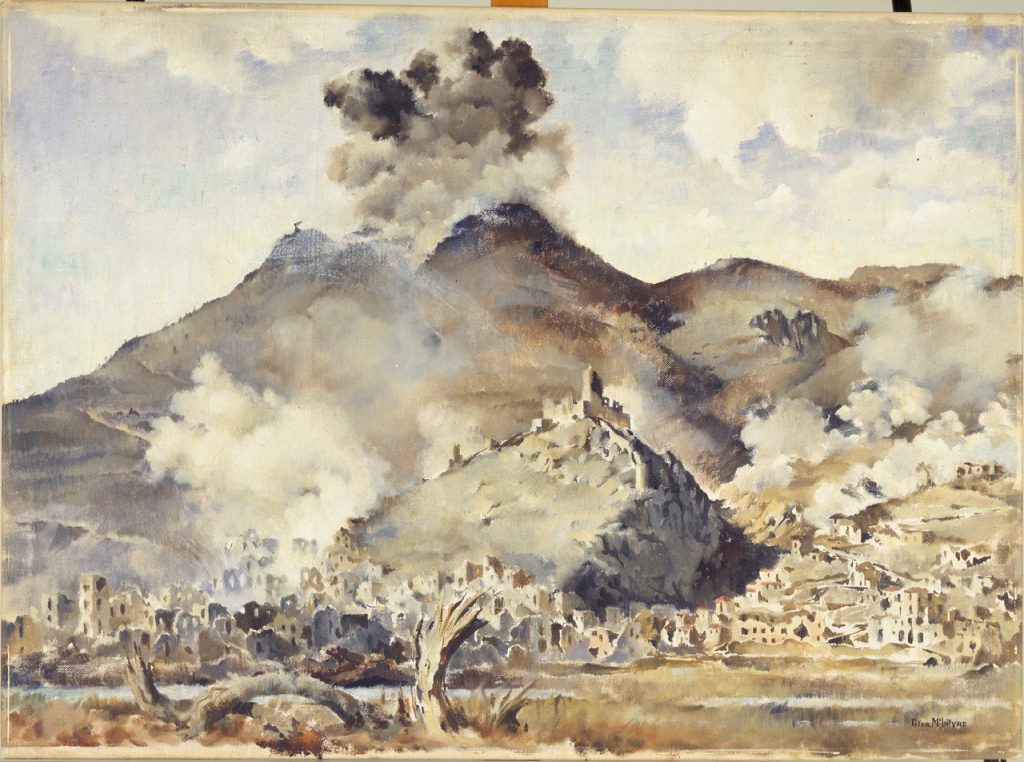
Hundreds of Allied bombers reduce the town of Cassino to rubble. New Zealand and Indian troops go in, but the German paratroopers are still there.
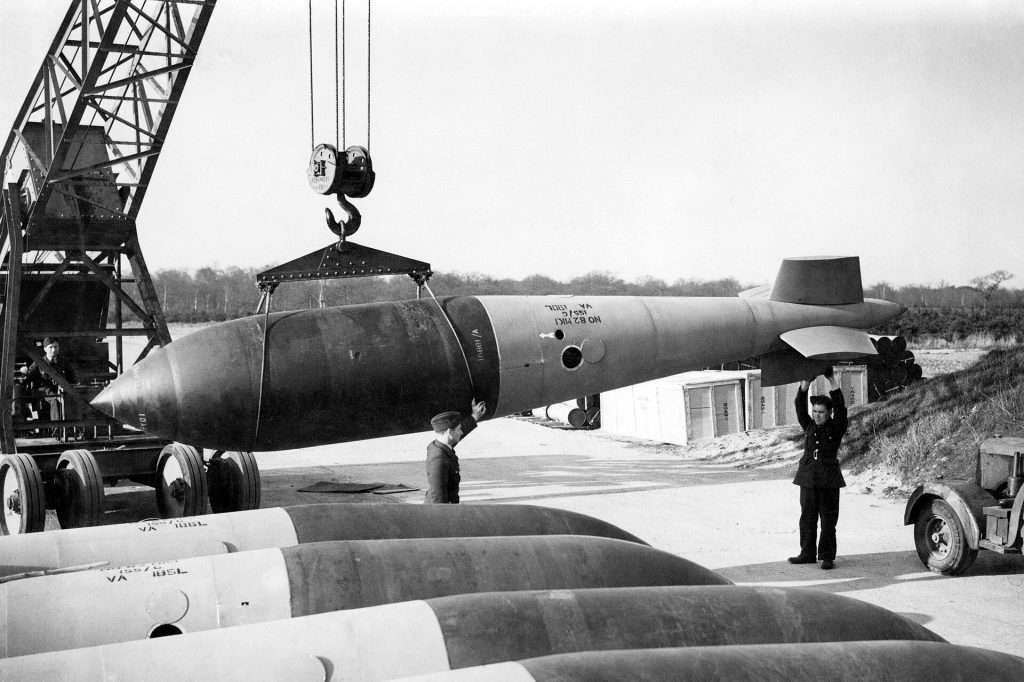
A single Lancaster of 617 Squadron drops a ten-tonne bomb near the Bielefeld railway viaduct. The earthquake it causes brings down several spans.
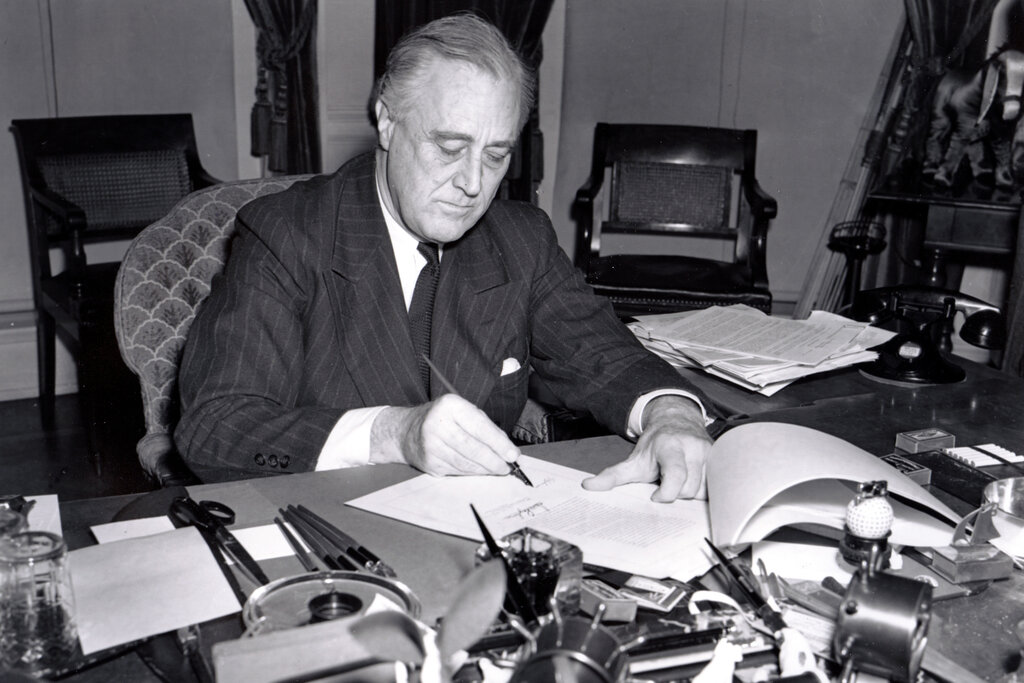
Roosevelt signs into law a bill allowing the United States to send weapons and supplies to nations fighting the Axis without immediate payment. America becomes the arsenal of democracy.

Japanese troops enter an abandoned and burning Rangoon. With its port lost, the British army in Burma begins the longest retreat in its history.
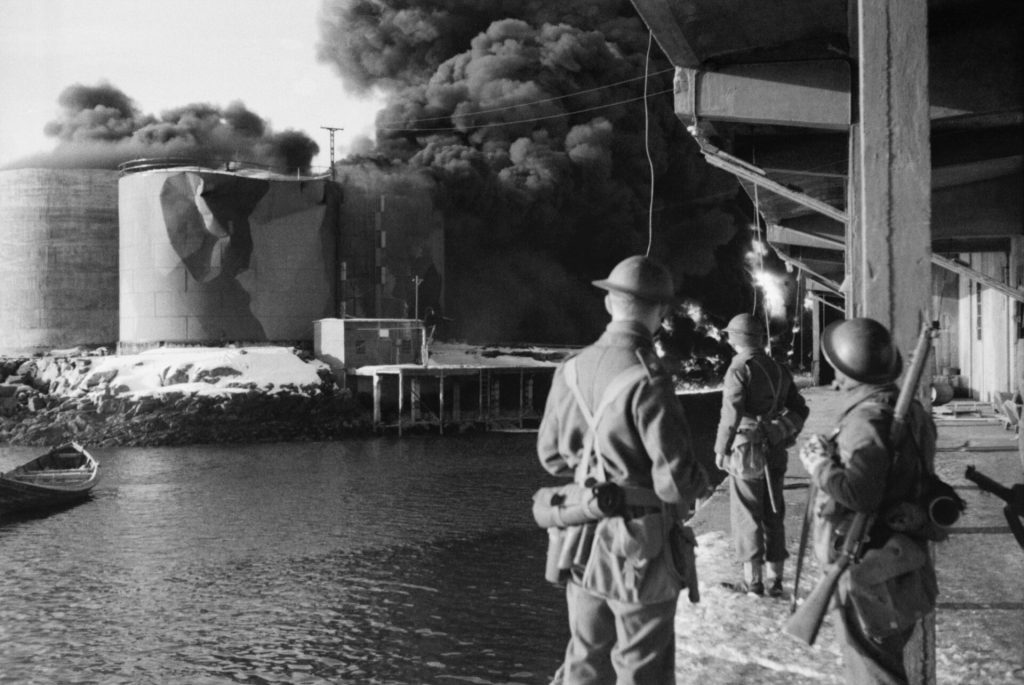
British commandos and Norwegian troops land unopposed in the Lofoten Islands, blow up fish oil factories and sail home with prisoners, volunteers and a secret prize.
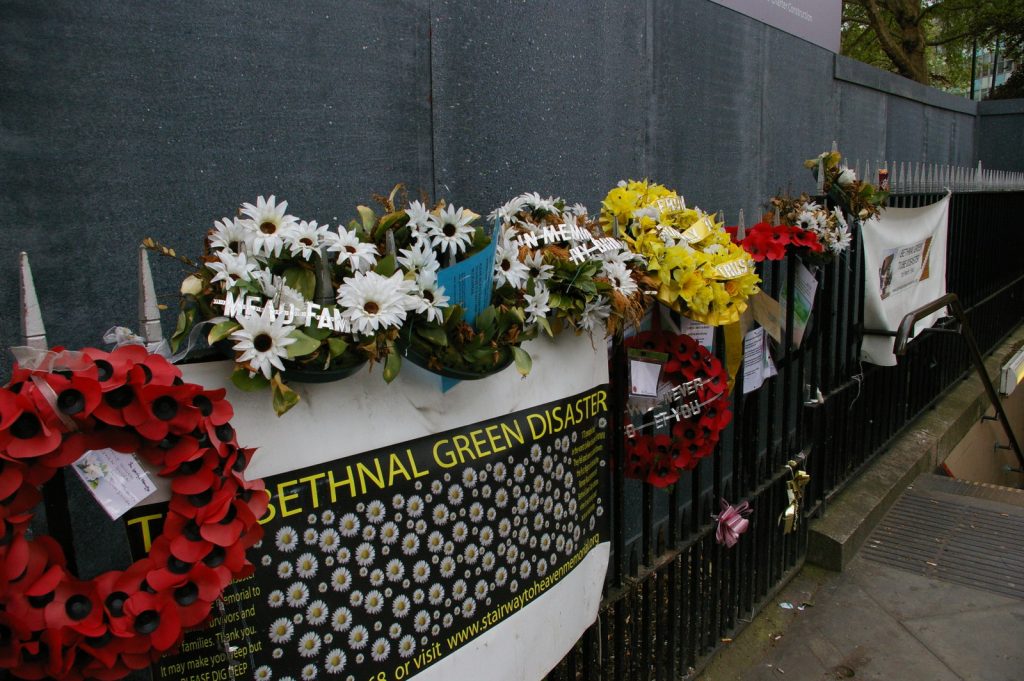
As the air-raid sirens sound in east London, a crowd hurries into an unfinished Underground station. In the dark stairwell, a fall becomes a fatal crush.
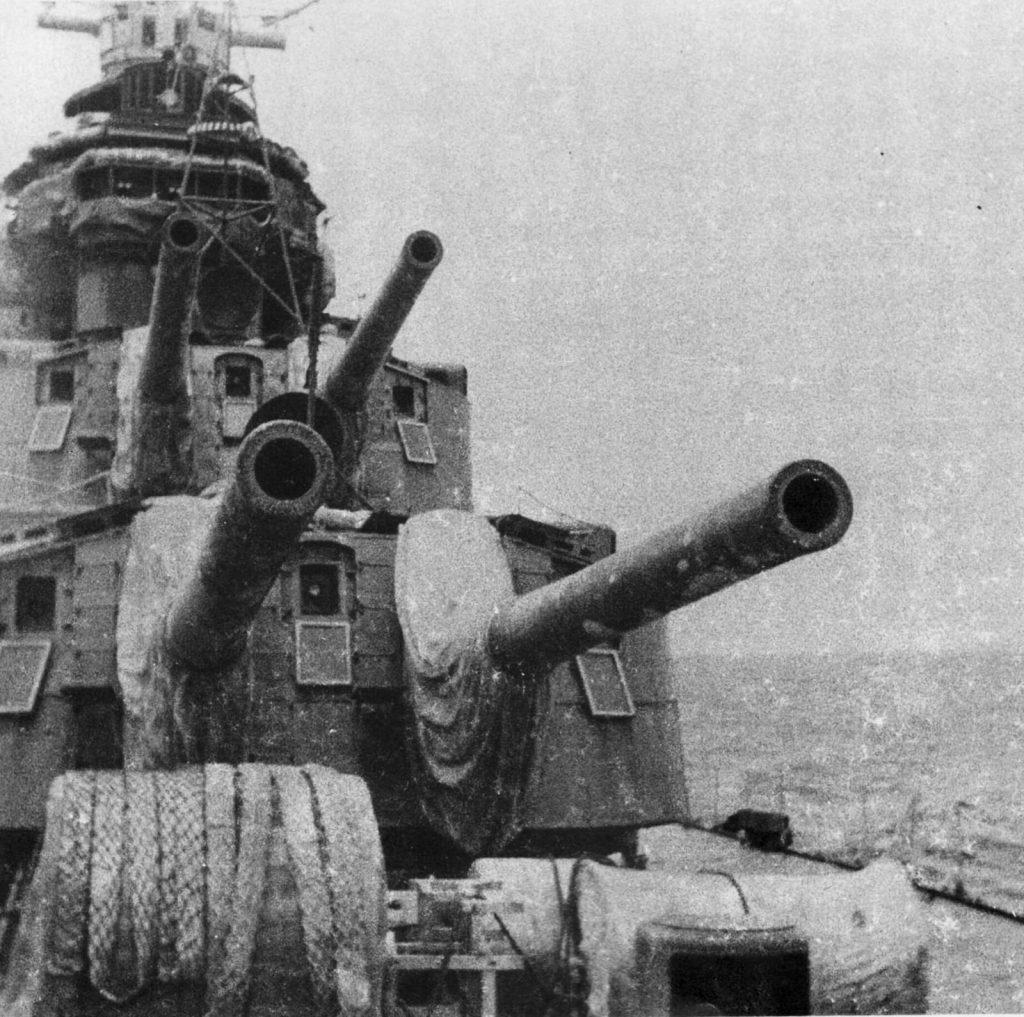
A combined Dutch, British, Australian and American squadron sails out to stop the Japanese invasion of Java. By midnight its admiral is dead and two of its cruisers are sunk.
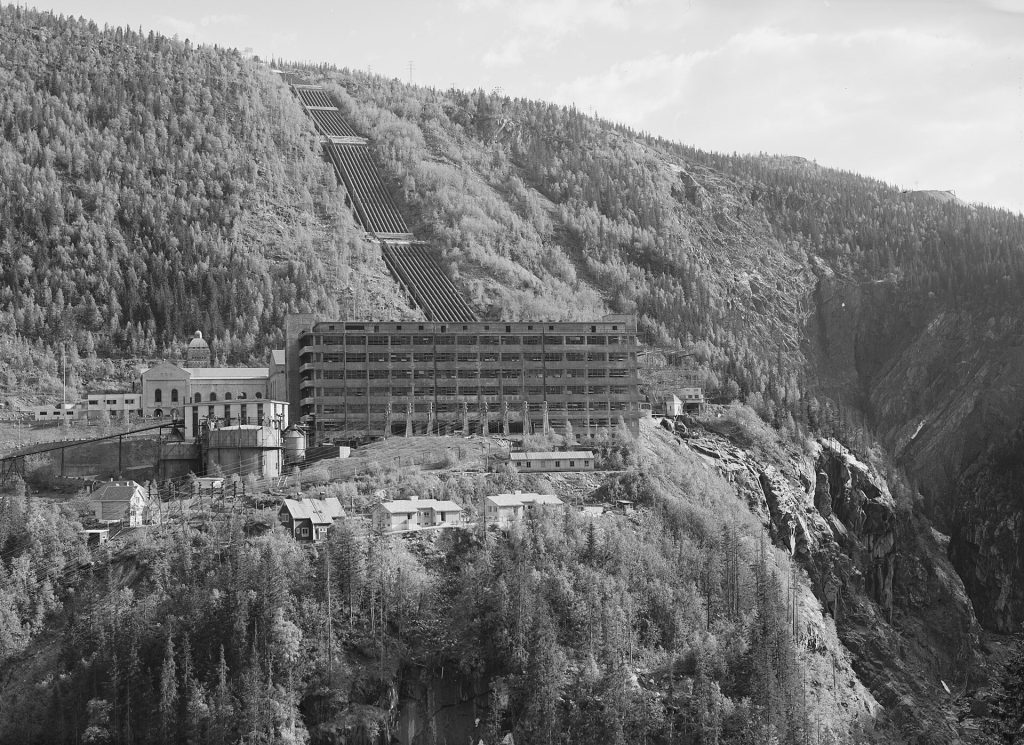
In the early hours, Norwegian commandos climb a frozen gorge, slip into the Vemork plant and destroy Germany’s supply of heavy water. Not a shot is fired.
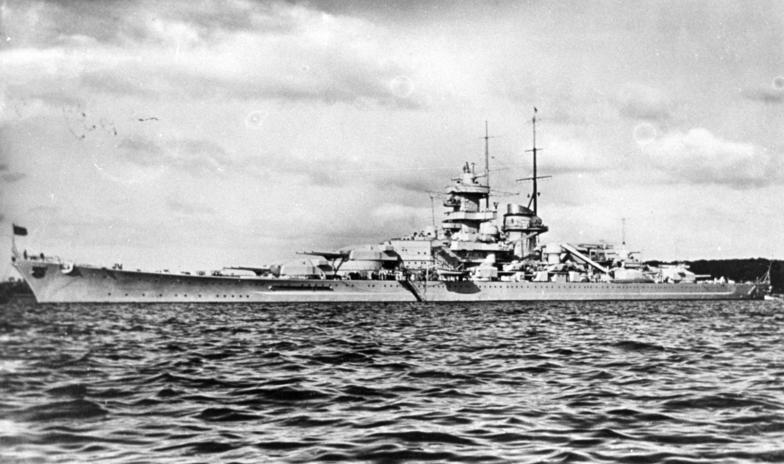
Two weeks after her triumphant dash up the Channel, the battleship Gneisenau is hit by an RAF bomb in dry dock at Kiel. She never sails as a warship again.
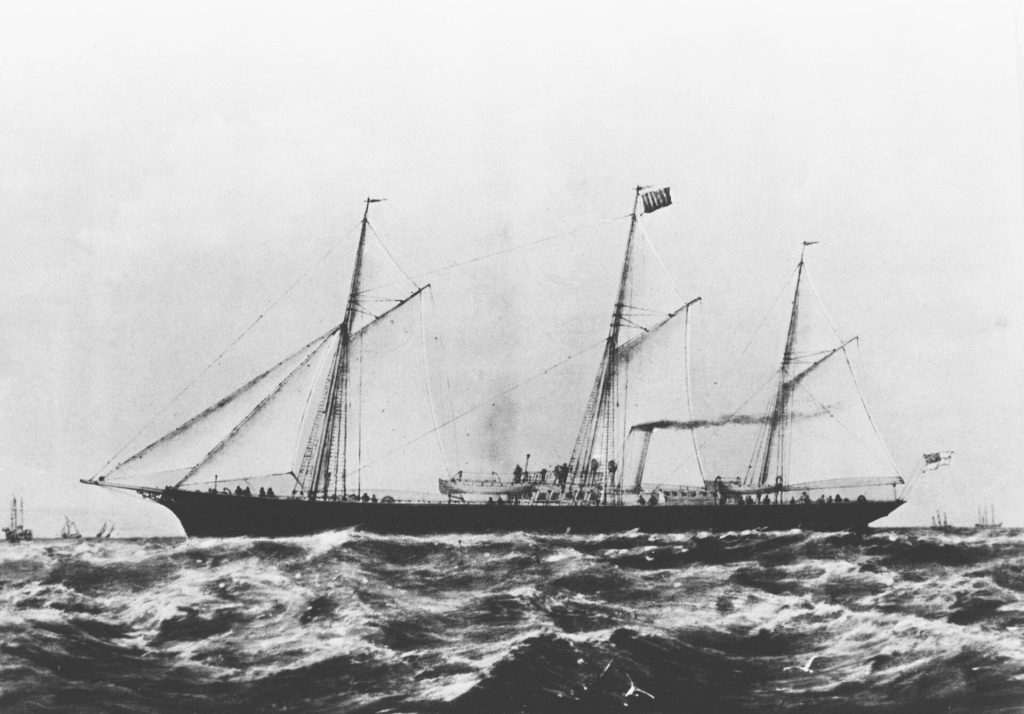
An old, overcrowded boat carrying Jewish refugees from Romania is towed out into the Black Sea and torpedoed. Of the nearly 800 people aboard, one survives.
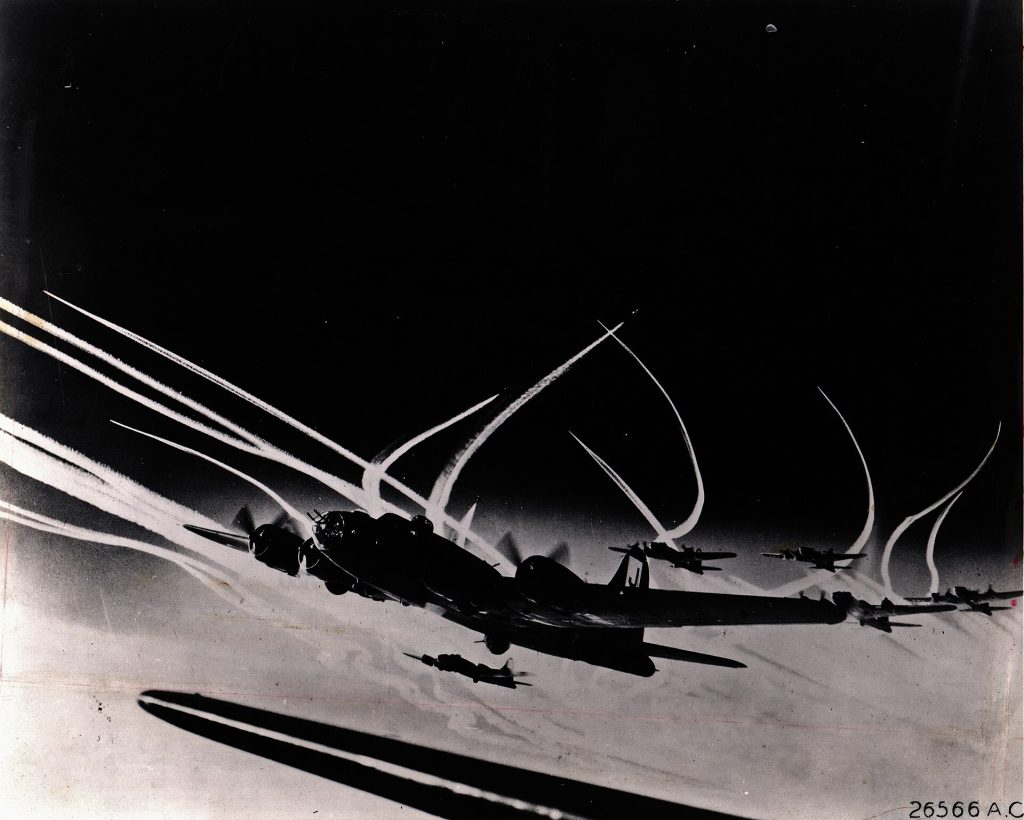
With a break in the winter weather, the Allied air forces launch a week of massed attacks on the German aircraft industry. The real target is the Luftwaffe itself.
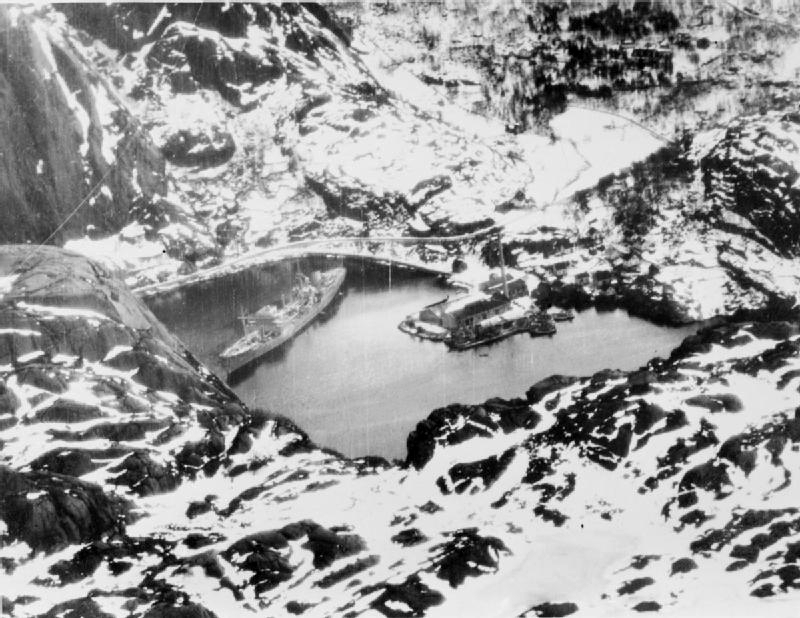
A British destroyer enters a Norwegian fjord, boards a German supply ship and frees around 300 British seamen held captive below decks.
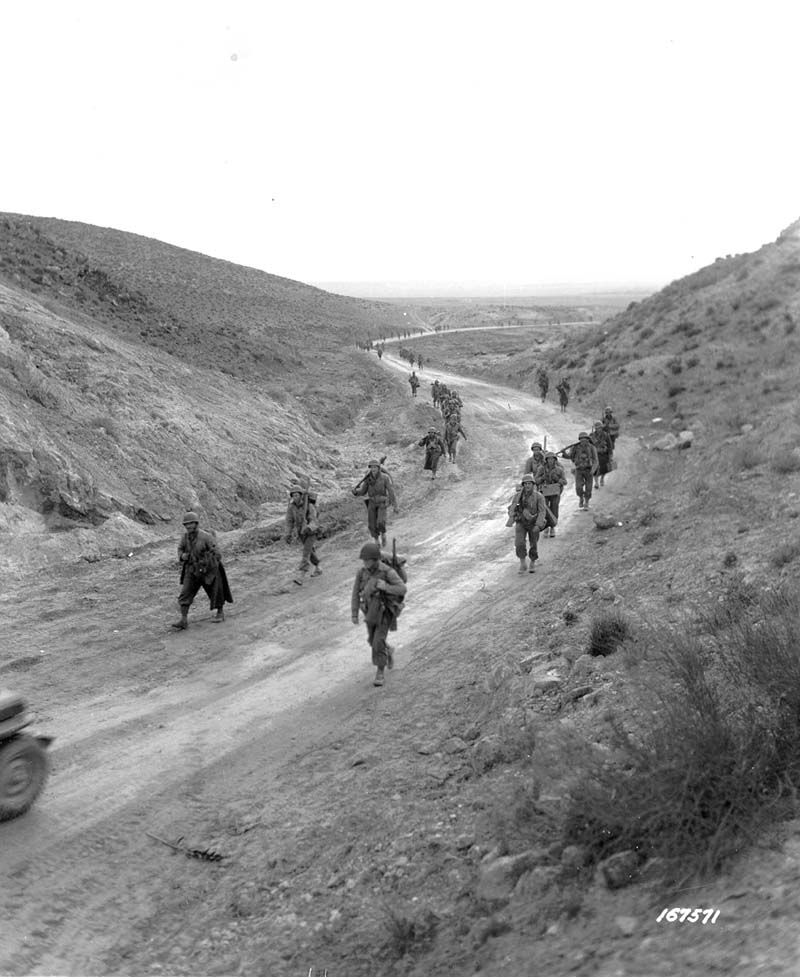
German panzer divisions strike the inexperienced US II Corps in central Tunisia. Within days the Americans are driven back through the Kasserine Pass.
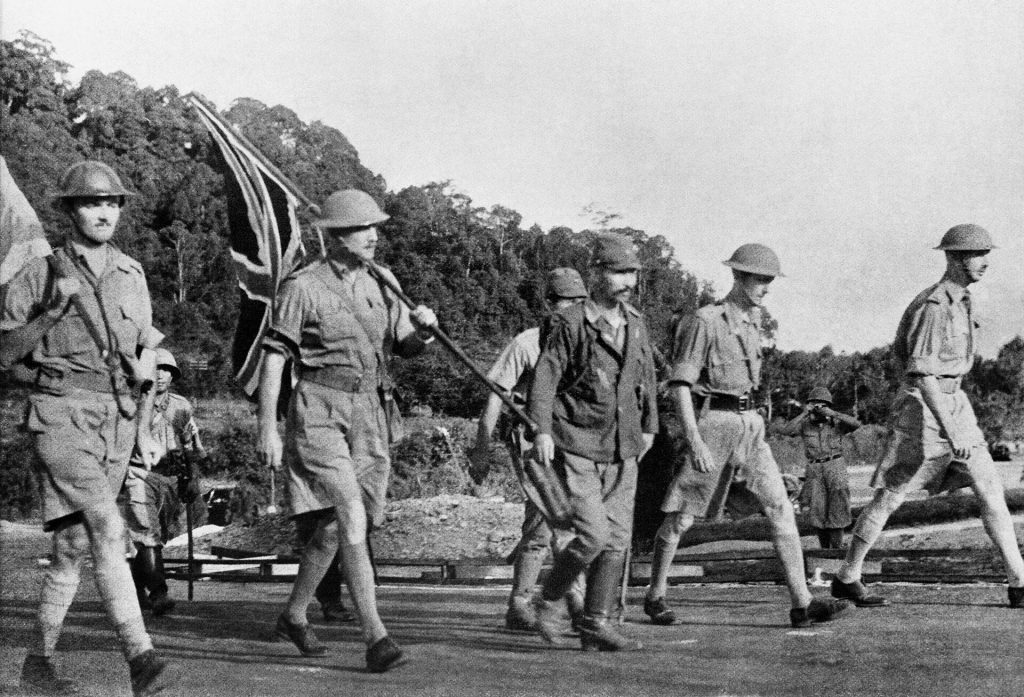
A week after Japanese troops cross the Johor Strait, Lieutenant-General Percival surrenders the fortress of Singapore. It is the largest capitulation in British history.
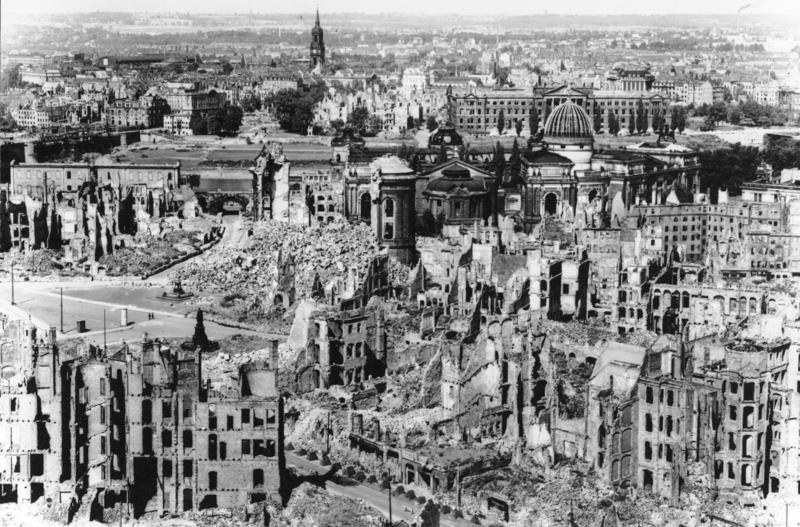
RAF bombers attack the baroque city of Dresden in two waves by night, followed by American raids by day. The firestorm that follows becomes one of the most debated acts of the war.
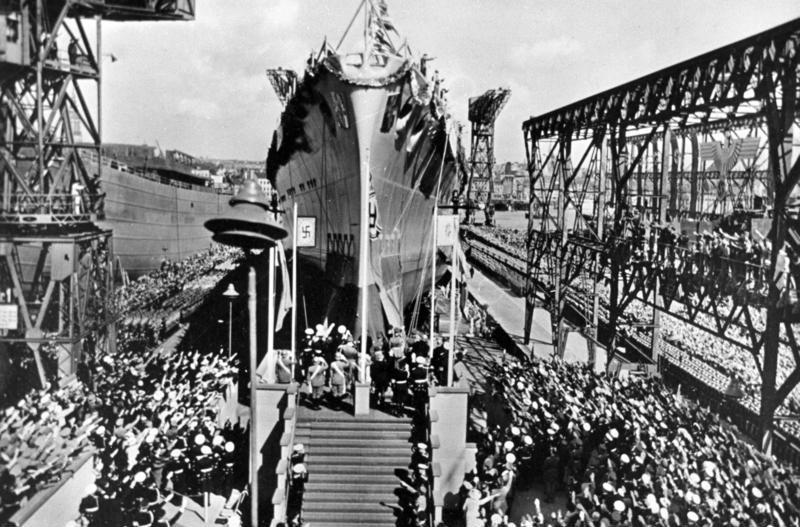
Two German battleships and a heavy cruiser sail from Brest and run straight up the English Channel in broad daylight. The British are slow to react.
 United Kingdom
 United States
 Soviet Union
 Germany
 Japan
 France
 Poland
 South Africa