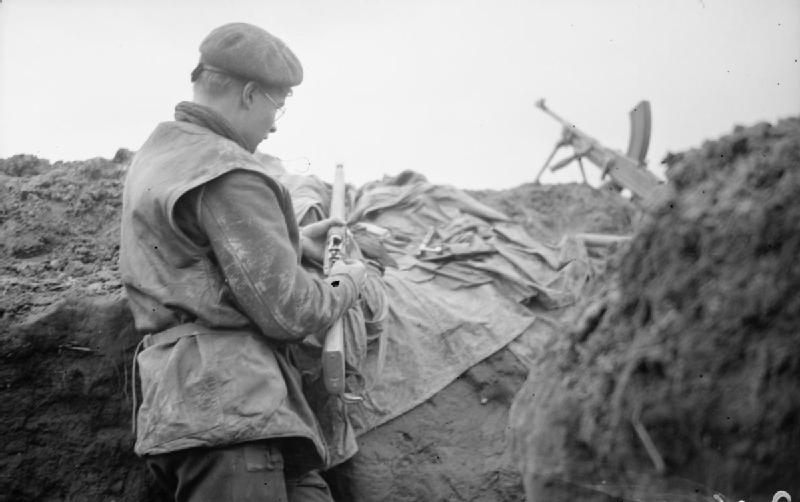
8 February 1945: Operation Veritable
After a massive bombardment, the First Canadian Army attacks into the Reichswald forest, the start of the battle to clear the last ground west of the Rhine.
Dispatches involving United Kingdom.
After a massive bombardment, the First Canadian Army attacks into the Reichswald forest, the start of the battle to clear the last ground west of the Rhine.
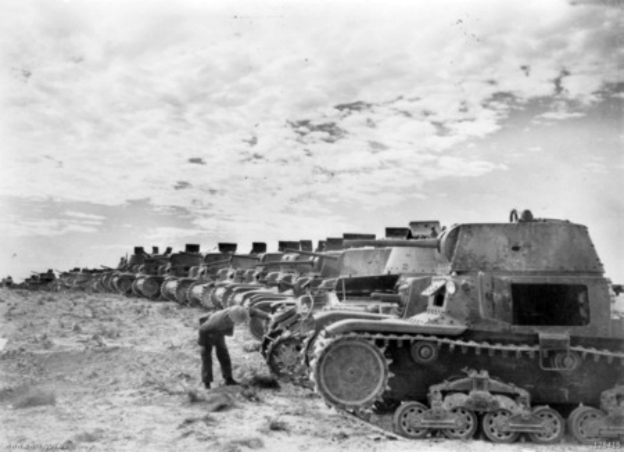
A small British force races across the desert and blocks the coast road south of Benghazi. The retreating Italian Tenth Army is trapped and surrenders.

Japanese troops sweep around the 7th Indian Division in the Arakan, expecting it to retreat. Instead, supplied from the air, it stands and fights.
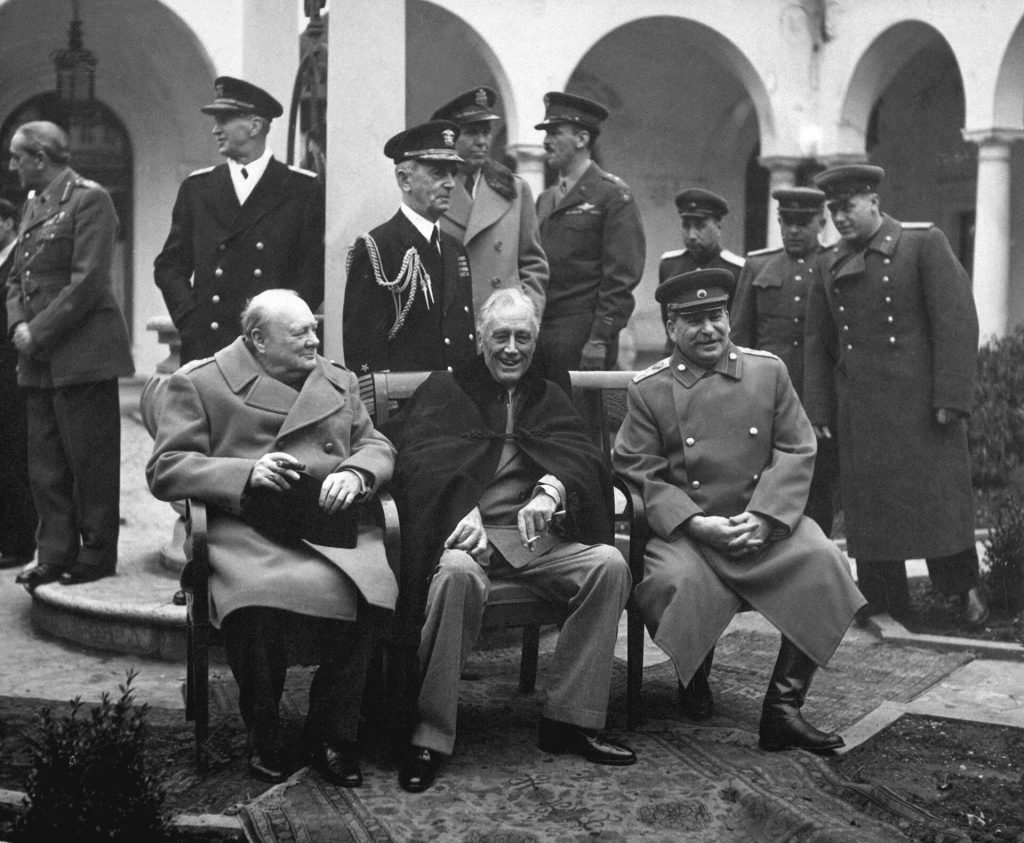
Roosevelt, Churchill and Stalin meet in a former tsar’s palace in the Crimea. They plan the end of the war and the shape of the peace.
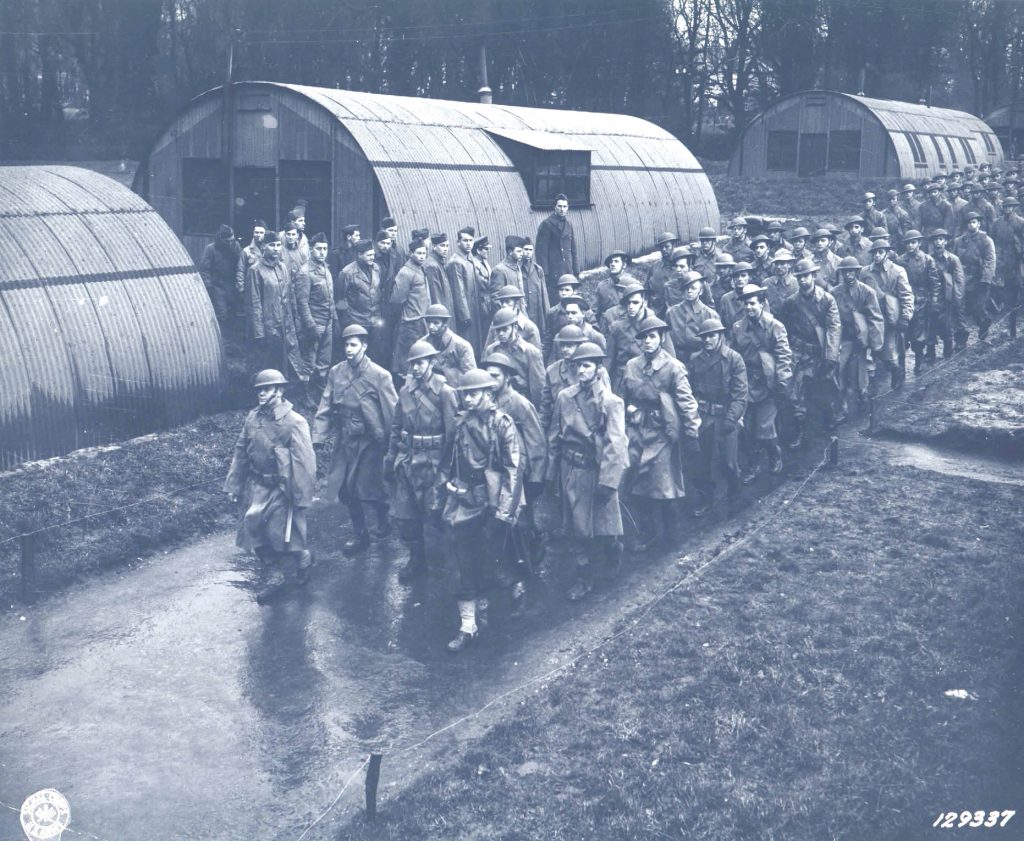
Seven weeks after Pearl Harbor, the first American soldiers to reach Europe in this war step ashore in Belfast. Millions more will follow.
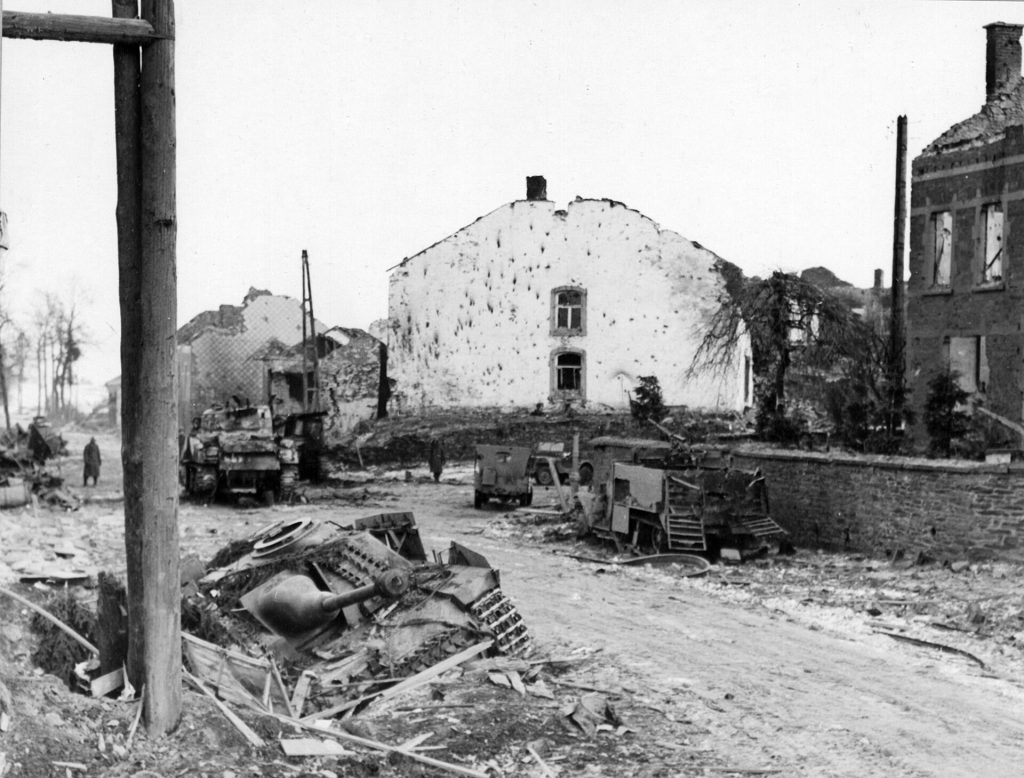
Six weeks after Hitler’s last great offensive in the west tore into the Ardennes, the US Army marks the official end of the Battle of the Bulge.
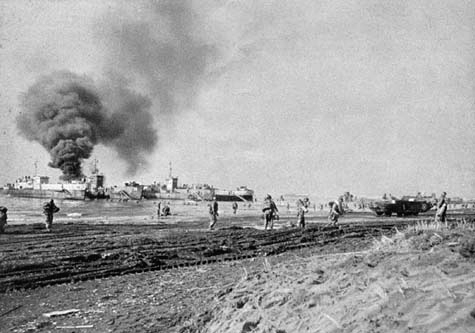
Allied troops land behind the Gustav Line, almost unopposed, within reach of Rome. Instead of a quick breakthrough, they face four months of siege.
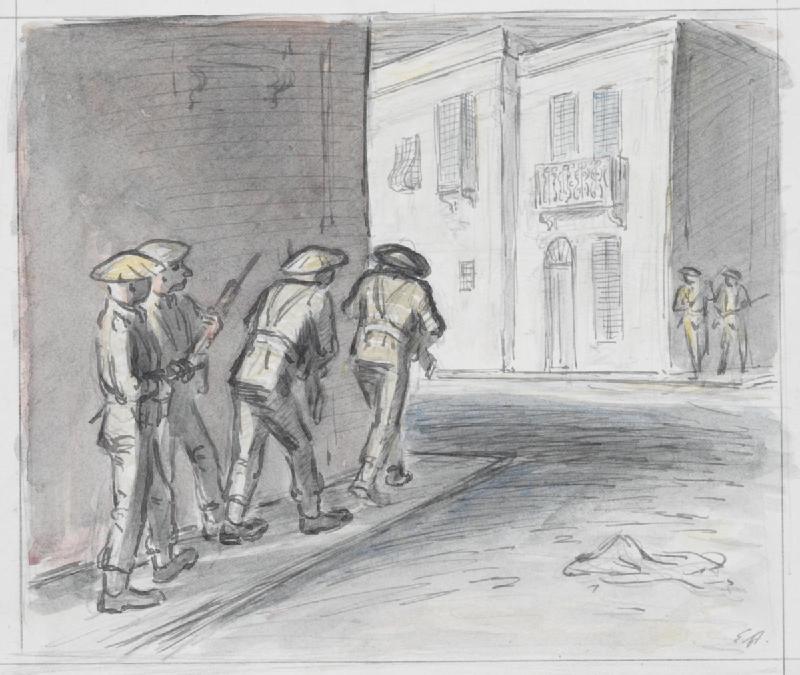
Three months after El Alamein, Montgomery’s Eighth Army enters the capital of Italian Libya. Mussolini’s North African empire is gone.
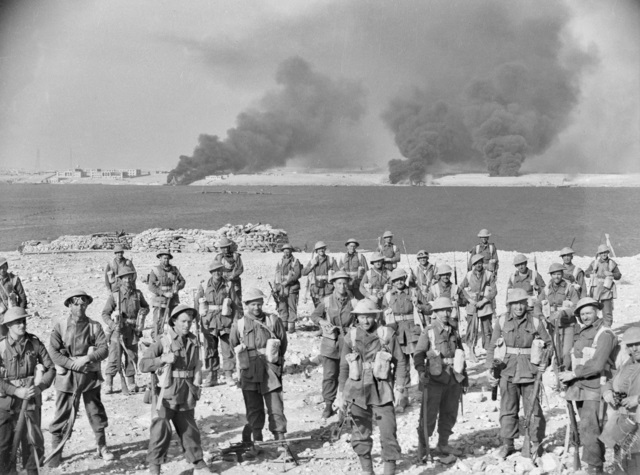
Fresh from victory at Bardia, the 6th Australian Division storms the fortress of Tobruk. By the next afternoon its harbour is in Allied hands.
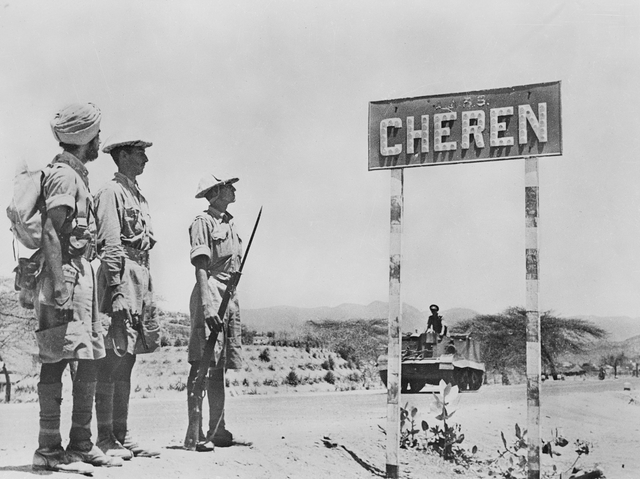
British and Indian troops cross from the Sudan into Italian Eritrea. The campaign that follows will end Mussolini’s empire in East Africa.
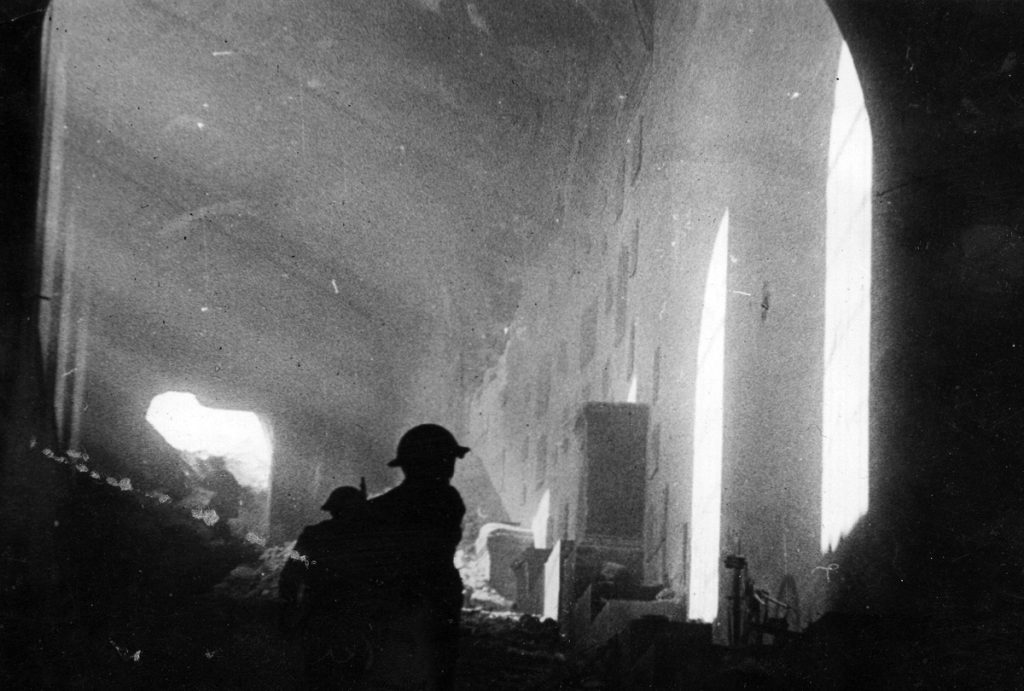
British troops cross the Garigliano to open the first of four bloody battles for the Gustav Line, the German barrier blocking the road to Rome.
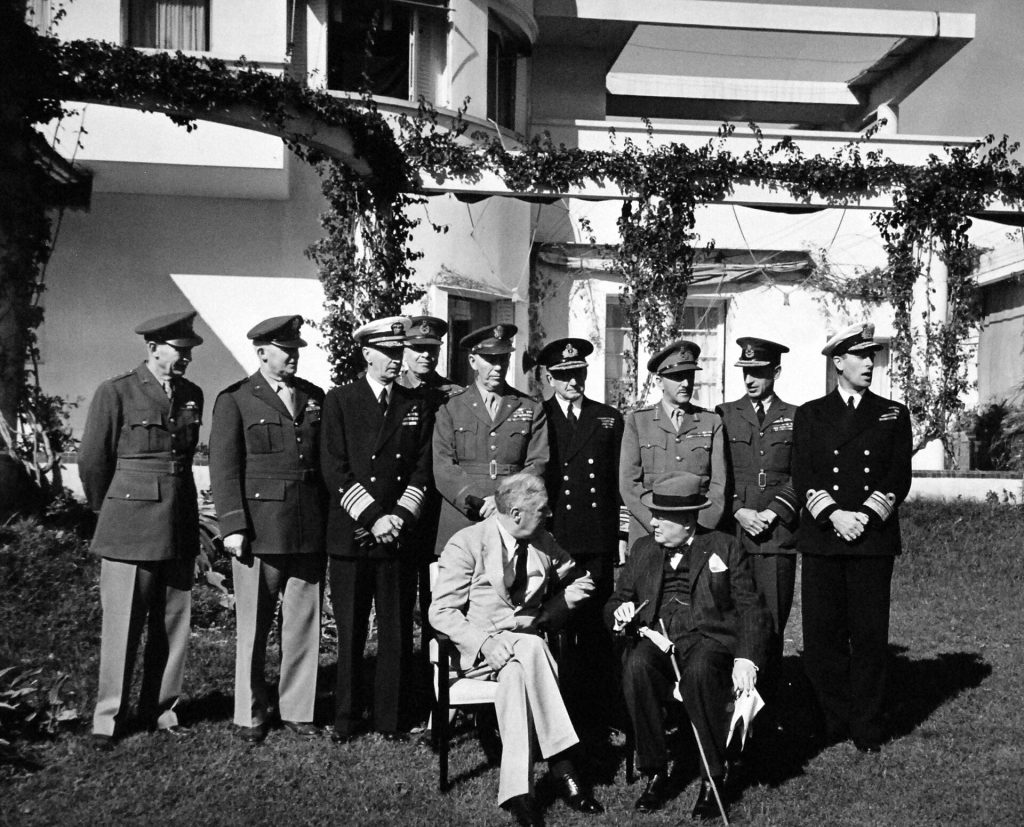
Roosevelt and Churchill meet in liberated Morocco to plan the next year of the war. They leave with a decision on Sicily and a demand the Axis will hear loud and clear: unconditional surrender.
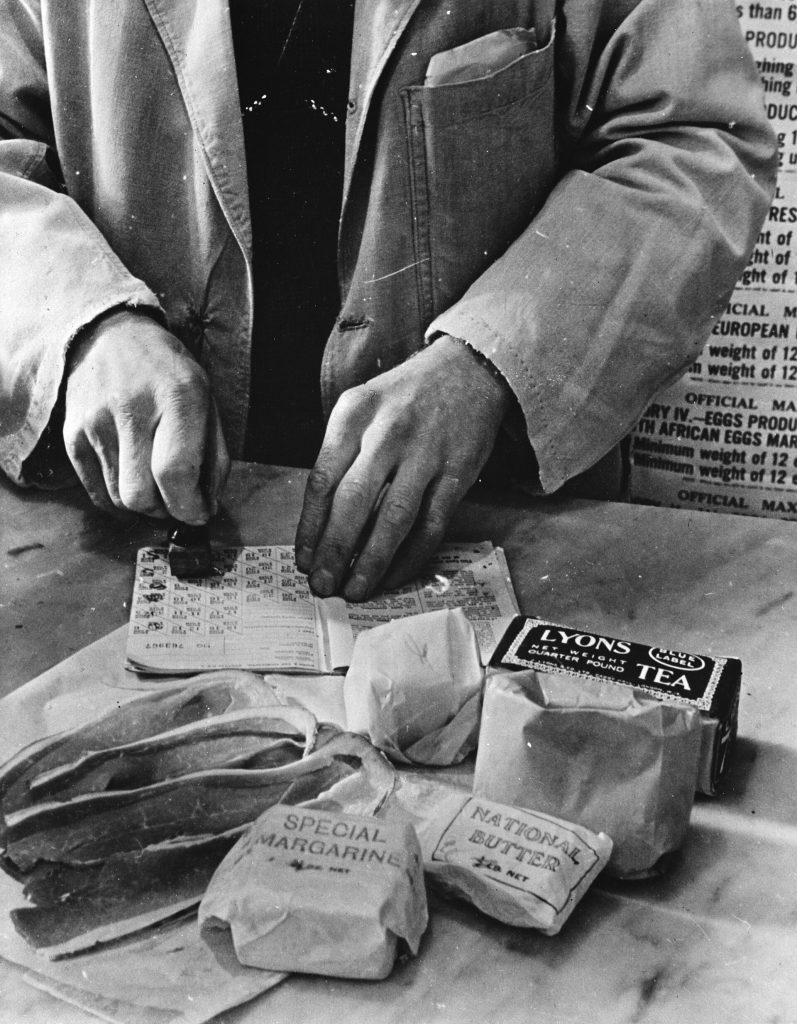
Four months into the war, British households are issued ration books for bacon, butter and sugar. The system will outlast the war itself by almost nine years.
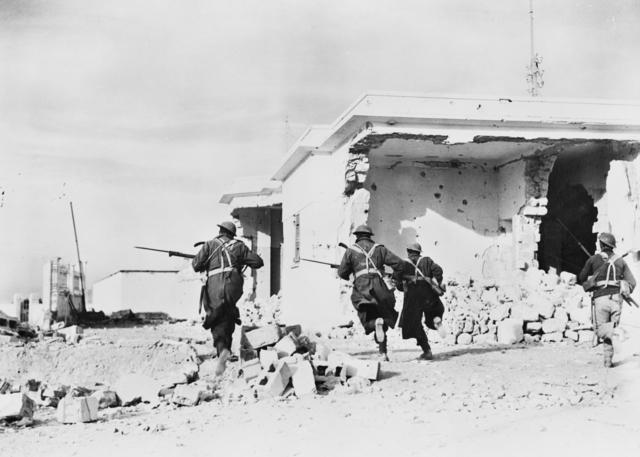
In their first battle of the war, the men of the 6th Australian Division storm the fortified Libyan port of Bardia and take tens of thousands of Italian prisoners.
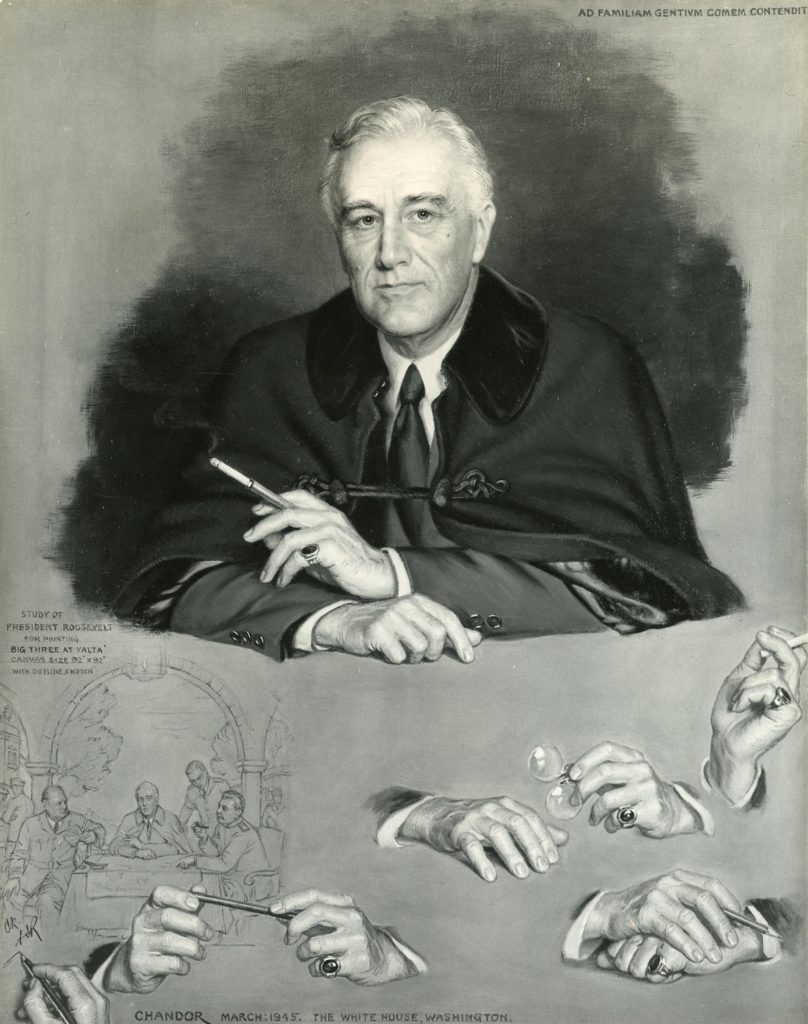
In his State of the Union address, Roosevelt sets out four freedoms that he says every person in the world should enjoy, and asks Congress to arm the nations defending them.
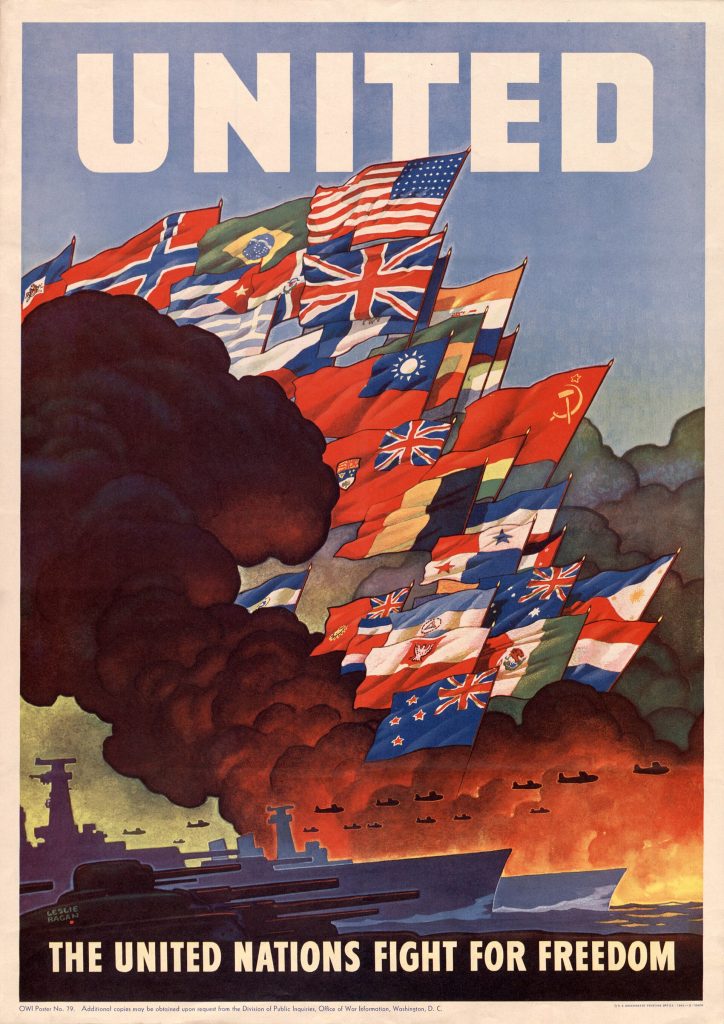
Weeks after Pearl Harbor, the nations fighting the Axis sign a single pledge in Washington. Their name for themselves will outlive the war.
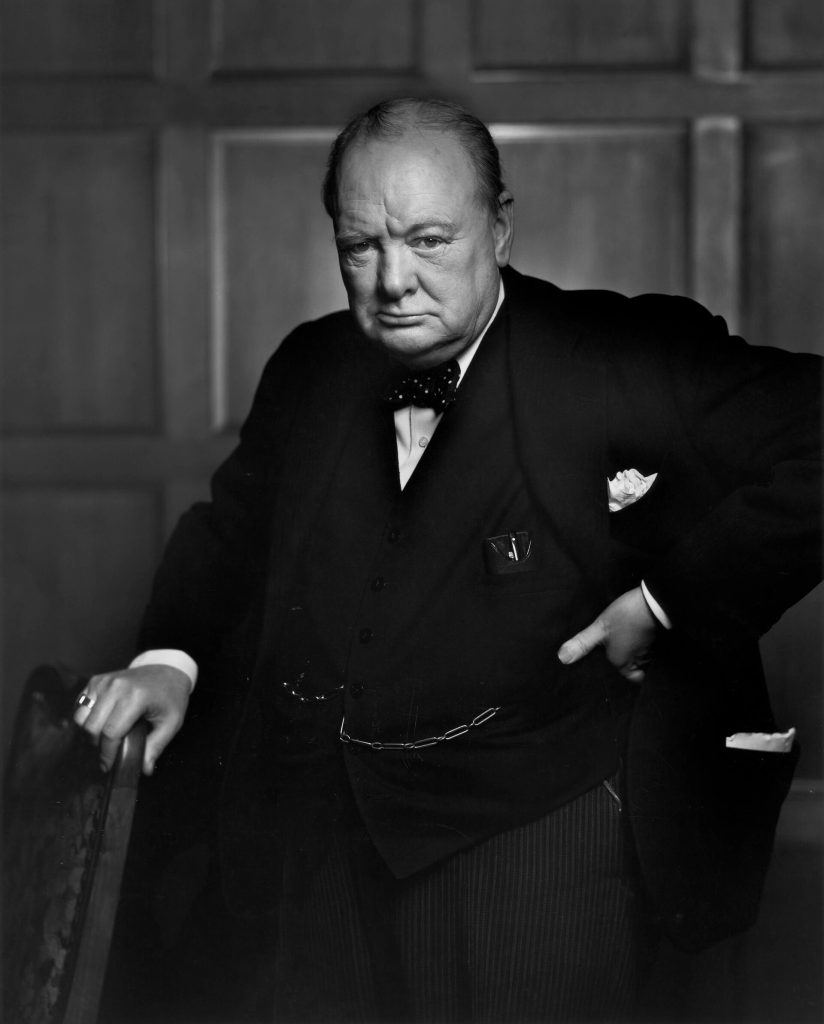
Churchill addresses the Canadian Parliament in Ottawa with one of his most famous jokes, then sits for a photographer who creates the defining image of his life.
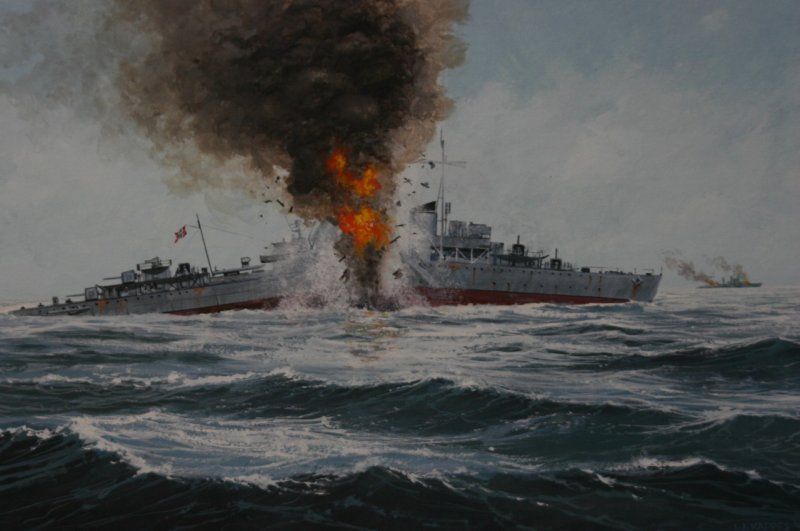
A heavy cruiser and a pocket battleship attack an Arctic convoy guarded only by destroyers. The escorts hold them off, and Hitler’s fury will end the career of his navy’s chief.
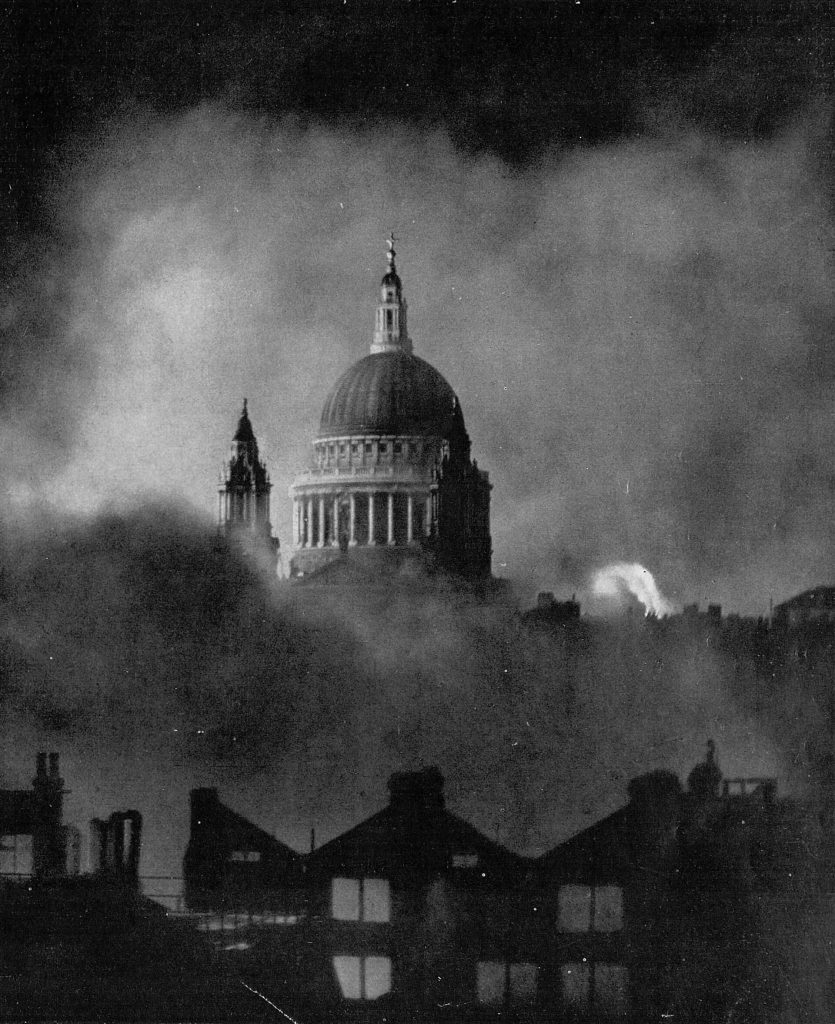
On a Sunday night with the Thames at low tide, German bombers set the City of London ablaze. St Paul’s Cathedral stands untouched amid the flames.
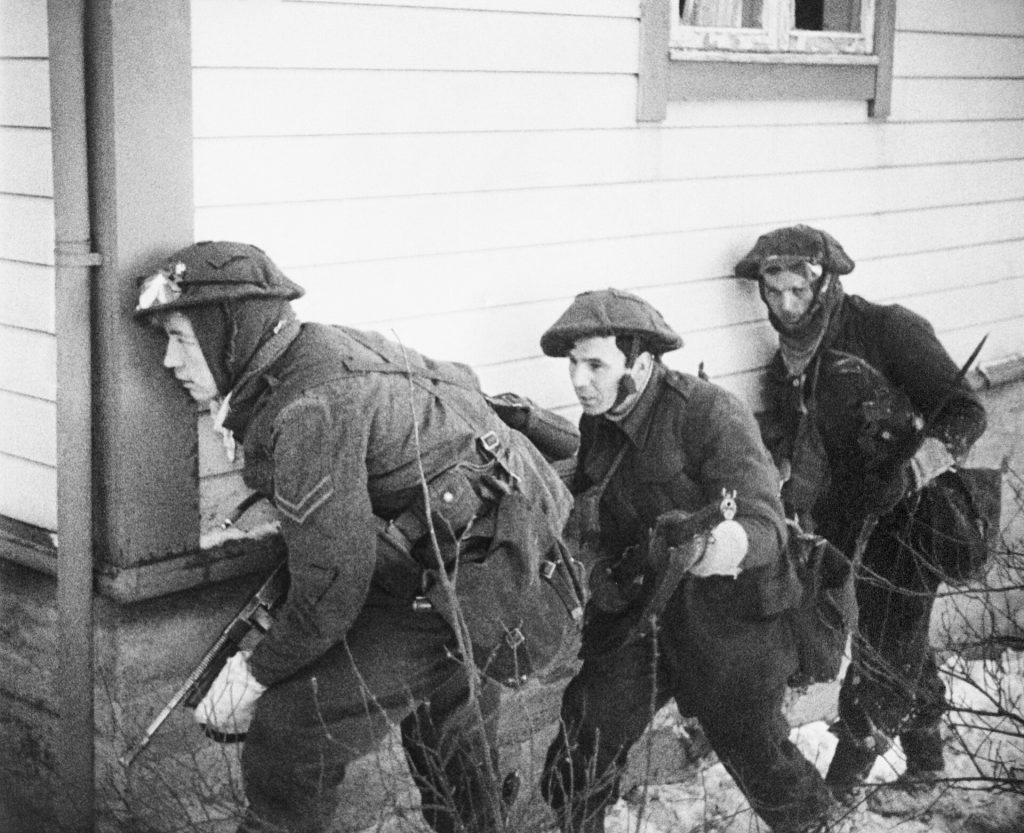
British commandos and Norwegian volunteers storm the island town of Måløy on the Norwegian coast. The raid is small, but it changes how Hitler garrisons Norway.
 United Kingdom
 United States
 Soviet Union
 Germany
 Japan
 France
 Poland
 South Africa