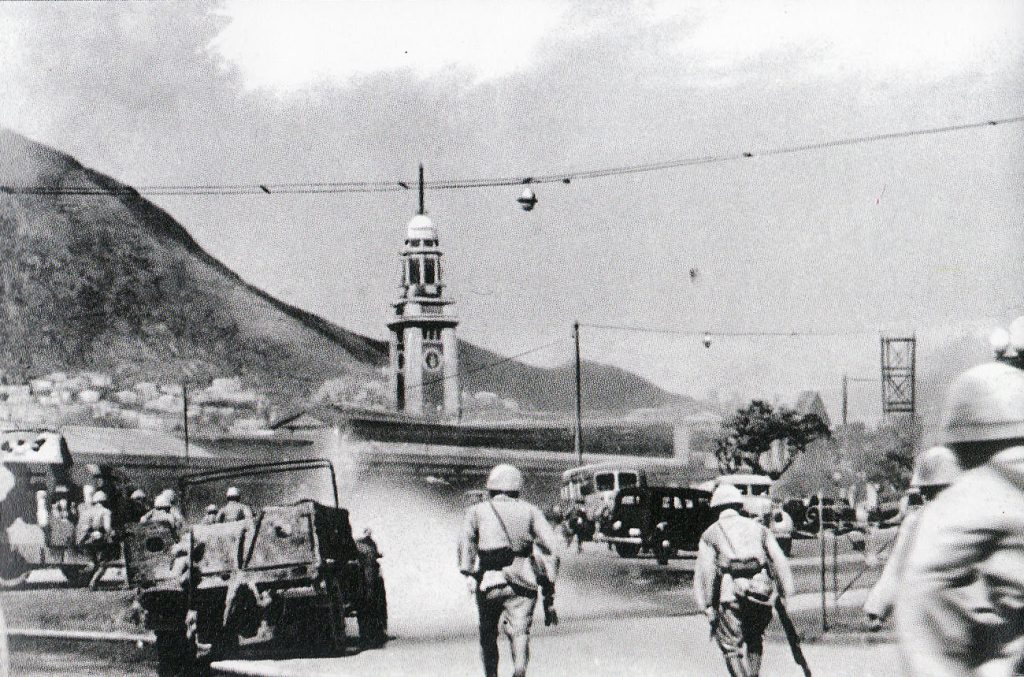
25 December 1941: Black Christmas in Hong Kong
After eighteen days of fighting, the British colony of Hong Kong surrenders to Japan on Christmas Day. Its Commonwealth garrison and civilians face nearly four years of occupation.
Dispatches involving United Kingdom.
After eighteen days of fighting, the British colony of Hong Kong surrenders to Japan on Christmas Day. Its Commonwealth garrison and civilians face nearly four years of occupation.

In the Arctic darkness off northern Norway, radar-guided British warships trap and sink the battleship Scharnhorst. Of nearly 2,000 men aboard, only 36 survive.
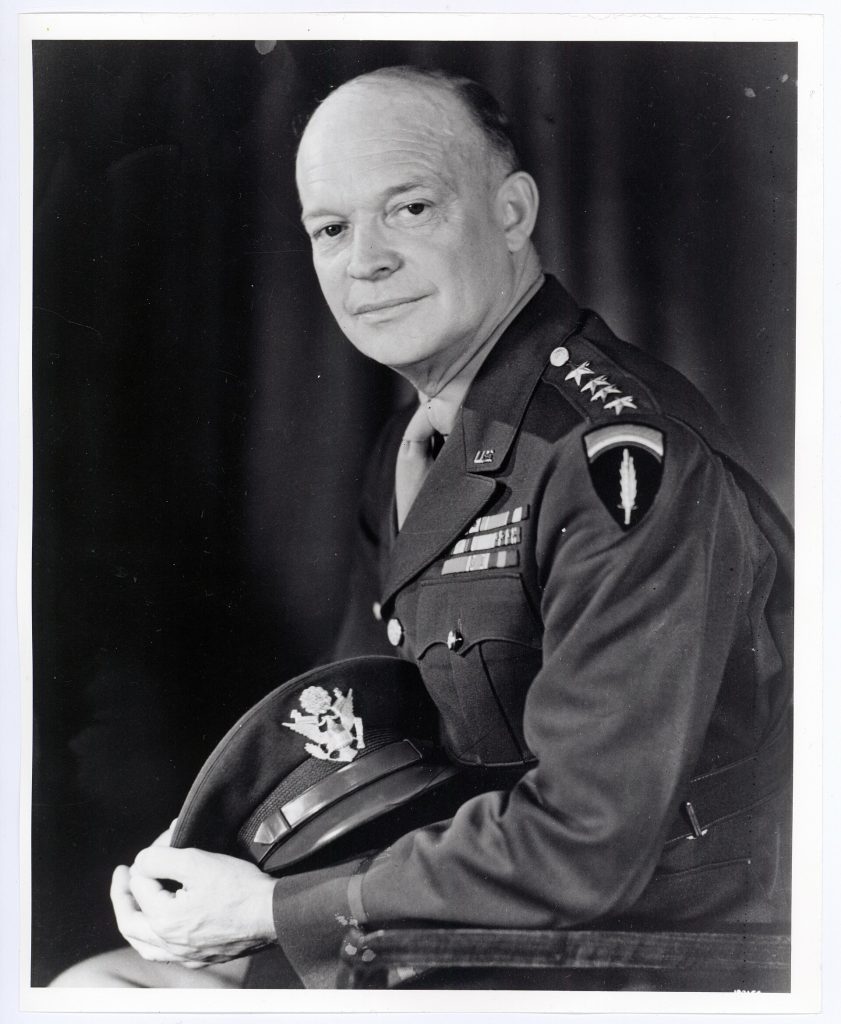
In a Christmas Eve radio address, Roosevelt announces that General Dwight D. Eisenhower will command the Allied invasion of Western Europe.
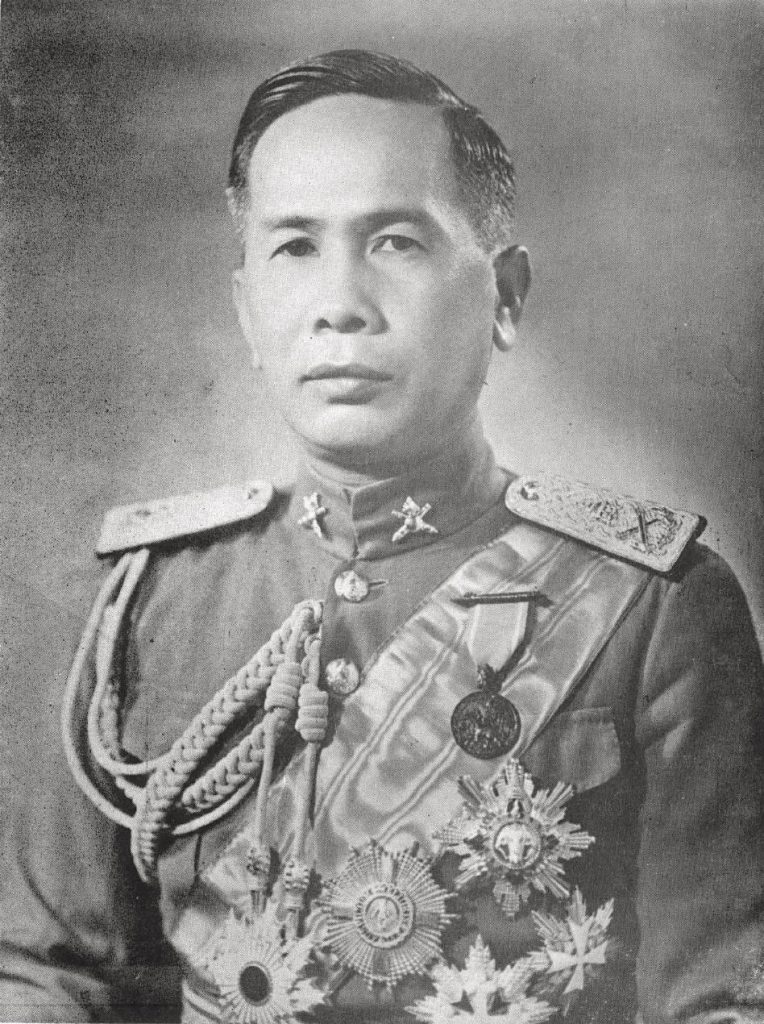
Two weeks after Japanese troops crossed its borders, Thailand signs a treaty of alliance with Japan in Bangkok. In Washington, the Thai ambassador quietly refuses to go along.
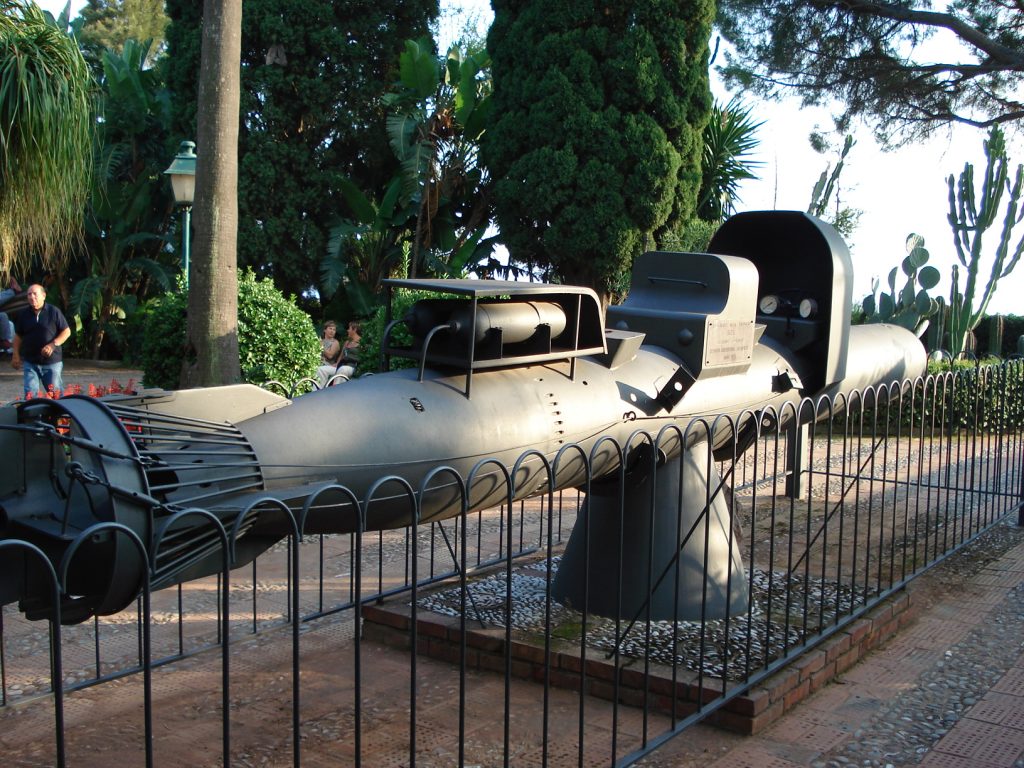
Six Italian frogmen riding human torpedoes slip into Alexandria harbour and sink two British battleships where they lie at anchor.
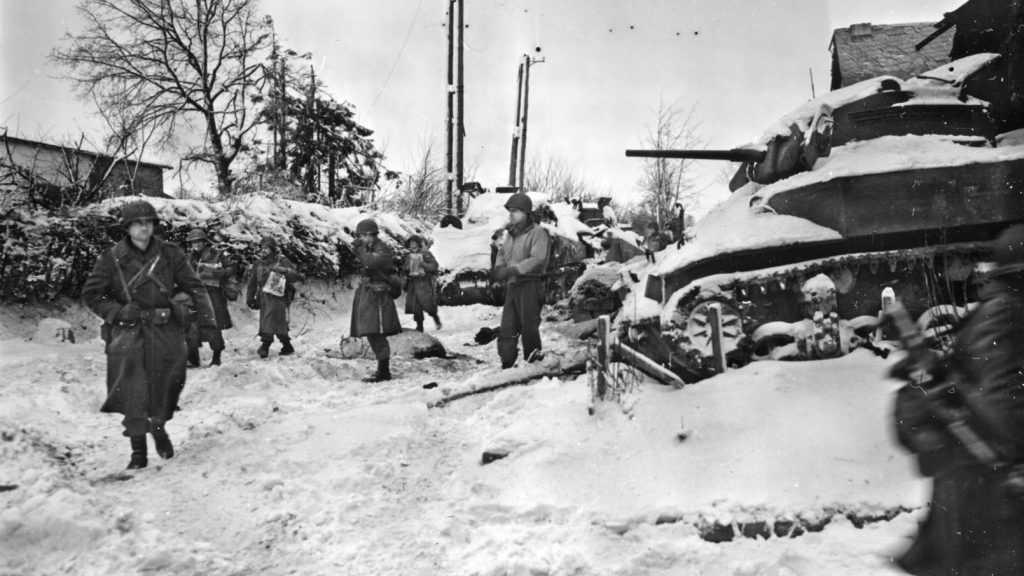
Out of the fog-bound forests of the Ardennes, three German armies smash into a thinly held American front. Hitler’s last great gamble in the west has begun.
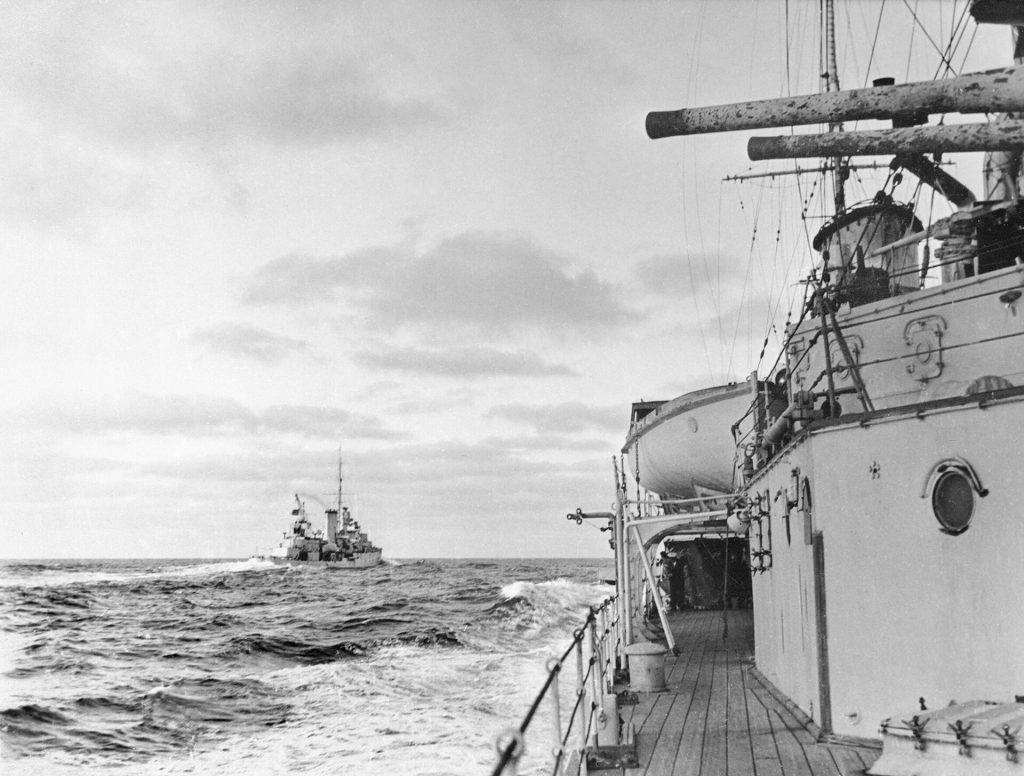
Three British cruisers take on the pocket battleship Admiral Graf Spee off the coast of South America. Battered, the raider runs for neutral Montevideo, and into a trap of nerves.
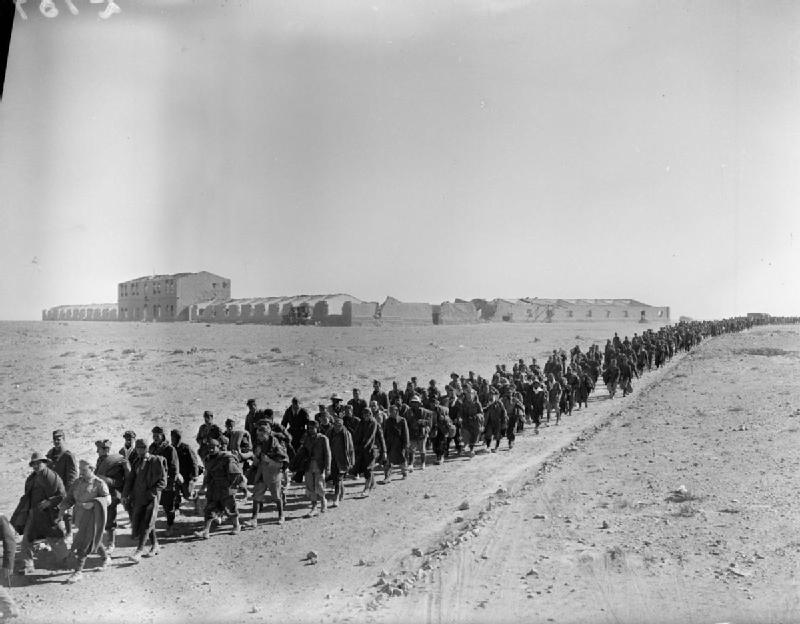
A small British and Indian force strikes the Italian army that has invaded Egypt. Planned as a five-day raid, it becomes a two-month rout that captures well over 100,000 prisoners.
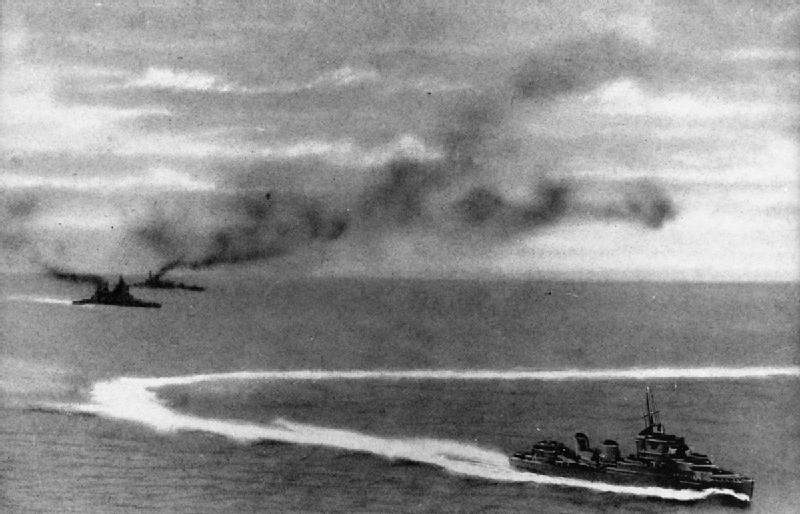
Without fighter cover, the battleship Prince of Wales and the battlecruiser Repulse are sunk off Malaya by Japanese land-based aircraft. Churchill calls it the most direct shock of the war.
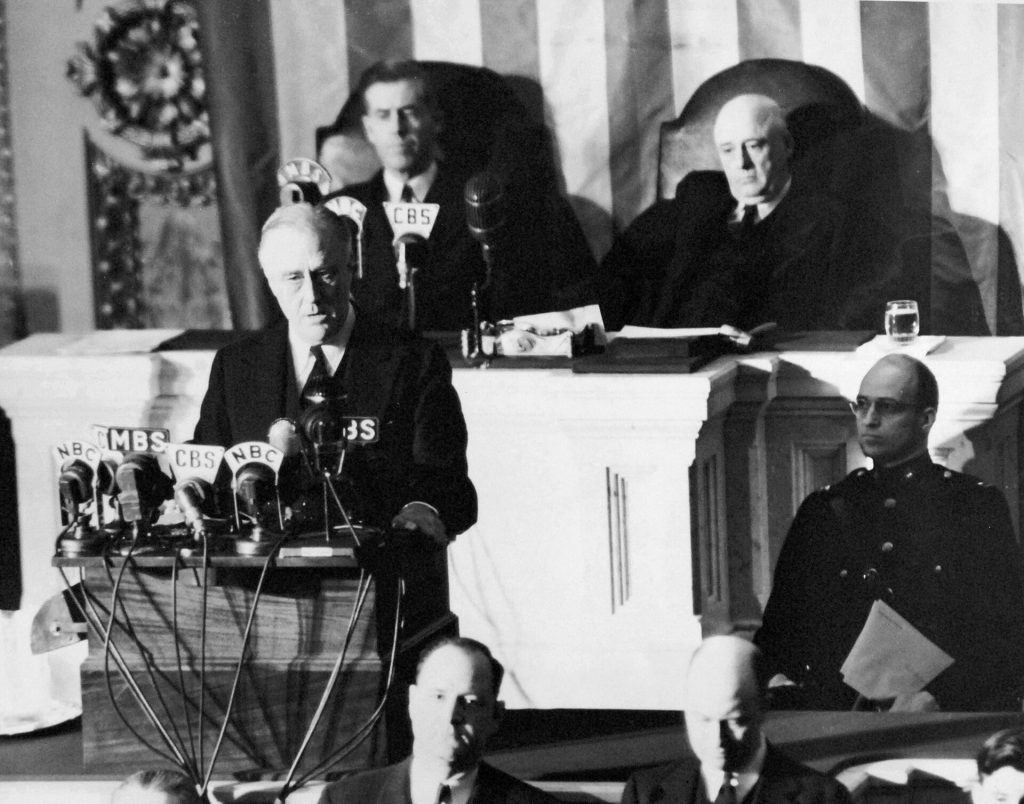
Roosevelt asks Congress for a declaration of war on Japan, as Japanese forces strike Malaya, Hong Kong, the Philippines, Guam and Wake across a front of thousands of kilometres.
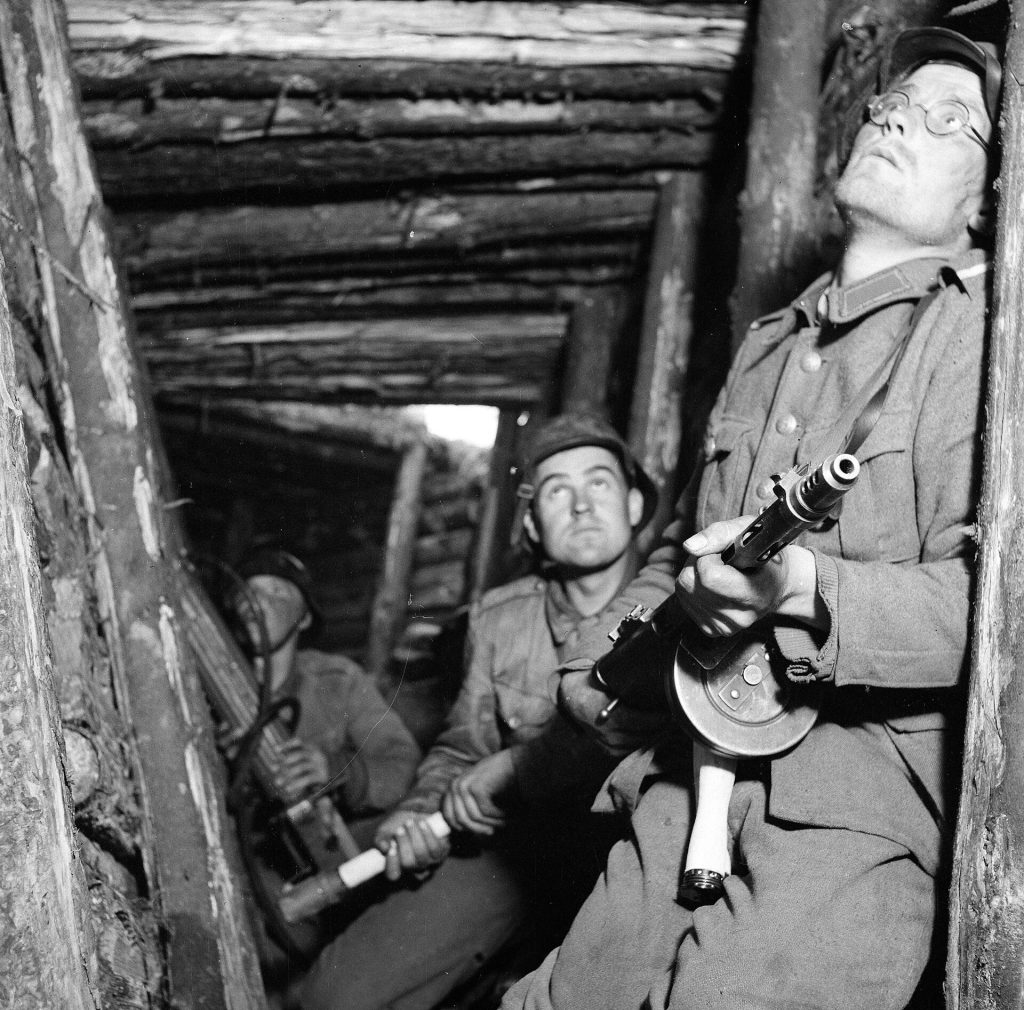
Under pressure from Stalin, Britain declares war on three of Germany’s partners in the invasion of the Soviet Union, including Finland, which Britain had cheered on against the Soviets two years earlier.
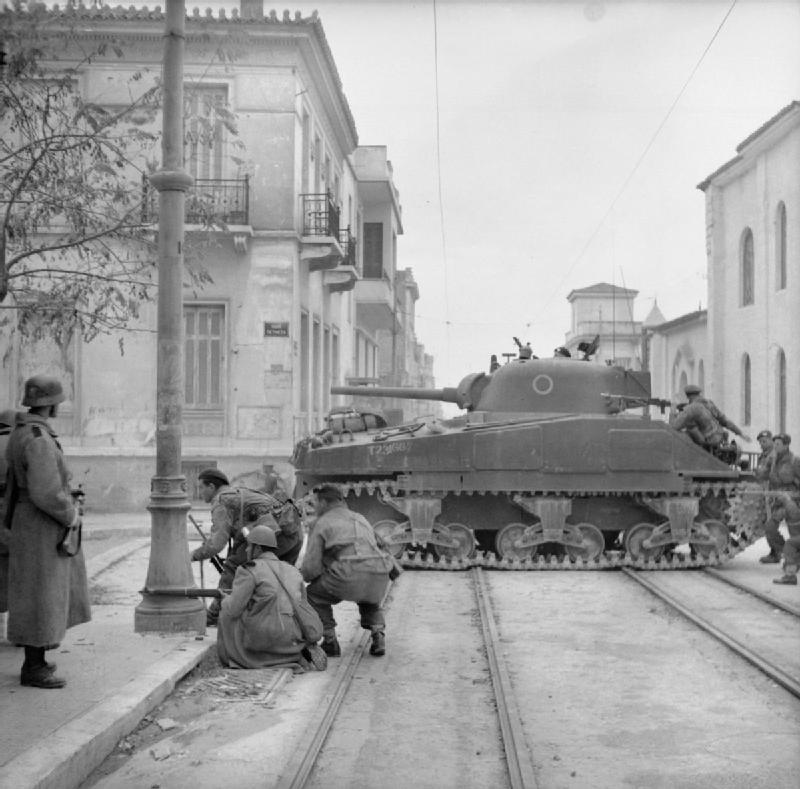
Weeks after the Germans leave Athens, police open fire on a left-wing demonstration in Syntagma Square. British troops and Greek resistance fighters are soon fighting street by street.
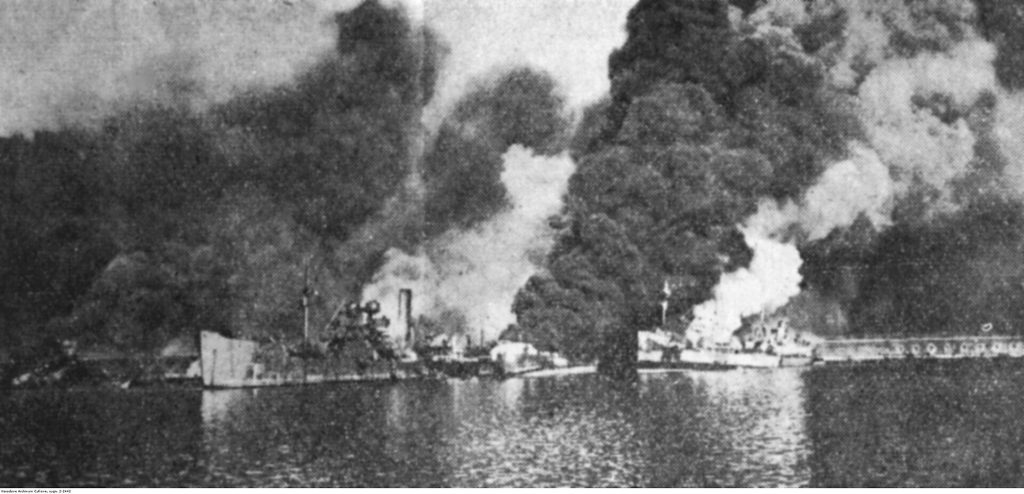
German bombers catch a crowded Allied supply port fully lit at dusk. Among the ships destroyed is an American freighter secretly carrying mustard gas bombs.
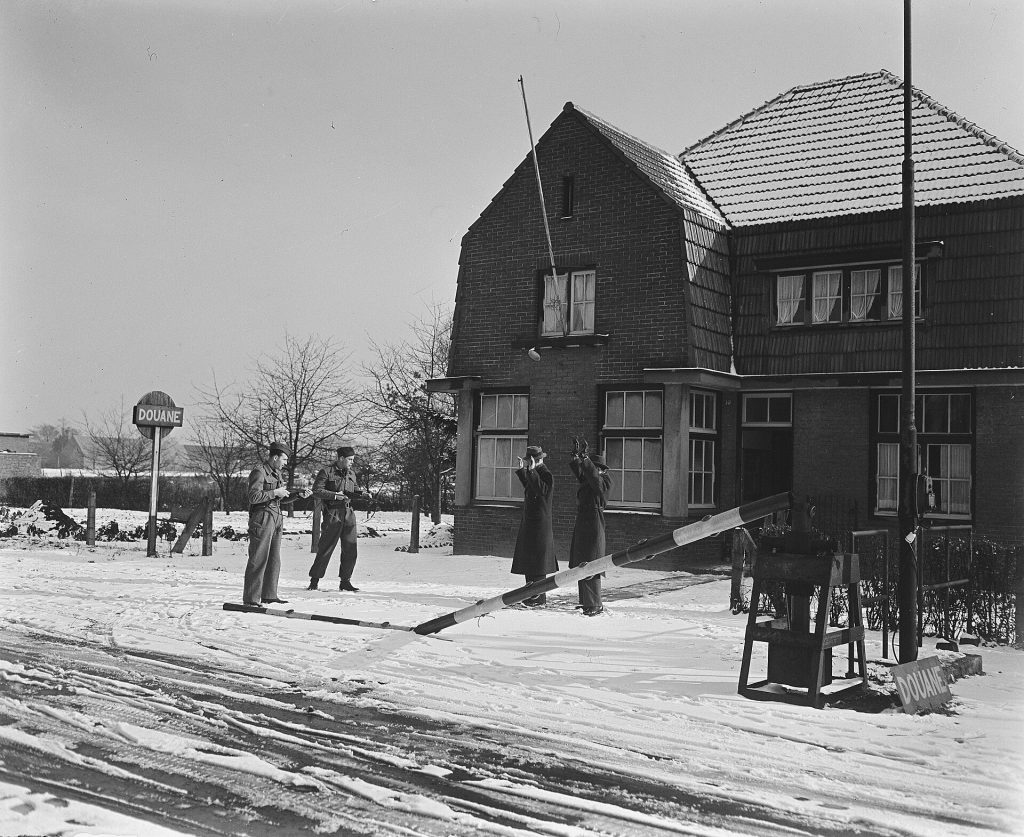
Two British intelligence officers, lured by German agents posing as anti-Hitler conspirators, are seized at a café on the Dutch border and dragged into Germany.
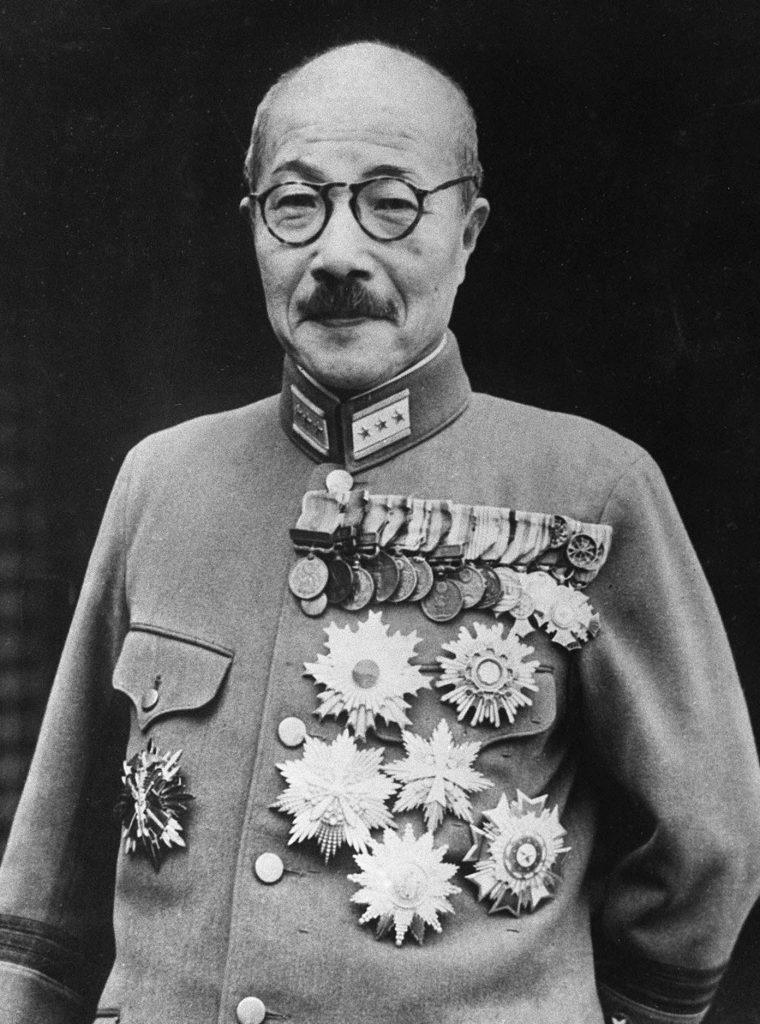
In the presence of Emperor Hirohito, an Imperial Conference in Tokyo formally approves war against the United States, Britain and the Netherlands. The carriers are already at sea.
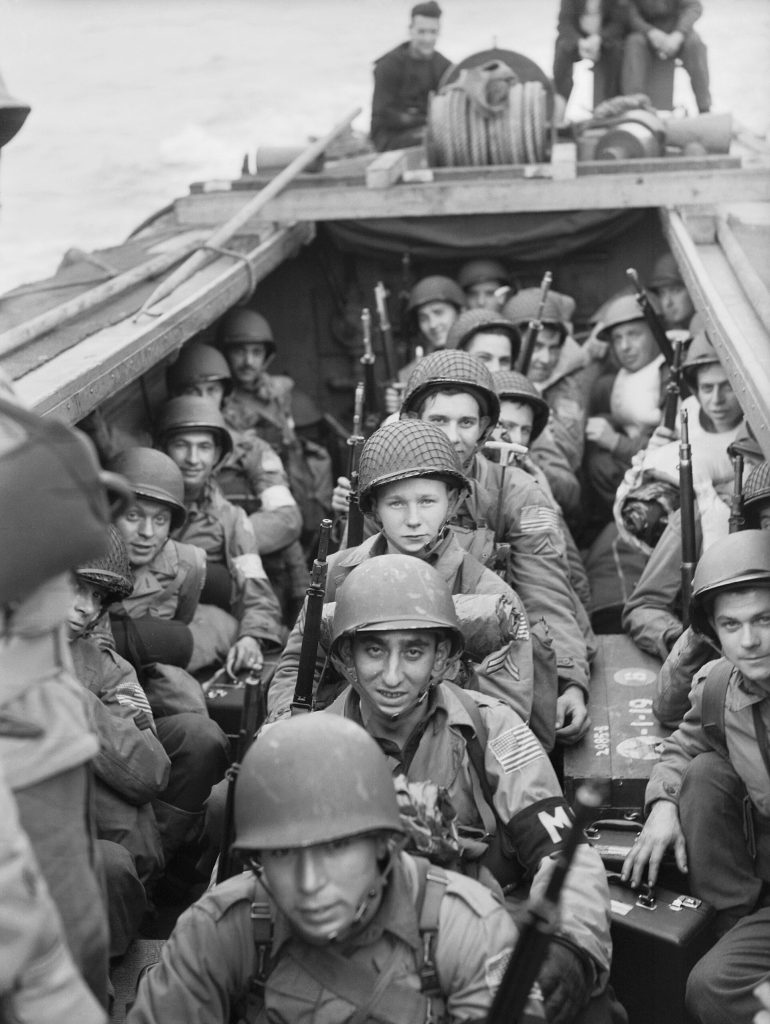
American and British forces land at Casablanca, Oran and Algiers in the first great Anglo-American offensive of the war, under a little-known general named Dwight Eisenhower.
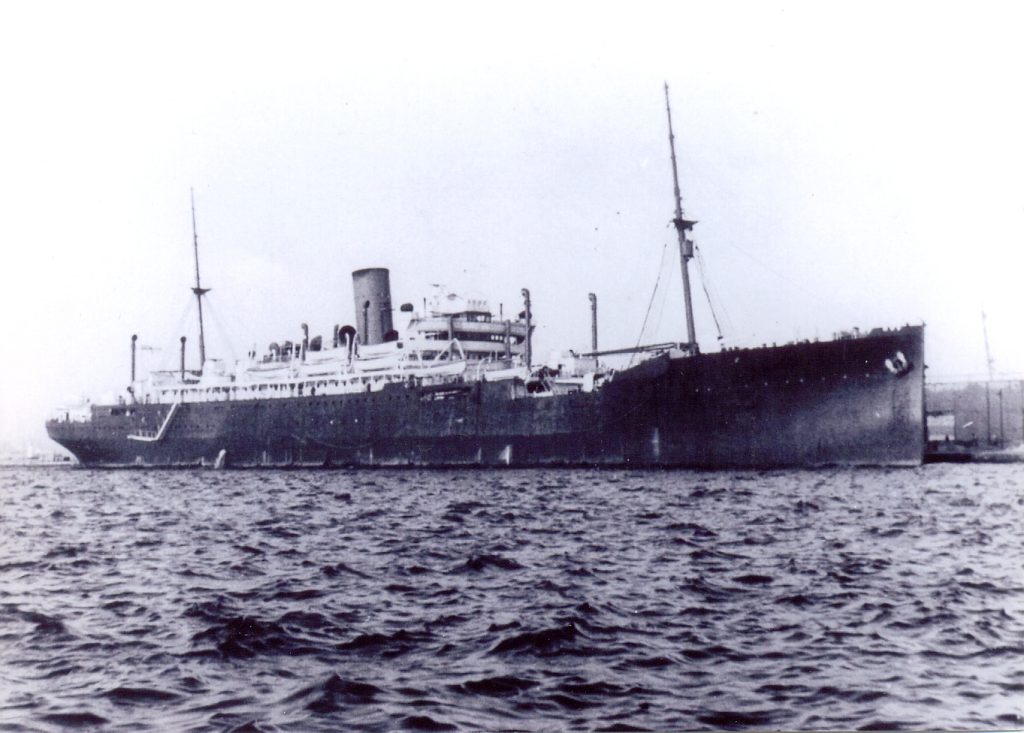
Alone in the mid-Atlantic, the escort of a 37-ship convoy turns towards the German pocket battleship Admiral Scheer, buying time for the merchant ships to scatter into the dusk.
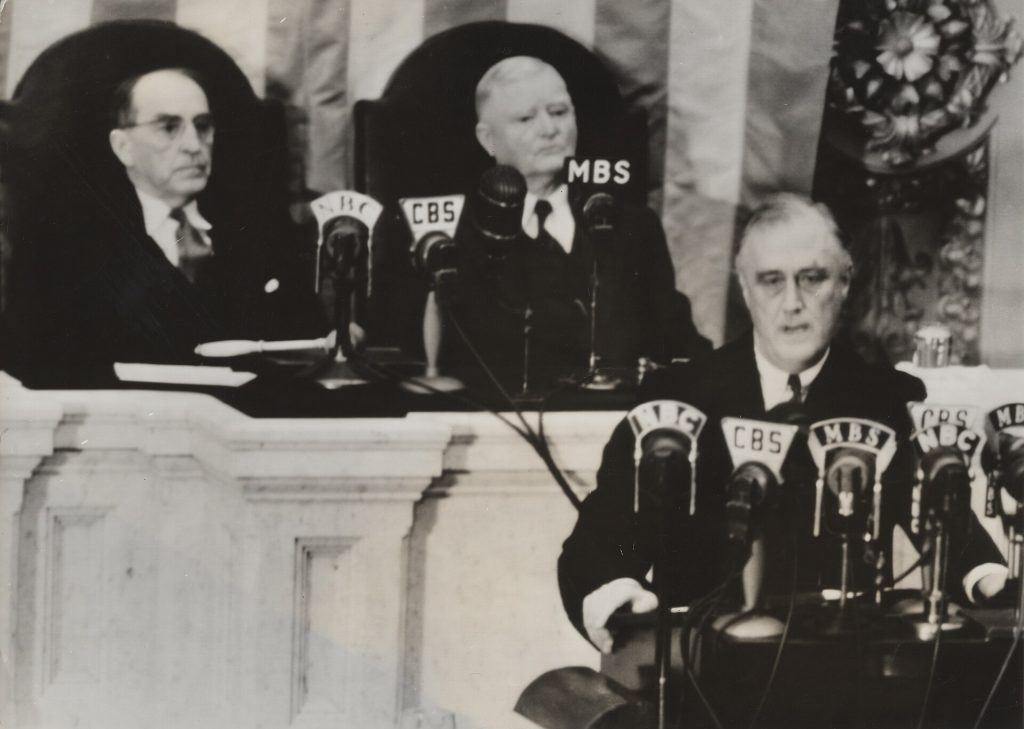
President Roosevelt signs the Neutrality Act of 1939, lifting the arms embargo so that Britain and France can buy American weapons, provided they pay cash and carry them home in their own ships.
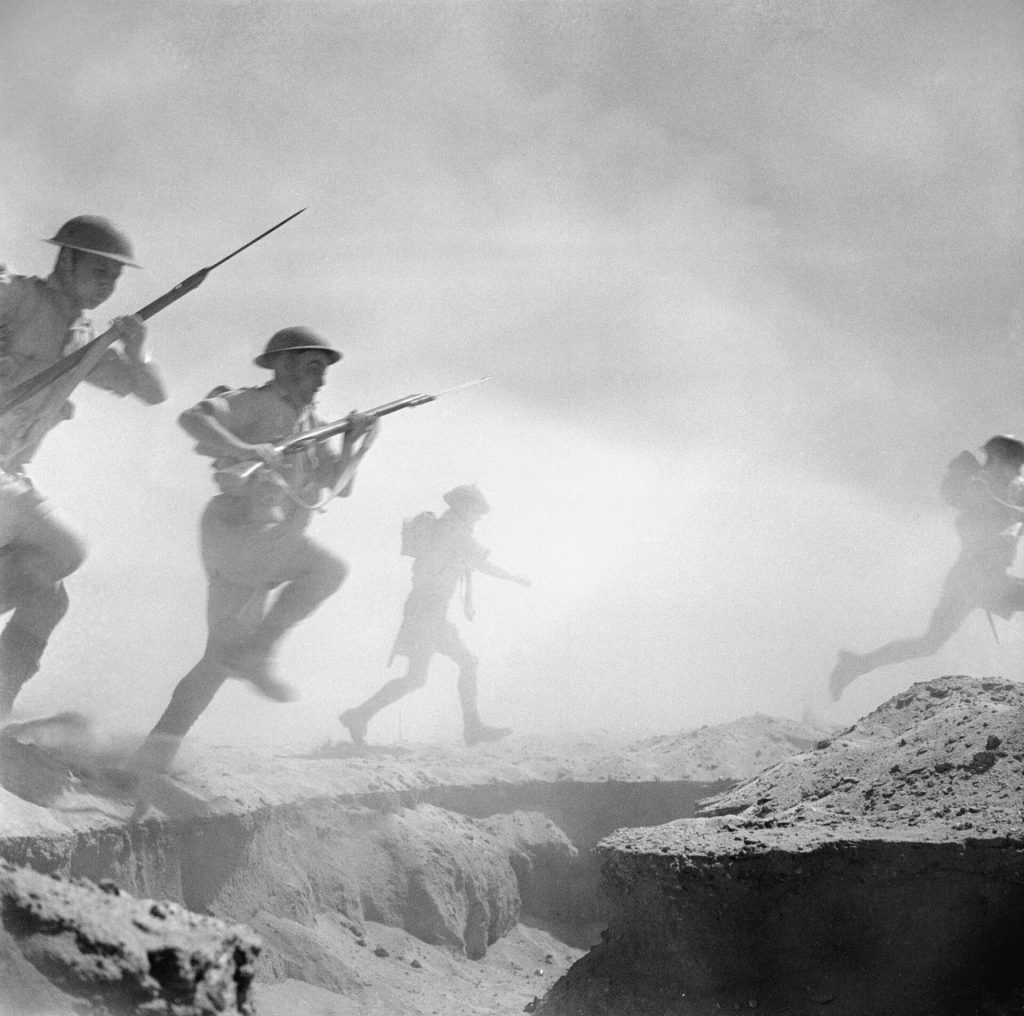
After ten days of grinding attrition at El Alamein, Montgomery launches a final hammer blow. British armour pays a terrible price, but the Axis line finally cracks.
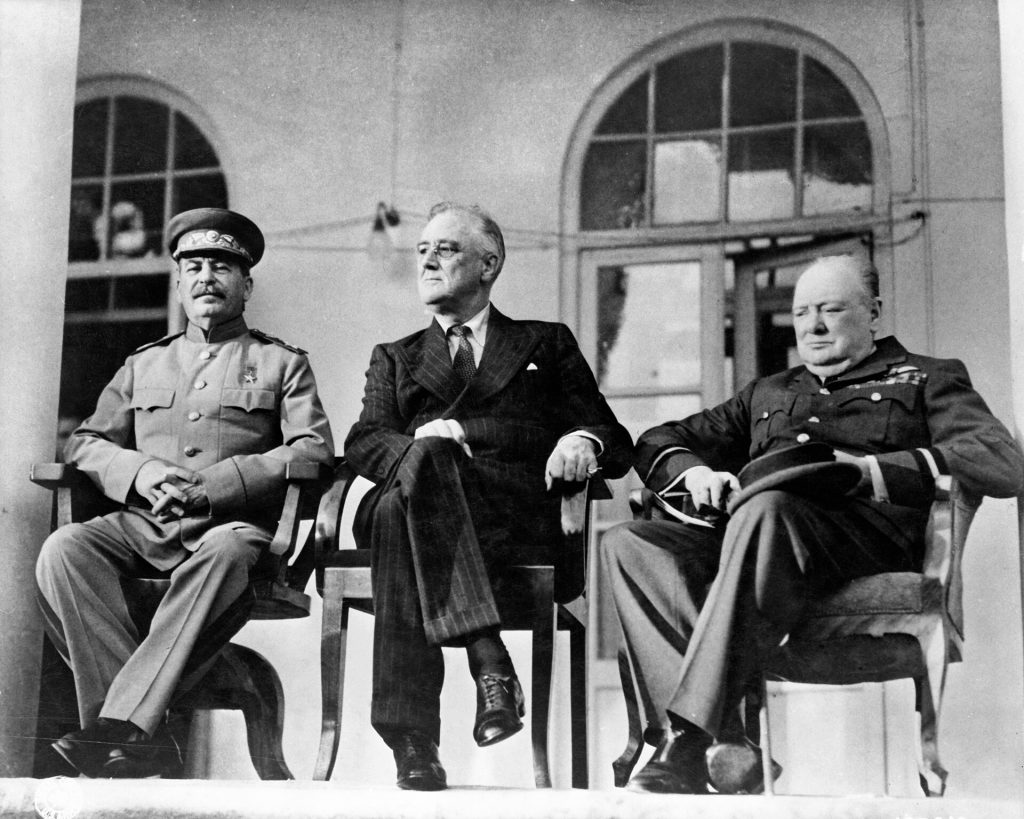
Roosevelt, Churchill and Stalin meet together for the first time. In four days they fix the date for the invasion of France and sketch the outline of the post-war world.
 United Kingdom
 United States
 Soviet Union
 Germany
 Japan
 France
 Poland
 South Africa