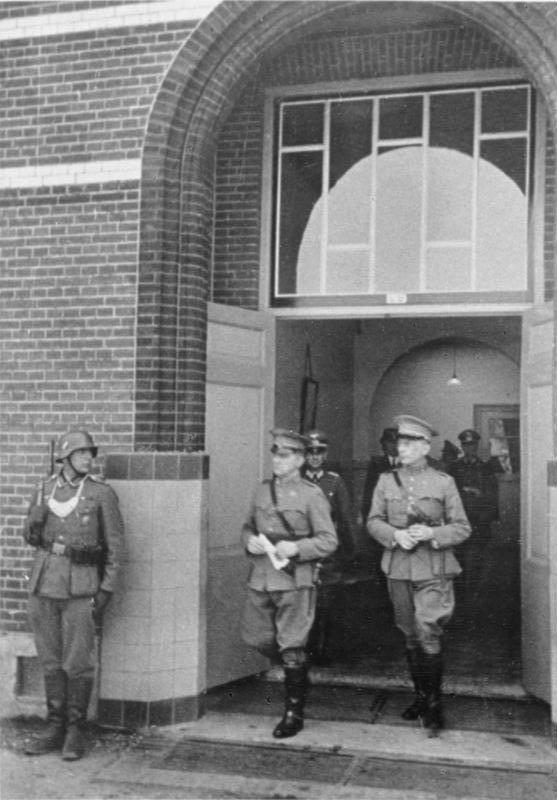
15 May 1940: The Netherlands Capitulates
Five days after the invasion, General Winkelman signs the surrender of the Dutch army. In Paris, the French prime minister telephones Churchill with stark news.
Every dispatch from 1940.
Five days after the invasion, General Winkelman signs the surrender of the Dutch army. In Paris, the French prime minister telephones Churchill with stark news.
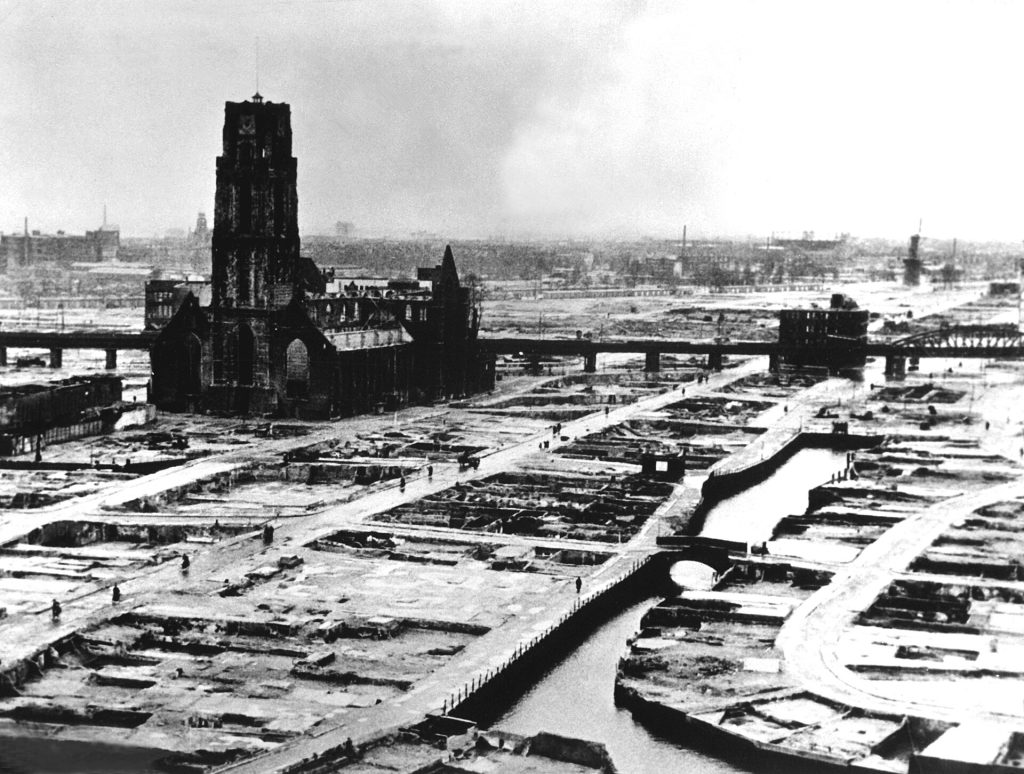
While surrender talks are under way, German bombers devastate the centre of Rotterdam. Threatened with the same fate for other cities, the Netherlands gives up.
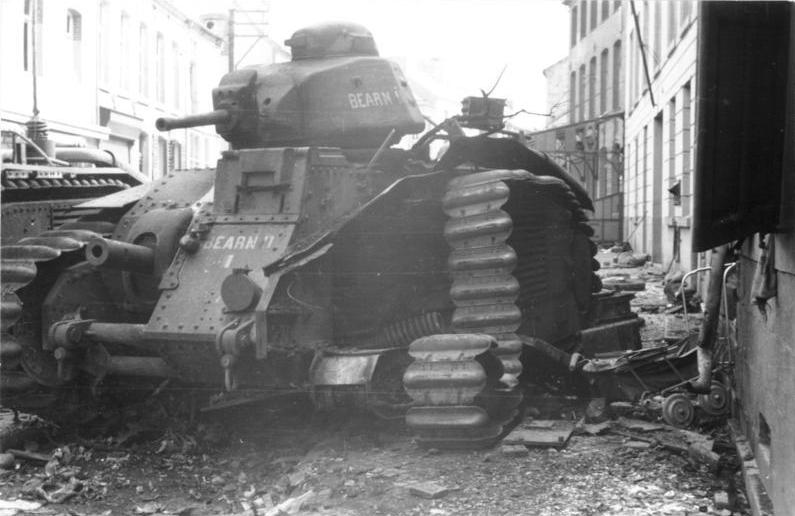
At dawn, German forces invade the Netherlands, Belgium and Luxembourg. By evening, Neville Chamberlain has resigned and Winston Churchill is Prime Minister.
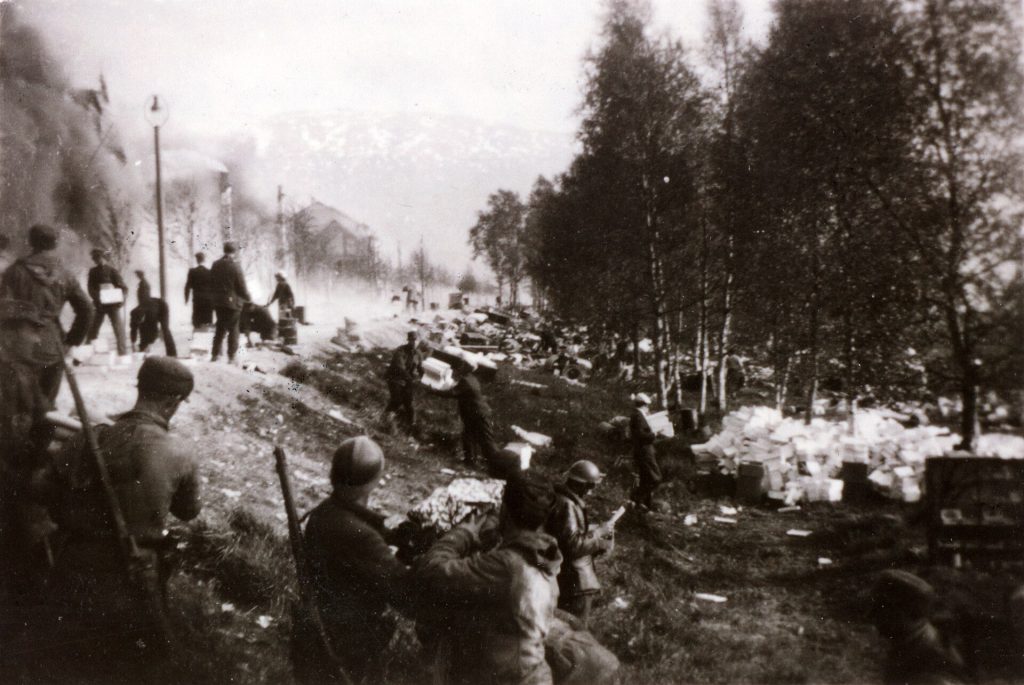
In a snowstorm at dawn, five British destroyers steam up the fjord to Narvik and surprise the German destroyers that landed troops there the day before.
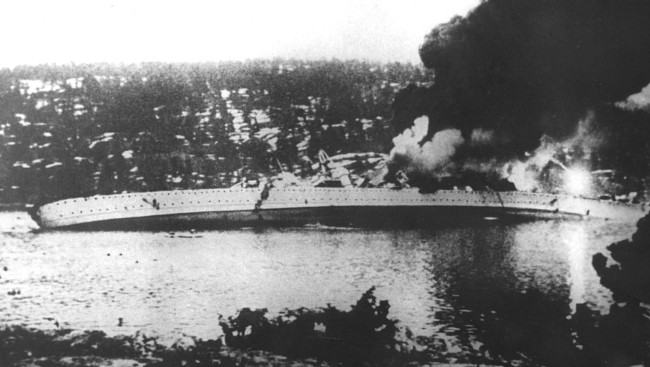
Before dawn, German forces strike Denmark and Norway at once. Denmark is occupied within hours. In Oslofjord, an old fortress sinks a German cruiser and buys Norway’s king time to escape.
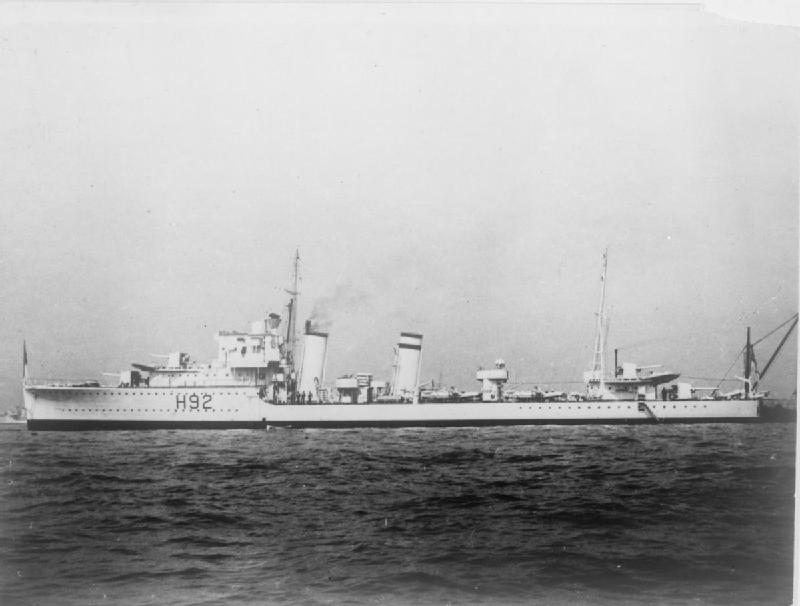
A lone British destroyer runs into the German fleet heading for Norway. Outgunned and burning, she turns and rams the heavy cruiser Admiral Hipper.
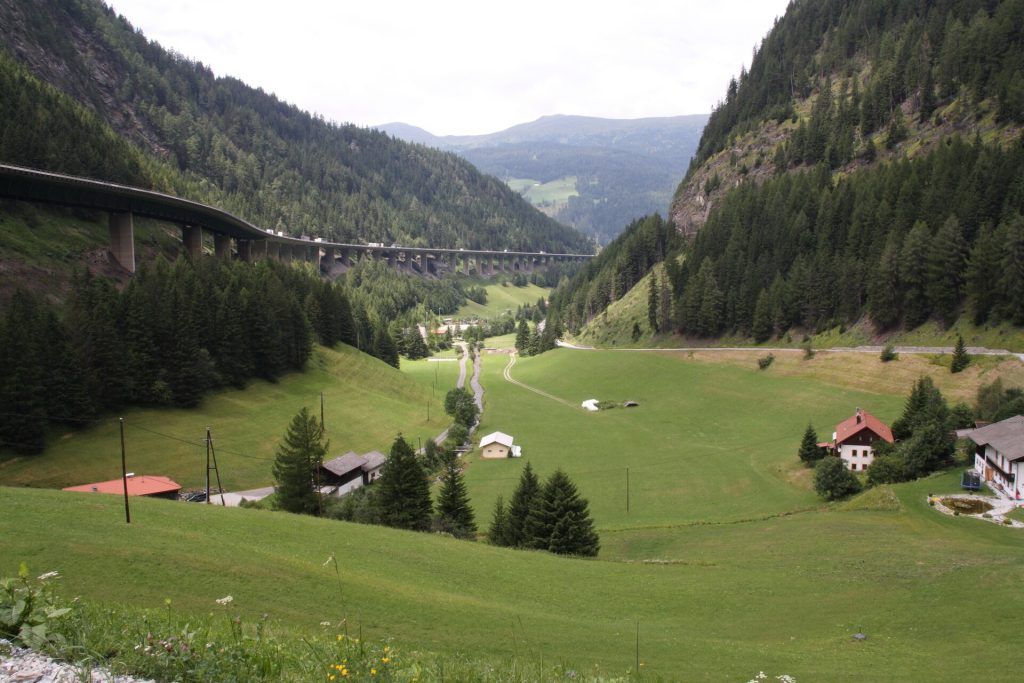
Hitler and Mussolini meet in a railway carriage at the Alpine frontier. Mussolini promises that Italy will enter the war, but only when the moment is right.
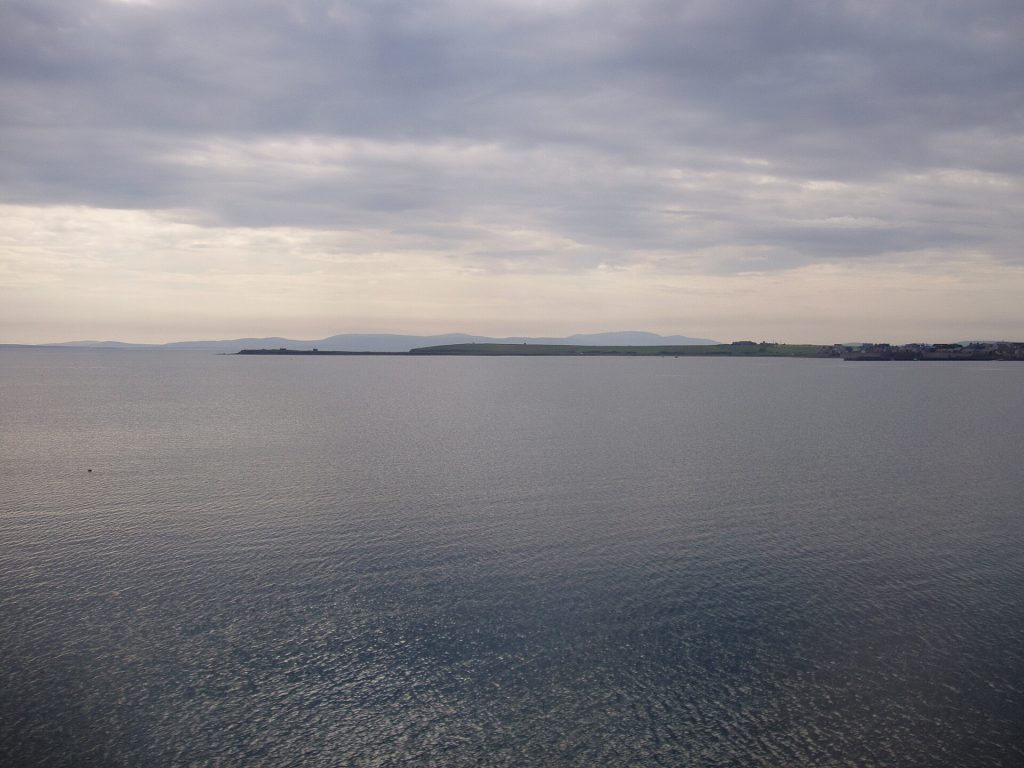
German bombers attack the naval base at Scapa Flow. Bombs fall on the Orkney village of Bridge of Waith, and a 27-year-old man becomes the first British civilian killed by bombing in the war.
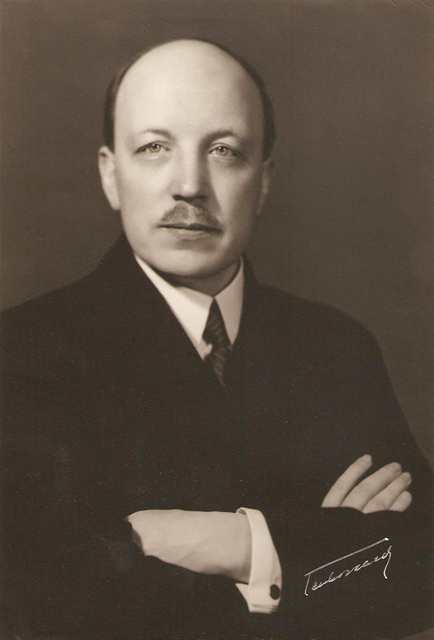
Late at night in Moscow, Finnish delegates sign a harsh peace treaty. The Winter War will end the next day, and Finland will lose a tenth of its territory.
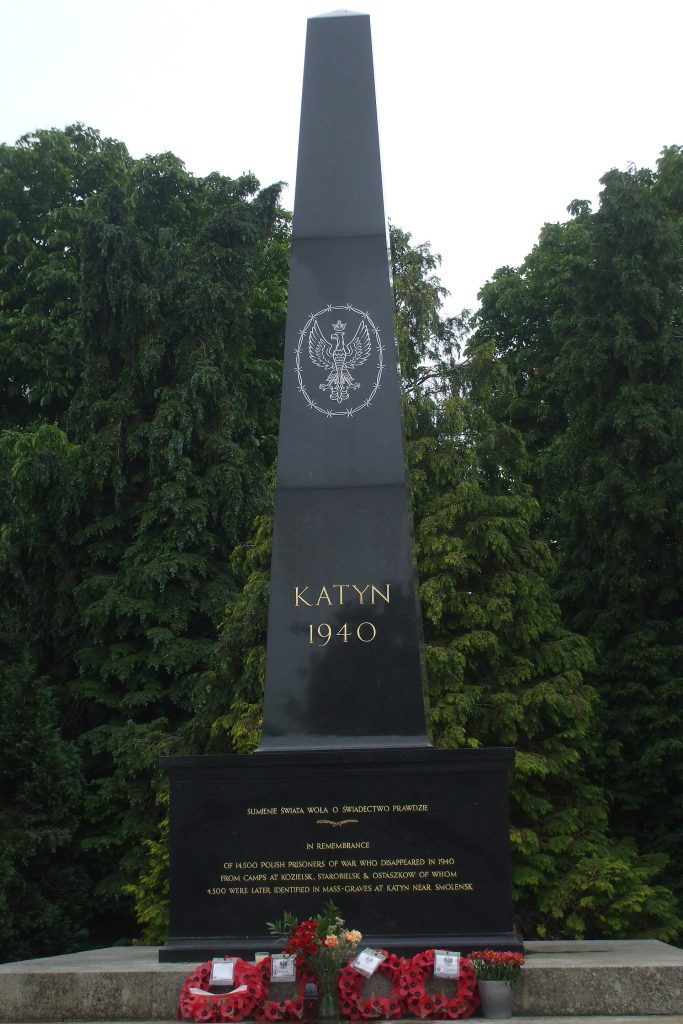
Stalin and the Politburo approve a proposal from the head of the NKVD: thousands of Polish officers and other prisoners are to be shot.
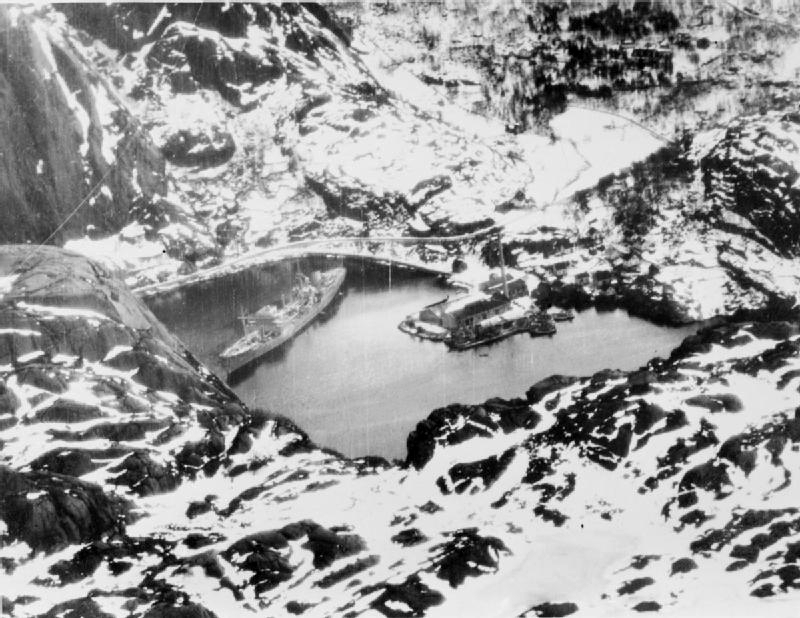
A British destroyer enters a Norwegian fjord, boards a German supply ship and frees around 300 British seamen held captive below decks.
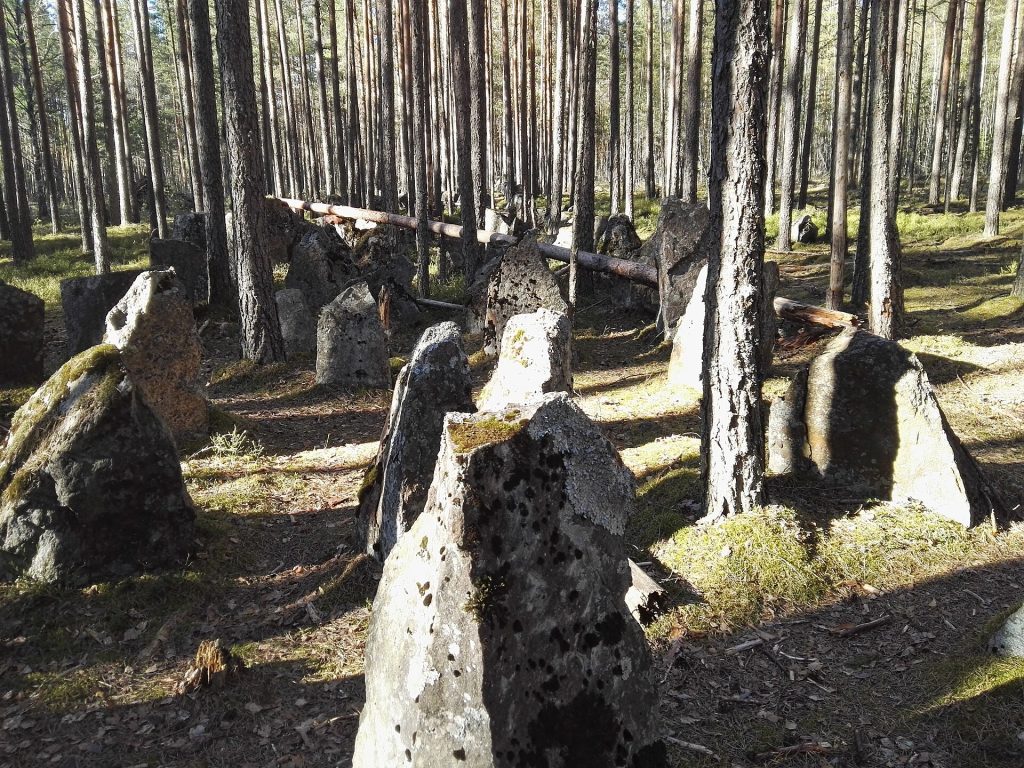
After weeks of bombardment, the Red Army launches its main assault on the Karelian Isthmus. At Summa the Finnish defences finally give way.
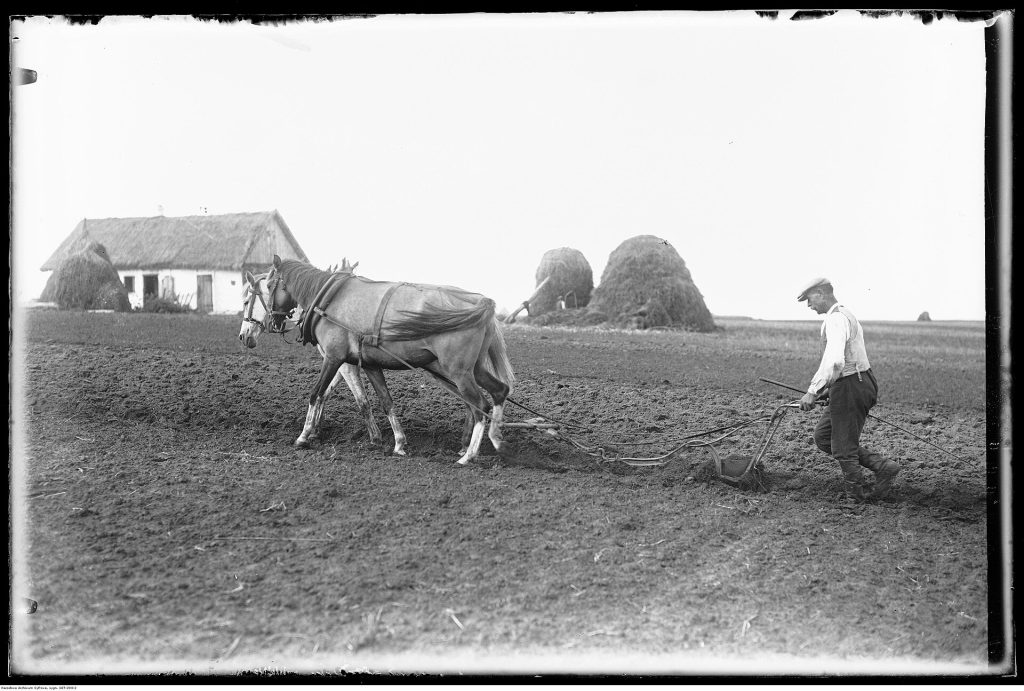
Before dawn, in bitter frost, Soviet security troops begin rounding up Polish families in the occupied east. They are loaded onto freight trains bound for Siberia and the far north.
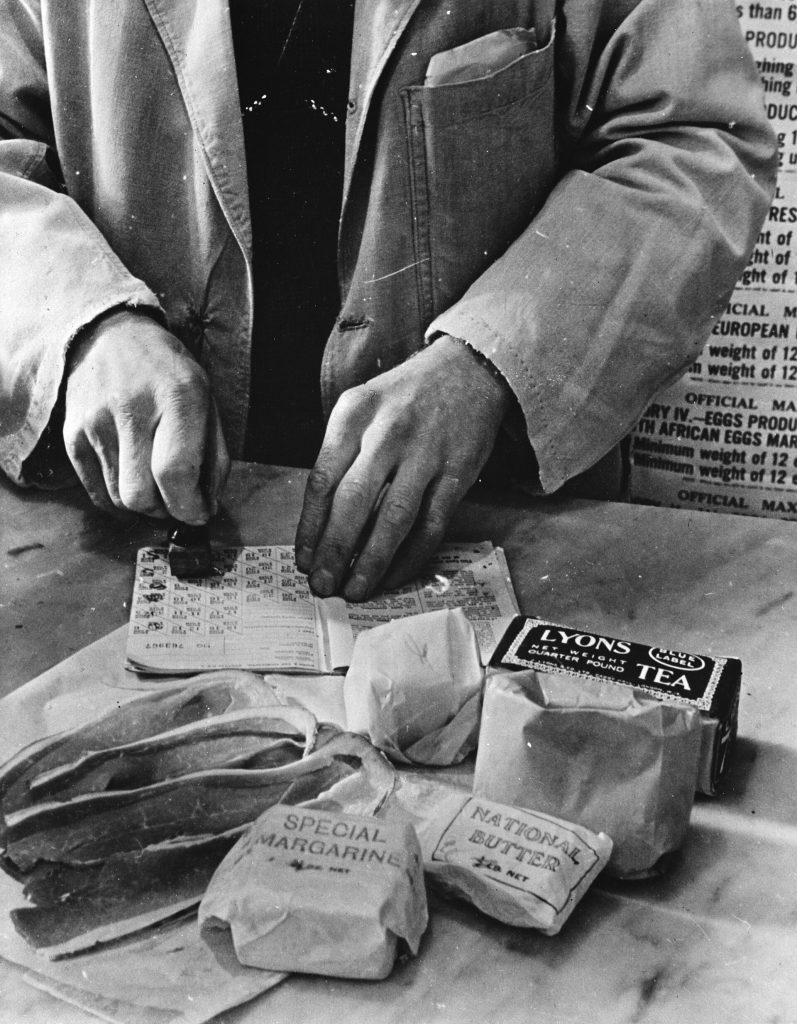
Four months into the war, British households are issued ration books for bacon, butter and sugar. The system will outlast the war itself by almost nine years.
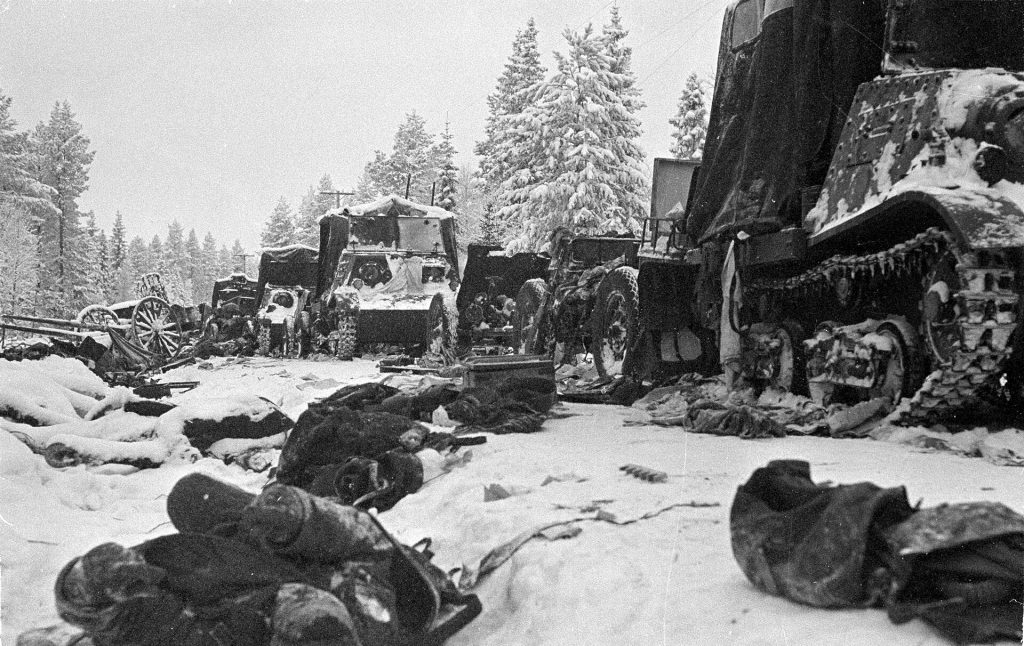
In the frozen forests of eastern Finland, a Soviet division strung out along a single forest road is cut into pockets and destroyed by Finnish ski troops.
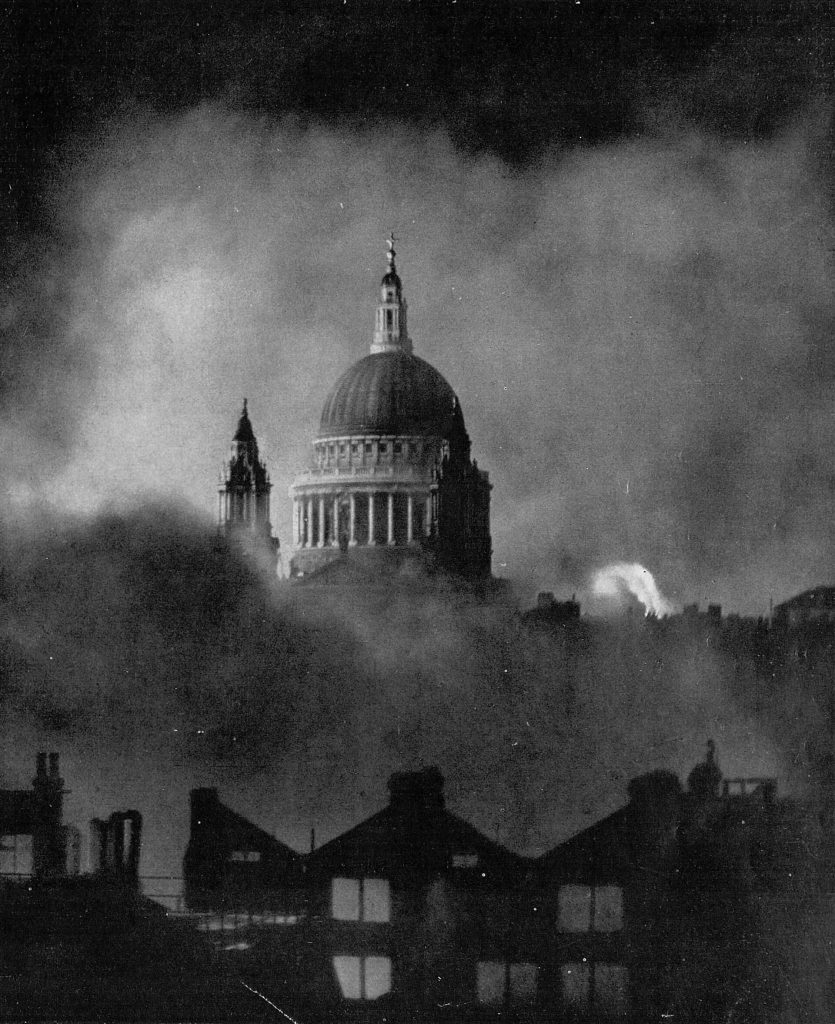
On a Sunday night with the Thames at low tide, German bombers set the City of London ablaze. St Paul’s Cathedral stands untouched amid the flames.
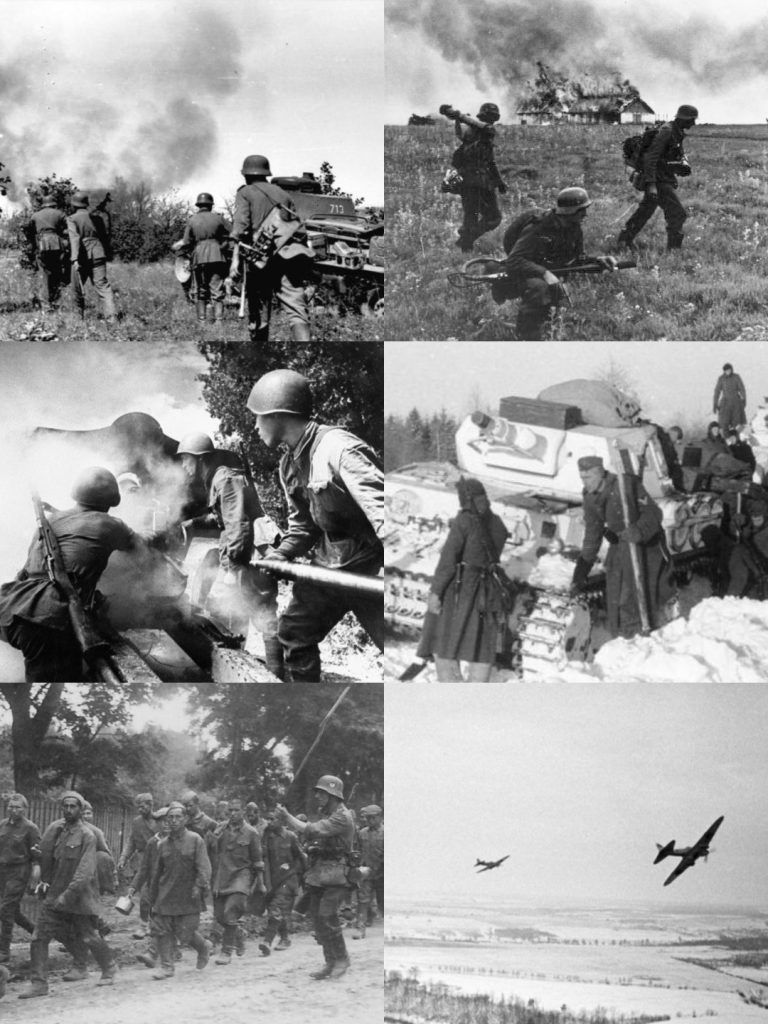
Hitler signs the order for Operation Barbarossa: the German armed forces must be ready to crush the Soviet Union in a rapid campaign, even before Britain is defeated.
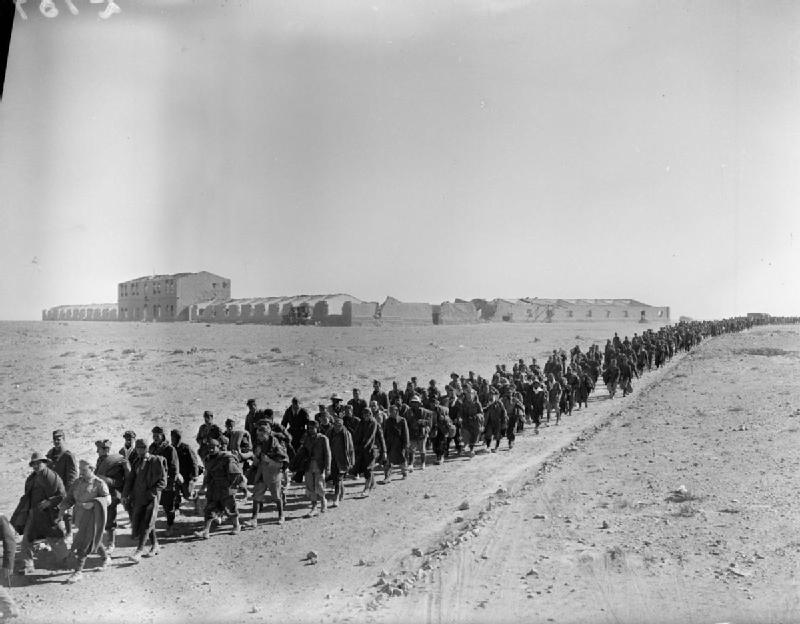
A small British and Indian force strikes the Italian army that has invaded Egypt. Planned as a five-day raid, it becomes a two-month rout that captures well over 100,000 prisoners.
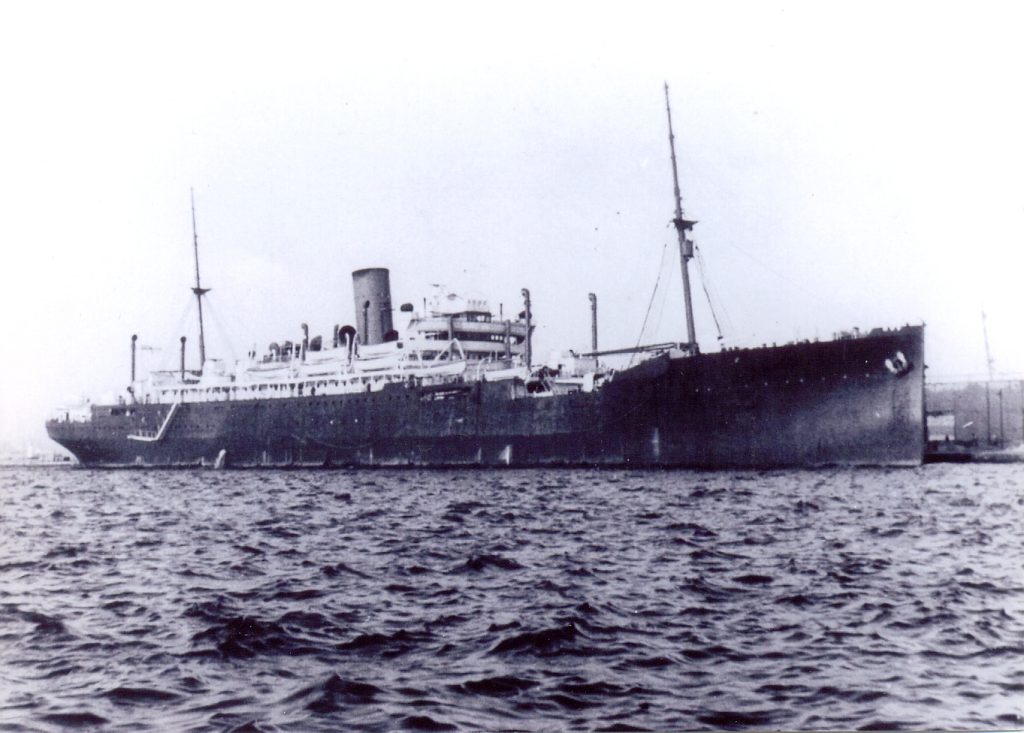
Alone in the mid-Atlantic, the escort of a 37-ship convoy turns towards the German pocket battleship Admiral Scheer, buying time for the merchant ships to scatter into the dusk.
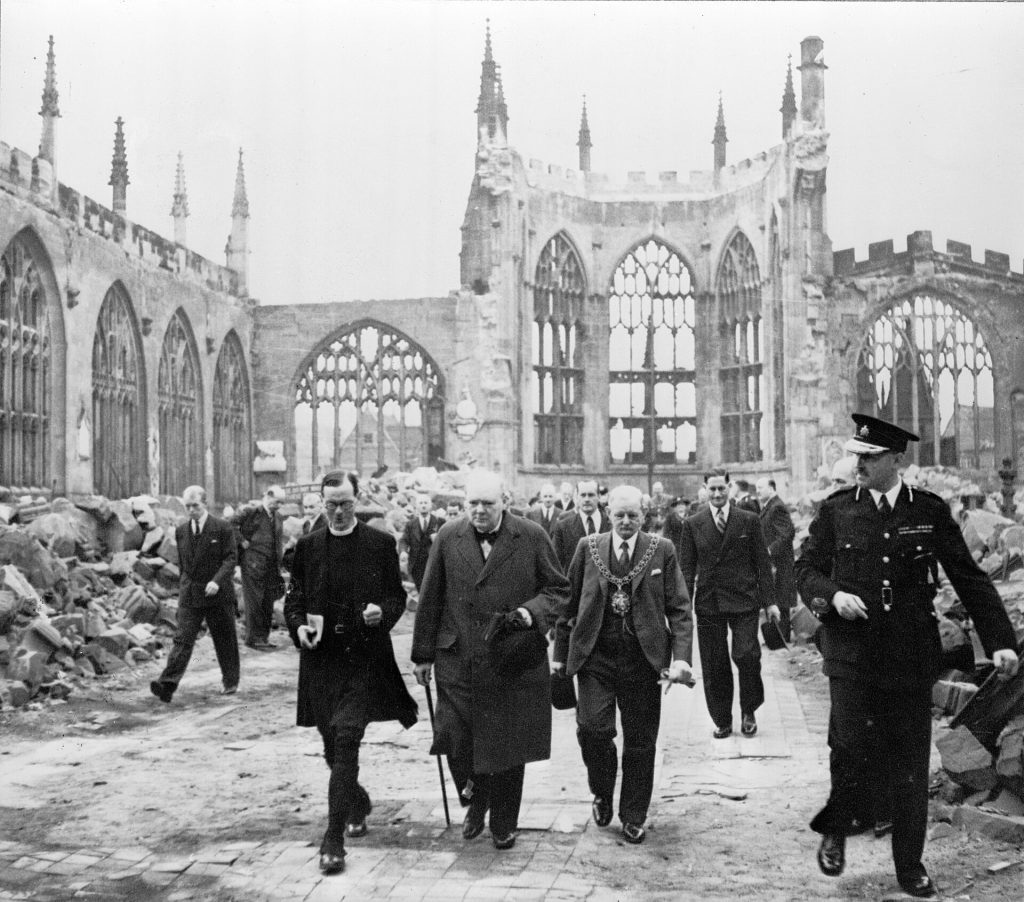
Guided by radio beams and lit by a full moon, around 500 German bombers devastate the heart of an English industrial city, and give the war a new word for total destruction.
 United Kingdom
 United States
 Soviet Union
 Germany
 Japan
 France
 Poland
 South Africa