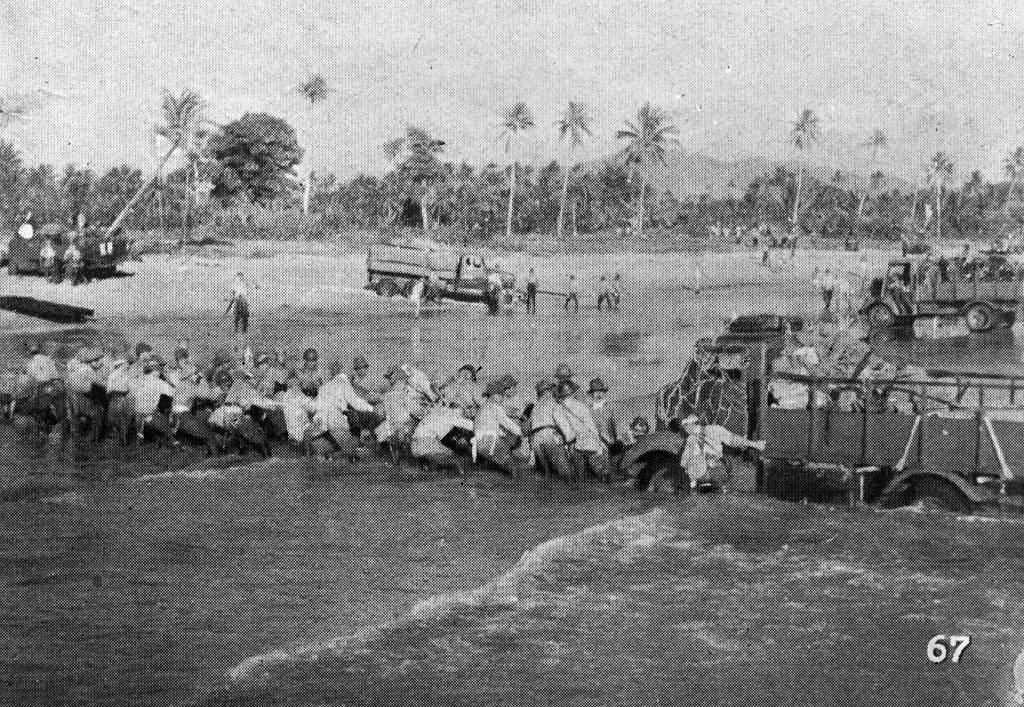
11 January 1942: The Invasion of the Dutch East Indies
Japan strikes at the oil of the Dutch colonies, landing on Tarakan off Borneo and dropping paratroopers on Celebes. The resources it went to war for are now within reach.
Dispatches involving Japan.
Japan strikes at the oil of the Dutch colonies, landing on Tarakan off Borneo and dropping paratroopers on Celebes. The resources it went to war for are now within reach.
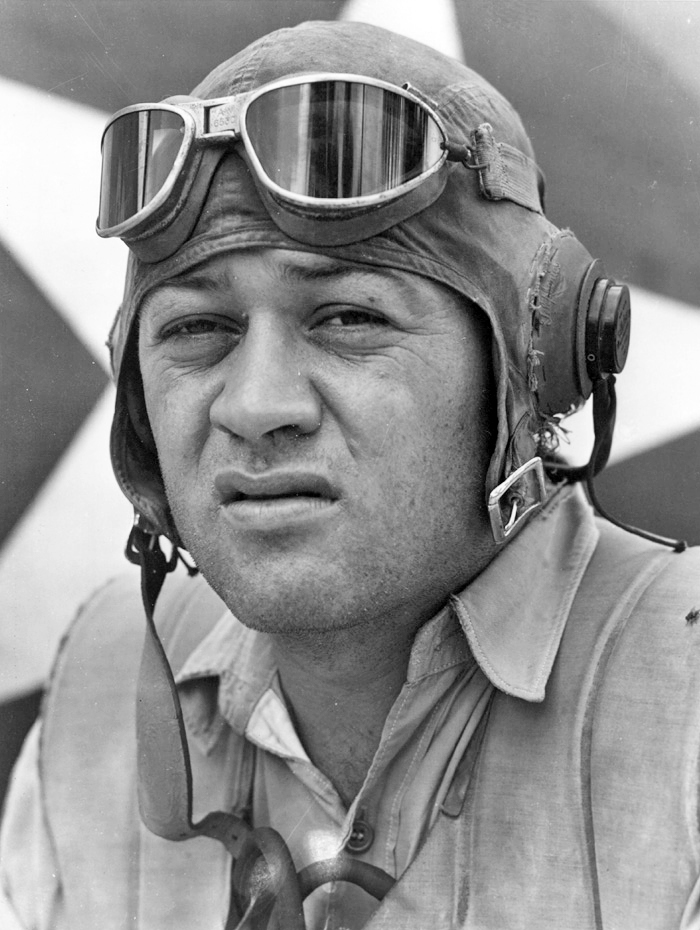
The leader of the Marine Corps’ famous Black Sheep Squadron is shot down over Rabaul. America will believe him dead for more than a year and a half.
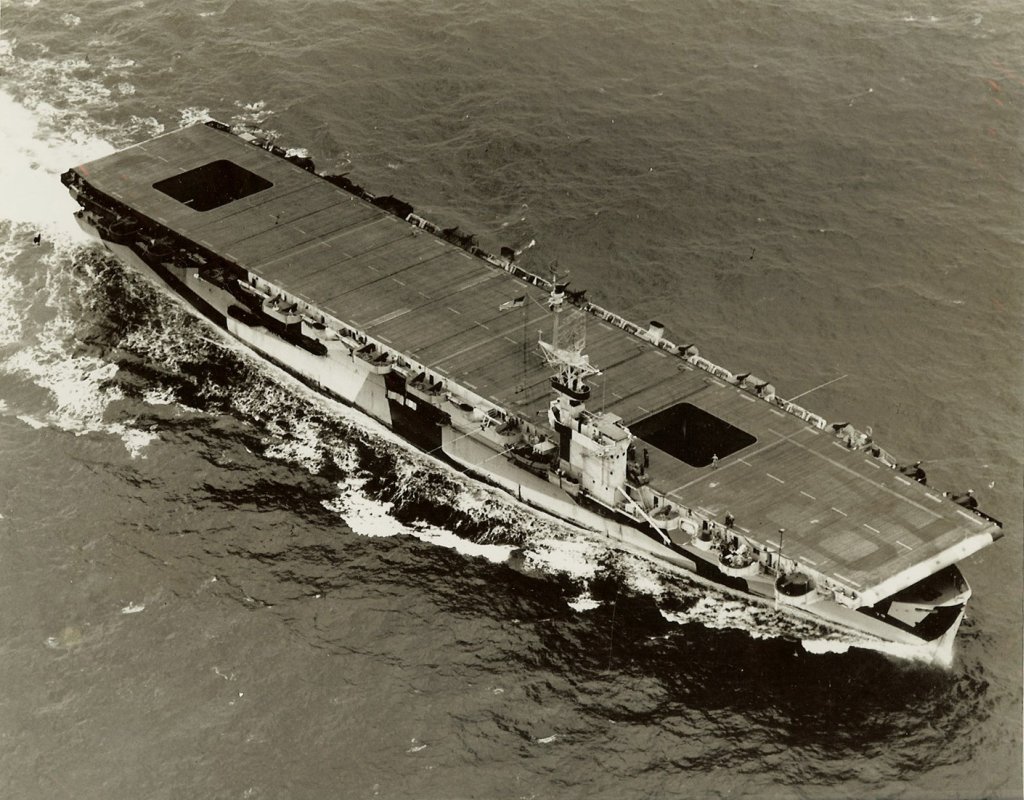
As the American invasion fleet sails for Luzon, a single suicide aircraft sets the escort carrier Ommaney Bay ablaze. She has to be sunk by her own escorts.
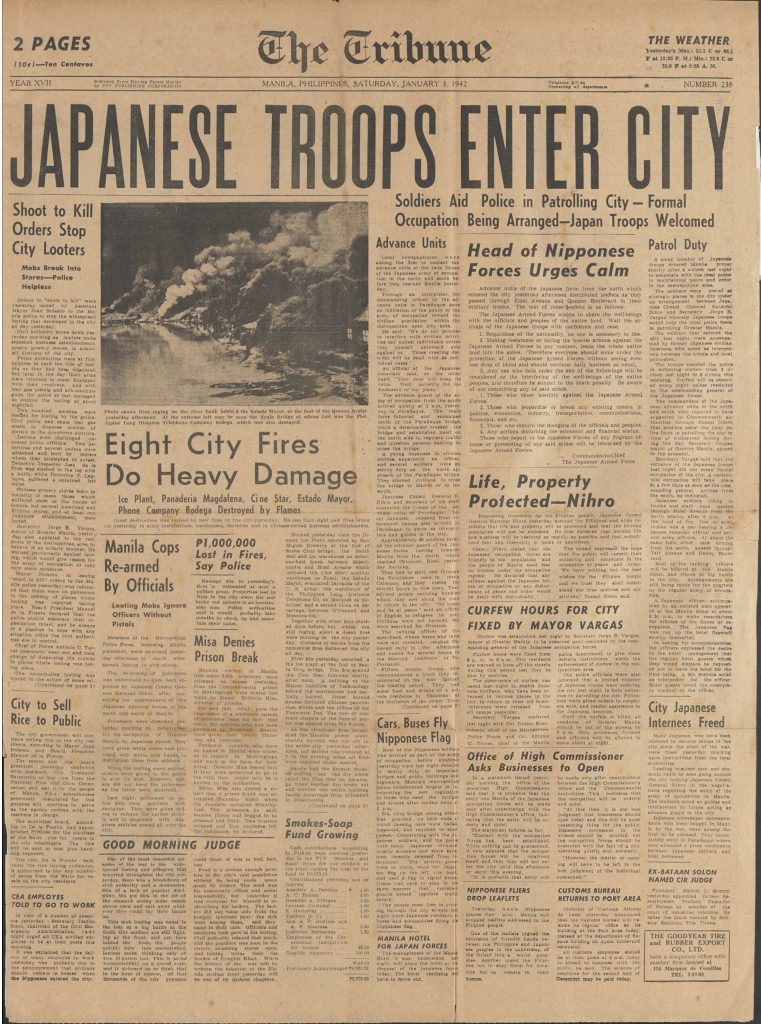
Declared an open city to spare it from destruction, the Philippine capital is occupied by the Japanese army as American and Filipino forces fall back to Bataan.
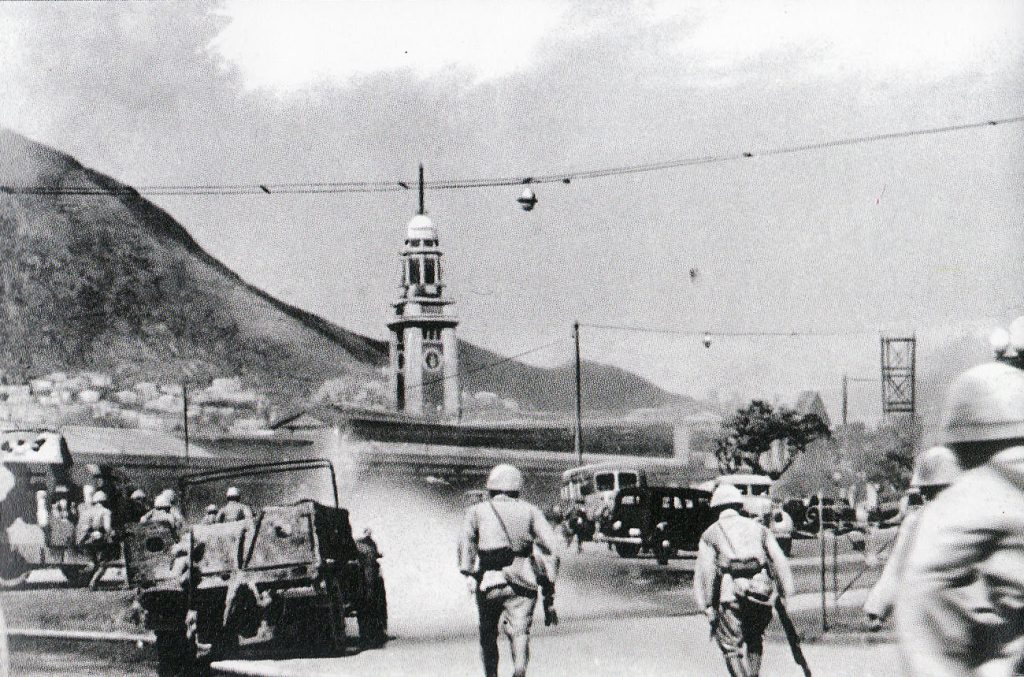
After eighteen days of fighting, the British colony of Hong Kong surrenders to Japan on Christmas Day. Its Commonwealth garrison and civilians face nearly four years of occupation.
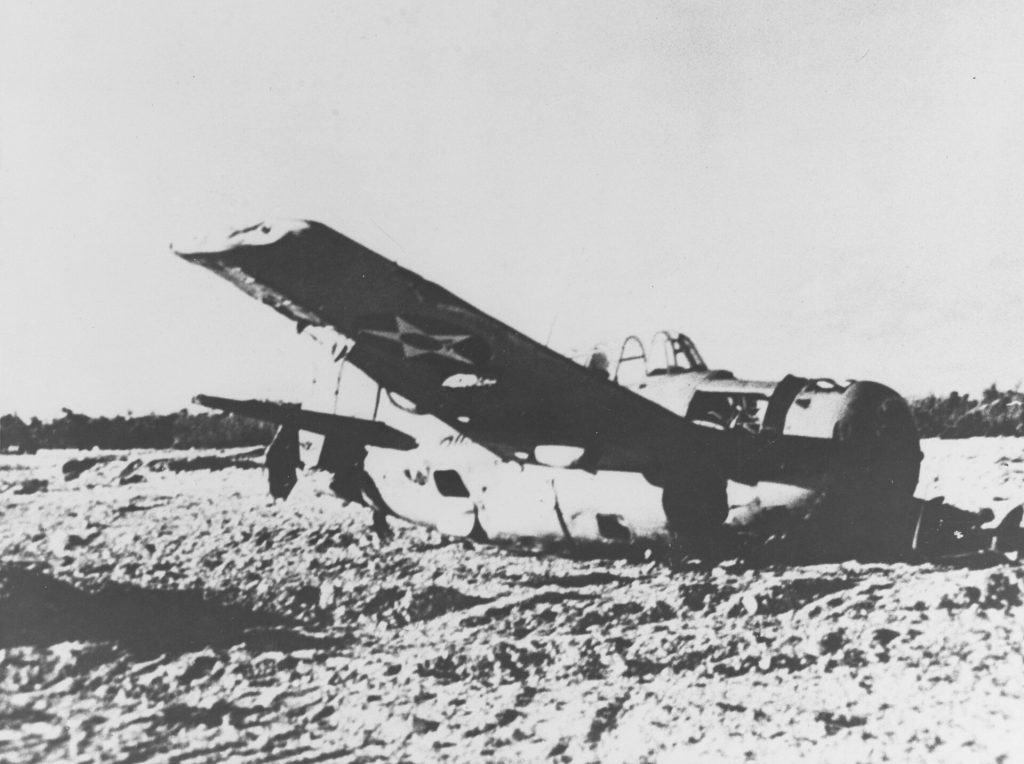
After beating off one invasion and holding out for two weeks, the Marine garrison of Wake Island is overwhelmed by a second Japanese assault. The relief force turns back.
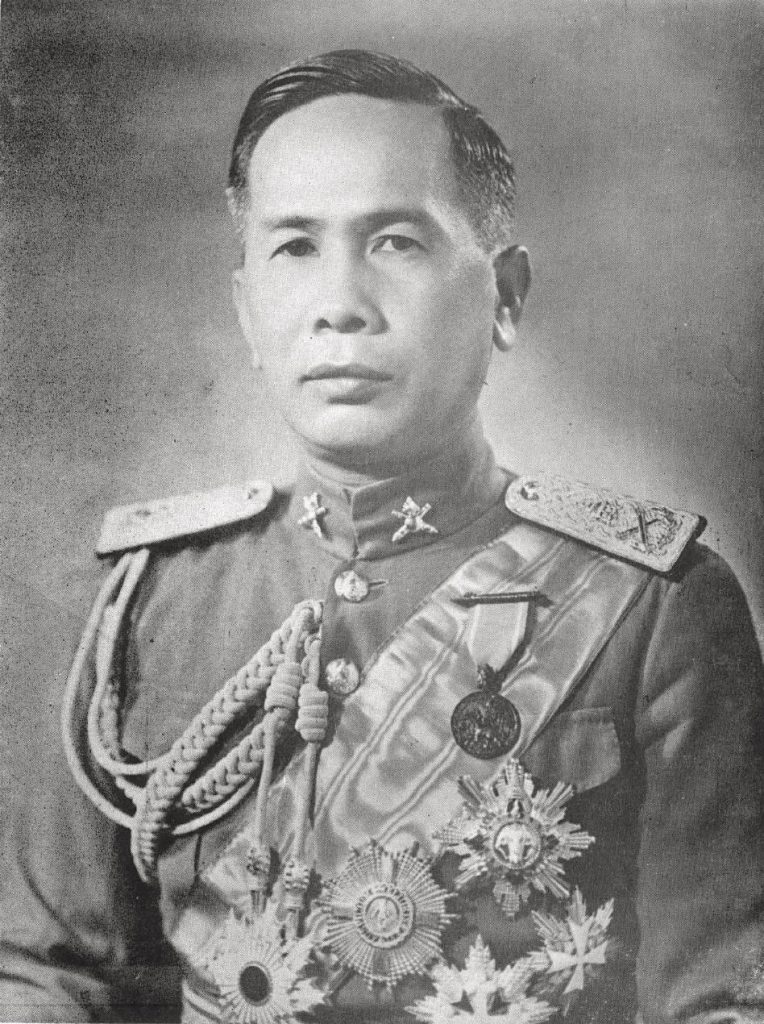
Two weeks after Japanese troops crossed its borders, Thailand signs a treaty of alliance with Japan in Bangkok. In Washington, the Thai ambassador quietly refuses to go along.
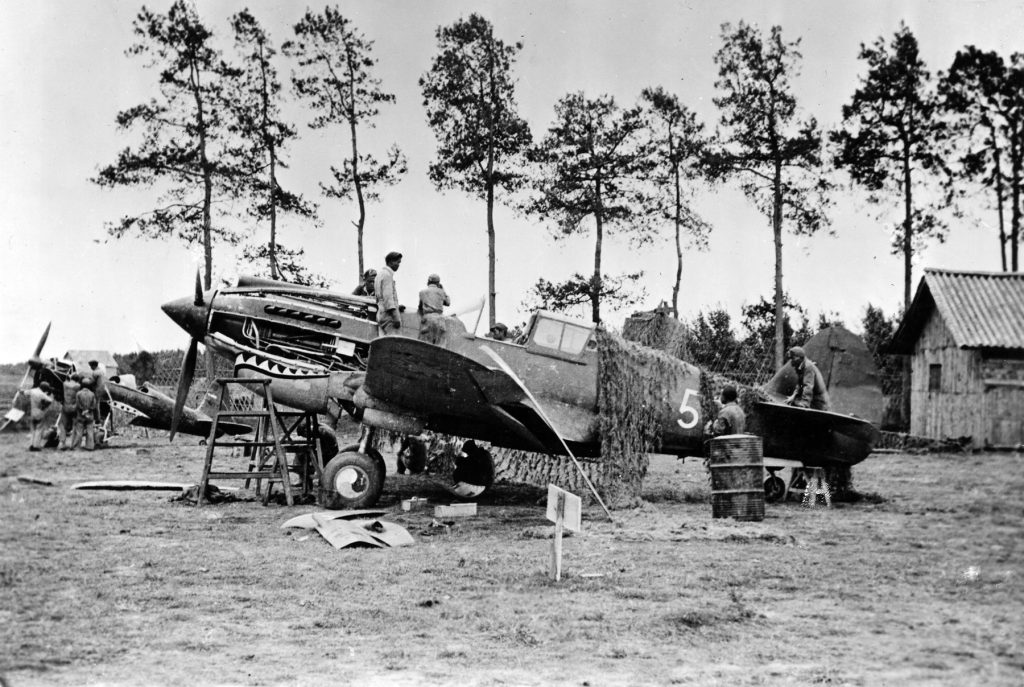
Shark-mouthed P-40 fighters of the American Volunteer Group intercept a Japanese bombing raid over Kunming, their first combat in defence of China.
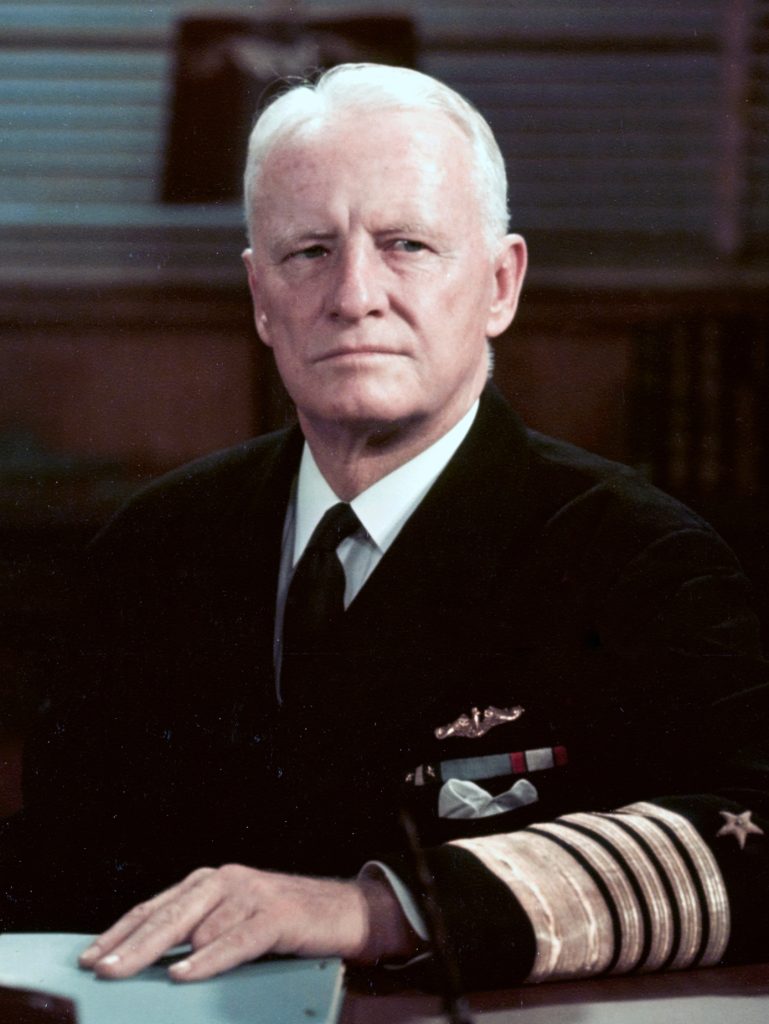
Ten days after Pearl Harbor, Roosevelt picks a quiet Texan admiral, Chester Nimitz, to take command of what is left of the Pacific Fleet.
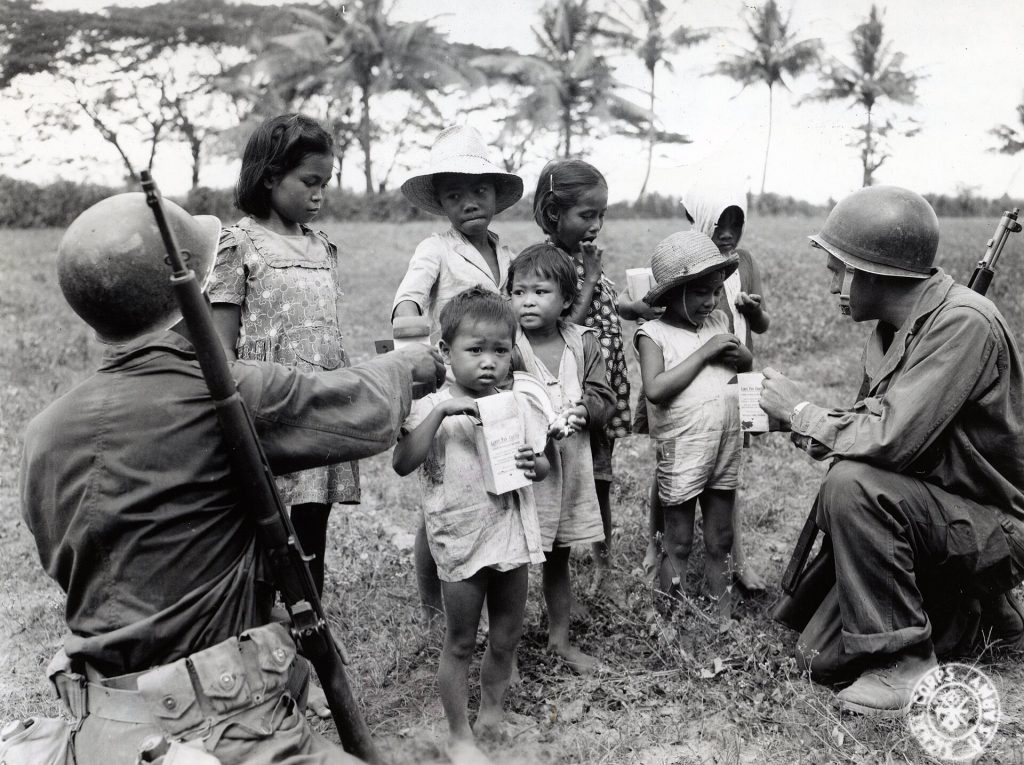
American troops land almost unopposed on Mindoro in the Philippines to build airfields for the coming invasion of Luzon. The real fight is at sea, against kamikazes.
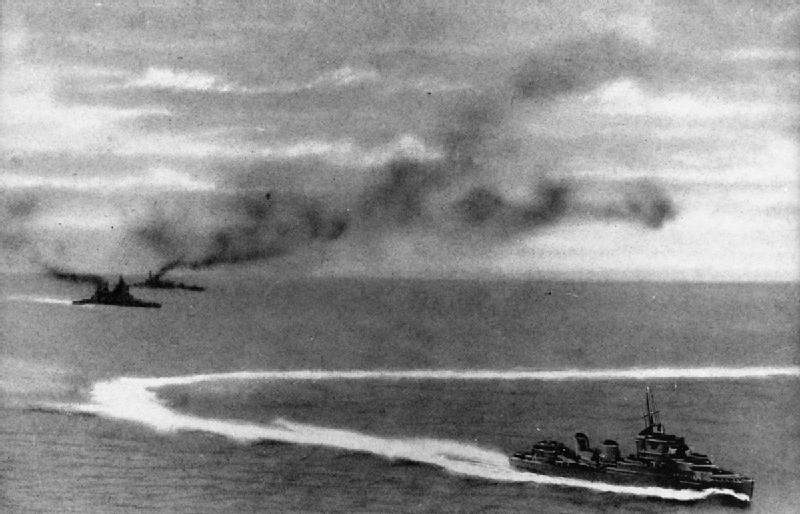
Without fighter cover, the battleship Prince of Wales and the battlecruiser Repulse are sunk off Malaya by Japanese land-based aircraft. Churchill calls it the most direct shock of the war.
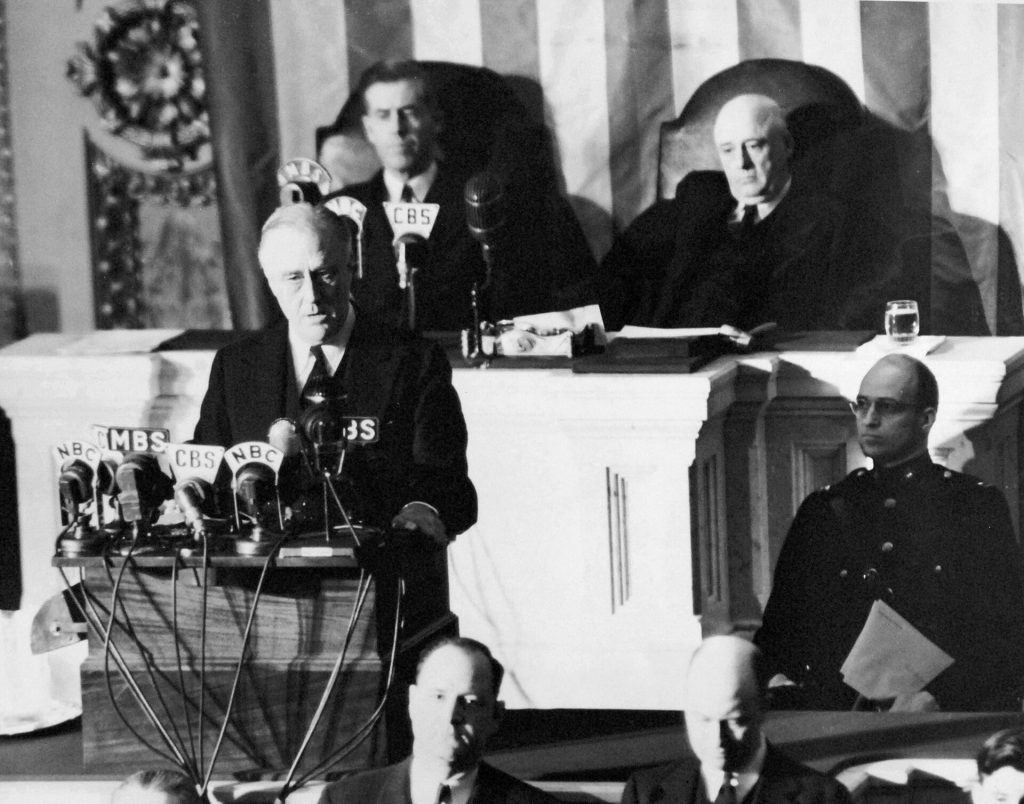
Roosevelt asks Congress for a declaration of war on Japan, as Japanese forces strike Malaya, Hong Kong, the Philippines, Guam and Wake across a front of thousands of kilometres.
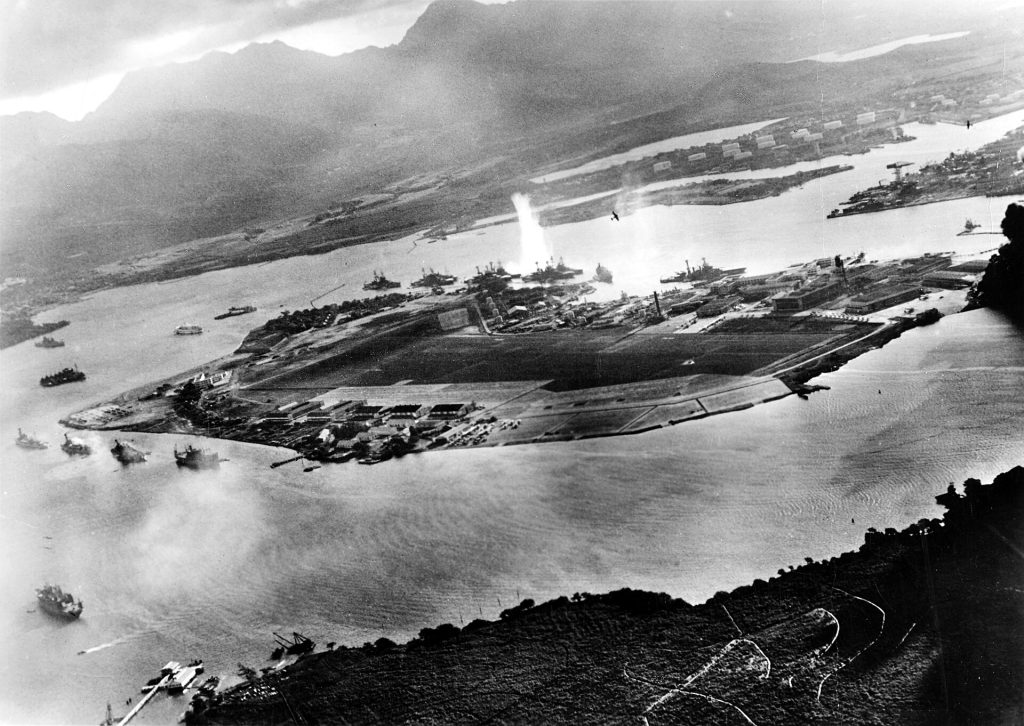
Just before 08:00 on a Sunday morning, more than 350 Japanese carrier aircraft strike the US Pacific Fleet at its base in Hawaii. In under two hours the war becomes global.
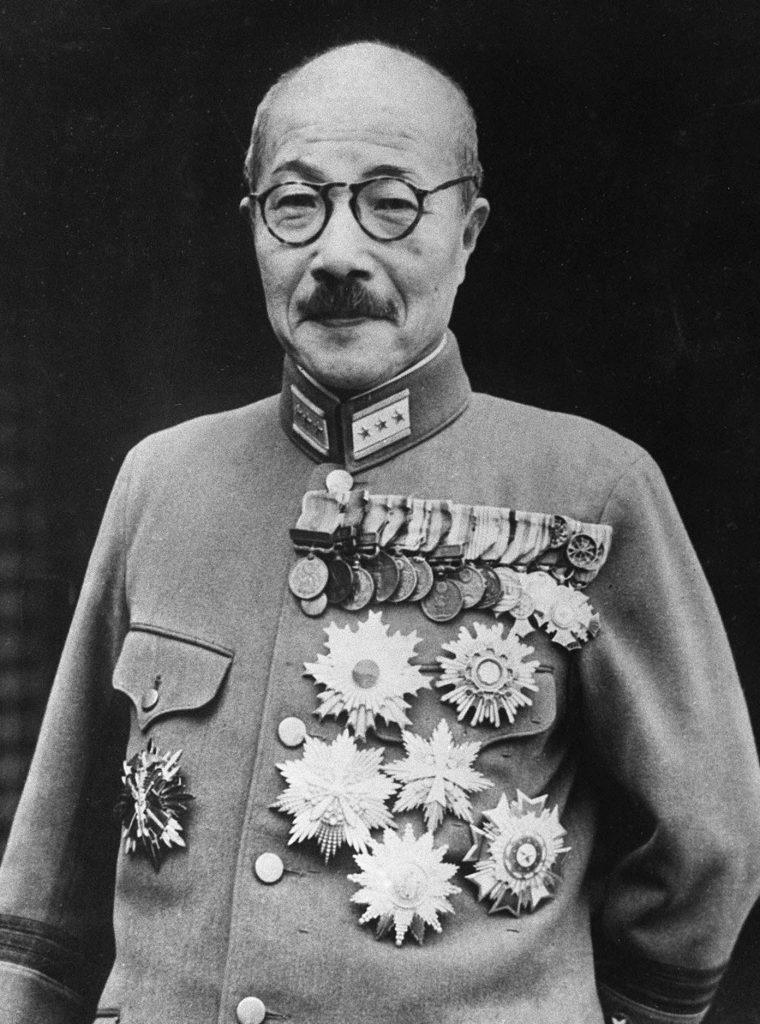
In the presence of Emperor Hirohito, an Imperial Conference in Tokyo formally approves war against the United States, Britain and the Netherlands. The carriers are already at sea.
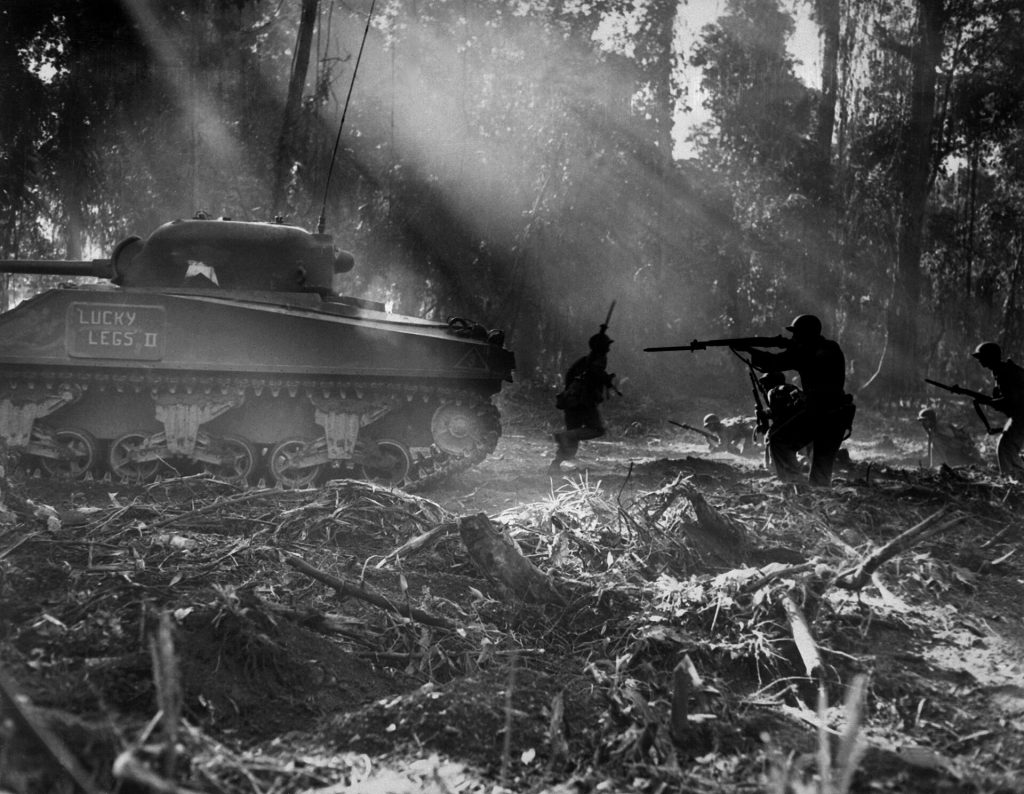
US Marines land on the west coast of Bougainville, deep in the Solomon Islands, to build airfields within fighter range of Japan’s great base at Rabaul.
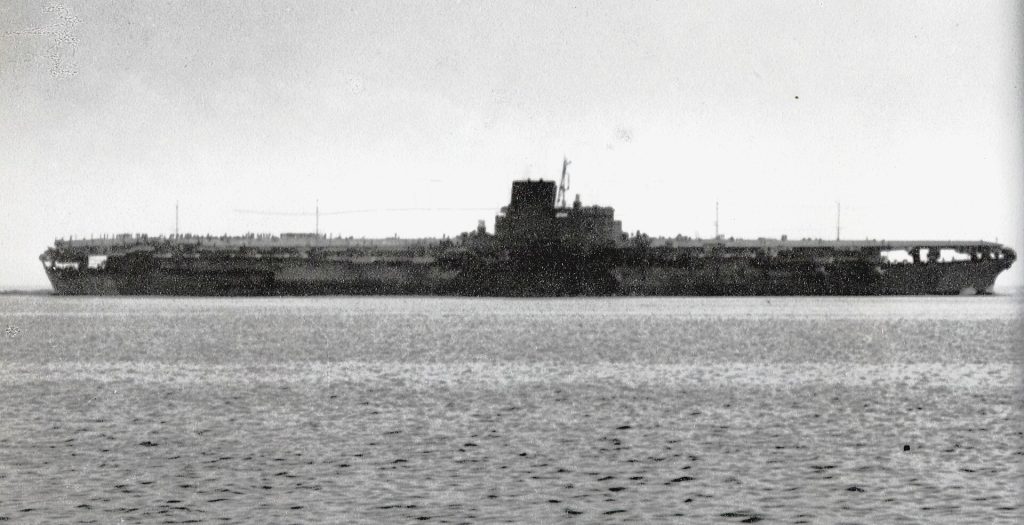
Ten days after commissioning, the world’s largest aircraft carrier is torpedoed on her maiden voyage by a lone American submarine. She becomes the biggest warship ever sunk by a submarine.
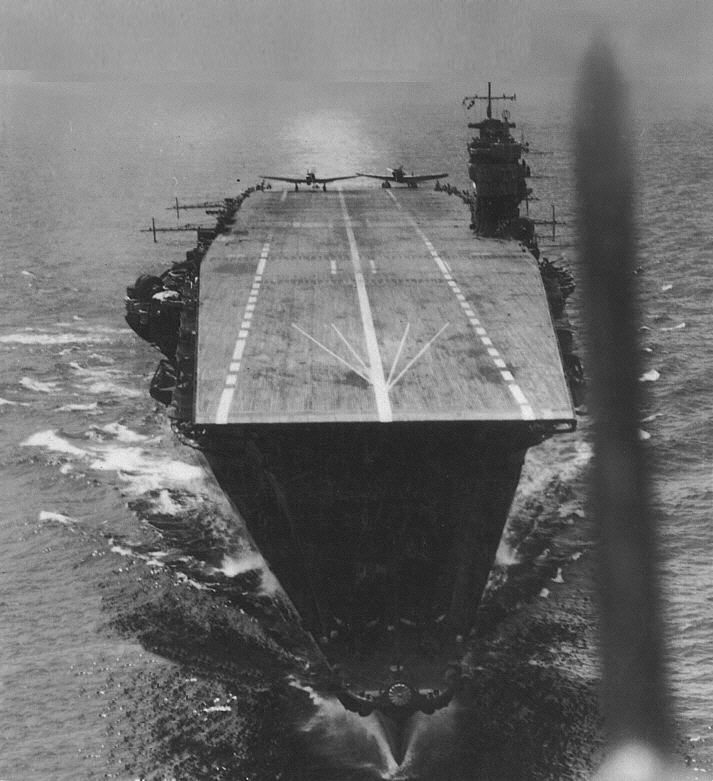
Six Japanese aircraft carriers slip out of a remote bay in the Kuril Islands and head east under radio silence. In Washington the same day, the Hull Note ends any real hope of a deal.
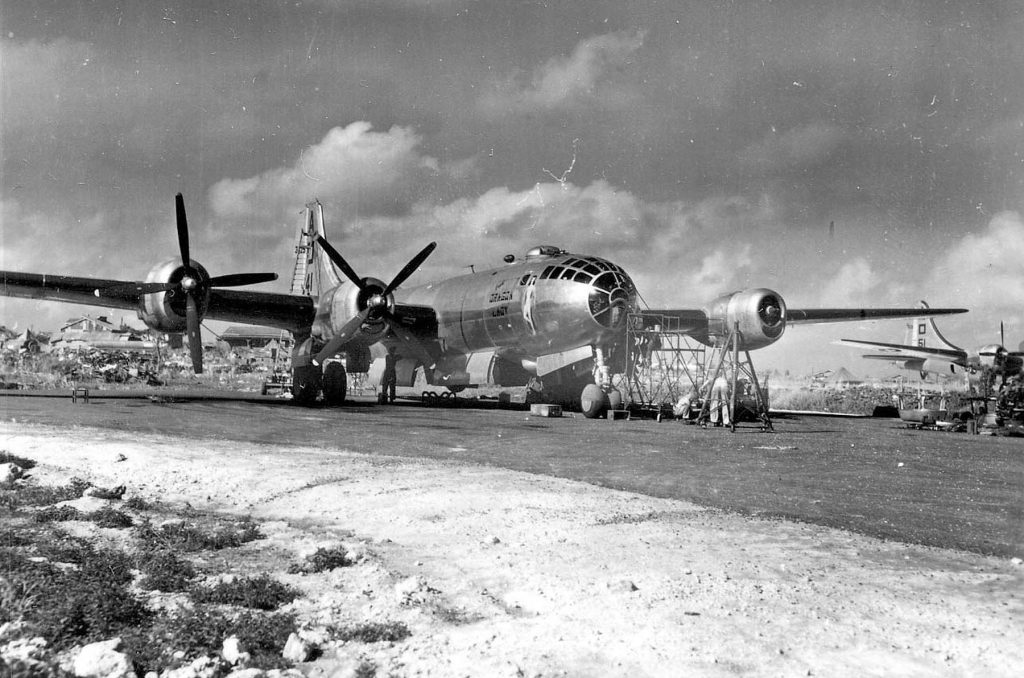
More than a hundred B-29 Superfortresses take off from Saipan for the first American air raid on Tokyo since the Doolittle Raid of 1942, and discover the jet stream on the way.
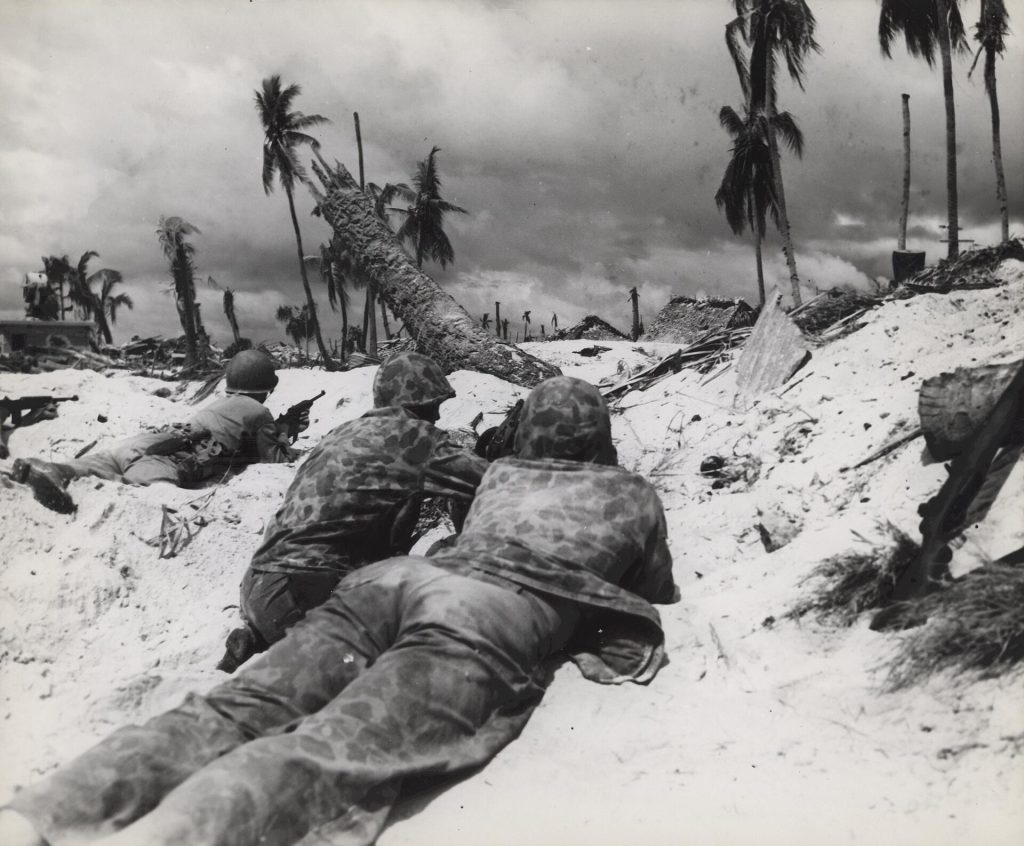
US Marines storm the heavily fortified island of Betio in the Gilberts. A low tide strands their landing craft on the reef, and the price of the first major assault in the Central Pacific shocks America.
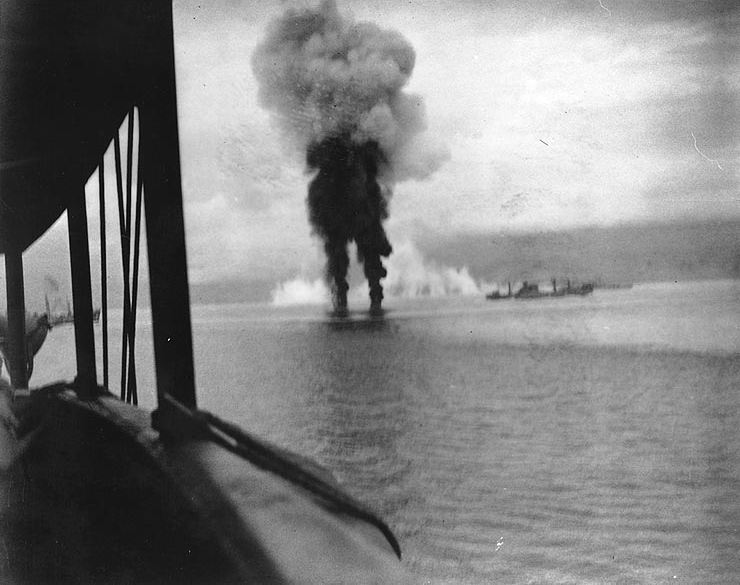
In a brutal close-range night action off Savo Island, American cruisers and destroyers turn back a Japanese bombardment force, opening three days of fighting that decide the fate of Guadalcanal.
 United Kingdom
 United States
 Soviet Union
 Germany
 Japan
 France
 Poland
 South Africa