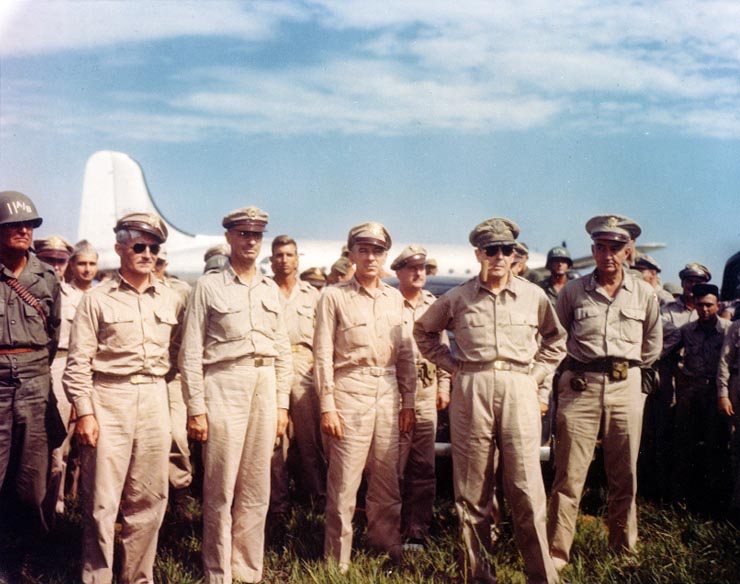
30 August 1945: MacArthur Lands at Atsugi
General Douglas MacArthur steps from his aircraft at Atsugi airfield near Tokyo, corncob pipe in hand. The occupation of Japan has begun.
Every dispatch from 1945.
General Douglas MacArthur steps from his aircraft at Atsugi airfield near Tokyo, corncob pipe in hand. The occupation of Japan has begun.
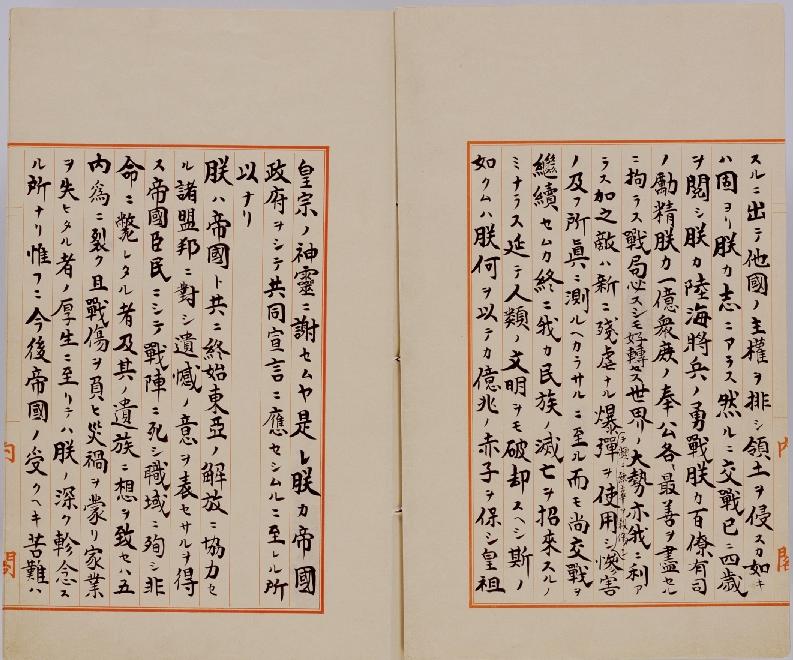
At noon, Japanese people across the empire hear the voice of their Emperor for the first time. In formal court language, Hirohito tells them that Japan will accept the Allied terms.
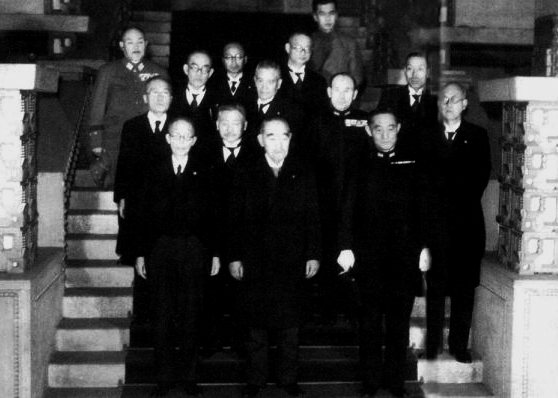
After a deadlocked night meeting, Emperor Hirohito breaks the tie. Japan tells the Allies it will accept the Potsdam Declaration, on one condition: the Emperor’s position must be preserved.
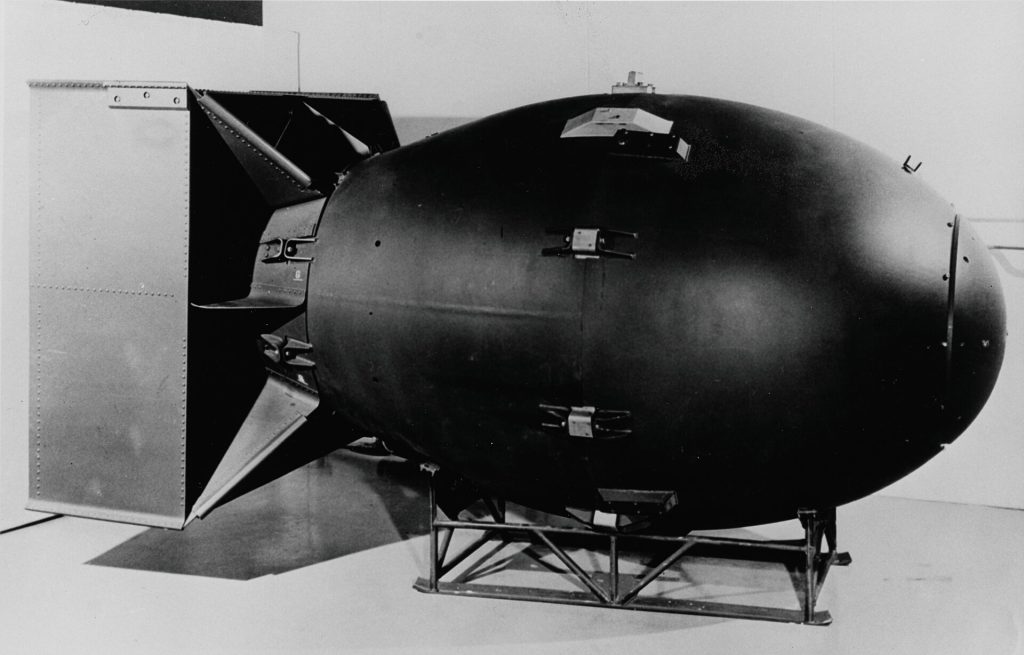
Three days after Hiroshima, a second atomic bomb is dropped. Clouds over the primary target, Kokura, send the B-29 Bockscar on to Nagasaki.
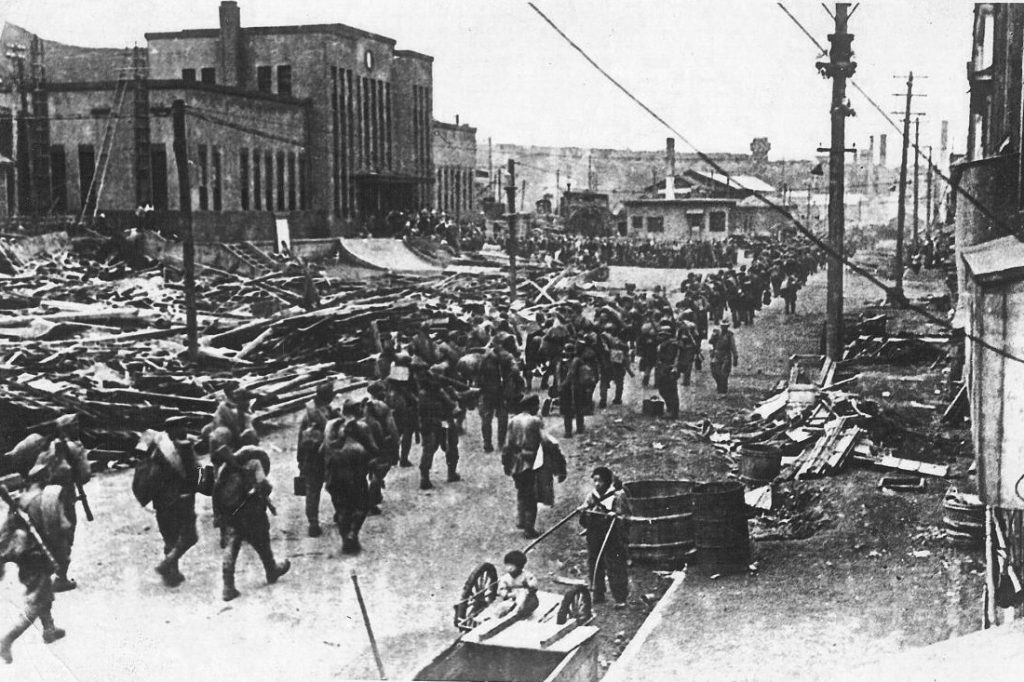
Exactly three months after Germany’s surrender, as Stalin promised at Yalta, Moscow declares war on Japan. Within hours, Soviet armies pour into Manchuria.
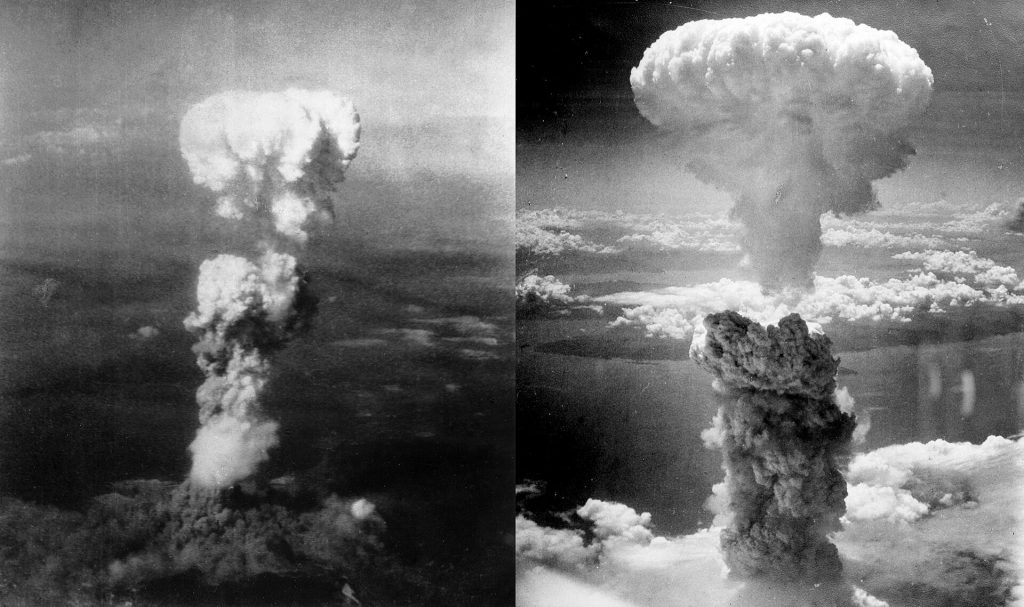
At 08:15, the American B-29 Enola Gay drops an atomic bomb on Hiroshima. A single bomb destroys most of the city.
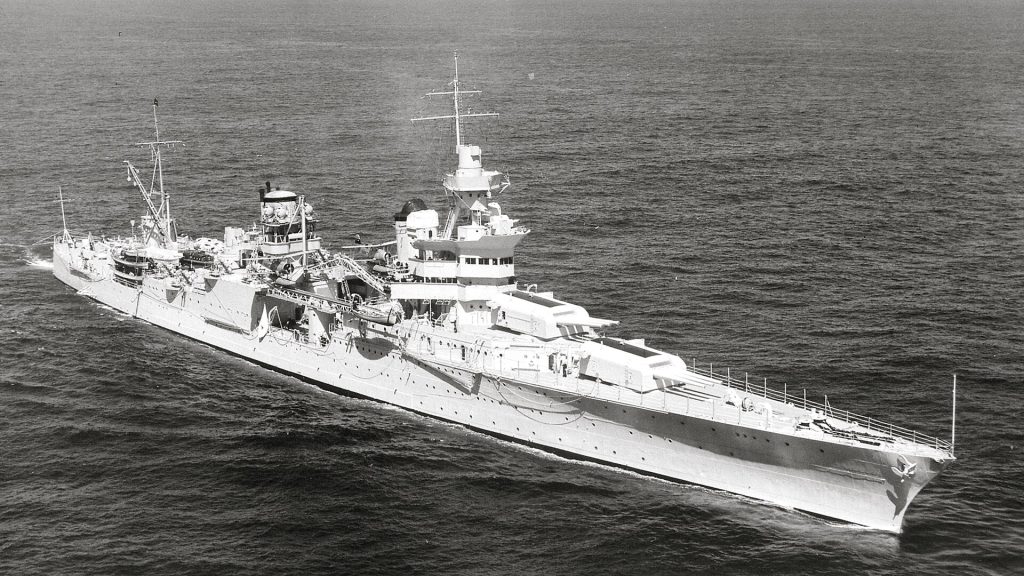
Just after midnight, a Japanese submarine torpedoes the cruiser USS Indianapolis in the Philippine Sea. She sinks in minutes. For four days, nobody knows that hundreds of survivors are in the water.
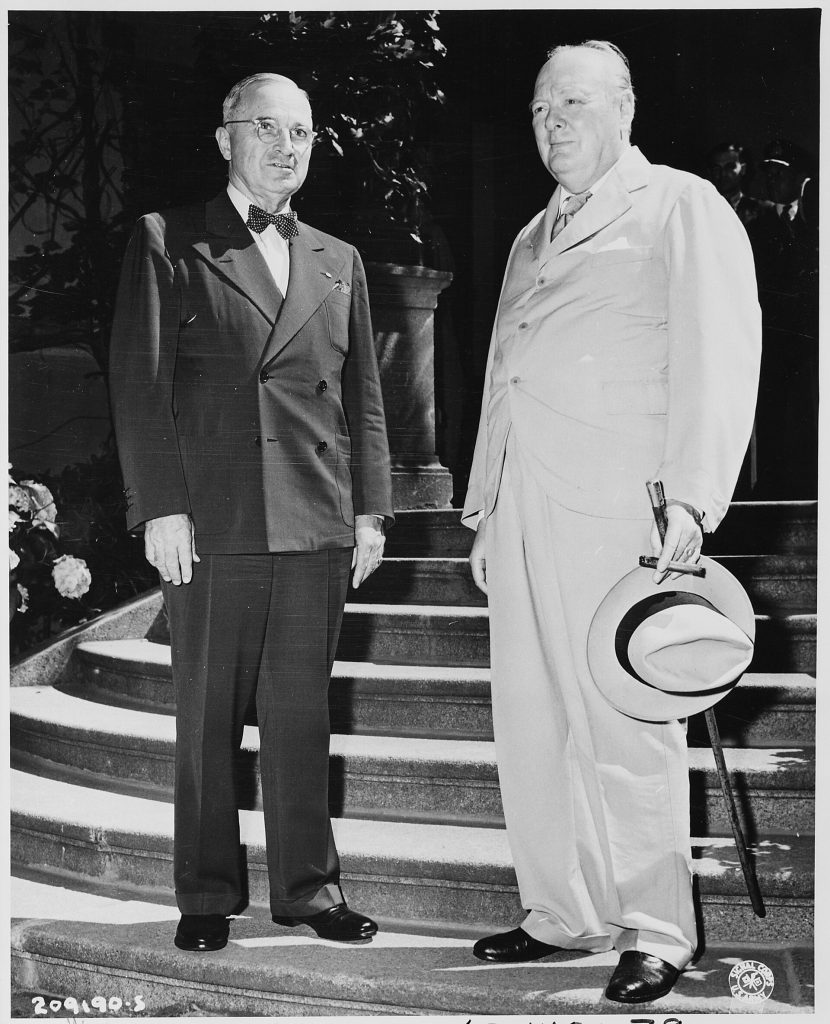
From Potsdam, the United States, Britain and China call on Japan to surrender unconditionally. The alternative, they warn, is “prompt and utter destruction”.
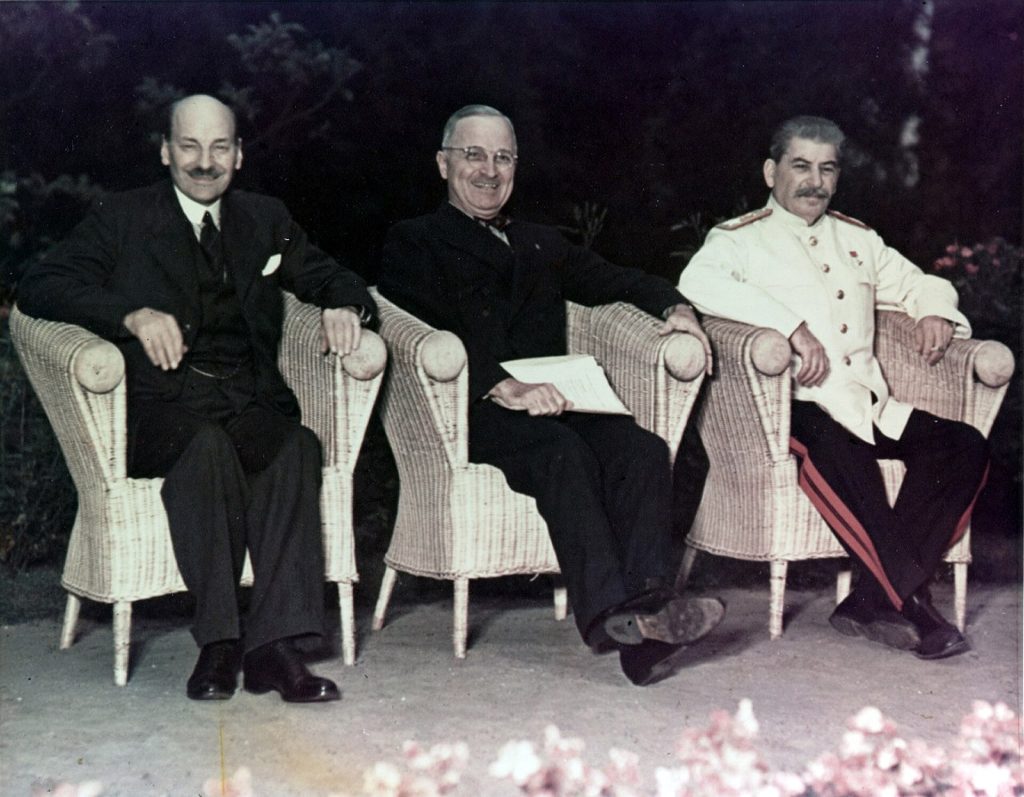
In a palace outside ruined Berlin, Truman, Stalin and Churchill meet to settle the fate of Germany. Halfway through, Churchill is replaced by Attlee.
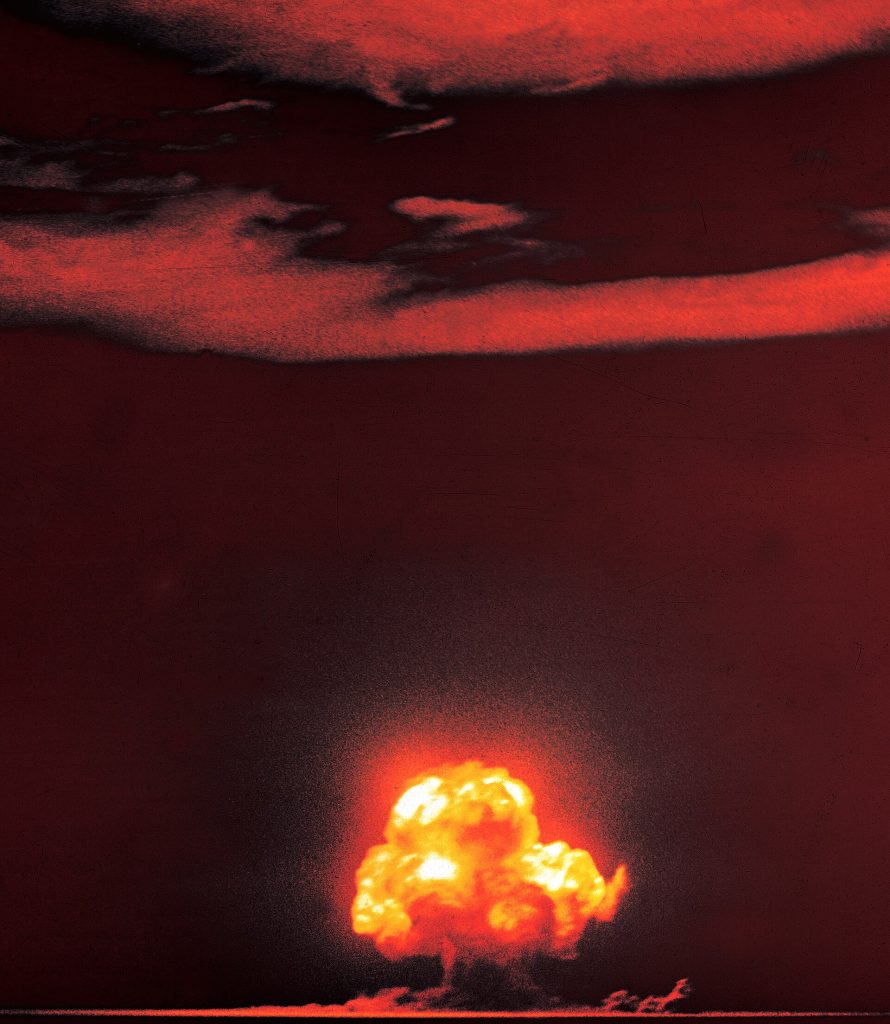
Before dawn in the New Mexico desert, scientists of the Manhattan Project detonate the world’s first atomic bomb. The nuclear age has begun.
In San Francisco, delegates of fifty nations sign the Charter of the United Nations, creating a new organisation to keep the peace the war has cost so much to win.
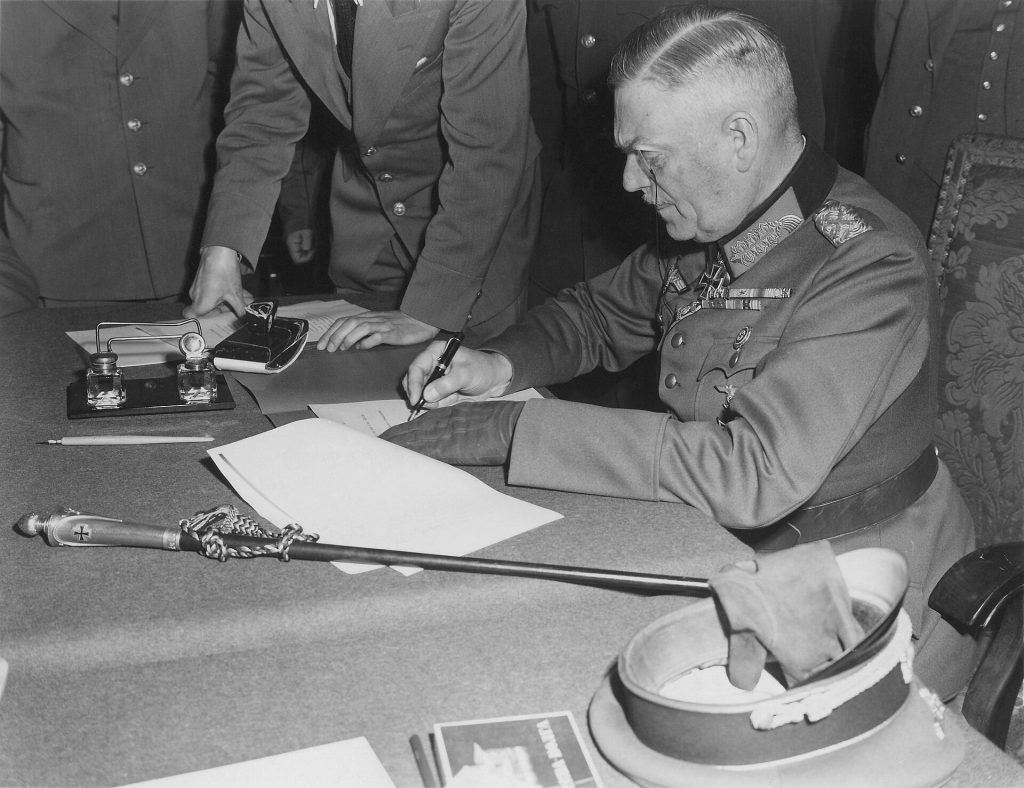
Shortly before midnight in Berlin-Karlshorst, Field Marshal Keitel signs the final surrender before Marshal Zhukov. In Moscow it is already 9 May, and the Soviet Union celebrates victory.
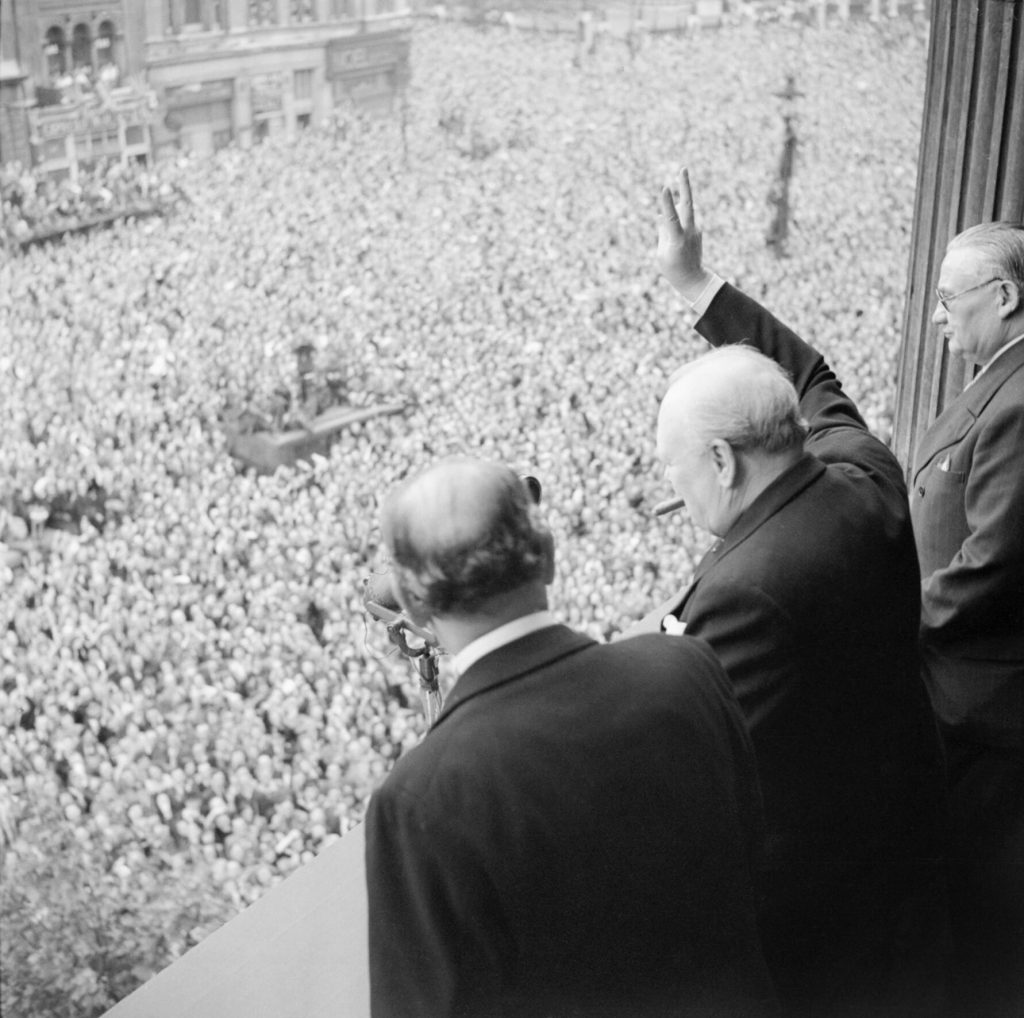
Victory in Europe. Crowds pour into the streets of London, Paris, New York and cities across the Allied world. After nearly six years, the war against Germany is over.
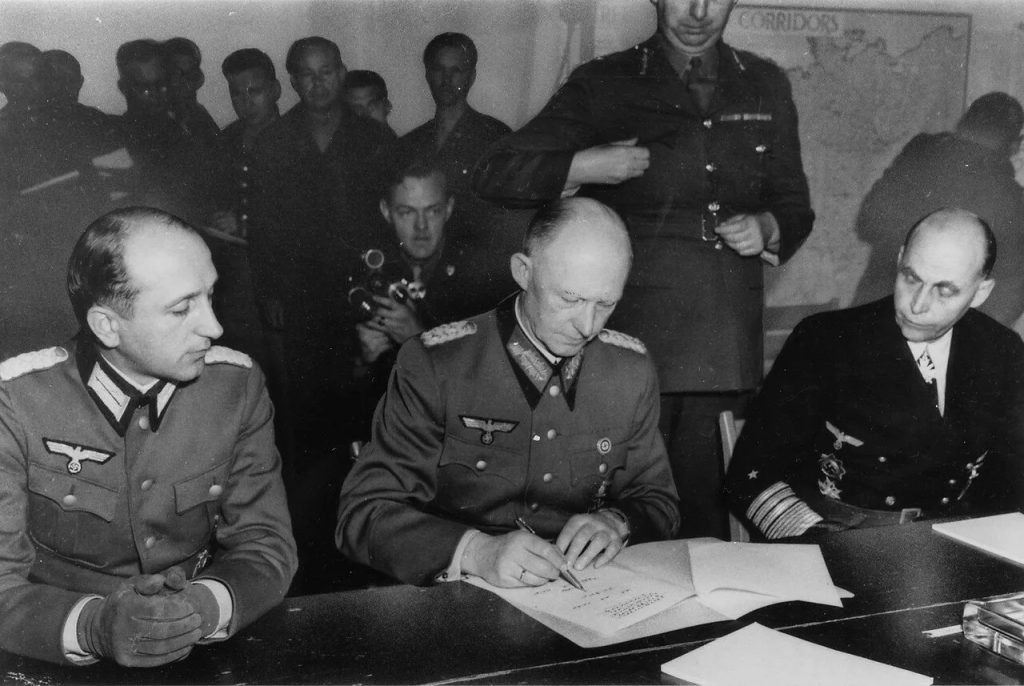
In the small hours, in a schoolhouse in Reims serving as Eisenhower’s headquarters, General Alfred Jodl signs Germany’s unconditional surrender.
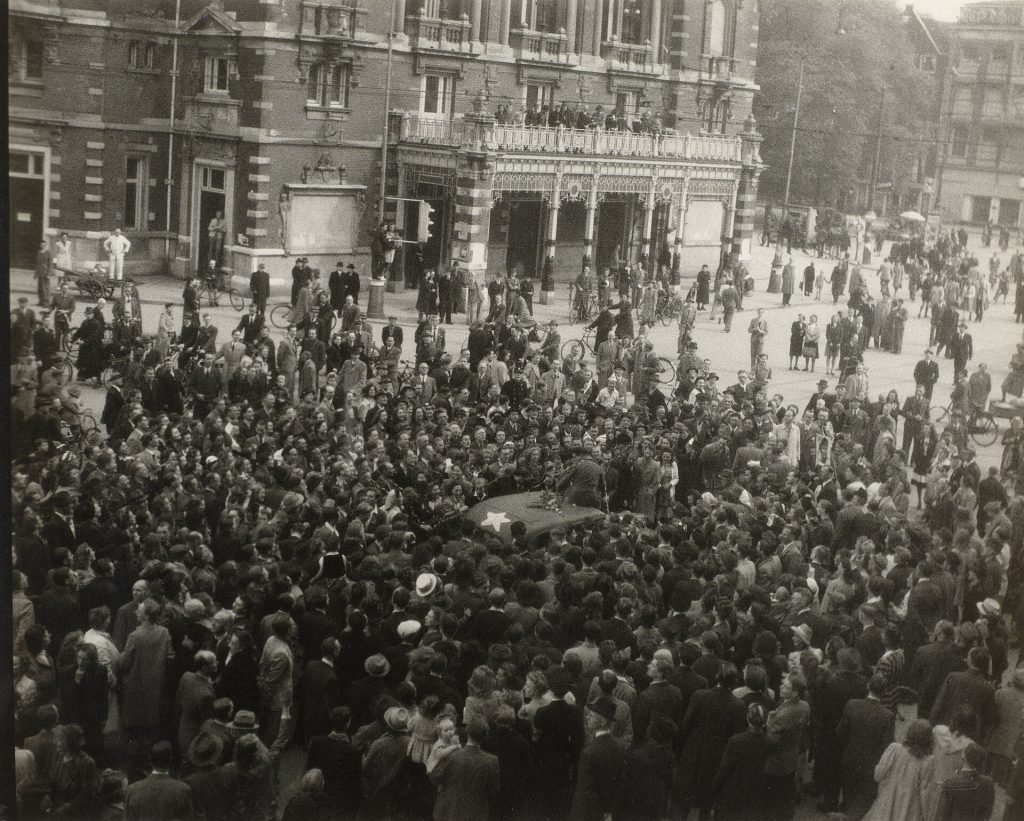
At a hotel in Wageningen, the German commander in the Netherlands meets the Canadian general facing him to arrange the surrender. After five years of occupation and a winter of famine, the Dutch are free.
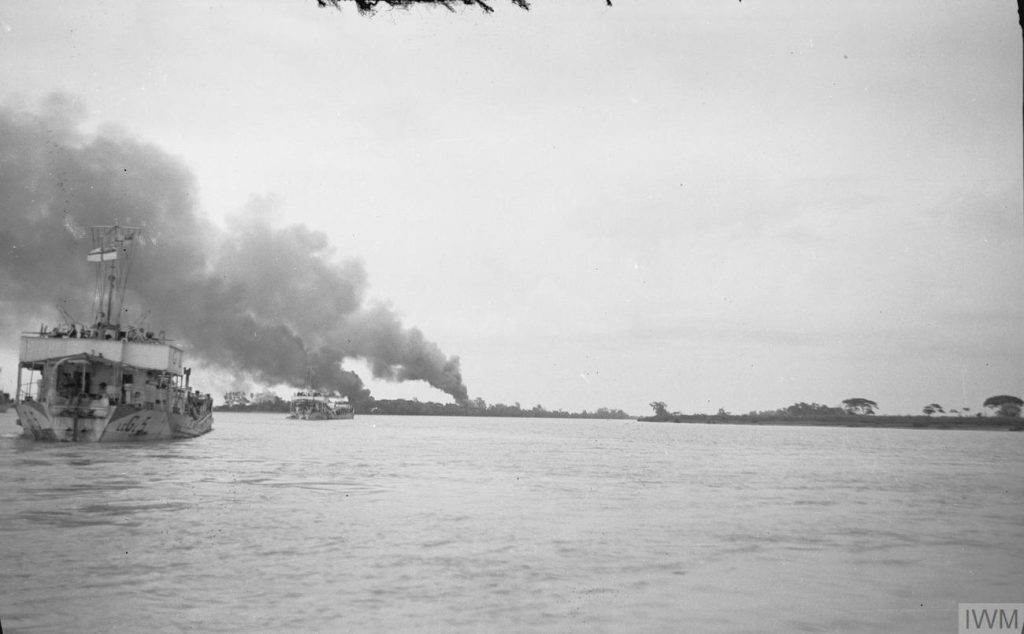
Indian troops landing from the sea enter Rangoon, just ahead of the monsoon. The Japanese have already gone. Three years after the long retreat, the capital of Burma is back in Allied hands.
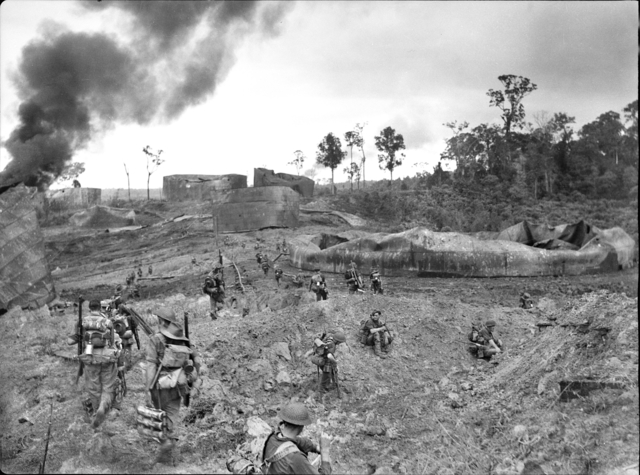
Australian troops storm ashore on the oil island of Tarakan off Borneo, the opening move of the last great Australian campaign of the war.
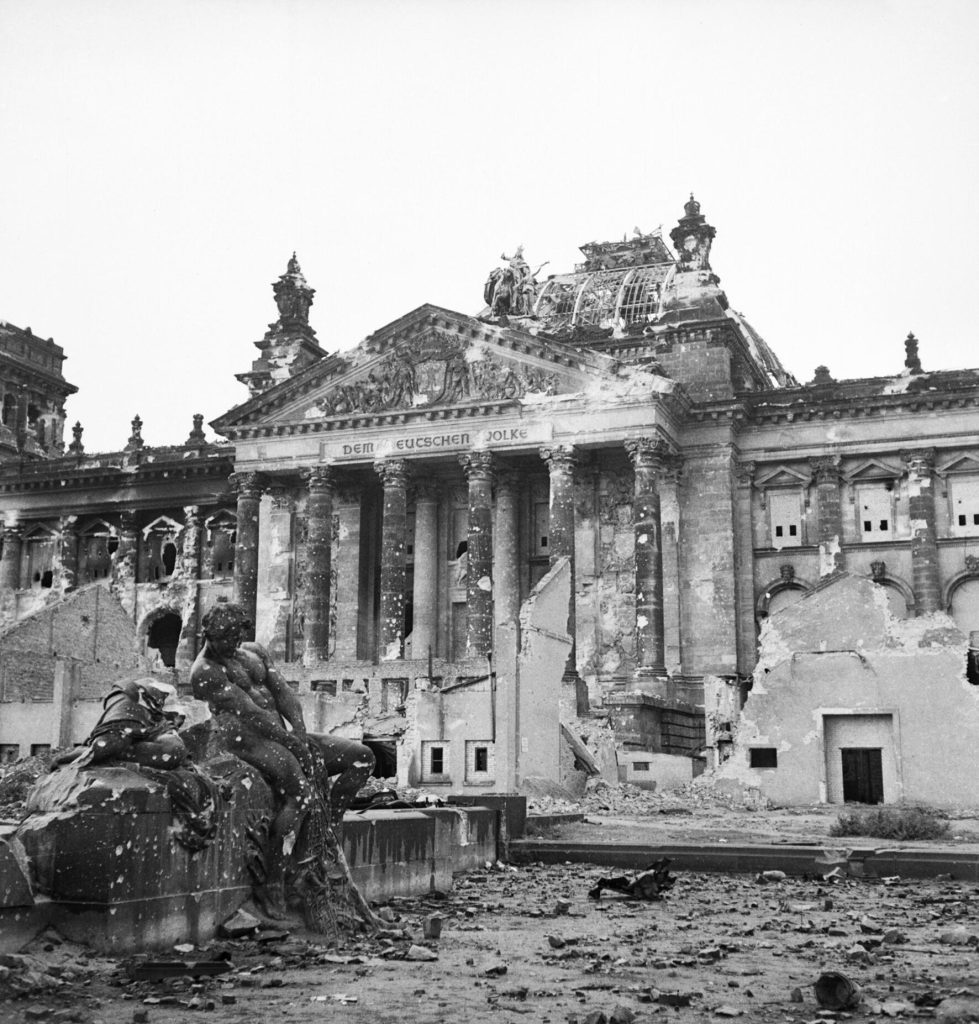
Two days after Hitler’s death, the commander of the Berlin garrison surrenders to the Red Army. The guns fall silent over the ruined capital of the Reich.
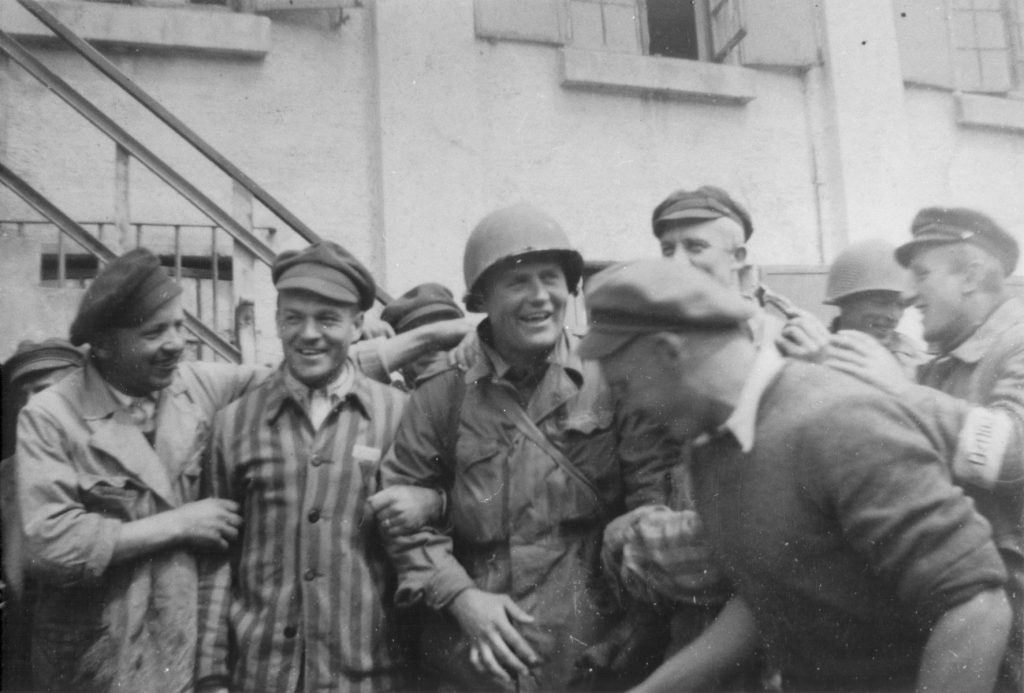
American soldiers reach Dachau, the first concentration camp set up by the Nazis. Outside its gates they find a train filled with dead prisoners; inside, around 30,000 survivors.
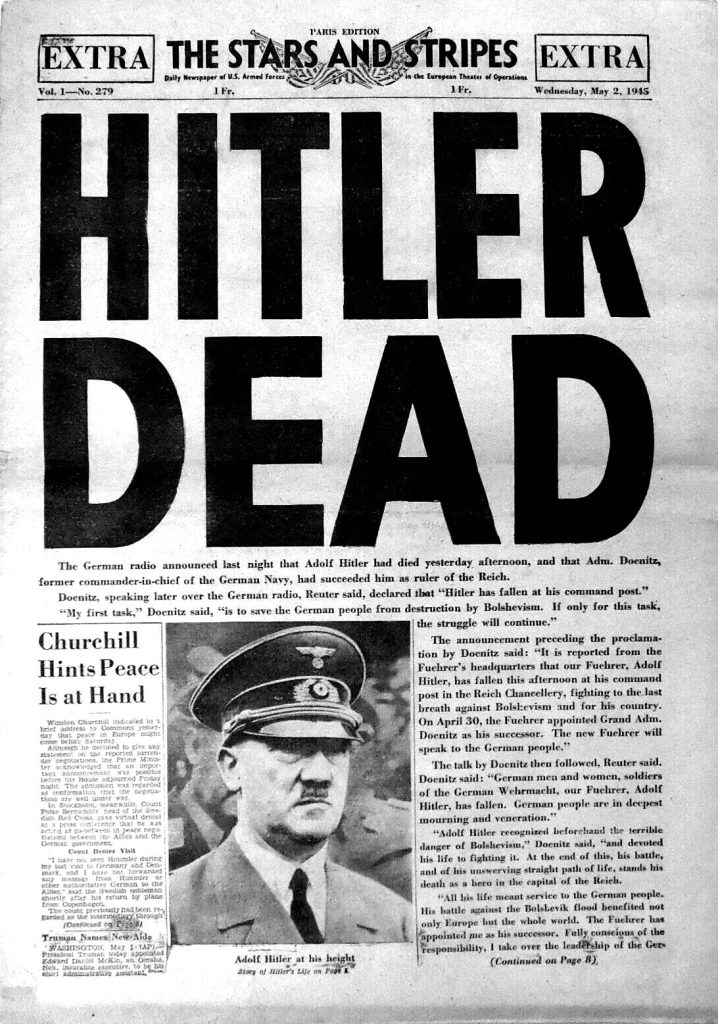
With Soviet troops only a few hundred metres away, Adolf Hitler takes his own life in the bunker beneath the Reich Chancellery.
 United Kingdom
 United States
 Soviet Union
 Germany
 Japan
 France
 Poland
 South Africa