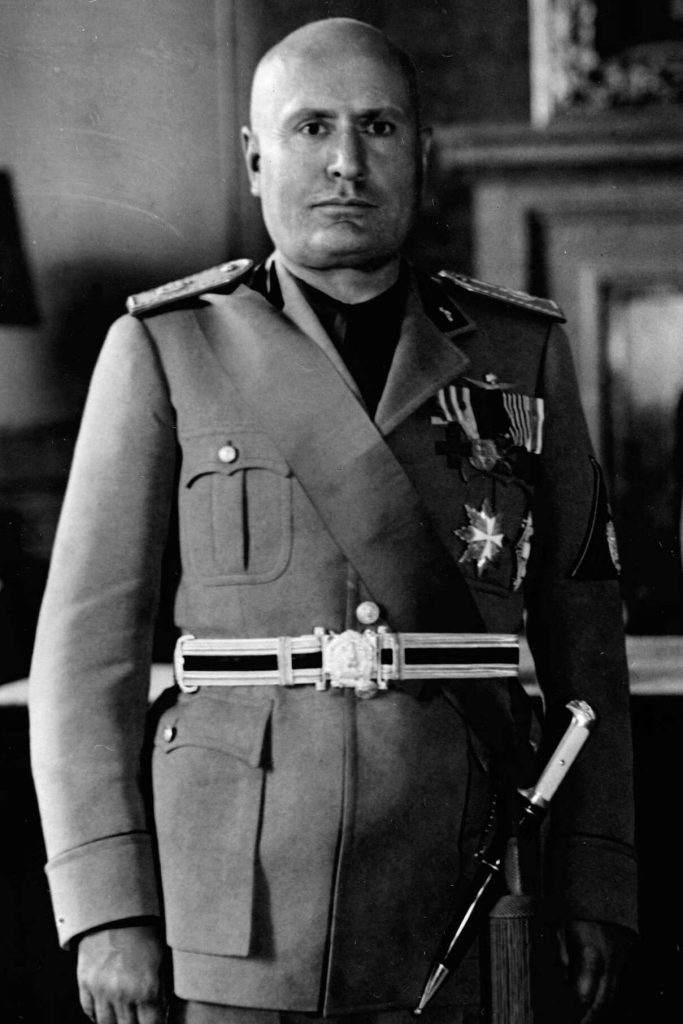
28 April 1945: The Death of Mussolini
Captured by partisans while trying to escape with a German convoy, Benito Mussolini is shot near Lake Como. The man who ruled Italy for two decades is dead.
Every dispatch from 1945.
Captured by partisans while trying to escape with a German convoy, Benito Mussolini is shot near Lake Como. The man who ruled Italy for two decades is dead.
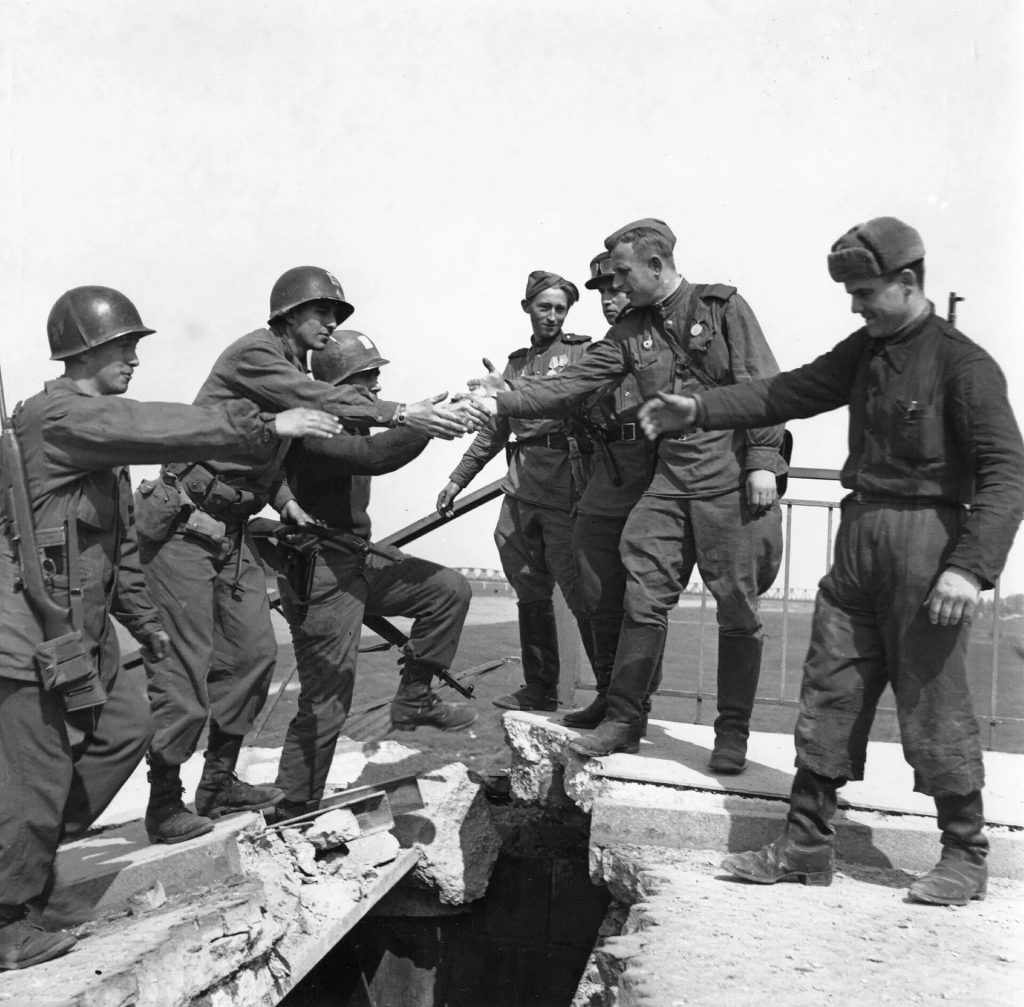
American patrols meet Soviet soldiers on the river Elbe, near Torgau. The armies from east and west have joined, and Germany is cut in two.
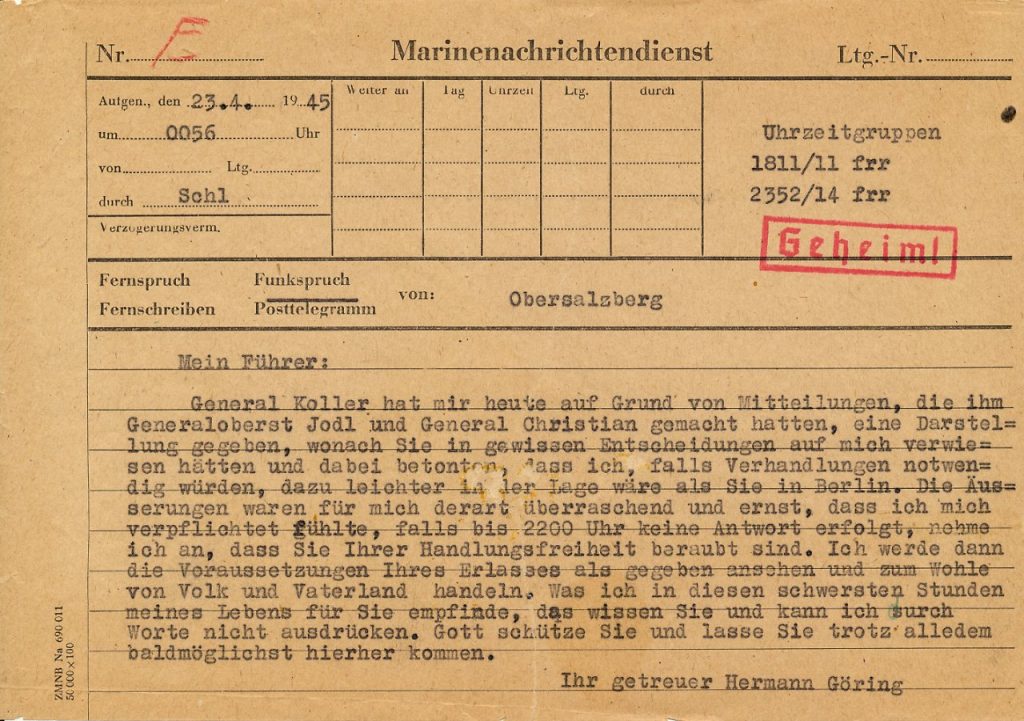
From the Bavarian Alps, Hermann Göring sends a telegram offering to take over the leadership of the Reich. In the bunker, Hitler is persuaded it is treason.
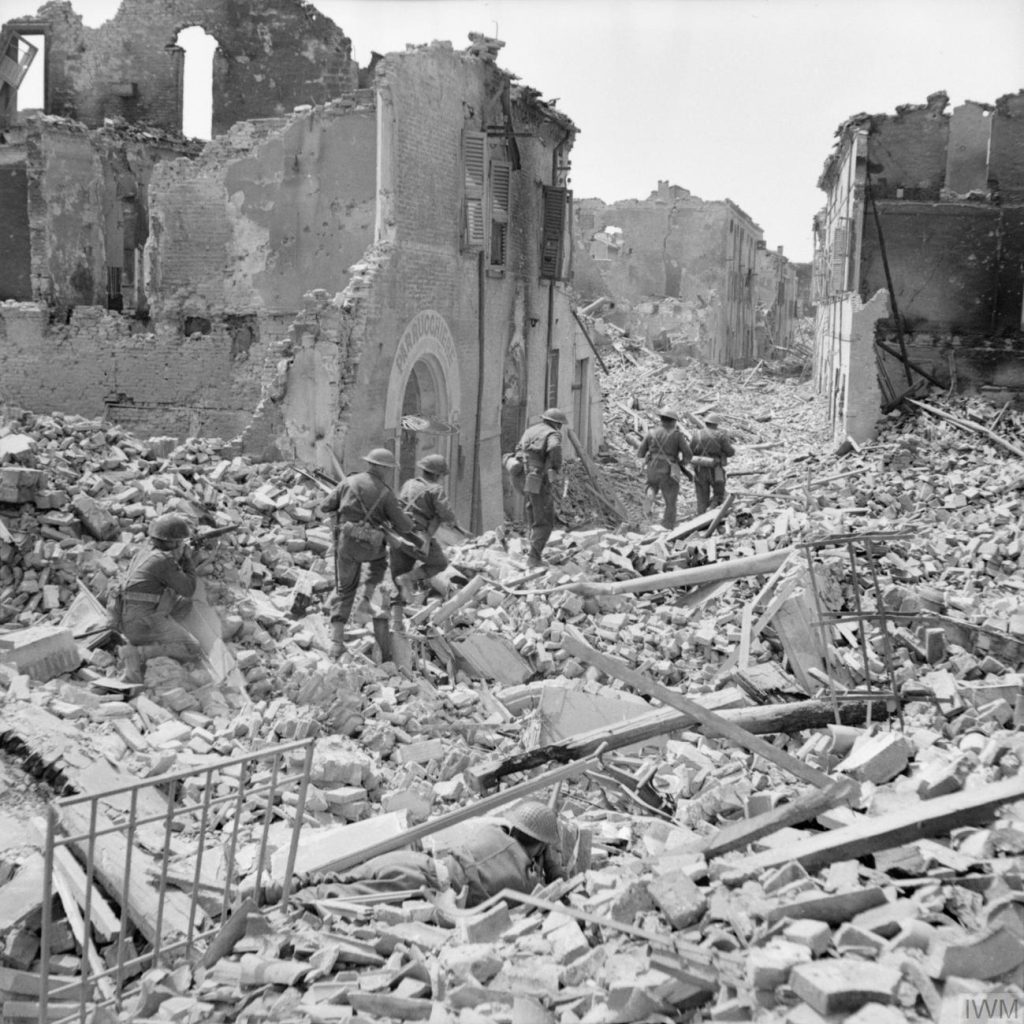
Polish troops of the Eighth Army enter Bologna from the east, with American troops close behind. The German front in Italy is collapsing.
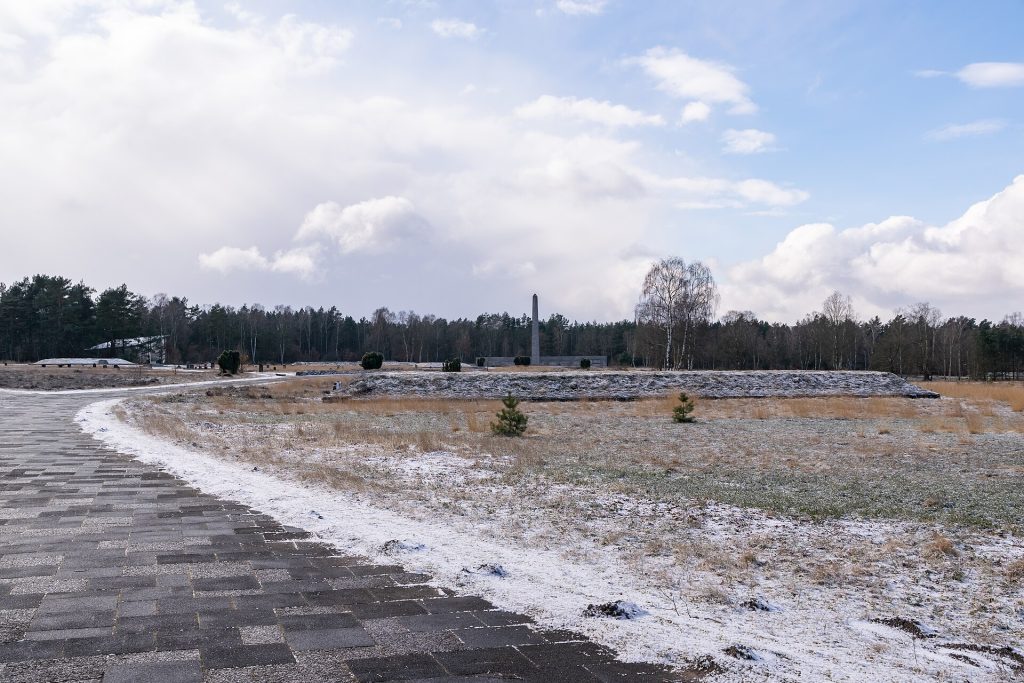
Under a local truce, British troops enter Bergen-Belsen. They find around 60,000 prisoners, many dying of typhus and starvation, and thousands of unburied dead.
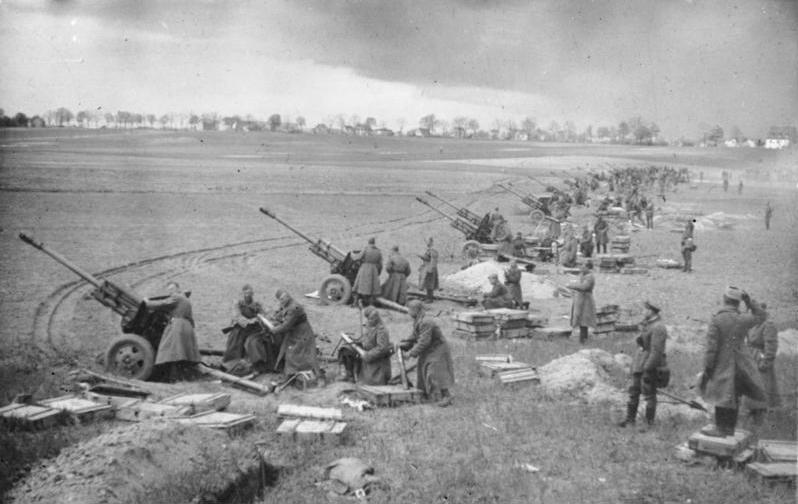
At 03:00, thousands of Soviet guns and searchlights blaze along the Oder. The final offensive on Berlin has begun, but the first obstacle is a line of hills.
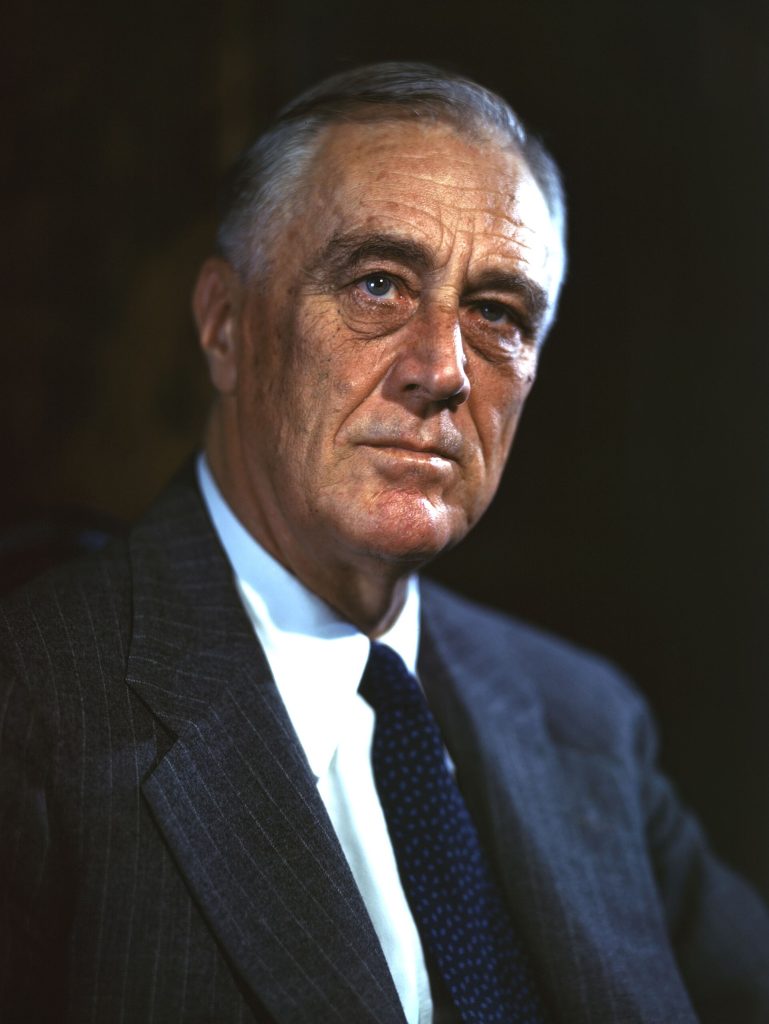
At his retreat in Warm Springs, Georgia, Franklin D. Roosevelt collapses while sitting for a portrait. Within hours, Harry Truman is president.
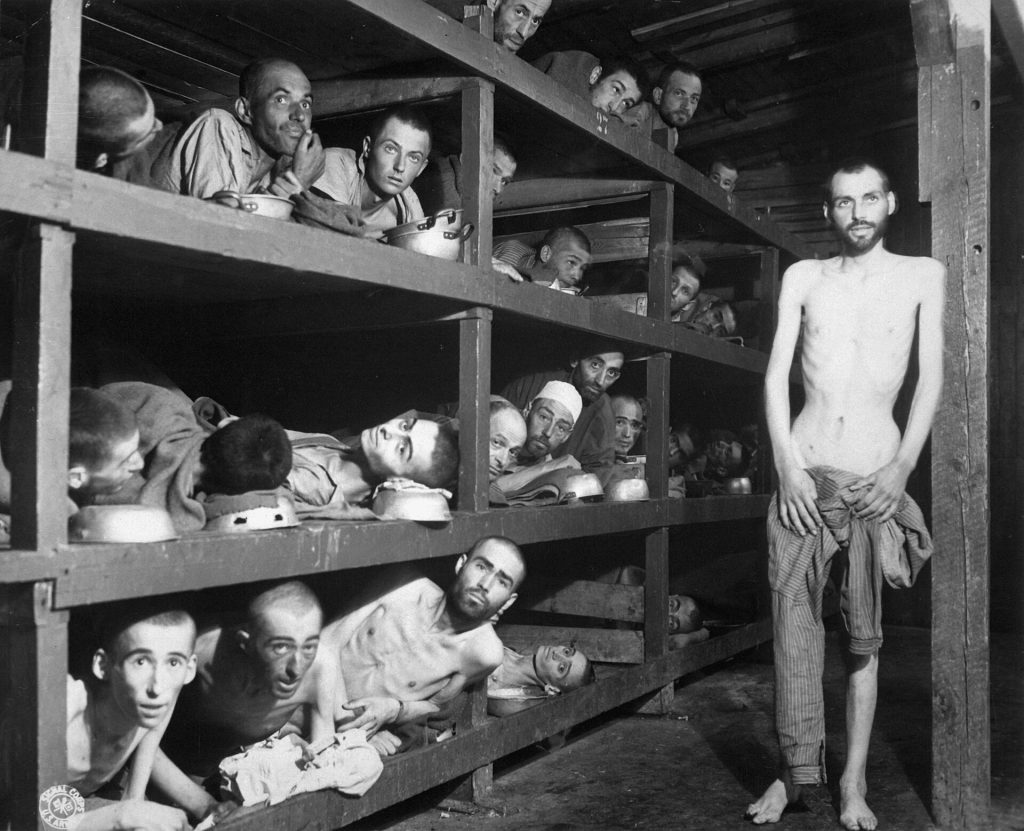
As the SS guards flee, prisoners take control of Buchenwald. That afternoon, American tanks arrive. More than 20,000 people are still alive inside.
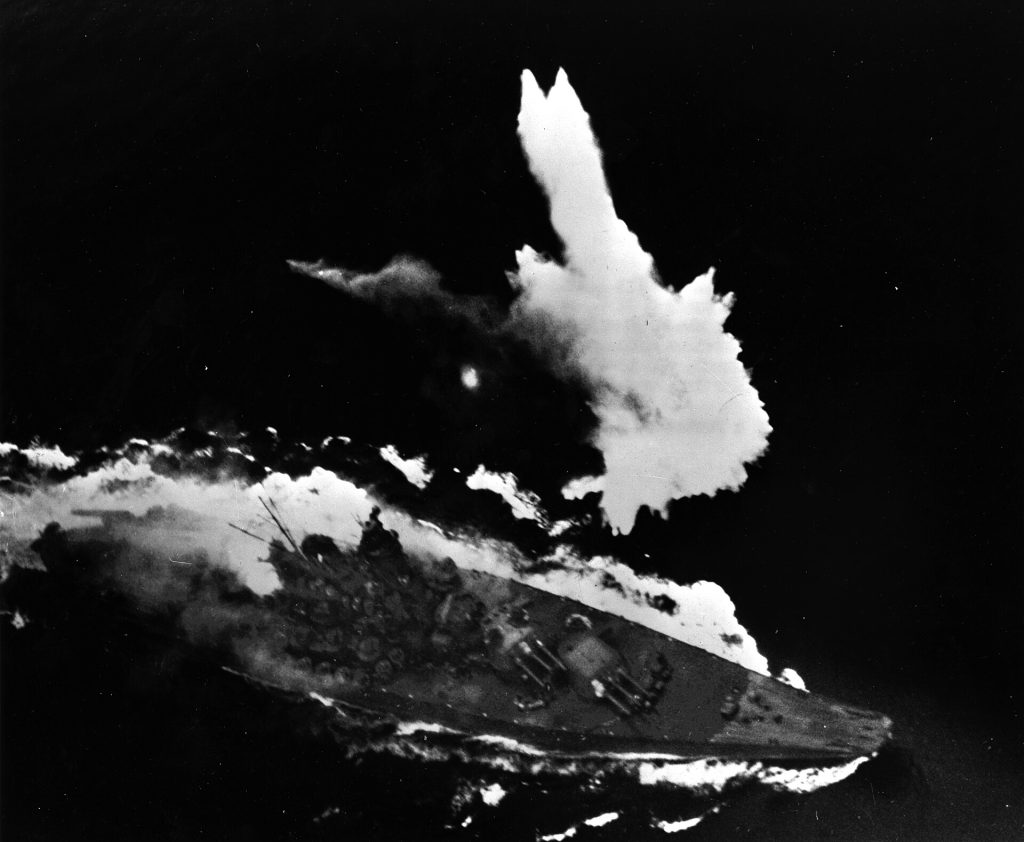
The largest battleship ever built sails on a one-way mission to Okinawa. Hundreds of American carrier aircraft find her long before she arrives.
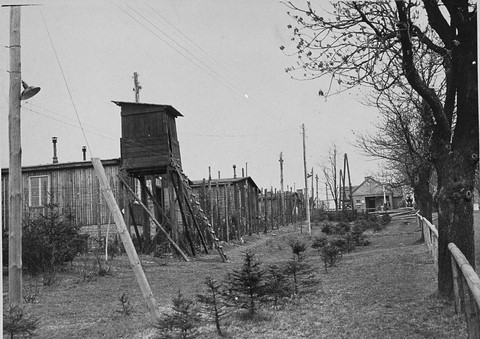
American troops enter a camp outside the town of Ohrdruf in Thuringia. It is the first Nazi camp to be liberated by the US Army.
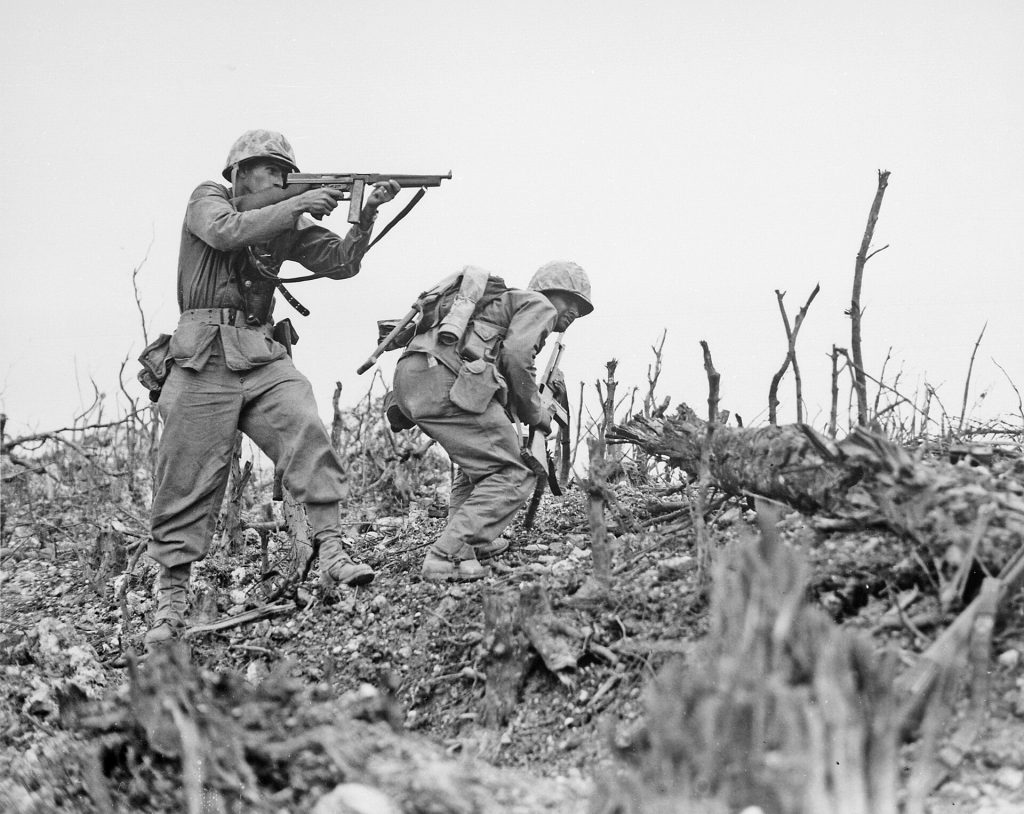
On Easter Sunday, the largest amphibious assault of the Pacific war lands on Okinawa almost unopposed. The Japanese are waiting in the south.
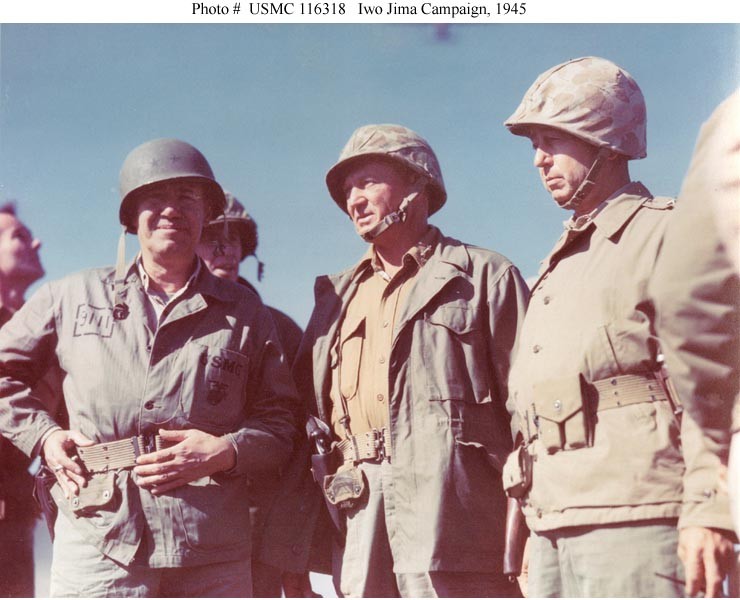
Before dawn, the last Japanese survivors launch a surprise attack on American camps near the airfields. When it is beaten off, the battle for Iwo Jima is declared over.
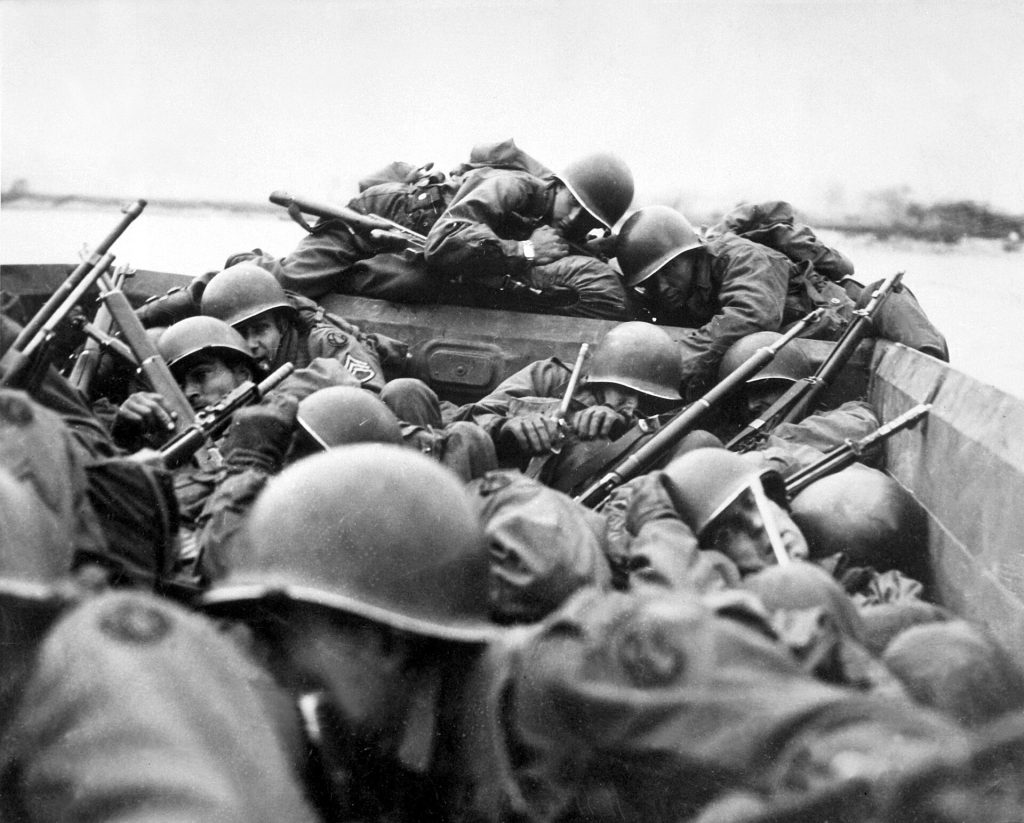
After a thunderous bombardment, Montgomery’s 21st Army Group crosses the Rhine on a broad front at night. The next morning two airborne divisions land on the far bank.
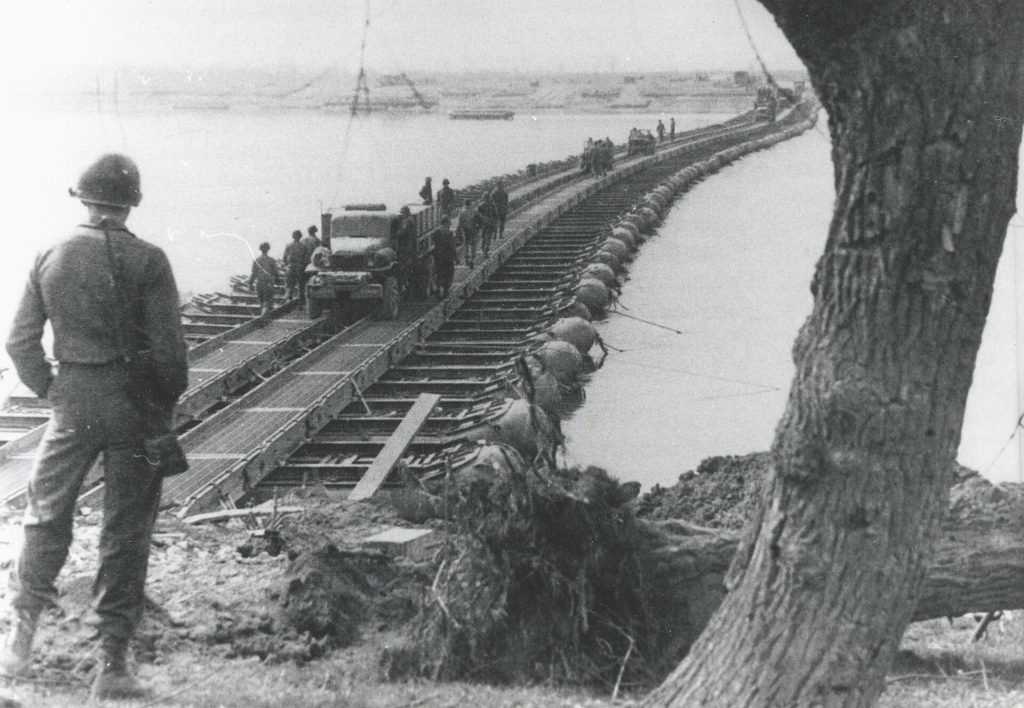
Without a bombardment or an announcement, Patton’s infantry quietly paddle across the Rhine at night. They beat Montgomery’s carefully prepared crossing by a day.
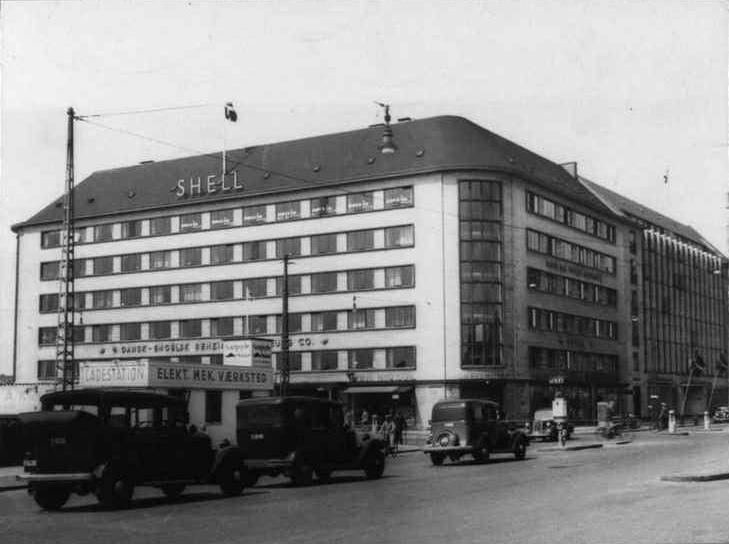
RAF Mosquitos attack the Gestapo headquarters in Copenhagen at rooftop height. Prisoners escape and records burn, but a tragic error kills dozens of children at a nearby school.
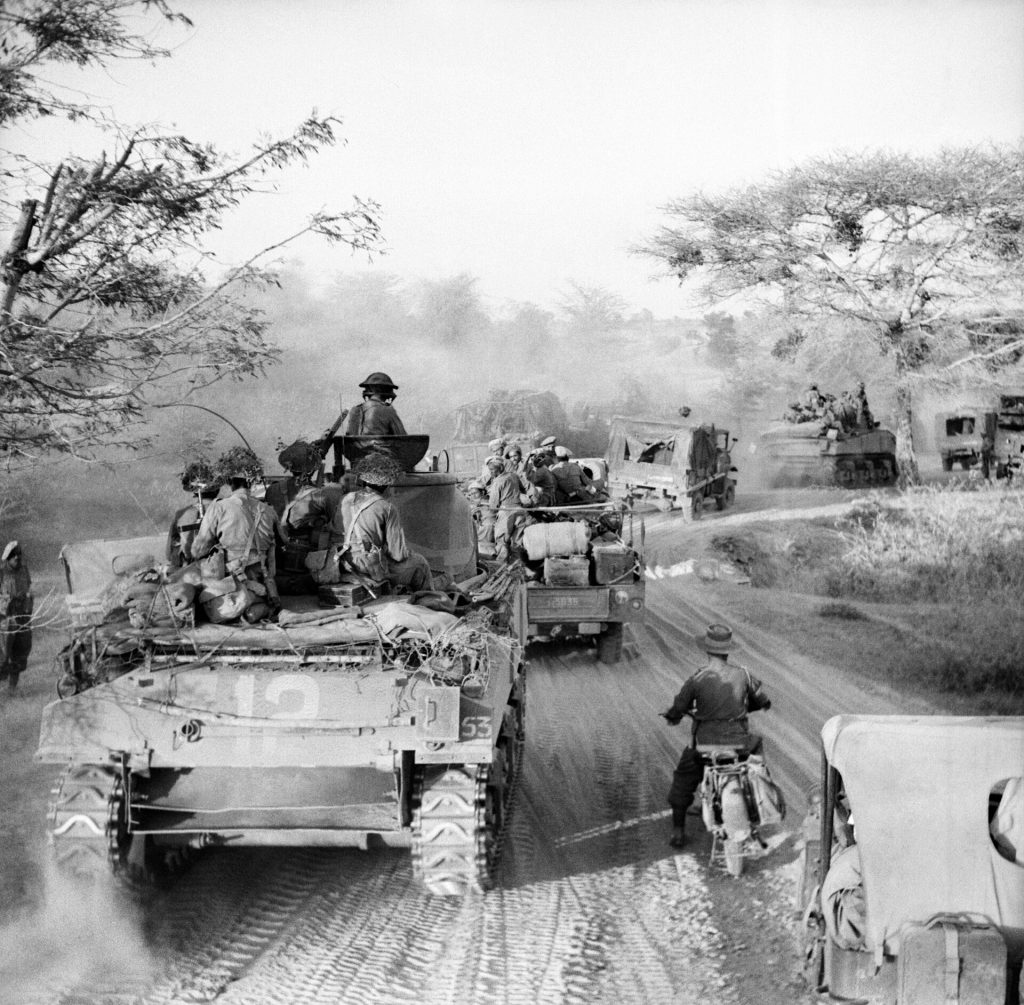
After a siege of more than a week, the Japanese abandon Fort Dufferin. The Fourteenth Army holds Mandalay, the old royal capital of Burma.
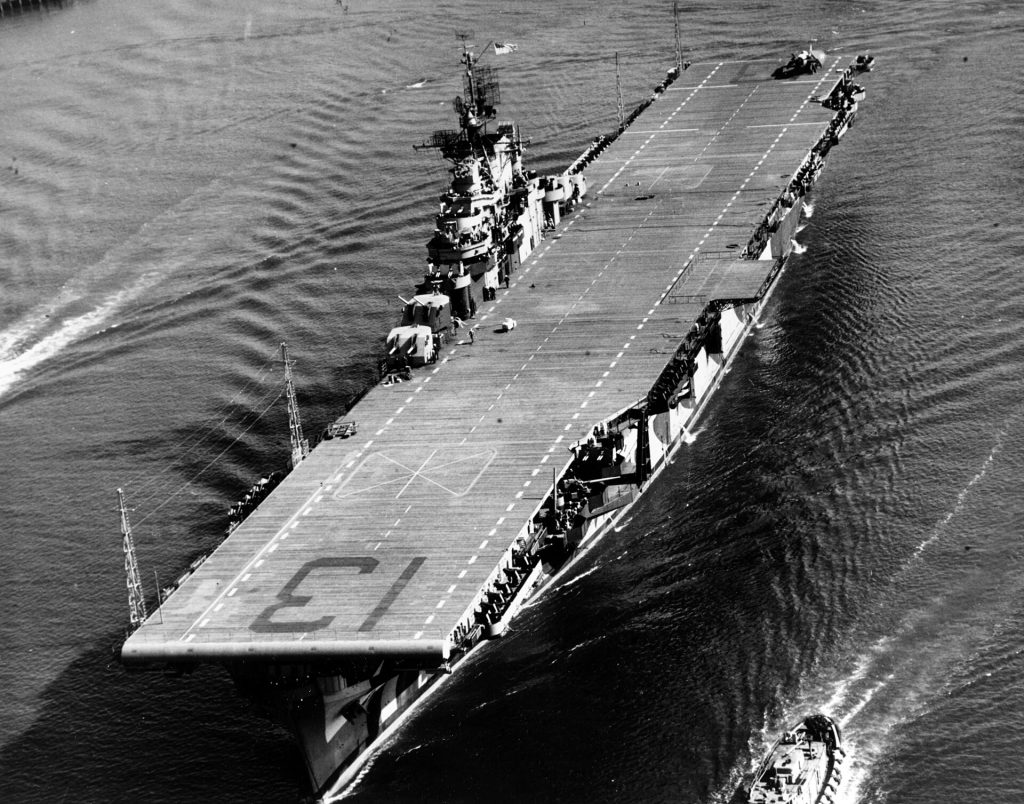
Off the coast of Japan, a single bomber hits the carrier Franklin as her aircraft prepare to launch. She survives the fires and explosions that follow, at a terrible cost.
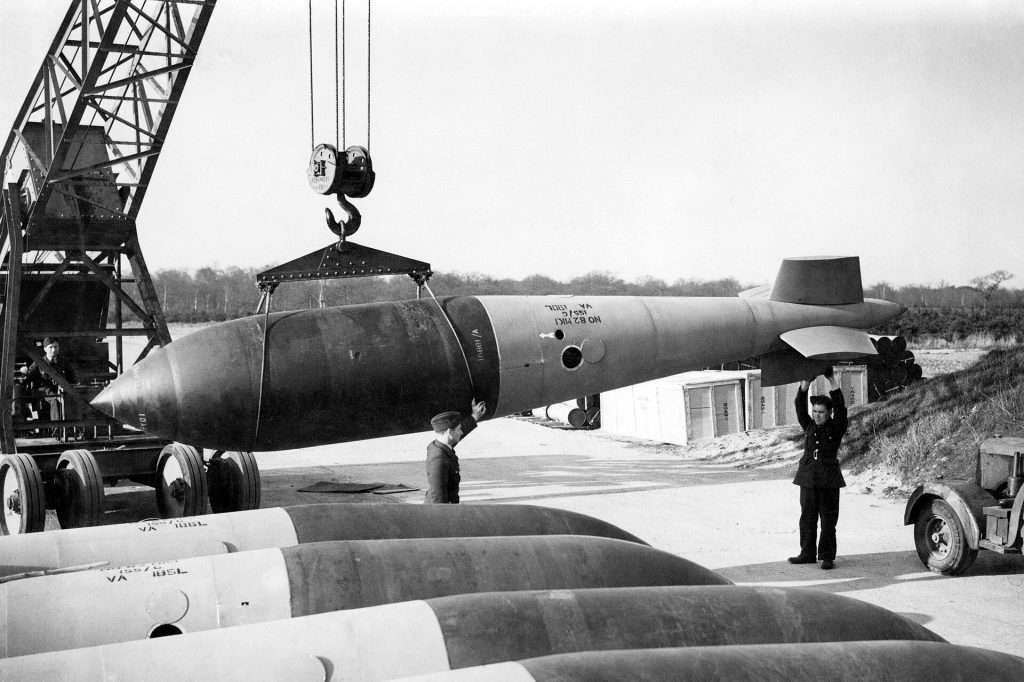
A single Lancaster of 617 Squadron drops a ten-tonne bomb near the Bielefeld railway viaduct. The earthquake it causes brings down several spans.
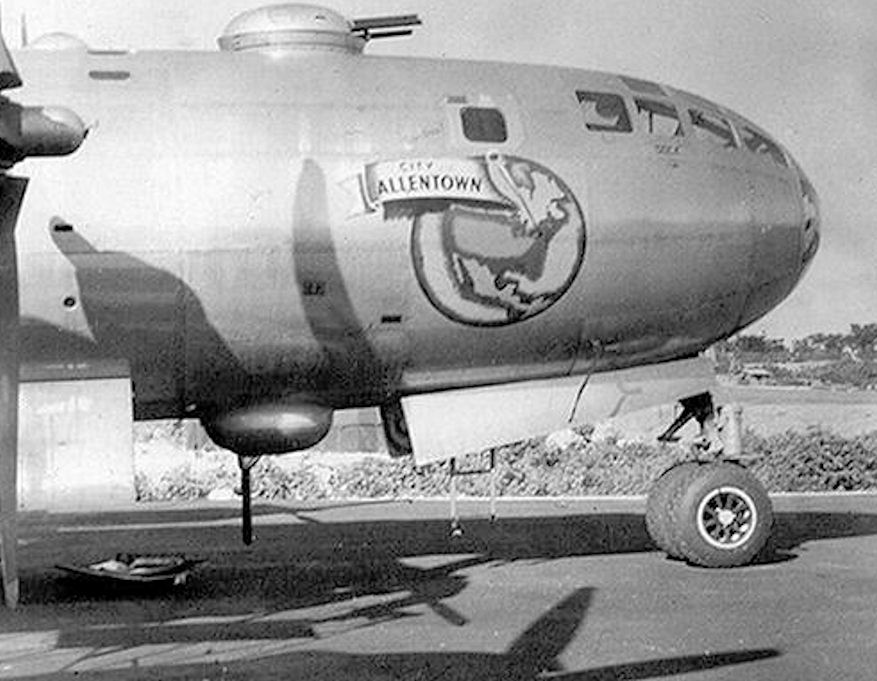
In the early hours, hundreds of B-29s flying low over Tokyo drop incendiaries on its crowded wooden neighbourhoods. It is the deadliest air raid in history.
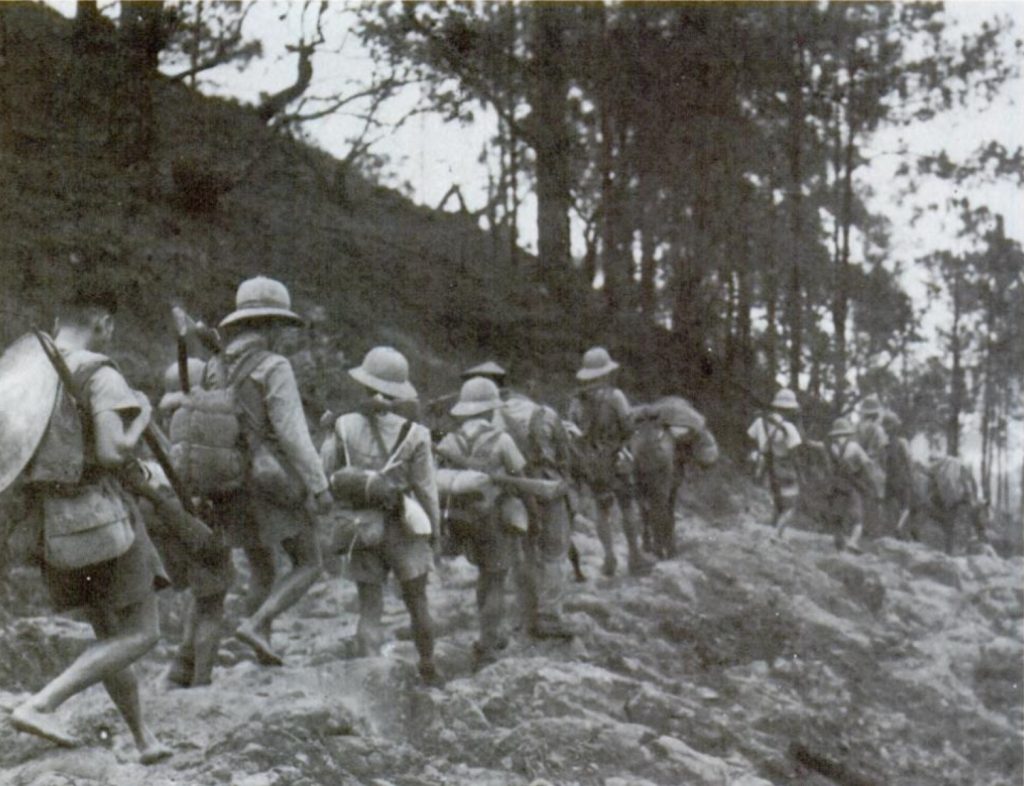
After four years of uneasy coexistence, Japanese forces overthrow the French colonial government across Indochina in a single night.
 United Kingdom
 United States
 Soviet Union
 Germany
 Japan
 France
 Poland
 South Africa