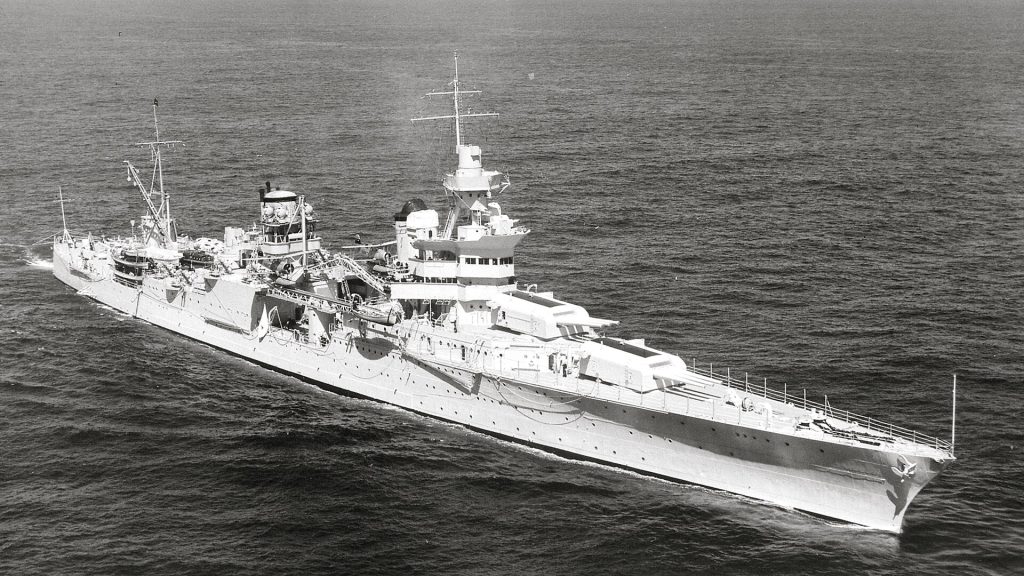
30 July 1945: The Sinking of the Indianapolis
Just after midnight, a Japanese submarine torpedoes the cruiser USS Indianapolis in the Philippine Sea. She sinks in minutes. For four days, nobody knows that hundreds of survivors are in the water.
Dispatches involving United States.
Just after midnight, a Japanese submarine torpedoes the cruiser USS Indianapolis in the Philippine Sea. She sinks in minutes. For four days, nobody knows that hundreds of survivors are in the water.
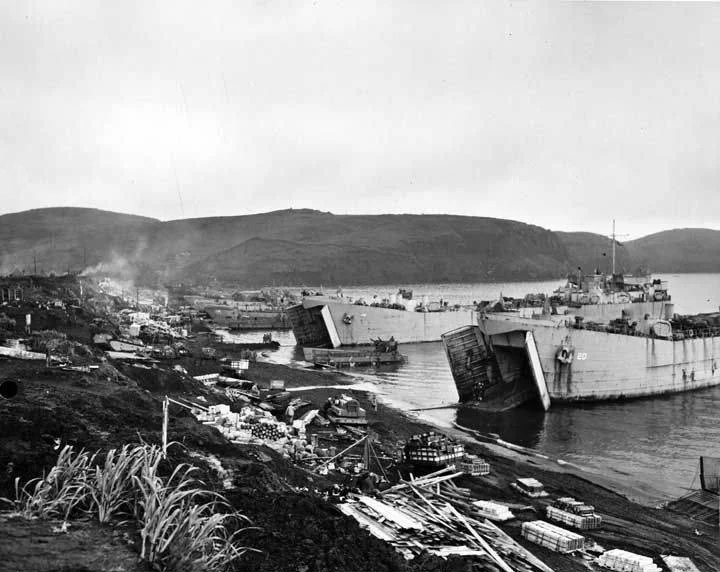
Under cover of thick Aleutian fog, Japanese warships slip into Kiska harbour and take off the entire garrison. The Americans and Canadians, unaware, prepare to invade an empty island.
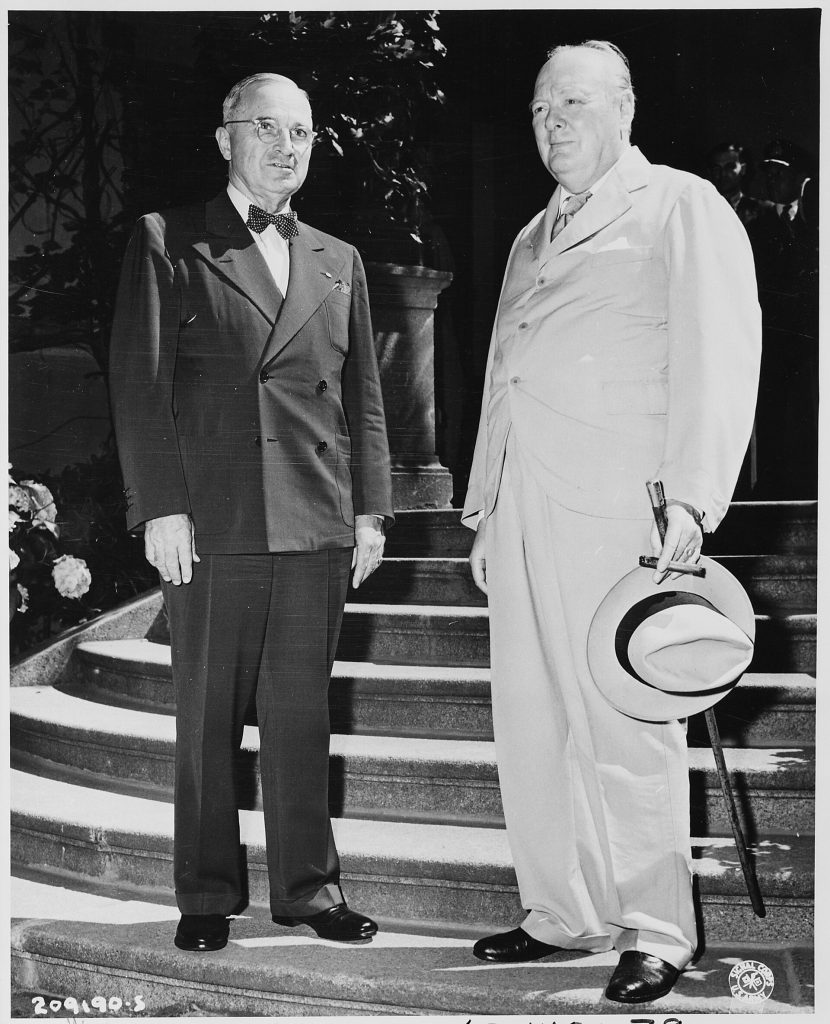
From Potsdam, the United States, Britain and China call on Japan to surrender unconditionally. The alternative, they warn, is “prompt and utter destruction”.
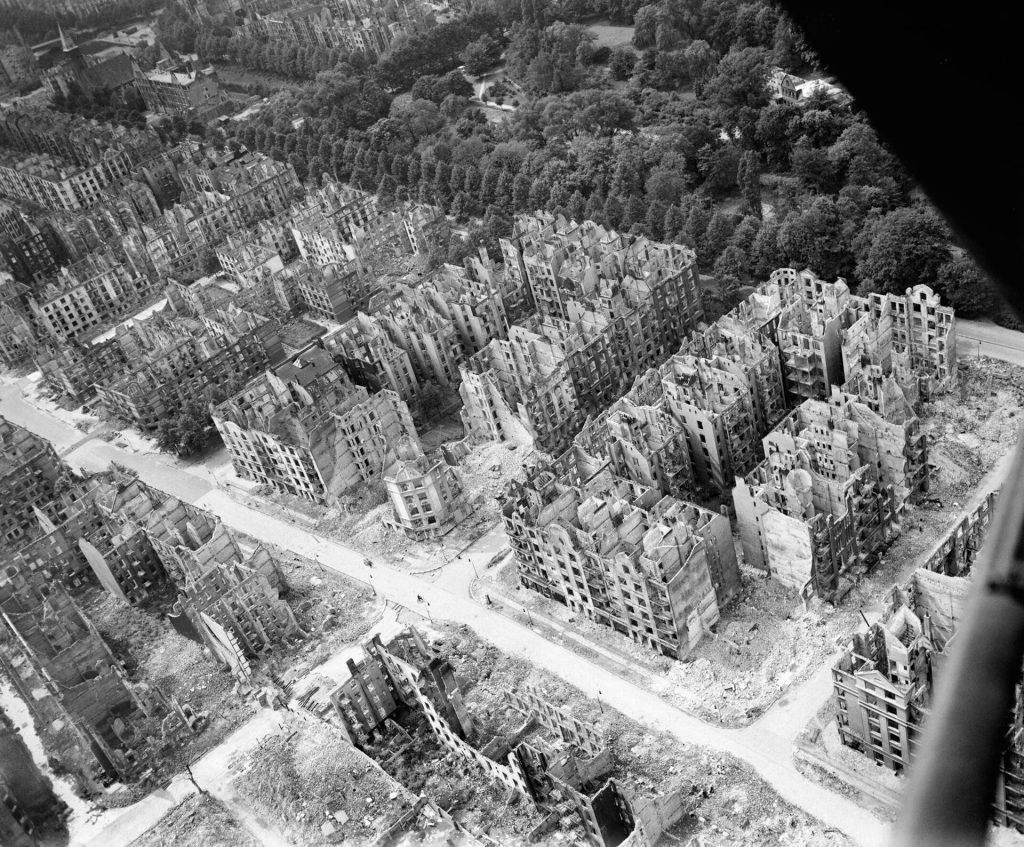
RAF Bomber Command opens a series of raids on Hamburg. Strips of foil dropped by the bombers blind the German radar. Within days, the city will burn as no city has burned before.
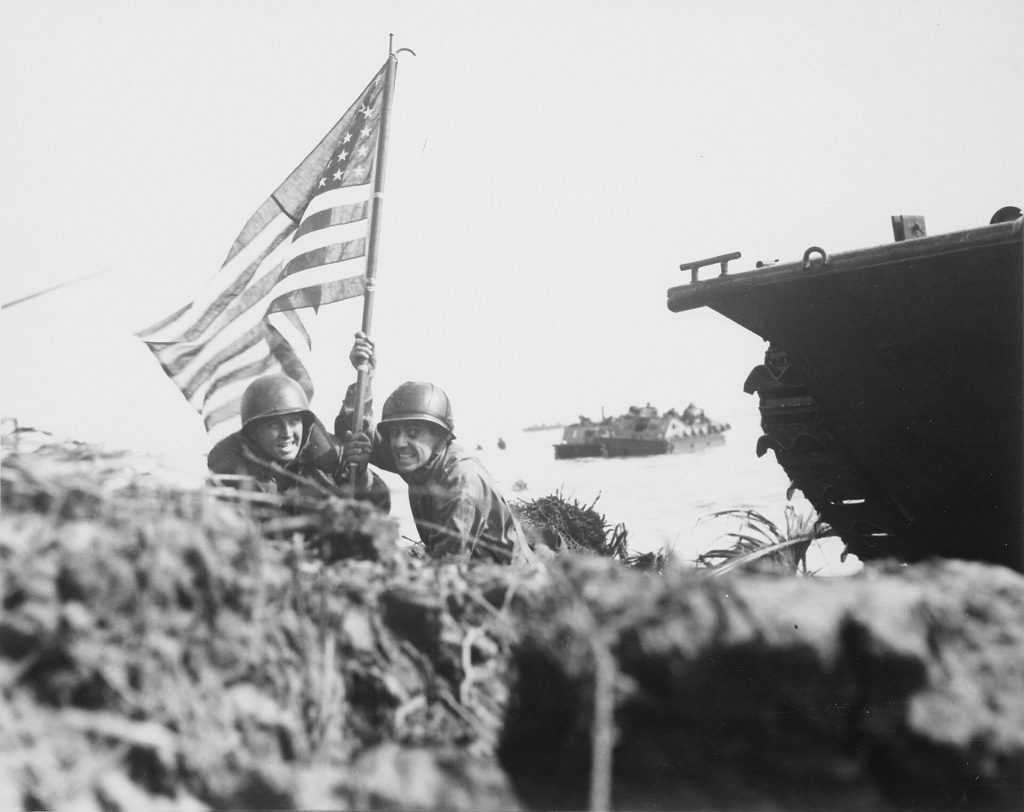
After the longest preliminary bombardment of the Pacific war so far, American Marines and soldiers land on Guam, the US territory captured by Japan in December 1941.
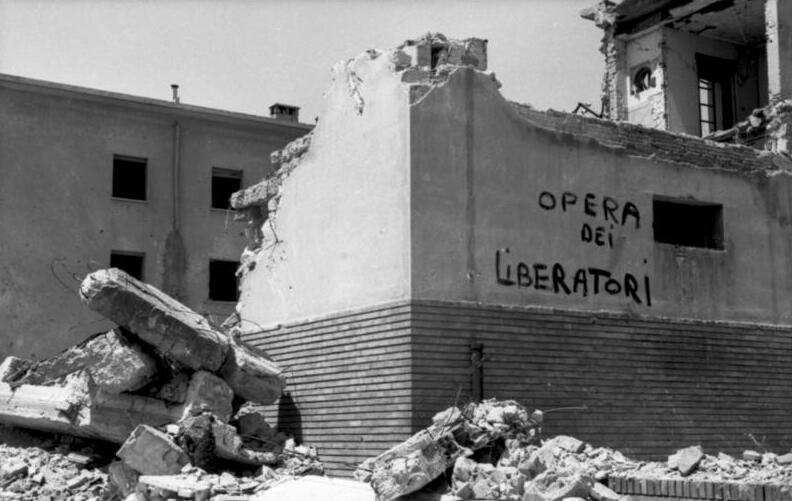
For the first time, hundreds of American bombers attack Rome. Their target is the railway yards, but the bombs also fall on the working-class district of San Lorenzo.
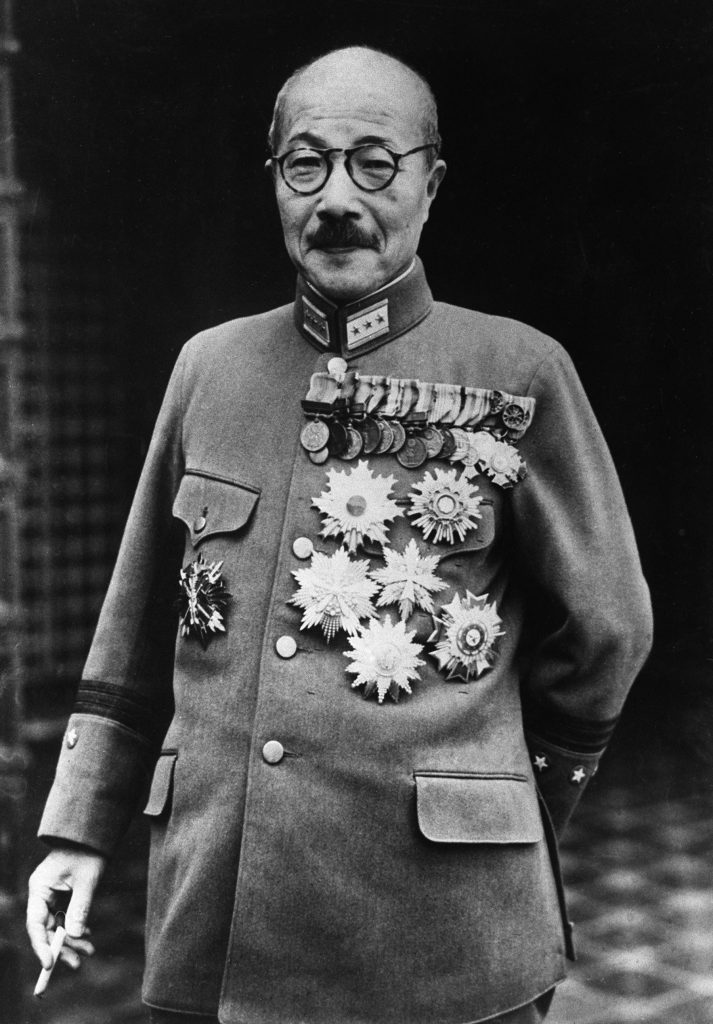
After the loss of Saipan, General Hideki Tojo and his cabinet resign. The man who led Japan into war with the United States is out of power.
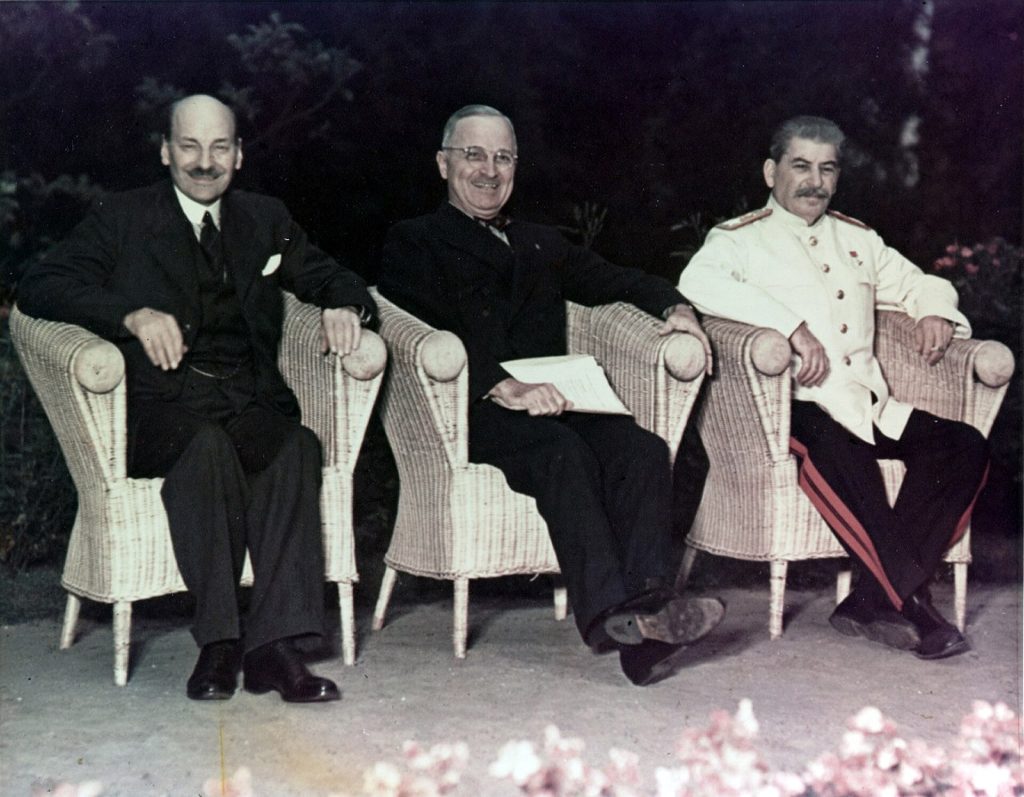
In a palace outside ruined Berlin, Truman, Stalin and Churchill meet to settle the fate of Germany. Halfway through, Churchill is replaced by Attlee.
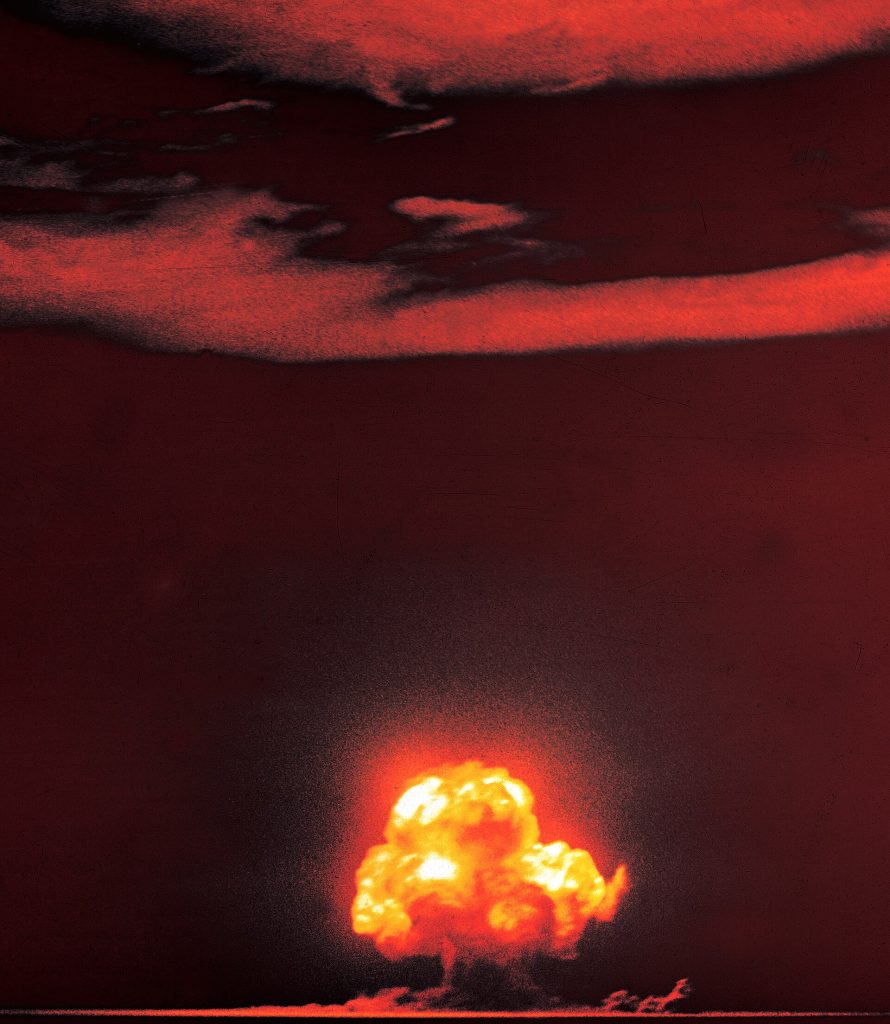
Before dawn in the New Mexico desert, scientists of the Manhattan Project detonate the world’s first atomic bomb. The nuclear age has begun.
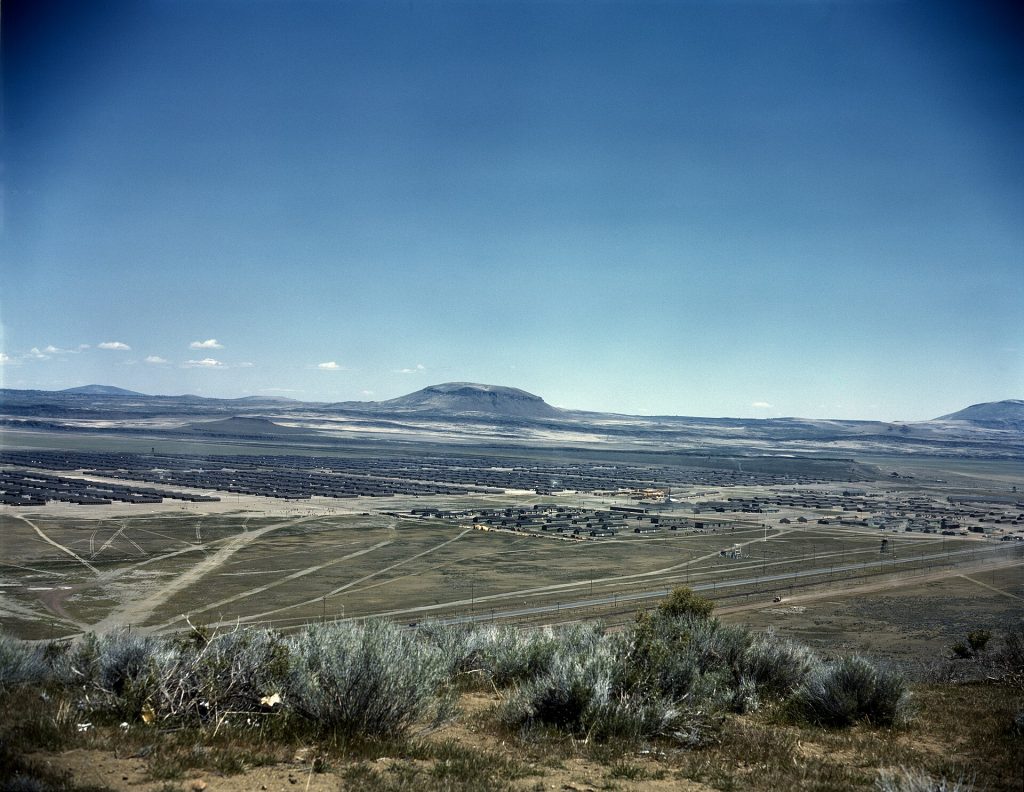
The US government designates the Tule Lake camp in California as a segregation centre for Japanese Americans it deems disloyal. It becomes the largest and harshest of the incarceration camps.
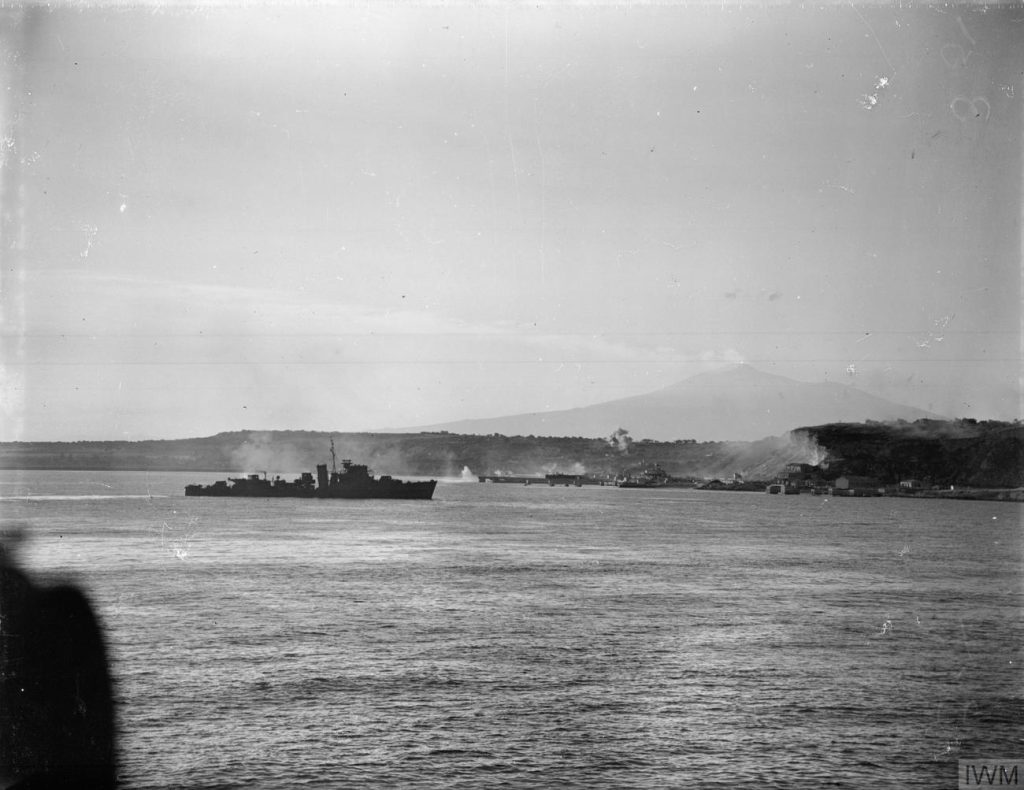
Transport aircraft carrying American paratroopers fly over the invasion fleet off Sicily just after a German air raid. Nervous Allied gunners open fire on them.
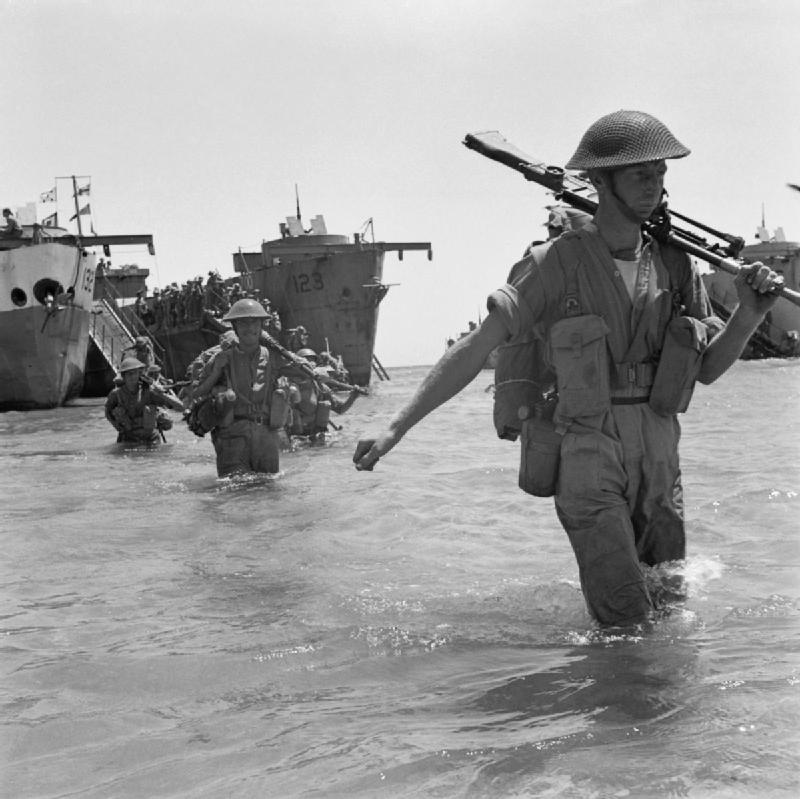
On a stormy night, Allied paratroopers and gliders take off for Sicily. By dawn, the largest amphibious landing yet attempted is under way.
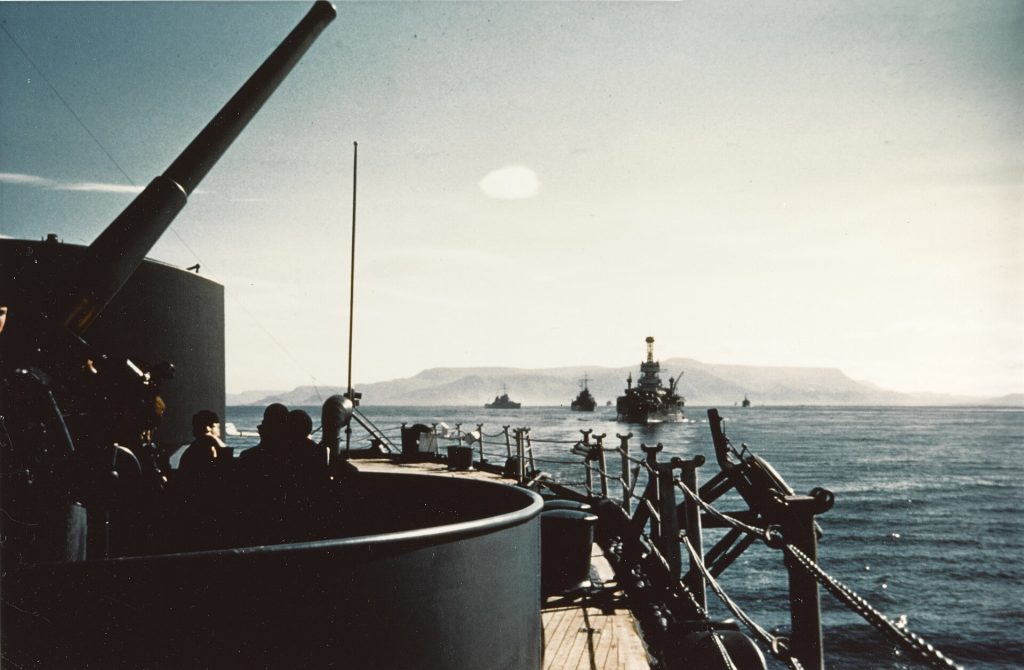
Five months before Pearl Harbor, US Marines come ashore at Reykjavík to take over the defence of Iceland from the British. The officially neutral United States is edging into the Atlantic war.
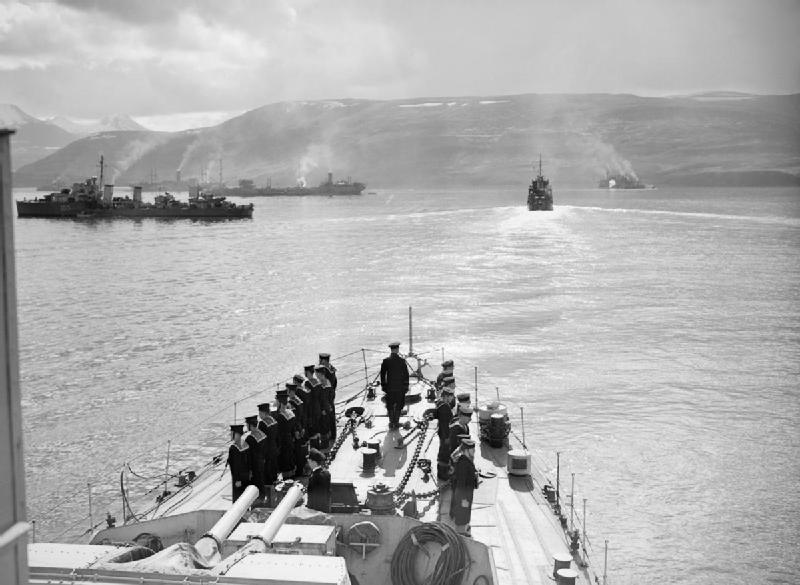
A convoy of 35 merchant ships sails from Iceland for Arkhangelsk with tanks, aircraft and supplies for the Soviet Union. A week later, a fateful order will doom most of it.
In San Francisco, delegates of fifty nations sign the Charter of the United Nations, creating a new organisation to keep the peace the war has cost so much to win.
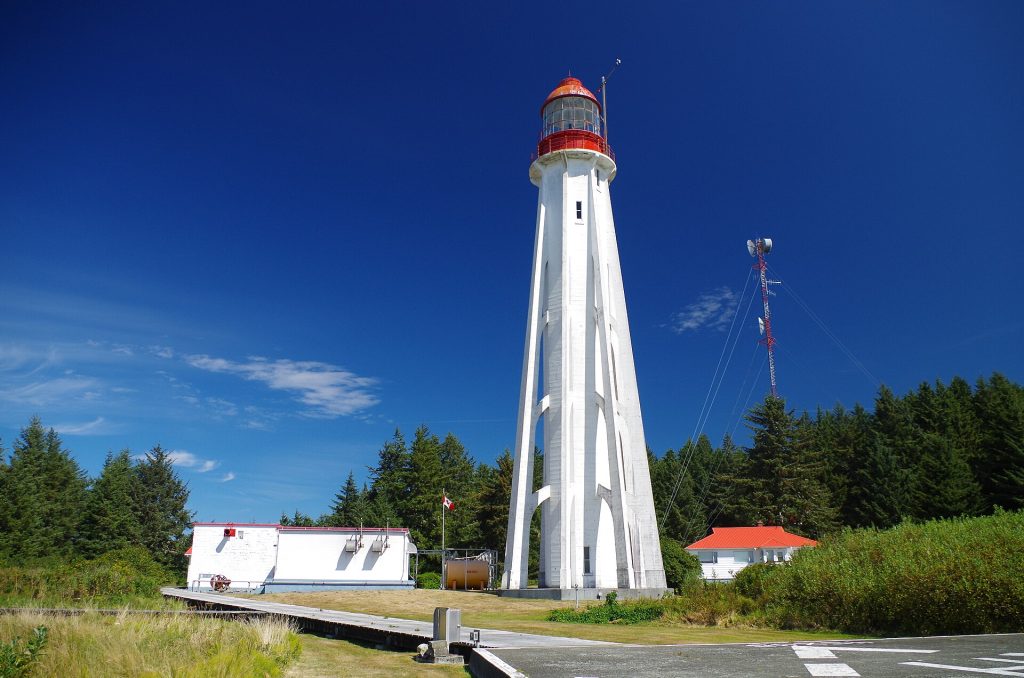
A Japanese submarine surfaces off Vancouver Island and fires on a remote lighthouse. It is the first enemy attack on Canadian soil since the War of 1812.
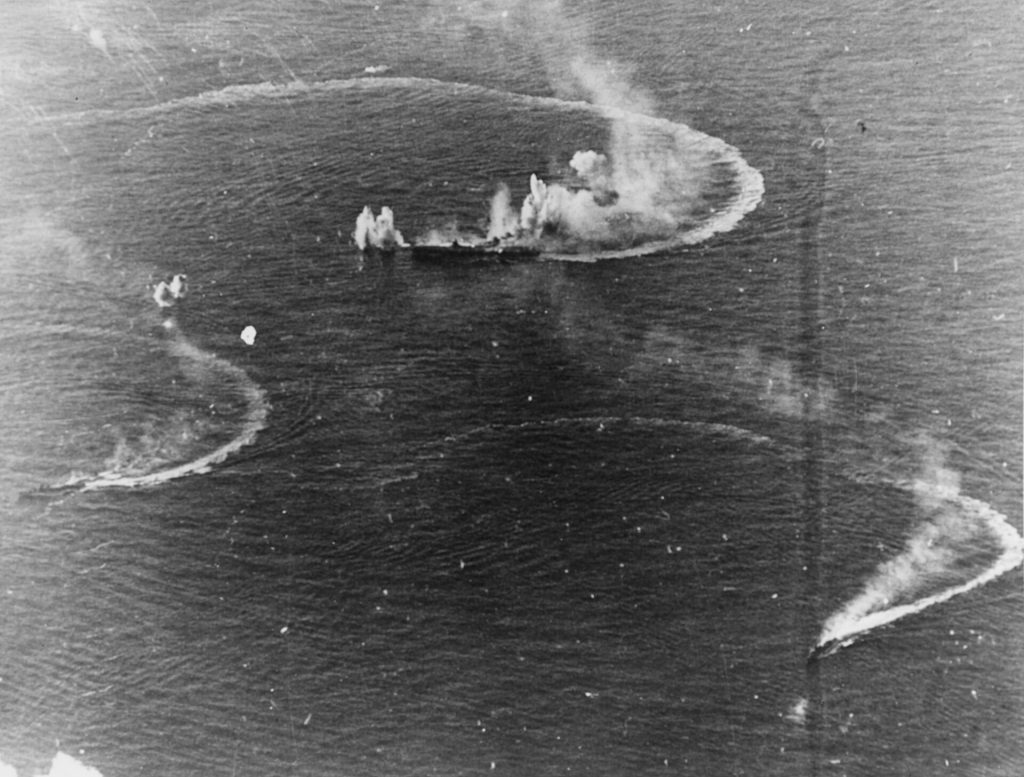
Japan throws its rebuilt carrier air power at the American fleet off the Marianas. American pilots shoot down so many aircraft that they call it the Great Marianas Turkey Shoot.
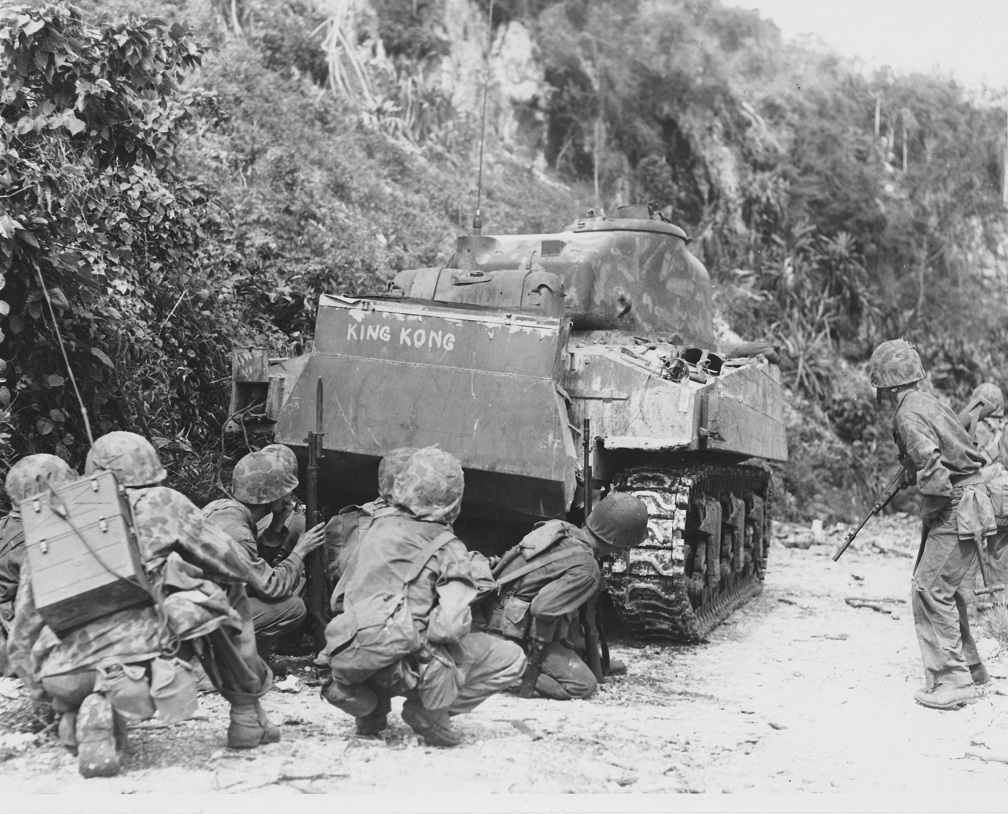
American Marines storm ashore on Saipan in the Mariana Islands, inside Japan’s inner defence perimeter and within bomber range of Tokyo.
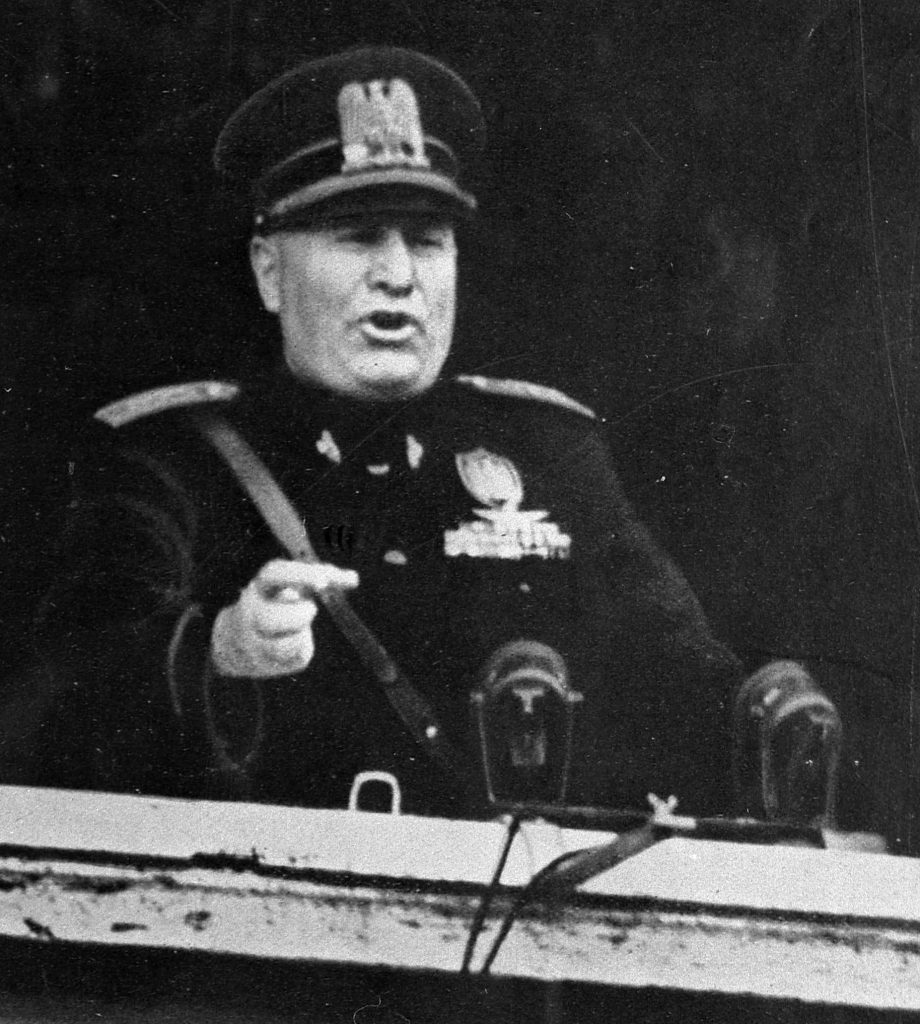
From the balcony of the Palazzo Venezia, Mussolini announces that Italy is at war with Britain and France. France is already collapsing.
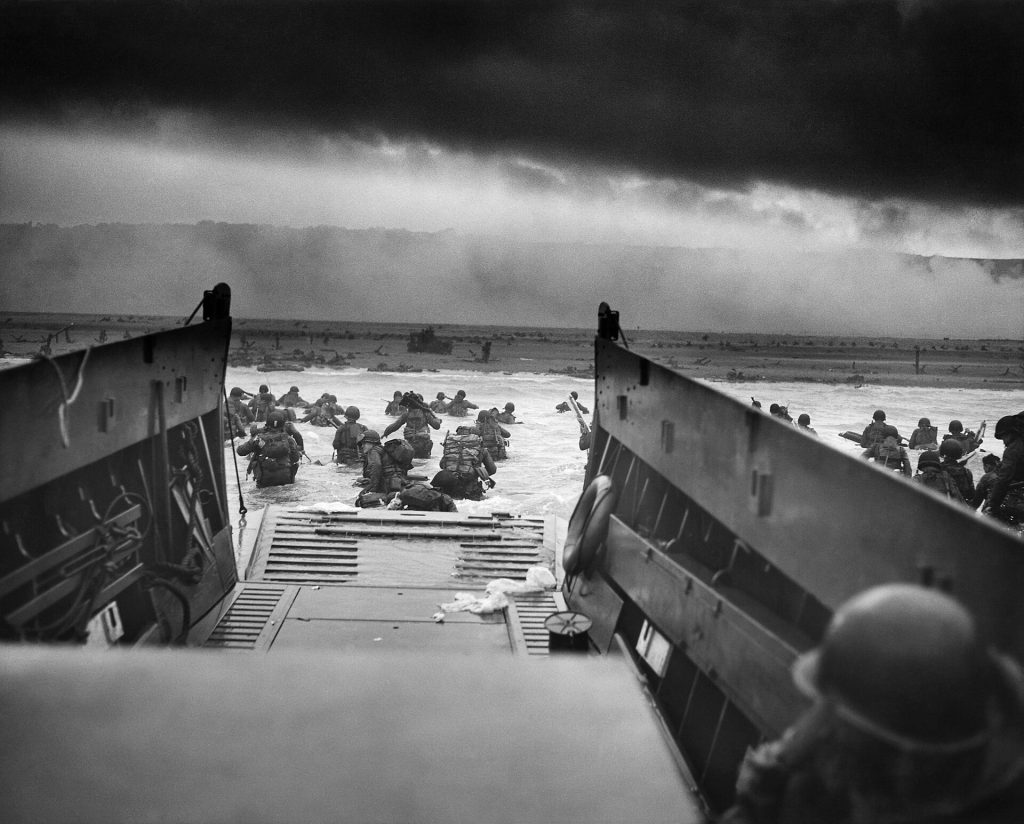
The largest seaborne invasion in history lands on the beaches of Normandy. By nightfall around 156,000 Allied troops are ashore, and the liberation of western Europe has begun.
 United Kingdom
 United States
 Soviet Union
 Germany
 Japan
 France
 Poland
 South Africa