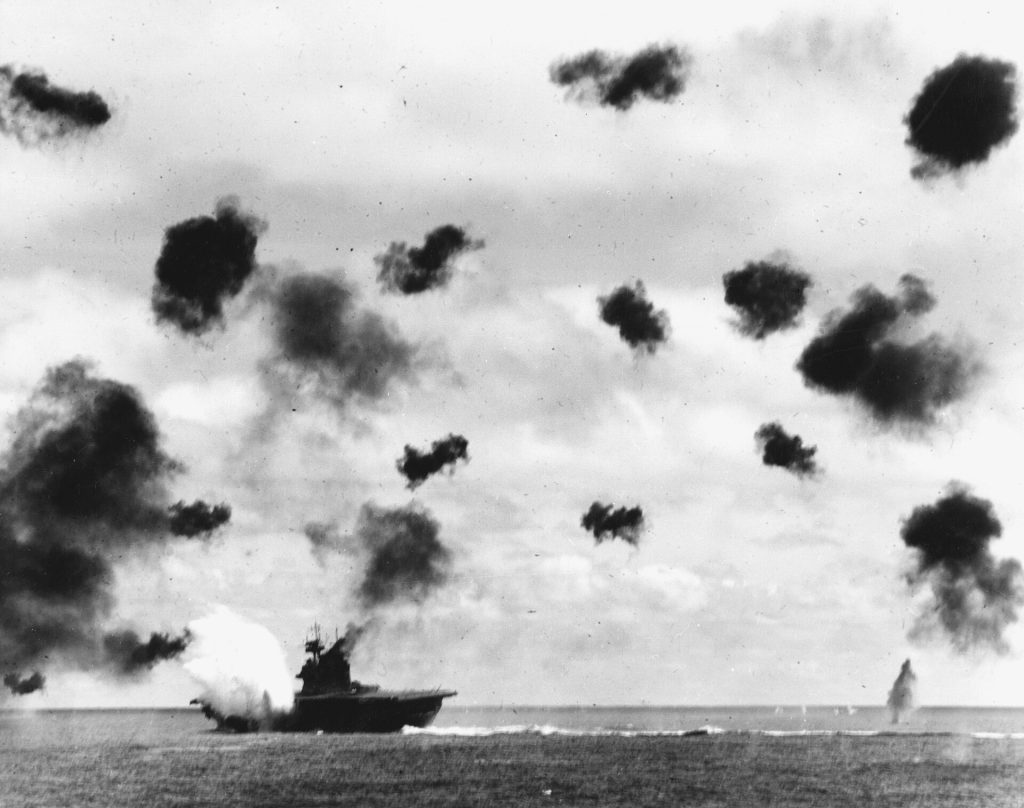
4 June 1942: The Battle of Midway
In five minutes, American dive bombers set three Japanese aircraft carriers ablaze. By nightfall a fourth is burning. The tide of the Pacific war has turned.
Dispatches involving United States.
In five minutes, American dive bombers set three Japanese aircraft carriers ablaze. By nightfall a fourth is burning. The tide of the Pacific war has turned.
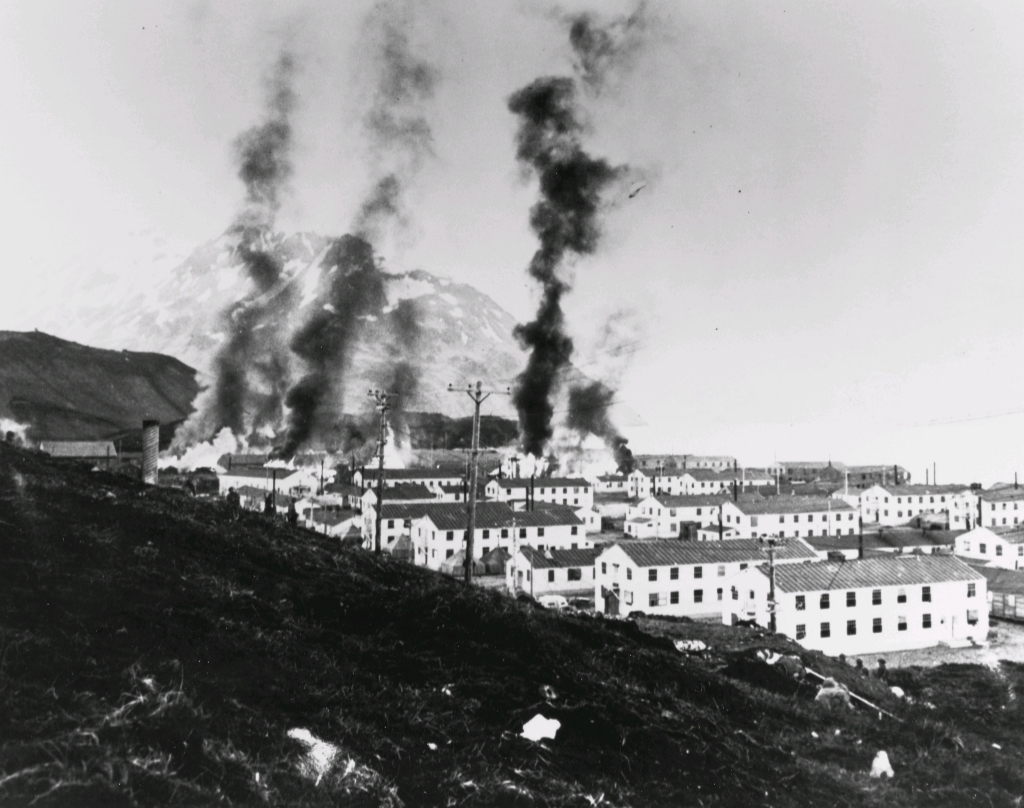
Japanese carrier aircraft bomb the American base at Dutch Harbor in the Aleutian Islands. Days later, Japanese troops land on Kiska and Attu.
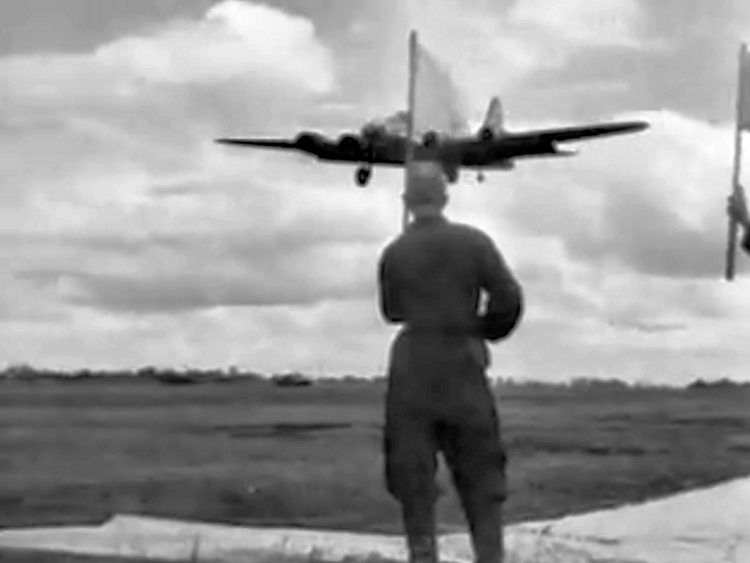
American heavy bombers take off from Italy, attack a target in Hungary and fly on to land at bases inside the Soviet Union. The first shuttle mission has begun.
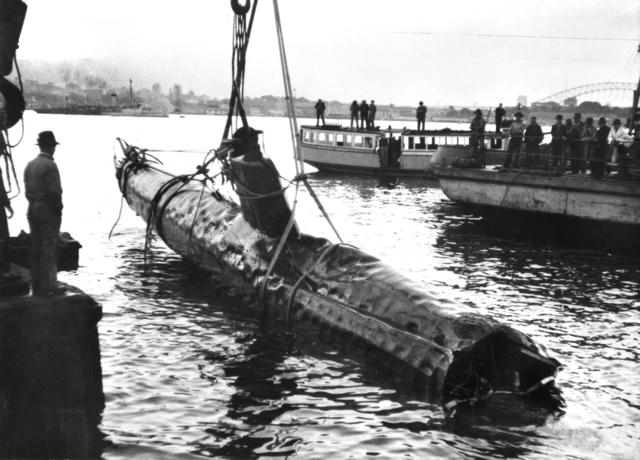
Three Japanese midget submarines slip into Sydney Harbour at night. One fires torpedoes at an American cruiser, misses, and sinks a depot ship full of sleeping sailors.
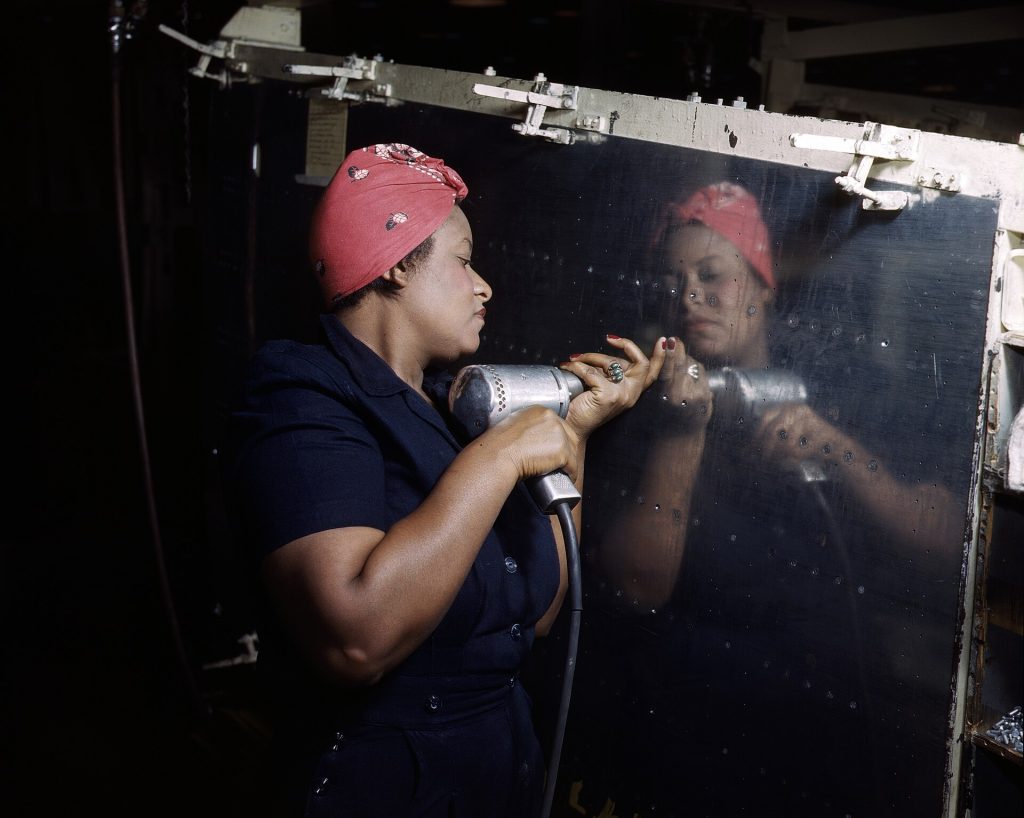
A muscular woman in overalls, with a rivet gun on her lap, appears on the cover of the Saturday Evening Post. Rosie the Riveter becomes the face of millions of women in war work.
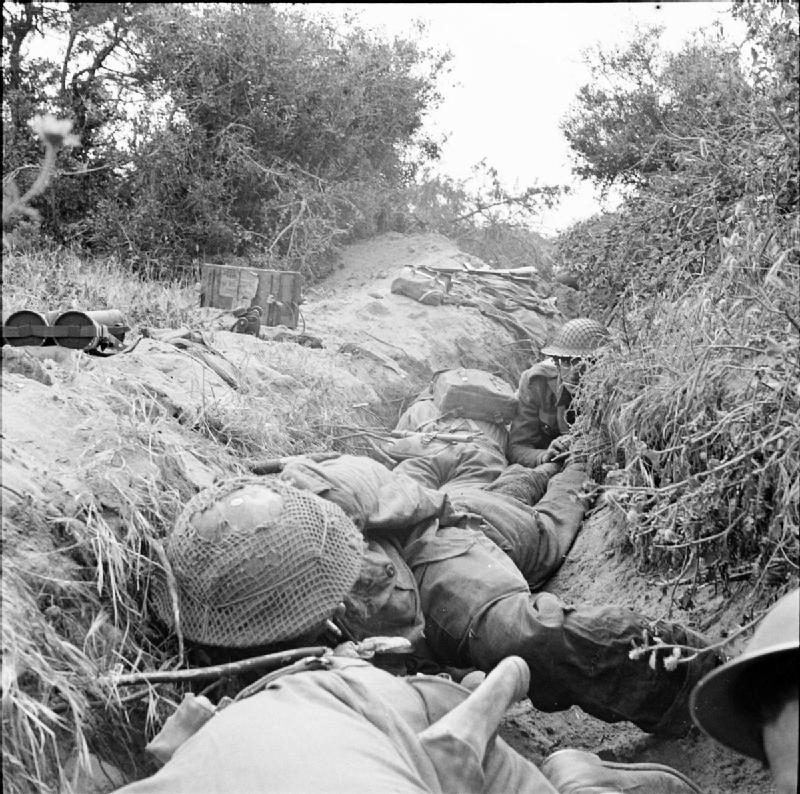
After four months penned into the beachhead, the Allied troops at Anzio attack. Within days they link up with the main armies, and a controversial decision sends them towards Rome.
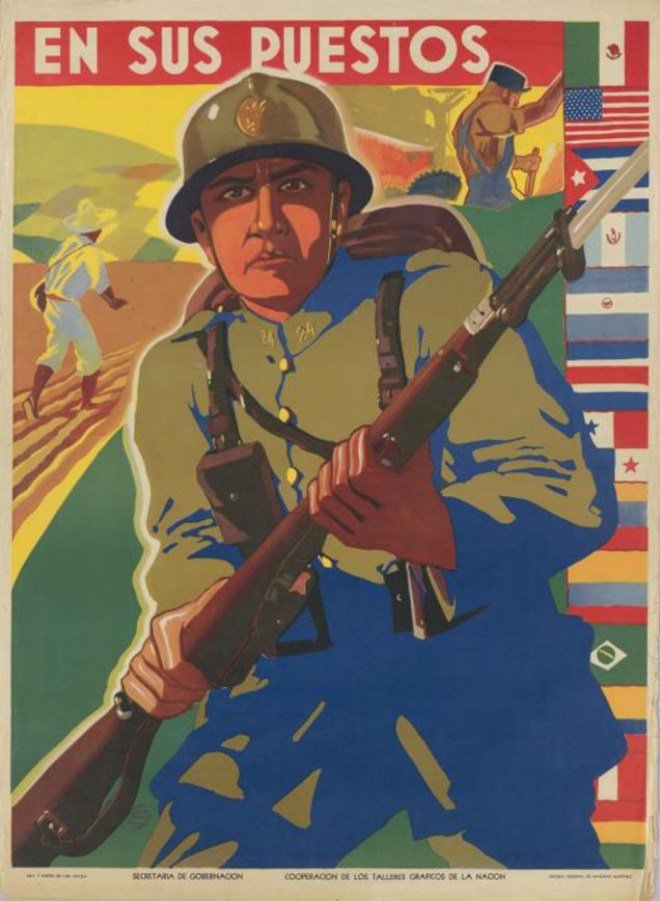
After German U-boats sink two Mexican tankers in the Gulf of Mexico, President Manuel Ávila Camacho declares that Mexico is at war with the Axis.
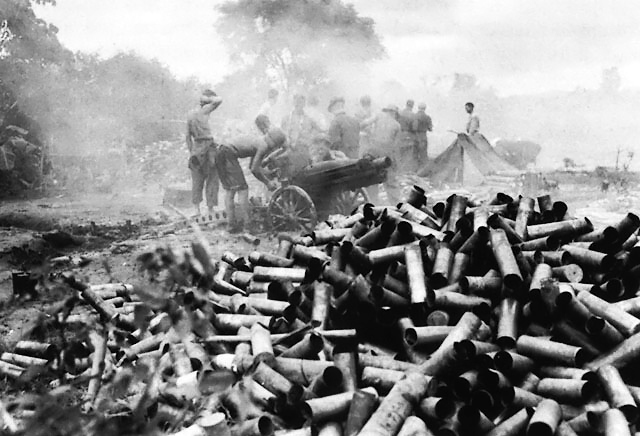
After a gruelling march over the Kumon mountains, American and Chinese troops seize the airfield at Myitkyina in northern Burma by surprise.
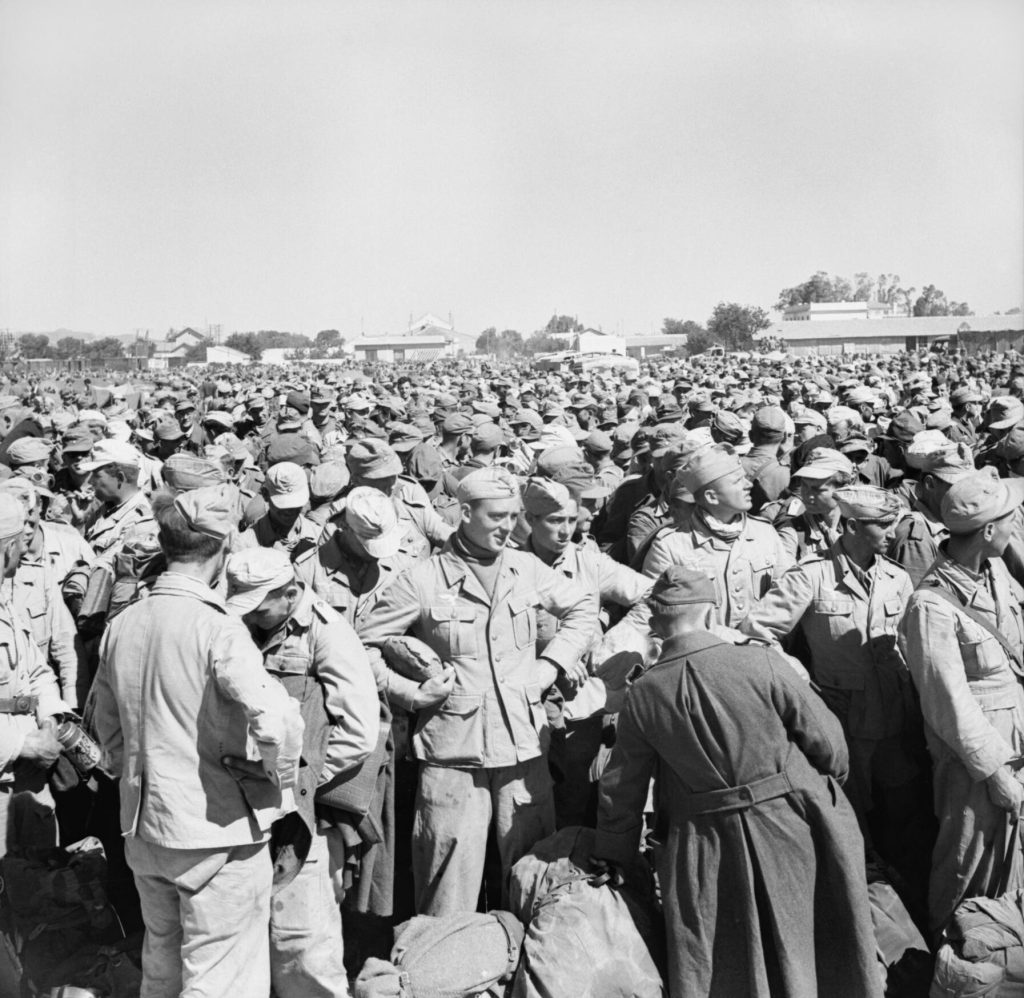
The last Axis army in Tunisia lays down its arms. Around a quarter of a million German and Italian soldiers become prisoners, and the war in North Africa is over.
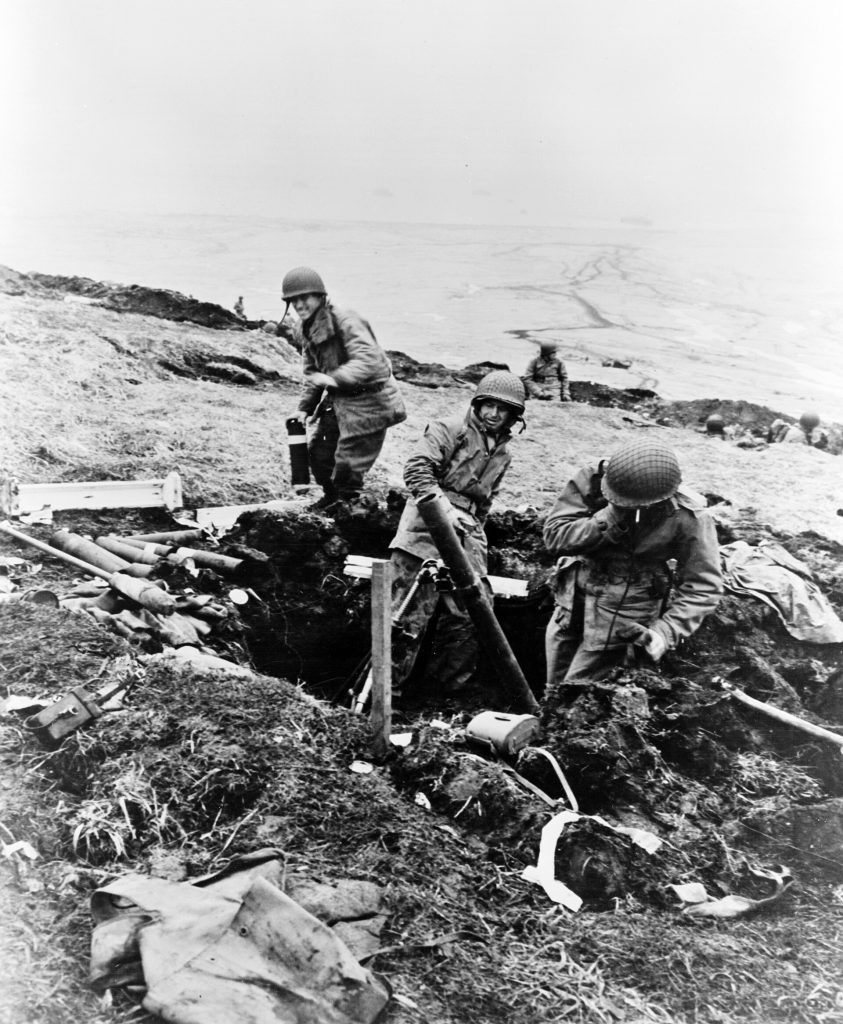
In freezing fog, American troops land on Attu in the Aleutian Islands, occupied by Japan since 1942. The battle will end in one of the largest banzai charges of the war.
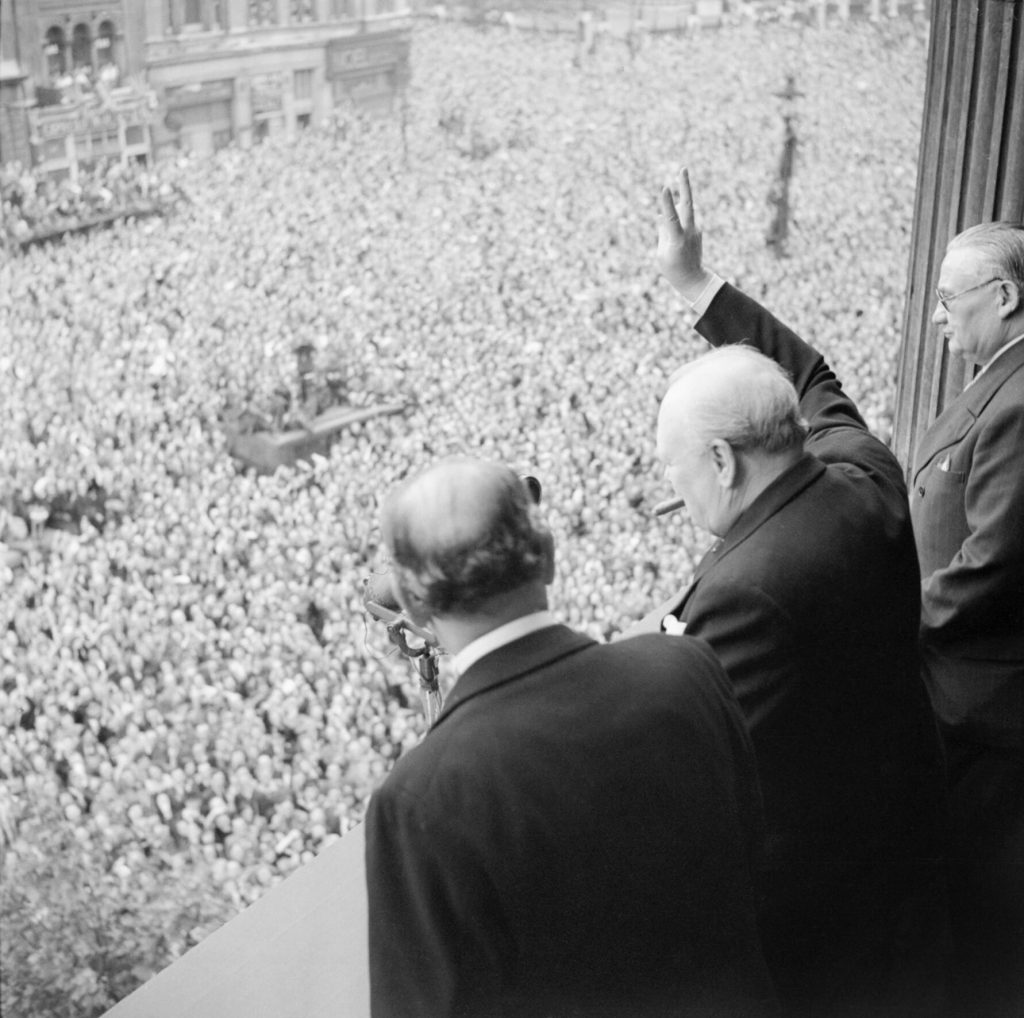
Victory in Europe. Crowds pour into the streets of London, Paris, New York and cities across the Allied world. After nearly six years, the war against Germany is over.
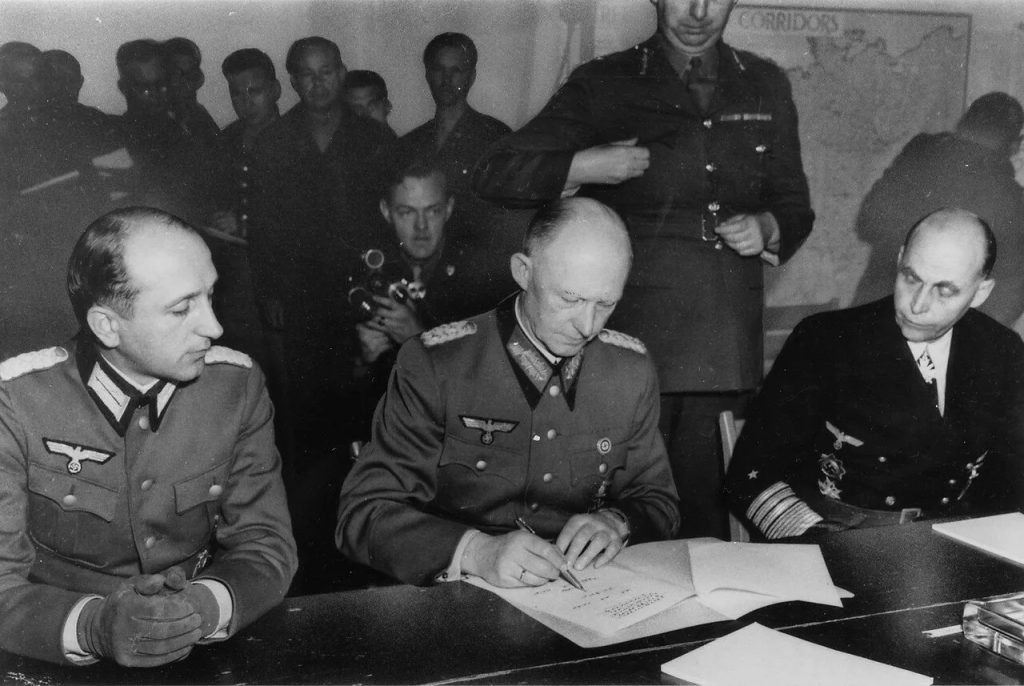
In the small hours, in a schoolhouse in Reims serving as Eisenhower’s headquarters, General Alfred Jodl signs Germany’s unconditional surrender.
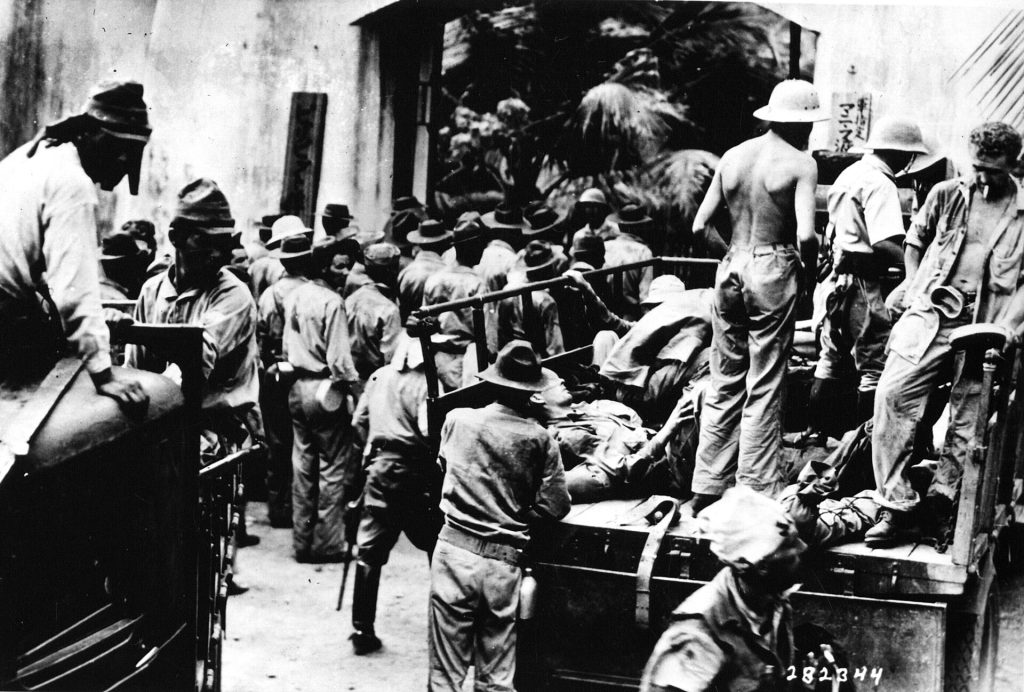
After Japanese troops land on the island fortress, General Jonathan Wainwright surrenders Corregidor. The last organised American resistance in the Philippines is over.
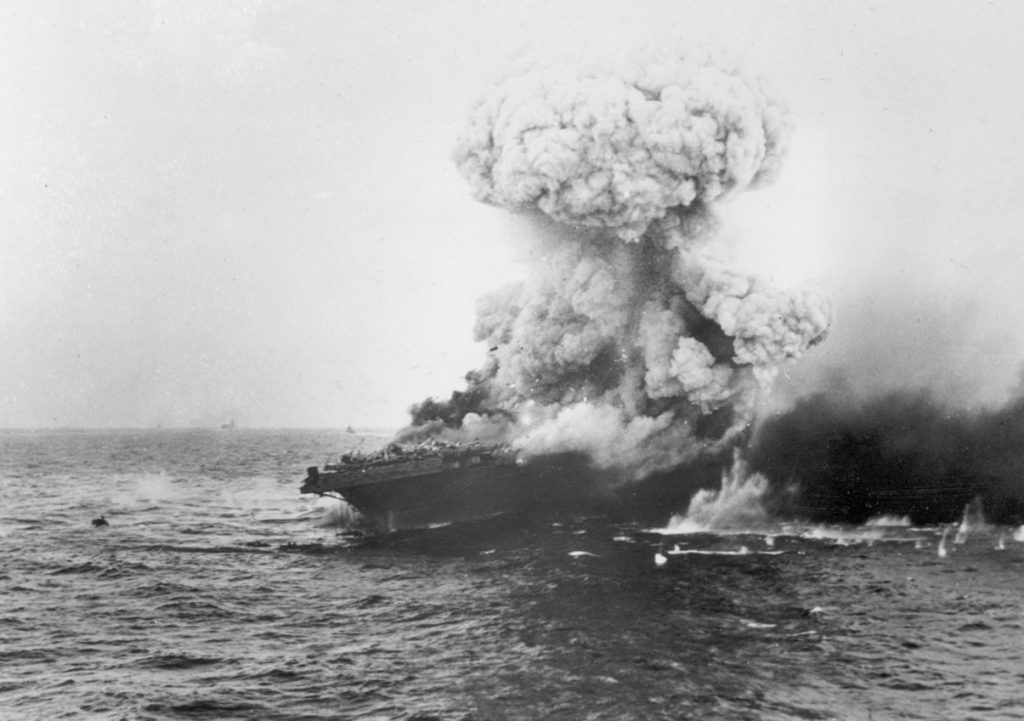
American carrier aircraft strike Japanese ships at Tulagi, opening a battle in which, for the first time, the opposing fleets never see each other.
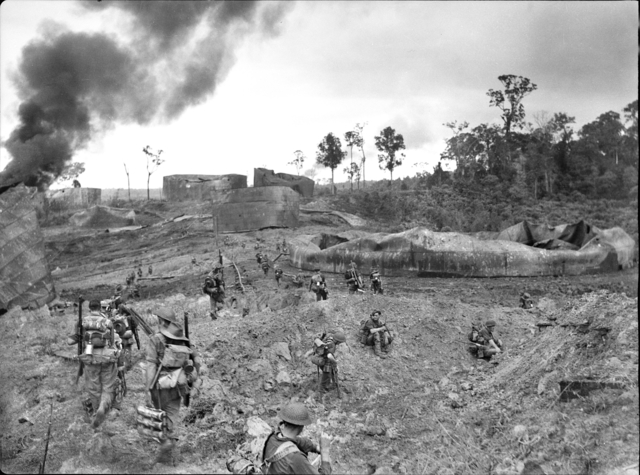
Australian troops storm ashore on the oil island of Tarakan off Borneo, the opening move of the last great Australian campaign of the war.
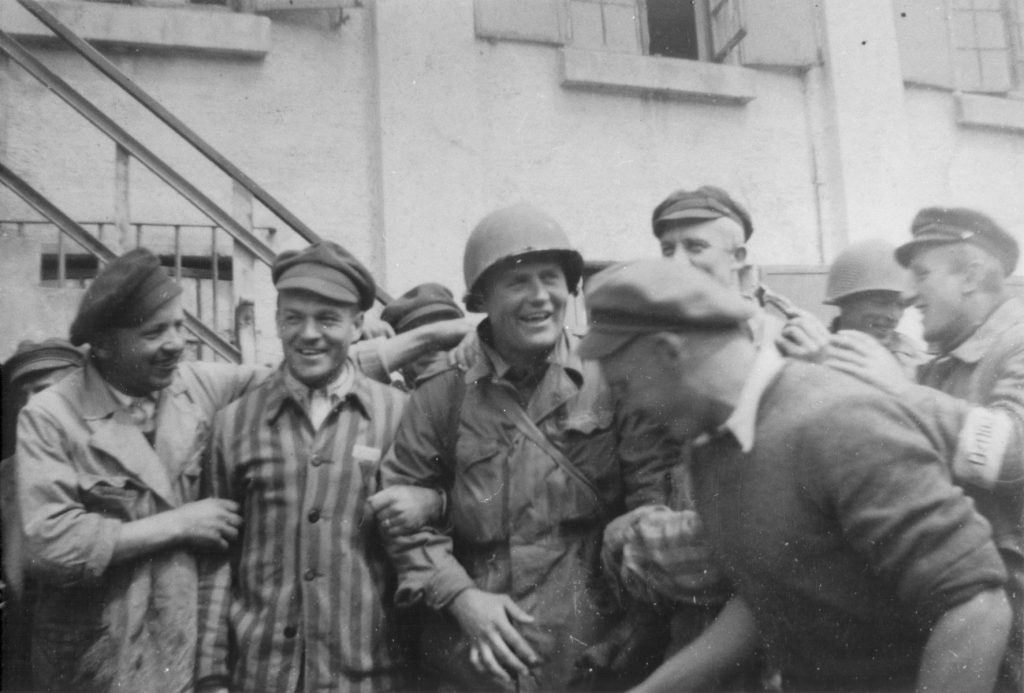
American soldiers reach Dachau, the first concentration camp set up by the Nazis. Outside its gates they find a train filled with dead prisoners; inside, around 30,000 survivors.
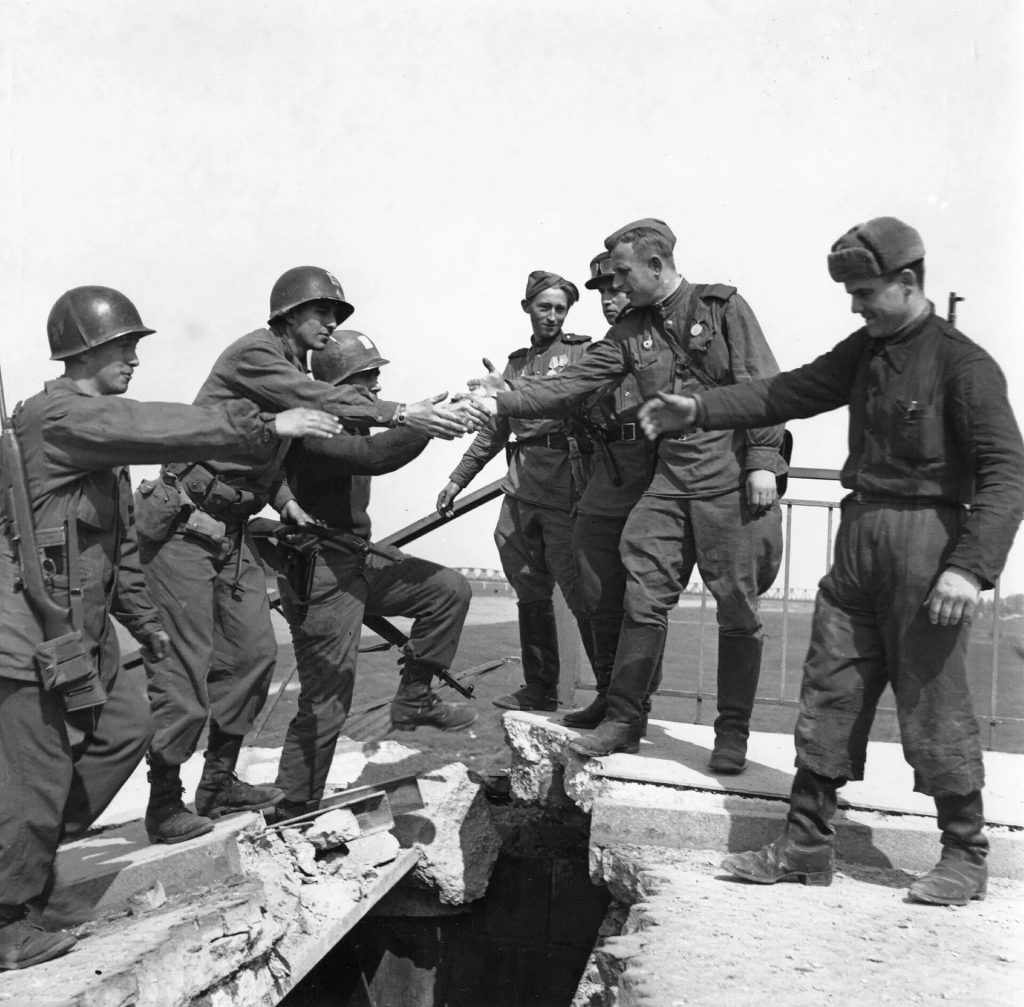
American patrols meet Soviet soldiers on the river Elbe, near Torgau. The armies from east and west have joined, and Germany is cut in two.
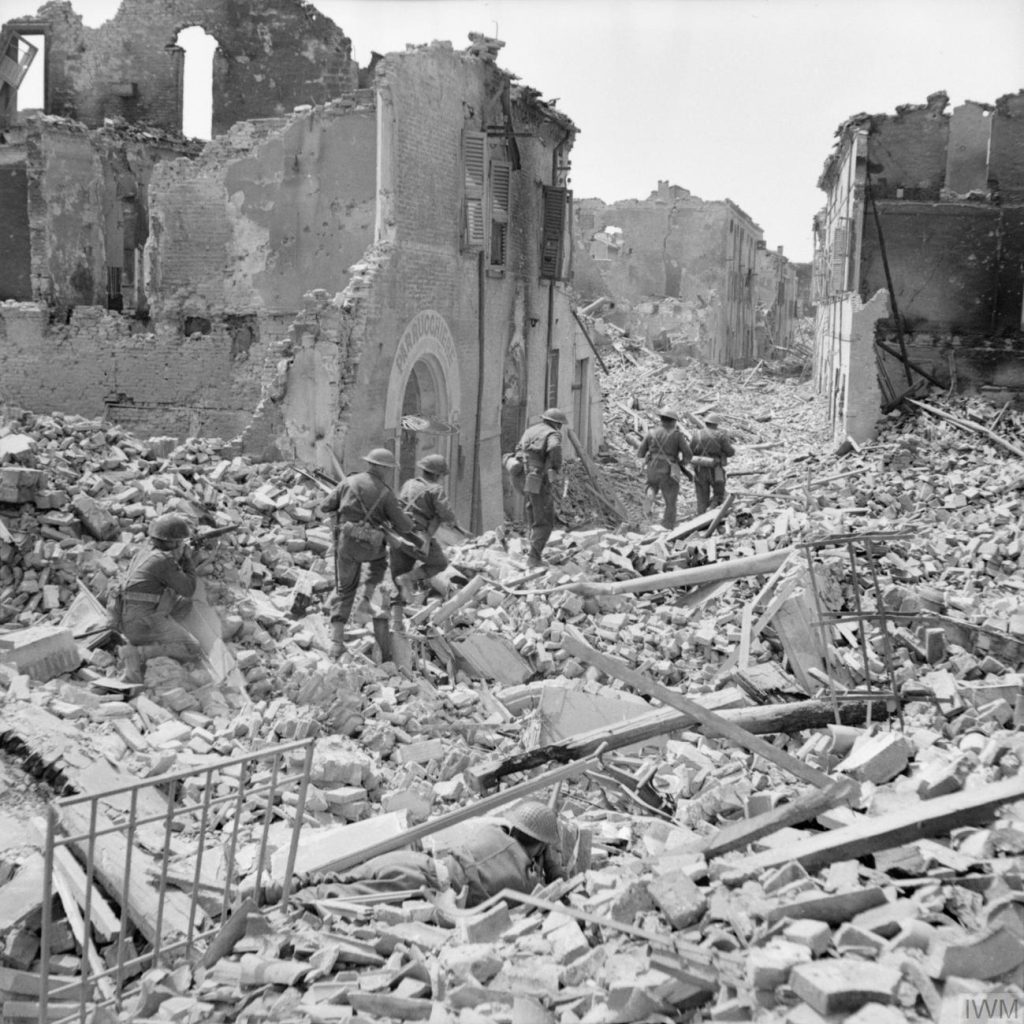
Polish troops of the Eighth Army enter Bologna from the east, with American troops close behind. The German front in Italy is collapsing.
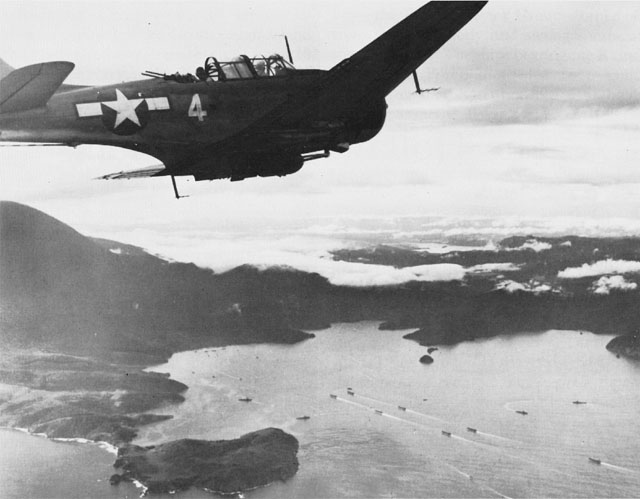
MacArthur leaps hundreds of kilometres along the New Guinea coast, landing behind a large Japanese army. The defenders at Hollandia flee into the jungle.
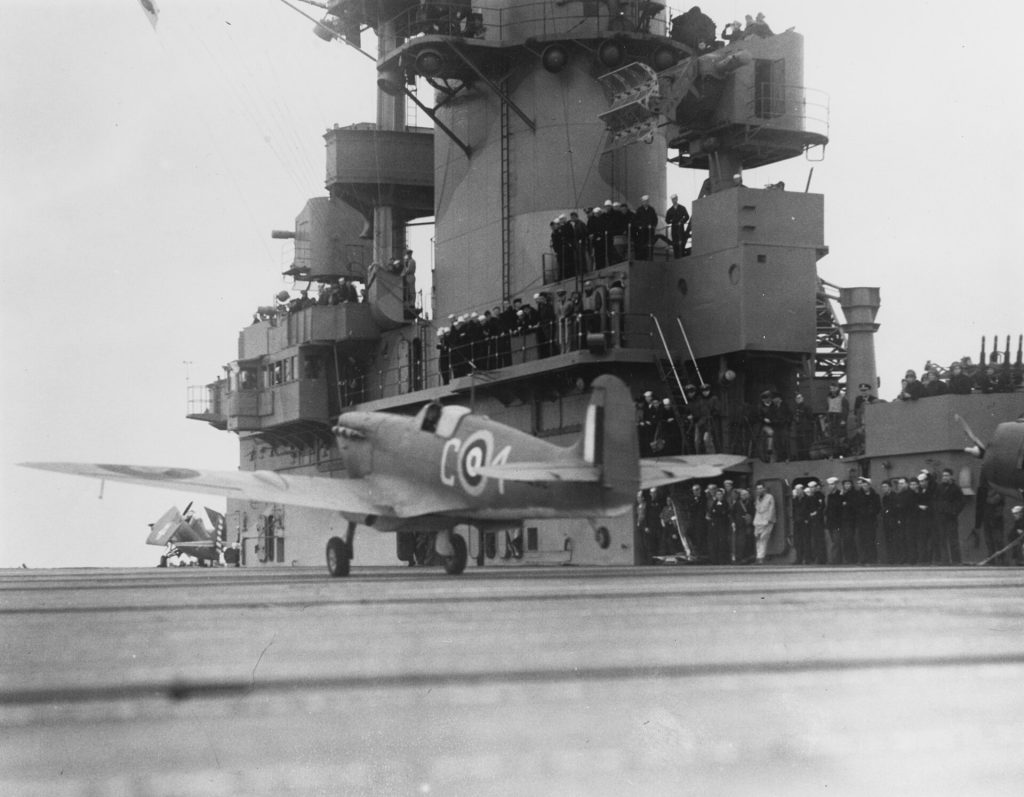
Forty-seven Spitfires take off from the American carrier Wasp in the western Mediterranean and fly to besieged Malta. Within days, most have been destroyed on the ground.
 United Kingdom
 United States
 Soviet Union
 Germany
 Japan
 France
 Poland
 South Africa