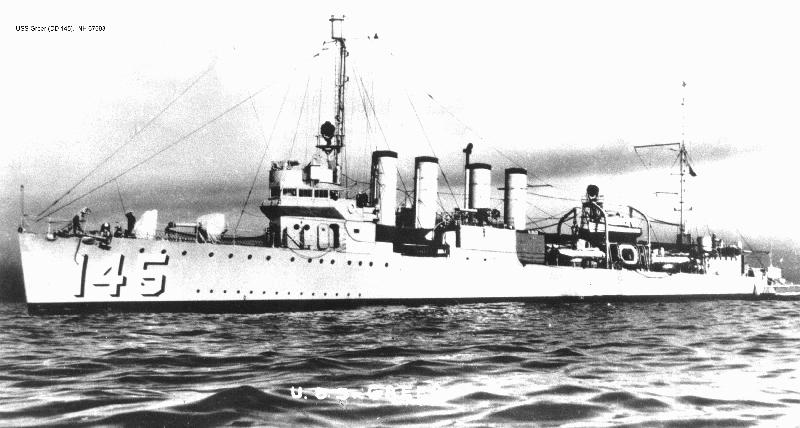
11 September 1941: Shoot on Sight
A week after a U-boat fires torpedoes at the destroyer USS Greer, President Roosevelt tells Americans that US warships will now attack Axis submarines on sight. America is fighting an undeclared naval war.
Dispatches involving United States.
A week after a U-boat fires torpedoes at the destroyer USS Greer, President Roosevelt tells Americans that US warships will now attack Axis submarines on sight. America is fighting an undeclared naval war.
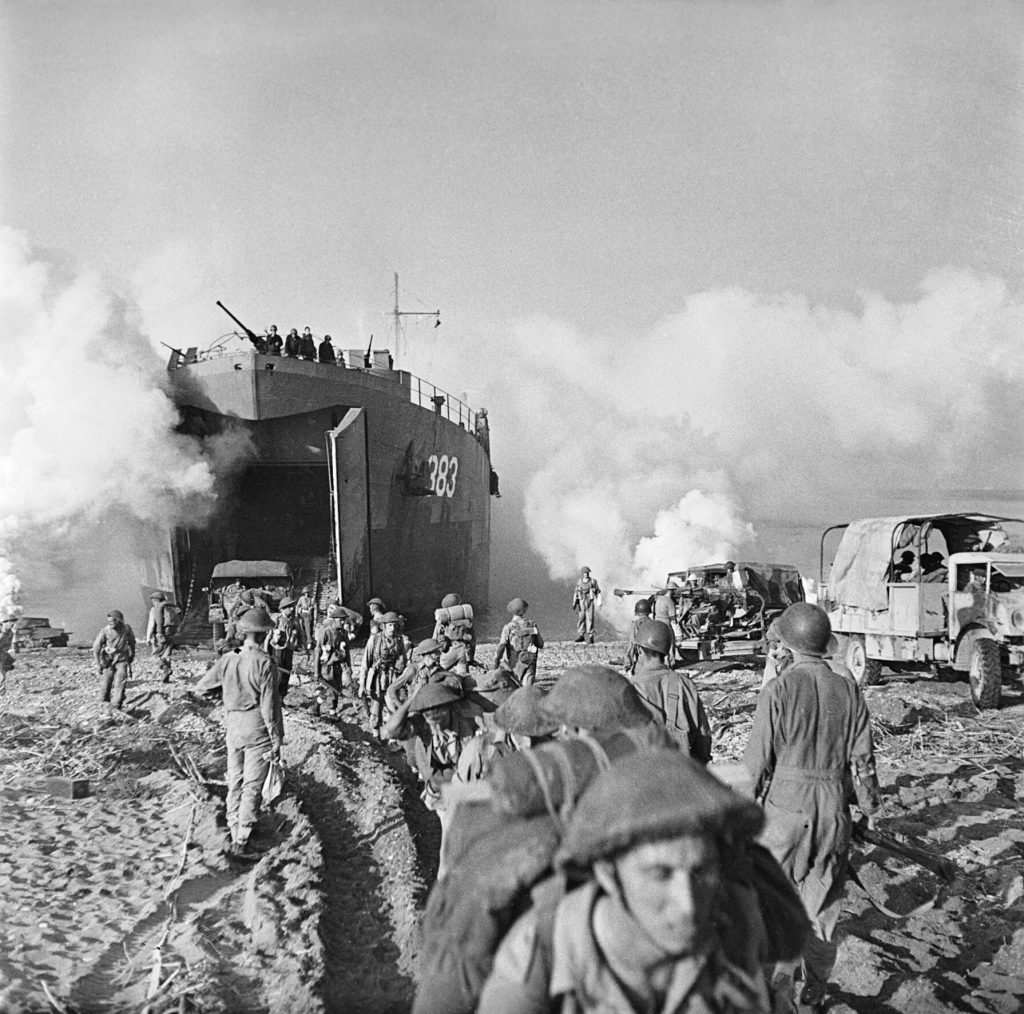
The day after Italy’s armistice is announced, Allied troops land on the beaches south of Salerno. They expect an easy landing. The Germans are waiting.
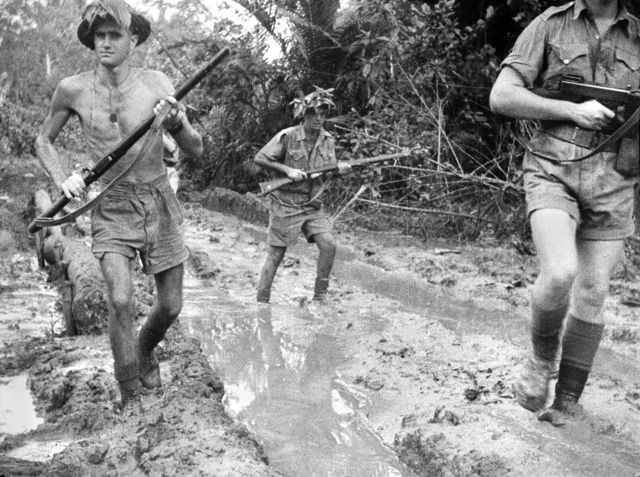
Beaten back from the airstrips at the eastern tip of Papua, the Japanese begin evacuating their surviving troops by sea. For the first time in the Pacific war, a Japanese landing has been defeated on land.
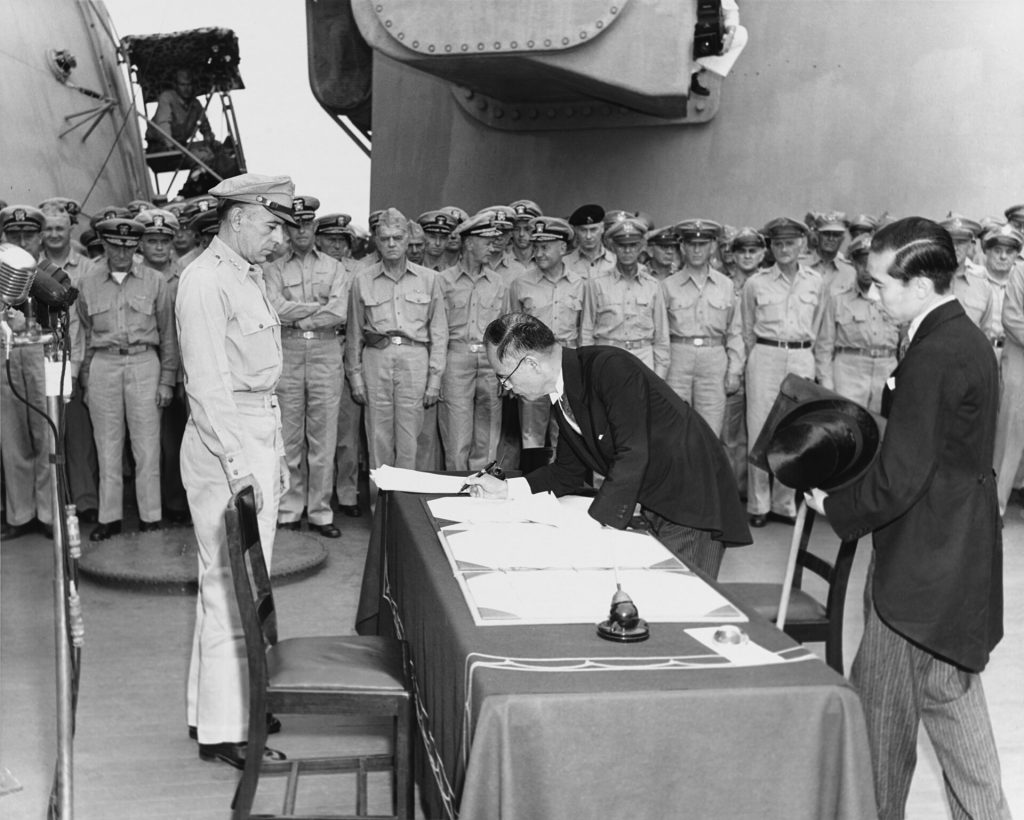
In Tokyo Bay, aboard the battleship USS Missouri, Japan’s representatives sign the Instrument of Surrender. After six years and a day, the Second World War is over.
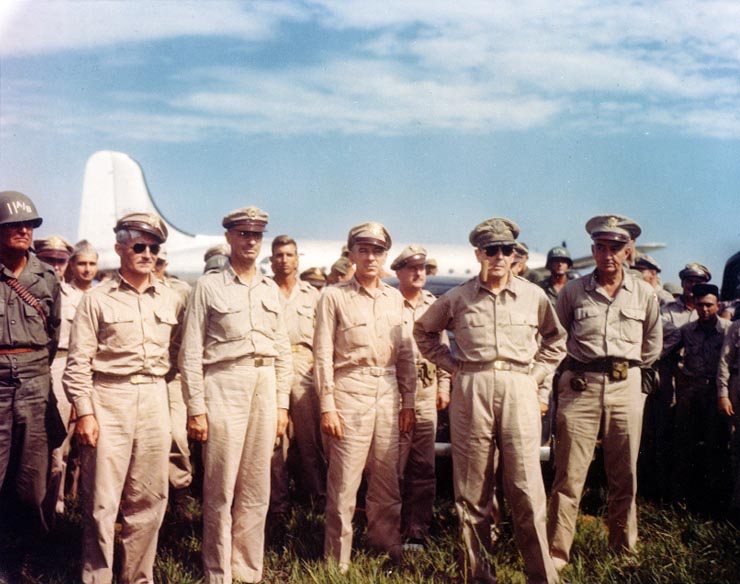
General Douglas MacArthur steps from his aircraft at Atsugi airfield near Tokyo, corncob pipe in hand. The occupation of Japan has begun.
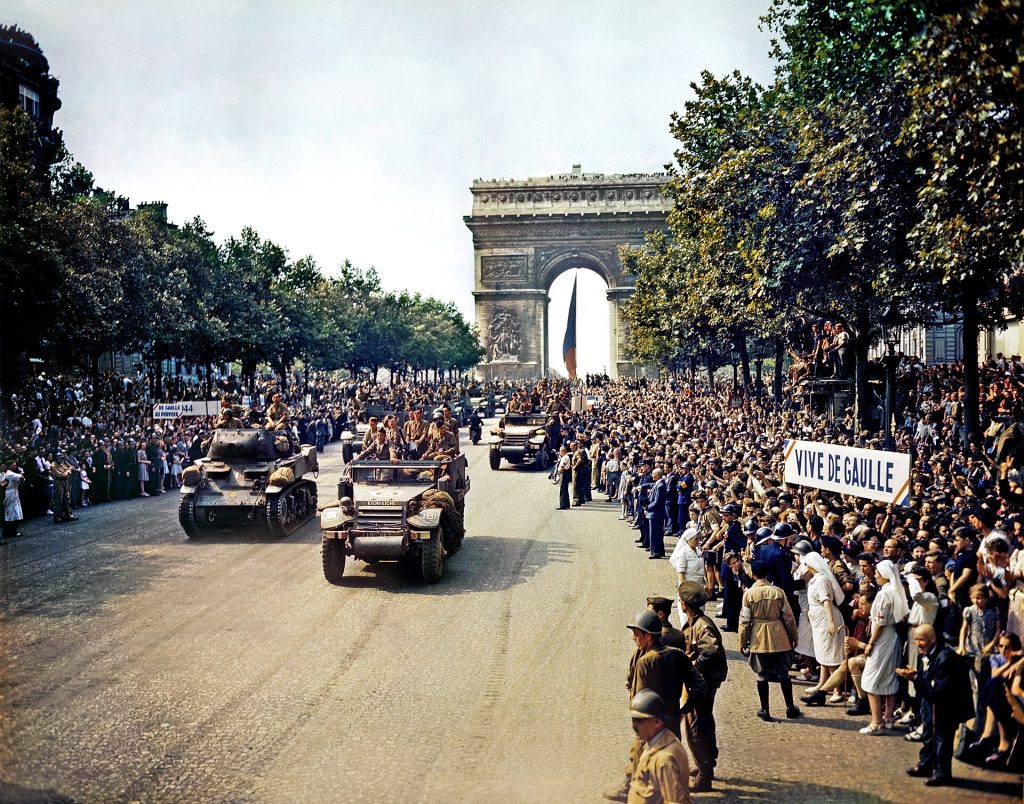
French tanks roll into Paris, and the German commander surrenders. That evening, General de Gaulle speaks to the crowds at the Hôtel de Ville.
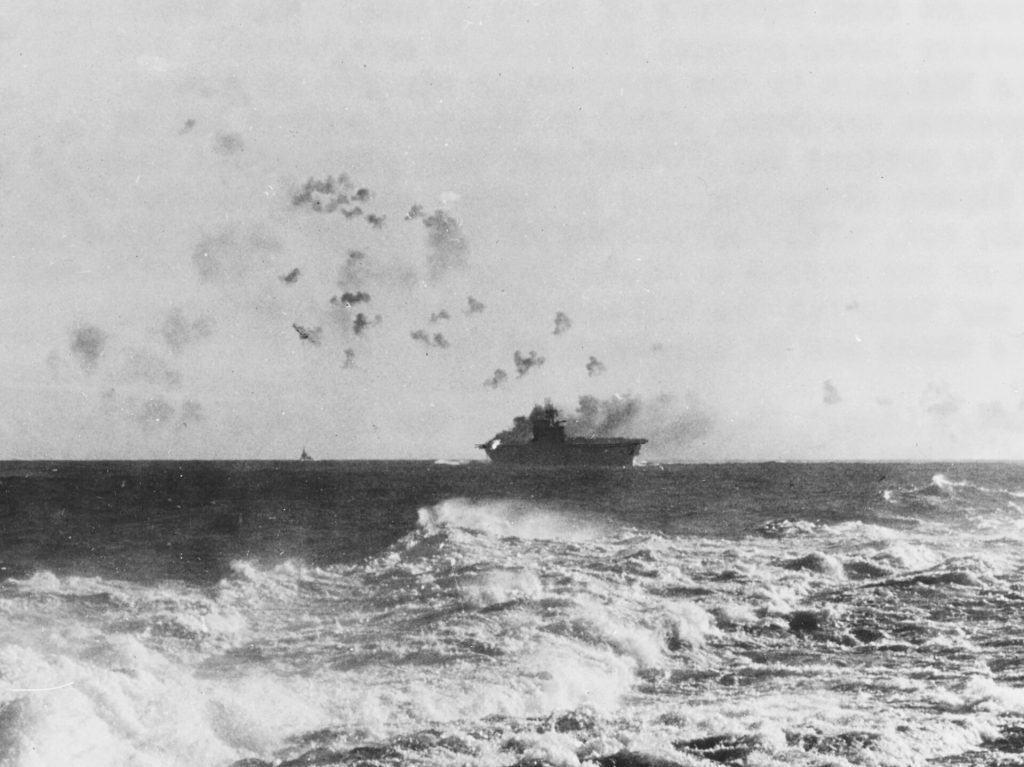
Japanese and American aircraft carriers clash for the third time in the war, as Japan tries to land reinforcements on Guadalcanal.
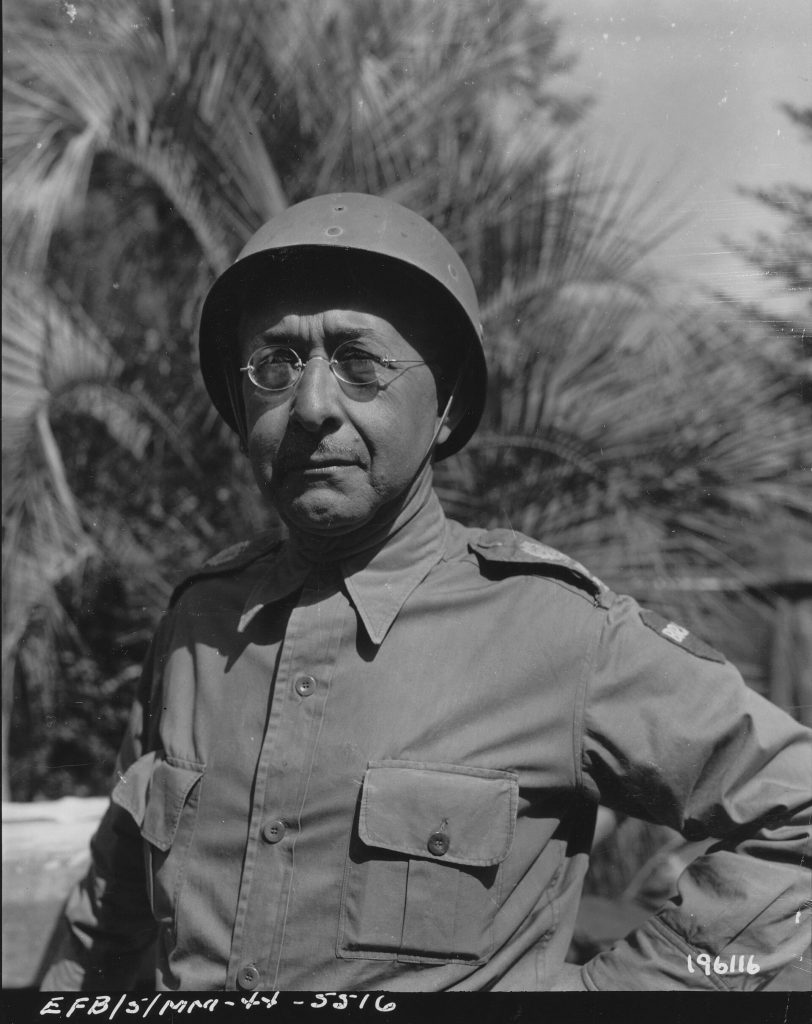
After German U-boats sink several Brazilian ships within days, killing hundreds, Brazil declares war on Germany and Italy. It is the only South American country to send troops to fight in Europe.
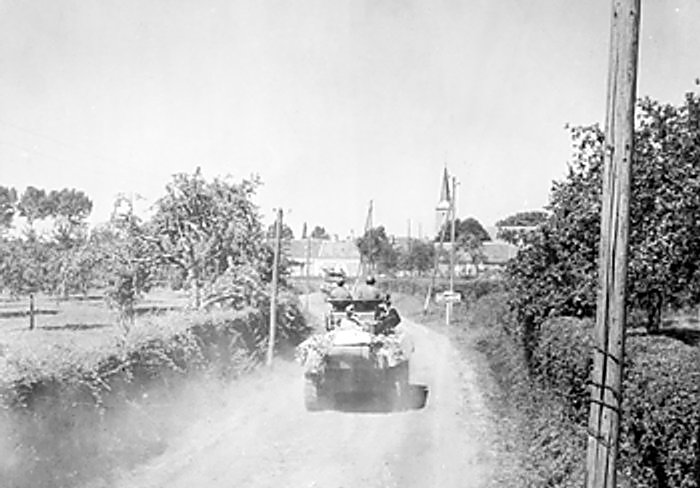
Canadian and Polish troops finally seal the gap at Chambois. The German armies in Normandy have been destroyed.
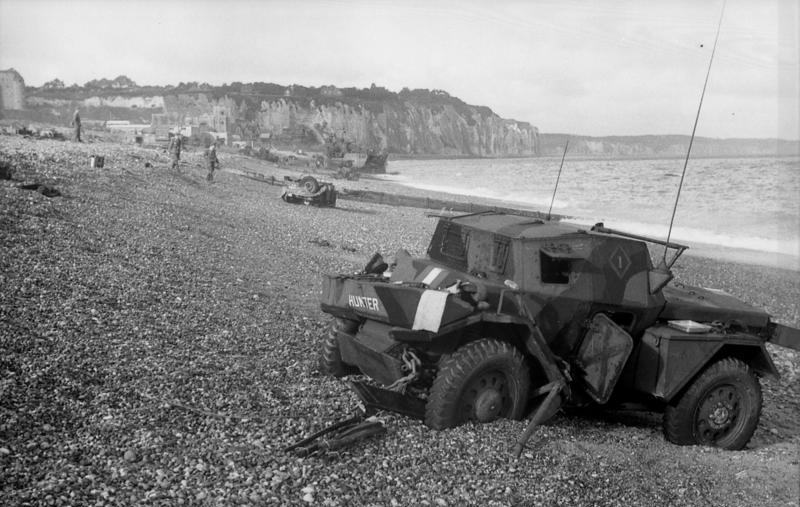
Around 6,000 troops, most of them Canadian, storm the French port of Dieppe. Within hours the raid has collapsed on the beaches.
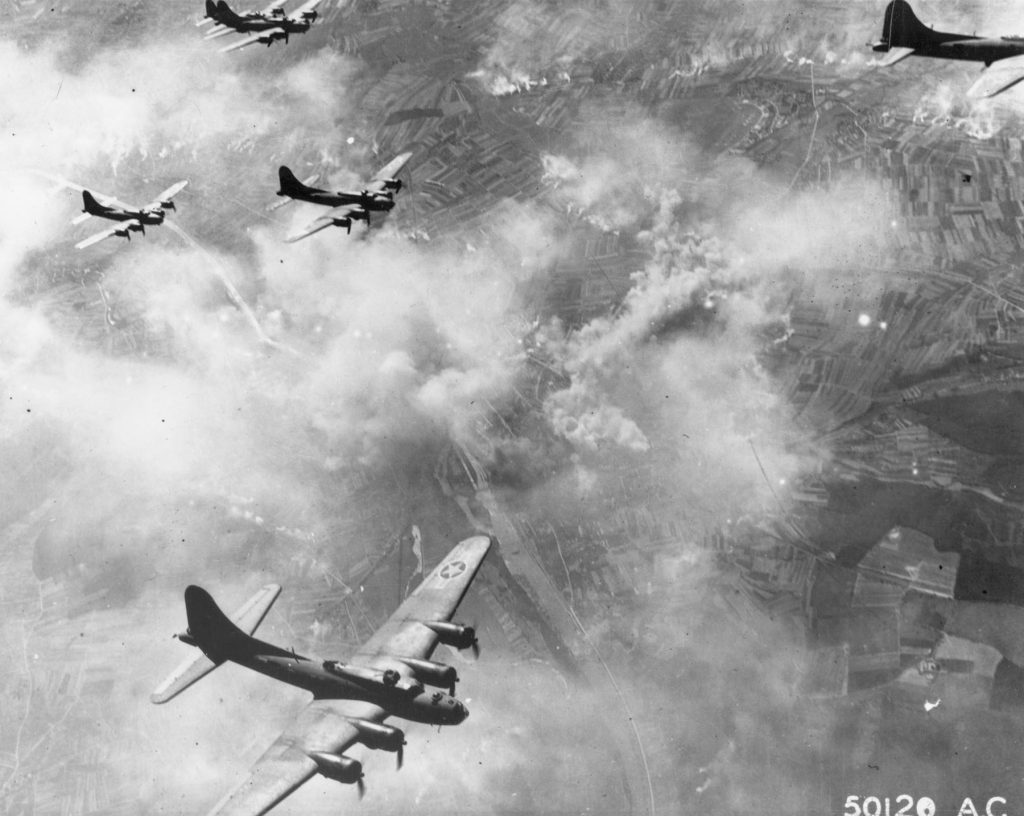
On the first anniversary of its first heavy bomber mission, the US Eighth Air Force strikes deep into Germany against ball-bearing plants and a Messerschmitt factory. Sixty bombers are lost.
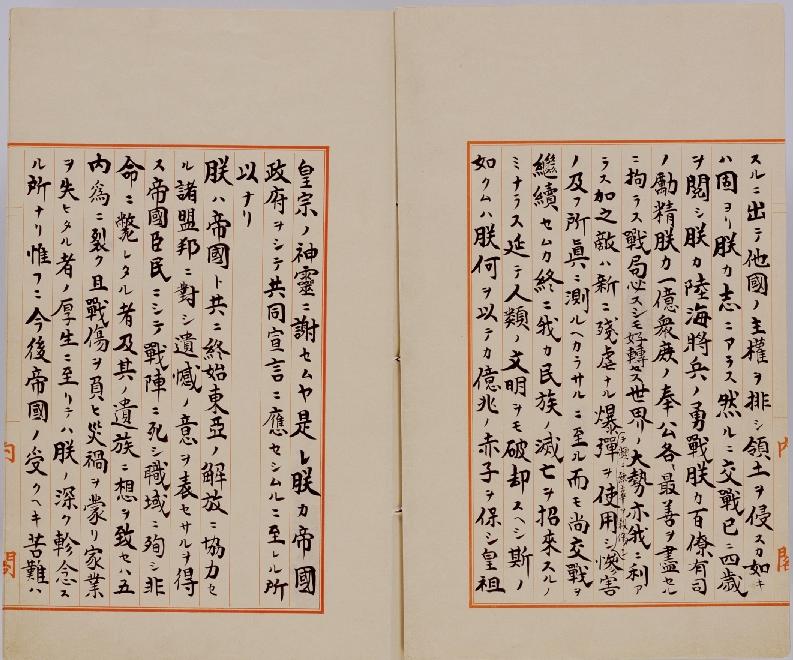
At noon, Japanese people across the empire hear the voice of their Emperor for the first time. In formal court language, Hirohito tells them that Japan will accept the Allied terms.
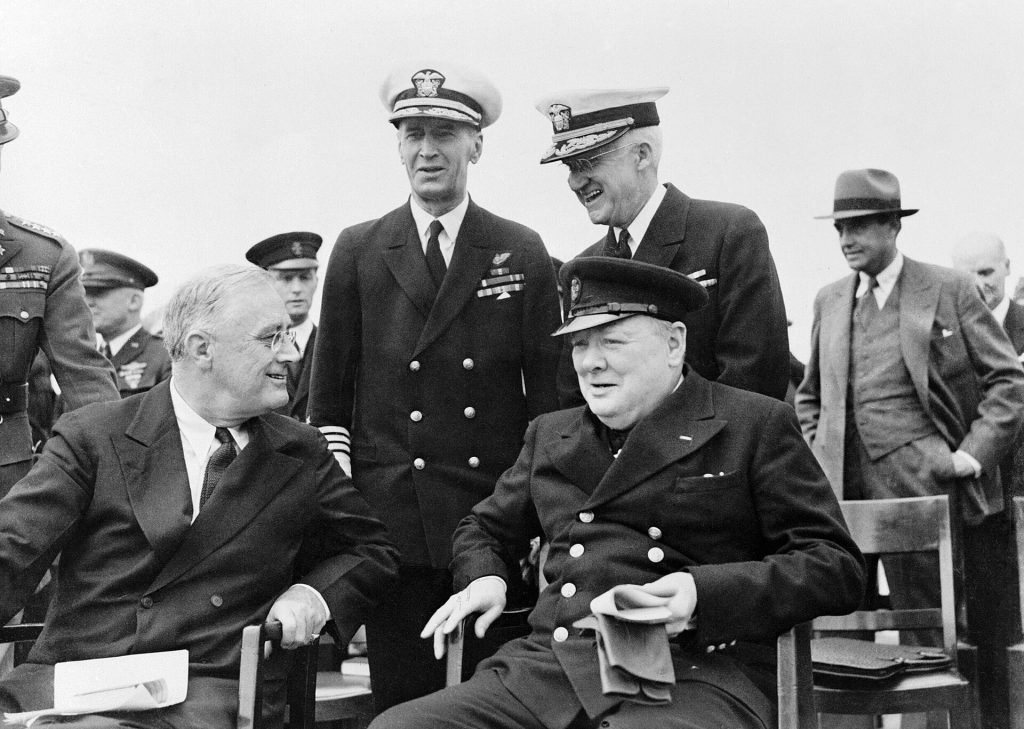
After a secret meeting on warships off Newfoundland, Roosevelt and Churchill publish a joint statement of their aims for the world after the war. The United States is not yet at war.
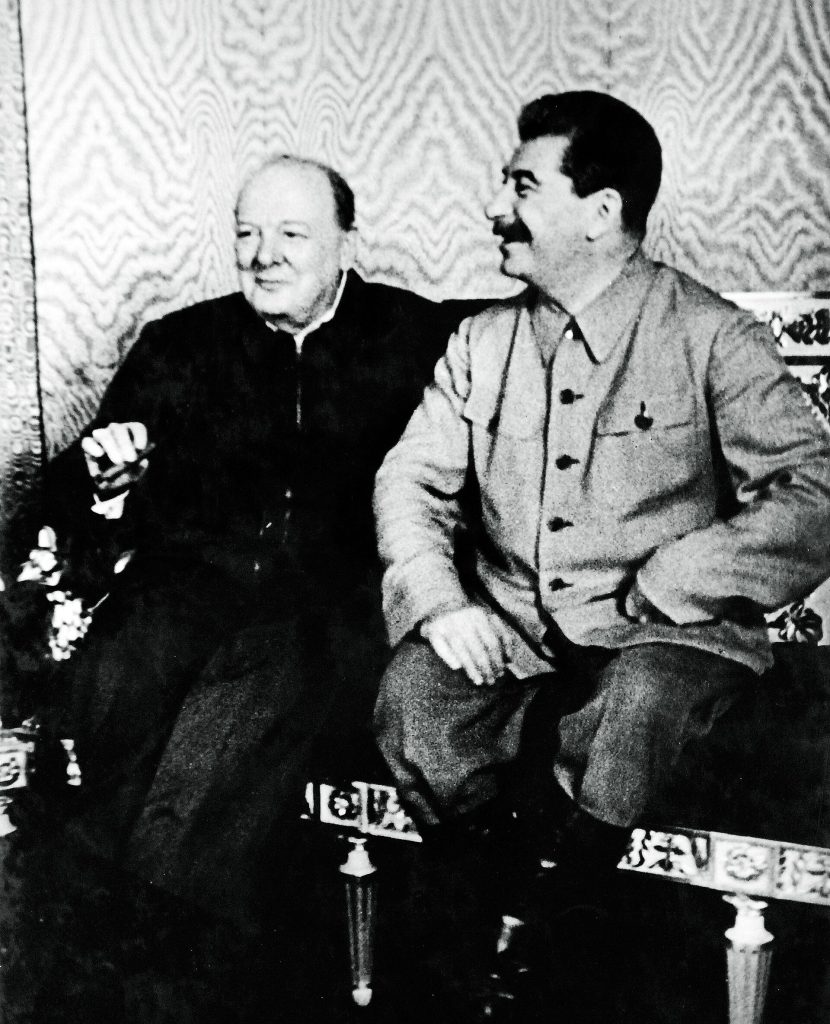
Churchill flies to Moscow to meet Stalin for the first time. He brings bad news: there will be no second front in France in 1942.
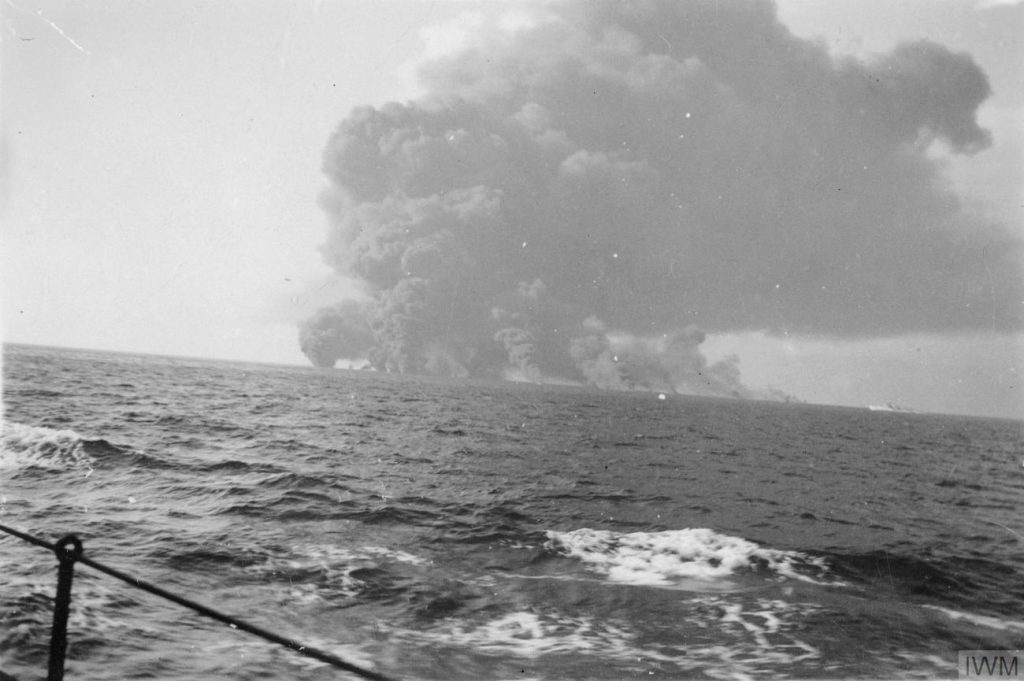
A massive convoy fights its way towards besieged Malta. On its first day of action, a U-boat sinks the aircraft carrier HMS Eagle.
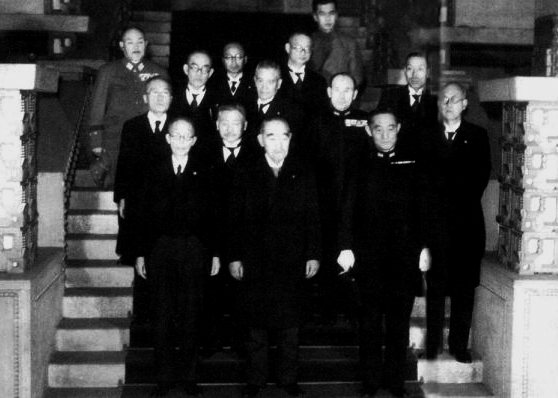
After a deadlocked night meeting, Emperor Hirohito breaks the tie. Japan tells the Allies it will accept the Potsdam Declaration, on one condition: the Emperor’s position must be preserved.
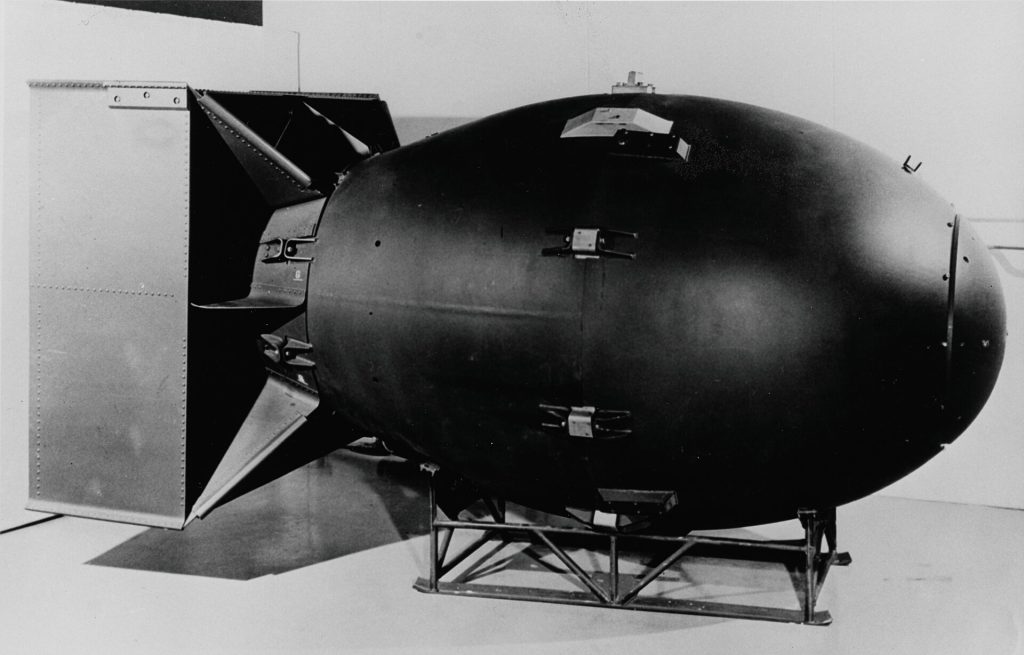
Three days after Hiroshima, a second atomic bomb is dropped. Clouds over the primary target, Kokura, send the B-29 Bockscar on to Nagasaki.
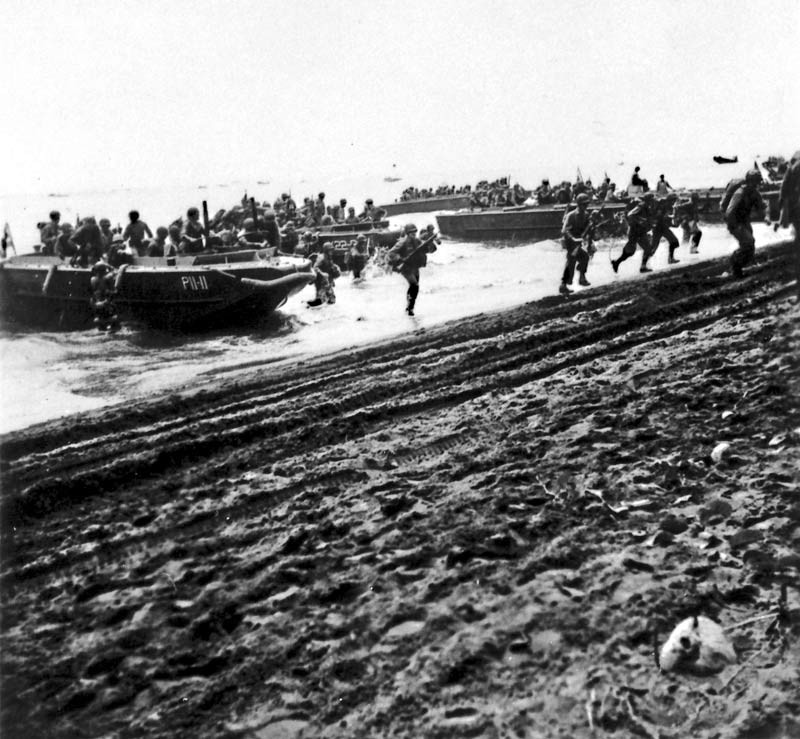
US Marines land on Guadalcanal and nearby Tulagi in the Solomon Islands. It is the first major Allied offensive against Japan, and it will last six months.
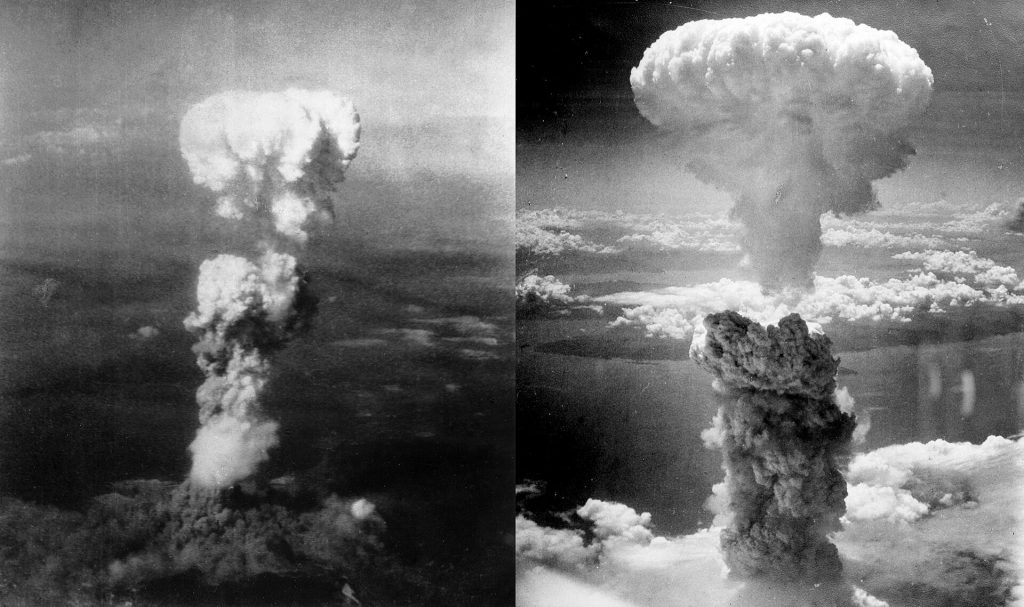
At 08:15, the American B-29 Enola Gay drops an atomic bomb on Hiroshima. A single bomb destroys most of the city.
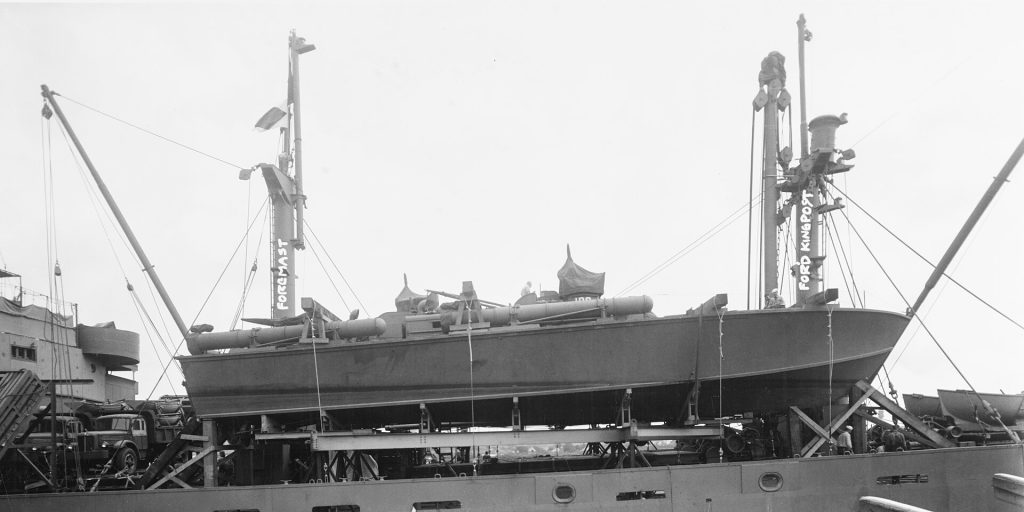
In the dark of Blackett Strait in the Solomons, a Japanese destroyer rams and slices through an American torpedo boat. Its young commander is Lieutenant John F. Kennedy.
 United Kingdom
 United States
 Soviet Union
 Germany
 Japan
 France
 Poland
 South Africa